








מה קורה בכל השלבים של חטאת העוף (שהפריש, מולק ומזה) לגבי מליקה לחלות דין מעילה, הכשר לקבל טומאה על ידי טבול יום ומחוסר כיפורים וחיוב כרת לפיגול נותר וטמא? מה לגבי מיצוי הדם? למה זה לא נזכר במשנה? האם מיצוי מעכב או לא?
רוצה להקדיש לימוד?
מעילה ח
אֲבָל לַאֲכִילָה הוּא דְּלֹא מְרַצָּה.
But as for permitting it for eating, in this regard even Rabbi Akiva concedes that the sprinkling of the blood does not effect acceptance.
הַדְרָן עֲלָךְ קׇדְשֵׁי קָדָשִׁים
חַטַּאת הָעוֹף מוֹעֲלִין בָּהּ מִשֶּׁהוּקְדְּשָׁה, נִמְלְקָה – הוּכְשְׁרָה לְהִפָּסֵל בִּטְבוּל יוֹם וּבִמְחוּסַּר כִּפּוּרִים וּבְלִינָה.
MISHNA: One who derives benefit from a bird sin offering is liable for misuse of consecrated property from the moment that it was consecrated. Once the nape of its neck was pinched, it was rendered susceptible to disqualification for sacrifice through contact with one who was ritually impure who immersed in a ritual bath that day and is waiting for nightfall for the purification process to be completed, and through contact with one who has not yet brought an atonement offering to complete his purification process, e.g., a zav and a leper, who are not yet permitted to partake of sacrificial meat; and through its blood being left overnight, i.e., if its blood was not sprinkled before sunset.
הוּזָּה דָּמָהּ – חַיָּיבִין עָלָיו מִשּׁוּם פִּיגּוּל, נוֹתָר, וְטָמֵא, וְאֵין בָּהּ מְעִילָה.
Once its blood was sprinkled, one is liable to receive karet for eating it due to violation of the prohibition of piggul, and the prohibition of notar, and the prohibition of partaking of sacrificial meat while ritually impure. But there is no liability for misuse of consecrated property, because after the blood is sprinkled it is permitted for priests to partake of its meat and it is no longer consecrated exclusively to God.
גְּמָ׳ קָתָנֵי הוּכְשְׁרָה לִיפָּסֵל בִּטְבוּל יוֹם, וּבִמְחוּסַּר כִּפּוּרִים, וּבְלִינָה. לִיפָּסֵל – אִין, אֲבָל לְטַמּוֹיֵי – לָא.
GEMARA: The mishna teaches: From the time the nape of its neck was pinched, the bird sin offering was rendered susceptible to disqualification for sacrifice through contact with one who immersed that day, and through contact with one who has not yet brought an atonement offering, and through its blood being left overnight. It can be inferred from here that yes, it is susceptible to disqualification, but it is not fit to render other items ritually impure.
מַתְנִיתִין מַנִּי? רַבָּנַן הִיא, דְּתַנְיָא: אַבָּא שָׁאוּל אוֹמֵר: טְבוּל יוֹם
In light of the above inference, the Gemara asks: Whose opinion is expressed in the mishna? The Gemara answers: It is the opinion of the Rabbis, as it is taught in a baraita (Tosefta, Teharot 1:4) that Abba Shaul says: With regard to one who immersed that day,
תְּחִלָּה לַקֹּדֶשׁ.
until sunset he is treated as one who is impure with first-degree impurity with regard to sacrificial food. In other words, an item of sacrificial food that he touches assumes the status of second-degree impurity. A second item that comes into contact with the first item of food assumes third-degree impurity. If a third item comes into contact with the second item, it assumes fourth-degree impurity, i.e., it may not be eaten but does not impart impurity to other items.
רַבִּי מֵאִיר אוֹמֵר: מְטַמֵּא אֶת הַקֹּדֶשׁ, וּפוֹסֵל אֶת הַתְּרוּמָה. וַחֲכָמִים אוֹמְרִים: כְּשֵׁם שֶׁהוּא פּוֹסֵל מַשְׁקֵה תְרוּמָה וְאוֹכְלֵי תְרוּמָה, כָּךְ הוּא פּוֹסֵל מַשְׁקֵה קֹדֶשׁ וְאוֹכְלֵי קֹדֶשׁ.
Rabbi Meir says: One who immersed that day is considered impure with second-degree impurity, even with regard to sacrificial food, and therefore he renders sacrificial food impure and disqualifies teruma. And the Rabbis say: Just as he merely disqualifies teruma liquids and teruma foods, without them becoming impure to a degree that their impurity is transferred to another item, so too, he only disqualifies sacrificial liquids and sacrificial foods. Apparently, the mishna here is in accordance with the opinion of the Rabbis, not the opinions of Abba Shaul and Rabbi Meir.
אָמַר רָבָא: לְאַבָּא שָׁאוּל מַעֲלָה עָשׂוּ בַּקֳּדָשִׁים, שַׁוִּינְהוּ רַבָּנַן לִטְבוּל יוֹם כָּרִאשׁוֹן,
Rava rejects this analysis and says: The mishna can be explained even in accordance with the opinions of Abba Shaul and Rabbi Meir, as they might agree that by Torah law one who immersed that day only disqualifies the food and does not render it impure. But according to Abba Shaul, the Sages established a higher standard with regard to consecrated items, and therefore the Sages equated one who immersed that day to one who is impure with first-degree ritual impurity.
לְרַבִּי מֵאִיר כְּאוֹכֶל שֵׁנִי. לְרַבָּנַן, כֵּיוָן דִּטְבַל – קְלַשׁ טוּמְאָה, פָּסוּל – מְשַׁוֵּי, טָמֵא – לָא מְשַׁוֵּי.
Rava continues: According to Rabbi Meir, the Sages equated the impurity of one who immersed that day to food of second-degree ritual impurity, but according to the opinion of the Rabbis there is no additional impurity by rabbinic law. Their reasoning is that since he has immersed, although he is not completely pure, his level of ritual impurity is relatively weak. Therefore, he renders a sin offering disqualified, but he does not render it ritually impure.
הוּזָּה דָּמָהּ – חַיָּיבִין כּוּ׳. מְעִילָה הוּא דְּלֵיכָּא, אֲבָל אִיסּוּרָא – אִיכָּא. וְאַמַּאי? הָא מָמוֹנָא דְכֹהֲנִים הוּא!
§ The mishna teaches with regard to a sin offering: Once its blood was sprinkled, one is liable to receive karet for its consumption due to violation of the prohibition of piggul, and the prohibition of notar, and the prohibition of partaking of sacrificial meat while ritually impure, but there is no liability for misuse of consecrated property. The Gemara infers: There is no liability for misuse of consecrated property, but there is a prohibition against deriving benefit from it even after the blood has been sprinkled. But why is there such a prohibition? Isn’t the meat of the sin offering the property of the priests after the blood has been sprinkled? Accordingly, they would therefore be permitted to consume this meat.
אָמַר רַבִּי חֲנִינָא: לַיּוֹצְאִין, וְרַבִּי עֲקִיבָא הִיא, דְּאָמַר זְרִיקָה מוֹעֶלֶת לַיּוֹצֵא, דְּלָאו בַּת אֲכִילָה הִיא.
Rabbi Ḥanina says in explanation: The mishna is referring to meat that has been taken out from the place where it is permitted to be eaten. And this ruling is in accordance with the opinion of Rabbi Akiva, who said: Sprinkling of the blood renders fit those portions that were taken out of the place where they may be eaten, i.e., the prohibition of misuse no longer applies to them, but they are not fit for consumption.
אָמַר רַב הוּנָא אָמַר רַב: מִיצּוּי חַטַּאת הָעוֹף – אֵינוֹ מְעַכֵּב. דְּתָנֵי רַב: ״הוּזָּה דָּמָהּ״.
The Gemara continues to discuss the halakha of a bird sin offering. After the nape of its neck has been pinched and the blood sprinkled, the neck of the bird is pressed onto the side of the altar so that the blood is squeezed out and trickles down to the base of the altar. Rav Huna says that Rav says: Failure to squeeze out the blood from a bird sin offering after sprinkling the blood does not invalidate the offering or prevent atonement, as Rav teaches in his version of the mishna: Once its blood was sprinkled.
רַב אַדָּא בַּר אַהֲבָה אָמַר רַב: מִיצּוּי חַטַּאת הָעוֹף מְעַכֵּב. וְתָנֵי רַב: ״מִיצָּה דָּמָהּ״.
By contrast, Rav Adda bar Ahava says that Rav says: Failure to squeeze out the blood from a bird sin offering after sprinkling the blood does invalidate the offering and prevents atonement. And Rav teaches in his version of the mishna: Once its blood was squeezed out. Only after the blood has been squeezed out is the atonement complete and the bird may be eaten.
תָּא שְׁמַע: ״וְהַנִּשְׁאָר בַּדָּם יִמָּצֵה אֶל יְסוֹד הַמִּזְבֵּחַ חַטָּאת הִיא״. בִּשְׁלָמָא לְרַב אַדָּא בַּר אַהֲבָה, הַיְינוּ דִּכְתִיב: ״וְהַנִּשְׁאָר בַּדָּם יִמָּצֵה… חַטָּאת הִיא״, אֶלָּא לְרַב הוּנָא, מַאי ״וְהַנִּשְׁאָר״?
The Gemara raises a difficulty with regard to the statement of Rav Huna. Come and hear a verse in the Torah: “And he shall sprinkle of the blood of the sin offering upon the side of the altar; and the remainder of the blood shall be squeezed out at the base of the altar, it is a sin offering” (Leviticus 5:9). Granted, according to the opinion of Rav Adda bar Ahava, who holds that the squeezing out of the blood is essential, this is as it is written: “And the remainder of the blood shall be squeezed out at the base of the altar, it is a sin offering.” This clause indicates that only after the blood has been squeezed out is it considered a valid sin offering. But according to the opinion of Rav Huna, what does the verse mean when it states: “The remainder of the blood shall be squeezed out at the base of the altar, it is a sin offering”?
כִּדְתַנְיָא דְּבֵי רַבִּי יִשְׁמָעֵאל: שֶׁאִם נִשְׁאַר. וּמַאי ״חַטָּאת הִיא״? אַרֵישָׁא.
The Gemara answers that Rav Huna explains this verse as it is taught in a baraita of the school of Rabbi Yishmael: The verse teaches that if any of the blood remains inside the bird it must be squeezed out, but there is no requirement to ensure that blood must remain so that it can be squeezed out. Consequently, even if one does not squeeze out any blood on the side of the altar, the offering is valid. And what is the meaning of the phrase: “It is a sin offering”? This is referring to the first clause of the verse, i.e., it is a valid sin offering only if the blood is sprinkled on the side of the altar.
אֲמַר לֵיהּ רַב אַחָא בְּרֵיהּ דְּרָבָא לְרַב אָשֵׁי: אֶלָּא מֵעַתָּה, גַּבֵּי מִנְחָה דִּכְתִיב: ״וְהַנּוֹתֶרֶת״. הָכִי נָמֵי שֶׁאִם נִיתּוֹתַר? וְכִי תֵּימָא: הָכִי נָמֵי,
Rav Aḥa, son of Rava, said to Rav Ashi: If that is so, consider the fact that it is written with regard to a meal offering: “But that which is left of the meal offering shall be Aaron’s and his sons’; it is a thing most holy of the offerings of the Lord made by fire” (Leviticus 2:3). Does this also mean that if some of the meal offering remains then it is given to the priests, but there is no need to ensure that some of it remains ab initio? And if you would say this is indeed the case,
לעקוב 
חדשה בלימוד הגמרא?
זה הדף הראשון שלך? איזו התרגשות עצומה! יש לנו בדיוק את התכנים והכלים שיעזרו לך לעשות את הצעדים הראשונים ללמידה בקצב וברמה שלך, כך תוכלי להרגיש בנוח גם בתוך הסוגיות המורכבות ומאתגרות.
פסיפס הלומדות שלנו
גלי את קהילת הלומדות שלנו, מגוון נשים, רקעים וסיפורים. כולן חלק מתנועה ומסע מרגש ועוצמתי.
בתחילת הסבב הנוכחי הצטברו אצלי תחושות שאני לא מבינה מספיק מהי ההלכה אותה אני מקיימת בכל יום. כמו כן, כאמא לבנות רציתי לתת להן מודל נשי של לימוד תורה
שתי הסיבות האלו הובילו אותי להתחיל ללמוד. נתקלתי בתגובות מפרגנות וסקרניות איך אישה לומדת גמרא..
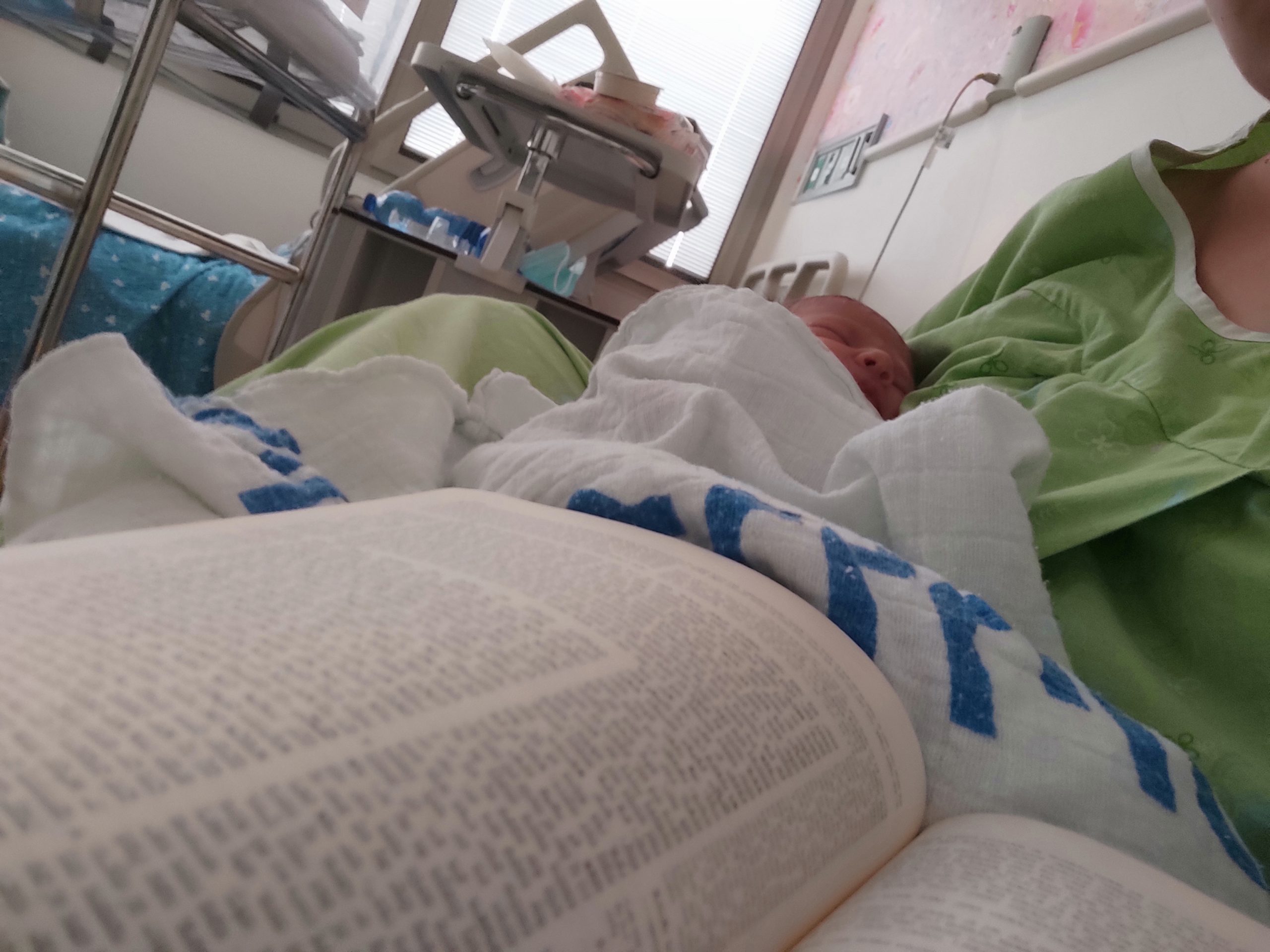
כמו שרואים בתמונה אני ממשיכה ללמוד גם היום ואפילו במחלקת יולדות אחרי לידת ביתי השלישית.
נועה שילה
רבבה, ישראל
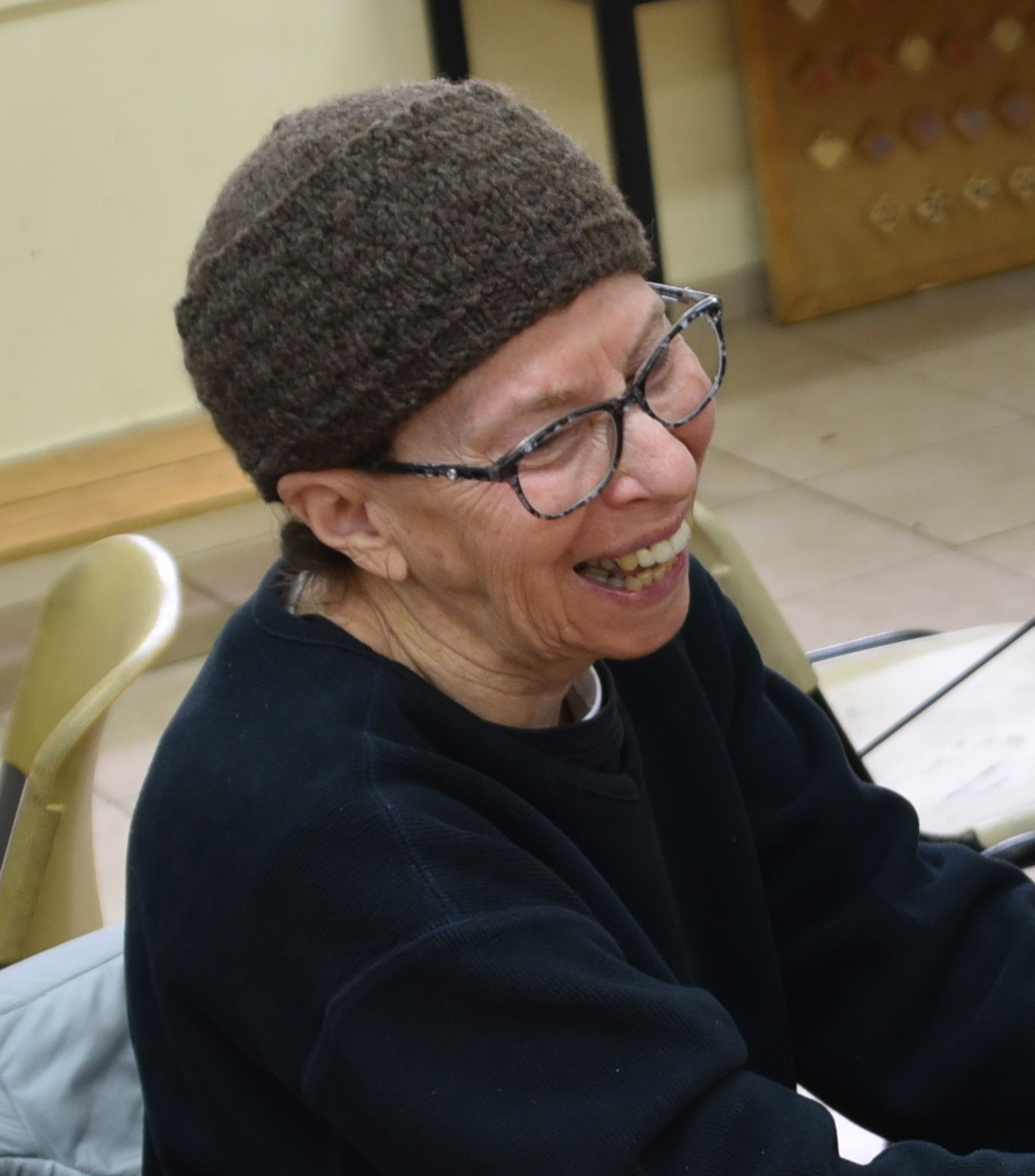
רבנית מישל הציתה אש התלמוד בלבבות בביניני האומה ואני נדלקתי. היא פתחה פתח ותמכה במתחילות כמוני ואפשרה לנו להתקדם בצעדים נכונים וטובים. הקימה מערך שלם שמסובב את הלומדות בסביבה תומכת וכך נכנסתי למסלול לימוד מעשיר שאין כמוה. הדרן יצר קהילה גדולה וחזקה שמאפשרת התקדמות מכל נקודת מוצא. יש דיבוק לומדות שמחזק את ההתמדה של כולנו. כל פניה ושאלה נענית בזריזות ויסודיות. תודה גם למגי על כל העזרה.
שרה אבר
נתניה, ישראל
באירוע של הדרן בנייני האומה. בהשראתה של אמי שלי שסיימה את הש”ס בסבב הקודם ובעידוד מאיר , אישי, וילדיי וחברותיי ללימוד במכון למנהיגות הלכתית של רשת אור תורה סטון ומורתיי הרבנית ענת נובוסלסקי והרבנית דבורה עברון, ראש המכון למנהיגות הלכתית.
הלימוד מעשיר את יומי, מחזיר אותי גם למסכתות שכבר סיימתי וידוע שאינו דומה מי ששונה פרקו מאה לשונה פרקו מאה ואחת במיוחד מרתקים אותי החיבורים בין המסכתות

רוית קלך
מודיעין, ישראל
אחרי שראיתי את הסיום הנשי של הדף היומי בבנייני האומה זה ריגש אותי ועורר בי את הרצון להצטרף. לא למדתי גמרא קודם לכן בכלל, אז הכל היה לי חדש, ולכן אני לומדת בעיקר מהשיעורים פה בהדרן, בשוטנשטיין או בחוברות ושיננתם.

רבקה שלוס
בית שמש, ישראל
התחלתי ללמוד לפני כשנתיים בשאיפה לסיים לראשונה מסכת אחת במהלך חופשת הלידה.
אחרי מסכת אחת כבר היה קשה להפסיק…

נעה גלנט
ירוחם, ישראל
ראיתי את הסיום הגדול בבנייני האומה וכל כך התרשמתי ורציתי לקחת חלק.. אבל לקח לי עוד כשנה וחצי )באמצע מסיכת שבת להצטרף..
הלימוד חשוב לי מאוד.. אני תמיד במרדף אחרי הדף וגונבת כל פעם חצי דף כשהילדים עסוקים ומשלימה אח”כ אחרי שכולם הלכו לישון..

אולגה מזרחי
ירושלים, ישראל
"התחלתי ללמוד דף יומי במחזור הזה, בח’ בטבת תש””ף. לקחתי על עצמי את הלימוד כדי ליצור תחום של התמדה יומיומית בחיים, והצטרפתי לקבוצת הלומדים בבית הכנסת בכפר אדומים. המשפחה והסביבה מתפעלים ותומכים.
בלימוד שלי אני מתפעלת בעיקר מכך שכדי ללמוד גמרא יש לדעת ולהכיר את כל הגמרא. זו מעין צבת בצבת עשויה שהיא עצומה בהיקפה.”

שרה פוּקס
כפר אדומים, ישראל
התחלתי ללמוד דף יומי לפני שנתיים, עם מסכת שבת. בהתחלה ההתמדה היתה קשה אבל בזכות הקורונה והסגרים הצלחתי להדביק את הפערים בשבתות הארוכות, לסיים את מסכת שבת ולהמשיך עם המסכתות הבאות. עכשיו אני מסיימת בהתרגשות רבה את מסכת חגיגה וסדר מועד ומחכה לסדר הבא!

אילנה שכנוביץ
מודיעין, ישראל
למדתי גמרא מכיתה ז- ט ב Maimonides School ואחרי העליה שלי בגיל 14 לימוד הגמרא, שלא היה כל כך מקובל בימים אלה, היה די ספוראדי. אחרי "ההתגלות” בבנייני האומה התחלתי ללמוד בעיקר בדרך הביתה למדתי מפוקקטסים שונים. לאט לאט ראיתי שאני תמיד חוזרת לרבנית מישל פרבר. באיזה שהוא שלב התחלתי ללמוד בזום בשעה 7:10 .
היום "אין מצב” שאני אתחיל את היום שלי ללא לימוד עם הרבנית מישל עם כוס הקפה שלי!!

דבי גביר
חשמונאים, ישראל
התחלתי ללמוד דף יומי באמצע תקופת הקורונה, שאבא שלי סיפר לי על קבוצה של בנות שתיפתח ביישוב שלנו ותלמד דף יומי כל יום. הרבה זמן רציתי להצטרף לזה וזאת הייתה ההזדמנות בשבילי. הצטרפתי במסכת שקלים ובאמצע הייתה הפסקה קצרה. כיום אני כבר לומדת באולפנה ולומדת דף יומי לבד מתוך גמרא של טיינזלץ.

שבות בראלי
עתניאל, ישראל
התחלתי ללמוד דף יומי לפני שנתיים, עם מסכת שבת. בהתחלה ההתמדה היתה קשה אבל בזכות הקורונה והסגרים הצלחתי להדביק את הפערים בשבתות הארוכות, לסיים את מסכת שבת ולהמשיך עם המסכתות הבאות. עכשיו אני מסיימת בהתרגשות רבה את מסכת חגיגה וסדר מועד ומחכה לסדר הבא!
אילנה שכנוביץ
מודיעין, ישראל
רבנית מישל הציתה אש התלמוד בלבבות בביניני האומה ואני נדלקתי. היא פתחה פתח ותמכה במתחילות כמוני ואפשרה לנו להתקדם בצעדים נכונים וטובים. הקימה מערך שלם שמסובב את הלומדות בסביבה תומכת וכך נכנסתי למסלול לימוד מעשיר שאין כמוה. הדרן יצר קהילה גדולה וחזקה שמאפשרת התקדמות מכל נקודת מוצא. יש דיבוק לומדות שמחזק את ההתמדה של כולנו. כל פניה ושאלה נענית בזריזות ויסודיות. תודה גם למגי על כל העזרה.
שרה אבר
נתניה, ישראל
אחי, שלומד דף יומי ממסכת ברכות, חיפש חברותא ללימוד מסכת ראש השנה והציע לי. החברותא היתה מאתגרת טכנית ורוב הזמן נעשתה דרך הטלפון, כך שבסיום המסכת נפרדו דרכינו. אחי חזר ללמוד לבד, אבל אני כבר נכבשתי בקסם הגמרא ושכנעתי את האיש שלי להצטרף אלי למסכת ביצה. מאז המשכנו הלאה, ועכשיו אנחנו מתרגשים לקראתו של סדר נשים!

שולמית סבן
נוקדים, ישראל
התחלתי ללמוד דף יומי ממסכת נידה כי זה היה חומר הלימוד שלי אז. לאחר הסיום הגדול בבנייני האומה החלטתי להמשיך. וב”ה מאז עם הפסקות קטנות של קורונה ולידה אני משתדלת להמשיך ולהיות חלק.
זה משפיע מאוד על היום יום שלי ועל אף שאני עסוקה בלימודי הלכה ותורה כל יום, זאת המסגרת הקבועה והמחייבת ביותר שיש לי.

מוריה תעסן מיכאלי
גבעת הראל, ישראל
הצטרפתי ללומדות בתחילת מסכת תענית. ההתרגשות שלי ושל המשפחה היתה גדולה מאוד, והיא הולכת וגוברת עם כל סיום שאני זוכה לו. במשך שנים רבות רציתי להצטרף ומשום מה זה לא קרה… ב”ה מצאתי לפני מספר חודשים פרסום של הדרן, ומיד הצטרפתי והתאהבתי. הדף היומי שינה את חיי ממש והפך כל יום- ליום של תורה. מודה לכן מקרב ליבי ומאחלת לכולנו לימוד פורה מתוך אהבת התורה ולומדיה.

נעה רוזן
חיספין רמת הגולן, ישראל
אחרי שראיתי את הסיום הנשי של הדף היומי בבנייני האומה זה ריגש אותי ועורר בי את הרצון להצטרף. לא למדתי גמרא קודם לכן בכלל, אז הכל היה לי חדש, ולכן אני לומדת בעיקר מהשיעורים פה בהדרן, בשוטנשטיין או בחוברות ושיננתם.
רבקה שלוס
בית שמש, ישראל
שמעתי על הסיום הענק של הדף היומי ע”י נשים בבנייני האומה. רציתי גם.
החלטתי להצטרף. התחלתי ושיכנעתי את בעלי ועוד שתי חברות להצטרף. עכשיו יש לי לימוד משותף איתו בשבת ומפגש חודשי איתן בנושא (והתכתבויות תדירות על דברים מיוחדים שקראנו). הצטרפנו לקבוצות שונות בווטסאפ. אנחנו ממש נהנות. אני שומעת את השיעור מידי יום (בד”כ מהרב יוני גוטמן) וקוראת ומצטרפת לסיומים של הדרן. גם מקפידה על דף משלהן (ונהנית מאד).

ליאת סיטרון
אפרת, ישראל
. לא תמיד נהניתי מלימוד גמרא כילדה.,בל כהתבגרתי התחלתי לאהוב את זה שוב. התחלתי ללמוד מסכת סוטה בדף היומי לפני כחמש עשרה שנה ואז הפסקתי.הגעתי לסיום הגדול של הדרן לפני שנתיים וזה נתן לי השראה. והתחלתי ללמוד למשך כמה ימים ואז היתה לי פריצת דיסק והפסקתי…עד אלול השנה. אז התחלתי עם מסכת ביצה וב”ה אני מצליחה לעמוד בקצב. המשפחה מאוד תומכת בי ויש כמה שגם לומדים את זה במקביל. אני אוהבת שיש עוגן כל יום.

רבקה דרשן
בית שמש, ישראל
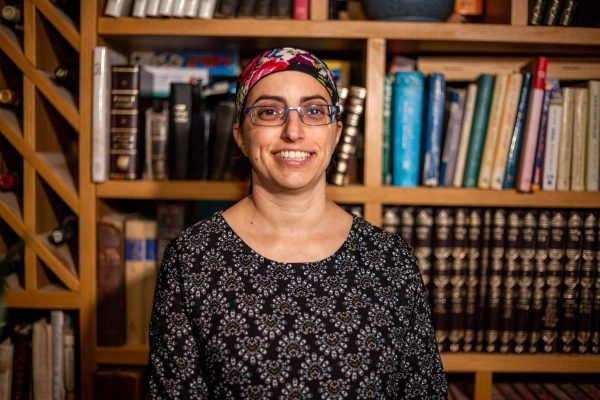
סיום השס לנשים נתן לי מוטביציה להתחיל ללמוד דף יומי. עד אז למדתי גמרא בשבתות ועשיתי כמה סיומים. אבל לימוד יומיומי זה שונה לגמרי ופתאום כל דבר שקורה בחיים מתקשר לדף היומי.
קרן פוגל
רתמים, ישראל
לצערי גדלתי בדור שבו לימוד גמרא לנשים לא היה דבר שבשגרה ושנים שאני חולמת להשלים את הפער הזה.. עד שלפני מספר שבועות, כמעט במקרה, נתקלתי במודעת פרסומת הקוראת להצטרף ללימוד מסכת תענית. כשקראתי את המודעה הרגשתי שהיא כאילו נכתבה עבורי – "תמיד חלמת ללמוד גמרא ולא ידעת איך להתחיל”, "בואי להתנסות במסכת קצרה וקלה” (רק היה חסר שהמודעה תיפתח במילים "מיכי שלום”..). קפצתי למים ו- ב”ה אני בדרך להגשמת החלום:)

מיכי קדוש
מורשת, ישראל
מעילה ח
אֲבָל לַאֲכִילָה הוּא דְּלֹא מְרַצָּה.
But as for permitting it for eating, in this regard even Rabbi Akiva concedes that the sprinkling of the blood does not effect acceptance.
הַדְרָן עֲלָךְ קׇדְשֵׁי קָדָשִׁים
חַטַּאת הָעוֹף מוֹעֲלִין בָּהּ מִשֶּׁהוּקְדְּשָׁה, נִמְלְקָה – הוּכְשְׁרָה לְהִפָּסֵל בִּטְבוּל יוֹם וּבִמְחוּסַּר כִּפּוּרִים וּבְלִינָה.
MISHNA: One who derives benefit from a bird sin offering is liable for misuse of consecrated property from the moment that it was consecrated. Once the nape of its neck was pinched, it was rendered susceptible to disqualification for sacrifice through contact with one who was ritually impure who immersed in a ritual bath that day and is waiting for nightfall for the purification process to be completed, and through contact with one who has not yet brought an atonement offering to complete his purification process, e.g., a zav and a leper, who are not yet permitted to partake of sacrificial meat; and through its blood being left overnight, i.e., if its blood was not sprinkled before sunset.
הוּזָּה דָּמָהּ – חַיָּיבִין עָלָיו מִשּׁוּם פִּיגּוּל, נוֹתָר, וְטָמֵא, וְאֵין בָּהּ מְעִילָה.
Once its blood was sprinkled, one is liable to receive karet for eating it due to violation of the prohibition of piggul, and the prohibition of notar, and the prohibition of partaking of sacrificial meat while ritually impure. But there is no liability for misuse of consecrated property, because after the blood is sprinkled it is permitted for priests to partake of its meat and it is no longer consecrated exclusively to God.
גְּמָ׳ קָתָנֵי הוּכְשְׁרָה לִיפָּסֵל בִּטְבוּל יוֹם, וּבִמְחוּסַּר כִּפּוּרִים, וּבְלִינָה. לִיפָּסֵל – אִין, אֲבָל לְטַמּוֹיֵי – לָא.
GEMARA: The mishna teaches: From the time the nape of its neck was pinched, the bird sin offering was rendered susceptible to disqualification for sacrifice through contact with one who immersed that day, and through contact with one who has not yet brought an atonement offering, and through its blood being left overnight. It can be inferred from here that yes, it is susceptible to disqualification, but it is not fit to render other items ritually impure.
מַתְנִיתִין מַנִּי? רַבָּנַן הִיא, דְּתַנְיָא: אַבָּא שָׁאוּל אוֹמֵר: טְבוּל יוֹם
In light of the above inference, the Gemara asks: Whose opinion is expressed in the mishna? The Gemara answers: It is the opinion of the Rabbis, as it is taught in a baraita (Tosefta, Teharot 1:4) that Abba Shaul says: With regard to one who immersed that day,
תְּחִלָּה לַקֹּדֶשׁ.
until sunset he is treated as one who is impure with first-degree impurity with regard to sacrificial food. In other words, an item of sacrificial food that he touches assumes the status of second-degree impurity. A second item that comes into contact with the first item of food assumes third-degree impurity. If a third item comes into contact with the second item, it assumes fourth-degree impurity, i.e., it may not be eaten but does not impart impurity to other items.
רַבִּי מֵאִיר אוֹמֵר: מְטַמֵּא אֶת הַקֹּדֶשׁ, וּפוֹסֵל אֶת הַתְּרוּמָה. וַחֲכָמִים אוֹמְרִים: כְּשֵׁם שֶׁהוּא פּוֹסֵל מַשְׁקֵה תְרוּמָה וְאוֹכְלֵי תְרוּמָה, כָּךְ הוּא פּוֹסֵל מַשְׁקֵה קֹדֶשׁ וְאוֹכְלֵי קֹדֶשׁ.
Rabbi Meir says: One who immersed that day is considered impure with second-degree impurity, even with regard to sacrificial food, and therefore he renders sacrificial food impure and disqualifies teruma. And the Rabbis say: Just as he merely disqualifies teruma liquids and teruma foods, without them becoming impure to a degree that their impurity is transferred to another item, so too, he only disqualifies sacrificial liquids and sacrificial foods. Apparently, the mishna here is in accordance with the opinion of the Rabbis, not the opinions of Abba Shaul and Rabbi Meir.
אָמַר רָבָא: לְאַבָּא שָׁאוּל מַעֲלָה עָשׂוּ בַּקֳּדָשִׁים, שַׁוִּינְהוּ רַבָּנַן לִטְבוּל יוֹם כָּרִאשׁוֹן,
Rava rejects this analysis and says: The mishna can be explained even in accordance with the opinions of Abba Shaul and Rabbi Meir, as they might agree that by Torah law one who immersed that day only disqualifies the food and does not render it impure. But according to Abba Shaul, the Sages established a higher standard with regard to consecrated items, and therefore the Sages equated one who immersed that day to one who is impure with first-degree ritual impurity.
לְרַבִּי מֵאִיר כְּאוֹכֶל שֵׁנִי. לְרַבָּנַן, כֵּיוָן דִּטְבַל – קְלַשׁ טוּמְאָה, פָּסוּל – מְשַׁוֵּי, טָמֵא – לָא מְשַׁוֵּי.
Rava continues: According to Rabbi Meir, the Sages equated the impurity of one who immersed that day to food of second-degree ritual impurity, but according to the opinion of the Rabbis there is no additional impurity by rabbinic law. Their reasoning is that since he has immersed, although he is not completely pure, his level of ritual impurity is relatively weak. Therefore, he renders a sin offering disqualified, but he does not render it ritually impure.
הוּזָּה דָּמָהּ – חַיָּיבִין כּוּ׳. מְעִילָה הוּא דְּלֵיכָּא, אֲבָל אִיסּוּרָא – אִיכָּא. וְאַמַּאי? הָא מָמוֹנָא דְכֹהֲנִים הוּא!
§ The mishna teaches with regard to a sin offering: Once its blood was sprinkled, one is liable to receive karet for its consumption due to violation of the prohibition of piggul, and the prohibition of notar, and the prohibition of partaking of sacrificial meat while ritually impure, but there is no liability for misuse of consecrated property. The Gemara infers: There is no liability for misuse of consecrated property, but there is a prohibition against deriving benefit from it even after the blood has been sprinkled. But why is there such a prohibition? Isn’t the meat of the sin offering the property of the priests after the blood has been sprinkled? Accordingly, they would therefore be permitted to consume this meat.
אָמַר רַבִּי חֲנִינָא: לַיּוֹצְאִין, וְרַבִּי עֲקִיבָא הִיא, דְּאָמַר זְרִיקָה מוֹעֶלֶת לַיּוֹצֵא, דְּלָאו בַּת אֲכִילָה הִיא.
Rabbi Ḥanina says in explanation: The mishna is referring to meat that has been taken out from the place where it is permitted to be eaten. And this ruling is in accordance with the opinion of Rabbi Akiva, who said: Sprinkling of the blood renders fit those portions that were taken out of the place where they may be eaten, i.e., the prohibition of misuse no longer applies to them, but they are not fit for consumption.
אָמַר רַב הוּנָא אָמַר רַב: מִיצּוּי חַטַּאת הָעוֹף – אֵינוֹ מְעַכֵּב. דְּתָנֵי רַב: ״הוּזָּה דָּמָהּ״.
The Gemara continues to discuss the halakha of a bird sin offering. After the nape of its neck has been pinched and the blood sprinkled, the neck of the bird is pressed onto the side of the altar so that the blood is squeezed out and trickles down to the base of the altar. Rav Huna says that Rav says: Failure to squeeze out the blood from a bird sin offering after sprinkling the blood does not invalidate the offering or prevent atonement, as Rav teaches in his version of the mishna: Once its blood was sprinkled.
רַב אַדָּא בַּר אַהֲבָה אָמַר רַב: מִיצּוּי חַטַּאת הָעוֹף מְעַכֵּב. וְתָנֵי רַב: ״מִיצָּה דָּמָהּ״.
By contrast, Rav Adda bar Ahava says that Rav says: Failure to squeeze out the blood from a bird sin offering after sprinkling the blood does invalidate the offering and prevents atonement. And Rav teaches in his version of the mishna: Once its blood was squeezed out. Only after the blood has been squeezed out is the atonement complete and the bird may be eaten.
תָּא שְׁמַע: ״וְהַנִּשְׁאָר בַּדָּם יִמָּצֵה אֶל יְסוֹד הַמִּזְבֵּחַ חַטָּאת הִיא״. בִּשְׁלָמָא לְרַב אַדָּא בַּר אַהֲבָה, הַיְינוּ דִּכְתִיב: ״וְהַנִּשְׁאָר בַּדָּם יִמָּצֵה… חַטָּאת הִיא״, אֶלָּא לְרַב הוּנָא, מַאי ״וְהַנִּשְׁאָר״?
The Gemara raises a difficulty with regard to the statement of Rav Huna. Come and hear a verse in the Torah: “And he shall sprinkle of the blood of the sin offering upon the side of the altar; and the remainder of the blood shall be squeezed out at the base of the altar, it is a sin offering” (Leviticus 5:9). Granted, according to the opinion of Rav Adda bar Ahava, who holds that the squeezing out of the blood is essential, this is as it is written: “And the remainder of the blood shall be squeezed out at the base of the altar, it is a sin offering.” This clause indicates that only after the blood has been squeezed out is it considered a valid sin offering. But according to the opinion of Rav Huna, what does the verse mean when it states: “The remainder of the blood shall be squeezed out at the base of the altar, it is a sin offering”?
כִּדְתַנְיָא דְּבֵי רַבִּי יִשְׁמָעֵאל: שֶׁאִם נִשְׁאַר. וּמַאי ״חַטָּאת הִיא״? אַרֵישָׁא.
The Gemara answers that Rav Huna explains this verse as it is taught in a baraita of the school of Rabbi Yishmael: The verse teaches that if any of the blood remains inside the bird it must be squeezed out, but there is no requirement to ensure that blood must remain so that it can be squeezed out. Consequently, even if one does not squeeze out any blood on the side of the altar, the offering is valid. And what is the meaning of the phrase: “It is a sin offering”? This is referring to the first clause of the verse, i.e., it is a valid sin offering only if the blood is sprinkled on the side of the altar.
אֲמַר לֵיהּ רַב אַחָא בְּרֵיהּ דְּרָבָא לְרַב אָשֵׁי: אֶלָּא מֵעַתָּה, גַּבֵּי מִנְחָה דִּכְתִיב: ״וְהַנּוֹתֶרֶת״. הָכִי נָמֵי שֶׁאִם נִיתּוֹתַר? וְכִי תֵּימָא: הָכִי נָמֵי,
Rav Aḥa, son of Rava, said to Rav Ashi: If that is so, consider the fact that it is written with regard to a meal offering: “But that which is left of the meal offering shall be Aaron’s and his sons’; it is a thing most holy of the offerings of the Lord made by fire” (Leviticus 2:3). Does this also mean that if some of the meal offering remains then it is given to the priests, but there is no need to ensure that some of it remains ab initio? And if you would say this is indeed the case,
לעקוב

