








איך אפשר שהלחמים תמיד יהיו על השלחן אם צריך לסלק את הישנים ולהכניס את החדשים? שתי תפיסות למשמעות המילה "תמיד” ועל פי זה מתייחסים ללימוד תורה – לא ימוש ספר התורה הזה מפיך והגית בו יומם ולילה – איך עושים את זה? המשנה מביאה כל מיני טעויות בקשר לסידור הלחם ולבונה או בהקטרת הלבונה ומסבירה מהו הדין בכל מקרה.משם הגמרא נכנסת לשאלה – אם מכניסים משהו בכלי שרת שלא בזמנו – האם זה מקדש או לא?
רוצה להקדיש לימוד?
מנחות ק
בְּתוֹכָהּ. וְשֶׁמָּא תֹּאמַר כְּשֵׁם שֶׁפִּיהָ צַר כָּךְ כּוּלָּהּ צָרָה – תַּלְמוּד לוֹמַר ״הֶעֱמִיק הִרְחִב״.
within it. And lest you say: Just as the opening of Gehenna is narrow, so too, all of Gehenna is narrow, the verse states: “For Gehenna has been arranged of old, it has been prepared even for the king, deep and large, its pile is fire and much wood, the breath of the Lord kindles it like a stream of brimstone” (Isaiah 30:33).
וְשֶׁמָּא תֹּאמַר לַמֶּלֶךְ לֹא הוּכְנָה – תַּלְמוּד לוֹמַר ״גַּם הִיא לַמֶּלֶךְ הוּכָן״, וְשֶׁמָּא תֹּאמַר אֵין בָּהּ עֵצִים – תַּלְמוּד לוֹמַר ״מְדֻרָתָהּ אֵשׁ וְעֵצִים הַרְבֵּה״, וְשֶׁמָּא תֹּאמַר זֶה הוּא שְׂכָרָהּ – תַּלְמוּד לוֹמַר ״וְנַחַת שֻׁלְחָנְךָ מָלֵא דָשֶׁן״.
And lest you say that Gehenna is prepared only for ordinary people, but it is not prepared for important individuals such as a king, the verse states: “It has been prepared even for the king.” And lest you say there is no wood in Gehenna, the verse states: “Its pile is fire and much wood.” And lest you say that this, i.e., escaping Gehenna, is the only reward for Torah study, the verse states: “And that which is set on your table is full of fatness” (Job 36:16). This indicates that one who obeys God and turns from the paths of death to the paths of life is not only saved from Gehenna, he also attains tranquility and prosperity.
חָל יוֹם הַכִּיפּוּרִים לִהְיוֹת בְּשַׁבָּת [וְכוּ׳]. אָמַר רַבָּה בַּר בַּר חָנָה אָמַר רַבִּי יוֹחָנָן: לֹא בָּבְלִיִּים הֵם, אֶלָּא אֲלֶכְּסַנְדְּרִיִּים הֵם, וּמִתּוֹךְ שֶׁשּׂוֹנְאִין אֶת הַבָּבְלִיִּים – קוֹרִין אוֹתָם עַל שֵׁם בָּבְלִיִּים.
§ The mishna states: If Yom Kippur occurs on Shabbat, the loaves are distributed on Saturday night. If Yom Kippur occurs on Friday, the goat sin offering of Yom Kippur is eaten Friday night, on Shabbat. Since there was no possibility of cooking the meat, the Babylonian priests would eat it raw. The Gemara notes: Rabba bar bar Ḥana says that Rabbi Yoḥanan says: These priests are not actually Babylonians. Rather, they are Alexandrians, i.e., priests who came from Egypt. But since the Jews of Eretz Yisrael hate the Jewish Babylonians, they would call the gluttonous Alexandrians by the name Babylonians.
תַּנְיָא נָמֵי הָכִי, רַבִּי יוֹסֵי אוֹמֵר: לֹא בָּבְלִיִּים הֵם, אֶלָּא אֲלֶכְּסַנְדְּרִיִּים הֵם, וּמִתּוֹךְ שֶׁשּׂוֹנְאִין אֶת הַבָּבְלִיִּים – קוֹרְאִין אוֹתָן עַל שֵׁם בָּבְלִיִּים. אָמַר לוֹ רַבִּי יְהוּדָה: תָּנוּחַ דַּעְתְּךָ שֶׁהִנַּחְתָּ דַּעְתִּי.
This interpretation of the mishna is also taught in a baraita: Rabbi Yosei says: These priests are not actually Babylonians. Rather, they are Alexandrians. But since the Jews of Eretz Yisrael hate the Babylonians, they would call the gluttonous Alexandrians by the name Babylonians. Rabbi Yehuda, whose family originated from Babylonia, said to Rabbi Yosei, after hearing this explanation: May your mind be at ease, because you have put my mind at ease.
מַתְנִי׳ סִידֵּר אֶת הַלֶּחֶם בַּשַּׁבָּת, וְאֶת הַבָּזִיכִין לְאַחַר הַשַּׁבָּת, וְהִקְטִיר אֶת הַבָּזִיכִין בַּשַּׁבָּת – פָּסוּל, אֵין חַיָּיבִין עֲלֵיהֶן מִשּׁוּם פִּיגּוּל, נוֹתָר, וְטָמֵא.
MISHNA: If one arranged the bread on the Table on Shabbat but arranged the bowls of frankincense only after Shabbat, then if he subsequently burned the frankincense placed in the bowls on the following Shabbat, the loaves are unfit for consumption, since the frankincense had not been on the Table for the entire week. Since the burning of the frankincense did not render the loaves permitted for consumption, one is not ever liable for eating them due to violation of the prohibitions of piggul or notar, or for partaking of the shewbread when one is ritually impure. One violates these prohibitions only if the frankincense is burned in a manner that permits consumption of the shewbread.
סִידֵּר אֶת הַלֶּחֶם וְאֶת הַבָּזִיכִין בַּשַּׁבָּת, וְהִקְטִיר אֶת הַבָּזִיכִין לְאַחַר הַשַּׁבָּת – פְּסוּלָה, וְאֵין חַיָּיבִין עֲלֵיהֶן מִשּׁוּם פִּיגּוּל, נוֹתָר, וְטָמֵא.
If one arranged the bread and the bowls of frankincense on Shabbat but then burned the frankincense that was in the bowls after the following Shabbat, that burning of the frankincense is not valid and the shewbread is unfit for consumption. And since the frankincense was not burned in a manner that permits consumption of the shewbread, one is not ever liable for eating them due to violation of the prohibitions of piggul or notar, or for partaking of the shewbread when one is ritually impure.
סִידֵּר אֶת הַלֶּחֶם וְאֶת הַבָּזִיכִין לְאַחַר הַשַּׁבָּת, וְהִקְטִיר אֶת הַבָּזִיכִין בַּשַּׁבָּת – פְּסוּלָה. כֵּיצַד יַעֲשֶׂה? יַנִּיחֶנָּה לְשַׁבָּת הַבָּאָה, שֶׁאֲפִילּוּ הִיא עַל הַשּׁוּלְחָן יָמִים רַבִּים – אֵין בְּכָךְ כְּלוּם.
If one arranged the bread and the bowls of frankincense after Shabbat and burned the frankincense that was in the bowls on the subsequent Shabbat, the burning of the frankincense is not valid and the shewbread is unfit for consumption. How should one act to prevent the shewbread from being rendered unfit? One should not remove the shewbread and frankincense from the Table on the subsequent Shabbat. Rather, he should leave it on the Table until the following Shabbat, so that it remains on the Table for a full week from Shabbat to Shabbat. It is permitted to leave the bread and frankincense on the Table beyond seven days, as even if it is on the Table for many days there is nothing wrong with that, i.e., it is not rendered unfit.
גְּמָ׳ תְּנַן הָתָם: אָמַר לָהֶם הַמְמוּנֶּה: ״צְאוּ וּרְאוּ אִם הִגִּיעַ זְמַן שְׁחִיטָה״. אִם הִגִּיעַ, הָרוֹאֶה אוֹמֵר: ״בַּרְקַאי״. מַתִּתְיָא בֶּן שְׁמוּאֵל אוֹמֵר: ״הֵאִיר פְּנֵי כׇּל הַמִּזְרָח עַד שֶׁבְּחֶבְרוֹן״, וְהוּא אוֹמֵר: ״הֵן״.
GEMARA: We learned in a mishna there (Yoma 28a) with regard to the Yom Kippur service in the Temple: The appointed priest said to the other priests: Go out and stand on a high point in the Temple and see if it is day and the time for slaughtering the daily offering has arrived, as one may not slaughter offerings at night. If the time has arrived, the observer says: There is light [barkai]. Mattitya ben Shmuel maintained that one should wait until greater light is observed. Therefore, when he was the appointed priest, he would say: Is the entire eastern sky illuminated, even to Hebron? And the observer would say: Yes.
וְלָמָּה הוּצְרְכוּ לְכָךְ? שֶׁפַּעַם אַחַת עָלָה מְאוֹר הַלְּבָנָה, וְדִימּוּ שֶׁהֵאִיר מִזְרָח, שָׁחֲטוּ אֶת הַתָּמִיד, וְהוֹצִיאוּהוּ לְבֵית הַשְּׂרֵיפָה.
The mishna asks: And why did they need to institute this, to send someone to observe the first light from a high place? The mishna explains that this was deemed necessary because once, the light of the moon rose and the priests imagined that the eastern sky was illuminated with sunlight. They then slaughtered the daily offering, and when they realized that it had been slaughtered too early they had to take it out to the place designated for burning and burn it. In order to prevent similar errors in the future, the Sages instituted that they should carefully assess the situation and ensure that day has begun before slaughtering the daily offering.
וְהוֹרִידוּ כֹּהֵן גָּדוֹל לְבֵית הַטְּבִילָה. זֶה הַכְּלָל הָיָה בַּמִּקְדָּשׁ: כָּל הַמֵּסֵיךְ אֶת רַגְלָיו טָעוּן טְבִילָה, וְכׇל הַמֵּטִיל מַיִם טָעוּן קִדּוּשׁ יָדַיִם וְרַגְלַיִם.
The mishna continues: Once the daylight was observed on Yom Kippur, the priests led the High Priest down to the Hall of Immersion. The mishna comments: This was the principle in the Temple: Anyone who covers his legs, a euphemism for defecating, requires immersion afterward; and anyone who urinates requires sanctification of hands and feet with water from the Basin afterward.
תָּנֵי אֲבוּהּ דְּרַבִּי אָבִין: לֹא זוֹ בִּלְבַד, אֶלָּא אֲפִילּוּ עוֹלַת הָעוֹף שֶׁנִּמְלְקָה בַּלַּיְלָה, וּמִנְחָה שֶׁנִּקְמְצָה בַּלַּיְלָה – תֵּצֵא לְבֵית הַשְּׂרֵיפָה.
The father of Rabbi Avin teaches a baraita: Not only in this case, with regard to slaughtering the daily offering, did the Sages say that if it is performed at night it is disqualified, but even in the case of a bird burnt offering whose nape was pinched at night, and in the case of a meal offering from which a handful was removed at night, the offering is disqualified and must be taken out to the place designated for burning.
בִּשְׁלָמָא עוֹלַת הָעוֹף – מִשּׁוּם דְּלָא אֶפְשָׁר לְאַהְדּוֹרַהּ, אֶלָּא מִנְחָה – אֶפְשָׁר דְּמַהְדַּר קוֹמֶץ לְדוּכְתֵּיהּ וְקָמֵיץ בִּימָמָא.
The Gemara asks: Granted, a bird burnt offering is disqualified if pinched at night, as it cannot be restored to its former state. But in the case of a meal offering whose handful was removed at night, why is it burned? It is possible to remedy the situation, as the priest can restore the handful to its original place and then remove a handful from the meal offering once again during the day.
הוּא תָּנֵי לַהּ, וְהוּא אָמַר לַהּ: כְּלֵי שָׁרֵת מְקַדְּשִׁין שֶׁלֹּא בִּזְמַנָּן.
The Gemara replies that the father of Rabbi Avin teaches the baraita and he says its explanation: Service vessels sanctify their contents even when those contents are not placed in the vessel at the appointed time for that service. Once the handful is placed in the service vessel it acquires the sanctity inherent to the handful and the situation can no longer be remedied.
מֵיתִיבִי: כׇּל הַקָּרֵב בַּיּוֹם – קָדוֹשׁ בַּיּוֹם, בַּלַּיְלָה – קָדוֹשׁ בַּלַּיְלָה, בֵּין בַּיּוֹם וּבֵין בַּלַּיְלָה – קָדוֹשׁ בֵּין בַּיּוֹם וּבֵין בַּלַּיְלָה.
The Gemara raises an objection from a baraita. Any offering that is sacrificed during the day is consecrated by a service vessel only during the day, and any offering that is sacrificed at night is consecrated by a service vessel only at night, and any offering that is sacrificed both during the day and at night is consecrated both during the day and at night.
כׇּל הַקָּרֵב בַּיּוֹם – קָדוֹשׁ בַּיּוֹם; ״בַּיּוֹם״ – אִין, ״בַּלַּיְלָה״ – לָא; אֵינוֹ קָדוֹשׁ לִיקְרַב, אֲבָל קָדוֹשׁ לִיפָּסֵל.
The baraita teaches that any offering that is sacrificed during the day is consecrated during the day, from which one can infer that during the day, yes, it is consecrated, but it is not consecrated at night. This indicates that the handful of the meal offering is not consecrated at night, contrary to the explanation of Rabbi Avin’s father. The Gemara answers: When an offering is placed in a service vessel not at the appointed time, the contents are not sufficiently consecrated to be sacrificed on the altar, but they are sufficiently consecrated to be disqualified.
מוֹתֵיב רַבִּי זֵירָא: סִידֵּר אֶת הַלֶּחֶם וְאֶת הַבָּזִיכִין אַחַר שַׁבָּת, וְהִקְטִיר אֶת הַבָּזִיכִין בַּשַּׁבָּת – פְּסוּלָה. כֵּיצַד יַעֲשֶׂה? יַנִּיחֶנָּה לְשַׁבָּת הַבָּאָה, שֶׁאֲפִילּוּ הִיא עַל הַשֻּׁלְחָן יָמִים רַבִּים אֵין בְּכָךְ כְּלוּם.
Rabbi Zeira raises an objection from the mishna: If one arranged the bread and the bowls of frankincense after Shabbat and burned the frankincense that was in the bowls on the subsequent Shabbat, the burning of the frankincense is not valid and the shewbread is unfit for consumption. How should one act to prevent the shewbread from being rendered unfit? One should not remove the shewbread on the subsequent Shabbat. Rather, he should leave it on the Table until the following Shabbat, so that it remains on the Table for a full week from Shabbat to Shabbat. It is permitted to leave the bread and frankincense on the Table beyond seven days, as even if it is on the Table for many days there is nothing wrong with that, i.e., it is not rendered unfit.
וְאִי סָלְקָא דַעְתָּךְ כְּלֵי שָׁרֵת מְקַדְּשִׁין שֶׁלֹּא בִּזְמַנָּן (לִיפָּסֵל) – לִיקְדּוֹשׁ וְלִיפְּסוּל.
Rabbi Zeira explains: And if it enters your mind to say that service vessels sanctify their contents to the extent that those contents are disqualified even when they are not placed in the vessel at the appointed time, then even if the shewbread is arranged after Shabbat it should be sanctified by the Table and subsequently disqualified by being left overnight.
אָמַר רַבָּה: מַאן דְּקָא מוֹתֵיב – שַׁפִּיר קָא מוֹתֵיב, אֲבוּהּ דְּרַבִּי אָבִין נָמֵי מַתְנִיתָא קָאָמַר. קָסָבַר: לַיְלָה אֵין מְחוּסָּר זְמַן, הָא יָמִים מְחוּסָּרִין זְמַן.
Rabba said: The one who raises the objection, Rabbi Zeira, raises the objection well. Nevertheless, the father of Rabbi Avin is also stating a baraita, and the difficulty must therefore be resolved. Rabba explains: The tanna of the baraita cited by Rabbi Avin’s father maintains that in the case of a rite that should be performed during the day, if it is performed during the preceding night it is not considered a rite whose time has not yet arrived, as the night and day are considered a single unit. Therefore, if one places the handful in a service vessel at night the service vessel sanctifies the handful, and since the rite is not valid the offering is disqualified. But if a rite is performed several days earlier it is considered a rite whose time has not yet arrived. Therefore, the Table does not sanctify shewbread that is placed on it on any day except Shabbat.
סוֹף סוֹף,
The Gemara asks: Ultimately,
כִּי מָטֵי לֵילְיָא דְּבֵי שִׁימְשֵׁי לִיקְדּוֹשׁ וְלִיפְּסוֹל? אָמַר רָבָא: בְּשֶׁקָּדַם וְסִילֵּק.
if a rite performed during the night preceding its appointed time is not considered a rite whose time has not yet arrived, then when the night arrives, i.e., the twilight of Shabbat eve, the arrangement of loaves remaining on the Table should be consecrated and subsequently disqualified by being left overnight. Rava says: The mishna is referring to a case where the priest removed the shewbread from the Table before nightfall on Shabbat eve in order to prevent its consecration, and arranged it again the following day.
מָר זוּטְרָא, וְאִיתֵּימָא רַב אָשֵׁי, אָמַר: אֲפִילּוּ תֵּימָא בְּשֶׁלֹּא קָדַם וְסִילֵּק, כֵּיוָן דְּסִידְּרוֹ שֶׁלֹּא כְּמִצְוָתוֹ – נַעֲשָׂה כְּמִי שֶׁסִּדְּרוֹ הַקּוֹף.
Mar Zutra, and some say Rav Ashi, said: Even if you say the mishna is referring to a case where one did not remove the shewbread before nightfall, the loaves are not consecrated by the Table. Since the priest arranged the shewbread at a time that was not in accordance with the procedure dictated by its mitzva, it is considered as though a monkey had arranged the shewbread, and it is not consecrated by the Table.
מַתְנִי׳ שְׁתֵּי הַלֶּחֶם נֶאֱכָלוֹת אֵין פָּחוֹת מִשְּׁנַיִם, וְלֹא יוֹתֵר עַל שְׁלֹשָׁה. כֵּיצַד? נֶאֱפוֹת מֵעֶרֶב יוֹם טוֹב – נֶאֱכָלוֹת בְּיוֹם טוֹב לִשְׁנַיִם. חָל יוֹם טוֹב לִהְיוֹת אַחַר הַשַּׁבָּת – נֶאֱכָלוֹת לִשְׁלֹשָׁה.
MISHNA: The two loaves that are brought on Shavuot are eaten by the priests no less than two days and no more than three days after they were baked. How so? They are generally baked on the eve of the festival of Shavuot and they are eaten on the day of the Festival, which is on the second day. If the Festival occurs after Shabbat, on Sunday, the loaves are baked on Friday, in which case they are eaten on the third day.
לֶחֶם הַפָּנִים נֶאֱכָל אֵין פָּחוֹת מִתִּשְׁעָה, וְלֹא יוֹתֵר עַל אַחַד עָשָׂר. כֵּיצַד? נֶאֱפֶה מֵעֶרֶב שַׁבָּת – וְנֶאֱכָל בְּשַׁבָּת לְתִשְׁעָה. חָל יוֹם טוֹב לִהְיוֹת עֶרֶב שַׁבָּת – נֶאֱכָל לַעֲשָׂרָה.
The shewbread is eaten no less than nine days and no more than eleven days after it is baked. How so? It is generally baked on Shabbat eve and eaten on the following Shabbat, which is on the ninth day. If a Festival occurs on Shabbat eve the shewbread is baked on the eve of the Festival, on Thursday, in which case it is eaten on the tenth day.
שְׁנֵי יָמִים [טוֹבִים] שֶׁל רֹאשׁ הַשָּׁנָה – נֶאֱכָל לְאַחַד עָשָׂר. וְאֵינוֹ דּוֹחֶה לֹא אֶת הַשַּׁבָּת וְלֹא אֶת יוֹם טוֹב. רַבָּן שִׁמְעוֹן בֶּן גַּמְלִיאֵל אוֹמֵר מִשּׁוּם רַבִּי שִׁמְעוֹן בֶּן הַסְּגָן: דּוֹחֶה אֶת יוֹם טוֹב, וְאֵינוֹ דּוֹחֶה אֶת יוֹם צוֹם.
If the two festival days of Rosh HaShana occur on Thursday and Friday, the shewbread is baked on Wednesday, in which case it is eaten on the eleventh day. And this is because the preparation of the two loaves and the shewbread overrides neither Shabbat nor a Festival. Rabban Shimon ben Gamliel says in the name of Rabbi Shimon, son of the deputy High Priest: Their preparation overrides a Festival but does not override the fast day of Yom Kippur.
גְּמָ׳ אָמַר רָבִינָא: לְדִבְרֵי הָאוֹמֵר נְדָרִים וּנְדָבוֹת אֵין קְרֵיבִין בְּיוֹם טוֹב, לָא תֵּימָא מִדְּאוֹרָיְיתָא מִיחְזָא חֲזוּ, וְרַבָּנַן הוּא דִּגְזַרוּ שֶׁלֹּא יְשַׁהֶא, אֶלָּא מִדְּאוֹרָיְיתָא נָמֵי לָא חֲזוּ.
GEMARA: Ravina said: According to the statement of the one who says vow offerings and voluntary offerings may not be sacrificed on a Festival, do not say they are fit to be sacrificed on a Festival by Torah law and it is the Sages who decreed they may not be sacrificed. The Sages might have issued such a decree so that one would not delay sacrificing his offerings until he ascends to Jerusalem for the Festival. Rather, vow offerings and voluntary offerings are unfit to be sacrificed on a Festival also by Torah law.
דְּהָא שְׁתֵּי הַלֶּחֶם דְּחוֹבַת הַיּוֹם הוּא, וְלֵיכָּא לְמֵימַר שֶׁמָּא יְשַׁהֶא, וְקָתָנֵי אֵינוֹ דּוֹחֶה לֹא אֶת הַשַּׁבָּת וְלֹא אֶת יוֹם טוֹב.
Ravina explains this may be inferred from the mishna, as the offering of the two loaves is an obligation of the day of Shavuot. It is therefore not possible to say that the Sages decreed they may not be prepared on the Festival lest one delay bringing them. And yet the mishna teaches that baking and preparing the two loaves overrides neither Shabbat nor a Festival. All the more so that vow offerings and voluntary offerings, which do not need to be sacrificed specifically on a Festival, may not be sacrificed on a Festival by Torah law.
הֲדַרַן עֲלָךְ שְׁתֵּי הַלֶּחֶם.
מַתְנִי׳ הַמְּנָחוֹת וְהַנְּסָכִים שֶׁנִּטְמְאוּ, עַד שֶׁלֹּא קָדְשׁוּ בִּכְלִי – יֵשׁ לָהֶם פִּדְיוֹן; מִשֶּׁקָּדְשׁוּ בִּכְלִי – אֵין לָהֶם פִּדְיוֹן.
MISHNA: With regard to the fine flour for meal offerings or the wine for libations that became ritually impure, as long as they have not yet been consecrated in a service vessel and assumed inherent sanctity, their redemption is possible. If they are redeemed, their sanctity will be transferred to the redemption money. Once they have been consecrated in a service vessel and have assumed inherent sanctity, their redemption is no longer possible, and they are burned like any other offerings that became ritually impure.
הָעוֹפוֹת וְהָעֵצִים וְהַלְּבוֹנָה וּכְלֵי שָׁרֵת, מִשֶּׁנִּטְמְאוּ – אֵין לָהֶן פִּדְיוֹן, שֶׁלֹּא נֶאֱמַר פִּדְיוֹן אֶלָּא בִּבְהֵמָה.
With regard to consecrated birds, wood for the altar, frankincense, and service vessels, once they became ritually impure they have no possibility of redemption, as redemption of items consecrated for the altar was stated only with regard to a consecrated animal that developed a blemish, not with regard to other consecrated items.
גְּמָ׳ אָמַר שְׁמוּאֵל: וַאֲפִילּוּ הֵן טְהוֹרִין נִפְדִּין. מַאי טַעְמָא? כַּמָּה דְּלָא קָדְשִׁי בִּכְלִי – קְדוּשַּׁת דָּמִים נִינְהוּ, וּקְדוּשַּׁת דָּמִים נִפְדִּין.
GEMARA: According to the mishna, impure meal offerings and libations may be redeemed as long as they have not yet been placed in a service vessel. Shmuel says: Even if they are ritually pure, they also may be redeemed. What is the reason for this? As long as they have not been consecrated in a service vessel, they possess sanctity that inheres only in their value, and items whose sanctity inheres only in their value may be redeemed.
וְהָא נִטְמְאוּ תְּנַן? הוּא הַדִּין דְּאַף עַל גַּב דְּלֹא נִטְמְאוּ, וְאַיְּידֵי דְּקָא בָּעֵי מִיתְנֵא סֵיפָא מִשֶּׁקָּדְשׁוּ בִּכְלִי אֵין לָהֶן פִּדְיוֹן, דַּאֲפִילּוּ נִטְמְאוּ נָמֵי לָא, תְּנָא נָמֵי רֵישָׁא שֶׁנִּטְמְאוּ עַד שֶׁלֹּא קָדְשׁוּ בִּכְלִי.
The Gemara asks: But didn’t we learn in the mishna: The meal offerings and libations that became ritually impure are redeemed? The Gemara answers: The same is true even if they had not become ritually impure. And the tanna mentions a case where they became ritually impure since he wants to teach the latter clause, which states: Once they were consecrated in a service vessel and have assumed inherent sanctity, they have no possibility of redemption, meaning that even when they became ritually impure and are disqualified from use as an offering, they still have no possibility of redemption. Therefore, the tanna also taught the first clause: That became ritually impure before they were consecrated in a service vessel.
פְּשִׁיטָא, קְדוּשַּׁת הַגּוּף נִינְהוּ!
With regard to flour or oil that has been consecrated in a service vessel, the Gemara asks: Isn’t it obvious that they are not redeemed, as they are consecrated with inherent sanctity?
אִיצְטְרִיךְ, סָלְקָא דַּעְתָּךְ אָמֵינָא: הוֹאִיל וּבַעַל מוּם אִיקְּרִי ״טָמֵא״, טָמֵא נָמֵי כְּבַעַל מוּם דָּמֵי, וְאַף עַל גַּב דְּקָדוֹשׁ קְדוּשַּׁת הַגּוּף, כִּי נָפֵיל בֵּיהּ מוּם – מִיפְּרִיק, הָנֵי נָמֵי לִיפְּרוּק. קָמַשְׁמַע לַן, דְּלָאו כִּי הַאי ״טָמֵא״ קַרְיֵיהּ רַחֲמָנָא לְבַעַל מוּם,
The Gemara answers: It was necessary to state that items consecrated in a service vessel cannot be redeemed, as it may enter your mind to say: Since a blemished animal is called impure, as the Gemara will explain shortly, this analogy could be reversed and an impure animal could also have a status similar to that of a blemished animal. And just as in the case of a blemished animal, even though it is consecrated with inherent sanctity, when it develops a blemish it is redeemed, so too these impure items discussed in the mishna may also be redeemed despite their possessing inherent sanctity. Therefore, the tanna teaches us that it is not in this context that the Merciful One called a blemished animal “impure.”
לעקוב 
חדשה בלימוד הגמרא?
זה הדף הראשון שלך? איזו התרגשות עצומה! יש לנו בדיוק את התכנים והכלים שיעזרו לך לעשות את הצעדים הראשונים ללמידה בקצב וברמה שלך, כך תוכלי להרגיש בנוח גם בתוך הסוגיות המורכבות ומאתגרות.
פסיפס הלומדות שלנו
גלי את קהילת הלומדות שלנו, מגוון נשים, רקעים וסיפורים. כולן חלק מתנועה ומסע מרגש ועוצמתי.
התחלתי ללמוד דף יומי בתחילת מסכת ברכות, עוד לא ידעתי כלום. נחשפתי לסיום הש״ס, ובעצם להתחלה מחדש בתקשורת, הפתיע אותי לטובה שהיה מקום לעיסוק בתורה.
את המסכתות הראשונות למדתי, אבל לא סיימתי (חוץ מעירובין איכשהו). השנה כשהגעתי למדרשה, נכנסתי ללופ, ואני מצליחה להיות חלק, סיימתי עם החברותא שלי את כל המסכתות הקצרות, גם כשהיינו חולות קורונה ובבידודים, למדנו לבד, העיקר לא לצבור פער, ומחכות ליבמות 🙂

עדן ישורון
מזכרת בתיה, ישראל
למדתי גמרא מכיתה ז- ט ב Maimonides School ואחרי העליה שלי בגיל 14 לימוד הגמרא, שלא היה כל כך מקובל בימים אלה, היה די ספוראדי. אחרי "ההתגלות” בבנייני האומה התחלתי ללמוד בעיקר בדרך הביתה למדתי מפוקקטסים שונים. לאט לאט ראיתי שאני תמיד חוזרת לרבנית מישל פרבר. באיזה שהוא שלב התחלתי ללמוד בזום בשעה 7:10 .
היום "אין מצב” שאני אתחיל את היום שלי ללא לימוד עם הרבנית מישל עם כוס הקפה שלי!!

דבי גביר
חשמונאים, ישראל
התחלתי מעט לפני תחילת הסבב הנוכחי. אני נהנית מהאתגר של להמשיך להתמיד, מרגעים של "אהה, מפה זה הגיע!” ומהאתגר האינטלקטואלי

אילת-חן ודלר
לוד, ישראל
בתחילת הסבב הנוכחי של לימוד הדף היומי, נחשפתי לחגיגות המרגשות באירועי הסיום ברחבי העולם. והבטחתי לעצמי שבקרוב אצטרף גם למעגל הלומדות. הסבב התחיל כאשר הייתי בתחילת דרכי בתוכנית קרן אריאל להכשרת יועצות הלכה של נשמ”ת. לא הצלחתי להוסיף את ההתחייבות לדף היומי על הלימוד האינטנסיבי של תוכנית היועצות. בבוקר למחרת המבחן הסופי בנשמ”ת, התחלתי את לימוד הדף במסכת סוכה ומאז לא הפסקתי.

חנה שחם-רוזבי (ד”ר)
קרית גת, ישראל
התחלתי לפני כמה שנים אבל רק בסבב הזה זכיתי ללמוד יום יום ולסיים מסכתות

סיגל טל
רעננה, ישראל
התחלתי ללמוד את הדף היומי מעט אחרי שבני הקטן נולד. בהתחלה בשמיעה ולימוד באמצעות השיעור של הרבנית שפרבר. ובהמשך העזתי וקניתי לעצמי גמרא. מאז ממשיכה יום יום ללמוד עצמאית, ולפעמים בעזרת השיעור של הרבנית, כל יום. כל סיום של מסכת מביא לאושר גדול וסיפוק. הילדים בבית נהיו חלק מהלימוד, אני משתפת בסוגיות מעניינות ונהנית לשמוע את דעתם.

אלירז בלאו
מעלה מכמש, ישראל
התחלתי לפני 8 שנים במדרשה. לאחרונה סיימתי מסכת תענית בלמידה עצמית ועכשיו לקראת סיום מסכת מגילה.

דניאלה ברוכים
רעננה, ישראל
"
גם אני התחלתי בסבב הנוכחי וב””ה הצלחתי לסיים את רוב המסכתות . בזכות הרבנית מישל משתדלת לפתוח את היום בשיעור הזום בשעה 6:20 .הלימוד הפך להיות חלק משמעותי בחיי ויש ימים בהם אני מצליחה לחזור על הדף עם מלמדים נוספים ששיעוריהם נמצאים במרשתת. שמחה להיות חלק מקהילת לומדות ברחבי העולם. ובמיוחד לשמש דוגמה לנכדותיי שאי””ה יגדלו לדור שלימוד תורה לנשים יהיה משהו שבשגרה. "

רונית שביט
נתניה, ישראל
שמעתי על הסיום הענק של הדף היומי ע”י נשים בבנייני האומה. רציתי גם.
החלטתי להצטרף. התחלתי ושיכנעתי את בעלי ועוד שתי חברות להצטרף. עכשיו יש לי לימוד משותף איתו בשבת ומפגש חודשי איתן בנושא (והתכתבויות תדירות על דברים מיוחדים שקראנו). הצטרפנו לקבוצות שונות בווטסאפ. אנחנו ממש נהנות. אני שומעת את השיעור מידי יום (בד”כ מהרב יוני גוטמן) וקוראת ומצטרפת לסיומים של הדרן. גם מקפידה על דף משלהן (ונהנית מאד).

ליאת סיטרון
אפרת, ישראל
התחלתי ללמוד דף לפני קצת יותר מ-5 שנים, כשלמדתי רבנות בישיבת מהר”ת בניו יורק. בדיעבד, עד אז, הייתי בלימוד הגמרא שלי כמו מישהו שאוסף חרוזים משרשרת שהתפזרה, פה משהו ושם משהו, ומאז נפתח עולם ומלואו…. הדף נותן לי לימוד בצורה מאורגנת, שיטתית, יום-יומית, ומלמד אותי לא רק ידע אלא את השפה ודרך החשיבה שלנו. לשמחתי, יש לי סביבה תומכת וההרגשה שלי היא כמו בציטוט שבחרתי: הדף משפיע לטובה על כל היום שלי.

מיכל כהנא
חיפה, ישראל
כבר סיפרתי בסיום של מועד קטן.
הלימוד מאוד משפיעה על היום שלי כי אני לומדת עם רבנית מישל על הבוקר בזום. זה נותן טון לכל היום – בסיס למחשבות שלי .זה זכות גדול להתחיל את היום בלימוד ובתפילה. תודה רבה !

שרה ברלוביץ
ירושלים, ישראל
באירוע של הדרן בנייני האומה. בהשראתה של אמי שלי שסיימה את הש”ס בסבב הקודם ובעידוד מאיר , אישי, וילדיי וחברותיי ללימוד במכון למנהיגות הלכתית של רשת אור תורה סטון ומורתיי הרבנית ענת נובוסלסקי והרבנית דבורה עברון, ראש המכון למנהיגות הלכתית.
הלימוד מעשיר את יומי, מחזיר אותי גם למסכתות שכבר סיימתי וידוע שאינו דומה מי ששונה פרקו מאה לשונה פרקו מאה ואחת במיוחד מרתקים אותי החיבורים בין המסכתות

רוית קלך
מודיעין, ישראל
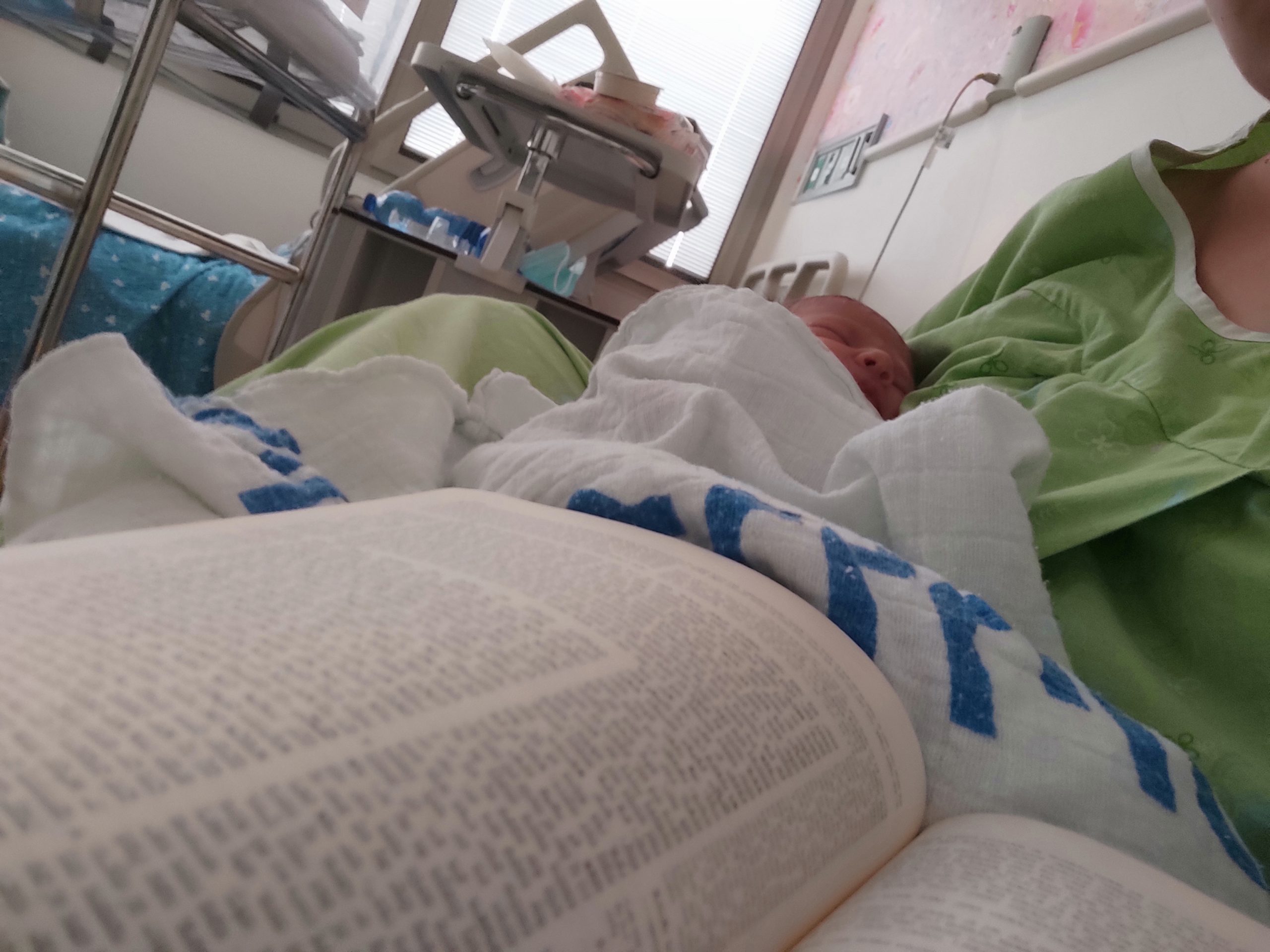
בתחילת הסבב הנוכחי הצטברו אצלי תחושות שאני לא מבינה מספיק מהי ההלכה אותה אני מקיימת בכל יום. כמו כן, כאמא לבנות רציתי לתת להן מודל נשי של לימוד תורה
שתי הסיבות האלו הובילו אותי להתחיל ללמוד. נתקלתי בתגובות מפרגנות וסקרניות איך אישה לומדת גמרא..
כמו שרואים בתמונה אני ממשיכה ללמוד גם היום ואפילו במחלקת יולדות אחרי לידת ביתי השלישית.
נועה שילה
רבבה, ישראל
התחלתי להשתתף בשיעור נשים פעם בשבוע, תכננתי ללמוד רק דפים בודדים, לא האמנתי שאצליח יותר מכך.
לאט לאט נשאבתי פנימה לעולם הלימוד .משתדלת ללמוד כל בוקר ומתחילה את היום בתחושה של מלאות ומתוך התכווננות נכונה יותר.
הלימוד של הדף היומי ממלא אותי בתחושה של חיבור עמוק לעם היהודי ולכל הלומדים בעבר ובהווה.

נילי חיון
אפרת, ישראל
. לא תמיד נהניתי מלימוד גמרא כילדה.,בל כהתבגרתי התחלתי לאהוב את זה שוב. התחלתי ללמוד מסכת סוטה בדף היומי לפני כחמש עשרה שנה ואז הפסקתי.הגעתי לסיום הגדול של הדרן לפני שנתיים וזה נתן לי השראה. והתחלתי ללמוד למשך כמה ימים ואז היתה לי פריצת דיסק והפסקתי…עד אלול השנה. אז התחלתי עם מסכת ביצה וב”ה אני מצליחה לעמוד בקצב. המשפחה מאוד תומכת בי ויש כמה שגם לומדים את זה במקביל. אני אוהבת שיש עוגן כל יום.

רבקה דרשן
בית שמש, ישראל
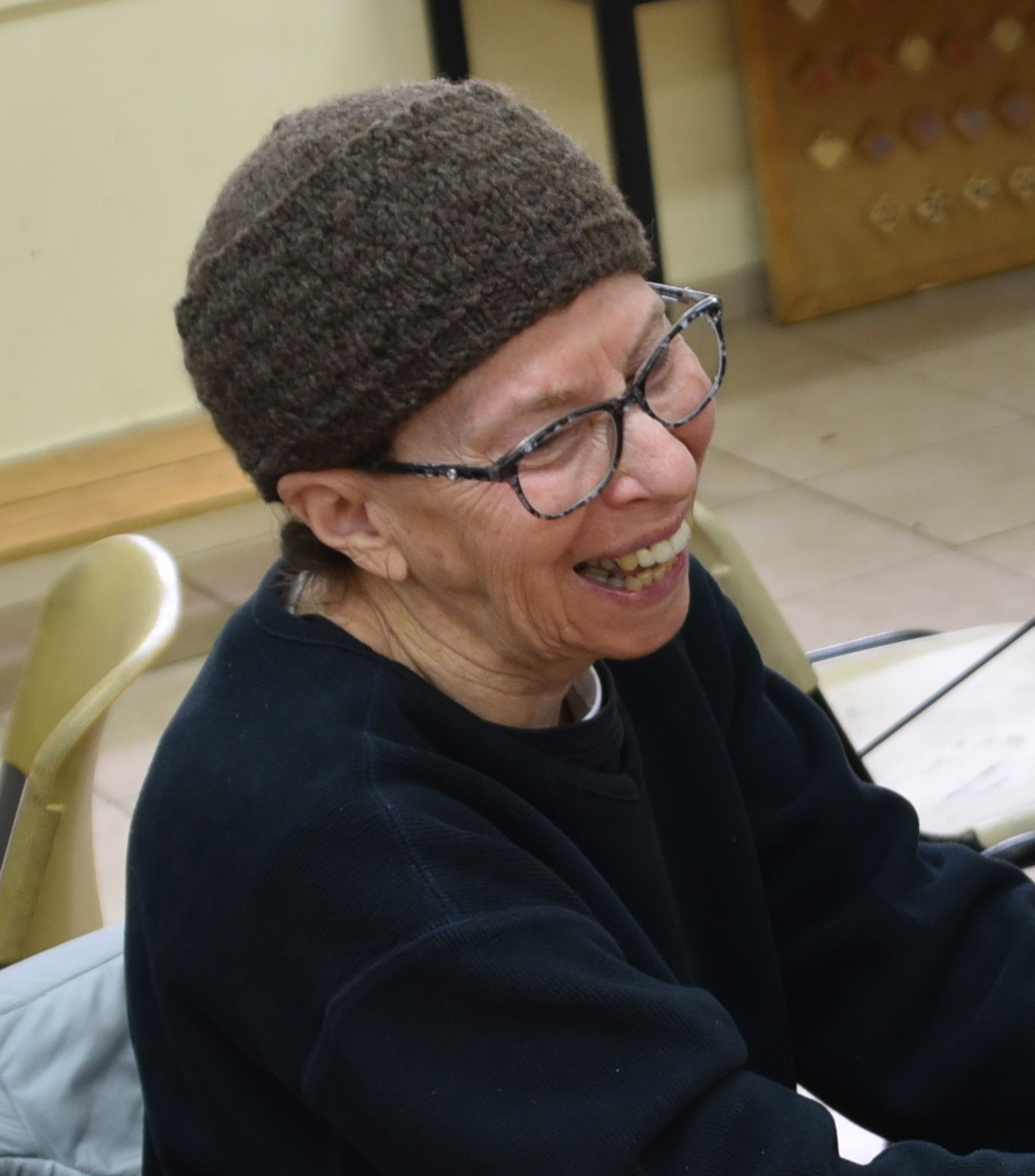
רבנית מישל הציתה אש התלמוד בלבבות בביניני האומה ואני נדלקתי. היא פתחה פתח ותמכה במתחילות כמוני ואפשרה לנו להתקדם בצעדים נכונים וטובים. הקימה מערך שלם שמסובב את הלומדות בסביבה תומכת וכך נכנסתי למסלול לימוד מעשיר שאין כמוה. הדרן יצר קהילה גדולה וחזקה שמאפשרת התקדמות מכל נקודת מוצא. יש דיבוק לומדות שמחזק את ההתמדה של כולנו. כל פניה ושאלה נענית בזריזות ויסודיות. תודה גם למגי על כל העזרה.
שרה אבר
נתניה, ישראל
התחלתי בתחילת הסבב, והתמכרתי. זה נותן משמעות נוספת ליומיום ומאוד מחזק לתת לזה מקום בתוך כל שגרת הבית-עבודה השוטפת.

רעות אברהמי
בית שמש, ישראל
"
גם אני התחלתי בסבב הנוכחי וב””ה הצלחתי לסיים את רוב המסכתות . בזכות הרבנית מישל משתדלת לפתוח את היום בשיעור הזום בשעה 6:20 .הלימוד הפך להיות חלק משמעותי בחיי ויש ימים בהם אני מצליחה לחזור על הדף עם מלמדים נוספים ששיעוריהם נמצאים במרשתת. שמחה להיות חלק מקהילת לומדות ברחבי העולם. ובמיוחד לשמש דוגמה לנכדותיי שאי””ה יגדלו לדור שלימוד תורה לנשים יהיה משהו שבשגרה. "
רונית שביט
נתניה, ישראל
התחלתי ללמוד דף יומי באמצע תקופת הקורונה, שאבא שלי סיפר לי על קבוצה של בנות שתיפתח ביישוב שלנו ותלמד דף יומי כל יום. הרבה זמן רציתי להצטרף לזה וזאת הייתה ההזדמנות בשבילי. הצטרפתי במסכת שקלים ובאמצע הייתה הפסקה קצרה. כיום אני כבר לומדת באולפנה ולומדת דף יומי לבד מתוך גמרא של טיינזלץ.

שבות בראלי
עתניאל, ישראל
אחי, שלומד דף יומי ממסכת ברכות, חיפש חברותא ללימוד מסכת ראש השנה והציע לי. החברותא היתה מאתגרת טכנית ורוב הזמן נעשתה דרך הטלפון, כך שבסיום המסכת נפרדו דרכינו. אחי חזר ללמוד לבד, אבל אני כבר נכבשתי בקסם הגמרא ושכנעתי את האיש שלי להצטרף אלי למסכת ביצה. מאז המשכנו הלאה, ועכשיו אנחנו מתרגשים לקראתו של סדר נשים!

שולמית סבן
נוקדים, ישראל
מנחות ק
בְּתוֹכָהּ. וְשֶׁמָּא תֹּאמַר כְּשֵׁם שֶׁפִּיהָ צַר כָּךְ כּוּלָּהּ צָרָה – תַּלְמוּד לוֹמַר ״הֶעֱמִיק הִרְחִב״.
within it. And lest you say: Just as the opening of Gehenna is narrow, so too, all of Gehenna is narrow, the verse states: “For Gehenna has been arranged of old, it has been prepared even for the king, deep and large, its pile is fire and much wood, the breath of the Lord kindles it like a stream of brimstone” (Isaiah 30:33).
וְשֶׁמָּא תֹּאמַר לַמֶּלֶךְ לֹא הוּכְנָה – תַּלְמוּד לוֹמַר ״גַּם הִיא לַמֶּלֶךְ הוּכָן״, וְשֶׁמָּא תֹּאמַר אֵין בָּהּ עֵצִים – תַּלְמוּד לוֹמַר ״מְדֻרָתָהּ אֵשׁ וְעֵצִים הַרְבֵּה״, וְשֶׁמָּא תֹּאמַר זֶה הוּא שְׂכָרָהּ – תַּלְמוּד לוֹמַר ״וְנַחַת שֻׁלְחָנְךָ מָלֵא דָשֶׁן״.
And lest you say that Gehenna is prepared only for ordinary people, but it is not prepared for important individuals such as a king, the verse states: “It has been prepared even for the king.” And lest you say there is no wood in Gehenna, the verse states: “Its pile is fire and much wood.” And lest you say that this, i.e., escaping Gehenna, is the only reward for Torah study, the verse states: “And that which is set on your table is full of fatness” (Job 36:16). This indicates that one who obeys God and turns from the paths of death to the paths of life is not only saved from Gehenna, he also attains tranquility and prosperity.
חָל יוֹם הַכִּיפּוּרִים לִהְיוֹת בְּשַׁבָּת [וְכוּ׳]. אָמַר רַבָּה בַּר בַּר חָנָה אָמַר רַבִּי יוֹחָנָן: לֹא בָּבְלִיִּים הֵם, אֶלָּא אֲלֶכְּסַנְדְּרִיִּים הֵם, וּמִתּוֹךְ שֶׁשּׂוֹנְאִין אֶת הַבָּבְלִיִּים – קוֹרִין אוֹתָם עַל שֵׁם בָּבְלִיִּים.
§ The mishna states: If Yom Kippur occurs on Shabbat, the loaves are distributed on Saturday night. If Yom Kippur occurs on Friday, the goat sin offering of Yom Kippur is eaten Friday night, on Shabbat. Since there was no possibility of cooking the meat, the Babylonian priests would eat it raw. The Gemara notes: Rabba bar bar Ḥana says that Rabbi Yoḥanan says: These priests are not actually Babylonians. Rather, they are Alexandrians, i.e., priests who came from Egypt. But since the Jews of Eretz Yisrael hate the Jewish Babylonians, they would call the gluttonous Alexandrians by the name Babylonians.
תַּנְיָא נָמֵי הָכִי, רַבִּי יוֹסֵי אוֹמֵר: לֹא בָּבְלִיִּים הֵם, אֶלָּא אֲלֶכְּסַנְדְּרִיִּים הֵם, וּמִתּוֹךְ שֶׁשּׂוֹנְאִין אֶת הַבָּבְלִיִּים – קוֹרְאִין אוֹתָן עַל שֵׁם בָּבְלִיִּים. אָמַר לוֹ רַבִּי יְהוּדָה: תָּנוּחַ דַּעְתְּךָ שֶׁהִנַּחְתָּ דַּעְתִּי.
This interpretation of the mishna is also taught in a baraita: Rabbi Yosei says: These priests are not actually Babylonians. Rather, they are Alexandrians. But since the Jews of Eretz Yisrael hate the Babylonians, they would call the gluttonous Alexandrians by the name Babylonians. Rabbi Yehuda, whose family originated from Babylonia, said to Rabbi Yosei, after hearing this explanation: May your mind be at ease, because you have put my mind at ease.
מַתְנִי׳ סִידֵּר אֶת הַלֶּחֶם בַּשַּׁבָּת, וְאֶת הַבָּזִיכִין לְאַחַר הַשַּׁבָּת, וְהִקְטִיר אֶת הַבָּזִיכִין בַּשַּׁבָּת – פָּסוּל, אֵין חַיָּיבִין עֲלֵיהֶן מִשּׁוּם פִּיגּוּל, נוֹתָר, וְטָמֵא.
MISHNA: If one arranged the bread on the Table on Shabbat but arranged the bowls of frankincense only after Shabbat, then if he subsequently burned the frankincense placed in the bowls on the following Shabbat, the loaves are unfit for consumption, since the frankincense had not been on the Table for the entire week. Since the burning of the frankincense did not render the loaves permitted for consumption, one is not ever liable for eating them due to violation of the prohibitions of piggul or notar, or for partaking of the shewbread when one is ritually impure. One violates these prohibitions only if the frankincense is burned in a manner that permits consumption of the shewbread.
סִידֵּר אֶת הַלֶּחֶם וְאֶת הַבָּזִיכִין בַּשַּׁבָּת, וְהִקְטִיר אֶת הַבָּזִיכִין לְאַחַר הַשַּׁבָּת – פְּסוּלָה, וְאֵין חַיָּיבִין עֲלֵיהֶן מִשּׁוּם פִּיגּוּל, נוֹתָר, וְטָמֵא.
If one arranged the bread and the bowls of frankincense on Shabbat but then burned the frankincense that was in the bowls after the following Shabbat, that burning of the frankincense is not valid and the shewbread is unfit for consumption. And since the frankincense was not burned in a manner that permits consumption of the shewbread, one is not ever liable for eating them due to violation of the prohibitions of piggul or notar, or for partaking of the shewbread when one is ritually impure.
סִידֵּר אֶת הַלֶּחֶם וְאֶת הַבָּזִיכִין לְאַחַר הַשַּׁבָּת, וְהִקְטִיר אֶת הַבָּזִיכִין בַּשַּׁבָּת – פְּסוּלָה. כֵּיצַד יַעֲשֶׂה? יַנִּיחֶנָּה לְשַׁבָּת הַבָּאָה, שֶׁאֲפִילּוּ הִיא עַל הַשּׁוּלְחָן יָמִים רַבִּים – אֵין בְּכָךְ כְּלוּם.
If one arranged the bread and the bowls of frankincense after Shabbat and burned the frankincense that was in the bowls on the subsequent Shabbat, the burning of the frankincense is not valid and the shewbread is unfit for consumption. How should one act to prevent the shewbread from being rendered unfit? One should not remove the shewbread and frankincense from the Table on the subsequent Shabbat. Rather, he should leave it on the Table until the following Shabbat, so that it remains on the Table for a full week from Shabbat to Shabbat. It is permitted to leave the bread and frankincense on the Table beyond seven days, as even if it is on the Table for many days there is nothing wrong with that, i.e., it is not rendered unfit.
גְּמָ׳ תְּנַן הָתָם: אָמַר לָהֶם הַמְמוּנֶּה: ״צְאוּ וּרְאוּ אִם הִגִּיעַ זְמַן שְׁחִיטָה״. אִם הִגִּיעַ, הָרוֹאֶה אוֹמֵר: ״בַּרְקַאי״. מַתִּתְיָא בֶּן שְׁמוּאֵל אוֹמֵר: ״הֵאִיר פְּנֵי כׇּל הַמִּזְרָח עַד שֶׁבְּחֶבְרוֹן״, וְהוּא אוֹמֵר: ״הֵן״.
GEMARA: We learned in a mishna there (Yoma 28a) with regard to the Yom Kippur service in the Temple: The appointed priest said to the other priests: Go out and stand on a high point in the Temple and see if it is day and the time for slaughtering the daily offering has arrived, as one may not slaughter offerings at night. If the time has arrived, the observer says: There is light [barkai]. Mattitya ben Shmuel maintained that one should wait until greater light is observed. Therefore, when he was the appointed priest, he would say: Is the entire eastern sky illuminated, even to Hebron? And the observer would say: Yes.
וְלָמָּה הוּצְרְכוּ לְכָךְ? שֶׁפַּעַם אַחַת עָלָה מְאוֹר הַלְּבָנָה, וְדִימּוּ שֶׁהֵאִיר מִזְרָח, שָׁחֲטוּ אֶת הַתָּמִיד, וְהוֹצִיאוּהוּ לְבֵית הַשְּׂרֵיפָה.
The mishna asks: And why did they need to institute this, to send someone to observe the first light from a high place? The mishna explains that this was deemed necessary because once, the light of the moon rose and the priests imagined that the eastern sky was illuminated with sunlight. They then slaughtered the daily offering, and when they realized that it had been slaughtered too early they had to take it out to the place designated for burning and burn it. In order to prevent similar errors in the future, the Sages instituted that they should carefully assess the situation and ensure that day has begun before slaughtering the daily offering.
וְהוֹרִידוּ כֹּהֵן גָּדוֹל לְבֵית הַטְּבִילָה. זֶה הַכְּלָל הָיָה בַּמִּקְדָּשׁ: כָּל הַמֵּסֵיךְ אֶת רַגְלָיו טָעוּן טְבִילָה, וְכׇל הַמֵּטִיל מַיִם טָעוּן קִדּוּשׁ יָדַיִם וְרַגְלַיִם.
The mishna continues: Once the daylight was observed on Yom Kippur, the priests led the High Priest down to the Hall of Immersion. The mishna comments: This was the principle in the Temple: Anyone who covers his legs, a euphemism for defecating, requires immersion afterward; and anyone who urinates requires sanctification of hands and feet with water from the Basin afterward.
תָּנֵי אֲבוּהּ דְּרַבִּי אָבִין: לֹא זוֹ בִּלְבַד, אֶלָּא אֲפִילּוּ עוֹלַת הָעוֹף שֶׁנִּמְלְקָה בַּלַּיְלָה, וּמִנְחָה שֶׁנִּקְמְצָה בַּלַּיְלָה – תֵּצֵא לְבֵית הַשְּׂרֵיפָה.
The father of Rabbi Avin teaches a baraita: Not only in this case, with regard to slaughtering the daily offering, did the Sages say that if it is performed at night it is disqualified, but even in the case of a bird burnt offering whose nape was pinched at night, and in the case of a meal offering from which a handful was removed at night, the offering is disqualified and must be taken out to the place designated for burning.
בִּשְׁלָמָא עוֹלַת הָעוֹף – מִשּׁוּם דְּלָא אֶפְשָׁר לְאַהְדּוֹרַהּ, אֶלָּא מִנְחָה – אֶפְשָׁר דְּמַהְדַּר קוֹמֶץ לְדוּכְתֵּיהּ וְקָמֵיץ בִּימָמָא.
The Gemara asks: Granted, a bird burnt offering is disqualified if pinched at night, as it cannot be restored to its former state. But in the case of a meal offering whose handful was removed at night, why is it burned? It is possible to remedy the situation, as the priest can restore the handful to its original place and then remove a handful from the meal offering once again during the day.
הוּא תָּנֵי לַהּ, וְהוּא אָמַר לַהּ: כְּלֵי שָׁרֵת מְקַדְּשִׁין שֶׁלֹּא בִּזְמַנָּן.
The Gemara replies that the father of Rabbi Avin teaches the baraita and he says its explanation: Service vessels sanctify their contents even when those contents are not placed in the vessel at the appointed time for that service. Once the handful is placed in the service vessel it acquires the sanctity inherent to the handful and the situation can no longer be remedied.
מֵיתִיבִי: כׇּל הַקָּרֵב בַּיּוֹם – קָדוֹשׁ בַּיּוֹם, בַּלַּיְלָה – קָדוֹשׁ בַּלַּיְלָה, בֵּין בַּיּוֹם וּבֵין בַּלַּיְלָה – קָדוֹשׁ בֵּין בַּיּוֹם וּבֵין בַּלַּיְלָה.
The Gemara raises an objection from a baraita. Any offering that is sacrificed during the day is consecrated by a service vessel only during the day, and any offering that is sacrificed at night is consecrated by a service vessel only at night, and any offering that is sacrificed both during the day and at night is consecrated both during the day and at night.
כׇּל הַקָּרֵב בַּיּוֹם – קָדוֹשׁ בַּיּוֹם; ״בַּיּוֹם״ – אִין, ״בַּלַּיְלָה״ – לָא; אֵינוֹ קָדוֹשׁ לִיקְרַב, אֲבָל קָדוֹשׁ לִיפָּסֵל.
The baraita teaches that any offering that is sacrificed during the day is consecrated during the day, from which one can infer that during the day, yes, it is consecrated, but it is not consecrated at night. This indicates that the handful of the meal offering is not consecrated at night, contrary to the explanation of Rabbi Avin’s father. The Gemara answers: When an offering is placed in a service vessel not at the appointed time, the contents are not sufficiently consecrated to be sacrificed on the altar, but they are sufficiently consecrated to be disqualified.
מוֹתֵיב רַבִּי זֵירָא: סִידֵּר אֶת הַלֶּחֶם וְאֶת הַבָּזִיכִין אַחַר שַׁבָּת, וְהִקְטִיר אֶת הַבָּזִיכִין בַּשַּׁבָּת – פְּסוּלָה. כֵּיצַד יַעֲשֶׂה? יַנִּיחֶנָּה לְשַׁבָּת הַבָּאָה, שֶׁאֲפִילּוּ הִיא עַל הַשֻּׁלְחָן יָמִים רַבִּים אֵין בְּכָךְ כְּלוּם.
Rabbi Zeira raises an objection from the mishna: If one arranged the bread and the bowls of frankincense after Shabbat and burned the frankincense that was in the bowls on the subsequent Shabbat, the burning of the frankincense is not valid and the shewbread is unfit for consumption. How should one act to prevent the shewbread from being rendered unfit? One should not remove the shewbread on the subsequent Shabbat. Rather, he should leave it on the Table until the following Shabbat, so that it remains on the Table for a full week from Shabbat to Shabbat. It is permitted to leave the bread and frankincense on the Table beyond seven days, as even if it is on the Table for many days there is nothing wrong with that, i.e., it is not rendered unfit.
וְאִי סָלְקָא דַעְתָּךְ כְּלֵי שָׁרֵת מְקַדְּשִׁין שֶׁלֹּא בִּזְמַנָּן (לִיפָּסֵל) – לִיקְדּוֹשׁ וְלִיפְּסוּל.
Rabbi Zeira explains: And if it enters your mind to say that service vessels sanctify their contents to the extent that those contents are disqualified even when they are not placed in the vessel at the appointed time, then even if the shewbread is arranged after Shabbat it should be sanctified by the Table and subsequently disqualified by being left overnight.
אָמַר רַבָּה: מַאן דְּקָא מוֹתֵיב – שַׁפִּיר קָא מוֹתֵיב, אֲבוּהּ דְּרַבִּי אָבִין נָמֵי מַתְנִיתָא קָאָמַר. קָסָבַר: לַיְלָה אֵין מְחוּסָּר זְמַן, הָא יָמִים מְחוּסָּרִין זְמַן.
Rabba said: The one who raises the objection, Rabbi Zeira, raises the objection well. Nevertheless, the father of Rabbi Avin is also stating a baraita, and the difficulty must therefore be resolved. Rabba explains: The tanna of the baraita cited by Rabbi Avin’s father maintains that in the case of a rite that should be performed during the day, if it is performed during the preceding night it is not considered a rite whose time has not yet arrived, as the night and day are considered a single unit. Therefore, if one places the handful in a service vessel at night the service vessel sanctifies the handful, and since the rite is not valid the offering is disqualified. But if a rite is performed several days earlier it is considered a rite whose time has not yet arrived. Therefore, the Table does not sanctify shewbread that is placed on it on any day except Shabbat.
סוֹף סוֹף,
The Gemara asks: Ultimately,
כִּי מָטֵי לֵילְיָא דְּבֵי שִׁימְשֵׁי לִיקְדּוֹשׁ וְלִיפְּסוֹל? אָמַר רָבָא: בְּשֶׁקָּדַם וְסִילֵּק.
if a rite performed during the night preceding its appointed time is not considered a rite whose time has not yet arrived, then when the night arrives, i.e., the twilight of Shabbat eve, the arrangement of loaves remaining on the Table should be consecrated and subsequently disqualified by being left overnight. Rava says: The mishna is referring to a case where the priest removed the shewbread from the Table before nightfall on Shabbat eve in order to prevent its consecration, and arranged it again the following day.
מָר זוּטְרָא, וְאִיתֵּימָא רַב אָשֵׁי, אָמַר: אֲפִילּוּ תֵּימָא בְּשֶׁלֹּא קָדַם וְסִילֵּק, כֵּיוָן דְּסִידְּרוֹ שֶׁלֹּא כְּמִצְוָתוֹ – נַעֲשָׂה כְּמִי שֶׁסִּדְּרוֹ הַקּוֹף.
Mar Zutra, and some say Rav Ashi, said: Even if you say the mishna is referring to a case where one did not remove the shewbread before nightfall, the loaves are not consecrated by the Table. Since the priest arranged the shewbread at a time that was not in accordance with the procedure dictated by its mitzva, it is considered as though a monkey had arranged the shewbread, and it is not consecrated by the Table.
מַתְנִי׳ שְׁתֵּי הַלֶּחֶם נֶאֱכָלוֹת אֵין פָּחוֹת מִשְּׁנַיִם, וְלֹא יוֹתֵר עַל שְׁלֹשָׁה. כֵּיצַד? נֶאֱפוֹת מֵעֶרֶב יוֹם טוֹב – נֶאֱכָלוֹת בְּיוֹם טוֹב לִשְׁנַיִם. חָל יוֹם טוֹב לִהְיוֹת אַחַר הַשַּׁבָּת – נֶאֱכָלוֹת לִשְׁלֹשָׁה.
MISHNA: The two loaves that are brought on Shavuot are eaten by the priests no less than two days and no more than three days after they were baked. How so? They are generally baked on the eve of the festival of Shavuot and they are eaten on the day of the Festival, which is on the second day. If the Festival occurs after Shabbat, on Sunday, the loaves are baked on Friday, in which case they are eaten on the third day.
לֶחֶם הַפָּנִים נֶאֱכָל אֵין פָּחוֹת מִתִּשְׁעָה, וְלֹא יוֹתֵר עַל אַחַד עָשָׂר. כֵּיצַד? נֶאֱפֶה מֵעֶרֶב שַׁבָּת – וְנֶאֱכָל בְּשַׁבָּת לְתִשְׁעָה. חָל יוֹם טוֹב לִהְיוֹת עֶרֶב שַׁבָּת – נֶאֱכָל לַעֲשָׂרָה.
The shewbread is eaten no less than nine days and no more than eleven days after it is baked. How so? It is generally baked on Shabbat eve and eaten on the following Shabbat, which is on the ninth day. If a Festival occurs on Shabbat eve the shewbread is baked on the eve of the Festival, on Thursday, in which case it is eaten on the tenth day.
שְׁנֵי יָמִים [טוֹבִים] שֶׁל רֹאשׁ הַשָּׁנָה – נֶאֱכָל לְאַחַד עָשָׂר. וְאֵינוֹ דּוֹחֶה לֹא אֶת הַשַּׁבָּת וְלֹא אֶת יוֹם טוֹב. רַבָּן שִׁמְעוֹן בֶּן גַּמְלִיאֵל אוֹמֵר מִשּׁוּם רַבִּי שִׁמְעוֹן בֶּן הַסְּגָן: דּוֹחֶה אֶת יוֹם טוֹב, וְאֵינוֹ דּוֹחֶה אֶת יוֹם צוֹם.
If the two festival days of Rosh HaShana occur on Thursday and Friday, the shewbread is baked on Wednesday, in which case it is eaten on the eleventh day. And this is because the preparation of the two loaves and the shewbread overrides neither Shabbat nor a Festival. Rabban Shimon ben Gamliel says in the name of Rabbi Shimon, son of the deputy High Priest: Their preparation overrides a Festival but does not override the fast day of Yom Kippur.
גְּמָ׳ אָמַר רָבִינָא: לְדִבְרֵי הָאוֹמֵר נְדָרִים וּנְדָבוֹת אֵין קְרֵיבִין בְּיוֹם טוֹב, לָא תֵּימָא מִדְּאוֹרָיְיתָא מִיחְזָא חֲזוּ, וְרַבָּנַן הוּא דִּגְזַרוּ שֶׁלֹּא יְשַׁהֶא, אֶלָּא מִדְּאוֹרָיְיתָא נָמֵי לָא חֲזוּ.
GEMARA: Ravina said: According to the statement of the one who says vow offerings and voluntary offerings may not be sacrificed on a Festival, do not say they are fit to be sacrificed on a Festival by Torah law and it is the Sages who decreed they may not be sacrificed. The Sages might have issued such a decree so that one would not delay sacrificing his offerings until he ascends to Jerusalem for the Festival. Rather, vow offerings and voluntary offerings are unfit to be sacrificed on a Festival also by Torah law.
דְּהָא שְׁתֵּי הַלֶּחֶם דְּחוֹבַת הַיּוֹם הוּא, וְלֵיכָּא לְמֵימַר שֶׁמָּא יְשַׁהֶא, וְקָתָנֵי אֵינוֹ דּוֹחֶה לֹא אֶת הַשַּׁבָּת וְלֹא אֶת יוֹם טוֹב.
Ravina explains this may be inferred from the mishna, as the offering of the two loaves is an obligation of the day of Shavuot. It is therefore not possible to say that the Sages decreed they may not be prepared on the Festival lest one delay bringing them. And yet the mishna teaches that baking and preparing the two loaves overrides neither Shabbat nor a Festival. All the more so that vow offerings and voluntary offerings, which do not need to be sacrificed specifically on a Festival, may not be sacrificed on a Festival by Torah law.
הֲדַרַן עֲלָךְ שְׁתֵּי הַלֶּחֶם.
מַתְנִי׳ הַמְּנָחוֹת וְהַנְּסָכִים שֶׁנִּטְמְאוּ, עַד שֶׁלֹּא קָדְשׁוּ בִּכְלִי – יֵשׁ לָהֶם פִּדְיוֹן; מִשֶּׁקָּדְשׁוּ בִּכְלִי – אֵין לָהֶם פִּדְיוֹן.
MISHNA: With regard to the fine flour for meal offerings or the wine for libations that became ritually impure, as long as they have not yet been consecrated in a service vessel and assumed inherent sanctity, their redemption is possible. If they are redeemed, their sanctity will be transferred to the redemption money. Once they have been consecrated in a service vessel and have assumed inherent sanctity, their redemption is no longer possible, and they are burned like any other offerings that became ritually impure.
הָעוֹפוֹת וְהָעֵצִים וְהַלְּבוֹנָה וּכְלֵי שָׁרֵת, מִשֶּׁנִּטְמְאוּ – אֵין לָהֶן פִּדְיוֹן, שֶׁלֹּא נֶאֱמַר פִּדְיוֹן אֶלָּא בִּבְהֵמָה.
With regard to consecrated birds, wood for the altar, frankincense, and service vessels, once they became ritually impure they have no possibility of redemption, as redemption of items consecrated for the altar was stated only with regard to a consecrated animal that developed a blemish, not with regard to other consecrated items.
גְּמָ׳ אָמַר שְׁמוּאֵל: וַאֲפִילּוּ הֵן טְהוֹרִין נִפְדִּין. מַאי טַעְמָא? כַּמָּה דְּלָא קָדְשִׁי בִּכְלִי – קְדוּשַּׁת דָּמִים נִינְהוּ, וּקְדוּשַּׁת דָּמִים נִפְדִּין.
GEMARA: According to the mishna, impure meal offerings and libations may be redeemed as long as they have not yet been placed in a service vessel. Shmuel says: Even if they are ritually pure, they also may be redeemed. What is the reason for this? As long as they have not been consecrated in a service vessel, they possess sanctity that inheres only in their value, and items whose sanctity inheres only in their value may be redeemed.
וְהָא נִטְמְאוּ תְּנַן? הוּא הַדִּין דְּאַף עַל גַּב דְּלֹא נִטְמְאוּ, וְאַיְּידֵי דְּקָא בָּעֵי מִיתְנֵא סֵיפָא מִשֶּׁקָּדְשׁוּ בִּכְלִי אֵין לָהֶן פִּדְיוֹן, דַּאֲפִילּוּ נִטְמְאוּ נָמֵי לָא, תְּנָא נָמֵי רֵישָׁא שֶׁנִּטְמְאוּ עַד שֶׁלֹּא קָדְשׁוּ בִּכְלִי.
The Gemara asks: But didn’t we learn in the mishna: The meal offerings and libations that became ritually impure are redeemed? The Gemara answers: The same is true even if they had not become ritually impure. And the tanna mentions a case where they became ritually impure since he wants to teach the latter clause, which states: Once they were consecrated in a service vessel and have assumed inherent sanctity, they have no possibility of redemption, meaning that even when they became ritually impure and are disqualified from use as an offering, they still have no possibility of redemption. Therefore, the tanna also taught the first clause: That became ritually impure before they were consecrated in a service vessel.
פְּשִׁיטָא, קְדוּשַּׁת הַגּוּף נִינְהוּ!
With regard to flour or oil that has been consecrated in a service vessel, the Gemara asks: Isn’t it obvious that they are not redeemed, as they are consecrated with inherent sanctity?
אִיצְטְרִיךְ, סָלְקָא דַּעְתָּךְ אָמֵינָא: הוֹאִיל וּבַעַל מוּם אִיקְּרִי ״טָמֵא״, טָמֵא נָמֵי כְּבַעַל מוּם דָּמֵי, וְאַף עַל גַּב דְּקָדוֹשׁ קְדוּשַּׁת הַגּוּף, כִּי נָפֵיל בֵּיהּ מוּם – מִיפְּרִיק, הָנֵי נָמֵי לִיפְּרוּק. קָמַשְׁמַע לַן, דְּלָאו כִּי הַאי ״טָמֵא״ קַרְיֵיהּ רַחֲמָנָא לְבַעַל מוּם,
The Gemara answers: It was necessary to state that items consecrated in a service vessel cannot be redeemed, as it may enter your mind to say: Since a blemished animal is called impure, as the Gemara will explain shortly, this analogy could be reversed and an impure animal could also have a status similar to that of a blemished animal. And just as in the case of a blemished animal, even though it is consecrated with inherent sanctity, when it develops a blemish it is redeemed, so too these impure items discussed in the mishna may also be redeemed despite their possessing inherent sanctity. Therefore, the tanna teaches us that it is not in this context that the Merciful One called a blemished animal “impure.”
לעקוב

