חיפוש

נזיר כה

רוצה להקדיש לימוד?

podcast placeholder

0:00
0:00


תקציר

הדף היום מוקדש ע”י אסתר חזון לע”נ אמה, דבורה סובל גליקלר, שנפטרה לפני 12 שנה בירושלים. "אמא למדה תורה ועסקה בחסד, וזכתה לעלות לירושלים בערוב חייה. יהי זכרה ברוך”.

הדף היום מוקדש ע”י אלישבע גריי לע”נ גידי נחשון, יואל מלך בן משה ושרה בציון 8 שנים לפטירתו.

למה מעות סתומין יפלו לנדבה, הרי מועברים בהם כסף לחטאת – ואמורים ללכת לים המלח! ר’ יוחנן אומר שזה הלכה למשה מסיני במיוחד בנזיר. ריש לקיש אומר שזה נלמד מדרשה בפסוק. אם נלמד מדרשה בפסוק, מאיפה בא ההבחנה בין מעות מפורשים למעות סתומים? כי מעות מפורשים כבר נלמד מפסוק אחר שממנו דרש ר’ ישמעאל שחטאת שלא השתמשו בו אינה יכולה להיקרב על המזבח. הגמרא עוברת על חלקים מהברייתא ומקשה עליהם ומביאה הסברים.


נזיר כה

וַהֲלֹא דְּמֵי חַטָּאת מְעוֹרָבִין בָּהֶן? אָמַר רַבִּי יוֹחָנָן: הֲלָכָה הִיא בְּנָזִיר. רֵישׁ לָקִישׁ אָמַר: ״לְכׇל נִדְרֵיהֶם וּלְכׇל נִדְבוֹתָם״, הַתּוֹרָה אָמְרָה: מוֹתַר נֶדֶר יְהֵא לִנְדָבָה.

The Gemara asks: But the money for the sin-offering is mingled with these unallocated funds. How can it all be used for gift burnt-offerings? Rabbi Yoḥanan said: It is an accepted halakha with regard to a nazirite that his unallocated funds are used for gift offerings, despite the fact that they include the value of a sin-offering. Reish Lakish said: The verse states: “Whether for any of their vows or for any of their gift offerings, which are brought to the Lord as a burnt-offering” (Leviticus 22:18). In this verse, the Torah states that the surplus of a vow shall be for a gift offering. Here too, if the vow of naziriteship cannot be fulfilled, due to the death of the one who took the vow, the money is for a gift offering.

בִּשְׁלָמָא לְרַבִּי יוֹחָנָן, דְּאָמַר: הֲלָכָה הִיא בְּנָזִיר, אַמְּטוּ לְהָכִי סְתוּמִין — אִין, מְפוֹרָשִׁין — לָא. אֶלָּא לְרֵישׁ לָקִישׁ ״לְכׇל נִדְרֵיהֶם וּלְכׇל נִדְבוֹתָם״, מַאי אִירְיָא סְתוּמִין? אֲפִילּוּ מְפוֹרָשִׁין!

The Gemara asks: Granted, according to the opinion of Rabbi Yoḥanan, who said that it is a halakha with regard to a nazirite, it is for this reason that if the funds were unallocated, yes, the money is used for gift offerings, but if they were allocated, no, they may not be used for this purpose, as this is the halakha passed down by tradition. However, according to the opinion of Reish Lakish, who derives the halakha from the verse: “For any of their vows or for any of their gift offerings,” why state specifically unallocated funds; even allocated money should be used for gift offerings after the death of their owner.

אָמַר רָבָא: מְפוֹרָשִׁין לָא מָצֵית אָמְרַתְּ, כְּבָר פַּסְקַהּ תַּנָּא דְּבֵי רַבִּי יִשְׁמָעֵאל: ״רַק קׇדָשֶׁיךָ אֲשֶׁר יִהְיוּ לְךָ וּנְדָרֶיךָ״ — בְּוַלְדֵי קָדָשִׁים וּבִתְמוּרָתָם הַכָּתוּב מְדַבֵּר.

Rava said: You cannot say that this halakha should apply to allocated funds, as the tanna of the school of Rabbi Yishmael has already ruled in this regard. The tanna explained the following verse that deals with the obligation to bring consecrated animals to the Temple: “Only your sacred things that you have, and your vows” (Deuteronomy 12:26). The verse is speaking of the offspring of consecrated female peace-offerings and their substitutes, i.e., when one says a non-sacred animal should substitute for a sacred animal.

מָה תַּקָּנָתָן — ״תִּשָּׂא וּבָאתָ אֶל הַמָּקוֹם אֲשֶׁר יִבְחַר ה׳״. יָכוֹל יַעֲלֵם לְבֵית הַבְּחִירָה, וְיִמְנַע מֵהֶם מַיִם וּמָזוֹן בִּשְׁבִיל שֶׁיָּמוּתוּ, תַּלְמוּד לוֹמַר: ״וְעָשִׂיתָ עֹלֹתֶיךָ הַבָּשָׂר וְהַדָּם״.

With regard to these animals, what is their means of remedy? “You shall take and go to the place that the Lord shall choose” (Deuteronomy 12:26). One might have thought that this means that he must bring them up to the Temple, and yet he does not sacrifice them but withholds water and food from them so that they should die. Therefore, the verse states: “And you shall sacrifice your burnt-offerings, the flesh and the blood, upon the altar of the Lord your God; and the blood of your offerings shall be poured out against the altar of the Lord your God, and you shall eat the flesh” (Deuteronomy 12:27).

לוֹמַר לָךְ: כְּדֶרֶךְ שֶׁאַתָּה נוֹהֵג בָּעוֹלָה — נְהוֹג בִּתְמוּרָתָהּ, כְּדֶרֶךְ שֶׁאַתָּה נוֹהֵג בַּשְּׁלָמִים — נְהוֹג בְּוַלְדֵיהֶם. יָכוֹל אַף וְלַד חַטָּאת וּתְמוּרַת אָשָׁם כֵּן, — תַּלְמוּד לוֹמַר: ״רַק״, דִּבְרֵי רַבִּי יִשְׁמָעֵאל.

The tanna explains that this verse comes to say to you: In the manner that you treat a burnt-offering you must treat its substitute, i.e., it should be sacrificed in its entirety; in the manner that you treat a peace-offering you must treat their offspring, as its inner parts must be sacrificed on the altar, with the rest eaten by the owners. One might have thought that the offspring of a sin-offering and the substitute of a guilt-offering should also be treated so, i.e., they too should be sacrificed on the altar like sin-offerings and guilt-offerings. Therefore the verse states: “Only” (Deuteronomy 12:26), which excludes these cases. This is the statement of Rabbi Yishmael.

רַבִּי עֲקִיבָא אוֹמֵר: אֵינוֹ צָרִיךְ, הֲרֵי הוּא אוֹמֵר ״אָשָׁם הוּא״ — בַּהֲוָיָיתוֹ יְהֵא.

Rabbi Akiva says: In the case of a guilt-offering this exposition is not necessary, as it says: “It is a guilt-offering” (Leviticus 5:19), from which it may be inferred: It alone shall be sacrificed in its current state, but not its substitute. This baraita explicitly teaches that the surplus money of a sin-offering cannot be used for another offering. Consequently, the money set aside for a nazirite’s sin-offering must be cast into the Dead Sea upon the death of its owner rather than used for a gift offering, even according to the opinion of Reish Lakish.

קָתָנֵי: יָכוֹל יַעֲלֵם לְבֵית הַבְּחִירָה וְיִמְנַע מֵהֶם מַיִם וּמָזוֹן בִּשְׁבִיל שֶׁיָּמוּתוּ — תַּלְמוּד לוֹמַר: ״וְעָשִׂיתָ עֹלֹתֶיךָ״. אַמַּאי? הָא וְלַד חַטָּאת הוּא דִּגְמִירִין בָּהּ מִיתָה? אִי לָאו קְרָא, הֲוָה אָמֵינָא וְלַד חַטָּאת בְּכׇל מָקוֹם,

§ Since the Gemara has cited the above baraita, it analyzes it in detail. The baraita teaches: One might have thought that one must bring them up to the Temple and withhold water and food from them so that they should die. The verse states: “And you shall sacrifice your burnt-offerings.” The Gemara asks: Why would one think he should act in this manner? After all, it is only with regard to the offspring of a sin-offering that we learned that it must be left to die, but not other offerings. Why, then, is it necessary to derive the exclusion of the offspring of other offerings and the substitution of other offerings from a verse? The Gemara answers: If it were not for the verse, I would say that the offspring of a sin-offering may be killed anywhere, i.e., it need not be brought to the Temple and left to die there,

וּוַלְדֵי קָדָשִׁים בְּבֵית הַבְּחִירָה, קָא מַשְׁמַע לַן דְּלָא.

but the offspring of other sacred animals, for peace-offerings, must be brought to the Temple and left to die there. The verse therefore teaches us that one does not leave the offspring of peace-offerings to die. Rather, they are sacrificed upon the altar.

קָתָנֵי: יָכוֹל אַף וְלַד חַטָּאת וּתְמוּרַת אָשָׁם כֵּן — תַּלְמוּד לוֹמַר: ״רַק״. לְמָה לִי קְרָא? הִילְכְתָא גְּמִירִי לַהּ: וְלַד חַטָּאת לְמִיתָה אָזֵיל! הָכִי נָמֵי, וּקְרָא לְאָשָׁם הוּא דַּאֲתָא.

§ The Gemara continues to discuss the baraita. The baraita teaches: One might have thought that the offspring of a sin-offering and the substitute of a guilt-offering should also be treated so, i.e., they too should be sacrificed on the altar like sin-offerings and guilt-offerings. Therefore, the verse states: “Only” (Deuteronomy 12:26). The Gemara asks: Why do I need a verse for this halakha? After all, this halakha is learned as a tradition that the offspring of a sin-offering goes to its death. The Gemara answers: So too, this is correct as far as the offspring of a sin-offering is concerned, and the verse comes to teach that this halakha applies to a guilt-offering as well.

אָשָׁם נָמֵי הִילְכְתָא גְּמִירִי לָהּ: כֹּל שֶׁאִילּוּ בְּחַטָּאת מֵתָה, בְּאָשָׁם רוֹעֶה!

The Gemara asks: With regard to a guilt-offering as well, this halakha is learned as a tradition: Any situation that if it were to occur with a sin-offering it would be left to die, i.e., any offering that is invalid in such a manner that it would have to be left to die if it were a sin-offering, which includes a substitute, if it occurs with a guilt-offering it is left to graze until it develops a blemish so that it is no longer fit for the altar. Why, then, is a verse required to teach this halakha?

אֶלָּא: אִי מֵהִילְכְתָא, הֲוָה אָמֵינָא: הִילְכְתָא, וְאִי אַקְרְיבֵיהּ — לָא לִיחַיַּיב עֲלֵיהּ וְלֹא כְּלוּם, קָא מַשְׁמַע לַן קְרָא דְּאִי מַקְרֵיב לֵיהּ — קָאֵים עֲלֵיהּ בַּעֲשֵׂה.

Rather, the argument is as follows: If one would have learned this ruling only from the aforementioned halakha transmitted to Moses from Sinai, I would say: It is admittedly the halakha that the offspring of a sin-offering must die and the substitute of a guilt-offering is left to graze, but if he sacrificed it regardless, he would not be liable to receive any punishment for it. The verse therefore teaches us that if he sacrifices the offspring or substitute of a guilt-offering, he transgresses a positive mitzva by it, as derived from the verse: “Only your sacred things which you have, and your vows, you shall take and go to the place which the Lord shall choose” (Deuteronomy 12:26).

רַבִּי עֲקִיבָא אוֹמֵר אֵינוֹ צָרִיךְ, הֲרֵי הוּא אוֹמֵר ״אָשָׁם הוּא״ — בַּהֲוָיָיתוֹ יְהֵא. לְמָה לִי קְרָא? גְּמָרָא גְּמִירִין לַהּ: כׇּל שֶׁבְּחַטָּאת מֵתָה — בְּאָשָׁם רוֹעֶה!

§ The same baraita teaches that Rabbi Akiva says: In the case of a guilt-offering this exposition is not necessary, as it says: “It is a guilt-offering” (Leviticus 5:19), which indicates: It alone shall be sacrificed in its current state, but not its substitute. The Gemara asks: Why do I need a verse for this halakha? We learned it as a halakha: Any situation that if it were to occur with a sin-offering it would be left to die, if it occurs with a guilt-offering it is left to graze. If so, it is clear that this guilt-offering cannot be sacrificed.

הָכִי נָמֵי, וְכִי אֲתָא קְרָא — לִדְרַב. דְּאָמַר רַב הוּנָא אָמַר רַב: אָשָׁם שֶׁנִּיתַּק לִרְעִיָּיה, וּשְׁחָטוֹ לְשֵׁם עוֹלָה — כָּשֵׁר.

The Gemara answers: So too, this is correct, and when the verse comes to teach a halakha, it comes for that which was said by Rav. As Rav Huna said that Rav said: With regard to a guilt-offering that was consigned to grazing, i.e., it had been ruled that the animal must be left to graze until it develops a blemish as it could not be sacrificed as a guilt-offering, at which point it was sold so that the proceeds could be used for voluntary burnt-offerings, and one transgressed and slaughtered the guilt-offering itself for the sake of a burnt-offering rather than using an animal purchased with the money of its sale, it is valid.

טַעְמָא דְּנִיתַּק, הָא לֹא נִיתַּק — לָא. דְּאָמַר קְרָא ״הוּא״ — בַּהֲוָיָיתוֹ יְהֵא.

The Gemara infers from Rav’s statement: The reason for this ruling is that it is a guilt-offering that was consigned to grazing, from which it may be inferred that if it were not consigned in this manner it is not valid as a burnt-offering. This is because the verse states: “It is a guilt-offering,” which indicates that it shall be in its current state, and if it were sacrificed as a different offering it is invalid.

אָמַר מָר: הֲלָכָה הִיא בְּנָזִיר. וְתוּ לֵיכָּא? וְהָתַנְיָא: וּשְׁאָר חַיָּיבֵי קִינִּין שֶׁבַּתּוֹרָה,

§ The Gemara returns to the issue of a nazirite’s offerings: The Master, Rabbi Yoḥanan, said earlier: It is a halakha with regard to a nazirite that his unallocated funds, including the value of his sin-offering, are used for the purchase of gift offerings. The Gemara asks: This formulation indicates that this halakha pertains only to a nazirite, but is there no other case where the surplus goes toward the purchase of gift offerings? But isn’t it taught in a baraita: And the rest of those liable to bring nests by Torah law, i.e., those paupers who are obligated to bring only a bird-offering, e.g., a poor leper, who must bring two turtledoves, one for a burnt-offering and one for a sin-offering, instead of a sheep or a ewe,

חדשה בלימוד הגמרא?

זה הדף הראשון שלך? איזו התרגשות עצומה! יש לנו בדיוק את התכנים והכלים שיעזרו לך לעשות את הצעדים הראשונים ללמידה בקצב וברמה שלך, כך תוכלי להרגיש בנוח גם בתוך הסוגיות המורכבות ומאתגרות.

פסיפס הלומדות שלנו

גלי את קהילת הלומדות שלנו, מגוון נשים, רקעים וסיפורים. כולן חלק מתנועה ומסע מרגש ועוצמתי.

A life-changing journey started with a Chanukah family tiyul to Zippori, home of the Sanhedrin 2 years ago and continued with the Syum in Binanei Hauma where I was awed by the energy of 3000 women dedicated to learning daf Yomi. Opening my morning daily with a fresh daf, I am excited with the new insights I find enriching my life and opening new and deeper horizons for me.

Becky Goldstein
בקי גולדשטיין

Elazar gush etzion, Israel

התחלתי ללמוד בשנת המדרשה במגדל עוז, בינתיים נהנית מאוד מהלימוד ומהגמרא, מעניין ומשמח מאוד!
משתדלת להצליח לעקוב כל יום, לפעמים משלימה קצת בהמשך השבוע.. מרגישה שיש עוגן מקובע ביום שלי והוא משמח מאוד!

Uriah Kesner
אוריה קסנר

חיפה , ישראל

התחלתי ללמוד בסבב הנוכחי לפני כשנתיים .הסביבה מתפעלת ותומכת מאוד. אני משתדלת ללמוד מכל ההסכתים הנוספים שיש באתר הדרן. אני עורכת כל סיום מסכת שיעור בביתי לכ20 נשים שמחכות בקוצר רוח למפגשים האלו.

Yael Asher
יעל אשר

יהוד, ישראל

שמעתי על הסיום הענק של הדף היומי ע”י נשים בבנייני האומה. רציתי גם.
החלטתי להצטרף. התחלתי ושיכנעתי את בעלי ועוד שתי חברות להצטרף. עכשיו יש לי לימוד משותף איתו בשבת ומפגש חודשי איתן בנושא (והתכתבויות תדירות על דברים מיוחדים שקראנו). הצטרפנו לקבוצות שונות בווטסאפ. אנחנו ממש נהנות. אני שומעת את השיעור מידי יום (בד”כ מהרב יוני גוטמן) וקוראת ומצטרפת לסיומים של הדרן. גם מקפידה על דף משלהן (ונהנית מאד).

Liat Citron
ליאת סיטרון

אפרת, ישראל

בתחילת הסבב הנוכחי הצטברו אצלי תחושות שאני לא מבינה מספיק מהי ההלכה אותה אני מקיימת בכל יום. כמו כן, כאמא לבנות רציתי לתת להן מודל נשי של לימוד תורה
שתי הסיבות האלו הובילו אותי להתחיל ללמוד. נתקלתי בתגובות מפרגנות וסקרניות איך אישה לומדת גמרא..
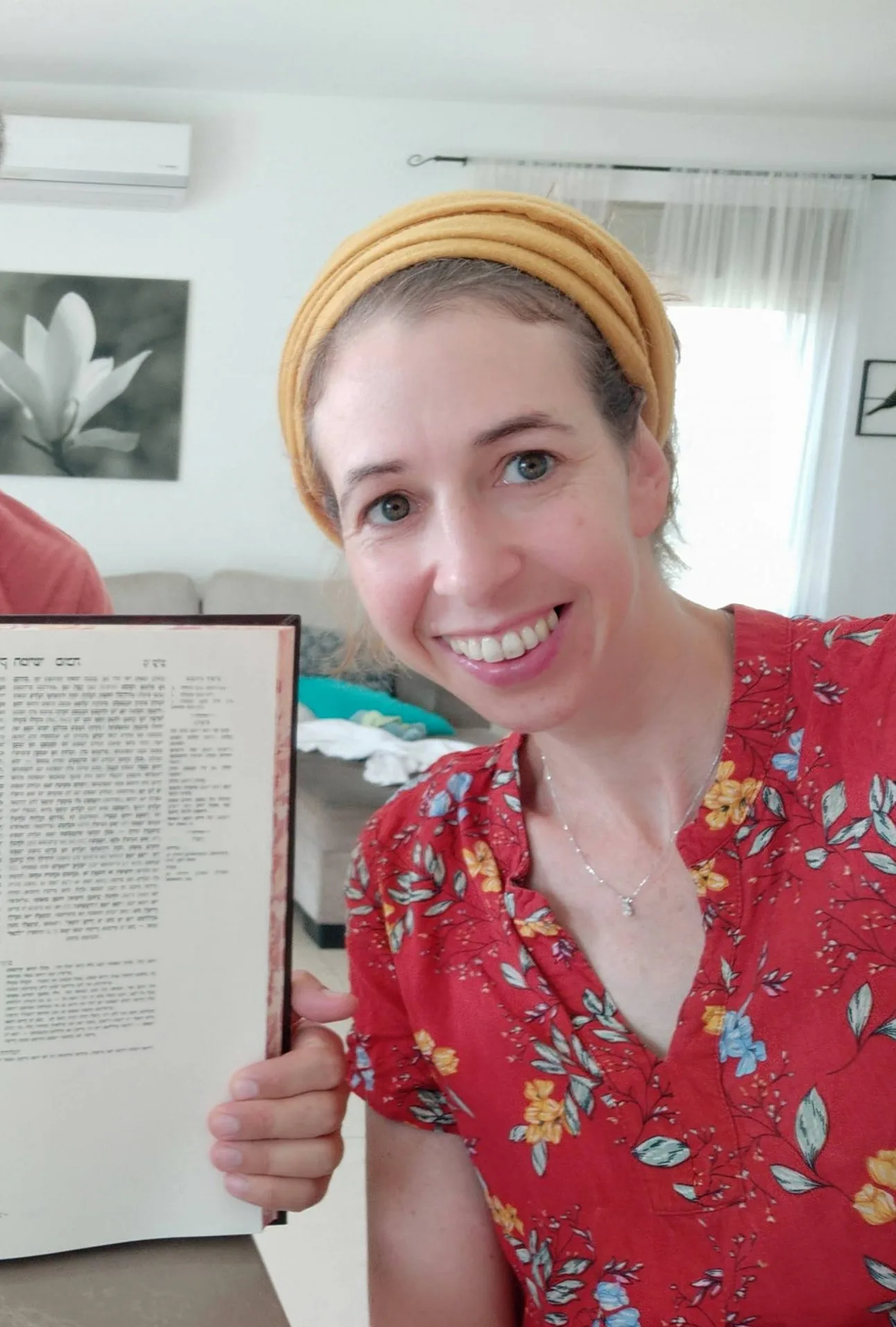
כמו שרואים בתמונה אני ממשיכה ללמוד גם היום ואפילו במחלקת יולדות אחרי לידת ביתי השלישית.

Noa Shiloh
נועה שילה

רבבה, ישראל

התחלתי ללמוד לפני כשנתיים בשאיפה לסיים לראשונה מסכת אחת במהלך חופשת הלידה.
אחרי מסכת אחת כבר היה קשה להפסיק…

Noa Gallant
נעה גלנט

ירוחם, ישראל

בסוף הסבב הקודם ראיתי את השמחה הגדולה שבסיום הלימוד, בעלי סיים כבר בפעם השלישית וכמובן הסיום הנשי בבנייני האומה וחשבתי שאולי זו הזדמנות עבורי למשהו חדש.
למרות שאני שונה בסביבה שלי, מי ששומע על הלימוד שלי מפרגן מאוד.
אני מנסה ללמוד קצת בכל יום, גם אם לא את כל הדף ובסך הכל אני בדרך כלל עומדת בקצב.
הלימוד מעניק המון משמעות ליום יום ועושה סדר בלמוד תורה, שתמיד היה (ועדיין) שאיפה. אבל אין כמו קביעות

Racheli-Mendelson
רחלי מנדלסון

טל מנשה, ישראל

. לא תמיד נהניתי מלימוד גמרא כילדה.,בל כהתבגרתי התחלתי לאהוב את זה שוב. התחלתי ללמוד מסכת סוטה בדף היומי לפני כחמש עשרה שנה ואז הפסקתי.הגעתי לסיום הגדול של הדרן לפני שנתיים וזה נתן לי השראה. והתחלתי ללמוד למשך כמה ימים ואז היתה לי פריצת דיסק והפסקתי…עד אלול השנה. אז התחלתי עם מסכת ביצה וב”ה אני מצליחה לעמוד בקצב. המשפחה מאוד תומכת בי ויש כמה שגם לומדים את זה במקביל. אני אוהבת שיש עוגן כל יום.

Rebecca Darshan
רבקה דרשן

בית שמש, ישראל

התחלתי ללמוד דף יומי שהתחילו מסכת כתובות, לפני 7 שנים, במסגרת קבוצת לימוד שהתפרקה די מהר, ומשם המשכתי לבד בתמיכת האיש שלי. נעזרתי בגמרת שטיינזלץ ובשיעורים מוקלטים.
הסביבה מאד תומכת ואני מקבלת המון מילים טובות לאורך כל הדרך. מאז הסיום הגדול יש תחושה שאני חלק מדבר גדול יותר.
אני לומדת בשיטת ה”7 דפים בשבוע” של הרבנית תרצה קלמן – כלומר, לא נורא אם לא הצלחת ללמוד כל יום, העיקר שגמרת ארבעה דפים בשבוע

Rachel Goldstein
רחל גולדשטיין

עתניאל, ישראל

My explorations into Gemara started a few days into the present cycle. I binged learnt and become addicted. I’m fascinated by the rich "tapestry” of intertwined themes, connections between Masechtot, conversations between generations of Rabbanim and learners past and present all over the world. My life has acquired a golden thread, linking generations with our amazing heritage.
Thank you.

Susan Kasdan
סוזן כשדן

חשמונאים, Israel

התחלתי ללמוד לפני 4.5 שנים, כשהודיה חברה שלי פתחה קבוצת ווטסאפ ללימוד דף יומי בתחילת מסכת סנהדרין. מאז לימוד הדף נכנס לתוך היום-יום שלי והפך לאחד ממגדירי הזהות שלי ממש.

Rosenberg Foundation
קרן רוזנברג

ירושלים, ישראל

התחלתי ללמוד דף יומי ממסכת נידה כי זה היה חומר הלימוד שלי אז. לאחר הסיום הגדול בבנייני האומה החלטתי להמשיך. וב”ה מאז עם הפסקות קטנות של קורונה ולידה אני משתדלת להמשיך ולהיות חלק.

זה משפיע מאוד על היום יום שלי ועל אף שאני עסוקה בלימודי הלכה ותורה כל יום, זאת המסגרת הקבועה והמחייבת ביותר שיש לי.

Moriah Taesan Michaeli
מוריה תעסן מיכאלי

גבעת הראל, ישראל

התחלתי ללמוד את הדף היומי מעט אחרי שבני הקטן נולד. בהתחלה בשמיעה ולימוד באמצעות השיעור של הרבנית שפרבר. ובהמשך העזתי וקניתי לעצמי גמרא. מאז ממשיכה יום יום ללמוד עצמאית, ולפעמים בעזרת השיעור של הרבנית, כל יום. כל סיום של מסכת מביא לאושר גדול וסיפוק. הילדים בבית נהיו חלק מהלימוד, אני משתפת בסוגיות מעניינות ונהנית לשמוע את דעתם.

Eliraz Blau
אלירז בלאו

מעלה מכמש, ישראל

אחרי שראיתי את הסיום הנשי של הדף היומי בבנייני האומה זה ריגש אותי ועורר בי את הרצון להצטרף. לא למדתי גמרא קודם לכן בכלל, אז הכל היה לי חדש, ולכן אני לומדת בעיקר מהשיעורים פה בהדרן, בשוטנשטיין או בחוברות ושיננתם.

Rebecca Schloss
רבקה שלוס

בית שמש, ישראל

התחלתי ללמוד בסבב הנוכחי לפני כשנתיים .הסביבה מתפעלת ותומכת מאוד. אני משתדלת ללמוד מכל ההסכתים הנוספים שיש באתר הדרן. אני עורכת כל סיום מסכת שיעור בביתי לכ20 נשים שמחכות בקוצר רוח למפגשים האלו.

Yael Asher
יעל אשר

יהוד, ישראל

הייתי לפני שנתיים בסיום הדרן נשים בבנייני האומה והחלטתי להתחיל. אפילו רק כמה דפים, אולי רק פרק, אולי רק מסכת… בינתיים סיימתי רבע שס ותכף את כל סדר מועד בה.
הסביבה תומכת ומפרגנת. אני בת יחידה עם ארבעה אחים שכולם לומדים דף יומי. מדי פעם אנחנו עושים סיומים יחד באירועים משפחתיים. ממש מרגש. מסכת שבת סיימנו כולנו יחד עם אבא שלנו!
אני שומעת כל יום פודקאסט בהליכה או בנסיעה ואחכ לומדת את הגמרא.

Edna Gross
עדנה גרוס

מרכז שפירא, ישראל

שמעתי על הסיום הענק של הדף היומי ע”י נשים בבנייני האומה. רציתי גם.
החלטתי להצטרף. התחלתי ושיכנעתי את בעלי ועוד שתי חברות להצטרף. עכשיו יש לי לימוד משותף איתו בשבת ומפגש חודשי איתן בנושא (והתכתבויות תדירות על דברים מיוחדים שקראנו). הצטרפנו לקבוצות שונות בווטסאפ. אנחנו ממש נהנות. אני שומעת את השיעור מידי יום (בד”כ מהרב יוני גוטמן) וקוראת ומצטרפת לסיומים של הדרן. גם מקפידה על דף משלהן (ונהנית מאד).

Liat Citron
ליאת סיטרון

אפרת, ישראל

התחלתי ללמוד דף יומי לפני שנתיים, עם מסכת שבת. בהתחלה ההתמדה היתה קשה אבל בזכות הקורונה והסגרים הצלחתי להדביק את הפערים בשבתות הארוכות, לסיים את מסכת שבת ולהמשיך עם המסכתות הבאות. עכשיו אני מסיימת בהתרגשות רבה את מסכת חגיגה וסדר מועד ומחכה לסדר הבא!

Ilana-Shachnowitz
אילנה שכנוביץ

מודיעין, ישראל

התחלתי ללמוד דף יומי בסבב הקודם. זכיתי לסיים אותו במעמד המרגש של הדרן. בסבב הראשון ליווה אותי הספק, שאולי לא אצליח לעמוד בקצב ולהתמיד. בסבב השני אני לומדת ברוגע, מתוך אמונה ביכולתי ללמוד ולסיים. בסבב הלימוד הראשון ליוותה אותי חוויה מסויימת של בדידות. הדרן העניקה לי קהילת לימוד ואחוות נשים. החוויה של סיום הש”ס במעמד כה גדול כשנשים שאינן מכירות אותי, שמחות ומתרגשות עבורי , היתה חוויה מרוממת נפש

Ilanit Weil
אילנית ווייל

קיבוץ מגדל עוז, ישראל

לפני 15 שנה, אחרי עשרות שנים של "ג’ינגול” בין משפחה לקריירה תובענית בהייטק, הצטרפתי לשיעורי גמרא במתן רעננה. הלימוד המעמיק והייחודי של הרבנית אושרה קורן יחד עם קבוצת הנשים המגוונת הייתה חוויה מאלפת ומעשירה. לפני כשמונה שנים כאשר מחזור הדף היומי הגיע למסכת תענית הצטרפתי כ”חברותא” לבעלי. זו השעה היומית שלנו ביחד כאשר דפי הגמרא משתלבים בחיי היום יום, משפיעים ומושפעים, וכשלא מספיקים תמיד משלימים בשבת

Yodi Askoff
יודי אסקוף

רעננה, ישראל

נזיר כה

וַהֲלֹא דְּמֵי חַטָּאת מְעוֹרָבִין בָּהֶן? אָמַר רַבִּי יוֹחָנָן: הֲלָכָה הִיא בְּנָזִיר. רֵישׁ לָקִישׁ אָמַר: ״לְכׇל נִדְרֵיהֶם וּלְכׇל נִדְבוֹתָם״, הַתּוֹרָה אָמְרָה: מוֹתַר נֶדֶר יְהֵא לִנְדָבָה.

The Gemara asks: But the money for the sin-offering is mingled with these unallocated funds. How can it all be used for gift burnt-offerings? Rabbi Yoḥanan said: It is an accepted halakha with regard to a nazirite that his unallocated funds are used for gift offerings, despite the fact that they include the value of a sin-offering. Reish Lakish said: The verse states: “Whether for any of their vows or for any of their gift offerings, which are brought to the Lord as a burnt-offering” (Leviticus 22:18). In this verse, the Torah states that the surplus of a vow shall be for a gift offering. Here too, if the vow of naziriteship cannot be fulfilled, due to the death of the one who took the vow, the money is for a gift offering.

בִּשְׁלָמָא לְרַבִּי יוֹחָנָן, דְּאָמַר: הֲלָכָה הִיא בְּנָזִיר, אַמְּטוּ לְהָכִי סְתוּמִין — אִין, מְפוֹרָשִׁין — לָא. אֶלָּא לְרֵישׁ לָקִישׁ ״לְכׇל נִדְרֵיהֶם וּלְכׇל נִדְבוֹתָם״, מַאי אִירְיָא סְתוּמִין? אֲפִילּוּ מְפוֹרָשִׁין!

The Gemara asks: Granted, according to the opinion of Rabbi Yoḥanan, who said that it is a halakha with regard to a nazirite, it is for this reason that if the funds were unallocated, yes, the money is used for gift offerings, but if they were allocated, no, they may not be used for this purpose, as this is the halakha passed down by tradition. However, according to the opinion of Reish Lakish, who derives the halakha from the verse: “For any of their vows or for any of their gift offerings,” why state specifically unallocated funds; even allocated money should be used for gift offerings after the death of their owner.

אָמַר רָבָא: מְפוֹרָשִׁין לָא מָצֵית אָמְרַתְּ, כְּבָר פַּסְקַהּ תַּנָּא דְּבֵי רַבִּי יִשְׁמָעֵאל: ״רַק קׇדָשֶׁיךָ אֲשֶׁר יִהְיוּ לְךָ וּנְדָרֶיךָ״ — בְּוַלְדֵי קָדָשִׁים וּבִתְמוּרָתָם הַכָּתוּב מְדַבֵּר.

Rava said: You cannot say that this halakha should apply to allocated funds, as the tanna of the school of Rabbi Yishmael has already ruled in this regard. The tanna explained the following verse that deals with the obligation to bring consecrated animals to the Temple: “Only your sacred things that you have, and your vows” (Deuteronomy 12:26). The verse is speaking of the offspring of consecrated female peace-offerings and their substitutes, i.e., when one says a non-sacred animal should substitute for a sacred animal.

מָה תַּקָּנָתָן — ״תִּשָּׂא וּבָאתָ אֶל הַמָּקוֹם אֲשֶׁר יִבְחַר ה׳״. יָכוֹל יַעֲלֵם לְבֵית הַבְּחִירָה, וְיִמְנַע מֵהֶם מַיִם וּמָזוֹן בִּשְׁבִיל שֶׁיָּמוּתוּ, תַּלְמוּד לוֹמַר: ״וְעָשִׂיתָ עֹלֹתֶיךָ הַבָּשָׂר וְהַדָּם״.

With regard to these animals, what is their means of remedy? “You shall take and go to the place that the Lord shall choose” (Deuteronomy 12:26). One might have thought that this means that he must bring them up to the Temple, and yet he does not sacrifice them but withholds water and food from them so that they should die. Therefore, the verse states: “And you shall sacrifice your burnt-offerings, the flesh and the blood, upon the altar of the Lord your God; and the blood of your offerings shall be poured out against the altar of the Lord your God, and you shall eat the flesh” (Deuteronomy 12:27).

לוֹמַר לָךְ: כְּדֶרֶךְ שֶׁאַתָּה נוֹהֵג בָּעוֹלָה — נְהוֹג בִּתְמוּרָתָהּ, כְּדֶרֶךְ שֶׁאַתָּה נוֹהֵג בַּשְּׁלָמִים — נְהוֹג בְּוַלְדֵיהֶם. יָכוֹל אַף וְלַד חַטָּאת וּתְמוּרַת אָשָׁם כֵּן, — תַּלְמוּד לוֹמַר: ״רַק״, דִּבְרֵי רַבִּי יִשְׁמָעֵאל.

The tanna explains that this verse comes to say to you: In the manner that you treat a burnt-offering you must treat its substitute, i.e., it should be sacrificed in its entirety; in the manner that you treat a peace-offering you must treat their offspring, as its inner parts must be sacrificed on the altar, with the rest eaten by the owners. One might have thought that the offspring of a sin-offering and the substitute of a guilt-offering should also be treated so, i.e., they too should be sacrificed on the altar like sin-offerings and guilt-offerings. Therefore the verse states: “Only” (Deuteronomy 12:26), which excludes these cases. This is the statement of Rabbi Yishmael.

רַבִּי עֲקִיבָא אוֹמֵר: אֵינוֹ צָרִיךְ, הֲרֵי הוּא אוֹמֵר ״אָשָׁם הוּא״ — בַּהֲוָיָיתוֹ יְהֵא.

Rabbi Akiva says: In the case of a guilt-offering this exposition is not necessary, as it says: “It is a guilt-offering” (Leviticus 5:19), from which it may be inferred: It alone shall be sacrificed in its current state, but not its substitute. This baraita explicitly teaches that the surplus money of a sin-offering cannot be used for another offering. Consequently, the money set aside for a nazirite’s sin-offering must be cast into the Dead Sea upon the death of its owner rather than used for a gift offering, even according to the opinion of Reish Lakish.

קָתָנֵי: יָכוֹל יַעֲלֵם לְבֵית הַבְּחִירָה וְיִמְנַע מֵהֶם מַיִם וּמָזוֹן בִּשְׁבִיל שֶׁיָּמוּתוּ — תַּלְמוּד לוֹמַר: ״וְעָשִׂיתָ עֹלֹתֶיךָ״. אַמַּאי? הָא וְלַד חַטָּאת הוּא דִּגְמִירִין בָּהּ מִיתָה? אִי לָאו קְרָא, הֲוָה אָמֵינָא וְלַד חַטָּאת בְּכׇל מָקוֹם,

§ Since the Gemara has cited the above baraita, it analyzes it in detail. The baraita teaches: One might have thought that one must bring them up to the Temple and withhold water and food from them so that they should die. The verse states: “And you shall sacrifice your burnt-offerings.” The Gemara asks: Why would one think he should act in this manner? After all, it is only with regard to the offspring of a sin-offering that we learned that it must be left to die, but not other offerings. Why, then, is it necessary to derive the exclusion of the offspring of other offerings and the substitution of other offerings from a verse? The Gemara answers: If it were not for the verse, I would say that the offspring of a sin-offering may be killed anywhere, i.e., it need not be brought to the Temple and left to die there,

וּוַלְדֵי קָדָשִׁים בְּבֵית הַבְּחִירָה, קָא מַשְׁמַע לַן דְּלָא.

but the offspring of other sacred animals, for peace-offerings, must be brought to the Temple and left to die there. The verse therefore teaches us that one does not leave the offspring of peace-offerings to die. Rather, they are sacrificed upon the altar.

קָתָנֵי: יָכוֹל אַף וְלַד חַטָּאת וּתְמוּרַת אָשָׁם כֵּן — תַּלְמוּד לוֹמַר: ״רַק״. לְמָה לִי קְרָא? הִילְכְתָא גְּמִירִי לַהּ: וְלַד חַטָּאת לְמִיתָה אָזֵיל! הָכִי נָמֵי, וּקְרָא לְאָשָׁם הוּא דַּאֲתָא.

§ The Gemara continues to discuss the baraita. The baraita teaches: One might have thought that the offspring of a sin-offering and the substitute of a guilt-offering should also be treated so, i.e., they too should be sacrificed on the altar like sin-offerings and guilt-offerings. Therefore, the verse states: “Only” (Deuteronomy 12:26). The Gemara asks: Why do I need a verse for this halakha? After all, this halakha is learned as a tradition that the offspring of a sin-offering goes to its death. The Gemara answers: So too, this is correct as far as the offspring of a sin-offering is concerned, and the verse comes to teach that this halakha applies to a guilt-offering as well.

אָשָׁם נָמֵי הִילְכְתָא גְּמִירִי לָהּ: כֹּל שֶׁאִילּוּ בְּחַטָּאת מֵתָה, בְּאָשָׁם רוֹעֶה!

The Gemara asks: With regard to a guilt-offering as well, this halakha is learned as a tradition: Any situation that if it were to occur with a sin-offering it would be left to die, i.e., any offering that is invalid in such a manner that it would have to be left to die if it were a sin-offering, which includes a substitute, if it occurs with a guilt-offering it is left to graze until it develops a blemish so that it is no longer fit for the altar. Why, then, is a verse required to teach this halakha?

אֶלָּא: אִי מֵהִילְכְתָא, הֲוָה אָמֵינָא: הִילְכְתָא, וְאִי אַקְרְיבֵיהּ — לָא לִיחַיַּיב עֲלֵיהּ וְלֹא כְּלוּם, קָא מַשְׁמַע לַן קְרָא דְּאִי מַקְרֵיב לֵיהּ — קָאֵים עֲלֵיהּ בַּעֲשֵׂה.

Rather, the argument is as follows: If one would have learned this ruling only from the aforementioned halakha transmitted to Moses from Sinai, I would say: It is admittedly the halakha that the offspring of a sin-offering must die and the substitute of a guilt-offering is left to graze, but if he sacrificed it regardless, he would not be liable to receive any punishment for it. The verse therefore teaches us that if he sacrifices the offspring or substitute of a guilt-offering, he transgresses a positive mitzva by it, as derived from the verse: “Only your sacred things which you have, and your vows, you shall take and go to the place which the Lord shall choose” (Deuteronomy 12:26).

רַבִּי עֲקִיבָא אוֹמֵר אֵינוֹ צָרִיךְ, הֲרֵי הוּא אוֹמֵר ״אָשָׁם הוּא״ — בַּהֲוָיָיתוֹ יְהֵא. לְמָה לִי קְרָא? גְּמָרָא גְּמִירִין לַהּ: כׇּל שֶׁבְּחַטָּאת מֵתָה — בְּאָשָׁם רוֹעֶה!

§ The same baraita teaches that Rabbi Akiva says: In the case of a guilt-offering this exposition is not necessary, as it says: “It is a guilt-offering” (Leviticus 5:19), which indicates: It alone shall be sacrificed in its current state, but not its substitute. The Gemara asks: Why do I need a verse for this halakha? We learned it as a halakha: Any situation that if it were to occur with a sin-offering it would be left to die, if it occurs with a guilt-offering it is left to graze. If so, it is clear that this guilt-offering cannot be sacrificed.

הָכִי נָמֵי, וְכִי אֲתָא קְרָא — לִדְרַב. דְּאָמַר רַב הוּנָא אָמַר רַב: אָשָׁם שֶׁנִּיתַּק לִרְעִיָּיה, וּשְׁחָטוֹ לְשֵׁם עוֹלָה — כָּשֵׁר.

The Gemara answers: So too, this is correct, and when the verse comes to teach a halakha, it comes for that which was said by Rav. As Rav Huna said that Rav said: With regard to a guilt-offering that was consigned to grazing, i.e., it had been ruled that the animal must be left to graze until it develops a blemish as it could not be sacrificed as a guilt-offering, at which point it was sold so that the proceeds could be used for voluntary burnt-offerings, and one transgressed and slaughtered the guilt-offering itself for the sake of a burnt-offering rather than using an animal purchased with the money of its sale, it is valid.

טַעְמָא דְּנִיתַּק, הָא לֹא נִיתַּק — לָא. דְּאָמַר קְרָא ״הוּא״ — בַּהֲוָיָיתוֹ יְהֵא.

The Gemara infers from Rav’s statement: The reason for this ruling is that it is a guilt-offering that was consigned to grazing, from which it may be inferred that if it were not consigned in this manner it is not valid as a burnt-offering. This is because the verse states: “It is a guilt-offering,” which indicates that it shall be in its current state, and if it were sacrificed as a different offering it is invalid.

אָמַר מָר: הֲלָכָה הִיא בְּנָזִיר. וְתוּ לֵיכָּא? וְהָתַנְיָא: וּשְׁאָר חַיָּיבֵי קִינִּין שֶׁבַּתּוֹרָה,

§ The Gemara returns to the issue of a nazirite’s offerings: The Master, Rabbi Yoḥanan, said earlier: It is a halakha with regard to a nazirite that his unallocated funds, including the value of his sin-offering, are used for the purchase of gift offerings. The Gemara asks: This formulation indicates that this halakha pertains only to a nazirite, but is there no other case where the surplus goes toward the purchase of gift offerings? But isn’t it taught in a baraita: And the rest of those liable to bring nests by Torah law, i.e., those paupers who are obligated to bring only a bird-offering, e.g., a poor leper, who must bring two turtledoves, one for a burnt-offering and one for a sin-offering, instead of a sheep or a ewe,

רוצה לעקוב אחרי התכנים ולהמשיך ללמוד?

ביצירת חשבון עוד היום ניתן לעקוב אחרי ההתקדמות שלך, לסמן מה למדת, ולעקוב אחרי השיעורים שמעניינים אותך.

לנקות את כל הפריטים מהרשימה?

פעולה זו תסיר את כל הפריטים בחלק זה כולל ההתקדמות וההיסטוריה. שימי לב: לא ניתן לשחזר פעולה זו.

ביטול
מחיקה

האם את/ה בטוח/ה שברצונך למחוק פריט זה?

תאבד/י את כל ההתקדמות או ההיסטוריה הקשורות לפריט זה.

ביטול
מחיקה