חיפוש

נזיר כז

רוצה להקדיש לימוד?

podcast placeholder

0:00
0:00


תקציר

הדף היום מוקדש ע”י קרול רובינסון וארט גולד לע”נ אמה של ארט שרה בת אברהם וזיכה ריחא בציון תשע שנים לפטירתה.

רב שימי בר אשי העלה קושי עם אלה שהגבילו את הדין ‘מעות סתומים יפלו לנדבה’ למעות בלבד ולא בהמות ולא חתיכות של כסף ולא ערימות של קורות. רב שימי הראה שגם ציפורים יכולות להישאר סתומות עד לשלב מאוחר יותר. רב פפא הגיב עם משנה שמראה שבהמות נחשבות למפורשות אפילו אם הם רק הפריש הבהמות בלי לייחס כל בהמה לקרבן המתאים, כגון מישהו הפריש כבשה, כבש ואיל לקרבנות נזיר בלי לפרש איזה בהמה ייקרב כאיזה קרבן. רב שימי דוחה את דברי רב פפא שכן כאשר מציינים את הבהמות המסוימות האלו, ברור אילו נועדו לאיזה קרבן, שכן התורה אומרת במפורש שלחטאת יביא כבשה, לעולה כבש ולשלמים איל, ולכן זה נחשב כמפרש. בנזיר כו:, רב נחמן קבע כי אף על פי שדין מעות סתומים אינו חל על בהמה, הוא יחול על בהמה בעלת מום, שכן ניתן למכור אותה מיד ולכן נחשב ככסף. רב המנונא ורבא מביאים מקורות תנאיים כדי להעלות קושי על דברי רב נחמן.

נזיר כז

אֲמַר לֵיהּ: וְלִיטַעְמָיךְ, הָא דִּתְנַן: רַבָּן שִׁמְעוֹן בֶּן גַּמְלִיאֵל אוֹמֵר: הֵבִיא שָׁלֹשׁ בְּהֵמוֹת וְלֹא פֵּירֵשׁ, הָרְאוּיָה לְחַטָּאת — תִּקְרַב חַטָּאת, לְעוֹלָה — תִּקְרַב עוֹלָה, לִשְׁלָמִים — תִּקְרַב שְׁלָמִים. אַמַּאי? הָא אָמְרַתְּ: בְּהֵמָה לָאו כִּמְפוֹרֶשֶׁת דָּמְיָא!

Rav Pappa said to him: And according to your reasoning, which leads to the conclusion that all items can have the status of unallocated funds, consider that which we learned in a mishna (45a): Rabban Shimon ben Gamliel says: If one brought three different animals for his naziriteship and did not specify which was for which offering, that which is fit for a sin-offering, a ewe, is sacrificed as a sin-offering; the animal suitable for a burnt-offering, a male sheep or bull, is sacrificed as a burnt-offering; and the animal fit for a peace-offering, any other male or female, is sacrificed as a peace-offering. But according to your opinion, why is this so? Didn’t you say that an animal is not considered as allocated, but is instead like unallocated funds; how can one decide which animal to use for each offering?

אֲמַר לֵיהּ, הָתָם: ״וְלָקַח … וְעָשָׂה״.

Rav Shimi bar Ashi said to him: As for the case of birds, this is an exception, as there is an explicit verse to this effect there: It states with regard to the owner of a bird offering: “And he shall take one he-lamb for a guilt-offering to be waved, to make atonement for him, and one tenth part of an ephah of fine flour mingled with oil for a meal-offering, and a log of oil; and two turtledoves or two young pigeons, such as his means suffice for, and the one shall be a sin-offering and the other a burnt-offering” (Leviticus 14:21–22), and it later states with regard to the priest: “And he shall sacrifice one of the turtledoves, or of the young pigeons, such as his means suffice for; even such as his means suffice for, the one for a sin-offering, and the other for a burnt-offering” (Leviticus 14:30–31).

אָמַר רַחֲמָנָא: אִי בִּלְקִיחַת בְּעָלִים, אִי בַּעֲשִׂיַּית כֹּהֵן. הָכָא נָמֵי,

The Merciful One thereby states that the birds are allocated and designated for their offering either by the acquisition of the owner, by designating each bird for a particular offering upon their purchase, or by the action of the priest. With regard to the ruling of Rabban Shimon ben Gamliel, it presents no difficulty either, as it is a special case as well. Here too, when one separates these particular animals for his naziriteship offerings,

מִי מָצֵית אָמְרַתְּ הָדֵין דְּחַטָּאת תִּקְרַב עוֹלָה? הָכָא נְקֵבָה, הָכָא זָכָר.

how can you say that this one that is for the sin-offering shall be sacrificed as a burnt-offering? Here, only a female may be sacrificed as a sin-offering, whereas here, in the case of a burnt-offering, it must be male. Therefore, it is as though he allocated each animal for a specific offering. Consequently, you cannot compare this case to that of items that are not inherently designated for a particular purpose, e.g., a blemished animal or a silver bar, as they have the status of unallocated funds.

מֵתִיב רַב הַמְנוּנָא: וּמִי אָמְרִינַן בְּהֵמָה בַּעֲלַת מוּם כִּסְתוּמָה דָּמְיָא? תָּא שְׁמַע: כֵּיצַד אָמְרוּ הָאִישׁ מְגַלֵּחַ עַל נְזִירוּת אָבִיו? בִּזְמַן שֶׁהָיָה הוּא וְאָבִיו נְזִירִים, וְהִפְרִישׁ אָבִיו מָעוֹת לִנְזִירוּתוֹ וָמֵת, וְאָמַר: ״הֲרֵינִי נָזִיר עַל מְנָת שֶׁאֲגַלֵּחַ עַל מְעוֹת אַבָּא״.

§ Rav Hamnuna raised an objection against Rav Naḥman’s statement: And do we say that a blemished animal is considered like unallocated funds? Come and hear a proof to the contrary from the following baraita, which begins: How, in what case, did the Sages say that a man shaves, i.e., bring the offerings sacrificed at the end of a term of naziriteship, for his father’s naziriteship? The Gemara cites a part of that baraita which records a case where the son does not bring the offerings for his father’s naziriteship: When he and his father were both nazirites, and his father separated money for the offerings of his naziriteship and died, and the son said: I am hereby a nazirite on the condition that I will shave, i.e., bring my offerings, through the money my father set aside, in that case he cannot shave for his father’s naziriteship.

הָיוּ לוֹ מָעוֹת סְתוּמוֹת — יִפְּלוּ לִנְדָבָה. הָיְתָה לוֹ בְּהֵמָה מוּפְרֶשֶׁת חַטָּאת — תָּמוּת. עוֹלָה — תִּקְרַב עוֹלָה, וּשְׁלָמִים — יְקָרְבוּ שְׁלָמִים. מַאי לָאו, אֲפִילּוּ בַּעֲלַת מוּם?

Consequently, if the father had unallocated funds, they are allocated for communal gift offerings. If he had allocated animals, that which is for a sin-offering must be left to die, like any sin-offering whose owner has died; the animal for a burnt-offering is sacrificed as a burnt-offering, and the animal for a peace-offering is sacrificed as a peace-offering. What, is it not referring even to the case of a blemished animal, as the baraita differentiated only between money and animals? This indicates that a blemished animal is also considered allocated, which contradicts Rav Naḥman’s ruling.

לֹא, תְּמִימָה. אֲבָל בַּעֲלַת מוּם, כִּסְתוּמָה דָּמְיָא? מַאי אִירְיָא מָעוֹת? לֵימָא: הָיְתָה לוֹ בְּהֵמָה בַּעֲלַת מוּם — יִפְּלוּ לִנְדָבָה!

The Gemara rejects this suggestion: No; it is referring only to an unblemished animal, which is considered allocated because it is suitable for an offering itself. The Gemara asks: However, if that is so, is a blemished animal considered like unallocated funds? In that case, why does the baraita specifically distinguish between animals and unallocated funds? Let the baraita say as follows: If he had a blemished animal its money is allocated for communal gift offerings. The baraita would thereby distinguish between two similar cases that involve animals, from which one could infer the halakha of unallocated funds.

הָכִי נָמֵי, בַּעֲלַת מוּם לְמַאי קַדִּישָׁא — לִדְמֵי, דְּמֵי הַיְינוּ — מָעוֹת.

The Gemara answers: So too, this is the meaning of the baraita, and there is no difference between a blemished animal and money. The Gemara clarifies this claim: For what purpose is a blemished animal consecrated? It is for the value of its sale, and this value is provided in money. Consequently, this baraita does not refute Rav Naḥman’s opinion that the halakha of a blemished animal is like that of unallocated funds.

מֵתִיב רָבָא: ״קׇרְבָּנוֹ״, בְּקׇרְבָּנוֹ הוּא יוֹצֵא, וְאֵינוֹ יוֹצֵא בְּקׇרְבַּן אָבִיו. יָכוֹל לֹא יֵצֵא בְּקׇרְבָּנוֹ שֶׁל אָבִיו שֶׁהִפְרִישׁ מִן הַקַּלָּה עַל הַחֲמוּרָה, אוֹ מִן הַחֲמוּרָה עַל הַקַּלָּה,

§ Rava also raises an objection against Rav Naḥman’s opinion, from a baraita that deals with sin-offerings. The Torah states: “And he shall bring for his offering” (Leviticus 4:23), which indicates: He fulfills his obligation with his own offering, but he does not fulfill his obligation with his father’s offering, if his father was obligated to bring a sin-offering and died after separating an animal for this purpose. One might have thought that one does not fulfill his obligation with an offering that his father separated only in a case where the son’s transgression is not equal in severity to that of his father’s sin, e.g., sacrificing his offering from animals that his father designated to atone for a minor transgression to atone for his own major transgression, or from animals that his father designated to atone for a major transgression, to atone for his own minor transgression.

אֲבָל יוֹצֵא בְּקׇרְבָּן שֶׁהִפְרִישׁ אָבִיו מִן הַקַּלָּה עַל הַקַּלָּה אוֹ מִן הַחֲמוּרָה עַל הַחֲמוּרָה — תַּלְמוּד לוֹמַר: ״קׇרְבָּנוֹ״, ״קׇרְבָּנוֹ״. בְּקׇרְבָּנוֹ הוּא יוֹצֵא, וְאֵינוֹ יוֹצֵא בְּקׇרְבָּנוֹ שֶׁל אָבִיו.

However, one might have thought that he does fulfill his obligation with an offering that his father separated if it is from animals his father set aside to atone for a minor transgression and the son atones for his own minor one, or from animals the father set aside to atone for a major transgression and the son atones for his own major one. Therefore, the verse states: “His offering” (Leviticus 4:23), and it repeats: “His offering” (Leviticus 4:28), to emphasize that he fulfills his obligation with his own offering, and he does not fulfill his obligation with his father’s offering even for similar transgressions.

יָכוֹל לֹא יֵצֵא בְּקׇרְבַּן אָבִיו בִּבְהֵמָה שֶׁהִפְרִישׁ אֲפִילּוּ מִן הַקַּלָּה עַל הַקַּלָּה, מִן הַחֲמוּרָה עַל הַחֲמוּרָה, שֶׁהֲרֵי אֵין אָדָם מְגַלֵּחַ עַל בֶּהֱמַת אָבִיו בִּנְזִירוּת, אֲבָל יוֹצֵא בְּמָעוֹת שֶׁהִפְרִישׁ אָבִיו, אֲפִילּוּ מִן הַחֲמוּרָה עַל הַקַּלָּה, אוֹ מִן הַקַּלָּה עַל הַחֲמוּרָה, שֶׁהֲרֵי אָדָם מְגַלֵּחַ עַל מְעוֹת אָבִיו בִּנְזִירוּת,

The baraita continues: One might have thought that a son does not fulfill his obligation with his father’s offering, i.e., with an animal that his father separated, even from animals that his father designated to atone for a minor transgression, to atone for the son’s minor one, or from animals the father set aside to atone for a major transgression, to atone for the son’s major one, as stated above, as a person cannot shave, i.e., bring an offering, for naziriteship with his father’s animal. Consequently, the halakhot of inheritance do not apply to this animal. However, it is nevertheless possible that a son can fulfill his obligation by purchasing a sin-offering with money that his father separated for his own sin-offering, even from money the father set aside to atone for a major transgression in a case where the son is atoning for a minor transgression, or from money the father set aside to atone for a minor transgression in a case where the son is atoning for a major one, as a person can shave, i.e., purchase an offering, with the money his father set aside for naziriteship,

חדשה בלימוד הגמרא?

זה הדף הראשון שלך? איזו התרגשות עצומה! יש לנו בדיוק את התכנים והכלים שיעזרו לך לעשות את הצעדים הראשונים ללמידה בקצב וברמה שלך, כך תוכלי להרגיש בנוח גם בתוך הסוגיות המורכבות ומאתגרות.

פסיפס הלומדות שלנו

גלי את קהילת הלומדות שלנו, מגוון נשים, רקעים וסיפורים. כולן חלק מתנועה ומסע מרגש ועוצמתי.

לצערי גדלתי בדור שבו לימוד גמרא לנשים לא היה דבר שבשגרה ושנים שאני חולמת להשלים את הפער הזה.. עד שלפני מספר שבועות, כמעט במקרה, נתקלתי במודעת פרסומת הקוראת להצטרף ללימוד מסכת תענית. כשקראתי את המודעה הרגשתי שהיא כאילו נכתבה עבורי – "תמיד חלמת ללמוד גמרא ולא ידעת איך להתחיל”, "בואי להתנסות במסכת קצרה וקלה” (רק היה חסר שהמודעה תיפתח במילים "מיכי שלום”..). קפצתי למים ו- ב”ה אני בדרך להגשמת החלום:)

Micah Kadosh
מיכי קדוש

מורשת, ישראל

התחלתי ללמוד לפני 4.5 שנים, כשהודיה חברה שלי פתחה קבוצת ווטסאפ ללימוד דף יומי בתחילת מסכת סנהדרין. מאז לימוד הדף נכנס לתוך היום-יום שלי והפך לאחד ממגדירי הזהות שלי ממש.

Rosenberg Foundation
קרן רוזנברג

ירושלים, ישראל

התחלתי ללמוד דף יומי לפני שנתיים, עם מסכת שבת. בהתחלה ההתמדה היתה קשה אבל בזכות הקורונה והסגרים הצלחתי להדביק את הפערים בשבתות הארוכות, לסיים את מסכת שבת ולהמשיך עם המסכתות הבאות. עכשיו אני מסיימת בהתרגשות רבה את מסכת חגיגה וסדר מועד ומחכה לסדר הבא!

Ilana-Shachnowitz
אילנה שכנוביץ

מודיעין, ישראל

התחלתי בסיום הש”ס, יצאתי באורות. נשברתי פעמיים, ובשתיהם הרבנית מישל עודדה להמשיך איפה שכולם בסבב ולהשלים כשאוכל, וכך עשיתי וכיום השלמתי הכל. מדהים אותי שאני לומדת כל יום קצת, אפילו בחדר הלידה, בבידוד או בחו”ל. לאט לאט יותר נינוחה בסוגיות. לא כולם מבינים את הרצון, בפרט כפמניסטית. חשה סיפוק גדול להכיר את המושגים וצורת החשיבה. החלום זה להמשיך ולהתמיד ובמקביל ללמוד איך מהסוגיות נוצרה והתפתחה ההלכה.

Weingarten Sherrington Foundation
קרן וינגרטן שרינגטון

מודיעין, ישראל

התחלתי ללמוד דף יומי בסבב הקודם. זכיתי לסיים אותו במעמד המרגש של הדרן. בסבב הראשון ליווה אותי הספק, שאולי לא אצליח לעמוד בקצב ולהתמיד. בסבב השני אני לומדת ברוגע, מתוך אמונה ביכולתי ללמוד ולסיים. בסבב הלימוד הראשון ליוותה אותי חוויה מסויימת של בדידות. הדרן העניקה לי קהילת לימוד ואחוות נשים. החוויה של סיום הש”ס במעמד כה גדול כשנשים שאינן מכירות אותי, שמחות ומתרגשות עבורי , היתה חוויה מרוממת נפש

Ilanit Weil
אילנית ווייל

קיבוץ מגדל עוז, ישראל

"
גם אני התחלתי בסבב הנוכחי וב””ה הצלחתי לסיים את רוב המסכתות . בזכות הרבנית מישל משתדלת לפתוח את היום בשיעור הזום בשעה 6:20 .הלימוד הפך להיות חלק משמעותי בחיי ויש ימים בהם אני מצליחה לחזור על הדף עם מלמדים נוספים ששיעוריהם נמצאים במרשתת. שמחה להיות חלק מקהילת לומדות ברחבי העולם. ובמיוחד לשמש דוגמה לנכדותיי שאי””ה יגדלו לדור שלימוד תורה לנשים יהיה משהו שבשגרה. "

Ronit Shavit
רונית שביט

נתניה, ישראל

בסוף הסבב הקודם ראיתי את השמחה הגדולה שבסיום הלימוד, בעלי סיים כבר בפעם השלישית וכמובן הסיום הנשי בבנייני האומה וחשבתי שאולי זו הזדמנות עבורי למשהו חדש.
למרות שאני שונה בסביבה שלי, מי ששומע על הלימוד שלי מפרגן מאוד.
אני מנסה ללמוד קצת בכל יום, גם אם לא את כל הדף ובסך הכל אני בדרך כלל עומדת בקצב.
הלימוד מעניק המון משמעות ליום יום ועושה סדר בלמוד תורה, שתמיד היה (ועדיין) שאיפה. אבל אין כמו קביעות

Racheli-Mendelson
רחלי מנדלסון

טל מנשה, ישראל

סיום השס לנשים נתן לי מוטביציה להתחיל ללמוד דף יומי. עד אז למדתי גמרא בשבתות ועשיתי כמה סיומים. אבל לימוד יומיומי זה שונה לגמרי ופתאום כל דבר שקורה בחיים מתקשר לדף היומי.

Fogel Foundation
קרן פוגל

רתמים, ישראל

בתחילת הסבב הנוכחי הצטברו אצלי תחושות שאני לא מבינה מספיק מהי ההלכה אותה אני מקיימת בכל יום. כמו כן, כאמא לבנות רציתי לתת להן מודל נשי של לימוד תורה
שתי הסיבות האלו הובילו אותי להתחיל ללמוד. נתקלתי בתגובות מפרגנות וסקרניות איך אישה לומדת גמרא..
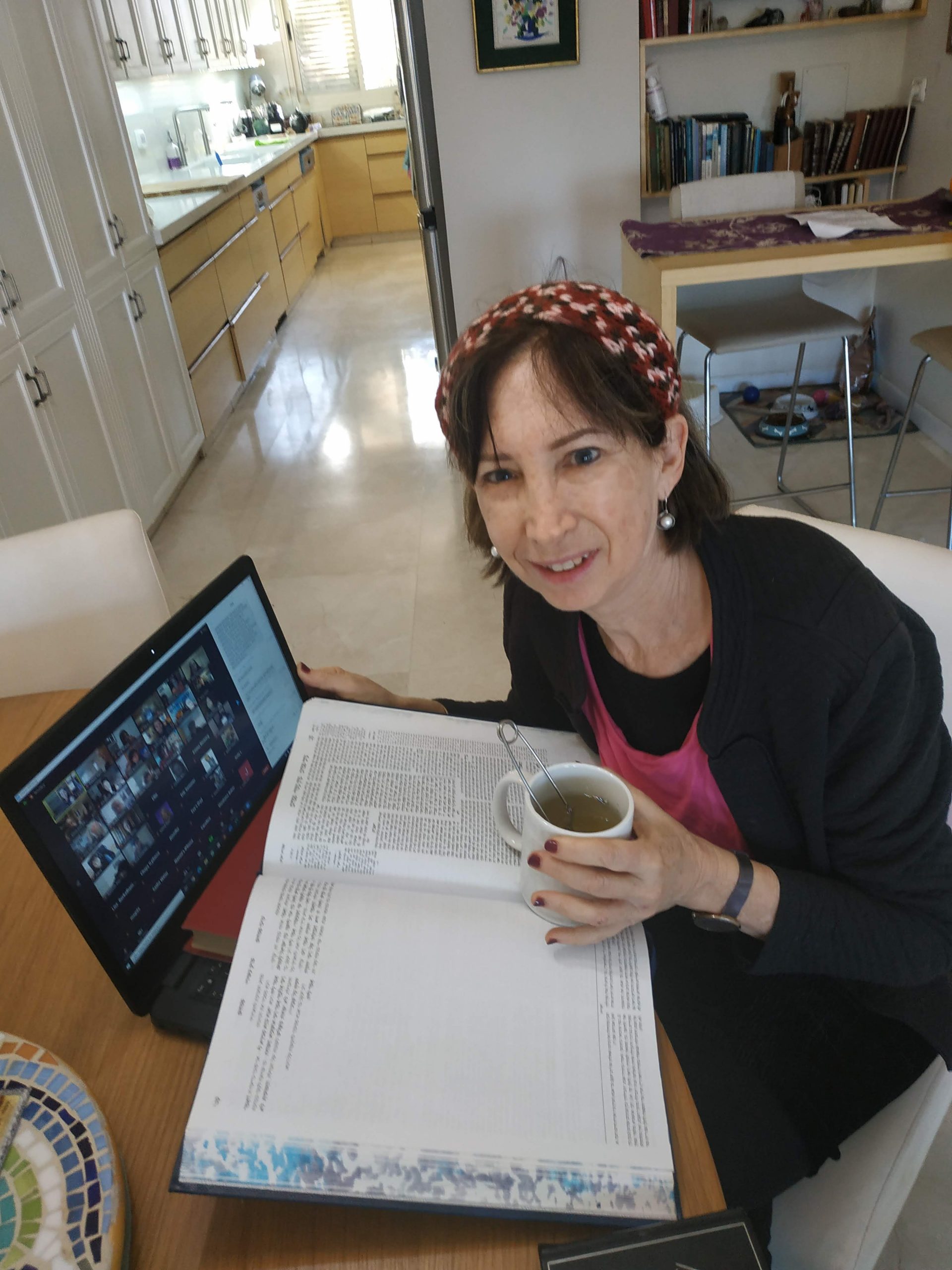
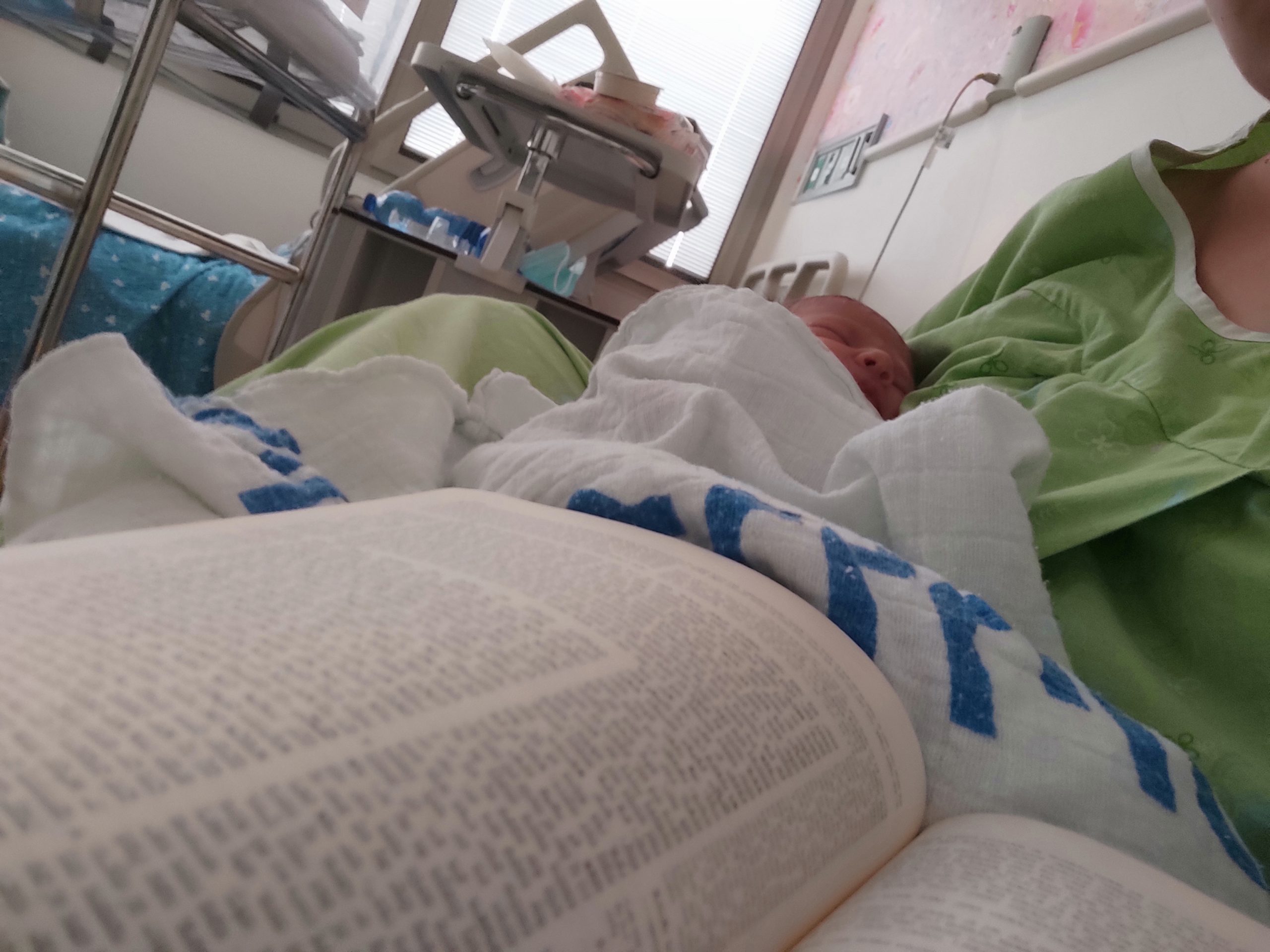
כמו שרואים בתמונה אני ממשיכה ללמוד גם היום ואפילו במחלקת יולדות אחרי לידת ביתי השלישית.

Noa Shiloh
נועה שילה

רבבה, ישראל

כבר סיפרתי בסיום של מועד קטן.
הלימוד מאוד משפיעה על היום שלי כי אני לומדת עם רבנית מישל על הבוקר בזום. זה נותן טון לכל היום – בסיס למחשבות שלי .זה זכות גדול להתחיל את היום בלימוד ובתפילה. תודה רבה !

שרה-ברלוביץ
שרה ברלוביץ

ירושלים, ישראל

התחלתי ללמוד דף יומי באמצע תקופת הקורונה, שאבא שלי סיפר לי על קבוצה של בנות שתיפתח ביישוב שלנו ותלמד דף יומי כל יום. הרבה זמן רציתי להצטרף לזה וזאת הייתה ההזדמנות בשבילי. הצטרפתי במסכת שקלים ובאמצע הייתה הפסקה קצרה. כיום אני כבר לומדת באולפנה ולומדת דף יומי לבד מתוך גמרא של טיינזלץ.

Saturdays in Raleigh
שבות בראלי

עתניאל, ישראל

הייתי לפני שנתיים בסיום הדרן נשים בבנייני האומה והחלטתי להתחיל. אפילו רק כמה דפים, אולי רק פרק, אולי רק מסכת… בינתיים סיימתי רבע שס ותכף את כל סדר מועד בה.
הסביבה תומכת ומפרגנת. אני בת יחידה עם ארבעה אחים שכולם לומדים דף יומי. מדי פעם אנחנו עושים סיומים יחד באירועים משפחתיים. ממש מרגש. מסכת שבת סיימנו כולנו יחד עם אבא שלנו!
אני שומעת כל יום פודקאסט בהליכה או בנסיעה ואחכ לומדת את הגמרא.

Edna Gross
עדנה גרוס

מרכז שפירא, ישראל

בתחילת הסבב הנוכחי של לימוד הדף היומי, נחשפתי לחגיגות המרגשות באירועי הסיום ברחבי העולם. והבטחתי לעצמי שבקרוב אצטרף גם למעגל הלומדות. הסבב התחיל כאשר הייתי בתחילת דרכי בתוכנית קרן אריאל להכשרת יועצות הלכה של נשמ”ת. לא הצלחתי להוסיף את ההתחייבות לדף היומי על הלימוד האינטנסיבי של תוכנית היועצות. בבוקר למחרת המבחן הסופי בנשמ”ת, התחלתי את לימוד הדף במסכת סוכה ומאז לא הפסקתי.

Hana Shaham-Rozby (Dr.)
חנה שחם-רוזבי (ד”ר)

קרית גת, ישראל

אחי, שלומד דף יומי ממסכת ברכות, חיפש חברותא ללימוד מסכת ראש השנה והציע לי. החברותא היתה מאתגרת טכנית ורוב הזמן נעשתה דרך הטלפון, כך שבסיום המסכת נפרדו דרכינו. אחי חזר ללמוד לבד, אבל אני כבר נכבשתי בקסם הגמרא ושכנעתי את האיש שלי להצטרף אלי למסכת ביצה. מאז המשכנו הלאה, ועכשיו אנחנו מתרגשים לקראתו של סדר נשים!

Shulamit Saban
שולמית סבן

נוקדים, ישראל

התחלתי מעט לפני תחילת הסבב הנוכחי. אני נהנית מהאתגר של להמשיך להתמיד, מרגעים של "אהה, מפה זה הגיע!” ומהאתגר האינטלקטואלי

Eilat-Chen and Deller
אילת-חן ודלר

לוד, ישראל

"התחלתי ללמוד דף יומי במחזור הזה, בח’ בטבת תש””ף. לקחתי על עצמי את הלימוד כדי ליצור תחום של התמדה יומיומית בחיים, והצטרפתי לקבוצת הלומדים בבית הכנסת בכפר אדומים. המשפחה והסביבה מתפעלים ותומכים.
בלימוד שלי אני מתפעלת בעיקר מכך שכדי ללמוד גמרא יש לדעת ולהכיר את כל הגמרא. זו מעין צבת בצבת עשויה שהיא עצומה בהיקפה.”

Sarah Fox
שרה פוּקס

כפר אדומים, ישראל

התחלתי ללמוד דף לפני קצת יותר מ-5 שנים, כשלמדתי רבנות בישיבת מהר”ת בניו יורק. בדיעבד, עד אז, הייתי בלימוד הגמרא שלי כמו מישהו שאוסף חרוזים משרשרת שהתפזרה, פה משהו ושם משהו, ומאז נפתח עולם ומלואו…. הדף נותן לי לימוד בצורה מאורגנת, שיטתית, יום-יומית, ומלמד אותי לא רק ידע אלא את השפה ודרך החשיבה שלנו. לשמחתי, יש לי סביבה תומכת וההרגשה שלי היא כמו בציטוט שבחרתי: הדף משפיע לטובה על כל היום שלי.

Michal Kahana
מיכל כהנא

חיפה, ישראל

התחלתי ללמוד לפני 4.5 שנים, כשהודיה חברה שלי פתחה קבוצת ווטסאפ ללימוד דף יומי בתחילת מסכת סנהדרין. מאז לימוד הדף נכנס לתוך היום-יום שלי והפך לאחד ממגדירי הזהות שלי ממש.

Rosenberg Foundation
קרן רוזנברג

ירושלים, ישראל

. לא תמיד נהניתי מלימוד גמרא כילדה.,בל כהתבגרתי התחלתי לאהוב את זה שוב. התחלתי ללמוד מסכת סוטה בדף היומי לפני כחמש עשרה שנה ואז הפסקתי.הגעתי לסיום הגדול של הדרן לפני שנתיים וזה נתן לי השראה. והתחלתי ללמוד למשך כמה ימים ואז היתה לי פריצת דיסק והפסקתי…עד אלול השנה. אז התחלתי עם מסכת ביצה וב”ה אני מצליחה לעמוד בקצב. המשפחה מאוד תומכת בי ויש כמה שגם לומדים את זה במקביל. אני אוהבת שיש עוגן כל יום.

Rebecca Darshan
רבקה דרשן

בית שמש, ישראל

התחלתי ללמוד בסבב הנוכחי לפני כשנתיים .הסביבה מתפעלת ותומכת מאוד. אני משתדלת ללמוד מכל ההסכתים הנוספים שיש באתר הדרן. אני עורכת כל סיום מסכת שיעור בביתי לכ20 נשים שמחכות בקוצר רוח למפגשים האלו.

Yael Asher
יעל אשר

יהוד, ישראל

נזיר כז

אֲמַר לֵיהּ: וְלִיטַעְמָיךְ, הָא דִּתְנַן: רַבָּן שִׁמְעוֹן בֶּן גַּמְלִיאֵל אוֹמֵר: הֵבִיא שָׁלֹשׁ בְּהֵמוֹת וְלֹא פֵּירֵשׁ, הָרְאוּיָה לְחַטָּאת — תִּקְרַב חַטָּאת, לְעוֹלָה — תִּקְרַב עוֹלָה, לִשְׁלָמִים — תִּקְרַב שְׁלָמִים. אַמַּאי? הָא אָמְרַתְּ: בְּהֵמָה לָאו כִּמְפוֹרֶשֶׁת דָּמְיָא!

Rav Pappa said to him: And according to your reasoning, which leads to the conclusion that all items can have the status of unallocated funds, consider that which we learned in a mishna (45a): Rabban Shimon ben Gamliel says: If one brought three different animals for his naziriteship and did not specify which was for which offering, that which is fit for a sin-offering, a ewe, is sacrificed as a sin-offering; the animal suitable for a burnt-offering, a male sheep or bull, is sacrificed as a burnt-offering; and the animal fit for a peace-offering, any other male or female, is sacrificed as a peace-offering. But according to your opinion, why is this so? Didn’t you say that an animal is not considered as allocated, but is instead like unallocated funds; how can one decide which animal to use for each offering?

אֲמַר לֵיהּ, הָתָם: ״וְלָקַח … וְעָשָׂה״.

Rav Shimi bar Ashi said to him: As for the case of birds, this is an exception, as there is an explicit verse to this effect there: It states with regard to the owner of a bird offering: “And he shall take one he-lamb for a guilt-offering to be waved, to make atonement for him, and one tenth part of an ephah of fine flour mingled with oil for a meal-offering, and a log of oil; and two turtledoves or two young pigeons, such as his means suffice for, and the one shall be a sin-offering and the other a burnt-offering” (Leviticus 14:21–22), and it later states with regard to the priest: “And he shall sacrifice one of the turtledoves, or of the young pigeons, such as his means suffice for; even such as his means suffice for, the one for a sin-offering, and the other for a burnt-offering” (Leviticus 14:30–31).

אָמַר רַחֲמָנָא: אִי בִּלְקִיחַת בְּעָלִים, אִי בַּעֲשִׂיַּית כֹּהֵן. הָכָא נָמֵי,

The Merciful One thereby states that the birds are allocated and designated for their offering either by the acquisition of the owner, by designating each bird for a particular offering upon their purchase, or by the action of the priest. With regard to the ruling of Rabban Shimon ben Gamliel, it presents no difficulty either, as it is a special case as well. Here too, when one separates these particular animals for his naziriteship offerings,

מִי מָצֵית אָמְרַתְּ הָדֵין דְּחַטָּאת תִּקְרַב עוֹלָה? הָכָא נְקֵבָה, הָכָא זָכָר.

how can you say that this one that is for the sin-offering shall be sacrificed as a burnt-offering? Here, only a female may be sacrificed as a sin-offering, whereas here, in the case of a burnt-offering, it must be male. Therefore, it is as though he allocated each animal for a specific offering. Consequently, you cannot compare this case to that of items that are not inherently designated for a particular purpose, e.g., a blemished animal or a silver bar, as they have the status of unallocated funds.

מֵתִיב רַב הַמְנוּנָא: וּמִי אָמְרִינַן בְּהֵמָה בַּעֲלַת מוּם כִּסְתוּמָה דָּמְיָא? תָּא שְׁמַע: כֵּיצַד אָמְרוּ הָאִישׁ מְגַלֵּחַ עַל נְזִירוּת אָבִיו? בִּזְמַן שֶׁהָיָה הוּא וְאָבִיו נְזִירִים, וְהִפְרִישׁ אָבִיו מָעוֹת לִנְזִירוּתוֹ וָמֵת, וְאָמַר: ״הֲרֵינִי נָזִיר עַל מְנָת שֶׁאֲגַלֵּחַ עַל מְעוֹת אַבָּא״.

§ Rav Hamnuna raised an objection against Rav Naḥman’s statement: And do we say that a blemished animal is considered like unallocated funds? Come and hear a proof to the contrary from the following baraita, which begins: How, in what case, did the Sages say that a man shaves, i.e., bring the offerings sacrificed at the end of a term of naziriteship, for his father’s naziriteship? The Gemara cites a part of that baraita which records a case where the son does not bring the offerings for his father’s naziriteship: When he and his father were both nazirites, and his father separated money for the offerings of his naziriteship and died, and the son said: I am hereby a nazirite on the condition that I will shave, i.e., bring my offerings, through the money my father set aside, in that case he cannot shave for his father’s naziriteship.

הָיוּ לוֹ מָעוֹת סְתוּמוֹת — יִפְּלוּ לִנְדָבָה. הָיְתָה לוֹ בְּהֵמָה מוּפְרֶשֶׁת חַטָּאת — תָּמוּת. עוֹלָה — תִּקְרַב עוֹלָה, וּשְׁלָמִים — יְקָרְבוּ שְׁלָמִים. מַאי לָאו, אֲפִילּוּ בַּעֲלַת מוּם?

Consequently, if the father had unallocated funds, they are allocated for communal gift offerings. If he had allocated animals, that which is for a sin-offering must be left to die, like any sin-offering whose owner has died; the animal for a burnt-offering is sacrificed as a burnt-offering, and the animal for a peace-offering is sacrificed as a peace-offering. What, is it not referring even to the case of a blemished animal, as the baraita differentiated only between money and animals? This indicates that a blemished animal is also considered allocated, which contradicts Rav Naḥman’s ruling.

לֹא, תְּמִימָה. אֲבָל בַּעֲלַת מוּם, כִּסְתוּמָה דָּמְיָא? מַאי אִירְיָא מָעוֹת? לֵימָא: הָיְתָה לוֹ בְּהֵמָה בַּעֲלַת מוּם — יִפְּלוּ לִנְדָבָה!

The Gemara rejects this suggestion: No; it is referring only to an unblemished animal, which is considered allocated because it is suitable for an offering itself. The Gemara asks: However, if that is so, is a blemished animal considered like unallocated funds? In that case, why does the baraita specifically distinguish between animals and unallocated funds? Let the baraita say as follows: If he had a blemished animal its money is allocated for communal gift offerings. The baraita would thereby distinguish between two similar cases that involve animals, from which one could infer the halakha of unallocated funds.

הָכִי נָמֵי, בַּעֲלַת מוּם לְמַאי קַדִּישָׁא — לִדְמֵי, דְּמֵי הַיְינוּ — מָעוֹת.

The Gemara answers: So too, this is the meaning of the baraita, and there is no difference between a blemished animal and money. The Gemara clarifies this claim: For what purpose is a blemished animal consecrated? It is for the value of its sale, and this value is provided in money. Consequently, this baraita does not refute Rav Naḥman’s opinion that the halakha of a blemished animal is like that of unallocated funds.

מֵתִיב רָבָא: ״קׇרְבָּנוֹ״, בְּקׇרְבָּנוֹ הוּא יוֹצֵא, וְאֵינוֹ יוֹצֵא בְּקׇרְבַּן אָבִיו. יָכוֹל לֹא יֵצֵא בְּקׇרְבָּנוֹ שֶׁל אָבִיו שֶׁהִפְרִישׁ מִן הַקַּלָּה עַל הַחֲמוּרָה, אוֹ מִן הַחֲמוּרָה עַל הַקַּלָּה,

§ Rava also raises an objection against Rav Naḥman’s opinion, from a baraita that deals with sin-offerings. The Torah states: “And he shall bring for his offering” (Leviticus 4:23), which indicates: He fulfills his obligation with his own offering, but he does not fulfill his obligation with his father’s offering, if his father was obligated to bring a sin-offering and died after separating an animal for this purpose. One might have thought that one does not fulfill his obligation with an offering that his father separated only in a case where the son’s transgression is not equal in severity to that of his father’s sin, e.g., sacrificing his offering from animals that his father designated to atone for a minor transgression to atone for his own major transgression, or from animals that his father designated to atone for a major transgression, to atone for his own minor transgression.

אֲבָל יוֹצֵא בְּקׇרְבָּן שֶׁהִפְרִישׁ אָבִיו מִן הַקַּלָּה עַל הַקַּלָּה אוֹ מִן הַחֲמוּרָה עַל הַחֲמוּרָה — תַּלְמוּד לוֹמַר: ״קׇרְבָּנוֹ״, ״קׇרְבָּנוֹ״. בְּקׇרְבָּנוֹ הוּא יוֹצֵא, וְאֵינוֹ יוֹצֵא בְּקׇרְבָּנוֹ שֶׁל אָבִיו.

However, one might have thought that he does fulfill his obligation with an offering that his father separated if it is from animals his father set aside to atone for a minor transgression and the son atones for his own minor one, or from animals the father set aside to atone for a major transgression and the son atones for his own major one. Therefore, the verse states: “His offering” (Leviticus 4:23), and it repeats: “His offering” (Leviticus 4:28), to emphasize that he fulfills his obligation with his own offering, and he does not fulfill his obligation with his father’s offering even for similar transgressions.

יָכוֹל לֹא יֵצֵא בְּקׇרְבַּן אָבִיו בִּבְהֵמָה שֶׁהִפְרִישׁ אֲפִילּוּ מִן הַקַּלָּה עַל הַקַּלָּה, מִן הַחֲמוּרָה עַל הַחֲמוּרָה, שֶׁהֲרֵי אֵין אָדָם מְגַלֵּחַ עַל בֶּהֱמַת אָבִיו בִּנְזִירוּת, אֲבָל יוֹצֵא בְּמָעוֹת שֶׁהִפְרִישׁ אָבִיו, אֲפִילּוּ מִן הַחֲמוּרָה עַל הַקַּלָּה, אוֹ מִן הַקַּלָּה עַל הַחֲמוּרָה, שֶׁהֲרֵי אָדָם מְגַלֵּחַ עַל מְעוֹת אָבִיו בִּנְזִירוּת,

The baraita continues: One might have thought that a son does not fulfill his obligation with his father’s offering, i.e., with an animal that his father separated, even from animals that his father designated to atone for a minor transgression, to atone for the son’s minor one, or from animals the father set aside to atone for a major transgression, to atone for the son’s major one, as stated above, as a person cannot shave, i.e., bring an offering, for naziriteship with his father’s animal. Consequently, the halakhot of inheritance do not apply to this animal. However, it is nevertheless possible that a son can fulfill his obligation by purchasing a sin-offering with money that his father separated for his own sin-offering, even from money the father set aside to atone for a major transgression in a case where the son is atoning for a minor transgression, or from money the father set aside to atone for a minor transgression in a case where the son is atoning for a major one, as a person can shave, i.e., purchase an offering, with the money his father set aside for naziriteship,

רוצה לעקוב אחרי התכנים ולהמשיך ללמוד?

ביצירת חשבון עוד היום ניתן לעקוב אחרי ההתקדמות שלך, לסמן מה למדת, ולעקוב אחרי השיעורים שמעניינים אותך.

לנקות את כל הפריטים מהרשימה?

פעולה זו תסיר את כל הפריטים בחלק זה כולל ההתקדמות וההיסטוריה. שימי לב: לא ניתן לשחזר פעולה זו.

ביטול
מחיקה

האם את/ה בטוח/ה שברצונך למחוק פריט זה?

תאבד/י את כל ההתקדמות או ההיסטוריה הקשורות לפריט זה.

ביטול
מחיקה