חיפוש

נזיר מח

רוצה להקדיש לימוד?

podcast placeholder

0:00
0:00


תקציר

הדף היום מוקדש ע”י גבריאל ודניאל אלטמן לע”נ אמנו מרים אלטמן ז”ל בציון 18 שנה לפטירתה.

הן על ידי הכהן הגדול והן על ידי הנזיר, הפסוקים רושמים רשימה של קרובים להם אינם יכולים להיטמא. בפסוקי כהן גדול, המילה "לאביו” באה להוציא מת מצווה, שאליה הוא יכול לטמא. המילה "לאמו” משמשת לגזירה שווה ללמוד מנזיר שהוא יכול לטמא להם בדרך אחרת, כל עוד אינם מתים, דהיינו זב או מצורע. מהיכן נדרש שנזיר יכול לטמא למת מצווה? ברייתא מביאה את דרשות שונות של רבי ישמעאל ורבי עקיבא. ראשית, רבי ישמעאל מנסה לדרוש זאת מהמילים "לאביו ולאמו” בנזיר, אך לאחר מספר קשיים (שרובם נפתרים, מלבד האחרון), הם מבינים ש”לאביו” דרוש לצורך קריאה פשוטה שאין לטמא לאביו והם דורשים את הדין של מת מצווה מלשון "ולאחיו”. מה דורש רבי ישמעאל משאר המילים בפסוק? רבי עקיבא לומד את דין מת מצווה מ”לאביו ולאמו” כיוון שהוא משתמש במילה אחרת "מת” כדי להסיק שהנזיר אינו יכול להיטמא לקרובים. מה הוא דורש מהמילים האחרות של אותו פסוק?

נזיר מח

״וּלְאִמּוֹ״ — לִגְזֵירָה שָׁוָה, לְכִדְרַבִּי. דְּתַנְיָא, רַבִּי אוֹמֵר: גַּבֵּי נָזִיר ״בְּמוֹתָם״ אֵינוֹ מִיטַּמֵּא, אֲבָל מִיטַּמֵּא הוּא לְנִגְעָם וּלְזִיבָתָם. וְאֵין לִי אֶלָּא בְּנָזִיר, בְּכֹהֵן גָּדוֹל מִנַּיִן?

The phrase “or for his mother” serves as a verbal analogy, in accordance with the opinion of Rabbi Yehuda HaNasi, as it is taught in a baraita: Rabbi Yehuda HaNasi says: It states with regard to a nazirite: “He shall not become defiled for them when they die” (Numbers 6:7), which indicates: It is only when his relatives die that he may not become impure for them. However, he may become impure for their leprosy and for their emission of a zav, i.e., a nazirite is not forbidden to contract those forms of ritual impurity. And I have derived only that this halakha applies to a nazirite, the subject of this verse. From where do I derive that this applies to a High Priest as well?

אָמַרְתָּ: לֹא יֵאָמֵר ״אִמּוֹ״ בְּכֹהֵן גָּדוֹל, שֶׁאֵין תַּלְמוּד לוֹמַר, שֶׁהֲרֵי קַל וָחוֹמֶר הוּא: וּמָה אִם בְּמָקוֹם שֶׁכֹּהֵן הֶדְיוֹט מִיטַּמֵּא לְאָחִיו מֵאָבִיו — אֵין כֹּהֵן גָּדוֹל מִיטַּמֵּא לְאָבִיו, מָקוֹם שֶׁאֵין כֹּהֵן הֶדְיוֹט מִיטַּמֵּא לְאָחִיו מֵאִמּוֹ — אֵינוֹ דִּין שֶׁאֵין כֹּהֵן גָּדוֹל מִיטַּמֵּא לְאִמּוֹ?

You can say as follows: The verse need not say “his mother” with regard to a High Priest, as there is no need for the verse to state this, since this halakha is derived a fortiori: And if in a case where a common priest becomes impure to bury his paternal brother, a High Priest may not become impure even to bury his father, then in a case where a common priest may not become impure to bury his maternal brother, who is not considered a relative with regard to impurity, is it not logical that a High Priest may not become impure to bury his mother herself?

אִם זָכִיתָה מֵהַדִּין, מָה תַּלְמוּד לוֹמַר ״אִמּוֹ״ בְּכֹהֵן גָּדוֹל? מוּפְנֶה לְהַקִּישׁ וְלָדוּן הֵימֶנּוּ גְּזֵירָה שָׁוָה: נֶאֱמַר ״אִמּוֹ״ בְּנָזִיר, וְנֶאֱמַר ״אִמּוֹ״ בְּכֹהֵן גָּדוֹל,

And if you have successfully derived this halakha from the a fortiori inference, what is the meaning when the verse states “his mother” with regard to a High Priest? It is free to teach a novel halakha, and one can compare and learn a verbal analogy from it as follows: It is stated “his mother” with regard to a nazirite (Numbers 6:7), and it is stated “his mother” with regard to a High Priest (Leviticus 21:11).

מָה ״אִמּוֹ״ הָאָמוּר בְּנָזִיר — בְּמוֹתָם אֵינוֹ מִיטַּמֵּא אֲבָל מִיטַּמֵּא הוּא לְנִגְעָם וּלְזִיבָתָם, אַף ״אִמּוֹ״ הָאָמוּר בְּכֹהֵן גָּדוֹל — בְּמוֹתָם אֵינוֹ מִיטַּמֵּא אֲבָל מִיטַּמֵּא לְנִגְעָם וּלְזִיבָתָם.

The Gemara explains: Just as the phrase “his mother” stated with regard to a nazirite teaches that in his parents’ death he may not become impure to bury them but he may become impure for their leprosy and for their emission of a zav, as a nazirite is not prohibited from contracting these impurities, so too, the phrase “his mother” stated with regard to a High Priest means that in his parents’ death he may not become impure, but he may become impure for their leprosy and for their emission of a zav.

אַשְׁכְּחַן כֹּהֵן גָּדוֹל. נָזִיר מְנָלַן? דְּתַנְיָא: ״כׇּל יְמֵי הַזִּירוֹ לַה׳ עַל נֶפֶשׁ מֵת לֹא יָבֹא״,

The Gemara clarifies: We found a source for the halakha that a High Priest must become impure for a met mitzva; from where do we derive that a nazirite is likewise obligated? As it is taught in a baraita that it is stated with regard to a nazirite: “All the days that he consecrated himself to the Lord he shall not come near to a dead body [nefesh met]” (Numbers 6:6).

שׁוֹמֵעַ אֲנִי אֲפִילּוּ נֶפֶשׁ בְּהֵמָה בַּמַּשְׁמָע, כְּעִנְיָן שֶׁנֶּאֱמַר ״מַכֵּה נֶפֶשׁ בְּהֵמָה״, תַּלְמוּד לוֹמַר: ״עַל נֶפֶשׁ מֵת לֹא יָבֹא״, בְּנֶפֶשׁ אָדָם הַכָּתוּב מְדַבֵּר. רַבִּי יִשְׁמָעֵאל אוֹמֵר: אֵינוֹ צָרִיךְ, הֲרֵי הוּא אוֹמֵר ״לֹא יָבֹא״ — בִּנְפָשׁוֹת הַמְטַמְּאוֹת בְּבִיאָה הַכָּתוּב מְדַבֵּר.

I would derive from this verse that a nazirite is prohibited from coming near all bodies, including even the body of an animal, similar to that which is stated: “And he who smites the body [nefesh] of an animal” (Leviticus 24:18). Therefore, the verse states: “He shall not come near to a dead body,” employing the dual term nefesh met, which indicates that the verse is speaking of the body of a person. Rabbi Yishmael says: This exposition is unnecessary, as the verse states: “He shall not come near,” indicating that the verse is speaking only of bodies that render people and items ritually impure through going in, i.e., entering. In other words, the verse is referring solely to corpses. Entering into a tent in which the corpse is contained renders one impure. By contrast, an animal carcass imparts impurity only by means of contact and carrying.

״לְאָבִיו וּלְאִמּוֹ״ אֵינוֹ מִיטַּמֵּא, אֲבָל מִיטַּמֵּא הוּא לְמֵת מִצְוָה.

In any case, once it has been derived that a nazirite is prohibited from becoming impure to bury any person, both relatives and non-relatives, the passage “he shall not become defiled for his father, or for his mother” (Numbers 6:7) is available to teach another halakha, that it is for only them that a nazirite may not become impure, but he may become impure to bury a met mitzva.

עַד שֶׁלֹּא יֵאָמֵר, יֵשׁ לִי בַּדִּין: וּמָה כֹּהֵן גָּדוֹל שֶׁקְּדוּשָּׁתוֹ קְדוּשַּׁת עוֹלָם, מִיטַּמֵּא לְמֵת מִצְוָה, נָזִיר שֶׁאֵין קְדוּשָּׁתוֹ קְדוּשַּׁת עוֹלָם — אֵינוֹ דִּין שֶׁמִּיטַּמֵּא לְמֵת מִצְוָה?

The baraita asks: Even if the verse had not stated this halakha, I have a way of deriving it by right, i.e., logically, with an a fortiori inference: And if a High Priest, whose sanctity is permanent, may become ritually impure to bury a met mitzva, then in the case of a nazirite, whose sanctity is not permanent, is it not logical that he may become impure to bury a met mitzva as well?

לֹא: אִם אָמַרְתָּ בְּכֹהֵן גָּדוֹל, שֶׁכֵּן אֵינוֹ מֵבִיא קׇרְבָּן עַל טוּמְאָתוֹ, תֹּאמַר בְּנָזִיר, שֶׁמֵּבִיא קׇרְבָּן עַל טוּמְאָתוֹ. הוֹאִיל וּמֵבִיא קׇרְבָּן עַל טוּמְאָתוֹ לֹא יִטַּמֵּא לְמֵת מִצְוָה? תַּלְמוּד לוֹמַר: ״לְאָבִיו וּלְאִמּוֹ לֹא יִטַּמָּא״, אֲבָל מִיטַּמֵּא לְמֵת מִצְוָה.

The baraita rejects this inference: No; if you say that this is true with regard to a High Priest, who does not bring an offering for his impurity, shall you also say that this is the case with regard to a nazirite, who does bring an offering for his impurity? Since a nazirite brings an offering for his impurity, perhaps he should not become impure to bury a met mitzva? Therefore, the verse states: “He shall not become defiled for his father, or for his mother” (Numbers 6:7). However, he does become impure to bury a met mitzva.

אוֹ: אֵינוֹ מִיטַּמֵּא לְאָבִיו וּלְאִמּוֹ, אֲבָל יִטַּמֵּא לִשְׁאָר מֵתִים! אָמַרְתָּ קַל וָחוֹמֶר: וּמָה כֹּהֵן הֶדְיוֹט, שֶׁמִּיטַּמֵּא לִקְרוֹבִין — אֵינוֹ מִיטַּמֵּא לִשְׁאָר מֵתִים, נָזִיר, שֶׁאֵינוֹ מִיטַּמֵּא לִקְרוֹבִין — אֵינוֹ דִּין שֶׁלֹּא יִטַּמֵּא לִשְׁאָר מֵתִים?

The baraita suggests: Or perhaps one should expound this verse differently: He may not become impure to bury his father or for his mother; however, he may become impure to bury other dead people. The Gemara rejects this suggestion: You can say that this argument can be refuted a fortiori: And if a common priest, who becomes impure to bury his relatives, nevertheless may not become impure to bury other dead people (see Leviticus 21:1–2), then in the case of a nazirite, who may not become impure to bury his relatives, is it not logical that also he should not become impure to bury other dead people?

הָא מָה תַּלְמוּד לוֹמַר ״לְאָבִיו וּלְאִמּוֹ״, לְאָבִיו וּלְאִמּוֹ הוּא דְּלֹא מִיטַּמֵּא, אֲבָל מִיטַּמֵּא הוּא לְמֵת מִצְוָה.

If so, what is the meaning when the verse states: “For his father, or for his mother” (Numbers 6:7)? It emphasizes that it is to bury his father and to bury his mother that he may not become impure; however, he may become impure to bury a met mitzva.

עַד שֶׁלֹּא יֵאָמֵר יֵשׁ לִי בַּדִּין: נֶאֶמְרוּ כְּלָלוֹת בְּכֹהֵן גָּדוֹל, וְנֶאֶמְרוּ כְּלָלוֹת בְּנָזִיר. מָה כְּלָלוֹת הָאֲמוּרוֹת בְּכֹהֵן גָּדוֹל — לְאָבִיו אֵינוֹ מִיטַּמֵּא, אֲבָל מִיטַּמֵּא לְמֵת מִצְוָה, אַף כְּלָלוֹת הָאֲמוּרוֹת בְּנָזִיר — לְאָבִיו אֵינוֹ מִיטַּמֵּא, אֲבָל מִיטַּמֵּא לְמֵת מִצְוָה.

The baraita questions the need for this derivation: Even if the verse had not stated this halakha, I have a way of deriving it by right, i.e., logically, with an a fortiori inference: General prohibitions are stated in the Torah with regard to a High Priest contracting impurity from a corpse, i.e., “neither shall he go in to any dead bodies” (Leviticus 21:11), and similar general prohibitions are stated with regard to a nazirite: “He shall not come near to a dead body” (Numbers 6:6). The baraita explains: Just as the general prohibitions stated with regard to a High Priest teach that it is to bury his father that he may not become impure, but he may become impure to bury a met mitzva, so too, the general prohibitions stated with regard to a nazirite indicate that it is for his father that he may not become impure, but he may become impure to bury a met mitzva. Accordingly, there is no need for the derivation from the phrase “for his father or for his mother.”

אוֹ כְּלָךְ לְדֶרֶךְ זוֹ: נֶאֶמְרוּ כְּלָלוֹת בְּכֹהֵן הֶדְיוֹט, וְנֶאֶמְרוּ כְּלָלוֹת בְּנָזִיר. מָה כְּלָלוֹת הָאֲמוּרוֹת בְּכֹהֵן הֶדְיוֹט — מִיטַּמֵּא לְאָבִיו, אַף כְּלָלוֹת הָאֲמוּרוֹת בְּנָזִיר — מִיטַּמֵּא לְאָבִיו.

The baraita refutes this proof: Or perhaps you can go this way and accept a different interpretation: General prohibitions are stated with regard to a common priest contracting impurity imparted by a corpse, i.e., “there shall none defile himself for the dead among his people” (Leviticus 21:1), and general prohibitions are stated with regard to a nazirite. Just as the general prohibitions stated with regard to a common priest teach that he may become impure to bury his father (Leviticus 21:2), so too, the general prohibitions stated with regard to a nazirite say that he may become impure to bury his father. Perhaps a nazirite is compared to a common priest, not a High Priest.

תַּלְמוּד לוֹמַר: ״לְאָבִיו וּלְאִמּוֹ לֹא יִטַּמָּא״, הָא לְמֵת מִצְוָה מִיטַּמֵּא. הָא מִיבְּעֵי לֵיהּ לוֹמַר שֶׁאֵין מִיטַּמֵּא לְאָבִיו?

Since one cannot learn from the general prohibitions, one must revert to the previous derivation: The verse states with regard to a nazirite: “He shall not become defiled for his father, or for his mother” (Numbers 6:7), which indicates that he may become impure to bury a met mitzva. The baraita raises a difficulty with this last proof: One requires this verse for the halakha itself, to say that a nazirite, unlike a common priest, may not become impure to bury his father. How, then, can one learn from here that he may become impure to bury a met mitzva?

אֶלָּא: ״לְאָבִיו״ — לוֹמַר שֶׁאֵין מִיטַּמֵּא לְאָבִיו. ״לְאָחִיו״ אֵינוֹ מִיטַּמֵּא — הָא לְמֵת מִצְוָה מִיטַּמֵּא. ״וּלְאִמּוֹ״ — לִגְזֵרָה שָׁוָה, לְכִדְרַבִּי.

Rather, the baraita explains as follows: The superfluous phrase “for his father” serves to say that he may not become impure to bury his father, and all the more so for his other relatives. The phrase “for his brother” teaches that he may not become impure to bury his brother but he may become impure to bury a met mitzva. “And for his mother”; this phrase is for a verbal analogy in accordance with the opinion of Rabbi Yehuda HaNasi, that a nazirite may contract ritual impurity of types other than a corpse.

״וּלְאַחוֹתוֹ״, לְכִדְתַנְיָא. דְּתַנְיָא: ״לְאַחוֹתוֹ״ מָה תַּלְמוּד לוֹמַר?

As for the phrase “and for his sister,” it is used for that which is taught in a baraita, as it is taught in a baraita: “And for his sister”; what is the meaning when the verse states this with regard to a nazirite? This detail is apparently superfluous, as the halakha that a nazirite may not become impure to bury a relative has already been derived.

הֲרֵי שֶׁהָלַךְ לִשְׁחוֹט אֶת פִּסְחוֹ וְלָמוּל אֶת בְּנוֹ, וְשָׁמַע שֶׁמֵּת לוֹ מֵת — יָכוֹל יִטַּמֵּא? אָמַרְתָּ: ״לֹא יִטַּמֵּא״.

The baraita continues: Rather, the term “and for his sister” teaches the following: If someone went to slaughter his Paschal offering or to circumcise his son, which are particularly stringent positive mitzvot, as their neglect is punished by karet, and he hears that a relative of his had died, one might have thought that he should become impure to bury his dead relative and abandon his performance of the mitzva. You can say in response that he may not become impure, as one is not permitted to neglect the obligation of the Paschal offering or circumcision, even to bury a close relative.

יָכוֹל לֹא יִטַּמֵּא לְמֵת מִצְוָה, תַּלְמוּד לוֹמַר: ״לְאַחוֹתוֹ״ — לַאֲחוֹתוֹ הוּא דְּאֵינוֹ מִיטַּמֵּא, הָא לְמֵת מִצְוָה — מִיטַּמֵּא.

The baraita continues: One might have thought that he may not become impure even to bury a met mitzva. The verse states: “For his sister.” It is only for his sister or another close relative that the nazirite may not become impure, but he does become impure to bury a met mitzva. Since the verse had already taught that a nazirite may not become impure to bury a relative but does become impure to bury a met mitzva in an ordinary circumstance, the additional term “and for his sister” teaches that the same halakha applies even when he is going to perform an important mitzva.

רַבִּי עֲקִיבָא אוֹמֵר: ״נְפָשׁוֹת״ — אֵלּוּ הָרְחוֹקִין, ״מֵת״ — אֵלּוּ הַקְּרוֹבִין, ״לְאָבִיו וּלְאִמּוֹ״ אֵינוֹ מִיטַּמֵּא, אֲבָל מִיטַּמֵּא הוּא לְמֵת מִצְוָה.

Rabbi Akiva says that this verse dealing with a nazirite should be explained differently. “He shall not come near to a dead body” (Numbers 6:6) teaches the following: “Body”; these are the distant people. “Dead”; these are the close relatives. The subsequent verse stresses that “for his father or for his mother” he may not become impure; however, he does become impure to bury a met mitzva.

״לְאָחִיו״ — שֶׁאִם הָיָה כֹּהֵן גָּדוֹל וְהוּא נָזִיר, לְאָחִיו אֵינוֹ מִיטַּמֵּא, אֲבָל מִיטַּמֵּא הוּא לְמֵת מִצְוָה. ״לְאַחוֹתוֹ״, כִּדְתַנְיָא: הֲרֵי שֶׁהָיָה הוֹלֵךְ לִשְׁחוֹט אֶת פִּסְחוֹ וְלָמוּל אֶת בְּנוֹ כּוּ׳.

The next term in the verse, “for his brother,” indicates that even if he was a High Priest and he was also a nazirite, he may not become impure to bury his brother, but he may become impure to bury a met mitzva. As for the term “for his sister,” this is used to teach that which is taught in a baraita: If one was going to slaughter his Paschal offering or to circumcise his son and encountered a met mitzva, the obligation to bury the corpse takes precedence over the other important mitzva.

וּלְרַבִּי עֲקִיבָא, גְּזֵירָה שָׁוָה דְּרַבִּי, מְנָלֵיהּ?

The Gemara asks: And according to the derivation of Rabbi Akiva, from where does he derive the halakha of the verbal analogy of Rabbi Yehuda HaNasi that a High Priest may contract impurities other than the impurity of a corpse? How does Rabbi Akiva derive this halakha?

אָמַר לָךְ: כֵּיוָן דְּאָמַר מָר אִם הָיָה כֹּהֵן גָּדוֹל וְנָזִיר, לְאָחִיו אֵינוֹ מִיטַּמֵּא, אֲבָל מִיטַּמֵּא הוּא לְמֵת מִצְוָה — מָה לִי כֹּהֵן גָּדוֹל לְחוֹדֵיהּ, מָה לִי נָזִיר וְכֹהֵן גָּדוֹל.

The Gemara answers: Rabbi Akiva could have said to you: Since the Master said that if someone was a High Priest and also a nazirite, it is to bury his brother that he may not become impure but he does become impure to bury a met mitzva, one can therefore argue: What difference is it to me if he was only a High Priest, and what difference is it to me if he was both a nazirite and a High Priest? Once the Torah has stated that a nazirite may contract other forms of ritual impurity, the same halakha applies equally to a nazirite who is also a High Priest.

וּלְרַבִּי יִשְׁמָעֵאל, כֹּהֵן גָּדוֹל וְהוּא נָזִיר מְנָלֵיהּ? כֵּיוָן דִּשְׁרָא רַחֲמָנָא חַד לָאו גַּבֵּי מֵת מִצְוָה — מָה לִי חַד לָאו, מָה לִי תְּרֵין לָאוִין.

The Gemara asks: And according to the derivation of Rabbi Yishmael, from where does he derive that a High Priest who is also a nazirite must become impure to bury a met mitzva? The Gemara answers: Since the Merciful One permits one prohibition with regard to a met mitzva, either that of a High Priest or that of a nazirite, what difference is it to me if one prohibition is permitted, and what difference is it to me if two prohibitions are permitted? Once the Torah has permitted both a High Priest and a nazirite to contract ritual impurity to bury a met mitzva, it makes no difference if a single prohibition or two prohibitions are involved.

״אַחוֹתוֹ״ לְמָה לִי? סָלְקָא דַּעְתָּךְ אָמֵינָא כִּי שְׁרָא רַחֲמָנָא לְמֵת מִצְוָה — נָזִיר וְכֹהֵן, דְּאִיסּוּר לָאוֵי הוּא. אֲבָל מִילָה וּפֶסַח, דְּכָרֵת — לֹא יִטַּמֵּא לְמֵת מִצְוָה, קָא מַשְׁמַע לַן.

The Gemara asks further: If so, why do I need the term “his sister”? The Gemara answers: It might enter your mind to say that when the Merciful One permits the contracting of impurity to bury a met mitzva, this is in the case of a nazirite and a priest, each of which involves a negative prohibition not to become impure. However, with regard to circumcision and the Paschal offering, whose neglect entails the punishment of karet, perhaps one should not become impure to bury a met mitzva. The verse therefore teaches us that one must become impure even if this forces him to neglect a mitzva whose neglect is punishable by karet.

חדשה בלימוד הגמרא?

זה הדף הראשון שלך? איזו התרגשות עצומה! יש לנו בדיוק את התכנים והכלים שיעזרו לך לעשות את הצעדים הראשונים ללמידה בקצב וברמה שלך, כך תוכלי להרגיש בנוח גם בתוך הסוגיות המורכבות ומאתגרות.

פסיפס הלומדות שלנו

גלי את קהילת הלומדות שלנו, מגוון נשים, רקעים וסיפורים. כולן חלק מתנועה ומסע מרגש ועוצמתי.

A life-changing journey started with a Chanukah family tiyul to Zippori, home of the Sanhedrin 2 years ago and continued with the Syum in Binanei Hauma where I was awed by the energy of 3000 women dedicated to learning daf Yomi. Opening my morning daily with a fresh daf, I am excited with the new insights I find enriching my life and opening new and deeper horizons for me.

Becky Goldstein
בקי גולדשטיין

Elazar gush etzion, Israel

התחלתי כשהייתי בחופש, עם הפרסומים על תחילת המחזור, הסביבה קיבלה את זה כמשהו מתמיד ומשמעותי ובהערכה, הלימוד זה עוגן יציב ביום יום, יש שבועות יותר ויש שפחות אבל זה משהו שנמצא שם אמין ובעל משמעות בחיים שלי….

Adi Diamant
עדי דיאמנט

גמזו, ישראל

התחלתי ללמוד דף יומי כאשר קיבלתי במייל ממכון שטיינזלץ את הדפים הראשונים של מסכת ברכות במייל. קודם לא ידעתי איך לקרוא אותם עד שנתתי להם להדריך אותי. הסביבה שלי לא מודעת לעניין כי אני לא מדברת על כך בפומבי. למדתי מהדפים דברים חדשים, כמו הקשר בין המבנה של בית המקדש והמשכן לגופו של האדם (יומא מה, ע”א) והקשר שלו למשפט מפורסם שמופיע בספר ההינדי "בהגוד-גיתא”. מתברר שזה רעיון כלל עולמי ולא רק יהודי

Elena Arenburg
אלנה ארנבורג

נשר, ישראל

התחלתי בתחילת הסבב, והתמכרתי. זה נותן משמעות נוספת ליומיום ומאוד מחזק לתת לזה מקום בתוך כל שגרת הבית-עבודה השוטפת.

Reut Abrahami
רעות אברהמי

בית שמש, ישראל

התחלתי ללמוד דף יומי בסבב הקודם. זכיתי לסיים אותו במעמד המרגש של הדרן. בסבב הראשון ליווה אותי הספק, שאולי לא אצליח לעמוד בקצב ולהתמיד. בסבב השני אני לומדת ברוגע, מתוך אמונה ביכולתי ללמוד ולסיים. בסבב הלימוד הראשון ליוותה אותי חוויה מסויימת של בדידות. הדרן העניקה לי קהילת לימוד ואחוות נשים. החוויה של סיום הש”ס במעמד כה גדול כשנשים שאינן מכירות אותי, שמחות ומתרגשות עבורי , היתה חוויה מרוממת נפש

Ilanit Weil
אילנית ווייל

קיבוץ מגדל עוז, ישראל

שמעתי על הסיום הענק של הדף היומי ע”י נשים בבנייני האומה. רציתי גם.
החלטתי להצטרף. התחלתי ושיכנעתי את בעלי ועוד שתי חברות להצטרף. עכשיו יש לי לימוד משותף איתו בשבת ומפגש חודשי איתן בנושא (והתכתבויות תדירות על דברים מיוחדים שקראנו). הצטרפנו לקבוצות שונות בווטסאפ. אנחנו ממש נהנות. אני שומעת את השיעור מידי יום (בד”כ מהרב יוני גוטמן) וקוראת ומצטרפת לסיומים של הדרן. גם מקפידה על דף משלהן (ונהנית מאד).

Liat Citron
ליאת סיטרון

אפרת, ישראל

בתחילת הסבב הנוכחי של לימוד הדף היומי, נחשפתי לחגיגות המרגשות באירועי הסיום ברחבי העולם. והבטחתי לעצמי שבקרוב אצטרף גם למעגל הלומדות. הסבב התחיל כאשר הייתי בתחילת דרכי בתוכנית קרן אריאל להכשרת יועצות הלכה של נשמ”ת. לא הצלחתי להוסיף את ההתחייבות לדף היומי על הלימוד האינטנסיבי של תוכנית היועצות. בבוקר למחרת המבחן הסופי בנשמ”ת, התחלתי את לימוד הדף במסכת סוכה ומאז לא הפסקתי.

Hana Shaham-Rozby (Dr.)
חנה שחם-רוזבי (ד”ר)

קרית גת, ישראל

התחלתי ללמוד דף יומי באמצע תקופת הקורונה, שאבא שלי סיפר לי על קבוצה של בנות שתיפתח ביישוב שלנו ותלמד דף יומי כל יום. הרבה זמן רציתי להצטרף לזה וזאת הייתה ההזדמנות בשבילי. הצטרפתי במסכת שקלים ובאמצע הייתה הפסקה קצרה. כיום אני כבר לומדת באולפנה ולומדת דף יומי לבד מתוך גמרא של טיינזלץ.

Saturdays in Raleigh
שבות בראלי

עתניאל, ישראל

באירוע של הדרן בנייני האומה. בהשראתה של אמי שלי שסיימה את הש”ס בסבב הקודם ובעידוד מאיר , אישי, וילדיי וחברותיי ללימוד במכון למנהיגות הלכתית של רשת אור תורה סטון ומורתיי הרבנית ענת נובוסלסקי והרבנית דבורה עברון, ראש המכון למנהיגות הלכתית.
הלימוד מעשיר את יומי, מחזיר אותי גם למסכתות שכבר סיימתי וידוע שאינו דומה מי ששונה פרקו מאה לשונה פרקו מאה ואחת במיוחד מרתקים אותי החיבורים בין המסכתות

Roit Kalech
רוית קלך

מודיעין, ישראל

אחי, שלומד דף יומי ממסכת ברכות, חיפש חברותא ללימוד מסכת ראש השנה והציע לי. החברותא היתה מאתגרת טכנית ורוב הזמן נעשתה דרך הטלפון, כך שבסיום המסכת נפרדו דרכינו. אחי חזר ללמוד לבד, אבל אני כבר נכבשתי בקסם הגמרא ושכנעתי את האיש שלי להצטרף אלי למסכת ביצה. מאז המשכנו הלאה, ועכשיו אנחנו מתרגשים לקראתו של סדר נשים!

Shulamit Saban
שולמית סבן

נוקדים, ישראל

התחלתי מחוג במסכת קידושין שהעבירה הרבנית רייסנר במסגרת בית המדרש כלנה בגבעת שמואל; לאחר מכן התחיל סבב הדף היומי אז הצטרפתי. לסביבה לקח זמן לעכל אבל היום כולם תומכים ומשתתפים איתי. הלימוד לעתים מעניין ומעשיר ולעתים קשה ואף הזוי… אך אני ממשיכה קדימה. הוא משפיע על היומיום שלי קודם כל במרדף אחרי הדף, וגם במושגים הרבים שלמדתי ובידע שהועשרתי בו, חלקו ממש מעשי

Abigail Chrissy
אביגיל כריסי

ראש העין, ישראל

ראיתי את הסיום הגדול בבנייני האומה וכל כך התרשמתי ורציתי לקחת חלק.. אבל לקח לי עוד כשנה וחצי )באמצע מסיכת שבת להצטרף..
הלימוד חשוב לי מאוד.. אני תמיד במרדף אחרי הדף וגונבת כל פעם חצי דף כשהילדים עסוקים ומשלימה אח”כ אחרי שכולם הלכו לישון..

Olga Mizrahi
אולגה מזרחי

ירושלים, ישראל

רציתי לקבל ידע בתחום שהרגשתי שהוא גדול וחשוב אך נעלם ממני. הלימוד מעניק אתגר וסיפוק ומעמיק את תחושת השייכות שלי לתורה וליהדות

Ruth Agiv
רות עגיב

עלי זהב – לשם, ישראל

בתחילת הסבב הנוכחי הצטברו אצלי תחושות שאני לא מבינה מספיק מהי ההלכה אותה אני מקיימת בכל יום. כמו כן, כאמא לבנות רציתי לתת להן מודל נשי של לימוד תורה
שתי הסיבות האלו הובילו אותי להתחיל ללמוד. נתקלתי בתגובות מפרגנות וסקרניות איך אישה לומדת גמרא..
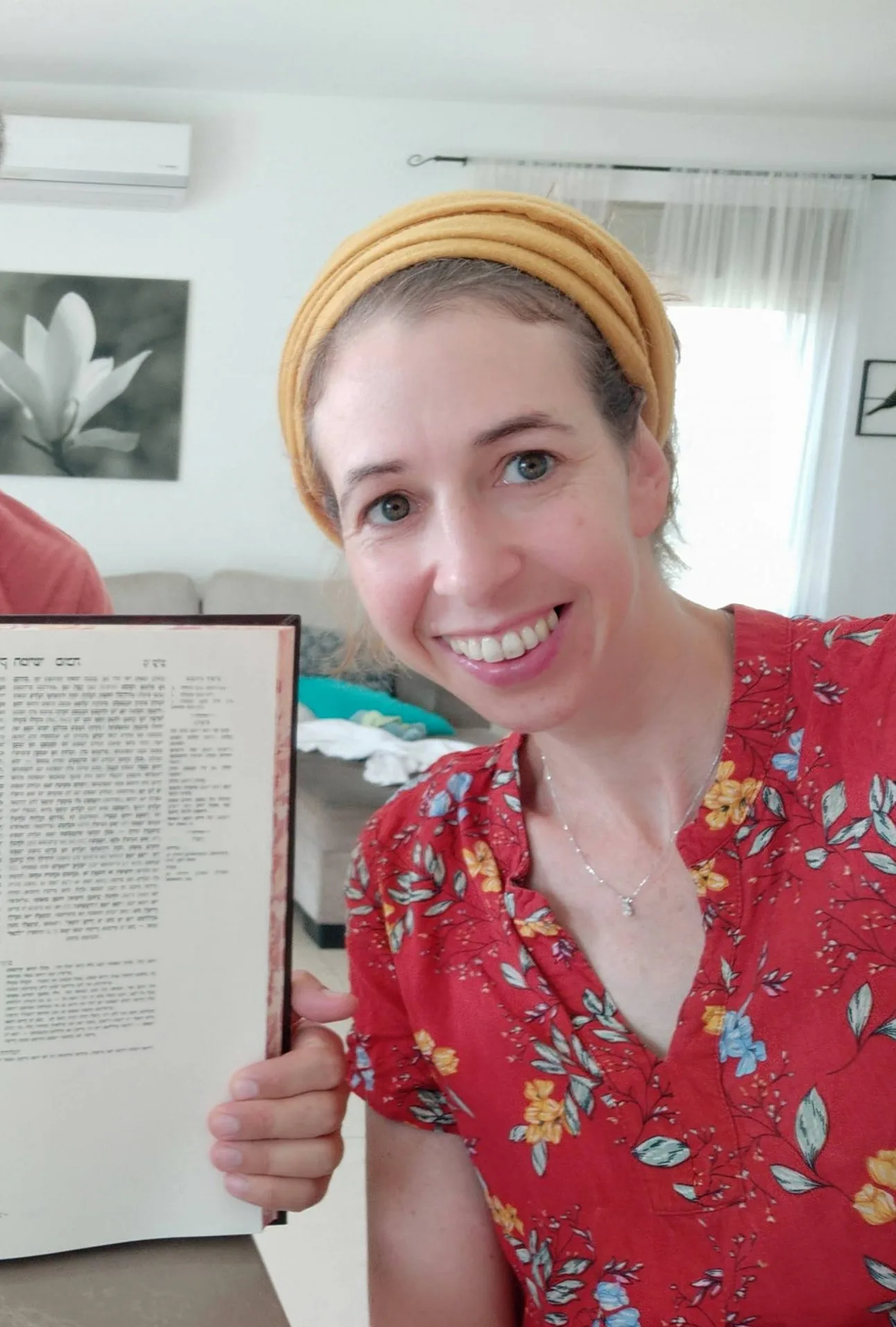
כמו שרואים בתמונה אני ממשיכה ללמוד גם היום ואפילו במחלקת יולדות אחרי לידת ביתי השלישית.

Noa Shiloh
נועה שילה

רבבה, ישראל

לפני 15 שנה, אחרי עשרות שנים של "ג’ינגול” בין משפחה לקריירה תובענית בהייטק, הצטרפתי לשיעורי גמרא במתן רעננה. הלימוד המעמיק והייחודי של הרבנית אושרה קורן יחד עם קבוצת הנשים המגוונת הייתה חוויה מאלפת ומעשירה. לפני כשמונה שנים כאשר מחזור הדף היומי הגיע למסכת תענית הצטרפתי כ”חברותא” לבעלי. זו השעה היומית שלנו ביחד כאשר דפי הגמרא משתלבים בחיי היום יום, משפיעים ומושפעים, וכשלא מספיקים תמיד משלימים בשבת

Yodi Askoff
יודי אסקוף

רעננה, ישראל

התחלתי ללמוד בשנת המדרשה במגדל עוז, בינתיים נהנית מאוד מהלימוד ומהגמרא, מעניין ומשמח מאוד!
משתדלת להצליח לעקוב כל יום, לפעמים משלימה קצת בהמשך השבוע.. מרגישה שיש עוגן מקובע ביום שלי והוא משמח מאוד!

Uriah Kesner
אוריה קסנר

חיפה , ישראל

התחלתי ללמוד דף לפני קצת יותר מ-5 שנים, כשלמדתי רבנות בישיבת מהר”ת בניו יורק. בדיעבד, עד אז, הייתי בלימוד הגמרא שלי כמו מישהו שאוסף חרוזים משרשרת שהתפזרה, פה משהו ושם משהו, ומאז נפתח עולם ומלואו…. הדף נותן לי לימוד בצורה מאורגנת, שיטתית, יום-יומית, ומלמד אותי לא רק ידע אלא את השפה ודרך החשיבה שלנו. לשמחתי, יש לי סביבה תומכת וההרגשה שלי היא כמו בציטוט שבחרתי: הדף משפיע לטובה על כל היום שלי.

Michal Kahana
מיכל כהנא

חיפה, ישראל

התחלתי ללמוד דף יומי אחרי שחזרתי בתשובה ולמדתי במדרשה במגדל עוז. הלימוד טוב ומספק חומר למחשבה על נושאים הלכתיים ”קטנים” ועד לערכים גדולים ביהדות. חשוב לי להכיר את הגמרא לעומק. והצעד הקטן היום הוא ללמוד אותה בבקיאות, בעזרת השם, ומי יודע אולי גם אגיע לעיון בנושאים מעניינים. נושאים בגמרא מתחברים לחגים, לתפילה, ליחסים שבין אדם לחברו ולמקום ולשאר הדברים שמלווים באורח חיים דתי 🙂

Gaia Divo
גאיה דיבו

מצפה יריחו, ישראל

התחלתי ללמוד גמרא בבית הספר בגיל צעיר והתאהבתי. המשכתי בכך כל חיי ואף היייתי מורה לגמרא בבית הספר שקד בשדה אליהו (בית הספר בו למדתי בילדותי)בתחילת מחזור דף יומי הנוכחי החלטתי להצטרף ובע”ה מקווה להתמיד ולהמשיך. אני אוהבת את המפגש עם הדף את "דרישות השלום ” שמקבלת מקשרים עם דפים אחרים שלמדתי את הסנכרון שמתחולל בין התכנים.

Ariela Bigman
אריאלה ביגמן

מעלה גלבוע, ישראל

אמא שלי למדה איתי ש”ס משנה, והתחילה ללמוד דף יומי. אני החלטתי שאני רוצה ללמוד גם. בהתחלה למדתי איתה, אח”כ הצטרפתי ללימוד דף יומי שהרב דני וינט מעביר לנוער בנים בעתניאל. במסכת עירובין עוד חברה הצטרפה אלי וכשהתחלנו פסחים הרב דני פתח לנו שעור דף יומי לבנות. מאז אנחנו לומדות איתו קבוע כל יום את הדף היומי (ובשבת אבא שלי מחליף אותו). אני נהנית מהלימוד, הוא מאתגר ומעניין

Renana Hellman
רננה הלמן

עתניאל, ישראל

נזיר מח

״וּלְאִמּוֹ״ — לִגְזֵירָה שָׁוָה, לְכִדְרַבִּי. דְּתַנְיָא, רַבִּי אוֹמֵר: גַּבֵּי נָזִיר ״בְּמוֹתָם״ אֵינוֹ מִיטַּמֵּא, אֲבָל מִיטַּמֵּא הוּא לְנִגְעָם וּלְזִיבָתָם. וְאֵין לִי אֶלָּא בְּנָזִיר, בְּכֹהֵן גָּדוֹל מִנַּיִן?

The phrase “or for his mother” serves as a verbal analogy, in accordance with the opinion of Rabbi Yehuda HaNasi, as it is taught in a baraita: Rabbi Yehuda HaNasi says: It states with regard to a nazirite: “He shall not become defiled for them when they die” (Numbers 6:7), which indicates: It is only when his relatives die that he may not become impure for them. However, he may become impure for their leprosy and for their emission of a zav, i.e., a nazirite is not forbidden to contract those forms of ritual impurity. And I have derived only that this halakha applies to a nazirite, the subject of this verse. From where do I derive that this applies to a High Priest as well?

אָמַרְתָּ: לֹא יֵאָמֵר ״אִמּוֹ״ בְּכֹהֵן גָּדוֹל, שֶׁאֵין תַּלְמוּד לוֹמַר, שֶׁהֲרֵי קַל וָחוֹמֶר הוּא: וּמָה אִם בְּמָקוֹם שֶׁכֹּהֵן הֶדְיוֹט מִיטַּמֵּא לְאָחִיו מֵאָבִיו — אֵין כֹּהֵן גָּדוֹל מִיטַּמֵּא לְאָבִיו, מָקוֹם שֶׁאֵין כֹּהֵן הֶדְיוֹט מִיטַּמֵּא לְאָחִיו מֵאִמּוֹ — אֵינוֹ דִּין שֶׁאֵין כֹּהֵן גָּדוֹל מִיטַּמֵּא לְאִמּוֹ?

You can say as follows: The verse need not say “his mother” with regard to a High Priest, as there is no need for the verse to state this, since this halakha is derived a fortiori: And if in a case where a common priest becomes impure to bury his paternal brother, a High Priest may not become impure even to bury his father, then in a case where a common priest may not become impure to bury his maternal brother, who is not considered a relative with regard to impurity, is it not logical that a High Priest may not become impure to bury his mother herself?

אִם זָכִיתָה מֵהַדִּין, מָה תַּלְמוּד לוֹמַר ״אִמּוֹ״ בְּכֹהֵן גָּדוֹל? מוּפְנֶה לְהַקִּישׁ וְלָדוּן הֵימֶנּוּ גְּזֵירָה שָׁוָה: נֶאֱמַר ״אִמּוֹ״ בְּנָזִיר, וְנֶאֱמַר ״אִמּוֹ״ בְּכֹהֵן גָּדוֹל,

And if you have successfully derived this halakha from the a fortiori inference, what is the meaning when the verse states “his mother” with regard to a High Priest? It is free to teach a novel halakha, and one can compare and learn a verbal analogy from it as follows: It is stated “his mother” with regard to a nazirite (Numbers 6:7), and it is stated “his mother” with regard to a High Priest (Leviticus 21:11).

מָה ״אִמּוֹ״ הָאָמוּר בְּנָזִיר — בְּמוֹתָם אֵינוֹ מִיטַּמֵּא אֲבָל מִיטַּמֵּא הוּא לְנִגְעָם וּלְזִיבָתָם, אַף ״אִמּוֹ״ הָאָמוּר בְּכֹהֵן גָּדוֹל — בְּמוֹתָם אֵינוֹ מִיטַּמֵּא אֲבָל מִיטַּמֵּא לְנִגְעָם וּלְזִיבָתָם.

The Gemara explains: Just as the phrase “his mother” stated with regard to a nazirite teaches that in his parents’ death he may not become impure to bury them but he may become impure for their leprosy and for their emission of a zav, as a nazirite is not prohibited from contracting these impurities, so too, the phrase “his mother” stated with regard to a High Priest means that in his parents’ death he may not become impure, but he may become impure for their leprosy and for their emission of a zav.

אַשְׁכְּחַן כֹּהֵן גָּדוֹל. נָזִיר מְנָלַן? דְּתַנְיָא: ״כׇּל יְמֵי הַזִּירוֹ לַה׳ עַל נֶפֶשׁ מֵת לֹא יָבֹא״,

The Gemara clarifies: We found a source for the halakha that a High Priest must become impure for a met mitzva; from where do we derive that a nazirite is likewise obligated? As it is taught in a baraita that it is stated with regard to a nazirite: “All the days that he consecrated himself to the Lord he shall not come near to a dead body [nefesh met]” (Numbers 6:6).

שׁוֹמֵעַ אֲנִי אֲפִילּוּ נֶפֶשׁ בְּהֵמָה בַּמַּשְׁמָע, כְּעִנְיָן שֶׁנֶּאֱמַר ״מַכֵּה נֶפֶשׁ בְּהֵמָה״, תַּלְמוּד לוֹמַר: ״עַל נֶפֶשׁ מֵת לֹא יָבֹא״, בְּנֶפֶשׁ אָדָם הַכָּתוּב מְדַבֵּר. רַבִּי יִשְׁמָעֵאל אוֹמֵר: אֵינוֹ צָרִיךְ, הֲרֵי הוּא אוֹמֵר ״לֹא יָבֹא״ — בִּנְפָשׁוֹת הַמְטַמְּאוֹת בְּבִיאָה הַכָּתוּב מְדַבֵּר.

I would derive from this verse that a nazirite is prohibited from coming near all bodies, including even the body of an animal, similar to that which is stated: “And he who smites the body [nefesh] of an animal” (Leviticus 24:18). Therefore, the verse states: “He shall not come near to a dead body,” employing the dual term nefesh met, which indicates that the verse is speaking of the body of a person. Rabbi Yishmael says: This exposition is unnecessary, as the verse states: “He shall not come near,” indicating that the verse is speaking only of bodies that render people and items ritually impure through going in, i.e., entering. In other words, the verse is referring solely to corpses. Entering into a tent in which the corpse is contained renders one impure. By contrast, an animal carcass imparts impurity only by means of contact and carrying.

״לְאָבִיו וּלְאִמּוֹ״ אֵינוֹ מִיטַּמֵּא, אֲבָל מִיטַּמֵּא הוּא לְמֵת מִצְוָה.

In any case, once it has been derived that a nazirite is prohibited from becoming impure to bury any person, both relatives and non-relatives, the passage “he shall not become defiled for his father, or for his mother” (Numbers 6:7) is available to teach another halakha, that it is for only them that a nazirite may not become impure, but he may become impure to bury a met mitzva.

עַד שֶׁלֹּא יֵאָמֵר, יֵשׁ לִי בַּדִּין: וּמָה כֹּהֵן גָּדוֹל שֶׁקְּדוּשָּׁתוֹ קְדוּשַּׁת עוֹלָם, מִיטַּמֵּא לְמֵת מִצְוָה, נָזִיר שֶׁאֵין קְדוּשָּׁתוֹ קְדוּשַּׁת עוֹלָם — אֵינוֹ דִּין שֶׁמִּיטַּמֵּא לְמֵת מִצְוָה?

The baraita asks: Even if the verse had not stated this halakha, I have a way of deriving it by right, i.e., logically, with an a fortiori inference: And if a High Priest, whose sanctity is permanent, may become ritually impure to bury a met mitzva, then in the case of a nazirite, whose sanctity is not permanent, is it not logical that he may become impure to bury a met mitzva as well?

לֹא: אִם אָמַרְתָּ בְּכֹהֵן גָּדוֹל, שֶׁכֵּן אֵינוֹ מֵבִיא קׇרְבָּן עַל טוּמְאָתוֹ, תֹּאמַר בְּנָזִיר, שֶׁמֵּבִיא קׇרְבָּן עַל טוּמְאָתוֹ. הוֹאִיל וּמֵבִיא קׇרְבָּן עַל טוּמְאָתוֹ לֹא יִטַּמֵּא לְמֵת מִצְוָה? תַּלְמוּד לוֹמַר: ״לְאָבִיו וּלְאִמּוֹ לֹא יִטַּמָּא״, אֲבָל מִיטַּמֵּא לְמֵת מִצְוָה.

The baraita rejects this inference: No; if you say that this is true with regard to a High Priest, who does not bring an offering for his impurity, shall you also say that this is the case with regard to a nazirite, who does bring an offering for his impurity? Since a nazirite brings an offering for his impurity, perhaps he should not become impure to bury a met mitzva? Therefore, the verse states: “He shall not become defiled for his father, or for his mother” (Numbers 6:7). However, he does become impure to bury a met mitzva.

אוֹ: אֵינוֹ מִיטַּמֵּא לְאָבִיו וּלְאִמּוֹ, אֲבָל יִטַּמֵּא לִשְׁאָר מֵתִים! אָמַרְתָּ קַל וָחוֹמֶר: וּמָה כֹּהֵן הֶדְיוֹט, שֶׁמִּיטַּמֵּא לִקְרוֹבִין — אֵינוֹ מִיטַּמֵּא לִשְׁאָר מֵתִים, נָזִיר, שֶׁאֵינוֹ מִיטַּמֵּא לִקְרוֹבִין — אֵינוֹ דִּין שֶׁלֹּא יִטַּמֵּא לִשְׁאָר מֵתִים?

The baraita suggests: Or perhaps one should expound this verse differently: He may not become impure to bury his father or for his mother; however, he may become impure to bury other dead people. The Gemara rejects this suggestion: You can say that this argument can be refuted a fortiori: And if a common priest, who becomes impure to bury his relatives, nevertheless may not become impure to bury other dead people (see Leviticus 21:1–2), then in the case of a nazirite, who may not become impure to bury his relatives, is it not logical that also he should not become impure to bury other dead people?

הָא מָה תַּלְמוּד לוֹמַר ״לְאָבִיו וּלְאִמּוֹ״, לְאָבִיו וּלְאִמּוֹ הוּא דְּלֹא מִיטַּמֵּא, אֲבָל מִיטַּמֵּא הוּא לְמֵת מִצְוָה.

If so, what is the meaning when the verse states: “For his father, or for his mother” (Numbers 6:7)? It emphasizes that it is to bury his father and to bury his mother that he may not become impure; however, he may become impure to bury a met mitzva.

עַד שֶׁלֹּא יֵאָמֵר יֵשׁ לִי בַּדִּין: נֶאֶמְרוּ כְּלָלוֹת בְּכֹהֵן גָּדוֹל, וְנֶאֶמְרוּ כְּלָלוֹת בְּנָזִיר. מָה כְּלָלוֹת הָאֲמוּרוֹת בְּכֹהֵן גָּדוֹל — לְאָבִיו אֵינוֹ מִיטַּמֵּא, אֲבָל מִיטַּמֵּא לְמֵת מִצְוָה, אַף כְּלָלוֹת הָאֲמוּרוֹת בְּנָזִיר — לְאָבִיו אֵינוֹ מִיטַּמֵּא, אֲבָל מִיטַּמֵּא לְמֵת מִצְוָה.

The baraita questions the need for this derivation: Even if the verse had not stated this halakha, I have a way of deriving it by right, i.e., logically, with an a fortiori inference: General prohibitions are stated in the Torah with regard to a High Priest contracting impurity from a corpse, i.e., “neither shall he go in to any dead bodies” (Leviticus 21:11), and similar general prohibitions are stated with regard to a nazirite: “He shall not come near to a dead body” (Numbers 6:6). The baraita explains: Just as the general prohibitions stated with regard to a High Priest teach that it is to bury his father that he may not become impure, but he may become impure to bury a met mitzva, so too, the general prohibitions stated with regard to a nazirite indicate that it is for his father that he may not become impure, but he may become impure to bury a met mitzva. Accordingly, there is no need for the derivation from the phrase “for his father or for his mother.”

אוֹ כְּלָךְ לְדֶרֶךְ זוֹ: נֶאֶמְרוּ כְּלָלוֹת בְּכֹהֵן הֶדְיוֹט, וְנֶאֶמְרוּ כְּלָלוֹת בְּנָזִיר. מָה כְּלָלוֹת הָאֲמוּרוֹת בְּכֹהֵן הֶדְיוֹט — מִיטַּמֵּא לְאָבִיו, אַף כְּלָלוֹת הָאֲמוּרוֹת בְּנָזִיר — מִיטַּמֵּא לְאָבִיו.

The baraita refutes this proof: Or perhaps you can go this way and accept a different interpretation: General prohibitions are stated with regard to a common priest contracting impurity imparted by a corpse, i.e., “there shall none defile himself for the dead among his people” (Leviticus 21:1), and general prohibitions are stated with regard to a nazirite. Just as the general prohibitions stated with regard to a common priest teach that he may become impure to bury his father (Leviticus 21:2), so too, the general prohibitions stated with regard to a nazirite say that he may become impure to bury his father. Perhaps a nazirite is compared to a common priest, not a High Priest.

תַּלְמוּד לוֹמַר: ״לְאָבִיו וּלְאִמּוֹ לֹא יִטַּמָּא״, הָא לְמֵת מִצְוָה מִיטַּמֵּא. הָא מִיבְּעֵי לֵיהּ לוֹמַר שֶׁאֵין מִיטַּמֵּא לְאָבִיו?

Since one cannot learn from the general prohibitions, one must revert to the previous derivation: The verse states with regard to a nazirite: “He shall not become defiled for his father, or for his mother” (Numbers 6:7), which indicates that he may become impure to bury a met mitzva. The baraita raises a difficulty with this last proof: One requires this verse for the halakha itself, to say that a nazirite, unlike a common priest, may not become impure to bury his father. How, then, can one learn from here that he may become impure to bury a met mitzva?

אֶלָּא: ״לְאָבִיו״ — לוֹמַר שֶׁאֵין מִיטַּמֵּא לְאָבִיו. ״לְאָחִיו״ אֵינוֹ מִיטַּמֵּא — הָא לְמֵת מִצְוָה מִיטַּמֵּא. ״וּלְאִמּוֹ״ — לִגְזֵרָה שָׁוָה, לְכִדְרַבִּי.

Rather, the baraita explains as follows: The superfluous phrase “for his father” serves to say that he may not become impure to bury his father, and all the more so for his other relatives. The phrase “for his brother” teaches that he may not become impure to bury his brother but he may become impure to bury a met mitzva. “And for his mother”; this phrase is for a verbal analogy in accordance with the opinion of Rabbi Yehuda HaNasi, that a nazirite may contract ritual impurity of types other than a corpse.

״וּלְאַחוֹתוֹ״, לְכִדְתַנְיָא. דְּתַנְיָא: ״לְאַחוֹתוֹ״ מָה תַּלְמוּד לוֹמַר?

As for the phrase “and for his sister,” it is used for that which is taught in a baraita, as it is taught in a baraita: “And for his sister”; what is the meaning when the verse states this with regard to a nazirite? This detail is apparently superfluous, as the halakha that a nazirite may not become impure to bury a relative has already been derived.

הֲרֵי שֶׁהָלַךְ לִשְׁחוֹט אֶת פִּסְחוֹ וְלָמוּל אֶת בְּנוֹ, וְשָׁמַע שֶׁמֵּת לוֹ מֵת — יָכוֹל יִטַּמֵּא? אָמַרְתָּ: ״לֹא יִטַּמֵּא״.

The baraita continues: Rather, the term “and for his sister” teaches the following: If someone went to slaughter his Paschal offering or to circumcise his son, which are particularly stringent positive mitzvot, as their neglect is punished by karet, and he hears that a relative of his had died, one might have thought that he should become impure to bury his dead relative and abandon his performance of the mitzva. You can say in response that he may not become impure, as one is not permitted to neglect the obligation of the Paschal offering or circumcision, even to bury a close relative.

יָכוֹל לֹא יִטַּמֵּא לְמֵת מִצְוָה, תַּלְמוּד לוֹמַר: ״לְאַחוֹתוֹ״ — לַאֲחוֹתוֹ הוּא דְּאֵינוֹ מִיטַּמֵּא, הָא לְמֵת מִצְוָה — מִיטַּמֵּא.

The baraita continues: One might have thought that he may not become impure even to bury a met mitzva. The verse states: “For his sister.” It is only for his sister or another close relative that the nazirite may not become impure, but he does become impure to bury a met mitzva. Since the verse had already taught that a nazirite may not become impure to bury a relative but does become impure to bury a met mitzva in an ordinary circumstance, the additional term “and for his sister” teaches that the same halakha applies even when he is going to perform an important mitzva.

רַבִּי עֲקִיבָא אוֹמֵר: ״נְפָשׁוֹת״ — אֵלּוּ הָרְחוֹקִין, ״מֵת״ — אֵלּוּ הַקְּרוֹבִין, ״לְאָבִיו וּלְאִמּוֹ״ אֵינוֹ מִיטַּמֵּא, אֲבָל מִיטַּמֵּא הוּא לְמֵת מִצְוָה.

Rabbi Akiva says that this verse dealing with a nazirite should be explained differently. “He shall not come near to a dead body” (Numbers 6:6) teaches the following: “Body”; these are the distant people. “Dead”; these are the close relatives. The subsequent verse stresses that “for his father or for his mother” he may not become impure; however, he does become impure to bury a met mitzva.

״לְאָחִיו״ — שֶׁאִם הָיָה כֹּהֵן גָּדוֹל וְהוּא נָזִיר, לְאָחִיו אֵינוֹ מִיטַּמֵּא, אֲבָל מִיטַּמֵּא הוּא לְמֵת מִצְוָה. ״לְאַחוֹתוֹ״, כִּדְתַנְיָא: הֲרֵי שֶׁהָיָה הוֹלֵךְ לִשְׁחוֹט אֶת פִּסְחוֹ וְלָמוּל אֶת בְּנוֹ כּוּ׳.

The next term in the verse, “for his brother,” indicates that even if he was a High Priest and he was also a nazirite, he may not become impure to bury his brother, but he may become impure to bury a met mitzva. As for the term “for his sister,” this is used to teach that which is taught in a baraita: If one was going to slaughter his Paschal offering or to circumcise his son and encountered a met mitzva, the obligation to bury the corpse takes precedence over the other important mitzva.

וּלְרַבִּי עֲקִיבָא, גְּזֵירָה שָׁוָה דְּרַבִּי, מְנָלֵיהּ?

The Gemara asks: And according to the derivation of Rabbi Akiva, from where does he derive the halakha of the verbal analogy of Rabbi Yehuda HaNasi that a High Priest may contract impurities other than the impurity of a corpse? How does Rabbi Akiva derive this halakha?

אָמַר לָךְ: כֵּיוָן דְּאָמַר מָר אִם הָיָה כֹּהֵן גָּדוֹל וְנָזִיר, לְאָחִיו אֵינוֹ מִיטַּמֵּא, אֲבָל מִיטַּמֵּא הוּא לְמֵת מִצְוָה — מָה לִי כֹּהֵן גָּדוֹל לְחוֹדֵיהּ, מָה לִי נָזִיר וְכֹהֵן גָּדוֹל.

The Gemara answers: Rabbi Akiva could have said to you: Since the Master said that if someone was a High Priest and also a nazirite, it is to bury his brother that he may not become impure but he does become impure to bury a met mitzva, one can therefore argue: What difference is it to me if he was only a High Priest, and what difference is it to me if he was both a nazirite and a High Priest? Once the Torah has stated that a nazirite may contract other forms of ritual impurity, the same halakha applies equally to a nazirite who is also a High Priest.

וּלְרַבִּי יִשְׁמָעֵאל, כֹּהֵן גָּדוֹל וְהוּא נָזִיר מְנָלֵיהּ? כֵּיוָן דִּשְׁרָא רַחֲמָנָא חַד לָאו גַּבֵּי מֵת מִצְוָה — מָה לִי חַד לָאו, מָה לִי תְּרֵין לָאוִין.

The Gemara asks: And according to the derivation of Rabbi Yishmael, from where does he derive that a High Priest who is also a nazirite must become impure to bury a met mitzva? The Gemara answers: Since the Merciful One permits one prohibition with regard to a met mitzva, either that of a High Priest or that of a nazirite, what difference is it to me if one prohibition is permitted, and what difference is it to me if two prohibitions are permitted? Once the Torah has permitted both a High Priest and a nazirite to contract ritual impurity to bury a met mitzva, it makes no difference if a single prohibition or two prohibitions are involved.

״אַחוֹתוֹ״ לְמָה לִי? סָלְקָא דַּעְתָּךְ אָמֵינָא כִּי שְׁרָא רַחֲמָנָא לְמֵת מִצְוָה — נָזִיר וְכֹהֵן, דְּאִיסּוּר לָאוֵי הוּא. אֲבָל מִילָה וּפֶסַח, דְּכָרֵת — לֹא יִטַּמֵּא לְמֵת מִצְוָה, קָא מַשְׁמַע לַן.

The Gemara asks further: If so, why do I need the term “his sister”? The Gemara answers: It might enter your mind to say that when the Merciful One permits the contracting of impurity to bury a met mitzva, this is in the case of a nazirite and a priest, each of which involves a negative prohibition not to become impure. However, with regard to circumcision and the Paschal offering, whose neglect entails the punishment of karet, perhaps one should not become impure to bury a met mitzva. The verse therefore teaches us that one must become impure even if this forces him to neglect a mitzva whose neglect is punishable by karet.

רוצה לעקוב אחרי התכנים ולהמשיך ללמוד?

ביצירת חשבון עוד היום ניתן לעקוב אחרי ההתקדמות שלך, לסמן מה למדת, ולעקוב אחרי השיעורים שמעניינים אותך.

לנקות את כל הפריטים מהרשימה?

פעולה זו תסיר את כל הפריטים בחלק זה כולל ההתקדמות וההיסטוריה. שימי לב: לא ניתן לשחזר פעולה זו.

ביטול
מחיקה

האם את/ה בטוח/ה שברצונך למחוק פריט זה?

תאבד/י את כל ההתקדמות או ההיסטוריה הקשורות לפריט זה.

ביטול
מחיקה