חיפוש

נזיר נא

רוצה להקדיש לימוד?

podcast placeholder

0:00
0:00


תקציר

הלימוד השבוע מוקדש ע”י שרה אבריק וג’וסה רוזנפלד לע”נ צביה רחל בת מרדכי הלוי ומרים.

הדף היום מוקדש ע”י קרוליין בן-ארי לע”נ אימה, דפנה דבורה בת אברהם וחנה.

הדף היום מוקדש ע”י ריסה צוהר לע”נ אמה מורתה פרומה בת ריסל ודוד.

טומאת רקב מוגבלת בגל מיני דרכים, כפי שמצוין בברייתא ובכמה אמירות של אמוראים. הגוף חייב להיות ללא כל לבוש, על רצפת אבן או שיש, לבד (לא עם גוף אחר) עם בשר, עצמות וגידים, לא קבור עם שיער, ציפורניים או שיניים שהוסרו מהגוף. נשאלת שאלה לגבי אבק שמגיע מהעקב, שכן גם בחייו של האדם העקב הוא אזור ‘מת’ בגוף. לאחר שהציעה תשובה, מפרשת הגמרא מחדש את השאלה. נשאלת סדרה של שאלות נוספות לגבי רקב – מה לגבי אשה בהריון שמתה כשהעובר ברחמה? מה אם היה שכבת זרע בגוף האשה, או צואה או אולי העור ייחשב כמשהו אחר שמונע דין רקב? לאחר כל השאלות הללו, אומר רב שמואל בר אחא שאם נגביל את כל המקרים הללו, לא תהיה טומאת רקב!! על כך מסביר רב פפא איך יכול להיות מקרה של רקב. רקב הוא רק כשהאבק הוא נוצר מגוף שהתרקב ולא אם הגוף נטחן לאבק. מה אם זה היה טחון ואז נרקב? רקב גם לא חל על גוף שאינו שלם. שתי הלכות אחרות אינן חלות גם על גופה לא שלמה – תפוסה (כאשר מזיזים קבר, יש לחפור גם את האדמה שמסביב ולהעביר את זה עם הגופה) ושכונת קברות (אם מוצאים שלוש גופות, צריך לחפש באזור כי סביר להניח שיש אתר בית קברות עתיק ויש עוד קברות). מובאת משנה מעדיות ו:ג להעלות קושי כנגד זה אך היא נפתרת. רבא שואל שאלה נוספת ומביאים את אותה משנה בעדויות כתשובה, אך תשובה זו נדחית.

נזיר נא

תָּנוּ רַבָּנַן: אֵיזֶהוּ מֵת שֶׁיֵּשׁ לוֹ רָקָב? מֵת שֶׁנִּקְבַּר עָרוֹם בְּאָרוֹן שֶׁל שַׁיִשׁ אוֹ עַל גַּבֵּי רִצְפָּה שֶׁל אֲבָנִים — זֶהוּ מֵת שֶׁיֵּשׁ לוֹ רָקָב. נִקְבַּר בִּכְסוּתוֹ, בְּאָרוֹן שֶׁל עֵץ, אוֹ עַל גַּבֵּי רִצְפָּה שֶׁל לְבֵנִים — זֶהוּ מֵת שֶׁאֵין לוֹ רָקָב.

§ The mishna taught that one of the sources of ritual impurity for which a nazirite must shave is a full ladle of dust from a corpse. The Sages taught (Tosefta, Oholot 2:3): Which is a corpse that has the halakha of dust, i.e., whose dust imparts impurity? A corpse that was buried naked in a marble coffin or on a stone floor; this is a corpse that has the halakha of dust that imparts impurity. Any dust found there must have come from the corpse. However, if it was buried in its cloak, or in a wooden coffin, or on a brick floor, this is a corpse that does not have the halakha of dust that imparts impurity. In the latter cases it is assumed that the dust from the corpse includes particles from the clothes, wood, or bricks that disintegrated, and there is a tradition that the impurity of dust applies only to dust that comes solely from the corpse, not to a mixture from different sources.

אָמַר עוּלָּא: אֵין רָקָב, אֶלָּא הַבָּא מִן הַבָּשָׂר וּמִן הַגִּידִים וּמִן הָעֲצָמוֹת. אֵיתִיבֵיהּ רָבָא לְעוּלָּא: רָקָב הַבָּא מִן הַבָּשָׂר טָהוֹר. הָא מִן הָעֶצֶם — טָמֵא, וְאַף עַל גַּב דְּלֵיכָּא בָּשָׂר! אֵימָא הָכִי: רָקָב הַבָּא מִן הַבָּשָׂר — טָהוֹר, עַד שֶׁיֵּשׁ עֶצֶם בַּבָּשָׂר.

With regard to the same issue, Ulla said: Dust is only that which comes from the flesh and from the sinews and from the bones of the corpse together, but not if it came from one of these alone. Rava raised an objection to Ulla from the following baraita: Dust that comes from the flesh is pure. It can be inferred from here that if it comes from the bone it is impure, even though there is no dust of flesh mixed with it. Ulla replied: You should say and infer like this: Dust that comes from the flesh is pure, unless there is bone in the flesh.

הָא לֵיכָּא גִּידִים! אִי אֶפְשָׁר לְבָשָׂר וְלַעֲצָמוֹת בְּלֹא גִּידִים.

Rava continued to question Ulla’s opinion: Even if one interprets the baraita in this manner, there is no mention of sinews here at all, and Ulla maintains that sinews must also contribute to the makeup of part of the dust. Ulla replied that there is no need to mention sinews explicitly, as it is impossible for there to be flesh and bones without sinews. Once it is established that the dust is from bones and flesh, it necessarily includes sinews as well.

אָמַר רַב שְׁמוּאֵל בַּר אַבָּא אָמַר רַבִּי יוֹחָנָן: שְׁנֵי מֵתִים שֶׁקְּבָרָן זֶה עִם זֶה — נַעֲשׂוּ גַּלְגַּלִּין זֶה לָזֶה. מֵתִיב רַב נָתָן: רָקָב הַבָּא מִשְּׁנֵי מֵתִים — טָמֵא!

§ The Gemara continues to discuss the dust of a corpse. Rav Shmuel bar Abba said that Rabbi Yoḥanan said: Two corpses that were buried with one another become a mixture [galgallin] with one another. Their dust is considered mixed together and does not impart the impurity of the dust from a single corpse. Rav Natan raises an objection to this opinion: But it is taught that dust that comes from two corpses is impure.

אָמַר רָבָא: שֶׁקָּבְרוּ זֶה בִּפְנֵי עַצְמוֹ וְזֶה בִּפְנֵי עַצְמוֹ, וְהִרְקִיבוּ, וְעָמְדוּ עַל מְלֹא תַּרְווֹד רָקָב.

Rava said: That baraita is referring to a case where they buried this corpse by itself and that corpse by itself, and they decayed separately, and they both stood at, i.e., yielded the amount of, a full ladle of dust. In this situation, the dust imparts impurity despite the fact that it is not from a single corpse, as the status of dust from a corpse initially applied to each corpse. However, if the corpses decayed together they are considered to be mixed together, which means that their dust does not impart impurity.

אָמַר רַבָּה בַּר בַּר חָנָה אָמַר רַבִּי יוֹחָנָן: גָּזַז שְׂעָרוֹ וּקְבָרוֹ עִמּוֹ — נַעֲשָׂה לוֹ גַּלְגַּלִּין. תְּנַן הָתָם: כׇּל שֶׁבַּמֵּת טָמֵא, חוּץ מִן הַשִּׁינַּיִם וְהַשֵּׂעָר וְהַצִּפּוֹרֶן. וּבִשְׁעַת חִיבּוּרָן — כּוּלָּן טְמֵאִין.

The Gemara cites a further statement with regard to dust of a corpse. Rabba bar bar Ḥana said that Rabbi Yoḥanan said: If one cut the hair of a corpse and buried the hair with it, the hair becomes part of the mixture for the dust, and it does not impart impurity. In relation to the above, the Gemara states: We learned in a mishna there (Oholot 3:3): Everything that is in a corpse is impure, except for the teeth, the hair, and the nails, which do not impart impurity as part of the body. But when they are attached to the corpse, they are all impure.

בָּעֵי חִזְקִיָּה: שְׂעָרוֹ הָעוֹמֵד לְגַלֵּחַ, צִפּוֹרֶן הָעוֹמֵד לִיגָּזֵז, מַאי? מִי אָמְרִינַן: כׇּל הָעוֹמֵד לִיגָּזֵז כְּגָזוּז דָּמֵי, אוֹ דִלְמָא הַשְׁתָּא מִיהָא הָא מְחוּבָּרִין?

With regard to this halakha, Ḥizkiyya raised a dilemma: If hair of a corpse is ready to be shaved, or its nail is ready to be cut, what is the halakha? Do we say that anything that is ready to be cut is considered cut, and therefore these are considered detached from the body and do not impart impurity? Or, perhaps now, in any event, they are attached, and therefore they should impart impurity?

וְנִיפְשׁוֹט לֵיהּ מִדְּרַבָּה בַּר בַּר חָנָה: טַעְמָא מִשּׁוּם דְּגָזַז, הָא לֹא גָּזַז — לָא! הָכִי קָאָמַר: גָּזַז — הֲרֵי זֶה גַּלְגַּלִּים. לֹא גָּזַז — מִיבְּעֵי לֵיהּ.

The Gemara asks: And let Ḥizkiyya resolve this dilemma from the aforementioned statement of Rabba bar bar Ḥana, that hair buried with a corpse forms a mixture with the corpse. The inference is as follows: The reason that it forms a mixture is because he cut the hair, from which it may be inferred if he did not cut the hair it would not form a mixture, even if it was ready to be cut. The Gemara rejects this argument: One can respond that this is what Rabba bar bar Ḥana is saying: If he cut it, it definitely forms a mixture; if he did not cut it, Rabba bar bar Ḥana is unsure as to the halakha and he raises this case as a dilemma.

בָּעֵי רַבִּי יִרְמְיָה: רָקָב הַבָּא מִן הֶעָקֵב מַהוּ? כִּי גָּמְרִינַן רָקָב הַבָּא מִכּוּלֵּיהּ מֵת, אֲבָל דְּאָתֵי מִן עָקֵב — לָא, אוֹ דִלְמָא לָא שְׁנָא?

§ Rabbi Yirmeya raised another dilemma concerning the dust of a corpse: With regard to dust that comes from the heel, what is the halakha? The Gemara explains the two sides of the dilemma: Do we say that when we learn this halakha through tradition, is it only in reference to dust that comes from all of a corpse, but with regard to dust that comes from its heel, no, this halakha does not apply; or perhaps it is no different?

תָּא שְׁמַע, דְּתָנֵי רַבִּי נָתָן בְּרַבִּי אוֹשַׁעְיָא: רָקָב הַבָּא מִשְּׁנֵי מֵתִים — טָמֵא. וְאִי סָלְקָא דַעְתָּךְ הַבָּא מִן הֶעָקֵב לָא, זִיל הָכָא — דִּלְמָא דֶּרֶךְ עָקֵב קָאָתֵי, וְהָכָא — דִּלְמָא דֶּרֶךְ עָקֵב קָאָתֵי?

The Gemara suggests a resolution of this dilemma: Come and hear, as Rabbi Natan, son of Rabbi Oshaya, taught: Dust that comes from two corpses is impure. And if it enters your mind that dust that comes from the heel does not impart impurity, go here and consider that perhaps the dust came from the heel, and go here too and consider that perhaps it came from the heel. The fact that the dust is considered definitely impure shows that dust from the heel imparts impurity as well.

אִי דְּאִירְקִיב כּוּלֵּיהּ מֵת וְקָאָתֵי דֶּרֶךְ עָקֵב — הָכִי נָמֵי. אֶלָּא הָכָא כְּגוֹן דְּאִירְקִיב חַד אֵבֶר, וְקָאָתֵי דֶּרֶךְ עָקֵב. מַאי? תֵּיקוּ.

The Gemara rejects this argument: If the entire corpse decayed and the dust came from the heel, so too, it is all impure, as the dust of the heel is not considered to be a foreign substance. Rather, here Rabbi Natan is referring to a case where one limb decayed and the dust came from the heel. It was with regard to this situation that Rabbi Yirmeya asked: What is its halakha? Does this dust impart impurity or not? No answer was found, and therefore the Gemara states that the dilemma shall stand unresolved.

בָּעֵי רַבִּי יִרְמְיָה: עוּבָּר בִּמְעֵי אִשָּׁה, הָוֵי גַּלְגַּלִּים, אוֹ לָא? כֵּיוָן דְּאָמַר מָר עוּבָּר יֶרֶךְ אִמּוֹ — הִלְכָּךְ גּוּפַהּ הוּא, וְלָא הָוֵי גַּלְגַּלִּין, אוֹ דִלְמָא כֵּיוָן דְּסוֹפוֹ לָצֵאת — מִיפְרָשׁ פָּרֵישׁ מִינַּהּ. וְאִם תִּמְצֵי לוֹמַר עוּבָּר דְּסוֹפוֹ לָצֵאת מִיפְרָשׁ פָּרֵישׁ מִינַּהּ,

§ Rabbi Yirmeya raised yet another dilemma: Does a dead fetus in its dead mother’s womb form a mixture with regard to her, so that the bodies are considered like two corpses buried together, or not? The Gemara explains the two sides of the dilemma: Do we say that since the Master said that a fetus is considered as the thigh of its mother, it is therefore like her body and it does not form a mixture with it? Or perhaps one should maintain: Since in most cases a fetus will ultimately emerge from the womb at birth, it is already considered separated from her, and it is like any other corpse buried with the woman. And if you say that a fetus, which will ultimately emerge, is considered separated from her and is not part of her body, one must still ask this question

שִׁכְבַת זֶרַע בִּמְעֵי אִשָּׁה, מַהוּ? מִי אָמְרִינַן כֵּיוָן דְּלָא אִיתְּצַר — כִּי גוּפַהּ דָּמֵי, אוֹ דִלְמָא כֵּיוָן דְּמֵעָלְמָא קָאָתֵי — לָא?

with regard to semen in a dead woman’s womb. What is the halakha in this case? Does it form a mixture with respect to the woman’s body? The Gemara explains the two sides of this dilemma: Do we say that since no fetus was formed from the semen, it is considered like her body? Or, perhaps one should argue that since it comes from outside, it is not considered part of her body.

בָּעֵי רַב פָּפָּא: פִּירְשָׁהּ, מַהוּ? כֵּיוָן דְּלָא מִקַּיְימָא בִּדְלָא אָכְלָה — חַיּוּתָא הוּא, אוֹ דִלְמָא הָא נָמֵי מֵעָלְמָא אָתֵי? בָּעֵי רַב אַחָא בְּרֵיהּ דְּרַב אִיקָא: עוֹרוֹ מַהוּ? בָּעֵי רַב הוּנָא בַּר מָנוֹחַ: כִּיחוֹ וְנִיעוֹ מַהוּ?

Rav Pappa raised a similar dilemma: With regard to her excrement, the food waste that remains in a woman’s intestines, what is the halakha? Once again, the Gemara explains the two sides of this dilemma: Do we say that since she cannot subsist without food it is considered her life, which means that the food left inside her body is part of her and does not form a mixture with the corpse? Or perhaps this too comes from outside and is therefore not part of her body, and does form a mixture with her corpse. Similarly, Rav Aḥa, son of Rav Ika, raised a dilemma concerning a corpse: With regard to its skin, what is the halakha? Rav Huna bar Manoaḥ likewise raised a dilemma: With regard to its phlegm and its spittle, what is the halakha?

אֲמַר לֵיהּ רַב שְׁמוּאֵל בַּר אַחָא לְרַב פָּפָּא: וְאִי סָלְקָא דַעְתָּךְ כׇּל הָנֵי דְּקָאָמַר הָוֵי גַּלְגַּלִּין, רָקָב דִּמְטַמֵּא הֵיכִי מַשְׁכַּחַתְּ לַהּ! דְּאַשְׁקְיֵיהּ מֵי דְקָלִים, וְסַכְיֵא נָשָׁא, וּשְׁלָקוֹ בְּמֵי טְבֶרְיָא.

Rav Shmuel bar Aḥa said to Rav Pappa: But if it enters your mind that all these cases of which they spoke form a mixture, under what circumstances do you find this case of dust that imparts impurity? Dust from a corpse will always include some components of the aforementioned elements. The Gemara answers: It is possible. For example, if someone was given palm water [mei dekalim], a powerful laxative, to drink before he died, and was rubbed with a depilatory agent to remove his hair, and was boiled after death in the hot waters of Tiberias until the skin came off, this would remove all matter that is not part of the corpse itself.

אָמַר אַבָּיֵי, נָקְטִינַן: מֵת שֶׁטְּחָנוֹ — אֵין לוֹ רָקָב. אִיבַּעְיָא לְהוּ: טְחָנוֹ וְחָזַר וְהִרְקִיב, מַהוּ? מִידֵּי הוּא טַעְמָא אֶלָּא דְּאִיכָּא בָּשָׂר וְגִידִים וַעֲצָמוֹת, וְהָאִיכָּא. אוֹ דִּלְמָא כִּבְרִיָּיתוֹ בָּעִינַן, וְלֵיכָּא? תֵּיקוּ.

Abaye said: We have a tradition that a corpse that was ground into small pieces has no halakha of dust. A dilemma was raised before the Sages: If a corpse was ground after death and the remains later decayed, what is the halakha? The Gemara clarifies the two sides of the dilemma: Is the halakha of dust of a corpse only due to the fact that there is flesh and sinews and bones, and all these are present in this case, so it is impure? Or perhaps, we require the corpse to have decayed from its initial state, before it was ground, and this is not the situation here. As was the case with regard to the previous inquiries, no answer was found, and the Gemara says that the dilemma shall stand unresolved.

תָּנֵי עוּלָּא בַּר חֲנִינָא: מֵת שֶׁחָסַר — אֵין לוֹ רָקָב וְלֹא תְּפוּסָה וְלֹא שְׁכוּנַת קְבָרוֹת.

§ Ulla bar Ḥanina teaches: A corpse that lacks a part does not have the halakha of dust, which imparts ritual impurity in the amount of a full ladle, nor the halakha of earth that is caught [tefusa] and considered part of a corpse. If a deficient corpse is moved, the surrounding earth is not considered part of it and need not be moved together with the body, as must be performed for a whole corpse. Nor does the halakha of a graveyard apply. If three corpses are discovered in close proximity and one of them is deficient in some way, one need not search for more bodies out of concern that the location might have been a cemetery, as must be done if three intact corpses are found. Rather, the bodies are considered isolated corpses.

מֵיתִיבִי: לֹא, אִם אָמַרְתָּ בְּמֵת שֶׁיֵּשׁ לוֹ רוֹב וְרוֹבַע אוֹ מְלֹא תַרְווֹד רָקָב — תֹּאמַר בְּחַי, שֶׁאֵין לוֹ לֹא רוֹב, וְלֹא רוֹבַע, וְלֹא מְלֹא תַרְווֹד רָקָב?!

The Gemara raises an objection from a mishna (Eduyyot 6:3) that addresses the question of whether an olive-bulk of flesh that came from a living person imparts ritual impurity as it would were it to come from a corpse: No, if you say that an olive-bulk of flesh imparts impurity with regard to a corpse, whose halakhot of impurity are stringent, as the majority of its structure or the majority of the number of its bones, or a quarter-kav of its bones, or even a full ladle of its dust impart impurity, shall you also say that it imparts impurity with regard to a living person, who does not have the halakha of the majority of structure or the majority of the number of its bones, nor a quarter-kav, nor a full ladle of dust?

הֵיכִי דָּמֵי — דְּאַרְקִיב חַד אֵבֶר, דִּכְווֹתֵיהּ גַּבֵּי מֵת: אֲפִילּוּ חַד אֵבֶר אִיכָּא רָקָב! מִי קָתָנֵי הָא מֵת? הָא קָא מַשְׁמַע לַן: שׁוּם מֵת — יֵשׁ לוֹ רָקָב, שׁוּם חַי — אֵין לוֹ רָקָב.

The Gemara analyzes this passage: What are the circumstances of that mishna that deals with a limb from a living person? If you say that one limb of a living person decayed, and the mishna is indicating that in the corresponding situation with regard to a corpse, there is dust even from one limb. This shows that the halakha of dust applies to a corpse that is missing a limb and not just to a complete corpse. The Gemara rejects this argument: Did the mishna teach that this corpse in that particular case of an isolated limb has the halakha of dust? That is merely an inference, as it is not stated explicitly in the mishna itself. Rather, the mishna teaches us this: The name, i.e., the category, of a corpse has dust. However, the name of a living person does not have dust.

בָּעֵי רָבָא: הִרְקִיב כְּשֶׁהוּא חַי, וְחָזַר וּמֵת, מַהוּ? כִּי גְּמִירִי רָקָב, דְּאִירְקִיב כְּשֶׁהוּא מֵת. אוֹ דִלְמָא הַשְׁתָּא מִיהָא הָא מָיֵית?

Rava raised a dilemma: If a limb of a body decayed when he was alive, and that individual subsequently died, what is the halakha? Do we say that when this is learned as a tradition that dust imparts ritual impurity, this applies only if the body decayed when he was dead, but not when he was alive, and therefore this corpse is considered deficient and its dust does not impart impurity? Or perhaps, now in any event he is dead, and his whole body has decomposed, and consequently its dust does impart impurity.

תָּא שְׁמַע: לֹא אִם אָמַרְתָּ בְּמֵת שֶׁיֵּשׁ לוֹ רוֹב וְרוֹבַע וּמְלֹא תַרְווֹד רָקָב, תֹּאמַר בְּחַי כּוּ׳.

The Gemara suggests: Come and hear the aforementioned mishna: No, if you say that an olive-bulk of flesh imparts impurity with regard to a corpse, whose halakhot of impurity are stringent, as the majority of its structure or the majority of the number of its bones, or a quarter-kav of its bones, or even a full ladle of its dust imparts impurity, shall you also say that it imparts impurity with regard to a living person, who does not have the halakha of the majority of structure or the majority of the number of its bones, nor a quarter-kav, nor a full ladle of dust.

טַעְמָא מִשּׁוּם חַי, הָא מֵת יֵשׁ לוֹ רָקָב! מִי קָתָנֵי הָא מֵת? הָא קָא מַשְׁמַע לַן דְּשׁוּם מֵת — יֵשׁ לוֹ רָקָב, שׁוּם חַי — אֵין לוֹ רָקָב.

The Gemara infers from this passage: The reason the olive-bulk of flesh does not impart impurity is due to the fact that it is from a living person, from which it may be inferred that in a corresponding situation involving a corpse, the corpse has the halakha of dust, even if the limb had decomposed during the deceased’s lifetime. The Gemara rejects this contention as above: Did the mishna teach that this corpse in that particular case of an isolated limb has the halakha of dust? That is merely an inference, as it is not stated explicitly in the mishna itself. Rather, the mishna teaches us this: The name, i.e., the category, of a corpse has dust. However, the name of a living person does not have dust.

בָּעֵי רָבָא: נְמָלָה שֶׁחָסְרָה, מַהוּ? שִׁיעוּרָא גְּמִירִין לַהּ — וְהָא חֲסַר. אוֹ בְּרִיָּה גְּמִירִי לַהּ — וְהָאִיכָּא.

§ In relation to the above discussion concerning a body without a limb, Rava raised a dilemma: If someone eats an entire ant, even if it is less than an olive-bulk in volume, he is liable for eating a creeping animal because it is a whole creature. Rava’s dilemma was as follows: If one eats an ant that lacks a part, e.g., a leg, what is the halakha? Is this individual liable to receive lashes? The two possibilities are as follows: Is it learned as tradition that the amount for which one is liable is a whole ant, and this one is lacking? Or did we learn that he is punished for a viable entity, and there is a viable entity here, despite the missing limb?

חדשה בלימוד הגמרא?

זה הדף הראשון שלך? איזו התרגשות עצומה! יש לנו בדיוק את התכנים והכלים שיעזרו לך לעשות את הצעדים הראשונים ללמידה בקצב וברמה שלך, כך תוכלי להרגיש בנוח גם בתוך הסוגיות המורכבות ומאתגרות.

פסיפס הלומדות שלנו

גלי את קהילת הלומדות שלנו, מגוון נשים, רקעים וסיפורים. כולן חלק מתנועה ומסע מרגש ועוצמתי.

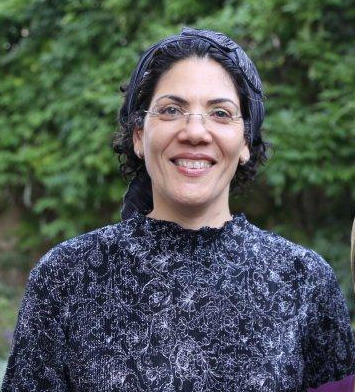
. לא תמיד נהניתי מלימוד גמרא כילדה.,בל כהתבגרתי התחלתי לאהוב את זה שוב. התחלתי ללמוד מסכת סוטה בדף היומי לפני כחמש עשרה שנה ואז הפסקתי.הגעתי לסיום הגדול של הדרן לפני שנתיים וזה נתן לי השראה. והתחלתי ללמוד למשך כמה ימים ואז היתה לי פריצת דיסק והפסקתי…עד אלול השנה. אז התחלתי עם מסכת ביצה וב”ה אני מצליחה לעמוד בקצב. המשפחה מאוד תומכת בי ויש כמה שגם לומדים את זה במקביל. אני אוהבת שיש עוגן כל יום.

Rebecca Darshan
רבקה דרשן

בית שמש, ישראל

התחלתי מעט לפני תחילת הסבב הנוכחי. אני נהנית מהאתגר של להמשיך להתמיד, מרגעים של "אהה, מפה זה הגיע!” ומהאתגר האינטלקטואלי

Eilat-Chen and Deller
אילת-חן ודלר

לוד, ישראל

לצערי גדלתי בדור שבו לימוד גמרא לנשים לא היה דבר שבשגרה ושנים שאני חולמת להשלים את הפער הזה.. עד שלפני מספר שבועות, כמעט במקרה, נתקלתי במודעת פרסומת הקוראת להצטרף ללימוד מסכת תענית. כשקראתי את המודעה הרגשתי שהיא כאילו נכתבה עבורי – "תמיד חלמת ללמוד גמרא ולא ידעת איך להתחיל”, "בואי להתנסות במסכת קצרה וקלה” (רק היה חסר שהמודעה תיפתח במילים "מיכי שלום”..). קפצתי למים ו- ב”ה אני בדרך להגשמת החלום:)

Micah Kadosh
מיכי קדוש

מורשת, ישראל

אמא שלי למדה איתי ש”ס משנה, והתחילה ללמוד דף יומי. אני החלטתי שאני רוצה ללמוד גם. בהתחלה למדתי איתה, אח”כ הצטרפתי ללימוד דף יומי שהרב דני וינט מעביר לנוער בנים בעתניאל. במסכת עירובין עוד חברה הצטרפה אלי וכשהתחלנו פסחים הרב דני פתח לנו שעור דף יומי לבנות. מאז אנחנו לומדות איתו קבוע כל יום את הדף היומי (ובשבת אבא שלי מחליף אותו). אני נהנית מהלימוד, הוא מאתגר ומעניין

Renana Hellman
רננה הלמן

עתניאל, ישראל

התחלתי ללמוד דף יומי באמצע תקופת הקורונה, שאבא שלי סיפר לי על קבוצה של בנות שתיפתח ביישוב שלנו ותלמד דף יומי כל יום. הרבה זמן רציתי להצטרף לזה וזאת הייתה ההזדמנות בשבילי. הצטרפתי במסכת שקלים ובאמצע הייתה הפסקה קצרה. כיום אני כבר לומדת באולפנה ולומדת דף יומי לבד מתוך גמרא של טיינזלץ.

Saturdays in Raleigh
שבות בראלי

עתניאל, ישראל

התחלתי ללמוד בסבב הנוכחי לפני כשנתיים .הסביבה מתפעלת ותומכת מאוד. אני משתדלת ללמוד מכל ההסכתים הנוספים שיש באתר הדרן. אני עורכת כל סיום מסכת שיעור בביתי לכ20 נשים שמחכות בקוצר רוח למפגשים האלו.

Yael Asher
יעל אשר

יהוד, ישראל

התחלתי ללמוד דף יומי אחרי שחזרתי בתשובה ולמדתי במדרשה במגדל עוז. הלימוד טוב ומספק חומר למחשבה על נושאים הלכתיים ”קטנים” ועד לערכים גדולים ביהדות. חשוב לי להכיר את הגמרא לעומק. והצעד הקטן היום הוא ללמוד אותה בבקיאות, בעזרת השם, ומי יודע אולי גם אגיע לעיון בנושאים מעניינים. נושאים בגמרא מתחברים לחגים, לתפילה, ליחסים שבין אדם לחברו ולמקום ולשאר הדברים שמלווים באורח חיים דתי 🙂

Gaia Divo
גאיה דיבו

מצפה יריחו, ישראל

התחלתי בתחילת הסבב, והתמכרתי. זה נותן משמעות נוספת ליומיום ומאוד מחזק לתת לזה מקום בתוך כל שגרת הבית-עבודה השוטפת.

Reut Abrahami
רעות אברהמי

בית שמש, ישראל

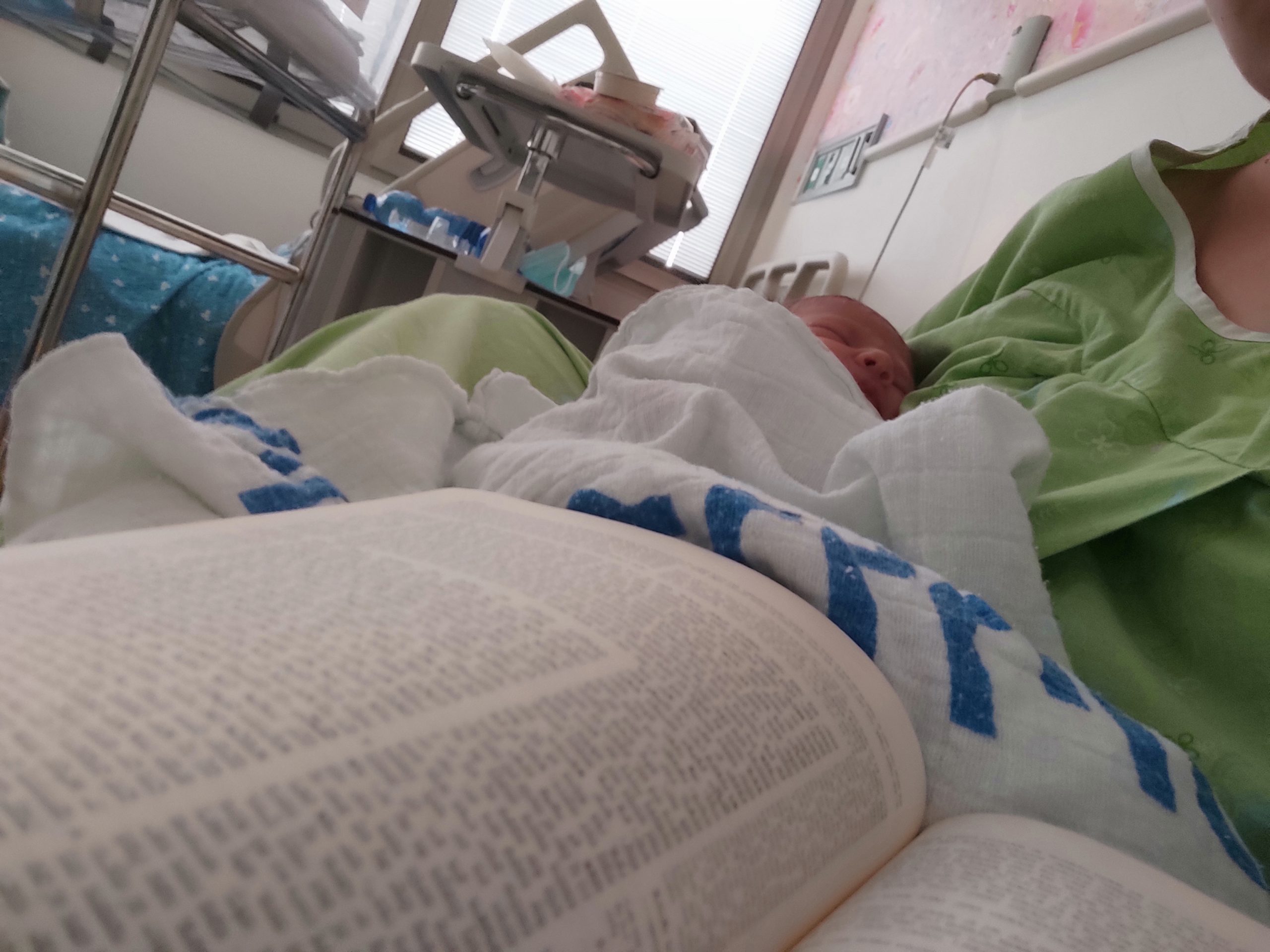
בתחילת הסבב הנוכחי הצטברו אצלי תחושות שאני לא מבינה מספיק מהי ההלכה אותה אני מקיימת בכל יום. כמו כן, כאמא לבנות רציתי לתת להן מודל נשי של לימוד תורה
שתי הסיבות האלו הובילו אותי להתחיל ללמוד. נתקלתי בתגובות מפרגנות וסקרניות איך אישה לומדת גמרא..
כמו שרואים בתמונה אני ממשיכה ללמוד גם היום ואפילו במחלקת יולדות אחרי לידת ביתי השלישית.

Noa Shiloh
נועה שילה

רבבה, ישראל

התחלתי לפני כמה שנים אבל רק בסבב הזה זכיתי ללמוד יום יום ולסיים מסכתות

Sigal Tel
סיגל טל

רעננה, ישראל

התחלתי ללמוד את הדף היומי מעט אחרי שבני הקטן נולד. בהתחלה בשמיעה ולימוד באמצעות השיעור של הרבנית שפרבר. ובהמשך העזתי וקניתי לעצמי גמרא. מאז ממשיכה יום יום ללמוד עצמאית, ולפעמים בעזרת השיעור של הרבנית, כל יום. כל סיום של מסכת מביא לאושר גדול וסיפוק. הילדים בבית נהיו חלק מהלימוד, אני משתפת בסוגיות מעניינות ונהנית לשמוע את דעתם.

Eliraz Blau
אלירז בלאו

מעלה מכמש, ישראל

בסוף הסבב הקודם ראיתי את השמחה הגדולה שבסיום הלימוד, בעלי סיים כבר בפעם השלישית וכמובן הסיום הנשי בבנייני האומה וחשבתי שאולי זו הזדמנות עבורי למשהו חדש.
למרות שאני שונה בסביבה שלי, מי ששומע על הלימוד שלי מפרגן מאוד.
אני מנסה ללמוד קצת בכל יום, גם אם לא את כל הדף ובסך הכל אני בדרך כלל עומדת בקצב.
הלימוד מעניק המון משמעות ליום יום ועושה סדר בלמוד תורה, שתמיד היה (ועדיין) שאיפה. אבל אין כמו קביעות

Racheli-Mendelson
רחלי מנדלסון

טל מנשה, ישראל

רבנית מישל הציתה אש התלמוד בלבבות בביניני האומה ואני נדלקתי. היא פתחה פתח ותמכה במתחילות כמוני ואפשרה לנו להתקדם בצעדים נכונים וטובים. הקימה מערך שלם שמסובב את הלומדות בסביבה תומכת וכך נכנסתי למסלול לימוד מעשיר שאין כמוה. הדרן יצר קהילה גדולה וחזקה שמאפשרת התקדמות מכל נקודת מוצא. יש דיבוק לומדות שמחזק את ההתמדה של כולנו. כל פניה ושאלה נענית בזריזות ויסודיות. תודה גם למגי על כל העזרה.

Sarah Aber
שרה אבר

נתניה, ישראל

התחלתי בתחילת הסבב, והתמכרתי. זה נותן משמעות נוספת ליומיום ומאוד מחזק לתת לזה מקום בתוך כל שגרת הבית-עבודה השוטפת.

Reut Abrahami
רעות אברהמי

בית שמש, ישראל

התחלתי ללמוד דף יומי לפני שנתיים, עם מסכת שבת. בהתחלה ההתמדה היתה קשה אבל בזכות הקורונה והסגרים הצלחתי להדביק את הפערים בשבתות הארוכות, לסיים את מסכת שבת ולהמשיך עם המסכתות הבאות. עכשיו אני מסיימת בהתרגשות רבה את מסכת חגיגה וסדר מועד ומחכה לסדר הבא!

Ilana-Shachnowitz
אילנה שכנוביץ

מודיעין, ישראל

לצערי גדלתי בדור שבו לימוד גמרא לנשים לא היה דבר שבשגרה ושנים שאני חולמת להשלים את הפער הזה.. עד שלפני מספר שבועות, כמעט במקרה, נתקלתי במודעת פרסומת הקוראת להצטרף ללימוד מסכת תענית. כשקראתי את המודעה הרגשתי שהיא כאילו נכתבה עבורי – "תמיד חלמת ללמוד גמרא ולא ידעת איך להתחיל”, "בואי להתנסות במסכת קצרה וקלה” (רק היה חסר שהמודעה תיפתח במילים "מיכי שלום”..). קפצתי למים ו- ב”ה אני בדרך להגשמת החלום:)

Micah Kadosh
מיכי קדוש

מורשת, ישראל

אחי, שלומד דף יומי ממסכת ברכות, חיפש חברותא ללימוד מסכת ראש השנה והציע לי. החברותא היתה מאתגרת טכנית ורוב הזמן נעשתה דרך הטלפון, כך שבסיום המסכת נפרדו דרכינו. אחי חזר ללמוד לבד, אבל אני כבר נכבשתי בקסם הגמרא ושכנעתי את האיש שלי להצטרף אלי למסכת ביצה. מאז המשכנו הלאה, ועכשיו אנחנו מתרגשים לקראתו של סדר נשים!

Shulamit Saban
שולמית סבן

נוקדים, ישראל

בתחילת הסבב הנוכחי של לימוד הדף היומי, נחשפתי לחגיגות המרגשות באירועי הסיום ברחבי העולם. והבטחתי לעצמי שבקרוב אצטרף גם למעגל הלומדות. הסבב התחיל כאשר הייתי בתחילת דרכי בתוכנית קרן אריאל להכשרת יועצות הלכה של נשמ”ת. לא הצלחתי להוסיף את ההתחייבות לדף היומי על הלימוד האינטנסיבי של תוכנית היועצות. בבוקר למחרת המבחן הסופי בנשמ”ת, התחלתי את לימוד הדף במסכת סוכה ומאז לא הפסקתי.

Hana Shaham-Rozby (Dr.)
חנה שחם-רוזבי (ד”ר)

קרית גת, ישראל

התחלתי בסיום הש”ס, יצאתי באורות. נשברתי פעמיים, ובשתיהם הרבנית מישל עודדה להמשיך איפה שכולם בסבב ולהשלים כשאוכל, וכך עשיתי וכיום השלמתי הכל. מדהים אותי שאני לומדת כל יום קצת, אפילו בחדר הלידה, בבידוד או בחו”ל. לאט לאט יותר נינוחה בסוגיות. לא כולם מבינים את הרצון, בפרט כפמניסטית. חשה סיפוק גדול להכיר את המושגים וצורת החשיבה. החלום זה להמשיך ולהתמיד ובמקביל ללמוד איך מהסוגיות נוצרה והתפתחה ההלכה.

Weingarten Sherrington Foundation
קרן וינגרטן שרינגטון

מודיעין, ישראל

"התחלתי ללמוד דף יומי במחזור הזה, בח’ בטבת תש””ף. לקחתי על עצמי את הלימוד כדי ליצור תחום של התמדה יומיומית בחיים, והצטרפתי לקבוצת הלומדים בבית הכנסת בכפר אדומים. המשפחה והסביבה מתפעלים ותומכים.
בלימוד שלי אני מתפעלת בעיקר מכך שכדי ללמוד גמרא יש לדעת ולהכיר את כל הגמרא. זו מעין צבת בצבת עשויה שהיא עצומה בהיקפה.”

Sarah Fox
שרה פוּקס

כפר אדומים, ישראל

נזיר נא

תָּנוּ רַבָּנַן: אֵיזֶהוּ מֵת שֶׁיֵּשׁ לוֹ רָקָב? מֵת שֶׁנִּקְבַּר עָרוֹם בְּאָרוֹן שֶׁל שַׁיִשׁ אוֹ עַל גַּבֵּי רִצְפָּה שֶׁל אֲבָנִים — זֶהוּ מֵת שֶׁיֵּשׁ לוֹ רָקָב. נִקְבַּר בִּכְסוּתוֹ, בְּאָרוֹן שֶׁל עֵץ, אוֹ עַל גַּבֵּי רִצְפָּה שֶׁל לְבֵנִים — זֶהוּ מֵת שֶׁאֵין לוֹ רָקָב.

§ The mishna taught that one of the sources of ritual impurity for which a nazirite must shave is a full ladle of dust from a corpse. The Sages taught (Tosefta, Oholot 2:3): Which is a corpse that has the halakha of dust, i.e., whose dust imparts impurity? A corpse that was buried naked in a marble coffin or on a stone floor; this is a corpse that has the halakha of dust that imparts impurity. Any dust found there must have come from the corpse. However, if it was buried in its cloak, or in a wooden coffin, or on a brick floor, this is a corpse that does not have the halakha of dust that imparts impurity. In the latter cases it is assumed that the dust from the corpse includes particles from the clothes, wood, or bricks that disintegrated, and there is a tradition that the impurity of dust applies only to dust that comes solely from the corpse, not to a mixture from different sources.

אָמַר עוּלָּא: אֵין רָקָב, אֶלָּא הַבָּא מִן הַבָּשָׂר וּמִן הַגִּידִים וּמִן הָעֲצָמוֹת. אֵיתִיבֵיהּ רָבָא לְעוּלָּא: רָקָב הַבָּא מִן הַבָּשָׂר טָהוֹר. הָא מִן הָעֶצֶם — טָמֵא, וְאַף עַל גַּב דְּלֵיכָּא בָּשָׂר! אֵימָא הָכִי: רָקָב הַבָּא מִן הַבָּשָׂר — טָהוֹר, עַד שֶׁיֵּשׁ עֶצֶם בַּבָּשָׂר.

With regard to the same issue, Ulla said: Dust is only that which comes from the flesh and from the sinews and from the bones of the corpse together, but not if it came from one of these alone. Rava raised an objection to Ulla from the following baraita: Dust that comes from the flesh is pure. It can be inferred from here that if it comes from the bone it is impure, even though there is no dust of flesh mixed with it. Ulla replied: You should say and infer like this: Dust that comes from the flesh is pure, unless there is bone in the flesh.

הָא לֵיכָּא גִּידִים! אִי אֶפְשָׁר לְבָשָׂר וְלַעֲצָמוֹת בְּלֹא גִּידִים.

Rava continued to question Ulla’s opinion: Even if one interprets the baraita in this manner, there is no mention of sinews here at all, and Ulla maintains that sinews must also contribute to the makeup of part of the dust. Ulla replied that there is no need to mention sinews explicitly, as it is impossible for there to be flesh and bones without sinews. Once it is established that the dust is from bones and flesh, it necessarily includes sinews as well.

אָמַר רַב שְׁמוּאֵל בַּר אַבָּא אָמַר רַבִּי יוֹחָנָן: שְׁנֵי מֵתִים שֶׁקְּבָרָן זֶה עִם זֶה — נַעֲשׂוּ גַּלְגַּלִּין זֶה לָזֶה. מֵתִיב רַב נָתָן: רָקָב הַבָּא מִשְּׁנֵי מֵתִים — טָמֵא!

§ The Gemara continues to discuss the dust of a corpse. Rav Shmuel bar Abba said that Rabbi Yoḥanan said: Two corpses that were buried with one another become a mixture [galgallin] with one another. Their dust is considered mixed together and does not impart the impurity of the dust from a single corpse. Rav Natan raises an objection to this opinion: But it is taught that dust that comes from two corpses is impure.

אָמַר רָבָא: שֶׁקָּבְרוּ זֶה בִּפְנֵי עַצְמוֹ וְזֶה בִּפְנֵי עַצְמוֹ, וְהִרְקִיבוּ, וְעָמְדוּ עַל מְלֹא תַּרְווֹד רָקָב.

Rava said: That baraita is referring to a case where they buried this corpse by itself and that corpse by itself, and they decayed separately, and they both stood at, i.e., yielded the amount of, a full ladle of dust. In this situation, the dust imparts impurity despite the fact that it is not from a single corpse, as the status of dust from a corpse initially applied to each corpse. However, if the corpses decayed together they are considered to be mixed together, which means that their dust does not impart impurity.

אָמַר רַבָּה בַּר בַּר חָנָה אָמַר רַבִּי יוֹחָנָן: גָּזַז שְׂעָרוֹ וּקְבָרוֹ עִמּוֹ — נַעֲשָׂה לוֹ גַּלְגַּלִּין. תְּנַן הָתָם: כׇּל שֶׁבַּמֵּת טָמֵא, חוּץ מִן הַשִּׁינַּיִם וְהַשֵּׂעָר וְהַצִּפּוֹרֶן. וּבִשְׁעַת חִיבּוּרָן — כּוּלָּן טְמֵאִין.

The Gemara cites a further statement with regard to dust of a corpse. Rabba bar bar Ḥana said that Rabbi Yoḥanan said: If one cut the hair of a corpse and buried the hair with it, the hair becomes part of the mixture for the dust, and it does not impart impurity. In relation to the above, the Gemara states: We learned in a mishna there (Oholot 3:3): Everything that is in a corpse is impure, except for the teeth, the hair, and the nails, which do not impart impurity as part of the body. But when they are attached to the corpse, they are all impure.

בָּעֵי חִזְקִיָּה: שְׂעָרוֹ הָעוֹמֵד לְגַלֵּחַ, צִפּוֹרֶן הָעוֹמֵד לִיגָּזֵז, מַאי? מִי אָמְרִינַן: כׇּל הָעוֹמֵד לִיגָּזֵז כְּגָזוּז דָּמֵי, אוֹ דִלְמָא הַשְׁתָּא מִיהָא הָא מְחוּבָּרִין?

With regard to this halakha, Ḥizkiyya raised a dilemma: If hair of a corpse is ready to be shaved, or its nail is ready to be cut, what is the halakha? Do we say that anything that is ready to be cut is considered cut, and therefore these are considered detached from the body and do not impart impurity? Or, perhaps now, in any event, they are attached, and therefore they should impart impurity?

וְנִיפְשׁוֹט לֵיהּ מִדְּרַבָּה בַּר בַּר חָנָה: טַעְמָא מִשּׁוּם דְּגָזַז, הָא לֹא גָּזַז — לָא! הָכִי קָאָמַר: גָּזַז — הֲרֵי זֶה גַּלְגַּלִּים. לֹא גָּזַז — מִיבְּעֵי לֵיהּ.

The Gemara asks: And let Ḥizkiyya resolve this dilemma from the aforementioned statement of Rabba bar bar Ḥana, that hair buried with a corpse forms a mixture with the corpse. The inference is as follows: The reason that it forms a mixture is because he cut the hair, from which it may be inferred if he did not cut the hair it would not form a mixture, even if it was ready to be cut. The Gemara rejects this argument: One can respond that this is what Rabba bar bar Ḥana is saying: If he cut it, it definitely forms a mixture; if he did not cut it, Rabba bar bar Ḥana is unsure as to the halakha and he raises this case as a dilemma.

בָּעֵי רַבִּי יִרְמְיָה: רָקָב הַבָּא מִן הֶעָקֵב מַהוּ? כִּי גָּמְרִינַן רָקָב הַבָּא מִכּוּלֵּיהּ מֵת, אֲבָל דְּאָתֵי מִן עָקֵב — לָא, אוֹ דִלְמָא לָא שְׁנָא?

§ Rabbi Yirmeya raised another dilemma concerning the dust of a corpse: With regard to dust that comes from the heel, what is the halakha? The Gemara explains the two sides of the dilemma: Do we say that when we learn this halakha through tradition, is it only in reference to dust that comes from all of a corpse, but with regard to dust that comes from its heel, no, this halakha does not apply; or perhaps it is no different?

תָּא שְׁמַע, דְּתָנֵי רַבִּי נָתָן בְּרַבִּי אוֹשַׁעְיָא: רָקָב הַבָּא מִשְּׁנֵי מֵתִים — טָמֵא. וְאִי סָלְקָא דַעְתָּךְ הַבָּא מִן הֶעָקֵב לָא, זִיל הָכָא — דִּלְמָא דֶּרֶךְ עָקֵב קָאָתֵי, וְהָכָא — דִּלְמָא דֶּרֶךְ עָקֵב קָאָתֵי?

The Gemara suggests a resolution of this dilemma: Come and hear, as Rabbi Natan, son of Rabbi Oshaya, taught: Dust that comes from two corpses is impure. And if it enters your mind that dust that comes from the heel does not impart impurity, go here and consider that perhaps the dust came from the heel, and go here too and consider that perhaps it came from the heel. The fact that the dust is considered definitely impure shows that dust from the heel imparts impurity as well.

אִי דְּאִירְקִיב כּוּלֵּיהּ מֵת וְקָאָתֵי דֶּרֶךְ עָקֵב — הָכִי נָמֵי. אֶלָּא הָכָא כְּגוֹן דְּאִירְקִיב חַד אֵבֶר, וְקָאָתֵי דֶּרֶךְ עָקֵב. מַאי? תֵּיקוּ.

The Gemara rejects this argument: If the entire corpse decayed and the dust came from the heel, so too, it is all impure, as the dust of the heel is not considered to be a foreign substance. Rather, here Rabbi Natan is referring to a case where one limb decayed and the dust came from the heel. It was with regard to this situation that Rabbi Yirmeya asked: What is its halakha? Does this dust impart impurity or not? No answer was found, and therefore the Gemara states that the dilemma shall stand unresolved.

בָּעֵי רַבִּי יִרְמְיָה: עוּבָּר בִּמְעֵי אִשָּׁה, הָוֵי גַּלְגַּלִּים, אוֹ לָא? כֵּיוָן דְּאָמַר מָר עוּבָּר יֶרֶךְ אִמּוֹ — הִלְכָּךְ גּוּפַהּ הוּא, וְלָא הָוֵי גַּלְגַּלִּין, אוֹ דִלְמָא כֵּיוָן דְּסוֹפוֹ לָצֵאת — מִיפְרָשׁ פָּרֵישׁ מִינַּהּ. וְאִם תִּמְצֵי לוֹמַר עוּבָּר דְּסוֹפוֹ לָצֵאת מִיפְרָשׁ פָּרֵישׁ מִינַּהּ,

§ Rabbi Yirmeya raised yet another dilemma: Does a dead fetus in its dead mother’s womb form a mixture with regard to her, so that the bodies are considered like two corpses buried together, or not? The Gemara explains the two sides of the dilemma: Do we say that since the Master said that a fetus is considered as the thigh of its mother, it is therefore like her body and it does not form a mixture with it? Or perhaps one should maintain: Since in most cases a fetus will ultimately emerge from the womb at birth, it is already considered separated from her, and it is like any other corpse buried with the woman. And if you say that a fetus, which will ultimately emerge, is considered separated from her and is not part of her body, one must still ask this question

שִׁכְבַת זֶרַע בִּמְעֵי אִשָּׁה, מַהוּ? מִי אָמְרִינַן כֵּיוָן דְּלָא אִיתְּצַר — כִּי גוּפַהּ דָּמֵי, אוֹ דִלְמָא כֵּיוָן דְּמֵעָלְמָא קָאָתֵי — לָא?

with regard to semen in a dead woman’s womb. What is the halakha in this case? Does it form a mixture with respect to the woman’s body? The Gemara explains the two sides of this dilemma: Do we say that since no fetus was formed from the semen, it is considered like her body? Or, perhaps one should argue that since it comes from outside, it is not considered part of her body.

בָּעֵי רַב פָּפָּא: פִּירְשָׁהּ, מַהוּ? כֵּיוָן דְּלָא מִקַּיְימָא בִּדְלָא אָכְלָה — חַיּוּתָא הוּא, אוֹ דִלְמָא הָא נָמֵי מֵעָלְמָא אָתֵי? בָּעֵי רַב אַחָא בְּרֵיהּ דְּרַב אִיקָא: עוֹרוֹ מַהוּ? בָּעֵי רַב הוּנָא בַּר מָנוֹחַ: כִּיחוֹ וְנִיעוֹ מַהוּ?

Rav Pappa raised a similar dilemma: With regard to her excrement, the food waste that remains in a woman’s intestines, what is the halakha? Once again, the Gemara explains the two sides of this dilemma: Do we say that since she cannot subsist without food it is considered her life, which means that the food left inside her body is part of her and does not form a mixture with the corpse? Or perhaps this too comes from outside and is therefore not part of her body, and does form a mixture with her corpse. Similarly, Rav Aḥa, son of Rav Ika, raised a dilemma concerning a corpse: With regard to its skin, what is the halakha? Rav Huna bar Manoaḥ likewise raised a dilemma: With regard to its phlegm and its spittle, what is the halakha?

אֲמַר לֵיהּ רַב שְׁמוּאֵל בַּר אַחָא לְרַב פָּפָּא: וְאִי סָלְקָא דַעְתָּךְ כׇּל הָנֵי דְּקָאָמַר הָוֵי גַּלְגַּלִּין, רָקָב דִּמְטַמֵּא הֵיכִי מַשְׁכַּחַתְּ לַהּ! דְּאַשְׁקְיֵיהּ מֵי דְקָלִים, וְסַכְיֵא נָשָׁא, וּשְׁלָקוֹ בְּמֵי טְבֶרְיָא.

Rav Shmuel bar Aḥa said to Rav Pappa: But if it enters your mind that all these cases of which they spoke form a mixture, under what circumstances do you find this case of dust that imparts impurity? Dust from a corpse will always include some components of the aforementioned elements. The Gemara answers: It is possible. For example, if someone was given palm water [mei dekalim], a powerful laxative, to drink before he died, and was rubbed with a depilatory agent to remove his hair, and was boiled after death in the hot waters of Tiberias until the skin came off, this would remove all matter that is not part of the corpse itself.

אָמַר אַבָּיֵי, נָקְטִינַן: מֵת שֶׁטְּחָנוֹ — אֵין לוֹ רָקָב. אִיבַּעְיָא לְהוּ: טְחָנוֹ וְחָזַר וְהִרְקִיב, מַהוּ? מִידֵּי הוּא טַעְמָא אֶלָּא דְּאִיכָּא בָּשָׂר וְגִידִים וַעֲצָמוֹת, וְהָאִיכָּא. אוֹ דִּלְמָא כִּבְרִיָּיתוֹ בָּעִינַן, וְלֵיכָּא? תֵּיקוּ.

Abaye said: We have a tradition that a corpse that was ground into small pieces has no halakha of dust. A dilemma was raised before the Sages: If a corpse was ground after death and the remains later decayed, what is the halakha? The Gemara clarifies the two sides of the dilemma: Is the halakha of dust of a corpse only due to the fact that there is flesh and sinews and bones, and all these are present in this case, so it is impure? Or perhaps, we require the corpse to have decayed from its initial state, before it was ground, and this is not the situation here. As was the case with regard to the previous inquiries, no answer was found, and the Gemara says that the dilemma shall stand unresolved.

תָּנֵי עוּלָּא בַּר חֲנִינָא: מֵת שֶׁחָסַר — אֵין לוֹ רָקָב וְלֹא תְּפוּסָה וְלֹא שְׁכוּנַת קְבָרוֹת.

§ Ulla bar Ḥanina teaches: A corpse that lacks a part does not have the halakha of dust, which imparts ritual impurity in the amount of a full ladle, nor the halakha of earth that is caught [tefusa] and considered part of a corpse. If a deficient corpse is moved, the surrounding earth is not considered part of it and need not be moved together with the body, as must be performed for a whole corpse. Nor does the halakha of a graveyard apply. If three corpses are discovered in close proximity and one of them is deficient in some way, one need not search for more bodies out of concern that the location might have been a cemetery, as must be done if three intact corpses are found. Rather, the bodies are considered isolated corpses.

מֵיתִיבִי: לֹא, אִם אָמַרְתָּ בְּמֵת שֶׁיֵּשׁ לוֹ רוֹב וְרוֹבַע אוֹ מְלֹא תַרְווֹד רָקָב — תֹּאמַר בְּחַי, שֶׁאֵין לוֹ לֹא רוֹב, וְלֹא רוֹבַע, וְלֹא מְלֹא תַרְווֹד רָקָב?!

The Gemara raises an objection from a mishna (Eduyyot 6:3) that addresses the question of whether an olive-bulk of flesh that came from a living person imparts ritual impurity as it would were it to come from a corpse: No, if you say that an olive-bulk of flesh imparts impurity with regard to a corpse, whose halakhot of impurity are stringent, as the majority of its structure or the majority of the number of its bones, or a quarter-kav of its bones, or even a full ladle of its dust impart impurity, shall you also say that it imparts impurity with regard to a living person, who does not have the halakha of the majority of structure or the majority of the number of its bones, nor a quarter-kav, nor a full ladle of dust?

הֵיכִי דָּמֵי — דְּאַרְקִיב חַד אֵבֶר, דִּכְווֹתֵיהּ גַּבֵּי מֵת: אֲפִילּוּ חַד אֵבֶר אִיכָּא רָקָב! מִי קָתָנֵי הָא מֵת? הָא קָא מַשְׁמַע לַן: שׁוּם מֵת — יֵשׁ לוֹ רָקָב, שׁוּם חַי — אֵין לוֹ רָקָב.

The Gemara analyzes this passage: What are the circumstances of that mishna that deals with a limb from a living person? If you say that one limb of a living person decayed, and the mishna is indicating that in the corresponding situation with regard to a corpse, there is dust even from one limb. This shows that the halakha of dust applies to a corpse that is missing a limb and not just to a complete corpse. The Gemara rejects this argument: Did the mishna teach that this corpse in that particular case of an isolated limb has the halakha of dust? That is merely an inference, as it is not stated explicitly in the mishna itself. Rather, the mishna teaches us this: The name, i.e., the category, of a corpse has dust. However, the name of a living person does not have dust.

בָּעֵי רָבָא: הִרְקִיב כְּשֶׁהוּא חַי, וְחָזַר וּמֵת, מַהוּ? כִּי גְּמִירִי רָקָב, דְּאִירְקִיב כְּשֶׁהוּא מֵת. אוֹ דִלְמָא הַשְׁתָּא מִיהָא הָא מָיֵית?

Rava raised a dilemma: If a limb of a body decayed when he was alive, and that individual subsequently died, what is the halakha? Do we say that when this is learned as a tradition that dust imparts ritual impurity, this applies only if the body decayed when he was dead, but not when he was alive, and therefore this corpse is considered deficient and its dust does not impart impurity? Or perhaps, now in any event he is dead, and his whole body has decomposed, and consequently its dust does impart impurity.

תָּא שְׁמַע: לֹא אִם אָמַרְתָּ בְּמֵת שֶׁיֵּשׁ לוֹ רוֹב וְרוֹבַע וּמְלֹא תַרְווֹד רָקָב, תֹּאמַר בְּחַי כּוּ׳.

The Gemara suggests: Come and hear the aforementioned mishna: No, if you say that an olive-bulk of flesh imparts impurity with regard to a corpse, whose halakhot of impurity are stringent, as the majority of its structure or the majority of the number of its bones, or a quarter-kav of its bones, or even a full ladle of its dust imparts impurity, shall you also say that it imparts impurity with regard to a living person, who does not have the halakha of the majority of structure or the majority of the number of its bones, nor a quarter-kav, nor a full ladle of dust.

טַעְמָא מִשּׁוּם חַי, הָא מֵת יֵשׁ לוֹ רָקָב! מִי קָתָנֵי הָא מֵת? הָא קָא מַשְׁמַע לַן דְּשׁוּם מֵת — יֵשׁ לוֹ רָקָב, שׁוּם חַי — אֵין לוֹ רָקָב.

The Gemara infers from this passage: The reason the olive-bulk of flesh does not impart impurity is due to the fact that it is from a living person, from which it may be inferred that in a corresponding situation involving a corpse, the corpse has the halakha of dust, even if the limb had decomposed during the deceased’s lifetime. The Gemara rejects this contention as above: Did the mishna teach that this corpse in that particular case of an isolated limb has the halakha of dust? That is merely an inference, as it is not stated explicitly in the mishna itself. Rather, the mishna teaches us this: The name, i.e., the category, of a corpse has dust. However, the name of a living person does not have dust.

בָּעֵי רָבָא: נְמָלָה שֶׁחָסְרָה, מַהוּ? שִׁיעוּרָא גְּמִירִין לַהּ — וְהָא חֲסַר. אוֹ בְּרִיָּה גְּמִירִי לַהּ — וְהָאִיכָּא.

§ In relation to the above discussion concerning a body without a limb, Rava raised a dilemma: If someone eats an entire ant, even if it is less than an olive-bulk in volume, he is liable for eating a creeping animal because it is a whole creature. Rava’s dilemma was as follows: If one eats an ant that lacks a part, e.g., a leg, what is the halakha? Is this individual liable to receive lashes? The two possibilities are as follows: Is it learned as tradition that the amount for which one is liable is a whole ant, and this one is lacking? Or did we learn that he is punished for a viable entity, and there is a viable entity here, despite the missing limb?

רוצה לעקוב אחרי התכנים ולהמשיך ללמוד?

ביצירת חשבון עוד היום ניתן לעקוב אחרי ההתקדמות שלך, לסמן מה למדת, ולעקוב אחרי השיעורים שמעניינים אותך.

לנקות את כל הפריטים מהרשימה?

פעולה זו תסיר את כל הפריטים בחלק זה כולל ההתקדמות וההיסטוריה. שימי לב: לא ניתן לשחזר פעולה זו.

ביטול
מחיקה

האם את/ה בטוח/ה שברצונך למחוק פריט זה?

תאבד/י את כל ההתקדמות או ההיסטוריה הקשורות לפריט זה.

ביטול
מחיקה