








שאל רמי בר חמא: האם מחמירים עם השדרה או הגולגולת שאם יש מהם רבע קב עצמות, האם הנזיר צריך להתגלח בגללן, בניגוד לעצמות ממקומות אחרים בגוף שבהן צריך חצי קב? התשובה הראשונה, שנתן רבא ממשנתנו, נדחית. תשובה שניה מובאת מדעת שמאי שהובאה על נזיר נב, אך נדחית אף היא. רבי אליעזר מסביר שבשלב המוקדם ביותר היה ויכוח האם רק חצי קב/לוג או אפילו רבע קב/לוג יטמא, אבל לא הבדיל בין נזיר לעניינים אחרות (אכילת תרומה וקדשים). בשלב מאוחר יותר הבחינו בתי הדין בין נזיר הצריך להתגלח/מי אינו יכול להביא קרבן פסח (חצי קב/לוג) לבין היכולת לאכול תרומה וקודשים (רבע קב/לוג). מדוע משתמשת המשנה פעמיים בלשון "על אלו” – מה ניתן ללמוד מאותן מילים? אף על פי שנזיר אינו מגלח על רבע קב עצמות באוהל, הוא מגלח אם נוגע או נושא אותן. זה נדרש מהמילים במשנה הבאה. אבל אם כן, למה יש צורך ללמד את זה, הלא כבר עצם בגודל שעורה מטמא במגע ובמשא, אז ברור שגם רובע קב עצמות שהוא שיעור גדול יותר! הם מסבירים שפירושו שאם נטחנו לחומר שכמו קמח, הם יטמאו אם יש רבע קב. המשנה מזכירה איבר מגוף מת או גוף חי שיש עליו מספיק בשר. מה אם לא? מאחר שלא מוזכר במשנה הבאה, חלוקים רבי יוחנן וריש לקיש אם נזיר יצטרך לגלח או לא. איך כל אחד מוכיח את גישתו? שתי שאלות מועלות נגד טענתו של רבי יוחנן מהמשנה הבאה, אך נפתרות. על איזה גודל איבר מתווכחים כאן? אם הוא גדול מגודל שעורה, כיצד יכול רבי יוחנן לומר שהנזיר אינו מגלח? אם הוא קטן יותר, איך ריש לקיש יכול לומר שהנזיר מגלח?
רוצה להקדיש לימוד?
נזיר נג
וְהָא רָבָא הוּא דְּאָמַר: לֹא נִצְרְכָה אֶלָּא לְשִׁדְרָה וְגוּלְגּוֹלֶת שֶׁאֵין בָּהֶן רוֹבַע עֲצָמוֹת! בָּתַר דְּשַׁמְעַהּ מֵרַבִּי עֲקִיבָא.
The Gemara expresses surprise at this argument: But wasn’t it Rava himself who said: This statement is necessary only for a whole spine and skull that do not contain a quarter-kav of bones? This indicates that in his opinion a quarter-kav of bones from a spine does impart ritual impurity. The Gemara answers: After he heard the statement of the tanna, he understood from Rabbi Akiva that his dispute in the baraita (52a) concerns a spine and skull from two corpses, not a quarter-kav from a spine and skull. This interpretation led Rava to change his mind.
תָּא שְׁמַע, שַׁמַּאי אוֹמֵר: עֶצֶם אֶחָד מִן שִׁדְרָה אוֹ מִן גּוּלְגּוֹלֶת! שָׁאנֵי שַׁמַּאי דְּמַחְמִיר טְפֵי.
The Gemara further suggests: Come and hear a resolution from the following: Shammai says that one bone from the spine or from the skull imparts ritual impurity. Although the Rabbis dispute his ruling, it can be assumed that they do not have a vastly different opinion. Rather, they accept that a quarter-kav from a spine imparts impurity and renders a nazirite obligated to shave. The Gemara rejects this proof: Shammai is different, as he is very stringent, and therefore nothing at all can be inferred from his opinion with regard to that of the Rabbis.
לִיפְשׁוֹט מִינַּהּ: טַעְמָא דְּשַׁמַּאי, דְּמַחְמִיר, הָא לְרַבָּנַן — עַד דְּאִיכָּא חֲצִי קַב עֲצָמוֹת!
The Gemara counters: If in fact the Rabbis maintain an extremely different opinion from that of Shammai, let us resolve the problem in the opposite manner: The reasoning here is that of Shammai, who is particularly stringent. From this it may be inferred that, according to the opinion of the Rabbis, one is not rendered impure and a nazirite is not required to shave unless there is a half-kav of bones from the spine and skull.
דִּילְמָא עַד כָּאן לָא פְּלִיגִי רַבָּנַן עֲלֵיהּ דְּשַׁמַּאי אֶלָּא בְּעֶצֶם אֶחָד, אֲבָל בְּרוֹבַע עֲצָמוֹת — אֲפִילּוּ רַבָּנַן מוֹדוּ.
The Gemara rejects this claim as well: Perhaps the argument is not that extreme after all, and the Rabbis disagree with Shammai only with regard to whether one bone from the spine or from the skull imparts impurity. However, with regard to a quarter-kav of bones, even the Rabbis might concede that it renders people and items ritually impure, and a nazirite must shave for it.
אָמַר רַבִּי אֱלִיעֶזֶר: זְקֵנִים הָרִאשׁוֹנִים, מִקְצָתָן הָיוּ אוֹמְרִים: חֲצִי קַב עֲצָמוֹת וַחֲצִי לוֹג דָּם — לַכֹּל. רוֹבַע עֲצָמוֹת, וּרְבִיעִית דָּם — לֹא לַכֹּל. וּמִקְצָתָן הָיוּ אוֹמְרִים: אַף רוֹבַע עֲצָמוֹת וּרְבִיעִית דָּם — לַכֹּל.
§ Rabbi Eliezer said that some of the early Elders would say: A half-kav of bones and a half-log of blood impart ritual impurity in all forms. Their impurity applies by Torah law, and therefore they impart impurity in a tent. But a quarter-kav of bones and a quarter-log of blood, they do not impart impurity in all forms, i.e., they do not impart impurity in a tent. And some of these Elders would say that even a quarter-kav of bones and a quarter-log of blood impart impurity in all forms. This was the dispute of earlier generations.
בֵּית דִּין שֶׁלְּאַחֲרֵיהֶם אָמְרוּ: חֲצִי קַב עֲצָמוֹת וַחֲצִי לוֹג דָּם — לַכֹּל, רוֹבַע עֲצָמוֹת וּרְבִיעִית דָּם — לִתְרוּמָה וְקָדָשִׁים. אֲבָל לֹא לְנָזִיר וְעוֹשֵׂה פֶסַח.
The court that followed them said: A half-kav of bones and a half-log of blood impart ritual impurity in all forms. A quarter-kav of bones and a quarter-log of blood impart impurity only with regard to teruma and offerings, i.e., the Sages decreed that they impart impurity in a tent to invalidate teruma and offerings but not with regard to a nazirite. A nazirite is not required to shave or bring offerings for impurity after contact with a quarter-kav of bones or a quarter-log of blood. And similarly, one who performs the ritual of the Paschal offering may proceed despite the fact that he came into contact with this amount of blood or bones, as the Sages did not apply this decree in cases where one’s impurity precludes the performance of a mitzva whose neglect is punishable by karet.
מִכְּדִי אֵין הַכְרָעַת שְׁלִישִׁית מַכְרַעַת! אָמַר רַבִּי יַעֲקֹב בַּר אִידִי, מִפִּי שְׁמוּעָה אָמְרוּ: מִפִּי חַגַּי זְכַרְיָה וּמַלְאָכִי.
The Gemara asks about the ruling of halakha in this case. Now consider, there is a principle that the decision of the third opinion is not considered a decision. A compromise ruling that seeks to resolve a dispute by including factors and cases that were not mentioned in the other two opinions is not considered decisive, so how could the later court make a distinction between a Paschal offering and other cases? Rabbi Ya’akov bar Idi said: This ruling was not stated as a compromise. Rather, they said it from tradition, from Haggai, Zechariah, and Malachi, the last of the prophets. This was not a new attempt to mediate between two earlier opinions but an ancient ruling in its own right.
עַל אֵלּוּ הַנָּזִיר מְגַלֵּחַ. ״עַל אֵלּוּ״ דְּרֵישָׁא לְמַעוֹטֵי עֶצֶם כִּשְׂעוֹרָה, דְּעַל מַגָּעוֹ וְעַל מַשָּׂאוֹ — אִין, וְעַל אֲהִילוֹ — לָא. וְ״עַל אֵלּוּ״ דְּסֵיפָא — לְמַעוֹטֵי אֶבֶן הַסָּכוֹכִית.
§ The mishna taught that for all these aforementioned sources of ritual impurity a nazirite shaves. The Gemara explains that the phrase: For these, in the mishna’s first clause, serves to exclude a bone that is a barley-grain–bulk. As for touching it and carrying it, yes, a nazirite shaves, but for his overlying it, no, he does not shave. And the phrase: For these, in the mishna’s latter clause, serves to exclude an overhanging [hasekhukhit] stone. Although a stone that forms a cover over a corpse imparts impurity in a tent, a nazirite is nevertheless not obligated to shave due to this source of impurity.
וַחֲצִי קַב עֲצָמוֹת.
§ In its list of sources of impurity for which a nazirite must shave, the mishna taught: And a half-kav of bones.
חֲצִי קַב עֲצָמוֹת — אִין, רוֹבַע עֲצָמוֹת — לָא. הֵיכִי דָמֵי? אִילֵּימָא דְּאִית בְּהוֹן עֲצָמוֹת כִּשְׂעוֹרָה — תִּיפּוֹק לֵיהּ מִשּׁוּם עֶצֶם כִּשְׂעוֹרָה! אֶלָּא דְּאַקְמַח אַקְמוֹחֵי.
The Gemara analyzes this ruling of the mishna: A half-kav of bones, yes, a nazirite must shave if he contracts impurity from them; a quarter-kav of bones, no, he does not. What are the circumstances? If we say that they contain bones that are a barley-grain–bulk, let the tanna of the mishna derive the halakha that it imparts ritual impurity due to the fact that it is a bone that is a barley-grain–bulk. Rather, the mishna is referring to a situation where it has been made like flour. In that case, a half-kav of bones render people and items impure in a tent, although they do not include a bone the volume of a barley-grain-bulk.
עַל אֵבֶר מִן הַמֵּת וְעַל אֵבֶר מִן הַחַי שֶׁיֵּשׁ עֲלֵיהֶן בָּשָׂר כָּרָאוּי. אֵין עֲלֵיהֶן בָּשָׂר כָּרָאוּי, מַאי? רַבִּי יוֹחָנָן אָמַר: אֵין הַנָּזִיר מְגַלֵּחַ עֲלֵיהֶן. רֵישׁ לָקִישׁ אָמַר: הַנָּזִיר מְגַלֵּחַ עֲלֵיהֶן.
§ The mishna taught that a nazirite shaves for a limb severed from a corpse and for a limb severed from a living person, upon either of which there is a fitting quantity of flesh. The Gemara asks: If there is not a fitting quantity of flesh upon them, what is the halakha? Rabbi Yoḥanan said: The nazirite does not shave for them. Reish Lakish said: The nazirite does shave for them.
רַבִּי יוֹחָנָן אָמַר: אֵין הַנָּזִיר מְגַלֵּחַ עֲלֵיהֶן, דְּהָא קָתָנֵי בְּרֵישָׁא: עַל אֵבֶר מִן הַמֵּת וְעַל אֵבֶר מִן הַחַי וְכוּ׳ שֶׁיֵּשׁ עֲלֵיהֶן כְּזַיִת בָּשָׂר — אִין, אֲבָל אֵין עֲלֵיהֶם — לָא.
The Gemara explains their respective opinions. Rabbi Yoḥanan said: The nazirite does not shave for them, as the tanna teaches in the first clause of the mishna in the list of sources of ritual impurity for which a nazirite must shave: For a limb severed from a corpse and for a limb severed from a living person that contains a fitting quantity of flesh. One can infer from this: Those upon which there is an olive-bulk of flesh, yes, he must shave for them, but if there is not that amount of flesh upon them, no, a nazirite need not shave due to them.
וְרַבִּי שִׁמְעוֹן בֶּן לָקִישׁ אוֹמֵר: מְגַלֵּחַ. מִדְּלָא קָתָנֵי בְּסֵיפָא.
And Rabbi Shimon ben Lakish says that he shaves, employing the following reasoning: From the fact that the mishna does not teach the following in the latter clause, i.e., the subsequent mishna (54a), in the list of sources of impurity for which a nazirite need not shave: A limb that does not contain a fitting quantity of flesh, one can infer that a nazirite is obligated to shave for a limb of that type.
וְרַבִּי יוֹחָנָן אָמַר לָךְ: כׇּל הֵיכָא דְּמַשְׁמַע מִכְּלָלָא, לָא קָתָנֵי בְּסֵיפָא.
And Rabbi Yoḥanan could have said to you, in response to Rabbi Shimon ben Lakish’s argument: The fact that the mishna omits this case from the list is not proof, as the tanna does not teach in the latter clause anything that can be understood by inference from the earlier mishna.
וְהָא חֲצִי קַב עֲצָמוֹת, דְּמַשְׁמַע חֲצִי קַב עֲצָמוֹת — אִין, רוֹבַע עֲצָמוֹת — לָא, וְקָתָנֵי בְּסֵיפָא רוֹבַע עֲצָמוֹת.
The Gemara raises a difficulty against this claim of Rabbi Yoḥanan: But the first clause of the mishna lists the case of a half-kav of bones, which indicates: A half-kav of bones, yes, a nazirite must shave for that; a quarter-kav of bones, no, he is not obligated to shave for that. And yet the tanna teaches in the latter clause that a nazirite does not shave for a quarter-kav of bones. This shows that the next mishna does not rely on the rulings of this mishna. Rather, it lists all the items for which a nazirite need not shave.
הָתָם אִי לָאו רוֹבַע עֲצָמוֹת, הֲוָה אָמֵינָא: אֲפִילּוּ עַל מַגָּעוֹ וְעַל מַשָּׂאוֹ לָא, לְהָכִי אִיצְטְרִיךְ לְמִיתְנֵי רוֹבַע עֲצָמוֹת, דְּעַל אֲהִילָן הוּא דְּאֵין הַנָּזִיר מְגַלֵּחַ.
The Gemara rejects this argument: There, had the tanna not taught a quarter-kav of bones, I would say that he need not shave even for touching it or carrying it. For this reason it was necessary for the mishna to teach the case of a quarter-kav of bones, to indicate that it is only for their ritual impurity contracted in a tent that a nazirite does not shave.
וְהָא חֲצִי לוֹג דָּם, דְּשָׁמְעַתְּ מִינַּהּ חֲצִי לוֹג דָּם — אִין, רְבִיעִית דָּם — לָא, וְקָתָנֵי בְּסֵיפָא רְבִיעִית דָּם! הָתָם, לְאַפּוֹקֵי מִדְּרַבִּי עֲקִיבָא, דְּאָמַר רַבִּי עֲקִיבָא: רְבִיעִית דָּם הַבָּא מִשְּׁנֵי מֵתִים מְטַמֵּא בְּאֹהֶל.
The Gemara raises a further difficulty: But the mishna lists a half-log of blood among those sources of impurity for which a nazirite must shave, from which you can learn that for a half-log of blood, yes, he shaves; for a quarter-log of blood, no, he does not shave. And yet the latter clause of the mishna teaches that he need not shave for a quarter-log of blood. The Gemara answers: It is also necessary to state this halakha unambiguously there, to exclude the opinion of Rabbi Akiva, as Rabbi Akiva said: A quarter-log of blood that comes from two corpses renders people and items impure in a tent, whereas the mishna simply states: A quarter-log, which indicates that all of the blood comes from a single corpse.
הַאי אֵבֶר מִן הַמֵּת, הֵיכִי דָמֵי? אִי דְּאִית בֵּיהּ עֶצֶם כִּשְׂעוֹרָה, מַאי טַעְמָא דְּרַבִּי יוֹחָנָן? וְאִי דְּלֵית בֵּיהּ עֶצֶם כִּשְׂעוֹרָה, מַאי טַעְמָא דְּרֵישׁ לָקִישׁ? אָמַר לָךְ רֵישׁ לָקִישׁ: לְעוֹלָם דְּלֵית בֵּיהּ עֶצֶם כִּשְׂעוֹרָה, וַאֲפִילּוּ הָכִי רַחֲמָנָא רַבְּיֵיהּ.
The Gemara analyzes the dispute between Rabbi Yoḥanan and Reish Lakish: What are the circumstances of this limb severed from a corpse that is not covered by sufficient flesh? If it contains a bone that is a barley-grain–bulk, what is Rabbi Yoḥanan’s reason for maintaining that a nazirite does not have to shave for this ritual impurity? A bone of this size imparts impurity even if there is no flesh upon it. And if it does not contain a bone that is a barley-grain–bulk, what is Reish Lakish’s reason for saying that a nazirite must shave due to this bone? The Gemara explains that Reish Lakish could have said to you: Actually we are dealing with a limb that does not contain a bone that is a barley-grain–bulk, and even so the Merciful One includes it as a source of ritual impurity.
דְּתַנְיָא: ״וְכֹל אֲשֶׁר יִגַּע עַל פְּנֵי הַשָּׂדֶה בַּחֲלַל חֶרֶב אוֹ בְמֵת״, ״עַל פְּנֵי הַשָּׂדֶה״ — זֶה הַמַּאֲהִיל עַל פְּנֵי הַמֵּת, ״בַּחֲלַל״ — זֶה אֵבֶר מִן הַחַי וְיֵשׁ לוֹ לְהַעֲלוֹת אֲרוּכָה.
This is as it is taught in a baraita: “And whoever in the open field touches one who is slain by the sword, or one who dies on his own, or a bone of a man, or a grave, shall be unclean seven days” (Numbers 19:16). This verse is expounded by the Sages as follows: “In the open field”; this is referring to the halakha of one who overlies a corpse, even without touching it. “One who is slain”; this is referring to a limb slain, i.e., severed, from a living person, that contains enough flesh for the limb to heal.
״חֶרֶב״ הֲרֵי זֶה כְּחָלָל, ״אוֹ בְּמֵת״ — זֶה אֵבֶר הַנֶחְלָל מִן הַמֵּת, ״אוֹ בְּעֶצֶם אָדָם״ — זֶה רוֹבַע עֲצָמוֹת, ״אוֹ בְּקֶבֶר״ — זֶה קֶבֶר סָתוּם.
The Sages further derive from the phrase “one who is slain by the sword” that the legal status of a metal sword in terms of its degree of ritual impurity is like that of one who is slain, i.e., a metal implement, e.g., a sword, that was rendered impure through contact with a corpse is impure to the same degree of severity as a corpse itself. “Or one who dies on his own”; this is a limb that was slain, i.e., severed, from a corpse and is covered with enough flesh that it would heal if he were alive. “Or a bone of a man”; this is a quarter-kav of bones. “Or a grave”; this is a sealed grave, which imparts impurity when there is less than a handbreadth between the corpse and its cover.

חדשה בלימוד הגמרא?
זה הדף הראשון שלך? איזו התרגשות עצומה! יש לנו בדיוק את התכנים והכלים שיעזרו לך לעשות את הצעדים הראשונים ללמידה בקצב וברמה שלך, כך תוכלי להרגיש בנוח גם בתוך הסוגיות המורכבות ומאתגרות.
פסיפס הלומדות שלנו
גלי את קהילת הלומדות שלנו, מגוון נשים, רקעים וסיפורים. כולן חלק מתנועה ומסע מרגש ועוצמתי.
התחלתי מעט לפני תחילת הסבב הנוכחי. אני נהנית מהאתגר של להמשיך להתמיד, מרגעים של "אהה, מפה זה הגיע!” ומהאתגר האינטלקטואלי

לוד, ישראל
הצטרפתי ללומדות בתחילת מסכת תענית. ההתרגשות שלי ושל המשפחה היתה גדולה מאוד, והיא הולכת וגוברת עם כל סיום שאני זוכה לו. במשך שנים רבות רציתי להצטרף ומשום מה זה לא קרה… ב”ה מצאתי לפני מספר חודשים פרסום של הדרן, ומיד הצטרפתי והתאהבתי. הדף היומי שינה את חיי ממש והפך כל יום- ליום של תורה. מודה לכן מקרב ליבי ומאחלת לכולנו לימוד פורה מתוך אהבת התורה ולומדיה.

חיספין רמת הגולן, ישראל
בתחילת הסבב הנוכחי הצטברו אצלי תחושות שאני לא מבינה מספיק מהי ההלכה אותה אני מקיימת בכל יום. כמו כן, כאמא לבנות רציתי לתת להן מודל נשי של לימוד תורה
שתי הסיבות האלו הובילו אותי להתחיל ללמוד. נתקלתי בתגובות מפרגנות וסקרניות איך אישה לומדת גמרא..
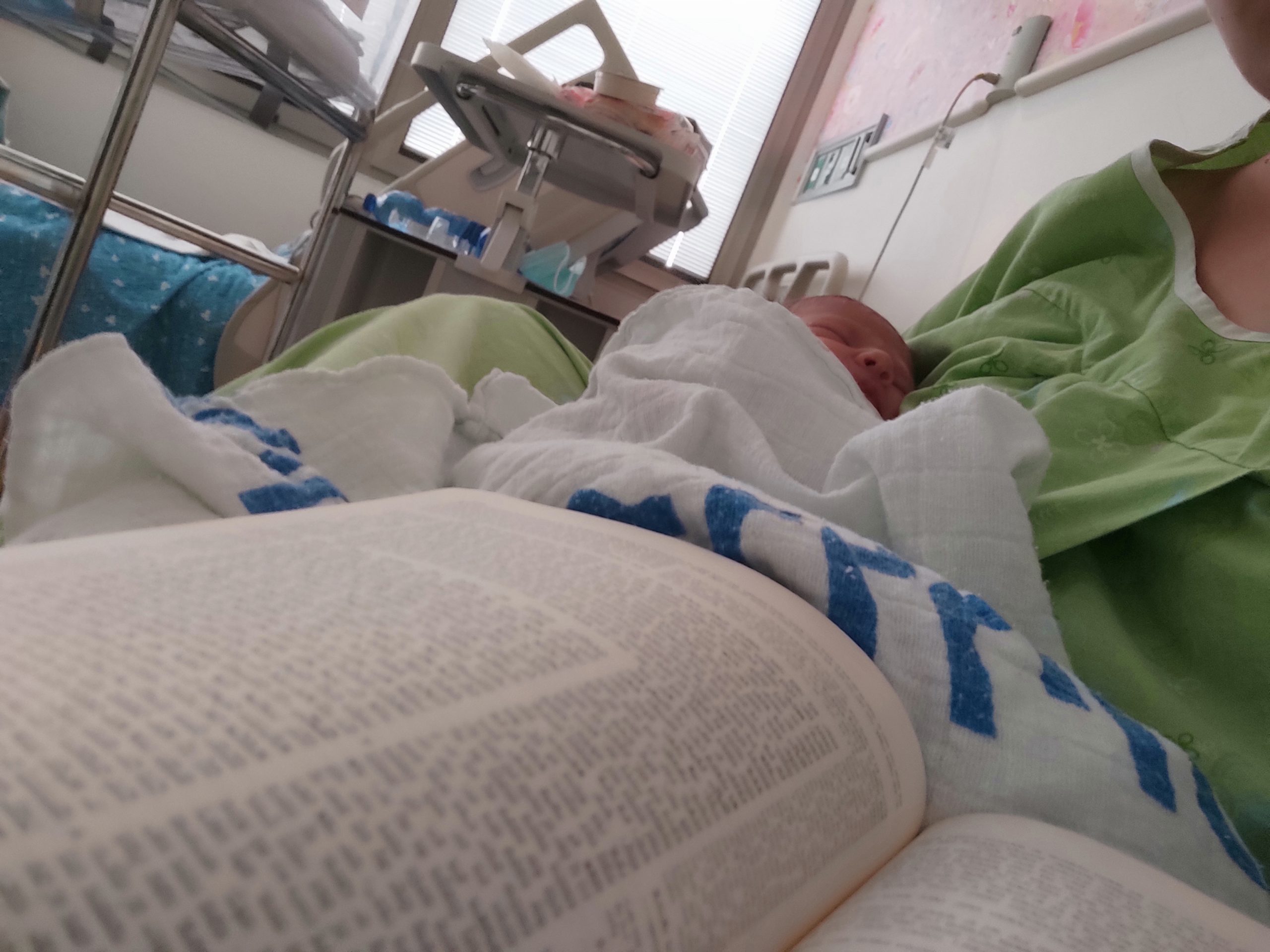
כמו שרואים בתמונה אני ממשיכה ללמוד גם היום ואפילו במחלקת יולדות אחרי לידת ביתי השלישית.
רבבה, ישראל
סיום השס לנשים נתן לי מוטביציה להתחיל ללמוד דף יומי. עד אז למדתי גמרא בשבתות ועשיתי כמה סיומים. אבל לימוד יומיומי זה שונה לגמרי ופתאום כל דבר שקורה בחיים מתקשר לדף היומי.

רתמים, ישראל
התחלתי ללמוד לפני 4.5 שנים, כשהודיה חברה שלי פתחה קבוצת ווטסאפ ללימוד דף יומי בתחילת מסכת סנהדרין. מאז לימוד הדף נכנס לתוך היום-יום שלי והפך לאחד ממגדירי הזהות שלי ממש.

ירושלים, ישראל
התחלתי לפני 8 שנים במדרשה. לאחרונה סיימתי מסכת תענית בלמידה עצמית ועכשיו לקראת סיום מסכת מגילה.

רעננה, ישראל
התחלתי ללמוד את הדף היומי מעט אחרי שבני הקטן נולד. בהתחלה בשמיעה ולימוד באמצעות השיעור של הרבנית שפרבר. ובהמשך העזתי וקניתי לעצמי גמרא. מאז ממשיכה יום יום ללמוד עצמאית, ולפעמים בעזרת השיעור של הרבנית, כל יום. כל סיום של מסכת מביא לאושר גדול וסיפוק. הילדים בבית נהיו חלק מהלימוד, אני משתפת בסוגיות מעניינות ונהנית לשמוע את דעתם.

מעלה מכמש, ישראל
התחלתי מחוג במסכת קידושין שהעבירה הרבנית רייסנר במסגרת בית המדרש כלנה בגבעת שמואל; לאחר מכן התחיל סבב הדף היומי אז הצטרפתי. לסביבה לקח זמן לעכל אבל היום כולם תומכים ומשתתפים איתי. הלימוד לעתים מעניין ומעשיר ולעתים קשה ואף הזוי… אך אני ממשיכה קדימה. הוא משפיע על היומיום שלי קודם כל במרדף אחרי הדף, וגם במושגים הרבים שלמדתי ובידע שהועשרתי בו, חלקו ממש מעשי

ראש העין, ישראל
התחלתי ללמוד דף לפני קצת יותר מ-5 שנים, כשלמדתי רבנות בישיבת מהר”ת בניו יורק. בדיעבד, עד אז, הייתי בלימוד הגמרא שלי כמו מישהו שאוסף חרוזים משרשרת שהתפזרה, פה משהו ושם משהו, ומאז נפתח עולם ומלואו…. הדף נותן לי לימוד בצורה מאורגנת, שיטתית, יום-יומית, ומלמד אותי לא רק ידע אלא את השפה ודרך החשיבה שלנו. לשמחתי, יש לי סביבה תומכת וההרגשה שלי היא כמו בציטוט שבחרתי: הדף משפיע לטובה על כל היום שלי.

חיפה, ישראל
התחלתי בסיום הש”ס, יצאתי באורות. נשברתי פעמיים, ובשתיהם הרבנית מישל עודדה להמשיך איפה שכולם בסבב ולהשלים כשאוכל, וכך עשיתי וכיום השלמתי הכל. מדהים אותי שאני לומדת כל יום קצת, אפילו בחדר הלידה, בבידוד או בחו”ל. לאט לאט יותר נינוחה בסוגיות. לא כולם מבינים את הרצון, בפרט כפמניסטית. חשה סיפוק גדול להכיר את המושגים וצורת החשיבה. החלום זה להמשיך ולהתמיד ובמקביל ללמוד איך מהסוגיות נוצרה והתפתחה ההלכה.

מודיעין, ישראל
אחי, שלומד דף יומי ממסכת ברכות, חיפש חברותא ללימוד מסכת ראש השנה והציע לי. החברותא היתה מאתגרת טכנית ורוב הזמן נעשתה דרך הטלפון, כך שבסיום המסכת נפרדו דרכינו. אחי חזר ללמוד לבד, אבל אני כבר נכבשתי בקסם הגמרא ושכנעתי את האיש שלי להצטרף אלי למסכת ביצה. מאז המשכנו הלאה, ועכשיו אנחנו מתרגשים לקראתו של סדר נשים!

נוקדים, ישראל
באירוע של הדרן בנייני האומה. בהשראתה של אמי שלי שסיימה את הש”ס בסבב הקודם ובעידוד מאיר , אישי, וילדיי וחברותיי ללימוד במכון למנהיגות הלכתית של רשת אור תורה סטון ומורתיי הרבנית ענת נובוסלסקי והרבנית דבורה עברון, ראש המכון למנהיגות הלכתית.
הלימוד מעשיר את יומי, מחזיר אותי גם למסכתות שכבר סיימתי וידוע שאינו דומה מי ששונה פרקו מאה לשונה פרקו מאה ואחת במיוחד מרתקים אותי החיבורים בין המסכתות

מודיעין, ישראל
ראיתי את הסיום הגדול בבנייני האומה וכל כך התרשמתי ורציתי לקחת חלק.. אבל לקח לי עוד כשנה וחצי )באמצע מסיכת שבת להצטרף..
הלימוד חשוב לי מאוד.. אני תמיד במרדף אחרי הדף וגונבת כל פעם חצי דף כשהילדים עסוקים ומשלימה אח”כ אחרי שכולם הלכו לישון..
ירושלים, ישראל
A life-changing journey started with a Chanukah family tiyul to Zippori, home of the Sanhedrin 2 years ago and continued with the Syum in Binanei Hauma where I was awed by the energy of 3000 women dedicated to learning daf Yomi. Opening my morning daily with a fresh daf, I am excited with the new insights I find enriching my life and opening new and deeper horizons for me.

Elazar gush etzion, Israel
התחלתי בתחילת הסבב, והתמכרתי. זה נותן משמעות נוספת ליומיום ומאוד מחזק לתת לזה מקום בתוך כל שגרת הבית-עבודה השוטפת.
בית שמש, ישראל
My explorations into Gemara started a few days into the present cycle. I binged learnt and become addicted. I’m fascinated by the rich "tapestry” of intertwined themes, connections between Masechtot, conversations between generations of Rabbanim and learners past and present all over the world. My life has acquired a golden thread, linking generations with our amazing heritage.
Thank you.

חשמונאים, Israel
התחלתי ללמוד בסבב הנוכחי לפני כשנתיים .הסביבה מתפעלת ותומכת מאוד. אני משתדלת ללמוד מכל ההסכתים הנוספים שיש באתר הדרן. אני עורכת כל סיום מסכת שיעור בביתי לכ20 נשים שמחכות בקוצר רוח למפגשים האלו.
יהוד, ישראל
בתחילת הסבב הנוכחי הצטברו אצלי תחושות שאני לא מבינה מספיק מהי ההלכה אותה אני מקיימת בכל יום. כמו כן, כאמא לבנות רציתי לתת להן מודל נשי של לימוד תורה
שתי הסיבות האלו הובילו אותי להתחיל ללמוד. נתקלתי בתגובות מפרגנות וסקרניות איך אישה לומדת גמרא..
כמו שרואים בתמונה אני ממשיכה ללמוד גם היום ואפילו במחלקת יולדות אחרי לידת ביתי השלישית.
רבבה, ישראל
לצערי גדלתי בדור שבו לימוד גמרא לנשים לא היה דבר שבשגרה ושנים שאני חולמת להשלים את הפער הזה.. עד שלפני מספר שבועות, כמעט במקרה, נתקלתי במודעת פרסומת הקוראת להצטרף ללימוד מסכת תענית. כשקראתי את המודעה הרגשתי שהיא כאילו נכתבה עבורי – "תמיד חלמת ללמוד גמרא ולא ידעת איך להתחיל”, "בואי להתנסות במסכת קצרה וקלה” (רק היה חסר שהמודעה תיפתח במילים "מיכי שלום”..). קפצתי למים ו- ב”ה אני בדרך להגשמת החלום:)

מורשת, ישראל
התחלתי מחוג במסכת קידושין שהעבירה הרבנית רייסנר במסגרת בית המדרש כלנה בגבעת שמואל; לאחר מכן התחיל סבב הדף היומי אז הצטרפתי. לסביבה לקח זמן לעכל אבל היום כולם תומכים ומשתתפים איתי. הלימוד לעתים מעניין ומעשיר ולעתים קשה ואף הזוי… אך אני ממשיכה קדימה. הוא משפיע על היומיום שלי קודם כל במרדף אחרי הדף, וגם במושגים הרבים שלמדתי ובידע שהועשרתי בו, חלקו ממש מעשי
ראש העין, ישראל
נזיר נג
וְהָא רָבָא הוּא דְּאָמַר: לֹא נִצְרְכָה אֶלָּא לְשִׁדְרָה וְגוּלְגּוֹלֶת שֶׁאֵין בָּהֶן רוֹבַע עֲצָמוֹת! בָּתַר דְּשַׁמְעַהּ מֵרַבִּי עֲקִיבָא.
The Gemara expresses surprise at this argument: But wasn’t it Rava himself who said: This statement is necessary only for a whole spine and skull that do not contain a quarter-kav of bones? This indicates that in his opinion a quarter-kav of bones from a spine does impart ritual impurity. The Gemara answers: After he heard the statement of the tanna, he understood from Rabbi Akiva that his dispute in the baraita (52a) concerns a spine and skull from two corpses, not a quarter-kav from a spine and skull. This interpretation led Rava to change his mind.
תָּא שְׁמַע, שַׁמַּאי אוֹמֵר: עֶצֶם אֶחָד מִן שִׁדְרָה אוֹ מִן גּוּלְגּוֹלֶת! שָׁאנֵי שַׁמַּאי דְּמַחְמִיר טְפֵי.
The Gemara further suggests: Come and hear a resolution from the following: Shammai says that one bone from the spine or from the skull imparts ritual impurity. Although the Rabbis dispute his ruling, it can be assumed that they do not have a vastly different opinion. Rather, they accept that a quarter-kav from a spine imparts impurity and renders a nazirite obligated to shave. The Gemara rejects this proof: Shammai is different, as he is very stringent, and therefore nothing at all can be inferred from his opinion with regard to that of the Rabbis.
לִיפְשׁוֹט מִינַּהּ: טַעְמָא דְּשַׁמַּאי, דְּמַחְמִיר, הָא לְרַבָּנַן — עַד דְּאִיכָּא חֲצִי קַב עֲצָמוֹת!
The Gemara counters: If in fact the Rabbis maintain an extremely different opinion from that of Shammai, let us resolve the problem in the opposite manner: The reasoning here is that of Shammai, who is particularly stringent. From this it may be inferred that, according to the opinion of the Rabbis, one is not rendered impure and a nazirite is not required to shave unless there is a half-kav of bones from the spine and skull.
דִּילְמָא עַד כָּאן לָא פְּלִיגִי רַבָּנַן עֲלֵיהּ דְּשַׁמַּאי אֶלָּא בְּעֶצֶם אֶחָד, אֲבָל בְּרוֹבַע עֲצָמוֹת — אֲפִילּוּ רַבָּנַן מוֹדוּ.
The Gemara rejects this claim as well: Perhaps the argument is not that extreme after all, and the Rabbis disagree with Shammai only with regard to whether one bone from the spine or from the skull imparts impurity. However, with regard to a quarter-kav of bones, even the Rabbis might concede that it renders people and items ritually impure, and a nazirite must shave for it.
אָמַר רַבִּי אֱלִיעֶזֶר: זְקֵנִים הָרִאשׁוֹנִים, מִקְצָתָן הָיוּ אוֹמְרִים: חֲצִי קַב עֲצָמוֹת וַחֲצִי לוֹג דָּם — לַכֹּל. רוֹבַע עֲצָמוֹת, וּרְבִיעִית דָּם — לֹא לַכֹּל. וּמִקְצָתָן הָיוּ אוֹמְרִים: אַף רוֹבַע עֲצָמוֹת וּרְבִיעִית דָּם — לַכֹּל.
§ Rabbi Eliezer said that some of the early Elders would say: A half-kav of bones and a half-log of blood impart ritual impurity in all forms. Their impurity applies by Torah law, and therefore they impart impurity in a tent. But a quarter-kav of bones and a quarter-log of blood, they do not impart impurity in all forms, i.e., they do not impart impurity in a tent. And some of these Elders would say that even a quarter-kav of bones and a quarter-log of blood impart impurity in all forms. This was the dispute of earlier generations.
בֵּית דִּין שֶׁלְּאַחֲרֵיהֶם אָמְרוּ: חֲצִי קַב עֲצָמוֹת וַחֲצִי לוֹג דָּם — לַכֹּל, רוֹבַע עֲצָמוֹת וּרְבִיעִית דָּם — לִתְרוּמָה וְקָדָשִׁים. אֲבָל לֹא לְנָזִיר וְעוֹשֵׂה פֶסַח.
The court that followed them said: A half-kav of bones and a half-log of blood impart ritual impurity in all forms. A quarter-kav of bones and a quarter-log of blood impart impurity only with regard to teruma and offerings, i.e., the Sages decreed that they impart impurity in a tent to invalidate teruma and offerings but not with regard to a nazirite. A nazirite is not required to shave or bring offerings for impurity after contact with a quarter-kav of bones or a quarter-log of blood. And similarly, one who performs the ritual of the Paschal offering may proceed despite the fact that he came into contact with this amount of blood or bones, as the Sages did not apply this decree in cases where one’s impurity precludes the performance of a mitzva whose neglect is punishable by karet.
מִכְּדִי אֵין הַכְרָעַת שְׁלִישִׁית מַכְרַעַת! אָמַר רַבִּי יַעֲקֹב בַּר אִידִי, מִפִּי שְׁמוּעָה אָמְרוּ: מִפִּי חַגַּי זְכַרְיָה וּמַלְאָכִי.
The Gemara asks about the ruling of halakha in this case. Now consider, there is a principle that the decision of the third opinion is not considered a decision. A compromise ruling that seeks to resolve a dispute by including factors and cases that were not mentioned in the other two opinions is not considered decisive, so how could the later court make a distinction between a Paschal offering and other cases? Rabbi Ya’akov bar Idi said: This ruling was not stated as a compromise. Rather, they said it from tradition, from Haggai, Zechariah, and Malachi, the last of the prophets. This was not a new attempt to mediate between two earlier opinions but an ancient ruling in its own right.
עַל אֵלּוּ הַנָּזִיר מְגַלֵּחַ. ״עַל אֵלּוּ״ דְּרֵישָׁא לְמַעוֹטֵי עֶצֶם כִּשְׂעוֹרָה, דְּעַל מַגָּעוֹ וְעַל מַשָּׂאוֹ — אִין, וְעַל אֲהִילוֹ — לָא. וְ״עַל אֵלּוּ״ דְּסֵיפָא — לְמַעוֹטֵי אֶבֶן הַסָּכוֹכִית.
§ The mishna taught that for all these aforementioned sources of ritual impurity a nazirite shaves. The Gemara explains that the phrase: For these, in the mishna’s first clause, serves to exclude a bone that is a barley-grain–bulk. As for touching it and carrying it, yes, a nazirite shaves, but for his overlying it, no, he does not shave. And the phrase: For these, in the mishna’s latter clause, serves to exclude an overhanging [hasekhukhit] stone. Although a stone that forms a cover over a corpse imparts impurity in a tent, a nazirite is nevertheless not obligated to shave due to this source of impurity.
וַחֲצִי קַב עֲצָמוֹת.
§ In its list of sources of impurity for which a nazirite must shave, the mishna taught: And a half-kav of bones.
חֲצִי קַב עֲצָמוֹת — אִין, רוֹבַע עֲצָמוֹת — לָא. הֵיכִי דָמֵי? אִילֵּימָא דְּאִית בְּהוֹן עֲצָמוֹת כִּשְׂעוֹרָה — תִּיפּוֹק לֵיהּ מִשּׁוּם עֶצֶם כִּשְׂעוֹרָה! אֶלָּא דְּאַקְמַח אַקְמוֹחֵי.
The Gemara analyzes this ruling of the mishna: A half-kav of bones, yes, a nazirite must shave if he contracts impurity from them; a quarter-kav of bones, no, he does not. What are the circumstances? If we say that they contain bones that are a barley-grain–bulk, let the tanna of the mishna derive the halakha that it imparts ritual impurity due to the fact that it is a bone that is a barley-grain–bulk. Rather, the mishna is referring to a situation where it has been made like flour. In that case, a half-kav of bones render people and items impure in a tent, although they do not include a bone the volume of a barley-grain-bulk.
עַל אֵבֶר מִן הַמֵּת וְעַל אֵבֶר מִן הַחַי שֶׁיֵּשׁ עֲלֵיהֶן בָּשָׂר כָּרָאוּי. אֵין עֲלֵיהֶן בָּשָׂר כָּרָאוּי, מַאי? רַבִּי יוֹחָנָן אָמַר: אֵין הַנָּזִיר מְגַלֵּחַ עֲלֵיהֶן. רֵישׁ לָקִישׁ אָמַר: הַנָּזִיר מְגַלֵּחַ עֲלֵיהֶן.
§ The mishna taught that a nazirite shaves for a limb severed from a corpse and for a limb severed from a living person, upon either of which there is a fitting quantity of flesh. The Gemara asks: If there is not a fitting quantity of flesh upon them, what is the halakha? Rabbi Yoḥanan said: The nazirite does not shave for them. Reish Lakish said: The nazirite does shave for them.
רַבִּי יוֹחָנָן אָמַר: אֵין הַנָּזִיר מְגַלֵּחַ עֲלֵיהֶן, דְּהָא קָתָנֵי בְּרֵישָׁא: עַל אֵבֶר מִן הַמֵּת וְעַל אֵבֶר מִן הַחַי וְכוּ׳ שֶׁיֵּשׁ עֲלֵיהֶן כְּזַיִת בָּשָׂר — אִין, אֲבָל אֵין עֲלֵיהֶם — לָא.
The Gemara explains their respective opinions. Rabbi Yoḥanan said: The nazirite does not shave for them, as the tanna teaches in the first clause of the mishna in the list of sources of ritual impurity for which a nazirite must shave: For a limb severed from a corpse and for a limb severed from a living person that contains a fitting quantity of flesh. One can infer from this: Those upon which there is an olive-bulk of flesh, yes, he must shave for them, but if there is not that amount of flesh upon them, no, a nazirite need not shave due to them.
וְרַבִּי שִׁמְעוֹן בֶּן לָקִישׁ אוֹמֵר: מְגַלֵּחַ. מִדְּלָא קָתָנֵי בְּסֵיפָא.
And Rabbi Shimon ben Lakish says that he shaves, employing the following reasoning: From the fact that the mishna does not teach the following in the latter clause, i.e., the subsequent mishna (54a), in the list of sources of impurity for which a nazirite need not shave: A limb that does not contain a fitting quantity of flesh, one can infer that a nazirite is obligated to shave for a limb of that type.
וְרַבִּי יוֹחָנָן אָמַר לָךְ: כׇּל הֵיכָא דְּמַשְׁמַע מִכְּלָלָא, לָא קָתָנֵי בְּסֵיפָא.
And Rabbi Yoḥanan could have said to you, in response to Rabbi Shimon ben Lakish’s argument: The fact that the mishna omits this case from the list is not proof, as the tanna does not teach in the latter clause anything that can be understood by inference from the earlier mishna.
וְהָא חֲצִי קַב עֲצָמוֹת, דְּמַשְׁמַע חֲצִי קַב עֲצָמוֹת — אִין, רוֹבַע עֲצָמוֹת — לָא, וְקָתָנֵי בְּסֵיפָא רוֹבַע עֲצָמוֹת.
The Gemara raises a difficulty against this claim of Rabbi Yoḥanan: But the first clause of the mishna lists the case of a half-kav of bones, which indicates: A half-kav of bones, yes, a nazirite must shave for that; a quarter-kav of bones, no, he is not obligated to shave for that. And yet the tanna teaches in the latter clause that a nazirite does not shave for a quarter-kav of bones. This shows that the next mishna does not rely on the rulings of this mishna. Rather, it lists all the items for which a nazirite need not shave.
הָתָם אִי לָאו רוֹבַע עֲצָמוֹת, הֲוָה אָמֵינָא: אֲפִילּוּ עַל מַגָּעוֹ וְעַל מַשָּׂאוֹ לָא, לְהָכִי אִיצְטְרִיךְ לְמִיתְנֵי רוֹבַע עֲצָמוֹת, דְּעַל אֲהִילָן הוּא דְּאֵין הַנָּזִיר מְגַלֵּחַ.
The Gemara rejects this argument: There, had the tanna not taught a quarter-kav of bones, I would say that he need not shave even for touching it or carrying it. For this reason it was necessary for the mishna to teach the case of a quarter-kav of bones, to indicate that it is only for their ritual impurity contracted in a tent that a nazirite does not shave.
וְהָא חֲצִי לוֹג דָּם, דְּשָׁמְעַתְּ מִינַּהּ חֲצִי לוֹג דָּם — אִין, רְבִיעִית דָּם — לָא, וְקָתָנֵי בְּסֵיפָא רְבִיעִית דָּם! הָתָם, לְאַפּוֹקֵי מִדְּרַבִּי עֲקִיבָא, דְּאָמַר רַבִּי עֲקִיבָא: רְבִיעִית דָּם הַבָּא מִשְּׁנֵי מֵתִים מְטַמֵּא בְּאֹהֶל.
The Gemara raises a further difficulty: But the mishna lists a half-log of blood among those sources of impurity for which a nazirite must shave, from which you can learn that for a half-log of blood, yes, he shaves; for a quarter-log of blood, no, he does not shave. And yet the latter clause of the mishna teaches that he need not shave for a quarter-log of blood. The Gemara answers: It is also necessary to state this halakha unambiguously there, to exclude the opinion of Rabbi Akiva, as Rabbi Akiva said: A quarter-log of blood that comes from two corpses renders people and items impure in a tent, whereas the mishna simply states: A quarter-log, which indicates that all of the blood comes from a single corpse.
הַאי אֵבֶר מִן הַמֵּת, הֵיכִי דָמֵי? אִי דְּאִית בֵּיהּ עֶצֶם כִּשְׂעוֹרָה, מַאי טַעְמָא דְּרַבִּי יוֹחָנָן? וְאִי דְּלֵית בֵּיהּ עֶצֶם כִּשְׂעוֹרָה, מַאי טַעְמָא דְּרֵישׁ לָקִישׁ? אָמַר לָךְ רֵישׁ לָקִישׁ: לְעוֹלָם דְּלֵית בֵּיהּ עֶצֶם כִּשְׂעוֹרָה, וַאֲפִילּוּ הָכִי רַחֲמָנָא רַבְּיֵיהּ.
The Gemara analyzes the dispute between Rabbi Yoḥanan and Reish Lakish: What are the circumstances of this limb severed from a corpse that is not covered by sufficient flesh? If it contains a bone that is a barley-grain–bulk, what is Rabbi Yoḥanan’s reason for maintaining that a nazirite does not have to shave for this ritual impurity? A bone of this size imparts impurity even if there is no flesh upon it. And if it does not contain a bone that is a barley-grain–bulk, what is Reish Lakish’s reason for saying that a nazirite must shave due to this bone? The Gemara explains that Reish Lakish could have said to you: Actually we are dealing with a limb that does not contain a bone that is a barley-grain–bulk, and even so the Merciful One includes it as a source of ritual impurity.
דְּתַנְיָא: ״וְכֹל אֲשֶׁר יִגַּע עַל פְּנֵי הַשָּׂדֶה בַּחֲלַל חֶרֶב אוֹ בְמֵת״, ״עַל פְּנֵי הַשָּׂדֶה״ — זֶה הַמַּאֲהִיל עַל פְּנֵי הַמֵּת, ״בַּחֲלַל״ — זֶה אֵבֶר מִן הַחַי וְיֵשׁ לוֹ לְהַעֲלוֹת אֲרוּכָה.
This is as it is taught in a baraita: “And whoever in the open field touches one who is slain by the sword, or one who dies on his own, or a bone of a man, or a grave, shall be unclean seven days” (Numbers 19:16). This verse is expounded by the Sages as follows: “In the open field”; this is referring to the halakha of one who overlies a corpse, even without touching it. “One who is slain”; this is referring to a limb slain, i.e., severed, from a living person, that contains enough flesh for the limb to heal.
״חֶרֶב״ הֲרֵי זֶה כְּחָלָל, ״אוֹ בְּמֵת״ — זֶה אֵבֶר הַנֶחְלָל מִן הַמֵּת, ״אוֹ בְּעֶצֶם אָדָם״ — זֶה רוֹבַע עֲצָמוֹת, ״אוֹ בְּקֶבֶר״ — זֶה קֶבֶר סָתוּם.
The Sages further derive from the phrase “one who is slain by the sword” that the legal status of a metal sword in terms of its degree of ritual impurity is like that of one who is slain, i.e., a metal implement, e.g., a sword, that was rendered impure through contact with a corpse is impure to the same degree of severity as a corpse itself. “Or one who dies on his own”; this is a limb that was slain, i.e., severed, from a corpse and is covered with enough flesh that it would heal if he were alive. “Or a bone of a man”; this is a quarter-kav of bones. “Or a grave”; this is a sealed grave, which imparts impurity when there is less than a handbreadth between the corpse and its cover.

