חיפוש

נזיר נה

רוצה להקדיש לימוד?

podcast placeholder

0:00
0:00


תקציר

הדף היום מוקדש על ידי רושל חפץ לע”נ דודה, רוז רובלו, רחל לאה בת רב משה וציפורה משבאום. יהי זכרה ברוך. 

יש מחלוקת תנאי לגבי מי שנכנס לחוץ לישראל בתיבה, שידה או מגדל. האם הוויכוח מבוסס על השאלה האם טומאת ארץ העמים גזרו משום גושה או משום אוירה? הגמרא דוחה הצעה זו ומביאה עוד שלושה הסברים אפשריים למחלוקת, הראשון שבהם נדחה. המשנה קבעה שאם נזיר נהיה מצורע, הימים אינם נחשבים כימי נזיר אך אינם מבטלים את הימים הקודמים. רב חסדא מסביר שזה נכון רק אם היה נזיר לזמן קצר (30 יום), אבל אם לקח על עצמו תקופה ארוכה של נזירות, הימים שבהם הנזיר היה מצורע נחשבים גם לימי נזירות. רב שרביא מקשה עליו מדברי המשנה ששם כתוב שהוא מפסיק למנות ימים וממשיך לאחר שמסיים צרעתו ולרב חסדא אין מקרה שבו שני אלו יהיו נכונים: אם אדם היה נזיר לזמן קצר, הימים הקודמים יתבטלו כיון שצריך שלושים ימים של צמיחת שיער לאחר הגילוח של המצורע, ואם היה נזיר יותר משלושים יום, ימי צרעתו עולים למניין נזירותו. הגמרא עונה שניתן למוא מקרה מתאים: נזירות של חמישים יום, שביום העשרים נהיה מצורע. במקרה זה, אפילו לפי רב חסדא, ימי המצורע לא ימנו כימי נזירות כי צריך שלושים יום של צמיחת שיער שלמים לאחר הגילוח המצורע, והימים הראשונים לא יתבטלו כי יהיו בכל אופן שלושים יום של צמיחת שיער.

נזיר נה

לֵימָא כְּתַנָּאֵי: הַנִּכְנָס לְאֶרֶץ הָעַמִּים בְּשִׁידָּה תֵּיבָה וּמִגְדָּל, רַבִּי מְטַמֵּא, וְרַבִּי יוֹסֵי בְּרַבִּי יְהוּדָה מְטַהֵר. מַאי לָאו: רַבִּי סָבַר מִשּׁוּם אַוֵּירָא, וְרַבִּי יוֹסֵי בְּרַבִּי יְהוּדָה סָבַר מִשּׁוּם גּוּשָּׁא?

Let us say that this is parallel to a dispute between tanna’im, as it is taught: With regard to one who enters the land of the nations not on foot but in a chest, a box, or a cabinet, Rabbi Yehuda HaNasi deems him ritually impure. And Rabbi Yosei, son of Rabbi Yehuda, deems him pure. What, is it not correct to say that they disagree in this regard: Rabbi Yehuda HaNasi, who deems him impure, holds that the Sages decreed impurity with regard to the air, and Rabbi Yosei, son of Rabbi Yehuda, holds that the Sages decreed impurity with regard to the earth, and consequently he is not impure, as the container prevents him from overlying the impurity?

לָא, דְּכוּלֵּי עָלְמָא מִשּׁוּם גּוּשָּׁא. מָר סָבַר: אֹהֶל זָרוּק — שְׁמֵיהּ אֹהֶל, וּמָר סָבַר: לָא שְׁמֵיהּ אֹהֶל.

The Gemara rejects this suggestion: This is not necessarily the correct interpretation of their dispute, as one can say that everyone agrees that the decree is with regard to the earth, and their dispute concerns only the case of one who enters in a chest, a box, or a cabinet. One Sage, Rabbi Yosei, son of Rabbi Yehuda, holds that a moving tent, an item that serves as a tent as it passes over ritual impurity, is called a tent, and therefore a person who enters the land of the nations in a large container is protected from its impurity. And one Sage, Rabbi Yehuda HaNasi, holds that a moving tent is not called a tent. Consequently, nothing separates this individual from the impurity, and he becomes impure by overlying the land of the nations.

וְהָתַנְיָא, רַבִּי יוֹסֵי בְּרַבִּי יְהוּדָה אוֹמֵר: תֵּיבָה שֶׁהִיא מְלֵאָה כֵּלִים, וּזְרָקָהּ עַל פְּנֵי הַמֵּת בְּאֹהֶל — טְמֵאָה, וְאִם הָיְתָה מוּנַּחַת — טְהוֹרָה.

The Gemara asks: But isn’t it taught in a baraita that Rabbi Yosei, son of Rabbi Yehuda, says: A box that is full of utensils that one threw over a corpse in a tent, in such a manner that it overlay the corpse, is impure, and everything inside it is also rendered ritually impure, as it does not provide the protection of a tent. And if it was placed down and positioned as a tent over a corpse, it is pure, and its contents are protected from the impurity. This shows that according to the opinion of Rabbi Yosei, son of Rabbi Yehuda, a moving tent is not considered a tent, which contradicts the above claim.

אֶלָּא: דְּכוּלֵּי עָלְמָא מִשּׁוּם אַוֵּירָא, וּמָר סָבַר: כֵּיוָן דְּלָא שְׁכִיחָא — לָא גְּזַרוּ בֵּיהּ רַבָּנַן, וּמָר סָבַר: אַף עַל גַּב דְּלָא שְׁכִיחָא — גְּזַרוּ בֵּיהּ רַבָּנַן.

In light of this argument, the Gemara concedes that the previous explanation of the dispute is incorrect. Rather, one must say that everyone agrees that the decree of impurity concerning the land of the nations is with regard to its air, and one Sage, Rabbi Yosei, son of Rabbi Yehuda, holds that since it is not common for one to move around in an enclosure, the Sages did not decree impurity with regard to this case. And one Sage, Rabbi Yehuda HaNasi, holds that although it is not common the Sages nevertheless decreed impurity with regard to it.

וְהַתַּנְיָא: הַנִּכְנָס לְאֶרֶץ הָעַמִּים בְּשִׁידָּה תֵּיבָה וּמִגְדָּל — טָהוֹר, בְּקָרוֹן וּבִסְפִינָה וּבְאִיסְקַרְיָא — טָמֵא.

The Gemara adds: And it is taught in the Tosefta (Oholot 18:5) in accordance with this explanation of the opinion of Rabbi Yosei, son of Rabbi Yehuda: One who enters the land of the nations in a chest, a box, or a cabinet is ritually pure. If he was in a wagon [karon], boat, or raft [iskareya], he is ritually impure. The difference is that the latter vessels are commonly used to convey people.

וְאִיבָּעֵית אֵימָא: הָכָא שֶׁמָּא יוֹצִיא רֹאשׁוֹ וְרוּבּוֹ לְשָׁם פְּלִיגִי.

And if you wish, say an alternative explanation of the dispute between Rabbi Yehuda HaNasi and Rabbi Yosei, son of Rabbi Yehuda. Both agree that the ritual impurity of the land of the nations is with regard to the earth, and a moving tent is considered a tent. Therefore, the person in question should be ritually pure according to both opinions. However, here they disagree with regard to a different issue, the concern lest he remove his head and the majority of his body from the chest, box, or cabinet into there, i.e., the land of the nations.

וְהָתַנְיָא, רַבִּי יוֹסֵי בְּרַבִּי יְהוּדָה אוֹמֵר: הַנִּכְנָס לְאֶרֶץ הָעַמִּים בְּשִׁידָּה תֵּיבָה וּמִגְדָּל — טָהוֹר, עַד שֶׁיּוֹצִיא לְשָׁם רֹאשׁוֹ אוֹ רוּבּוֹ.

And it is taught likewise in a baraita that Rabbi Yosei, son of Rabbi Yehuda, says: One who enters the land of the nations in a chest, a box, or a cabinet is pure, unless he actually removes his head or the majority of his body into the land of the nations. By contrast, Rabbi Yehuda HaNasi renders him ritually impure due to concern that one’s head might protrude from the container.

וּמַתְחִיל וּמוֹנֶה. אָמַר רַב חִסְדָּא: לֹא שָׁנוּ אֶלָּא בִּנְזִירוּת מוּעֶטֶת. אֲבָל בִּנְזִירוּת מְרוּבָּה — מִיסְלָק נָמֵי סָלְקִין לֵיהּ.

§ The mishna taught that a nazirite who became ritually impure through sources of impurity that do not cause him to forfeit his naziriteship, including his days of leprosy, starts counting again from the day of his purification, as his period of impurity does not count toward his naziriteship. Rav Ḥisda said: They taught this halakha of a leper only with regard to a short naziriteship of thirty days, as he shaves his hair for purification from leprosy, and therefore he must count an additional thirty days to allow his hair to grow sufficiently to shave for his naziriteship. However, with regard to a lengthy naziriteship, when thirty days or more remain in his naziriteship after having shaved for his leprosy, those days also count toward his term, and he need not recount his days as a leper.

מֵתִיב רַב שֵׁרֵבְיָא: מַתְחִיל וּמוֹנֶה מִיָּד, וְאֵין מְבַטֵּל בָּהֶן אֶת הַקּוֹדְמִין. בְּמַאי? אִילֵימָא בִּנְזִירוּת מוּעֶטֶת — קָבָעֵי גִּידּוּל שֵׂיעָר!

Rav Sherevya raises an objection from the mishna: He starts counting immediately, and he does not negate the earlier days due to them. To what case is the mishna referring? If we say it is referring to a short naziriteship, he requires a thirty-day period of hair growth, and as he shaved for purification of his leprosy, he must negate the earlier days as a practical manner, to enable his hair to regrow.

אֶלָּא לָאו, בִּנְזִירוּת מְרוּבָּה, וְקָתָנֵי: מַתְחִיל וּמוֹנֶה מִיָּד! הוּא מוֹתֵיב לַהּ וְהוּא מְפָרֵק לַהּ: בִּנְזִירוּת בַּת חֲמִשִּׁים יוֹם, דְּיָתֵיב עֶשְׂרִין, וְאִיתְיְלִידָא בֵּיהּ צָרַעַת. מְגַלַּח צָרַעְתּוֹ, וַהֲדַר יָתֵיב תְּלָתִין יוֹמִין דְּנָזִיר. דְּהָא אִית לֵיהּ גִּידּוּל שֵׂעָר.

Rather, is it not the case that the mishna is referring to a lengthy naziriteship, and nevertheless it teaches: He starts counting immediately, which indicates that his time as a leper is not included? Rav Sherevya raised the objection and he resolved it: The mishna is referring to a naziriteship of fifty days, in a case where he sat and observed twenty days of his vow, and at that point he developed leprosy. In that case, he shaves for his leprosy, and he again sits for thirty days as a nazirite. The problem of thirty days’ hair growth does not arise in this situation, as at the end of this period there is hair growth of thirty days.

מֵתִיב רָמֵי בַּר חָמָא: נָזִיר שֶׁהָיָה טָמֵא בְּסָפֵק, וּמוּחְלָט בְּסָפֵק,

Rami bar Ḥama raised an objection from a mishna (59b): With regard to a nazirite who has uncertain impurity from a corpse and whose status as a confirmed leper is uncertain,

חדשה בלימוד הגמרא?

זה הדף הראשון שלך? איזו התרגשות עצומה! יש לנו בדיוק את התכנים והכלים שיעזרו לך לעשות את הצעדים הראשונים ללמידה בקצב וברמה שלך, כך תוכלי להרגיש בנוח גם בתוך הסוגיות המורכבות ומאתגרות.

פסיפס הלומדות שלנו

גלי את קהילת הלומדות שלנו, מגוון נשים, רקעים וסיפורים. כולן חלק מתנועה ומסע מרגש ועוצמתי.

התחלתי ללמוד בעידוד שתי חברות אתן למדתי בעבר את הפרק היומי במסגרת 929.
בבית מתלהבים מאוד ובשבת אני לומדת את הדף עם בעלי שזה מפתיע ומשמח מאוד! לימוד הדף הוא חלק בלתי נפרד מהיום שלי. לומדת בצהריים ומחכה לזמן הזה מידי יום…

Miriam Wengerover
מרים ונגרובר

אפרת, ישראל

. לא תמיד נהניתי מלימוד גמרא כילדה.,בל כהתבגרתי התחלתי לאהוב את זה שוב. התחלתי ללמוד מסכת סוטה בדף היומי לפני כחמש עשרה שנה ואז הפסקתי.הגעתי לסיום הגדול של הדרן לפני שנתיים וזה נתן לי השראה. והתחלתי ללמוד למשך כמה ימים ואז היתה לי פריצת דיסק והפסקתי…עד אלול השנה. אז התחלתי עם מסכת ביצה וב”ה אני מצליחה לעמוד בקצב. המשפחה מאוד תומכת בי ויש כמה שגם לומדים את זה במקביל. אני אוהבת שיש עוגן כל יום.

Rebecca Darshan
רבקה דרשן

בית שמש, ישראל

בתחילת הסבב הנוכחי של לימוד הדף היומי, נחשפתי לחגיגות המרגשות באירועי הסיום ברחבי העולם. והבטחתי לעצמי שבקרוב אצטרף גם למעגל הלומדות. הסבב התחיל כאשר הייתי בתחילת דרכי בתוכנית קרן אריאל להכשרת יועצות הלכה של נשמ”ת. לא הצלחתי להוסיף את ההתחייבות לדף היומי על הלימוד האינטנסיבי של תוכנית היועצות. בבוקר למחרת המבחן הסופי בנשמ”ת, התחלתי את לימוד הדף במסכת סוכה ומאז לא הפסקתי.

Hana Shaham-Rozby (Dr.)
חנה שחם-רוזבי (ד”ר)

קרית גת, ישראל

התחלתי ללמוד לפני 4.5 שנים, כשהודיה חברה שלי פתחה קבוצת ווטסאפ ללימוד דף יומי בתחילת מסכת סנהדרין. מאז לימוד הדף נכנס לתוך היום-יום שלי והפך לאחד ממגדירי הזהות שלי ממש.

Rosenberg Foundation
קרן רוזנברג

ירושלים, ישראל

הצטרפתי ללומדות בתחילת מסכת תענית. ההתרגשות שלי ושל המשפחה היתה גדולה מאוד, והיא הולכת וגוברת עם כל סיום שאני זוכה לו. במשך שנים רבות רציתי להצטרף ומשום מה זה לא קרה… ב”ה מצאתי לפני מספר חודשים פרסום של הדרן, ומיד הצטרפתי והתאהבתי. הדף היומי שינה את חיי ממש והפך כל יום- ליום של תורה. מודה לכן מקרב ליבי ומאחלת לכולנו לימוד פורה מתוך אהבת התורה ולומדיה.

Noa Rosen
נעה רוזן

חיספין רמת הגולן, ישראל

באירוע של הדרן בנייני האומה. בהשראתה של אמי שלי שסיימה את הש”ס בסבב הקודם ובעידוד מאיר , אישי, וילדיי וחברותיי ללימוד במכון למנהיגות הלכתית של רשת אור תורה סטון ומורתיי הרבנית ענת נובוסלסקי והרבנית דבורה עברון, ראש המכון למנהיגות הלכתית.
הלימוד מעשיר את יומי, מחזיר אותי גם למסכתות שכבר סיימתי וידוע שאינו דומה מי ששונה פרקו מאה לשונה פרקו מאה ואחת במיוחד מרתקים אותי החיבורים בין המסכתות

Roit Kalech
רוית קלך

מודיעין, ישראל

התחלתי ללמוד דף לפני קצת יותר מ-5 שנים, כשלמדתי רבנות בישיבת מהר”ת בניו יורק. בדיעבד, עד אז, הייתי בלימוד הגמרא שלי כמו מישהו שאוסף חרוזים משרשרת שהתפזרה, פה משהו ושם משהו, ומאז נפתח עולם ומלואו…. הדף נותן לי לימוד בצורה מאורגנת, שיטתית, יום-יומית, ומלמד אותי לא רק ידע אלא את השפה ודרך החשיבה שלנו. לשמחתי, יש לי סביבה תומכת וההרגשה שלי היא כמו בציטוט שבחרתי: הדף משפיע לטובה על כל היום שלי.

Michal Kahana
מיכל כהנא

חיפה, ישראל

התחלתי ללמוד גמרא בבית הספר בגיל צעיר והתאהבתי. המשכתי בכך כל חיי ואף היייתי מורה לגמרא בבית הספר שקד בשדה אליהו (בית הספר בו למדתי בילדותי)בתחילת מחזור דף יומי הנוכחי החלטתי להצטרף ובע”ה מקווה להתמיד ולהמשיך. אני אוהבת את המפגש עם הדף את "דרישות השלום ” שמקבלת מקשרים עם דפים אחרים שלמדתי את הסנכרון שמתחולל בין התכנים.

Ariela Bigman
אריאלה ביגמן

מעלה גלבוע, ישראל

התחלתי בתחילת הסבב, והתמכרתי. זה נותן משמעות נוספת ליומיום ומאוד מחזק לתת לזה מקום בתוך כל שגרת הבית-עבודה השוטפת.

Reut Abrahami
רעות אברהמי

בית שמש, ישראל

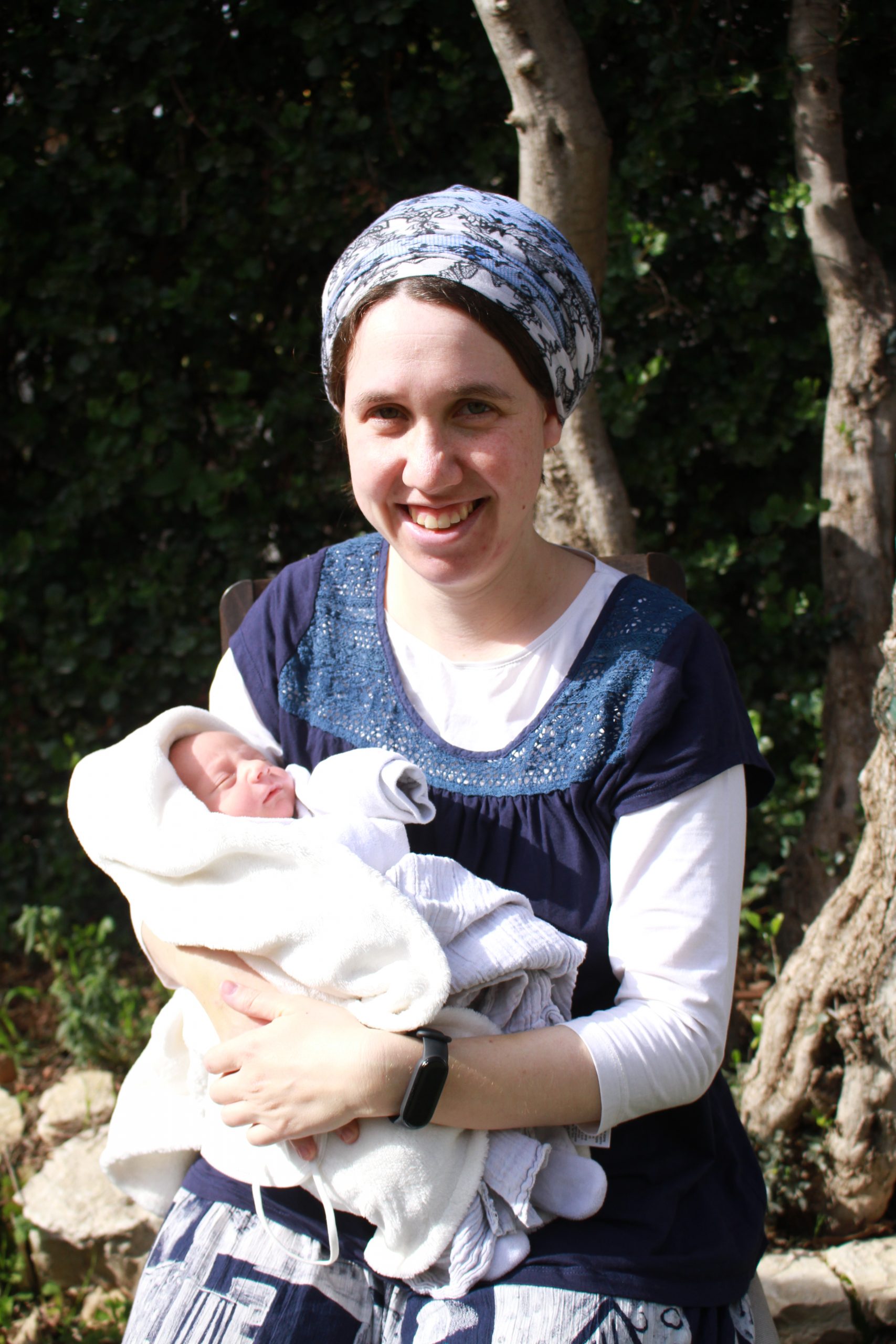
בתחילת הסבב הנוכחי הצטברו אצלי תחושות שאני לא מבינה מספיק מהי ההלכה אותה אני מקיימת בכל יום. כמו כן, כאמא לבנות רציתי לתת להן מודל נשי של לימוד תורה
שתי הסיבות האלו הובילו אותי להתחיל ללמוד. נתקלתי בתגובות מפרגנות וסקרניות איך אישה לומדת גמרא..
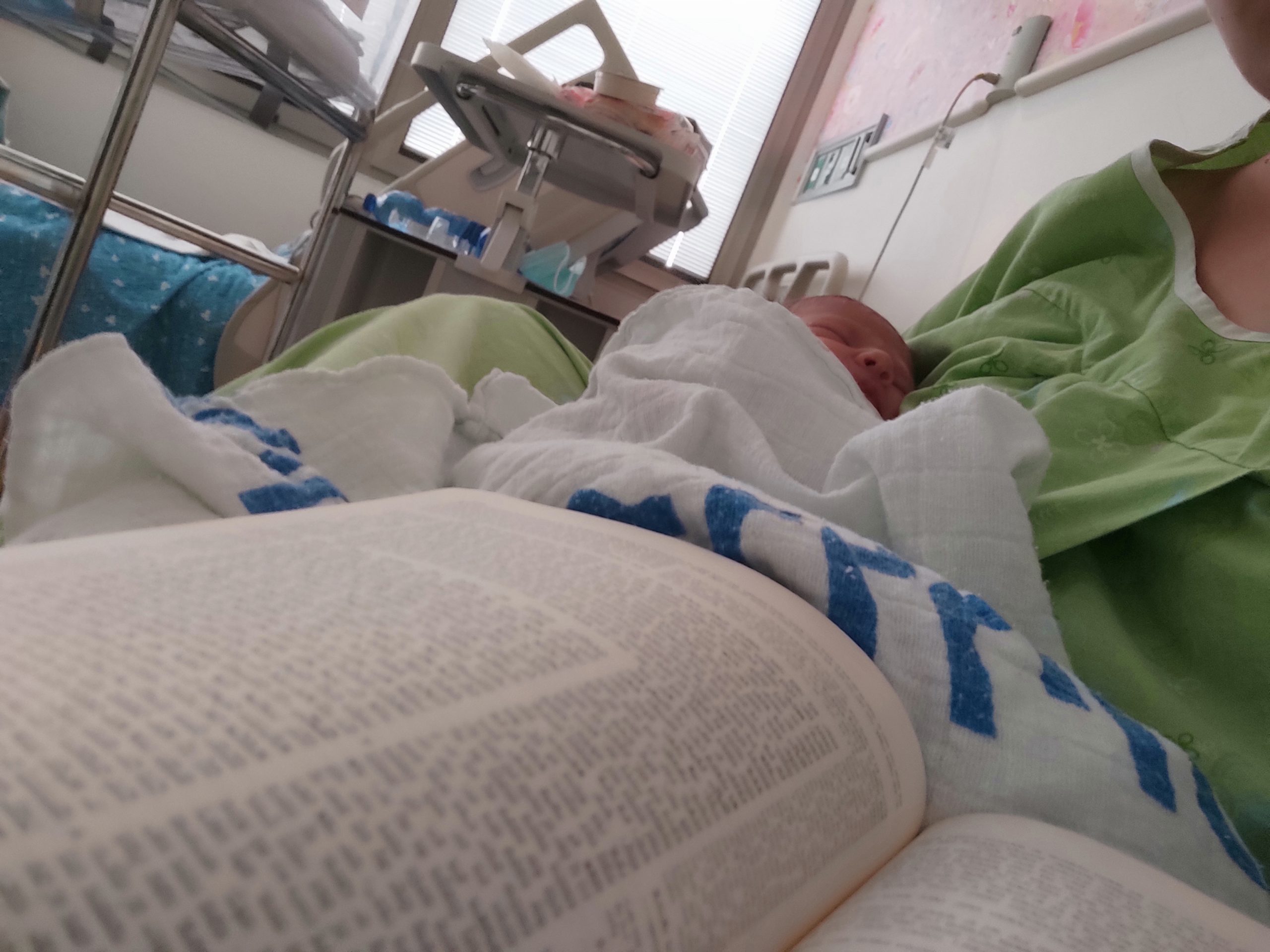
כמו שרואים בתמונה אני ממשיכה ללמוד גם היום ואפילו במחלקת יולדות אחרי לידת ביתי השלישית.

Noa Shiloh
נועה שילה

רבבה, ישראל

התחלתי ללמוד בסבב הנוכחי לפני כשנתיים .הסביבה מתפעלת ותומכת מאוד. אני משתדלת ללמוד מכל ההסכתים הנוספים שיש באתר הדרן. אני עורכת כל סיום מסכת שיעור בביתי לכ20 נשים שמחכות בקוצר רוח למפגשים האלו.

Yael Asher
יעל אשר

יהוד, ישראל

. לא תמיד נהניתי מלימוד גמרא כילדה.,בל כהתבגרתי התחלתי לאהוב את זה שוב. התחלתי ללמוד מסכת סוטה בדף היומי לפני כחמש עשרה שנה ואז הפסקתי.הגעתי לסיום הגדול של הדרן לפני שנתיים וזה נתן לי השראה. והתחלתי ללמוד למשך כמה ימים ואז היתה לי פריצת דיסק והפסקתי…עד אלול השנה. אז התחלתי עם מסכת ביצה וב”ה אני מצליחה לעמוד בקצב. המשפחה מאוד תומכת בי ויש כמה שגם לומדים את זה במקביל. אני אוהבת שיש עוגן כל יום.

Rebecca Darshan
רבקה דרשן

בית שמש, ישראל

התחלתי ללמוד דף יומי בתחילת מסכת ברכות, עוד לא ידעתי כלום. נחשפתי לסיום הש״ס, ובעצם להתחלה מחדש בתקשורת, הפתיע אותי לטובה שהיה מקום לעיסוק בתורה.
את המסכתות הראשונות למדתי, אבל לא סיימתי (חוץ מעירובין איכשהו). השנה כשהגעתי למדרשה, נכנסתי ללופ, ואני מצליחה להיות חלק, סיימתי עם החברותא שלי את כל המסכתות הקצרות, גם כשהיינו חולות קורונה ובבידודים, למדנו לבד, העיקר לא לצבור פער, ומחכות ליבמות 🙂

Eden Yeshuron
עדן ישורון

מזכרת בתיה, ישראל

לצערי גדלתי בדור שבו לימוד גמרא לנשים לא היה דבר שבשגרה ושנים שאני חולמת להשלים את הפער הזה.. עד שלפני מספר שבועות, כמעט במקרה, נתקלתי במודעת פרסומת הקוראת להצטרף ללימוד מסכת תענית. כשקראתי את המודעה הרגשתי שהיא כאילו נכתבה עבורי – "תמיד חלמת ללמוד גמרא ולא ידעת איך להתחיל”, "בואי להתנסות במסכת קצרה וקלה” (רק היה חסר שהמודעה תיפתח במילים "מיכי שלום”..). קפצתי למים ו- ב”ה אני בדרך להגשמת החלום:)

Micah Kadosh
מיכי קדוש

מורשת, ישראל

אני לומדת גמרא כעשור במסגרות שונות, ואת הדף היומי התחלתי כשחברה הציעה שאצטרף אליה לסיום בבנייני האומה. מאז אני לומדת עם פודקסט הדרן, משתדלת באופן יומי אך אם לא מספיקה, מדביקה פערים עד ערב שבת. בסבב הזה הלימוד הוא "ממעוף הציפור”, מקשיבה במהירות מוגברת תוך כדי פעילויות כמו בישול או נהיגה, וכך רוכשת היכרות עם הסוגיות ואופן ניתוחם על ידי חז”ל. בע”ה בסבב הבא, ואולי לפני, אצלול לתוכו באופן מעמיק יותר.

Yael Bir
יעל ביר

רמת גן, ישראל

אחרי שראיתי את הסיום הנשי של הדף היומי בבנייני האומה זה ריגש אותי ועורר בי את הרצון להצטרף. לא למדתי גמרא קודם לכן בכלל, אז הכל היה לי חדש, ולכן אני לומדת בעיקר מהשיעורים פה בהדרן, בשוטנשטיין או בחוברות ושיננתם.

Rebecca Schloss
רבקה שלוס

בית שמש, ישראל

"
גם אני התחלתי בסבב הנוכחי וב””ה הצלחתי לסיים את רוב המסכתות . בזכות הרבנית מישל משתדלת לפתוח את היום בשיעור הזום בשעה 6:20 .הלימוד הפך להיות חלק משמעותי בחיי ויש ימים בהם אני מצליחה לחזור על הדף עם מלמדים נוספים ששיעוריהם נמצאים במרשתת. שמחה להיות חלק מקהילת לומדות ברחבי העולם. ובמיוחד לשמש דוגמה לנכדותיי שאי””ה יגדלו לדור שלימוד תורה לנשים יהיה משהו שבשגרה. "

Ronit Shavit
רונית שביט

נתניה, ישראל

My explorations into Gemara started a few days into the present cycle. I binged learnt and become addicted. I’m fascinated by the rich "tapestry” of intertwined themes, connections between Masechtot, conversations between generations of Rabbanim and learners past and present all over the world. My life has acquired a golden thread, linking generations with our amazing heritage.
Thank you.

Susan Kasdan
סוזן כשדן

חשמונאים, Israel

בתחילת הסבב הנוכחי הצטברו אצלי תחושות שאני לא מבינה מספיק מהי ההלכה אותה אני מקיימת בכל יום. כמו כן, כאמא לבנות רציתי לתת להן מודל נשי של לימוד תורה
שתי הסיבות האלו הובילו אותי להתחיל ללמוד. נתקלתי בתגובות מפרגנות וסקרניות איך אישה לומדת גמרא..
כמו שרואים בתמונה אני ממשיכה ללמוד גם היום ואפילו במחלקת יולדות אחרי לידת ביתי השלישית.

Noa Shiloh
נועה שילה

רבבה, ישראל

כבר סיפרתי בסיום של מועד קטן.
הלימוד מאוד משפיעה על היום שלי כי אני לומדת עם רבנית מישל על הבוקר בזום. זה נותן טון לכל היום – בסיס למחשבות שלי .זה זכות גדול להתחיל את היום בלימוד ובתפילה. תודה רבה !

שרה-ברלוביץ
שרה ברלוביץ

ירושלים, ישראל

נזיר נה

לֵימָא כְּתַנָּאֵי: הַנִּכְנָס לְאֶרֶץ הָעַמִּים בְּשִׁידָּה תֵּיבָה וּמִגְדָּל, רַבִּי מְטַמֵּא, וְרַבִּי יוֹסֵי בְּרַבִּי יְהוּדָה מְטַהֵר. מַאי לָאו: רַבִּי סָבַר מִשּׁוּם אַוֵּירָא, וְרַבִּי יוֹסֵי בְּרַבִּי יְהוּדָה סָבַר מִשּׁוּם גּוּשָּׁא?

Let us say that this is parallel to a dispute between tanna’im, as it is taught: With regard to one who enters the land of the nations not on foot but in a chest, a box, or a cabinet, Rabbi Yehuda HaNasi deems him ritually impure. And Rabbi Yosei, son of Rabbi Yehuda, deems him pure. What, is it not correct to say that they disagree in this regard: Rabbi Yehuda HaNasi, who deems him impure, holds that the Sages decreed impurity with regard to the air, and Rabbi Yosei, son of Rabbi Yehuda, holds that the Sages decreed impurity with regard to the earth, and consequently he is not impure, as the container prevents him from overlying the impurity?

לָא, דְּכוּלֵּי עָלְמָא מִשּׁוּם גּוּשָּׁא. מָר סָבַר: אֹהֶל זָרוּק — שְׁמֵיהּ אֹהֶל, וּמָר סָבַר: לָא שְׁמֵיהּ אֹהֶל.

The Gemara rejects this suggestion: This is not necessarily the correct interpretation of their dispute, as one can say that everyone agrees that the decree is with regard to the earth, and their dispute concerns only the case of one who enters in a chest, a box, or a cabinet. One Sage, Rabbi Yosei, son of Rabbi Yehuda, holds that a moving tent, an item that serves as a tent as it passes over ritual impurity, is called a tent, and therefore a person who enters the land of the nations in a large container is protected from its impurity. And one Sage, Rabbi Yehuda HaNasi, holds that a moving tent is not called a tent. Consequently, nothing separates this individual from the impurity, and he becomes impure by overlying the land of the nations.

וְהָתַנְיָא, רַבִּי יוֹסֵי בְּרַבִּי יְהוּדָה אוֹמֵר: תֵּיבָה שֶׁהִיא מְלֵאָה כֵּלִים, וּזְרָקָהּ עַל פְּנֵי הַמֵּת בְּאֹהֶל — טְמֵאָה, וְאִם הָיְתָה מוּנַּחַת — טְהוֹרָה.

The Gemara asks: But isn’t it taught in a baraita that Rabbi Yosei, son of Rabbi Yehuda, says: A box that is full of utensils that one threw over a corpse in a tent, in such a manner that it overlay the corpse, is impure, and everything inside it is also rendered ritually impure, as it does not provide the protection of a tent. And if it was placed down and positioned as a tent over a corpse, it is pure, and its contents are protected from the impurity. This shows that according to the opinion of Rabbi Yosei, son of Rabbi Yehuda, a moving tent is not considered a tent, which contradicts the above claim.

אֶלָּא: דְּכוּלֵּי עָלְמָא מִשּׁוּם אַוֵּירָא, וּמָר סָבַר: כֵּיוָן דְּלָא שְׁכִיחָא — לָא גְּזַרוּ בֵּיהּ רַבָּנַן, וּמָר סָבַר: אַף עַל גַּב דְּלָא שְׁכִיחָא — גְּזַרוּ בֵּיהּ רַבָּנַן.

In light of this argument, the Gemara concedes that the previous explanation of the dispute is incorrect. Rather, one must say that everyone agrees that the decree of impurity concerning the land of the nations is with regard to its air, and one Sage, Rabbi Yosei, son of Rabbi Yehuda, holds that since it is not common for one to move around in an enclosure, the Sages did not decree impurity with regard to this case. And one Sage, Rabbi Yehuda HaNasi, holds that although it is not common the Sages nevertheless decreed impurity with regard to it.

וְהַתַּנְיָא: הַנִּכְנָס לְאֶרֶץ הָעַמִּים בְּשִׁידָּה תֵּיבָה וּמִגְדָּל — טָהוֹר, בְּקָרוֹן וּבִסְפִינָה וּבְאִיסְקַרְיָא — טָמֵא.

The Gemara adds: And it is taught in the Tosefta (Oholot 18:5) in accordance with this explanation of the opinion of Rabbi Yosei, son of Rabbi Yehuda: One who enters the land of the nations in a chest, a box, or a cabinet is ritually pure. If he was in a wagon [karon], boat, or raft [iskareya], he is ritually impure. The difference is that the latter vessels are commonly used to convey people.

וְאִיבָּעֵית אֵימָא: הָכָא שֶׁמָּא יוֹצִיא רֹאשׁוֹ וְרוּבּוֹ לְשָׁם פְּלִיגִי.

And if you wish, say an alternative explanation of the dispute between Rabbi Yehuda HaNasi and Rabbi Yosei, son of Rabbi Yehuda. Both agree that the ritual impurity of the land of the nations is with regard to the earth, and a moving tent is considered a tent. Therefore, the person in question should be ritually pure according to both opinions. However, here they disagree with regard to a different issue, the concern lest he remove his head and the majority of his body from the chest, box, or cabinet into there, i.e., the land of the nations.

וְהָתַנְיָא, רַבִּי יוֹסֵי בְּרַבִּי יְהוּדָה אוֹמֵר: הַנִּכְנָס לְאֶרֶץ הָעַמִּים בְּשִׁידָּה תֵּיבָה וּמִגְדָּל — טָהוֹר, עַד שֶׁיּוֹצִיא לְשָׁם רֹאשׁוֹ אוֹ רוּבּוֹ.

And it is taught likewise in a baraita that Rabbi Yosei, son of Rabbi Yehuda, says: One who enters the land of the nations in a chest, a box, or a cabinet is pure, unless he actually removes his head or the majority of his body into the land of the nations. By contrast, Rabbi Yehuda HaNasi renders him ritually impure due to concern that one’s head might protrude from the container.

וּמַתְחִיל וּמוֹנֶה. אָמַר רַב חִסְדָּא: לֹא שָׁנוּ אֶלָּא בִּנְזִירוּת מוּעֶטֶת. אֲבָל בִּנְזִירוּת מְרוּבָּה — מִיסְלָק נָמֵי סָלְקִין לֵיהּ.

§ The mishna taught that a nazirite who became ritually impure through sources of impurity that do not cause him to forfeit his naziriteship, including his days of leprosy, starts counting again from the day of his purification, as his period of impurity does not count toward his naziriteship. Rav Ḥisda said: They taught this halakha of a leper only with regard to a short naziriteship of thirty days, as he shaves his hair for purification from leprosy, and therefore he must count an additional thirty days to allow his hair to grow sufficiently to shave for his naziriteship. However, with regard to a lengthy naziriteship, when thirty days or more remain in his naziriteship after having shaved for his leprosy, those days also count toward his term, and he need not recount his days as a leper.

מֵתִיב רַב שֵׁרֵבְיָא: מַתְחִיל וּמוֹנֶה מִיָּד, וְאֵין מְבַטֵּל בָּהֶן אֶת הַקּוֹדְמִין. בְּמַאי? אִילֵימָא בִּנְזִירוּת מוּעֶטֶת — קָבָעֵי גִּידּוּל שֵׂיעָר!

Rav Sherevya raises an objection from the mishna: He starts counting immediately, and he does not negate the earlier days due to them. To what case is the mishna referring? If we say it is referring to a short naziriteship, he requires a thirty-day period of hair growth, and as he shaved for purification of his leprosy, he must negate the earlier days as a practical manner, to enable his hair to regrow.

אֶלָּא לָאו, בִּנְזִירוּת מְרוּבָּה, וְקָתָנֵי: מַתְחִיל וּמוֹנֶה מִיָּד! הוּא מוֹתֵיב לַהּ וְהוּא מְפָרֵק לַהּ: בִּנְזִירוּת בַּת חֲמִשִּׁים יוֹם, דְּיָתֵיב עֶשְׂרִין, וְאִיתְיְלִידָא בֵּיהּ צָרַעַת. מְגַלַּח צָרַעְתּוֹ, וַהֲדַר יָתֵיב תְּלָתִין יוֹמִין דְּנָזִיר. דְּהָא אִית לֵיהּ גִּידּוּל שֵׂעָר.

Rather, is it not the case that the mishna is referring to a lengthy naziriteship, and nevertheless it teaches: He starts counting immediately, which indicates that his time as a leper is not included? Rav Sherevya raised the objection and he resolved it: The mishna is referring to a naziriteship of fifty days, in a case where he sat and observed twenty days of his vow, and at that point he developed leprosy. In that case, he shaves for his leprosy, and he again sits for thirty days as a nazirite. The problem of thirty days’ hair growth does not arise in this situation, as at the end of this period there is hair growth of thirty days.

מֵתִיב רָמֵי בַּר חָמָא: נָזִיר שֶׁהָיָה טָמֵא בְּסָפֵק, וּמוּחְלָט בְּסָפֵק,

Rami bar Ḥama raised an objection from a mishna (59b): With regard to a nazirite who has uncertain impurity from a corpse and whose status as a confirmed leper is uncertain,

רוצה לעקוב אחרי התכנים ולהמשיך ללמוד?

ביצירת חשבון עוד היום ניתן לעקוב אחרי ההתקדמות שלך, לסמן מה למדת, ולעקוב אחרי השיעורים שמעניינים אותך.

לנקות את כל הפריטים מהרשימה?

פעולה זו תסיר את כל הפריטים בחלק זה כולל ההתקדמות וההיסטוריה. שימי לב: לא ניתן לשחזר פעולה זו.

ביטול
מחיקה

האם את/ה בטוח/ה שברצונך למחוק פריט זה?

תאבד/י את כל ההתקדמות או ההיסטוריה הקשורות לפריט זה.

ביטול
מחיקה