חיפוש

נזיר נט

רוצה להקדיש לימוד?

podcast placeholder

0:00
0:00


תקציר

הדף היום מוקדש ע”י אלישבע גרי לכבוד הרבנית מישל, רבנית לאה סרנה ומגי סנדלר!

מה כלול באיסור כלי אשה על גבר מה כלול באיסור כלי גבר על אשה? יש דעות שונות בנושא – האם זה כולל הורדת שיער לגברים מבית השחי וממקום הערוה? האם אסור לנשים לשאת נשק? אם היו שני נזירים ואחד נטמא ולא יודעים מי נטמא ומת אחד מהם, איך השני מביא קרבנותיו? ר’ יהושע מציע שיביא חבר להיות נזיר איתו לשישים יום מספק ובכך יוכל להביא קרבנותיו מספק. במשנה הוא מפרט בדיוק איך עושים. בן זומא חושב שזה בלתי אפשרי למצוא מישהו להיות נזיר איתו לשישים יום ולכן מציע פתרון אחד ודרך שהוא לבד יוכל להביא קרבנותיו בספק. בסוף ר’ יהושע הסכים לדברי בן זומא. נזיר שספק נטמא שספק נצטרע צריך לנהוג נזירות למאה ועשרים יום וכל שלושים יום לעשות תגלחת לאחד מהדברים – מצורע בשלב ראשון, מצורע בשלב שני (ואז כבר מותר לאכול בקדשים) ואז כנזיר שנטמא ואז כנזיר ובסוף כל זה, יותר לו לשתות יין ולהיטמא למתים.


נזיר נט

אִיכָּא דְּאָמְרִי: אָמַר רַבִּי חִיָּיא בַּר אַבָּא אָמַר רַבִּי יוֹחָנָן: הַמַּעֲבִיר בֵּית הַשֶּׁחִי וּבֵית הָעֶרְוָה לוֹקֶה מִשּׁוּם ״לֹא יִלְבַּשׁ גֶּבֶר שִׂמְלַת אִשָּׁה״. מֵיתִיבִי: הַעֲבָרַת שֵׂיעָר אֵינָהּ מִדִּבְרֵי תוֹרָה אֶלָּא מִדִּבְרֵי סוֹפְרִים. הוּא דְּאָמַר כִּי הַאי תַּנָּא, דְּתַנְיָא: הַמַּעֲבִיר בֵּית הַשֶּׁחִי וּבֵית הָעֶרְוָה הֲרֵי זֶה עוֹבֵר מִשּׁוּם ״לֹא יִלְבַּשׁ גֶּבֶר שִׂמְלַת אִשָּׁה״.

Some say a different version of this statement: Rabbi Ḥiyya bar Abba said that Rabbi Yoḥanan said: A man who removes the hair of the armpit or the pubic hair is flogged, due to the prohibition: “A man shall not put on a woman’s garment” (Deuteronomy 22:5). The Gemara raises an objection from a baraita: The removal of hair is not prohibited by Torah law but by rabbinic law. How then does Rabbi Yoḥanan say that he is flogged, which by definition is a punishment for individuals who have transgressed a Torah law? The Gemara answers: It was he who said this halakha in accordance with the opinion of that tanna, as it is taught in a baraita: A man who removes the hair of the armpit or the pubic hair violates the prohibition of: “A man shall not put on a woman’s garment.”

וְתַנָּא קַמָּא, הַאי ״לֹא יִלְבַּשׁ גֶּבֶר״, מַאי דָּרֵישׁ בֵּיהּ? מִיבְּעֵי לֵיהּ לְכִדְתַנְיָא: ״לֹא יִהְיֶה כְלִי גֶבֶר עַל אִשָּׁה״. מַאי תַּלְמוּד לוֹמַר? אִם שֶׁלֹּא יִלְבַּשׁ אִישׁ שִׂמְלַת אִשָּׁה וְאִשָּׁה שִׂמְלַת אִישׁ, הֲרֵי כְּבָר נֶאֱמַר ״תּוֹעֵבָה הִיא״, וְאֵין כָּאן תּוֹעֵבָה.

The Gemara asks: And what does the first tanna, who holds that the prohibition is by rabbinic law, learn from this verse: “A man shall not put on a woman’s garment”? The Gemara answers: He requires it for that which is taught in the baraita, where it states: “A woman shall not wear that which pertains to a man, and a man shall not put on a woman’s garment, for whoever does these things is an abomination to the Lord your God” (Deuteronomy 22:5). What is the meaning when the verse states this? If it teaches only that a man may not put on a woman’s garment, and a woman may not wear a man’s garment, it is already stated in explanation of this prohibition that “it is an abomination to the Lord your God,” and there is no abomination here in the mere act of wearing a garment.

אֶלָּא שֶׁלֹּא יִלְבַּשׁ אִישׁ שִׂמְלַת אִשָּׁה וְיֵשֵׁב בֵּין הַנָּשִׁים, וְאִשָּׁה שִׂמְלַת אִישׁ וְתֵשֵׁב בֵּין הָאֲנָשִׁים. רַבִּי אֱלִיעֶזֶר בֶּן יַעֲקֹב אוֹמֵר: מִנַּיִן שֶׁלֹּא תֵּצֵא אִשָּׁה בִּכְלֵי זַיִין לְמִלְחָמָה — תַּלְמוּד לוֹמַר: ״לֹא יִהְיֶה כְלִי גֶבֶר עַל אִשָּׁה וְלֹא יִלְבַּשׁ גֶּבֶר שִׂמְלַת אִשָּׁה״, שֶׁלֹּא יִתַּקֵּן אִישׁ בְּתִיקּוּנֵי אִשָּׁה.

Rather, it means that a man may not wear a woman’s garment and thereby go and sit among the women; and a woman may not wear a man’s garment and sit among the men. Rabbi Eliezer ben Ya’akov says: From where is it derived that a woman may not go out with weapons to war? The verse states: “A woman shall not wear that which pertains to a man, and a man shall not put on a woman’s garment,” which indicates that a man may not adorn himself with the cosmetics and ornaments of a woman, and similarly a woman may not go out with weapons to war, as those are for the use of males. Rabbi Yoḥanan’s ruling follows this opinion.

אָמַר רַב נַחְמָן: בְּנָזִיר מוּתָּר. וְלֵית הִילְכְתָא כְּווֹתֵיהּ. אֲמַרוּ לֵיהּ רַבָּנַן לְרַבִּי שִׁמְעוֹן בַּר אַבָּא: חֲזֵינָא לֵיהּ לְרַבִּי יוֹחָנָן דְּלֵית לֵיהּ! אֲמַר לְהוֹן: מֵחֲמַת זִקְנָה נָשְׁרוּ.

§ Rav Naḥman said: For a nazirite, it is permitted to shave armpit hair. The Gemara comments: And the halakha is not in accordance with his opinion. The Gemara reports that the Sages said to Rabbi Shimon bar Abba: We have observed that Rabbi Yoḥanan does not have armpit hairs, despite his own ruling that it is prohibited to shave them. He said to them: They fell out due to old age.

הָהוּא דְּאִיתְחַיַּיב נְגִידָא קַמֵּיהּ דְּרַבִּי אַמֵּי. אִיגַּלַּאי בֵּית הַשֶּׁחִי, חַזְיֵיהּ דְּלָא מְגַלַּח, אֲמַר לְהוֹן רַבִּי אַמֵּי: שִׁיבְקוּהּ, דֵּין מִן חַבְרַיָּא הוּא.

The Gemara relates: There was a certain person who committed a transgression and was found liable to receive lashes before Rabbi Ami. When they removed his clothes to flog him, his armpit was exposed, and Rabbi Ami saw that he had not shaved his armpit hair. Rabbi Ami said to his attendants: Leave him; this is one of those who are meticulous in observance of mitzvot. We can see this is so, as he is particular about prohibitions that ordinary people do not observe.

בְּעָא מִינֵּיהּ רַב מֵרַבִּי חִיָּיא: מַהוּ לְגַלֵּחַ? אֲמַר לֵיהּ: אָסוּר. אֲמַר לֵיהּ וְהָא קָא גָדֵל! אֲמַר לֵיהּ: בַּר פַּחֲתֵי, זְמַן יֵשׁ לוֹ, כׇּל זְמַן שֶׁהוּא גָּדֵל — נוֹשֵׁר.

Rav raised a dilemma before Rabbi Ḥiyya: What is the halakha with regard to shaving armpit hair? He said to him: It is prohibited. Rav said to him: But it grows and is uncomfortable. Rabbi Ḥiyya said to him: Son of nobles [bar paḥtei], this hair has a limited time. Whenever a hair grows too long it falls out, and therefore there is no concern that one’s armpit hair will become too long.

בְּעָא מִינֵּיהּ רַב מֵרַבִּי חִיָּיא: מַהוּ לָחוֹךְ? אֲמַר לֵיהּ: אָסוּר. בְּבִגְדוֹ, מַהוּ? אֲמַר לֵיהּ: מוּתָּר. אִיכָּא דְּאָמְרִי, בְּעָא מִינֵּיהּ: בִּתְפִלָּה בְּבִגְדוֹ, מַאי? אֲמַר לֵיהּ: אָסוּר. וְלֵית הִילְכְתָא כְּווֹתֵיהּ.

Rav raised another dilemma before Rabbi Ḥiyya: What is the halakha with regard to rubbing armpit hair and thereby removing it manually? Rabbi Ḥiyya said to him: It is prohibited. Rav continued to ask: What is the halakha with regard to rubbing armpit hair indirectly with one’s garment? Rabbi Ḥiyya said to him: It is permitted. Some say that this was not Rav’s question; rather, he raised the following dilemma before him: What is the halakha with regard to rubbing the armpit with one’s garment during prayer? Rabbi Ḥiyya said to him: It is prohibited. The Gemara comments: And the halakha is not in accordance with his opinion in this case.

מַתְנִי׳ מֵת אֶחָד מֵהֶן, אָמַר רַבִּי יְהוֹשֻׁעַ: יְבַקֵּשׁ אֶחָד מִן הַשּׁוּק שֶׁיִּדּוֹר כְּנֶגְדּוֹ בְּנָזִיר.

MISHNA: The previous mishna described how two nazirites sacrifice offerings of impurity and purity, in a situation in which one of them has become impure but they do not know which one. This mishna discusses what must be done if one of them dies before bringing his offerings. Rabbi Yehoshua said: The surviving nazirite asks someone in the marketplace, a non-nazirite, to vow to be a nazirite corresponding to him, i.e., under the same conditions as his own naziriteship, so that he can bring offerings together with him.

וְאוֹמֵר: אִם טָמֵא הָיִיתִי — הֲרֵי אַתָּה נָזִיר מִיָּד, וְאִם טָהוֹר הָיִיתִי — הֲרֵי אַתָּה נָזִיר אַחַר שְׁלֹשִׁים יוֹם. וְסוֹפְרִין שְׁלֹשִׁים, וּמְבִיאִין קׇרְבַּן טוּמְאָה וְקׇרְבַּן טׇהֳרָה. וְאוֹמֵר: אִם אֲנִי הוּא הַטָּמֵא — קׇרְבַּן טוּמְאָה שֶׁלִּי, וְקׇרְבַּן טׇהֳרָה שֶׁלְּךָ. וְאִם אֲנִי הוּא הַטָּהוֹר — קׇרְבַּן טׇהֳרָה שֶׁלִּי, וְקׇרְבַּן טוּמְאָה בְּסָפֵק.

And he says to him as follows: If I was impure, you are hereby a nazirite immediately; and if I was pure, you are hereby a nazirite after thirty days. And they both proceed to count thirty days and bring an offering of impurity and an offering of purity. And the nazirite who was defined as having uncertain impurity says: If I am the impure one, the offering of impurity is mine and the offering of purity is yours; and if I am the pure one, the offering of purity is mine and the offering of impurity we brought shall be of uncertain status.

וְסוֹפְרִים שְׁלֹשִׁים יוֹם, וּמְבִיאִין קׇרְבַּן טׇהֳרָה, וְאוֹמֵר: אִם אֲנִי הַטָּמֵא — קׇרְבַּן טוּמְאָה שֶׁלִּי, וְקׇרְבַּן טׇהֳרָה — שֶׁלְּךָ, וָזֶה קׇרְבַּן טׇהֳרָתִי. וְאִם אֲנִי הוּא הַטָּהוֹר — קׇרְבַּן טׇהֳרָה שֶׁלִּי, וְקׇרְבַּן טוּמְאָה בְּסָפֵק, וְזֶהוּ קׇרְבַּן טׇהֳרָתְךָ.

And they subsequently count another thirty days and bring an offering of purity, and the first nazirite says: If I was the impure one, the offering of impurity that we sacrificed at the end of the first thirty days was mine, and the offering of purity we brought then was yours; and this offering I am bringing now is my offering of purity. And if I was the pure one, and the deceased nazirite was impure, the offering of purity we brought thirty days ago was mine, and the offering of impurity we brought earlier was of uncertain status, and this is your offering of purity.

אָמַר לוֹ בֶּן זוֹמָא: וּמִי שׁוֹמֵעַ לוֹ שֶׁיִּדּוֹר כְּנֶגְדּוֹ בְּנָזִיר? אֶלָּא: מֵבִיא חַטַּאת הָעוֹף וְעוֹלַת בְּהֵמָה, וְאוֹמֵר: אִם טָמֵא הָיִיתִי — הַחַטָּאת מֵחוֹבָתִי, וְהָעוֹלָה נְדָבָה. וְאִם טָהוֹר הָיִיתִי — הָעוֹלָה מֵחוֹבָתִי, וְהַחַטָּאת מִסָּפֵק.

Ben Zoma said to Rabbi Yehoshua: And who will listen to him to vow to be a nazirite corresponding to him? How can one design a halakha on the assumption that a non-nazirite will agree to be a nazirite for a lengthy term? Rather, a different procedure is available: After thirty days of naziriteship he brings a bird sin-offering and an animal burnt-offering, and says: If I was impure, the sin-offering is for my obligation as an impure nazirite, and the burnt-offering is a regular gift offering. And if I was pure, the burnt-offering is for my obligation as a pure nazirite, and the sin-offering is of uncertain status.

וְסוֹפֵר שְׁלֹשִׁים יוֹם, וּמֵבִיא קׇרְבַּן טׇהֳרָה, וְאוֹמֵר: אִם טָמֵא הָיִיתִי — הָעוֹלָה הָרִאשׁוֹנָה נְדָבָה, וְזוֹ חוֹבָה. וְאִם טָהוֹר הָיִיתִי — הָעוֹלָה הָרִאשׁוֹנָה חוֹבָה, וְזוֹ נְדָבָה, וְזוֹ שְׁאָר קׇרְבָּנִי.

And he counts another thirty days, and brings an offering of purity, and says: If I was impure, the first burnt-offering I brought should be considered a gift offering, and this one I am bringing now is for my obligation. And if I was pure, the first burnt-offering I brought is for my obligation as a pure nazirite, and this one I am bringing now is a gift offering. And these, i.e., the sin-offering and peace-offering I am sacrificing now, comprises the rest of my offerings that I was obligated to bring earlier.

אָמַר רַבִּי יְהוֹשֻׁעַ: נִמְצָא זֶה מֵבִיא קׇרְבְּנוֹתָיו לַחֲצָאִים. אֲבָל הוֹדוּ לוֹ חֲכָמִים לְבֶן זוֹמָא.

Rabbi Yehoshua said: According to your opinion, it turns out that this nazirite brings his offerings in halves, i.e., in stages. If he was pure, he brings his burnt-offering thirty days before the rest of his offerings. However, the Rabbis agreed with ben Zoma, and disregarded the concern about splitting up the offerings.

גְּמָ׳ וְלַיְיתֵי! אָמַר רַב יְהוּדָה אָמַר שְׁמוּאֵל: לֹא אָמַר רַבִּי יְהוֹשֻׁעַ אֶלָּא לְחַדֵּד בָּהּ אֶת הַתַּלְמִידִים.

GEMARA: The mishna taught that Rabbi Yehoshua countered ben Zoma’s opinion by pointing out that his solution would cause the nazirite to bring his offerings in stages. The Gemara asks: What is wrong with that? And let him bring the offerings in stages. Rav Yehuda said that Shmuel said: Rabbi Yehoshua said this comment only to sharpen the minds of the students. He did not really maintain that it is prohibited to act in this manner; rather, he wanted to test his disciples to see if they were aware of the halakha.

אָמַר רַב נַחְמָן: מַאי לֶיעְבֵּיד לֵיהּ רַבִּי יְהוֹשֻׁעַ לְדַקַּיָּה דְּלָא לֵיסְרוּ.

Rav Naḥman said, in a light-hearted vein: What will Rabbi Yehoshua do with the intestines of his animals so that they will not spoil? If he insists that the offerings of purity must all be brought at the same time, the only way to do so is to wait thirty days after slaughtering the burnt-offering before burning its intestines, which is certainly impractical.

מַתְנִי׳ נָזִיר שֶׁהָיָה טָמֵא בְּסָפֵק וּמוּחְלָט בְּסָפֵק — אוֹכֵל בְּקָדָשִׁים אַחַר שִׁשִּׁים יוֹם.

MISHNA: In the case of a nazirite who, on the first day of his naziriteship, was impure from a corpse as a matter of uncertainty and was also a confirmed leper as a matter of uncertainty, i.e., it was uncertain whether or not he had leprosy, how can he fulfill the shaving obligations of a pure nazirite and an impure leper? The problem facing this nazirite is that a leper must shave both when he begins his purification process and at the close of it, one week later. However, a nazirite is prohibited from shaving. Additionally, a leper may not partake of sacrificial food, but a nazirite may. Therefore, he may partake of sacrificial food sixty days after he may have become impure, when the uncertainty with regard to leprosy will have been clarified. He shaves for the first time for his leprosy after thirty days, and for the second time thirty days later, the shaving of the end of the purification process; at which point he brings the offerings of a purified leper and may partake of sacrificial food.

וְשׁוֹתֶה יַיִן, וּמִטַּמֵּא לַמֵּתִים אַחַר מֵאָה וְעֶשְׂרִים יוֹם.

But he may drink wine and become impure from the dead, effectively ending his naziriteship, only after 120 days. This is because he might have been a full-fledged leper, which means that his shavings count toward his leprosy, not his naziriteship. Consequently, after the first sixty days he must observe another thirty days of naziriteship and shave again. Even then he has yet to fulfill all his obligations, as he might have been impure from a corpse, which means his shaving after ninety days was for his impurity. He must therefore remain a nazirite for another thirty days, before shaving one final time at the end of 120 days to fulfill his naziriteship obligation.

שֶׁתִּגְלַחַת הַנֶּגַע דּוֹחֶה תִּגְלַחַת הַנָּזִיר בִּזְמַן שֶׁהוּא וַדַּאי. אֲבָל בִּזְמַן שֶׁהוּא סָפֵק — אֵינוֹ דּוֹחֶה.

The mishna notes: The reason that he cannot shave for his leprosy after seven days and perform the second shaving of a leper seven days later is because the shaving of leprosy overrides the prohibition of the shaving of a nazirite only when his status as a leper is definite. However, when his status as a leper is uncertain, the shaving does not override his naziriteship, and therefore he must wait thirty days before each of his shavings for leprosy.

חדשה בלימוד הגמרא?

זה הדף הראשון שלך? איזו התרגשות עצומה! יש לנו בדיוק את התכנים והכלים שיעזרו לך לעשות את הצעדים הראשונים ללמידה בקצב וברמה שלך, כך תוכלי להרגיש בנוח גם בתוך הסוגיות המורכבות ומאתגרות.

פסיפס הלומדות שלנו

גלי את קהילת הלומדות שלנו, מגוון נשים, רקעים וסיפורים. כולן חלק מתנועה ומסע מרגש ועוצמתי.

התחלתי ללמוד בעידוד שתי חברות אתן למדתי בעבר את הפרק היומי במסגרת 929.
בבית מתלהבים מאוד ובשבת אני לומדת את הדף עם בעלי שזה מפתיע ומשמח מאוד! לימוד הדף הוא חלק בלתי נפרד מהיום שלי. לומדת בצהריים ומחכה לזמן הזה מידי יום…

Miriam Wengerover
מרים ונגרובר

אפרת, ישראל

רציתי לקבל ידע בתחום שהרגשתי שהוא גדול וחשוב אך נעלם ממני. הלימוד מעניק אתגר וסיפוק ומעמיק את תחושת השייכות שלי לתורה וליהדות

Ruth Agiv
רות עגיב

עלי זהב – לשם, ישראל

אני לומדת גמרא כעשור במסגרות שונות, ואת הדף היומי התחלתי כשחברה הציעה שאצטרף אליה לסיום בבנייני האומה. מאז אני לומדת עם פודקסט הדרן, משתדלת באופן יומי אך אם לא מספיקה, מדביקה פערים עד ערב שבת. בסבב הזה הלימוד הוא "ממעוף הציפור”, מקשיבה במהירות מוגברת תוך כדי פעילויות כמו בישול או נהיגה, וכך רוכשת היכרות עם הסוגיות ואופן ניתוחם על ידי חז”ל. בע”ה בסבב הבא, ואולי לפני, אצלול לתוכו באופן מעמיק יותר.

Yael Bir
יעל ביר

רמת גן, ישראל

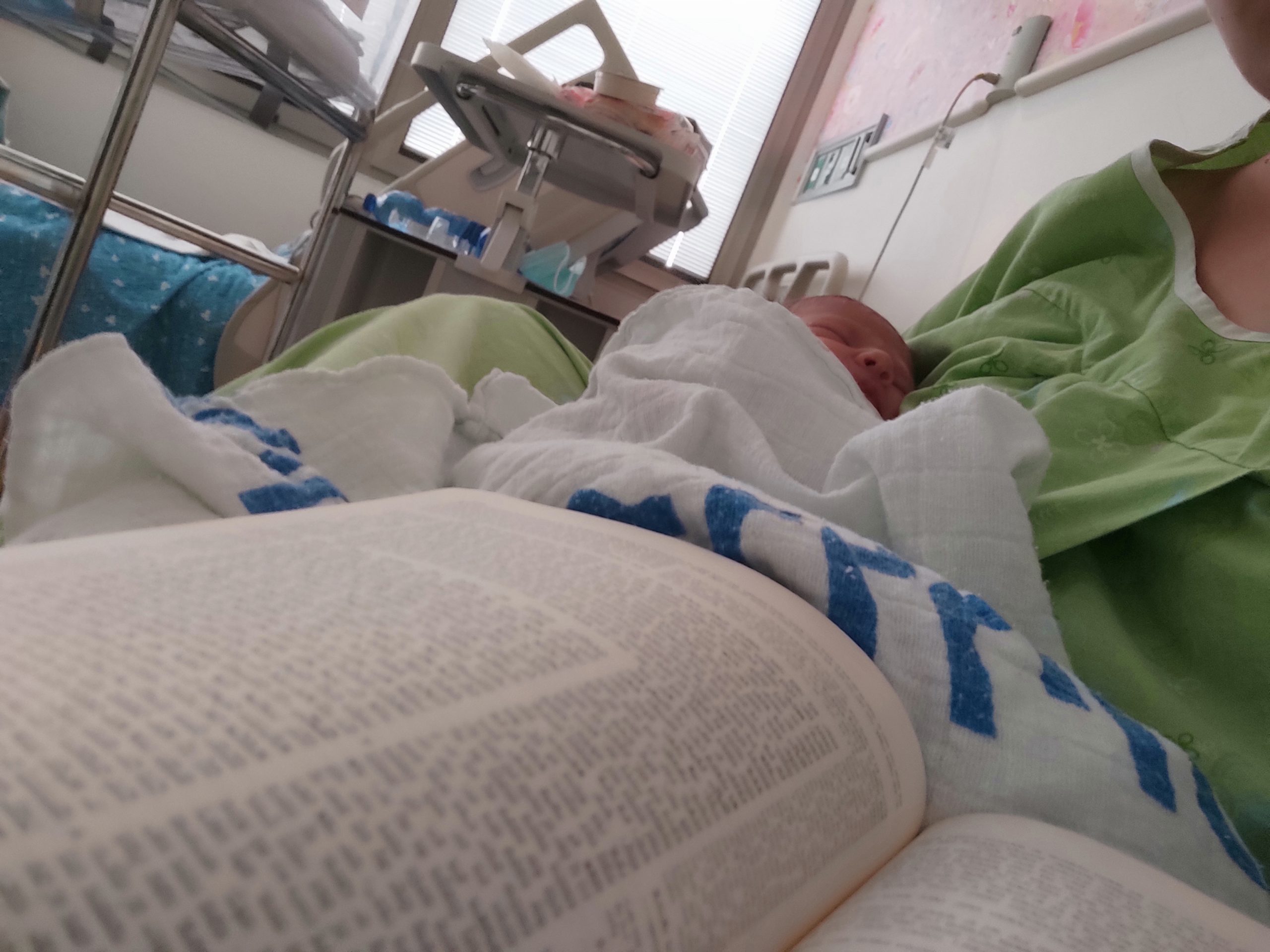
התחלתי בסיום הש”ס, יצאתי באורות. נשברתי פעמיים, ובשתיהם הרבנית מישל עודדה להמשיך איפה שכולם בסבב ולהשלים כשאוכל, וכך עשיתי וכיום השלמתי הכל. מדהים אותי שאני לומדת כל יום קצת, אפילו בחדר הלידה, בבידוד או בחו”ל. לאט לאט יותר נינוחה בסוגיות. לא כולם מבינים את הרצון, בפרט כפמניסטית. חשה סיפוק גדול להכיר את המושגים וצורת החשיבה. החלום זה להמשיך ולהתמיד ובמקביל ללמוד איך מהסוגיות נוצרה והתפתחה ההלכה.

Weingarten Sherrington Foundation
קרן וינגרטן שרינגטון

מודיעין, ישראל

התחלתי לפני 8 שנים במדרשה. לאחרונה סיימתי מסכת תענית בלמידה עצמית ועכשיו לקראת סיום מסכת מגילה.

Daniela Baruchim
דניאלה ברוכים

רעננה, ישראל

לפני 15 שנה, אחרי עשרות שנים של "ג’ינגול” בין משפחה לקריירה תובענית בהייטק, הצטרפתי לשיעורי גמרא במתן רעננה. הלימוד המעמיק והייחודי של הרבנית אושרה קורן יחד עם קבוצת הנשים המגוונת הייתה חוויה מאלפת ומעשירה. לפני כשמונה שנים כאשר מחזור הדף היומי הגיע למסכת תענית הצטרפתי כ”חברותא” לבעלי. זו השעה היומית שלנו ביחד כאשר דפי הגמרא משתלבים בחיי היום יום, משפיעים ומושפעים, וכשלא מספיקים תמיד משלימים בשבת

Yodi Askoff
יודי אסקוף

רעננה, ישראל

A life-changing journey started with a Chanukah family tiyul to Zippori, home of the Sanhedrin 2 years ago and continued with the Syum in Binanei Hauma where I was awed by the energy of 3000 women dedicated to learning daf Yomi. Opening my morning daily with a fresh daf, I am excited with the new insights I find enriching my life and opening new and deeper horizons for me.

Becky Goldstein
בקי גולדשטיין

Elazar gush etzion, Israel

התחלתי מחוג במסכת קידושין שהעבירה הרבנית רייסנר במסגרת בית המדרש כלנה בגבעת שמואל; לאחר מכן התחיל סבב הדף היומי אז הצטרפתי. לסביבה לקח זמן לעכל אבל היום כולם תומכים ומשתתפים איתי. הלימוד לעתים מעניין ומעשיר ולעתים קשה ואף הזוי… אך אני ממשיכה קדימה. הוא משפיע על היומיום שלי קודם כל במרדף אחרי הדף, וגם במושגים הרבים שלמדתי ובידע שהועשרתי בו, חלקו ממש מעשי

Abigail Chrissy
אביגיל כריסי

ראש העין, ישראל

התחלתי ללמוד בסבב הנוכחי לפני כשנתיים .הסביבה מתפעלת ותומכת מאוד. אני משתדלת ללמוד מכל ההסכתים הנוספים שיש באתר הדרן. אני עורכת כל סיום מסכת שיעור בביתי לכ20 נשים שמחכות בקוצר רוח למפגשים האלו.

Yael Asher
יעל אשר

יהוד, ישראל

ראיתי את הסיום הגדול בבנייני האומה וכל כך התרשמתי ורציתי לקחת חלק.. אבל לקח לי עוד כשנה וחצי )באמצע מסיכת שבת להצטרף..
הלימוד חשוב לי מאוד.. אני תמיד במרדף אחרי הדף וגונבת כל פעם חצי דף כשהילדים עסוקים ומשלימה אח”כ אחרי שכולם הלכו לישון..

Olga Mizrahi
אולגה מזרחי

ירושלים, ישראל

אני לומדת גמרא כעשור במסגרות שונות, ואת הדף היומי התחלתי כשחברה הציעה שאצטרף אליה לסיום בבנייני האומה. מאז אני לומדת עם פודקסט הדרן, משתדלת באופן יומי אך אם לא מספיקה, מדביקה פערים עד ערב שבת. בסבב הזה הלימוד הוא "ממעוף הציפור”, מקשיבה במהירות מוגברת תוך כדי פעילויות כמו בישול או נהיגה, וכך רוכשת היכרות עם הסוגיות ואופן ניתוחם על ידי חז”ל. בע”ה בסבב הבא, ואולי לפני, אצלול לתוכו באופן מעמיק יותר.

Yael Bir
יעל ביר

רמת גן, ישראל

התחלתי ללמוד לפני 4.5 שנים, כשהודיה חברה שלי פתחה קבוצת ווטסאפ ללימוד דף יומי בתחילת מסכת סנהדרין. מאז לימוד הדף נכנס לתוך היום-יום שלי והפך לאחד ממגדירי הזהות שלי ממש.

Rosenberg Foundation
קרן רוזנברג

ירושלים, ישראל

התחלתי בסיום הש”ס, יצאתי באורות. נשברתי פעמיים, ובשתיהם הרבנית מישל עודדה להמשיך איפה שכולם בסבב ולהשלים כשאוכל, וכך עשיתי וכיום השלמתי הכל. מדהים אותי שאני לומדת כל יום קצת, אפילו בחדר הלידה, בבידוד או בחו”ל. לאט לאט יותר נינוחה בסוגיות. לא כולם מבינים את הרצון, בפרט כפמניסטית. חשה סיפוק גדול להכיר את המושגים וצורת החשיבה. החלום זה להמשיך ולהתמיד ובמקביל ללמוד איך מהסוגיות נוצרה והתפתחה ההלכה.

Weingarten Sherrington Foundation
קרן וינגרטן שרינגטון

מודיעין, ישראל

A life-changing journey started with a Chanukah family tiyul to Zippori, home of the Sanhedrin 2 years ago and continued with the Syum in Binanei Hauma where I was awed by the energy of 3000 women dedicated to learning daf Yomi. Opening my morning daily with a fresh daf, I am excited with the new insights I find enriching my life and opening new and deeper horizons for me.

Becky Goldstein
בקי גולדשטיין

Elazar gush etzion, Israel

בתחילת הסבב הנוכחי הצטברו אצלי תחושות שאני לא מבינה מספיק מהי ההלכה אותה אני מקיימת בכל יום. כמו כן, כאמא לבנות רציתי לתת להן מודל נשי של לימוד תורה
שתי הסיבות האלו הובילו אותי להתחיל ללמוד. נתקלתי בתגובות מפרגנות וסקרניות איך אישה לומדת גמרא..
כמו שרואים בתמונה אני ממשיכה ללמוד גם היום ואפילו במחלקת יולדות אחרי לידת ביתי השלישית.

Noa Shiloh
נועה שילה

רבבה, ישראל

התחלתי ללמוד דף יומי שהתחילו מסכת כתובות, לפני 7 שנים, במסגרת קבוצת לימוד שהתפרקה די מהר, ומשם המשכתי לבד בתמיכת האיש שלי. נעזרתי בגמרת שטיינזלץ ובשיעורים מוקלטים.
הסביבה מאד תומכת ואני מקבלת המון מילים טובות לאורך כל הדרך. מאז הסיום הגדול יש תחושה שאני חלק מדבר גדול יותר.
אני לומדת בשיטת ה”7 דפים בשבוע” של הרבנית תרצה קלמן – כלומר, לא נורא אם לא הצלחת ללמוד כל יום, העיקר שגמרת ארבעה דפים בשבוע

Rachel Goldstein
רחל גולדשטיין

עתניאל, ישראל

התחלתי ללמוד דף יומי כאשר קיבלתי במייל ממכון שטיינזלץ את הדפים הראשונים של מסכת ברכות במייל. קודם לא ידעתי איך לקרוא אותם עד שנתתי להם להדריך אותי. הסביבה שלי לא מודעת לעניין כי אני לא מדברת על כך בפומבי. למדתי מהדפים דברים חדשים, כמו הקשר בין המבנה של בית המקדש והמשכן לגופו של האדם (יומא מה, ע”א) והקשר שלו למשפט מפורסם שמופיע בספר ההינדי "בהגוד-גיתא”. מתברר שזה רעיון כלל עולמי ולא רק יהודי

Elena Arenburg
אלנה ארנבורג

נשר, ישראל

התחלתי ללמוד בסבב הנוכחי לפני כשנתיים .הסביבה מתפעלת ותומכת מאוד. אני משתדלת ללמוד מכל ההסכתים הנוספים שיש באתר הדרן. אני עורכת כל סיום מסכת שיעור בביתי לכ20 נשים שמחכות בקוצר רוח למפגשים האלו.

Yael Asher
יעל אשר

יהוד, ישראל

. לא תמיד נהניתי מלימוד גמרא כילדה.,בל כהתבגרתי התחלתי לאהוב את זה שוב. התחלתי ללמוד מסכת סוטה בדף היומי לפני כחמש עשרה שנה ואז הפסקתי.הגעתי לסיום הגדול של הדרן לפני שנתיים וזה נתן לי השראה. והתחלתי ללמוד למשך כמה ימים ואז היתה לי פריצת דיסק והפסקתי…עד אלול השנה. אז התחלתי עם מסכת ביצה וב”ה אני מצליחה לעמוד בקצב. המשפחה מאוד תומכת בי ויש כמה שגם לומדים את זה במקביל. אני אוהבת שיש עוגן כל יום.

Rebecca Darshan
רבקה דרשן

בית שמש, ישראל

התחלתי ללמוד דף יומי לפני שנתיים, עם מסכת שבת. בהתחלה ההתמדה היתה קשה אבל בזכות הקורונה והסגרים הצלחתי להדביק את הפערים בשבתות הארוכות, לסיים את מסכת שבת ולהמשיך עם המסכתות הבאות. עכשיו אני מסיימת בהתרגשות רבה את מסכת חגיגה וסדר מועד ומחכה לסדר הבא!

Ilana-Shachnowitz
אילנה שכנוביץ

מודיעין, ישראל

נזיר נט

אִיכָּא דְּאָמְרִי: אָמַר רַבִּי חִיָּיא בַּר אַבָּא אָמַר רַבִּי יוֹחָנָן: הַמַּעֲבִיר בֵּית הַשֶּׁחִי וּבֵית הָעֶרְוָה לוֹקֶה מִשּׁוּם ״לֹא יִלְבַּשׁ גֶּבֶר שִׂמְלַת אִשָּׁה״. מֵיתִיבִי: הַעֲבָרַת שֵׂיעָר אֵינָהּ מִדִּבְרֵי תוֹרָה אֶלָּא מִדִּבְרֵי סוֹפְרִים. הוּא דְּאָמַר כִּי הַאי תַּנָּא, דְּתַנְיָא: הַמַּעֲבִיר בֵּית הַשֶּׁחִי וּבֵית הָעֶרְוָה הֲרֵי זֶה עוֹבֵר מִשּׁוּם ״לֹא יִלְבַּשׁ גֶּבֶר שִׂמְלַת אִשָּׁה״.

Some say a different version of this statement: Rabbi Ḥiyya bar Abba said that Rabbi Yoḥanan said: A man who removes the hair of the armpit or the pubic hair is flogged, due to the prohibition: “A man shall not put on a woman’s garment” (Deuteronomy 22:5). The Gemara raises an objection from a baraita: The removal of hair is not prohibited by Torah law but by rabbinic law. How then does Rabbi Yoḥanan say that he is flogged, which by definition is a punishment for individuals who have transgressed a Torah law? The Gemara answers: It was he who said this halakha in accordance with the opinion of that tanna, as it is taught in a baraita: A man who removes the hair of the armpit or the pubic hair violates the prohibition of: “A man shall not put on a woman’s garment.”

וְתַנָּא קַמָּא, הַאי ״לֹא יִלְבַּשׁ גֶּבֶר״, מַאי דָּרֵישׁ בֵּיהּ? מִיבְּעֵי לֵיהּ לְכִדְתַנְיָא: ״לֹא יִהְיֶה כְלִי גֶבֶר עַל אִשָּׁה״. מַאי תַּלְמוּד לוֹמַר? אִם שֶׁלֹּא יִלְבַּשׁ אִישׁ שִׂמְלַת אִשָּׁה וְאִשָּׁה שִׂמְלַת אִישׁ, הֲרֵי כְּבָר נֶאֱמַר ״תּוֹעֵבָה הִיא״, וְאֵין כָּאן תּוֹעֵבָה.

The Gemara asks: And what does the first tanna, who holds that the prohibition is by rabbinic law, learn from this verse: “A man shall not put on a woman’s garment”? The Gemara answers: He requires it for that which is taught in the baraita, where it states: “A woman shall not wear that which pertains to a man, and a man shall not put on a woman’s garment, for whoever does these things is an abomination to the Lord your God” (Deuteronomy 22:5). What is the meaning when the verse states this? If it teaches only that a man may not put on a woman’s garment, and a woman may not wear a man’s garment, it is already stated in explanation of this prohibition that “it is an abomination to the Lord your God,” and there is no abomination here in the mere act of wearing a garment.

אֶלָּא שֶׁלֹּא יִלְבַּשׁ אִישׁ שִׂמְלַת אִשָּׁה וְיֵשֵׁב בֵּין הַנָּשִׁים, וְאִשָּׁה שִׂמְלַת אִישׁ וְתֵשֵׁב בֵּין הָאֲנָשִׁים. רַבִּי אֱלִיעֶזֶר בֶּן יַעֲקֹב אוֹמֵר: מִנַּיִן שֶׁלֹּא תֵּצֵא אִשָּׁה בִּכְלֵי זַיִין לְמִלְחָמָה — תַּלְמוּד לוֹמַר: ״לֹא יִהְיֶה כְלִי גֶבֶר עַל אִשָּׁה וְלֹא יִלְבַּשׁ גֶּבֶר שִׂמְלַת אִשָּׁה״, שֶׁלֹּא יִתַּקֵּן אִישׁ בְּתִיקּוּנֵי אִשָּׁה.

Rather, it means that a man may not wear a woman’s garment and thereby go and sit among the women; and a woman may not wear a man’s garment and sit among the men. Rabbi Eliezer ben Ya’akov says: From where is it derived that a woman may not go out with weapons to war? The verse states: “A woman shall not wear that which pertains to a man, and a man shall not put on a woman’s garment,” which indicates that a man may not adorn himself with the cosmetics and ornaments of a woman, and similarly a woman may not go out with weapons to war, as those are for the use of males. Rabbi Yoḥanan’s ruling follows this opinion.

אָמַר רַב נַחְמָן: בְּנָזִיר מוּתָּר. וְלֵית הִילְכְתָא כְּווֹתֵיהּ. אֲמַרוּ לֵיהּ רַבָּנַן לְרַבִּי שִׁמְעוֹן בַּר אַבָּא: חֲזֵינָא לֵיהּ לְרַבִּי יוֹחָנָן דְּלֵית לֵיהּ! אֲמַר לְהוֹן: מֵחֲמַת זִקְנָה נָשְׁרוּ.

§ Rav Naḥman said: For a nazirite, it is permitted to shave armpit hair. The Gemara comments: And the halakha is not in accordance with his opinion. The Gemara reports that the Sages said to Rabbi Shimon bar Abba: We have observed that Rabbi Yoḥanan does not have armpit hairs, despite his own ruling that it is prohibited to shave them. He said to them: They fell out due to old age.

הָהוּא דְּאִיתְחַיַּיב נְגִידָא קַמֵּיהּ דְּרַבִּי אַמֵּי. אִיגַּלַּאי בֵּית הַשֶּׁחִי, חַזְיֵיהּ דְּלָא מְגַלַּח, אֲמַר לְהוֹן רַבִּי אַמֵּי: שִׁיבְקוּהּ, דֵּין מִן חַבְרַיָּא הוּא.

The Gemara relates: There was a certain person who committed a transgression and was found liable to receive lashes before Rabbi Ami. When they removed his clothes to flog him, his armpit was exposed, and Rabbi Ami saw that he had not shaved his armpit hair. Rabbi Ami said to his attendants: Leave him; this is one of those who are meticulous in observance of mitzvot. We can see this is so, as he is particular about prohibitions that ordinary people do not observe.

בְּעָא מִינֵּיהּ רַב מֵרַבִּי חִיָּיא: מַהוּ לְגַלֵּחַ? אֲמַר לֵיהּ: אָסוּר. אֲמַר לֵיהּ וְהָא קָא גָדֵל! אֲמַר לֵיהּ: בַּר פַּחֲתֵי, זְמַן יֵשׁ לוֹ, כׇּל זְמַן שֶׁהוּא גָּדֵל — נוֹשֵׁר.

Rav raised a dilemma before Rabbi Ḥiyya: What is the halakha with regard to shaving armpit hair? He said to him: It is prohibited. Rav said to him: But it grows and is uncomfortable. Rabbi Ḥiyya said to him: Son of nobles [bar paḥtei], this hair has a limited time. Whenever a hair grows too long it falls out, and therefore there is no concern that one’s armpit hair will become too long.

בְּעָא מִינֵּיהּ רַב מֵרַבִּי חִיָּיא: מַהוּ לָחוֹךְ? אֲמַר לֵיהּ: אָסוּר. בְּבִגְדוֹ, מַהוּ? אֲמַר לֵיהּ: מוּתָּר. אִיכָּא דְּאָמְרִי, בְּעָא מִינֵּיהּ: בִּתְפִלָּה בְּבִגְדוֹ, מַאי? אֲמַר לֵיהּ: אָסוּר. וְלֵית הִילְכְתָא כְּווֹתֵיהּ.

Rav raised another dilemma before Rabbi Ḥiyya: What is the halakha with regard to rubbing armpit hair and thereby removing it manually? Rabbi Ḥiyya said to him: It is prohibited. Rav continued to ask: What is the halakha with regard to rubbing armpit hair indirectly with one’s garment? Rabbi Ḥiyya said to him: It is permitted. Some say that this was not Rav’s question; rather, he raised the following dilemma before him: What is the halakha with regard to rubbing the armpit with one’s garment during prayer? Rabbi Ḥiyya said to him: It is prohibited. The Gemara comments: And the halakha is not in accordance with his opinion in this case.

מַתְנִי׳ מֵת אֶחָד מֵהֶן, אָמַר רַבִּי יְהוֹשֻׁעַ: יְבַקֵּשׁ אֶחָד מִן הַשּׁוּק שֶׁיִּדּוֹר כְּנֶגְדּוֹ בְּנָזִיר.

MISHNA: The previous mishna described how two nazirites sacrifice offerings of impurity and purity, in a situation in which one of them has become impure but they do not know which one. This mishna discusses what must be done if one of them dies before bringing his offerings. Rabbi Yehoshua said: The surviving nazirite asks someone in the marketplace, a non-nazirite, to vow to be a nazirite corresponding to him, i.e., under the same conditions as his own naziriteship, so that he can bring offerings together with him.

וְאוֹמֵר: אִם טָמֵא הָיִיתִי — הֲרֵי אַתָּה נָזִיר מִיָּד, וְאִם טָהוֹר הָיִיתִי — הֲרֵי אַתָּה נָזִיר אַחַר שְׁלֹשִׁים יוֹם. וְסוֹפְרִין שְׁלֹשִׁים, וּמְבִיאִין קׇרְבַּן טוּמְאָה וְקׇרְבַּן טׇהֳרָה. וְאוֹמֵר: אִם אֲנִי הוּא הַטָּמֵא — קׇרְבַּן טוּמְאָה שֶׁלִּי, וְקׇרְבַּן טׇהֳרָה שֶׁלְּךָ. וְאִם אֲנִי הוּא הַטָּהוֹר — קׇרְבַּן טׇהֳרָה שֶׁלִּי, וְקׇרְבַּן טוּמְאָה בְּסָפֵק.

And he says to him as follows: If I was impure, you are hereby a nazirite immediately; and if I was pure, you are hereby a nazirite after thirty days. And they both proceed to count thirty days and bring an offering of impurity and an offering of purity. And the nazirite who was defined as having uncertain impurity says: If I am the impure one, the offering of impurity is mine and the offering of purity is yours; and if I am the pure one, the offering of purity is mine and the offering of impurity we brought shall be of uncertain status.

וְסוֹפְרִים שְׁלֹשִׁים יוֹם, וּמְבִיאִין קׇרְבַּן טׇהֳרָה, וְאוֹמֵר: אִם אֲנִי הַטָּמֵא — קׇרְבַּן טוּמְאָה שֶׁלִּי, וְקׇרְבַּן טׇהֳרָה — שֶׁלְּךָ, וָזֶה קׇרְבַּן טׇהֳרָתִי. וְאִם אֲנִי הוּא הַטָּהוֹר — קׇרְבַּן טׇהֳרָה שֶׁלִּי, וְקׇרְבַּן טוּמְאָה בְּסָפֵק, וְזֶהוּ קׇרְבַּן טׇהֳרָתְךָ.

And they subsequently count another thirty days and bring an offering of purity, and the first nazirite says: If I was the impure one, the offering of impurity that we sacrificed at the end of the first thirty days was mine, and the offering of purity we brought then was yours; and this offering I am bringing now is my offering of purity. And if I was the pure one, and the deceased nazirite was impure, the offering of purity we brought thirty days ago was mine, and the offering of impurity we brought earlier was of uncertain status, and this is your offering of purity.

אָמַר לוֹ בֶּן זוֹמָא: וּמִי שׁוֹמֵעַ לוֹ שֶׁיִּדּוֹר כְּנֶגְדּוֹ בְּנָזִיר? אֶלָּא: מֵבִיא חַטַּאת הָעוֹף וְעוֹלַת בְּהֵמָה, וְאוֹמֵר: אִם טָמֵא הָיִיתִי — הַחַטָּאת מֵחוֹבָתִי, וְהָעוֹלָה נְדָבָה. וְאִם טָהוֹר הָיִיתִי — הָעוֹלָה מֵחוֹבָתִי, וְהַחַטָּאת מִסָּפֵק.

Ben Zoma said to Rabbi Yehoshua: And who will listen to him to vow to be a nazirite corresponding to him? How can one design a halakha on the assumption that a non-nazirite will agree to be a nazirite for a lengthy term? Rather, a different procedure is available: After thirty days of naziriteship he brings a bird sin-offering and an animal burnt-offering, and says: If I was impure, the sin-offering is for my obligation as an impure nazirite, and the burnt-offering is a regular gift offering. And if I was pure, the burnt-offering is for my obligation as a pure nazirite, and the sin-offering is of uncertain status.

וְסוֹפֵר שְׁלֹשִׁים יוֹם, וּמֵבִיא קׇרְבַּן טׇהֳרָה, וְאוֹמֵר: אִם טָמֵא הָיִיתִי — הָעוֹלָה הָרִאשׁוֹנָה נְדָבָה, וְזוֹ חוֹבָה. וְאִם טָהוֹר הָיִיתִי — הָעוֹלָה הָרִאשׁוֹנָה חוֹבָה, וְזוֹ נְדָבָה, וְזוֹ שְׁאָר קׇרְבָּנִי.

And he counts another thirty days, and brings an offering of purity, and says: If I was impure, the first burnt-offering I brought should be considered a gift offering, and this one I am bringing now is for my obligation. And if I was pure, the first burnt-offering I brought is for my obligation as a pure nazirite, and this one I am bringing now is a gift offering. And these, i.e., the sin-offering and peace-offering I am sacrificing now, comprises the rest of my offerings that I was obligated to bring earlier.

אָמַר רַבִּי יְהוֹשֻׁעַ: נִמְצָא זֶה מֵבִיא קׇרְבְּנוֹתָיו לַחֲצָאִים. אֲבָל הוֹדוּ לוֹ חֲכָמִים לְבֶן זוֹמָא.

Rabbi Yehoshua said: According to your opinion, it turns out that this nazirite brings his offerings in halves, i.e., in stages. If he was pure, he brings his burnt-offering thirty days before the rest of his offerings. However, the Rabbis agreed with ben Zoma, and disregarded the concern about splitting up the offerings.

גְּמָ׳ וְלַיְיתֵי! אָמַר רַב יְהוּדָה אָמַר שְׁמוּאֵל: לֹא אָמַר רַבִּי יְהוֹשֻׁעַ אֶלָּא לְחַדֵּד בָּהּ אֶת הַתַּלְמִידִים.

GEMARA: The mishna taught that Rabbi Yehoshua countered ben Zoma’s opinion by pointing out that his solution would cause the nazirite to bring his offerings in stages. The Gemara asks: What is wrong with that? And let him bring the offerings in stages. Rav Yehuda said that Shmuel said: Rabbi Yehoshua said this comment only to sharpen the minds of the students. He did not really maintain that it is prohibited to act in this manner; rather, he wanted to test his disciples to see if they were aware of the halakha.

אָמַר רַב נַחְמָן: מַאי לֶיעְבֵּיד לֵיהּ רַבִּי יְהוֹשֻׁעַ לְדַקַּיָּה דְּלָא לֵיסְרוּ.

Rav Naḥman said, in a light-hearted vein: What will Rabbi Yehoshua do with the intestines of his animals so that they will not spoil? If he insists that the offerings of purity must all be brought at the same time, the only way to do so is to wait thirty days after slaughtering the burnt-offering before burning its intestines, which is certainly impractical.

מַתְנִי׳ נָזִיר שֶׁהָיָה טָמֵא בְּסָפֵק וּמוּחְלָט בְּסָפֵק — אוֹכֵל בְּקָדָשִׁים אַחַר שִׁשִּׁים יוֹם.

MISHNA: In the case of a nazirite who, on the first day of his naziriteship, was impure from a corpse as a matter of uncertainty and was also a confirmed leper as a matter of uncertainty, i.e., it was uncertain whether or not he had leprosy, how can he fulfill the shaving obligations of a pure nazirite and an impure leper? The problem facing this nazirite is that a leper must shave both when he begins his purification process and at the close of it, one week later. However, a nazirite is prohibited from shaving. Additionally, a leper may not partake of sacrificial food, but a nazirite may. Therefore, he may partake of sacrificial food sixty days after he may have become impure, when the uncertainty with regard to leprosy will have been clarified. He shaves for the first time for his leprosy after thirty days, and for the second time thirty days later, the shaving of the end of the purification process; at which point he brings the offerings of a purified leper and may partake of sacrificial food.

וְשׁוֹתֶה יַיִן, וּמִטַּמֵּא לַמֵּתִים אַחַר מֵאָה וְעֶשְׂרִים יוֹם.

But he may drink wine and become impure from the dead, effectively ending his naziriteship, only after 120 days. This is because he might have been a full-fledged leper, which means that his shavings count toward his leprosy, not his naziriteship. Consequently, after the first sixty days he must observe another thirty days of naziriteship and shave again. Even then he has yet to fulfill all his obligations, as he might have been impure from a corpse, which means his shaving after ninety days was for his impurity. He must therefore remain a nazirite for another thirty days, before shaving one final time at the end of 120 days to fulfill his naziriteship obligation.

שֶׁתִּגְלַחַת הַנֶּגַע דּוֹחֶה תִּגְלַחַת הַנָּזִיר בִּזְמַן שֶׁהוּא וַדַּאי. אֲבָל בִּזְמַן שֶׁהוּא סָפֵק — אֵינוֹ דּוֹחֶה.

The mishna notes: The reason that he cannot shave for his leprosy after seven days and perform the second shaving of a leper seven days later is because the shaving of leprosy overrides the prohibition of the shaving of a nazirite only when his status as a leper is definite. However, when his status as a leper is uncertain, the shaving does not override his naziriteship, and therefore he must wait thirty days before each of his shavings for leprosy.

רוצה לעקוב אחרי התכנים ולהמשיך ללמוד?

ביצירת חשבון עוד היום ניתן לעקוב אחרי ההתקדמות שלך, לסמן מה למדת, ולעקוב אחרי השיעורים שמעניינים אותך.

לנקות את כל הפריטים מהרשימה?

פעולה זו תסיר את כל הפריטים בחלק זה כולל ההתקדמות וההיסטוריה. שימי לב: לא ניתן לשחזר פעולה זו.

ביטול
מחיקה

האם את/ה בטוח/ה שברצונך למחוק פריט זה?

תאבד/י את כל ההתקדמות או ההיסטוריה הקשורות לפריט זה.

ביטול
מחיקה