חיפוש

נדרים יד

רוצה להקדיש לימוד?

podcast placeholder

0:00
0:00


תקציר
הדף היום מוקדש ע”י ארט גולד לרפואת אשתו קרינה גולה בת הודה. 
הגמרא מביאה שני תירוצים איך אפשר להסביר את המשנה כפי דעת ר’ יהודה, אך התירוץ השני נדחה. מה המקור להלכה שיש לנדור רק בדברי הנדור ולא בדבר האסור? למה אי אפשר ללמוד מאותו פסוק גם לדבר האסור? המשנה קבעה שמי שנודר הנאה לאשתו בלשון "הרי עלי כאמא” צריך להחמיר בו ולדרוש שאלת חכם. אבל זה סותר ברייתא מפורשת. אביי ורבא מתרצים כל אחד באופן שונה. רבא חילק בין תלמיד חכם לעם הארץ כפי שנלמד מברייתא אחרת בעניין הנודר בתורה. הגמרא מביאה את הברייתא בשלמותה ודנה בקושי עלוי בהבאת שלושה תירוצים שונים.
המשנה אומרת: האומר נדר שלא ישן או שלא ידבר או לא ילך, אם עבר על נדרו, עובר על בל יחל נדרו. דברי משנה זו יבארו בנדרים טו. הגמרא מביאה מחלוקת בין רב יהודה בשם רב לבין רב נחמן לגבי מי שאמר "קודם עיני בשינה היום אם אשן למחר.” האם מותר לו לישון היום, ויקפיד למחרת לא לישון כדי לא לחלל נדרו, או האם צריך היום להיזהר לא לישון כדי שאם ישן למחר, לא יצא שחילל דברו (כלומר, יש חשש שמחר יישן). במקרה שהדברים אמורים בכיוון ההפוך – "קונם עיני בשינה למחר אם אשן היום,” שניהם מסכימים שאין לחשוש היום כי מחר זה קיום הנדר ולא קיום התנאי – ואין לחשוש שלא יקיים נדרו.

נדרים יד

לָאו אַתָּה שׁוֹמֵעַ הֵן! וְאֶלָּא רַבִּי יְהוּדָה, הַיְינוּ רֵישָׁא!

a negative statement you can infer a positive statement? How then can it be inferred that it should be like an offering? And if it is rather the opinion of Rabbi Yehuda, who disagrees with Rabbi Meir in this matter, the ruling of the mishna is superfluous, as this is identical to the ruling of the mishna in the first clause. The mishna above (10b) already established that a vow that uses the term laḥullin takes effect.

אַיְּידֵי דְּקָתָנֵי ״כִּבְשַׂר חֲזִיר״, ״כַּעֲבוֹדָה זָרָה״, לְהָכִי קָתָנֵי ״חוּלִּין״.

The Gemara answers: The ruling is superfluous. However, since the mishna teaches that the vow does not take effect when he says that the food will be like pig meat or like an object of idol worship, it therefore teaches incidentally that this ruling also applies when he says that it will be non-sacred.

רָבִינָא אָמַר: הָכִי קָתָנֵי, וְאֵלּוּ מוּתָּרִין: ״כְּחוּלִּין״, ״כִּבְשַׂר חֲזִיר״, ״כַּעֲבוֹדָה זָרָה״. וְאִי לָא תְּנָא חוּלִּין, הֲוָה אָמֵינָא בָּעֵי שְׁאֵלָה.

Ravina said that this is what the mishna is teaching: And these are the vows that do not take effect at all and therefore the item mentioned in the vow remains permitted: One who said that a certain item will be like non-sacred food, or like pig meat, or like an object of idol worship. And if it did not teach the case of non-sacred food, I would say that although the vow does not take effect, it still requires, by rabbinic law, a request to a halakhic authority for its dissolution.

וּמִי אִיכָּא לְאַסּוֹקֵי עַל דַּעְתָּא הָכִי? הָא מִדְּקָתָנֵי סֵיפָא: הָאוֹמֵר לְאִשְׁתּוֹ ״הֲרֵי אַתְּ עָלַי כְּאִימָּא״ — פּוֹתְחִין לוֹ פֶּתַח מִמָּקוֹם אַחֵר, מִכְּלָל דְּרֵישָׁא לָא בָּעֲיָא שְׁאֵלָה! אֶלָּא מְחַוַּורְתָּא, חוּלִּין מִמֵּילָא נַסְבַהּ.

The Gemara asks: But is there any reason to consider this interpretation? But from the fact that the latter clause teaches with regard to a man who says to his wife: You are hereby to me like my mother, that dissolution is broached with him by suggesting a different extenuation, it may be inferred that the vow in the first clause does not necessitate a request to a halakhic authority. Rather, the interpretation of Ravina must be rejected, and it is clear that the case of non-sacred food was cited tangentially to the other cases in the mishna.

מְנָהָנֵי מִילֵּי? אָמַר קְרָא: ״אִישׁ כִּי יִדֹּר נֶדֶר לַה׳״ — עַד שֶׁיִּדּוֹר בְּדָבָר הַנָּדוּר.

§ With regard to the principle that a prohibition cannot be created by associating a permitted item with one forbidden by Torah law, the Gemara asks: From where is this matter derived? The Gemara answers that the verse states: “When a man takes a vow to the Lord” (Numbers 30:3), which indicates that a vow does not take effect until one takes a vow by associating the status of an item that is forbidden by means of a vow with another item. If the item one is using to create the prohibition is forbidden by Torah law, the vow does not take effect.

אִי הָכִי, אֲפִילּוּ בְּדָבָר הָאָסוּר נָמֵי, דְּהָא כְּתִיב ״לֶאְסֹר אִסָּר עַל נַפְשׁוֹ״! ״לֶאְסֹר אִסָּר״ מִבְּעֵי לֵיהּ לְכִדְתַנְיָא: אֵיזֶהוּ אִיסָּר הָאָמוּר בַּתּוֹרָה כּוּ׳.

The Gemara asks: If so, then even if the item in the vow is associated with an item forbidden by Torah law, the vow should also take effect, as following that phrase in the verse it is written: “To bind his soul with a bond [issar],” which indicates that the association can be with an item forbidden [asur] by Torah law. The Gemara answers: The phrase “To bind his soul with a bond” is necessary for that which is taught in a baraita (12a): What is the bond mentioned in the Torah. The baraita derives from this phrase that a vow that associates the relevant item with an item whose prohibition was created by a pre-existing vow takes effect, but one whose prohibition is by Torah law does not take effect.

הָאוֹמֵר לְאִשְׁתּוֹ הֲרֵי אַתְּ כְּאִימָּא כּוּ׳. וּרְמִינְהוּ: הֲרֵי אַתְּ עָלַי כִּבְשַׂר אִימָּא, כִּבְשַׂר אֲחוֹתִי, כְּעׇרְלָה, וּכְכִלְאֵי הַכֶּרֶם — לֹא אָמַר כְּלוּם!

§ It is stated in the mishna that with regard to a man who says to his wife: You are hereby to me like my mother, dissolution is broached with him suggesting a different extenuation, i.e., by rabbinic law it is treated like an actual vow and it requires dissolution by a halakhic authority. The Gemara raises a contradiction from a baraita that states that if a man says to his wife: You are hereby to me like the flesh of my mother, or like the flesh of my sister, or like the fruit of a tree during the first three years after its planting [orla], or like forbidden mixtures of diverse kinds planted in a vineyard, all forbidden items, he has said nothing. This indicates that he does not even have to make a request to a halakhic authority.

אָמַר אַבָּיֵי: לֹא אָמַר כְּלוּם מִדְּאוֹרָיְיתָא, וְצָרִיךְ שְׁאֵלָה מִדְּרַבָּנַן. רָבָא אָמַר: הָא בְּתַלְמִידֵי חֲכָמִים, הָא בְּעַם הָאָרֶץ.

Abaye said: He has said nothing by Torah law, as the vow does not take effect. However, he needs to make a request to a halakhic authority by rabbinic law. Rava said: That baraita is referring to Torah scholars, who are aware that this vow does not take effect. This mishna, on the other hand, is referring to an ignoramus, with regard to whom a rabbinic ordinance is necessary lest they take vows lightly.

וְהָתַנְיָא: הַנּוֹדֵר בַּתּוֹרָה — לֹא אָמַר כְּלוּם. וְאָמַר רַבִּי יוֹחָנָן: וְצָרִיךְ שְׁאֵלָה לְחָכָם. וְאָמַר רַב נַחְמָן: וְתַלְמִיד חָכָם אֵינוֹ צָרִיךְ שְׁאֵלָה.

The Gemara comments: And it is taught in a baraita: One who takes a vow by associating an item with a Torah scroll has not said anything, i.e., the vow does not take effect. And Rabbi Yoḥanan said: But nevertheless, he needs to make a request to a halakhic authority for dissolution of the vow. And Rav Naḥman said: And if he is a Torah scholar he does not need to make a request. The postulation of Rava, which states that with regard to some vows that do not take effect it is necessary to make a request to a halakhic authority only if they are taken by an ignoramus, can be seen from here.

תַּנְיָא: הַנּוֹדֵר בַּתּוֹרָה — לֹא אָמַר כְּלוּם. בְּמַה שֶּׁכָּתוּב בָּהּ — דְּבָרָיו קַיָּימִין. בָּהּ וּבְמַה שֶּׁכָּתוּב בָּהּ — דְּבָרָיו קַיָּימִין.

§ It is taught in a baraita: One who takes a vow by associating an item with a Torah scroll has not said anything, and the vow does not take effect. However, he associates the item with what is written in the Torah scroll, his statement is upheld. Since the name of God is written in the Torah, he has invoked God’s name in his vow. If he associates the item with it and with what is written in it, his statement is upheld.

קָתָנֵי ״בְּמַה שֶּׁכָּתוּב בָּהּ״ — דְּבָרָיו קַיָּימִין, ״בָּהּ וּבְמַה שֶּׁכָּתוּב בָּהּ״ — צְרִיךְ לְמֵימַר?

The Gemara asks: It is taught that if he associates the item with what is written in the Torah scroll, his statement is upheld. Need it be said that the halakha is the same if he associates the item with it and with what is written in it? That is obvious.

אָמַר רַב נַחְמָן, לָא קַשְׁיָא: הָא — דְּמַחֲתָא אוֹרָיְיתָא אַאַרְעָא, הָא — דְּנָקֵיט לַהּ בִּידֵיהּ. מַחֲתָא עַל אַרְעָא — דַּעְתֵּיהּ אַגְּוִילֵי. נָקֵט לַהּ בִּידֵיהּ — דַּעְתֵּיהּ עַל הָאַזְכָּרוֹת שֶׁבָּהּ.

Rav Naḥman said: This is not difficult. This case, in which the item is associated with it and with what is written in it, is referring to where the Torah scroll is placed on the ground, while that case, in which the item is associated with what is written in it, is referring to where he is holding it in his hands. If it is placed on the ground, whether one mentions the Torah scroll or what is written in it, his thoughts are concerning the parchment, i.e., the physical scroll, as he naturally assumes that since the scroll is placed on the ground, the parchment must be blank. Therefore, the vow takes effect only if he mentions both it and what is written in it, indicating that he is aware that it is a Torah scroll. However, where he is holding it in his hands and associates the item with what is written in it, his thoughts are concerning the mentions [azkarot] of the name of God that are in it, and the vow takes effect.

וְאִיבָּעֵית אֵימָא: דְּמַחֲתָא עַל אַרְעָא. וְהָא קָא מַשְׁמַע לַן, דְּאַף עַל גַּב דְּמַחֲתָא עַל אַרְעָא — כֵּיוָן דְּאָמַר ״בְּמַה שֶּׁכָּתוּב בָּהּ״ מַהֲנֵי. וְזוֹ וְאֵין צָרִיךְ לוֹמַר זוֹ קָתָנֵי.

And if you wish, say instead that the entire baraita is referring to a case where it is placed on the ground, and this middle clause of: With what is written in the Torah scroll, teaches us that even though it is placed on the ground, since he said: With what is written in it, it is an effective vow, as he was clearly referring to the names of God. And the tanna of the baraita teaches employing the style: This, and it is unnecessary to say that. The baraita teaches the halakha where he said: What is written in it, which has a novel element, and then states a more obvious ruling, i.e., it goes without saying that if he associates the item with it and with what is written in it, the vow takes effect.

וְאִי בָּעֵית אֵימָא: כּוּלָּהּ מְצִיעֲתָא נָמֵי דְּנָקֵיט לֵיהּ בִּידֵיהּ. וְהָא קָא מַשְׁמַע לַן: כֵּיוָן דְּנָקֵיט לֵיהּ בִּידֵיהּ, אַף עַל גַּב דְּלָא אָמַר אֶלָּא ״בָּהּ״ — כְּמַאן דְּאָמַר ״בְּמַה שֶּׁכָּתוּב בָּהּ״ דָּמֵי.

And if you wish, say instead that the entire middle clause, i.e., the latter clause, where he associates the item with it and with what is written in it, is referring to a case where he is holding the Torah scroll in his hands. And the baraita teaches us this: Since he is holding it in his hands, even though he said only: With the Torah scroll, and did not explicitly state: With what is written in it, he is considered to be like one who said: With what is written in it. Therefore, the item is prohibited.

מַתְנִי׳ ״קֻוֽנָּם שֶׁאֲנִי יָשֵׁן״, ״שֶׁאֲנִי מְדַבֵּר״, ״שֶׁאֲנִי מְהַלֵּךְ״, הָאוֹמֵר לְאִשָּׁה ״קֻוֽנָּם שֶׁאֲנִי מְשַׁמְּשֵׁךְ״ — הֲרֵי זֶה בְּ״לֹא יַחֵל דְּבָרוֹ״.

MISHNA: With regard to one who says: Sleeping is forbidden for me as if it were an offering [konam], thereby prohibiting himself from sleeping; or: Speaking is konam for me; or: Walking is konam for me; or one who says to his wife: Engaging in sexual intercourse with you is konam for me, if he violates the vow he is in violation of the prohibition “He shall not profane his word” (Numbers 30:3).

גְּמָ׳ אִיתְּמַר: ״קֻוֽנָּם עֵינַי בְּשֵׁינָה הַיּוֹם אִם אִישַׁן לְמָחָר״, אָמַר רַב יְהוּדָה אָמַר רַב: אַל יִשַׁן הַיּוֹם, שֶׁמָּא יִשַׁן לְמָחָר. וְרַב נַחְמָן אָמַר: יִשַׁן הַיּוֹם, וְלָא חָיְישִׁינַן שֶׁמָּא יִשַׁן לְמָחָר. וּמוֹדֶה רַב יְהוּדָה בְּאוֹמֵר ״קֻוֽנָּם עֵינַי בְּשֵׁינָה לְמָחָר אִם אִישַׁן הַיּוֹם״, שֶׁיִּשַׁן הַיּוֹם.

GEMARA: It was stated that with regard to one who says: Sleeping is konam for my eyes today if I will sleep tomorrow, Rav Yehuda said that Rav said: He may not sleep today, lest he sleep tomorrow and thereby cause the vow to have been violated today, retroactively. And Rav Naḥman said: He may sleep today, as there is currently no prohibition, and we are not concerned that he will perhaps sleep tomorrow, as he will be careful not to sleep. And Rav Yehuda concedes that in a case where he says: Sleeping is konam for my eyes tomorrow if I sleep today, he may sleep today.

חדשה בלימוד הגמרא?

זה הדף הראשון שלך? איזו התרגשות עצומה! יש לנו בדיוק את התכנים והכלים שיעזרו לך לעשות את הצעדים הראשונים ללמידה בקצב וברמה שלך, כך תוכלי להרגיש בנוח גם בתוך הסוגיות המורכבות ומאתגרות.

פסיפס הלומדות שלנו

גלי את קהילת הלומדות שלנו, מגוון נשים, רקעים וסיפורים. כולן חלק מתנועה ומסע מרגש ועוצמתי.

בסוף הסבב הקודם ראיתי את השמחה הגדולה שבסיום הלימוד, בעלי סיים כבר בפעם השלישית וכמובן הסיום הנשי בבנייני האומה וחשבתי שאולי זו הזדמנות עבורי למשהו חדש.
למרות שאני שונה בסביבה שלי, מי ששומע על הלימוד שלי מפרגן מאוד.
אני מנסה ללמוד קצת בכל יום, גם אם לא את כל הדף ובסך הכל אני בדרך כלל עומדת בקצב.
הלימוד מעניק המון משמעות ליום יום ועושה סדר בלמוד תורה, שתמיד היה (ועדיין) שאיפה. אבל אין כמו קביעות

Racheli-Mendelson
רחלי מנדלסון

טל מנשה, ישראל

התחלתי ללמוד לפני 4.5 שנים, כשהודיה חברה שלי פתחה קבוצת ווטסאפ ללימוד דף יומי בתחילת מסכת סנהדרין. מאז לימוד הדף נכנס לתוך היום-יום שלי והפך לאחד ממגדירי הזהות שלי ממש.

Rosenberg Foundation
קרן רוזנברג

ירושלים, ישראל

בתחילת הסבב הנוכחי הצטברו אצלי תחושות שאני לא מבינה מספיק מהי ההלכה אותה אני מקיימת בכל יום. כמו כן, כאמא לבנות רציתי לתת להן מודל נשי של לימוד תורה
שתי הסיבות האלו הובילו אותי להתחיל ללמוד. נתקלתי בתגובות מפרגנות וסקרניות איך אישה לומדת גמרא..
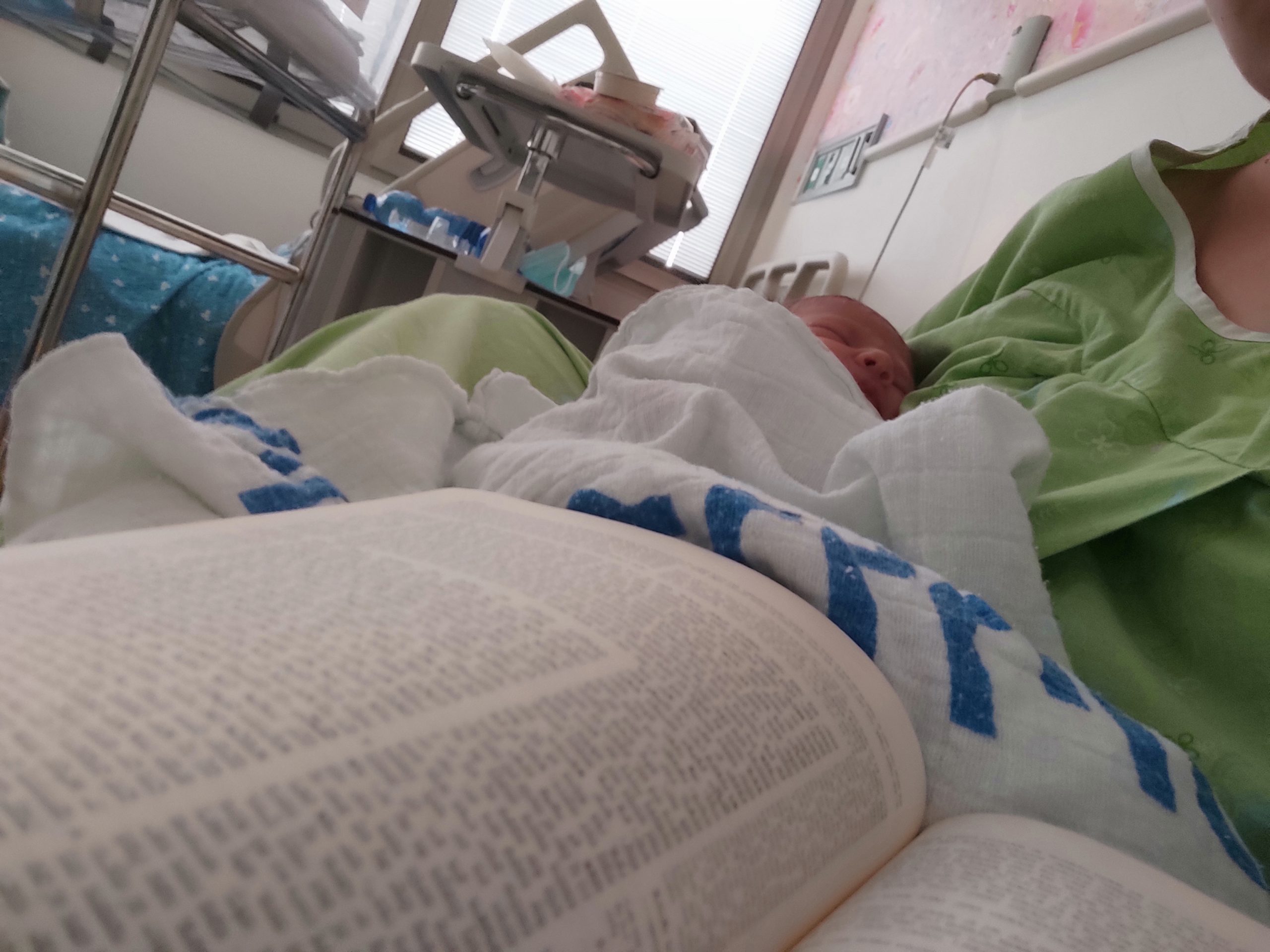
כמו שרואים בתמונה אני ממשיכה ללמוד גם היום ואפילו במחלקת יולדות אחרי לידת ביתי השלישית.

Noa Shiloh
נועה שילה

רבבה, ישראל

רבנית מישל הציתה אש התלמוד בלבבות בביניני האומה ואני נדלקתי. היא פתחה פתח ותמכה במתחילות כמוני ואפשרה לנו להתקדם בצעדים נכונים וטובים. הקימה מערך שלם שמסובב את הלומדות בסביבה תומכת וכך נכנסתי למסלול לימוד מעשיר שאין כמוה. הדרן יצר קהילה גדולה וחזקה שמאפשרת התקדמות מכל נקודת מוצא. יש דיבוק לומדות שמחזק את ההתמדה של כולנו. כל פניה ושאלה נענית בזריזות ויסודיות. תודה גם למגי על כל העזרה.

Sarah Aber
שרה אבר

נתניה, ישראל

אמא שלי למדה איתי ש”ס משנה, והתחילה ללמוד דף יומי. אני החלטתי שאני רוצה ללמוד גם. בהתחלה למדתי איתה, אח”כ הצטרפתי ללימוד דף יומי שהרב דני וינט מעביר לנוער בנים בעתניאל. במסכת עירובין עוד חברה הצטרפה אלי וכשהתחלנו פסחים הרב דני פתח לנו שעור דף יומי לבנות. מאז אנחנו לומדות איתו קבוע כל יום את הדף היומי (ובשבת אבא שלי מחליף אותו). אני נהנית מהלימוד, הוא מאתגר ומעניין

Renana Hellman
רננה הלמן

עתניאל, ישראל

התחלתי להשתתף בשיעור נשים פעם בשבוע, תכננתי ללמוד רק דפים בודדים, לא האמנתי שאצליח יותר מכך.
לאט לאט נשאבתי פנימה לעולם הלימוד .משתדלת ללמוד כל בוקר ומתחילה את היום בתחושה של מלאות ומתוך התכווננות נכונה יותר.
הלימוד של הדף היומי ממלא אותי בתחושה של חיבור עמוק לעם היהודי ולכל הלומדים בעבר ובהווה.

Neely Hayon
נילי חיון

אפרת, ישראל

התחלתי ללמוד דף יומי ממסכת נידה כי זה היה חומר הלימוד שלי אז. לאחר הסיום הגדול בבנייני האומה החלטתי להמשיך. וב”ה מאז עם הפסקות קטנות של קורונה ולידה אני משתדלת להמשיך ולהיות חלק.

זה משפיע מאוד על היום יום שלי ועל אף שאני עסוקה בלימודי הלכה ותורה כל יום, זאת המסגרת הקבועה והמחייבת ביותר שיש לי.

Moriah Taesan Michaeli
מוריה תעסן מיכאלי

גבעת הראל, ישראל

כבר סיפרתי בסיום של מועד קטן.
הלימוד מאוד משפיעה על היום שלי כי אני לומדת עם רבנית מישל על הבוקר בזום. זה נותן טון לכל היום – בסיס למחשבות שלי .זה זכות גדול להתחיל את היום בלימוד ובתפילה. תודה רבה !

שרה-ברלוביץ
שרה ברלוביץ

ירושלים, ישראל

התחלתי ללמוד בסבב הנוכחי לפני כשנתיים .הסביבה מתפעלת ותומכת מאוד. אני משתדלת ללמוד מכל ההסכתים הנוספים שיש באתר הדרן. אני עורכת כל סיום מסכת שיעור בביתי לכ20 נשים שמחכות בקוצר רוח למפגשים האלו.

Yael Asher
יעל אשר

יהוד, ישראל

התחלתי בסיום הש”ס, יצאתי באורות. נשברתי פעמיים, ובשתיהם הרבנית מישל עודדה להמשיך איפה שכולם בסבב ולהשלים כשאוכל, וכך עשיתי וכיום השלמתי הכל. מדהים אותי שאני לומדת כל יום קצת, אפילו בחדר הלידה, בבידוד או בחו”ל. לאט לאט יותר נינוחה בסוגיות. לא כולם מבינים את הרצון, בפרט כפמניסטית. חשה סיפוק גדול להכיר את המושגים וצורת החשיבה. החלום זה להמשיך ולהתמיד ובמקביל ללמוד איך מהסוגיות נוצרה והתפתחה ההלכה.

Weingarten Sherrington Foundation
קרן וינגרטן שרינגטון

מודיעין, ישראל

"
גם אני התחלתי בסבב הנוכחי וב””ה הצלחתי לסיים את רוב המסכתות . בזכות הרבנית מישל משתדלת לפתוח את היום בשיעור הזום בשעה 6:20 .הלימוד הפך להיות חלק משמעותי בחיי ויש ימים בהם אני מצליחה לחזור על הדף עם מלמדים נוספים ששיעוריהם נמצאים במרשתת. שמחה להיות חלק מקהילת לומדות ברחבי העולם. ובמיוחד לשמש דוגמה לנכדותיי שאי””ה יגדלו לדור שלימוד תורה לנשים יהיה משהו שבשגרה. "

Ronit Shavit
רונית שביט

נתניה, ישראל

התחלתי ללמוד דף יומי אחרי שחזרתי בתשובה ולמדתי במדרשה במגדל עוז. הלימוד טוב ומספק חומר למחשבה על נושאים הלכתיים ”קטנים” ועד לערכים גדולים ביהדות. חשוב לי להכיר את הגמרא לעומק. והצעד הקטן היום הוא ללמוד אותה בבקיאות, בעזרת השם, ומי יודע אולי גם אגיע לעיון בנושאים מעניינים. נושאים בגמרא מתחברים לחגים, לתפילה, ליחסים שבין אדם לחברו ולמקום ולשאר הדברים שמלווים באורח חיים דתי 🙂

Gaia Divo
גאיה דיבו

מצפה יריחו, ישראל

אחרי שראיתי את הסיום הנשי של הדף היומי בבנייני האומה זה ריגש אותי ועורר בי את הרצון להצטרף. לא למדתי גמרא קודם לכן בכלל, אז הכל היה לי חדש, ולכן אני לומדת בעיקר מהשיעורים פה בהדרן, בשוטנשטיין או בחוברות ושיננתם.

Rebecca Schloss
רבקה שלוס

בית שמש, ישראל

בתחילת הסבב הנוכחי של לימוד הדף היומי, נחשפתי לחגיגות המרגשות באירועי הסיום ברחבי העולם. והבטחתי לעצמי שבקרוב אצטרף גם למעגל הלומדות. הסבב התחיל כאשר הייתי בתחילת דרכי בתוכנית קרן אריאל להכשרת יועצות הלכה של נשמ”ת. לא הצלחתי להוסיף את ההתחייבות לדף היומי על הלימוד האינטנסיבי של תוכנית היועצות. בבוקר למחרת המבחן הסופי בנשמ”ת, התחלתי את לימוד הדף במסכת סוכה ומאז לא הפסקתי.

Hana Shaham-Rozby (Dr.)
חנה שחם-רוזבי (ד”ר)

קרית גת, ישראל

הצטרפתי ללומדות בתחילת מסכת תענית. ההתרגשות שלי ושל המשפחה היתה גדולה מאוד, והיא הולכת וגוברת עם כל סיום שאני זוכה לו. במשך שנים רבות רציתי להצטרף ומשום מה זה לא קרה… ב”ה מצאתי לפני מספר חודשים פרסום של הדרן, ומיד הצטרפתי והתאהבתי. הדף היומי שינה את חיי ממש והפך כל יום- ליום של תורה. מודה לכן מקרב ליבי ומאחלת לכולנו לימוד פורה מתוך אהבת התורה ולומדיה.

Noa Rosen
נעה רוזן

חיספין רמת הגולן, ישראל

"התחלתי ללמוד דף יומי במחזור הזה, בח’ בטבת תש””ף. לקחתי על עצמי את הלימוד כדי ליצור תחום של התמדה יומיומית בחיים, והצטרפתי לקבוצת הלומדים בבית הכנסת בכפר אדומים. המשפחה והסביבה מתפעלים ותומכים.
בלימוד שלי אני מתפעלת בעיקר מכך שכדי ללמוד גמרא יש לדעת ולהכיר את כל הגמרא. זו מעין צבת בצבת עשויה שהיא עצומה בהיקפה.”

Sarah Fox
שרה פוּקס

כפר אדומים, ישראל

התחלתי להשתתף בשיעור נשים פעם בשבוע, תכננתי ללמוד רק דפים בודדים, לא האמנתי שאצליח יותר מכך.
לאט לאט נשאבתי פנימה לעולם הלימוד .משתדלת ללמוד כל בוקר ומתחילה את היום בתחושה של מלאות ומתוך התכווננות נכונה יותר.
הלימוד של הדף היומי ממלא אותי בתחושה של חיבור עמוק לעם היהודי ולכל הלומדים בעבר ובהווה.

Neely Hayon
נילי חיון

אפרת, ישראל

התחלתי ללמוד דף יומי לפני שנתיים, עם מסכת שבת. בהתחלה ההתמדה היתה קשה אבל בזכות הקורונה והסגרים הצלחתי להדביק את הפערים בשבתות הארוכות, לסיים את מסכת שבת ולהמשיך עם המסכתות הבאות. עכשיו אני מסיימת בהתרגשות רבה את מסכת חגיגה וסדר מועד ומחכה לסדר הבא!

Ilana-Shachnowitz
אילנה שכנוביץ

מודיעין, ישראל

סיום השס לנשים נתן לי מוטביציה להתחיל ללמוד דף יומי. עד אז למדתי גמרא בשבתות ועשיתי כמה סיומים. אבל לימוד יומיומי זה שונה לגמרי ופתאום כל דבר שקורה בחיים מתקשר לדף היומי.

Fogel Foundation
קרן פוגל

רתמים, ישראל

התחלתי ללמוד דף יומי שהתחילו מסכת כתובות, לפני 7 שנים, במסגרת קבוצת לימוד שהתפרקה די מהר, ומשם המשכתי לבד בתמיכת האיש שלי. נעזרתי בגמרת שטיינזלץ ובשיעורים מוקלטים.
הסביבה מאד תומכת ואני מקבלת המון מילים טובות לאורך כל הדרך. מאז הסיום הגדול יש תחושה שאני חלק מדבר גדול יותר.
אני לומדת בשיטת ה”7 דפים בשבוע” של הרבנית תרצה קלמן – כלומר, לא נורא אם לא הצלחת ללמוד כל יום, העיקר שגמרת ארבעה דפים בשבוע

Rachel Goldstein
רחל גולדשטיין

עתניאל, ישראל

נדרים יד

לָאו אַתָּה שׁוֹמֵעַ הֵן! וְאֶלָּא רַבִּי יְהוּדָה, הַיְינוּ רֵישָׁא!

a negative statement you can infer a positive statement? How then can it be inferred that it should be like an offering? And if it is rather the opinion of Rabbi Yehuda, who disagrees with Rabbi Meir in this matter, the ruling of the mishna is superfluous, as this is identical to the ruling of the mishna in the first clause. The mishna above (10b) already established that a vow that uses the term laḥullin takes effect.

אַיְּידֵי דְּקָתָנֵי ״כִּבְשַׂר חֲזִיר״, ״כַּעֲבוֹדָה זָרָה״, לְהָכִי קָתָנֵי ״חוּלִּין״.

The Gemara answers: The ruling is superfluous. However, since the mishna teaches that the vow does not take effect when he says that the food will be like pig meat or like an object of idol worship, it therefore teaches incidentally that this ruling also applies when he says that it will be non-sacred.

רָבִינָא אָמַר: הָכִי קָתָנֵי, וְאֵלּוּ מוּתָּרִין: ״כְּחוּלִּין״, ״כִּבְשַׂר חֲזִיר״, ״כַּעֲבוֹדָה זָרָה״. וְאִי לָא תְּנָא חוּלִּין, הֲוָה אָמֵינָא בָּעֵי שְׁאֵלָה.

Ravina said that this is what the mishna is teaching: And these are the vows that do not take effect at all and therefore the item mentioned in the vow remains permitted: One who said that a certain item will be like non-sacred food, or like pig meat, or like an object of idol worship. And if it did not teach the case of non-sacred food, I would say that although the vow does not take effect, it still requires, by rabbinic law, a request to a halakhic authority for its dissolution.

וּמִי אִיכָּא לְאַסּוֹקֵי עַל דַּעְתָּא הָכִי? הָא מִדְּקָתָנֵי סֵיפָא: הָאוֹמֵר לְאִשְׁתּוֹ ״הֲרֵי אַתְּ עָלַי כְּאִימָּא״ — פּוֹתְחִין לוֹ פֶּתַח מִמָּקוֹם אַחֵר, מִכְּלָל דְּרֵישָׁא לָא בָּעֲיָא שְׁאֵלָה! אֶלָּא מְחַוַּורְתָּא, חוּלִּין מִמֵּילָא נַסְבַהּ.

The Gemara asks: But is there any reason to consider this interpretation? But from the fact that the latter clause teaches with regard to a man who says to his wife: You are hereby to me like my mother, that dissolution is broached with him by suggesting a different extenuation, it may be inferred that the vow in the first clause does not necessitate a request to a halakhic authority. Rather, the interpretation of Ravina must be rejected, and it is clear that the case of non-sacred food was cited tangentially to the other cases in the mishna.

מְנָהָנֵי מִילֵּי? אָמַר קְרָא: ״אִישׁ כִּי יִדֹּר נֶדֶר לַה׳״ — עַד שֶׁיִּדּוֹר בְּדָבָר הַנָּדוּר.

§ With regard to the principle that a prohibition cannot be created by associating a permitted item with one forbidden by Torah law, the Gemara asks: From where is this matter derived? The Gemara answers that the verse states: “When a man takes a vow to the Lord” (Numbers 30:3), which indicates that a vow does not take effect until one takes a vow by associating the status of an item that is forbidden by means of a vow with another item. If the item one is using to create the prohibition is forbidden by Torah law, the vow does not take effect.

אִי הָכִי, אֲפִילּוּ בְּדָבָר הָאָסוּר נָמֵי, דְּהָא כְּתִיב ״לֶאְסֹר אִסָּר עַל נַפְשׁוֹ״! ״לֶאְסֹר אִסָּר״ מִבְּעֵי לֵיהּ לְכִדְתַנְיָא: אֵיזֶהוּ אִיסָּר הָאָמוּר בַּתּוֹרָה כּוּ׳.

The Gemara asks: If so, then even if the item in the vow is associated with an item forbidden by Torah law, the vow should also take effect, as following that phrase in the verse it is written: “To bind his soul with a bond [issar],” which indicates that the association can be with an item forbidden [asur] by Torah law. The Gemara answers: The phrase “To bind his soul with a bond” is necessary for that which is taught in a baraita (12a): What is the bond mentioned in the Torah. The baraita derives from this phrase that a vow that associates the relevant item with an item whose prohibition was created by a pre-existing vow takes effect, but one whose prohibition is by Torah law does not take effect.

הָאוֹמֵר לְאִשְׁתּוֹ הֲרֵי אַתְּ כְּאִימָּא כּוּ׳. וּרְמִינְהוּ: הֲרֵי אַתְּ עָלַי כִּבְשַׂר אִימָּא, כִּבְשַׂר אֲחוֹתִי, כְּעׇרְלָה, וּכְכִלְאֵי הַכֶּרֶם — לֹא אָמַר כְּלוּם!

§ It is stated in the mishna that with regard to a man who says to his wife: You are hereby to me like my mother, dissolution is broached with him suggesting a different extenuation, i.e., by rabbinic law it is treated like an actual vow and it requires dissolution by a halakhic authority. The Gemara raises a contradiction from a baraita that states that if a man says to his wife: You are hereby to me like the flesh of my mother, or like the flesh of my sister, or like the fruit of a tree during the first three years after its planting [orla], or like forbidden mixtures of diverse kinds planted in a vineyard, all forbidden items, he has said nothing. This indicates that he does not even have to make a request to a halakhic authority.

אָמַר אַבָּיֵי: לֹא אָמַר כְּלוּם מִדְּאוֹרָיְיתָא, וְצָרִיךְ שְׁאֵלָה מִדְּרַבָּנַן. רָבָא אָמַר: הָא בְּתַלְמִידֵי חֲכָמִים, הָא בְּעַם הָאָרֶץ.

Abaye said: He has said nothing by Torah law, as the vow does not take effect. However, he needs to make a request to a halakhic authority by rabbinic law. Rava said: That baraita is referring to Torah scholars, who are aware that this vow does not take effect. This mishna, on the other hand, is referring to an ignoramus, with regard to whom a rabbinic ordinance is necessary lest they take vows lightly.

וְהָתַנְיָא: הַנּוֹדֵר בַּתּוֹרָה — לֹא אָמַר כְּלוּם. וְאָמַר רַבִּי יוֹחָנָן: וְצָרִיךְ שְׁאֵלָה לְחָכָם. וְאָמַר רַב נַחְמָן: וְתַלְמִיד חָכָם אֵינוֹ צָרִיךְ שְׁאֵלָה.

The Gemara comments: And it is taught in a baraita: One who takes a vow by associating an item with a Torah scroll has not said anything, i.e., the vow does not take effect. And Rabbi Yoḥanan said: But nevertheless, he needs to make a request to a halakhic authority for dissolution of the vow. And Rav Naḥman said: And if he is a Torah scholar he does not need to make a request. The postulation of Rava, which states that with regard to some vows that do not take effect it is necessary to make a request to a halakhic authority only if they are taken by an ignoramus, can be seen from here.

תַּנְיָא: הַנּוֹדֵר בַּתּוֹרָה — לֹא אָמַר כְּלוּם. בְּמַה שֶּׁכָּתוּב בָּהּ — דְּבָרָיו קַיָּימִין. בָּהּ וּבְמַה שֶּׁכָּתוּב בָּהּ — דְּבָרָיו קַיָּימִין.

§ It is taught in a baraita: One who takes a vow by associating an item with a Torah scroll has not said anything, and the vow does not take effect. However, he associates the item with what is written in the Torah scroll, his statement is upheld. Since the name of God is written in the Torah, he has invoked God’s name in his vow. If he associates the item with it and with what is written in it, his statement is upheld.

קָתָנֵי ״בְּמַה שֶּׁכָּתוּב בָּהּ״ — דְּבָרָיו קַיָּימִין, ״בָּהּ וּבְמַה שֶּׁכָּתוּב בָּהּ״ — צְרִיךְ לְמֵימַר?

The Gemara asks: It is taught that if he associates the item with what is written in the Torah scroll, his statement is upheld. Need it be said that the halakha is the same if he associates the item with it and with what is written in it? That is obvious.

אָמַר רַב נַחְמָן, לָא קַשְׁיָא: הָא — דְּמַחֲתָא אוֹרָיְיתָא אַאַרְעָא, הָא — דְּנָקֵיט לַהּ בִּידֵיהּ. מַחֲתָא עַל אַרְעָא — דַּעְתֵּיהּ אַגְּוִילֵי. נָקֵט לַהּ בִּידֵיהּ — דַּעְתֵּיהּ עַל הָאַזְכָּרוֹת שֶׁבָּהּ.

Rav Naḥman said: This is not difficult. This case, in which the item is associated with it and with what is written in it, is referring to where the Torah scroll is placed on the ground, while that case, in which the item is associated with what is written in it, is referring to where he is holding it in his hands. If it is placed on the ground, whether one mentions the Torah scroll or what is written in it, his thoughts are concerning the parchment, i.e., the physical scroll, as he naturally assumes that since the scroll is placed on the ground, the parchment must be blank. Therefore, the vow takes effect only if he mentions both it and what is written in it, indicating that he is aware that it is a Torah scroll. However, where he is holding it in his hands and associates the item with what is written in it, his thoughts are concerning the mentions [azkarot] of the name of God that are in it, and the vow takes effect.

וְאִיבָּעֵית אֵימָא: דְּמַחֲתָא עַל אַרְעָא. וְהָא קָא מַשְׁמַע לַן, דְּאַף עַל גַּב דְּמַחֲתָא עַל אַרְעָא — כֵּיוָן דְּאָמַר ״בְּמַה שֶּׁכָּתוּב בָּהּ״ מַהֲנֵי. וְזוֹ וְאֵין צָרִיךְ לוֹמַר זוֹ קָתָנֵי.

And if you wish, say instead that the entire baraita is referring to a case where it is placed on the ground, and this middle clause of: With what is written in the Torah scroll, teaches us that even though it is placed on the ground, since he said: With what is written in it, it is an effective vow, as he was clearly referring to the names of God. And the tanna of the baraita teaches employing the style: This, and it is unnecessary to say that. The baraita teaches the halakha where he said: What is written in it, which has a novel element, and then states a more obvious ruling, i.e., it goes without saying that if he associates the item with it and with what is written in it, the vow takes effect.

וְאִי בָּעֵית אֵימָא: כּוּלָּהּ מְצִיעֲתָא נָמֵי דְּנָקֵיט לֵיהּ בִּידֵיהּ. וְהָא קָא מַשְׁמַע לַן: כֵּיוָן דְּנָקֵיט לֵיהּ בִּידֵיהּ, אַף עַל גַּב דְּלָא אָמַר אֶלָּא ״בָּהּ״ — כְּמַאן דְּאָמַר ״בְּמַה שֶּׁכָּתוּב בָּהּ״ דָּמֵי.

And if you wish, say instead that the entire middle clause, i.e., the latter clause, where he associates the item with it and with what is written in it, is referring to a case where he is holding the Torah scroll in his hands. And the baraita teaches us this: Since he is holding it in his hands, even though he said only: With the Torah scroll, and did not explicitly state: With what is written in it, he is considered to be like one who said: With what is written in it. Therefore, the item is prohibited.

מַתְנִי׳ ״קֻוֽנָּם שֶׁאֲנִי יָשֵׁן״, ״שֶׁאֲנִי מְדַבֵּר״, ״שֶׁאֲנִי מְהַלֵּךְ״, הָאוֹמֵר לְאִשָּׁה ״קֻוֽנָּם שֶׁאֲנִי מְשַׁמְּשֵׁךְ״ — הֲרֵי זֶה בְּ״לֹא יַחֵל דְּבָרוֹ״.

MISHNA: With regard to one who says: Sleeping is forbidden for me as if it were an offering [konam], thereby prohibiting himself from sleeping; or: Speaking is konam for me; or: Walking is konam for me; or one who says to his wife: Engaging in sexual intercourse with you is konam for me, if he violates the vow he is in violation of the prohibition “He shall not profane his word” (Numbers 30:3).

גְּמָ׳ אִיתְּמַר: ״קֻוֽנָּם עֵינַי בְּשֵׁינָה הַיּוֹם אִם אִישַׁן לְמָחָר״, אָמַר רַב יְהוּדָה אָמַר רַב: אַל יִשַׁן הַיּוֹם, שֶׁמָּא יִשַׁן לְמָחָר. וְרַב נַחְמָן אָמַר: יִשַׁן הַיּוֹם, וְלָא חָיְישִׁינַן שֶׁמָּא יִשַׁן לְמָחָר. וּמוֹדֶה רַב יְהוּדָה בְּאוֹמֵר ״קֻוֽנָּם עֵינַי בְּשֵׁינָה לְמָחָר אִם אִישַׁן הַיּוֹם״, שֶׁיִּשַׁן הַיּוֹם.

GEMARA: It was stated that with regard to one who says: Sleeping is konam for my eyes today if I will sleep tomorrow, Rav Yehuda said that Rav said: He may not sleep today, lest he sleep tomorrow and thereby cause the vow to have been violated today, retroactively. And Rav Naḥman said: He may sleep today, as there is currently no prohibition, and we are not concerned that he will perhaps sleep tomorrow, as he will be careful not to sleep. And Rav Yehuda concedes that in a case where he says: Sleeping is konam for my eyes tomorrow if I sleep today, he may sleep today.

רוצה לעקוב אחרי התכנים ולהמשיך ללמוד?

ביצירת חשבון עוד היום ניתן לעקוב אחרי ההתקדמות שלך, לסמן מה למדת, ולעקוב אחרי השיעורים שמעניינים אותך.

לנקות את כל הפריטים מהרשימה?

פעולה זו תסיר את כל הפריטים בחלק זה כולל ההתקדמות וההיסטוריה. שימי לב: לא ניתן לשחזר פעולה זו.

ביטול
מחיקה

האם את/ה בטוח/ה שברצונך למחוק פריט זה?

תאבד/י את כל ההתקדמות או ההיסטוריה הקשורות לפריט זה.

ביטול
מחיקה