חיפוש

נדרים כה

רוצה להקדיש לימוד?

podcast placeholder

0:00
0:00


תקציר

האם אנו יכולים להניח שכאשר אנשים נשבעים/נדרים בשפה מסוימת, הם משתמשים בו בשימוש הרגיל של המילה ולכן הנודר/נשמע אינו יכולים לנסות להסביר שהוא התכוון למשהו אחר ובאמת אין כאן נדר/שבועה? יש שני ניסיונות להסיק ממקורות שניתן לטעון שאנשים נשבעים/נודרים בשפה ייחודי, אולם שני הניסיונות נדחים. הניסיון השני מתייחס למקור על משה שהשביע את עם ישראל על דעתו ועל דעת ה’. מדוע הוא לא השתמש בשפה אחרת שהייתה מבהירה את דבריו באותה מידה? מה פשר ההתייחסות במשנה של מי שנשבעו שראו נחש כקורת בית הבד? מהו נדרי שגגות שאינו נחשב לנדר? האם אותו דבר נכון לגבי שבועות? מהי דוגמה לשבועת שגגה? המשנה מזכירה ומחלוקת בין בית שמאי לבית הלל על מי שראה אנשים אוכל בשדהו ונדר נדר שלא יוכלו ליהנות ממנו. מאוחר יותר, הוא גילה שאביו ואחיו היו ביניהם והוא בהחלט לא התכוון לכלול אותם בנדר. האם הנדר פסול לחלוטין או רק באופן חלקי? האם אנו קובעים שנדר שבטל חלקו בטל כולו? רבה ורבא מתלבטים באיזה מקרה בדיוק בית שמאי ובית הלל חולקים.

נדרים כה

אֲמַר לֵיהּ: כִּי מִשְׁתְּבַע — אַדַּעְתָּא דִידַן מִשְׁתְּבַע, וַאֲנַן לָא מַסְּקִינַן נַפְשִׁין אַשּׁוּמְשְׁמָנֵי.

Rav Ashi said to him: When he takes an oath, he takes an oath based on our understanding, which is that of an ordinary person, and we do not entertain the possibility in our mind that he is referring to ants [shumshemanei]. Therefore, if he took an oath in that manner, it is assumed that he referred to people, like those that left Egypt.

וְעַל דַּעְתָּא דְנַפְשֵׁיהּ לָא עֲבִיד אִינִישׁ דְּמִשְׁתְּבַע? וְהָתַנְיָא: כְּשֶׁהֵן מַשְׁבִּיעִין אוֹתוֹ, אוֹמְרִים לוֹ: הֱוֵי יוֹדֵעַ שֶׁלֹּא עַל תְּנַאי שֶׁבְּלִבְּךָ אָנוּ מַשְׁבִּיעִין אוֹתְךָ, אֶלָּא עַל דַּעְתֵּינוּ וְעַל דַּעַת בֵּית דִּין. לְאַפּוֹקֵי מַאי? לָאו לְאַפּוֹקֵי דְּאַסֵּיק לְהוּ לְאִיסְקוּנְדְּרֵי וְאַסֵּיק לְהוֹן שְׁמָא זוּזֵי.

The Gemara asks: And does a person not take an oath according to his own understanding? There are times when one takes an oath with a particular stipulation in mind or intends a special meaning to his words. But isn’t it taught in a baraita: When the judges administer an oath to one who claims he paid a debt, they say to him: Know that we do not administer an oath to you based on a stipulation in your heart, i.e., you cannot claim that you are taking the oath based on a condition you have in mind. Rather, your oath is taken based on our understanding and on the understanding of the court. The Gemara clarifies: What does the phrase that they say to him: Based on our understanding, come to exclude? Does it not serve to exclude a case where one gave the debtor tokens [iskundarei] from a game, and in his mind he gives them the title of coins and takes an oath that he returned these coins, which is the truth based on his unspoken thoughts.

וּמִדְּקָאָמַר ״עַל דַּעְתֵּינוּ״, מִכְּלָל דַּעֲבִיד אִינָשׁ דְּמִשְׁתְּבַע אַדַּעְתָּא דְנַפְשֵׁיהּ!

The Gemara clarifies its question: And since the baraita says that the oath taken in court is: According to our understanding, by inference it means that a person commonly takes an oath according to his own understanding and the oath would take effect according to his intent. Therefore, such a practice must be specifically excluded when taking an oath in a court.

לָא, לְאַפּוֹקֵי מִקַּנְיָא דְרָבָא. דְּהָהוּא גַּבְרָא דַּהֲוָה מַסֵּיק בְּחַבְרֵיהּ זוּזֵי, אֲתָא לְקַמֵּיהּ דְּרָבָא. אֲמַר לֵיהּ לְלֹוֶה: זִיל פְּרַע לִי. אֲמַר לֵיהּ: פְּרַעְתִּיךָ. אֲמַר לֵיהּ רָבָא: אִם כֵּן, זִיל אִישְׁתְּבַע לֵיהּ דִּפְרַעְתֵּיהּ.

The Gemara responds: No, this warning comes to exclude a case similar to that cane of Rava, in which a person attempts to deceive the court but does not necessarily utilize his own terminology, as there was a certain man who claimed money from another. He came before Rava to adjudicate the case. The creditor said to the borrower: Go repay me your debt. The borrower said to him: I already repaid you. Rava said to him: If so, go take an oath to him that you repaid him.

אֲזַל וְאַיְיתִי קַנְיָא, וְיָהֵיב זוּזֵי בְּגַוֵּיהּ, וַהֲוָה מִסְתְּמִיךְ וְאָזֵיל וְאָתֵי עֲלֵיהּ לְבֵי דִּינָא. אֲמַר לֵיהּ לְמַלְוֶה: נְקוֹט הַאי קַנְיָא בִּידָךְ. נְסַב סֵפֶר תּוֹרָה וְאִישְׁתְּבַע דְּפַרְעֵיהּ כֹּל מָה דַּהֲוָה לֵיהּ בִּידֵיהּ.

The borrower went and brought a hollow cane, and placed the money inside it, and was leaning upon it, and went leaning upon it to the court. He said to the lender: Hold this cane in your hand so that I can take an oath while holding a Torah scroll. The borrower took the Torah scroll and swore that he had repaid the entire sum that had been in his possession.

הָהוּא מַלְוֶה רְגַז וְתַבְרֵהּ לְהָהוּא קַנְיָא, וְאִישְׁתְּפֻךְ הָנְהוּ זוּזֵי לְאַרְעָא, וְאִישְׁתְּכַח דְּקוּשְׁטָא אִישְׁתְּבַע.

That creditor then became angry upon hearing the borrower taking a false oath and broke that cane, and all of those coins placed inside fell to the ground. And it turned out that he had taken the oath in truth, since he had returned all the money at the time of the oath by giving him the cane with the money inside. However, this was a deceitful tactic, as he intended that the creditor return the cane and the money in it to him after he had taken the oath. In order to prevent this kind of deception, the one taking the oath is warned that he must take the oath according to the understanding of the court.

וְאַכַּתִּי לָא עֲבִיד דְּמִישְׁתְּבַע אַדַּעְתָּא דְנַפְשֵׁיהּ? וְהָתַנְיָא: וְכֵן מָצִינוּ בְּמֹשֶׁה רַבֵּינוּ כְּשֶׁהִשְׁבִּיעַ אֶת יִשְׂרָאֵל בְּעַרְבוֹת מוֹאָב, אָמַר לָהֶם: הֱווּ יוֹדְעִים שֶׁלֹּא עַל דַּעְתְּכֶם אֲנִי מַשְׁבִּיעַ אֶתְכֶם, אֶלָּא עַל דַּעְתִּי וְעַל דַּעַת הַמָּקוֹם, שֶׁנֶּאֱמַר: ״וְלֹא אִתְּכֶם לְבַדְּכֶם וְגוֹ׳״.

The Gemara asks: And still, does a person not commonly take an oath according to his own understanding? But isn’t it taught in a baraita: And so we found with regard to Moses our teacher. When he administered an oath to the Jewish people in the plains of Moab, that they accept the Torah upon themselves, he said to them: Know that I do not administer an oath upon you according to your understanding and the stipulations in your hearts but according to my understanding and the understanding of the Omnipresent, as it is stated: “Neither with you only do I make this covenant” (Deuteronomy 29:13).

״מַאי אֲמַר לְהוּ מֹשֶׁה לְיִשְׂרָאֵל? לָאו הָכִי קָאָמַר לְהוּ: דִּלְמָא עָבֵידְתּוּן מִילֵּי, וְאָמְרִיתוּן: עַל דַּעְתֵּינוּ — מִשּׁוּם הָכִי אֲמַר לְהוּ: עַל דַּעְתִּי. לְאַפּוֹקֵי מַאי? לָאו לְאַפּוֹקֵי דְּאַסִּיקוּ שְׁמָא לַעֲבוֹדָה זָרָה אֱלוֹהַּ. מִכְּלָל דַּעֲבִיד אִינִישׁ דְּמִשְׁתְּבַע אַדַּעְתָּא דְנַפְשֵׁיהּ!

What did Moses say to Israel? Isn’t this what he said to them: Perhaps you will perform negative actions, i.e., transgressions, and say: The oath was taken according to our understanding. Due to that reason, he said to them: You take the oath according to my understanding. The Gemara clarifies: What did his warning come to exclude? Does it not serve to exclude the possibility that they give the title God, to an object of idol worship and say that this was their intention when they took an oath to worship God? The fact that Moses needed to preclude this claim indicates by inference that a person commonly takes an oath according to his own understanding.

לָא, עֲבוֹדָה זָרָה אִיקְּרִי אֱלוֹהַּ, דִּכְתִיב: ״וּבְכָל אֱלֹהֵי מִצְרַיִם וְגוֹ׳״.

The Gemara responds: No, idol worship is also called: God, in the Bible, as it is written: “And against all the gods of Egypt I will execute judgments” (Exodus 12:12). Therefore, this would not have been a special stipulation in their minds but a misguided intention within the oath itself. Moses suspected this and therefore issued the warning.

וְלַשְׁבַּע יָתְהוֹן דִּמְקַיְּימִיתוּן מִצְוֹת! מַשְׁמַע מִצְוֹת הַמֶּלֶךְ.

The Gemara asks: And why did Moses have to state the oath with this warning? Let him administer an oath to them with the words: That you will fulfill the mitzvot, which also includes the prohibition against idol worship. The Gemara answers: The word mitzvot, meaning commandments, could also indicate the commandments of the king, and this might be their intention if they were to take an oath in this manner.

וְלַשְׁבַּע יָתְהוֹן דִּמְקַיְּימִיתוּן כֹּל מִצְוֹת! מַשְׁמַע מִצְוַת צִיצִית, דְּאָמַר מָר: שְׁקוּלָה מִצְוַת צִיצִית כְּנֶגֶד כׇּל מִצְוֹת שֶׁבַּתּוֹרָה.

The Gemara asks: And let him administer an oath to them with the words: That you will fulfill all the mitzvot. The Gemara answers: This too does not suffice, because this phrase could indicate specifically the mitzva of ritual fringes, as the Master said: The mitzva of ritual fringes is equivalent to all the mitzvot in the Torah. Consequently, if they would accept upon themselves: All the mitzvot, they may have intended to refer only to the mitzva of ritual fringes.

וְלַשְׁבַּע יָתְהוֹן דִּמְקַיְּימִיתוּן תּוֹרָה! מַשְׁמַע: תּוֹרָה אַחַת. וְלַשְׁבַּע יָתְהוֹן דִּמְקַיְּימִיתוּן תּוֹרוֹת! מַשְׁמַע: תּוֹרַת מִנְחָה, תּוֹרַת חַטָּאת, תּוֹרַת אָשָׁם. וְלַשְׁבַּע יָתְהוֹן דִּמְקַיְּימִיתוּן [תּוֹרוֹת] וּמִצְוֹת! [תּוֹרוֹת] מַשְׁמַע: תּוֹרַת הַמִּנְחָה. מִצְוֹת, מַשְׁמַע: מִצְוֹת הַמֶּלֶךְ.

The Gemara asks: And let him administer an oath to them: That you fulfill the Torah. The Gemara answers: That phrase indicates only one Torah, the Written Torah and not the Oral Torah. The Gemara asks: And let him administer an oath: That you fulfill the Torahs, in the plural, to include both the Written Torah and Oral Torah. The Gemara answers: This too does not necessarily include the entire Torah, since it is possible that it indicates the Torah of the meal-offering, the Torah of the sin-offering, and the Torah of the guilt-offering. The Gemara asks: And let him administer an oath: That you fulfill the Torahs and mitzvot. The Gemara answers: This also does not include the entire Torah, because the word Torahs could indicate the Torah of the meal-offering, and mitzvot could indicate the commandments of the king.

וְלַישְׁבַּע יָתְהוֹן דִּמְקַיְּימִיתוּן תּוֹרָה כּוּלָּהּ! תּוֹרָה כּוּלָּהּ, מַשְׁמַע: עֲבוֹדָה זָרָה. דְּתַנְיָא: חֲמוּרָה עֲבוֹדָה זָרָה, שֶׁכׇּל הַכּוֹפֵר בָּהּ — כְּאִילּוּ מוֹדֶה בַּתּוֹרָה כּוּלָּהּ.

The Gemara asks: And let him administer an oath: That you fulfill the entire Torah. The Gemara answers: Fulfilling the entire Torah could indicate specifically the denial of idol worship, which is also deemed fulfilling the entire Torah, as it is taught in a baraita: Idol worship is so severe a sin that anyone who denies it is considered as though he concedes to the truth of the entire Torah. The opposite is true for someone who worships idols. Therefore, the Jewish people could have claimed that fulfilling the entire Torah denotes nothing more than not practicing idol worship.

וְלַישְׁבַּע יָתְהוֹן דִּמְקַיְּימִיתוּן עֲבוֹדָה זָרָה וְתוֹרָה כּוּלָּהּ, אִי נָמֵי: שֵׁשׁ מֵאוֹת וּשְׁלֹשׁ עֶשְׂרֵה מִצְוֹת! אֶלָּא, מֹשֶׁה רַבֵּינוּ מִילְּתָא דְּלָא טְרִיחָא נְקַט.

The Gemara asks: And let him administer an oath: That you fulfill the mitzva to distance oneself from idol worship and also fulfill the entire Torah. Or, alternatively, let Moses administer an oath that the Jewish people will fulfill six hundred thirteen mitzvot, so there will be no doubt as to their intention. Rather, Moses our teacher used an expression that was not troublesome for the Jews. Although he could have found another manner in which they could take an oath, and it would leave no doubt as to the correct intentions, he did not want to trouble them by employing a more complex method. Therefore, he administered the oath and stated that it was according to his understanding and the understanding of the Omnipresent.

אִם לֹא רָאִיתִי נָחָשׁ כְּקוֹרַת בֵּית הַבַּד, וְלָא? וְהָא הָהוּא חִוְיָא דַּהֲוָה בִּשְׁנֵי שַׁבּוּר מַלְכָּא, רְמוֹ לֵיהּ תְּלֵיסַר אוּרָווֹתָא דְתִיבְנָא וּבְלַע יָתְהוֹן! אָמַר שְׁמוּאֵל: בְּטָרוּף, כּוּלְּהוּ נַחֲשֵׁי מִיטְרָף טְרִפִי! אַגַּבּוֹ טָרוּף קָאָמְרִינַן.

§ It was taught in the mishna that if one prohibits an item with a konam vow: If I did not see a snake as large as the beam of an olive press, it is a vow of exaggeration. The Gemara asks: And is there not a snake like this? But a certain snake that lived in the days of King Shapur was so big that they threw thirteen bundles of straw and it swallowed them, so it was certainly bigger than the beam of an olive press. Shmuel said: It is speaking here of a snake that is notched, and the one who took the vow intended to say that the snake had notches in its back like the beam of an olive press. The Gemara asks: But all snakes have notches like this. The Gemara answers: We are saying that it is notched on its back, which is exceedingly rare.

וְלִתְנֵי ״טָרוּף״? מִילְּתָא אַגַּב אוֹרְחֵיהּ קָא מַשְׁמַע לַן, דְּקוֹרַת בֵּית הַבַּד גַּבּוֹ טָרוּף. לְמַאי נָפְקָא מִינַּהּ? לְמִקָּח וּמִמְכָּר, לוֹמַר לָךְ: הַמּוֹכֵר קוֹרַת בֵּית הַבַּד לַחֲבֵירוֹ, אִי גַּבּוֹ טָרוּף — אִין, וְאִי לָא — לָא.

The Gemara asks: And let the tanna teach explicitly that the snake was notched; why did he say: Like the beam of an olive press? The Gemara answers: He teaches us a matter in passing, which is that the back of the beam of an olive press must be notched. The Gemara asks: What is the difference whether there are notches in the beam of an olive press? The Gemara answers: For purposes of buying and selling, to tell you that one who sells the beam of an olive press to another, if its back is notched then yes, the sale is valid, and if its back is not notched and there are no slits, then it is not a valid sale, as a beam without notches is not called a beam of an olive press.

מַתְנִי׳ נִדְרֵי שְׁגָגוֹת — ״אִם אָכַלְתִּי וְאִם שָׁתִיתִי״, וְנִזְכַּר שֶׁאָכַל וְשָׁתָה. ״שֶׁאֲנִי אוֹכֵל וְשֶׁאֲנִי שׁוֹתֶה״, וְשָׁכַח וְאָכַל וְשָׁתָה. אָמַר: ״קֻוֽנָּם אִשְׁתִּי נֶהֱנֵית לִי שֶׁגָּנְבָה אֶת כִּיסִי, וְשֶׁהִכְּתָה אֶת בְּנִי״, וְנוֹדַע שֶׁלֹּא הִכַּתּוּ, וְנוֹדַע שֶׁלֹּא גָּנְבָה.

MISHNA: What are examples of vows that are unintentional that are dissolved, as taught at the beginning of the chapter? One who vows: This loaf is forbidden to me as if it were an offering [konam] if I ate or if I drank, and then he remembers that he ate or drank. Or, one who vows: This loaf is konam for me if I will eat or if I will drink, and he then forgets and eats or drinks. Also, one who said: Benefiting from me is konam for my wife because she stole my purse or she hit my son, and then it became known that she had not hit him or it became known that she had not stolen.

רָאָה אוֹתָן אוֹכְלִין תְּאֵנִים, וְאָמַר: ״הֲרֵי עֲלֵיכֶם קׇרְבָּן״, וְנִמְצְאוּ אָבִיו וְאָחִיו וְהָיוּ עִמָּהֶן אֲחֵרִים. בֵּית שַׁמַּאי אוֹמְרִים: הֵן מוּתָּרִים, וּמַה שֶּׁעִמָּהֶם — אֲסוּרִים. וּבֵית הִלֵּל אוֹמְרִים: אֵלּוּ וָאֵלּוּ מוּתָּרִין.

The mishna lists another example of an unintentional vow: One who saw people entering his courtyard and eating figs, and because he did not want them to do so he said: The figs are forbidden to you like an offering. And then it was found that his father and brother were in the group, and there were others with them as well, and certainly he did not intend to take a vow prohibiting his father and brother from eating the figs. In such a case, Beit Shammai says: They, his father and brother, are permitted to eat the figs, and those others that were with them are prohibited from doing so. And Beit Hillel says: Both these and those are permitted to eat the figs, as will be clarified in the Gemara.

גְּמָ׳ תָּנָא: כְּשֵׁם שֶׁנִּדְרֵי שְׁגָגוֹת מוּתָּרִין, כָּךְ שְׁבוּעוֹת שְׁגָגוֹת מוּתָּרוֹת. הֵיכִי דָּמֵי שְׁבוּעוֹת שְׁגָגוֹת? כְּגוֹן רַב כָּהֲנָא וְרַב אַסִּי, הָדֵין אָמַר: שְׁבוּעֲתָא דְּהָכִי אָמַר רַב, וְהָדֵין אָמַר: שְׁבוּעֲתָא דְּהָכִי אָמַר רַב. דְּכֹל חַד וְחַד אַדַּעְתָּא דְנַפְשֵׁיהּ שַׁפִּיר קָמִישְׁתְּבַע.

GEMARA: The Sages taught: Just as vows that are unintentional are dissolved, so too, oaths that are unintentional are dissolved. The Gemara asks: What are the circumstances of unintentional oaths? For example, as in the incident of Rav Kahana and Rav Asi, who disagreed about a halakha. During the dispute this one said: I take an oath that Rav said like this opinion that I hold. And that one said: I take an oath that Rav said like this opinion that I hold. This is an unintentional oath, as each one took an oath properly in his own mind and was sure that he was saying the truth.

רָאָה אוֹתָן אוֹכְלִין. תְּנַן הָתָם: פּוֹתְחִין בְּשַׁבָּתוֹת וּבְיָמִים טוֹבִים. בָּרִאשׁוֹנָה הָיוּ אוֹמְרִים: אוֹתָן הַיָּמִים — מוּתָּרִים, וּשְׁאָר כׇּל הַיָּמִים — אֲסוּרִים, עַד שֶׁבָּא רַבִּי עֲקִיבָא וְלִימֵּד: נֶדֶר שֶׁהוּתַּר מִקְצָתוֹ הוּתַּר כֻּלּוֹ.

With regard to the mishna’s statement: One who saw them eating, the Gemara states that we learned in a mishna there (66a): If one vows to fast or not to eat a certain food, dissolution is broached based on Shabbatot and based on Festivals, since one certainly did not intend to include these days when taking the vow. Initially, they used to say: On those days, Shabbatot and Festivals, which he did not include in his vow, he is permitted to partake of the item, and on all other days he is prohibited from doing so. This was the case until Rabbi Akiva came and taught: A vow that was partially dissolved is dissolved completely. Therefore, one is permitted to partake on other days well.

אָמַר רַבָּה: דְּכוּלֵּי עָלְמָא, כֹּל הֵיכָא דְּאָמַר: אִילּוּ הָיִיתִי יוֹדֵעַ שֶׁאַבָּא בֵּינֵיכֶם, הָיִיתִי אוֹמֵר ״כּוּלְּכֶם אֲסוּרִין חוּץ מֵאַבָּא״, דְּכוּלְּהוֹן אֲסוּרִין וְאָבִיו מוּתָּר. לֹא נֶחְלְקוּ אֶלָּא בְּאוֹמֵר: אִילּוּ הָיִיתִי יוֹדֵעַ שֶׁאַבָּא בֵּינֵיכֶם, הָיִיתִי אוֹמֵר: ״פְּלוֹנִי וּפְלוֹנִי אֲסוּרִין וְאַבָּא מוּתָּר״.

Rabba said: Everyone in the mishna, i.e., Beit Shammai and Beit Hillel, holds that wherever one says: Had I known that my father was among you I would have said: All of you are prohibited from eating figs except for father, then in that case all are prohibited from doing so and his father is permitted to do so. They disagreed only in an instance where one said: Had I known that my father was among you then I would have said: So-and-so and so-and-so, i.e., all the others, are prohibited from eating figs and father is permitted to do so.

חדשה בלימוד הגמרא?

זה הדף הראשון שלך? איזו התרגשות עצומה! יש לנו בדיוק את התכנים והכלים שיעזרו לך לעשות את הצעדים הראשונים ללמידה בקצב וברמה שלך, כך תוכלי להרגיש בנוח גם בתוך הסוגיות המורכבות ומאתגרות.

פסיפס הלומדות שלנו

גלי את קהילת הלומדות שלנו, מגוון נשים, רקעים וסיפורים. כולן חלק מתנועה ומסע מרגש ועוצמתי.

התחלתי ללמוד בעידוד שתי חברות אתן למדתי בעבר את הפרק היומי במסגרת 929.
בבית מתלהבים מאוד ובשבת אני לומדת את הדף עם בעלי שזה מפתיע ומשמח מאוד! לימוד הדף הוא חלק בלתי נפרד מהיום שלי. לומדת בצהריים ומחכה לזמן הזה מידי יום…

Miriam Wengerover
מרים ונגרובר

אפרת, ישראל

כבר סיפרתי בסיום של מועד קטן.
הלימוד מאוד משפיעה על היום שלי כי אני לומדת עם רבנית מישל על הבוקר בזום. זה נותן טון לכל היום – בסיס למחשבות שלי .זה זכות גדול להתחיל את היום בלימוד ובתפילה. תודה רבה !

שרה-ברלוביץ
שרה ברלוביץ

ירושלים, ישראל

"התחלתי ללמוד דף יומי במחזור הזה, בח’ בטבת תש””ף. לקחתי על עצמי את הלימוד כדי ליצור תחום של התמדה יומיומית בחיים, והצטרפתי לקבוצת הלומדים בבית הכנסת בכפר אדומים. המשפחה והסביבה מתפעלים ותומכים.
בלימוד שלי אני מתפעלת בעיקר מכך שכדי ללמוד גמרא יש לדעת ולהכיר את כל הגמרא. זו מעין צבת בצבת עשויה שהיא עצומה בהיקפה.”

Sarah Fox
שרה פוּקס

כפר אדומים, ישראל

בתחילת הסבב הנוכחי הצטברו אצלי תחושות שאני לא מבינה מספיק מהי ההלכה אותה אני מקיימת בכל יום. כמו כן, כאמא לבנות רציתי לתת להן מודל נשי של לימוד תורה
שתי הסיבות האלו הובילו אותי להתחיל ללמוד. נתקלתי בתגובות מפרגנות וסקרניות איך אישה לומדת גמרא..
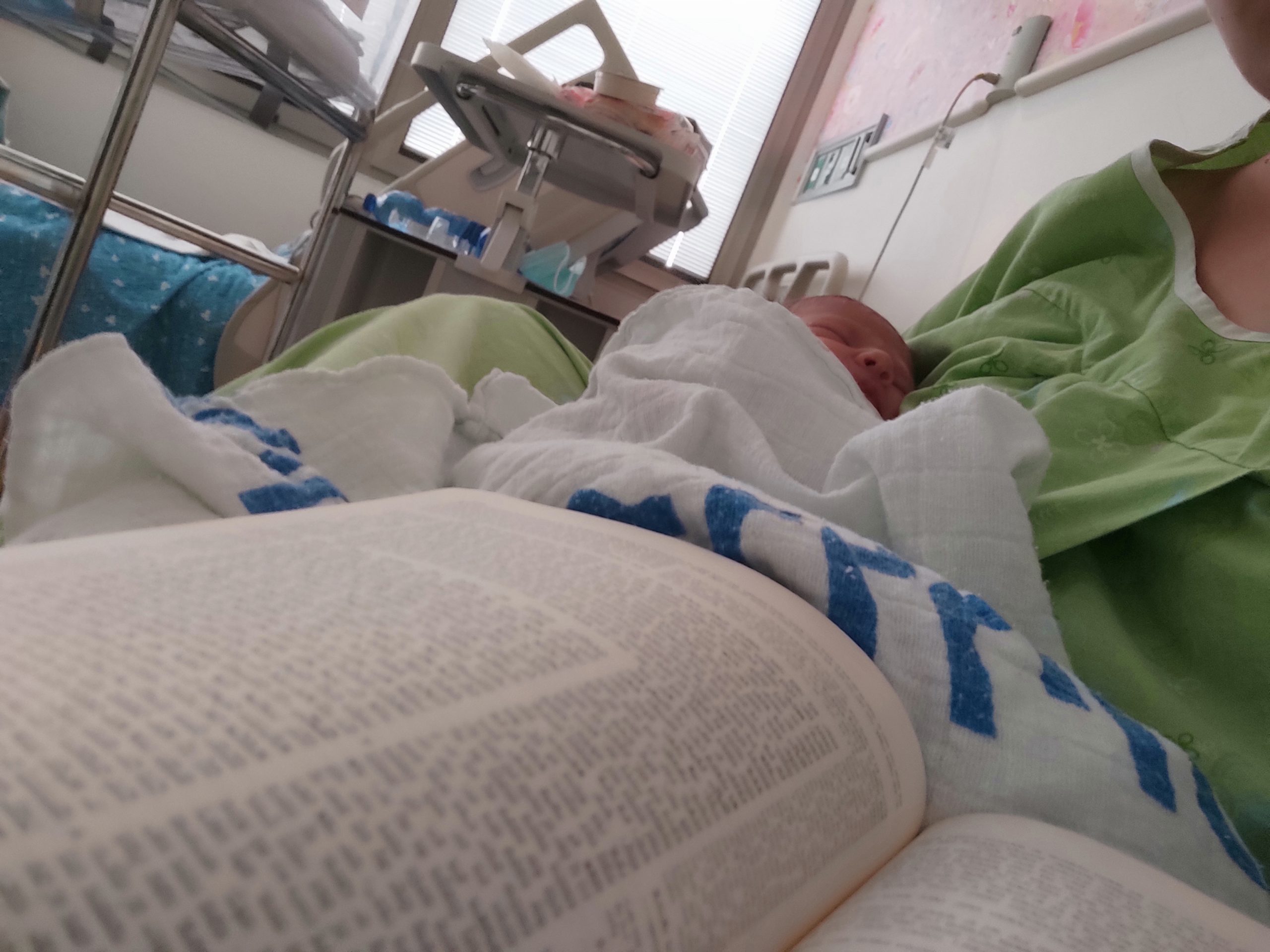
כמו שרואים בתמונה אני ממשיכה ללמוד גם היום ואפילו במחלקת יולדות אחרי לידת ביתי השלישית.

Noa Shiloh
נועה שילה

רבבה, ישראל

התחלתי ללמוד דף יומי אחרי שחזרתי בתשובה ולמדתי במדרשה במגדל עוז. הלימוד טוב ומספק חומר למחשבה על נושאים הלכתיים ”קטנים” ועד לערכים גדולים ביהדות. חשוב לי להכיר את הגמרא לעומק. והצעד הקטן היום הוא ללמוד אותה בבקיאות, בעזרת השם, ומי יודע אולי גם אגיע לעיון בנושאים מעניינים. נושאים בגמרא מתחברים לחגים, לתפילה, ליחסים שבין אדם לחברו ולמקום ולשאר הדברים שמלווים באורח חיים דתי 🙂

Gaia Divo
גאיה דיבו

מצפה יריחו, ישראל

לצערי גדלתי בדור שבו לימוד גמרא לנשים לא היה דבר שבשגרה ושנים שאני חולמת להשלים את הפער הזה.. עד שלפני מספר שבועות, כמעט במקרה, נתקלתי במודעת פרסומת הקוראת להצטרף ללימוד מסכת תענית. כשקראתי את המודעה הרגשתי שהיא כאילו נכתבה עבורי – "תמיד חלמת ללמוד גמרא ולא ידעת איך להתחיל”, "בואי להתנסות במסכת קצרה וקלה” (רק היה חסר שהמודעה תיפתח במילים "מיכי שלום”..). קפצתי למים ו- ב”ה אני בדרך להגשמת החלום:)

Micah Kadosh
מיכי קדוש

מורשת, ישראל

התחלתי ללמוד דף יומי ממסכת נידה כי זה היה חומר הלימוד שלי אז. לאחר הסיום הגדול בבנייני האומה החלטתי להמשיך. וב”ה מאז עם הפסקות קטנות של קורונה ולידה אני משתדלת להמשיך ולהיות חלק.

זה משפיע מאוד על היום יום שלי ועל אף שאני עסוקה בלימודי הלכה ותורה כל יום, זאת המסגרת הקבועה והמחייבת ביותר שיש לי.

Moriah Taesan Michaeli
מוריה תעסן מיכאלי

גבעת הראל, ישראל

התחלתי ללמוד בסבב הנוכחי לפני כשנתיים .הסביבה מתפעלת ותומכת מאוד. אני משתדלת ללמוד מכל ההסכתים הנוספים שיש באתר הדרן. אני עורכת כל סיום מסכת שיעור בביתי לכ20 נשים שמחכות בקוצר רוח למפגשים האלו.

Yael Asher
יעל אשר

יהוד, ישראל

התחלתי ללמוד גמרא בבית הספר בגיל צעיר והתאהבתי. המשכתי בכך כל חיי ואף היייתי מורה לגמרא בבית הספר שקד בשדה אליהו (בית הספר בו למדתי בילדותי)בתחילת מחזור דף יומי הנוכחי החלטתי להצטרף ובע”ה מקווה להתמיד ולהמשיך. אני אוהבת את המפגש עם הדף את "דרישות השלום ” שמקבלת מקשרים עם דפים אחרים שלמדתי את הסנכרון שמתחולל בין התכנים.

Ariela Bigman
אריאלה ביגמן

מעלה גלבוע, ישראל

התחלתי בתחילת הסבב, והתמכרתי. זה נותן משמעות נוספת ליומיום ומאוד מחזק לתת לזה מקום בתוך כל שגרת הבית-עבודה השוטפת.

Reut Abrahami
רעות אברהמי

בית שמש, ישראל

התחלתי בסיום הש”ס, יצאתי באורות. נשברתי פעמיים, ובשתיהם הרבנית מישל עודדה להמשיך איפה שכולם בסבב ולהשלים כשאוכל, וכך עשיתי וכיום השלמתי הכל. מדהים אותי שאני לומדת כל יום קצת, אפילו בחדר הלידה, בבידוד או בחו”ל. לאט לאט יותר נינוחה בסוגיות. לא כולם מבינים את הרצון, בפרט כפמניסטית. חשה סיפוק גדול להכיר את המושגים וצורת החשיבה. החלום זה להמשיך ולהתמיד ובמקביל ללמוד איך מהסוגיות נוצרה והתפתחה ההלכה.

Weingarten Sherrington Foundation
קרן וינגרטן שרינגטון

מודיעין, ישראל

התחלתי מעט לפני תחילת הסבב הנוכחי. אני נהנית מהאתגר של להמשיך להתמיד, מרגעים של "אהה, מפה זה הגיע!” ומהאתגר האינטלקטואלי

Eilat-Chen and Deller
אילת-חן ודלר

לוד, ישראל

התחלתי ללמוד בשנת המדרשה במגדל עוז, בינתיים נהנית מאוד מהלימוד ומהגמרא, מעניין ומשמח מאוד!
משתדלת להצליח לעקוב כל יום, לפעמים משלימה קצת בהמשך השבוע.. מרגישה שיש עוגן מקובע ביום שלי והוא משמח מאוד!

Uriah Kesner
אוריה קסנר

חיפה , ישראל

התחלתי ללמוד בעידוד שתי חברות אתן למדתי בעבר את הפרק היומי במסגרת 929.
בבית מתלהבים מאוד ובשבת אני לומדת את הדף עם בעלי שזה מפתיע ומשמח מאוד! לימוד הדף הוא חלק בלתי נפרד מהיום שלי. לומדת בצהריים ומחכה לזמן הזה מידי יום…

Miriam Wengerover
מרים ונגרובר

אפרת, ישראל

"התחלתי ללמוד דף יומי במחזור הזה, בח’ בטבת תש””ף. לקחתי על עצמי את הלימוד כדי ליצור תחום של התמדה יומיומית בחיים, והצטרפתי לקבוצת הלומדים בבית הכנסת בכפר אדומים. המשפחה והסביבה מתפעלים ותומכים.
בלימוד שלי אני מתפעלת בעיקר מכך שכדי ללמוד גמרא יש לדעת ולהכיר את כל הגמרא. זו מעין צבת בצבת עשויה שהיא עצומה בהיקפה.”

Sarah Fox
שרה פוּקס

כפר אדומים, ישראל

התחלתי ללמוד דף יומי ממסכת נידה כי זה היה חומר הלימוד שלי אז. לאחר הסיום הגדול בבנייני האומה החלטתי להמשיך. וב”ה מאז עם הפסקות קטנות של קורונה ולידה אני משתדלת להמשיך ולהיות חלק.

זה משפיע מאוד על היום יום שלי ועל אף שאני עסוקה בלימודי הלכה ותורה כל יום, זאת המסגרת הקבועה והמחייבת ביותר שיש לי.

Moriah Taesan Michaeli
מוריה תעסן מיכאלי

גבעת הראל, ישראל

רבנית מישל הציתה אש התלמוד בלבבות בביניני האומה ואני נדלקתי. היא פתחה פתח ותמכה במתחילות כמוני ואפשרה לנו להתקדם בצעדים נכונים וטובים. הקימה מערך שלם שמסובב את הלומדות בסביבה תומכת וכך נכנסתי למסלול לימוד מעשיר שאין כמוה. הדרן יצר קהילה גדולה וחזקה שמאפשרת התקדמות מכל נקודת מוצא. יש דיבוק לומדות שמחזק את ההתמדה של כולנו. כל פניה ושאלה נענית בזריזות ויסודיות. תודה גם למגי על כל העזרה.

Sarah Aber
שרה אבר

נתניה, ישראל

אחי, שלומד דף יומי ממסכת ברכות, חיפש חברותא ללימוד מסכת ראש השנה והציע לי. החברותא היתה מאתגרת טכנית ורוב הזמן נעשתה דרך הטלפון, כך שבסיום המסכת נפרדו דרכינו. אחי חזר ללמוד לבד, אבל אני כבר נכבשתי בקסם הגמרא ושכנעתי את האיש שלי להצטרף אלי למסכת ביצה. מאז המשכנו הלאה, ועכשיו אנחנו מתרגשים לקראתו של סדר נשים!

Shulamit Saban
שולמית סבן

נוקדים, ישראל

התחלתי ללמוד את הדף היומי מעט אחרי שבני הקטן נולד. בהתחלה בשמיעה ולימוד באמצעות השיעור של הרבנית שפרבר. ובהמשך העזתי וקניתי לעצמי גמרא. מאז ממשיכה יום יום ללמוד עצמאית, ולפעמים בעזרת השיעור של הרבנית, כל יום. כל סיום של מסכת מביא לאושר גדול וסיפוק. הילדים בבית נהיו חלק מהלימוד, אני משתפת בסוגיות מעניינות ונהנית לשמוע את דעתם.

Eliraz Blau
אלירז בלאו

מעלה מכמש, ישראל

לצערי גדלתי בדור שבו לימוד גמרא לנשים לא היה דבר שבשגרה ושנים שאני חולמת להשלים את הפער הזה.. עד שלפני מספר שבועות, כמעט במקרה, נתקלתי במודעת פרסומת הקוראת להצטרף ללימוד מסכת תענית. כשקראתי את המודעה הרגשתי שהיא כאילו נכתבה עבורי – "תמיד חלמת ללמוד גמרא ולא ידעת איך להתחיל”, "בואי להתנסות במסכת קצרה וקלה” (רק היה חסר שהמודעה תיפתח במילים "מיכי שלום”..). קפצתי למים ו- ב”ה אני בדרך להגשמת החלום:)

Micah Kadosh
מיכי קדוש

מורשת, ישראל

נדרים כה

אֲמַר לֵיהּ: כִּי מִשְׁתְּבַע — אַדַּעְתָּא דִידַן מִשְׁתְּבַע, וַאֲנַן לָא מַסְּקִינַן נַפְשִׁין אַשּׁוּמְשְׁמָנֵי.

Rav Ashi said to him: When he takes an oath, he takes an oath based on our understanding, which is that of an ordinary person, and we do not entertain the possibility in our mind that he is referring to ants [shumshemanei]. Therefore, if he took an oath in that manner, it is assumed that he referred to people, like those that left Egypt.

וְעַל דַּעְתָּא דְנַפְשֵׁיהּ לָא עֲבִיד אִינִישׁ דְּמִשְׁתְּבַע? וְהָתַנְיָא: כְּשֶׁהֵן מַשְׁבִּיעִין אוֹתוֹ, אוֹמְרִים לוֹ: הֱוֵי יוֹדֵעַ שֶׁלֹּא עַל תְּנַאי שֶׁבְּלִבְּךָ אָנוּ מַשְׁבִּיעִין אוֹתְךָ, אֶלָּא עַל דַּעְתֵּינוּ וְעַל דַּעַת בֵּית דִּין. לְאַפּוֹקֵי מַאי? לָאו לְאַפּוֹקֵי דְּאַסֵּיק לְהוּ לְאִיסְקוּנְדְּרֵי וְאַסֵּיק לְהוֹן שְׁמָא זוּזֵי.

The Gemara asks: And does a person not take an oath according to his own understanding? There are times when one takes an oath with a particular stipulation in mind or intends a special meaning to his words. But isn’t it taught in a baraita: When the judges administer an oath to one who claims he paid a debt, they say to him: Know that we do not administer an oath to you based on a stipulation in your heart, i.e., you cannot claim that you are taking the oath based on a condition you have in mind. Rather, your oath is taken based on our understanding and on the understanding of the court. The Gemara clarifies: What does the phrase that they say to him: Based on our understanding, come to exclude? Does it not serve to exclude a case where one gave the debtor tokens [iskundarei] from a game, and in his mind he gives them the title of coins and takes an oath that he returned these coins, which is the truth based on his unspoken thoughts.

וּמִדְּקָאָמַר ״עַל דַּעְתֵּינוּ״, מִכְּלָל דַּעֲבִיד אִינָשׁ דְּמִשְׁתְּבַע אַדַּעְתָּא דְנַפְשֵׁיהּ!

The Gemara clarifies its question: And since the baraita says that the oath taken in court is: According to our understanding, by inference it means that a person commonly takes an oath according to his own understanding and the oath would take effect according to his intent. Therefore, such a practice must be specifically excluded when taking an oath in a court.

לָא, לְאַפּוֹקֵי מִקַּנְיָא דְרָבָא. דְּהָהוּא גַּבְרָא דַּהֲוָה מַסֵּיק בְּחַבְרֵיהּ זוּזֵי, אֲתָא לְקַמֵּיהּ דְּרָבָא. אֲמַר לֵיהּ לְלֹוֶה: זִיל פְּרַע לִי. אֲמַר לֵיהּ: פְּרַעְתִּיךָ. אֲמַר לֵיהּ רָבָא: אִם כֵּן, זִיל אִישְׁתְּבַע לֵיהּ דִּפְרַעְתֵּיהּ.

The Gemara responds: No, this warning comes to exclude a case similar to that cane of Rava, in which a person attempts to deceive the court but does not necessarily utilize his own terminology, as there was a certain man who claimed money from another. He came before Rava to adjudicate the case. The creditor said to the borrower: Go repay me your debt. The borrower said to him: I already repaid you. Rava said to him: If so, go take an oath to him that you repaid him.

אֲזַל וְאַיְיתִי קַנְיָא, וְיָהֵיב זוּזֵי בְּגַוֵּיהּ, וַהֲוָה מִסְתְּמִיךְ וְאָזֵיל וְאָתֵי עֲלֵיהּ לְבֵי דִּינָא. אֲמַר לֵיהּ לְמַלְוֶה: נְקוֹט הַאי קַנְיָא בִּידָךְ. נְסַב סֵפֶר תּוֹרָה וְאִישְׁתְּבַע דְּפַרְעֵיהּ כֹּל מָה דַּהֲוָה לֵיהּ בִּידֵיהּ.

The borrower went and brought a hollow cane, and placed the money inside it, and was leaning upon it, and went leaning upon it to the court. He said to the lender: Hold this cane in your hand so that I can take an oath while holding a Torah scroll. The borrower took the Torah scroll and swore that he had repaid the entire sum that had been in his possession.

הָהוּא מַלְוֶה רְגַז וְתַבְרֵהּ לְהָהוּא קַנְיָא, וְאִישְׁתְּפֻךְ הָנְהוּ זוּזֵי לְאַרְעָא, וְאִישְׁתְּכַח דְּקוּשְׁטָא אִישְׁתְּבַע.

That creditor then became angry upon hearing the borrower taking a false oath and broke that cane, and all of those coins placed inside fell to the ground. And it turned out that he had taken the oath in truth, since he had returned all the money at the time of the oath by giving him the cane with the money inside. However, this was a deceitful tactic, as he intended that the creditor return the cane and the money in it to him after he had taken the oath. In order to prevent this kind of deception, the one taking the oath is warned that he must take the oath according to the understanding of the court.

וְאַכַּתִּי לָא עֲבִיד דְּמִישְׁתְּבַע אַדַּעְתָּא דְנַפְשֵׁיהּ? וְהָתַנְיָא: וְכֵן מָצִינוּ בְּמֹשֶׁה רַבֵּינוּ כְּשֶׁהִשְׁבִּיעַ אֶת יִשְׂרָאֵל בְּעַרְבוֹת מוֹאָב, אָמַר לָהֶם: הֱווּ יוֹדְעִים שֶׁלֹּא עַל דַּעְתְּכֶם אֲנִי מַשְׁבִּיעַ אֶתְכֶם, אֶלָּא עַל דַּעְתִּי וְעַל דַּעַת הַמָּקוֹם, שֶׁנֶּאֱמַר: ״וְלֹא אִתְּכֶם לְבַדְּכֶם וְגוֹ׳״.

The Gemara asks: And still, does a person not commonly take an oath according to his own understanding? But isn’t it taught in a baraita: And so we found with regard to Moses our teacher. When he administered an oath to the Jewish people in the plains of Moab, that they accept the Torah upon themselves, he said to them: Know that I do not administer an oath upon you according to your understanding and the stipulations in your hearts but according to my understanding and the understanding of the Omnipresent, as it is stated: “Neither with you only do I make this covenant” (Deuteronomy 29:13).

״מַאי אֲמַר לְהוּ מֹשֶׁה לְיִשְׂרָאֵל? לָאו הָכִי קָאָמַר לְהוּ: דִּלְמָא עָבֵידְתּוּן מִילֵּי, וְאָמְרִיתוּן: עַל דַּעְתֵּינוּ — מִשּׁוּם הָכִי אֲמַר לְהוּ: עַל דַּעְתִּי. לְאַפּוֹקֵי מַאי? לָאו לְאַפּוֹקֵי דְּאַסִּיקוּ שְׁמָא לַעֲבוֹדָה זָרָה אֱלוֹהַּ. מִכְּלָל דַּעֲבִיד אִינִישׁ דְּמִשְׁתְּבַע אַדַּעְתָּא דְנַפְשֵׁיהּ!

What did Moses say to Israel? Isn’t this what he said to them: Perhaps you will perform negative actions, i.e., transgressions, and say: The oath was taken according to our understanding. Due to that reason, he said to them: You take the oath according to my understanding. The Gemara clarifies: What did his warning come to exclude? Does it not serve to exclude the possibility that they give the title God, to an object of idol worship and say that this was their intention when they took an oath to worship God? The fact that Moses needed to preclude this claim indicates by inference that a person commonly takes an oath according to his own understanding.

לָא, עֲבוֹדָה זָרָה אִיקְּרִי אֱלוֹהַּ, דִּכְתִיב: ״וּבְכָל אֱלֹהֵי מִצְרַיִם וְגוֹ׳״.

The Gemara responds: No, idol worship is also called: God, in the Bible, as it is written: “And against all the gods of Egypt I will execute judgments” (Exodus 12:12). Therefore, this would not have been a special stipulation in their minds but a misguided intention within the oath itself. Moses suspected this and therefore issued the warning.

וְלַשְׁבַּע יָתְהוֹן דִּמְקַיְּימִיתוּן מִצְוֹת! מַשְׁמַע מִצְוֹת הַמֶּלֶךְ.

The Gemara asks: And why did Moses have to state the oath with this warning? Let him administer an oath to them with the words: That you will fulfill the mitzvot, which also includes the prohibition against idol worship. The Gemara answers: The word mitzvot, meaning commandments, could also indicate the commandments of the king, and this might be their intention if they were to take an oath in this manner.

וְלַשְׁבַּע יָתְהוֹן דִּמְקַיְּימִיתוּן כֹּל מִצְוֹת! מַשְׁמַע מִצְוַת צִיצִית, דְּאָמַר מָר: שְׁקוּלָה מִצְוַת צִיצִית כְּנֶגֶד כׇּל מִצְוֹת שֶׁבַּתּוֹרָה.

The Gemara asks: And let him administer an oath to them with the words: That you will fulfill all the mitzvot. The Gemara answers: This too does not suffice, because this phrase could indicate specifically the mitzva of ritual fringes, as the Master said: The mitzva of ritual fringes is equivalent to all the mitzvot in the Torah. Consequently, if they would accept upon themselves: All the mitzvot, they may have intended to refer only to the mitzva of ritual fringes.

וְלַשְׁבַּע יָתְהוֹן דִּמְקַיְּימִיתוּן תּוֹרָה! מַשְׁמַע: תּוֹרָה אַחַת. וְלַשְׁבַּע יָתְהוֹן דִּמְקַיְּימִיתוּן תּוֹרוֹת! מַשְׁמַע: תּוֹרַת מִנְחָה, תּוֹרַת חַטָּאת, תּוֹרַת אָשָׁם. וְלַשְׁבַּע יָתְהוֹן דִּמְקַיְּימִיתוּן [תּוֹרוֹת] וּמִצְוֹת! [תּוֹרוֹת] מַשְׁמַע: תּוֹרַת הַמִּנְחָה. מִצְוֹת, מַשְׁמַע: מִצְוֹת הַמֶּלֶךְ.

The Gemara asks: And let him administer an oath to them: That you fulfill the Torah. The Gemara answers: That phrase indicates only one Torah, the Written Torah and not the Oral Torah. The Gemara asks: And let him administer an oath: That you fulfill the Torahs, in the plural, to include both the Written Torah and Oral Torah. The Gemara answers: This too does not necessarily include the entire Torah, since it is possible that it indicates the Torah of the meal-offering, the Torah of the sin-offering, and the Torah of the guilt-offering. The Gemara asks: And let him administer an oath: That you fulfill the Torahs and mitzvot. The Gemara answers: This also does not include the entire Torah, because the word Torahs could indicate the Torah of the meal-offering, and mitzvot could indicate the commandments of the king.

וְלַישְׁבַּע יָתְהוֹן דִּמְקַיְּימִיתוּן תּוֹרָה כּוּלָּהּ! תּוֹרָה כּוּלָּהּ, מַשְׁמַע: עֲבוֹדָה זָרָה. דְּתַנְיָא: חֲמוּרָה עֲבוֹדָה זָרָה, שֶׁכׇּל הַכּוֹפֵר בָּהּ — כְּאִילּוּ מוֹדֶה בַּתּוֹרָה כּוּלָּהּ.

The Gemara asks: And let him administer an oath: That you fulfill the entire Torah. The Gemara answers: Fulfilling the entire Torah could indicate specifically the denial of idol worship, which is also deemed fulfilling the entire Torah, as it is taught in a baraita: Idol worship is so severe a sin that anyone who denies it is considered as though he concedes to the truth of the entire Torah. The opposite is true for someone who worships idols. Therefore, the Jewish people could have claimed that fulfilling the entire Torah denotes nothing more than not practicing idol worship.

וְלַישְׁבַּע יָתְהוֹן דִּמְקַיְּימִיתוּן עֲבוֹדָה זָרָה וְתוֹרָה כּוּלָּהּ, אִי נָמֵי: שֵׁשׁ מֵאוֹת וּשְׁלֹשׁ עֶשְׂרֵה מִצְוֹת! אֶלָּא, מֹשֶׁה רַבֵּינוּ מִילְּתָא דְּלָא טְרִיחָא נְקַט.

The Gemara asks: And let him administer an oath: That you fulfill the mitzva to distance oneself from idol worship and also fulfill the entire Torah. Or, alternatively, let Moses administer an oath that the Jewish people will fulfill six hundred thirteen mitzvot, so there will be no doubt as to their intention. Rather, Moses our teacher used an expression that was not troublesome for the Jews. Although he could have found another manner in which they could take an oath, and it would leave no doubt as to the correct intentions, he did not want to trouble them by employing a more complex method. Therefore, he administered the oath and stated that it was according to his understanding and the understanding of the Omnipresent.

אִם לֹא רָאִיתִי נָחָשׁ כְּקוֹרַת בֵּית הַבַּד, וְלָא? וְהָא הָהוּא חִוְיָא דַּהֲוָה בִּשְׁנֵי שַׁבּוּר מַלְכָּא, רְמוֹ לֵיהּ תְּלֵיסַר אוּרָווֹתָא דְתִיבְנָא וּבְלַע יָתְהוֹן! אָמַר שְׁמוּאֵל: בְּטָרוּף, כּוּלְּהוּ נַחֲשֵׁי מִיטְרָף טְרִפִי! אַגַּבּוֹ טָרוּף קָאָמְרִינַן.

§ It was taught in the mishna that if one prohibits an item with a konam vow: If I did not see a snake as large as the beam of an olive press, it is a vow of exaggeration. The Gemara asks: And is there not a snake like this? But a certain snake that lived in the days of King Shapur was so big that they threw thirteen bundles of straw and it swallowed them, so it was certainly bigger than the beam of an olive press. Shmuel said: It is speaking here of a snake that is notched, and the one who took the vow intended to say that the snake had notches in its back like the beam of an olive press. The Gemara asks: But all snakes have notches like this. The Gemara answers: We are saying that it is notched on its back, which is exceedingly rare.

וְלִתְנֵי ״טָרוּף״? מִילְּתָא אַגַּב אוֹרְחֵיהּ קָא מַשְׁמַע לַן, דְּקוֹרַת בֵּית הַבַּד גַּבּוֹ טָרוּף. לְמַאי נָפְקָא מִינַּהּ? לְמִקָּח וּמִמְכָּר, לוֹמַר לָךְ: הַמּוֹכֵר קוֹרַת בֵּית הַבַּד לַחֲבֵירוֹ, אִי גַּבּוֹ טָרוּף — אִין, וְאִי לָא — לָא.

The Gemara asks: And let the tanna teach explicitly that the snake was notched; why did he say: Like the beam of an olive press? The Gemara answers: He teaches us a matter in passing, which is that the back of the beam of an olive press must be notched. The Gemara asks: What is the difference whether there are notches in the beam of an olive press? The Gemara answers: For purposes of buying and selling, to tell you that one who sells the beam of an olive press to another, if its back is notched then yes, the sale is valid, and if its back is not notched and there are no slits, then it is not a valid sale, as a beam without notches is not called a beam of an olive press.

מַתְנִי׳ נִדְרֵי שְׁגָגוֹת — ״אִם אָכַלְתִּי וְאִם שָׁתִיתִי״, וְנִזְכַּר שֶׁאָכַל וְשָׁתָה. ״שֶׁאֲנִי אוֹכֵל וְשֶׁאֲנִי שׁוֹתֶה״, וְשָׁכַח וְאָכַל וְשָׁתָה. אָמַר: ״קֻוֽנָּם אִשְׁתִּי נֶהֱנֵית לִי שֶׁגָּנְבָה אֶת כִּיסִי, וְשֶׁהִכְּתָה אֶת בְּנִי״, וְנוֹדַע שֶׁלֹּא הִכַּתּוּ, וְנוֹדַע שֶׁלֹּא גָּנְבָה.

MISHNA: What are examples of vows that are unintentional that are dissolved, as taught at the beginning of the chapter? One who vows: This loaf is forbidden to me as if it were an offering [konam] if I ate or if I drank, and then he remembers that he ate or drank. Or, one who vows: This loaf is konam for me if I will eat or if I will drink, and he then forgets and eats or drinks. Also, one who said: Benefiting from me is konam for my wife because she stole my purse or she hit my son, and then it became known that she had not hit him or it became known that she had not stolen.

רָאָה אוֹתָן אוֹכְלִין תְּאֵנִים, וְאָמַר: ״הֲרֵי עֲלֵיכֶם קׇרְבָּן״, וְנִמְצְאוּ אָבִיו וְאָחִיו וְהָיוּ עִמָּהֶן אֲחֵרִים. בֵּית שַׁמַּאי אוֹמְרִים: הֵן מוּתָּרִים, וּמַה שֶּׁעִמָּהֶם — אֲסוּרִים. וּבֵית הִלֵּל אוֹמְרִים: אֵלּוּ וָאֵלּוּ מוּתָּרִין.

The mishna lists another example of an unintentional vow: One who saw people entering his courtyard and eating figs, and because he did not want them to do so he said: The figs are forbidden to you like an offering. And then it was found that his father and brother were in the group, and there were others with them as well, and certainly he did not intend to take a vow prohibiting his father and brother from eating the figs. In such a case, Beit Shammai says: They, his father and brother, are permitted to eat the figs, and those others that were with them are prohibited from doing so. And Beit Hillel says: Both these and those are permitted to eat the figs, as will be clarified in the Gemara.

גְּמָ׳ תָּנָא: כְּשֵׁם שֶׁנִּדְרֵי שְׁגָגוֹת מוּתָּרִין, כָּךְ שְׁבוּעוֹת שְׁגָגוֹת מוּתָּרוֹת. הֵיכִי דָּמֵי שְׁבוּעוֹת שְׁגָגוֹת? כְּגוֹן רַב כָּהֲנָא וְרַב אַסִּי, הָדֵין אָמַר: שְׁבוּעֲתָא דְּהָכִי אָמַר רַב, וְהָדֵין אָמַר: שְׁבוּעֲתָא דְּהָכִי אָמַר רַב. דְּכֹל חַד וְחַד אַדַּעְתָּא דְנַפְשֵׁיהּ שַׁפִּיר קָמִישְׁתְּבַע.

GEMARA: The Sages taught: Just as vows that are unintentional are dissolved, so too, oaths that are unintentional are dissolved. The Gemara asks: What are the circumstances of unintentional oaths? For example, as in the incident of Rav Kahana and Rav Asi, who disagreed about a halakha. During the dispute this one said: I take an oath that Rav said like this opinion that I hold. And that one said: I take an oath that Rav said like this opinion that I hold. This is an unintentional oath, as each one took an oath properly in his own mind and was sure that he was saying the truth.

רָאָה אוֹתָן אוֹכְלִין. תְּנַן הָתָם: פּוֹתְחִין בְּשַׁבָּתוֹת וּבְיָמִים טוֹבִים. בָּרִאשׁוֹנָה הָיוּ אוֹמְרִים: אוֹתָן הַיָּמִים — מוּתָּרִים, וּשְׁאָר כׇּל הַיָּמִים — אֲסוּרִים, עַד שֶׁבָּא רַבִּי עֲקִיבָא וְלִימֵּד: נֶדֶר שֶׁהוּתַּר מִקְצָתוֹ הוּתַּר כֻּלּוֹ.

With regard to the mishna’s statement: One who saw them eating, the Gemara states that we learned in a mishna there (66a): If one vows to fast or not to eat a certain food, dissolution is broached based on Shabbatot and based on Festivals, since one certainly did not intend to include these days when taking the vow. Initially, they used to say: On those days, Shabbatot and Festivals, which he did not include in his vow, he is permitted to partake of the item, and on all other days he is prohibited from doing so. This was the case until Rabbi Akiva came and taught: A vow that was partially dissolved is dissolved completely. Therefore, one is permitted to partake on other days well.

אָמַר רַבָּה: דְּכוּלֵּי עָלְמָא, כֹּל הֵיכָא דְּאָמַר: אִילּוּ הָיִיתִי יוֹדֵעַ שֶׁאַבָּא בֵּינֵיכֶם, הָיִיתִי אוֹמֵר ״כּוּלְּכֶם אֲסוּרִין חוּץ מֵאַבָּא״, דְּכוּלְּהוֹן אֲסוּרִין וְאָבִיו מוּתָּר. לֹא נֶחְלְקוּ אֶלָּא בְּאוֹמֵר: אִילּוּ הָיִיתִי יוֹדֵעַ שֶׁאַבָּא בֵּינֵיכֶם, הָיִיתִי אוֹמֵר: ״פְּלוֹנִי וּפְלוֹנִי אֲסוּרִין וְאַבָּא מוּתָּר״.

Rabba said: Everyone in the mishna, i.e., Beit Shammai and Beit Hillel, holds that wherever one says: Had I known that my father was among you I would have said: All of you are prohibited from eating figs except for father, then in that case all are prohibited from doing so and his father is permitted to do so. They disagreed only in an instance where one said: Had I known that my father was among you then I would have said: So-and-so and so-and-so, i.e., all the others, are prohibited from eating figs and father is permitted to do so.

רוצה לעקוב אחרי התכנים ולהמשיך ללמוד?

ביצירת חשבון עוד היום ניתן לעקוב אחרי ההתקדמות שלך, לסמן מה למדת, ולעקוב אחרי השיעורים שמעניינים אותך.

לנקות את כל הפריטים מהרשימה?

פעולה זו תסיר את כל הפריטים בחלק זה כולל ההתקדמות וההיסטוריה. שימי לב: לא ניתן לשחזר פעולה זו.

ביטול
מחיקה

האם את/ה בטוח/ה שברצונך למחוק פריט זה?

תאבד/י את כל ההתקדמות או ההיסטוריה הקשורות לפריט זה.

ביטול
מחיקה