חיפוש

נדרים לו

רוצה להקדיש לימוד?

podcast placeholder

0:00
0:00


תקציר

הדף היום מוקדש לבתי שירה על גיוסה היום לצה”ל. מאחלת לך הצלחה רבה ושירות משמעותי!

שתי קושיות מועלות כנגד ההנחה הקודמת של הגמרא כי הכהן כשעוסק בהקרבת הזולת פועל כשליח שלהם. שאלה אחת היא ממשנתנו והשנייה ממקור אחר המתייחס להלכות פיגול. שתי הקושיות נפתרות. רבי יוחנן קבע קודם לכן שכל הקרבנות צריכים להיעשות מתוך דעתו של בעל הקרבן, אלא אם כן זה מתוך הקבנות שנקראים "מחוסר כפרה” שבגלל שניתן להיקרב לילד על פי ההורה, אפשר להבין שזה לא קרבן שמצריך דעת, שכן לקטן אין ‘דעת’ מנקודת מבט הלכתית. זה מראה שאפשר ללמוד ממקרה שאי אפשר (לא אפשרי לילד לדעת) למקרה שאפשר (אדם רגיל שצריך להביא קרבן). הגמרא מביאה שתי קושיות על הנחה זו של רבי יוחנן (דנים אפשר משאי אפשר) משתי הלכות של רבי אלעזר. עם זאת, שתיהם נפתרות גם כן. אם מפרישים תרומות ומעשרות מהפירות שלו על פירותיו (לתקן פירותיו) של  מישהו אחר, האם ניתן לעשות זאת ללא ידיעת החבר? האם ניתן ללמוד זאת ממשנתנו המאפשרת למי שמודר הנאה מחבירו, חברו יכול להפריש בעבורו תרומות ומעשרות בידיעתו? על מנת לברר זאת, על הגמרא לברר את פרטי המקרה במשנה – ממי הפירות שניתנו כתרומות ומעשרות לקוחים ומי צריך לדעת? המסקנה היא שהמקרה במשנה אינו אותו מקרה שהשאלה מתייחסת אליו. נשאלת שאלה נוספת – אם מפרישים תרומות ומעשרות מהפירות שלו על פירותיו (לתקן פירותיו) של  מישהו אחר, מי בוחר לאיזה כהן לתת את התרומה, כדי שיוכל להפיק מהכהן טובת הנאה? רבי זירא מנסה להוכיח ממשנתנו שזהו בעל הפירות שעליהם הפרישו תרומה. אולם, שוב מוכיחה הגמרא שהמשנה אינה מתייחסת למקרה מסוג זה. רבי יוחנן סבור להיפך – שזה מי שפירותיו שימשו לתרומה. מדוע הבדילה המשנה ואמרה שאפשר ללמד מדרש, הלכה ואגדה ממי שמודר הנאה ממנו, אבל לא תורה?

נדרים לו

מֵתִיב רַב שִׁימִי בַּר אַבָּא: אִם הָיָה כֹּהֵן, יִזְרוֹק עָלָיו דַּם חַטָּאתוֹ וְדַם אֲשָׁמוֹ.

Rav Shimi bar Abba raised an objection from the Tosefta (2:7): If the one who vowed to prohibit another from benefiting from him was a priest, he may sprinkle the blood of his sin-offering and the blood of his guilt-offering on the other’s behalf. Apparently, the priest may perform all sacrificial rites for one prohibited from benefiting from him, even those that require knowledge of the one for whom the offering atones.

דַּם חַטָּאתוֹ שֶׁל מְצוֹרָע וְדַם אֲשָׁמוֹ שֶׁל מְצוֹרָע. דִּכְתִיב: ״זֹאת תִּהְיֶה תּוֹרַת הַמְּצֹרָע״, בֵּין גָּדוֹל וּבֵין קָטָן.

The Gemara answers. The reference is to blood of the sin-offering of a leper and blood of the guilt-offering of a leper. These are offerings brought by a leper who is lacking atonement, in order to complete his purification process, as it is written: “This is the law of the leper” (Leviticus 14:2). And the verse comes to teach that the halakhot of a leper apply to both an adult and a minor. This offering, too, does not require the knowledge of the one for whom the offering atones.

תְּנַן: הַכֹּהֲנִים שֶׁפִּיגְּלוּ בַּמִּקְדָּשׁ, מְזִידִין — חַיָּיבִין. הָא שׁוֹגְגִין — פְּטוּרִין, אֶלָּא שֶׁפִּיגּוּלָן פִּיגּוּל.

The Gemara cites another proof to resolve the dilemma with regard to the nature of the agency of a priest. We learned in a mishna: In the case of priests who rendered an offering piggul in the Temple, i.e., they sacrificed an offering intending to consume it after its appointed time, if they did so intentionally, i.e., with full awareness of the period during which the offering may be consumed, they are obligated to pay. The Gemara infers: If they did so unwittingly, they are exempt from payment. However, in any event, when they rendered the offering piggul, it acquired the status of piggul and is disqualified.

אִי אָמְרַתְּ בִּשְׁלָמָא שְׁלוּחֵי דִשְׁמַיָּא הָווּ, הַיְינוּ שֶׁפִּיגּוּלָן פִּיגּוּל. אֶלָּא אִי אָמְרַתְּ שְׁלוּחֵי דִידַן הָווּ, אַמַּאי פִּיגּוּלָן פִּיגּוּל? לֵימָא לֵיהּ: שְׁלִיחָא שַׁוֵּיתָיךְ לְתַקּוֹנֵי וְלָא לְעַוּוֹתֵי!

The Gemara asks: Granted, if you say that the priests are agents of Heaven, this is why when their actions cause piggul it is piggul; their actions are independent of the one bringing the offering. However, if you say that the priests are our agents, why when their actions cause piggul is it piggul? Let the one bringing the offering say to the priest: I designated you an agent to perform the task properly but not to perform the task improperly.

אָמְרִי: שָׁאנֵי גַּבֵּי פִּיגּוּל, דְּאָמַר קְרָא ״לֹא יֵחָשֵׁב לוֹ״, מִכׇּל מָקוֹם.

The Sages say in response: It is different with regard to piggul, as in its regard the verse states and emphasizes: “He who offered it, it will not be imputed to him” (Leviticus 7:18). This implies that it is piggul in any case, e.g., even if one’s actions cause the offering to be piggul without the consent of the owner. Therefore, there is no proof with regard to the nature of the agency of the priest.

גּוּפָא, אָמַר רַבִּי יוֹחָנָן: הַכֹּל צְרִיכִין דַּעַת חוּץ מִמְּחוּסַּר כַּפָּרָה, שֶׁהֲרֵי אָדָם מֵבִיא קׇרְבָּן עַל בָּנָיו וְעַל בְּנוֹתָיו הַקְּטַנִּים. אֶלָּא מֵעַתָּה יָבִיא אָדָם חַטַּאת חֵלֶב עַל חֲבֵירוֹ, שֶׁכֵּן אָדָם מֵבִיא עַל אִשְׁתּוֹ שׁוֹטָה, כְּרַבִּי יְהוּדָה. אַלְּמָה אָמַר רַבִּי אֶלְעָזָר: הִפְרִישׁ חַטַּאת חֵלֶב עַל חֲבֵירוֹ — לֹא עָשָׂה כְּלוּם!

§ With regard to the matter itself, Rabbi Yoḥanan said: Everyone who brings an offering requires knowledge, except for those offerings brought by those lacking atonement; this can be proven from the fact that a person brings a purification offering for his minor sons and daughters. The Gemara asks: However, if that is so, let a person bring a sin-offering on behalf of another who unwittingly ate forbidden fat without his knowledge, just as a man brings an offering for his wife who is an imbecile, in accordance with the opinion of Rabbi Yehuda. Why then did Rabbi Elazar say: One who separated a sin-offering on behalf of another who unwittingly ate forbidden fat has done nothing?

אִשְׁתּוֹ שׁוֹטָה הֵיכִי דָמֵי? אִי דְּאָכְלָה כְּשֶׁהִיא שׁוֹטָה — לָאו בַּת קׇרְבָּן הִיא.

The Gemara refutes the analogy between the cases. What are the circumstances of the case of his wife who is an imbecile? If she ate the forbidden fat when she was an imbecile, she is not subject to liability to bring an offering, as one lacking halakhic competence is exempt from punishment and needs no atonement.

וְאִי דְּאָכְלָה כְּשֶׁהִיא פִּקַּחַת, וְנִשְׁתַּטֵּית — הָא אָמַר רַבִּי יִרְמְיָה אָמַר רַבִּי אֲבָהוּ אָמַר רַבִּי יוֹחָנָן: אָכַל חֵלֶב וְהִפְרִישׁ קׇרְבָּן, וְנִשְׁתַּטָּה וְחָזַר וְנִשְׁתַּפָּה — פָּסוּל, הוֹאִיל וְנִדְחָה — יִדָּחֶה.

And if she ate the forbidden fat when she was halakhically competent and then became an imbecile, didn’t Rabbi Yirmeya say that Rabbi Abbahu said that Rabbi Yoḥanan said: If one ate forbidden fat unwittingly, and separated an offering, and became an imbecile, and became competent again, the offering is disqualified. Since it was disqualified when he was demented, it will be disqualified forever. It is clear, therefore, that the sin-offering that one brings for his wife who is an imbecile is not a sin-offering for eating forbidden fat, as that would require halakhic intelligence. It is merely for completion of the purification process, e.g., a woman after childbirth, for which halakhic competence is not required. Therefore, no proof may be cited from the case of one’s wife who is an imbecile to the case of bringing a sin-offering on behalf of another who ate fat.

אֶלָּא מֵעַתָּה יָבִיא אָדָם פֶּסַח עַל חֲבֵירוֹ, שֶׁכֵּן אָדָם מֵבִיא עַל בָּנָיו וְעַל בְּנוֹתָיו הַקְּטַנִּים. אַלְּמָה אָמַר רַבִּי אֶלְעָזָר הִפְרִישׁ פֶּסַח עַל חֲבֵירוֹ לֹא עָשָׂה כְּלוּם!

The Gemara asks: However, if that is so, let a person bring a Paschal lamb on behalf of another without his knowledge, just as a person brings a Paschal lamb for his minor sons and daughters. Why then did Rabbi Elazar say: One who separated a Paschal lamb on behalf of another has done nothing?

אָמַר רַבִּי זֵירָא: ״שֶׂה לְבֵית אָבֹת״ לָאו דְּאוֹרָיְיתָא.

Rabbi Zeira said: The verse states: “A lamb for each father’s house, a lamb for the household” (Exodus 12:3). From here it is derived that all members of a household, including minor sons and daughters, are registered to the group eating a Paschal lamb. However, this is a custom; it is not by Torah law.

וּמִמַּאי — מִדִּתְנַן: הָאוֹמֵר לְבָנָיו: הֲרֵינִי שׁוֹחֵט אֶת הַפֶּסַח עַל מִי שֶׁיַּעֲלֶה מִכֶּם רִאשׁוֹן לִירוּשָׁלַיִם, כֵּיוָן שֶׁהִכְנִיס רִאשׁוֹן רֹאשׁוֹ וְרוּבּוֹ — זָכָה בְּחֶלְקוֹ, וּמְזַכֶּה אֶת אֶחָיו עִמּוֹ. וְאִי אָמְרַתְּ ״שֶׂה לְבֵית״ דְּאוֹרָיְיתָא, עַל בִּישְׂרָא קָאֵי וּמְזַכֵּי לְהוּ?!

And from where is this halakha learned? It is from that which we learned in a mishna (Pesaḥim 89a): With regard to one who says to his minor sons: I am hereby slaughtering the Paschal lamb on behalf of the one of you who will ascend to Jerusalem first, and he will be privileged to eat from that lamb, then once the first of his children introduces his head and most of his body into Jerusalem, he acquires his portion and acquires portions on behalf of his brothers with him. And if you say that the halakha derived from the phrase “a lamb for the household” is by Torah law, and the minors are obligated to register for the Paschal lamb, although the son who reached Jerusalem first acquired his portion based on the stipulation of his father, how can he stand over the meat of the Paschal lamb after it was slaughtered and acquire it on behalf of his brothers? Apparently, minors are not required by Torah law to register as members of the group eating the Paschal lamb.

אֶלָּא לְמָה לְהוּ דְּאָמַר לְהוֹן אֲבוּהוֹן? כְּדֵי לְזָרְזָן בְּמִצְוֹת. תַּנְיָא נָמֵי הָכִי: מַעֲשֶׂה הָיָה וְקָדְמוּ בָּנוֹת לַבָּנִים, וְנִמְצְאוּ בָּנוֹת זְרִיזוֹת וּבָנִים שְׁפָלִים.

The Gemara asks: However, why do they require that their father say to them: The one of you who will ascend to Jerusalem first will be privileged to eat from that lamb, when no actual acquisition takes place? It is in order to motivate them in the performance of mitzvot. This is also taught in a baraita: There was an incident that transpired where a father said to his sons and daughters that they should compete to see who reaches the sacrifice of the Paschal lamb first, and the daughters preceded the sons, and the daughters were found to be motivated and the sons to be lazy [shefalim]. Since the baraita did not say that the result was that daughters acquired their portion, apparently the father’s statement was merely motivational.

וְתוֹרֵם אֶת תְּרוּמָתוֹ כּוּ׳.

§ We learned in the mishna that among the tasks that one may perform for someone who is prohibited by vow from benefiting from him is: And he separates his teruma.

אִיבַּעְיָא לְהוּ: הַתּוֹרֵם מִשֶּׁלּוֹ עַל שֶׁל חֲבֵירוֹ, צָרִיךְ דַּעְתּוֹ אוֹ לָא? מִי אָמְרִינַן: כֵּיוָן דִּזְכוּת הוּא לוֹ, לֹא צָרִיךְ דַּעַת. אוֹ דִּלְמָא מִצְוָה דִּילֵיהּ הִיא, וְנִיחָא לֵיהּ לְמִיעְבְּדֵיהּ.

A dilemma was raised before the Sages: In the case of one who separates teruma from his own produce on behalf of the produce of another, does he require the knowledge and consent of the owner of the produce or not? Do we say: Since it is a benefit for the other to have his produce tithed, it does not require his knowledge, as one may act in a person’s interest in his absence? Or, perhaps it is his mitzva, and it is preferable for him to perform the mitzva himself, and therefore, it does not benefit him to have the produce tithed on his behalf.

תָּא שְׁמַע: תּוֹרֵם אֶת תְּרוּמוֹתָיו וְאֶת מַעְשְׂרוֹתָיו לְדַעְתּוֹ. בְּמַאי עָסְקִינַן? אִילֵימָא מִן בַּעַל הַכְּרִי עַל שֶׁל בַּעַל הַכְּרִי, וּלְדַעְתּוֹ דְּמַאן? אִילֵּימָא לְדַעְתּוֹ דִּילֵיהּ — מַאן שַׁוְּויֵהּ שָׁלִיחַ?

Come and hear a proof from the mishna: For one for whom benefit from him is forbidden by vow, he separates his teruma and his tithes, provided that it is with his knowledge and consent. The Gemara analyzes this statement: With what are we dealing? If we say that he separates teruma from the produce of the owner of the pile for the produce of the same owner of the pile, the question is: And with the knowledge and consent of whom may he do so? If we say it is with the knowledge of the one tithing the produce, who designated him an agent to do so? One cannot tithe another’s produce unless he is designated as an agent.

אֶלָּא לְדַעְתּוֹ דְּבַעַל הַכְּרִי. הָא קָמְהַנֵּי לֵיהּ דְּקָעָבֵיד שְׁלִיחוּתֵיהּ! אֶלָּא מִשֶּׁלּוֹ עַל שֶׁל הַכְּרִי. וּלְדַעְתּוֹ דְּמַאן? אִילֵימָא לְדַעְתּוֹ דְּבַעַל הַכְּרִי — הָא קָמְהַנֵּי לֵיהּ! אֶלָּא לָאו, לְדַעְתֵּיהּ דְּנַפְשֵׁיהּ, וּמִשֶּׁלּוֹ תּוֹרֵם עַל שֶׁל חֲבֵירוֹ. וְאִי אָמְרַתְּ צָרִיךְ דַּעַת — הָא קָמְהַנֵּי לֵיהּ! אֶלָּא לָאו, אֵין צָרִיךְ דַּעַת.

Rather, it must be that he is tithing with the knowledge of the owner of the pile. However, in that case, by tithing the produce isn’t he benefiting the owner, as he is performing the action in fulfillment of the agency of the owner? Rather, it must be that he separates teruma from his own produce on behalf of the produce of the owner of the pile. The Gemara asks: And with the knowledge and consent of whom is he doing so? If we say it is with the knowledge of the owner of the pile, isn’t he benefiting the owner? He is performing the action in fulfillment of the agency of the owner. Rather, is it not that he is tithing on the basis of his own knowledge, and he is separating from his own produce on behalf of the produce of another? And if you say that in order to tithe from one’s produce on behalf of the produce of the owner, it requires the owner’s knowledge and consent, isn’t he benefiting the owner? Rather, is it not that one may conclude from here that in order to tithe from one’s produce on behalf of the produce of another, one does not require the knowledge and consent of the owner of the pile?

לְעוֹלָם מִשֶּׁל בַּעַל הַכְּרִי עַל בַּעַל הַכְּרִי, כִּדְאָמַר רָבָא: בְּאוֹמֵר ״כׇּל הָרוֹצֶה לִתְרוֹם יָבֹא וְיִתְרוֹם״, הָכָא נָמֵי בְּאוֹמֵר וְכוּ׳.

The Gemara rejects that conclusion. Actually, it is a case where he separates teruma from the produce of the owner of the pile for the produce of the same owner of the pile. However, the circumstances here are parallel to those addressed by Rava in another context, as Rava said that there is a case where one says: Anyone who wishes to come and separate teruma may come and separate teruma. Here too, this is a case where one says: Anyone who wishes to come and separate teruma may come and separate teruma. In that case, one may tithe another’s produce without being designated as his agent.

בְּעָא מִינֵּיהּ רַבִּי יִרְמְיָה מֵרַבִּי זֵירָא: הַתּוֹרֵם מִשֶּׁלּוֹ עַל שֶׁל חֲבֵירוֹ, טוֹבַת הֲנָאָה שֶׁל מִי? מִי אָמְרִינַן: אִי לָאו פֵּירֵי דְּהַאיְךְ, מִי מִתַּקְּנָא כַּרְיָא דְּהָהוּא, אוֹ דִּלְמָא: אִי לָאו כַּרְיָא דְּהָהוּא, לָא הָוְיָין פֵּירֵי דְּהָדֵין תְּרוּמָה?

Rabbi Yirmeya raised a dilemma before Rabbi Zeira: In a case where one separates teruma from his own produce for the produce of another, who is entitled to the discretionary benefit, i.e., the right to give the teruma to the priest of his choosing? Do we say: If not for the produce of this one separating the teruma, would the pile of that owner of the produce be properly tithed, and therefore the one separating the teruma is entitled to the discretionary benefit? Or, perhaps we say: If not for the pile of that owner of the pile, the produce of this one separating the teruma would not be teruma, and therefore the owner is entitled to the discretionary benefit.

אֲמַר לֵיהּ, אָמַר קְרָא: ״אֵת כׇּל תְּבוּאַת זַרְעֶךָ … וְנָתַתָּ״.

Rabbi Zeira said to him that as the verse states: “You shall tithe all the produce of your seed…and you shall give” (Deuteronomy 14:22, 26), this indicates that the discretion to give the teruma to the priest of his choosing is the prerogative of the one to whom the pile of the produce belongs.

אֵיתִיבֵיהּ: תּוֹרֵם אֶת תְּרוּמוֹתָיו וְאֶת מַעְשְׂרוֹתָיו לְדַעְתּוֹ. וְאִי אָמְרַתְּ טוֹבַת הֲנָאָה דְּבַעַל הַכְּרִי, הָא קָא מְהַנֵּי לֵיהּ! אֶלָּא שְׁמַע מִינַּהּ טוֹבַת הֲנָאָה דִּילֵיהּ. אָמְרִי: לֹא, מִשֶּׁל בַּעַל הַכְּרִי עַל שֶׁל בַּעַל הַכְּרִי, וּלְדַעְתּוֹ דְּבַעַל הַכְּרִי, בְּאוֹמֵר ״כֹּל הָרוֹצֶה לִתְרוֹם יָבֹא וְיִתְרוֹם״.

Rabbi Yirmeya raised an objection to Rabbi Zeira from the mishna: For someone who is prohibited by vow from benefiting from him, he separates his teruma and his tithes, provided that it is with the knowledge and consent of the owner of the produce. And if you say that the right to the discretionary benefit belongs to the owner of the pile, by separating teruma for his produce, isn’t he benefiting the owner? Rather, conclude from the mishna that the right to the discretionary benefit belongs to the one separating the teruma. The Sages say: No, actually this could even be a case where one separates teruma from the produce of the owner of the pile for the produce of the owner of the pile, and he does so with the knowledge of the owner of the pile, where he says: Anyone who wishes to come and separate teruma may come and separate teruma.

תָּא שְׁמַע, דְּאָמַר רַבִּי אֲבָהוּ אָמַר רַבִּי יוֹחָנָן: הַמַּקְדִּישׁ מוֹסִיף חוֹמֶשׁ, וּמִתְכַּפֵּר — עוֹשֶׂה תְּמוּרָה. וְהַתּוֹרֵם מִשֶּׁלּוֹ עַל שֶׁאֵינוֹ שֶׁלּוֹ — טוֹבַת הֲנָאָה שֶׁלּוֹ.

Come and hear a resolution of Rabbi Yirmeya’s dilemma, as Rabbi Abbahu said that Rabbi Yoḥanan said: In a case where one consecrates an animal as an offering for another and it becomes blemished, only the one who consecrates the animal adds one-fifth to the cost of redeeming the animal, and the one seeking atonement through this offering does not. And since the body of the animal belongs to the one seeking atonement through the offering, only he renders a non-sacred animal, exchanged for the sacred animal, consecrated as a substitute. And in the case of one who separates teruma from his own produce for produce that is not his, the discretionary benefit is his.

מְלַמְּדוֹ מִדְרָשׁ הֲלָכוֹת וְאַגָּדוֹת, אֲבָל לֹא יְלַמְּדֶנּוּ מִקְרָא. מִקְרָא מַאי טַעְמָא לֹא יְלַמְּדֶנּוּ — מִשּׁוּם דְּקָמְהַנֵּי לֵיהּ, מִדְרָשׁ נָמֵי קָמְהַנֵּי לֵיהּ! אָמַר שְׁמוּאֵל: בְּמָקוֹם שֶׁנּוֹטְלִין שָׂכָר עַל הַמִּקְרָא וְאֵין נוֹטְלִין שָׂכָר עַל הַמִּדְרָשׁ. מַאי פַּסְקָא?

§ We learned in the mishna that one teaches someone who is prohibited by vow from benefiting from him midrash, halakhot, and aggadot, but he may not teach him Bible. The Gemara asks: What is the reason that he may not teach him Bible? Is it due to the fact that the teacher benefits the one for whom benefit from him is forbidden by teaching him Bible? When he teaches him midrash he also benefits him. Shmuel said: The mishna is referring to a place where one takes payment for teaching Bible and one does not take payment for teaching midrash. By teaching him Bible, the one for whom benefit is forbidden – benefits from the fact that he does not pay. The Gemara asks: Why was the halakha stated without qualification? There is no apparent fundamental difference between Bible and midrash. Why did the mishna refer specifically to a case where payment is taken for teaching Bible?

חדשה בלימוד הגמרא?

זה הדף הראשון שלך? איזו התרגשות עצומה! יש לנו בדיוק את התכנים והכלים שיעזרו לך לעשות את הצעדים הראשונים ללמידה בקצב וברמה שלך, כך תוכלי להרגיש בנוח גם בתוך הסוגיות המורכבות ומאתגרות.

פסיפס הלומדות שלנו

גלי את קהילת הלומדות שלנו, מגוון נשים, רקעים וסיפורים. כולן חלק מתנועה ומסע מרגש ועוצמתי.

התחלתי ללמוד לפני כשנתיים בשאיפה לסיים לראשונה מסכת אחת במהלך חופשת הלידה.
אחרי מסכת אחת כבר היה קשה להפסיק…

Noa Gallant
נעה גלנט

ירוחם, ישראל

התחלתי ללמוד את הדף היומי מעט אחרי שבני הקטן נולד. בהתחלה בשמיעה ולימוד באמצעות השיעור של הרבנית שפרבר. ובהמשך העזתי וקניתי לעצמי גמרא. מאז ממשיכה יום יום ללמוד עצמאית, ולפעמים בעזרת השיעור של הרבנית, כל יום. כל סיום של מסכת מביא לאושר גדול וסיפוק. הילדים בבית נהיו חלק מהלימוד, אני משתפת בסוגיות מעניינות ונהנית לשמוע את דעתם.

Eliraz Blau
אלירז בלאו

מעלה מכמש, ישראל

התחלתי מחוג במסכת קידושין שהעבירה הרבנית רייסנר במסגרת בית המדרש כלנה בגבעת שמואל; לאחר מכן התחיל סבב הדף היומי אז הצטרפתי. לסביבה לקח זמן לעכל אבל היום כולם תומכים ומשתתפים איתי. הלימוד לעתים מעניין ומעשיר ולעתים קשה ואף הזוי… אך אני ממשיכה קדימה. הוא משפיע על היומיום שלי קודם כל במרדף אחרי הדף, וגם במושגים הרבים שלמדתי ובידע שהועשרתי בו, חלקו ממש מעשי

Abigail Chrissy
אביגיל כריסי

ראש העין, ישראל

התחלתי ללמוד בעידוד שתי חברות אתן למדתי בעבר את הפרק היומי במסגרת 929.
בבית מתלהבים מאוד ובשבת אני לומדת את הדף עם בעלי שזה מפתיע ומשמח מאוד! לימוד הדף הוא חלק בלתי נפרד מהיום שלי. לומדת בצהריים ומחכה לזמן הזה מידי יום…

Miriam Wengerover
מרים ונגרובר

אפרת, ישראל

בסוף הסבב הקודם ראיתי את השמחה הגדולה שבסיום הלימוד, בעלי סיים כבר בפעם השלישית וכמובן הסיום הנשי בבנייני האומה וחשבתי שאולי זו הזדמנות עבורי למשהו חדש.
למרות שאני שונה בסביבה שלי, מי ששומע על הלימוד שלי מפרגן מאוד.
אני מנסה ללמוד קצת בכל יום, גם אם לא את כל הדף ובסך הכל אני בדרך כלל עומדת בקצב.
הלימוד מעניק המון משמעות ליום יום ועושה סדר בלמוד תורה, שתמיד היה (ועדיין) שאיפה. אבל אין כמו קביעות

Racheli-Mendelson
רחלי מנדלסון

טל מנשה, ישראל

התחלתי ללמוד דף יומי אחרי שחזרתי בתשובה ולמדתי במדרשה במגדל עוז. הלימוד טוב ומספק חומר למחשבה על נושאים הלכתיים ”קטנים” ועד לערכים גדולים ביהדות. חשוב לי להכיר את הגמרא לעומק. והצעד הקטן היום הוא ללמוד אותה בבקיאות, בעזרת השם, ומי יודע אולי גם אגיע לעיון בנושאים מעניינים. נושאים בגמרא מתחברים לחגים, לתפילה, ליחסים שבין אדם לחברו ולמקום ולשאר הדברים שמלווים באורח חיים דתי 🙂

Gaia Divo
גאיה דיבו

מצפה יריחו, ישראל

"התחלתי ללמוד דף יומי במחזור הזה, בח’ בטבת תש””ף. לקחתי על עצמי את הלימוד כדי ליצור תחום של התמדה יומיומית בחיים, והצטרפתי לקבוצת הלומדים בבית הכנסת בכפר אדומים. המשפחה והסביבה מתפעלים ותומכים.
בלימוד שלי אני מתפעלת בעיקר מכך שכדי ללמוד גמרא יש לדעת ולהכיר את כל הגמרא. זו מעין צבת בצבת עשויה שהיא עצומה בהיקפה.”

Sarah Fox
שרה פוּקס

כפר אדומים, ישראל

התחלתי ללמוד בסבב הנוכחי לפני כשנתיים .הסביבה מתפעלת ותומכת מאוד. אני משתדלת ללמוד מכל ההסכתים הנוספים שיש באתר הדרן. אני עורכת כל סיום מסכת שיעור בביתי לכ20 נשים שמחכות בקוצר רוח למפגשים האלו.

Yael Asher
יעל אשר

יהוד, ישראל

התחלתי ללמוד גמרא בבית הספר בגיל צעיר והתאהבתי. המשכתי בכך כל חיי ואף היייתי מורה לגמרא בבית הספר שקד בשדה אליהו (בית הספר בו למדתי בילדותי)בתחילת מחזור דף יומי הנוכחי החלטתי להצטרף ובע”ה מקווה להתמיד ולהמשיך. אני אוהבת את המפגש עם הדף את "דרישות השלום ” שמקבלת מקשרים עם דפים אחרים שלמדתי את הסנכרון שמתחולל בין התכנים.

Ariela Bigman
אריאלה ביגמן

מעלה גלבוע, ישראל

באירוע של הדרן בנייני האומה. בהשראתה של אמי שלי שסיימה את הש”ס בסבב הקודם ובעידוד מאיר , אישי, וילדיי וחברותיי ללימוד במכון למנהיגות הלכתית של רשת אור תורה סטון ומורתיי הרבנית ענת נובוסלסקי והרבנית דבורה עברון, ראש המכון למנהיגות הלכתית.
הלימוד מעשיר את יומי, מחזיר אותי גם למסכתות שכבר סיימתי וידוע שאינו דומה מי ששונה פרקו מאה לשונה פרקו מאה ואחת במיוחד מרתקים אותי החיבורים בין המסכתות

Roit Kalech
רוית קלך

מודיעין, ישראל

אחרי שראיתי את הסיום הנשי של הדף היומי בבנייני האומה זה ריגש אותי ועורר בי את הרצון להצטרף. לא למדתי גמרא קודם לכן בכלל, אז הכל היה לי חדש, ולכן אני לומדת בעיקר מהשיעורים פה בהדרן, בשוטנשטיין או בחוברות ושיננתם.

Rebecca Schloss
רבקה שלוס

בית שמש, ישראל

בתחילת הסבב הנוכחי הצטברו אצלי תחושות שאני לא מבינה מספיק מהי ההלכה אותה אני מקיימת בכל יום. כמו כן, כאמא לבנות רציתי לתת להן מודל נשי של לימוד תורה
שתי הסיבות האלו הובילו אותי להתחיל ללמוד. נתקלתי בתגובות מפרגנות וסקרניות איך אישה לומדת גמרא..
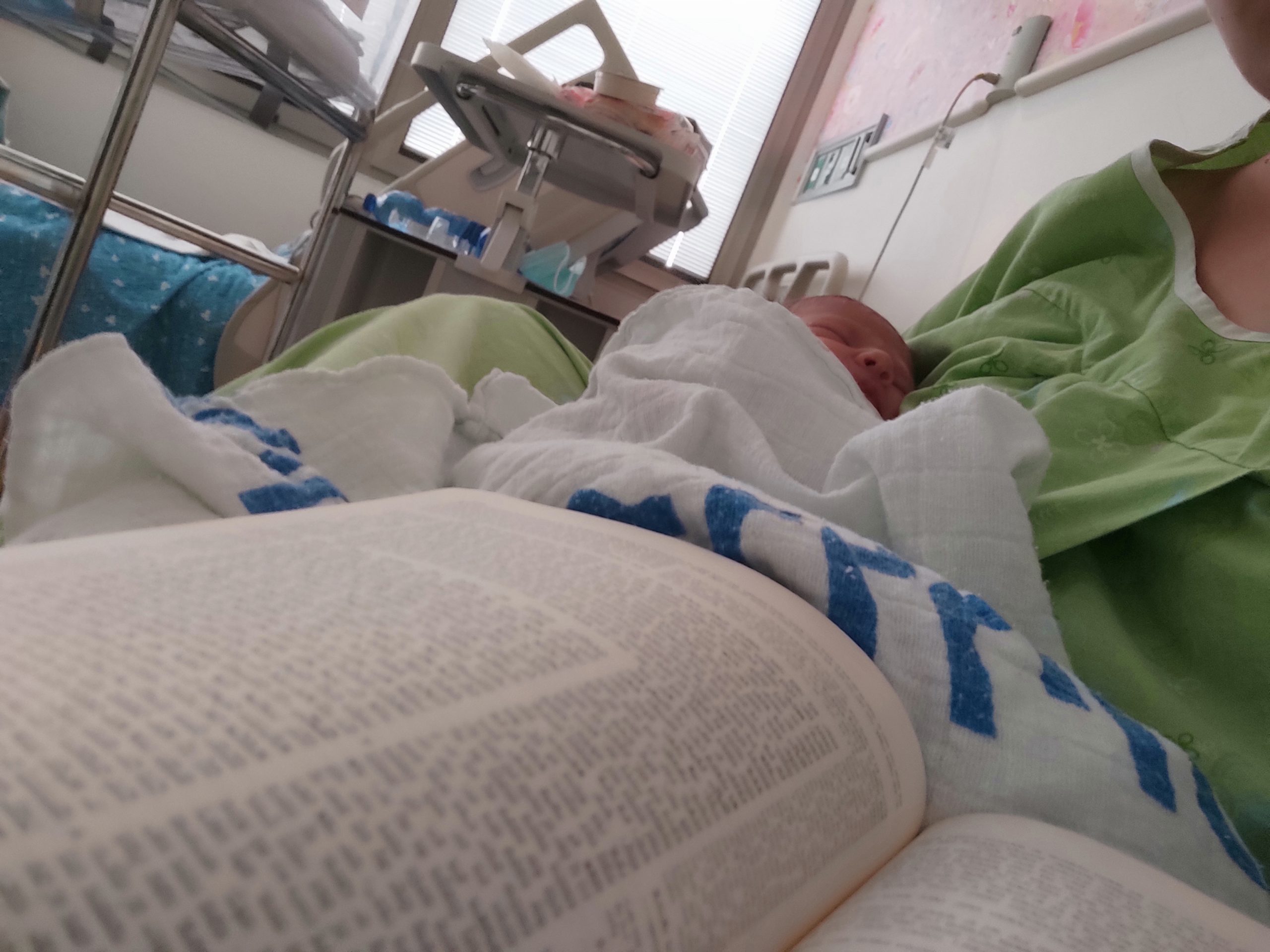
כמו שרואים בתמונה אני ממשיכה ללמוד גם היום ואפילו במחלקת יולדות אחרי לידת ביתי השלישית.

Noa Shiloh
נועה שילה

רבבה, ישראל

התחלתי מעט לפני תחילת הסבב הנוכחי. אני נהנית מהאתגר של להמשיך להתמיד, מרגעים של "אהה, מפה זה הגיע!” ומהאתגר האינטלקטואלי

Eilat-Chen and Deller
אילת-חן ודלר

לוד, ישראל

למדתי גמרא מכיתה ז- ט ב Maimonides School ואחרי העליה שלי בגיל 14 לימוד הגמרא, שלא היה כל כך מקובל בימים אלה, היה די ספוראדי. אחרי "ההתגלות” בבנייני האומה התחלתי ללמוד בעיקר בדרך הביתה למדתי מפוקקטסים שונים. לאט לאט ראיתי שאני תמיד חוזרת לרבנית מישל פרבר. באיזה שהוא שלב התחלתי ללמוד בזום בשעה 7:10 .
היום "אין מצב” שאני אתחיל את היום שלי ללא לימוד עם הרבנית מישל עם כוס הקפה שלי!!

selfie-scaled
דבי גביר

חשמונאים, ישראל

התחלתי כשהייתי בחופש, עם הפרסומים על תחילת המחזור, הסביבה קיבלה את זה כמשהו מתמיד ומשמעותי ובהערכה, הלימוד זה עוגן יציב ביום יום, יש שבועות יותר ויש שפחות אבל זה משהו שנמצא שם אמין ובעל משמעות בחיים שלי….

Adi Diamant
עדי דיאמנט

גמזו, ישראל

אמא שלי למדה איתי ש”ס משנה, והתחילה ללמוד דף יומי. אני החלטתי שאני רוצה ללמוד גם. בהתחלה למדתי איתה, אח”כ הצטרפתי ללימוד דף יומי שהרב דני וינט מעביר לנוער בנים בעתניאל. במסכת עירובין עוד חברה הצטרפה אלי וכשהתחלנו פסחים הרב דני פתח לנו שעור דף יומי לבנות. מאז אנחנו לומדות איתו קבוע כל יום את הדף היומי (ובשבת אבא שלי מחליף אותו). אני נהנית מהלימוד, הוא מאתגר ומעניין

Renana Hellman
רננה הלמן

עתניאל, ישראל

התחלתי ללמוד לפני 4.5 שנים, כשהודיה חברה שלי פתחה קבוצת ווטסאפ ללימוד דף יומי בתחילת מסכת סנהדרין. מאז לימוד הדף נכנס לתוך היום-יום שלי והפך לאחד ממגדירי הזהות שלי ממש.

Rosenberg Foundation
קרן רוזנברג

ירושלים, ישראל

התחלתי ללמוד בסבב הנוכחי לפני כשנתיים .הסביבה מתפעלת ותומכת מאוד. אני משתדלת ללמוד מכל ההסכתים הנוספים שיש באתר הדרן. אני עורכת כל סיום מסכת שיעור בביתי לכ20 נשים שמחכות בקוצר רוח למפגשים האלו.

Yael Asher
יעל אשר

יהוד, ישראל

בתחילת הסבב הנוכחי של לימוד הדף היומי, נחשפתי לחגיגות המרגשות באירועי הסיום ברחבי העולם. והבטחתי לעצמי שבקרוב אצטרף גם למעגל הלומדות. הסבב התחיל כאשר הייתי בתחילת דרכי בתוכנית קרן אריאל להכשרת יועצות הלכה של נשמ”ת. לא הצלחתי להוסיף את ההתחייבות לדף היומי על הלימוד האינטנסיבי של תוכנית היועצות. בבוקר למחרת המבחן הסופי בנשמ”ת, התחלתי את לימוד הדף במסכת סוכה ומאז לא הפסקתי.

Hana Shaham-Rozby (Dr.)
חנה שחם-רוזבי (ד”ר)

קרית גת, ישראל

בסוף הסבב הקודם ראיתי את השמחה הגדולה שבסיום הלימוד, בעלי סיים כבר בפעם השלישית וכמובן הסיום הנשי בבנייני האומה וחשבתי שאולי זו הזדמנות עבורי למשהו חדש.
למרות שאני שונה בסביבה שלי, מי ששומע על הלימוד שלי מפרגן מאוד.
אני מנסה ללמוד קצת בכל יום, גם אם לא את כל הדף ובסך הכל אני בדרך כלל עומדת בקצב.
הלימוד מעניק המון משמעות ליום יום ועושה סדר בלמוד תורה, שתמיד היה (ועדיין) שאיפה. אבל אין כמו קביעות

Racheli-Mendelson
רחלי מנדלסון

טל מנשה, ישראל

נדרים לו

מֵתִיב רַב שִׁימִי בַּר אַבָּא: אִם הָיָה כֹּהֵן, יִזְרוֹק עָלָיו דַּם חַטָּאתוֹ וְדַם אֲשָׁמוֹ.

Rav Shimi bar Abba raised an objection from the Tosefta (2:7): If the one who vowed to prohibit another from benefiting from him was a priest, he may sprinkle the blood of his sin-offering and the blood of his guilt-offering on the other’s behalf. Apparently, the priest may perform all sacrificial rites for one prohibited from benefiting from him, even those that require knowledge of the one for whom the offering atones.

דַּם חַטָּאתוֹ שֶׁל מְצוֹרָע וְדַם אֲשָׁמוֹ שֶׁל מְצוֹרָע. דִּכְתִיב: ״זֹאת תִּהְיֶה תּוֹרַת הַמְּצֹרָע״, בֵּין גָּדוֹל וּבֵין קָטָן.

The Gemara answers. The reference is to blood of the sin-offering of a leper and blood of the guilt-offering of a leper. These are offerings brought by a leper who is lacking atonement, in order to complete his purification process, as it is written: “This is the law of the leper” (Leviticus 14:2). And the verse comes to teach that the halakhot of a leper apply to both an adult and a minor. This offering, too, does not require the knowledge of the one for whom the offering atones.

תְּנַן: הַכֹּהֲנִים שֶׁפִּיגְּלוּ בַּמִּקְדָּשׁ, מְזִידִין — חַיָּיבִין. הָא שׁוֹגְגִין — פְּטוּרִין, אֶלָּא שֶׁפִּיגּוּלָן פִּיגּוּל.

The Gemara cites another proof to resolve the dilemma with regard to the nature of the agency of a priest. We learned in a mishna: In the case of priests who rendered an offering piggul in the Temple, i.e., they sacrificed an offering intending to consume it after its appointed time, if they did so intentionally, i.e., with full awareness of the period during which the offering may be consumed, they are obligated to pay. The Gemara infers: If they did so unwittingly, they are exempt from payment. However, in any event, when they rendered the offering piggul, it acquired the status of piggul and is disqualified.

אִי אָמְרַתְּ בִּשְׁלָמָא שְׁלוּחֵי דִשְׁמַיָּא הָווּ, הַיְינוּ שֶׁפִּיגּוּלָן פִּיגּוּל. אֶלָּא אִי אָמְרַתְּ שְׁלוּחֵי דִידַן הָווּ, אַמַּאי פִּיגּוּלָן פִּיגּוּל? לֵימָא לֵיהּ: שְׁלִיחָא שַׁוֵּיתָיךְ לְתַקּוֹנֵי וְלָא לְעַוּוֹתֵי!

The Gemara asks: Granted, if you say that the priests are agents of Heaven, this is why when their actions cause piggul it is piggul; their actions are independent of the one bringing the offering. However, if you say that the priests are our agents, why when their actions cause piggul is it piggul? Let the one bringing the offering say to the priest: I designated you an agent to perform the task properly but not to perform the task improperly.

אָמְרִי: שָׁאנֵי גַּבֵּי פִּיגּוּל, דְּאָמַר קְרָא ״לֹא יֵחָשֵׁב לוֹ״, מִכׇּל מָקוֹם.

The Sages say in response: It is different with regard to piggul, as in its regard the verse states and emphasizes: “He who offered it, it will not be imputed to him” (Leviticus 7:18). This implies that it is piggul in any case, e.g., even if one’s actions cause the offering to be piggul without the consent of the owner. Therefore, there is no proof with regard to the nature of the agency of the priest.

גּוּפָא, אָמַר רַבִּי יוֹחָנָן: הַכֹּל צְרִיכִין דַּעַת חוּץ מִמְּחוּסַּר כַּפָּרָה, שֶׁהֲרֵי אָדָם מֵבִיא קׇרְבָּן עַל בָּנָיו וְעַל בְּנוֹתָיו הַקְּטַנִּים. אֶלָּא מֵעַתָּה יָבִיא אָדָם חַטַּאת חֵלֶב עַל חֲבֵירוֹ, שֶׁכֵּן אָדָם מֵבִיא עַל אִשְׁתּוֹ שׁוֹטָה, כְּרַבִּי יְהוּדָה. אַלְּמָה אָמַר רַבִּי אֶלְעָזָר: הִפְרִישׁ חַטַּאת חֵלֶב עַל חֲבֵירוֹ — לֹא עָשָׂה כְּלוּם!

§ With regard to the matter itself, Rabbi Yoḥanan said: Everyone who brings an offering requires knowledge, except for those offerings brought by those lacking atonement; this can be proven from the fact that a person brings a purification offering for his minor sons and daughters. The Gemara asks: However, if that is so, let a person bring a sin-offering on behalf of another who unwittingly ate forbidden fat without his knowledge, just as a man brings an offering for his wife who is an imbecile, in accordance with the opinion of Rabbi Yehuda. Why then did Rabbi Elazar say: One who separated a sin-offering on behalf of another who unwittingly ate forbidden fat has done nothing?

אִשְׁתּוֹ שׁוֹטָה הֵיכִי דָמֵי? אִי דְּאָכְלָה כְּשֶׁהִיא שׁוֹטָה — לָאו בַּת קׇרְבָּן הִיא.

The Gemara refutes the analogy between the cases. What are the circumstances of the case of his wife who is an imbecile? If she ate the forbidden fat when she was an imbecile, she is not subject to liability to bring an offering, as one lacking halakhic competence is exempt from punishment and needs no atonement.

וְאִי דְּאָכְלָה כְּשֶׁהִיא פִּקַּחַת, וְנִשְׁתַּטֵּית — הָא אָמַר רַבִּי יִרְמְיָה אָמַר רַבִּי אֲבָהוּ אָמַר רַבִּי יוֹחָנָן: אָכַל חֵלֶב וְהִפְרִישׁ קׇרְבָּן, וְנִשְׁתַּטָּה וְחָזַר וְנִשְׁתַּפָּה — פָּסוּל, הוֹאִיל וְנִדְחָה — יִדָּחֶה.

And if she ate the forbidden fat when she was halakhically competent and then became an imbecile, didn’t Rabbi Yirmeya say that Rabbi Abbahu said that Rabbi Yoḥanan said: If one ate forbidden fat unwittingly, and separated an offering, and became an imbecile, and became competent again, the offering is disqualified. Since it was disqualified when he was demented, it will be disqualified forever. It is clear, therefore, that the sin-offering that one brings for his wife who is an imbecile is not a sin-offering for eating forbidden fat, as that would require halakhic intelligence. It is merely for completion of the purification process, e.g., a woman after childbirth, for which halakhic competence is not required. Therefore, no proof may be cited from the case of one’s wife who is an imbecile to the case of bringing a sin-offering on behalf of another who ate fat.

אֶלָּא מֵעַתָּה יָבִיא אָדָם פֶּסַח עַל חֲבֵירוֹ, שֶׁכֵּן אָדָם מֵבִיא עַל בָּנָיו וְעַל בְּנוֹתָיו הַקְּטַנִּים. אַלְּמָה אָמַר רַבִּי אֶלְעָזָר הִפְרִישׁ פֶּסַח עַל חֲבֵירוֹ לֹא עָשָׂה כְּלוּם!

The Gemara asks: However, if that is so, let a person bring a Paschal lamb on behalf of another without his knowledge, just as a person brings a Paschal lamb for his minor sons and daughters. Why then did Rabbi Elazar say: One who separated a Paschal lamb on behalf of another has done nothing?

אָמַר רַבִּי זֵירָא: ״שֶׂה לְבֵית אָבֹת״ לָאו דְּאוֹרָיְיתָא.

Rabbi Zeira said: The verse states: “A lamb for each father’s house, a lamb for the household” (Exodus 12:3). From here it is derived that all members of a household, including minor sons and daughters, are registered to the group eating a Paschal lamb. However, this is a custom; it is not by Torah law.

וּמִמַּאי — מִדִּתְנַן: הָאוֹמֵר לְבָנָיו: הֲרֵינִי שׁוֹחֵט אֶת הַפֶּסַח עַל מִי שֶׁיַּעֲלֶה מִכֶּם רִאשׁוֹן לִירוּשָׁלַיִם, כֵּיוָן שֶׁהִכְנִיס רִאשׁוֹן רֹאשׁוֹ וְרוּבּוֹ — זָכָה בְּחֶלְקוֹ, וּמְזַכֶּה אֶת אֶחָיו עִמּוֹ. וְאִי אָמְרַתְּ ״שֶׂה לְבֵית״ דְּאוֹרָיְיתָא, עַל בִּישְׂרָא קָאֵי וּמְזַכֵּי לְהוּ?!

And from where is this halakha learned? It is from that which we learned in a mishna (Pesaḥim 89a): With regard to one who says to his minor sons: I am hereby slaughtering the Paschal lamb on behalf of the one of you who will ascend to Jerusalem first, and he will be privileged to eat from that lamb, then once the first of his children introduces his head and most of his body into Jerusalem, he acquires his portion and acquires portions on behalf of his brothers with him. And if you say that the halakha derived from the phrase “a lamb for the household” is by Torah law, and the minors are obligated to register for the Paschal lamb, although the son who reached Jerusalem first acquired his portion based on the stipulation of his father, how can he stand over the meat of the Paschal lamb after it was slaughtered and acquire it on behalf of his brothers? Apparently, minors are not required by Torah law to register as members of the group eating the Paschal lamb.

אֶלָּא לְמָה לְהוּ דְּאָמַר לְהוֹן אֲבוּהוֹן? כְּדֵי לְזָרְזָן בְּמִצְוֹת. תַּנְיָא נָמֵי הָכִי: מַעֲשֶׂה הָיָה וְקָדְמוּ בָּנוֹת לַבָּנִים, וְנִמְצְאוּ בָּנוֹת זְרִיזוֹת וּבָנִים שְׁפָלִים.

The Gemara asks: However, why do they require that their father say to them: The one of you who will ascend to Jerusalem first will be privileged to eat from that lamb, when no actual acquisition takes place? It is in order to motivate them in the performance of mitzvot. This is also taught in a baraita: There was an incident that transpired where a father said to his sons and daughters that they should compete to see who reaches the sacrifice of the Paschal lamb first, and the daughters preceded the sons, and the daughters were found to be motivated and the sons to be lazy [shefalim]. Since the baraita did not say that the result was that daughters acquired their portion, apparently the father’s statement was merely motivational.

וְתוֹרֵם אֶת תְּרוּמָתוֹ כּוּ׳.

§ We learned in the mishna that among the tasks that one may perform for someone who is prohibited by vow from benefiting from him is: And he separates his teruma.

אִיבַּעְיָא לְהוּ: הַתּוֹרֵם מִשֶּׁלּוֹ עַל שֶׁל חֲבֵירוֹ, צָרִיךְ דַּעְתּוֹ אוֹ לָא? מִי אָמְרִינַן: כֵּיוָן דִּזְכוּת הוּא לוֹ, לֹא צָרִיךְ דַּעַת. אוֹ דִּלְמָא מִצְוָה דִּילֵיהּ הִיא, וְנִיחָא לֵיהּ לְמִיעְבְּדֵיהּ.

A dilemma was raised before the Sages: In the case of one who separates teruma from his own produce on behalf of the produce of another, does he require the knowledge and consent of the owner of the produce or not? Do we say: Since it is a benefit for the other to have his produce tithed, it does not require his knowledge, as one may act in a person’s interest in his absence? Or, perhaps it is his mitzva, and it is preferable for him to perform the mitzva himself, and therefore, it does not benefit him to have the produce tithed on his behalf.

תָּא שְׁמַע: תּוֹרֵם אֶת תְּרוּמוֹתָיו וְאֶת מַעְשְׂרוֹתָיו לְדַעְתּוֹ. בְּמַאי עָסְקִינַן? אִילֵימָא מִן בַּעַל הַכְּרִי עַל שֶׁל בַּעַל הַכְּרִי, וּלְדַעְתּוֹ דְּמַאן? אִילֵּימָא לְדַעְתּוֹ דִּילֵיהּ — מַאן שַׁוְּויֵהּ שָׁלִיחַ?

Come and hear a proof from the mishna: For one for whom benefit from him is forbidden by vow, he separates his teruma and his tithes, provided that it is with his knowledge and consent. The Gemara analyzes this statement: With what are we dealing? If we say that he separates teruma from the produce of the owner of the pile for the produce of the same owner of the pile, the question is: And with the knowledge and consent of whom may he do so? If we say it is with the knowledge of the one tithing the produce, who designated him an agent to do so? One cannot tithe another’s produce unless he is designated as an agent.

אֶלָּא לְדַעְתּוֹ דְּבַעַל הַכְּרִי. הָא קָמְהַנֵּי לֵיהּ דְּקָעָבֵיד שְׁלִיחוּתֵיהּ! אֶלָּא מִשֶּׁלּוֹ עַל שֶׁל הַכְּרִי. וּלְדַעְתּוֹ דְּמַאן? אִילֵימָא לְדַעְתּוֹ דְּבַעַל הַכְּרִי — הָא קָמְהַנֵּי לֵיהּ! אֶלָּא לָאו, לְדַעְתֵּיהּ דְּנַפְשֵׁיהּ, וּמִשֶּׁלּוֹ תּוֹרֵם עַל שֶׁל חֲבֵירוֹ. וְאִי אָמְרַתְּ צָרִיךְ דַּעַת — הָא קָמְהַנֵּי לֵיהּ! אֶלָּא לָאו, אֵין צָרִיךְ דַּעַת.

Rather, it must be that he is tithing with the knowledge of the owner of the pile. However, in that case, by tithing the produce isn’t he benefiting the owner, as he is performing the action in fulfillment of the agency of the owner? Rather, it must be that he separates teruma from his own produce on behalf of the produce of the owner of the pile. The Gemara asks: And with the knowledge and consent of whom is he doing so? If we say it is with the knowledge of the owner of the pile, isn’t he benefiting the owner? He is performing the action in fulfillment of the agency of the owner. Rather, is it not that he is tithing on the basis of his own knowledge, and he is separating from his own produce on behalf of the produce of another? And if you say that in order to tithe from one’s produce on behalf of the produce of the owner, it requires the owner’s knowledge and consent, isn’t he benefiting the owner? Rather, is it not that one may conclude from here that in order to tithe from one’s produce on behalf of the produce of another, one does not require the knowledge and consent of the owner of the pile?

לְעוֹלָם מִשֶּׁל בַּעַל הַכְּרִי עַל בַּעַל הַכְּרִי, כִּדְאָמַר רָבָא: בְּאוֹמֵר ״כׇּל הָרוֹצֶה לִתְרוֹם יָבֹא וְיִתְרוֹם״, הָכָא נָמֵי בְּאוֹמֵר וְכוּ׳.

The Gemara rejects that conclusion. Actually, it is a case where he separates teruma from the produce of the owner of the pile for the produce of the same owner of the pile. However, the circumstances here are parallel to those addressed by Rava in another context, as Rava said that there is a case where one says: Anyone who wishes to come and separate teruma may come and separate teruma. Here too, this is a case where one says: Anyone who wishes to come and separate teruma may come and separate teruma. In that case, one may tithe another’s produce without being designated as his agent.

בְּעָא מִינֵּיהּ רַבִּי יִרְמְיָה מֵרַבִּי זֵירָא: הַתּוֹרֵם מִשֶּׁלּוֹ עַל שֶׁל חֲבֵירוֹ, טוֹבַת הֲנָאָה שֶׁל מִי? מִי אָמְרִינַן: אִי לָאו פֵּירֵי דְּהַאיְךְ, מִי מִתַּקְּנָא כַּרְיָא דְּהָהוּא, אוֹ דִּלְמָא: אִי לָאו כַּרְיָא דְּהָהוּא, לָא הָוְיָין פֵּירֵי דְּהָדֵין תְּרוּמָה?

Rabbi Yirmeya raised a dilemma before Rabbi Zeira: In a case where one separates teruma from his own produce for the produce of another, who is entitled to the discretionary benefit, i.e., the right to give the teruma to the priest of his choosing? Do we say: If not for the produce of this one separating the teruma, would the pile of that owner of the produce be properly tithed, and therefore the one separating the teruma is entitled to the discretionary benefit? Or, perhaps we say: If not for the pile of that owner of the pile, the produce of this one separating the teruma would not be teruma, and therefore the owner is entitled to the discretionary benefit.

אֲמַר לֵיהּ, אָמַר קְרָא: ״אֵת כׇּל תְּבוּאַת זַרְעֶךָ … וְנָתַתָּ״.

Rabbi Zeira said to him that as the verse states: “You shall tithe all the produce of your seed…and you shall give” (Deuteronomy 14:22, 26), this indicates that the discretion to give the teruma to the priest of his choosing is the prerogative of the one to whom the pile of the produce belongs.

אֵיתִיבֵיהּ: תּוֹרֵם אֶת תְּרוּמוֹתָיו וְאֶת מַעְשְׂרוֹתָיו לְדַעְתּוֹ. וְאִי אָמְרַתְּ טוֹבַת הֲנָאָה דְּבַעַל הַכְּרִי, הָא קָא מְהַנֵּי לֵיהּ! אֶלָּא שְׁמַע מִינַּהּ טוֹבַת הֲנָאָה דִּילֵיהּ. אָמְרִי: לֹא, מִשֶּׁל בַּעַל הַכְּרִי עַל שֶׁל בַּעַל הַכְּרִי, וּלְדַעְתּוֹ דְּבַעַל הַכְּרִי, בְּאוֹמֵר ״כֹּל הָרוֹצֶה לִתְרוֹם יָבֹא וְיִתְרוֹם״.

Rabbi Yirmeya raised an objection to Rabbi Zeira from the mishna: For someone who is prohibited by vow from benefiting from him, he separates his teruma and his tithes, provided that it is with the knowledge and consent of the owner of the produce. And if you say that the right to the discretionary benefit belongs to the owner of the pile, by separating teruma for his produce, isn’t he benefiting the owner? Rather, conclude from the mishna that the right to the discretionary benefit belongs to the one separating the teruma. The Sages say: No, actually this could even be a case where one separates teruma from the produce of the owner of the pile for the produce of the owner of the pile, and he does so with the knowledge of the owner of the pile, where he says: Anyone who wishes to come and separate teruma may come and separate teruma.

תָּא שְׁמַע, דְּאָמַר רַבִּי אֲבָהוּ אָמַר רַבִּי יוֹחָנָן: הַמַּקְדִּישׁ מוֹסִיף חוֹמֶשׁ, וּמִתְכַּפֵּר — עוֹשֶׂה תְּמוּרָה. וְהַתּוֹרֵם מִשֶּׁלּוֹ עַל שֶׁאֵינוֹ שֶׁלּוֹ — טוֹבַת הֲנָאָה שֶׁלּוֹ.

Come and hear a resolution of Rabbi Yirmeya’s dilemma, as Rabbi Abbahu said that Rabbi Yoḥanan said: In a case where one consecrates an animal as an offering for another and it becomes blemished, only the one who consecrates the animal adds one-fifth to the cost of redeeming the animal, and the one seeking atonement through this offering does not. And since the body of the animal belongs to the one seeking atonement through the offering, only he renders a non-sacred animal, exchanged for the sacred animal, consecrated as a substitute. And in the case of one who separates teruma from his own produce for produce that is not his, the discretionary benefit is his.

מְלַמְּדוֹ מִדְרָשׁ הֲלָכוֹת וְאַגָּדוֹת, אֲבָל לֹא יְלַמְּדֶנּוּ מִקְרָא. מִקְרָא מַאי טַעְמָא לֹא יְלַמְּדֶנּוּ — מִשּׁוּם דְּקָמְהַנֵּי לֵיהּ, מִדְרָשׁ נָמֵי קָמְהַנֵּי לֵיהּ! אָמַר שְׁמוּאֵל: בְּמָקוֹם שֶׁנּוֹטְלִין שָׂכָר עַל הַמִּקְרָא וְאֵין נוֹטְלִין שָׂכָר עַל הַמִּדְרָשׁ. מַאי פַּסְקָא?

§ We learned in the mishna that one teaches someone who is prohibited by vow from benefiting from him midrash, halakhot, and aggadot, but he may not teach him Bible. The Gemara asks: What is the reason that he may not teach him Bible? Is it due to the fact that the teacher benefits the one for whom benefit from him is forbidden by teaching him Bible? When he teaches him midrash he also benefits him. Shmuel said: The mishna is referring to a place where one takes payment for teaching Bible and one does not take payment for teaching midrash. By teaching him Bible, the one for whom benefit is forbidden – benefits from the fact that he does not pay. The Gemara asks: Why was the halakha stated without qualification? There is no apparent fundamental difference between Bible and midrash. Why did the mishna refer specifically to a case where payment is taken for teaching Bible?

רוצה לעקוב אחרי התכנים ולהמשיך ללמוד?

ביצירת חשבון עוד היום ניתן לעקוב אחרי ההתקדמות שלך, לסמן מה למדת, ולעקוב אחרי השיעורים שמעניינים אותך.

לנקות את כל הפריטים מהרשימה?

פעולה זו תסיר את כל הפריטים בחלק זה כולל ההתקדמות וההיסטוריה. שימי לב: לא ניתן לשחזר פעולה זו.

ביטול
מחיקה

האם את/ה בטוח/ה שברצונך למחוק פריט זה?

תאבד/י את כל ההתקדמות או ההיסטוריה הקשורות לפריט זה.

ביטול
מחיקה