חיפוש

נדרים ג

רוצה להקדיש לימוד?

podcast placeholder

0:00
0:00


תקציר
הדף היום מוקדש ע”י חנה ומיכאל פיוטרקובסקי לע”נ צינה טובה בת לייב, אמה של חנה, ב52 שנה לפטירתה. 
הדף היום מוקדש ע”י ג’רי גולדשיין גדליה לע”נ ציפה הינדה בת אברהם ודבורה.
לאחר שדחתה את ההסבר שהמשנה משתמשת תמיד במבנה כיאסטי, מובאות שתי הצעות נוספות להסביר מדוע המשנה שלנו היא במבנה כיאסטי כשכמה משניות אחרות אינן. התשובה הראשונה היא שיש סגנונות שונים של משניות. השני הוא שידות באו תחילה כי הם נלמדו מדרשה והלכות הנלמדות מדרשות באות תחילה כי הם אהובים על החכמים. לאחר שהעלו שאלות כנגד התשובה השניה, הם דוחים את הנחת השאלה וקוראים שוב את המשנה באופן שהמבנה הוא לא כיאסטי. מהיכן נדרשות ידות נדרים כנדרים? מובאים שלושה מקורות שונים, שתלויים במה סוברים לגבי לשון התורה – האם התורה דברה בלשון בני אדם או לא. לפי אחת הפירושים היא נדרשת, כפי שמופיע בברייתא, מהיקש של נדרים ונזירות בפסוק בתורה. הלכות אחרות נדרשו גם מהיקש זה – חלקן מנדרים לנזיר וחלקם מנזיר לנדרים. הגמרא מתעמקת במקרים שבברייתא זו – מעלה שאלות עליהם, כגון, מהו מקרה שבו עוברים על בל יחל בנזירות? מהו מקרה בו עוברים על בל תאחר בנזירות?

נדרים ג

אֶלָּא לָאו דַּוְוקָא: זִימְנִין מְפָרֵשׁ הָהוּא דִּפְתַח בְּרֵישָׁא, זִימְנִין הָהוּא דְּסָלֵיק מְפָרֵשׁ בְּרֵישָׁא. וְאִיבָּעֵית אֵימָא: יָדוֹת אַיְּידֵי דְּאָתְיָין מִדְּרָשָׁא, מְפָרֵשׁ לְהוֹן בְּרֵישָׁא.

Rather, the Mishna is not particular with regard to this matter, and there is no consistent pattern. Sometimes it explains first that subject with which it began, and sometimes it explains first that subject with which the introductory line in the mishna finished. And if you wish, say an alternate explanation of the order of the mishna here: With regard to intimations, since they are derived from the exposition of verses and are not explicitly mentioned in the Torah, the tanna cherishes them and explains them first.

וְלִיפְתַּח הָדֵין בְּרֵישָׁא! מִיפְתָּח פָּתַח בְּכִינּוּיִין דְּאוֹרָיְיתָא בְּרֵישָׁא, וַהֲדַר מְפָרֵשׁ יָדוֹת דְּאָתְיָין לֵיהּ מִדְּרָשָׁא.

The Gemara asks: If so, let him begin the mishna with that, i.e., intimations, first. The Gemara answers: The tanna begins with substitutes for the language of vows, which are written in the Torah, in the first clause, and then explains intimations, which are derived from the exposition of verses.

הָנִיחָא לְמַאן דְּאָמַר כִּינּוּיִין לְשׁוֹן נָכְרִים הֵן. אֶלָּא לְמַאן דְּאָמַר לָשׁוֹן שֶׁבָּדוּ לָהֶן חֲכָמִים לִהְיוֹת נוֹדֵר בּוֹ, מַאי אִיכָּא לְמֵימַר?

The Gemara asks: This works out well according to the one who said that substitutes for the language of vows are terms for vows in a foreign language. Consequently, they may be considered to have been written in the Torah, as vows are certainly valid regardless of the language in which they are expressed. However, according to the one who says that these substitute terms are simply language that the Sages invented for one to use in taking a vow so as to minimize using God’s name in expressing a vow, what can be said? These include novelties just as intimations do.

מִי קָתָנֵי יָדוֹת? וְלָאו חַסּוֹרֵי קָא מְחַסְּרַתְּ לַהּ? אַקְדֵּים נָמֵי וּתְנִי יָדוֹת: כָּל יְדוֹת נְדָרִים כִּנְדָרִים, וְכׇל כִּינּוּיֵי נְדָרִים כִּנְדָרִים, וְאֵלּוּ הֵן יָדוֹת: הָאוֹמֵר לַחֲבֵירוֹ, וְאֵלּוּ הֵן כִּינּוּיִין: קֻוֽנָּם, קוּנָּח, קוּנָּס.

The Gemara responds: Does the mishna explicitly teach the halakha of intimations of vows? Do you not consider it incomplete, missing the phrase that mentions intimations? Once you are inserting this phrase into the mishna, you can also have it precede the clause about substitutes for the language of vows and teach the halakha of intimations at the beginning, so that the mishna reads as follows: All intimations of vows are like vows, and all substitutes for the language of vows are like vows. And these are intimations: One who says to his fellow: I am avowed from you, etc. And these are substitutes for the language of vows: Konam, konaḥ, konas.

וְיָדוֹת הֵיכָא כְּתִיב? ״אִישׁ כִּי יַפְלִא לִנְדֹּר נֶדֶר נָזִיר לְהַזִּיר לַה׳״, וְתַנְיָא: ״נָזִיר לְהַזִּיר״ — לַעֲשׂוֹת כִּינּוּיֵי נְזִירוּת כִּנְזִירוּת, וִידוֹת נְזִירוּת כִּנְזִירוּת.

§ Apropos the discussion of intimations of vows, the Gemara asks: And where are intimations of vows written, i.e., from where in the Torah is the halakha of intimations of vows derived? The Gemara explains that it is from the verse: “When a man or a woman shall clearly utter a vow, the vow of a nazirite [nazir], to consecrate [lehazir] himself to the Lord” (Numbers 6:2). And it was taught in a baraita that the doubled term nazir lehazir serves to render substitutes for the language of nazirite vows like nazirite vows, and intimations of nazirite vows like nazirite vows.

אֵין לִי אֶלָּא בִּנְזִירוּת, בִּנְדָרִים מִנַּיִן? תַּלְמוּד לוֹמַר: ״אִישׁ כִּי יַפְלִא לִנְדֹּר נֶדֶר נָזִיר לְהַזִּיר לַה׳״, מַקִּישׁ נְזִירוּת לִנְדָרִים וּנְדָרִים לִנְזִירוּת; מָה נְזִירוּת עָשָׂה בּוֹ יְדוֹת נְזִירוּת כִּנְזִירוּת — אַף נְדָרִים עָשָׂה בָּהֶם יְדוֹת נְדָרִים כִּנְדָרִים.

I have derived only intimations of nazirite vows; from where do I derive intimations of general vows? The verse states: “When a man or woman shall clearly utter a vow, the vow of a nazirite, to consecrate himself to the Lord.” This verse juxtaposes nazirite vows to other vows and other vows to nazirite vows: Just as with regard to nazirite vows, the verse rendered intimations of nazirite vows like nazirite vows, so too, with regard to vows, it rendered intimations of vows like vows.

וּמָה נְדָרִים עוֹבֵר בְּ״בַל יַחֵל״. וּבְ״בַל תְּאַחֵר״ — אַף נְזִירוּת עוֹבֵר בְּ״בַל יַחֵל״ וּבְ״בַל תְּאַחֵר״. וּמָה נְדָרִים הָאָב מֵיפֵר נִדְרֵי בִתּוֹ וּבַעַל מֵיפֵר נִדְרֵי אִשְׁתּוֹ — אַף נְזִירוּת הָאָב מֵיפֵר נְזִירוּת בִּתּוֹ וּבַעַל מֵיפֵר נְזִירוּת אִשְׁתּוֹ.

And just as with regard to vows, one who breaks his vow transgresses the prohibition: He shall not profane (see Numbers 30:3), and if he does not fulfill his vow in time, he transgresses the prohibition: You shall not delay (see Deuteronomy 23:22), so too, with regard to nazirite vows, he transgresses the prohibition: He shall not profane, and the prohibition: You shall not delay. And furthermore, just as with regard to vows, a father may nullify the vows of his daughter and a husband may nullify the vows of his wife, as written explicitly in the passage concerning vows (Numbers, chapter 30), so too, with regard to nazirite vows, a father may nullify the nazirite vows of his daughter and a husband may nullify the nazirite vows of his wife.

מַאי שְׁנָא גַּבֵּי נְזִירוּת דִּכְתִיב ״נָזִיר לְהַזִּיר״, נְדָרִים נָמֵי הָא כְּתִיב ״לִנְדֹּר נֶדֶר״, וְהֶיקֵּישָׁא לְמָה לִי?

The Gemara questions this explanation: What is different with regard to nazirite vows, with regard to which it is written “nazir lehazir,” using the doubled term, when with regard to all vows as well it is written: “To utter a vow [lindor neder],” also using a doubled term? Why do I need the juxtaposition of all other vows to nazirite vows in order to derive that intimations of vows are like vows, when this can be derived from the doubled term with regard to general vows?

אִי כְּתַב ״נֶדֶר לִנְדֹּר״ כְּדִכְתַב ״נָזִיר לְהַזִּיר״ — כִּדְקָאָמְרַתְּ, לָא צָרִיךְ הֶיקֵּישָׁא. הַשְׁתָּא דִּכְתִיב ״לִנְדֹּר נֶדֶר״, דִּבְּרָה תוֹרָה כִלְשׁוֹן בְּנֵי אָדָם.

The Gemara answers: If the Torah had written: A vow to utter [neder lindor], as it wrote with regard to a nazirite: “The vow of a nazirite, to consecrate himself [nazir lehazir],” it would be as you said, and there would be no need for the juxtaposition. Now that it is written: “To utter a vow [lindor neder],” it is possible to say that the Torah spoke in the language of men, and nothing can be derived from the phrase lindor neder, which is simply a common manner of speech.

הָנִיחָא לְמַאן דְּאִית לֵיהּ דִּבְּרָה תּוֹרָה כִּלְשׁוֹן בְּנֵי אָדָם, אֶלָּא לְמַאן דְּלֵית לֵיהּ דִּבְּרָה תּוֹרָה כִּלְשׁוֹן בְּנֵי אָדָם, הַאי ״לִנְדֹּר נֶדֶר״ מַאי עָבֵיד לֵיהּ? דָּרֵישׁ לֵיהּ: לַעֲשׂוֹת יְדוֹת נְדָרִים כִּנְדָרִים, וּמַקִּישׁ נְזִירוּת לִנְדָרִים. ״נָזִיר לְהַזִּיר״ דָּרֵישׁ לֵיהּ: מְלַמֵּד

The Gemara asks: This works out well according to the one who holds that the Torah spoke in the language of men, but according to the one who does not hold that the Torah spoke in the language of men, any doubled term comes to teach something. What does he do with this phrase: “To utter a vow [lindor neder]”? The Gemara answers: He expounds it to render intimations of vows like vows themselves. And the verse juxtaposes nazirite vows to other vows to teach that intimations of vows are like vows with regard to nazirite vows, and to teach the other halakhot mentioned above. With regard to the phrase: “The vow of a nazirite, to consecrate himself [nazir lehazir],” he expounds: This teaches

שֶׁהַנְּזִירוּת חָל עַל הַנְּזִירוּת.

that a term of naziriteship takes effect upon a previously accepted term of naziriteship. Consequently, if one became a nazirite and then again declared: I am hereby a nazirite, then when his term of naziriteship is completed he must observe a second term of naziriteship.

וּלְמַאן דְּאָמַר דִּבְּרָה תּוֹרָה כִּלְשׁוֹן בְּנֵי אָדָם, וְ״נָזִיר לְהַזִּיר״ דָּרֵישׁ לַעֲשׂוֹת יְדוֹת נְזִירוּת כִּנְזִירוּת, שֶׁהַנְּזִירוּת חָל עַל הַנְּזִירוּת מְנָא לֵיהּ? הָנִיחָא אִי סְבִירָא לֵיהּ כְּמַאן דְּאָמַר אֵין נְזִירוּת חָל עַל נְזִירוּת. אֶלָּא אִי סְבִירָא לֵיהּ כְּמַאן דְּאָמַר נְזִירוּת חָל עַל נְזִירוּת, מְנָא לֵיהּ?

The Gemara asks: And according to the one who says that the Torah spoke in the language of men and therefore nothing can be derived from the phrase “to utter a vow [lindor neder],” and he expounds the phrase “the vow of a nazirite to consecrate himself [nazir lehazir]” to render intimations of nazirite vows like nazirite vows, from where does he derive that a term of naziriteship takes effect upon a previously accepted term of naziriteship? This works out well if he holds in accordance with the one who says that a term of naziriteship does not take effect upon a previously accepted term of naziriteship; however, if he holds in accordance with the one who says that a term of naziriteship takes effect upon a previously accepted term of naziriteship, from where does he derive this halakha?

נֵימָא קְרָא ״לִיזּוֹר״, מַאי ״לְהַזִּיר״ שָׁמְעַתְּ מִינַּהּ תַּרְתֵּי.

The Gemara answers: Let the verse say: To consecrate himself [lizor]. What is the reason the verse expressed this same idea with the word lehazir? Learn two halakhot from this: That intimations of nazirite vows are considered nazirite vows, and that a term of naziriteship takes effect upon a previously accepted term of naziriteship.

בְּמַעְרְבָא אָמְרִי: אִית תַּנָּא דְּמַפֵּיק לֵיהּ לְיָדוֹת מִן ״לִנְדֹּר נֶדֶר״, וְאִית תַּנָּא דְּמַפֵּיק לֵיהּ, מִן ״כְּכׇל הַיֹּצֵא מִפִּיו יַעֲשֶׂה״.

The Gemara adds: In the West, Eretz Yisrael, they say: There is a tanna who derives intimations of vows from the phrase “to utter a vow [lindor neder],” as he holds that the Torah did not speak in the language of men. And conversely, there is a tanna who holds that the Torah spoke in the language of men, and therefore derives this halakha of intimations from the verse: “He shall do according to all that proceeds out of his mouth” (Numbers 30:3). The inclusive formulation of this verse comes to include intimations of vows.

אָמַר מָר: וּמָה נְדָרִים עוֹבֵר בְּ״בַל יַחֵל״, וּ״בַל תְּאַחֵר״. בִּשְׁלָמָא ״בַּל יַחֵל״ דִּנְדָרִים מַשְׁכַּחַתְּ לַהּ, כְּגוֹן דְּאָמַר כִּכָּר זוֹ אוֹכַל וְלֹא אֲכָלָהּ — עוֹבֵר מִשּׁוּם ״בַּל יַחֵל דְּבָרוֹ״.

§ The Master said in the baraita cited earlier: Just as with regard to vows, one who breaks his vow transgresses the prohibition: He shall not profane, and one who does not fulfill his vow in time transgresses the prohibition: You shall not delay, so too, the same is true with regard to nazirite vows. The Gemara asks: Granted, you can find a case where one transgresses the prohibition: He shall not profane, in the case of vows. For example, where one said: I will eat this loaf, and he does not eat it, he violates the prohibition: He shall not profane his word.

אֶלָּא ״בַּל יַחֵל״ דִּנְזִירוּת הֵיכִי מַשְׁכַּחַתְּ לַהּ? כֵּיוָן דְּאָמַר ״הֲרֵינִי נָזִיר״ הָוֵה לֵיהּ נָזִיר. אֲכַל — קָם לֵיהּ בְּ״בַל יֹאכַל״. שְׁתָה — קָם לֵיהּ בְּ״בַל יִשְׁתֶּה״. אָמַר רָבָא: לַעֲבוֹר עָלָיו בִּשְׁנַיִם.

However, with regard to transgressing the prohibition: He shall not profane, in the case of nazirite vows, how can you find these circumstances? Once he said: I am hereby a nazirite, he is a nazirite as of that moment. If he then ate grapes, he is liable for violating the prohibition: He shall not eat (see Numbers 6:4), and if he drank wine, he is liable for violating the prohibition: He shall not drink (see Numbers 6:3). When would he ever become liable for violating the prohibition against profanation? Rava said: The prohibition against profanation serves to render him liable for violating two prohibitions. Consequently, if he eats grapes or drinks wine, he transgresses the relevant prohibition in addition to the prohibition against profanation.

״בַּל תְּאַחֵר״ דִּנְזִירוּת הֵיכִי מַשְׁכַּחַתְּ לַהּ? כֵּיוָן דְּאָמַר ״הֲרֵינִי נָזִיר״ הָוֵי לֵיהּ נָזִיר. אֲכַל — קָם לֵיהּ בְּ״בַל יֹאכַל״? בְּאוֹמֵר ״לִכְשֶׁאֶרְצֶה אֱהֵא נָזִיר״. וְאִי אָמַר ״כְּשֶׁאֶרְצֶה״ לֵיכָּא ״בַּל תְּאַחֵר״!

The Gemara further asks: With regard to violating the prohibition: You shall not delay, in the case of nazirite vows, how can you find these circumstances? Once he said: I am hereby a nazirite, he is a nazirite as of that moment. If he then ate grapes, he is liable for violating the prohibition: He shall not eat. When would he ever become liable for violating the prohibition against delaying? The Gemara answers: It is when he specifically says: I will become a nazirite when I wish, in which case he does not become a nazirite immediately. The Gemara asks: But if he said: When I wish, there is no prohibition of: You shall not delay, as there is no particular time by which he must become a nazirite.

אָמַר רָבָא: כְּגוֹן דְּאָמַר ״לֹא אִיפָּטֵר מִן הָעוֹלָם עַד שֶׁאֱהֵא נָזִיר״, דְּמִן הָהִיא שַׁעְתָּא הָוֵה לֵיהּ נָזִיר. מִידֵּי דְּהָוֵה הָאוֹמֵר לְאִשְׁתּוֹ ״הֲרֵי זוֹ גִּיטֵּיךְ שָׁעָה אַחַת קוֹדֶם מִיתָתִי״ — אֲסוּרָה לֶאֱכוֹל בִּתְרוּמָה מִיָּד. אַלְמָא אָמְרִינַן כֹּל שַׁעְתָּא וְשַׁעְתָּא דִּילְמָא מָיֵית. הָכָא נָמֵי, לְאַלְתַּר הָוֵי נָזִיר. דְּאָמְרִינַן: דִּילְמָא הַשְׁתָּא מָיֵית.

Rava said: It is, for example, when he said: I will not depart the world until I become a nazirite, as he is a nazirite from that time because he does not know when he will depart this world. This is just as it is in the case of a man who says to his wife: This is your bill of divorce that will take effect one hour before my death. If he is a priest and she is the daughter of a non-priest, she is prohibited from partaking of teruma immediately. Apparently, we say every moment that perhaps he is now dead and she is therefore already divorced. Here, too, with regard to naziriteship, he is a nazirite immediately, as we say that perhaps he is now about to die.

חדשה בלימוד הגמרא?

זה הדף הראשון שלך? איזו התרגשות עצומה! יש לנו בדיוק את התכנים והכלים שיעזרו לך לעשות את הצעדים הראשונים ללמידה בקצב וברמה שלך, כך תוכלי להרגיש בנוח גם בתוך הסוגיות המורכבות ומאתגרות.

פסיפס הלומדות שלנו

גלי את קהילת הלומדות שלנו, מגוון נשים, רקעים וסיפורים. כולן חלק מתנועה ומסע מרגש ועוצמתי.

התחלתי בסיום הש”ס, יצאתי באורות. נשברתי פעמיים, ובשתיהם הרבנית מישל עודדה להמשיך איפה שכולם בסבב ולהשלים כשאוכל, וכך עשיתי וכיום השלמתי הכל. מדהים אותי שאני לומדת כל יום קצת, אפילו בחדר הלידה, בבידוד או בחו”ל. לאט לאט יותר נינוחה בסוגיות. לא כולם מבינים את הרצון, בפרט כפמניסטית. חשה סיפוק גדול להכיר את המושגים וצורת החשיבה. החלום זה להמשיך ולהתמיד ובמקביל ללמוד איך מהסוגיות נוצרה והתפתחה ההלכה.

Weingarten Sherrington Foundation
קרן וינגרטן שרינגטון

מודיעין, ישראל

התחלתי בתחילת הסבב, והתמכרתי. זה נותן משמעות נוספת ליומיום ומאוד מחזק לתת לזה מקום בתוך כל שגרת הבית-עבודה השוטפת.

Reut Abrahami
רעות אברהמי

בית שמש, ישראל

רציתי לקבל ידע בתחום שהרגשתי שהוא גדול וחשוב אך נעלם ממני. הלימוד מעניק אתגר וסיפוק ומעמיק את תחושת השייכות שלי לתורה וליהדות

Ruth Agiv
רות עגיב

עלי זהב – לשם, ישראל

רבנית מישל הציתה אש התלמוד בלבבות בביניני האומה ואני נדלקתי. היא פתחה פתח ותמכה במתחילות כמוני ואפשרה לנו להתקדם בצעדים נכונים וטובים. הקימה מערך שלם שמסובב את הלומדות בסביבה תומכת וכך נכנסתי למסלול לימוד מעשיר שאין כמוה. הדרן יצר קהילה גדולה וחזקה שמאפשרת התקדמות מכל נקודת מוצא. יש דיבוק לומדות שמחזק את ההתמדה של כולנו. כל פניה ושאלה נענית בזריזות ויסודיות. תודה גם למגי על כל העזרה.

Sarah Aber
שרה אבר

נתניה, ישראל

התחלתי ללמוד דף יומי ממסכת נידה כי זה היה חומר הלימוד שלי אז. לאחר הסיום הגדול בבנייני האומה החלטתי להמשיך. וב”ה מאז עם הפסקות קטנות של קורונה ולידה אני משתדלת להמשיך ולהיות חלק.

זה משפיע מאוד על היום יום שלי ועל אף שאני עסוקה בלימודי הלכה ותורה כל יום, זאת המסגרת הקבועה והמחייבת ביותר שיש לי.

Moriah Taesan Michaeli
מוריה תעסן מיכאלי

גבעת הראל, ישראל

התחלתי ללמוד דף יומי כאשר קיבלתי במייל ממכון שטיינזלץ את הדפים הראשונים של מסכת ברכות במייל. קודם לא ידעתי איך לקרוא אותם עד שנתתי להם להדריך אותי. הסביבה שלי לא מודעת לעניין כי אני לא מדברת על כך בפומבי. למדתי מהדפים דברים חדשים, כמו הקשר בין המבנה של בית המקדש והמשכן לגופו של האדם (יומא מה, ע”א) והקשר שלו למשפט מפורסם שמופיע בספר ההינדי "בהגוד-גיתא”. מתברר שזה רעיון כלל עולמי ולא רק יהודי

Elena Arenburg
אלנה ארנבורג

נשר, ישראל

. לא תמיד נהניתי מלימוד גמרא כילדה.,בל כהתבגרתי התחלתי לאהוב את זה שוב. התחלתי ללמוד מסכת סוטה בדף היומי לפני כחמש עשרה שנה ואז הפסקתי.הגעתי לסיום הגדול של הדרן לפני שנתיים וזה נתן לי השראה. והתחלתי ללמוד למשך כמה ימים ואז היתה לי פריצת דיסק והפסקתי…עד אלול השנה. אז התחלתי עם מסכת ביצה וב”ה אני מצליחה לעמוד בקצב. המשפחה מאוד תומכת בי ויש כמה שגם לומדים את זה במקביל. אני אוהבת שיש עוגן כל יום.

Rebecca Darshan
רבקה דרשן

בית שמש, ישראל

התחלתי ללמוד דף יומי בתחילת מסכת ברכות, עוד לא ידעתי כלום. נחשפתי לסיום הש״ס, ובעצם להתחלה מחדש בתקשורת, הפתיע אותי לטובה שהיה מקום לעיסוק בתורה.
את המסכתות הראשונות למדתי, אבל לא סיימתי (חוץ מעירובין איכשהו). השנה כשהגעתי למדרשה, נכנסתי ללופ, ואני מצליחה להיות חלק, סיימתי עם החברותא שלי את כל המסכתות הקצרות, גם כשהיינו חולות קורונה ובבידודים, למדנו לבד, העיקר לא לצבור פער, ומחכות ליבמות 🙂

Eden Yeshuron
עדן ישורון

מזכרת בתיה, ישראל

התחלתי ללמוד דף יומי בסבב הקודם. זכיתי לסיים אותו במעמד המרגש של הדרן. בסבב הראשון ליווה אותי הספק, שאולי לא אצליח לעמוד בקצב ולהתמיד. בסבב השני אני לומדת ברוגע, מתוך אמונה ביכולתי ללמוד ולסיים. בסבב הלימוד הראשון ליוותה אותי חוויה מסויימת של בדידות. הדרן העניקה לי קהילת לימוד ואחוות נשים. החוויה של סיום הש”ס במעמד כה גדול כשנשים שאינן מכירות אותי, שמחות ומתרגשות עבורי , היתה חוויה מרוממת נפש

Ilanit Weil
אילנית ווייל

קיבוץ מגדל עוז, ישראל

התחלתי להשתתף בשיעור נשים פעם בשבוע, תכננתי ללמוד רק דפים בודדים, לא האמנתי שאצליח יותר מכך.
לאט לאט נשאבתי פנימה לעולם הלימוד .משתדלת ללמוד כל בוקר ומתחילה את היום בתחושה של מלאות ומתוך התכווננות נכונה יותר.
הלימוד של הדף היומי ממלא אותי בתחושה של חיבור עמוק לעם היהודי ולכל הלומדים בעבר ובהווה.

Neely Hayon
נילי חיון

אפרת, ישראל

שמעתי על הסיום הענק של הדף היומי ע”י נשים בבנייני האומה. רציתי גם.
החלטתי להצטרף. התחלתי ושיכנעתי את בעלי ועוד שתי חברות להצטרף. עכשיו יש לי לימוד משותף איתו בשבת ומפגש חודשי איתן בנושא (והתכתבויות תדירות על דברים מיוחדים שקראנו). הצטרפנו לקבוצות שונות בווטסאפ. אנחנו ממש נהנות. אני שומעת את השיעור מידי יום (בד”כ מהרב יוני גוטמן) וקוראת ומצטרפת לסיומים של הדרן. גם מקפידה על דף משלהן (ונהנית מאד).

Liat Citron
ליאת סיטרון

אפרת, ישראל

למדתי גמרא מכיתה ז- ט ב Maimonides School ואחרי העליה שלי בגיל 14 לימוד הגמרא, שלא היה כל כך מקובל בימים אלה, היה די ספוראדי. אחרי "ההתגלות” בבנייני האומה התחלתי ללמוד בעיקר בדרך הביתה למדתי מפוקקטסים שונים. לאט לאט ראיתי שאני תמיד חוזרת לרבנית מישל פרבר. באיזה שהוא שלב התחלתי ללמוד בזום בשעה 7:10 .
היום "אין מצב” שאני אתחיל את היום שלי ללא לימוד עם הרבנית מישל עם כוס הקפה שלי!!

selfie-scaled
דבי גביר

חשמונאים, ישראל

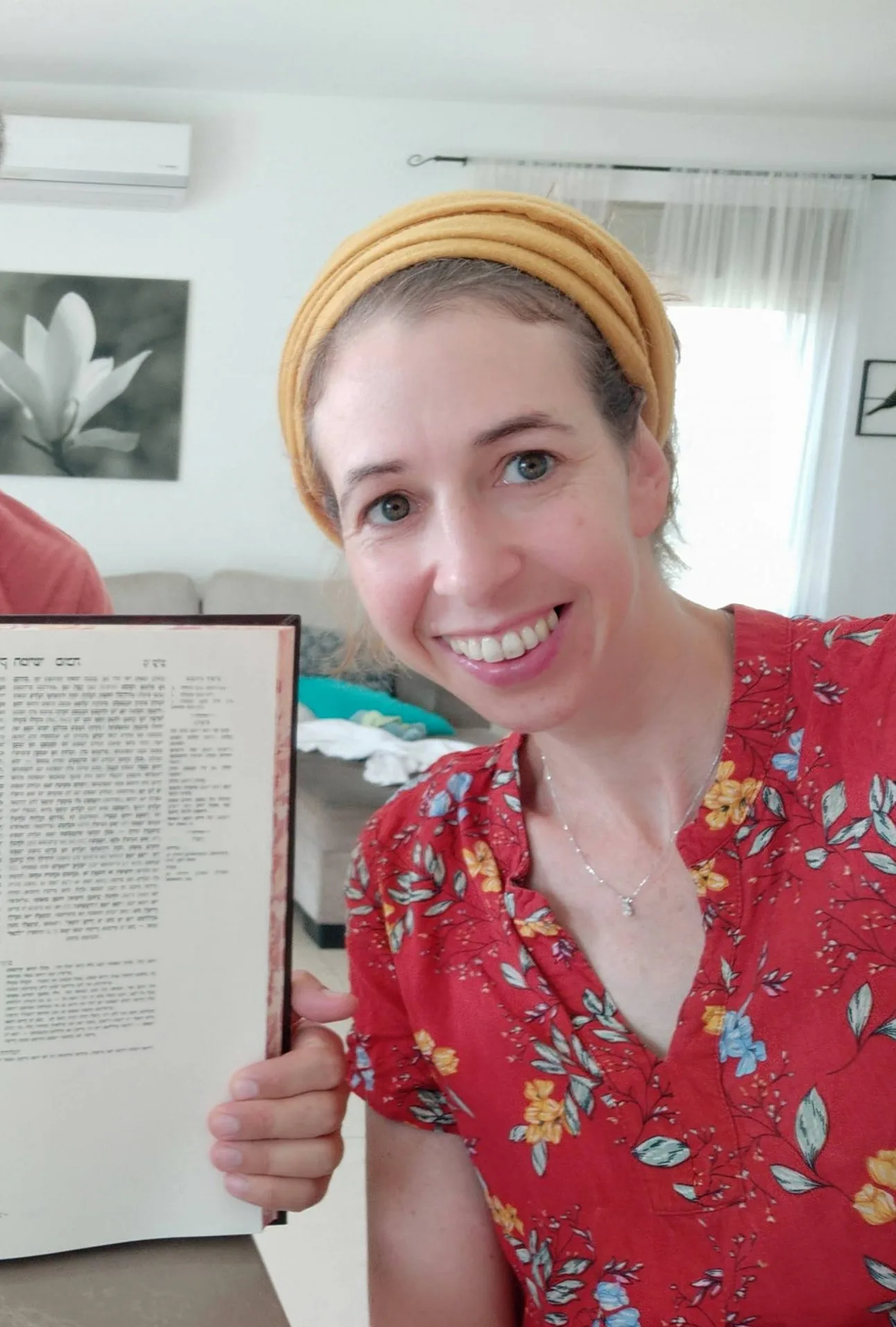
A friend in the SF Bay Area said in Dec 2019 that she might start listening on her morning drive to work. I mentioned to my husband and we decided to try the Daf when it began in Jan 2020 as part of our preparing to make Aliyah in the summer.

Hana Piotrkovsky
חנה פיוטרקובסקי

ירושלים, Israel

אחרי שראיתי את הסיום הנשי של הדף היומי בבנייני האומה זה ריגש אותי ועורר בי את הרצון להצטרף. לא למדתי גמרא קודם לכן בכלל, אז הכל היה לי חדש, ולכן אני לומדת בעיקר מהשיעורים פה בהדרן, בשוטנשטיין או בחוברות ושיננתם.

Rebecca Schloss
רבקה שלוס

בית שמש, ישראל

התחלתי ללמוד בעידוד שתי חברות אתן למדתי בעבר את הפרק היומי במסגרת 929.
בבית מתלהבים מאוד ובשבת אני לומדת את הדף עם בעלי שזה מפתיע ומשמח מאוד! לימוד הדף הוא חלק בלתי נפרד מהיום שלי. לומדת בצהריים ומחכה לזמן הזה מידי יום…

Miriam Wengerover
מרים ונגרובר

אפרת, ישראל

לפני 15 שנה, אחרי עשרות שנים של "ג’ינגול” בין משפחה לקריירה תובענית בהייטק, הצטרפתי לשיעורי גמרא במתן רעננה. הלימוד המעמיק והייחודי של הרבנית אושרה קורן יחד עם קבוצת הנשים המגוונת הייתה חוויה מאלפת ומעשירה. לפני כשמונה שנים כאשר מחזור הדף היומי הגיע למסכת תענית הצטרפתי כ”חברותא” לבעלי. זו השעה היומית שלנו ביחד כאשר דפי הגמרא משתלבים בחיי היום יום, משפיעים ומושפעים, וכשלא מספיקים תמיד משלימים בשבת

Yodi Askoff
יודי אסקוף

רעננה, ישראל

אני לומדת גמרא כעשור במסגרות שונות, ואת הדף היומי התחלתי כשחברה הציעה שאצטרף אליה לסיום בבנייני האומה. מאז אני לומדת עם פודקסט הדרן, משתדלת באופן יומי אך אם לא מספיקה, מדביקה פערים עד ערב שבת. בסבב הזה הלימוד הוא "ממעוף הציפור”, מקשיבה במהירות מוגברת תוך כדי פעילויות כמו בישול או נהיגה, וכך רוכשת היכרות עם הסוגיות ואופן ניתוחם על ידי חז”ל. בע”ה בסבב הבא, ואולי לפני, אצלול לתוכו באופן מעמיק יותר.

Yael Bir
יעל ביר

רמת גן, ישראל

בתחילת הסבב הנוכחי הצטברו אצלי תחושות שאני לא מבינה מספיק מהי ההלכה אותה אני מקיימת בכל יום. כמו כן, כאמא לבנות רציתי לתת להן מודל נשי של לימוד תורה
שתי הסיבות האלו הובילו אותי להתחיל ללמוד. נתקלתי בתגובות מפרגנות וסקרניות איך אישה לומדת גמרא..
כמו שרואים בתמונה אני ממשיכה ללמוד גם היום ואפילו במחלקת יולדות אחרי לידת ביתי השלישית.

Noa Shiloh
נועה שילה

רבבה, ישראל

התחלתי ללמוד דף יומי שהתחילו מסכת כתובות, לפני 7 שנים, במסגרת קבוצת לימוד שהתפרקה די מהר, ומשם המשכתי לבד בתמיכת האיש שלי. נעזרתי בגמרת שטיינזלץ ובשיעורים מוקלטים.
הסביבה מאד תומכת ואני מקבלת המון מילים טובות לאורך כל הדרך. מאז הסיום הגדול יש תחושה שאני חלק מדבר גדול יותר.
אני לומדת בשיטת ה”7 דפים בשבוע” של הרבנית תרצה קלמן – כלומר, לא נורא אם לא הצלחת ללמוד כל יום, העיקר שגמרת ארבעה דפים בשבוע

Rachel Goldstein
רחל גולדשטיין

עתניאל, ישראל

בתחילת הסבב הנוכחי של לימוד הדף היומי, נחשפתי לחגיגות המרגשות באירועי הסיום ברחבי העולם. והבטחתי לעצמי שבקרוב אצטרף גם למעגל הלומדות. הסבב התחיל כאשר הייתי בתחילת דרכי בתוכנית קרן אריאל להכשרת יועצות הלכה של נשמ”ת. לא הצלחתי להוסיף את ההתחייבות לדף היומי על הלימוד האינטנסיבי של תוכנית היועצות. בבוקר למחרת המבחן הסופי בנשמ”ת, התחלתי את לימוד הדף במסכת סוכה ומאז לא הפסקתי.

Hana Shaham-Rozby (Dr.)
חנה שחם-רוזבי (ד”ר)

קרית גת, ישראל

נדרים ג

אֶלָּא לָאו דַּוְוקָא: זִימְנִין מְפָרֵשׁ הָהוּא דִּפְתַח בְּרֵישָׁא, זִימְנִין הָהוּא דְּסָלֵיק מְפָרֵשׁ בְּרֵישָׁא. וְאִיבָּעֵית אֵימָא: יָדוֹת אַיְּידֵי דְּאָתְיָין מִדְּרָשָׁא, מְפָרֵשׁ לְהוֹן בְּרֵישָׁא.

Rather, the Mishna is not particular with regard to this matter, and there is no consistent pattern. Sometimes it explains first that subject with which it began, and sometimes it explains first that subject with which the introductory line in the mishna finished. And if you wish, say an alternate explanation of the order of the mishna here: With regard to intimations, since they are derived from the exposition of verses and are not explicitly mentioned in the Torah, the tanna cherishes them and explains them first.

וְלִיפְתַּח הָדֵין בְּרֵישָׁא! מִיפְתָּח פָּתַח בְּכִינּוּיִין דְּאוֹרָיְיתָא בְּרֵישָׁא, וַהֲדַר מְפָרֵשׁ יָדוֹת דְּאָתְיָין לֵיהּ מִדְּרָשָׁא.

The Gemara asks: If so, let him begin the mishna with that, i.e., intimations, first. The Gemara answers: The tanna begins with substitutes for the language of vows, which are written in the Torah, in the first clause, and then explains intimations, which are derived from the exposition of verses.

הָנִיחָא לְמַאן דְּאָמַר כִּינּוּיִין לְשׁוֹן נָכְרִים הֵן. אֶלָּא לְמַאן דְּאָמַר לָשׁוֹן שֶׁבָּדוּ לָהֶן חֲכָמִים לִהְיוֹת נוֹדֵר בּוֹ, מַאי אִיכָּא לְמֵימַר?

The Gemara asks: This works out well according to the one who said that substitutes for the language of vows are terms for vows in a foreign language. Consequently, they may be considered to have been written in the Torah, as vows are certainly valid regardless of the language in which they are expressed. However, according to the one who says that these substitute terms are simply language that the Sages invented for one to use in taking a vow so as to minimize using God’s name in expressing a vow, what can be said? These include novelties just as intimations do.

מִי קָתָנֵי יָדוֹת? וְלָאו חַסּוֹרֵי קָא מְחַסְּרַתְּ לַהּ? אַקְדֵּים נָמֵי וּתְנִי יָדוֹת: כָּל יְדוֹת נְדָרִים כִּנְדָרִים, וְכׇל כִּינּוּיֵי נְדָרִים כִּנְדָרִים, וְאֵלּוּ הֵן יָדוֹת: הָאוֹמֵר לַחֲבֵירוֹ, וְאֵלּוּ הֵן כִּינּוּיִין: קֻוֽנָּם, קוּנָּח, קוּנָּס.

The Gemara responds: Does the mishna explicitly teach the halakha of intimations of vows? Do you not consider it incomplete, missing the phrase that mentions intimations? Once you are inserting this phrase into the mishna, you can also have it precede the clause about substitutes for the language of vows and teach the halakha of intimations at the beginning, so that the mishna reads as follows: All intimations of vows are like vows, and all substitutes for the language of vows are like vows. And these are intimations: One who says to his fellow: I am avowed from you, etc. And these are substitutes for the language of vows: Konam, konaḥ, konas.

וְיָדוֹת הֵיכָא כְּתִיב? ״אִישׁ כִּי יַפְלִא לִנְדֹּר נֶדֶר נָזִיר לְהַזִּיר לַה׳״, וְתַנְיָא: ״נָזִיר לְהַזִּיר״ — לַעֲשׂוֹת כִּינּוּיֵי נְזִירוּת כִּנְזִירוּת, וִידוֹת נְזִירוּת כִּנְזִירוּת.

§ Apropos the discussion of intimations of vows, the Gemara asks: And where are intimations of vows written, i.e., from where in the Torah is the halakha of intimations of vows derived? The Gemara explains that it is from the verse: “When a man or a woman shall clearly utter a vow, the vow of a nazirite [nazir], to consecrate [lehazir] himself to the Lord” (Numbers 6:2). And it was taught in a baraita that the doubled term nazir lehazir serves to render substitutes for the language of nazirite vows like nazirite vows, and intimations of nazirite vows like nazirite vows.

אֵין לִי אֶלָּא בִּנְזִירוּת, בִּנְדָרִים מִנַּיִן? תַּלְמוּד לוֹמַר: ״אִישׁ כִּי יַפְלִא לִנְדֹּר נֶדֶר נָזִיר לְהַזִּיר לַה׳״, מַקִּישׁ נְזִירוּת לִנְדָרִים וּנְדָרִים לִנְזִירוּת; מָה נְזִירוּת עָשָׂה בּוֹ יְדוֹת נְזִירוּת כִּנְזִירוּת — אַף נְדָרִים עָשָׂה בָּהֶם יְדוֹת נְדָרִים כִּנְדָרִים.

I have derived only intimations of nazirite vows; from where do I derive intimations of general vows? The verse states: “When a man or woman shall clearly utter a vow, the vow of a nazirite, to consecrate himself to the Lord.” This verse juxtaposes nazirite vows to other vows and other vows to nazirite vows: Just as with regard to nazirite vows, the verse rendered intimations of nazirite vows like nazirite vows, so too, with regard to vows, it rendered intimations of vows like vows.

וּמָה נְדָרִים עוֹבֵר בְּ״בַל יַחֵל״. וּבְ״בַל תְּאַחֵר״ — אַף נְזִירוּת עוֹבֵר בְּ״בַל יַחֵל״ וּבְ״בַל תְּאַחֵר״. וּמָה נְדָרִים הָאָב מֵיפֵר נִדְרֵי בִתּוֹ וּבַעַל מֵיפֵר נִדְרֵי אִשְׁתּוֹ — אַף נְזִירוּת הָאָב מֵיפֵר נְזִירוּת בִּתּוֹ וּבַעַל מֵיפֵר נְזִירוּת אִשְׁתּוֹ.

And just as with regard to vows, one who breaks his vow transgresses the prohibition: He shall not profane (see Numbers 30:3), and if he does not fulfill his vow in time, he transgresses the prohibition: You shall not delay (see Deuteronomy 23:22), so too, with regard to nazirite vows, he transgresses the prohibition: He shall not profane, and the prohibition: You shall not delay. And furthermore, just as with regard to vows, a father may nullify the vows of his daughter and a husband may nullify the vows of his wife, as written explicitly in the passage concerning vows (Numbers, chapter 30), so too, with regard to nazirite vows, a father may nullify the nazirite vows of his daughter and a husband may nullify the nazirite vows of his wife.

מַאי שְׁנָא גַּבֵּי נְזִירוּת דִּכְתִיב ״נָזִיר לְהַזִּיר״, נְדָרִים נָמֵי הָא כְּתִיב ״לִנְדֹּר נֶדֶר״, וְהֶיקֵּישָׁא לְמָה לִי?

The Gemara questions this explanation: What is different with regard to nazirite vows, with regard to which it is written “nazir lehazir,” using the doubled term, when with regard to all vows as well it is written: “To utter a vow [lindor neder],” also using a doubled term? Why do I need the juxtaposition of all other vows to nazirite vows in order to derive that intimations of vows are like vows, when this can be derived from the doubled term with regard to general vows?

אִי כְּתַב ״נֶדֶר לִנְדֹּר״ כְּדִכְתַב ״נָזִיר לְהַזִּיר״ — כִּדְקָאָמְרַתְּ, לָא צָרִיךְ הֶיקֵּישָׁא. הַשְׁתָּא דִּכְתִיב ״לִנְדֹּר נֶדֶר״, דִּבְּרָה תוֹרָה כִלְשׁוֹן בְּנֵי אָדָם.

The Gemara answers: If the Torah had written: A vow to utter [neder lindor], as it wrote with regard to a nazirite: “The vow of a nazirite, to consecrate himself [nazir lehazir],” it would be as you said, and there would be no need for the juxtaposition. Now that it is written: “To utter a vow [lindor neder],” it is possible to say that the Torah spoke in the language of men, and nothing can be derived from the phrase lindor neder, which is simply a common manner of speech.

הָנִיחָא לְמַאן דְּאִית לֵיהּ דִּבְּרָה תּוֹרָה כִּלְשׁוֹן בְּנֵי אָדָם, אֶלָּא לְמַאן דְּלֵית לֵיהּ דִּבְּרָה תּוֹרָה כִּלְשׁוֹן בְּנֵי אָדָם, הַאי ״לִנְדֹּר נֶדֶר״ מַאי עָבֵיד לֵיהּ? דָּרֵישׁ לֵיהּ: לַעֲשׂוֹת יְדוֹת נְדָרִים כִּנְדָרִים, וּמַקִּישׁ נְזִירוּת לִנְדָרִים. ״נָזִיר לְהַזִּיר״ דָּרֵישׁ לֵיהּ: מְלַמֵּד

The Gemara asks: This works out well according to the one who holds that the Torah spoke in the language of men, but according to the one who does not hold that the Torah spoke in the language of men, any doubled term comes to teach something. What does he do with this phrase: “To utter a vow [lindor neder]”? The Gemara answers: He expounds it to render intimations of vows like vows themselves. And the verse juxtaposes nazirite vows to other vows to teach that intimations of vows are like vows with regard to nazirite vows, and to teach the other halakhot mentioned above. With regard to the phrase: “The vow of a nazirite, to consecrate himself [nazir lehazir],” he expounds: This teaches

שֶׁהַנְּזִירוּת חָל עַל הַנְּזִירוּת.

that a term of naziriteship takes effect upon a previously accepted term of naziriteship. Consequently, if one became a nazirite and then again declared: I am hereby a nazirite, then when his term of naziriteship is completed he must observe a second term of naziriteship.

וּלְמַאן דְּאָמַר דִּבְּרָה תּוֹרָה כִּלְשׁוֹן בְּנֵי אָדָם, וְ״נָזִיר לְהַזִּיר״ דָּרֵישׁ לַעֲשׂוֹת יְדוֹת נְזִירוּת כִּנְזִירוּת, שֶׁהַנְּזִירוּת חָל עַל הַנְּזִירוּת מְנָא לֵיהּ? הָנִיחָא אִי סְבִירָא לֵיהּ כְּמַאן דְּאָמַר אֵין נְזִירוּת חָל עַל נְזִירוּת. אֶלָּא אִי סְבִירָא לֵיהּ כְּמַאן דְּאָמַר נְזִירוּת חָל עַל נְזִירוּת, מְנָא לֵיהּ?

The Gemara asks: And according to the one who says that the Torah spoke in the language of men and therefore nothing can be derived from the phrase “to utter a vow [lindor neder],” and he expounds the phrase “the vow of a nazirite to consecrate himself [nazir lehazir]” to render intimations of nazirite vows like nazirite vows, from where does he derive that a term of naziriteship takes effect upon a previously accepted term of naziriteship? This works out well if he holds in accordance with the one who says that a term of naziriteship does not take effect upon a previously accepted term of naziriteship; however, if he holds in accordance with the one who says that a term of naziriteship takes effect upon a previously accepted term of naziriteship, from where does he derive this halakha?

נֵימָא קְרָא ״לִיזּוֹר״, מַאי ״לְהַזִּיר״ שָׁמְעַתְּ מִינַּהּ תַּרְתֵּי.

The Gemara answers: Let the verse say: To consecrate himself [lizor]. What is the reason the verse expressed this same idea with the word lehazir? Learn two halakhot from this: That intimations of nazirite vows are considered nazirite vows, and that a term of naziriteship takes effect upon a previously accepted term of naziriteship.

בְּמַעְרְבָא אָמְרִי: אִית תַּנָּא דְּמַפֵּיק לֵיהּ לְיָדוֹת מִן ״לִנְדֹּר נֶדֶר״, וְאִית תַּנָּא דְּמַפֵּיק לֵיהּ, מִן ״כְּכׇל הַיֹּצֵא מִפִּיו יַעֲשֶׂה״.

The Gemara adds: In the West, Eretz Yisrael, they say: There is a tanna who derives intimations of vows from the phrase “to utter a vow [lindor neder],” as he holds that the Torah did not speak in the language of men. And conversely, there is a tanna who holds that the Torah spoke in the language of men, and therefore derives this halakha of intimations from the verse: “He shall do according to all that proceeds out of his mouth” (Numbers 30:3). The inclusive formulation of this verse comes to include intimations of vows.

אָמַר מָר: וּמָה נְדָרִים עוֹבֵר בְּ״בַל יַחֵל״, וּ״בַל תְּאַחֵר״. בִּשְׁלָמָא ״בַּל יַחֵל״ דִּנְדָרִים מַשְׁכַּחַתְּ לַהּ, כְּגוֹן דְּאָמַר כִּכָּר זוֹ אוֹכַל וְלֹא אֲכָלָהּ — עוֹבֵר מִשּׁוּם ״בַּל יַחֵל דְּבָרוֹ״.

§ The Master said in the baraita cited earlier: Just as with regard to vows, one who breaks his vow transgresses the prohibition: He shall not profane, and one who does not fulfill his vow in time transgresses the prohibition: You shall not delay, so too, the same is true with regard to nazirite vows. The Gemara asks: Granted, you can find a case where one transgresses the prohibition: He shall not profane, in the case of vows. For example, where one said: I will eat this loaf, and he does not eat it, he violates the prohibition: He shall not profane his word.

אֶלָּא ״בַּל יַחֵל״ דִּנְזִירוּת הֵיכִי מַשְׁכַּחַתְּ לַהּ? כֵּיוָן דְּאָמַר ״הֲרֵינִי נָזִיר״ הָוֵה לֵיהּ נָזִיר. אֲכַל — קָם לֵיהּ בְּ״בַל יֹאכַל״. שְׁתָה — קָם לֵיהּ בְּ״בַל יִשְׁתֶּה״. אָמַר רָבָא: לַעֲבוֹר עָלָיו בִּשְׁנַיִם.

However, with regard to transgressing the prohibition: He shall not profane, in the case of nazirite vows, how can you find these circumstances? Once he said: I am hereby a nazirite, he is a nazirite as of that moment. If he then ate grapes, he is liable for violating the prohibition: He shall not eat (see Numbers 6:4), and if he drank wine, he is liable for violating the prohibition: He shall not drink (see Numbers 6:3). When would he ever become liable for violating the prohibition against profanation? Rava said: The prohibition against profanation serves to render him liable for violating two prohibitions. Consequently, if he eats grapes or drinks wine, he transgresses the relevant prohibition in addition to the prohibition against profanation.

״בַּל תְּאַחֵר״ דִּנְזִירוּת הֵיכִי מַשְׁכַּחַתְּ לַהּ? כֵּיוָן דְּאָמַר ״הֲרֵינִי נָזִיר״ הָוֵי לֵיהּ נָזִיר. אֲכַל — קָם לֵיהּ בְּ״בַל יֹאכַל״? בְּאוֹמֵר ״לִכְשֶׁאֶרְצֶה אֱהֵא נָזִיר״. וְאִי אָמַר ״כְּשֶׁאֶרְצֶה״ לֵיכָּא ״בַּל תְּאַחֵר״!

The Gemara further asks: With regard to violating the prohibition: You shall not delay, in the case of nazirite vows, how can you find these circumstances? Once he said: I am hereby a nazirite, he is a nazirite as of that moment. If he then ate grapes, he is liable for violating the prohibition: He shall not eat. When would he ever become liable for violating the prohibition against delaying? The Gemara answers: It is when he specifically says: I will become a nazirite when I wish, in which case he does not become a nazirite immediately. The Gemara asks: But if he said: When I wish, there is no prohibition of: You shall not delay, as there is no particular time by which he must become a nazirite.

אָמַר רָבָא: כְּגוֹן דְּאָמַר ״לֹא אִיפָּטֵר מִן הָעוֹלָם עַד שֶׁאֱהֵא נָזִיר״, דְּמִן הָהִיא שַׁעְתָּא הָוֵה לֵיהּ נָזִיר. מִידֵּי דְּהָוֵה הָאוֹמֵר לְאִשְׁתּוֹ ״הֲרֵי זוֹ גִּיטֵּיךְ שָׁעָה אַחַת קוֹדֶם מִיתָתִי״ — אֲסוּרָה לֶאֱכוֹל בִּתְרוּמָה מִיָּד. אַלְמָא אָמְרִינַן כֹּל שַׁעְתָּא וְשַׁעְתָּא דִּילְמָא מָיֵית. הָכָא נָמֵי, לְאַלְתַּר הָוֵי נָזִיר. דְּאָמְרִינַן: דִּילְמָא הַשְׁתָּא מָיֵית.

Rava said: It is, for example, when he said: I will not depart the world until I become a nazirite, as he is a nazirite from that time because he does not know when he will depart this world. This is just as it is in the case of a man who says to his wife: This is your bill of divorce that will take effect one hour before my death. If he is a priest and she is the daughter of a non-priest, she is prohibited from partaking of teruma immediately. Apparently, we say every moment that perhaps he is now dead and she is therefore already divorced. Here, too, with regard to naziriteship, he is a nazirite immediately, as we say that perhaps he is now about to die.

רוצה לעקוב אחרי התכנים ולהמשיך ללמוד?

ביצירת חשבון עוד היום ניתן לעקוב אחרי ההתקדמות שלך, לסמן מה למדת, ולעקוב אחרי השיעורים שמעניינים אותך.

לנקות את כל הפריטים מהרשימה?

פעולה זו תסיר את כל הפריטים בחלק זה כולל ההתקדמות וההיסטוריה. שימי לב: לא ניתן לשחזר פעולה זו.

ביטול
מחיקה

האם את/ה בטוח/ה שברצונך למחוק פריט זה?

תאבד/י את כל ההתקדמות או ההיסטוריה הקשורות לפריט זה.

ביטול
מחיקה