חיפוש

נדרים מ

רוצה להקדיש לימוד?

podcast placeholder

0:00
0:00


תקציר

הלימוד השבוע מוקדש ע”י נעמי ואדם פרזיגר לע”נ אביה של נעמי, חיים זאב בן פסל ויואל גרינבלט בציון 10 שנים לפטירתו. יהי זכרו ברוך.

הלימוד השבוע מוקדש ע”י רומי וג’וש ססמן לכבוד גיוסו של בנם לצה”ל השבוע.

הדף היום מוקדש ע”י דיאנה בלום לע”נ סבתה, איטה רוסה סונבנד מרמורק.

הדף היום מוקדש ע”י דבי אנגלן-איגלס לכבוד ברית המילה של נכדה הראשון. "מאחלים שיזכה לחיים מלאים ומאושרים ושיסב אושר לסובבים אותו.”

מדוע חשוב לבקר חולים ומה למדנו מרבי עקיבא על חשיבותה של מצווה זו? האם כדאי להודיע ​​לאחרים בשעת מחלה? למה? איזה שכר מקבלים ממצווה זו בעולם הזה ובעולם הבא? באילו שעות ביום אסור לבקר חולים? מובאים כמה דרשות על הפסוק בתהילים מא:ג המתייחסים לנוכחות ה’ סביב אדם חולה וכיצד זה משפיע על המקום בו ניתן לשבת בעת ביקור? לרב ושמואל יש מחלוקת האם הפרת מתמלא ממי גשמים מישראל או האם הוא מתמלא מגדותיו. יש לכך רלוונטיות הלכתית לשימוש בו כמקווה כי שימוש במים זוחלים (נובעים) כמקווה מותר רק אם רוב מימיו מים נובעים ולא מי גשמים. דעתו של שמואל (שנהר פרת מתמלא מגדותיו) סותרת דבריו לגבי שימוש בפרת כמקווה שכן התיר זאת רק בחודש תשרי, כי בשאר חודשי השנה יש לחשוש שמי הגשמים מרובים ממי זוחלים.


נדרים מ

רַב חֶלְבּוֹ בְּאֵישׁ. לָא אִיכָּא דְּקָא אָתֵי. אָמַר לְהוּ: לֹא כָּךְ הָיָה מַעֲשֶׂה בְּתַלְמִיד אֶחָד מִתַּלְמִידֵי רַבִּי עֲקִיבָא שֶׁחָלָה. לֹא נִכְנְסוּ חֲכָמִים לְבַקְּרוֹ, וְנִכְנָס רַבִּי עֲקִיבָא לְבַקְּרוֹ, וּבִשְׁבִיל שֶׁכִּיבְּדוּ וְרִיבְּצוּ לְפָנָיו, חָיָה. אָמַר לוֹ: רַבִּי, הֶחֱיִיתַנִי. יָצָא רַבִּי עֲקִיבָא וְדָרַשׁ: כׇּל מִי שֶׁאֵין מְבַקֵּר חוֹלִים כְּאִילּוּ שׁוֹפֵךְ דָּמִים.

Rav Ḥelbo fell ill. There was no one who came to visit him. Rav Kahana said to the Sages: Didn’t the incident involving one of the students of Rabbi Akiva who became sick transpire in that manner? In that case, the Sages did not enter to visit him, and Rabbi Akiva entered to visit him and instructed his students to care for him. And since they swept and sprinkled water on the dirt floor before the sick student, he recovered. The student said to Rabbi Akiva: My teacher, you revived me. Rabbi Akiva went out and taught: With regard to anyone who does not visit the ill, it is as though he is spilling blood, as it could be that the sick person has no one to care for him. If there are no visitors, no one will know his situation and therefore no one will come to his aid.

כִּי אֲתָא רַב דִּימִי, אָמַר: כׇּל הַמְבַקֵּר אֶת הַחוֹלֶה גּוֹרֵם לוֹ שֶׁיִּחְיֶה, וְכֹל שֶׁאֵינוֹ מְבַקֵּר אֶת הַחוֹלֶה גּוֹרֵם לוֹ שֶׁיָּמוּת. מַאי גְּרָמָא? אִילֵּימָא כׇּל הַמְבַקֵּר אֶת הַחוֹלֶה מְבַקֵּשׁ עָלָיו רַחֲמִים שֶׁיִּחְיֶה, וְכֹל שֶׁאֵין מְבַקֵּר אֶת הַחוֹלֶה מְבַקֵּשׁ עָלָיו רַחֲמִים שֶׁיָּמוּת. שֶׁיָּמוּת סָלְקָא דַּעְתָּךְ?! אֶלָּא: כֹּל שֶׁאֵין מְבַקֵּר חוֹלֶה, אֵין מְבַקֵּשׁ עָלָיו רַחֲמִים, לֹא שֶׁיִּחְיֶה וְלֹא שֶׁיָּמוּת.

When Rav Dimi came from Eretz Yisrael to Babylonia he said: Anyone who visits the ill causes that he will live, and anyone who does not visit the ill causes that he will die. The Gemara asks: In what way are his actions the cause of that result? If we say that anyone who visits the ill pleads for mercy from God that he will live, and anyone who does not visit the ill pleads for mercy that he will die, does it enter your mind that he would pray that the sick person will die? Rather, anyone who does not visit the ill does not plead for mercy for him, neither that he will live nor that he will die. Since he might have saved the sick person with prayers had he visited, his failure to visit is tantamount to causing his death.

רָבָא, יוֹמָא קַדְמָאָה דְּחָלֵישׁ אָמַר לְהוֹן: לָא תִּיגַלּוֹ לְאִינִישׁ, דְּלָא לִתְּרַע מַזָּלֵיהּ. מִכָּאן וְאֵילָךְ אָמַר לְהוֹן: פּוּקוּ וְאַכְרִיזוּ בְּשׁוּקָא, דְּכׇל דְּסָנֵי לִי לִיחְדֵּי לִי, וּכְתִיב: ״בִּנְפֹל אוֹיִבְךָ אַל תִּשְׂמָח וְגוֹ׳״, וּדְרָחֵים לִי לִיבְעֵי עֲלַי רַחֲמֵי.

The Gemara relates with regard to Rava: On the first day that he was ill, he would say to his family: Do not reveal to any person that I am ill, so that his luck not suffer. From this point forward, when his situation deteriorated he would say to them: Go and proclaim in the marketplace that I am ill, as thereby let all who hate me rejoice over my distress, and it is written: “Rejoice not when your enemy falls, and let not your heart be glad when he stumbles; lest the Lord see it, and it displease Him, and He turn away His wrath from him” (Proverbs 24:17–18). And let all who love me pray that God have mercy upon me.

אָמַר רַב: כׇּל הַמְבַקֵּר אֶת הַחוֹלֶה נִיצּוֹל מִדִּינָהּ שֶׁל גֵּיהִנָּם, שֶׁנֶּאֱמַר: ״אַשְׁרֵי מַשְׂכִּיל אֶל דָּל בְּיוֹם רָעָה יְמַלְּטֵהוּ ה׳״, אֵין דַּל אֶלָּא חוֹלֶה, שֶׁנֶּאֱמַר: ״מִדַּלָּה יְבַצְּעֵנִי״, אִי נָמֵי מִן הָדֵין קְרָא: ״מַדּוּעַ אַתָּה כָּכָה דַּל בֶּן הַמֶּלֶךְ בַּבֹּקֶר בַּבֹּקֶר וְגוֹ׳״. אֵין רָעָה אֶלָּא גֵּיהִנָּם, שֶׁנֶּאֱמַר: ״כֹּל פָּעַל ה׳ לַמַּעֲנֵהוּ וְגַם רָשָׁע לְיוֹם רָעָה״.

Rav said: Anyone who visits the ill is spared from the judgment of Gehenna, as it is stated: “Happy is he that considers the poor; the Lord will deliver him in the day of evil” (Psalms 41:2). In this verse, the term poor [dal] means nothing other than ill, as it is stated in the prayer of Hezekiah when he was ill: “He will cut me off from the illness [middalla]” (Isaiah 38:12). Alternatively, it may be derived from this verse in which Jonadab asked his sick friend Amnon, son of King David: “Why, son of the king, are you so sick [dal] from morning to morning?” (II Samuel 13:4). And the term evil means nothing other than Gehenna, as it is stated: “The Lord made everything for His own purpose, and even the wicked for the day of evil” (Proverbs 16:4), and the ultimate punishment of the evildoer is Gehenna.

וְאִם בִּיקֵּר מָה שְׂכָרוֹ? מָה שְׂכָרוֹ?! כִּדְאָמַר: נִיצּוֹל מִדִּינָהּ שֶׁל גֵּיהִנָּם! אֶלָּא: מָה שְׂכָרוֹ בָּעוֹלָם הַזֶּה —

And if one visited the ill, what is his reward? The Gemara wonders at that question: What is his reward? It is as Rav said: He is spared from the judgment of Gehenna. Rather, the question is: What is his reward in this world?

״ה׳ יִשְׁמְרֵהוּ וִיחַיֵּהוּ וְאֻשַּׁר בָּאָרֶץ וְאַל תִּתְּנֵהוּ בְּנֶפֶשׁ אֹיְבָיו״. ״ה׳ יִשְׁמְרֵהוּ״ — מִיֵּצֶר הָרָע, ״וִיחַיֵּהוּ״ — מִן הַיִּסּוּרִין, ״וְאֻשַּׁר בָּאָרֶץ״ — שֶׁיְּהוּ הַכֹּל מִתְכַּבְּדִין בּוֹ, ״וְאַל תִּתְּנֵהוּ בְּנֶפֶשׁ אֹיְבָיו״ — שֶׁיִּזְדַּמְּנוּ לוֹ רֵיעִים כְּנַעֲמָן שֶׁרִיפּוּ אֶת צָרַעְתּוֹ, וְאַל יִזְדַּמְּנוּ לוֹ רֵיעִים כִּרְחַבְעָם שֶׁחִילְּקוּ אֶת מַלְכוּתוֹ.

Rav continues: His reward is as it is written: “The Lord will preserve him, and keep him alive, let him be called happy in the land; and deliver not You him unto the greed of his enemies” (Psalms 41:3). He elaborates: “The Lord will preserve him” from the evil inclination; “and keep him alive” and spare him from suffering; “let him be called happy in the land” means that everyone will be honored from their association with him; “and deliver not You him unto the greed of his enemies,” so that companions like those who counseled Naaman to seek a cure for his leprosy from Elisha (II Kings 5:3) will happen to associate with him, and companions like those who counseled Rehoboam with advice that resulted in the schism in his kingdom (I Kings 12:6–19) will not happen to associate with him.

תַּנְיָא, רַבִּי שִׁמְעוֹן בֶּן אֶלְעָזָר אוֹמֵר: אִם יֹאמְרוּ לָךְ יְלָדִים ״בְּנֵה״ וּזְקֵנִים ״סְתוֹר״ — שְׁמַע לַזְּקֵנִים וְאַל תִּשְׁמַע לַיְּלָדִים. שֶׁבִּנְיַן יְלָדִים סְתִירָה, וּסְתִירַת זְקֵנִים בִּנְיָן. וְסִימָן לַדָּבָר: רְחַבְעָם בֶּן שְׁלֹמֹה.

On a similar note, it is taught in a baraita that Rabbi Shimon ben Elazar says: If youths would say to you: Construct, and Elders would say to you: Demolish, heed the Elders and do not heed the youths, as the construction of youths is demolition, and the demolition of Elders is construction. And a mnemonic device for this matter is “Rehoboam, son of Solomon” (I Kings 12:21). Had he heeded the advice of the Elders and yielded at that time, there would have been no schism.

אָמַר רַב שִׁישָׁא בְּרֵיהּ דְּרַב אִידִי: לָא לִיסְעוֹד אִינִישׁ קְצִירָא לָא בִּתְלָת שָׁעֵי קַדְמָיָיתָא, וְלָא בִּתְלָת שָׁעֵי בָּתְרָיָיתָא דְּיוֹמָא, כִּי הֵיכִי דְּלָא לַיסַּח דַּעְתֵּיהּ מִן רַחֲמֵי. תְּלָת שָׁעֵי קַדְמָיָיתָא — רָוְוחָא דַּעְתֵּיהּ. בָּתְרָיָיתָא — תָּקֵיף חוּלְשֵׁיהּ.

Rav Sheisha, son of Rav Idi, said: Let one not visit a sick person, neither during the first three hours of the day, nor in the last three hours of the day, so that he will not be diverted from praying for mercy. Rav Sheisha elaborates: During the first three hours the sick person is relieved, as after a night’s sleep his suffering is somewhat alleviated and the visitor will conclude that there is no need for prayer. In the last three hours of the day his weakness is exacerbated, and the visitor will despair of ameliorating his suffering and will conclude that prayer is futile.

אָמַר רָבִין אָמַר רַב: מִנַּיִין שֶׁהַקָּדוֹשׁ בָּרוּךְ הוּא זָן אֶת הַחוֹלֶה, שֶׁנֶּאֱמַר: ״ה׳ יִסְעָדֶנּוּ עַל עֶרֶשׂ דְּוָי וְגוֹ׳״. וְאָמַר רָבִין אָמַר רַב: מִנַּיִין שֶׁהַשְּׁכִינָה שְׁרוּיָה לְמַעְלָה מִמִּטָּתוֹ שֶׁל הַחוֹלֶה, שֶׁנֶּאֱמַר: ״ה׳ יִסְעָדֶנּוּ עַל עֶרֶשׂ דְּוָי״.

§ Ravin said that Rav said: From where is it derived that the Holy One, Blessed be He Himself sustains the sick person? It is as it is stated: “The Lord will support him upon the bed of suffering” (Psalms 41:4). Support in this context is understood to mean that He will feed him. And Ravin said that Rav said: From where is it derived that the Divine Presence is resting above the bed of the sick person? It is also as it is stated: “The Lord will support him upon the bed of suffering,” which indicates that God is actually over his bed.

תַּנְיָא נָמֵי הָכִי: הַנִּכְנָס לְבַקֵּר אֶת הַחוֹלֶה, לֹא יֵשֵׁב לֹא עַל גַּבֵּי מִטָּה וְלֹא עַל גַּבֵּי סַפְסָל וְלֹא עַל גַּבֵּי כִּסֵּא, אֶלָּא מִתְעַטֵּף וְיוֹשֵׁב עַל גַּבֵּי קַרְקַע, מִפְּנֵי שֶׁהַשְּׁכִינָה שְׁרוּיָה לְמַעְלָה מִמִּטָּתוֹ שֶׁל חוֹלֶה, שֶׁנֶּאֱמַר: ״ה׳ יִסְעָדֶנּוּ עַל עֶרֶשׂ דְּוָי״.

The Gemara notes that this is also taught in a baraita: One who enters to visit a sick person may neither sit on the bed nor sit on a bench or on a chair that is higher than the bed upon which the sick person is lying. Rather, he deferentially wraps himself in his garment and sits on the ground, because the Divine Presence is resting above the bed of the sick person, as it is stated: “The Lord will support him upon the bed of suffering,” and it is inappropriate for one to sit above the place where the Divine Presence rests.

וְאָמַר רָבִין אָמַר רַב: מִטְרָא בְּמַעְרְבָא — סָהֲדָא רַבָּה פְּרָת. וּפְלִיגָא דִּשְׁמוּאֵל, דְּאָמַר שְׁמוּאֵל: נַהְרָא מִכֵּיפֵיהּ מִתְבָּרֵיךְ. וּפְלִיגָא דִּשְׁמוּאֵל אַדִּשְׁמוּאֵל, דְּאָמַר שְׁמוּאֵל: אֵין הַמַּיִם מְטַהֲרִין בְּזוֹחֲלִין

And apropos statements of Rav cited by Ravin, the Gemara cites an additional statement that Ravin said that Rav said: When there is rain in the West, Eretz Yisrael, a great witness to that rainfall is the Euphrates River, as ultimately that rainwater increases the water flow in the Euphrates River. And this statement of Rav disagrees with a statement of Shmuel, as Shmuel said: A river is blessed from its banks, i.e., the increase in its water flow is attributable to its tributaries and not to rain. The Gemara comments: And this statement of Shmuel disagrees with another statement of Shmuel, as Shmuel said: The water purifies when flowing

אֶלָּא פְּרָת בְּיוֹמֵי תִשְׁרֵי בִּלְבַד.

in the Euphrates River only during the days of Tishrei alone, as after the summer, when no rain falls, it is clear that the water in the river flows from the source of the river. During the rest of the year, rain and snow are mingled with the river water, and water from rain and snow purify one who immerses in them only when the water is standing.

אֲבוּהּ דִּשְׁמוּאֵל עֲבַד לְהוֹן מִקְווֹאוֹת לִבְנָתֵיהּ בְּיוֹמֵי נִיסָן, וּמַפָּצֵי בְּיוֹמֵי תִשְׁרֵי.

The Gemara relates: Shmuel’s father fashioned ritual baths for his daughters during the days of Nisan and placed mats in the Euphrates River during the days of Tishrei. He fashioned ritual baths during Nisan due to the concern that the rainwater and snow water that accumulated in the river exceeded the amount of water that originated in the river’s sources. Since immersion in the flowing water would be ineffective, he fashioned ritual baths of standing water elsewhere for them. He placed mats during the days of Tishrei, when they immersed in the river itself, to prevent the mud on the riverbed from acting as an interposition that would invalidate the immersion.

אָמַר רַבִּי אַמֵּי אָמַר רַב: מַאי דִּכְתִיב ״וְאַתָּה בֶן אָדָם עֲשֵׂה לְךָ כְּלֵי גוֹלָה״ — זוֹ נֵר וּקְעָרָה

Rabbi Ami said that Rav said: What is the meaning of that which is written: “And you, son of man, make for yourself implements of exile” (Ezekiel 12:3)? That is referring to a lamp, and a bowl,

חדשה בלימוד הגמרא?

זה הדף הראשון שלך? איזו התרגשות עצומה! יש לנו בדיוק את התכנים והכלים שיעזרו לך לעשות את הצעדים הראשונים ללמידה בקצב וברמה שלך, כך תוכלי להרגיש בנוח גם בתוך הסוגיות המורכבות ומאתגרות.

פסיפס הלומדות שלנו

גלי את קהילת הלומדות שלנו, מגוון נשים, רקעים וסיפורים. כולן חלק מתנועה ומסע מרגש ועוצמתי.

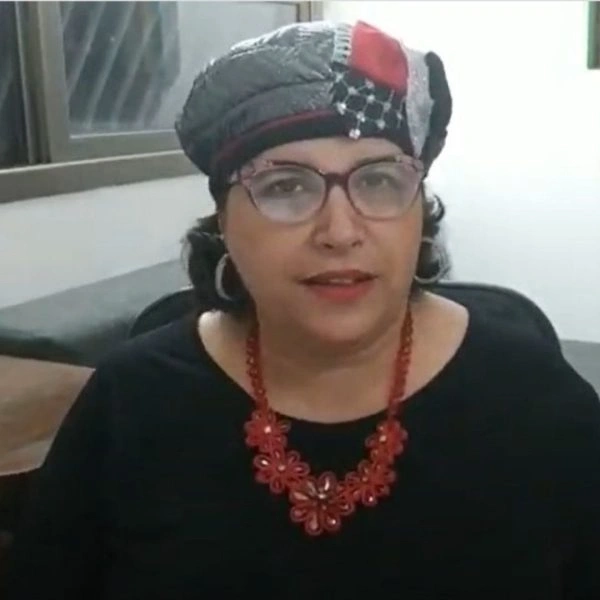
אמא שלי למדה איתי ש”ס משנה, והתחילה ללמוד דף יומי. אני החלטתי שאני רוצה ללמוד גם. בהתחלה למדתי איתה, אח”כ הצטרפתי ללימוד דף יומי שהרב דני וינט מעביר לנוער בנים בעתניאל. במסכת עירובין עוד חברה הצטרפה אלי וכשהתחלנו פסחים הרב דני פתח לנו שעור דף יומי לבנות. מאז אנחנו לומדות איתו קבוע כל יום את הדף היומי (ובשבת אבא שלי מחליף אותו). אני נהנית מהלימוד, הוא מאתגר ומעניין

Renana Hellman
רננה הלמן

עתניאל, ישראל

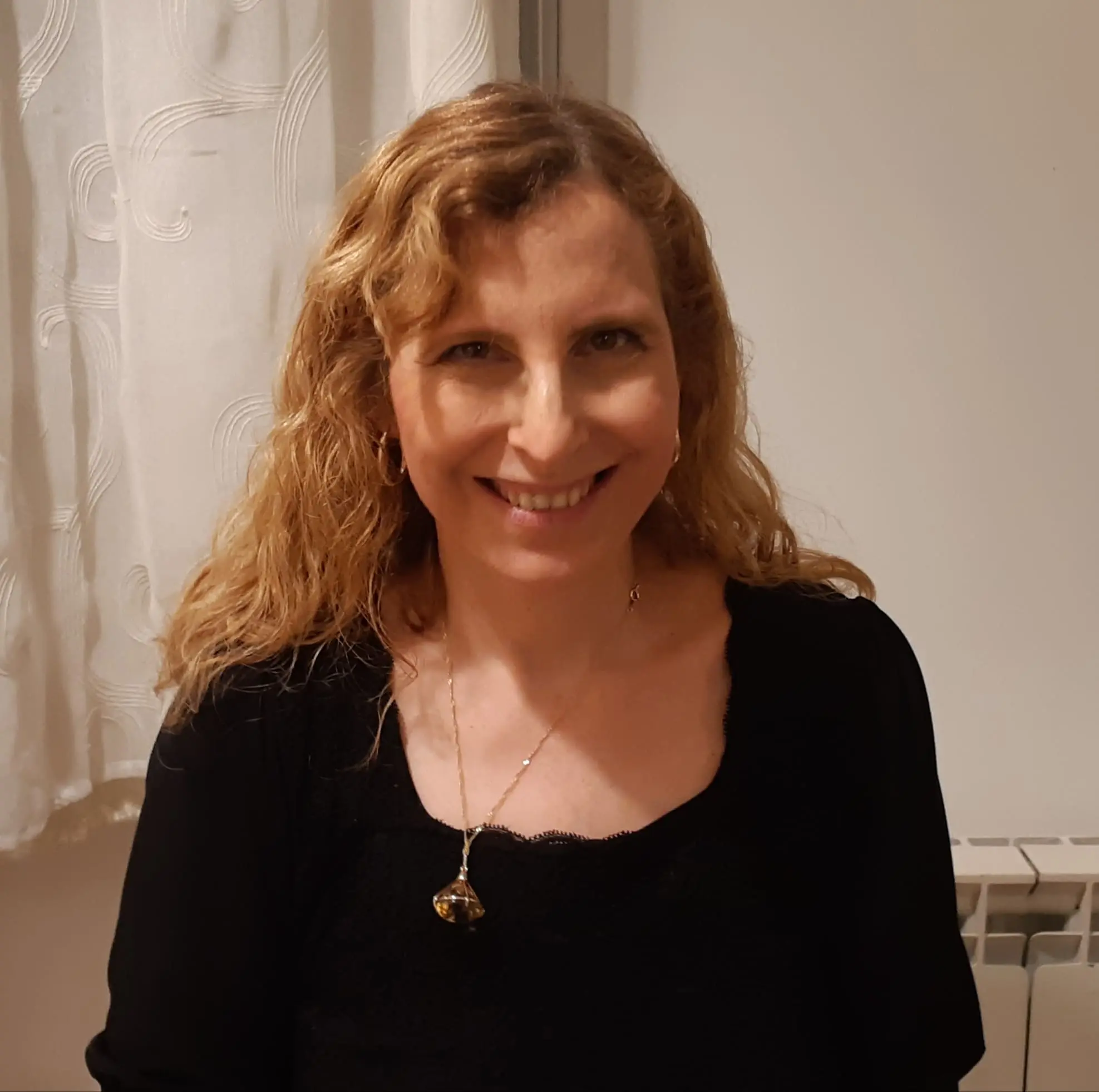
לפני 15 שנה, אחרי עשרות שנים של "ג’ינגול” בין משפחה לקריירה תובענית בהייטק, הצטרפתי לשיעורי גמרא במתן רעננה. הלימוד המעמיק והייחודי של הרבנית אושרה קורן יחד עם קבוצת הנשים המגוונת הייתה חוויה מאלפת ומעשירה. לפני כשמונה שנים כאשר מחזור הדף היומי הגיע למסכת תענית הצטרפתי כ”חברותא” לבעלי. זו השעה היומית שלנו ביחד כאשר דפי הגמרא משתלבים בחיי היום יום, משפיעים ומושפעים, וכשלא מספיקים תמיד משלימים בשבת

Yodi Askoff
יודי אסקוף

רעננה, ישראל

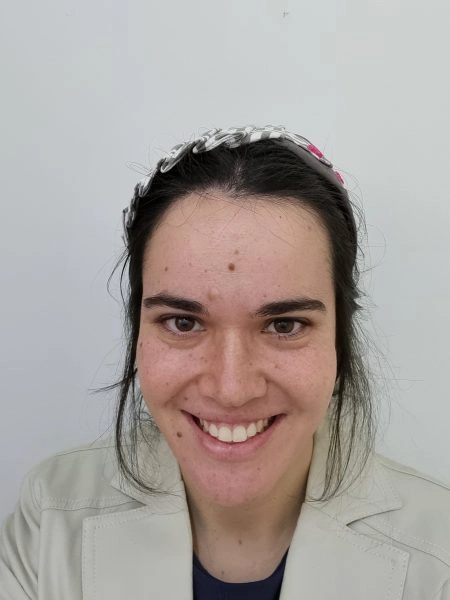
בתחילת הסבב הנוכחי של לימוד הדף היומי, נחשפתי לחגיגות המרגשות באירועי הסיום ברחבי העולם. והבטחתי לעצמי שבקרוב אצטרף גם למעגל הלומדות. הסבב התחיל כאשר הייתי בתחילת דרכי בתוכנית קרן אריאל להכשרת יועצות הלכה של נשמ”ת. לא הצלחתי להוסיף את ההתחייבות לדף היומי על הלימוד האינטנסיבי של תוכנית היועצות. בבוקר למחרת המבחן הסופי בנשמ”ת, התחלתי את לימוד הדף במסכת סוכה ומאז לא הפסקתי.

Hana Shaham-Rozby (Dr.)
חנה שחם-רוזבי (ד”ר)

קרית גת, ישראל

באירוע של הדרן בנייני האומה. בהשראתה של אמי שלי שסיימה את הש”ס בסבב הקודם ובעידוד מאיר , אישי, וילדיי וחברותיי ללימוד במכון למנהיגות הלכתית של רשת אור תורה סטון ומורתיי הרבנית ענת נובוסלסקי והרבנית דבורה עברון, ראש המכון למנהיגות הלכתית.
הלימוד מעשיר את יומי, מחזיר אותי גם למסכתות שכבר סיימתי וידוע שאינו דומה מי ששונה פרקו מאה לשונה פרקו מאה ואחת במיוחד מרתקים אותי החיבורים בין המסכתות

Roit Kalech
רוית קלך

מודיעין, ישראל

בסוף הסבב הקודם ראיתי את השמחה הגדולה שבסיום הלימוד, בעלי סיים כבר בפעם השלישית וכמובן הסיום הנשי בבנייני האומה וחשבתי שאולי זו הזדמנות עבורי למשהו חדש.
למרות שאני שונה בסביבה שלי, מי ששומע על הלימוד שלי מפרגן מאוד.
אני מנסה ללמוד קצת בכל יום, גם אם לא את כל הדף ובסך הכל אני בדרך כלל עומדת בקצב.
הלימוד מעניק המון משמעות ליום יום ועושה סדר בלמוד תורה, שתמיד היה (ועדיין) שאיפה. אבל אין כמו קביעות

Racheli-Mendelson
רחלי מנדלסון

טל מנשה, ישראל

"
גם אני התחלתי בסבב הנוכחי וב””ה הצלחתי לסיים את רוב המסכתות . בזכות הרבנית מישל משתדלת לפתוח את היום בשיעור הזום בשעה 6:20 .הלימוד הפך להיות חלק משמעותי בחיי ויש ימים בהם אני מצליחה לחזור על הדף עם מלמדים נוספים ששיעוריהם נמצאים במרשתת. שמחה להיות חלק מקהילת לומדות ברחבי העולם. ובמיוחד לשמש דוגמה לנכדותיי שאי””ה יגדלו לדור שלימוד תורה לנשים יהיה משהו שבשגרה. "

Ronit Shavit
רונית שביט

נתניה, ישראל

בתחילת הסבב הנוכחי הצטברו אצלי תחושות שאני לא מבינה מספיק מהי ההלכה אותה אני מקיימת בכל יום. כמו כן, כאמא לבנות רציתי לתת להן מודל נשי של לימוד תורה
שתי הסיבות האלו הובילו אותי להתחיל ללמוד. נתקלתי בתגובות מפרגנות וסקרניות איך אישה לומדת גמרא..
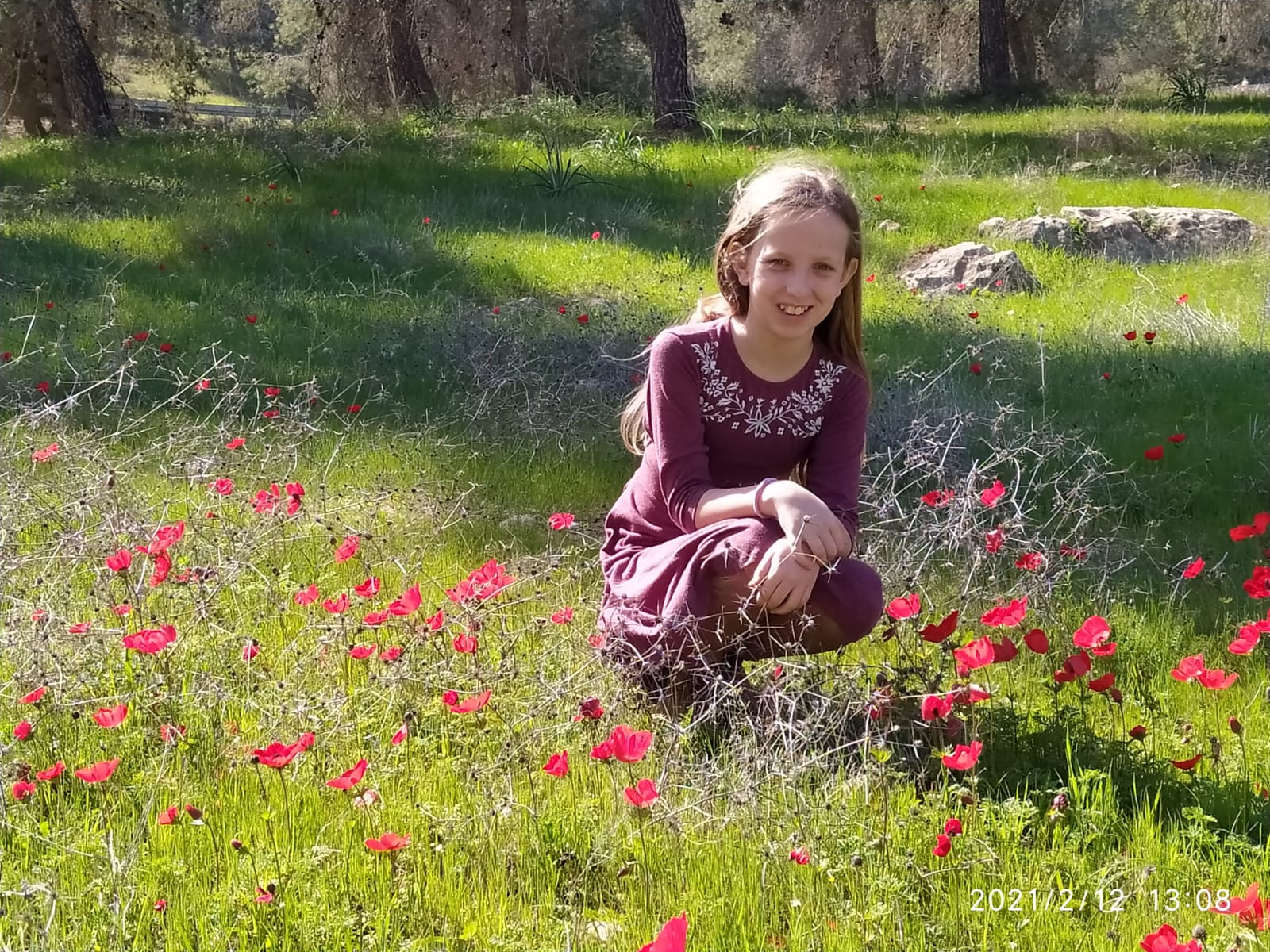
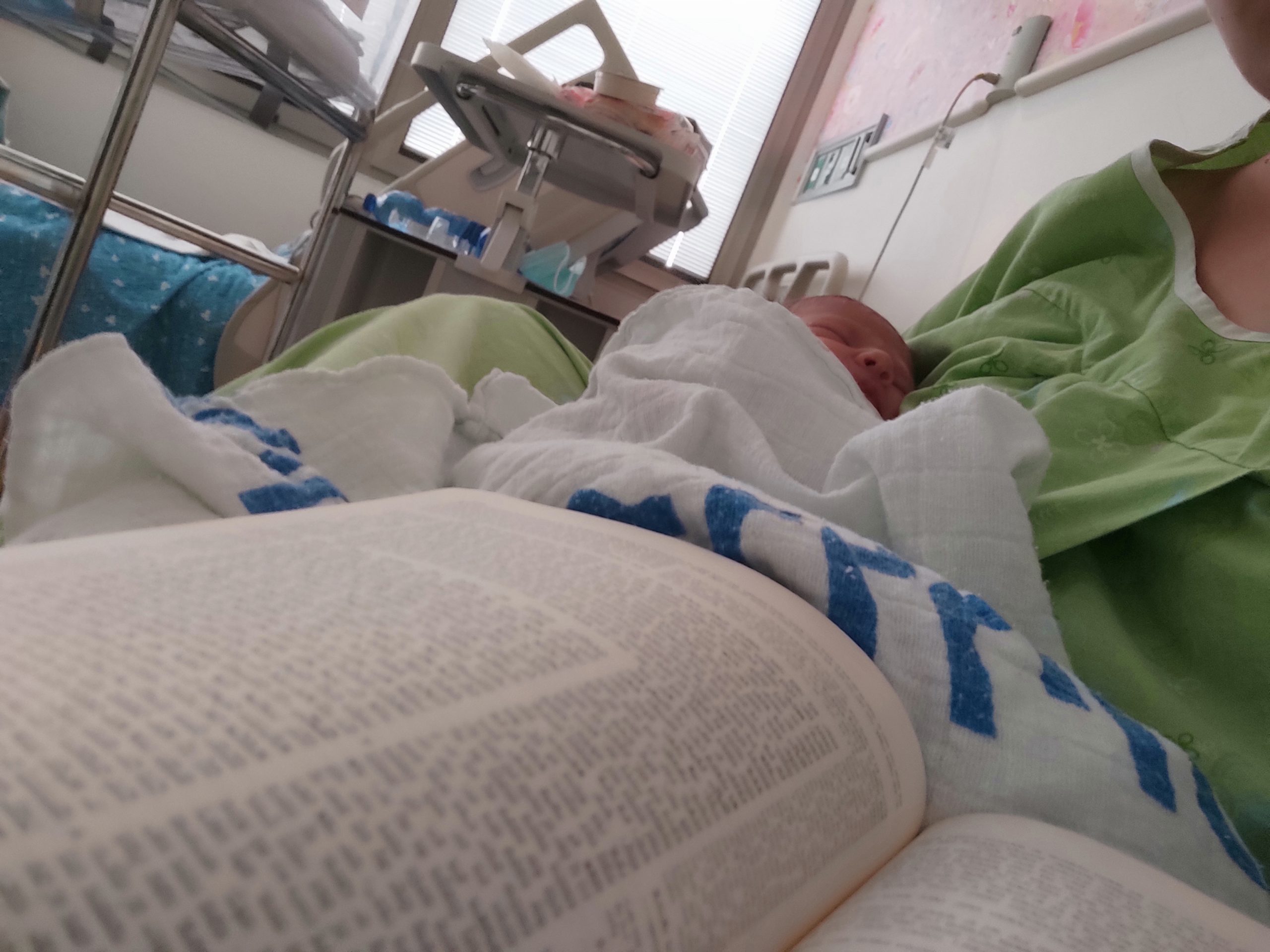
כמו שרואים בתמונה אני ממשיכה ללמוד גם היום ואפילו במחלקת יולדות אחרי לידת ביתי השלישית.

Noa Shiloh
נועה שילה

רבבה, ישראל

התחלתי ללמוד דף יומי בסבב הקודם. זכיתי לסיים אותו במעמד המרגש של הדרן. בסבב הראשון ליווה אותי הספק, שאולי לא אצליח לעמוד בקצב ולהתמיד. בסבב השני אני לומדת ברוגע, מתוך אמונה ביכולתי ללמוד ולסיים. בסבב הלימוד הראשון ליוותה אותי חוויה מסויימת של בדידות. הדרן העניקה לי קהילת לימוד ואחוות נשים. החוויה של סיום הש”ס במעמד כה גדול כשנשים שאינן מכירות אותי, שמחות ומתרגשות עבורי , היתה חוויה מרוממת נפש

Ilanit Weil
אילנית ווייל

קיבוץ מגדל עוז, ישראל

אחרי שראיתי את הסיום הנשי של הדף היומי בבנייני האומה זה ריגש אותי ועורר בי את הרצון להצטרף. לא למדתי גמרא קודם לכן בכלל, אז הכל היה לי חדש, ולכן אני לומדת בעיקר מהשיעורים פה בהדרן, בשוטנשטיין או בחוברות ושיננתם.

Rebecca Schloss
רבקה שלוס

בית שמש, ישראל

התחלתי בסיום הש”ס, יצאתי באורות. נשברתי פעמיים, ובשתיהם הרבנית מישל עודדה להמשיך איפה שכולם בסבב ולהשלים כשאוכל, וכך עשיתי וכיום השלמתי הכל. מדהים אותי שאני לומדת כל יום קצת, אפילו בחדר הלידה, בבידוד או בחו”ל. לאט לאט יותר נינוחה בסוגיות. לא כולם מבינים את הרצון, בפרט כפמניסטית. חשה סיפוק גדול להכיר את המושגים וצורת החשיבה. החלום זה להמשיך ולהתמיד ובמקביל ללמוד איך מהסוגיות נוצרה והתפתחה ההלכה.

Weingarten Sherrington Foundation
קרן וינגרטן שרינגטון

מודיעין, ישראל

התחלתי לפני 8 שנים במדרשה. לאחרונה סיימתי מסכת תענית בלמידה עצמית ועכשיו לקראת סיום מסכת מגילה.

Daniela Baruchim
דניאלה ברוכים

רעננה, ישראל

A friend in the SF Bay Area said in Dec 2019 that she might start listening on her morning drive to work. I mentioned to my husband and we decided to try the Daf when it began in Jan 2020 as part of our preparing to make Aliyah in the summer.

Hana Piotrkovsky
חנה פיוטרקובסקי

ירושלים, Israel

בתחילת הסבב הנוכחי הצטברו אצלי תחושות שאני לא מבינה מספיק מהי ההלכה אותה אני מקיימת בכל יום. כמו כן, כאמא לבנות רציתי לתת להן מודל נשי של לימוד תורה
שתי הסיבות האלו הובילו אותי להתחיל ללמוד. נתקלתי בתגובות מפרגנות וסקרניות איך אישה לומדת גמרא..
כמו שרואים בתמונה אני ממשיכה ללמוד גם היום ואפילו במחלקת יולדות אחרי לידת ביתי השלישית.

Noa Shiloh
נועה שילה

רבבה, ישראל

התחלתי ללמוד לפני 4.5 שנים, כשהודיה חברה שלי פתחה קבוצת ווטסאפ ללימוד דף יומי בתחילת מסכת סנהדרין. מאז לימוד הדף נכנס לתוך היום-יום שלי והפך לאחד ממגדירי הזהות שלי ממש.

Rosenberg Foundation
קרן רוזנברג

ירושלים, ישראל

התחלתי ללמוד דף יומי בסבב הקודם. זכיתי לסיים אותו במעמד המרגש של הדרן. בסבב הראשון ליווה אותי הספק, שאולי לא אצליח לעמוד בקצב ולהתמיד. בסבב השני אני לומדת ברוגע, מתוך אמונה ביכולתי ללמוד ולסיים. בסבב הלימוד הראשון ליוותה אותי חוויה מסויימת של בדידות. הדרן העניקה לי קהילת לימוד ואחוות נשים. החוויה של סיום הש”ס במעמד כה גדול כשנשים שאינן מכירות אותי, שמחות ומתרגשות עבורי , היתה חוויה מרוממת נפש

Ilanit Weil
אילנית ווייל

קיבוץ מגדל עוז, ישראל

אמא שלי למדה איתי ש”ס משנה, והתחילה ללמוד דף יומי. אני החלטתי שאני רוצה ללמוד גם. בהתחלה למדתי איתה, אח”כ הצטרפתי ללימוד דף יומי שהרב דני וינט מעביר לנוער בנים בעתניאל. במסכת עירובין עוד חברה הצטרפה אלי וכשהתחלנו פסחים הרב דני פתח לנו שעור דף יומי לבנות. מאז אנחנו לומדות איתו קבוע כל יום את הדף היומי (ובשבת אבא שלי מחליף אותו). אני נהנית מהלימוד, הוא מאתגר ומעניין

Renana Hellman
רננה הלמן

עתניאל, ישראל

התחלתי מחוג במסכת קידושין שהעבירה הרבנית רייסנר במסגרת בית המדרש כלנה בגבעת שמואל; לאחר מכן התחיל סבב הדף היומי אז הצטרפתי. לסביבה לקח זמן לעכל אבל היום כולם תומכים ומשתתפים איתי. הלימוד לעתים מעניין ומעשיר ולעתים קשה ואף הזוי… אך אני ממשיכה קדימה. הוא משפיע על היומיום שלי קודם כל במרדף אחרי הדף, וגם במושגים הרבים שלמדתי ובידע שהועשרתי בו, חלקו ממש מעשי

Abigail Chrissy
אביגיל כריסי

ראש העין, ישראל

My explorations into Gemara started a few days into the present cycle. I binged learnt and become addicted. I’m fascinated by the rich "tapestry” of intertwined themes, connections between Masechtot, conversations between generations of Rabbanim and learners past and present all over the world. My life has acquired a golden thread, linking generations with our amazing heritage.
Thank you.

Susan Kasdan
סוזן כשדן

חשמונאים, Israel

ראיתי את הסיום הגדול בבנייני האומה וכל כך התרשמתי ורציתי לקחת חלק.. אבל לקח לי עוד כשנה וחצי )באמצע מסיכת שבת להצטרף..
הלימוד חשוב לי מאוד.. אני תמיד במרדף אחרי הדף וגונבת כל פעם חצי דף כשהילדים עסוקים ומשלימה אח”כ אחרי שכולם הלכו לישון..

Olga Mizrahi
אולגה מזרחי

ירושלים, ישראל

התחלתי ללמוד דף יומי אחרי שחזרתי בתשובה ולמדתי במדרשה במגדל עוז. הלימוד טוב ומספק חומר למחשבה על נושאים הלכתיים ”קטנים” ועד לערכים גדולים ביהדות. חשוב לי להכיר את הגמרא לעומק. והצעד הקטן היום הוא ללמוד אותה בבקיאות, בעזרת השם, ומי יודע אולי גם אגיע לעיון בנושאים מעניינים. נושאים בגמרא מתחברים לחגים, לתפילה, ליחסים שבין אדם לחברו ולמקום ולשאר הדברים שמלווים באורח חיים דתי 🙂

Gaia Divo
גאיה דיבו

מצפה יריחו, ישראל

נדרים מ

רַב חֶלְבּוֹ בְּאֵישׁ. לָא אִיכָּא דְּקָא אָתֵי. אָמַר לְהוּ: לֹא כָּךְ הָיָה מַעֲשֶׂה בְּתַלְמִיד אֶחָד מִתַּלְמִידֵי רַבִּי עֲקִיבָא שֶׁחָלָה. לֹא נִכְנְסוּ חֲכָמִים לְבַקְּרוֹ, וְנִכְנָס רַבִּי עֲקִיבָא לְבַקְּרוֹ, וּבִשְׁבִיל שֶׁכִּיבְּדוּ וְרִיבְּצוּ לְפָנָיו, חָיָה. אָמַר לוֹ: רַבִּי, הֶחֱיִיתַנִי. יָצָא רַבִּי עֲקִיבָא וְדָרַשׁ: כׇּל מִי שֶׁאֵין מְבַקֵּר חוֹלִים כְּאִילּוּ שׁוֹפֵךְ דָּמִים.

Rav Ḥelbo fell ill. There was no one who came to visit him. Rav Kahana said to the Sages: Didn’t the incident involving one of the students of Rabbi Akiva who became sick transpire in that manner? In that case, the Sages did not enter to visit him, and Rabbi Akiva entered to visit him and instructed his students to care for him. And since they swept and sprinkled water on the dirt floor before the sick student, he recovered. The student said to Rabbi Akiva: My teacher, you revived me. Rabbi Akiva went out and taught: With regard to anyone who does not visit the ill, it is as though he is spilling blood, as it could be that the sick person has no one to care for him. If there are no visitors, no one will know his situation and therefore no one will come to his aid.

כִּי אֲתָא רַב דִּימִי, אָמַר: כׇּל הַמְבַקֵּר אֶת הַחוֹלֶה גּוֹרֵם לוֹ שֶׁיִּחְיֶה, וְכֹל שֶׁאֵינוֹ מְבַקֵּר אֶת הַחוֹלֶה גּוֹרֵם לוֹ שֶׁיָּמוּת. מַאי גְּרָמָא? אִילֵּימָא כׇּל הַמְבַקֵּר אֶת הַחוֹלֶה מְבַקֵּשׁ עָלָיו רַחֲמִים שֶׁיִּחְיֶה, וְכֹל שֶׁאֵין מְבַקֵּר אֶת הַחוֹלֶה מְבַקֵּשׁ עָלָיו רַחֲמִים שֶׁיָּמוּת. שֶׁיָּמוּת סָלְקָא דַּעְתָּךְ?! אֶלָּא: כֹּל שֶׁאֵין מְבַקֵּר חוֹלֶה, אֵין מְבַקֵּשׁ עָלָיו רַחֲמִים, לֹא שֶׁיִּחְיֶה וְלֹא שֶׁיָּמוּת.

When Rav Dimi came from Eretz Yisrael to Babylonia he said: Anyone who visits the ill causes that he will live, and anyone who does not visit the ill causes that he will die. The Gemara asks: In what way are his actions the cause of that result? If we say that anyone who visits the ill pleads for mercy from God that he will live, and anyone who does not visit the ill pleads for mercy that he will die, does it enter your mind that he would pray that the sick person will die? Rather, anyone who does not visit the ill does not plead for mercy for him, neither that he will live nor that he will die. Since he might have saved the sick person with prayers had he visited, his failure to visit is tantamount to causing his death.

רָבָא, יוֹמָא קַדְמָאָה דְּחָלֵישׁ אָמַר לְהוֹן: לָא תִּיגַלּוֹ לְאִינִישׁ, דְּלָא לִתְּרַע מַזָּלֵיהּ. מִכָּאן וְאֵילָךְ אָמַר לְהוֹן: פּוּקוּ וְאַכְרִיזוּ בְּשׁוּקָא, דְּכׇל דְּסָנֵי לִי לִיחְדֵּי לִי, וּכְתִיב: ״בִּנְפֹל אוֹיִבְךָ אַל תִּשְׂמָח וְגוֹ׳״, וּדְרָחֵים לִי לִיבְעֵי עֲלַי רַחֲמֵי.

The Gemara relates with regard to Rava: On the first day that he was ill, he would say to his family: Do not reveal to any person that I am ill, so that his luck not suffer. From this point forward, when his situation deteriorated he would say to them: Go and proclaim in the marketplace that I am ill, as thereby let all who hate me rejoice over my distress, and it is written: “Rejoice not when your enemy falls, and let not your heart be glad when he stumbles; lest the Lord see it, and it displease Him, and He turn away His wrath from him” (Proverbs 24:17–18). And let all who love me pray that God have mercy upon me.

אָמַר רַב: כׇּל הַמְבַקֵּר אֶת הַחוֹלֶה נִיצּוֹל מִדִּינָהּ שֶׁל גֵּיהִנָּם, שֶׁנֶּאֱמַר: ״אַשְׁרֵי מַשְׂכִּיל אֶל דָּל בְּיוֹם רָעָה יְמַלְּטֵהוּ ה׳״, אֵין דַּל אֶלָּא חוֹלֶה, שֶׁנֶּאֱמַר: ״מִדַּלָּה יְבַצְּעֵנִי״, אִי נָמֵי מִן הָדֵין קְרָא: ״מַדּוּעַ אַתָּה כָּכָה דַּל בֶּן הַמֶּלֶךְ בַּבֹּקֶר בַּבֹּקֶר וְגוֹ׳״. אֵין רָעָה אֶלָּא גֵּיהִנָּם, שֶׁנֶּאֱמַר: ״כֹּל פָּעַל ה׳ לַמַּעֲנֵהוּ וְגַם רָשָׁע לְיוֹם רָעָה״.

Rav said: Anyone who visits the ill is spared from the judgment of Gehenna, as it is stated: “Happy is he that considers the poor; the Lord will deliver him in the day of evil” (Psalms 41:2). In this verse, the term poor [dal] means nothing other than ill, as it is stated in the prayer of Hezekiah when he was ill: “He will cut me off from the illness [middalla]” (Isaiah 38:12). Alternatively, it may be derived from this verse in which Jonadab asked his sick friend Amnon, son of King David: “Why, son of the king, are you so sick [dal] from morning to morning?” (II Samuel 13:4). And the term evil means nothing other than Gehenna, as it is stated: “The Lord made everything for His own purpose, and even the wicked for the day of evil” (Proverbs 16:4), and the ultimate punishment of the evildoer is Gehenna.

וְאִם בִּיקֵּר מָה שְׂכָרוֹ? מָה שְׂכָרוֹ?! כִּדְאָמַר: נִיצּוֹל מִדִּינָהּ שֶׁל גֵּיהִנָּם! אֶלָּא: מָה שְׂכָרוֹ בָּעוֹלָם הַזֶּה —

And if one visited the ill, what is his reward? The Gemara wonders at that question: What is his reward? It is as Rav said: He is spared from the judgment of Gehenna. Rather, the question is: What is his reward in this world?

״ה׳ יִשְׁמְרֵהוּ וִיחַיֵּהוּ וְאֻשַּׁר בָּאָרֶץ וְאַל תִּתְּנֵהוּ בְּנֶפֶשׁ אֹיְבָיו״. ״ה׳ יִשְׁמְרֵהוּ״ — מִיֵּצֶר הָרָע, ״וִיחַיֵּהוּ״ — מִן הַיִּסּוּרִין, ״וְאֻשַּׁר בָּאָרֶץ״ — שֶׁיְּהוּ הַכֹּל מִתְכַּבְּדִין בּוֹ, ״וְאַל תִּתְּנֵהוּ בְּנֶפֶשׁ אֹיְבָיו״ — שֶׁיִּזְדַּמְּנוּ לוֹ רֵיעִים כְּנַעֲמָן שֶׁרִיפּוּ אֶת צָרַעְתּוֹ, וְאַל יִזְדַּמְּנוּ לוֹ רֵיעִים כִּרְחַבְעָם שֶׁחִילְּקוּ אֶת מַלְכוּתוֹ.

Rav continues: His reward is as it is written: “The Lord will preserve him, and keep him alive, let him be called happy in the land; and deliver not You him unto the greed of his enemies” (Psalms 41:3). He elaborates: “The Lord will preserve him” from the evil inclination; “and keep him alive” and spare him from suffering; “let him be called happy in the land” means that everyone will be honored from their association with him; “and deliver not You him unto the greed of his enemies,” so that companions like those who counseled Naaman to seek a cure for his leprosy from Elisha (II Kings 5:3) will happen to associate with him, and companions like those who counseled Rehoboam with advice that resulted in the schism in his kingdom (I Kings 12:6–19) will not happen to associate with him.

תַּנְיָא, רַבִּי שִׁמְעוֹן בֶּן אֶלְעָזָר אוֹמֵר: אִם יֹאמְרוּ לָךְ יְלָדִים ״בְּנֵה״ וּזְקֵנִים ״סְתוֹר״ — שְׁמַע לַזְּקֵנִים וְאַל תִּשְׁמַע לַיְּלָדִים. שֶׁבִּנְיַן יְלָדִים סְתִירָה, וּסְתִירַת זְקֵנִים בִּנְיָן. וְסִימָן לַדָּבָר: רְחַבְעָם בֶּן שְׁלֹמֹה.

On a similar note, it is taught in a baraita that Rabbi Shimon ben Elazar says: If youths would say to you: Construct, and Elders would say to you: Demolish, heed the Elders and do not heed the youths, as the construction of youths is demolition, and the demolition of Elders is construction. And a mnemonic device for this matter is “Rehoboam, son of Solomon” (I Kings 12:21). Had he heeded the advice of the Elders and yielded at that time, there would have been no schism.

אָמַר רַב שִׁישָׁא בְּרֵיהּ דְּרַב אִידִי: לָא לִיסְעוֹד אִינִישׁ קְצִירָא לָא בִּתְלָת שָׁעֵי קַדְמָיָיתָא, וְלָא בִּתְלָת שָׁעֵי בָּתְרָיָיתָא דְּיוֹמָא, כִּי הֵיכִי דְּלָא לַיסַּח דַּעְתֵּיהּ מִן רַחֲמֵי. תְּלָת שָׁעֵי קַדְמָיָיתָא — רָוְוחָא דַּעְתֵּיהּ. בָּתְרָיָיתָא — תָּקֵיף חוּלְשֵׁיהּ.

Rav Sheisha, son of Rav Idi, said: Let one not visit a sick person, neither during the first three hours of the day, nor in the last three hours of the day, so that he will not be diverted from praying for mercy. Rav Sheisha elaborates: During the first three hours the sick person is relieved, as after a night’s sleep his suffering is somewhat alleviated and the visitor will conclude that there is no need for prayer. In the last three hours of the day his weakness is exacerbated, and the visitor will despair of ameliorating his suffering and will conclude that prayer is futile.

אָמַר רָבִין אָמַר רַב: מִנַּיִין שֶׁהַקָּדוֹשׁ בָּרוּךְ הוּא זָן אֶת הַחוֹלֶה, שֶׁנֶּאֱמַר: ״ה׳ יִסְעָדֶנּוּ עַל עֶרֶשׂ דְּוָי וְגוֹ׳״. וְאָמַר רָבִין אָמַר רַב: מִנַּיִין שֶׁהַשְּׁכִינָה שְׁרוּיָה לְמַעְלָה מִמִּטָּתוֹ שֶׁל הַחוֹלֶה, שֶׁנֶּאֱמַר: ״ה׳ יִסְעָדֶנּוּ עַל עֶרֶשׂ דְּוָי״.

§ Ravin said that Rav said: From where is it derived that the Holy One, Blessed be He Himself sustains the sick person? It is as it is stated: “The Lord will support him upon the bed of suffering” (Psalms 41:4). Support in this context is understood to mean that He will feed him. And Ravin said that Rav said: From where is it derived that the Divine Presence is resting above the bed of the sick person? It is also as it is stated: “The Lord will support him upon the bed of suffering,” which indicates that God is actually over his bed.

תַּנְיָא נָמֵי הָכִי: הַנִּכְנָס לְבַקֵּר אֶת הַחוֹלֶה, לֹא יֵשֵׁב לֹא עַל גַּבֵּי מִטָּה וְלֹא עַל גַּבֵּי סַפְסָל וְלֹא עַל גַּבֵּי כִּסֵּא, אֶלָּא מִתְעַטֵּף וְיוֹשֵׁב עַל גַּבֵּי קַרְקַע, מִפְּנֵי שֶׁהַשְּׁכִינָה שְׁרוּיָה לְמַעְלָה מִמִּטָּתוֹ שֶׁל חוֹלֶה, שֶׁנֶּאֱמַר: ״ה׳ יִסְעָדֶנּוּ עַל עֶרֶשׂ דְּוָי״.

The Gemara notes that this is also taught in a baraita: One who enters to visit a sick person may neither sit on the bed nor sit on a bench or on a chair that is higher than the bed upon which the sick person is lying. Rather, he deferentially wraps himself in his garment and sits on the ground, because the Divine Presence is resting above the bed of the sick person, as it is stated: “The Lord will support him upon the bed of suffering,” and it is inappropriate for one to sit above the place where the Divine Presence rests.

וְאָמַר רָבִין אָמַר רַב: מִטְרָא בְּמַעְרְבָא — סָהֲדָא רַבָּה פְּרָת. וּפְלִיגָא דִּשְׁמוּאֵל, דְּאָמַר שְׁמוּאֵל: נַהְרָא מִכֵּיפֵיהּ מִתְבָּרֵיךְ. וּפְלִיגָא דִּשְׁמוּאֵל אַדִּשְׁמוּאֵל, דְּאָמַר שְׁמוּאֵל: אֵין הַמַּיִם מְטַהֲרִין בְּזוֹחֲלִין

And apropos statements of Rav cited by Ravin, the Gemara cites an additional statement that Ravin said that Rav said: When there is rain in the West, Eretz Yisrael, a great witness to that rainfall is the Euphrates River, as ultimately that rainwater increases the water flow in the Euphrates River. And this statement of Rav disagrees with a statement of Shmuel, as Shmuel said: A river is blessed from its banks, i.e., the increase in its water flow is attributable to its tributaries and not to rain. The Gemara comments: And this statement of Shmuel disagrees with another statement of Shmuel, as Shmuel said: The water purifies when flowing

אֶלָּא פְּרָת בְּיוֹמֵי תִשְׁרֵי בִּלְבַד.

in the Euphrates River only during the days of Tishrei alone, as after the summer, when no rain falls, it is clear that the water in the river flows from the source of the river. During the rest of the year, rain and snow are mingled with the river water, and water from rain and snow purify one who immerses in them only when the water is standing.

אֲבוּהּ דִּשְׁמוּאֵל עֲבַד לְהוֹן מִקְווֹאוֹת לִבְנָתֵיהּ בְּיוֹמֵי נִיסָן, וּמַפָּצֵי בְּיוֹמֵי תִשְׁרֵי.

The Gemara relates: Shmuel’s father fashioned ritual baths for his daughters during the days of Nisan and placed mats in the Euphrates River during the days of Tishrei. He fashioned ritual baths during Nisan due to the concern that the rainwater and snow water that accumulated in the river exceeded the amount of water that originated in the river’s sources. Since immersion in the flowing water would be ineffective, he fashioned ritual baths of standing water elsewhere for them. He placed mats during the days of Tishrei, when they immersed in the river itself, to prevent the mud on the riverbed from acting as an interposition that would invalidate the immersion.

אָמַר רַבִּי אַמֵּי אָמַר רַב: מַאי דִּכְתִיב ״וְאַתָּה בֶן אָדָם עֲשֵׂה לְךָ כְּלֵי גוֹלָה״ — זוֹ נֵר וּקְעָרָה

Rabbi Ami said that Rav said: What is the meaning of that which is written: “And you, son of man, make for yourself implements of exile” (Ezekiel 12:3)? That is referring to a lamp, and a bowl,

רוצה לעקוב אחרי התכנים ולהמשיך ללמוד?

ביצירת חשבון עוד היום ניתן לעקוב אחרי ההתקדמות שלך, לסמן מה למדת, ולעקוב אחרי השיעורים שמעניינים אותך.

לנקות את כל הפריטים מהרשימה?

פעולה זו תסיר את כל הפריטים בחלק זה כולל ההתקדמות וההיסטוריה. שימי לב: לא ניתן לשחזר פעולה זו.

ביטול
מחיקה

האם את/ה בטוח/ה שברצונך למחוק פריט זה?

תאבד/י את כל ההתקדמות או ההיסטוריה הקשורות לפריט זה.

ביטול
מחיקה