חיפוש

נדרים מב

רוצה להקדיש לימוד?

podcast placeholder

0:00
0:00


תקציר

הלימוד השבוע מוקדש ע”י משפחת מנדרו לע”נ יחזקאל בן אברהם ורחל.

הדף היום מוקדש ע”י דוד ומיצי גפן לע”נ ג’ק לוק בציון שנתיים לפטירתו.

אם אחד מודר הנאה מהשני, הוא לא יכול להיכנס לשדה של השני ולקטוף פירות. אבל אם הנדר היה בשנת שמיטה, עדיין אסור להיכנס לשדה אבל אפשר לקטוף פירות שנוטים מחוץ לשדה. אם ניסוח הנדר כלל רק אוכל, אז אפשר להיכנס לשדה. מובאות דברי רב ושמואל ורבי יוחנן וריש לקיש, לגבי דין במשנתנו. אם הנדר נעשה לפני שנת השמיטה, ואז מתחילה שנת השמיטה, כיון שהפירות הופכים אז להפקר, האם הם עדיין אסורים או שכבר אינם נחשבים כלולים בנדר כי הם כבר לא ברשותו? בתחילה סבורה הגמרא ששתי קבוצות הרבנים חלוקות זו בזו בשאלה האם ניתן לאסור משהו כעת, שיישאר אסור אפילו כשכבר לא ברשותו. הגמרא דוחה הסבר זה כי ההסבר זה לא לוקח בחשבון שכל קבוצת רבנים דיברה על לשון  שונה של הנדר – אחד אמר "נכסים אלו” והשני "נכסי עליך”. קושי נוסף מועלה אך נפתר. דרך שונה להבין את המחלוקת מוצעת אך גם נדחית. בסופו של דבר הם מסבירים שאין בכלל מחלוקת – כל קבוצת רבנים התייחסה למקרה אחר, ולמעשה כולם מסכימים! אם גם שדהו של אדם נעשה הפקר בשנת השמיטה כדי שאנשים יוכלו להיכנס לשדה לקטוף פירות הפקר, מדוע אסור למי שמודר הנאה להיכנס לשדה לקטוף פירות? מובאות שתי תשובות אפשריות. אם אחד מודר הנאה מהשני, אי אפשר לשאול או להשאיל חפצים, או להלוות או ללוות כסף, למכור להם או לקנות מהם.

נדרים מב

מַתְנִי׳ הַמּוּדָּר הֲנָאָה מֵחֲבֵירוֹ לִפְנֵי שְׁבִיעִית — אֵינוֹ יוֹרֵד לְתוֹךְ שָׂדֵהוּ, וְאֵינוֹ אוֹכֵל מִן הַנּוֹטוֹת. וּבַשְּׁבִיעִית — אֵינוֹ יוֹרֵד לְתוֹךְ שָׂדֵהוּ, אֲבָל אוֹכֵל הוּא מִן הַנְּטִיעוֹת הַנּוֹטוֹת. נָדַר הֵימֶנּוּ מַאֲכָל, לִפְנֵי שְׁבִיעִית — יוֹרֵד לְתוֹךְ שָׂדֵהוּ, וְאֵינוֹ אוֹכֵל מִן הַפֵּירוֹת, וּבַשְּׁבִיעִית — יוֹרֵד וְאוֹכֵל.

MISHNA: In the case of one for whom benefit from another is forbidden, before, i.e., a year other than the Sabbatical Year, he may neither enter the field of that other person, nor eat from the produce that leans out of the field, even if he does not enter the field. And during the Sabbatical Year, when the produce of the trees is ownerless, he may not enter his field; however, he may eat from the growths that lean out of the field, as the produce does not belong to the other person. If one vowed before the Sabbatical Year that benefit from another’s food is forbidden for him, he may enter his field; however, he may not eat of the produce. And during the Sabbatical Year, he may enter the field and may eat the produce.

גְּמָ׳ רַב וּשְׁמוּאֵל דְּאָמְרִי תַּרְוַיְיהוּ: ״נְכָסִים אֵלּוּ עָלֶיךָ״ — לִפְנֵי שְׁבִיעִית אֵין יוֹרֵד לְתוֹךְ שָׂדֵהוּ, וְאֵינוֹ אוֹכֵל מִן הַנּוֹטוֹת, אַף עַל פִּי שֶׁהִגִּיעַ שְׁבִיעִית. וְאִם בַּשְּׁבִיעִית נָדַר — אֵין יוֹרֵד לְתוֹךְ שָׂדֵהוּ, אֲבָל אוֹכֵל מִן הַנּוֹטוֹת.

GEMARA: It is Rav and Shmuel who both say that if one vowed before the Sabbatical Year: Benefit from this property is forbidden to you, the other may neither enter his field, nor eat from the produce that leans out of the field, even though the Sabbatical Year arrived in the interim, because the prohibition of the produce took effect before the Sabbatical Year and remained in effect after the Sabbatical Year began. And if he vowed during the Sabbatical Year, he may not enter a field that is included in that property; however, he may eat from the produce that leans out of the field, because the produce was ownerless when he vowed.

וְרַבִּי יוֹחָנָן וְרֵישׁ לָקִישׁ דְּאָמְרִי תַּרְוַיְיהוּ: ״נְכָסַי עָלֶיךָ״ — לִפְנֵי שְׁבִיעִית אֵין יוֹרֵד לְתוֹךְ שָׂדֵהוּ וְאֵין אוֹכֵל מִן הַנּוֹטוֹת, הִגִּיעַ שְׁבִיעִית — אֵינוֹ יוֹרֵד לְתוֹךְ שָׂדֵהוּ, אֲבָל אוֹכֵל הוּא אֶת הַנּוֹטוֹת.

And it is Rabbi Yoḥanan and Reish Lakish who both say that if one vowed before the Sabbatical Year: Benefit from my property is forbidden to you, the other may neither enter his field nor eat from the produce that leans out of the field. When the Sabbatical Year arrives, he may not enter his field; however, he may eat from the produce that leans out of the field, because the produce is ownerless.

לֵימָא בְּהָא קָמִיפַּלְגִי, דְּרַב וּשְׁמוּאֵל סָבְרִי: אָדָם אוֹסֵר דָּבָר שֶׁבִּרְשׁוּתוֹ אֲפִילּוּ לִכְשֶׁיֵּצֵא מֵרְשׁוּתוֹ. וְרַבִּי יוֹחָנָן וְרֵישׁ לָקִישׁ סָבְרִי: אֵין אָדָם אוֹסֵר דָּבָר שֶׁבִּרְשׁוּתוֹ לִכְשֶׁיֵּצֵא מֵרְשׁוּתוֹ.

The Gemara suggests: Let us say that they disagree about this, that Rav and Shmuel hold: A person can render an item in his possession forbidden, and the prohibition remains in effect even when it leaves his possession. Since he rendered the produce forbidden before the Sabbatical Year, the prohibition remains in effect after the produce becomes ownerless during the Sabbatical Year. And Rabbi Yoḥanan and Reish Lakish hold: A person cannot render an item in his possession forbidden and have the prohibition remain in effect when it leaves his possession. Therefore, it is permitted to eat the produce during the Sabbatical Year.

וְתִסְבְּרָא? מִי אִיכָּא לְמַאן דְּאָמַר אֵין אָדָם אוֹסֵר דָּבָר שֶׁבִּרְשׁוּתוֹ לִכְשֶׁיֵּצֵא מֵרָשׁוּתוֹ? אִם כֵּן, נִיפְלְגֵי בִּ״נְכָסִים אֵלּוּ״, וְכׇל שֶׁכֵּן בִּ״נְכָסַי״!

The Gemara asks: And how can you understand it in that manner? Is there anyone who says that a person cannot render an item in his possession forbidden and have the prohibition remain in effect when it leaves his possession? If so, if Rabbi Yoḥanan and Reish Lakish hold that one cannot do so, let them disagree in the case of one who said: Benefit from this property is forbidden to you, and that would be true all the more so if he said: Benefit from my property is forbidden to you. In the latter case, it is clear that the prohibition remains in effect only as long as the item remains in his possession.

וְתוּ, הָא תְּנַן דְּאָדָם אוֹסֵר דָּבָר שֶׁבִּרְשׁוּתוֹ לִכְשֶׁיֵּצֵא מֵרְשׁוּתוֹ, דִּתְנַן: הָאוֹמֵר לִבְנוֹ ״קֻוֽנָּם שֶׁאַתָּה נֶהֱנֶה לִי״, מֵת — יִירָשֶׁנּוּ. ״בְּחַיָּיו וּבְמוֹתוֹ״,

And furthermore, didn’t we learn in a mishna (Bava Kamma 108b) that a person can render an item in his possession forbidden and the prohibition remains in effect when it leaves his possession? This is as we learned in a mishna, that with regard to one who says to his son: Benefit from my property is konam for you, if the father dies, the son will inherit him. He is not deriving benefit from his father’s property, as after death it is no longer his. If the father vowed to render benefit from his property forbidden to his son during his lifetime and upon his death,

אִם מֵת — לֹא יִירָשֶׁנּוּ! שָׁאנֵי הָכָא דְּקָא אָמַר לֵיהּ ״בְּחַיָּיו וּבְמוֹתוֹ״.

then if the father dies, his son does not inherit from him. Apparently, one can render his property forbidden and have it remain forbidden after it is no longer in his possession. The Gemara rejects that proof: It is different here, as he said to him explicitly: During his lifetime and upon his death. There is no proof that in a case where he did not explicitly extend the prohibition to the period after it leaves his possession, the prohibition would not remain in effect.

מִכׇּל מָקוֹם קַשְׁיָא? אֶלָּא: בִּ״נְכָסִים אֵלּוּ״ — כּוּלֵּי עָלְמָא לָא פְּלִיגִי. כִּי פְּלִיגִי בִּ״נְכָסַי״.

The second question was answered, but in any case the first question remains difficult: Why didn’t Rabbi Yoḥanan and Reish Lakish disagree in a case where he said: This property, as well? Rather, this is the explanation of their dispute: In the case of one who said: Benefit from this property is forbidden to you, everyone agrees that the prohibition remains in effect even after the item is no longer in his possession. When they disagree, it is in the case of one who said: Benefit from my property is forbidden to you.

רַב וּשְׁמוּאֵל סָבְרִי: לָא שְׁנָא ״נְכָסִים אֵלּוּ״, לָא שְׁנָא ״נְכָסַי״, אָדָם אוֹסֵר. וְרַבִּי יוֹחָנָן וְרֵישׁ לָקִישׁ סָבְרִי: ״נְכָסִים״ — אָדָם אוֹסֵר, ״נְכָסַי״ — אֵין אָדָם אוֹסֵר.

Rav and Shmuel hold: It is no different if he said: This property, and it is no different if he said: My property; in both cases, a person renders an item forbidden and the prohibition remains in effect even after the item is no longer in his possession. And Rabbi Yoḥanan and Reish Lakish hold: If one said: Property, a person renders an item forbidden and the prohibition remains in effect. However, if he said: My property, a person does not render an item forbidden for the period after it is no longer in his possession, as the phrase my property means property in my possession.

וּמִי אִיכָּא לְמַאן דְּאָמַר לָא שְׁנָא ״נְכָסִים אֵלּוּ״ וְלָא שְׁנָא ״נְכָסַי״? וְהָא תְּנַן: הָאוֹמֵר לַחֲבֵירוֹ ״קֻוֽנָּם לְתוֹךְ בֵּיתְךָ שֶׁאֲנִי נִכְנָס״, ״שָׂדְךָ שֶׁאֲנִי לוֹקֵחַ״, מֵת אוֹ שֶׁמְּכָרוֹ לְאַחֵר — מוּתָּר. ״לְבַיִת זֶה שֶׁאֲנִי נִכְנָס״, ״שָׂדֶה זוֹ שֶׁאֲנִי לוֹקֵחַ״, מֵת אוֹ שֶׁמְּכָרוֹ לְאַחֵר — אָסוּר.

The Gemara asks: And is there anyone who says that it is no different if he said: This property, and it is no different if he said: My property, and that the prohibition remains in effect even after the item is no longer in his possession? But didn’t we learn in a mishna (46a): If one says to another: Entering into your house is konam for me, or: Buying your field is konam for me, then if the owner died or sold the property to another, it is permitted for the one who vowed to enter the house or buy the field, as the prohibition is in effect only as long as it belongs to that person. However, if he said: Entering this house is konam for me, or: Buying this field is konam for me, then if the owner died or sold the property to another, it remains forbidden. Apparently, there is a difference between a case where he simply renders an item forbidden and a case where he renders an item belonging to a particular individual forbidden.

אֶלָּא: כִּי אָמְרִי רַבִּי יוֹחָנָן וְרֵישׁ לָקִישׁ, בִּ״נְכָסַי״. וְרַב וּשְׁמוּאֵל, בִּ״נְכָסִים אֵלּוּ״, וְלָא פְּלִיגִי.

Rather, this is the explanation of the statements of the amora’im: When Rabbi Yoḥanan and Reish Lakish said that the prohibition is no longer in effect after the item is no longer in his possession, it was in a case where he said: My property. And when Rav and Shmuel said that the prohibition remains in effect after the item is no longer in his possession, it was in a case where he said: This property. And they do not disagree, as each pair of amora’im addressed a different situation.

וּבַשְּׁבִיעִית אֵין יוֹרֵד לְתוֹךְ שָׂדֵהוּ כּוּ׳. מַאי שְׁנָא דְּאוֹכֵל מִן הַנּוֹטוֹת — דְּפֵירֵי דְהֶפְקֵירָא אִינּוּן, אַרְעָא נָמֵי אַפְקְרַהּ?!

We learned in the mishna: And during the Sabbatical Year he may not enter his field; however, he eats from the produce that leans out of the field. The Gemara asks: What is different about the Sabbatical Year that he is permitted to eat of the produce that leans out of the field? It is due to the fact that the produce is ownerless. With regard to land as well, the Torah rendered it ownerless, as during the Sabbatical Year, it is permitted for everyone to enter the field and eat the produce.

אָמַר עוּלָּא: בְּעוֹמְדִין אִילָנוֹת עַל הַגְּבוּלִים. רַבִּי שִׁמְעוֹן בֶּן אֶלְיָקִים אָמַר: גְּזֵירָה שֶׁמָּא יִשְׁהֶא בַּעֲמִידָה.

Ulla said: The mishna is referring to a case where the fruit trees are standing on the borders of the field. Since it is possible to eat the produce without entering the field, it is not permitted for him to enter it. Rabbi Shimon ben Elyakim said: Even in a case where the fruit trees are standing in the middle of the field, it is also prohibited for him to enter the field, due to a rabbinic decree lest he remain standing there longer than necessary for purposes of eating, which is prohibited even during the Sabbatical Year.

מַתְנִי׳ הַמּוּדָּר הֲנָאָה מֵחֲבֵירוֹ — לֹא יַשְׁאִילֶנּוּ וְלֹא יִשְׁאַל מִמֶּנּוּ, לֹא יַלְוֶנּוּ וְלֹא יִלְוֶה מִמֶּנּוּ, וְלֹא יִמְכּוֹר לוֹ וְלֹא יִקַּח מִמֶּנּוּ.

MISHNA: In the case of one for whom benefit from another is forbidden by vow, that other person may neither lend an item to him nor borrow an item from him. Similarly, he may neither lend money to him nor borrow money from him. And he may neither sell an item to him nor purchase an item from him.

חדשה בלימוד הגמרא?

זה הדף הראשון שלך? איזו התרגשות עצומה! יש לנו בדיוק את התכנים והכלים שיעזרו לך לעשות את הצעדים הראשונים ללמידה בקצב וברמה שלך, כך תוכלי להרגיש בנוח גם בתוך הסוגיות המורכבות ומאתגרות.

פסיפס הלומדות שלנו

גלי את קהילת הלומדות שלנו, מגוון נשים, רקעים וסיפורים. כולן חלק מתנועה ומסע מרגש ועוצמתי.

התחלתי ללמוד דף יומי לפני שנתיים, עם מסכת שבת. בהתחלה ההתמדה היתה קשה אבל בזכות הקורונה והסגרים הצלחתי להדביק את הפערים בשבתות הארוכות, לסיים את מסכת שבת ולהמשיך עם המסכתות הבאות. עכשיו אני מסיימת בהתרגשות רבה את מסכת חגיגה וסדר מועד ומחכה לסדר הבא!

Ilana-Shachnowitz
אילנה שכנוביץ

מודיעין, ישראל

"
גם אני התחלתי בסבב הנוכחי וב””ה הצלחתי לסיים את רוב המסכתות . בזכות הרבנית מישל משתדלת לפתוח את היום בשיעור הזום בשעה 6:20 .הלימוד הפך להיות חלק משמעותי בחיי ויש ימים בהם אני מצליחה לחזור על הדף עם מלמדים נוספים ששיעוריהם נמצאים במרשתת. שמחה להיות חלק מקהילת לומדות ברחבי העולם. ובמיוחד לשמש דוגמה לנכדותיי שאי””ה יגדלו לדור שלימוד תורה לנשים יהיה משהו שבשגרה. "

Ronit Shavit
רונית שביט

נתניה, ישראל

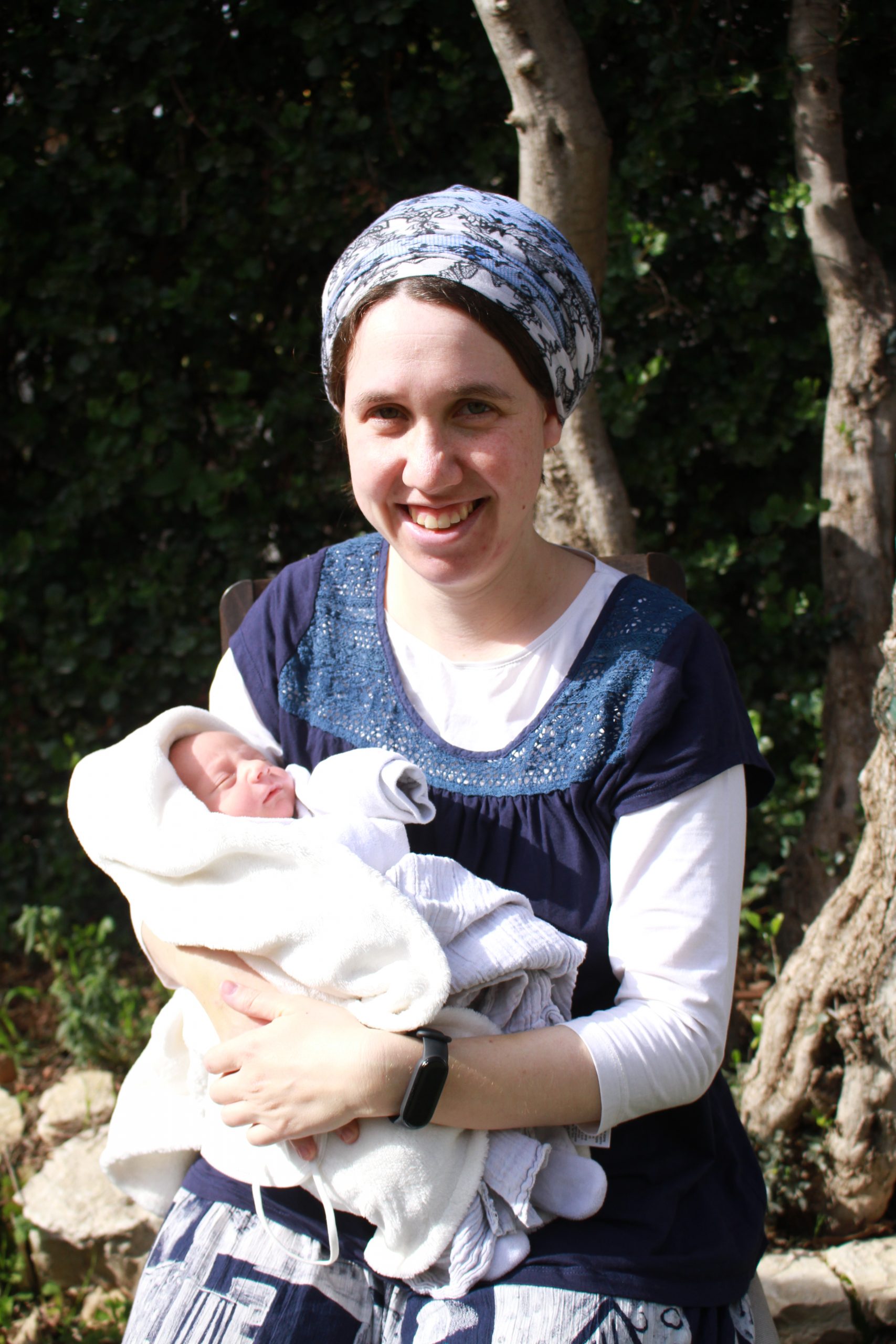
בתחילת הסבב הנוכחי הצטברו אצלי תחושות שאני לא מבינה מספיק מהי ההלכה אותה אני מקיימת בכל יום. כמו כן, כאמא לבנות רציתי לתת להן מודל נשי של לימוד תורה
שתי הסיבות האלו הובילו אותי להתחיל ללמוד. נתקלתי בתגובות מפרגנות וסקרניות איך אישה לומדת גמרא..
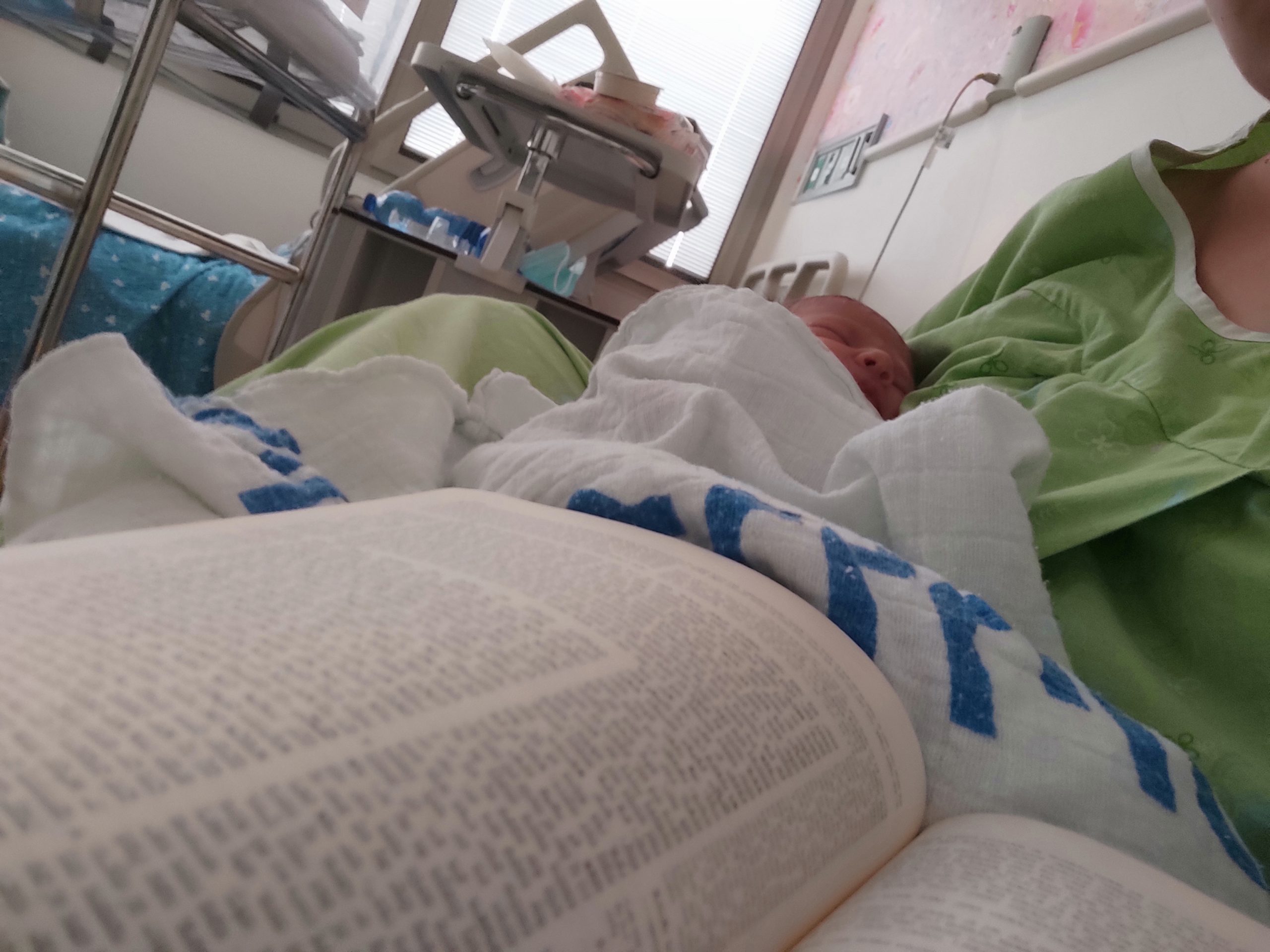
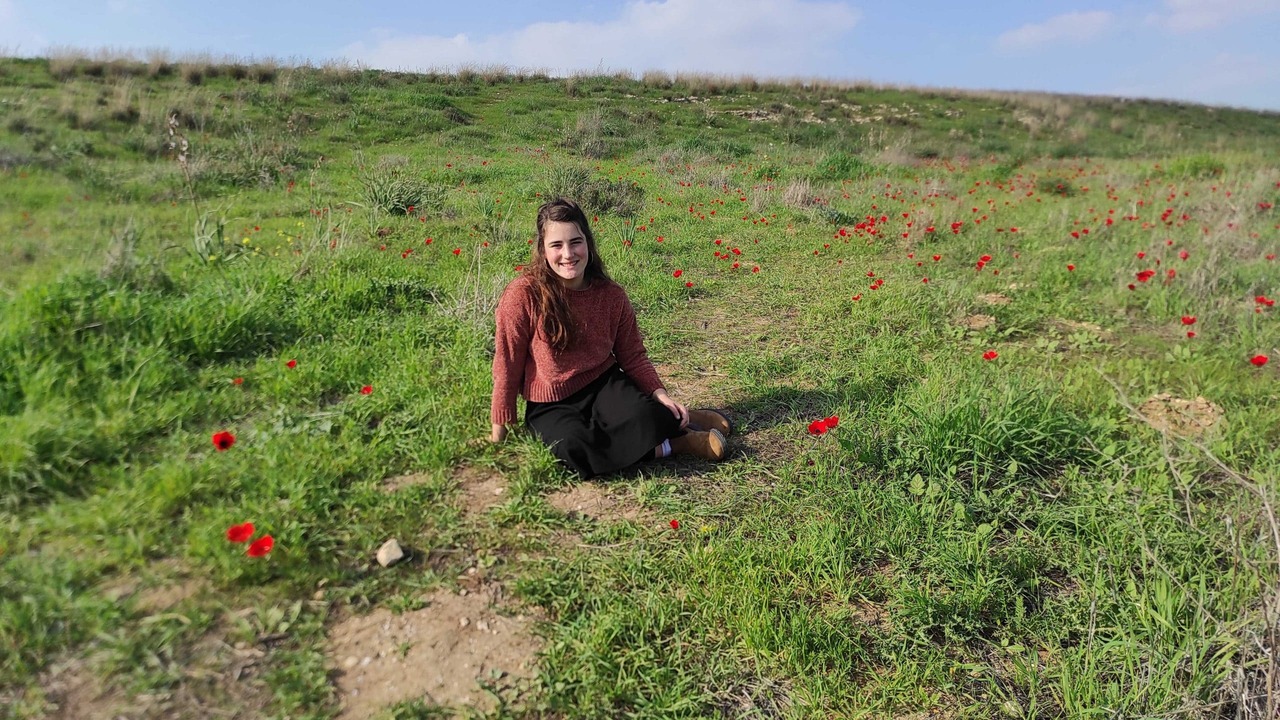
כמו שרואים בתמונה אני ממשיכה ללמוד גם היום ואפילו במחלקת יולדות אחרי לידת ביתי השלישית.

Noa Shiloh
נועה שילה

רבבה, ישראל

. לא תמיד נהניתי מלימוד גמרא כילדה.,בל כהתבגרתי התחלתי לאהוב את זה שוב. התחלתי ללמוד מסכת סוטה בדף היומי לפני כחמש עשרה שנה ואז הפסקתי.הגעתי לסיום הגדול של הדרן לפני שנתיים וזה נתן לי השראה. והתחלתי ללמוד למשך כמה ימים ואז היתה לי פריצת דיסק והפסקתי…עד אלול השנה. אז התחלתי עם מסכת ביצה וב”ה אני מצליחה לעמוד בקצב. המשפחה מאוד תומכת בי ויש כמה שגם לומדים את זה במקביל. אני אוהבת שיש עוגן כל יום.

Rebecca Darshan
רבקה דרשן

בית שמש, ישראל

התחלתי מעט לפני תחילת הסבב הנוכחי. אני נהנית מהאתגר של להמשיך להתמיד, מרגעים של "אהה, מפה זה הגיע!” ומהאתגר האינטלקטואלי

Eilat-Chen and Deller
אילת-חן ודלר

לוד, ישראל

התחלתי ללמוד דף יומי שהתחילו מסכת כתובות, לפני 7 שנים, במסגרת קבוצת לימוד שהתפרקה די מהר, ומשם המשכתי לבד בתמיכת האיש שלי. נעזרתי בגמרת שטיינזלץ ובשיעורים מוקלטים.
הסביבה מאד תומכת ואני מקבלת המון מילים טובות לאורך כל הדרך. מאז הסיום הגדול יש תחושה שאני חלק מדבר גדול יותר.
אני לומדת בשיטת ה”7 דפים בשבוע” של הרבנית תרצה קלמן – כלומר, לא נורא אם לא הצלחת ללמוד כל יום, העיקר שגמרת ארבעה דפים בשבוע

Rachel Goldstein
רחל גולדשטיין

עתניאל, ישראל

לצערי גדלתי בדור שבו לימוד גמרא לנשים לא היה דבר שבשגרה ושנים שאני חולמת להשלים את הפער הזה.. עד שלפני מספר שבועות, כמעט במקרה, נתקלתי במודעת פרסומת הקוראת להצטרף ללימוד מסכת תענית. כשקראתי את המודעה הרגשתי שהיא כאילו נכתבה עבורי – "תמיד חלמת ללמוד גמרא ולא ידעת איך להתחיל”, "בואי להתנסות במסכת קצרה וקלה” (רק היה חסר שהמודעה תיפתח במילים "מיכי שלום”..). קפצתי למים ו- ב”ה אני בדרך להגשמת החלום:)

Micah Kadosh
מיכי קדוש

מורשת, ישראל

התחלתי ללמוד לפני כשנתיים בשאיפה לסיים לראשונה מסכת אחת במהלך חופשת הלידה.
אחרי מסכת אחת כבר היה קשה להפסיק…

Noa Gallant
נעה גלנט

ירוחם, ישראל

התחלתי ללמוד גמרא בבית הספר בגיל צעיר והתאהבתי. המשכתי בכך כל חיי ואף היייתי מורה לגמרא בבית הספר שקד בשדה אליהו (בית הספר בו למדתי בילדותי)בתחילת מחזור דף יומי הנוכחי החלטתי להצטרף ובע”ה מקווה להתמיד ולהמשיך. אני אוהבת את המפגש עם הדף את "דרישות השלום ” שמקבלת מקשרים עם דפים אחרים שלמדתי את הסנכרון שמתחולל בין התכנים.

Ariela Bigman
אריאלה ביגמן

מעלה גלבוע, ישראל

התחלתי בתחילת הסבב, והתמכרתי. זה נותן משמעות נוספת ליומיום ומאוד מחזק לתת לזה מקום בתוך כל שגרת הבית-עבודה השוטפת.

Reut Abrahami
רעות אברהמי

בית שמש, ישראל

התחלתי ללמוד דף יומי כאשר קיבלתי במייל ממכון שטיינזלץ את הדפים הראשונים של מסכת ברכות במייל. קודם לא ידעתי איך לקרוא אותם עד שנתתי להם להדריך אותי. הסביבה שלי לא מודעת לעניין כי אני לא מדברת על כך בפומבי. למדתי מהדפים דברים חדשים, כמו הקשר בין המבנה של בית המקדש והמשכן לגופו של האדם (יומא מה, ע”א) והקשר שלו למשפט מפורסם שמופיע בספר ההינדי "בהגוד-גיתא”. מתברר שזה רעיון כלל עולמי ולא רק יהודי

Elena Arenburg
אלנה ארנבורג

נשר, ישראל

אמא שלי למדה איתי ש”ס משנה, והתחילה ללמוד דף יומי. אני החלטתי שאני רוצה ללמוד גם. בהתחלה למדתי איתה, אח”כ הצטרפתי ללימוד דף יומי שהרב דני וינט מעביר לנוער בנים בעתניאל. במסכת עירובין עוד חברה הצטרפה אלי וכשהתחלנו פסחים הרב דני פתח לנו שעור דף יומי לבנות. מאז אנחנו לומדות איתו קבוע כל יום את הדף היומי (ובשבת אבא שלי מחליף אותו). אני נהנית מהלימוד, הוא מאתגר ומעניין

Renana Hellman
רננה הלמן

עתניאל, ישראל

אחרי שראיתי את הסיום הנשי של הדף היומי בבנייני האומה זה ריגש אותי ועורר בי את הרצון להצטרף. לא למדתי גמרא קודם לכן בכלל, אז הכל היה לי חדש, ולכן אני לומדת בעיקר מהשיעורים פה בהדרן, בשוטנשטיין או בחוברות ושיננתם.

Rebecca Schloss
רבקה שלוס

בית שמש, ישראל

לצערי גדלתי בדור שבו לימוד גמרא לנשים לא היה דבר שבשגרה ושנים שאני חולמת להשלים את הפער הזה.. עד שלפני מספר שבועות, כמעט במקרה, נתקלתי במודעת פרסומת הקוראת להצטרף ללימוד מסכת תענית. כשקראתי את המודעה הרגשתי שהיא כאילו נכתבה עבורי – "תמיד חלמת ללמוד גמרא ולא ידעת איך להתחיל”, "בואי להתנסות במסכת קצרה וקלה” (רק היה חסר שהמודעה תיפתח במילים "מיכי שלום”..). קפצתי למים ו- ב”ה אני בדרך להגשמת החלום:)

Micah Kadosh
מיכי קדוש

מורשת, ישראל

A friend in the SF Bay Area said in Dec 2019 that she might start listening on her morning drive to work. I mentioned to my husband and we decided to try the Daf when it began in Jan 2020 as part of our preparing to make Aliyah in the summer.

Hana Piotrkovsky
חנה פיוטרקובסקי

ירושלים, Israel

התחלתי ללמוד בעידוד שתי חברות אתן למדתי בעבר את הפרק היומי במסגרת 929.
בבית מתלהבים מאוד ובשבת אני לומדת את הדף עם בעלי שזה מפתיע ומשמח מאוד! לימוד הדף הוא חלק בלתי נפרד מהיום שלי. לומדת בצהריים ומחכה לזמן הזה מידי יום…

Miriam Wengerover
מרים ונגרובר

אפרת, ישראל

כבר סיפרתי בסיום של מועד קטן.
הלימוד מאוד משפיעה על היום שלי כי אני לומדת עם רבנית מישל על הבוקר בזום. זה נותן טון לכל היום – בסיס למחשבות שלי .זה זכות גדול להתחיל את היום בלימוד ובתפילה. תודה רבה !

שרה-ברלוביץ
שרה ברלוביץ

ירושלים, ישראל

התחלתי ללמוד דף יומי אחרי שחזרתי בתשובה ולמדתי במדרשה במגדל עוז. הלימוד טוב ומספק חומר למחשבה על נושאים הלכתיים ”קטנים” ועד לערכים גדולים ביהדות. חשוב לי להכיר את הגמרא לעומק. והצעד הקטן היום הוא ללמוד אותה בבקיאות, בעזרת השם, ומי יודע אולי גם אגיע לעיון בנושאים מעניינים. נושאים בגמרא מתחברים לחגים, לתפילה, ליחסים שבין אדם לחברו ולמקום ולשאר הדברים שמלווים באורח חיים דתי 🙂

Gaia Divo
גאיה דיבו

מצפה יריחו, ישראל

התחלתי ללמוד דף יומי שהתחילו מסכת כתובות, לפני 7 שנים, במסגרת קבוצת לימוד שהתפרקה די מהר, ומשם המשכתי לבד בתמיכת האיש שלי. נעזרתי בגמרת שטיינזלץ ובשיעורים מוקלטים.
הסביבה מאד תומכת ואני מקבלת המון מילים טובות לאורך כל הדרך. מאז הסיום הגדול יש תחושה שאני חלק מדבר גדול יותר.
אני לומדת בשיטת ה”7 דפים בשבוע” של הרבנית תרצה קלמן – כלומר, לא נורא אם לא הצלחת ללמוד כל יום, העיקר שגמרת ארבעה דפים בשבוע

Rachel Goldstein
רחל גולדשטיין

עתניאל, ישראל

התחלתי ללמוד דף יומי בסבב הקודם. זכיתי לסיים אותו במעמד המרגש של הדרן. בסבב הראשון ליווה אותי הספק, שאולי לא אצליח לעמוד בקצב ולהתמיד. בסבב השני אני לומדת ברוגע, מתוך אמונה ביכולתי ללמוד ולסיים. בסבב הלימוד הראשון ליוותה אותי חוויה מסויימת של בדידות. הדרן העניקה לי קהילת לימוד ואחוות נשים. החוויה של סיום הש”ס במעמד כה גדול כשנשים שאינן מכירות אותי, שמחות ומתרגשות עבורי , היתה חוויה מרוממת נפש

Ilanit Weil
אילנית ווייל

קיבוץ מגדל עוז, ישראל

נדרים מב

מַתְנִי׳ הַמּוּדָּר הֲנָאָה מֵחֲבֵירוֹ לִפְנֵי שְׁבִיעִית — אֵינוֹ יוֹרֵד לְתוֹךְ שָׂדֵהוּ, וְאֵינוֹ אוֹכֵל מִן הַנּוֹטוֹת. וּבַשְּׁבִיעִית — אֵינוֹ יוֹרֵד לְתוֹךְ שָׂדֵהוּ, אֲבָל אוֹכֵל הוּא מִן הַנְּטִיעוֹת הַנּוֹטוֹת. נָדַר הֵימֶנּוּ מַאֲכָל, לִפְנֵי שְׁבִיעִית — יוֹרֵד לְתוֹךְ שָׂדֵהוּ, וְאֵינוֹ אוֹכֵל מִן הַפֵּירוֹת, וּבַשְּׁבִיעִית — יוֹרֵד וְאוֹכֵל.

MISHNA: In the case of one for whom benefit from another is forbidden, before, i.e., a year other than the Sabbatical Year, he may neither enter the field of that other person, nor eat from the produce that leans out of the field, even if he does not enter the field. And during the Sabbatical Year, when the produce of the trees is ownerless, he may not enter his field; however, he may eat from the growths that lean out of the field, as the produce does not belong to the other person. If one vowed before the Sabbatical Year that benefit from another’s food is forbidden for him, he may enter his field; however, he may not eat of the produce. And during the Sabbatical Year, he may enter the field and may eat the produce.

גְּמָ׳ רַב וּשְׁמוּאֵל דְּאָמְרִי תַּרְוַיְיהוּ: ״נְכָסִים אֵלּוּ עָלֶיךָ״ — לִפְנֵי שְׁבִיעִית אֵין יוֹרֵד לְתוֹךְ שָׂדֵהוּ, וְאֵינוֹ אוֹכֵל מִן הַנּוֹטוֹת, אַף עַל פִּי שֶׁהִגִּיעַ שְׁבִיעִית. וְאִם בַּשְּׁבִיעִית נָדַר — אֵין יוֹרֵד לְתוֹךְ שָׂדֵהוּ, אֲבָל אוֹכֵל מִן הַנּוֹטוֹת.

GEMARA: It is Rav and Shmuel who both say that if one vowed before the Sabbatical Year: Benefit from this property is forbidden to you, the other may neither enter his field, nor eat from the produce that leans out of the field, even though the Sabbatical Year arrived in the interim, because the prohibition of the produce took effect before the Sabbatical Year and remained in effect after the Sabbatical Year began. And if he vowed during the Sabbatical Year, he may not enter a field that is included in that property; however, he may eat from the produce that leans out of the field, because the produce was ownerless when he vowed.

וְרַבִּי יוֹחָנָן וְרֵישׁ לָקִישׁ דְּאָמְרִי תַּרְוַיְיהוּ: ״נְכָסַי עָלֶיךָ״ — לִפְנֵי שְׁבִיעִית אֵין יוֹרֵד לְתוֹךְ שָׂדֵהוּ וְאֵין אוֹכֵל מִן הַנּוֹטוֹת, הִגִּיעַ שְׁבִיעִית — אֵינוֹ יוֹרֵד לְתוֹךְ שָׂדֵהוּ, אֲבָל אוֹכֵל הוּא אֶת הַנּוֹטוֹת.

And it is Rabbi Yoḥanan and Reish Lakish who both say that if one vowed before the Sabbatical Year: Benefit from my property is forbidden to you, the other may neither enter his field nor eat from the produce that leans out of the field. When the Sabbatical Year arrives, he may not enter his field; however, he may eat from the produce that leans out of the field, because the produce is ownerless.

לֵימָא בְּהָא קָמִיפַּלְגִי, דְּרַב וּשְׁמוּאֵל סָבְרִי: אָדָם אוֹסֵר דָּבָר שֶׁבִּרְשׁוּתוֹ אֲפִילּוּ לִכְשֶׁיֵּצֵא מֵרְשׁוּתוֹ. וְרַבִּי יוֹחָנָן וְרֵישׁ לָקִישׁ סָבְרִי: אֵין אָדָם אוֹסֵר דָּבָר שֶׁבִּרְשׁוּתוֹ לִכְשֶׁיֵּצֵא מֵרְשׁוּתוֹ.

The Gemara suggests: Let us say that they disagree about this, that Rav and Shmuel hold: A person can render an item in his possession forbidden, and the prohibition remains in effect even when it leaves his possession. Since he rendered the produce forbidden before the Sabbatical Year, the prohibition remains in effect after the produce becomes ownerless during the Sabbatical Year. And Rabbi Yoḥanan and Reish Lakish hold: A person cannot render an item in his possession forbidden and have the prohibition remain in effect when it leaves his possession. Therefore, it is permitted to eat the produce during the Sabbatical Year.

וְתִסְבְּרָא? מִי אִיכָּא לְמַאן דְּאָמַר אֵין אָדָם אוֹסֵר דָּבָר שֶׁבִּרְשׁוּתוֹ לִכְשֶׁיֵּצֵא מֵרָשׁוּתוֹ? אִם כֵּן, נִיפְלְגֵי בִּ״נְכָסִים אֵלּוּ״, וְכׇל שֶׁכֵּן בִּ״נְכָסַי״!

The Gemara asks: And how can you understand it in that manner? Is there anyone who says that a person cannot render an item in his possession forbidden and have the prohibition remain in effect when it leaves his possession? If so, if Rabbi Yoḥanan and Reish Lakish hold that one cannot do so, let them disagree in the case of one who said: Benefit from this property is forbidden to you, and that would be true all the more so if he said: Benefit from my property is forbidden to you. In the latter case, it is clear that the prohibition remains in effect only as long as the item remains in his possession.

וְתוּ, הָא תְּנַן דְּאָדָם אוֹסֵר דָּבָר שֶׁבִּרְשׁוּתוֹ לִכְשֶׁיֵּצֵא מֵרְשׁוּתוֹ, דִּתְנַן: הָאוֹמֵר לִבְנוֹ ״קֻוֽנָּם שֶׁאַתָּה נֶהֱנֶה לִי״, מֵת — יִירָשֶׁנּוּ. ״בְּחַיָּיו וּבְמוֹתוֹ״,

And furthermore, didn’t we learn in a mishna (Bava Kamma 108b) that a person can render an item in his possession forbidden and the prohibition remains in effect when it leaves his possession? This is as we learned in a mishna, that with regard to one who says to his son: Benefit from my property is konam for you, if the father dies, the son will inherit him. He is not deriving benefit from his father’s property, as after death it is no longer his. If the father vowed to render benefit from his property forbidden to his son during his lifetime and upon his death,

אִם מֵת — לֹא יִירָשֶׁנּוּ! שָׁאנֵי הָכָא דְּקָא אָמַר לֵיהּ ״בְּחַיָּיו וּבְמוֹתוֹ״.

then if the father dies, his son does not inherit from him. Apparently, one can render his property forbidden and have it remain forbidden after it is no longer in his possession. The Gemara rejects that proof: It is different here, as he said to him explicitly: During his lifetime and upon his death. There is no proof that in a case where he did not explicitly extend the prohibition to the period after it leaves his possession, the prohibition would not remain in effect.

מִכׇּל מָקוֹם קַשְׁיָא? אֶלָּא: בִּ״נְכָסִים אֵלּוּ״ — כּוּלֵּי עָלְמָא לָא פְּלִיגִי. כִּי פְּלִיגִי בִּ״נְכָסַי״.

The second question was answered, but in any case the first question remains difficult: Why didn’t Rabbi Yoḥanan and Reish Lakish disagree in a case where he said: This property, as well? Rather, this is the explanation of their dispute: In the case of one who said: Benefit from this property is forbidden to you, everyone agrees that the prohibition remains in effect even after the item is no longer in his possession. When they disagree, it is in the case of one who said: Benefit from my property is forbidden to you.

רַב וּשְׁמוּאֵל סָבְרִי: לָא שְׁנָא ״נְכָסִים אֵלּוּ״, לָא שְׁנָא ״נְכָסַי״, אָדָם אוֹסֵר. וְרַבִּי יוֹחָנָן וְרֵישׁ לָקִישׁ סָבְרִי: ״נְכָסִים״ — אָדָם אוֹסֵר, ״נְכָסַי״ — אֵין אָדָם אוֹסֵר.

Rav and Shmuel hold: It is no different if he said: This property, and it is no different if he said: My property; in both cases, a person renders an item forbidden and the prohibition remains in effect even after the item is no longer in his possession. And Rabbi Yoḥanan and Reish Lakish hold: If one said: Property, a person renders an item forbidden and the prohibition remains in effect. However, if he said: My property, a person does not render an item forbidden for the period after it is no longer in his possession, as the phrase my property means property in my possession.

וּמִי אִיכָּא לְמַאן דְּאָמַר לָא שְׁנָא ״נְכָסִים אֵלּוּ״ וְלָא שְׁנָא ״נְכָסַי״? וְהָא תְּנַן: הָאוֹמֵר לַחֲבֵירוֹ ״קֻוֽנָּם לְתוֹךְ בֵּיתְךָ שֶׁאֲנִי נִכְנָס״, ״שָׂדְךָ שֶׁאֲנִי לוֹקֵחַ״, מֵת אוֹ שֶׁמְּכָרוֹ לְאַחֵר — מוּתָּר. ״לְבַיִת זֶה שֶׁאֲנִי נִכְנָס״, ״שָׂדֶה זוֹ שֶׁאֲנִי לוֹקֵחַ״, מֵת אוֹ שֶׁמְּכָרוֹ לְאַחֵר — אָסוּר.

The Gemara asks: And is there anyone who says that it is no different if he said: This property, and it is no different if he said: My property, and that the prohibition remains in effect even after the item is no longer in his possession? But didn’t we learn in a mishna (46a): If one says to another: Entering into your house is konam for me, or: Buying your field is konam for me, then if the owner died or sold the property to another, it is permitted for the one who vowed to enter the house or buy the field, as the prohibition is in effect only as long as it belongs to that person. However, if he said: Entering this house is konam for me, or: Buying this field is konam for me, then if the owner died or sold the property to another, it remains forbidden. Apparently, there is a difference between a case where he simply renders an item forbidden and a case where he renders an item belonging to a particular individual forbidden.

אֶלָּא: כִּי אָמְרִי רַבִּי יוֹחָנָן וְרֵישׁ לָקִישׁ, בִּ״נְכָסַי״. וְרַב וּשְׁמוּאֵל, בִּ״נְכָסִים אֵלּוּ״, וְלָא פְּלִיגִי.

Rather, this is the explanation of the statements of the amora’im: When Rabbi Yoḥanan and Reish Lakish said that the prohibition is no longer in effect after the item is no longer in his possession, it was in a case where he said: My property. And when Rav and Shmuel said that the prohibition remains in effect after the item is no longer in his possession, it was in a case where he said: This property. And they do not disagree, as each pair of amora’im addressed a different situation.

וּבַשְּׁבִיעִית אֵין יוֹרֵד לְתוֹךְ שָׂדֵהוּ כּוּ׳. מַאי שְׁנָא דְּאוֹכֵל מִן הַנּוֹטוֹת — דְּפֵירֵי דְהֶפְקֵירָא אִינּוּן, אַרְעָא נָמֵי אַפְקְרַהּ?!

We learned in the mishna: And during the Sabbatical Year he may not enter his field; however, he eats from the produce that leans out of the field. The Gemara asks: What is different about the Sabbatical Year that he is permitted to eat of the produce that leans out of the field? It is due to the fact that the produce is ownerless. With regard to land as well, the Torah rendered it ownerless, as during the Sabbatical Year, it is permitted for everyone to enter the field and eat the produce.

אָמַר עוּלָּא: בְּעוֹמְדִין אִילָנוֹת עַל הַגְּבוּלִים. רַבִּי שִׁמְעוֹן בֶּן אֶלְיָקִים אָמַר: גְּזֵירָה שֶׁמָּא יִשְׁהֶא בַּעֲמִידָה.

Ulla said: The mishna is referring to a case where the fruit trees are standing on the borders of the field. Since it is possible to eat the produce without entering the field, it is not permitted for him to enter it. Rabbi Shimon ben Elyakim said: Even in a case where the fruit trees are standing in the middle of the field, it is also prohibited for him to enter the field, due to a rabbinic decree lest he remain standing there longer than necessary for purposes of eating, which is prohibited even during the Sabbatical Year.

מַתְנִי׳ הַמּוּדָּר הֲנָאָה מֵחֲבֵירוֹ — לֹא יַשְׁאִילֶנּוּ וְלֹא יִשְׁאַל מִמֶּנּוּ, לֹא יַלְוֶנּוּ וְלֹא יִלְוֶה מִמֶּנּוּ, וְלֹא יִמְכּוֹר לוֹ וְלֹא יִקַּח מִמֶּנּוּ.

MISHNA: In the case of one for whom benefit from another is forbidden by vow, that other person may neither lend an item to him nor borrow an item from him. Similarly, he may neither lend money to him nor borrow money from him. And he may neither sell an item to him nor purchase an item from him.

רוצה לעקוב אחרי התכנים ולהמשיך ללמוד?

ביצירת חשבון עוד היום ניתן לעקוב אחרי ההתקדמות שלך, לסמן מה למדת, ולעקוב אחרי השיעורים שמעניינים אותך.

לנקות את כל הפריטים מהרשימה?

פעולה זו תסיר את כל הפריטים בחלק זה כולל ההתקדמות וההיסטוריה. שימי לב: לא ניתן לשחזר פעולה זו.

ביטול
מחיקה

האם את/ה בטוח/ה שברצונך למחוק פריט זה?

תאבד/י את כל ההתקדמות או ההיסטוריה הקשורות לפריט זה.

ביטול
מחיקה