חיפוש

נדרים נא

רוצה להקדיש לימוד?

podcast placeholder

0:00
0:00


תקציר

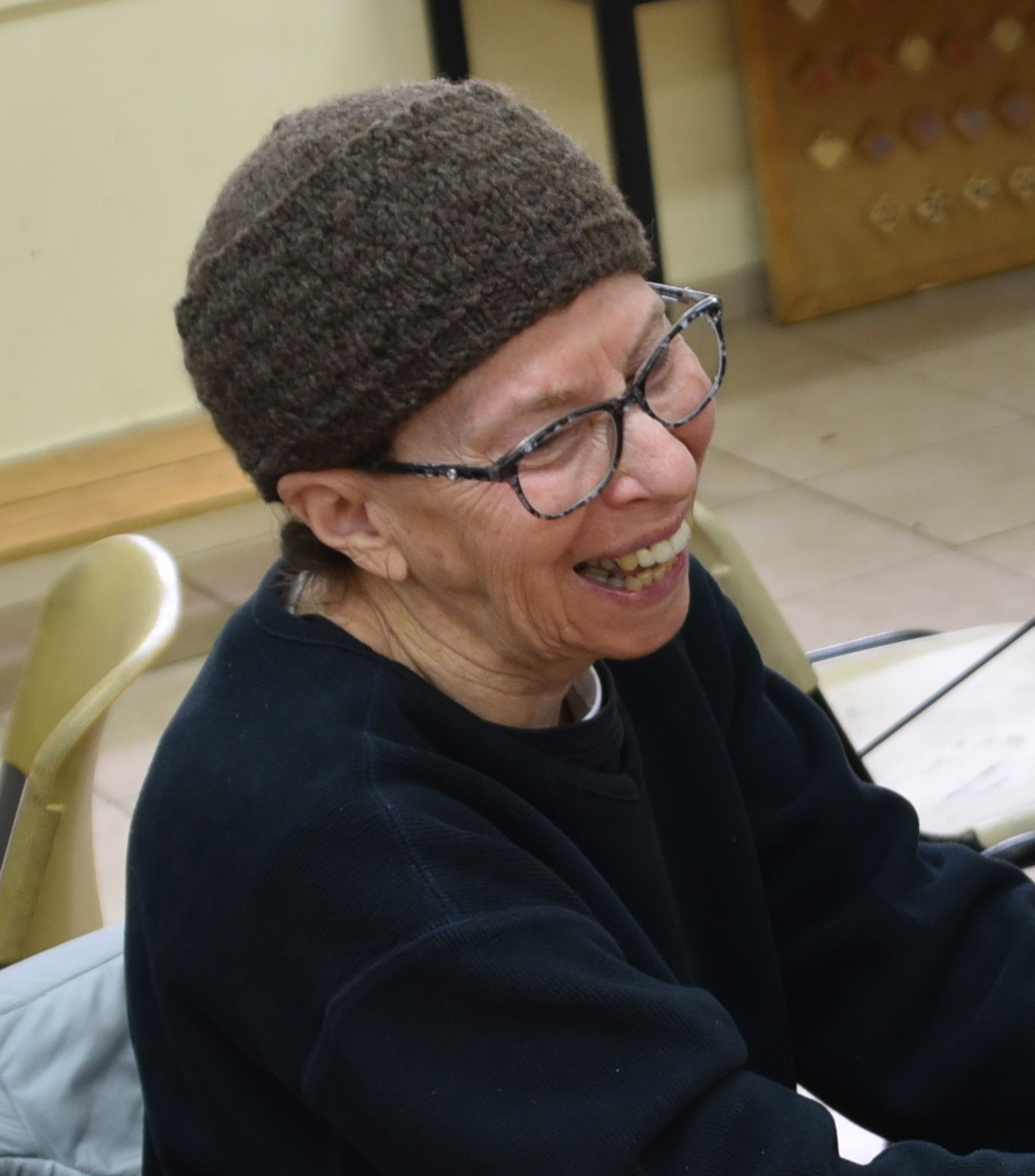
הדף היום מוקדש ע”י מרגו קוסוף שיזגל לכבוד עלייתם של הוריה לארץ, שמעיה וחיה קוסוף.

לאחר שרבי הזמין את בר קפרא לסעודת נישואין של שמעון בנו ומזהיר אותו לא להתבדח איתו, בר קפרא עובר על דבריו וגורם לו לצחוק. לאחר מכן, בסעודת למחרת, הוא מביך את רבי עם שאלות על פרשנות במילים בפרשת העריות עד שחתנו של רבי ובתו יוצאים מהמסיבה בכעס. חתנו, בן אלעשה היה איש עשיר שהיה ידוע בכך שעשה תספורת לולינית כמו שעשו הכהנים הגדולים. המשניות הבאות והגמרות עליהם דנים בלשונות של דבר שקשורים להכנת מאכלים – איזה לשונות נחשבים לספציפיים יותר ומוגבלים לדברים ספציפיים ואיזה לשונות נחשבים לכלליים יותר? כשיש הבדל בין הפירוש של מילה בתנ”ך ובימי המשנה/גמרא, סומכים על המשמעות בזמן המשנה/גמרא כי בנדרים הלך אחר לשון בני אדם.

נדרים נא

דְּכֹל גְּרִיוָא דְּבָעֵינָא שָׁקֵילְנָא. שְׁקַל דִּיקּוּלָא רַבָּה, חַפְיֵיהּ כּוּפְרָא וְסַחְפֵיהּ עַל רֵישֵׁיהּ, וַאֲזַל וַאֲמַר לֵיהּ: לֵיכִיל לִי מָר אַרְבְּעִין גְּרִיוֵי חִיטֵּי דְּרָשֵׁינָא בָּךְ. אַחוּךְ רַבִּי. אֲמַר לֵיהּ: לָאו אַזְהַרְתָּךָ דְּלָא תְּבַדְּחַן? אֲמַר לֵיהּ: חִיטֵּי דְּרָשֵׁינָא קָא נָסֵיבְנָא.

that any se’a I wish I will take. He took a large palm basket, smeared it with tar, and overturned it upon his head, and went, and said to Rabbi Yehuda HaNasi: Let the Master measure for me the forty se’a of wheat that I am owed by you. Rabbi Yehuda HaNasi laughed at this and said to him: Did I not warn you not to make me laugh? He said to him: What I am taking from you is simply the wheat that I am owed by you.

אֲמַר לַהּ בַּר קַפָּרָא לְבַרְתֵּיהּ דְּרַבִּי: לִמְחַר שָׁתֵינָא חַמְרָא בְּרִיקּוּדָא דַּאֲבוּךְ וּבְקִירְקָנֵי דְאִמִּךְ. בֶּן אֶלְעָשָׂה חַתְנֵיהּ דְּרַבִּי הֲוָה, וְעָשִׁיר גָּדוֹל הֲוָה. אַזְמְנֵיהּ לְבֵי הִילּוּלָא דְּרַבִּי שִׁמְעוֹן בְּרַבִּי.

The Gemara relates another story. Bar Kappara said to the daughter of Rabbi Yehuda HaNasi, whose husband’s name was ben Elasa: Tomorrow I will drink wine at your father’s dancing and your mother’s singing [kirekanei]. Ben Elasa was the son-in-law of Rabbi Yehuda HaNasi and was a very wealthy man. Rabbi Yehuda HaNasi invited him to the wedding of Rabbi Shimon, son of Rabbi Yehuda HaNasi.

אֲמַר לֵיהּ בַּר קַפָּרָא לְרַבִּי: מַאי ״תּוֹעֵבָה״? כֹּל דַּאֲמַר לֵיהּ רַבִּי דְּהָכֵין הוּא ״תּוֹעֵבָה״, פַּרְכַהּ בַּר קַפָּרָא. אֲמַר לֵיהּ: פָּרְשֵׁיהּ אַתְּ. אֲמַר לֵיהּ: תֵּיתֵי דְּבֵיתְכִי תִּירְמֵי לִי נַטְלָא. אֲתָת רָמְיָא לֵיהּ. אֲמַר לֵיהּ לְרַבִּי: קוּם רְקוֹד לִי, דְּאֵימַר לָךְ: הָכִי אָמַר רַחֲמָנָא: ״תּוֹעֵבָה״ — תּוֹעֶה אַתָּה בָּהּ.

Bar Kappara said to Rabbi Yehuda HaNasi at the wedding: What is the meaning of the word to’eva, abomination, used by the Torah to describe homosexual intercourse (see Leviticus 18:22)? Whatever it was that Rabbi Yehuda HaNasi said to bar Kappara in explanation, claiming that this is the meaning of to’eva, bar Kappara refuted it by proving otherwise. Rabbi Yehuda HaNasi said to him: You explain it. Bar Kappara said to him: Let your wife come and pour me a goblet of wine. She came and poured him wine. Bar Kappara then said to Rabbi Yehuda HaNasi: Arise and dance for me, so that I will tell you the meaning of the word: This is what the Merciful One is saying in the Torah in the word to’eva: You are straying after it [to’e ata bah], i.e., after an atypical mate.

לְכָסָא אַחֲרִינָא אֲמַר לֵיהּ: מַאי ״תֶּבֶל״? אֲמַר לֵיהּ כִּי עִנְיָינָא קַדְמָאָה. אֲמַר לֵיהּ: עִיבֵיד לִי דְּאוֹמַר לָךְ. עֲבַד. אֲמַר לֵיהּ: ״תֶּבֶל הוּא״ — תַּבְלִין יֵשׁ בָּהּ. מִי שָׁנְיָא הָדָא בִּיאָה מִן כּוּלְּהוֹן בִּיאוֹת?

When they came to drink another cup, bar Kappara said to him: What is the meaning of the word tevel, perversion, as in the verse: “Neither shall any woman stand before a beast, to lie down thereto; it is perversion [tevel]” (Leviticus 18:23)? Rabbi Yehuda HaNasi said various explanations to him, as he did the previous time, which were all refuted again by bar Kappara. Bar Kappara then said to him: Perform for me as you did before, so that I will tell you. Rabbi Yehuda HaNasi did so. Bar Kappara then said to him that the phrase: “It is tevel means: Does it have any spice [tevalin yesh bah]? Is this act of sexual intercourse with an animal different than all other acts of sexual intercourse, which would cause one to engage in such a repulsive action?

אֲמַר לֵיהּ: וּמַאי ״זִימָּה״? אֲמַר לֵיהּ: עִיבֵיד כִּי עִנְיָינָא קַדְמָאָה. עֲבַד וַאֲמַר לֵיהּ: זוֹ מָה הִיא. לָא יְכֵיל בֶּן אֶלְעָשָׂה לְמִיסְבַּל, קָם וּנְפַק הוּא וְאִינְתְּתֵיהּ מִתַּמָּן.

Rabbi Yehuda HaNasi said to bar Kappara: And what is the meaning of the word zimma, lewdness, as in the verse: “They are near kinswomen; it is lewdness [zimma]” (Leviticus 18:17), stated with regard to a man who engages in sexual intercourse with a woman and her daughter? He said to him: Perform for me as you did the previous time. Rabbi Yehuda HaNasi did so, and bar Kappara said to him that zimma means: What is she [zo ma hi]? This man would be confused about how to refer to his wives; his wife is also his other wife’s mother or daughter. Ben Elasa could not tolerate Rabbi Yehuda HaNasi’s humiliation, so he and his wife arose and left the wedding.

מַאי בֶּן אֶלְעָשָׂה? דְּתַנְיָא: לֹא לְחִנָּם פִּיזֵּר בֶּן אֶלְעָשָׂה אֶת מְעוֹתָיו, אֶלָּא לְהַרְאוֹת בָּהֶן תִּסְפּוֹרֶת שֶׁל כֹּהֵן גָּדוֹל.

In what other context is ben Elasa mentioned? He is mentioned in a baraita, as it is taught: Ben Elasa did not dispense his money on his special haircut for naught. Rather, he spent it to show others what the haircut of a High Priest looked like.

דִּכְתִיב: ״כָּסוֹם יִכְסְמוּ אֶת רָאשֵׁיהֶם״. תָּנָא: כְּעֵין לוּלְיָנִית. מַאי ״לוּלְיָנִית״? אָמַר רַב יְהוּדָה: תִּסְפֻּרְתָּא יְחִידְתָּא. הֵיכִי דָּמֵי? אָמַר רָבָא: רֹאשׁוֹ שֶׁל זֶה בְּצַד עִיקָּרוֹ שֶׁל זֶה. וְהַיְינוּ תִּסְפּוֹרֶת שֶׁל כֹּהֵן גָּדוֹל.

As it is written with regard to the priests: “They shall poll their heads” (Ezekiel 44:20), and it is taught in a baraita: This haircut is like a luleyanit. The Gemara asks: What is a luleyanit? Rav Yehuda said: It is a unique haircut. The Gemara asks: What is this haircut like? Rava said: The edge of this hank of hair is by the roots of that hank of hair. The hair is cut in the form of hanks that do not overlap. And this is the haircut of a High Priest, for which ben Elasa paid a large sum.

וּבַדַּלַּעַת הָרְמוּצָה. מַאי ״דַּלַּעַת הָרְמוּצָה״? אָמַר שְׁמוּאֵל: קַרָּא קַרְקוּזַאי. רַב אָשֵׁי אָמַר: דַּלַּעַת הַטְּמוּנָה בְּרֶמֶץ.

§ It is stated in the mishna that one who said: Cooked food is konam for me, and for that reason I will not taste it, is permitted to taste a turemita egg and the remutza gourd. The Gemara asks: What is the remutza gourd? Shmuel said: A type of gourd that grows in Karkuza [kara karkuzai], which does not cook well. Rav Ashi said: A gourd that is insulated in embers [remetz].

אֵיתִיבֵיהּ רָבִינָא לְרַב אָשֵׁי, רַבִּי נְחֶמְיָה אוֹמֵר: דַּלַּעַת אֲרַמִּית הִיא דַּלַּעַת הַמִּצְרִית, כִּלְאַיִם עִם הַיְּוָנִית, כִּלְאַיִם עִם הָרְמוּצָה. תְּיוּבְתָּא.

Ravina raised an objection to the definition given by Rav Ashi from a baraita: The halakha is that one who plants different types of vegetables in close proximity to each other violates, by rabbinic law, the transgression of diverse kinds (see Kilayim). Concerning which types of gourd are considered to be different types, Rabbi Neḥemya says that an Aramean gourd is identical to the Egyptian gourd, and one is permitted to plant them together. However, there is a prohibition of diverse kinds when it is planted with the Greek gourd, and there is a prohibition of diverse kinds when it is planted with the remutza gourd. This indicates that the remutza gourd is a type of gourd rather than a gourd prepared in a certain manner. This is a conclusive refutation of Rav Ashi’s opinion.

מַתְנִי׳ הַנּוֹדֵר מִמַּעֲשֵׂה קְדֵרָה — אֵין אָסוּר אֶלָּא מִמַּעֲשֵׂה רְתַחְתָּא. אָמַר ״קֻוֽנָּם הַיּוֹרֵד לִקְדֵרָה שֶׁאֲנִי טוֹעֵם״ — אָסוּר בְּכׇל הַנַּעֲשֶׂה בִּקְדֵרָה.

MISHNA: In the case of one who vows that food cooked in a dish is forbidden to him, he is prohibited from eating only food that is cooked by boiling it in a dish, i.e., its main preparation is in a dish. However, if one said: That which enters into a dish is konam for me, and for that reason I will not taste it, he is prohibited from tasting anything cooked in a dish, even if the final stage of the food’s preparation is not in a dish.

גְּמָ׳ תַּנְיָא: הַנּוֹדֵר מִן הַיּוֹרֵד לִקְדֵרָה — אָסוּר בַּיּוֹרֵד לְאִלְפָּס, שֶׁכְּבָר יָרַד לִקְדֵרָה קוֹדֶם שֶׁיּוֹרַד לְאִלְפָּס. מִן הַיּוֹרֵד לְאִלְפָּס — מוּתָּר בְּיוֹרֵד לִקְדֵרָה. מִן הַנַּעֲשֶׂה בִּקְדֵרָה — מוּתָּר בְּנַעֲשֶׂה בְּאִלְפָּס. מִן הַנַּעֲשֶׂה בְּאִלְפָּס — מוּתָּר בְּנַעֲשֶׂה בִּקְדֵרָה.

GEMARA: It is taught in a baraita: One who vows that that which enters into a dish is forbidden to him is also prohibited from eating that which enters a stewpot, as it has already entered into a dish before it enters into the stewpot. Food would be cooked in a dish and then it would be cooked some more in a stewpot. However, if one vowed that that which enters into the stewpot is forbidden to him, he is permitted to eat from that which enters into a dish, i.e., food that is cooked only in a regular dish. If one vows that that which is cooked in a dish is forbidden to him, he is permitted to eat that which is cooked in a stewpot, as he referred only to foods whose main preparation is in a dish. Similarly, if one vows that that which is cooked in a stewpot is forbidden to him, he is permitted to eat that which is cooked in a dish.

הַנּוֹדֵר מִן הַיּוֹרֵד לְתַנּוּר — אֵין אָסוּר אֶלָּא בְּפַת. וְאִם אָמַר: ״כׇּל מַעֲשֵׂה תַנּוּר עָלַי״ — אָסוּר בְּכׇל הַנַּעֲשִׂים בְּתַנּוּר.

One who vows that that which enters into an oven is forbidden to him is prohibited only from eating bread, as that is the main food that is baked in an oven. But if one said: Anything made in an oven is forbidden to me, he is prohibited from eating anything made in an oven.

מַתְנִי׳ ״מִן הַכָּבוּשׁ״ — אֵין אָסוּר אֶלָּא מִן הַכָּבוּשׁ שֶׁל יָרָק. ״כָּבוּשׁ שֶׁאֲנִי טוֹעֵם״ — אָסוּר בְּכׇל הַכְּבוּשִׁים. ״מִן הַשָּׁלוּק״ — אֵינוֹ אָסוּר אֶלָּא מִן הַשָּׁלוּק שֶׁל בָּשָׂר. ״שָׁלוּק שֶׁאֲנִי טוֹעֵם״ — אָסוּר בְּכׇל הַשְּׁלוּקִים.

MISHNA: One who vows that pickled food is forbidden to him is prohibited from eating only pickled vegetables, as that is what people usually mean when referring to pickled food. However, if he says: Pickled food is konam for me, and for that reason I will not taste it, he is prohibited from tasting all pickled foods. Similarly, one who vows that boiled food is forbidden to him is prohibited from eating only boiled meat, as that is the common meaning of the expression boiled food. On the other hand, if he says: Boiled food is konam for me, and for that reason I will not taste it, he is prohibited from eating all boiled foods.

גְּמָ׳ אֲמַר לֵיהּ רַב אַחָא בְּרֵיהּ דְּרַב אַוְיָא לְרַב אָשֵׁי: אָמַר ״דִּכְבִישׁ״, מַאי? ״דִּשְׁלִיק״, מַאי? ״דִּצְלִי״, מַאי? ״דִּמְלִיחַ״, מַאי? הֵיכֵין מַשְׁמַע? תִּיבְּעֵי.

GEMARA: Rav Aḥa, son of Rav Avya, said to Rav Ashi: If one said: That which is pickled is forbidden to me, what is the halakha? If one said: That which is boiled is forbidden to me, what is the halakha? If one said: That which is roasted is forbidden to me, what is the halakha? If one said: That which is salted is forbidden to me, what is the halakha? What do these expressions indicate? Do they refer to specific foods or to all foods prepared in these ways? The dilemma remains unresolved.

מַתְנִי׳ ״מִן הַצָּלִי״ — אֵין אָסוּר אֶלָּא מִן הַצָּלִי שֶׁל בָּשָׂר, דִּבְרֵי רַבִּי יְהוּדָה. ״צָלִי שֶׁאֲנִי טוֹעֵם״ — אָסוּר בְּכׇל הַצְּלוּיִים. ״מִן הַמָּלִיחַ״ — אֵין אָסוּר אֶלָּא מִן הַמָּלִיחַ שֶׁל דָּג. ״מָלִיחַ שֶׁאֲנִי טוֹעֵם״ — אָסוּר בְּכׇל הַמְּלוּחִים.

MISHNA: One who vows that roasted food is forbidden to him is prohibited from eating only roasted meat; this is the statement of Rabbi Yehuda. However, if one says: Roasted food is konam for me, and for that reason I will not taste it, he is prohibited from eating all roasted foods. One who vows that salted food is forbidden to him is prohibited from eating only salted fish, as that is the common meaning of the expression salted food. If, on the other hand, he says: Salted food is konam for me, and for that reason I will not taste it, he is prohibited from eating all salted foods.

״דָּג דָּגִים שֶׁאֲנִי טוֹעֵם״ — אָסוּר בָּהֶן, בֵּין גְּדוֹלִים בֵּין קְטַנִּים, בֵּין מְלוּחִים בֵּין תְּפֵלִים, בֵּין חַיִּים בֵּין מְבוּשָּׁלִים, וּמוּתָּר בְּטָרִית טְרוּפָה, וּבְצִיר. הַנּוֹדֵר מִן הַצַּחֲנָה — אָסוּר בְּטָרִית טְרוּפָה, וּמוּתָּר בְּצִיר וּבְמוּרְיָיס. הַנּוֹדֵר מִטָּרִית טְרוּפָה — אָסוּר בְּצִיר וּבְמוּרְיָיס.

If one says: Fish or fishes are konam for me, and for that reason I will not taste them, he is prohibited from eating all of them, whether large fish or small, whether salted or unsalted, whether raw or cooked. But he is permitted to taste minced sardines and to taste fish brine, as these are not included in the common meaning of the word fish. One who vows that tzaḥana, a concoction of whole and chopped fish, is forbidden to him is prohibited from eating minced sardines as well, but he is permitted to eat fish brine and fish gravy [morays]. One who vows that minced sardines are forbidden to him is prohibited from eating fish brine and from eating fish gravy.

גְּמָ׳ תַּנְיָא, רַבִּי שִׁמְעוֹן בֶּן אֶלְעָזָר אוֹמֵר: ״דָּג שֶׁאֲנִי טוֹעֵם״ — אָסוּר בִּגְדוֹלִים, וּמוּתָּר בִּקְטַנִּים. ״דָּגָה שֶׁאֲנִי טוֹעֵם״ — אָסוּר בִּקְטַנִּים וּמוּתָּר בִּגְדוֹלִים. ״דָּג דָּגָה שֶׁאֲנִי טוֹעֵם״ — אָסוּר בֵּין בִּגְדוֹלִים בֵּין בִּקְטַנִּים.

GEMARA: It is taught in a baraita that Rabbi Shimon ben Elazar says: If one says: Fish [dag] is konam for me, and for that reason I will not taste it, he is prohibited from eating large fish and permitted to eat small fish. If one says: Fish [daga] is konam for me, and for that reason I will not taste it, he is prohibited from eating small fish and permitted to eat large ones, as this term is commonly used with regard to small fish. If one says: Fish [dag] or fish [daga] are konam for me, and for that reason I will not taste them, he is prohibited from eating both large and small fish.

אֲמַר לֵיהּ רַב פָּפָּא לְאַבָּיֵי: מִמַּאי דְּ״דָג שֶׁאֲנִי טוֹעֵם״ — גָּדוֹל הוּא, דִּכְתִיב: ״וַיְמַן ה׳ דָּג גָּדוֹל לִבְלוֹעַ אֶת יוֹנָה״. וְהָכְתִיב: ״וַיִּתְפַּלֵּל יוֹנָה אֶל ה׳ אֱלֹהָיו מִמְּעֵי הַדָּגָה״!

Rav Pappa said to Abaye: From where is it derived that the phrase: Fish [dag] is konam for me, and for that reason I will not taste it, a reference to a large fish? As it is written: “And the Lord prepared a great fish [dag] to swallow up Jonah (Jonah 2:1). The Gemara asks: But isn’t it written in the following verse: “Then Jonah prayed to the Lord his God out of the belly of the fish [daga]” (Jonah 2:2)? This indicates that a large fish can be referred to as a daga as well.

הָא לָא קַשְׁיָא: דִּלְמָא פַּלְטֵיהּ דָּג גָּדוֹל, וּבַלְעֵיהּ דָּג קָטָן. אֶלָּא: ״וְהַדָּגָה אֲשֶׁר בַּיְאוֹר מֵתָה״, קְטַנִּים מֵתוּ, גְּדוֹלִים לֹא מֵתוּ?! אֶלָּא: ״דָּגָה״ — מַשְׁמַע גְּדוֹלִים וּמַשְׁמַע קְטַנִּים, וּבִנְדָרִים הַלֵּךְ אַחַר לְשׁוֹן בְּנֵי אָדָם.

The Gemara answers: This is not difficult, as perhaps a large fish spat him out and a small fish then swallowed him. Rather, the baraita is difficult according to the following verse: “And the fish [daga] that were in the river died” (Exodus 7:21). Is it possible that the small fish died but the large ones did not die? The Gemara answers: Rather, the biblical word daga evidently indicates large fish and also indicates small fish. However, with regard to vows one should follow the language of people, and the word daga is used only in reference to small fish.

הַנּוֹדֵר מִן הַצַּחֲנָה כּוּ׳. אֲמַר לֵיהּ רָבִינָא לְרַב אָשֵׁי, אָמַר: ״הֲרֵי עָלַי צִיחִין״, מַאי? תִּיבְּעֵי.

The mishna teaches that one who vows that tzaḥana is forbidden to him is prohibited from eating minced sardines as well, but he is permitted to eat fish brine and to eat fish gravy. Ravina said to Rav Ashi: If one said: Tziḥin are hereby forbidden to me, what is the halakha? Is this the same as tzaḥana or not? The dilemma remains unresolved.

מַתְנִי׳ הַנּוֹדֵר מִן הֶחָלָב — מוּתָּר בַּקּוֹם, וְרַבִּי יוֹסֵי אוֹסֵר. מִן הַקּוֹם — מוּתָּר בֶּחָלָב. אַבָּא שָׁאוּל אוֹמֵר: הַנּוֹדֵר מִן הַגְּבִינָה — אָסוּר בָּהּ, בֵּין מְלוּחָה וּטְפֵלָה. הַנּוֹדֵר מִן הַבָּשָׂר —

MISHNA: One who vows that milk is forbidden to him is permitted to partake of whey [kum], the liquid that separates from milk when it is made into cheese. But Rabbi Yosei prohibits him from partaking of whey. If one vows that whey is forbidden to him, he is permitted to partake of milk. Abba Shaul says: One who vows that cheese is forbidden to him is prohibited from eating it whether it is salted or unsalted. One who vows that meat is forbidden to him

חדשה בלימוד הגמרא?

זה הדף הראשון שלך? איזו התרגשות עצומה! יש לנו בדיוק את התכנים והכלים שיעזרו לך לעשות את הצעדים הראשונים ללמידה בקצב וברמה שלך, כך תוכלי להרגיש בנוח גם בתוך הסוגיות המורכבות ומאתגרות.

פסיפס הלומדות שלנו

גלי את קהילת הלומדות שלנו, מגוון נשים, רקעים וסיפורים. כולן חלק מתנועה ומסע מרגש ועוצמתי.

התחלתי ללמוד דף יומי בתחילת מסכת ברכות, עוד לא ידעתי כלום. נחשפתי לסיום הש״ס, ובעצם להתחלה מחדש בתקשורת, הפתיע אותי לטובה שהיה מקום לעיסוק בתורה.
את המסכתות הראשונות למדתי, אבל לא סיימתי (חוץ מעירובין איכשהו). השנה כשהגעתי למדרשה, נכנסתי ללופ, ואני מצליחה להיות חלק, סיימתי עם החברותא שלי את כל המסכתות הקצרות, גם כשהיינו חולות קורונה ובבידודים, למדנו לבד, העיקר לא לצבור פער, ומחכות ליבמות 🙂

Eden Yeshuron
עדן ישורון

מזכרת בתיה, ישראל

התחלתי ללמוד את הדף היומי מעט אחרי שבני הקטן נולד. בהתחלה בשמיעה ולימוד באמצעות השיעור של הרבנית שפרבר. ובהמשך העזתי וקניתי לעצמי גמרא. מאז ממשיכה יום יום ללמוד עצמאית, ולפעמים בעזרת השיעור של הרבנית, כל יום. כל סיום של מסכת מביא לאושר גדול וסיפוק. הילדים בבית נהיו חלק מהלימוד, אני משתפת בסוגיות מעניינות ונהנית לשמוע את דעתם.

Eliraz Blau
אלירז בלאו

מעלה מכמש, ישראל

A friend in the SF Bay Area said in Dec 2019 that she might start listening on her morning drive to work. I mentioned to my husband and we decided to try the Daf when it began in Jan 2020 as part of our preparing to make Aliyah in the summer.

Hana Piotrkovsky
חנה פיוטרקובסקי

ירושלים, Israel

"התחלתי ללמוד דף יומי במחזור הזה, בח’ בטבת תש””ף. לקחתי על עצמי את הלימוד כדי ליצור תחום של התמדה יומיומית בחיים, והצטרפתי לקבוצת הלומדים בבית הכנסת בכפר אדומים. המשפחה והסביבה מתפעלים ותומכים.
בלימוד שלי אני מתפעלת בעיקר מכך שכדי ללמוד גמרא יש לדעת ולהכיר את כל הגמרא. זו מעין צבת בצבת עשויה שהיא עצומה בהיקפה.”

Sarah Fox
שרה פוּקס

כפר אדומים, ישראל

אחי, שלומד דף יומי ממסכת ברכות, חיפש חברותא ללימוד מסכת ראש השנה והציע לי. החברותא היתה מאתגרת טכנית ורוב הזמן נעשתה דרך הטלפון, כך שבסיום המסכת נפרדו דרכינו. אחי חזר ללמוד לבד, אבל אני כבר נכבשתי בקסם הגמרא ושכנעתי את האיש שלי להצטרף אלי למסכת ביצה. מאז המשכנו הלאה, ועכשיו אנחנו מתרגשים לקראתו של סדר נשים!

Shulamit Saban
שולמית סבן

נוקדים, ישראל

סיום השס לנשים נתן לי מוטביציה להתחיל ללמוד דף יומי. עד אז למדתי גמרא בשבתות ועשיתי כמה סיומים. אבל לימוד יומיומי זה שונה לגמרי ופתאום כל דבר שקורה בחיים מתקשר לדף היומי.

Fogel Foundation
קרן פוגל

רתמים, ישראל

הייתי לפני שנתיים בסיום הדרן נשים בבנייני האומה והחלטתי להתחיל. אפילו רק כמה דפים, אולי רק פרק, אולי רק מסכת… בינתיים סיימתי רבע שס ותכף את כל סדר מועד בה.
הסביבה תומכת ומפרגנת. אני בת יחידה עם ארבעה אחים שכולם לומדים דף יומי. מדי פעם אנחנו עושים סיומים יחד באירועים משפחתיים. ממש מרגש. מסכת שבת סיימנו כולנו יחד עם אבא שלנו!
אני שומעת כל יום פודקאסט בהליכה או בנסיעה ואחכ לומדת את הגמרא.

Edna Gross
עדנה גרוס

מרכז שפירא, ישראל

לפני 15 שנה, אחרי עשרות שנים של "ג’ינגול” בין משפחה לקריירה תובענית בהייטק, הצטרפתי לשיעורי גמרא במתן רעננה. הלימוד המעמיק והייחודי של הרבנית אושרה קורן יחד עם קבוצת הנשים המגוונת הייתה חוויה מאלפת ומעשירה. לפני כשמונה שנים כאשר מחזור הדף היומי הגיע למסכת תענית הצטרפתי כ”חברותא” לבעלי. זו השעה היומית שלנו ביחד כאשר דפי הגמרא משתלבים בחיי היום יום, משפיעים ומושפעים, וכשלא מספיקים תמיד משלימים בשבת

Yodi Askoff
יודי אסקוף

רעננה, ישראל

התחלתי ללמוד דף יומי כאשר קיבלתי במייל ממכון שטיינזלץ את הדפים הראשונים של מסכת ברכות במייל. קודם לא ידעתי איך לקרוא אותם עד שנתתי להם להדריך אותי. הסביבה שלי לא מודעת לעניין כי אני לא מדברת על כך בפומבי. למדתי מהדפים דברים חדשים, כמו הקשר בין המבנה של בית המקדש והמשכן לגופו של האדם (יומא מה, ע”א) והקשר שלו למשפט מפורסם שמופיע בספר ההינדי "בהגוד-גיתא”. מתברר שזה רעיון כלל עולמי ולא רק יהודי

Elena Arenburg
אלנה ארנבורג

נשר, ישראל

התחלתי ללמוד דף יומי בסבב הקודם. זכיתי לסיים אותו במעמד המרגש של הדרן. בסבב הראשון ליווה אותי הספק, שאולי לא אצליח לעמוד בקצב ולהתמיד. בסבב השני אני לומדת ברוגע, מתוך אמונה ביכולתי ללמוד ולסיים. בסבב הלימוד הראשון ליוותה אותי חוויה מסויימת של בדידות. הדרן העניקה לי קהילת לימוד ואחוות נשים. החוויה של סיום הש”ס במעמד כה גדול כשנשים שאינן מכירות אותי, שמחות ומתרגשות עבורי , היתה חוויה מרוממת נפש

Ilanit Weil
אילנית ווייל

קיבוץ מגדל עוז, ישראל

. לא תמיד נהניתי מלימוד גמרא כילדה.,בל כהתבגרתי התחלתי לאהוב את זה שוב. התחלתי ללמוד מסכת סוטה בדף היומי לפני כחמש עשרה שנה ואז הפסקתי.הגעתי לסיום הגדול של הדרן לפני שנתיים וזה נתן לי השראה. והתחלתי ללמוד למשך כמה ימים ואז היתה לי פריצת דיסק והפסקתי…עד אלול השנה. אז התחלתי עם מסכת ביצה וב”ה אני מצליחה לעמוד בקצב. המשפחה מאוד תומכת בי ויש כמה שגם לומדים את זה במקביל. אני אוהבת שיש עוגן כל יום.

Rebecca Darshan
רבקה דרשן

בית שמש, ישראל

"
גם אני התחלתי בסבב הנוכחי וב””ה הצלחתי לסיים את רוב המסכתות . בזכות הרבנית מישל משתדלת לפתוח את היום בשיעור הזום בשעה 6:20 .הלימוד הפך להיות חלק משמעותי בחיי ויש ימים בהם אני מצליחה לחזור על הדף עם מלמדים נוספים ששיעוריהם נמצאים במרשתת. שמחה להיות חלק מקהילת לומדות ברחבי העולם. ובמיוחד לשמש דוגמה לנכדותיי שאי””ה יגדלו לדור שלימוד תורה לנשים יהיה משהו שבשגרה. "

Ronit Shavit
רונית שביט

נתניה, ישראל

התחלתי ללמוד דף יומי אחרי שחזרתי בתשובה ולמדתי במדרשה במגדל עוז. הלימוד טוב ומספק חומר למחשבה על נושאים הלכתיים ”קטנים” ועד לערכים גדולים ביהדות. חשוב לי להכיר את הגמרא לעומק. והצעד הקטן היום הוא ללמוד אותה בבקיאות, בעזרת השם, ומי יודע אולי גם אגיע לעיון בנושאים מעניינים. נושאים בגמרא מתחברים לחגים, לתפילה, ליחסים שבין אדם לחברו ולמקום ולשאר הדברים שמלווים באורח חיים דתי 🙂

Gaia Divo
גאיה דיבו

מצפה יריחו, ישראל

My explorations into Gemara started a few days into the present cycle. I binged learnt and become addicted. I’m fascinated by the rich "tapestry” of intertwined themes, connections between Masechtot, conversations between generations of Rabbanim and learners past and present all over the world. My life has acquired a golden thread, linking generations with our amazing heritage.
Thank you.

Susan Kasdan
סוזן כשדן

חשמונאים, Israel

רבנית מישל הציתה אש התלמוד בלבבות בביניני האומה ואני נדלקתי. היא פתחה פתח ותמכה במתחילות כמוני ואפשרה לנו להתקדם בצעדים נכונים וטובים. הקימה מערך שלם שמסובב את הלומדות בסביבה תומכת וכך נכנסתי למסלול לימוד מעשיר שאין כמוה. הדרן יצר קהילה גדולה וחזקה שמאפשרת התקדמות מכל נקודת מוצא. יש דיבוק לומדות שמחזק את ההתמדה של כולנו. כל פניה ושאלה נענית בזריזות ויסודיות. תודה גם למגי על כל העזרה.

Sarah Aber
שרה אבר

נתניה, ישראל

סיום השס לנשים נתן לי מוטביציה להתחיל ללמוד דף יומי. עד אז למדתי גמרא בשבתות ועשיתי כמה סיומים. אבל לימוד יומיומי זה שונה לגמרי ופתאום כל דבר שקורה בחיים מתקשר לדף היומי.

Fogel Foundation
קרן פוגל

רתמים, ישראל

ראיתי את הסיום הגדול בבנייני האומה וכל כך התרשמתי ורציתי לקחת חלק.. אבל לקח לי עוד כשנה וחצי )באמצע מסיכת שבת להצטרף..
הלימוד חשוב לי מאוד.. אני תמיד במרדף אחרי הדף וגונבת כל פעם חצי דף כשהילדים עסוקים ומשלימה אח”כ אחרי שכולם הלכו לישון..

Olga Mizrahi
אולגה מזרחי

ירושלים, ישראל

התחלתי ללמוד בשנת המדרשה במגדל עוז, בינתיים נהנית מאוד מהלימוד ומהגמרא, מעניין ומשמח מאוד!
משתדלת להצליח לעקוב כל יום, לפעמים משלימה קצת בהמשך השבוע.. מרגישה שיש עוגן מקובע ביום שלי והוא משמח מאוד!

Uriah Kesner
אוריה קסנר

חיפה , ישראל

התחלתי בתחילת הסבב, והתמכרתי. זה נותן משמעות נוספת ליומיום ומאוד מחזק לתת לזה מקום בתוך כל שגרת הבית-עבודה השוטפת.

Reut Abrahami
רעות אברהמי

בית שמש, ישראל

התחלתי כשהייתי בחופש, עם הפרסומים על תחילת המחזור, הסביבה קיבלה את זה כמשהו מתמיד ומשמעותי ובהערכה, הלימוד זה עוגן יציב ביום יום, יש שבועות יותר ויש שפחות אבל זה משהו שנמצא שם אמין ובעל משמעות בחיים שלי….

Adi Diamant
עדי דיאמנט

גמזו, ישראל

נדרים נא

דְּכֹל גְּרִיוָא דְּבָעֵינָא שָׁקֵילְנָא. שְׁקַל דִּיקּוּלָא רַבָּה, חַפְיֵיהּ כּוּפְרָא וְסַחְפֵיהּ עַל רֵישֵׁיהּ, וַאֲזַל וַאֲמַר לֵיהּ: לֵיכִיל לִי מָר אַרְבְּעִין גְּרִיוֵי חִיטֵּי דְּרָשֵׁינָא בָּךְ. אַחוּךְ רַבִּי. אֲמַר לֵיהּ: לָאו אַזְהַרְתָּךָ דְּלָא תְּבַדְּחַן? אֲמַר לֵיהּ: חִיטֵּי דְּרָשֵׁינָא קָא נָסֵיבְנָא.

that any se’a I wish I will take. He took a large palm basket, smeared it with tar, and overturned it upon his head, and went, and said to Rabbi Yehuda HaNasi: Let the Master measure for me the forty se’a of wheat that I am owed by you. Rabbi Yehuda HaNasi laughed at this and said to him: Did I not warn you not to make me laugh? He said to him: What I am taking from you is simply the wheat that I am owed by you.

אֲמַר לַהּ בַּר קַפָּרָא לְבַרְתֵּיהּ דְּרַבִּי: לִמְחַר שָׁתֵינָא חַמְרָא בְּרִיקּוּדָא דַּאֲבוּךְ וּבְקִירְקָנֵי דְאִמִּךְ. בֶּן אֶלְעָשָׂה חַתְנֵיהּ דְּרַבִּי הֲוָה, וְעָשִׁיר גָּדוֹל הֲוָה. אַזְמְנֵיהּ לְבֵי הִילּוּלָא דְּרַבִּי שִׁמְעוֹן בְּרַבִּי.

The Gemara relates another story. Bar Kappara said to the daughter of Rabbi Yehuda HaNasi, whose husband’s name was ben Elasa: Tomorrow I will drink wine at your father’s dancing and your mother’s singing [kirekanei]. Ben Elasa was the son-in-law of Rabbi Yehuda HaNasi and was a very wealthy man. Rabbi Yehuda HaNasi invited him to the wedding of Rabbi Shimon, son of Rabbi Yehuda HaNasi.

אֲמַר לֵיהּ בַּר קַפָּרָא לְרַבִּי: מַאי ״תּוֹעֵבָה״? כֹּל דַּאֲמַר לֵיהּ רַבִּי דְּהָכֵין הוּא ״תּוֹעֵבָה״, פַּרְכַהּ בַּר קַפָּרָא. אֲמַר לֵיהּ: פָּרְשֵׁיהּ אַתְּ. אֲמַר לֵיהּ: תֵּיתֵי דְּבֵיתְכִי תִּירְמֵי לִי נַטְלָא. אֲתָת רָמְיָא לֵיהּ. אֲמַר לֵיהּ לְרַבִּי: קוּם רְקוֹד לִי, דְּאֵימַר לָךְ: הָכִי אָמַר רַחֲמָנָא: ״תּוֹעֵבָה״ — תּוֹעֶה אַתָּה בָּהּ.

Bar Kappara said to Rabbi Yehuda HaNasi at the wedding: What is the meaning of the word to’eva, abomination, used by the Torah to describe homosexual intercourse (see Leviticus 18:22)? Whatever it was that Rabbi Yehuda HaNasi said to bar Kappara in explanation, claiming that this is the meaning of to’eva, bar Kappara refuted it by proving otherwise. Rabbi Yehuda HaNasi said to him: You explain it. Bar Kappara said to him: Let your wife come and pour me a goblet of wine. She came and poured him wine. Bar Kappara then said to Rabbi Yehuda HaNasi: Arise and dance for me, so that I will tell you the meaning of the word: This is what the Merciful One is saying in the Torah in the word to’eva: You are straying after it [to’e ata bah], i.e., after an atypical mate.

לְכָסָא אַחֲרִינָא אֲמַר לֵיהּ: מַאי ״תֶּבֶל״? אֲמַר לֵיהּ כִּי עִנְיָינָא קַדְמָאָה. אֲמַר לֵיהּ: עִיבֵיד לִי דְּאוֹמַר לָךְ. עֲבַד. אֲמַר לֵיהּ: ״תֶּבֶל הוּא״ — תַּבְלִין יֵשׁ בָּהּ. מִי שָׁנְיָא הָדָא בִּיאָה מִן כּוּלְּהוֹן בִּיאוֹת?

When they came to drink another cup, bar Kappara said to him: What is the meaning of the word tevel, perversion, as in the verse: “Neither shall any woman stand before a beast, to lie down thereto; it is perversion [tevel]” (Leviticus 18:23)? Rabbi Yehuda HaNasi said various explanations to him, as he did the previous time, which were all refuted again by bar Kappara. Bar Kappara then said to him: Perform for me as you did before, so that I will tell you. Rabbi Yehuda HaNasi did so. Bar Kappara then said to him that the phrase: “It is tevel means: Does it have any spice [tevalin yesh bah]? Is this act of sexual intercourse with an animal different than all other acts of sexual intercourse, which would cause one to engage in such a repulsive action?

אֲמַר לֵיהּ: וּמַאי ״זִימָּה״? אֲמַר לֵיהּ: עִיבֵיד כִּי עִנְיָינָא קַדְמָאָה. עֲבַד וַאֲמַר לֵיהּ: זוֹ מָה הִיא. לָא יְכֵיל בֶּן אֶלְעָשָׂה לְמִיסְבַּל, קָם וּנְפַק הוּא וְאִינְתְּתֵיהּ מִתַּמָּן.

Rabbi Yehuda HaNasi said to bar Kappara: And what is the meaning of the word zimma, lewdness, as in the verse: “They are near kinswomen; it is lewdness [zimma]” (Leviticus 18:17), stated with regard to a man who engages in sexual intercourse with a woman and her daughter? He said to him: Perform for me as you did the previous time. Rabbi Yehuda HaNasi did so, and bar Kappara said to him that zimma means: What is she [zo ma hi]? This man would be confused about how to refer to his wives; his wife is also his other wife’s mother or daughter. Ben Elasa could not tolerate Rabbi Yehuda HaNasi’s humiliation, so he and his wife arose and left the wedding.

מַאי בֶּן אֶלְעָשָׂה? דְּתַנְיָא: לֹא לְחִנָּם פִּיזֵּר בֶּן אֶלְעָשָׂה אֶת מְעוֹתָיו, אֶלָּא לְהַרְאוֹת בָּהֶן תִּסְפּוֹרֶת שֶׁל כֹּהֵן גָּדוֹל.

In what other context is ben Elasa mentioned? He is mentioned in a baraita, as it is taught: Ben Elasa did not dispense his money on his special haircut for naught. Rather, he spent it to show others what the haircut of a High Priest looked like.

דִּכְתִיב: ״כָּסוֹם יִכְסְמוּ אֶת רָאשֵׁיהֶם״. תָּנָא: כְּעֵין לוּלְיָנִית. מַאי ״לוּלְיָנִית״? אָמַר רַב יְהוּדָה: תִּסְפֻּרְתָּא יְחִידְתָּא. הֵיכִי דָּמֵי? אָמַר רָבָא: רֹאשׁוֹ שֶׁל זֶה בְּצַד עִיקָּרוֹ שֶׁל זֶה. וְהַיְינוּ תִּסְפּוֹרֶת שֶׁל כֹּהֵן גָּדוֹל.

As it is written with regard to the priests: “They shall poll their heads” (Ezekiel 44:20), and it is taught in a baraita: This haircut is like a luleyanit. The Gemara asks: What is a luleyanit? Rav Yehuda said: It is a unique haircut. The Gemara asks: What is this haircut like? Rava said: The edge of this hank of hair is by the roots of that hank of hair. The hair is cut in the form of hanks that do not overlap. And this is the haircut of a High Priest, for which ben Elasa paid a large sum.

וּבַדַּלַּעַת הָרְמוּצָה. מַאי ״דַּלַּעַת הָרְמוּצָה״? אָמַר שְׁמוּאֵל: קַרָּא קַרְקוּזַאי. רַב אָשֵׁי אָמַר: דַּלַּעַת הַטְּמוּנָה בְּרֶמֶץ.

§ It is stated in the mishna that one who said: Cooked food is konam for me, and for that reason I will not taste it, is permitted to taste a turemita egg and the remutza gourd. The Gemara asks: What is the remutza gourd? Shmuel said: A type of gourd that grows in Karkuza [kara karkuzai], which does not cook well. Rav Ashi said: A gourd that is insulated in embers [remetz].

אֵיתִיבֵיהּ רָבִינָא לְרַב אָשֵׁי, רַבִּי נְחֶמְיָה אוֹמֵר: דַּלַּעַת אֲרַמִּית הִיא דַּלַּעַת הַמִּצְרִית, כִּלְאַיִם עִם הַיְּוָנִית, כִּלְאַיִם עִם הָרְמוּצָה. תְּיוּבְתָּא.

Ravina raised an objection to the definition given by Rav Ashi from a baraita: The halakha is that one who plants different types of vegetables in close proximity to each other violates, by rabbinic law, the transgression of diverse kinds (see Kilayim). Concerning which types of gourd are considered to be different types, Rabbi Neḥemya says that an Aramean gourd is identical to the Egyptian gourd, and one is permitted to plant them together. However, there is a prohibition of diverse kinds when it is planted with the Greek gourd, and there is a prohibition of diverse kinds when it is planted with the remutza gourd. This indicates that the remutza gourd is a type of gourd rather than a gourd prepared in a certain manner. This is a conclusive refutation of Rav Ashi’s opinion.

מַתְנִי׳ הַנּוֹדֵר מִמַּעֲשֵׂה קְדֵרָה — אֵין אָסוּר אֶלָּא מִמַּעֲשֵׂה רְתַחְתָּא. אָמַר ״קֻוֽנָּם הַיּוֹרֵד לִקְדֵרָה שֶׁאֲנִי טוֹעֵם״ — אָסוּר בְּכׇל הַנַּעֲשֶׂה בִּקְדֵרָה.

MISHNA: In the case of one who vows that food cooked in a dish is forbidden to him, he is prohibited from eating only food that is cooked by boiling it in a dish, i.e., its main preparation is in a dish. However, if one said: That which enters into a dish is konam for me, and for that reason I will not taste it, he is prohibited from tasting anything cooked in a dish, even if the final stage of the food’s preparation is not in a dish.

גְּמָ׳ תַּנְיָא: הַנּוֹדֵר מִן הַיּוֹרֵד לִקְדֵרָה — אָסוּר בַּיּוֹרֵד לְאִלְפָּס, שֶׁכְּבָר יָרַד לִקְדֵרָה קוֹדֶם שֶׁיּוֹרַד לְאִלְפָּס. מִן הַיּוֹרֵד לְאִלְפָּס — מוּתָּר בְּיוֹרֵד לִקְדֵרָה. מִן הַנַּעֲשֶׂה בִּקְדֵרָה — מוּתָּר בְּנַעֲשֶׂה בְּאִלְפָּס. מִן הַנַּעֲשֶׂה בְּאִלְפָּס — מוּתָּר בְּנַעֲשֶׂה בִּקְדֵרָה.

GEMARA: It is taught in a baraita: One who vows that that which enters into a dish is forbidden to him is also prohibited from eating that which enters a stewpot, as it has already entered into a dish before it enters into the stewpot. Food would be cooked in a dish and then it would be cooked some more in a stewpot. However, if one vowed that that which enters into the stewpot is forbidden to him, he is permitted to eat from that which enters into a dish, i.e., food that is cooked only in a regular dish. If one vows that that which is cooked in a dish is forbidden to him, he is permitted to eat that which is cooked in a stewpot, as he referred only to foods whose main preparation is in a dish. Similarly, if one vows that that which is cooked in a stewpot is forbidden to him, he is permitted to eat that which is cooked in a dish.

הַנּוֹדֵר מִן הַיּוֹרֵד לְתַנּוּר — אֵין אָסוּר אֶלָּא בְּפַת. וְאִם אָמַר: ״כׇּל מַעֲשֵׂה תַנּוּר עָלַי״ — אָסוּר בְּכׇל הַנַּעֲשִׂים בְּתַנּוּר.

One who vows that that which enters into an oven is forbidden to him is prohibited only from eating bread, as that is the main food that is baked in an oven. But if one said: Anything made in an oven is forbidden to me, he is prohibited from eating anything made in an oven.

מַתְנִי׳ ״מִן הַכָּבוּשׁ״ — אֵין אָסוּר אֶלָּא מִן הַכָּבוּשׁ שֶׁל יָרָק. ״כָּבוּשׁ שֶׁאֲנִי טוֹעֵם״ — אָסוּר בְּכׇל הַכְּבוּשִׁים. ״מִן הַשָּׁלוּק״ — אֵינוֹ אָסוּר אֶלָּא מִן הַשָּׁלוּק שֶׁל בָּשָׂר. ״שָׁלוּק שֶׁאֲנִי טוֹעֵם״ — אָסוּר בְּכׇל הַשְּׁלוּקִים.

MISHNA: One who vows that pickled food is forbidden to him is prohibited from eating only pickled vegetables, as that is what people usually mean when referring to pickled food. However, if he says: Pickled food is konam for me, and for that reason I will not taste it, he is prohibited from tasting all pickled foods. Similarly, one who vows that boiled food is forbidden to him is prohibited from eating only boiled meat, as that is the common meaning of the expression boiled food. On the other hand, if he says: Boiled food is konam for me, and for that reason I will not taste it, he is prohibited from eating all boiled foods.

גְּמָ׳ אֲמַר לֵיהּ רַב אַחָא בְּרֵיהּ דְּרַב אַוְיָא לְרַב אָשֵׁי: אָמַר ״דִּכְבִישׁ״, מַאי? ״דִּשְׁלִיק״, מַאי? ״דִּצְלִי״, מַאי? ״דִּמְלִיחַ״, מַאי? הֵיכֵין מַשְׁמַע? תִּיבְּעֵי.

GEMARA: Rav Aḥa, son of Rav Avya, said to Rav Ashi: If one said: That which is pickled is forbidden to me, what is the halakha? If one said: That which is boiled is forbidden to me, what is the halakha? If one said: That which is roasted is forbidden to me, what is the halakha? If one said: That which is salted is forbidden to me, what is the halakha? What do these expressions indicate? Do they refer to specific foods or to all foods prepared in these ways? The dilemma remains unresolved.

מַתְנִי׳ ״מִן הַצָּלִי״ — אֵין אָסוּר אֶלָּא מִן הַצָּלִי שֶׁל בָּשָׂר, דִּבְרֵי רַבִּי יְהוּדָה. ״צָלִי שֶׁאֲנִי טוֹעֵם״ — אָסוּר בְּכׇל הַצְּלוּיִים. ״מִן הַמָּלִיחַ״ — אֵין אָסוּר אֶלָּא מִן הַמָּלִיחַ שֶׁל דָּג. ״מָלִיחַ שֶׁאֲנִי טוֹעֵם״ — אָסוּר בְּכׇל הַמְּלוּחִים.

MISHNA: One who vows that roasted food is forbidden to him is prohibited from eating only roasted meat; this is the statement of Rabbi Yehuda. However, if one says: Roasted food is konam for me, and for that reason I will not taste it, he is prohibited from eating all roasted foods. One who vows that salted food is forbidden to him is prohibited from eating only salted fish, as that is the common meaning of the expression salted food. If, on the other hand, he says: Salted food is konam for me, and for that reason I will not taste it, he is prohibited from eating all salted foods.

״דָּג דָּגִים שֶׁאֲנִי טוֹעֵם״ — אָסוּר בָּהֶן, בֵּין גְּדוֹלִים בֵּין קְטַנִּים, בֵּין מְלוּחִים בֵּין תְּפֵלִים, בֵּין חַיִּים בֵּין מְבוּשָּׁלִים, וּמוּתָּר בְּטָרִית טְרוּפָה, וּבְצִיר. הַנּוֹדֵר מִן הַצַּחֲנָה — אָסוּר בְּטָרִית טְרוּפָה, וּמוּתָּר בְּצִיר וּבְמוּרְיָיס. הַנּוֹדֵר מִטָּרִית טְרוּפָה — אָסוּר בְּצִיר וּבְמוּרְיָיס.

If one says: Fish or fishes are konam for me, and for that reason I will not taste them, he is prohibited from eating all of them, whether large fish or small, whether salted or unsalted, whether raw or cooked. But he is permitted to taste minced sardines and to taste fish brine, as these are not included in the common meaning of the word fish. One who vows that tzaḥana, a concoction of whole and chopped fish, is forbidden to him is prohibited from eating minced sardines as well, but he is permitted to eat fish brine and fish gravy [morays]. One who vows that minced sardines are forbidden to him is prohibited from eating fish brine and from eating fish gravy.

גְּמָ׳ תַּנְיָא, רַבִּי שִׁמְעוֹן בֶּן אֶלְעָזָר אוֹמֵר: ״דָּג שֶׁאֲנִי טוֹעֵם״ — אָסוּר בִּגְדוֹלִים, וּמוּתָּר בִּקְטַנִּים. ״דָּגָה שֶׁאֲנִי טוֹעֵם״ — אָסוּר בִּקְטַנִּים וּמוּתָּר בִּגְדוֹלִים. ״דָּג דָּגָה שֶׁאֲנִי טוֹעֵם״ — אָסוּר בֵּין בִּגְדוֹלִים בֵּין בִּקְטַנִּים.

GEMARA: It is taught in a baraita that Rabbi Shimon ben Elazar says: If one says: Fish [dag] is konam for me, and for that reason I will not taste it, he is prohibited from eating large fish and permitted to eat small fish. If one says: Fish [daga] is konam for me, and for that reason I will not taste it, he is prohibited from eating small fish and permitted to eat large ones, as this term is commonly used with regard to small fish. If one says: Fish [dag] or fish [daga] are konam for me, and for that reason I will not taste them, he is prohibited from eating both large and small fish.

אֲמַר לֵיהּ רַב פָּפָּא לְאַבָּיֵי: מִמַּאי דְּ״דָג שֶׁאֲנִי טוֹעֵם״ — גָּדוֹל הוּא, דִּכְתִיב: ״וַיְמַן ה׳ דָּג גָּדוֹל לִבְלוֹעַ אֶת יוֹנָה״. וְהָכְתִיב: ״וַיִּתְפַּלֵּל יוֹנָה אֶל ה׳ אֱלֹהָיו מִמְּעֵי הַדָּגָה״!

Rav Pappa said to Abaye: From where is it derived that the phrase: Fish [dag] is konam for me, and for that reason I will not taste it, a reference to a large fish? As it is written: “And the Lord prepared a great fish [dag] to swallow up Jonah (Jonah 2:1). The Gemara asks: But isn’t it written in the following verse: “Then Jonah prayed to the Lord his God out of the belly of the fish [daga]” (Jonah 2:2)? This indicates that a large fish can be referred to as a daga as well.

הָא לָא קַשְׁיָא: דִּלְמָא פַּלְטֵיהּ דָּג גָּדוֹל, וּבַלְעֵיהּ דָּג קָטָן. אֶלָּא: ״וְהַדָּגָה אֲשֶׁר בַּיְאוֹר מֵתָה״, קְטַנִּים מֵתוּ, גְּדוֹלִים לֹא מֵתוּ?! אֶלָּא: ״דָּגָה״ — מַשְׁמַע גְּדוֹלִים וּמַשְׁמַע קְטַנִּים, וּבִנְדָרִים הַלֵּךְ אַחַר לְשׁוֹן בְּנֵי אָדָם.

The Gemara answers: This is not difficult, as perhaps a large fish spat him out and a small fish then swallowed him. Rather, the baraita is difficult according to the following verse: “And the fish [daga] that were in the river died” (Exodus 7:21). Is it possible that the small fish died but the large ones did not die? The Gemara answers: Rather, the biblical word daga evidently indicates large fish and also indicates small fish. However, with regard to vows one should follow the language of people, and the word daga is used only in reference to small fish.

הַנּוֹדֵר מִן הַצַּחֲנָה כּוּ׳. אֲמַר לֵיהּ רָבִינָא לְרַב אָשֵׁי, אָמַר: ״הֲרֵי עָלַי צִיחִין״, מַאי? תִּיבְּעֵי.

The mishna teaches that one who vows that tzaḥana is forbidden to him is prohibited from eating minced sardines as well, but he is permitted to eat fish brine and to eat fish gravy. Ravina said to Rav Ashi: If one said: Tziḥin are hereby forbidden to me, what is the halakha? Is this the same as tzaḥana or not? The dilemma remains unresolved.

מַתְנִי׳ הַנּוֹדֵר מִן הֶחָלָב — מוּתָּר בַּקּוֹם, וְרַבִּי יוֹסֵי אוֹסֵר. מִן הַקּוֹם — מוּתָּר בֶּחָלָב. אַבָּא שָׁאוּל אוֹמֵר: הַנּוֹדֵר מִן הַגְּבִינָה — אָסוּר בָּהּ, בֵּין מְלוּחָה וּטְפֵלָה. הַנּוֹדֵר מִן הַבָּשָׂר —

MISHNA: One who vows that milk is forbidden to him is permitted to partake of whey [kum], the liquid that separates from milk when it is made into cheese. But Rabbi Yosei prohibits him from partaking of whey. If one vows that whey is forbidden to him, he is permitted to partake of milk. Abba Shaul says: One who vows that cheese is forbidden to him is prohibited from eating it whether it is salted or unsalted. One who vows that meat is forbidden to him

רוצה לעקוב אחרי התכנים ולהמשיך ללמוד?

ביצירת חשבון עוד היום ניתן לעקוב אחרי ההתקדמות שלך, לסמן מה למדת, ולעקוב אחרי השיעורים שמעניינים אותך.

לנקות את כל הפריטים מהרשימה?

פעולה זו תסיר את כל הפריטים בחלק זה כולל ההתקדמות וההיסטוריה. שימי לב: לא ניתן לשחזר פעולה זו.

ביטול
מחיקה

האם את/ה בטוח/ה שברצונך למחוק פריט זה?

תאבד/י את כל ההתקדמות או ההיסטוריה הקשורות לפריט זה.

ביטול
מחיקה