חיפוש

נדרים נה

רוצה להקדיש לימוד?

podcast placeholder

0:00
0:00


תקציר

הלימוד השבוע מוקדש ע”י רלה פלדמן לע”נ ד’ר צ’רלס פלדמן בציון 11 שנים לפטירתו.

הדף היום מוקדש ע”י קרול רובינסון וארטור גולד לע”נ אביה של קרול, יהודה לייב בן משה ז”ל.

הדף היום מוקדש ע”י טינה לאם לע”נ דודתה, ברכה בת גרשון הכהן ובינה.

מה כלול במונח "דגן”, "תבואה” "עללתא”? איזה מהם יותר ספציפי? יותר כללי? מה אם נודרים מפירות השנה או מגידולי השנה? אם נדר שלא ללבוש בגדים, מה לא כלול בנדר? רבי יהודה חולק על תנא קמא וסובר שבנדרים, הכל תלוי בהקשר. הגמרא משווה לדיני הוצאה בשבת שבהם אפשר לצאת עם דברים שנחשבים מלבוש. איך שונה ההגדרות למלבוש בדיני הוצאה בשבת לבין דיני נדרים?

נדרים נה

מַתְנִי׳ הַנּוֹדֵר מִן הַדָּגָן — אָסוּר בְּפוֹל הַמִּצְרִי יָבֵשׁ, דִּבְרֵי רַבִּי מֵאִיר. וַחֲכָמִים אוֹמְרִים: אֵינוֹ אָסוּר אֶלָּא בַּחֲמֵשֶׁת הַמִּינִין. רַבִּי מֵאִיר אוֹמֵר: הַנּוֹדֵר מִן הַתְּבוּאָה — אֵינוֹ אָסוּר אֶלָּא מֵחֲמֵשֶׁת הַמִּינִין. אֲבָל הַנּוֹדֵר מִן הַדָּגָן — אָסוּר בַּכֹּל, וּמוּתָּר בְּפֵירוֹת הָאִילָן וּבַיָּרָק.

MISHNA: For one who vows that grain [dagan] is forbidden to him, it is prohibited to eat the dry cowpea, because, like grain, its final stage of production involves being placed in a pile; this is the statement of Rabbi Meir. And the Rabbis say: It is prohibited for him to partake of only the five species of grain: Wheat, barley, oats, spelt, and rye, as that is the connotation of the term dagan in the Torah. Rabbi Meir says: For one who vows that grain is forbidden to him, and therefore he will refrain from eating grain [tevua], it is prohibited for him to eat from only the five species of grain. However, for one who vows that grain is forbidden to him, and therefore he will refrain from eating grain [dagan], it is prohibited to eat all produce whose final stage of production involves being placed in a pile, e.g., dry cowpea, and it is permitted for him to eat fruits of the tree and vegetables.

גְּמָ׳ לְמֵימְרָא דְּ״דָגָן״ — כֹּל דְּמִידְּגַן מַשְׁמַע. מֵתִיב רַב יוֹסֵף: ״וְכִפְרֹץ הַדָּבָר הִרְבּוּ בְנֵי יִשְׂרָאֵל [רֵאשִׁית] דָּגָן תִּירוֹשׁ וְיִצְהָר וְכֹל תְּבוּאַת שָׂדֶה לָרֹב וְגוֹ׳״, וְאִי אָמְרַתְּ דָּגָן — כֹּל דְּמִידְּגַן מַשְׁמַע, מַאי ״כִּפְרֹץ הַדָּבָר הִרְבּוּ״? אָמַר אַבָּיֵי: לְאֵתוֹיֵי פֵּירוֹת הָאִילָן וְיָרָק.

GEMARA: The Gemara asks: Is this to say that according to Rabbi Meir, the term dagan means any produce that is harvested at one time and placed in a pile [midgan]? Rav Yosef raised an objection: After King Hezekiah called upon the people to give teruma and tithes properly, the verse states: “And as soon as the matter was publicized, the children of Israel gave in abundance the first fruits of dagan, wine, and oil, and honey, and of all the tevua of the field; and the tithe of all that they brought in abundance” (II Chronicles 31:5). And if you say that dagan means any produce that is placed in a pile, what is the meaning of the words “As soon as the matter was publicized, the children of Israel gave in abundance the first fruits of dagan…and of all the tevua of the field”? There is no need to list both dagan and all tevua of the field. Abaye said: Tevua comes to include fruits of the tree and vegetables, which they tithed although they are not included in dagan, as they are not harvested at one time and placed in a pile.

רַבִּי מֵאִיר אוֹמֵר: הַנּוֹדֵר מִן הַתְּבוּאָה וְכוּ׳. אָמַר רַבִּי יוֹחָנָן: הַכֹּל מוֹדִים בְּנוֹדֵר מִן הַתְּבוּאָה שֶׁאֵין אָסוּר אֶלָּא מֵחֲמֵשֶׁת הַמִּינִין. תַּנְיָא נָמֵי הָכִי: שָׁוִין בַּנּוֹדֵר מִן הַתְּבוּאָה שֶׁאֵין אָסוּר אֶלָּא מֵחֲמֵשֶׁת הַמִּינִין. פְּשִׁיטָא! מַהוּ דְּתֵימָא: ״תְּבוּאָה״ — כׇּל מִלֵּי מַשְׁמַע, קָמַשְׁמַע לַן דְּלָא מַשְׁמַע כׇּל מִלִּי.

§ We learned in the mishna that Rabbi Meir says: For one who vows that grain [tevua] is forbidden to him, it is prohibited for him to eat from only the five species of grain. Rabbi Yoḥanan said: Everyone concedes with regard to one who vows that tevua is forbidden to him that it is prohibited for him to eat from only the five species of grain. The Rabbis do not disagree with Rabbi Meir in that regard. That is also taught in a baraita: And they agree with regard to one who vows that tevua is forbidden to him that it is prohibited for him to eat from only the five species of grain. The Gemara asks: Isn’t that obvious, as it is only those species that are called tevua. The Gemara answers: It is necessary; lest you say that tevua means all items that grow from the ground, therefore, the tanna teaches us that this expression does not mean all items that grow from the ground.

מֵתִיב רַב יוֹסֵף: ״וְכִפְרֹץ הַדָּבָר הִרְבּוּ בְנֵי יִשְׂרָאֵל כּוּ׳״, אָמַר רָבָא: ״תְּבוּאָה״ לְחוּד, ״תְּבוּאַת שָׂדֶה״ לְחוּד.

Rav Yosef raised an objection: With regard to the verse “And as soon as the matter was publicized, the children of Israel gave in abundance…and of all the tevua of the field,” the phrase “and of all the tevua of the field” comes to include all crops that grow in the field. Rava said: Tevua is discrete and refers to only the five species of grain, and tevua of the field is discrete and refers to all crops that grow in the field.

בַּר מָר שְׁמוּאֵל פַּקֵּיד דְּלִיתְּנוּן תְּלֵיסַר אַלְפֵי זוּזִי לְרָבָא מִן עֲלַלְתָּא דִּנְהַר פַּנְיָא. שַׁלְחַהּ רָבָא לְקַמֵּיהּ דְּרַב יוֹסֵף: ״עֲלַלְתָּא״ הֵיכִי מִיקַּרְיָא? אָמַר רַב יוֹסֵף, מַתְנִיתִין הִיא: וְשָׁוִין בַּנּוֹדֵר מִן הַתְּבוּאָה שֶׁאֵין אָסוּר אֶלָּא מֵחֲמֵשֶׁת הַמִּינִין. אֲמַר לֵיהּ אַבָּיֵי: מִי דָּמֵי? ״תְּבוּאָה״ — לָא מַשְׁמַע אֶלָּא מֵחֲמֵשֶׁת הַמִּינִין, ״עֲלַלְתָּא״ — כׇּל מִילֵּי מַשְׁמַע.

§ The Gemara relates: The son of Master Shmuel commanded his workers that they give thirteen thousand dinars to Rava from the crop [alalta] produced in his fields on the banks of the Panya River. Rava sent this question before Rav Yosef: What is called alalta; what crops are included in the category of alalta? Rav Yosef said: It is as it is taught in the baraita cited above: And they agree with regard to one who vows that tevua is forbidden to him that it is prohibited for him to eat from only the five species of grain; just as tevua includes only the five species, so too alalta includes only the five species. Abaye said to him: Are the two cases comparable? Although tevua means grain and includes only the five species, alalta means crop and includes all items that grow.

אַהְדְּרוּהוּ לְקַמֵּיהּ דְּרָבָא. אֲמַר: הָא לָא קָא מִיבַּעְיָא לִי דַּ״עֲלַלְתָּא״ כׇּל מִילֵּי מַשְׁמַע. הָדָא הוּא דְּאִיבַּעְיָא לִי: שְׂכַר בָּתִּים וּשְׂכַר סְפִינוֹת מַאי? מִי אָמְרִינַן: כֵּיוָן דְּפָחֲתָן, לָאו עֲלַלְתָּא הִיא. אוֹ דִילְמָא: כֵּיוָן דְּלָא יְדִיעַ פְּחָתַיְיהוּ — עֲלַלְתָּא הִיא. אַמְרוּהָ רַבָּנַן קַמֵּיהּ דְּרַב יוֹסֵף, אָמַר: וְכִי מֵאַחַר דְּלָא צְרִיךְ לַן, אַמַּאי שְׁלַח לַן? אִיקְּפַד רַב יוֹסֵף.

The messengers returned with the answer to his question and came before Rava. He said: That was not a dilemma for me, i.e., the fact that alalta means all items that grow. This is the matter that is a dilemma for me: What is the legal status of profits from the rent of houses and the rent of boats? Do we say: Since they depreciate, their legal status is not comparable to that of a crop? Only items that are consistently profitable are similar to crops. Houses and boats deteriorate with use, and their depreciation diminishes the profits. Or perhaps, since their depreciation is not conspicuous, their legal status is comparable to that of a crop. The Rabbis stated Rava’s reaction before Rav Yosef. Rav Yosef said: And since he does not need us, and he believes that he knows the answer himself, why did he send us the question? Rav Yosef became angry with Rava.

שְׁמַע רָבָא, וַאֲתָא לְקַמֵּיהּ בְּמַעֲלֵי יוֹמָא דְכִפּוּרֵי. אַשְׁכְּחֵיהּ לְשַׁמָּעֵיהּ דַּהֲוָה קָא מָזֵיג קַמֵּיהּ כָּסָא דְחַמְרָא. אֲמַר לֵיהּ: הַב לִי דְּאֶמְזִיג לֵיהּ אֲנָא. יְהַב לֵיהּ, וְקָא מָזֵיג אִיהוּ כָּסָא דְחַמְרָא. כִּי קָא שָׁתֵי אֲמַר: הָדֵין מִיזְגָּא דָּמֵי לְמִיזְגָּא דְּרָבָא בְּרֵיהּ דְּרַב יוֹסֵף בַּר חָמָא. אֲמַר לֵיהּ: הוּא נִיהוּ.

Rava heard that Rav Yosef was angry and came before him on Yom Kippur eve to appease him. He found the attendant of Rav Yosef, who was diluting a cup of wine with water before him. Rava said to the attendant: Give me the cup so that I will dilute the wine for him. The attendant gave it to him and Rava diluted the cup of wine. While Rav Yosef, who was blind, was drinking the wine, he said: This dilution is similar to the dilution of Rava, son of Rav Yosef bar Ḥama, who would dilute wine with more than the standard amount of water. Rava said to him: Correct, it is he.

אֲמַר לֵיהּ: לָא תִּיתֵּיב אַכַּרְעָךְ עַד דְּאָמְרַתְּ לִי פֵּירוּשָׁא דְּהָדֵין מִילְּתָא: מַאי דִּכְתִיב: ״וּמִמִּדְבָּר מַתָּנָה וּמִמַּתָּנָה נַחֲלִיאֵל וּמִנַּחֲלִיאֵל בָּמוֹת״?

Rav Yosef said to Rava: Do not sit on your feet until you tell me the explanation of this matter: What is the meaning of that which is written: “And from the wilderness Mattana and from Mattana Nahaliel, and from Nahaliel Bamot” (Numbers 21:18–19)?

אֲמַר לֵיהּ: כֵּיוָן שֶׁעוֹשֶׂה אָדָם אֶת עַצְמוֹ כַּמִּדְבָּר, שֶׁהוּא מוּפְקָר לַכֹּל — תּוֹרָה נִיתְּנָה לוֹ בְּמַתָּנָה, שֶׁנֶּאֱמַר: ״וּמִמִּדְבָּר מַתָּנָה״. וְכֵיוָן שֶׁנִּיתְּנָה לוֹ בְּמַתָּנָה — נְחָלוֹ אֵל, שֶׁנֶּאֱמַר: ״וּמִמַּתָּנָה נַחֲלִיאֵל״. וְכֵיוָן שֶׁנְּחָלוֹ אֵל — עוֹלֶה לִגְדוּלָּה, שֶׁנֶּאֱמַר: ״וּמִנַּחֲלִיאֵל בָּמוֹת״. וְאִם הִגְבִּיהַּ עַצְמוֹ — הַקָּדוֹשׁ בָּרוּךְ הוּא מַשְׁפִּילוֹ, שֶׁנֶּאֱמַר: ״וּמִבָּמוֹת הַגַּיְא״, וְלֹא עוֹד אֶלָּא שֶׁשּׁוֹקְעִין אוֹתוֹ בַּקַּרְקַע, שֶׁנֶּאֱמַר: ״וְנִשְׁקָפָה עַל פְּנֵי הַיְשִׁימוֹן״. וְאִם חוֹזֵר בּוֹ — הַקָּדוֹשׁ בָּרוּךְ הוּא מַגְבִּיהוֹ

Rava said to him that it means: Once a person renders himself like a wilderness, deserted before all, the Torah is given to him as a gift [mattana], as it is stated: “And from the wilderness Mattana.” And once it is given to him as a gift, God bequeaths [naḥalo] it to him, as it is stated: “And from Mattana Nahaliel.” And once God bequeaths it to him, he rises to greatness, as it is stated: And from Nahaliel, Bamot, which are elevated places. And if he elevates himself and is arrogant about his Torah, the Holy One, Blessed be He, degrades him, as it is stated: “And from Bamot the valley” (Numbers 21:20). And not only is he degraded, but one lowers him into the ground, as it is stated: “And looking over [nishkafa] the face of the wasteland” (Numbers 21:20), like a threshold [iskopa] that is sunken into the ground. And if he reverses his arrogance and becomes humble, the Holy One, Blessed be He, elevates him,

שֶׁנֶּאֱמַר: ״כׇּל גֶּיא יִנָּשֵׂא״.

as it is stated: “Every valley shall be lifted” (Isaiah 40:4). When Rav Yosef heard that interpretation, he understood that Rava was aware of the error of his ways in acting arrogantly toward his teacher, and was pacified by Rava’s display of humility.

תַּנְיָא: הַנּוֹדֵר מִן הַדָּגָן — אָסוּר אַף בְּפוֹל הַמִּצְרִי יָבֵשׁ, וּמוּתָּר בַּלַּח. וּמוּתָּר בְּאוֹרֶז, בְּחִילְקָא, בְּטַרְגִּיס וּבְטִיסְנֵי. הַנּוֹדֵר מִן פֵּירוֹת הַשָּׁנָה — אָסוּר בְּכׇל פֵּירוֹת הַשָּׁנָה, וּמוּתָּר בִּגְדָיִים וּבִטְלָאִים וּבְחָלָב וּבְבֵיצִים וּבְגוֹזָלוֹת. וְאִם אָמַר ״גִּידּוּלֵי שָׁנָה עָלַי״ — אָסוּר בְּכוּלָּן.

§ It is taught in a baraita: For one who vows that grain [dagan] is forbidden to him, it is prohibited to partake of the dry cowpea, and it is permitted for him to partake of fresh cowpea. And it is permitted for him to partake of rice, as well as of wheat kernels split into two parts [ḥilka], of wheat kernels crushed into three parts [targeis], and wheat kernels crushed into four parts [tisnei]. For one who vows that produce of the year is forbidden to him, it is prohibited to partake of all produce of the year that grew from the ground or on trees, and it is permitted for him to partake of goats, and of lambs, and of milk, and of eggs, and of chicks born that year, as they are not included in the category of produce. And if he said: Growths of the year are forbidden to me, it is prohibited for him to eat all of them.

הַנּוֹדֵר מִן פֵּירוֹת הָאָרֶץ — אָסוּר בְּכׇל פֵּירוֹת הָאָרֶץ, וּמוּתָּר בִּכְמֵהִין וּפִטְרִיּוֹת. וְאִם אָמַר ״גִּידּוּלֵי קַרְקַע עָלַי״ — אָסוּר בְּכוּלָּן.

For one who vows that produce of the land is forbidden to him, it is prohibited for him to partake of all produce that grows from the land, and it is permitted for him to partake of truffles and mushrooms that are not in the category of produce of the land. But if he said: The growths of the ground are forbidden to me, it is prohibited for him to eat all of them.

וּרְמִינְהִי: עַל דָּבָר שֶׁאֵין גִּידּוּלוֹ מִן הָאָרֶץ — אוֹמֵר ״שֶׁהַכֹּל נִהְיֶה בִּדְבָרוֹ״, וְתַנְיָא: עַל הַמֶּלַח וְעַל הַזָּמִית וְעַל כְּמֵהִין וּפִטְרִיּוֹת — אוֹמֵר ״שֶׁהַכֹּל נִהְיֶה בִּדְבָרוֹ״. אָמַר אַבָּיֵי: מִירְבָּא רָבוּ מֵאַרְעָא, מֵינָק מֵאַוֵּירָא יָנְקִי וְלָא מֵאַרְעָא. וְהָא קָתָנֵי ״עַל דָּבָר שֶׁאֵין גִּידּוּלוֹ מִן הָאָרֶץ״! תְּנִי: עַל דָּבָר שֶׁאֵין יוֹנֵק מִן הָאָרֶץ.

And the Gemara raises a contradiction from a mishna (Berakhot 40b): And over a food item whose growth is not from the ground, one recites: By Whose word all things came to be. And it is taught in a baraita: Over salt and over brine [zamit], and over truffles and mushrooms, one recites: By Whose word all things came to be. Apparently, truffles and mushrooms are not in the category of growths of the ground. Abaye said: They grow from the earth, but with regard to sustenance, they draw sustenance from the air and not from the earth. The Gemara asks: Why is that distinction significant? Isn’t it taught: Over a food item whose growth is not from the ground one recites the blessing: By whose word all things came to be? Even according to Abaye, mushrooms grow from the ground. The Gemara answers: Emend the mishna to read: Over a food item that does not draw sustenance from the ground, one recites: By Whose word all things came to be.

מַתְנִי׳ הַנּוֹדֵר מִן הַכְּסוּת מוּתָּר בְּשַׂק, וּבִירִיעָה, וּבַחֲמִילָה. אָמַר: ״קֻוֽנָּם צֶמֶר עוֹלֶה עָלַי״ — מוּתָּר לְהִתְכַּסּוֹת בְּגִיזֵּי צֶמֶר. ״הַפִּשְׁתָּן עוֹלֶה עָלַי״ — מוּתָּר לְהִתְכַּסּוֹת בַּאֲנִיצֵי פִּשְׁתָּן.

MISHNA: For one who vows that a garment is forbidden to him, it is permitted to wear sackcloth, and to wear a sheet, and to wear a coarse curtain [ḥamila], as these are not in the category of garments. For one who said: Wool is konam for me and I will therefore not place it upon myself, it is permitted for him to cover himself with wool fleece, which is not considered a garment, and it is prohibited for him to wear only a woolen fabric. For one who said: Flax is konam for me and I will therefore not place it upon myself, it is permitted for him to cover himself with uncombed flax in bundles, and it is prohibited for him to wear only a flaxen fabric.

רַבִּי יְהוּדָה אוֹמֵר, הַכֹּל לְפִי הַנּוֹדֵר: טָעַן וְהִזִּיעַ וְהָיָה רֵיחוֹ קָשֶׁה, אָמַר: ״קֻוֽנָּם צֶמֶר וּפִשְׁתִּים עוֹלֶה עָלַי״ — מוּתָּר לְהִתְכַּסּוֹת, וְאָסוּר לְהַפְשִׁיל לַאֲחוֹרָיו.

Rabbi Yehuda says: Everything is determined according to the one who vows. If one was bearing a burden of wool and linen, and was sweating, and its smell was unpleasant for him, and in reaction, he said: Wool and linen are konam for me and I will therefore not place them upon myself, it is permitted for him to cover himself with wool and linen garments, but it is prohibited for him to sling them over his shoulder behind him as a burden. The circumstances of his vow make it clear that he intends to forswear carrying wool and linen as a burden rather than the wearing of them as a garment.

גְּמָ׳ תַּנְיָא: הַנּוֹדֵר מִן הַכְּסוּת — מוּתָּר בְּשַׂק וּבִירִיעָה וּבַחֲמִילָה, וְאָסוּר בְּפוּנְדָּא וּבִפְסִקְיָא וּבִסְקוּרְטְיָא וּבְקָטָבֻלְיָא וְאַנְפִּלְיָא וּפְלִינְיָא וּמִכְנָסַיִם וְכוֹבַע. מַאי ״אִיסְקוּרְטֵי״? אָמַר רַבָּה בַּר חָנָה: כִּיתּוּנָא דְצַלָּא.

GEMARA: It is taught in a baraita: For one who vows that a garment is forbidden to him, it is permitted to wear sackcloth, and to wear a sheet and to wear a coarse curtain, and it is prohibited for him to wear a money belt [punda], or to wear a sash [pesakiyya], or to wear a sekurtiyya, or to wear a leather spread [katavliyya], or to wear a leather sock [anpilya] or to wear a leather apron [pelinya], and trousers, and a hat. The Gemara asks: What is the meaning of iskurtei, mentioned in the baraita as sekurtiyya? Rabba bar Ḥana said: It means a tanner’s apron.

תַּנְיָא: יוֹצְאִין בְּשַׂק עָבֶה וּבְסָגוֹס עָבֶה וּבִירִיעָה וּבַחֲמִילָה מִפְּנֵי הַגְּשָׁמִים, אֲבָל לֹא בְּתֵיבָה וְלֹא בְּקוּפָּה וְלֹא בְּמַחְצֶלֶת מִפְּנֵי הַגְּשָׁמִים. הָרוֹעִים יוֹצְאִין בְּשַׂקִּים. וְלֹא רוֹעִים בִּלְבַד אָמְרוּ, אֶלָּא כׇּל אָדָם, אֶלָּא שֶׁדִּבְּרוּ חֲכָמִים בַּהוֹוֶה.

It is taught in a baraita: One may go out into the public domain on Shabbat covered in thick sackcloth or in a coarse woolen blanket [sagos], or in a sheet or in a coarse curtain as protection from the rain. They are considered garments, not burdens. However, he may neither go out covered in a box, nor in a basket, nor in a mat as protection from the rain, as they are considered burdens, not garments. Shepherds may go out on Shabbat covered in sackcloth, as they typically go out in sackcloth garments. And the Sages did not say this only with regard to shepherds; rather, they said that all people may go out wearing sackcloth; however, the Sages spoke in the present, addressing situations that were prevalent.

רַבִּי יְהוּדָה אוֹמֵר הַכֹּל לְפִי הַנּוֹדֵר כּוּ׳. תַּנְיָא: כֵּיצַד אָמַר רַבִּי יְהוּדָה הַכֹּל לְפִי הַנּוֹדֵר? הָיָה לָבוּשׁ צֶמֶר וְהֵצַר, וְאָמַר ״קֻוֽנָּם צֶמֶר עוֹלֶה עָלַי״ — אָסוּר לִלְבּוֹשׁ וּמוּתָּר לִטְעוֹן. הָיָה טָעוּן פִּשְׁתָּן וְהִזִּיעַ, וְאָמַר: ״קֻוֽנָּם פִּשְׁתָּן עוֹלֶה עָלַי״ — מוּתָּר לִלְבּוֹשׁ וְאָסוּר לִטְעוֹן.

§ We learned in the mishna that Rabbi Yehuda says: Everything is determined according to the one who vows. It is taught in a baraita: How, i.e., in what circumstances, did Rabbi Yehuda say: Everything is according to the one who vows? If one was wearing a woolen garment and it caused him discomfort, and in reaction he said: Wool is konam for me, and I will therefore not place it upon myself, it is prohibited for him to wear woolen garments, but it is permitted to place a burden of woolen garments upon him. If one was burdened with flax and was sweating, and said: Flax is konam for me, and I will therefore not place it upon myself, it is permitted for him to wear flaxen garments and it is prohibited for him to place a burden of flaxen garments upon him.

חדשה בלימוד הגמרא?

זה הדף הראשון שלך? איזו התרגשות עצומה! יש לנו בדיוק את התכנים והכלים שיעזרו לך לעשות את הצעדים הראשונים ללמידה בקצב וברמה שלך, כך תוכלי להרגיש בנוח גם בתוך הסוגיות המורכבות ומאתגרות.

פסיפס הלומדות שלנו

גלי את קהילת הלומדות שלנו, מגוון נשים, רקעים וסיפורים. כולן חלק מתנועה ומסע מרגש ועוצמתי.

התחלתי ללמוד דף יומי בתחילת מסכת ברכות, עוד לא ידעתי כלום. נחשפתי לסיום הש״ס, ובעצם להתחלה מחדש בתקשורת, הפתיע אותי לטובה שהיה מקום לעיסוק בתורה.
את המסכתות הראשונות למדתי, אבל לא סיימתי (חוץ מעירובין איכשהו). השנה כשהגעתי למדרשה, נכנסתי ללופ, ואני מצליחה להיות חלק, סיימתי עם החברותא שלי את כל המסכתות הקצרות, גם כשהיינו חולות קורונה ובבידודים, למדנו לבד, העיקר לא לצבור פער, ומחכות ליבמות 🙂

Eden Yeshuron
עדן ישורון

מזכרת בתיה, ישראל

"
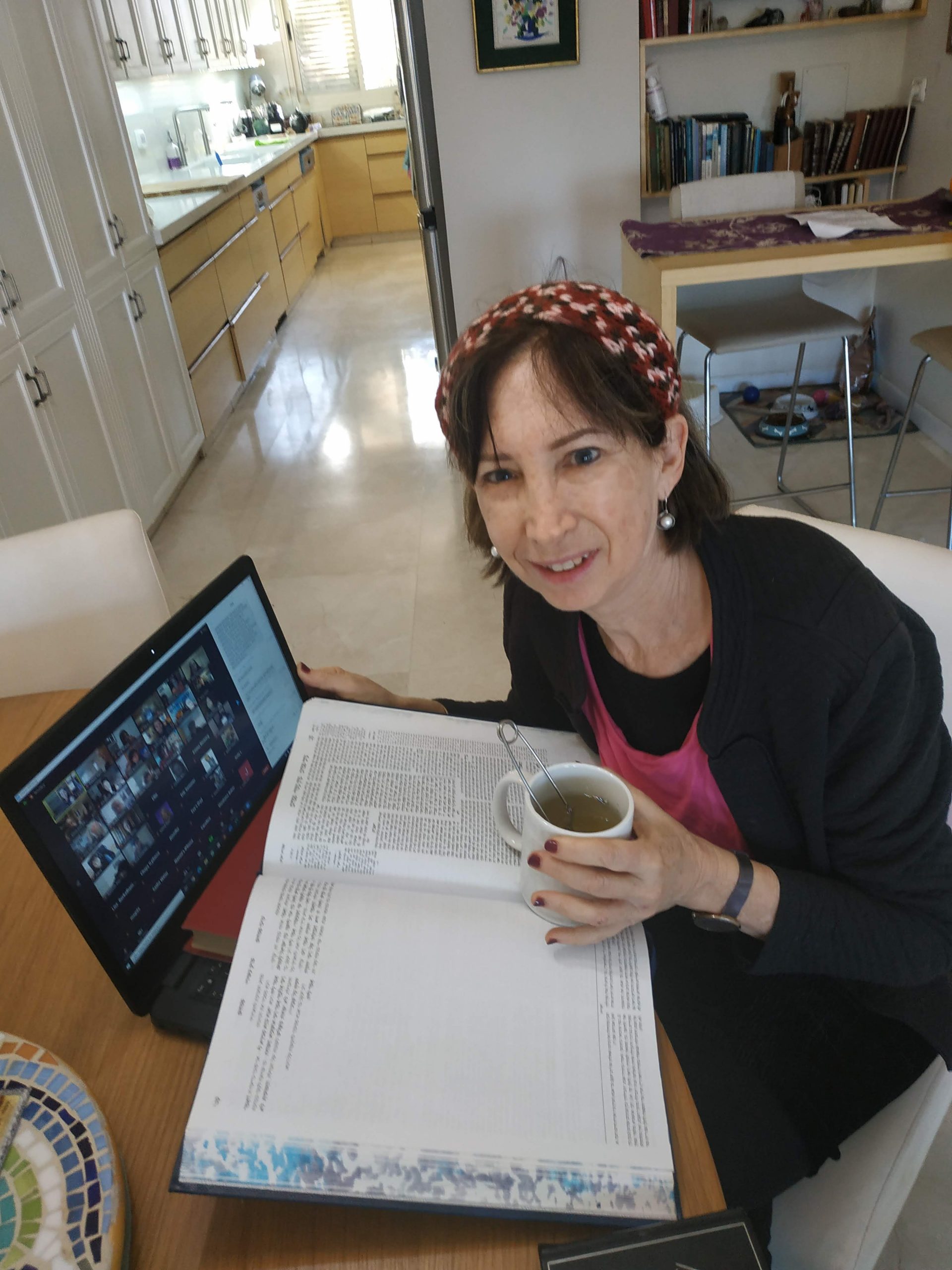
גם אני התחלתי בסבב הנוכחי וב””ה הצלחתי לסיים את רוב המסכתות . בזכות הרבנית מישל משתדלת לפתוח את היום בשיעור הזום בשעה 6:20 .הלימוד הפך להיות חלק משמעותי בחיי ויש ימים בהם אני מצליחה לחזור על הדף עם מלמדים נוספים ששיעוריהם נמצאים במרשתת. שמחה להיות חלק מקהילת לומדות ברחבי העולם. ובמיוחד לשמש דוגמה לנכדותיי שאי””ה יגדלו לדור שלימוד תורה לנשים יהיה משהו שבשגרה. "

Ronit Shavit
רונית שביט

נתניה, ישראל

התחלתי לפני 8 שנים במדרשה. לאחרונה סיימתי מסכת תענית בלמידה עצמית ועכשיו לקראת סיום מסכת מגילה.

Daniela Baruchim
דניאלה ברוכים

רעננה, ישראל

ראיתי את הסיום הגדול בבנייני האומה וכל כך התרשמתי ורציתי לקחת חלק.. אבל לקח לי עוד כשנה וחצי )באמצע מסיכת שבת להצטרף..
הלימוד חשוב לי מאוד.. אני תמיד במרדף אחרי הדף וגונבת כל פעם חצי דף כשהילדים עסוקים ומשלימה אח”כ אחרי שכולם הלכו לישון..

Olga Mizrahi
אולגה מזרחי

ירושלים, ישראל

הצטרפתי ללומדות בתחילת מסכת תענית. ההתרגשות שלי ושל המשפחה היתה גדולה מאוד, והיא הולכת וגוברת עם כל סיום שאני זוכה לו. במשך שנים רבות רציתי להצטרף ומשום מה זה לא קרה… ב”ה מצאתי לפני מספר חודשים פרסום של הדרן, ומיד הצטרפתי והתאהבתי. הדף היומי שינה את חיי ממש והפך כל יום- ליום של תורה. מודה לכן מקרב ליבי ומאחלת לכולנו לימוד פורה מתוך אהבת התורה ולומדיה.

Noa Rosen
נעה רוזן

חיספין רמת הגולן, ישראל

רבנית מישל הציתה אש התלמוד בלבבות בביניני האומה ואני נדלקתי. היא פתחה פתח ותמכה במתחילות כמוני ואפשרה לנו להתקדם בצעדים נכונים וטובים. הקימה מערך שלם שמסובב את הלומדות בסביבה תומכת וכך נכנסתי למסלול לימוד מעשיר שאין כמוה. הדרן יצר קהילה גדולה וחזקה שמאפשרת התקדמות מכל נקודת מוצא. יש דיבוק לומדות שמחזק את ההתמדה של כולנו. כל פניה ושאלה נענית בזריזות ויסודיות. תודה גם למגי על כל העזרה.

Sarah Aber
שרה אבר

נתניה, ישראל

A life-changing journey started with a Chanukah family tiyul to Zippori, home of the Sanhedrin 2 years ago and continued with the Syum in Binanei Hauma where I was awed by the energy of 3000 women dedicated to learning daf Yomi. Opening my morning daily with a fresh daf, I am excited with the new insights I find enriching my life and opening new and deeper horizons for me.

Becky Goldstein
בקי גולדשטיין

Elazar gush etzion, Israel

התחלתי מעט לפני תחילת הסבב הנוכחי. אני נהנית מהאתגר של להמשיך להתמיד, מרגעים של "אהה, מפה זה הגיע!” ומהאתגר האינטלקטואלי

Eilat-Chen and Deller
אילת-חן ודלר

לוד, ישראל

אחרי שראיתי את הסיום הנשי של הדף היומי בבנייני האומה זה ריגש אותי ועורר בי את הרצון להצטרף. לא למדתי גמרא קודם לכן בכלל, אז הכל היה לי חדש, ולכן אני לומדת בעיקר מהשיעורים פה בהדרן, בשוטנשטיין או בחוברות ושיננתם.

Rebecca Schloss
רבקה שלוס

בית שמש, ישראל

הייתי לפני שנתיים בסיום הדרן נשים בבנייני האומה והחלטתי להתחיל. אפילו רק כמה דפים, אולי רק פרק, אולי רק מסכת… בינתיים סיימתי רבע שס ותכף את כל סדר מועד בה.
הסביבה תומכת ומפרגנת. אני בת יחידה עם ארבעה אחים שכולם לומדים דף יומי. מדי פעם אנחנו עושים סיומים יחד באירועים משפחתיים. ממש מרגש. מסכת שבת סיימנו כולנו יחד עם אבא שלנו!
אני שומעת כל יום פודקאסט בהליכה או בנסיעה ואחכ לומדת את הגמרא.

Edna Gross
עדנה גרוס

מרכז שפירא, ישראל

ראיתי את הסיום הגדול בבנייני האומה וכל כך התרשמתי ורציתי לקחת חלק.. אבל לקח לי עוד כשנה וחצי )באמצע מסיכת שבת להצטרף..
הלימוד חשוב לי מאוד.. אני תמיד במרדף אחרי הדף וגונבת כל פעם חצי דף כשהילדים עסוקים ומשלימה אח”כ אחרי שכולם הלכו לישון..

Olga Mizrahi
אולגה מזרחי

ירושלים, ישראל

התחלתי ללמוד לפני 4.5 שנים, כשהודיה חברה שלי פתחה קבוצת ווטסאפ ללימוד דף יומי בתחילת מסכת סנהדרין. מאז לימוד הדף נכנס לתוך היום-יום שלי והפך לאחד ממגדירי הזהות שלי ממש.

Rosenberg Foundation
קרן רוזנברג

ירושלים, ישראל

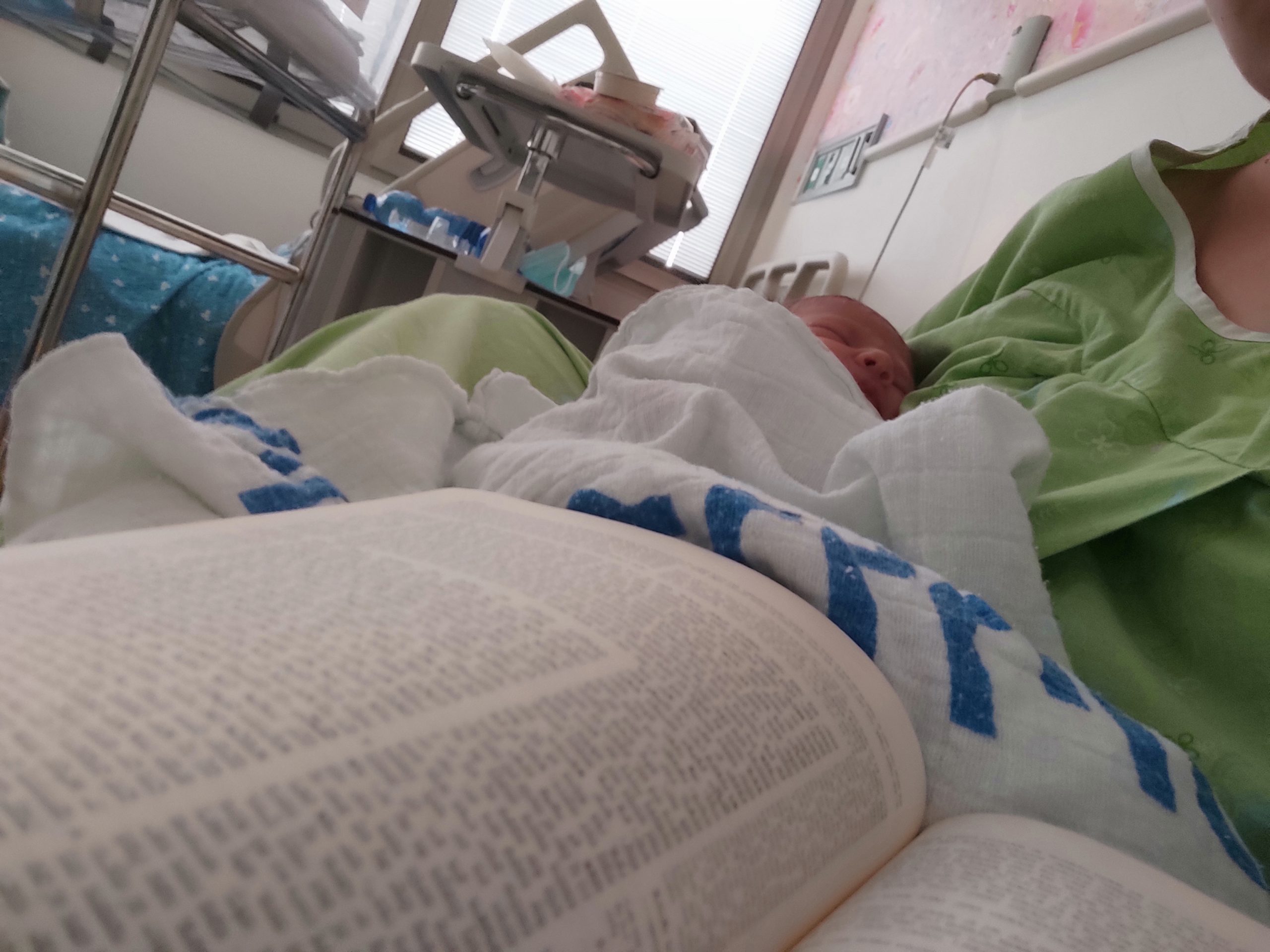
התחלתי ללמוד לפני כשנתיים בשאיפה לסיים לראשונה מסכת אחת במהלך חופשת הלידה.
אחרי מסכת אחת כבר היה קשה להפסיק…

Noa Gallant
נעה גלנט

ירוחם, ישראל

התחלתי ללמוד בשנת המדרשה במגדל עוז, בינתיים נהנית מאוד מהלימוד ומהגמרא, מעניין ומשמח מאוד!
משתדלת להצליח לעקוב כל יום, לפעמים משלימה קצת בהמשך השבוע.. מרגישה שיש עוגן מקובע ביום שלי והוא משמח מאוד!

Uriah Kesner
אוריה קסנר

חיפה , ישראל

התחלתי ללמוד בסבב הנוכחי לפני כשנתיים .הסביבה מתפעלת ותומכת מאוד. אני משתדלת ללמוד מכל ההסכתים הנוספים שיש באתר הדרן. אני עורכת כל סיום מסכת שיעור בביתי לכ20 נשים שמחכות בקוצר רוח למפגשים האלו.

Yael Asher
יעל אשר

יהוד, ישראל

אחי, שלומד דף יומי ממסכת ברכות, חיפש חברותא ללימוד מסכת ראש השנה והציע לי. החברותא היתה מאתגרת טכנית ורוב הזמן נעשתה דרך הטלפון, כך שבסיום המסכת נפרדו דרכינו. אחי חזר ללמוד לבד, אבל אני כבר נכבשתי בקסם הגמרא ושכנעתי את האיש שלי להצטרף אלי למסכת ביצה. מאז המשכנו הלאה, ועכשיו אנחנו מתרגשים לקראתו של סדר נשים!

Shulamit Saban
שולמית סבן

נוקדים, ישראל

A life-changing journey started with a Chanukah family tiyul to Zippori, home of the Sanhedrin 2 years ago and continued with the Syum in Binanei Hauma where I was awed by the energy of 3000 women dedicated to learning daf Yomi. Opening my morning daily with a fresh daf, I am excited with the new insights I find enriching my life and opening new and deeper horizons for me.

Becky Goldstein
בקי גולדשטיין

Elazar gush etzion, Israel

רציתי לקבל ידע בתחום שהרגשתי שהוא גדול וחשוב אך נעלם ממני. הלימוד מעניק אתגר וסיפוק ומעמיק את תחושת השייכות שלי לתורה וליהדות

Ruth Agiv
רות עגיב

עלי זהב – לשם, ישראל

באירוע של הדרן בנייני האומה. בהשראתה של אמי שלי שסיימה את הש”ס בסבב הקודם ובעידוד מאיר , אישי, וילדיי וחברותיי ללימוד במכון למנהיגות הלכתית של רשת אור תורה סטון ומורתיי הרבנית ענת נובוסלסקי והרבנית דבורה עברון, ראש המכון למנהיגות הלכתית.
הלימוד מעשיר את יומי, מחזיר אותי גם למסכתות שכבר סיימתי וידוע שאינו דומה מי ששונה פרקו מאה לשונה פרקו מאה ואחת במיוחד מרתקים אותי החיבורים בין המסכתות

Roit Kalech
רוית קלך

מודיעין, ישראל

בתחילת הסבב הנוכחי של לימוד הדף היומי, נחשפתי לחגיגות המרגשות באירועי הסיום ברחבי העולם. והבטחתי לעצמי שבקרוב אצטרף גם למעגל הלומדות. הסבב התחיל כאשר הייתי בתחילת דרכי בתוכנית קרן אריאל להכשרת יועצות הלכה של נשמ”ת. לא הצלחתי להוסיף את ההתחייבות לדף היומי על הלימוד האינטנסיבי של תוכנית היועצות. בבוקר למחרת המבחן הסופי בנשמ”ת, התחלתי את לימוד הדף במסכת סוכה ומאז לא הפסקתי.

Hana Shaham-Rozby (Dr.)
חנה שחם-רוזבי (ד”ר)

קרית גת, ישראל

נדרים נה

מַתְנִי׳ הַנּוֹדֵר מִן הַדָּגָן — אָסוּר בְּפוֹל הַמִּצְרִי יָבֵשׁ, דִּבְרֵי רַבִּי מֵאִיר. וַחֲכָמִים אוֹמְרִים: אֵינוֹ אָסוּר אֶלָּא בַּחֲמֵשֶׁת הַמִּינִין. רַבִּי מֵאִיר אוֹמֵר: הַנּוֹדֵר מִן הַתְּבוּאָה — אֵינוֹ אָסוּר אֶלָּא מֵחֲמֵשֶׁת הַמִּינִין. אֲבָל הַנּוֹדֵר מִן הַדָּגָן — אָסוּר בַּכֹּל, וּמוּתָּר בְּפֵירוֹת הָאִילָן וּבַיָּרָק.

MISHNA: For one who vows that grain [dagan] is forbidden to him, it is prohibited to eat the dry cowpea, because, like grain, its final stage of production involves being placed in a pile; this is the statement of Rabbi Meir. And the Rabbis say: It is prohibited for him to partake of only the five species of grain: Wheat, barley, oats, spelt, and rye, as that is the connotation of the term dagan in the Torah. Rabbi Meir says: For one who vows that grain is forbidden to him, and therefore he will refrain from eating grain [tevua], it is prohibited for him to eat from only the five species of grain. However, for one who vows that grain is forbidden to him, and therefore he will refrain from eating grain [dagan], it is prohibited to eat all produce whose final stage of production involves being placed in a pile, e.g., dry cowpea, and it is permitted for him to eat fruits of the tree and vegetables.

גְּמָ׳ לְמֵימְרָא דְּ״דָגָן״ — כֹּל דְּמִידְּגַן מַשְׁמַע. מֵתִיב רַב יוֹסֵף: ״וְכִפְרֹץ הַדָּבָר הִרְבּוּ בְנֵי יִשְׂרָאֵל [רֵאשִׁית] דָּגָן תִּירוֹשׁ וְיִצְהָר וְכֹל תְּבוּאַת שָׂדֶה לָרֹב וְגוֹ׳״, וְאִי אָמְרַתְּ דָּגָן — כֹּל דְּמִידְּגַן מַשְׁמַע, מַאי ״כִּפְרֹץ הַדָּבָר הִרְבּוּ״? אָמַר אַבָּיֵי: לְאֵתוֹיֵי פֵּירוֹת הָאִילָן וְיָרָק.

GEMARA: The Gemara asks: Is this to say that according to Rabbi Meir, the term dagan means any produce that is harvested at one time and placed in a pile [midgan]? Rav Yosef raised an objection: After King Hezekiah called upon the people to give teruma and tithes properly, the verse states: “And as soon as the matter was publicized, the children of Israel gave in abundance the first fruits of dagan, wine, and oil, and honey, and of all the tevua of the field; and the tithe of all that they brought in abundance” (II Chronicles 31:5). And if you say that dagan means any produce that is placed in a pile, what is the meaning of the words “As soon as the matter was publicized, the children of Israel gave in abundance the first fruits of dagan…and of all the tevua of the field”? There is no need to list both dagan and all tevua of the field. Abaye said: Tevua comes to include fruits of the tree and vegetables, which they tithed although they are not included in dagan, as they are not harvested at one time and placed in a pile.

רַבִּי מֵאִיר אוֹמֵר: הַנּוֹדֵר מִן הַתְּבוּאָה וְכוּ׳. אָמַר רַבִּי יוֹחָנָן: הַכֹּל מוֹדִים בְּנוֹדֵר מִן הַתְּבוּאָה שֶׁאֵין אָסוּר אֶלָּא מֵחֲמֵשֶׁת הַמִּינִין. תַּנְיָא נָמֵי הָכִי: שָׁוִין בַּנּוֹדֵר מִן הַתְּבוּאָה שֶׁאֵין אָסוּר אֶלָּא מֵחֲמֵשֶׁת הַמִּינִין. פְּשִׁיטָא! מַהוּ דְּתֵימָא: ״תְּבוּאָה״ — כׇּל מִלֵּי מַשְׁמַע, קָמַשְׁמַע לַן דְּלָא מַשְׁמַע כׇּל מִלִּי.

§ We learned in the mishna that Rabbi Meir says: For one who vows that grain [tevua] is forbidden to him, it is prohibited for him to eat from only the five species of grain. Rabbi Yoḥanan said: Everyone concedes with regard to one who vows that tevua is forbidden to him that it is prohibited for him to eat from only the five species of grain. The Rabbis do not disagree with Rabbi Meir in that regard. That is also taught in a baraita: And they agree with regard to one who vows that tevua is forbidden to him that it is prohibited for him to eat from only the five species of grain. The Gemara asks: Isn’t that obvious, as it is only those species that are called tevua. The Gemara answers: It is necessary; lest you say that tevua means all items that grow from the ground, therefore, the tanna teaches us that this expression does not mean all items that grow from the ground.

מֵתִיב רַב יוֹסֵף: ״וְכִפְרֹץ הַדָּבָר הִרְבּוּ בְנֵי יִשְׂרָאֵל כּוּ׳״, אָמַר רָבָא: ״תְּבוּאָה״ לְחוּד, ״תְּבוּאַת שָׂדֶה״ לְחוּד.

Rav Yosef raised an objection: With regard to the verse “And as soon as the matter was publicized, the children of Israel gave in abundance…and of all the tevua of the field,” the phrase “and of all the tevua of the field” comes to include all crops that grow in the field. Rava said: Tevua is discrete and refers to only the five species of grain, and tevua of the field is discrete and refers to all crops that grow in the field.

בַּר מָר שְׁמוּאֵל פַּקֵּיד דְּלִיתְּנוּן תְּלֵיסַר אַלְפֵי זוּזִי לְרָבָא מִן עֲלַלְתָּא דִּנְהַר פַּנְיָא. שַׁלְחַהּ רָבָא לְקַמֵּיהּ דְּרַב יוֹסֵף: ״עֲלַלְתָּא״ הֵיכִי מִיקַּרְיָא? אָמַר רַב יוֹסֵף, מַתְנִיתִין הִיא: וְשָׁוִין בַּנּוֹדֵר מִן הַתְּבוּאָה שֶׁאֵין אָסוּר אֶלָּא מֵחֲמֵשֶׁת הַמִּינִין. אֲמַר לֵיהּ אַבָּיֵי: מִי דָּמֵי? ״תְּבוּאָה״ — לָא מַשְׁמַע אֶלָּא מֵחֲמֵשֶׁת הַמִּינִין, ״עֲלַלְתָּא״ — כׇּל מִילֵּי מַשְׁמַע.

§ The Gemara relates: The son of Master Shmuel commanded his workers that they give thirteen thousand dinars to Rava from the crop [alalta] produced in his fields on the banks of the Panya River. Rava sent this question before Rav Yosef: What is called alalta; what crops are included in the category of alalta? Rav Yosef said: It is as it is taught in the baraita cited above: And they agree with regard to one who vows that tevua is forbidden to him that it is prohibited for him to eat from only the five species of grain; just as tevua includes only the five species, so too alalta includes only the five species. Abaye said to him: Are the two cases comparable? Although tevua means grain and includes only the five species, alalta means crop and includes all items that grow.

אַהְדְּרוּהוּ לְקַמֵּיהּ דְּרָבָא. אֲמַר: הָא לָא קָא מִיבַּעְיָא לִי דַּ״עֲלַלְתָּא״ כׇּל מִילֵּי מַשְׁמַע. הָדָא הוּא דְּאִיבַּעְיָא לִי: שְׂכַר בָּתִּים וּשְׂכַר סְפִינוֹת מַאי? מִי אָמְרִינַן: כֵּיוָן דְּפָחֲתָן, לָאו עֲלַלְתָּא הִיא. אוֹ דִילְמָא: כֵּיוָן דְּלָא יְדִיעַ פְּחָתַיְיהוּ — עֲלַלְתָּא הִיא. אַמְרוּהָ רַבָּנַן קַמֵּיהּ דְּרַב יוֹסֵף, אָמַר: וְכִי מֵאַחַר דְּלָא צְרִיךְ לַן, אַמַּאי שְׁלַח לַן? אִיקְּפַד רַב יוֹסֵף.

The messengers returned with the answer to his question and came before Rava. He said: That was not a dilemma for me, i.e., the fact that alalta means all items that grow. This is the matter that is a dilemma for me: What is the legal status of profits from the rent of houses and the rent of boats? Do we say: Since they depreciate, their legal status is not comparable to that of a crop? Only items that are consistently profitable are similar to crops. Houses and boats deteriorate with use, and their depreciation diminishes the profits. Or perhaps, since their depreciation is not conspicuous, their legal status is comparable to that of a crop. The Rabbis stated Rava’s reaction before Rav Yosef. Rav Yosef said: And since he does not need us, and he believes that he knows the answer himself, why did he send us the question? Rav Yosef became angry with Rava.

שְׁמַע רָבָא, וַאֲתָא לְקַמֵּיהּ בְּמַעֲלֵי יוֹמָא דְכִפּוּרֵי. אַשְׁכְּחֵיהּ לְשַׁמָּעֵיהּ דַּהֲוָה קָא מָזֵיג קַמֵּיהּ כָּסָא דְחַמְרָא. אֲמַר לֵיהּ: הַב לִי דְּאֶמְזִיג לֵיהּ אֲנָא. יְהַב לֵיהּ, וְקָא מָזֵיג אִיהוּ כָּסָא דְחַמְרָא. כִּי קָא שָׁתֵי אֲמַר: הָדֵין מִיזְגָּא דָּמֵי לְמִיזְגָּא דְּרָבָא בְּרֵיהּ דְּרַב יוֹסֵף בַּר חָמָא. אֲמַר לֵיהּ: הוּא נִיהוּ.

Rava heard that Rav Yosef was angry and came before him on Yom Kippur eve to appease him. He found the attendant of Rav Yosef, who was diluting a cup of wine with water before him. Rava said to the attendant: Give me the cup so that I will dilute the wine for him. The attendant gave it to him and Rava diluted the cup of wine. While Rav Yosef, who was blind, was drinking the wine, he said: This dilution is similar to the dilution of Rava, son of Rav Yosef bar Ḥama, who would dilute wine with more than the standard amount of water. Rava said to him: Correct, it is he.

אֲמַר לֵיהּ: לָא תִּיתֵּיב אַכַּרְעָךְ עַד דְּאָמְרַתְּ לִי פֵּירוּשָׁא דְּהָדֵין מִילְּתָא: מַאי דִּכְתִיב: ״וּמִמִּדְבָּר מַתָּנָה וּמִמַּתָּנָה נַחֲלִיאֵל וּמִנַּחֲלִיאֵל בָּמוֹת״?

Rav Yosef said to Rava: Do not sit on your feet until you tell me the explanation of this matter: What is the meaning of that which is written: “And from the wilderness Mattana and from Mattana Nahaliel, and from Nahaliel Bamot” (Numbers 21:18–19)?

אֲמַר לֵיהּ: כֵּיוָן שֶׁעוֹשֶׂה אָדָם אֶת עַצְמוֹ כַּמִּדְבָּר, שֶׁהוּא מוּפְקָר לַכֹּל — תּוֹרָה נִיתְּנָה לוֹ בְּמַתָּנָה, שֶׁנֶּאֱמַר: ״וּמִמִּדְבָּר מַתָּנָה״. וְכֵיוָן שֶׁנִּיתְּנָה לוֹ בְּמַתָּנָה — נְחָלוֹ אֵל, שֶׁנֶּאֱמַר: ״וּמִמַּתָּנָה נַחֲלִיאֵל״. וְכֵיוָן שֶׁנְּחָלוֹ אֵל — עוֹלֶה לִגְדוּלָּה, שֶׁנֶּאֱמַר: ״וּמִנַּחֲלִיאֵל בָּמוֹת״. וְאִם הִגְבִּיהַּ עַצְמוֹ — הַקָּדוֹשׁ בָּרוּךְ הוּא מַשְׁפִּילוֹ, שֶׁנֶּאֱמַר: ״וּמִבָּמוֹת הַגַּיְא״, וְלֹא עוֹד אֶלָּא שֶׁשּׁוֹקְעִין אוֹתוֹ בַּקַּרְקַע, שֶׁנֶּאֱמַר: ״וְנִשְׁקָפָה עַל פְּנֵי הַיְשִׁימוֹן״. וְאִם חוֹזֵר בּוֹ — הַקָּדוֹשׁ בָּרוּךְ הוּא מַגְבִּיהוֹ

Rava said to him that it means: Once a person renders himself like a wilderness, deserted before all, the Torah is given to him as a gift [mattana], as it is stated: “And from the wilderness Mattana.” And once it is given to him as a gift, God bequeaths [naḥalo] it to him, as it is stated: “And from Mattana Nahaliel.” And once God bequeaths it to him, he rises to greatness, as it is stated: And from Nahaliel, Bamot, which are elevated places. And if he elevates himself and is arrogant about his Torah, the Holy One, Blessed be He, degrades him, as it is stated: “And from Bamot the valley” (Numbers 21:20). And not only is he degraded, but one lowers him into the ground, as it is stated: “And looking over [nishkafa] the face of the wasteland” (Numbers 21:20), like a threshold [iskopa] that is sunken into the ground. And if he reverses his arrogance and becomes humble, the Holy One, Blessed be He, elevates him,

שֶׁנֶּאֱמַר: ״כׇּל גֶּיא יִנָּשֵׂא״.

as it is stated: “Every valley shall be lifted” (Isaiah 40:4). When Rav Yosef heard that interpretation, he understood that Rava was aware of the error of his ways in acting arrogantly toward his teacher, and was pacified by Rava’s display of humility.

תַּנְיָא: הַנּוֹדֵר מִן הַדָּגָן — אָסוּר אַף בְּפוֹל הַמִּצְרִי יָבֵשׁ, וּמוּתָּר בַּלַּח. וּמוּתָּר בְּאוֹרֶז, בְּחִילְקָא, בְּטַרְגִּיס וּבְטִיסְנֵי. הַנּוֹדֵר מִן פֵּירוֹת הַשָּׁנָה — אָסוּר בְּכׇל פֵּירוֹת הַשָּׁנָה, וּמוּתָּר בִּגְדָיִים וּבִטְלָאִים וּבְחָלָב וּבְבֵיצִים וּבְגוֹזָלוֹת. וְאִם אָמַר ״גִּידּוּלֵי שָׁנָה עָלַי״ — אָסוּר בְּכוּלָּן.

§ It is taught in a baraita: For one who vows that grain [dagan] is forbidden to him, it is prohibited to partake of the dry cowpea, and it is permitted for him to partake of fresh cowpea. And it is permitted for him to partake of rice, as well as of wheat kernels split into two parts [ḥilka], of wheat kernels crushed into three parts [targeis], and wheat kernels crushed into four parts [tisnei]. For one who vows that produce of the year is forbidden to him, it is prohibited to partake of all produce of the year that grew from the ground or on trees, and it is permitted for him to partake of goats, and of lambs, and of milk, and of eggs, and of chicks born that year, as they are not included in the category of produce. And if he said: Growths of the year are forbidden to me, it is prohibited for him to eat all of them.

הַנּוֹדֵר מִן פֵּירוֹת הָאָרֶץ — אָסוּר בְּכׇל פֵּירוֹת הָאָרֶץ, וּמוּתָּר בִּכְמֵהִין וּפִטְרִיּוֹת. וְאִם אָמַר ״גִּידּוּלֵי קַרְקַע עָלַי״ — אָסוּר בְּכוּלָּן.

For one who vows that produce of the land is forbidden to him, it is prohibited for him to partake of all produce that grows from the land, and it is permitted for him to partake of truffles and mushrooms that are not in the category of produce of the land. But if he said: The growths of the ground are forbidden to me, it is prohibited for him to eat all of them.

וּרְמִינְהִי: עַל דָּבָר שֶׁאֵין גִּידּוּלוֹ מִן הָאָרֶץ — אוֹמֵר ״שֶׁהַכֹּל נִהְיֶה בִּדְבָרוֹ״, וְתַנְיָא: עַל הַמֶּלַח וְעַל הַזָּמִית וְעַל כְּמֵהִין וּפִטְרִיּוֹת — אוֹמֵר ״שֶׁהַכֹּל נִהְיֶה בִּדְבָרוֹ״. אָמַר אַבָּיֵי: מִירְבָּא רָבוּ מֵאַרְעָא, מֵינָק מֵאַוֵּירָא יָנְקִי וְלָא מֵאַרְעָא. וְהָא קָתָנֵי ״עַל דָּבָר שֶׁאֵין גִּידּוּלוֹ מִן הָאָרֶץ״! תְּנִי: עַל דָּבָר שֶׁאֵין יוֹנֵק מִן הָאָרֶץ.

And the Gemara raises a contradiction from a mishna (Berakhot 40b): And over a food item whose growth is not from the ground, one recites: By Whose word all things came to be. And it is taught in a baraita: Over salt and over brine [zamit], and over truffles and mushrooms, one recites: By Whose word all things came to be. Apparently, truffles and mushrooms are not in the category of growths of the ground. Abaye said: They grow from the earth, but with regard to sustenance, they draw sustenance from the air and not from the earth. The Gemara asks: Why is that distinction significant? Isn’t it taught: Over a food item whose growth is not from the ground one recites the blessing: By whose word all things came to be? Even according to Abaye, mushrooms grow from the ground. The Gemara answers: Emend the mishna to read: Over a food item that does not draw sustenance from the ground, one recites: By Whose word all things came to be.

מַתְנִי׳ הַנּוֹדֵר מִן הַכְּסוּת מוּתָּר בְּשַׂק, וּבִירִיעָה, וּבַחֲמִילָה. אָמַר: ״קֻוֽנָּם צֶמֶר עוֹלֶה עָלַי״ — מוּתָּר לְהִתְכַּסּוֹת בְּגִיזֵּי צֶמֶר. ״הַפִּשְׁתָּן עוֹלֶה עָלַי״ — מוּתָּר לְהִתְכַּסּוֹת בַּאֲנִיצֵי פִּשְׁתָּן.

MISHNA: For one who vows that a garment is forbidden to him, it is permitted to wear sackcloth, and to wear a sheet, and to wear a coarse curtain [ḥamila], as these are not in the category of garments. For one who said: Wool is konam for me and I will therefore not place it upon myself, it is permitted for him to cover himself with wool fleece, which is not considered a garment, and it is prohibited for him to wear only a woolen fabric. For one who said: Flax is konam for me and I will therefore not place it upon myself, it is permitted for him to cover himself with uncombed flax in bundles, and it is prohibited for him to wear only a flaxen fabric.

רַבִּי יְהוּדָה אוֹמֵר, הַכֹּל לְפִי הַנּוֹדֵר: טָעַן וְהִזִּיעַ וְהָיָה רֵיחוֹ קָשֶׁה, אָמַר: ״קֻוֽנָּם צֶמֶר וּפִשְׁתִּים עוֹלֶה עָלַי״ — מוּתָּר לְהִתְכַּסּוֹת, וְאָסוּר לְהַפְשִׁיל לַאֲחוֹרָיו.

Rabbi Yehuda says: Everything is determined according to the one who vows. If one was bearing a burden of wool and linen, and was sweating, and its smell was unpleasant for him, and in reaction, he said: Wool and linen are konam for me and I will therefore not place them upon myself, it is permitted for him to cover himself with wool and linen garments, but it is prohibited for him to sling them over his shoulder behind him as a burden. The circumstances of his vow make it clear that he intends to forswear carrying wool and linen as a burden rather than the wearing of them as a garment.

גְּמָ׳ תַּנְיָא: הַנּוֹדֵר מִן הַכְּסוּת — מוּתָּר בְּשַׂק וּבִירִיעָה וּבַחֲמִילָה, וְאָסוּר בְּפוּנְדָּא וּבִפְסִקְיָא וּבִסְקוּרְטְיָא וּבְקָטָבֻלְיָא וְאַנְפִּלְיָא וּפְלִינְיָא וּמִכְנָסַיִם וְכוֹבַע. מַאי ״אִיסְקוּרְטֵי״? אָמַר רַבָּה בַּר חָנָה: כִּיתּוּנָא דְצַלָּא.

GEMARA: It is taught in a baraita: For one who vows that a garment is forbidden to him, it is permitted to wear sackcloth, and to wear a sheet and to wear a coarse curtain, and it is prohibited for him to wear a money belt [punda], or to wear a sash [pesakiyya], or to wear a sekurtiyya, or to wear a leather spread [katavliyya], or to wear a leather sock [anpilya] or to wear a leather apron [pelinya], and trousers, and a hat. The Gemara asks: What is the meaning of iskurtei, mentioned in the baraita as sekurtiyya? Rabba bar Ḥana said: It means a tanner’s apron.

תַּנְיָא: יוֹצְאִין בְּשַׂק עָבֶה וּבְסָגוֹס עָבֶה וּבִירִיעָה וּבַחֲמִילָה מִפְּנֵי הַגְּשָׁמִים, אֲבָל לֹא בְּתֵיבָה וְלֹא בְּקוּפָּה וְלֹא בְּמַחְצֶלֶת מִפְּנֵי הַגְּשָׁמִים. הָרוֹעִים יוֹצְאִין בְּשַׂקִּים. וְלֹא רוֹעִים בִּלְבַד אָמְרוּ, אֶלָּא כׇּל אָדָם, אֶלָּא שֶׁדִּבְּרוּ חֲכָמִים בַּהוֹוֶה.

It is taught in a baraita: One may go out into the public domain on Shabbat covered in thick sackcloth or in a coarse woolen blanket [sagos], or in a sheet or in a coarse curtain as protection from the rain. They are considered garments, not burdens. However, he may neither go out covered in a box, nor in a basket, nor in a mat as protection from the rain, as they are considered burdens, not garments. Shepherds may go out on Shabbat covered in sackcloth, as they typically go out in sackcloth garments. And the Sages did not say this only with regard to shepherds; rather, they said that all people may go out wearing sackcloth; however, the Sages spoke in the present, addressing situations that were prevalent.

רַבִּי יְהוּדָה אוֹמֵר הַכֹּל לְפִי הַנּוֹדֵר כּוּ׳. תַּנְיָא: כֵּיצַד אָמַר רַבִּי יְהוּדָה הַכֹּל לְפִי הַנּוֹדֵר? הָיָה לָבוּשׁ צֶמֶר וְהֵצַר, וְאָמַר ״קֻוֽנָּם צֶמֶר עוֹלֶה עָלַי״ — אָסוּר לִלְבּוֹשׁ וּמוּתָּר לִטְעוֹן. הָיָה טָעוּן פִּשְׁתָּן וְהִזִּיעַ, וְאָמַר: ״קֻוֽנָּם פִּשְׁתָּן עוֹלֶה עָלַי״ — מוּתָּר לִלְבּוֹשׁ וְאָסוּר לִטְעוֹן.

§ We learned in the mishna that Rabbi Yehuda says: Everything is determined according to the one who vows. It is taught in a baraita: How, i.e., in what circumstances, did Rabbi Yehuda say: Everything is according to the one who vows? If one was wearing a woolen garment and it caused him discomfort, and in reaction he said: Wool is konam for me, and I will therefore not place it upon myself, it is prohibited for him to wear woolen garments, but it is permitted to place a burden of woolen garments upon him. If one was burdened with flax and was sweating, and said: Flax is konam for me, and I will therefore not place it upon myself, it is permitted for him to wear flaxen garments and it is prohibited for him to place a burden of flaxen garments upon him.

רוצה לעקוב אחרי התכנים ולהמשיך ללמוד?

ביצירת חשבון עוד היום ניתן לעקוב אחרי ההתקדמות שלך, לסמן מה למדת, ולעקוב אחרי השיעורים שמעניינים אותך.

לנקות את כל הפריטים מהרשימה?

פעולה זו תסיר את כל הפריטים בחלק זה כולל ההתקדמות וההיסטוריה. שימי לב: לא ניתן לשחזר פעולה זו.

ביטול
מחיקה

האם את/ה בטוח/ה שברצונך למחוק פריט זה?

תאבד/י את כל ההתקדמות או ההיסטוריה הקשורות לפריט זה.

ביטול
מחיקה