








נשאלה שאלה לגבי ביטול קדושת שביעית כאשר בצל שנקטף בשנה השביעית נשתל מחדש בשנה השמינית. האם הקדושה שיש בחתיכת הבצל הקטנה שנשתלה וצומחת מתבטלת בגידול מהשנה השמינית שאין בה קדושה. לאחר שהובאו כמה מקורות כדי לענות על השאלה בנדרים נז, ממשיכה הגמרא להביא מקורות נוספים בניסיון לענות על השאלה. רוב המקורות נדחו, אולם בסופו של דבר מובא מקור שממנו ניתן ללמוד שקדושת שביעית בבצל מתבטל אם שותלים אותו מחדש בשנה השמינית. אולם כיצד ניתן ליישב זאת עם דעותיהם של רבי יוחנן ורבי יונתן שהובאו דבריהם בנדרים נז וסוברים ההפך? מבחינים בין שמיטה מחד למעשר, ערלה וכלאי הכרם מאידך.
רוצה להקדיש לימוד?
נדרים נח
כׇּל דָּבָר שֶׁיֵּשׁ לוֹ מַתִּירִין, כְּגוֹן טֶבֶל וּמַעֲשֵׂר שֵׁנִי וְהֶקְדֵּשׁ וְחָדָשׁ — לֹא נָתְנוּ בָּהֶן חֲכָמִים שִׁיעוּר. וְכׇל דָּבָר שֶׁאֵין לוֹ מַתִּירִין, כְּגוֹן תְּרוּמָה וּתְרוּמַת מַעֲשֵׂר וְחַלָּה וְעׇרְלָה וְכִלְאֵי הַכֶּרֶם — נָתְנוּ בָּהֶם חֲכָמִים שִׁיעוּר.
For any item that can become permitted, i.e., a forbidden object whose prohibition can or will lapse, for example, untithed produce that can be permitted through tithing, and second tithe that is permitted through redemption or bringing it to Jerusalem (Deuteronomy 14:24–26), and consecrated items that are also permitted through redemption, and produce of the new crop that is permitted after the sacrifice of the omer offering (Leviticus 23:14), the Sages did not determine a measure for their neutralization, and no mixture with any quantity of permitted items neutralizes their prohibition. And for any item that cannot become permitted, for example, teruma, and teruma of the tithe, and ḥalla (Numbers 15:20–21); fruit of a tree during the first three years after its planting [orla]; and forbidden food crops in a vineyard (Deuteronomy 22:9), the Sages determined a measure for their neutralization.
אָמְרוּ לוֹ: וַהֲלֹא שְׁבִיעִית אֵין לָהּ מַתִּירִין, וְלֹא נָתְנוּ בָּהּ חֲכָמִים שִׁיעוּר. דִּתְנַן: הַשְּׁבִיעִית אוֹסֶרֶת כׇּל שֶׁהוּא בְּמִינָהּ! אָמַר לָהֶן: אַף אֲנִי לֹא אָמַרְתִּי אֶלָּא לְבִיעוּר.
The Rabbis said to Rabbi Shimon: But isn’t Sabbatical-Year produce an item that cannot become permitted, and nevertheless, the Sages did not determine a measure for its neutralization, as we learned in a mishna (Shevi’it 7:7): The Sabbatical-Year produce prohibits permitted produce of its own species with which it is mixed in any amount. Rabbi Shimon said to them: I too said that Sabbatical-Year produce prohibits permitted produce in a mixture and permitted growths that develop from it only with regard to the removal of the produce. Sabbatical-Year produce may be eaten only as long as produce of that species remains in the field, after which it must be removed from one’s possession. Since it is permitted to eat the produce before that time, its legal status during this period is that of an item that can become permitted.
אֲבָל לַאֲכִילָה בְּנוֹתֵן טַעַם. וְדִלְמָא הָא נָמֵי לְחוּמְרָא שָׁאנֵי!
However, with regard to the permissibility of eating Sabbatical-Year produce after the time of removal has passed, when eating that produce is prohibited, the Sages determined a measure for their neutralization. The mixture is forbidden only if the measure of that produce is enough to impart flavor to the mixture. Apparently, permitted growths can neutralize the prohibition of the original item. The Gemara rejects the proof: And perhaps here too, it is different when the ruling is a stringency. In this case, the stringency is that the original item is sacred with the sanctity of the Sabbatical Year. However, here too, there is no proof that the same would be true in cases where the result is a leniency.
אֶלָּא מִן הָדָא פַּשְׁטַהּ, דִּתְנַן: בְּצָלִים שֶׁיָּרְדוּ עֲלֵיהֶם גְּשָׁמִים וְצָמְחוּ, אִם הָיוּ עָלִין שֶׁלָּהֶן שְׁחוֹרִין — אֲסוּרִין. הוֹרִיקוּ — מוּתָּרִין.
Rather, Yishmael of Kefar Yamma resolved his dilemma from this source, as we learned in a mishna (Shevi’it 6:3): With regard to sixth-year onions upon which rain fell during the Sabbatical Year, and they sprouted, if their leaves were black [sheḥorin], i.e., dark green, an indication of fresh, recent growth, the onions are forbidden as Sabbatical-Year growth. If their leaves turned green [horiku], i.e., lighter and yellower, and appeared withered, the onions are permitted, as they are considered a product of the sixth year.
רַבִּי חֲנַנְיָא בֶּן אַנְטִיגְנוֹס אוֹמֵר: אִם יְכוֹלִין לִיתָּלֵשׁ בֶּעָלִין שֶׁלָּהֶן — אֲסוּרִין. וּכְנֶגְדָּן, לְמוֹצָאֵי שְׁבִיעִית — מוּתָּרִין. לְמֵימְרָא דְּגִידּוּלֵי הֶיתֵּר מַעֲלִין אֶת הָאִיסּוּר. וְדִלְמָא בִּמְדוּכָּנִין.
Rabbi Ḥanina ben Antigonus says: There is a different indicator; if the plants can be uprooted by their leaves, clearly the leaves are fresh and recent, and they are forbidden. And in the parallel situation, if that indicator was discovered in a Sabbatical-Year onion that sprouted at the conclusion of the Sabbatical Year, i.e., during the eighth year, the onions are permitted. The Gemara asks: Is this to say that one may conclude from here that permitted growth neutralizes the prohibition of the original plant? The Gemara rejects this conclusion: And perhaps the halakha is with regard to crushed [medukhanin], pounded onions, and the reason that the prohibition of the original plant is neutralized is not that the permitted growth neutralizes the prohibition, but that it is no longer fit for consumption.
אֶלָּא מִן הָדָא, דְּתַנְיָא:
Rather, the dilemma can be resolved from this source; as it is taught in a baraita:
הַמְנַכֵּשׁ עִם הַכּוּתִי בַּחֲסִיּוֹת — אוֹכֵל מֵהֶן אֲכִילַת עֲרַאי, וּמְעַשְּׂרָן וַדַּאי.
One who weeds ḥasayot with a Samaritan may eat a casual meal from them without tithing, as any untithed produce may be eaten in the framework of a casual meal. And when he completes the labor on the ḥasayot, places them into a pile, and they require tithing, he tithes them as produce that is definitely obligated in tithing, not as doubtfully tithed produce, as the assumption is that the Samaritan did not tithe the ḥasayot.
רַבִּי שִׁמְעוֹן בֶּן אֶלְעָזָר אוֹמֵר: אִם יִשְׂרָאֵל חָשׁוּד עַל הַשְּׁבִיעִית, לְמוֹצָאֵי שְׁבִיעִית — מוּתָּר. לְמֵימְרָא דְּגִידּוּלֵי הֶיתֵּר מַעֲלִין אֶת הָאִיסּוּר, וְדִלְמָא בְּדָבָר שֶׁזַּרְעוֹ כָּלֶה? הָא תַּנְיָא: אֵלּוּ הֵן חֲסִיּוֹת — כְּגוֹן הַלּוּף הַשּׁוּם וְהַבְּצָלִים.
Rabbi Shimon ben Elazar says: If the ḥasayot belong to a Jew who is suspect about observance of the Sabbatical Year, at the conclusion of the Sabbatical Year it is permitted to weed with him, as there is no concern that there might be Sabbatical-Year sanctity. The Gemara asks: Is this to say that the permitted growths of the eighth year neutralize the prohibition, and that is why there is no concern about Sabbatical-Year sanctity? The Gemara rejects that inference: And perhaps the tanna is speaking with regard to an item whose seeds cease after it is sown, whose growths neutralize the original prohibition? The Gemara rejects that possibility: Isn’t it taught in a baraita: These are ḥasayot, for example, arum, garlic, and onions, whose seeds do not cease?
וְדִלְמָא בִּמְדוּכָּנִין? ״חָשׁוּד עַל הַשְּׁבִיעִית״ קָתָנֵי. וְדִלְמָא בְּתַעֲרוֹבֶת? הַמְנַכֵּשׁ קָתָנֵי.
The Gemara asks: And perhaps the tanna is speaking with regard to plants that were crushed before they sprouted growths? The Gemara answers: It is the case of one who is suspect about observance of the Sabbatical Year, that is taught in the baraita, and one who is suspect would not bother to eliminate the prohibition by crushing it. The Gemara asks: And perhaps the tanna is speaking with regard to a mixture of forbidden ḥasayot and permitted ones, and the reason that it is permitted is that the prohibition was neutralized by the majority of permitted ḥasayot? The Gemara answers: One who weeds, is taught in the baraita, indicating that he is eating the leaves as he weeds them, leaving no opportunity for the ḥasayot to be mixed with others.
לֵימָא תֶּיהְוֵי תְּיוּבְתֵּיהּ דְּרַבִּי יוֹחָנָן וּדְרַבִּי יוֹנָתָן! אָמַר רַבִּי יִצְחָק: שַׁנְיָא שְׁבִיעִית, הוֹאִיל וְאִיסּוּרָהּ עַל יְדֵי קַרְקַע — בְּטִילָתָהּ נָמֵי עַל יְדֵי קַרְקַע.
The Gemara suggests: Let us say that this is a conclusive refutation of the opinions of Rabbi Yoḥanan and Rabbi Yonatan, who stated regarding orla and food crops in a vineyard that their permitted growth does not neutralize the prohibition of the original fruit or food crops respectively. Rabbi Yitzḥak said: The Sabbatical-Year produce is different. Since its prohibition is engendered by means of the ground, its nullification is effected by means of the ground as well. The prohibition can be neutralized by means of the growth that results from replanting the forbidden plant in a permitted manner.
הֲרֵי מַעֲשֵׂר, דְּאִיסּוּרוֹ עַל יְדֵי קַרְקַע, וְאֵין בְּטִילָתוֹ עַל יְדֵי קַרְקַע. דְּתַנְיָא: לִיטְרָא מַעֲשֵׂר טֶבֶל שֶׁזְּרָעָהּ בַּקַּרְקַע וְהִשְׁבִּיחָה, וַהֲרֵי הִיא כְּעֶשֶׂר לִיטְרִין — חַיֶּיבֶת בְּמַעֲשֵׂר וּבִשְׁבִיעִית. וְאוֹתָהּ לִיטְרָא, מְעַשֵּׂר עָלֶיהָ מִמָּקוֹם אַחֵר לְפִי חֶשְׁבּוֹן!
The Gemara asks: Isn’t there the case of tithe, whose prohibition is engendered by means of the ground, but its nullification is not effected by means of the ground? As it is taught in a baraita: With regard to a litra of untithed first tithe from which the teruma of the tithe was not taken, which one sowed in the ground, and it grew and it is now approximately ten litra, that additional growth is obligated to have tithe taken and is subject to the halakhot of Sabbatical-Year produce. And with regard to that original litra of untithed first tithe that he sowed, one tithes for it from produce in a different place, and not from the litra itself, based on a calculation of how much teruma of the tithe needed to be taken from that litra. Apparently, the growth that results from sowing the first tithe in the ground does not neutralize its prohibition.
לעקוב 
חדשה בלימוד הגמרא?
זה הדף הראשון שלך? איזו התרגשות עצומה! יש לנו בדיוק את התכנים והכלים שיעזרו לך לעשות את הצעדים הראשונים ללמידה בקצב וברמה שלך, כך תוכלי להרגיש בנוח גם בתוך הסוגיות המורכבות ומאתגרות.
פסיפס הלומדות שלנו
גלי את קהילת הלומדות שלנו, מגוון נשים, רקעים וסיפורים. כולן חלק מתנועה ומסע מרגש ועוצמתי.
התחלתי ללמוד לפני כשנתיים בשאיפה לסיים לראשונה מסכת אחת במהלך חופשת הלידה.
אחרי מסכת אחת כבר היה קשה להפסיק…
נעה גלנט
ירוחם, ישראל
התחלתי להשתתף בשיעור נשים פעם בשבוע, תכננתי ללמוד רק דפים בודדים, לא האמנתי שאצליח יותר מכך.
לאט לאט נשאבתי פנימה לעולם הלימוד .משתדלת ללמוד כל בוקר ומתחילה את היום בתחושה של מלאות ומתוך התכווננות נכונה יותר.
הלימוד של הדף היומי ממלא אותי בתחושה של חיבור עמוק לעם היהודי ולכל הלומדים בעבר ובהווה.

נילי חיון
אפרת, ישראל
רבנית מישל הציתה אש התלמוד בלבבות בביניני האומה ואני נדלקתי. היא פתחה פתח ותמכה במתחילות כמוני ואפשרה לנו להתקדם בצעדים נכונים וטובים. הקימה מערך שלם שמסובב את הלומדות בסביבה תומכת וכך נכנסתי למסלול לימוד מעשיר שאין כמוה. הדרן יצר קהילה גדולה וחזקה שמאפשרת התקדמות מכל נקודת מוצא. יש דיבוק לומדות שמחזק את ההתמדה של כולנו. כל פניה ושאלה נענית בזריזות ויסודיות. תודה גם למגי על כל העזרה.
שרה אבר
נתניה, ישראל
התחלתי ללמוד דף יומי לפני שנתיים, עם מסכת שבת. בהתחלה ההתמדה היתה קשה אבל בזכות הקורונה והסגרים הצלחתי להדביק את הפערים בשבתות הארוכות, לסיים את מסכת שבת ולהמשיך עם המסכתות הבאות. עכשיו אני מסיימת בהתרגשות רבה את מסכת חגיגה וסדר מועד ומחכה לסדר הבא!

אילנה שכנוביץ
מודיעין, ישראל
התחלתי בסיום הש”ס, יצאתי באורות. נשברתי פעמיים, ובשתיהם הרבנית מישל עודדה להמשיך איפה שכולם בסבב ולהשלים כשאוכל, וכך עשיתי וכיום השלמתי הכל. מדהים אותי שאני לומדת כל יום קצת, אפילו בחדר הלידה, בבידוד או בחו”ל. לאט לאט יותר נינוחה בסוגיות. לא כולם מבינים את הרצון, בפרט כפמניסטית. חשה סיפוק גדול להכיר את המושגים וצורת החשיבה. החלום זה להמשיך ולהתמיד ובמקביל ללמוד איך מהסוגיות נוצרה והתפתחה ההלכה.

קרן וינגרטן שרינגטון
מודיעין, ישראל
בתחילת הסבב הנוכחי של לימוד הדף היומי, נחשפתי לחגיגות המרגשות באירועי הסיום ברחבי העולם. והבטחתי לעצמי שבקרוב אצטרף גם למעגל הלומדות. הסבב התחיל כאשר הייתי בתחילת דרכי בתוכנית קרן אריאל להכשרת יועצות הלכה של נשמ”ת. לא הצלחתי להוסיף את ההתחייבות לדף היומי על הלימוד האינטנסיבי של תוכנית היועצות. בבוקר למחרת המבחן הסופי בנשמ”ת, התחלתי את לימוד הדף במסכת סוכה ומאז לא הפסקתי.
חנה שחם-רוזבי (ד”ר)
קרית גת, ישראל
התחלתי ללמוד דף לפני קצת יותר מ-5 שנים, כשלמדתי רבנות בישיבת מהר”ת בניו יורק. בדיעבד, עד אז, הייתי בלימוד הגמרא שלי כמו מישהו שאוסף חרוזים משרשרת שהתפזרה, פה משהו ושם משהו, ומאז נפתח עולם ומלואו…. הדף נותן לי לימוד בצורה מאורגנת, שיטתית, יום-יומית, ומלמד אותי לא רק ידע אלא את השפה ודרך החשיבה שלנו. לשמחתי, יש לי סביבה תומכת וההרגשה שלי היא כמו בציטוט שבחרתי: הדף משפיע לטובה על כל היום שלי.
מיכל כהנא
חיפה, ישראל
התחלתי ללמוד דף יומי אחרי שחזרתי בתשובה ולמדתי במדרשה במגדל עוז. הלימוד טוב ומספק חומר למחשבה על נושאים הלכתיים ”קטנים” ועד לערכים גדולים ביהדות. חשוב לי להכיר את הגמרא לעומק. והצעד הקטן היום הוא ללמוד אותה בבקיאות, בעזרת השם, ומי יודע אולי גם אגיע לעיון בנושאים מעניינים. נושאים בגמרא מתחברים לחגים, לתפילה, ליחסים שבין אדם לחברו ולמקום ולשאר הדברים שמלווים באורח חיים דתי 🙂
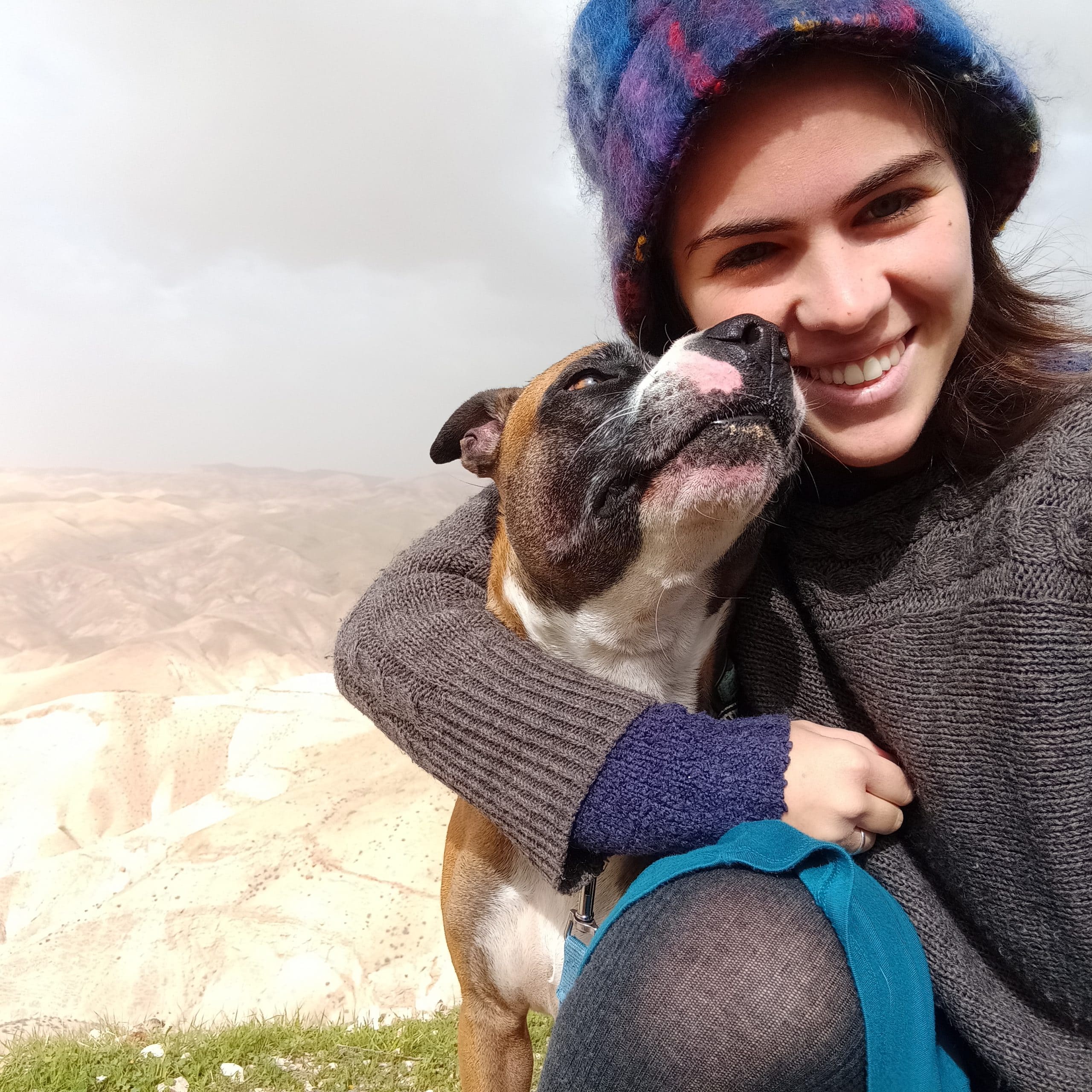
גאיה דיבו
מצפה יריחו, ישראל
אמא שלי למדה איתי ש”ס משנה, והתחילה ללמוד דף יומי. אני החלטתי שאני רוצה ללמוד גם. בהתחלה למדתי איתה, אח”כ הצטרפתי ללימוד דף יומי שהרב דני וינט מעביר לנוער בנים בעתניאל. במסכת עירובין עוד חברה הצטרפה אלי וכשהתחלנו פסחים הרב דני פתח לנו שעור דף יומי לבנות. מאז אנחנו לומדות איתו קבוע כל יום את הדף היומי (ובשבת אבא שלי מחליף אותו). אני נהנית מהלימוד, הוא מאתגר ומעניין
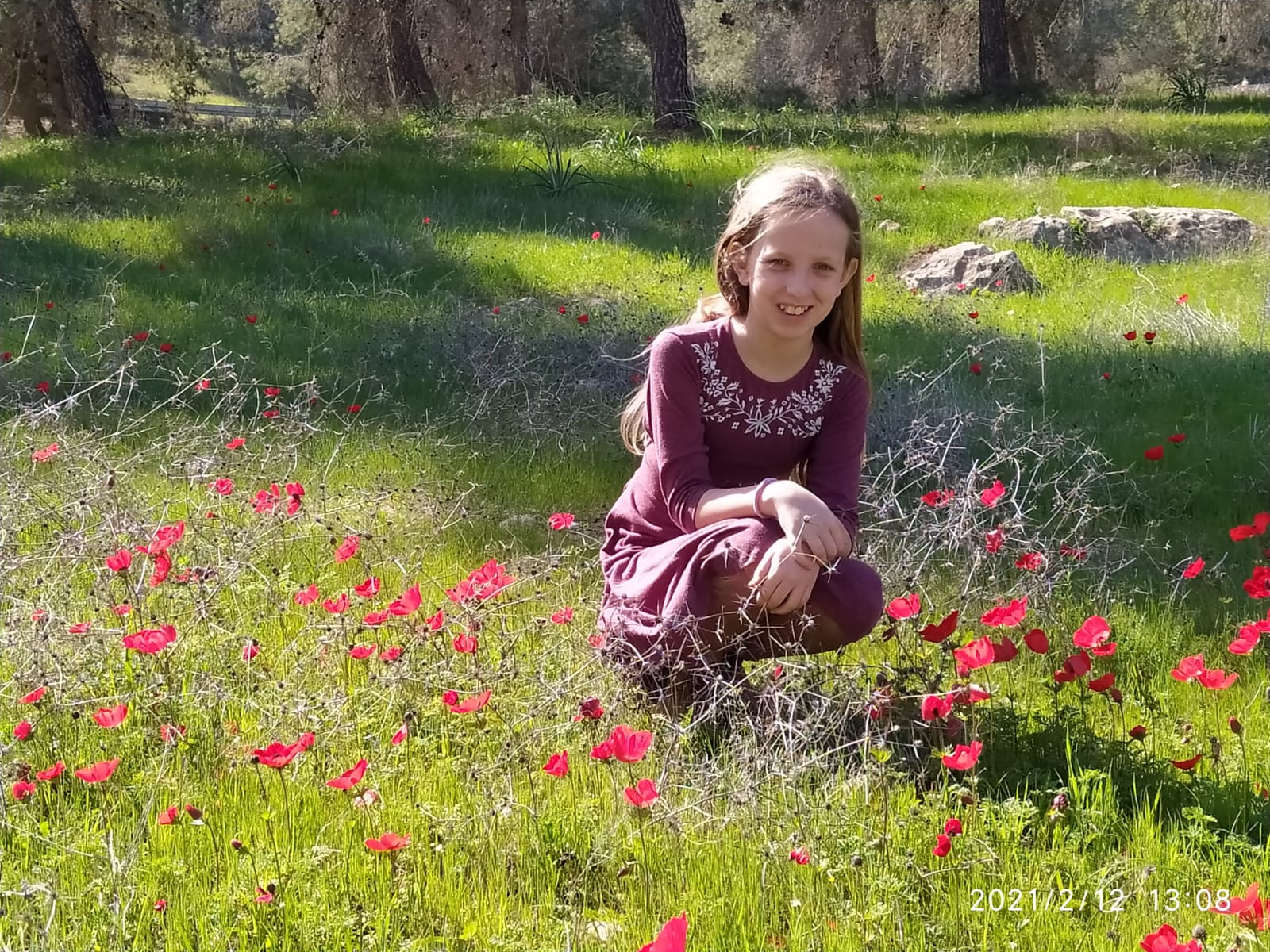
רננה הלמן
עתניאל, ישראל
התחלתי ללמוד דף יומי שהתחילו מסכת כתובות, לפני 7 שנים, במסגרת קבוצת לימוד שהתפרקה די מהר, ומשם המשכתי לבד בתמיכת האיש שלי. נעזרתי בגמרת שטיינזלץ ובשיעורים מוקלטים.
הסביבה מאד תומכת ואני מקבלת המון מילים טובות לאורך כל הדרך. מאז הסיום הגדול יש תחושה שאני חלק מדבר גדול יותר.
אני לומדת בשיטת ה”7 דפים בשבוע” של הרבנית תרצה קלמן – כלומר, לא נורא אם לא הצלחת ללמוד כל יום, העיקר שגמרת ארבעה דפים בשבוע
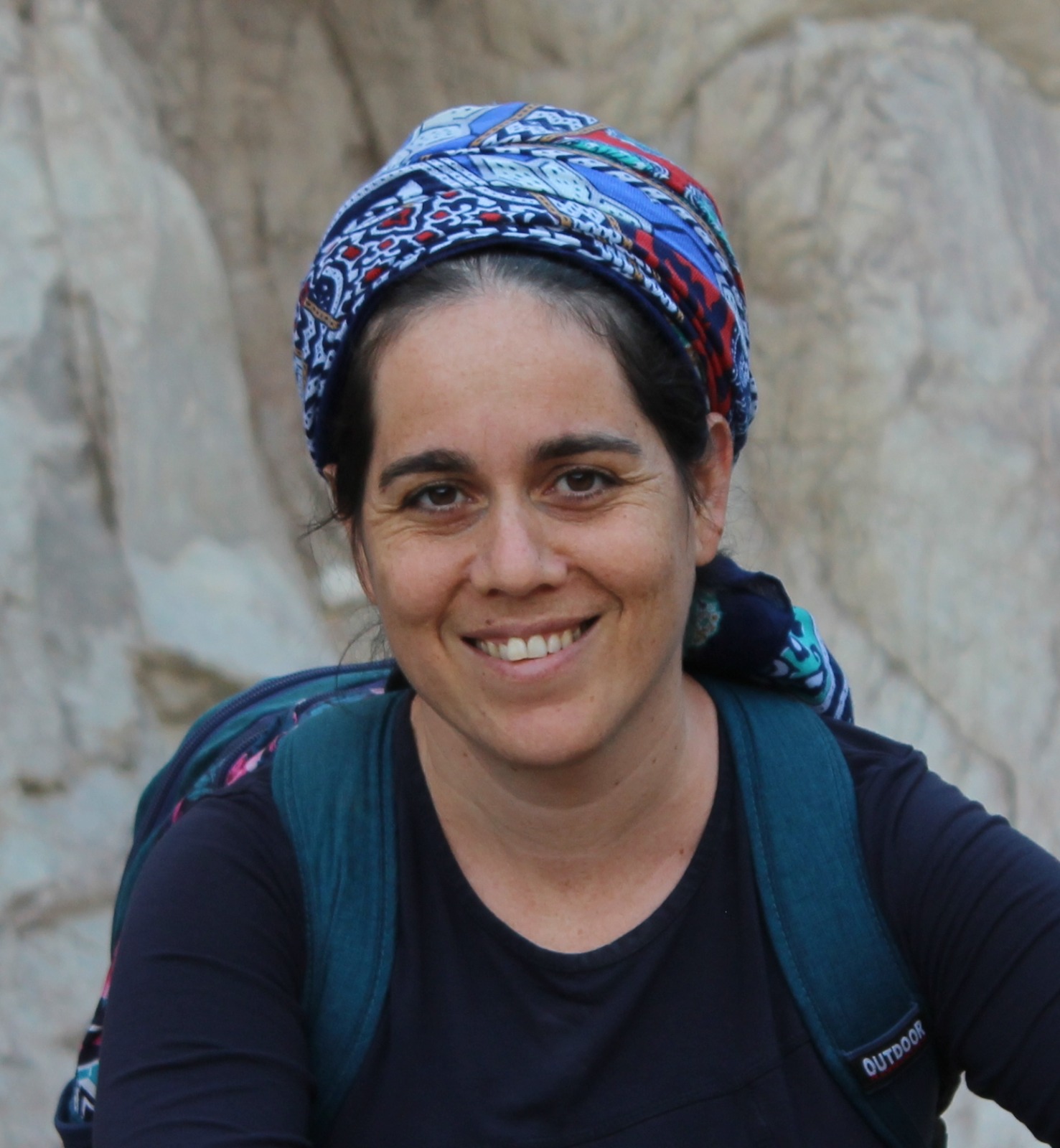
רחל גולדשטיין
עתניאל, ישראל
התחלתי מחוג במסכת קידושין שהעבירה הרבנית רייסנר במסגרת בית המדרש כלנה בגבעת שמואל; לאחר מכן התחיל סבב הדף היומי אז הצטרפתי. לסביבה לקח זמן לעכל אבל היום כולם תומכים ומשתתפים איתי. הלימוד לעתים מעניין ומעשיר ולעתים קשה ואף הזוי… אך אני ממשיכה קדימה. הוא משפיע על היומיום שלי קודם כל במרדף אחרי הדף, וגם במושגים הרבים שלמדתי ובידע שהועשרתי בו, חלקו ממש מעשי

אביגיל כריסי
ראש העין, ישראל
אחרי שראיתי את הסיום הנשי של הדף היומי בבנייני האומה זה ריגש אותי ועורר בי את הרצון להצטרף. לא למדתי גמרא קודם לכן בכלל, אז הכל היה לי חדש, ולכן אני לומדת בעיקר מהשיעורים פה בהדרן, בשוטנשטיין או בחוברות ושיננתם.

רבקה שלוס
בית שמש, ישראל
התחלתי כשהייתי בחופש, עם הפרסומים על תחילת המחזור, הסביבה קיבלה את זה כמשהו מתמיד ומשמעותי ובהערכה, הלימוד זה עוגן יציב ביום יום, יש שבועות יותר ויש שפחות אבל זה משהו שנמצא שם אמין ובעל משמעות בחיים שלי….

עדי דיאמנט
גמזו, ישראל
כבר סיפרתי בסיום של מועד קטן.
הלימוד מאוד משפיעה על היום שלי כי אני לומדת עם רבנית מישל על הבוקר בזום. זה נותן טון לכל היום – בסיס למחשבות שלי .זה זכות גדול להתחיל את היום בלימוד ובתפילה. תודה רבה !

שרה ברלוביץ
ירושלים, ישראל
שמעתי על הסיום הענק של הדף היומי ע”י נשים בבנייני האומה. רציתי גם.
החלטתי להצטרף. התחלתי ושיכנעתי את בעלי ועוד שתי חברות להצטרף. עכשיו יש לי לימוד משותף איתו בשבת ומפגש חודשי איתן בנושא (והתכתבויות תדירות על דברים מיוחדים שקראנו). הצטרפנו לקבוצות שונות בווטסאפ. אנחנו ממש נהנות. אני שומעת את השיעור מידי יום (בד”כ מהרב יוני גוטמן) וקוראת ומצטרפת לסיומים של הדרן. גם מקפידה על דף משלהן (ונהנית מאד).

ליאת סיטרון
אפרת, ישראל
רבנית מישל הציתה אש התלמוד בלבבות בביניני האומה ואני נדלקתי. היא פתחה פתח ותמכה במתחילות כמוני ואפשרה לנו להתקדם בצעדים נכונים וטובים. הקימה מערך שלם שמסובב את הלומדות בסביבה תומכת וכך נכנסתי למסלול לימוד מעשיר שאין כמוה. הדרן יצר קהילה גדולה וחזקה שמאפשרת התקדמות מכל נקודת מוצא. יש דיבוק לומדות שמחזק את ההתמדה של כולנו. כל פניה ושאלה נענית בזריזות ויסודיות. תודה גם למגי על כל העזרה.
שרה אבר
נתניה, ישראל
התחלתי ללמוד בשנת המדרשה במגדל עוז, בינתיים נהנית מאוד מהלימוד ומהגמרא, מעניין ומשמח מאוד!
משתדלת להצליח לעקוב כל יום, לפעמים משלימה קצת בהמשך השבוע.. מרגישה שיש עוגן מקובע ביום שלי והוא משמח מאוד!

אוריה קסנר
חיפה , ישראל
לצערי גדלתי בדור שבו לימוד גמרא לנשים לא היה דבר שבשגרה ושנים שאני חולמת להשלים את הפער הזה.. עד שלפני מספר שבועות, כמעט במקרה, נתקלתי במודעת פרסומת הקוראת להצטרף ללימוד מסכת תענית. כשקראתי את המודעה הרגשתי שהיא כאילו נכתבה עבורי – "תמיד חלמת ללמוד גמרא ולא ידעת איך להתחיל”, "בואי להתנסות במסכת קצרה וקלה” (רק היה חסר שהמודעה תיפתח במילים "מיכי שלום”..). קפצתי למים ו- ב”ה אני בדרך להגשמת החלום:)

מיכי קדוש
מורשת, ישראל
A life-changing journey started with a Chanukah family tiyul to Zippori, home of the Sanhedrin 2 years ago and continued with the Syum in Binanei Hauma where I was awed by the energy of 3000 women dedicated to learning daf Yomi. Opening my morning daily with a fresh daf, I am excited with the new insights I find enriching my life and opening new and deeper horizons for me.

בקי גולדשטיין
Elazar gush etzion, Israel
אני לומדת גמרא כעשור במסגרות שונות, ואת הדף היומי התחלתי כשחברה הציעה שאצטרף אליה לסיום בבנייני האומה. מאז אני לומדת עם פודקסט הדרן, משתדלת באופן יומי אך אם לא מספיקה, מדביקה פערים עד ערב שבת. בסבב הזה הלימוד הוא "ממעוף הציפור”, מקשיבה במהירות מוגברת תוך כדי פעילויות כמו בישול או נהיגה, וכך רוכשת היכרות עם הסוגיות ואופן ניתוחם על ידי חז”ל. בע”ה בסבב הבא, ואולי לפני, אצלול לתוכו באופן מעמיק יותר.
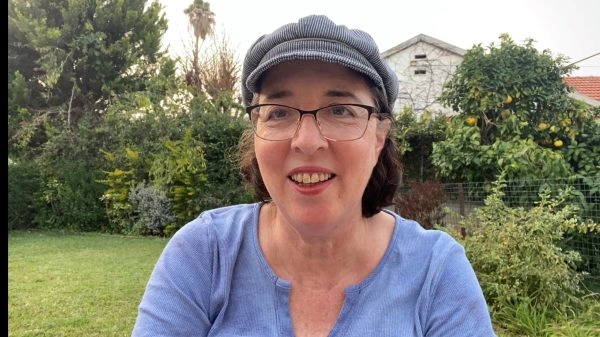
יעל ביר
רמת גן, ישראל
נדרים נח
כׇּל דָּבָר שֶׁיֵּשׁ לוֹ מַתִּירִין, כְּגוֹן טֶבֶל וּמַעֲשֵׂר שֵׁנִי וְהֶקְדֵּשׁ וְחָדָשׁ — לֹא נָתְנוּ בָּהֶן חֲכָמִים שִׁיעוּר. וְכׇל דָּבָר שֶׁאֵין לוֹ מַתִּירִין, כְּגוֹן תְּרוּמָה וּתְרוּמַת מַעֲשֵׂר וְחַלָּה וְעׇרְלָה וְכִלְאֵי הַכֶּרֶם — נָתְנוּ בָּהֶם חֲכָמִים שִׁיעוּר.
For any item that can become permitted, i.e., a forbidden object whose prohibition can or will lapse, for example, untithed produce that can be permitted through tithing, and second tithe that is permitted through redemption or bringing it to Jerusalem (Deuteronomy 14:24–26), and consecrated items that are also permitted through redemption, and produce of the new crop that is permitted after the sacrifice of the omer offering (Leviticus 23:14), the Sages did not determine a measure for their neutralization, and no mixture with any quantity of permitted items neutralizes their prohibition. And for any item that cannot become permitted, for example, teruma, and teruma of the tithe, and ḥalla (Numbers 15:20–21); fruit of a tree during the first three years after its planting [orla]; and forbidden food crops in a vineyard (Deuteronomy 22:9), the Sages determined a measure for their neutralization.
אָמְרוּ לוֹ: וַהֲלֹא שְׁבִיעִית אֵין לָהּ מַתִּירִין, וְלֹא נָתְנוּ בָּהּ חֲכָמִים שִׁיעוּר. דִּתְנַן: הַשְּׁבִיעִית אוֹסֶרֶת כׇּל שֶׁהוּא בְּמִינָהּ! אָמַר לָהֶן: אַף אֲנִי לֹא אָמַרְתִּי אֶלָּא לְבִיעוּר.
The Rabbis said to Rabbi Shimon: But isn’t Sabbatical-Year produce an item that cannot become permitted, and nevertheless, the Sages did not determine a measure for its neutralization, as we learned in a mishna (Shevi’it 7:7): The Sabbatical-Year produce prohibits permitted produce of its own species with which it is mixed in any amount. Rabbi Shimon said to them: I too said that Sabbatical-Year produce prohibits permitted produce in a mixture and permitted growths that develop from it only with regard to the removal of the produce. Sabbatical-Year produce may be eaten only as long as produce of that species remains in the field, after which it must be removed from one’s possession. Since it is permitted to eat the produce before that time, its legal status during this period is that of an item that can become permitted.
אֲבָל לַאֲכִילָה בְּנוֹתֵן טַעַם. וְדִלְמָא הָא נָמֵי לְחוּמְרָא שָׁאנֵי!
However, with regard to the permissibility of eating Sabbatical-Year produce after the time of removal has passed, when eating that produce is prohibited, the Sages determined a measure for their neutralization. The mixture is forbidden only if the measure of that produce is enough to impart flavor to the mixture. Apparently, permitted growths can neutralize the prohibition of the original item. The Gemara rejects the proof: And perhaps here too, it is different when the ruling is a stringency. In this case, the stringency is that the original item is sacred with the sanctity of the Sabbatical Year. However, here too, there is no proof that the same would be true in cases where the result is a leniency.
אֶלָּא מִן הָדָא פַּשְׁטַהּ, דִּתְנַן: בְּצָלִים שֶׁיָּרְדוּ עֲלֵיהֶם גְּשָׁמִים וְצָמְחוּ, אִם הָיוּ עָלִין שֶׁלָּהֶן שְׁחוֹרִין — אֲסוּרִין. הוֹרִיקוּ — מוּתָּרִין.
Rather, Yishmael of Kefar Yamma resolved his dilemma from this source, as we learned in a mishna (Shevi’it 6:3): With regard to sixth-year onions upon which rain fell during the Sabbatical Year, and they sprouted, if their leaves were black [sheḥorin], i.e., dark green, an indication of fresh, recent growth, the onions are forbidden as Sabbatical-Year growth. If their leaves turned green [horiku], i.e., lighter and yellower, and appeared withered, the onions are permitted, as they are considered a product of the sixth year.
רַבִּי חֲנַנְיָא בֶּן אַנְטִיגְנוֹס אוֹמֵר: אִם יְכוֹלִין לִיתָּלֵשׁ בֶּעָלִין שֶׁלָּהֶן — אֲסוּרִין. וּכְנֶגְדָּן, לְמוֹצָאֵי שְׁבִיעִית — מוּתָּרִין. לְמֵימְרָא דְּגִידּוּלֵי הֶיתֵּר מַעֲלִין אֶת הָאִיסּוּר. וְדִלְמָא בִּמְדוּכָּנִין.
Rabbi Ḥanina ben Antigonus says: There is a different indicator; if the plants can be uprooted by their leaves, clearly the leaves are fresh and recent, and they are forbidden. And in the parallel situation, if that indicator was discovered in a Sabbatical-Year onion that sprouted at the conclusion of the Sabbatical Year, i.e., during the eighth year, the onions are permitted. The Gemara asks: Is this to say that one may conclude from here that permitted growth neutralizes the prohibition of the original plant? The Gemara rejects this conclusion: And perhaps the halakha is with regard to crushed [medukhanin], pounded onions, and the reason that the prohibition of the original plant is neutralized is not that the permitted growth neutralizes the prohibition, but that it is no longer fit for consumption.
אֶלָּא מִן הָדָא, דְּתַנְיָא:
Rather, the dilemma can be resolved from this source; as it is taught in a baraita:
הַמְנַכֵּשׁ עִם הַכּוּתִי בַּחֲסִיּוֹת — אוֹכֵל מֵהֶן אֲכִילַת עֲרַאי, וּמְעַשְּׂרָן וַדַּאי.
One who weeds ḥasayot with a Samaritan may eat a casual meal from them without tithing, as any untithed produce may be eaten in the framework of a casual meal. And when he completes the labor on the ḥasayot, places them into a pile, and they require tithing, he tithes them as produce that is definitely obligated in tithing, not as doubtfully tithed produce, as the assumption is that the Samaritan did not tithe the ḥasayot.
רַבִּי שִׁמְעוֹן בֶּן אֶלְעָזָר אוֹמֵר: אִם יִשְׂרָאֵל חָשׁוּד עַל הַשְּׁבִיעִית, לְמוֹצָאֵי שְׁבִיעִית — מוּתָּר. לְמֵימְרָא דְּגִידּוּלֵי הֶיתֵּר מַעֲלִין אֶת הָאִיסּוּר, וְדִלְמָא בְּדָבָר שֶׁזַּרְעוֹ כָּלֶה? הָא תַּנְיָא: אֵלּוּ הֵן חֲסִיּוֹת — כְּגוֹן הַלּוּף הַשּׁוּם וְהַבְּצָלִים.
Rabbi Shimon ben Elazar says: If the ḥasayot belong to a Jew who is suspect about observance of the Sabbatical Year, at the conclusion of the Sabbatical Year it is permitted to weed with him, as there is no concern that there might be Sabbatical-Year sanctity. The Gemara asks: Is this to say that the permitted growths of the eighth year neutralize the prohibition, and that is why there is no concern about Sabbatical-Year sanctity? The Gemara rejects that inference: And perhaps the tanna is speaking with regard to an item whose seeds cease after it is sown, whose growths neutralize the original prohibition? The Gemara rejects that possibility: Isn’t it taught in a baraita: These are ḥasayot, for example, arum, garlic, and onions, whose seeds do not cease?
וְדִלְמָא בִּמְדוּכָּנִין? ״חָשׁוּד עַל הַשְּׁבִיעִית״ קָתָנֵי. וְדִלְמָא בְּתַעֲרוֹבֶת? הַמְנַכֵּשׁ קָתָנֵי.
The Gemara asks: And perhaps the tanna is speaking with regard to plants that were crushed before they sprouted growths? The Gemara answers: It is the case of one who is suspect about observance of the Sabbatical Year, that is taught in the baraita, and one who is suspect would not bother to eliminate the prohibition by crushing it. The Gemara asks: And perhaps the tanna is speaking with regard to a mixture of forbidden ḥasayot and permitted ones, and the reason that it is permitted is that the prohibition was neutralized by the majority of permitted ḥasayot? The Gemara answers: One who weeds, is taught in the baraita, indicating that he is eating the leaves as he weeds them, leaving no opportunity for the ḥasayot to be mixed with others.
לֵימָא תֶּיהְוֵי תְּיוּבְתֵּיהּ דְּרַבִּי יוֹחָנָן וּדְרַבִּי יוֹנָתָן! אָמַר רַבִּי יִצְחָק: שַׁנְיָא שְׁבִיעִית, הוֹאִיל וְאִיסּוּרָהּ עַל יְדֵי קַרְקַע — בְּטִילָתָהּ נָמֵי עַל יְדֵי קַרְקַע.
The Gemara suggests: Let us say that this is a conclusive refutation of the opinions of Rabbi Yoḥanan and Rabbi Yonatan, who stated regarding orla and food crops in a vineyard that their permitted growth does not neutralize the prohibition of the original fruit or food crops respectively. Rabbi Yitzḥak said: The Sabbatical-Year produce is different. Since its prohibition is engendered by means of the ground, its nullification is effected by means of the ground as well. The prohibition can be neutralized by means of the growth that results from replanting the forbidden plant in a permitted manner.
הֲרֵי מַעֲשֵׂר, דְּאִיסּוּרוֹ עַל יְדֵי קַרְקַע, וְאֵין בְּטִילָתוֹ עַל יְדֵי קַרְקַע. דְּתַנְיָא: לִיטְרָא מַעֲשֵׂר טֶבֶל שֶׁזְּרָעָהּ בַּקַּרְקַע וְהִשְׁבִּיחָה, וַהֲרֵי הִיא כְּעֶשֶׂר לִיטְרִין — חַיֶּיבֶת בְּמַעֲשֵׂר וּבִשְׁבִיעִית. וְאוֹתָהּ לִיטְרָא, מְעַשֵּׂר עָלֶיהָ מִמָּקוֹם אַחֵר לְפִי חֶשְׁבּוֹן!
The Gemara asks: Isn’t there the case of tithe, whose prohibition is engendered by means of the ground, but its nullification is not effected by means of the ground? As it is taught in a baraita: With regard to a litra of untithed first tithe from which the teruma of the tithe was not taken, which one sowed in the ground, and it grew and it is now approximately ten litra, that additional growth is obligated to have tithe taken and is subject to the halakhot of Sabbatical-Year produce. And with regard to that original litra of untithed first tithe that he sowed, one tithes for it from produce in a different place, and not from the litra itself, based on a calculation of how much teruma of the tithe needed to be taken from that litra. Apparently, the growth that results from sowing the first tithe in the ground does not neutralize its prohibition.
לעקוב

