חיפוש

נדרים סה

רוצה להקדיש לימוד?

podcast placeholder

0:00
0:00


תקציר

הלימוד השבוע מוקדש ע”י נעמי אוקסמן לכבוד הרבנית מישל ולמשפחת הדרן כולה.

הדף היום מוקדש ע”י ג’ודי פלבר לזכר נשמות יובל מור-יוסף ויוסי כהן שנהרגו בפיגוע בגבעת אסף לפני ארבע שנים. ולרפואת בנה, נתנאל אילן בן שיינה ציפורה שנפצע קשה בפיגוע.

המודר הנאה מחבירו, צריך להתיר את הנדר בפניו. מביאים שתי הוכחות לזה ממשה רבינו ומצדקיה המלך שהתיר נדר שנדר לנובכדנצר. המשנה מביאה דברי ר’ מאיר שמדבר על קטיגוריה אחרת בהתרת נדרים – להתיר על ידי פתח שנחשב לנולד ושאינו נולד. מהן דוגמאות לקטיגוריה זו? האם חכמים הסכימו איתו? הגמרא מביאה שני פירושים שונים להבין למה לר’ מאיר אפשר להתיר נדר מסוג זה. הגמרא מקשה על אחת הדעות ואין תשובה. אפשר לפתוח פתח לנדר מפסוק בתורה כגון "לא תשנא את אחיך בלבבך.” אם הנדור הפך לעני, מותר לפתוח פתח על פי הפסוק "וחי אחיך עמך.” אם מיהו נדר הנאה מאשתו וחחיב לגרשה אפשר לפתוח פתח בהזכרת הכתובה (אילו ידעת שאתה צריך לשלם לה סכום גדול שבכתובה, האם היית נודר). המשנה מביאה סיפורלהוכיח הלכה זו. הגמרא מעלה כמה שאלות על הסיפור מדיני כתובה/ממונות.

נדרים סה

תַּנְיָא: הַמּוּדָּר הֲנָאָה מֵחֲבֵירוֹ אֵין מַתִּירִין לוֹ אֶלָּא בְּפָנָיו. מְנָא הָנֵי מִילֵּי? אָמַר רַב נַחְמָן: דִּכְתִיב: ״וַיֹּאמֶר ה׳ אֶל מֹשֶׁה בְּמִדְיָן לֵךְ שֻׁב מִצְרָיִם כִּי מֵתוּ כׇּל הָאֲנָשִׁים״. אָמַר לוֹ: בְּמִדְיָן נָדַרְתָּ — לֵךְ וְהַתֵּר נִדְרְךָ בְּמִדְיָן. דִּכְתִיב: ״וַיּוֹאֶל מֹשֶׁה״ — אֵין אָלָה אֶלָּא שְׁבוּעָה, דִּכְתִיב: ״וַיָּבֵא אֹתוֹ בְּאָלָה״.

§ It is taught in a baraita (Tosefta 2:12): With regard to one prohibited by a vow from deriving benefit from another, they dissolve the vow for him only in the presence of the one who is the subject of the vow. The Gemara asks: From where are these matters derived? Rav Naḥman said: As it is written: “And the Lord said to Moses in Midian: Go, return to Egypt; for all the men are dead” (Exodus 4:19). Rav Naḥman notes that the verse specifies where God spoke to Moses, and explains that God said to him: In Midian you vowed to Yitro that you would not return to Egypt, go and dissolve your vow in Midian. And where does it say that Moses vowed to Yitro? For it is written: “And Moses was content [vayo’el] to dwell with the man” (Exodus 2:21). The word vayo’el is related to the word ala, and ala means nothing other than an oath, as it is written: “And he…brought him under an oath [ala]” (Ezekiel 17:13), and the halakhot of dissolution of oaths are identical to those of dissolution of vows.

״וְגַם בַּמֶּלֶךְ נְבוּכַדְנֶאצַּר מָרָד אֲשֶׁר הִשְׁבִּיעוֹ בֵּאלֹהִים (חַיִּים)״. מַאי מַרְדּוּתֵיהּ? אַשְׁכְּחֵיהּ צִדְקִיָּה לִנְבוּכַדְנֶצַּר דַּהֲוָה קָאָכֵיל אַרְנְבָא חַיָּה. אֲמַר לֵיהּ: אִישְׁתְּבַע לִי דְּלָא מְגַלֵּית עִילָּוַי וְלָא תִּיפּוֹק מִילְּתָא. אִישְׁתְּבַע.

The Gemara cites another proof that one may dissolve such a vow or oath only in the presence of the party affected by the vow or oath. It states with regard to King Zedekiah: “And he also rebelled against King Nebuchadnezzar, who had made him swear by God” (II Chronicles 36:13). The Gemara asks: What was his rebellion? The Gemara answers: Zedekiah found Nebuchadnezzar eating a live rabbit, and the latter was ashamed to be seen doing this. He said to him: Take an oath to me that you will not reveal my behavior and this matter will not emerge in public. Zedekiah took an oath to him.

לְסוֹף הֲוָה קָא מִצְטַעַר צִדְקִיָּהוּ בְּגוּפֵיהּ. אִיתְּשִׁיל אַשְּׁבוּעֲתֵיהּ, וַאֲמַר. שְׁמַע נְבוּכַדְנֶצַּר דְּקָא מְבַזִּין לֵיהּ, שְׁלַח וְאַיְיתִי סַנְהֶדְרִין וְצִדְקִיָּהוּ. אֲמַר לְהוֹן: חֲזֵיתוּן מַאי קָא עָבֵיד צִדְקִיָּהוּ? לָאו הָכִי אִישְׁתְּבַע בִּשְׁמָא דִשְׁמַיָּא דְּ״לָא מְגַלֵּינָא״? אֲמַר לֵיהּ: אִיתְּשַׁלִי אַשְּׁבוּעֲתָא.

Later, Zedekiah was physically suffering, as he wanted to tell people what he had seen, but he could not do so due to his oath. He requested dissolution of his oath from the judges of the Sanhedrin, who dissolved it for him, and he publicly said what he had witnessed. Nebuchadnezzar heard that he was being ridiculed for his behavior. He sent for and brought the Sanhedrin and Zedekiah before him. He said to them: Did you see what Zedekiah has done? Did he not take an oath in the name of Heaven: That I will not reveal? They said to him: He requested dissolution of the oath.

[אֲמַר לְהוּ: מִתַּשְׁלִין אַשְּׁבוּעֲתָא?] אָמְרִי לֵיהּ: אִין. אֲמַר לְהוּ: בְּפָנָיו, אוֹ אֲפִילּוּ שֶׁלֹּא בְּפָנָיו? אָמְרִי לֵיהּ: בְּפָנָיו. אֲמַר לְהוֹן: וְאַתּוּן מַאי עָבְדִיתוּן, מַאי טַעְמָא לָא אָמְרִיתוּן לְצִדְקִיָּהוּ? מִיָּד ״יֵשְׁבוּ לָאָרֶץ יִדְּמוּ זִקְנֵי בַת צִיּוֹן״. אָמַר רַבִּי יִצְחָק: שֶׁשָּׁמְטוּ כָּרִים מִתַּחְתֵּיהֶם.

He said to them: Can one request the dissolution of an oath? They said to him: Yes. He said to them: Must this be done in the presence of the person he took an oath to, or even not in his presence? They said to him: It must be dissolved in his presence. He said to them: And you, what did you do? What is the reason you did not say to Zedekiah that he can have his oath dissolved only in my presence? Immediately, they fulfilled the verse: “They sit upon the ground, and keep silence, the elders of the daughter of Zion” (Lamentations 2:10). Rabbi Yitzḥak said: This means that they removed the cushions upon which they sat from underneath them, as a sign that they had erred in halakha.

מַתְנִי׳ רַבִּי מֵאִיר אוֹמֵר: יֵשׁ דְּבָרִים שֶׁהֵן כַּנּוֹלָד וְאֵינָן כַּנּוֹלָד, וְאֵין חֲכָמִים מוֹדִים לוֹ. כֵּיצַד? אָמַר ״קֻוֽנָּם שֶׁאֲנִי נוֹשֵׂא אֶת פְּלוֹנִית, שֶׁאָבִיהָ רַע״, אָמְרוּ לוֹ: מֵת, אוֹ שֶׁעָשָׂה תְּשׁוּבָה. ״קֻוֽנָּם לְבַיִת זֶה שֶׁאֲנִי נִכְנָס, שֶׁהַכֶּלֶב רַע בְּתוֹכוֹ״, אוֹ ״שֶׁהַנָּחָשׁ בְּתוֹכוֹ״, אָמְרוּ לוֹ: מֵת הַכֶּלֶב, אוֹ שֶׁנֶּהֱרַג הַנָּחָשׁ — הֲרֵי הֵן כַּנּוֹלָד, וְאֵינוֹ כַּנּוֹלָד. וְאֵין חֲכָמִים מוֹדִים לוֹ.

MISHNA: As a continuation of the opinion of the Rabbis in the previous mishna that they may not broach dissolution of a vow based on a new situation, Rabbi Meir says: There are matters that are, at first glance, like a new situation but are not in fact like a new situation, and the Rabbis do not concede to him. How so? For example, one said: Marrying so-and-so is konam for me, as her father is evil, and they told him that her father died, or that he repented. Or he said: Entering this house is konam for me, as there is a bad dog inside it, or a snake inside it, and they told him that the dog died, or that the snake was killed. This is at first glance perceived like a new situation, and yet it is not in fact like a new situation, and this claim may be used to broach dissolution. But the Rabbis do not concede to him.

גְּמָ׳ ״קֻוֽנָּם שֶׁאֲנִי נִכְנָס לְבַיִת זֶה שֶׁהַכֶּלֶב וְכוּ׳״ — מֵת נוֹלָד הוּא! אָמַר רַב הוּנָא: נַעֲשָׂה כְּתוֹלֶה נִדְרוֹ בְּדָבָר. וְרַבִּי יוֹחָנָן אָמַר: כְּבָר מֵת וּכְבָר עָשָׂה תְּשׁוּבָה, קָאָמְרִי לֵיהּ.

GEMARA: The mishna taught that according to Rabbi Meir certain matters are similar to, but in fact do not constitute a new situation, such as a vow which states: Entering this house is konam for me, as there is a bad dog there, where the halakha is that if the dog dies, it is not considered to be a new situation. The Gemara asks: Certainly death is a new situation. Rav Huna said: He is considered like one who makes his vow dependent on a matter. In other words, his vow is interpreted as conditional, that he will not enter the house as long as the dog is alive, for he explicitly stated that this was the reason for his vow. Therefore, when the dog dies, the vow is dissolved. And Rabbi Yoḥanan said it means that they say to him: The dog had already died, or: The father had already repented, before the vow, and it was a mistaken vow from the outset that never took effect.

מֵתִיב רַבִּי אַבָּא: ״קֻוֽנָּם שֶׁאֵינִי נוֹשֵׂא לִפְלוֹנִית כְּעוּרָה״, וַהֲרֵי הִיא נָאָה. ״שְׁחוֹרָה״, וַהֲרֵי הִיא לְבָנָה. ״קְצָרָה״, וַהֲרֵי הִיא אֲרוּכָּה — מוּתָּר בָּהּ. לֹא מִפְּנֵי שֶׁכְּעוּרָה וְנַעֲשֵׂת נָאֶה, שְׁחוֹרָה וְנַעֲשֵׂת לְבָנָה, קְצָרָה וְנַעֲשֵׂת אֲרוּכָּה — אֶלָּא שֶׁהַנֶּדֶר טָעוּת. בִּשְׁלָמָא לְרַב הוּנָא דְּאָמַר נַעֲשָׂה כְּתוֹלֶה נִדְרוֹ בְּדָבָר: תְּנָא תּוֹלֶה נִדְרוֹ בְּדָבָר, וּתְנָא נֶדֶר טָעוּת. אֶלָּא לְרַבִּי יוֹחָנָן, דְּאָמַר כְּבָר מֵת וּכְבָר עָשָׂה תְּשׁוּבָה, לְמָה לִי לְמִתְנֵי תְּרֵי זִימְנֵי נֶדֶר טָעוּת? קַשְׁיָא.

Rabbi Abba raised an objection from a later mishna (66a): If one said: I will not marry ugly so-and-so as that is konam for me, and she is in fact beautiful, or if he called her black, and she is in fact white, or if he called her short, and she is in fact tall, he is permitted to her. Not because she was ugly and became beautiful, black and became white, or short and became tall, but rather, because the vow was mistaken from the outset. Granted, according to Rav Huna, who said that he is considered like one who makes his vow dependent on a matter, the mishna here taught the case of one who makes his vow dependent on a matter, and it taught there the case of a mistaken vow. But according to Rabbi Yoḥanan, who said that the mishna here is referring to a situation where the dog had already died, or the father had already repented, why do I need the mishna to teach the halakha of a mistaken vow twice? The Gemara comments: This is difficult.

מַתְנִי׳ וְעוֹד אָמַר רַבִּי מֵאִיר: פּוֹתְחִין לוֹ מִן הַכָּתוּב שֶׁבַּתּוֹרָה, וְאוֹמְרִין לוֹ: אִילּוּ הָיִיתָ יוֹדֵעַ שֶׁאַתָּה עוֹבֵר עַל ״לֹא תִקֹּם״, וְעַל ״לֹא תִטֹּר״, וְעַל ״לֹא תִשְׂנָא אֶת אָחִיךָ בִּלְבָבֶךָ״, ״וְאָהַבְתָּ לְרֵעֲךָ כָּמוֹךָ״, ״וְחֵי אָחִיךָ עִמָּךְ״, שֶׁהוּא עָנִי וְאֵין אַתָּה יָכוֹל לְפַרְנָסוֹ. אָמַר: אִילּוּ הָיִיתִי יוֹדֵעַ שֶׁהוּא כֵּן, לֹא הָיִיתִי נוֹדֵר — הֲרֵי זֶה מוּתָּר.

MISHNA: And Rabbi Meir further said: The halakhic authorities may broach dissolution with him from that which is written in the Torah, and they may say to him: Had you known that through your vow you are transgressing the prohibition “you shall not take vengeance” (Leviticus 19:18) and the prohibition “nor bear any grudge” (Leviticus 19:18), and the prohibition “you shall not hate your brother in your heart” (Leviticus 19:17), and “you shall love your neighbor as yourself” (Leviticus 19:18), as well as “and your brother should live with you” (Leviticus 25:36), as he, the one prohibited by the vow, is poor and now you are not able to provide him with a livelihood due to your vow, would you have vowed in that case? If he said in reply: Had I known that it is so, that my vow involved all these prohibitions, I would not have vowed; it is dissolved.

גְּמָ׳ אָמַר לְהוּ רַב הוּנָא בַּר רַב קַטִּינָא לְרַבָּנַן: נֵימָא, כֹּל דְּמִעֲנֵי לָאו עֲלַי נָפֵיל. מַאי דְּמָטֵי לִי לְפַרְנְסוֹ — בַּהֲדֵי כּוּלֵּי עָלְמָא מְפַרְנַסְנָא לֵיהּ. אָמְרִי לֵיהּ: אֲנִי אוֹמֵר כׇּל הַנּוֹפֵל, אֵינוֹ נוֹפֵל לִידֵי גַבַּאי תְּחִלָּה.

GEMARA: Rav Huna bar Rav Ketina said to the Sages: But let the one who stated the vow say with regard to the last claim: All who become poor do not fall upon me; it is not my responsibility to provide for this specific poor person. What is placed upon me to provide for him together with everyone else, I will provide to him when I give money to those collecting for the communal charity fund. They said to him: I say that anyone who falls into poverty and requires assistance does not fall into the hands of the charity collector first. Rather, his descent begins when he encounters hard times, and it is at this stage that he may require individual, direct support to prevent him from plunging into a state of absolute poverty.

מַתְנִי׳ פּוֹתְחִין לָאָדָם בִּכְתוּבַּת אִשְׁתּוֹ.

MISHNA: The halakhic authorities may broach dissolution with a man by raising the issue of his wife’s marriage contract. If one takes a vow that would require him to divorce his wife, e.g., he prohibits her from deriving benefit from him, his vow may be dissolved by asking him whether he had considered how difficult it would be to pay her marriage contract.

וּמַעֲשֶׂה בְּאֶחָד שֶׁנָּדַר מֵאִשְׁתּוֹ הֲנָאָה, וְהָיְתָה כְּתוּבָּתָהּ אַרְבַּע מֵאוֹת דִּינָרִים. וּבָא לִפְנֵי רַבִּי עֲקִיבָא, וְחִיְּיבוֹ לִיתֵּן לָהּ כְּתוּבָּתָהּ. אָמַר לוֹ: רַבִּי, שְׁמוֹנֶה מֵאוֹת דִּינָרִין הִנִּיחַ אַבָּא. נָטַל אָחִי אַרְבַּע מֵאוֹת, וַאֲנִי אַרְבַּע מֵאוֹת. לֹא דַּיָּה שֶׁתִּטּוֹל הִיא מָאתַיִם וַאֲנִי מָאתַיִם? אָמַר לוֹ רַבִּי עֲקִיבָא: אֲפִילּוּ אַתָּה מוֹכֵר שְׂעַר רֹאשְׁךָ — אַתָּה נוֹתֵן לָהּ כְּתוּבָּתָהּ. אָמַר לוֹ: אִילּוּ הָיִיתִי יוֹדֵעַ שֶׁהוּא כֵּן — לֹא הָיִיתִי נוֹדֵר. וְהִתִּירָהּ רַבִּי עֲקִיבָא.

The mishna relates: And an incident occurred with regard to one who vowed against his wife deriving benefit from him, and her marriage contract was worth four hundred dinars. And he came before Rabbi Akiva, and he obligated him to give her the payment of her marriage contract. He said to Rabbi Akiva: My teacher, my father left eight hundred dinars as our inheritance, of which my brother took four hundred and I took four hundred. Isn’t it enough for my wife to take two hundred and I will have two hundred? Rabbi Akiva said to him: Your claim is not accepted, as even if you sell the hair on your head, you must give her the full payment of her marriage contract. He said to him: Had I known that it was so, that I would have to give her all my property, I would not have vowed. And Rabbi Akiva permitted her to derive benefit from him.

גְּמָ׳ מִטַּלְטְלֵי מִי מִשְׁתַּעְבְּדִי לִכְתוּבָה? אָמַר אַבָּיֵי: קַרְקַע שָׁוָה שְׁמוֹנֶה מֵאוֹת דִּינָר. וְהָקָתָנֵי: ״שְׂעַר רֹאשׁוֹ״, וּשְׂעַר רֹאשׁוֹ מִטַּלְטְלֵי הוּא! הָכִי קָאָמַר: אֲפִילּוּ אַתָּה מוֹכֵר שְׂעַר רֹאשְׁךָ וְאוֹכֵל.

GEMARA: The Gemara questions the comment made by Rabbi Akiva, that even if the man were to sell the hair on his head, he must pay her the full sum of her marriage contract: Is movable property mortgaged for the payment of a marriage contract? The Rabbis maintain that only land owned by the husband is mortgaged for the payment of a marriage contract, so why should he have to sell the hair on his head? Abaye said: He said that the father had left land worth eight hundred dinars, and he received four hundred dinars’ worth of land, so all of his land is equal in value to his wife’s marriage contract. The Gemara raises a difficulty: But the mishna teaches that he must pay even from: The hair on his head, and the hair on his head is movable property. The Gemara answers: This is what he said: You must pay the marriage contract from the land even if you will need to sell the hair on your head and use the proceeds from the sale in order to eat, as you will have no other source of income.

שָׁמְעַתְּ מִינַּהּ אֵין מְסַדְּרִין לְבַעַל חוֹב? אָמַר רַב נַחְמָן בְּרַבִּי יִצְחָק:

The Gemara poses a question: Should you conclude from the mishna that arrangements are not made with a creditor, but instead, the entire sum is collected immediately, without reaching an agreement with the husband’s creditors to leave him some money to support himself? The Gemara refutes this suggestion: Rav Naḥman, son of Rabbi Yitzḥak, said:

חדשה בלימוד הגמרא?

זה הדף הראשון שלך? איזו התרגשות עצומה! יש לנו בדיוק את התכנים והכלים שיעזרו לך לעשות את הצעדים הראשונים ללמידה בקצב וברמה שלך, כך תוכלי להרגיש בנוח גם בתוך הסוגיות המורכבות ומאתגרות.

פסיפס הלומדות שלנו

גלי את קהילת הלומדות שלנו, מגוון נשים, רקעים וסיפורים. כולן חלק מתנועה ומסע מרגש ועוצמתי.

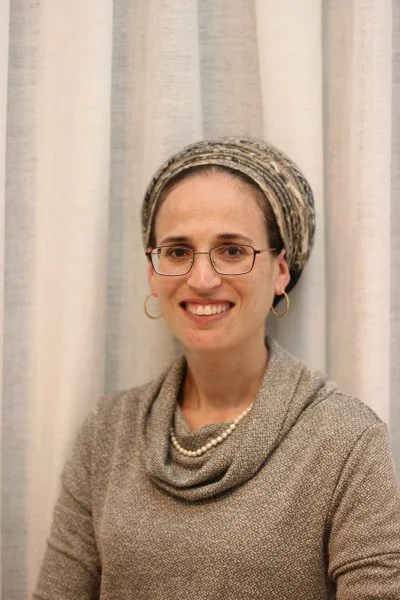
בתחילת הסבב הנוכחי של לימוד הדף היומי, נחשפתי לחגיגות המרגשות באירועי הסיום ברחבי העולם. והבטחתי לעצמי שבקרוב אצטרף גם למעגל הלומדות. הסבב התחיל כאשר הייתי בתחילת דרכי בתוכנית קרן אריאל להכשרת יועצות הלכה של נשמ”ת. לא הצלחתי להוסיף את ההתחייבות לדף היומי על הלימוד האינטנסיבי של תוכנית היועצות. בבוקר למחרת המבחן הסופי בנשמ”ת, התחלתי את לימוד הדף במסכת סוכה ומאז לא הפסקתי.

Hana Shaham-Rozby (Dr.)
חנה שחם-רוזבי (ד”ר)

קרית גת, ישראל

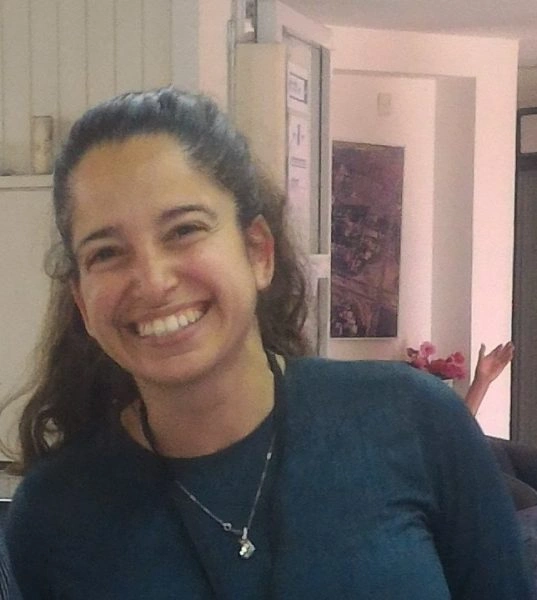
התחלתי בסיום הש”ס, יצאתי באורות. נשברתי פעמיים, ובשתיהם הרבנית מישל עודדה להמשיך איפה שכולם בסבב ולהשלים כשאוכל, וכך עשיתי וכיום השלמתי הכל. מדהים אותי שאני לומדת כל יום קצת, אפילו בחדר הלידה, בבידוד או בחו”ל. לאט לאט יותר נינוחה בסוגיות. לא כולם מבינים את הרצון, בפרט כפמניסטית. חשה סיפוק גדול להכיר את המושגים וצורת החשיבה. החלום זה להמשיך ולהתמיד ובמקביל ללמוד איך מהסוגיות נוצרה והתפתחה ההלכה.

Weingarten Sherrington Foundation
קרן וינגרטן שרינגטון

מודיעין, ישראל

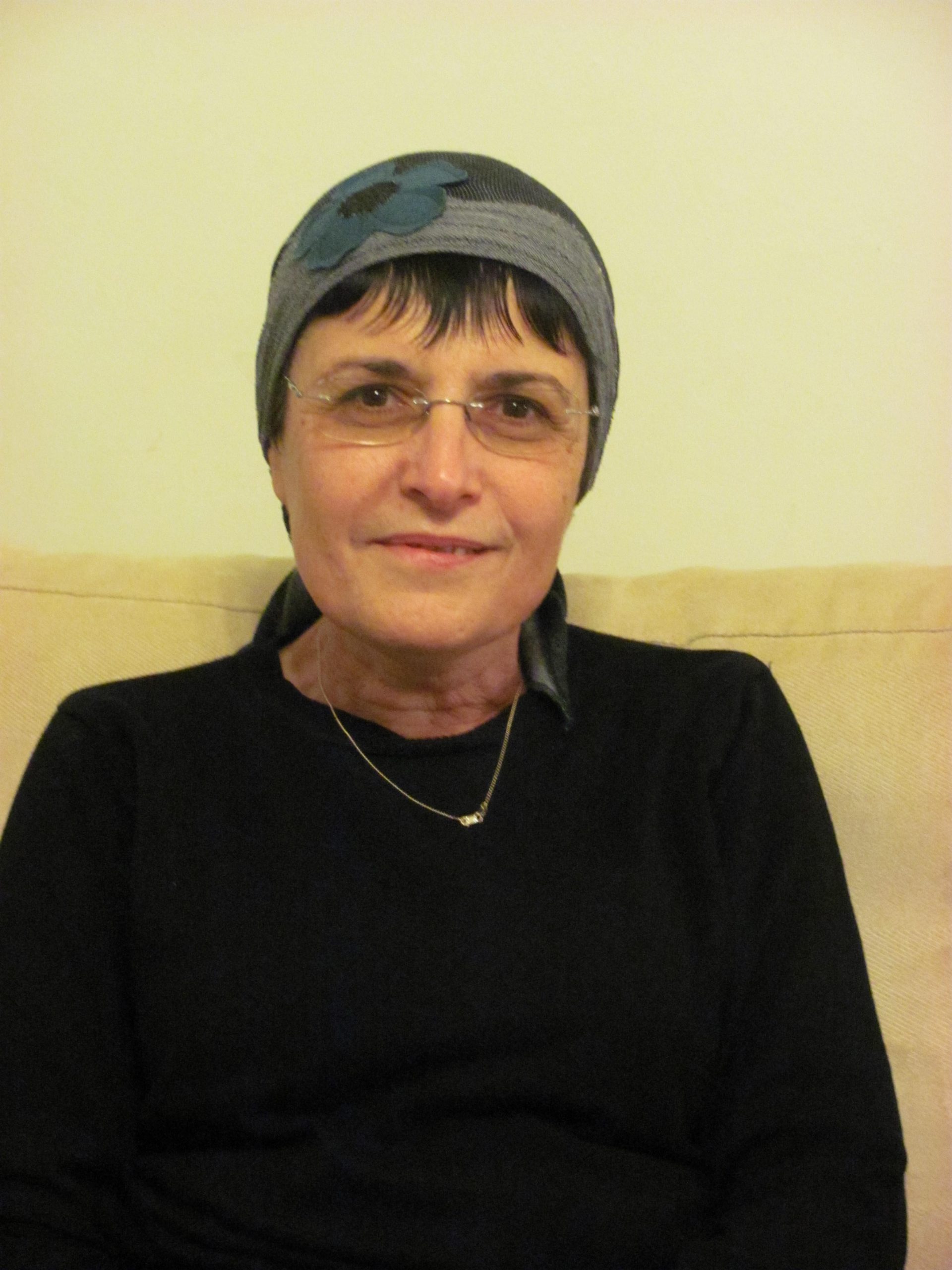
אחי, שלומד דף יומי ממסכת ברכות, חיפש חברותא ללימוד מסכת ראש השנה והציע לי. החברותא היתה מאתגרת טכנית ורוב הזמן נעשתה דרך הטלפון, כך שבסיום המסכת נפרדו דרכינו. אחי חזר ללמוד לבד, אבל אני כבר נכבשתי בקסם הגמרא ושכנעתי את האיש שלי להצטרף אלי למסכת ביצה. מאז המשכנו הלאה, ועכשיו אנחנו מתרגשים לקראתו של סדר נשים!

Shulamit Saban
שולמית סבן

נוקדים, ישראל

התחלתי ללמוד דף יומי בסבב הקודם. זכיתי לסיים אותו במעמד המרגש של הדרן. בסבב הראשון ליווה אותי הספק, שאולי לא אצליח לעמוד בקצב ולהתמיד. בסבב השני אני לומדת ברוגע, מתוך אמונה ביכולתי ללמוד ולסיים. בסבב הלימוד הראשון ליוותה אותי חוויה מסויימת של בדידות. הדרן העניקה לי קהילת לימוד ואחוות נשים. החוויה של סיום הש”ס במעמד כה גדול כשנשים שאינן מכירות אותי, שמחות ומתרגשות עבורי , היתה חוויה מרוממת נפש

Ilanit Weil
אילנית ווייל

קיבוץ מגדל עוז, ישראל

התחלתי מעט לפני תחילת הסבב הנוכחי. אני נהנית מהאתגר של להמשיך להתמיד, מרגעים של "אהה, מפה זה הגיע!” ומהאתגר האינטלקטואלי

Eilat-Chen and Deller
אילת-חן ודלר

לוד, ישראל

התחלתי לפני כמה שנים אבל רק בסבב הזה זכיתי ללמוד יום יום ולסיים מסכתות

Sigal Tel
סיגל טל

רעננה, ישראל

סיום השס לנשים נתן לי מוטביציה להתחיל ללמוד דף יומי. עד אז למדתי גמרא בשבתות ועשיתי כמה סיומים. אבל לימוד יומיומי זה שונה לגמרי ופתאום כל דבר שקורה בחיים מתקשר לדף היומי.

Fogel Foundation
קרן פוגל

רתמים, ישראל

התחלתי מחוג במסכת קידושין שהעבירה הרבנית רייסנר במסגרת בית המדרש כלנה בגבעת שמואל; לאחר מכן התחיל סבב הדף היומי אז הצטרפתי. לסביבה לקח זמן לעכל אבל היום כולם תומכים ומשתתפים איתי. הלימוד לעתים מעניין ומעשיר ולעתים קשה ואף הזוי… אך אני ממשיכה קדימה. הוא משפיע על היומיום שלי קודם כל במרדף אחרי הדף, וגם במושגים הרבים שלמדתי ובידע שהועשרתי בו, חלקו ממש מעשי

Abigail Chrissy
אביגיל כריסי

ראש העין, ישראל

התחלתי ללמוד דף יומי כאשר קיבלתי במייל ממכון שטיינזלץ את הדפים הראשונים של מסכת ברכות במייל. קודם לא ידעתי איך לקרוא אותם עד שנתתי להם להדריך אותי. הסביבה שלי לא מודעת לעניין כי אני לא מדברת על כך בפומבי. למדתי מהדפים דברים חדשים, כמו הקשר בין המבנה של בית המקדש והמשכן לגופו של האדם (יומא מה, ע”א) והקשר שלו למשפט מפורסם שמופיע בספר ההינדי "בהגוד-גיתא”. מתברר שזה רעיון כלל עולמי ולא רק יהודי

Elena Arenburg
אלנה ארנבורג

נשר, ישראל

רציתי לקבל ידע בתחום שהרגשתי שהוא גדול וחשוב אך נעלם ממני. הלימוד מעניק אתגר וסיפוק ומעמיק את תחושת השייכות שלי לתורה וליהדות

Ruth Agiv
רות עגיב

עלי זהב – לשם, ישראל

הצטרפתי ללומדות בתחילת מסכת תענית. ההתרגשות שלי ושל המשפחה היתה גדולה מאוד, והיא הולכת וגוברת עם כל סיום שאני זוכה לו. במשך שנים רבות רציתי להצטרף ומשום מה זה לא קרה… ב”ה מצאתי לפני מספר חודשים פרסום של הדרן, ומיד הצטרפתי והתאהבתי. הדף היומי שינה את חיי ממש והפך כל יום- ליום של תורה. מודה לכן מקרב ליבי ומאחלת לכולנו לימוד פורה מתוך אהבת התורה ולומדיה.

Noa Rosen
נעה רוזן

חיספין רמת הגולן, ישראל

התחלתי מחוג במסכת קידושין שהעבירה הרבנית רייסנר במסגרת בית המדרש כלנה בגבעת שמואל; לאחר מכן התחיל סבב הדף היומי אז הצטרפתי. לסביבה לקח זמן לעכל אבל היום כולם תומכים ומשתתפים איתי. הלימוד לעתים מעניין ומעשיר ולעתים קשה ואף הזוי… אך אני ממשיכה קדימה. הוא משפיע על היומיום שלי קודם כל במרדף אחרי הדף, וגם במושגים הרבים שלמדתי ובידע שהועשרתי בו, חלקו ממש מעשי

Abigail Chrissy
אביגיל כריסי

ראש העין, ישראל

התחלתי ללמוד לפני כשנתיים בשאיפה לסיים לראשונה מסכת אחת במהלך חופשת הלידה.
אחרי מסכת אחת כבר היה קשה להפסיק…

Noa Gallant
נעה גלנט

ירוחם, ישראל

. לא תמיד נהניתי מלימוד גמרא כילדה.,בל כהתבגרתי התחלתי לאהוב את זה שוב. התחלתי ללמוד מסכת סוטה בדף היומי לפני כחמש עשרה שנה ואז הפסקתי.הגעתי לסיום הגדול של הדרן לפני שנתיים וזה נתן לי השראה. והתחלתי ללמוד למשך כמה ימים ואז היתה לי פריצת דיסק והפסקתי…עד אלול השנה. אז התחלתי עם מסכת ביצה וב”ה אני מצליחה לעמוד בקצב. המשפחה מאוד תומכת בי ויש כמה שגם לומדים את זה במקביל. אני אוהבת שיש עוגן כל יום.

Rebecca Darshan
רבקה דרשן

בית שמש, ישראל

למדתי גמרא מכיתה ז- ט ב Maimonides School ואחרי העליה שלי בגיל 14 לימוד הגמרא, שלא היה כל כך מקובל בימים אלה, היה די ספוראדי. אחרי "ההתגלות” בבנייני האומה התחלתי ללמוד בעיקר בדרך הביתה למדתי מפוקקטסים שונים. לאט לאט ראיתי שאני תמיד חוזרת לרבנית מישל פרבר. באיזה שהוא שלב התחלתי ללמוד בזום בשעה 7:10 .
היום "אין מצב” שאני אתחיל את היום שלי ללא לימוד עם הרבנית מישל עם כוס הקפה שלי!!

selfie-scaled
דבי גביר

חשמונאים, ישראל

התחלתי כשהייתי בחופש, עם הפרסומים על תחילת המחזור, הסביבה קיבלה את זה כמשהו מתמיד ומשמעותי ובהערכה, הלימוד זה עוגן יציב ביום יום, יש שבועות יותר ויש שפחות אבל זה משהו שנמצא שם אמין ובעל משמעות בחיים שלי….

Adi Diamant
עדי דיאמנט

גמזו, ישראל

התחלתי ללמוד גמרא בבית הספר בגיל צעיר והתאהבתי. המשכתי בכך כל חיי ואף היייתי מורה לגמרא בבית הספר שקד בשדה אליהו (בית הספר בו למדתי בילדותי)בתחילת מחזור דף יומי הנוכחי החלטתי להצטרף ובע”ה מקווה להתמיד ולהמשיך. אני אוהבת את המפגש עם הדף את "דרישות השלום ” שמקבלת מקשרים עם דפים אחרים שלמדתי את הסנכרון שמתחולל בין התכנים.

Ariela Bigman
אריאלה ביגמן

מעלה גלבוע, ישראל

התחלתי בסיום הש”ס, יצאתי באורות. נשברתי פעמיים, ובשתיהם הרבנית מישל עודדה להמשיך איפה שכולם בסבב ולהשלים כשאוכל, וכך עשיתי וכיום השלמתי הכל. מדהים אותי שאני לומדת כל יום קצת, אפילו בחדר הלידה, בבידוד או בחו”ל. לאט לאט יותר נינוחה בסוגיות. לא כולם מבינים את הרצון, בפרט כפמניסטית. חשה סיפוק גדול להכיר את המושגים וצורת החשיבה. החלום זה להמשיך ולהתמיד ובמקביל ללמוד איך מהסוגיות נוצרה והתפתחה ההלכה.

Weingarten Sherrington Foundation
קרן וינגרטן שרינגטון

מודיעין, ישראל

התחלתי ללמוד דף יומי ממסכת נידה כי זה היה חומר הלימוד שלי אז. לאחר הסיום הגדול בבנייני האומה החלטתי להמשיך. וב”ה מאז עם הפסקות קטנות של קורונה ולידה אני משתדלת להמשיך ולהיות חלק.

זה משפיע מאוד על היום יום שלי ועל אף שאני עסוקה בלימודי הלכה ותורה כל יום, זאת המסגרת הקבועה והמחייבת ביותר שיש לי.

Moriah Taesan Michaeli
מוריה תעסן מיכאלי

גבעת הראל, ישראל

התחלתי ללמוד לפני 4.5 שנים, כשהודיה חברה שלי פתחה קבוצת ווטסאפ ללימוד דף יומי בתחילת מסכת סנהדרין. מאז לימוד הדף נכנס לתוך היום-יום שלי והפך לאחד ממגדירי הזהות שלי ממש.

Rosenberg Foundation
קרן רוזנברג

ירושלים, ישראל

נדרים סה

תַּנְיָא: הַמּוּדָּר הֲנָאָה מֵחֲבֵירוֹ אֵין מַתִּירִין לוֹ אֶלָּא בְּפָנָיו. מְנָא הָנֵי מִילֵּי? אָמַר רַב נַחְמָן: דִּכְתִיב: ״וַיֹּאמֶר ה׳ אֶל מֹשֶׁה בְּמִדְיָן לֵךְ שֻׁב מִצְרָיִם כִּי מֵתוּ כׇּל הָאֲנָשִׁים״. אָמַר לוֹ: בְּמִדְיָן נָדַרְתָּ — לֵךְ וְהַתֵּר נִדְרְךָ בְּמִדְיָן. דִּכְתִיב: ״וַיּוֹאֶל מֹשֶׁה״ — אֵין אָלָה אֶלָּא שְׁבוּעָה, דִּכְתִיב: ״וַיָּבֵא אֹתוֹ בְּאָלָה״.

§ It is taught in a baraita (Tosefta 2:12): With regard to one prohibited by a vow from deriving benefit from another, they dissolve the vow for him only in the presence of the one who is the subject of the vow. The Gemara asks: From where are these matters derived? Rav Naḥman said: As it is written: “And the Lord said to Moses in Midian: Go, return to Egypt; for all the men are dead” (Exodus 4:19). Rav Naḥman notes that the verse specifies where God spoke to Moses, and explains that God said to him: In Midian you vowed to Yitro that you would not return to Egypt, go and dissolve your vow in Midian. And where does it say that Moses vowed to Yitro? For it is written: “And Moses was content [vayo’el] to dwell with the man” (Exodus 2:21). The word vayo’el is related to the word ala, and ala means nothing other than an oath, as it is written: “And he…brought him under an oath [ala]” (Ezekiel 17:13), and the halakhot of dissolution of oaths are identical to those of dissolution of vows.

״וְגַם בַּמֶּלֶךְ נְבוּכַדְנֶאצַּר מָרָד אֲשֶׁר הִשְׁבִּיעוֹ בֵּאלֹהִים (חַיִּים)״. מַאי מַרְדּוּתֵיהּ? אַשְׁכְּחֵיהּ צִדְקִיָּה לִנְבוּכַדְנֶצַּר דַּהֲוָה קָאָכֵיל אַרְנְבָא חַיָּה. אֲמַר לֵיהּ: אִישְׁתְּבַע לִי דְּלָא מְגַלֵּית עִילָּוַי וְלָא תִּיפּוֹק מִילְּתָא. אִישְׁתְּבַע.

The Gemara cites another proof that one may dissolve such a vow or oath only in the presence of the party affected by the vow or oath. It states with regard to King Zedekiah: “And he also rebelled against King Nebuchadnezzar, who had made him swear by God” (II Chronicles 36:13). The Gemara asks: What was his rebellion? The Gemara answers: Zedekiah found Nebuchadnezzar eating a live rabbit, and the latter was ashamed to be seen doing this. He said to him: Take an oath to me that you will not reveal my behavior and this matter will not emerge in public. Zedekiah took an oath to him.

לְסוֹף הֲוָה קָא מִצְטַעַר צִדְקִיָּהוּ בְּגוּפֵיהּ. אִיתְּשִׁיל אַשְּׁבוּעֲתֵיהּ, וַאֲמַר. שְׁמַע נְבוּכַדְנֶצַּר דְּקָא מְבַזִּין לֵיהּ, שְׁלַח וְאַיְיתִי סַנְהֶדְרִין וְצִדְקִיָּהוּ. אֲמַר לְהוֹן: חֲזֵיתוּן מַאי קָא עָבֵיד צִדְקִיָּהוּ? לָאו הָכִי אִישְׁתְּבַע בִּשְׁמָא דִשְׁמַיָּא דְּ״לָא מְגַלֵּינָא״? אֲמַר לֵיהּ: אִיתְּשַׁלִי אַשְּׁבוּעֲתָא.

Later, Zedekiah was physically suffering, as he wanted to tell people what he had seen, but he could not do so due to his oath. He requested dissolution of his oath from the judges of the Sanhedrin, who dissolved it for him, and he publicly said what he had witnessed. Nebuchadnezzar heard that he was being ridiculed for his behavior. He sent for and brought the Sanhedrin and Zedekiah before him. He said to them: Did you see what Zedekiah has done? Did he not take an oath in the name of Heaven: That I will not reveal? They said to him: He requested dissolution of the oath.

[אֲמַר לְהוּ: מִתַּשְׁלִין אַשְּׁבוּעֲתָא?] אָמְרִי לֵיהּ: אִין. אֲמַר לְהוּ: בְּפָנָיו, אוֹ אֲפִילּוּ שֶׁלֹּא בְּפָנָיו? אָמְרִי לֵיהּ: בְּפָנָיו. אֲמַר לְהוֹן: וְאַתּוּן מַאי עָבְדִיתוּן, מַאי טַעְמָא לָא אָמְרִיתוּן לְצִדְקִיָּהוּ? מִיָּד ״יֵשְׁבוּ לָאָרֶץ יִדְּמוּ זִקְנֵי בַת צִיּוֹן״. אָמַר רַבִּי יִצְחָק: שֶׁשָּׁמְטוּ כָּרִים מִתַּחְתֵּיהֶם.

He said to them: Can one request the dissolution of an oath? They said to him: Yes. He said to them: Must this be done in the presence of the person he took an oath to, or even not in his presence? They said to him: It must be dissolved in his presence. He said to them: And you, what did you do? What is the reason you did not say to Zedekiah that he can have his oath dissolved only in my presence? Immediately, they fulfilled the verse: “They sit upon the ground, and keep silence, the elders of the daughter of Zion” (Lamentations 2:10). Rabbi Yitzḥak said: This means that they removed the cushions upon which they sat from underneath them, as a sign that they had erred in halakha.

מַתְנִי׳ רַבִּי מֵאִיר אוֹמֵר: יֵשׁ דְּבָרִים שֶׁהֵן כַּנּוֹלָד וְאֵינָן כַּנּוֹלָד, וְאֵין חֲכָמִים מוֹדִים לוֹ. כֵּיצַד? אָמַר ״קֻוֽנָּם שֶׁאֲנִי נוֹשֵׂא אֶת פְּלוֹנִית, שֶׁאָבִיהָ רַע״, אָמְרוּ לוֹ: מֵת, אוֹ שֶׁעָשָׂה תְּשׁוּבָה. ״קֻוֽנָּם לְבַיִת זֶה שֶׁאֲנִי נִכְנָס, שֶׁהַכֶּלֶב רַע בְּתוֹכוֹ״, אוֹ ״שֶׁהַנָּחָשׁ בְּתוֹכוֹ״, אָמְרוּ לוֹ: מֵת הַכֶּלֶב, אוֹ שֶׁנֶּהֱרַג הַנָּחָשׁ — הֲרֵי הֵן כַּנּוֹלָד, וְאֵינוֹ כַּנּוֹלָד. וְאֵין חֲכָמִים מוֹדִים לוֹ.

MISHNA: As a continuation of the opinion of the Rabbis in the previous mishna that they may not broach dissolution of a vow based on a new situation, Rabbi Meir says: There are matters that are, at first glance, like a new situation but are not in fact like a new situation, and the Rabbis do not concede to him. How so? For example, one said: Marrying so-and-so is konam for me, as her father is evil, and they told him that her father died, or that he repented. Or he said: Entering this house is konam for me, as there is a bad dog inside it, or a snake inside it, and they told him that the dog died, or that the snake was killed. This is at first glance perceived like a new situation, and yet it is not in fact like a new situation, and this claim may be used to broach dissolution. But the Rabbis do not concede to him.

גְּמָ׳ ״קֻוֽנָּם שֶׁאֲנִי נִכְנָס לְבַיִת זֶה שֶׁהַכֶּלֶב וְכוּ׳״ — מֵת נוֹלָד הוּא! אָמַר רַב הוּנָא: נַעֲשָׂה כְּתוֹלֶה נִדְרוֹ בְּדָבָר. וְרַבִּי יוֹחָנָן אָמַר: כְּבָר מֵת וּכְבָר עָשָׂה תְּשׁוּבָה, קָאָמְרִי לֵיהּ.

GEMARA: The mishna taught that according to Rabbi Meir certain matters are similar to, but in fact do not constitute a new situation, such as a vow which states: Entering this house is konam for me, as there is a bad dog there, where the halakha is that if the dog dies, it is not considered to be a new situation. The Gemara asks: Certainly death is a new situation. Rav Huna said: He is considered like one who makes his vow dependent on a matter. In other words, his vow is interpreted as conditional, that he will not enter the house as long as the dog is alive, for he explicitly stated that this was the reason for his vow. Therefore, when the dog dies, the vow is dissolved. And Rabbi Yoḥanan said it means that they say to him: The dog had already died, or: The father had already repented, before the vow, and it was a mistaken vow from the outset that never took effect.

מֵתִיב רַבִּי אַבָּא: ״קֻוֽנָּם שֶׁאֵינִי נוֹשֵׂא לִפְלוֹנִית כְּעוּרָה״, וַהֲרֵי הִיא נָאָה. ״שְׁחוֹרָה״, וַהֲרֵי הִיא לְבָנָה. ״קְצָרָה״, וַהֲרֵי הִיא אֲרוּכָּה — מוּתָּר בָּהּ. לֹא מִפְּנֵי שֶׁכְּעוּרָה וְנַעֲשֵׂת נָאֶה, שְׁחוֹרָה וְנַעֲשֵׂת לְבָנָה, קְצָרָה וְנַעֲשֵׂת אֲרוּכָּה — אֶלָּא שֶׁהַנֶּדֶר טָעוּת. בִּשְׁלָמָא לְרַב הוּנָא דְּאָמַר נַעֲשָׂה כְּתוֹלֶה נִדְרוֹ בְּדָבָר: תְּנָא תּוֹלֶה נִדְרוֹ בְּדָבָר, וּתְנָא נֶדֶר טָעוּת. אֶלָּא לְרַבִּי יוֹחָנָן, דְּאָמַר כְּבָר מֵת וּכְבָר עָשָׂה תְּשׁוּבָה, לְמָה לִי לְמִתְנֵי תְּרֵי זִימְנֵי נֶדֶר טָעוּת? קַשְׁיָא.

Rabbi Abba raised an objection from a later mishna (66a): If one said: I will not marry ugly so-and-so as that is konam for me, and she is in fact beautiful, or if he called her black, and she is in fact white, or if he called her short, and she is in fact tall, he is permitted to her. Not because she was ugly and became beautiful, black and became white, or short and became tall, but rather, because the vow was mistaken from the outset. Granted, according to Rav Huna, who said that he is considered like one who makes his vow dependent on a matter, the mishna here taught the case of one who makes his vow dependent on a matter, and it taught there the case of a mistaken vow. But according to Rabbi Yoḥanan, who said that the mishna here is referring to a situation where the dog had already died, or the father had already repented, why do I need the mishna to teach the halakha of a mistaken vow twice? The Gemara comments: This is difficult.

מַתְנִי׳ וְעוֹד אָמַר רַבִּי מֵאִיר: פּוֹתְחִין לוֹ מִן הַכָּתוּב שֶׁבַּתּוֹרָה, וְאוֹמְרִין לוֹ: אִילּוּ הָיִיתָ יוֹדֵעַ שֶׁאַתָּה עוֹבֵר עַל ״לֹא תִקֹּם״, וְעַל ״לֹא תִטֹּר״, וְעַל ״לֹא תִשְׂנָא אֶת אָחִיךָ בִּלְבָבֶךָ״, ״וְאָהַבְתָּ לְרֵעֲךָ כָּמוֹךָ״, ״וְחֵי אָחִיךָ עִמָּךְ״, שֶׁהוּא עָנִי וְאֵין אַתָּה יָכוֹל לְפַרְנָסוֹ. אָמַר: אִילּוּ הָיִיתִי יוֹדֵעַ שֶׁהוּא כֵּן, לֹא הָיִיתִי נוֹדֵר — הֲרֵי זֶה מוּתָּר.

MISHNA: And Rabbi Meir further said: The halakhic authorities may broach dissolution with him from that which is written in the Torah, and they may say to him: Had you known that through your vow you are transgressing the prohibition “you shall not take vengeance” (Leviticus 19:18) and the prohibition “nor bear any grudge” (Leviticus 19:18), and the prohibition “you shall not hate your brother in your heart” (Leviticus 19:17), and “you shall love your neighbor as yourself” (Leviticus 19:18), as well as “and your brother should live with you” (Leviticus 25:36), as he, the one prohibited by the vow, is poor and now you are not able to provide him with a livelihood due to your vow, would you have vowed in that case? If he said in reply: Had I known that it is so, that my vow involved all these prohibitions, I would not have vowed; it is dissolved.

גְּמָ׳ אָמַר לְהוּ רַב הוּנָא בַּר רַב קַטִּינָא לְרַבָּנַן: נֵימָא, כֹּל דְּמִעֲנֵי לָאו עֲלַי נָפֵיל. מַאי דְּמָטֵי לִי לְפַרְנְסוֹ — בַּהֲדֵי כּוּלֵּי עָלְמָא מְפַרְנַסְנָא לֵיהּ. אָמְרִי לֵיהּ: אֲנִי אוֹמֵר כׇּל הַנּוֹפֵל, אֵינוֹ נוֹפֵל לִידֵי גַבַּאי תְּחִלָּה.

GEMARA: Rav Huna bar Rav Ketina said to the Sages: But let the one who stated the vow say with regard to the last claim: All who become poor do not fall upon me; it is not my responsibility to provide for this specific poor person. What is placed upon me to provide for him together with everyone else, I will provide to him when I give money to those collecting for the communal charity fund. They said to him: I say that anyone who falls into poverty and requires assistance does not fall into the hands of the charity collector first. Rather, his descent begins when he encounters hard times, and it is at this stage that he may require individual, direct support to prevent him from plunging into a state of absolute poverty.

מַתְנִי׳ פּוֹתְחִין לָאָדָם בִּכְתוּבַּת אִשְׁתּוֹ.

MISHNA: The halakhic authorities may broach dissolution with a man by raising the issue of his wife’s marriage contract. If one takes a vow that would require him to divorce his wife, e.g., he prohibits her from deriving benefit from him, his vow may be dissolved by asking him whether he had considered how difficult it would be to pay her marriage contract.

וּמַעֲשֶׂה בְּאֶחָד שֶׁנָּדַר מֵאִשְׁתּוֹ הֲנָאָה, וְהָיְתָה כְּתוּבָּתָהּ אַרְבַּע מֵאוֹת דִּינָרִים. וּבָא לִפְנֵי רַבִּי עֲקִיבָא, וְחִיְּיבוֹ לִיתֵּן לָהּ כְּתוּבָּתָהּ. אָמַר לוֹ: רַבִּי, שְׁמוֹנֶה מֵאוֹת דִּינָרִין הִנִּיחַ אַבָּא. נָטַל אָחִי אַרְבַּע מֵאוֹת, וַאֲנִי אַרְבַּע מֵאוֹת. לֹא דַּיָּה שֶׁתִּטּוֹל הִיא מָאתַיִם וַאֲנִי מָאתַיִם? אָמַר לוֹ רַבִּי עֲקִיבָא: אֲפִילּוּ אַתָּה מוֹכֵר שְׂעַר רֹאשְׁךָ — אַתָּה נוֹתֵן לָהּ כְּתוּבָּתָהּ. אָמַר לוֹ: אִילּוּ הָיִיתִי יוֹדֵעַ שֶׁהוּא כֵּן — לֹא הָיִיתִי נוֹדֵר. וְהִתִּירָהּ רַבִּי עֲקִיבָא.

The mishna relates: And an incident occurred with regard to one who vowed against his wife deriving benefit from him, and her marriage contract was worth four hundred dinars. And he came before Rabbi Akiva, and he obligated him to give her the payment of her marriage contract. He said to Rabbi Akiva: My teacher, my father left eight hundred dinars as our inheritance, of which my brother took four hundred and I took four hundred. Isn’t it enough for my wife to take two hundred and I will have two hundred? Rabbi Akiva said to him: Your claim is not accepted, as even if you sell the hair on your head, you must give her the full payment of her marriage contract. He said to him: Had I known that it was so, that I would have to give her all my property, I would not have vowed. And Rabbi Akiva permitted her to derive benefit from him.

גְּמָ׳ מִטַּלְטְלֵי מִי מִשְׁתַּעְבְּדִי לִכְתוּבָה? אָמַר אַבָּיֵי: קַרְקַע שָׁוָה שְׁמוֹנֶה מֵאוֹת דִּינָר. וְהָקָתָנֵי: ״שְׂעַר רֹאשׁוֹ״, וּשְׂעַר רֹאשׁוֹ מִטַּלְטְלֵי הוּא! הָכִי קָאָמַר: אֲפִילּוּ אַתָּה מוֹכֵר שְׂעַר רֹאשְׁךָ וְאוֹכֵל.

GEMARA: The Gemara questions the comment made by Rabbi Akiva, that even if the man were to sell the hair on his head, he must pay her the full sum of her marriage contract: Is movable property mortgaged for the payment of a marriage contract? The Rabbis maintain that only land owned by the husband is mortgaged for the payment of a marriage contract, so why should he have to sell the hair on his head? Abaye said: He said that the father had left land worth eight hundred dinars, and he received four hundred dinars’ worth of land, so all of his land is equal in value to his wife’s marriage contract. The Gemara raises a difficulty: But the mishna teaches that he must pay even from: The hair on his head, and the hair on his head is movable property. The Gemara answers: This is what he said: You must pay the marriage contract from the land even if you will need to sell the hair on your head and use the proceeds from the sale in order to eat, as you will have no other source of income.

שָׁמְעַתְּ מִינַּהּ אֵין מְסַדְּרִין לְבַעַל חוֹב? אָמַר רַב נַחְמָן בְּרַבִּי יִצְחָק:

The Gemara poses a question: Should you conclude from the mishna that arrangements are not made with a creditor, but instead, the entire sum is collected immediately, without reaching an agreement with the husband’s creditors to leave him some money to support himself? The Gemara refutes this suggestion: Rav Naḥman, son of Rabbi Yitzḥak, said:

רוצה לעקוב אחרי התכנים ולהמשיך ללמוד?

ביצירת חשבון עוד היום ניתן לעקוב אחרי ההתקדמות שלך, לסמן מה למדת, ולעקוב אחרי השיעורים שמעניינים אותך.

לנקות את כל הפריטים מהרשימה?

פעולה זו תסיר את כל הפריטים בחלק זה כולל ההתקדמות וההיסטוריה. שימי לב: לא ניתן לשחזר פעולה זו.

ביטול
מחיקה

האם את/ה בטוח/ה שברצונך למחוק פריט זה?

תאבד/י את כל ההתקדמות או ההיסטוריה הקשורות לפריט זה.

ביטול
מחיקה