חיפוש

נדרים סו

רוצה להקדיש לימוד?

podcast placeholder

0:00
0:00


תקציר

הדף היום מוקדש ע”י חנה פסטרנק שיימס לכבוד יום הולדתה של אחותה שרה.

הדף היום מוקדש לזרע של קיימא של נעמי ויצחק.

אם נדר נגד מאכל או משקה, אפשר לעשות פתח לגבי שבת ויום טוב, כגון, אילו הבנתי שאצטרך לקיים את הנדר גם באותם ימים, לעולם לא הייתי עושה את הנדר. אבל בהתחלה חשבו שהנדר הותר רק בעבור ימים אלו. אולם רבי עקיבא פסק שברגע שהוא מתיר בחלקו, מתבטל הנדר כולו. מובאות מספר דוגמאות להמחשת מקרים בהם עיקרון זה חל. המשנה הבדילה בין מקרה שבו נדר במונח נדר נפרד (קרבן) כנגד קבוצת אנשים (צריך להתיר כל נדר בנפרד) לבין כאשר נדר כנגד קבוצת אנשים כקבוצה (אם התירו את הנדר באופן חלקי, הותר כולו). מי התנא שסובר כחילוק זה? אפשרות נוספת של פתח היא אם אחד נדר הנאה מאשתו ולכן יצטרך להתגרש ממנה, אם הוא טוען שהוא לא הבין שזה ישפיע על האופן שבו אנשים הסתכלו עליו או בילדיו, הוא יכול לבטל את הנדר בפתח כזה. נדר שהיה טעות, כגון נדר שלא לשאת אישה בגלל שהיא מכוערת, אבל התברר שהיא יפה, אין צורך אפילו להתיר את הנדר כיון שאין זה נדר. מסופר על רבי ישמעאל שלקח אישה במצב כזה ועשה אותה יפה כדי שהגבר ישא אותה. הוא האמין שכל הנשים יפות ושהעוני גורם להן להיראות מכוערות. כשמת, שרה לו בנות ישראל קינה. האם סיפורו של רבי ישמעאל חולק על ההלכה במשנה? מובאים מספר סיפורים שונים על גברים שנדרוו נגד נשותיהם אם לא יעשו משהו שישפיל אותן בפני רבנים או משפיל את הרבנים. בכל אחד מהמקרים פעלו הרבנים בענווה על מנת לתקן מצב של שלום בית.

נדרים סו

לוֹמַר שֶׁאֵין מְקָרְעִין שְׁטַר כְּתוּבָּה.

In fact, arrangements are made with creditors. Rather, Rabbi Akiva is saying that they do not tear the document of the marriage contract. Even if in practice he is left with enough to survive on, the debt remains in force, so that when he will have more money, she will be paid in full.

מַתְנִי׳ פּוֹתְחִין בְּיָמִים טוֹבִים וּבְשַׁבָּתוֹת. בָּרִאשׁוֹנָה הָיוּ אוֹמְרִים: אוֹתָן הַיָּמִים — מוּתָּרִין, וּשְׁאָר כׇּל הַיָּמִים אֲסוּרִין. עַד שֶׁבָּא רַבִּי עֲקִיבָא וְלִימֵּד שֶׁהַנֶּדֶר שֶׁהוּתַּר מִכְּלָלוֹ — הוּתַּר כּוּלּוֹ.

MISHNA: If one vowed that certain food or drink or all food and drink be forbidden to him, the halakhic authorities may broach dissolution by raising the issue of Festivals and Shabbatot. They ask him whether he realized at the time he stated his vow that he would have to uphold it on these festive days as well. At first they said that on those days that he did not intend to include in his vow, that item is permitted, but on all the rest of the days, food and drink are still forbidden by his vow, until Rabbi Akiva came and taught that a vow that is partially dissolved is dissolved entirely.

כֵּיצַד? אָמַר ״קֻוֽנָּם שֶׁאֵינִי נֶהֱנֶה לְכוּלְּכֶם״, הוּתַּר אֶחָד מֵהֶן — הוּתְּרוּ כּוּלָּן.

How so? In the case of one who said to a group of people: I will not benefit from all of you as it is konam for me, if benefit from one of them was permitted for whatever reason, benefit from all of them is permitted.

״שֶׁאֵינִי נֶהֱנֶה לָזֶה וְלָזֶה״, הוּתַּר הָרִאשׁוֹן — הוּתְּרוּ כּוּלָּן, הוּתַּר הָאַחֲרוֹן — הָאַחֲרוֹן מוּתָּר וְכוּלָּן אֲסוּרִין. הוּתַּר הָאֶמְצָעִי, הֵימֶנּוּ וּלְמַטָּה — מוּתָּר, הֵימֶנּוּ וּלְמַעְלָה — אָסוּר.

However, if one said: I will not benefit from this one and from that one as it is konam for me, then if benefit from the first one was permitted for whatever reason, benefit from all of them is permitted. But if benefit from the last one was permitted, benefit from the last one alone is permitted, but benefit from all the others is forbidden, as the benefit from each is considered to have been prohibited by a separate vow. If benefit from the middle one was permitted, then from him and below, i.e., all those enumerated after him, benefit is permitted; from him and above, i.e., those listed before him, benefit is forbidden.

״שֶׁאֲנִי נֶהֱנֶה לָזֶה קׇרְבָּן וְלָזֶה קׇרְבָּן״ — צְרִיכִין פֶּתַח לְכׇל אֶחָד וְאֶחָד.

The mishna gives another example of interconnected vows: If one stated: I will not benefit from this one, as if he were an offering, and from that one, as if he were an offering, then an extenuation enabling the dissolution of a vow is required for each and every one, as they have the status of separate vows.

״קֻוֽנָּם יַיִן שֶׁאֲנִי טוֹעֵם, שֶׁהַיַּיִן רַע לַמֵּעַיִים״, אָמְרוּ לוֹ: וַהֲלֹא הַמְיוּשָּׁן יָפֶה לַמֵּעַיִים! הוּתַּר בִּמְיוּשָּׁן. וְלֹא בִּמְיוּשָּׁן בִּלְבַד הוּתַּר, אֶלָּא בְּכׇל הַיַּיִן. ״קֻוֽנָּם בָּצָל שֶׁאֵינִי טוֹעֵם, שֶׁהַבָּצָל רַע לַלֵּב״, אָמְרוּ לוֹ: הֲלֹא הַכּוּפְרִי יָפֶה לַלֵּב! הוּתַּר בַּכּוּפְרִי. וְלֹא בַּכּוּפְרִי בִּלְבַד הוּתַּר, אֶלָּא בְּכׇל הַבְּצָלִים. מַעֲשֶׂה הָיָה, וְהִתִּירוֹ רַבִּי מֵאִיר בְּכׇל הַבְּצָלִים.

The mishna gives another example of a vow that was partially dissolved. If one stated in a vow: Wine is konam for me and I will not taste it, as wine is bad for the intestines, and they said to him: But aged wine is good for the intestines, then the vow is dissolved with regard to aged wine. And not only with regard to aged wine is it dissolved, but with regard to all types of wine, since a vow that has been partially dissolved is entirely dissolved. Likewise, if one stated in a vow: Onions are konam for me and I will not taste them, as onions are bad for the heart, and they said to him: But the kuferi onion is good for the heart, then, in this case too, it is dissolved with regard to kuferi onions, and not only with regard to kuferi onions is it dissolved, but with regard to all types of onions. The mishna relates that an incident of this kind occurred, and Rabbi Meir dissolved the vow with regard to all types of onions.

גְּמָ׳ הוּתַּר הָאַחֲרוֹן — הָאַחֲרוֹן מוּתָּר, וְכוּלָּן אֲסוּרִין. מַאן תַּנָּא?

GEMARA: The mishna taught: If benefit from the last one was permitted, benefit from the last one alone is permitted but benefit from all the others is forbidden. If one stated: I will not benefit from this one, as if he were an offering, and from that one, as if he were an offering, then an extenuation enabling the dissolution of a vow is required for each and every one. The Gemara poses a question: Who is the tanna that taught this mishna?

אָמַר רָבָא: רַבִּי שִׁמְעוֹן הִיא, דְּאָמַר: עַד שֶׁיֹּאמַר ״שְׁבוּעָה״ לְכׇל אֶחָד וְאֶחָד.

Rava said: It is taught in accordance with the opinion of Rabbi Shimon, who said that one who utters a false oath to several people at once is not liable to bring an offering for each false oath unless he says: An oath, in his oath to each and every one (Shevuot 38a). If he said: An oath, only once, even if he specified each person by saying: Not to you, not to you, it is still considered to be a single oath. Otherwise, it is viewed as one oath. The mishna, which requires a separate extenuation for each person only if he stated: As if he were an offering, with regard to each of them, is in accordance with the opinion of Rabbi Shimon stated with regard to oaths.

קֻוֽנָּם יַיִן שֶׁאֲנִי טוֹעֵם וְכוּ׳. וְתִיפּוֹק לֵיהּ דְּאֵין רַע! אָמַר רַבִּי אַבָּא: וְעוֹד, ״יָפֶה״ קָתָנֵי.

The mishna taught that if one said: Wine is konam for me and I will not taste it, as wine is bad for the intestines, his vow is dissolved, for aged wine is good for the intestines. The Gemara asks: And let him derive that the vow is dissolved from the fact that aged wine is not bad for the intestines. Even if it is not actively good for the intestines, the vow should nevertheless be considered mistaken. Rabbi Abba said: The mishna teaches: And furthermore, it is good. In other words, even if aged wine is merely not harmful to the intestines the vow is dissolved, and they strengthened their claim by pointing out that it is in fact beneficial.

קֻוֽנָּם בָּצָל שֶׁאֲנִי טוֹעֵם שֶׁהַבָּצָל וְכוּ׳. וְתִיפּוֹק לֵיהּ דְּאֵין רַע! אָמַר רַבִּי אַבָּא: וְעוֹד, ״יָפֶה״ קָתָנֵי.

The mishna taught: If one said: Onions are konam for me and I will not taste them, as onions are bad for the heart, his vow is dissolved, for kuferi onions are good for the heart. The Gemara asks: And let him derive that the vow is dissolved from the fact that the kuferi onion is not bad for the heart. Rabbi Abba said: The mishna teaches: And furthermore, it is good. Here too, they added that the kuferi onion is actually good for the heart, but this addition was not needed to justify the dissolution of the vow.

מַתְנִי׳ פּוֹתְחִין לָאָדָם בִּכְבוֹד עַצְמוֹ וּבִכְבוֹד בָּנָיו. אוֹמְרִים לוֹ: אִילּוּ הָיִיתָ יוֹדֵעַ שֶׁלְּמָחָר אוֹמְרִין עָלֶיךָ ״כָּךְ הִיא וִוסְתּוֹ שֶׁל פְּלוֹנִי, מְגָרֵשׁ אֶת נָשָׁיו״, וְעַל בְּנוֹתֶיךָ יְהוּ אוֹמְרִין ״בְּנוֹת גְּרוּשׁוֹת הֵן״, ״מָה רָאֲתָה אִמָּן שֶׁל אֵלּוּ לְהִתְגָּרֵשׁ״. וְאָמַר: ״אִילּוּ הָיִיתִי יוֹדֵעַ שֶׁכֵּן, לֹא הָיִיתִי נוֹדֵר״ — הֲרֵי זֶה מוּתָּר.

MISHNA: The halakhic authorities may broach dissolution for a person by raising the issue of his own honor and the honor of his children. For example, if he took a vow that resulted in his needing to divorce his wife, they may say to him: Had you known that tomorrow people will say about you: This is the habit [veset] of so-and-so, that he divorces his wives due to vows, and they will say about your daughters: They are daughters of divorce, or they will ask: What did their mother see to divorce, thereby giving them a bad reputation. And if the man who vowed said: Had I known it was so, I would not have vowed, it is dissolved.

״קֻוֽנָּם שֶׁאֲנִי נוֹשֵׂא אֶת פְּלוֹנִית כְּעוּרָה״ וַהֲרֵי הִיא נָאָה, ״שְׁחוֹרָה״ וַהֲרֵי הִיא לְבָנָה, ״קְצָרָה״ וַהֲרֵי הִיא אֲרוּכָּה — מוּתָּר בָּהּ. לֹא מִפְּנֵי שֶׁהִיא כְּעוּרָה וְנַעֲשֵׂת נָאָה, שְׁחוֹרָה וְנַעֲשֵׂת לְבָנָה, קְצָרָה וְנַעֲשֵׂת אֲרוּכָּה — אֶלָּא שֶׁהַנֶּדֶר טָעוּת.

The Mishna continues: If a man said: Marrying ugly so-and-so is konam for me, and she is in fact beautiful, or if, in vowing not to marry her, he called her black, and she is in fact white, or if, in vowing not to marry her, he called her short, and she is in fact tall, he is permitted to her. Not because she was ugly and became beautiful, black and became white, or short and became tall, but rather, because the vow was mistaken from the outset.

וּמַעֲשֶׂה בְּאֶחָד שֶׁנָּדַר מִבַּת אֲחוֹתוֹ הֲנָיָיה, וְהִכְנִיסוּהָ לְבֵית רַבִּי יִשְׁמָעֵאל וְיִיפּוּהָ. אָמַר לוֹ רַבִּי יִשְׁמָעֵאל: בְּנִי, מִזּוֹ נָדַרְתָּ? אָמַר לוֹ: לָאו, וְהִתִּירָהּ רַבִּי יִשְׁמָעֵאל.

The Mishna relates: And an incident occurred with regard to one who vowed against deriving benefit from the daughter of his sister, as he did not wish to marry her. And they brought her into the house of Rabbi Yishmael and he beautified her. When she was later brought before the one who took the vow, Rabbi Yishmael said to him: My son, did you vow that you would not derive benefit from this woman? He said to him: No, and Rabbi Yishmael permitted her to him, as he demonstrated that the vow had been made in error.

בְּאוֹתָהּ שָׁעָה בָּכָה רַבִּי יִשְׁמָעֵאל וְאָמַר: בְּנוֹת יִשְׂרָאֵל נָאוֹת הֵן, אֶלָּא שֶׁהָעֲנִיּוּת מְנַוַּולְתָּן. וּכְשֶׁמֵּת רַבִּי יִשְׁמָעֵאל הָיוּ בְּנוֹת יִשְׂרָאֵל נוֹשְׂאוֹת קִינָה, וְאוֹמְרוֹת: ״בְּנוֹת יִשְׂרָאֵל עַל רַבִּי יִשְׁמָעֵאל בְּכֶינָה״, וְכֵן הוּא אוֹמֵר בְּשָׁאוּל: ״בְּנוֹת יִשְׂרָאֵל עַל שָׁאוּל בְּכֶינָה״.

At that time Rabbi Yishmael wept and said: The daughters of Israel are beautiful, but poverty makes them ugly. And when Rabbi Yishmael died, the daughters of Israel raised a lamentation, saying: Daughters of Israel, weep for Rabbi Yishmael. And it likewise states about Saul, who also concerned himself with the welfare of the daughters of Israel: “Daughters of Israel, weep over Saul, who clothed you in scarlet with other delights, who put ornaments of gold upon your apparel” (II Samuel 1:24).

גְּמָ׳ מַעֲשֶׂה לִסְתּוֹר?! חַסּוֹרֵי מְחַסְּרָא וְהָכִי קָתָנֵי: רַבִּי יִשְׁמָעֵאל אוֹמֵר: אֲפִילּוּ כְּעוּרָה וְנַעֲשֵׂת נָאָה, שְׁחוֹרָה וְנַעֲשֵׂת לְבָנָה, קְצָרָה וְנַעֲשֵׂת אֲרוּכָּה. מַעֲשֶׂה בְּאֶחָד שֶׁנָּדַר מִבַּת אֲחוֹתוֹ וְהִכְנִיסוּהָ לְבֵית רַבִּי יִשְׁמָעֵאל וְיִיפּוּהָ וְכוּ׳.

GEMARA: The Gemara poses a question: Was an incident cited to contradict what was just taught? It first taught that if she was ugly and was later beautified, the vow is not dissolved, and then the mishna quoted an incident involving Rabbi Yishmael where he did dissolve the vow. The Gemara answers: The mishna is incomplete and this is what it is teaching: Rabbi Yishmael says: Even if she was ugly and became beautiful, black and became white, short and became tall, the vow can be dissolved. An incident occurred with regard to one who vowed against having benefit from the daughter of his sister, as he did not wish to marry her. And they brought her into Rabbi Yishmael’s house and he beautified her.

תָּנָא: שֵׁן תּוֹתֶבֶת הָיְתָה לָהּ, וְעָשָׂה לָהּ רַבִּי יִשְׁמָעֵאל שֵׁן שֶׁל זָהָב מִשֶּׁלּוֹ. כִּי שְׁכֵיב רַבִּי יִשְׁמָעֵאל, פְּתַח עֲלֵיהּ הַהוּא סַפְדָנָא הָכִי: ״בְּנוֹת יִשְׂרָאֵל עַל רַבִּי יִשְׁמָעֵאל בְּכֶינָה הַמַּלְבִּישְׁכֶן וְכוּ׳״.

It was taught: She had a false tooth [shen totevet], which disfigured her, and Rabbi Yishmael made her a gold tooth from his own money, thereby beautifying her. When Rabbi Yishmael died, a certain eulogizer began his eulogy about him like this: Daughters of Israel, weep for Rabbi Yishmael, who clothed you.

הָהוּא דַּאֲמַר לַהּ לִדְבֵיתְהוּ ״קֻוֽנָּם שֶׁאִי אַתְּ נֶהֱנֵית לִי עַד שֶׁתַּטְעִימִי תַּבְשִׁילֵךְ לְרַבִּי יְהוּדָה וּלְרַבִּי שִׁמְעוֹן״. רַבִּי יְהוּדָה טְעֵים, אֲמַר, קַל וָחוֹמֶר: וּמָה לַעֲשׂוֹת שָׁלוֹם בֵּין אִישׁ לְאִשְׁתּוֹ אָמְרָה תּוֹרָה שְׁמִי שֶׁנִּכְתַּב בִּקְדוּשָּׁה יִמָּחֶה עַל הַמַּיִם הַמְאָרְרִים בְּסָפֵק, וַאֲנִי עַל אַחַת כַּמָּה וְכַמָּה.

§ The Gemara relates: There was a certain person who said to his wife: Benefiting from me is konam for you until you have given Rabbi Yehuda and Rabbi Shimon your cooked food to taste, so they can see for themselves what a bad cook you are. She brought the food to them, and Rabbi Yehuda tasted it, without concern for his honor. He said: This is an a fortiori inference: And what can be seen, that in order to make peace between a man and his wife, the Torah said: My name, that is written in sanctity, shall be blotted out in the waters that curse, as the words written on a scroll, including the name of God, were blotted out during the ceremony of preparing the water that a sota would drink. And this is so even in a case of where it is uncertain if this will bring peace between them, as she may or not be guilty of adultery. I, all the more so, should waive my honor in order to bring peace to this couple.

רַבִּי שִׁמְעוֹן לָא טְעֵים, אֲמַר: יָמוּתוּ כׇּל בְּנֵי אַלְמָנָה, וְאַל יָזוּז שִׁמְעוֹן מִמְּקוֹמוֹ. וְעוֹד: כִּי הֵיכִי דְּלָא לִתְרַגְּלִי לְמִינְדָּר.

Conversely, Rabbi Shimon did not taste. He said: Let all the children of the widow die, and Shimon will not budge from his place. In other words, the husband can die and leave his wife a widow and his children orphans, and let them die too, rather than have people belittle the dignity of Torah scholars by taking such vows. And furthermore, there is another reason for my refusal: So that they should not become used to taking vows.

הַהוּא דְּאָמַר לִדְבֵיתְהוּ ״קֻוֽנָּם שֶׁאִי אַתְּ נֶהֱנֵית לִי עַד שֶׁתָּרוֹקִּי בּוֹ בְּרַבָּן שִׁמְעוֹן בֶּן גַּמְלִיאֵל״. אֲתָת וּרְקַק אַלְּבוּשֵׁיהּ. אָמַר לֵיהּ רַב אַחָא מִדִּפְתִּי לְרָבִינָא: וְהָא הַאי לְזִילוּתָא קָא מִיכַּוֵּין! אָמַר לֵיהּ: מִירָק עַל מָנֵי דְּרַבָּן שִׁמְעוֹן בֶּן גַּמְלִיאֵל זִילוּתָא רַבְּתָא הִיא.

The Gemara relates: There was a certain person who said to his wife: Benefiting from me is konam for you until you have spat on Rabban Shimon ben Gamliel. She came to Rabban Shimon ben Gamliel and spat on his clothing. Rav Aḥa of Difti said to Ravina: But this man intended the humiliation of Rabban Shimon ben Gamliel, which is not achieved by spitting on his clothing. Ravina said to him: Spittle on the clothing of Rabban Shimon ben Gamliel is a great humiliation for him, and she has thereby fulfilled the vow.

הָהוּא דַּאֲמַר לִדְבֵיתְהוּ ״קֻוֽנָּם שֶׁאִי אַתְּ נֶהֱנֵית לִי עַד שֶׁתַּרְאִי מוּם יָפֶה שֶׁבִּיךְ לְרַבִּי יִשְׁמָעֵאל בְּרַבִּי יוֹסֵי״.

The Gemara relates: There was a certain person who said to his wife: Benefiting from me is konam for you until you show some beautiful [yafeh] part of you to Rabbi Yishmael, son of Rabbi Yosei. Rabbi Yishmael attempted to find something beautiful about the woman.

אָמַר לָהֶם: שֶׁמָּא רֹאשָׁהּ נָאֶה? אָמְרוּ לוֹ: סְגַלְגַּל. שֶׁמָּא שְׂעָרָהּ נָאֶה? דּוֹמֶה לַאֲנִיצֵי פִּשְׁתָּן. שֶׁמָּא עֵינֶיהָ נָאוֹת? טְרוּטוֹת הֵן. שֶׁמָּא אׇזְנֶיהָ נָאוֹת? כְּפוּלוֹת הֵן. שֶׁמָּא חוֹטְמָהּ נָאֶה? בָּלוּם הוּא. שֶׁמָּא שִׂפְתוֹתֶיהָ נָאוֹת? עָבוֹת הֵן. שֶׁמָּא צַוָּארָהּ נָאֶה? שָׁקוּט הוּא. שֶׁמָּא כְּרֵיסָהּ נָאֶה? צָבֶה הוּא. שֶׁמָּא רַגְלֶיהָ נָאוֹת? רְחָבוֹת כְּשֶׁל אֲווֹזָא. שֶׁמָּא שְׁמָהּ נָאֶה? ״לִכְלוּכִית״ שְׁמָהּ. אָמַר לָהֶן: יָפֶה קוֹרִין אוֹתָהּ לִכְלוּכִית, שֶׁהִיא מְלוּכְלֶכֶת בְּמוּמִין, וְשַׁרְיַיהּ.

He said to his students: Perhaps her head is beautiful? They said to him: It is round [segalgal]. Perhaps her hair is beautiful? They replied: Her hair resembles stalks of flax. Perhaps her eyes are beautiful? They are narrow [terutot]. Perhaps her ears are beautiful? They are double in size. Perhaps her nose is beautiful? It is stubby. Perhaps her lips are beautiful? They are thick. Perhaps her neck is beautiful? It is low and short. Perhaps her stomach is beautiful? It is swollen. Perhaps her feet are beautiful? They are as wide as a goose’s. Perhaps her name is beautiful? Her name is Likhlukhit. He said to them: It is fitting [yafeh] that she is called by the name Likhlukhit, as she is dirty [melukhlekhet] with blemishes, and he permitted her to benefit from her husband, because she did have one beautiful feature, her fitting name.

הָהוּא בַּר בָּבֶל דִּסְלֵיק לְאַרְעָא דְיִשְׂרָאֵל, נְסֵיב אִיתְּתָא. אֲמַר לַהּ: בַּשִּׁילִי לִי תְּרֵי טַלְפֵי. בַּשִּׁילָה לֵיהּ תְּרֵי טַלְפֵי. רְתַח עֲלַהּ. לִמְחַר אֲמַר לַהּ: בַּשִּׁילִי לִי גְּרִיוָא. בַּשִּׁילָה לֵיהּ גְּרִיוָא. אֲמַר לַהּ: זִילִי אַיְיתִי לִי תְּרֵי בוּצִינֵי. אֲזַלַת וְאַיְיתַי לֵיהּ תְּרֵי שְׁרָגֵי.

The Gemara cites another incident: There was a certain Babylonian who went up to Eretz Yisrael and married a woman there. He said to her: Cook two lentils, i.e., some lentils, for me. She cooked exactly two lentils for him. He grew angry with her. On the following day, so that she would not repeat what she had done, he said to her: Cook a se’a [geriva] for me, intending: A large amount. She cooked an actual se’a for him, far more than what one person could eat. He said to her: Go and bring me two butzinei, intending small gourds, as butzinei are small gourds in the Aramaic dialect spoken in Babylonia. She went and brought him two lamps [sheraggei], called butzinei in the Aramaic dialect spoken in Eretz Yisrael.

אֲמַר לַהּ: זִילִי תְּבַרִי יָתְהוֹן עַל רֵישָׁא דְבָבָא. הֲוָה יָתֵיב בָּבָא בֶּן בּוּטָא אַבָּבָא וְקָא דָאֵין דִּינָא. אֲזַלַת וּתְבַרַת יָתְהוֹן עַל רֵישֵׁיהּ. אֲמַר לַהּ: מָה הָדֵין דַּעֲבַדְתְּ? אֲמַרָה לֵיהּ: כָּךְ צִיוַּנִי בַּעְלִי. אֲמַר: אַתְּ עָשִׂית רְצוֹן בַּעְלִיךְ, הַמָּקוֹם יוֹצִיא מִמֵּךְ שְׁנֵי בָּנִים כְּבָבָא בֶּן בּוּטָא.

In anger, he said to her: Go and break them on the head of the bava, intending the gate, as bava means a gate in the Aramaic dialect spoken in Babylonia. She did not recognize this word. At that time, the Sage Bava ben Buta was sitting as a judge at the gate. She went and broke them on his head, as his name was Bava. He said to her: What is this you have done? She said to him: This is what my husband commanded me to do. He said: You fulfilled your husband’s desire, may the Omnipresent bring forth from you two sons, corresponding to the two candles, like Bava ben Buta.


הַדְרָן עֲלָךְ רַבִּי אֱלִיעֶזֶר

נַעֲרָה הַמְאוֹרָסָה, אָבִיהָ וּבַעְלָהּ מְפִירִין נְדָרֶיהָ.

MISHNA: With regard to a betrothed young woman, her father and her husband together nullify her vows.

חדשה בלימוד הגמרא?

זה הדף הראשון שלך? איזו התרגשות עצומה! יש לנו בדיוק את התכנים והכלים שיעזרו לך לעשות את הצעדים הראשונים ללמידה בקצב וברמה שלך, כך תוכלי להרגיש בנוח גם בתוך הסוגיות המורכבות ומאתגרות.

פסיפס הלומדות שלנו

גלי את קהילת הלומדות שלנו, מגוון נשים, רקעים וסיפורים. כולן חלק מתנועה ומסע מרגש ועוצמתי.

התחלתי ללמוד דף יומי באמצע תקופת הקורונה, שאבא שלי סיפר לי על קבוצה של בנות שתיפתח ביישוב שלנו ותלמד דף יומי כל יום. הרבה זמן רציתי להצטרף לזה וזאת הייתה ההזדמנות בשבילי. הצטרפתי במסכת שקלים ובאמצע הייתה הפסקה קצרה. כיום אני כבר לומדת באולפנה ולומדת דף יומי לבד מתוך גמרא של טיינזלץ.

Saturdays in Raleigh
שבות בראלי

עתניאל, ישראל

התחלתי מעט לפני תחילת הסבב הנוכחי. אני נהנית מהאתגר של להמשיך להתמיד, מרגעים של "אהה, מפה זה הגיע!” ומהאתגר האינטלקטואלי

Eilat-Chen and Deller
אילת-חן ודלר

לוד, ישראל

התחלתי ללמוד דף יומי בתחילת מסכת ברכות, עוד לא ידעתי כלום. נחשפתי לסיום הש״ס, ובעצם להתחלה מחדש בתקשורת, הפתיע אותי לטובה שהיה מקום לעיסוק בתורה.
את המסכתות הראשונות למדתי, אבל לא סיימתי (חוץ מעירובין איכשהו). השנה כשהגעתי למדרשה, נכנסתי ללופ, ואני מצליחה להיות חלק, סיימתי עם החברותא שלי את כל המסכתות הקצרות, גם כשהיינו חולות קורונה ובבידודים, למדנו לבד, העיקר לא לצבור פער, ומחכות ליבמות 🙂

Eden Yeshuron
עדן ישורון

מזכרת בתיה, ישראל

התחלתי ללמוד דף יומי בסבב הקודם. זכיתי לסיים אותו במעמד המרגש של הדרן. בסבב הראשון ליווה אותי הספק, שאולי לא אצליח לעמוד בקצב ולהתמיד. בסבב השני אני לומדת ברוגע, מתוך אמונה ביכולתי ללמוד ולסיים. בסבב הלימוד הראשון ליוותה אותי חוויה מסויימת של בדידות. הדרן העניקה לי קהילת לימוד ואחוות נשים. החוויה של סיום הש”ס במעמד כה גדול כשנשים שאינן מכירות אותי, שמחות ומתרגשות עבורי , היתה חוויה מרוממת נפש

Ilanit Weil
אילנית ווייל

קיבוץ מגדל עוז, ישראל

התחלתי ללמוד בעידוד שתי חברות אתן למדתי בעבר את הפרק היומי במסגרת 929.
בבית מתלהבים מאוד ובשבת אני לומדת את הדף עם בעלי שזה מפתיע ומשמח מאוד! לימוד הדף הוא חלק בלתי נפרד מהיום שלי. לומדת בצהריים ומחכה לזמן הזה מידי יום…

Miriam Wengerover
מרים ונגרובר

אפרת, ישראל

התחלתי בתחילת הסבב, והתמכרתי. זה נותן משמעות נוספת ליומיום ומאוד מחזק לתת לזה מקום בתוך כל שגרת הבית-עבודה השוטפת.

Reut Abrahami
רעות אברהמי

בית שמש, ישראל

התחלתי ללמוד דף יומי אחרי שחזרתי בתשובה ולמדתי במדרשה במגדל עוז. הלימוד טוב ומספק חומר למחשבה על נושאים הלכתיים ”קטנים” ועד לערכים גדולים ביהדות. חשוב לי להכיר את הגמרא לעומק. והצעד הקטן היום הוא ללמוד אותה בבקיאות, בעזרת השם, ומי יודע אולי גם אגיע לעיון בנושאים מעניינים. נושאים בגמרא מתחברים לחגים, לתפילה, ליחסים שבין אדם לחברו ולמקום ולשאר הדברים שמלווים באורח חיים דתי 🙂

Gaia Divo
גאיה דיבו

מצפה יריחו, ישראל

התחלתי ללמוד דף יומי שהתחילו מסכת כתובות, לפני 7 שנים, במסגרת קבוצת לימוד שהתפרקה די מהר, ומשם המשכתי לבד בתמיכת האיש שלי. נעזרתי בגמרת שטיינזלץ ובשיעורים מוקלטים.
הסביבה מאד תומכת ואני מקבלת המון מילים טובות לאורך כל הדרך. מאז הסיום הגדול יש תחושה שאני חלק מדבר גדול יותר.
אני לומדת בשיטת ה”7 דפים בשבוע” של הרבנית תרצה קלמן – כלומר, לא נורא אם לא הצלחת ללמוד כל יום, העיקר שגמרת ארבעה דפים בשבוע

Rachel Goldstein
רחל גולדשטיין

עתניאל, ישראל

. לא תמיד נהניתי מלימוד גמרא כילדה.,בל כהתבגרתי התחלתי לאהוב את זה שוב. התחלתי ללמוד מסכת סוטה בדף היומי לפני כחמש עשרה שנה ואז הפסקתי.הגעתי לסיום הגדול של הדרן לפני שנתיים וזה נתן לי השראה. והתחלתי ללמוד למשך כמה ימים ואז היתה לי פריצת דיסק והפסקתי…עד אלול השנה. אז התחלתי עם מסכת ביצה וב”ה אני מצליחה לעמוד בקצב. המשפחה מאוד תומכת בי ויש כמה שגם לומדים את זה במקביל. אני אוהבת שיש עוגן כל יום.

Rebecca Darshan
רבקה דרשן

בית שמש, ישראל

התחלתי ללמוד גמרא בבית הספר בגיל צעיר והתאהבתי. המשכתי בכך כל חיי ואף היייתי מורה לגמרא בבית הספר שקד בשדה אליהו (בית הספר בו למדתי בילדותי)בתחילת מחזור דף יומי הנוכחי החלטתי להצטרף ובע”ה מקווה להתמיד ולהמשיך. אני אוהבת את המפגש עם הדף את "דרישות השלום ” שמקבלת מקשרים עם דפים אחרים שלמדתי את הסנכרון שמתחולל בין התכנים.

Ariela Bigman
אריאלה ביגמן

מעלה גלבוע, ישראל

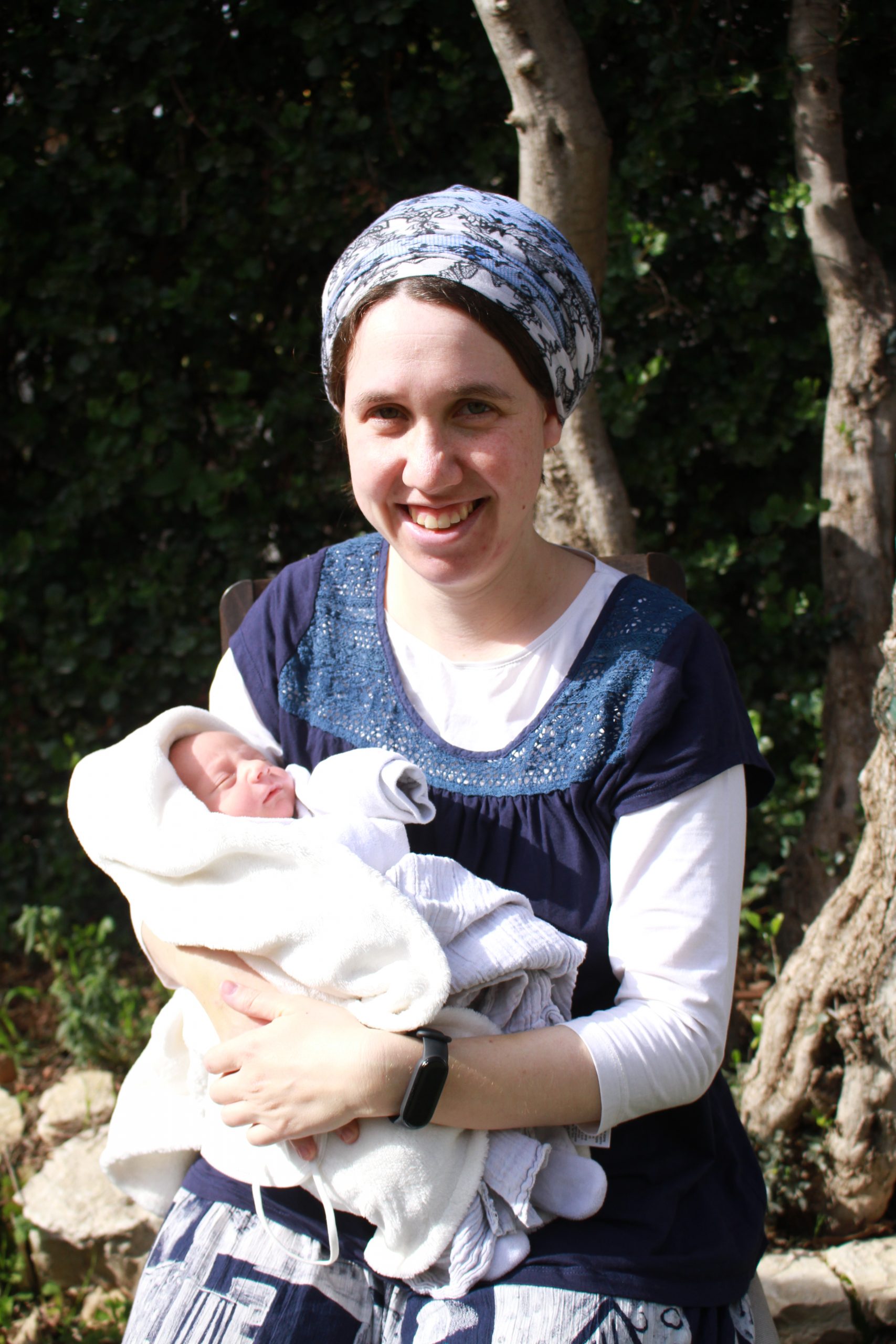
בתחילת הסבב הנוכחי הצטברו אצלי תחושות שאני לא מבינה מספיק מהי ההלכה אותה אני מקיימת בכל יום. כמו כן, כאמא לבנות רציתי לתת להן מודל נשי של לימוד תורה
שתי הסיבות האלו הובילו אותי להתחיל ללמוד. נתקלתי בתגובות מפרגנות וסקרניות איך אישה לומדת גמרא..
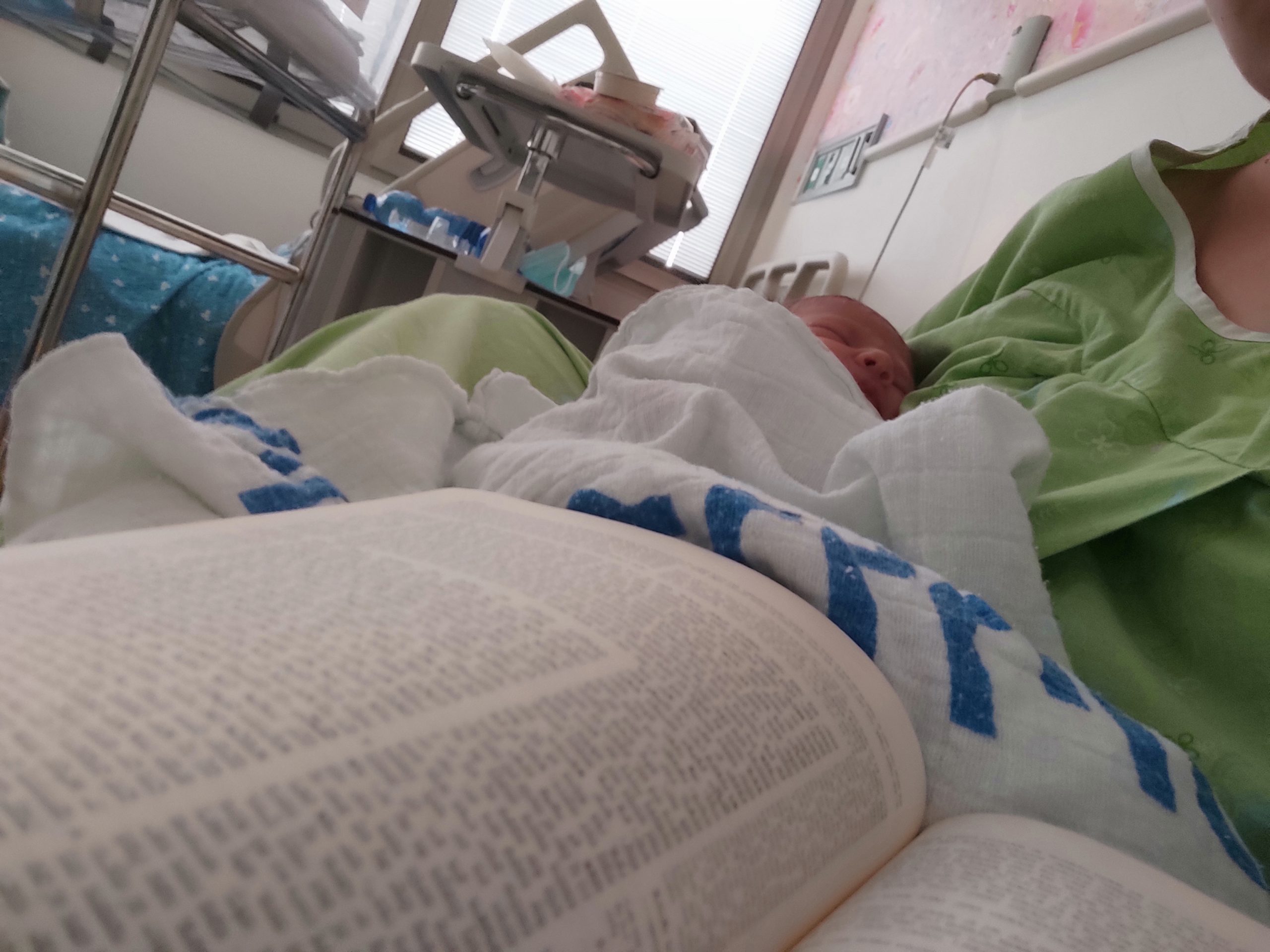
כמו שרואים בתמונה אני ממשיכה ללמוד גם היום ואפילו במחלקת יולדות אחרי לידת ביתי השלישית.

Noa Shiloh
נועה שילה

רבבה, ישראל

התחלתי ללמוד גמרא בבית הספר בגיל צעיר והתאהבתי. המשכתי בכך כל חיי ואף היייתי מורה לגמרא בבית הספר שקד בשדה אליהו (בית הספר בו למדתי בילדותי)בתחילת מחזור דף יומי הנוכחי החלטתי להצטרף ובע”ה מקווה להתמיד ולהמשיך. אני אוהבת את המפגש עם הדף את "דרישות השלום ” שמקבלת מקשרים עם דפים אחרים שלמדתי את הסנכרון שמתחולל בין התכנים.

Ariela Bigman
אריאלה ביגמן

מעלה גלבוע, ישראל

לפני 15 שנה, אחרי עשרות שנים של "ג’ינגול” בין משפחה לקריירה תובענית בהייטק, הצטרפתי לשיעורי גמרא במתן רעננה. הלימוד המעמיק והייחודי של הרבנית אושרה קורן יחד עם קבוצת הנשים המגוונת הייתה חוויה מאלפת ומעשירה. לפני כשמונה שנים כאשר מחזור הדף היומי הגיע למסכת תענית הצטרפתי כ”חברותא” לבעלי. זו השעה היומית שלנו ביחד כאשר דפי הגמרא משתלבים בחיי היום יום, משפיעים ומושפעים, וכשלא מספיקים תמיד משלימים בשבת

Yodi Askoff
יודי אסקוף

רעננה, ישראל

התחלתי ללמוד בשנת המדרשה במגדל עוז, בינתיים נהנית מאוד מהלימוד ומהגמרא, מעניין ומשמח מאוד!
משתדלת להצליח לעקוב כל יום, לפעמים משלימה קצת בהמשך השבוע.. מרגישה שיש עוגן מקובע ביום שלי והוא משמח מאוד!

Uriah Kesner
אוריה קסנר

חיפה , ישראל

התחלתי ללמוד דף יומי שהתחילו מסכת כתובות, לפני 7 שנים, במסגרת קבוצת לימוד שהתפרקה די מהר, ומשם המשכתי לבד בתמיכת האיש שלי. נעזרתי בגמרת שטיינזלץ ובשיעורים מוקלטים.
הסביבה מאד תומכת ואני מקבלת המון מילים טובות לאורך כל הדרך. מאז הסיום הגדול יש תחושה שאני חלק מדבר גדול יותר.
אני לומדת בשיטת ה”7 דפים בשבוע” של הרבנית תרצה קלמן – כלומר, לא נורא אם לא הצלחת ללמוד כל יום, העיקר שגמרת ארבעה דפים בשבוע

Rachel Goldstein
רחל גולדשטיין

עתניאל, ישראל

התחלתי כשהייתי בחופש, עם הפרסומים על תחילת המחזור, הסביבה קיבלה את זה כמשהו מתמיד ומשמעותי ובהערכה, הלימוד זה עוגן יציב ביום יום, יש שבועות יותר ויש שפחות אבל זה משהו שנמצא שם אמין ובעל משמעות בחיים שלי….

Adi Diamant
עדי דיאמנט

גמזו, ישראל

אחרי שראיתי את הסיום הנשי של הדף היומי בבנייני האומה זה ריגש אותי ועורר בי את הרצון להצטרף. לא למדתי גמרא קודם לכן בכלל, אז הכל היה לי חדש, ולכן אני לומדת בעיקר מהשיעורים פה בהדרן, בשוטנשטיין או בחוברות ושיננתם.

Rebecca Schloss
רבקה שלוס

בית שמש, ישראל

"התחלתי ללמוד דף יומי במחזור הזה, בח’ בטבת תש””ף. לקחתי על עצמי את הלימוד כדי ליצור תחום של התמדה יומיומית בחיים, והצטרפתי לקבוצת הלומדים בבית הכנסת בכפר אדומים. המשפחה והסביבה מתפעלים ותומכים.
בלימוד שלי אני מתפעלת בעיקר מכך שכדי ללמוד גמרא יש לדעת ולהכיר את כל הגמרא. זו מעין צבת בצבת עשויה שהיא עצומה בהיקפה.”

Sarah Fox
שרה פוּקס

כפר אדומים, ישראל

התחלתי מחוג במסכת קידושין שהעבירה הרבנית רייסנר במסגרת בית המדרש כלנה בגבעת שמואל; לאחר מכן התחיל סבב הדף היומי אז הצטרפתי. לסביבה לקח זמן לעכל אבל היום כולם תומכים ומשתתפים איתי. הלימוד לעתים מעניין ומעשיר ולעתים קשה ואף הזוי… אך אני ממשיכה קדימה. הוא משפיע על היומיום שלי קודם כל במרדף אחרי הדף, וגם במושגים הרבים שלמדתי ובידע שהועשרתי בו, חלקו ממש מעשי

Abigail Chrissy
אביגיל כריסי

ראש העין, ישראל

אני לומדת גמרא כעשור במסגרות שונות, ואת הדף היומי התחלתי כשחברה הציעה שאצטרף אליה לסיום בבנייני האומה. מאז אני לומדת עם פודקסט הדרן, משתדלת באופן יומי אך אם לא מספיקה, מדביקה פערים עד ערב שבת. בסבב הזה הלימוד הוא "ממעוף הציפור”, מקשיבה במהירות מוגברת תוך כדי פעילויות כמו בישול או נהיגה, וכך רוכשת היכרות עם הסוגיות ואופן ניתוחם על ידי חז”ל. בע”ה בסבב הבא, ואולי לפני, אצלול לתוכו באופן מעמיק יותר.

Yael Bir
יעל ביר

רמת גן, ישראל

נדרים סו

לוֹמַר שֶׁאֵין מְקָרְעִין שְׁטַר כְּתוּבָּה.

In fact, arrangements are made with creditors. Rather, Rabbi Akiva is saying that they do not tear the document of the marriage contract. Even if in practice he is left with enough to survive on, the debt remains in force, so that when he will have more money, she will be paid in full.

מַתְנִי׳ פּוֹתְחִין בְּיָמִים טוֹבִים וּבְשַׁבָּתוֹת. בָּרִאשׁוֹנָה הָיוּ אוֹמְרִים: אוֹתָן הַיָּמִים — מוּתָּרִין, וּשְׁאָר כׇּל הַיָּמִים אֲסוּרִין. עַד שֶׁבָּא רַבִּי עֲקִיבָא וְלִימֵּד שֶׁהַנֶּדֶר שֶׁהוּתַּר מִכְּלָלוֹ — הוּתַּר כּוּלּוֹ.

MISHNA: If one vowed that certain food or drink or all food and drink be forbidden to him, the halakhic authorities may broach dissolution by raising the issue of Festivals and Shabbatot. They ask him whether he realized at the time he stated his vow that he would have to uphold it on these festive days as well. At first they said that on those days that he did not intend to include in his vow, that item is permitted, but on all the rest of the days, food and drink are still forbidden by his vow, until Rabbi Akiva came and taught that a vow that is partially dissolved is dissolved entirely.

כֵּיצַד? אָמַר ״קֻוֽנָּם שֶׁאֵינִי נֶהֱנֶה לְכוּלְּכֶם״, הוּתַּר אֶחָד מֵהֶן — הוּתְּרוּ כּוּלָּן.

How so? In the case of one who said to a group of people: I will not benefit from all of you as it is konam for me, if benefit from one of them was permitted for whatever reason, benefit from all of them is permitted.

״שֶׁאֵינִי נֶהֱנֶה לָזֶה וְלָזֶה״, הוּתַּר הָרִאשׁוֹן — הוּתְּרוּ כּוּלָּן, הוּתַּר הָאַחֲרוֹן — הָאַחֲרוֹן מוּתָּר וְכוּלָּן אֲסוּרִין. הוּתַּר הָאֶמְצָעִי, הֵימֶנּוּ וּלְמַטָּה — מוּתָּר, הֵימֶנּוּ וּלְמַעְלָה — אָסוּר.

However, if one said: I will not benefit from this one and from that one as it is konam for me, then if benefit from the first one was permitted for whatever reason, benefit from all of them is permitted. But if benefit from the last one was permitted, benefit from the last one alone is permitted, but benefit from all the others is forbidden, as the benefit from each is considered to have been prohibited by a separate vow. If benefit from the middle one was permitted, then from him and below, i.e., all those enumerated after him, benefit is permitted; from him and above, i.e., those listed before him, benefit is forbidden.

״שֶׁאֲנִי נֶהֱנֶה לָזֶה קׇרְבָּן וְלָזֶה קׇרְבָּן״ — צְרִיכִין פֶּתַח לְכׇל אֶחָד וְאֶחָד.

The mishna gives another example of interconnected vows: If one stated: I will not benefit from this one, as if he were an offering, and from that one, as if he were an offering, then an extenuation enabling the dissolution of a vow is required for each and every one, as they have the status of separate vows.

״קֻוֽנָּם יַיִן שֶׁאֲנִי טוֹעֵם, שֶׁהַיַּיִן רַע לַמֵּעַיִים״, אָמְרוּ לוֹ: וַהֲלֹא הַמְיוּשָּׁן יָפֶה לַמֵּעַיִים! הוּתַּר בִּמְיוּשָּׁן. וְלֹא בִּמְיוּשָּׁן בִּלְבַד הוּתַּר, אֶלָּא בְּכׇל הַיַּיִן. ״קֻוֽנָּם בָּצָל שֶׁאֵינִי טוֹעֵם, שֶׁהַבָּצָל רַע לַלֵּב״, אָמְרוּ לוֹ: הֲלֹא הַכּוּפְרִי יָפֶה לַלֵּב! הוּתַּר בַּכּוּפְרִי. וְלֹא בַּכּוּפְרִי בִּלְבַד הוּתַּר, אֶלָּא בְּכׇל הַבְּצָלִים. מַעֲשֶׂה הָיָה, וְהִתִּירוֹ רַבִּי מֵאִיר בְּכׇל הַבְּצָלִים.

The mishna gives another example of a vow that was partially dissolved. If one stated in a vow: Wine is konam for me and I will not taste it, as wine is bad for the intestines, and they said to him: But aged wine is good for the intestines, then the vow is dissolved with regard to aged wine. And not only with regard to aged wine is it dissolved, but with regard to all types of wine, since a vow that has been partially dissolved is entirely dissolved. Likewise, if one stated in a vow: Onions are konam for me and I will not taste them, as onions are bad for the heart, and they said to him: But the kuferi onion is good for the heart, then, in this case too, it is dissolved with regard to kuferi onions, and not only with regard to kuferi onions is it dissolved, but with regard to all types of onions. The mishna relates that an incident of this kind occurred, and Rabbi Meir dissolved the vow with regard to all types of onions.

גְּמָ׳ הוּתַּר הָאַחֲרוֹן — הָאַחֲרוֹן מוּתָּר, וְכוּלָּן אֲסוּרִין. מַאן תַּנָּא?

GEMARA: The mishna taught: If benefit from the last one was permitted, benefit from the last one alone is permitted but benefit from all the others is forbidden. If one stated: I will not benefit from this one, as if he were an offering, and from that one, as if he were an offering, then an extenuation enabling the dissolution of a vow is required for each and every one. The Gemara poses a question: Who is the tanna that taught this mishna?

אָמַר רָבָא: רַבִּי שִׁמְעוֹן הִיא, דְּאָמַר: עַד שֶׁיֹּאמַר ״שְׁבוּעָה״ לְכׇל אֶחָד וְאֶחָד.

Rava said: It is taught in accordance with the opinion of Rabbi Shimon, who said that one who utters a false oath to several people at once is not liable to bring an offering for each false oath unless he says: An oath, in his oath to each and every one (Shevuot 38a). If he said: An oath, only once, even if he specified each person by saying: Not to you, not to you, it is still considered to be a single oath. Otherwise, it is viewed as one oath. The mishna, which requires a separate extenuation for each person only if he stated: As if he were an offering, with regard to each of them, is in accordance with the opinion of Rabbi Shimon stated with regard to oaths.

קֻוֽנָּם יַיִן שֶׁאֲנִי טוֹעֵם וְכוּ׳. וְתִיפּוֹק לֵיהּ דְּאֵין רַע! אָמַר רַבִּי אַבָּא: וְעוֹד, ״יָפֶה״ קָתָנֵי.

The mishna taught that if one said: Wine is konam for me and I will not taste it, as wine is bad for the intestines, his vow is dissolved, for aged wine is good for the intestines. The Gemara asks: And let him derive that the vow is dissolved from the fact that aged wine is not bad for the intestines. Even if it is not actively good for the intestines, the vow should nevertheless be considered mistaken. Rabbi Abba said: The mishna teaches: And furthermore, it is good. In other words, even if aged wine is merely not harmful to the intestines the vow is dissolved, and they strengthened their claim by pointing out that it is in fact beneficial.

קֻוֽנָּם בָּצָל שֶׁאֲנִי טוֹעֵם שֶׁהַבָּצָל וְכוּ׳. וְתִיפּוֹק לֵיהּ דְּאֵין רַע! אָמַר רַבִּי אַבָּא: וְעוֹד, ״יָפֶה״ קָתָנֵי.

The mishna taught: If one said: Onions are konam for me and I will not taste them, as onions are bad for the heart, his vow is dissolved, for kuferi onions are good for the heart. The Gemara asks: And let him derive that the vow is dissolved from the fact that the kuferi onion is not bad for the heart. Rabbi Abba said: The mishna teaches: And furthermore, it is good. Here too, they added that the kuferi onion is actually good for the heart, but this addition was not needed to justify the dissolution of the vow.

מַתְנִי׳ פּוֹתְחִין לָאָדָם בִּכְבוֹד עַצְמוֹ וּבִכְבוֹד בָּנָיו. אוֹמְרִים לוֹ: אִילּוּ הָיִיתָ יוֹדֵעַ שֶׁלְּמָחָר אוֹמְרִין עָלֶיךָ ״כָּךְ הִיא וִוסְתּוֹ שֶׁל פְּלוֹנִי, מְגָרֵשׁ אֶת נָשָׁיו״, וְעַל בְּנוֹתֶיךָ יְהוּ אוֹמְרִין ״בְּנוֹת גְּרוּשׁוֹת הֵן״, ״מָה רָאֲתָה אִמָּן שֶׁל אֵלּוּ לְהִתְגָּרֵשׁ״. וְאָמַר: ״אִילּוּ הָיִיתִי יוֹדֵעַ שֶׁכֵּן, לֹא הָיִיתִי נוֹדֵר״ — הֲרֵי זֶה מוּתָּר.

MISHNA: The halakhic authorities may broach dissolution for a person by raising the issue of his own honor and the honor of his children. For example, if he took a vow that resulted in his needing to divorce his wife, they may say to him: Had you known that tomorrow people will say about you: This is the habit [veset] of so-and-so, that he divorces his wives due to vows, and they will say about your daughters: They are daughters of divorce, or they will ask: What did their mother see to divorce, thereby giving them a bad reputation. And if the man who vowed said: Had I known it was so, I would not have vowed, it is dissolved.

״קֻוֽנָּם שֶׁאֲנִי נוֹשֵׂא אֶת פְּלוֹנִית כְּעוּרָה״ וַהֲרֵי הִיא נָאָה, ״שְׁחוֹרָה״ וַהֲרֵי הִיא לְבָנָה, ״קְצָרָה״ וַהֲרֵי הִיא אֲרוּכָּה — מוּתָּר בָּהּ. לֹא מִפְּנֵי שֶׁהִיא כְּעוּרָה וְנַעֲשֵׂת נָאָה, שְׁחוֹרָה וְנַעֲשֵׂת לְבָנָה, קְצָרָה וְנַעֲשֵׂת אֲרוּכָּה — אֶלָּא שֶׁהַנֶּדֶר טָעוּת.

The Mishna continues: If a man said: Marrying ugly so-and-so is konam for me, and she is in fact beautiful, or if, in vowing not to marry her, he called her black, and she is in fact white, or if, in vowing not to marry her, he called her short, and she is in fact tall, he is permitted to her. Not because she was ugly and became beautiful, black and became white, or short and became tall, but rather, because the vow was mistaken from the outset.

וּמַעֲשֶׂה בְּאֶחָד שֶׁנָּדַר מִבַּת אֲחוֹתוֹ הֲנָיָיה, וְהִכְנִיסוּהָ לְבֵית רַבִּי יִשְׁמָעֵאל וְיִיפּוּהָ. אָמַר לוֹ רַבִּי יִשְׁמָעֵאל: בְּנִי, מִזּוֹ נָדַרְתָּ? אָמַר לוֹ: לָאו, וְהִתִּירָהּ רַבִּי יִשְׁמָעֵאל.

The Mishna relates: And an incident occurred with regard to one who vowed against deriving benefit from the daughter of his sister, as he did not wish to marry her. And they brought her into the house of Rabbi Yishmael and he beautified her. When she was later brought before the one who took the vow, Rabbi Yishmael said to him: My son, did you vow that you would not derive benefit from this woman? He said to him: No, and Rabbi Yishmael permitted her to him, as he demonstrated that the vow had been made in error.

בְּאוֹתָהּ שָׁעָה בָּכָה רַבִּי יִשְׁמָעֵאל וְאָמַר: בְּנוֹת יִשְׂרָאֵל נָאוֹת הֵן, אֶלָּא שֶׁהָעֲנִיּוּת מְנַוַּולְתָּן. וּכְשֶׁמֵּת רַבִּי יִשְׁמָעֵאל הָיוּ בְּנוֹת יִשְׂרָאֵל נוֹשְׂאוֹת קִינָה, וְאוֹמְרוֹת: ״בְּנוֹת יִשְׂרָאֵל עַל רַבִּי יִשְׁמָעֵאל בְּכֶינָה״, וְכֵן הוּא אוֹמֵר בְּשָׁאוּל: ״בְּנוֹת יִשְׂרָאֵל עַל שָׁאוּל בְּכֶינָה״.

At that time Rabbi Yishmael wept and said: The daughters of Israel are beautiful, but poverty makes them ugly. And when Rabbi Yishmael died, the daughters of Israel raised a lamentation, saying: Daughters of Israel, weep for Rabbi Yishmael. And it likewise states about Saul, who also concerned himself with the welfare of the daughters of Israel: “Daughters of Israel, weep over Saul, who clothed you in scarlet with other delights, who put ornaments of gold upon your apparel” (II Samuel 1:24).

גְּמָ׳ מַעֲשֶׂה לִסְתּוֹר?! חַסּוֹרֵי מְחַסְּרָא וְהָכִי קָתָנֵי: רַבִּי יִשְׁמָעֵאל אוֹמֵר: אֲפִילּוּ כְּעוּרָה וְנַעֲשֵׂת נָאָה, שְׁחוֹרָה וְנַעֲשֵׂת לְבָנָה, קְצָרָה וְנַעֲשֵׂת אֲרוּכָּה. מַעֲשֶׂה בְּאֶחָד שֶׁנָּדַר מִבַּת אֲחוֹתוֹ וְהִכְנִיסוּהָ לְבֵית רַבִּי יִשְׁמָעֵאל וְיִיפּוּהָ וְכוּ׳.

GEMARA: The Gemara poses a question: Was an incident cited to contradict what was just taught? It first taught that if she was ugly and was later beautified, the vow is not dissolved, and then the mishna quoted an incident involving Rabbi Yishmael where he did dissolve the vow. The Gemara answers: The mishna is incomplete and this is what it is teaching: Rabbi Yishmael says: Even if she was ugly and became beautiful, black and became white, short and became tall, the vow can be dissolved. An incident occurred with regard to one who vowed against having benefit from the daughter of his sister, as he did not wish to marry her. And they brought her into Rabbi Yishmael’s house and he beautified her.

תָּנָא: שֵׁן תּוֹתֶבֶת הָיְתָה לָהּ, וְעָשָׂה לָהּ רַבִּי יִשְׁמָעֵאל שֵׁן שֶׁל זָהָב מִשֶּׁלּוֹ. כִּי שְׁכֵיב רַבִּי יִשְׁמָעֵאל, פְּתַח עֲלֵיהּ הַהוּא סַפְדָנָא הָכִי: ״בְּנוֹת יִשְׂרָאֵל עַל רַבִּי יִשְׁמָעֵאל בְּכֶינָה הַמַּלְבִּישְׁכֶן וְכוּ׳״.

It was taught: She had a false tooth [shen totevet], which disfigured her, and Rabbi Yishmael made her a gold tooth from his own money, thereby beautifying her. When Rabbi Yishmael died, a certain eulogizer began his eulogy about him like this: Daughters of Israel, weep for Rabbi Yishmael, who clothed you.

הָהוּא דַּאֲמַר לַהּ לִדְבֵיתְהוּ ״קֻוֽנָּם שֶׁאִי אַתְּ נֶהֱנֵית לִי עַד שֶׁתַּטְעִימִי תַּבְשִׁילֵךְ לְרַבִּי יְהוּדָה וּלְרַבִּי שִׁמְעוֹן״. רַבִּי יְהוּדָה טְעֵים, אֲמַר, קַל וָחוֹמֶר: וּמָה לַעֲשׂוֹת שָׁלוֹם בֵּין אִישׁ לְאִשְׁתּוֹ אָמְרָה תּוֹרָה שְׁמִי שֶׁנִּכְתַּב בִּקְדוּשָּׁה יִמָּחֶה עַל הַמַּיִם הַמְאָרְרִים בְּסָפֵק, וַאֲנִי עַל אַחַת כַּמָּה וְכַמָּה.

§ The Gemara relates: There was a certain person who said to his wife: Benefiting from me is konam for you until you have given Rabbi Yehuda and Rabbi Shimon your cooked food to taste, so they can see for themselves what a bad cook you are. She brought the food to them, and Rabbi Yehuda tasted it, without concern for his honor. He said: This is an a fortiori inference: And what can be seen, that in order to make peace between a man and his wife, the Torah said: My name, that is written in sanctity, shall be blotted out in the waters that curse, as the words written on a scroll, including the name of God, were blotted out during the ceremony of preparing the water that a sota would drink. And this is so even in a case of where it is uncertain if this will bring peace between them, as she may or not be guilty of adultery. I, all the more so, should waive my honor in order to bring peace to this couple.

רַבִּי שִׁמְעוֹן לָא טְעֵים, אֲמַר: יָמוּתוּ כׇּל בְּנֵי אַלְמָנָה, וְאַל יָזוּז שִׁמְעוֹן מִמְּקוֹמוֹ. וְעוֹד: כִּי הֵיכִי דְּלָא לִתְרַגְּלִי לְמִינְדָּר.

Conversely, Rabbi Shimon did not taste. He said: Let all the children of the widow die, and Shimon will not budge from his place. In other words, the husband can die and leave his wife a widow and his children orphans, and let them die too, rather than have people belittle the dignity of Torah scholars by taking such vows. And furthermore, there is another reason for my refusal: So that they should not become used to taking vows.

הַהוּא דְּאָמַר לִדְבֵיתְהוּ ״קֻוֽנָּם שֶׁאִי אַתְּ נֶהֱנֵית לִי עַד שֶׁתָּרוֹקִּי בּוֹ בְּרַבָּן שִׁמְעוֹן בֶּן גַּמְלִיאֵל״. אֲתָת וּרְקַק אַלְּבוּשֵׁיהּ. אָמַר לֵיהּ רַב אַחָא מִדִּפְתִּי לְרָבִינָא: וְהָא הַאי לְזִילוּתָא קָא מִיכַּוֵּין! אָמַר לֵיהּ: מִירָק עַל מָנֵי דְּרַבָּן שִׁמְעוֹן בֶּן גַּמְלִיאֵל זִילוּתָא רַבְּתָא הִיא.

The Gemara relates: There was a certain person who said to his wife: Benefiting from me is konam for you until you have spat on Rabban Shimon ben Gamliel. She came to Rabban Shimon ben Gamliel and spat on his clothing. Rav Aḥa of Difti said to Ravina: But this man intended the humiliation of Rabban Shimon ben Gamliel, which is not achieved by spitting on his clothing. Ravina said to him: Spittle on the clothing of Rabban Shimon ben Gamliel is a great humiliation for him, and she has thereby fulfilled the vow.

הָהוּא דַּאֲמַר לִדְבֵיתְהוּ ״קֻוֽנָּם שֶׁאִי אַתְּ נֶהֱנֵית לִי עַד שֶׁתַּרְאִי מוּם יָפֶה שֶׁבִּיךְ לְרַבִּי יִשְׁמָעֵאל בְּרַבִּי יוֹסֵי״.

The Gemara relates: There was a certain person who said to his wife: Benefiting from me is konam for you until you show some beautiful [yafeh] part of you to Rabbi Yishmael, son of Rabbi Yosei. Rabbi Yishmael attempted to find something beautiful about the woman.

אָמַר לָהֶם: שֶׁמָּא רֹאשָׁהּ נָאֶה? אָמְרוּ לוֹ: סְגַלְגַּל. שֶׁמָּא שְׂעָרָהּ נָאֶה? דּוֹמֶה לַאֲנִיצֵי פִּשְׁתָּן. שֶׁמָּא עֵינֶיהָ נָאוֹת? טְרוּטוֹת הֵן. שֶׁמָּא אׇזְנֶיהָ נָאוֹת? כְּפוּלוֹת הֵן. שֶׁמָּא חוֹטְמָהּ נָאֶה? בָּלוּם הוּא. שֶׁמָּא שִׂפְתוֹתֶיהָ נָאוֹת? עָבוֹת הֵן. שֶׁמָּא צַוָּארָהּ נָאֶה? שָׁקוּט הוּא. שֶׁמָּא כְּרֵיסָהּ נָאֶה? צָבֶה הוּא. שֶׁמָּא רַגְלֶיהָ נָאוֹת? רְחָבוֹת כְּשֶׁל אֲווֹזָא. שֶׁמָּא שְׁמָהּ נָאֶה? ״לִכְלוּכִית״ שְׁמָהּ. אָמַר לָהֶן: יָפֶה קוֹרִין אוֹתָהּ לִכְלוּכִית, שֶׁהִיא מְלוּכְלֶכֶת בְּמוּמִין, וְשַׁרְיַיהּ.

He said to his students: Perhaps her head is beautiful? They said to him: It is round [segalgal]. Perhaps her hair is beautiful? They replied: Her hair resembles stalks of flax. Perhaps her eyes are beautiful? They are narrow [terutot]. Perhaps her ears are beautiful? They are double in size. Perhaps her nose is beautiful? It is stubby. Perhaps her lips are beautiful? They are thick. Perhaps her neck is beautiful? It is low and short. Perhaps her stomach is beautiful? It is swollen. Perhaps her feet are beautiful? They are as wide as a goose’s. Perhaps her name is beautiful? Her name is Likhlukhit. He said to them: It is fitting [yafeh] that she is called by the name Likhlukhit, as she is dirty [melukhlekhet] with blemishes, and he permitted her to benefit from her husband, because she did have one beautiful feature, her fitting name.

הָהוּא בַּר בָּבֶל דִּסְלֵיק לְאַרְעָא דְיִשְׂרָאֵל, נְסֵיב אִיתְּתָא. אֲמַר לַהּ: בַּשִּׁילִי לִי תְּרֵי טַלְפֵי. בַּשִּׁילָה לֵיהּ תְּרֵי טַלְפֵי. רְתַח עֲלַהּ. לִמְחַר אֲמַר לַהּ: בַּשִּׁילִי לִי גְּרִיוָא. בַּשִּׁילָה לֵיהּ גְּרִיוָא. אֲמַר לַהּ: זִילִי אַיְיתִי לִי תְּרֵי בוּצִינֵי. אֲזַלַת וְאַיְיתַי לֵיהּ תְּרֵי שְׁרָגֵי.

The Gemara cites another incident: There was a certain Babylonian who went up to Eretz Yisrael and married a woman there. He said to her: Cook two lentils, i.e., some lentils, for me. She cooked exactly two lentils for him. He grew angry with her. On the following day, so that she would not repeat what she had done, he said to her: Cook a se’a [geriva] for me, intending: A large amount. She cooked an actual se’a for him, far more than what one person could eat. He said to her: Go and bring me two butzinei, intending small gourds, as butzinei are small gourds in the Aramaic dialect spoken in Babylonia. She went and brought him two lamps [sheraggei], called butzinei in the Aramaic dialect spoken in Eretz Yisrael.

אֲמַר לַהּ: זִילִי תְּבַרִי יָתְהוֹן עַל רֵישָׁא דְבָבָא. הֲוָה יָתֵיב בָּבָא בֶּן בּוּטָא אַבָּבָא וְקָא דָאֵין דִּינָא. אֲזַלַת וּתְבַרַת יָתְהוֹן עַל רֵישֵׁיהּ. אֲמַר לַהּ: מָה הָדֵין דַּעֲבַדְתְּ? אֲמַרָה לֵיהּ: כָּךְ צִיוַּנִי בַּעְלִי. אֲמַר: אַתְּ עָשִׂית רְצוֹן בַּעְלִיךְ, הַמָּקוֹם יוֹצִיא מִמֵּךְ שְׁנֵי בָּנִים כְּבָבָא בֶּן בּוּטָא.

In anger, he said to her: Go and break them on the head of the bava, intending the gate, as bava means a gate in the Aramaic dialect spoken in Babylonia. She did not recognize this word. At that time, the Sage Bava ben Buta was sitting as a judge at the gate. She went and broke them on his head, as his name was Bava. He said to her: What is this you have done? She said to him: This is what my husband commanded me to do. He said: You fulfilled your husband’s desire, may the Omnipresent bring forth from you two sons, corresponding to the two candles, like Bava ben Buta.

הַדְרָן עֲלָךְ רַבִּי אֱלִיעֶזֶר

נַעֲרָה הַמְאוֹרָסָה, אָבִיהָ וּבַעְלָהּ מְפִירִין נְדָרֶיהָ.

MISHNA: With regard to a betrothed young woman, her father and her husband together nullify her vows.

רוצה לעקוב אחרי התכנים ולהמשיך ללמוד?

ביצירת חשבון עוד היום ניתן לעקוב אחרי ההתקדמות שלך, לסמן מה למדת, ולעקוב אחרי השיעורים שמעניינים אותך.

לנקות את כל הפריטים מהרשימה?

פעולה זו תסיר את כל הפריטים בחלק זה כולל ההתקדמות וההיסטוריה. שימי לב: לא ניתן לשחזר פעולה זו.

ביטול
מחיקה

האם את/ה בטוח/ה שברצונך למחוק פריט זה?

תאבד/י את כל ההתקדמות או ההיסטוריה הקשורות לפריט זה.

ביטול
מחיקה