חיפוש

נדרים סח

רוצה להקדיש לימוד?

podcast placeholder

0:00
0:00


תקציר

הדף היום מוקדש ע”י מישל הגלר לכבוד בנותיה, אלייזה וריגן אדלסטין. "בגלל אהבתכן ללימוד, גם אני התחלתי ללמוד!”

מביאים ברייתא מבית מדרשו של רבי ישמעאל עם מקור אחר להלכה במשנה, שהאב והארוס שניהם (יחד) מבטלים את נדריה של נערה באורסה. כיצד הוא מסביר את הפסוק שרבה השתמש בו להוכחתו? כיצד מסביר רבה את הפסוק שרבי ישמעאל השתמש בו להוכחתו? כאשר ארוס מבטל חלק מהנדר, האם הוא מבטל לגמרי את חצי הנדר והאב מבטל את החצי השני או שמא הוא מחליש את הנדר כולו? לפני שמביאים תשובה לשאלה, מסבירה הגמרא מקרה בו נשאלה השאלה, כלומר מקרה שבו תהיה נפקא מינה בין האפשרויות. כדי לענות על השאלה מביאים ברייתא שמסבירה את המשנה הבאה. נושא הברייתא הוא מקרים בהם נפטר האב או הארוס – באילו מקרים יכול השני, שנשאר בחיים, להפר נדר שנדרה לפני פטירתו של האחר ובאילו מקרים הדבר אינו מותר?

נדרים סח

דְּבֵי רַבִּי יִשְׁמָעֵאל תָּנָא: ״בֵּין אִישׁ לְאִשְׁתּוֹ בֵּין אָב לְבִתּוֹ״, מִכָּאן לְנַעֲרָה הַמְאוֹרָסָה שֶׁאָבִיהָ וּבַעְלָהּ מְפִירִין נְדָרֶיהָ. וּלְתָנָא דְּבֵי רַבִּי יִשְׁמָעֵאל, ״אִם הָיוֹ תִהְיֶה לְאִישׁ״ מַאי עָבֵיד לֵיהּ?

The school of Rabbi Yishmael taught a different source for the halakha in the mishna: The Torah states with regard to vows: “These are the statutes, which the Lord commanded Moses, between a man and his wife, between a father and his daughter, being in her youth, in her father’s house” (Numbers 30:17). From here it is derived with regard to a betrothed young woman that her father and her husband nullify her vows. The Gemara asks: And according to the tanna of the school of Rabbi Yishmael, what does he do with the words “and if she be to a husband” (Numbers 30:7)?

מוֹקֵים לְאִידַּךְ דְּרָבָא. וְרָבָא, הַאי דְּתָנֵי דְּבֵי רַבִּי יִשְׁמָעֵאל מַאי עָבֵיד לֵיהּ? מִיבְּעֵי לֵיהּ לוֹמַר שֶׁהַבַּעַל מֵיפֵר נְדָרִים שֶׁבֵּינוֹ לְבֵינָהּ.

The Gemara answers: According to him, he establishes it to teach the other statement of Rava: If her betrothed died without ratifying the vow, her father can nullify it on his own. The Gemara then asks: And Rava, who derives the halakha that the father and the betrothed of the young woman together nullify her vows from the phrase “and if she be to a husband” (Numbers 30:7), what does he do with this verse that the school of Rabbi Yishmael taught as the source for the father and the betrothed nullifying the young woman’s vows? The Gemara answers: He requires that phrase: “Between a man and his wife” (Numbers 30:17), in order to say that the husband can nullify only vows that are between him and her, i.e., vows that negatively impact their marital relationship, but he cannot nullify any other type of vow.

אִיבַּעְיָא לְהוּ: בַּעַל מִיגָּז גָּיֵיז, אוֹ מִקְלָישׁ קָלֵישׁ? הֵיכָא קָא מִיבַּעְיָא לַן: כְּגוֹן דִּנְדַרָה מִתְּרֵין זֵיתִין וּשְׁמַע אָרוּס וְהֵיפֵר לַהּ, וַאֲכַלְתִּנּוּן.

§ A dilemma was raised before the Sages: If a husband nullifies his betrothed’s vow, does he sever his share of the vow or does he weaken the force of the entire vow? The Gemara clarifies: Under which circumstances do we raise the dilemma, i.e., what is the practical difference between these two possibilities? In a case where she vowed not to derive benefit from two olives, and her betrothed heard and nullified the vow for her, and she ate those two olives before her father nullified the vow, there is a practical difference.

אִי אָמְרִינַן מִיגָּז גָּיֵיז — לָקְיָיא. אִי אָמְרִינַן מִקְלָישׁ קָלֵישׁ — אִיסּוּרָא בְּעָלְמָא הוּא. מַאי?

If we say that he severs his share of the vow, nullifying half of the prohibition, then one of the olives remains completely forbidden, and she is flogged for violating her vow. If we say that he weakens its force, she is not liable to be flogged, as eating the olives is now merely a prohibition that she has violated. If so, what is the ruling with regard to this question?

תָּא שְׁמַע: אֵימָתַי אָמְרוּ מֵת הַבַּעַל נִתְרוֹקְנָה רְשׁוּת לָאָב — בִּזְמַן שֶׁלֹּא שָׁמַע הַבַּעַל קוֹדֶם שֶׁיָּמוּת, אוֹ שֶׁשָּׁמַע וְשָׁתַק, אוֹ שֶׁשָּׁמַע וְהֵפֵר וּמֵת בּוֹ בַּיּוֹם. זוֹ הִיא שֶׁשָּׁנִינוּ: מֵת הַבַּעַל נִתְרוֹקְנָה רְשׁוּת לָאָב.

The Gemara now cites a lengthy baraita, ultimately stating a proof to answer the previous question. Come and hear a baraita that will resolve the dilemma: When did they say that if the husband of a betrothed young woman dies, the authority to nullify her vows reverts to the father, who can then nullify her vows on his own? This occurs in a case when the husband had not heard her vow before he died; or in a case where he heard and was silent; or where he heard and nullified it and died on the same day. This is what we learned in the mishna, concerning a case of this kind (70a): If the husband dies, the authority to nullify vows reverts to the father.

אֲבָל אִם שָׁמַע וְקִיֵּים, אוֹ שֶׁשָּׁמַע וְשָׁתַק וּמֵת בַּיּוֹם שֶׁלְּאַחֲרָיו — אֵין יָכוֹל לְהָפֵר.

But if it is a case where the husband of a betrothed young woman heard and ratified the vow, or where he heard, and was silent, and died on the following day, in which case his silence is considered ratification of the vow, then the father cannot nullify the vow.

שָׁמַע אָבִיהָ וְהֵפֵר לָהּ, וְלֹא הִסְפִּיק בַּעַל לִשְׁמוֹעַ עַד שֶׁמֵּת הָאָב — זוֹ הִיא שֶׁשָּׁנִינוּ: מֵת הָאָב, לֹא נִתְרוֹקְנָה רְשׁוּת לַבַּעַל. שָׁמַע בַּעְלָהּ וְהֵפֵר לָהּ, וְלֹא הִסְפִּיק הָאָב לִשְׁמוֹעַ עַד שֶׁמֵּת הַבַּעַל — זוֹ הִיא שֶׁשָּׁנִינוּ: מֵת הַבַּעַל, נִתְרוֹקְנָה רְשׁוּת לָאָב.

If her father heard or was made aware of the vow and nullified it for her but the husband did not manage to hear of the vow before the father died, this is what we learned in the same mishna (70a): If the father dies, the authority over her vows does not revert to the husband, i.e., a young woman’s betrothed cannot nullify her vows alone, without the father. If her husband heard the vow and nullified it for her, and the father did not manage to hear of the vow before the husband died, this is what we learned in the mishna: If the husband dies, the authority reverts to the father.

שָׁמַע בַּעְלָהּ וְהֵפֵר לָהּ, וְלֹא הִסְפִּיק הָאָב לִשְׁמוֹעַ עַד שֶׁמֵּת — אֵין הַבַּעַל יָכוֹל לְהָפֵר, שֶׁאֵין הַבַּעַל מֵיפֵר אֶלָּא בְּשׁוּתָּפוּת.

If her husband heard and nullified the vow for her, and the father did not manage to hear of the vow before he died, the husband cannot nullify it, although she no longer has a father, as the husband can nullify vows only in partnership with the father.

חדשה בלימוד הגמרא?

זה הדף הראשון שלך? איזו התרגשות עצומה! יש לנו בדיוק את התכנים והכלים שיעזרו לך לעשות את הצעדים הראשונים ללמידה בקצב וברמה שלך, כך תוכלי להרגיש בנוח גם בתוך הסוגיות המורכבות ומאתגרות.

פסיפס הלומדות שלנו

גלי את קהילת הלומדות שלנו, מגוון נשים, רקעים וסיפורים. כולן חלק מתנועה ומסע מרגש ועוצמתי.

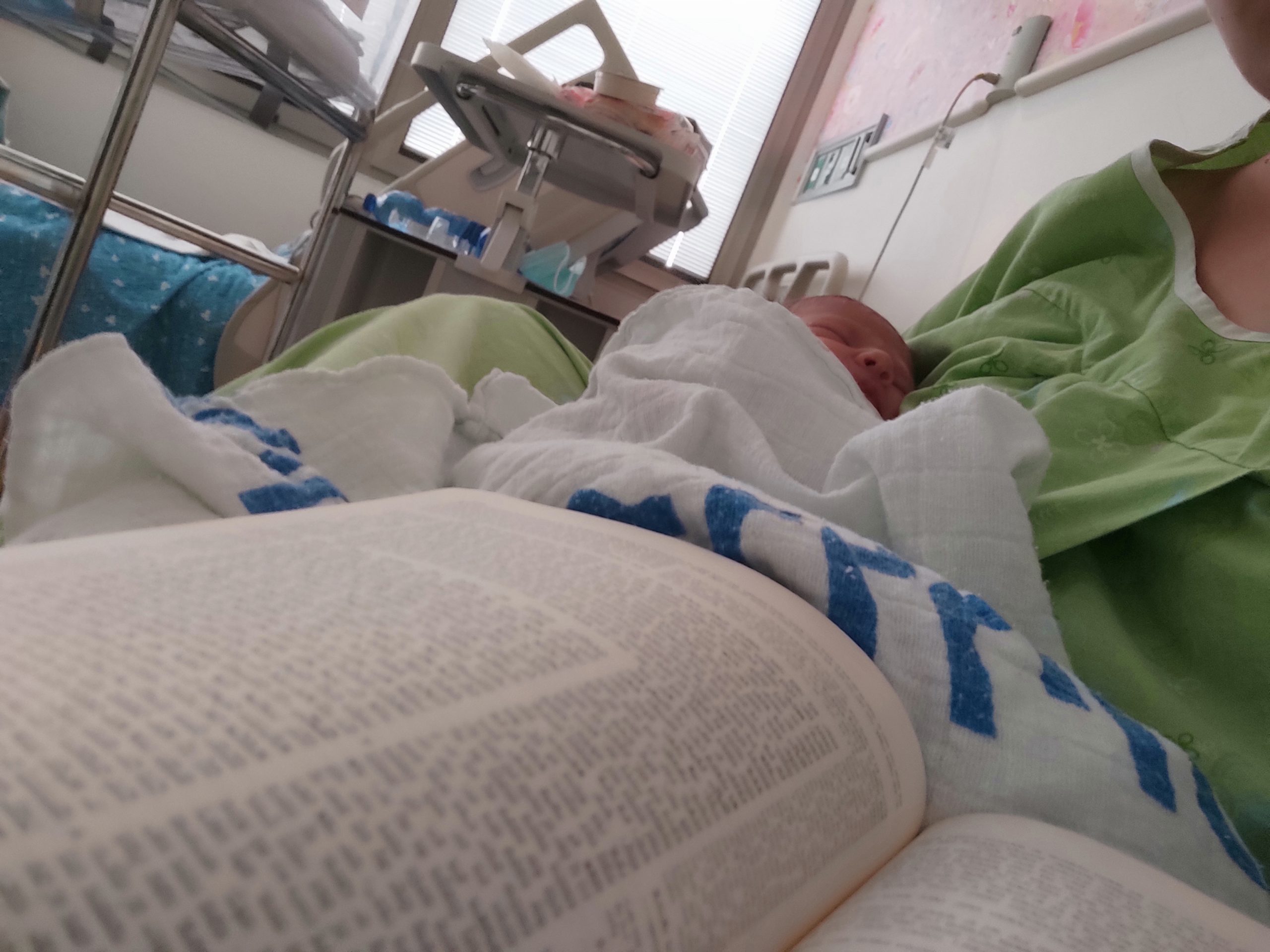
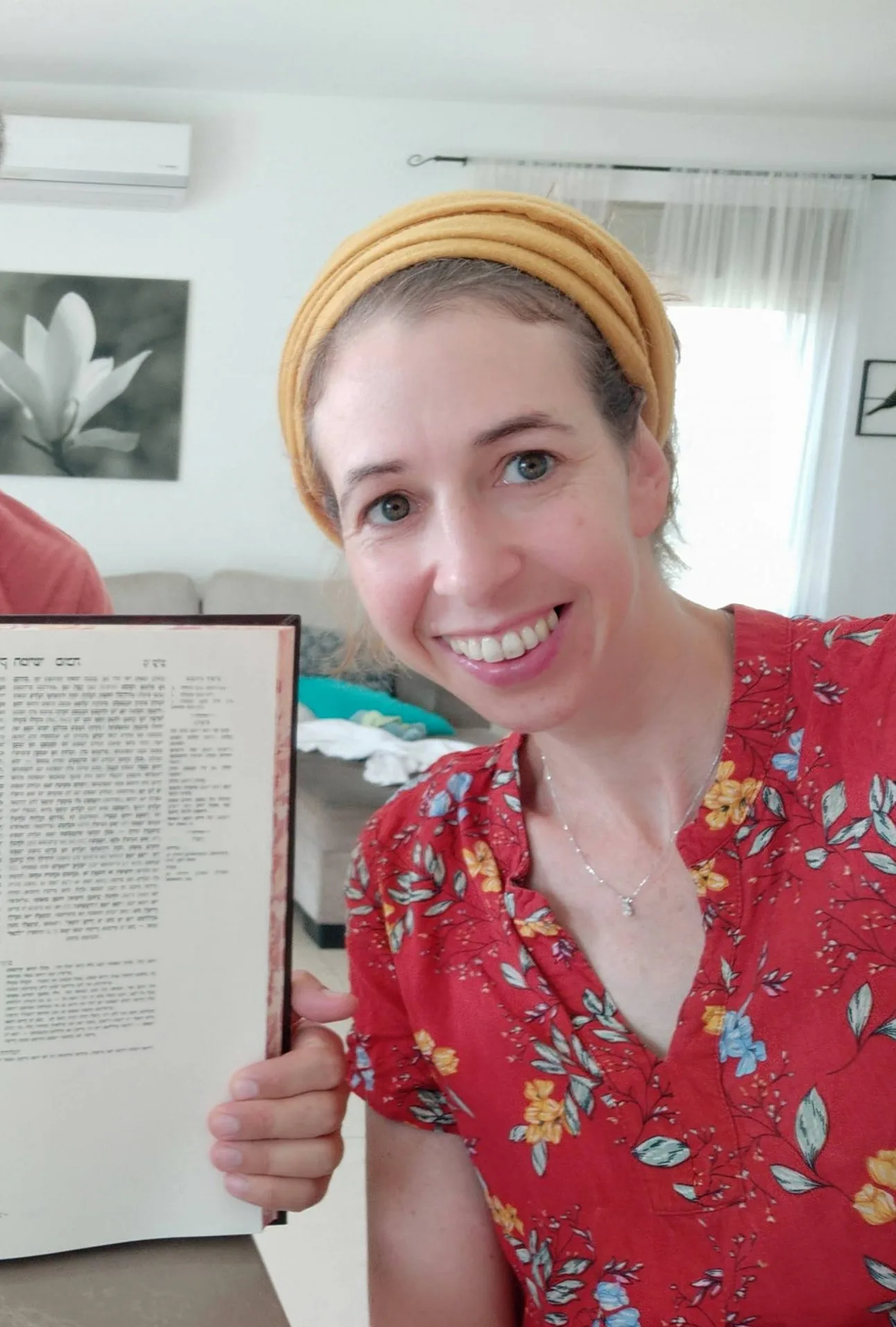
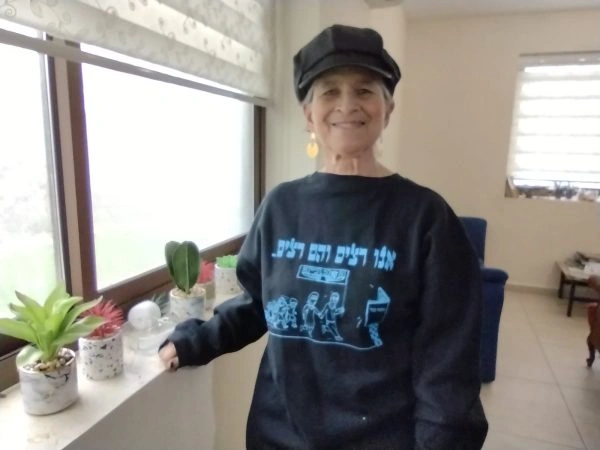
בתחילת הסבב הנוכחי הצטברו אצלי תחושות שאני לא מבינה מספיק מהי ההלכה אותה אני מקיימת בכל יום. כמו כן, כאמא לבנות רציתי לתת להן מודל נשי של לימוד תורה
שתי הסיבות האלו הובילו אותי להתחיל ללמוד. נתקלתי בתגובות מפרגנות וסקרניות איך אישה לומדת גמרא..
כמו שרואים בתמונה אני ממשיכה ללמוד גם היום ואפילו במחלקת יולדות אחרי לידת ביתי השלישית.

Noa Shiloh
נועה שילה

רבבה, ישראל

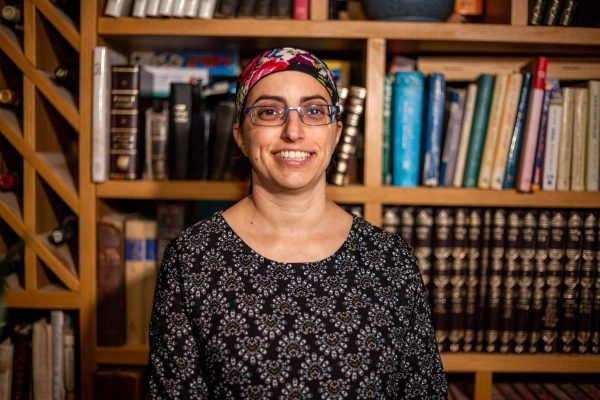
התחלתי ללמוד לפני כשנתיים בשאיפה לסיים לראשונה מסכת אחת במהלך חופשת הלידה.
אחרי מסכת אחת כבר היה קשה להפסיק…

Noa Gallant
נעה גלנט

ירוחם, ישראל

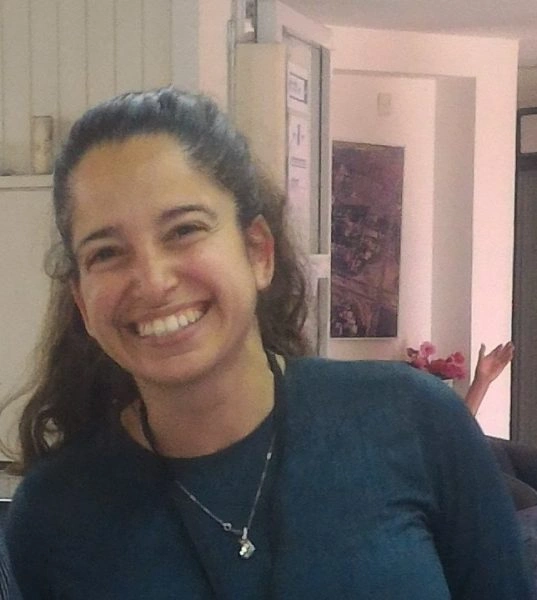
התחלתי לפני 8 שנים במדרשה. לאחרונה סיימתי מסכת תענית בלמידה עצמית ועכשיו לקראת סיום מסכת מגילה.

Daniela Baruchim
דניאלה ברוכים

רעננה, ישראל

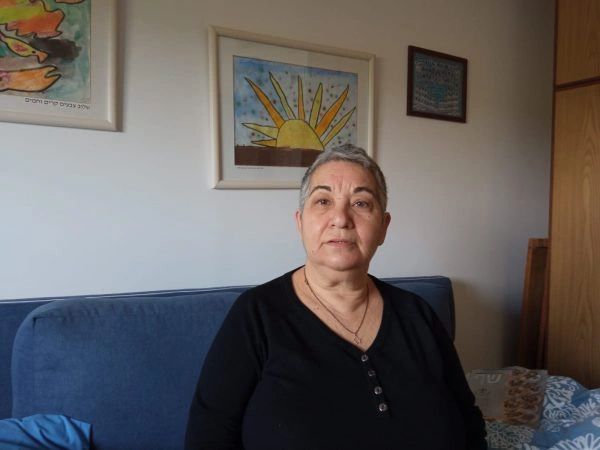
כבר סיפרתי בסיום של מועד קטן.
הלימוד מאוד משפיעה על היום שלי כי אני לומדת עם רבנית מישל על הבוקר בזום. זה נותן טון לכל היום – בסיס למחשבות שלי .זה זכות גדול להתחיל את היום בלימוד ובתפילה. תודה רבה !

שרה-ברלוביץ
שרה ברלוביץ

ירושלים, ישראל

התחלתי ללמוד דף יומי ממסכת נידה כי זה היה חומר הלימוד שלי אז. לאחר הסיום הגדול בבנייני האומה החלטתי להמשיך. וב”ה מאז עם הפסקות קטנות של קורונה ולידה אני משתדלת להמשיך ולהיות חלק.

זה משפיע מאוד על היום יום שלי ועל אף שאני עסוקה בלימודי הלכה ותורה כל יום, זאת המסגרת הקבועה והמחייבת ביותר שיש לי.

Moriah Taesan Michaeli
מוריה תעסן מיכאלי

גבעת הראל, ישראל

רציתי לקבל ידע בתחום שהרגשתי שהוא גדול וחשוב אך נעלם ממני. הלימוד מעניק אתגר וסיפוק ומעמיק את תחושת השייכות שלי לתורה וליהדות

Ruth Agiv
רות עגיב

עלי זהב – לשם, ישראל

לצערי גדלתי בדור שבו לימוד גמרא לנשים לא היה דבר שבשגרה ושנים שאני חולמת להשלים את הפער הזה.. עד שלפני מספר שבועות, כמעט במקרה, נתקלתי במודעת פרסומת הקוראת להצטרף ללימוד מסכת תענית. כשקראתי את המודעה הרגשתי שהיא כאילו נכתבה עבורי – "תמיד חלמת ללמוד גמרא ולא ידעת איך להתחיל”, "בואי להתנסות במסכת קצרה וקלה” (רק היה חסר שהמודעה תיפתח במילים "מיכי שלום”..). קפצתי למים ו- ב”ה אני בדרך להגשמת החלום:)

Micah Kadosh
מיכי קדוש

מורשת, ישראל

התחלתי ללמוד דף יומי שהתחילו מסכת כתובות, לפני 7 שנים, במסגרת קבוצת לימוד שהתפרקה די מהר, ומשם המשכתי לבד בתמיכת האיש שלי. נעזרתי בגמרת שטיינזלץ ובשיעורים מוקלטים.
הסביבה מאד תומכת ואני מקבלת המון מילים טובות לאורך כל הדרך. מאז הסיום הגדול יש תחושה שאני חלק מדבר גדול יותר.
אני לומדת בשיטת ה”7 דפים בשבוע” של הרבנית תרצה קלמן – כלומר, לא נורא אם לא הצלחת ללמוד כל יום, העיקר שגמרת ארבעה דפים בשבוע

Rachel Goldstein
רחל גולדשטיין

עתניאל, ישראל

. לא תמיד נהניתי מלימוד גמרא כילדה.,בל כהתבגרתי התחלתי לאהוב את זה שוב. התחלתי ללמוד מסכת סוטה בדף היומי לפני כחמש עשרה שנה ואז הפסקתי.הגעתי לסיום הגדול של הדרן לפני שנתיים וזה נתן לי השראה. והתחלתי ללמוד למשך כמה ימים ואז היתה לי פריצת דיסק והפסקתי…עד אלול השנה. אז התחלתי עם מסכת ביצה וב”ה אני מצליחה לעמוד בקצב. המשפחה מאוד תומכת בי ויש כמה שגם לומדים את זה במקביל. אני אוהבת שיש עוגן כל יום.

Rebecca Darshan
רבקה דרשן

בית שמש, ישראל

התחלתי ללמוד בעידוד שתי חברות אתן למדתי בעבר את הפרק היומי במסגרת 929.
בבית מתלהבים מאוד ובשבת אני לומדת את הדף עם בעלי שזה מפתיע ומשמח מאוד! לימוד הדף הוא חלק בלתי נפרד מהיום שלי. לומדת בצהריים ומחכה לזמן הזה מידי יום…

Miriam Wengerover
מרים ונגרובר

אפרת, ישראל

אני לומדת גמרא כעשור במסגרות שונות, ואת הדף היומי התחלתי כשחברה הציעה שאצטרף אליה לסיום בבנייני האומה. מאז אני לומדת עם פודקסט הדרן, משתדלת באופן יומי אך אם לא מספיקה, מדביקה פערים עד ערב שבת. בסבב הזה הלימוד הוא "ממעוף הציפור”, מקשיבה במהירות מוגברת תוך כדי פעילויות כמו בישול או נהיגה, וכך רוכשת היכרות עם הסוגיות ואופן ניתוחם על ידי חז”ל. בע”ה בסבב הבא, ואולי לפני, אצלול לתוכו באופן מעמיק יותר.

Yael Bir
יעל ביר

רמת גן, ישראל

A life-changing journey started with a Chanukah family tiyul to Zippori, home of the Sanhedrin 2 years ago and continued with the Syum in Binanei Hauma where I was awed by the energy of 3000 women dedicated to learning daf Yomi. Opening my morning daily with a fresh daf, I am excited with the new insights I find enriching my life and opening new and deeper horizons for me.

Becky Goldstein
בקי גולדשטיין

Elazar gush etzion, Israel

כבר סיפרתי בסיום של מועד קטן.
הלימוד מאוד משפיעה על היום שלי כי אני לומדת עם רבנית מישל על הבוקר בזום. זה נותן טון לכל היום – בסיס למחשבות שלי .זה זכות גדול להתחיל את היום בלימוד ובתפילה. תודה רבה !

שרה-ברלוביץ
שרה ברלוביץ

ירושלים, ישראל

התחלתי ללמוד בשנת המדרשה במגדל עוז, בינתיים נהנית מאוד מהלימוד ומהגמרא, מעניין ומשמח מאוד!
משתדלת להצליח לעקוב כל יום, לפעמים משלימה קצת בהמשך השבוע.. מרגישה שיש עוגן מקובע ביום שלי והוא משמח מאוד!

Uriah Kesner
אוריה קסנר

חיפה , ישראל

התחלתי בסיום הש”ס, יצאתי באורות. נשברתי פעמיים, ובשתיהם הרבנית מישל עודדה להמשיך איפה שכולם בסבב ולהשלים כשאוכל, וכך עשיתי וכיום השלמתי הכל. מדהים אותי שאני לומדת כל יום קצת, אפילו בחדר הלידה, בבידוד או בחו”ל. לאט לאט יותר נינוחה בסוגיות. לא כולם מבינים את הרצון, בפרט כפמניסטית. חשה סיפוק גדול להכיר את המושגים וצורת החשיבה. החלום זה להמשיך ולהתמיד ובמקביל ללמוד איך מהסוגיות נוצרה והתפתחה ההלכה.

Weingarten Sherrington Foundation
קרן וינגרטן שרינגטון

מודיעין, ישראל

סיום השס לנשים נתן לי מוטביציה להתחיל ללמוד דף יומי. עד אז למדתי גמרא בשבתות ועשיתי כמה סיומים. אבל לימוד יומיומי זה שונה לגמרי ופתאום כל דבר שקורה בחיים מתקשר לדף היומי.

Fogel Foundation
קרן פוגל

רתמים, ישראל

התחלתי ללמוד דף יומי ממסכת נידה כי זה היה חומר הלימוד שלי אז. לאחר הסיום הגדול בבנייני האומה החלטתי להמשיך. וב”ה מאז עם הפסקות קטנות של קורונה ולידה אני משתדלת להמשיך ולהיות חלק.

זה משפיע מאוד על היום יום שלי ועל אף שאני עסוקה בלימודי הלכה ותורה כל יום, זאת המסגרת הקבועה והמחייבת ביותר שיש לי.

Moriah Taesan Michaeli
מוריה תעסן מיכאלי

גבעת הראל, ישראל

התחלתי כשהייתי בחופש, עם הפרסומים על תחילת המחזור, הסביבה קיבלה את זה כמשהו מתמיד ומשמעותי ובהערכה, הלימוד זה עוגן יציב ביום יום, יש שבועות יותר ויש שפחות אבל זה משהו שנמצא שם אמין ובעל משמעות בחיים שלי….

Adi Diamant
עדי דיאמנט

גמזו, ישראל

ראיתי את הסיום הגדול בבנייני האומה וכל כך התרשמתי ורציתי לקחת חלק.. אבל לקח לי עוד כשנה וחצי )באמצע מסיכת שבת להצטרף..
הלימוד חשוב לי מאוד.. אני תמיד במרדף אחרי הדף וגונבת כל פעם חצי דף כשהילדים עסוקים ומשלימה אח”כ אחרי שכולם הלכו לישון..

Olga Mizrahi
אולגה מזרחי

ירושלים, ישראל

התחלתי ללמוד בסבב הנוכחי לפני כשנתיים .הסביבה מתפעלת ותומכת מאוד. אני משתדלת ללמוד מכל ההסכתים הנוספים שיש באתר הדרן. אני עורכת כל סיום מסכת שיעור בביתי לכ20 נשים שמחכות בקוצר רוח למפגשים האלו.

Yael Asher
יעל אשר

יהוד, ישראל

נדרים סח

דְּבֵי רַבִּי יִשְׁמָעֵאל תָּנָא: ״בֵּין אִישׁ לְאִשְׁתּוֹ בֵּין אָב לְבִתּוֹ״, מִכָּאן לְנַעֲרָה הַמְאוֹרָסָה שֶׁאָבִיהָ וּבַעְלָהּ מְפִירִין נְדָרֶיהָ. וּלְתָנָא דְּבֵי רַבִּי יִשְׁמָעֵאל, ״אִם הָיוֹ תִהְיֶה לְאִישׁ״ מַאי עָבֵיד לֵיהּ?

The school of Rabbi Yishmael taught a different source for the halakha in the mishna: The Torah states with regard to vows: “These are the statutes, which the Lord commanded Moses, between a man and his wife, between a father and his daughter, being in her youth, in her father’s house” (Numbers 30:17). From here it is derived with regard to a betrothed young woman that her father and her husband nullify her vows. The Gemara asks: And according to the tanna of the school of Rabbi Yishmael, what does he do with the words “and if she be to a husband” (Numbers 30:7)?

מוֹקֵים לְאִידַּךְ דְּרָבָא. וְרָבָא, הַאי דְּתָנֵי דְּבֵי רַבִּי יִשְׁמָעֵאל מַאי עָבֵיד לֵיהּ? מִיבְּעֵי לֵיהּ לוֹמַר שֶׁהַבַּעַל מֵיפֵר נְדָרִים שֶׁבֵּינוֹ לְבֵינָהּ.

The Gemara answers: According to him, he establishes it to teach the other statement of Rava: If her betrothed died without ratifying the vow, her father can nullify it on his own. The Gemara then asks: And Rava, who derives the halakha that the father and the betrothed of the young woman together nullify her vows from the phrase “and if she be to a husband” (Numbers 30:7), what does he do with this verse that the school of Rabbi Yishmael taught as the source for the father and the betrothed nullifying the young woman’s vows? The Gemara answers: He requires that phrase: “Between a man and his wife” (Numbers 30:17), in order to say that the husband can nullify only vows that are between him and her, i.e., vows that negatively impact their marital relationship, but he cannot nullify any other type of vow.

אִיבַּעְיָא לְהוּ: בַּעַל מִיגָּז גָּיֵיז, אוֹ מִקְלָישׁ קָלֵישׁ? הֵיכָא קָא מִיבַּעְיָא לַן: כְּגוֹן דִּנְדַרָה מִתְּרֵין זֵיתִין וּשְׁמַע אָרוּס וְהֵיפֵר לַהּ, וַאֲכַלְתִּנּוּן.

§ A dilemma was raised before the Sages: If a husband nullifies his betrothed’s vow, does he sever his share of the vow or does he weaken the force of the entire vow? The Gemara clarifies: Under which circumstances do we raise the dilemma, i.e., what is the practical difference between these two possibilities? In a case where she vowed not to derive benefit from two olives, and her betrothed heard and nullified the vow for her, and she ate those two olives before her father nullified the vow, there is a practical difference.

אִי אָמְרִינַן מִיגָּז גָּיֵיז — לָקְיָיא. אִי אָמְרִינַן מִקְלָישׁ קָלֵישׁ — אִיסּוּרָא בְּעָלְמָא הוּא. מַאי?

If we say that he severs his share of the vow, nullifying half of the prohibition, then one of the olives remains completely forbidden, and she is flogged for violating her vow. If we say that he weakens its force, she is not liable to be flogged, as eating the olives is now merely a prohibition that she has violated. If so, what is the ruling with regard to this question?

תָּא שְׁמַע: אֵימָתַי אָמְרוּ מֵת הַבַּעַל נִתְרוֹקְנָה רְשׁוּת לָאָב — בִּזְמַן שֶׁלֹּא שָׁמַע הַבַּעַל קוֹדֶם שֶׁיָּמוּת, אוֹ שֶׁשָּׁמַע וְשָׁתַק, אוֹ שֶׁשָּׁמַע וְהֵפֵר וּמֵת בּוֹ בַּיּוֹם. זוֹ הִיא שֶׁשָּׁנִינוּ: מֵת הַבַּעַל נִתְרוֹקְנָה רְשׁוּת לָאָב.

The Gemara now cites a lengthy baraita, ultimately stating a proof to answer the previous question. Come and hear a baraita that will resolve the dilemma: When did they say that if the husband of a betrothed young woman dies, the authority to nullify her vows reverts to the father, who can then nullify her vows on his own? This occurs in a case when the husband had not heard her vow before he died; or in a case where he heard and was silent; or where he heard and nullified it and died on the same day. This is what we learned in the mishna, concerning a case of this kind (70a): If the husband dies, the authority to nullify vows reverts to the father.

אֲבָל אִם שָׁמַע וְקִיֵּים, אוֹ שֶׁשָּׁמַע וְשָׁתַק וּמֵת בַּיּוֹם שֶׁלְּאַחֲרָיו — אֵין יָכוֹל לְהָפֵר.

But if it is a case where the husband of a betrothed young woman heard and ratified the vow, or where he heard, and was silent, and died on the following day, in which case his silence is considered ratification of the vow, then the father cannot nullify the vow.

שָׁמַע אָבִיהָ וְהֵפֵר לָהּ, וְלֹא הִסְפִּיק בַּעַל לִשְׁמוֹעַ עַד שֶׁמֵּת הָאָב — זוֹ הִיא שֶׁשָּׁנִינוּ: מֵת הָאָב, לֹא נִתְרוֹקְנָה רְשׁוּת לַבַּעַל. שָׁמַע בַּעְלָהּ וְהֵפֵר לָהּ, וְלֹא הִסְפִּיק הָאָב לִשְׁמוֹעַ עַד שֶׁמֵּת הַבַּעַל — זוֹ הִיא שֶׁשָּׁנִינוּ: מֵת הַבַּעַל, נִתְרוֹקְנָה רְשׁוּת לָאָב.

If her father heard or was made aware of the vow and nullified it for her but the husband did not manage to hear of the vow before the father died, this is what we learned in the same mishna (70a): If the father dies, the authority over her vows does not revert to the husband, i.e., a young woman’s betrothed cannot nullify her vows alone, without the father. If her husband heard the vow and nullified it for her, and the father did not manage to hear of the vow before the husband died, this is what we learned in the mishna: If the husband dies, the authority reverts to the father.

שָׁמַע בַּעְלָהּ וְהֵפֵר לָהּ, וְלֹא הִסְפִּיק הָאָב לִשְׁמוֹעַ עַד שֶׁמֵּת — אֵין הַבַּעַל יָכוֹל לְהָפֵר, שֶׁאֵין הַבַּעַל מֵיפֵר אֶלָּא בְּשׁוּתָּפוּת.

If her husband heard and nullified the vow for her, and the father did not manage to hear of the vow before he died, the husband cannot nullify it, although she no longer has a father, as the husband can nullify vows only in partnership with the father.

רוצה לעקוב אחרי התכנים ולהמשיך ללמוד?

ביצירת חשבון עוד היום ניתן לעקוב אחרי ההתקדמות שלך, לסמן מה למדת, ולעקוב אחרי השיעורים שמעניינים אותך.

לנקות את כל הפריטים מהרשימה?

פעולה זו תסיר את כל הפריטים בחלק זה כולל ההתקדמות וההיסטוריה. שימי לב: לא ניתן לשחזר פעולה זו.

ביטול
מחיקה

האם את/ה בטוח/ה שברצונך למחוק פריט זה?

תאבד/י את כל ההתקדמות או ההיסטוריה הקשורות לפריט זה.

ביטול
מחיקה