חיפוש

נדרים סט

רוצה להקדיש לימוד?

podcast placeholder

0:00
0:00


תקציר

הלימוד השבוע מוקדש ע”י רבקה איסרוף לע”נ אמה, גיטל בת הרב וולף ושרה פרידמן.

הדף היום מוקדש ע”י מרק בייקר לכבוד אשתו שושנה ביום הנישואין ה- 29 שלהם.

הדף היום מוקדש ע”י שפרה אתיק לע”נ אמה, שרה נחמה בת הרב עזריאל נחמיה ופייגע ריסל.

מהמקרה האחרון בתוספתא, הגמרא מגיעה לתשובה לשאלתה: האם מיגז גייז או מקלש קליש, ועונה שזה תלוי במחלוקת בית שמאי ובית הלל. הגמרא מביאה חמש שאלות של רבא (או רבה) בעניין קיום והפרת נדר. אחד, האם אפשר לשאול על קיום ואם כן, האם אפשר לשאול על הפרה? אם אמר את הקיום בלשון כפול ושאל על הקיום, האם הקיום השני נשאר בתוקף? אם אמר לשון של קיום והפרה ביחד אבל הקדים קיום להפרה ויחד עם זה, אמר שההקמה לא תחול אלא אם כן חלה הפרה, האם אנחנו מבינים שהוא הפר את הנדר או שהקיום יחול קודם ואז אין יכולת להפרה לחול? אם קיים או הפר בבת אחת, מהו? אם אמר שהנדר קיים לך היום, האם כוונתו שהנדר קיים היום אבל מופר למחר או כיון שלא פירט כך, הנדר לא מופר למחר? הגמרא מביאה תשובות לכל השאלות מדברי אמוראים או ממקורות תנאיים.

נדרים סט

שָׁמַע אָבִיהָ וְהֵפֵר לָהּ, וְלֹא הִסְפִּיק הַבַּעַל לִשְׁמוֹעַ עַד שֶׁמֵּת — חוֹזֵר הָאָב וּמֵפֵר חֶלְקוֹ שֶׁל בַּעַל. אָמַר רַבִּי נָתָן: הֵן הֵן דִּבְרֵי בֵּית שַׁמַּאי. בֵּית הִלֵּל אוֹמְרִים: אֵין יָכוֹל לְהָפֵר.

If her father heard and nullified the vow for her, and the husband did not manage to hear of the vow before he died, the father may go back and nullify the husband’s portion, and that will complete the nullification of her vow. Rabbi Natan said: This last ruling is the statement of Beit Shammai, but Beit Hillel say that he cannot nullify only the husband’s share of the vow but must also nullify his own share again.

שְׁמַע מִינַּהּ: לְבֵית שַׁמַּאי מִיגָּז גָּיֵיז, לְבֵית הִלֵּל מִקְלָשׁ קָלֵישׁ. שְׁמַע מִינַּהּ.

Having completed its citation of the baraita, the Gemara now states its proof: Conclude from this that, according to the opinion of Beit Shammai, whoever nullifies the vow first completely severs his half of the vow, and therefore the father needed only to nullify the part left by the husband. However, according to the opinion of Beit Hillel, his nullification weakens the general force of the vow, so the father’s subsequent nullification must address the whole vow. The Gemara rules: Conclude from this baraita that the husband’s nullification weakens the general force of the vow, as the halakha is in accordance with Beit Hillel.

בָּעֵי רָבָא: יֵשׁ שְׁאֵלָה בְּהָקֵם, אוֹ אֵין שְׁאֵלָה בְּהָקֵם? אִם תִּמְצָא לוֹמַר יֵשׁ שְׁאֵלָה בְּהָקֵם: יֵשׁ שְׁאֵלָה בְּהָפֵר, אוֹ אֵין שְׁאֵלָה בְּהָפֵר?

§ Rava raises a dilemma: Is there the possibility of a request to a halakhic authority about dissolving the ratification of one’s wife’s vow, or is there no possibility of a request to a halakhic authority about dissolving his ratification of one’s wife’s vow? One might seek to dissolve one’s ratification if he now desires to nullify the vow. Furthermore, if you say that there is the possibility of a request to dissolve his ratification, is there the possibility of a request to a halakhic authority about dissolving nullification of his wife’s vow, to allow him to ratify the vow in place of nullifying it? Or is there no possibility of a request to dissolve the nullification of his wife’s vow?

תָּא שְׁמַע דְּאָמַר רַבִּי יוֹחָנָן: נִשְׁאָלִין עַל הֶהָקֵם, וְאֵין נִשְׁאָלִין עַל הֶהָפֵר.

The Gemara answers: Come and hear that which Rabbi Yoḥanan says: A halakhic authority may be requested to dissolve ratification of one’s wife’s vow but may not be requested to dissolve nullification.

בָּעֵי רַבָּה: ״קַיָּים לִיכִי, קַיָּים לִיכִי״, וְנִשְׁאַל עַל הֲקָמָה רִאשׁוֹנָה, מַהוּ?

Rabba asks: If, after hearing one’s wife or one’s daughter’s vow, one said: It is ratified for you, it is ratified for you, and then a halakhic authority was requested about the first ratification and dissolved it, but one did not request dissolution of the second ratification, what is the halakha? Is the second ratification in force, or is it irrelevant, as it was performed on an vow that was already ratified and consequently never took effect?

תָּא שְׁמַע, דְּאָמַר רָבָא: אִם נִשְׁאַל עַל הָרִאשׁוֹנָה — שְׁנִיָּה חָלָה עָלָיו. בָּעֵי רַבָּה: ״קַיָּים לִיכִי, וּמוּפָר לִיכִי, וְלָא תֵּיחוּל הֲקָמָה אֶלָּא אִם כֵּן חָלָה הֲפָרָה״, מַהוּ?

The Gemara answers: Come and hear that which Rava said with regard to one who said: I take an oath that I will not eat, I take an oath that I will not eat: If a halakhic authority was requested to dissolve the first oath and dissolved it, the second oath goes into effect for him. Similarly, the second ratification goes into effect. Rabba further asks: If he said to her: The vow is ratified for you and nullified for you, and the ratification will not take effect unless the nullification takes effect, what is the halakha?

תָּא שְׁמַע מִפְּלוּגְתָּא דְּרַבִּי מֵאִיר וְרַבִּי יוֹסֵי. דִּתְנַן: ״הֲרֵי זוֹ תְּמוּרַת עוֹלָה תְּמוּרַת שְׁלָמִים״ — הֲרֵי זוֹ תְּמוּרַת עוֹלָה, דִּבְרֵי רַבִּי מֵאִיר. וְרַבִּי יוֹסֵי אוֹמֵר: אִם לְכָךְ נִתְכַּוֵּין מִתְּחִלָּה, הוֹאִיל וְאִי אֶפְשָׁר לִקְרוֹת שְׁנֵי שֵׁמוֹת כְּאֶחָד — דְּבָרָיו קַיָּימִין.

The Gemara answers: Come and hear a resolution of this dilemma from the dispute between Rabbi Meir and Rabbi Yosei, as we learned in a mishna (Temura 25b): If one said about an animal: This is hereby a substitute for a burnt-offering, a substitute for a peace-offering, the halakha is that it becomes a substitute only for a burnt-offering; this is the statement of Rabbi Meir, who holds that one’s initial statement is determinant. And Rabbi Yosei says: If this is what he intended from the outset, that it should be a substitute for both a burnt-offering and a peace-offering, then since it is impossible to give it two names at once and he could not have said burnt-offering and peace-offering simultaneously, his statement is effective, and the animal is a substitute for both of them at once. Similarly, it is possible for him to intend to both ratify and nullify the vow and the vow is nullified, despite the fact that his first statement was to ratify it.

וַאֲפִילּוּ רַבִּי מֵאִיר לָא קָאָמַר, דְּלָא אָמַר ״לָא תֵּיחוּל זוֹ אֶלָּא אִם כֵּן חָלָה זוֹ״, אֲבָל הָכָא דְּאָמַר ״לֹא תֵּיחוּל הֲקָמָה אֶלָּא אִם כֵּן חָלָה הֲפָרָה״ — רַבִּי מֵאִיר נָמֵי מוֹדֶה דַּהֲפָרָה חָלָה.

The Gemara adds: And even Rabbi Meir says that the first part of one’s statement is determinant only where he did not state: This will not take effect unless this also takes effect. Here, however, where he expressly said: The ratification of the vow will not take effect unless the nullification takes effect, even Rabbi Meir concedes that the nullification takes effect.

בָּעֵי רַבָּה: ״קַיָּים וּמוּפָר לִיכִי״ בְּבַת אַחַת, מַהוּ? תָּא שְׁמַע דְּאָמַר רַבָּה: כׇּל דָּבָר שֶׁאֵינוֹ בְּזֶה אַחַר זֶה, אֲפִילּוּ בְּבַת אַחַת אֵינוֹ.

Rabba further asks: If he said: It is ratified and nullified for you simultaneously, what is the halakha? The Gemara answers: Come and hear that which Rabba himself said: Any two halakhic statuses that one is not able to implement sequentially are not realized even when one attempts to bring them about simultaneously. Since one cannot ratify a vow and subsequently nullify it, one can also not ratify and nullify a vow simultaneously.

בָּעֵי רַבָּה: ״קַיָּים לִיכִי הַיּוֹם״, מַהוּ? מִי אָמְרִינַן: כְּמַאן דַּאֲמַר לַהּ ״מוּפָר לִיכִי לְמָחָר״, אוֹ דִלְמָא הָא לָא אֲמַר לַהּ?

Rabba raises another dilemma: If one says to his wife or daughter: Your vow is ratified for you today, what is the halakha? Do we say that he is like one who said to her: It is nullified for you tomorrow? Or perhaps, since he did not explicitly say to her that the vow is nullified, it remains in force.

חדשה בלימוד הגמרא?

זה הדף הראשון שלך? איזו התרגשות עצומה! יש לנו בדיוק את התכנים והכלים שיעזרו לך לעשות את הצעדים הראשונים ללמידה בקצב וברמה שלך, כך תוכלי להרגיש בנוח גם בתוך הסוגיות המורכבות ומאתגרות.

פסיפס הלומדות שלנו

גלי את קהילת הלומדות שלנו, מגוון נשים, רקעים וסיפורים. כולן חלק מתנועה ומסע מרגש ועוצמתי.

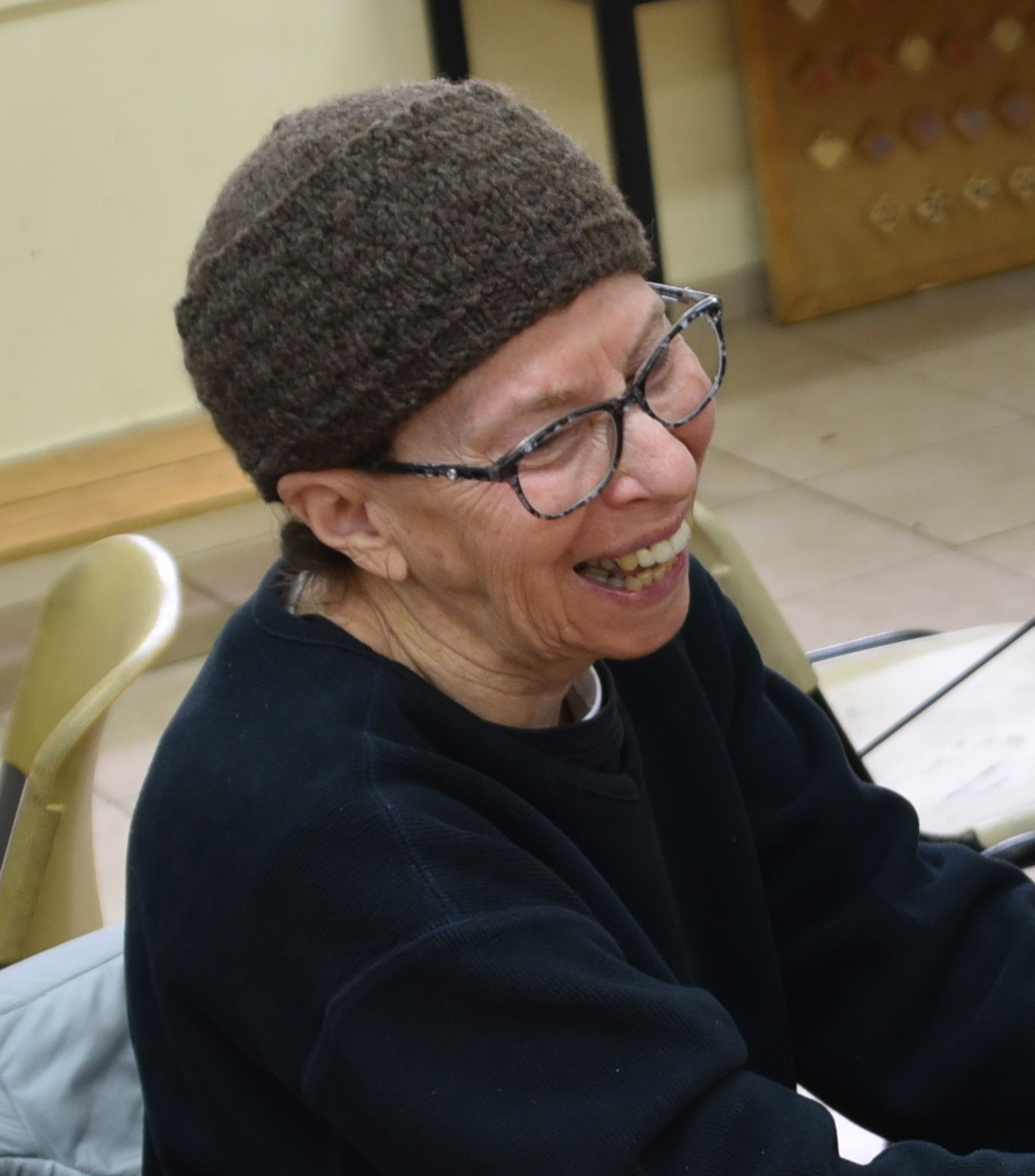
אחרי שראיתי את הסיום הנשי של הדף היומי בבנייני האומה זה ריגש אותי ועורר בי את הרצון להצטרף. לא למדתי גמרא קודם לכן בכלל, אז הכל היה לי חדש, ולכן אני לומדת בעיקר מהשיעורים פה בהדרן, בשוטנשטיין או בחוברות ושיננתם.

Rebecca Schloss
רבקה שלוס

בית שמש, ישראל

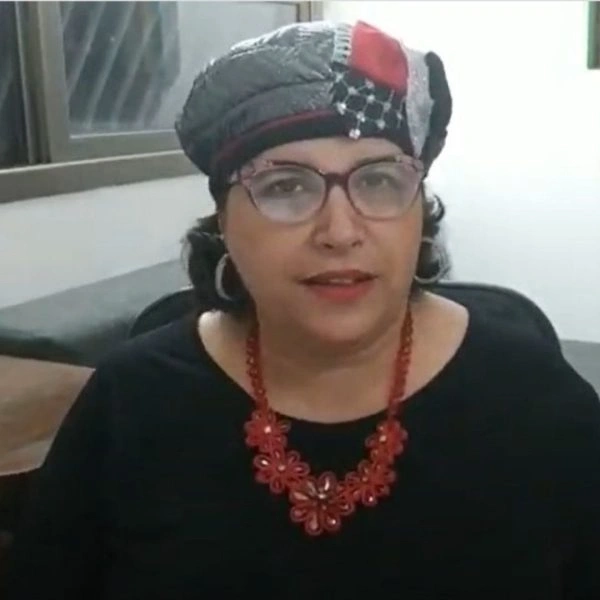
רבנית מישל הציתה אש התלמוד בלבבות בביניני האומה ואני נדלקתי. היא פתחה פתח ותמכה במתחילות כמוני ואפשרה לנו להתקדם בצעדים נכונים וטובים. הקימה מערך שלם שמסובב את הלומדות בסביבה תומכת וכך נכנסתי למסלול לימוד מעשיר שאין כמוה. הדרן יצר קהילה גדולה וחזקה שמאפשרת התקדמות מכל נקודת מוצא. יש דיבוק לומדות שמחזק את ההתמדה של כולנו. כל פניה ושאלה נענית בזריזות ויסודיות. תודה גם למגי על כל העזרה.

Sarah Aber
שרה אבר

נתניה, ישראל

התחלתי מחוג במסכת קידושין שהעבירה הרבנית רייסנר במסגרת בית המדרש כלנה בגבעת שמואל; לאחר מכן התחיל סבב הדף היומי אז הצטרפתי. לסביבה לקח זמן לעכל אבל היום כולם תומכים ומשתתפים איתי. הלימוד לעתים מעניין ומעשיר ולעתים קשה ואף הזוי… אך אני ממשיכה קדימה. הוא משפיע על היומיום שלי קודם כל במרדף אחרי הדף, וגם במושגים הרבים שלמדתי ובידע שהועשרתי בו, חלקו ממש מעשי

Abigail Chrissy
אביגיל כריסי

ראש העין, ישראל

My explorations into Gemara started a few days into the present cycle. I binged learnt and become addicted. I’m fascinated by the rich "tapestry” of intertwined themes, connections between Masechtot, conversations between generations of Rabbanim and learners past and present all over the world. My life has acquired a golden thread, linking generations with our amazing heritage.
Thank you.

Susan Kasdan
סוזן כשדן

חשמונאים, Israel

"
גם אני התחלתי בסבב הנוכחי וב””ה הצלחתי לסיים את רוב המסכתות . בזכות הרבנית מישל משתדלת לפתוח את היום בשיעור הזום בשעה 6:20 .הלימוד הפך להיות חלק משמעותי בחיי ויש ימים בהם אני מצליחה לחזור על הדף עם מלמדים נוספים ששיעוריהם נמצאים במרשתת. שמחה להיות חלק מקהילת לומדות ברחבי העולם. ובמיוחד לשמש דוגמה לנכדותיי שאי””ה יגדלו לדור שלימוד תורה לנשים יהיה משהו שבשגרה. "

Ronit Shavit
רונית שביט

נתניה, ישראל

התחלתי ללמוד דף יומי בתחילת מסכת ברכות, עוד לא ידעתי כלום. נחשפתי לסיום הש״ס, ובעצם להתחלה מחדש בתקשורת, הפתיע אותי לטובה שהיה מקום לעיסוק בתורה.
את המסכתות הראשונות למדתי, אבל לא סיימתי (חוץ מעירובין איכשהו). השנה כשהגעתי למדרשה, נכנסתי ללופ, ואני מצליחה להיות חלק, סיימתי עם החברותא שלי את כל המסכתות הקצרות, גם כשהיינו חולות קורונה ובבידודים, למדנו לבד, העיקר לא לצבור פער, ומחכות ליבמות 🙂

Eden Yeshuron
עדן ישורון

מזכרת בתיה, ישראל

התחלתי בסיום הש”ס, יצאתי באורות. נשברתי פעמיים, ובשתיהם הרבנית מישל עודדה להמשיך איפה שכולם בסבב ולהשלים כשאוכל, וכך עשיתי וכיום השלמתי הכל. מדהים אותי שאני לומדת כל יום קצת, אפילו בחדר הלידה, בבידוד או בחו”ל. לאט לאט יותר נינוחה בסוגיות. לא כולם מבינים את הרצון, בפרט כפמניסטית. חשה סיפוק גדול להכיר את המושגים וצורת החשיבה. החלום זה להמשיך ולהתמיד ובמקביל ללמוד איך מהסוגיות נוצרה והתפתחה ההלכה.

Weingarten Sherrington Foundation
קרן וינגרטן שרינגטון

מודיעין, ישראל

התחלתי ללמוד דף יומי באמצע תקופת הקורונה, שאבא שלי סיפר לי על קבוצה של בנות שתיפתח ביישוב שלנו ותלמד דף יומי כל יום. הרבה זמן רציתי להצטרף לזה וזאת הייתה ההזדמנות בשבילי. הצטרפתי במסכת שקלים ובאמצע הייתה הפסקה קצרה. כיום אני כבר לומדת באולפנה ולומדת דף יומי לבד מתוך גמרא של טיינזלץ.

Saturdays in Raleigh
שבות בראלי

עתניאל, ישראל

התחלתי ללמוד דף יומי שהתחילו מסכת כתובות, לפני 7 שנים, במסגרת קבוצת לימוד שהתפרקה די מהר, ומשם המשכתי לבד בתמיכת האיש שלי. נעזרתי בגמרת שטיינזלץ ובשיעורים מוקלטים.
הסביבה מאד תומכת ואני מקבלת המון מילים טובות לאורך כל הדרך. מאז הסיום הגדול יש תחושה שאני חלק מדבר גדול יותר.
אני לומדת בשיטת ה”7 דפים בשבוע” של הרבנית תרצה קלמן – כלומר, לא נורא אם לא הצלחת ללמוד כל יום, העיקר שגמרת ארבעה דפים בשבוע

Rachel Goldstein
רחל גולדשטיין

עתניאל, ישראל

התחלתי ללמוד בשנת המדרשה במגדל עוז, בינתיים נהנית מאוד מהלימוד ומהגמרא, מעניין ומשמח מאוד!
משתדלת להצליח לעקוב כל יום, לפעמים משלימה קצת בהמשך השבוע.. מרגישה שיש עוגן מקובע ביום שלי והוא משמח מאוד!

Uriah Kesner
אוריה קסנר

חיפה , ישראל

התחלתי ללמוד לפני כשנתיים בשאיפה לסיים לראשונה מסכת אחת במהלך חופשת הלידה.
אחרי מסכת אחת כבר היה קשה להפסיק…

Noa Gallant
נעה גלנט

ירוחם, ישראל

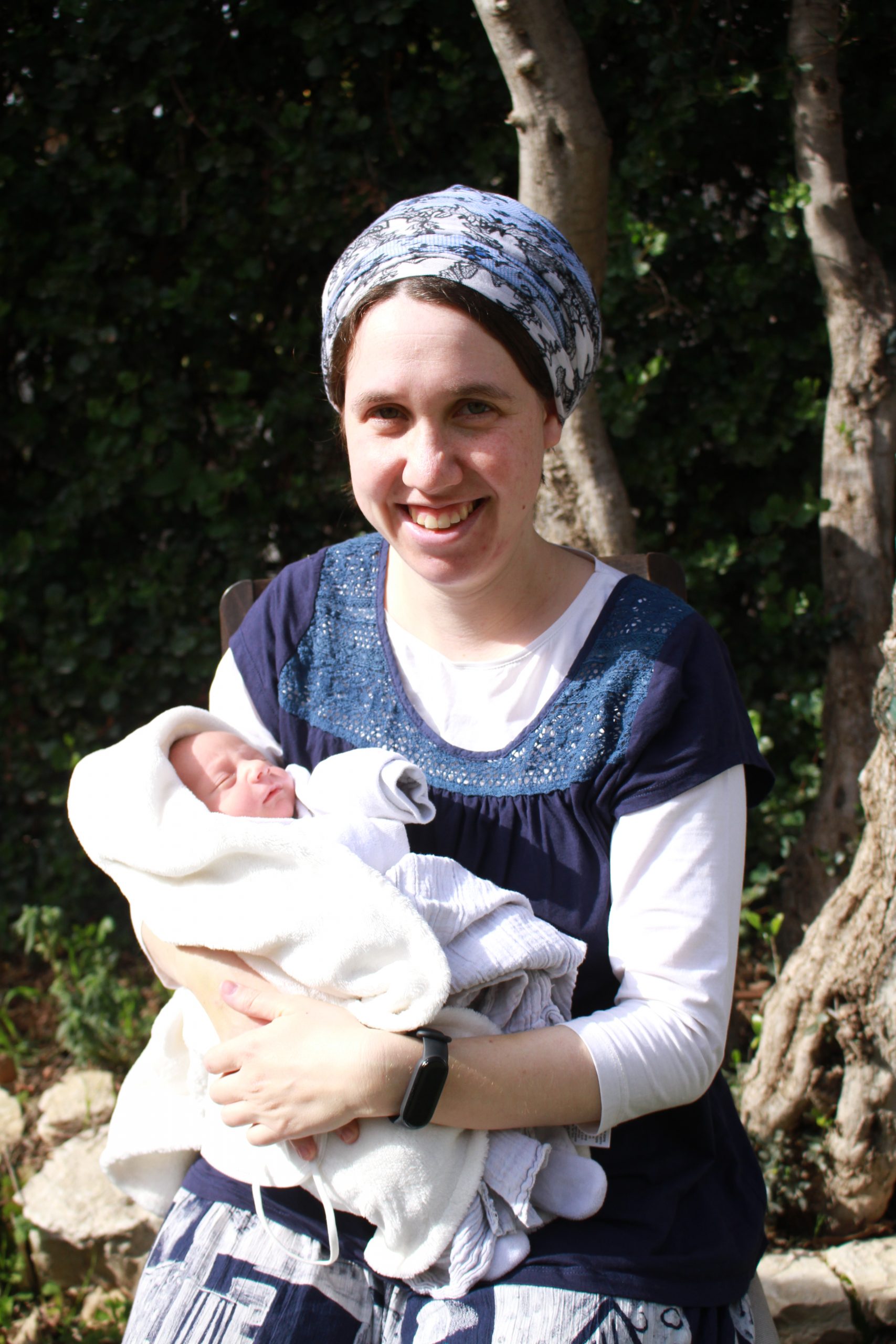
בתחילת הסבב הנוכחי הצטברו אצלי תחושות שאני לא מבינה מספיק מהי ההלכה אותה אני מקיימת בכל יום. כמו כן, כאמא לבנות רציתי לתת להן מודל נשי של לימוד תורה
שתי הסיבות האלו הובילו אותי להתחיל ללמוד. נתקלתי בתגובות מפרגנות וסקרניות איך אישה לומדת גמרא..
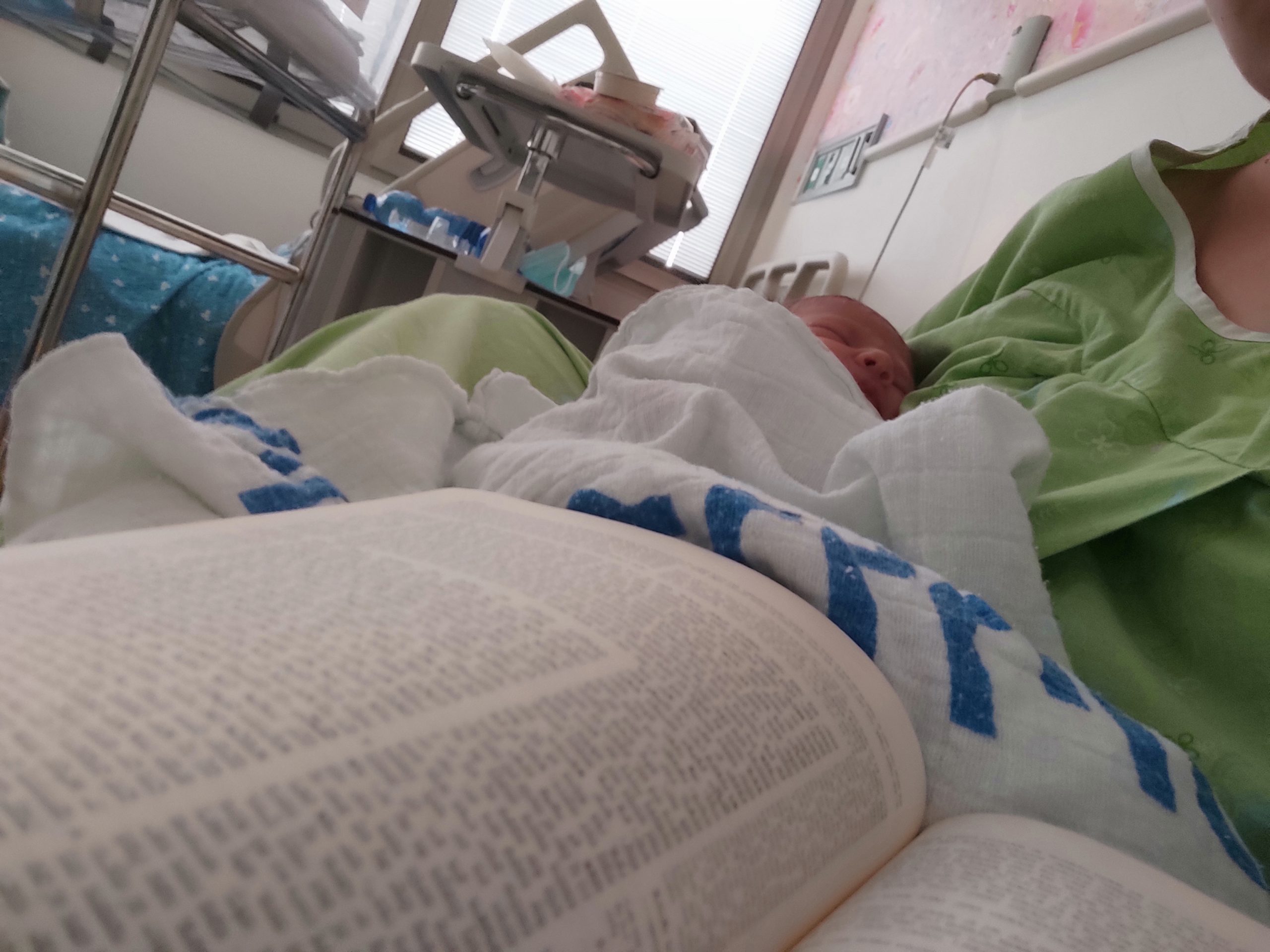
כמו שרואים בתמונה אני ממשיכה ללמוד גם היום ואפילו במחלקת יולדות אחרי לידת ביתי השלישית.

Noa Shiloh
נועה שילה

רבבה, ישראל

אני לומדת גמרא כעשור במסגרות שונות, ואת הדף היומי התחלתי כשחברה הציעה שאצטרף אליה לסיום בבנייני האומה. מאז אני לומדת עם פודקסט הדרן, משתדלת באופן יומי אך אם לא מספיקה, מדביקה פערים עד ערב שבת. בסבב הזה הלימוד הוא "ממעוף הציפור”, מקשיבה במהירות מוגברת תוך כדי פעילויות כמו בישול או נהיגה, וכך רוכשת היכרות עם הסוגיות ואופן ניתוחם על ידי חז”ל. בע”ה בסבב הבא, ואולי לפני, אצלול לתוכו באופן מעמיק יותר.

Yael Bir
יעל ביר

רמת גן, ישראל

התחלתי בתחילת הסבב, והתמכרתי. זה נותן משמעות נוספת ליומיום ומאוד מחזק לתת לזה מקום בתוך כל שגרת הבית-עבודה השוטפת.

Reut Abrahami
רעות אברהמי

בית שמש, ישראל

התחלתי ללמוד גמרא בבית הספר בגיל צעיר והתאהבתי. המשכתי בכך כל חיי ואף היייתי מורה לגמרא בבית הספר שקד בשדה אליהו (בית הספר בו למדתי בילדותי)בתחילת מחזור דף יומי הנוכחי החלטתי להצטרף ובע”ה מקווה להתמיד ולהמשיך. אני אוהבת את המפגש עם הדף את "דרישות השלום ” שמקבלת מקשרים עם דפים אחרים שלמדתי את הסנכרון שמתחולל בין התכנים.

Ariela Bigman
אריאלה ביגמן

מעלה גלבוע, ישראל

התחלתי ללמוד דף יומי לפני שנתיים, עם מסכת שבת. בהתחלה ההתמדה היתה קשה אבל בזכות הקורונה והסגרים הצלחתי להדביק את הפערים בשבתות הארוכות, לסיים את מסכת שבת ולהמשיך עם המסכתות הבאות. עכשיו אני מסיימת בהתרגשות רבה את מסכת חגיגה וסדר מועד ומחכה לסדר הבא!

Ilana-Shachnowitz
אילנה שכנוביץ

מודיעין, ישראל

התחלתי ללמוד דף יומי כאשר קיבלתי במייל ממכון שטיינזלץ את הדפים הראשונים של מסכת ברכות במייל. קודם לא ידעתי איך לקרוא אותם עד שנתתי להם להדריך אותי. הסביבה שלי לא מודעת לעניין כי אני לא מדברת על כך בפומבי. למדתי מהדפים דברים חדשים, כמו הקשר בין המבנה של בית המקדש והמשכן לגופו של האדם (יומא מה, ע”א) והקשר שלו למשפט מפורסם שמופיע בספר ההינדי "בהגוד-גיתא”. מתברר שזה רעיון כלל עולמי ולא רק יהודי

Elena Arenburg
אלנה ארנבורג

נשר, ישראל

למדתי גמרא מכיתה ז- ט ב Maimonides School ואחרי העליה שלי בגיל 14 לימוד הגמרא, שלא היה כל כך מקובל בימים אלה, היה די ספוראדי. אחרי "ההתגלות” בבנייני האומה התחלתי ללמוד בעיקר בדרך הביתה למדתי מפוקקטסים שונים. לאט לאט ראיתי שאני תמיד חוזרת לרבנית מישל פרבר. באיזה שהוא שלב התחלתי ללמוד בזום בשעה 7:10 .
היום "אין מצב” שאני אתחיל את היום שלי ללא לימוד עם הרבנית מישל עם כוס הקפה שלי!!

selfie-scaled
דבי גביר

חשמונאים, ישראל

הצטרפתי ללומדות בתחילת מסכת תענית. ההתרגשות שלי ושל המשפחה היתה גדולה מאוד, והיא הולכת וגוברת עם כל סיום שאני זוכה לו. במשך שנים רבות רציתי להצטרף ומשום מה זה לא קרה… ב”ה מצאתי לפני מספר חודשים פרסום של הדרן, ומיד הצטרפתי והתאהבתי. הדף היומי שינה את חיי ממש והפך כל יום- ליום של תורה. מודה לכן מקרב ליבי ומאחלת לכולנו לימוד פורה מתוך אהבת התורה ולומדיה.

Noa Rosen
נעה רוזן

חיספין רמת הגולן, ישראל

אחרי שראיתי את הסיום הנשי של הדף היומי בבנייני האומה זה ריגש אותי ועורר בי את הרצון להצטרף. לא למדתי גמרא קודם לכן בכלל, אז הכל היה לי חדש, ולכן אני לומדת בעיקר מהשיעורים פה בהדרן, בשוטנשטיין או בחוברות ושיננתם.

Rebecca Schloss
רבקה שלוס

בית שמש, ישראל

נדרים סט

שָׁמַע אָבִיהָ וְהֵפֵר לָהּ, וְלֹא הִסְפִּיק הַבַּעַל לִשְׁמוֹעַ עַד שֶׁמֵּת — חוֹזֵר הָאָב וּמֵפֵר חֶלְקוֹ שֶׁל בַּעַל. אָמַר רַבִּי נָתָן: הֵן הֵן דִּבְרֵי בֵּית שַׁמַּאי. בֵּית הִלֵּל אוֹמְרִים: אֵין יָכוֹל לְהָפֵר.

If her father heard and nullified the vow for her, and the husband did not manage to hear of the vow before he died, the father may go back and nullify the husband’s portion, and that will complete the nullification of her vow. Rabbi Natan said: This last ruling is the statement of Beit Shammai, but Beit Hillel say that he cannot nullify only the husband’s share of the vow but must also nullify his own share again.

שְׁמַע מִינַּהּ: לְבֵית שַׁמַּאי מִיגָּז גָּיֵיז, לְבֵית הִלֵּל מִקְלָשׁ קָלֵישׁ. שְׁמַע מִינַּהּ.

Having completed its citation of the baraita, the Gemara now states its proof: Conclude from this that, according to the opinion of Beit Shammai, whoever nullifies the vow first completely severs his half of the vow, and therefore the father needed only to nullify the part left by the husband. However, according to the opinion of Beit Hillel, his nullification weakens the general force of the vow, so the father’s subsequent nullification must address the whole vow. The Gemara rules: Conclude from this baraita that the husband’s nullification weakens the general force of the vow, as the halakha is in accordance with Beit Hillel.

בָּעֵי רָבָא: יֵשׁ שְׁאֵלָה בְּהָקֵם, אוֹ אֵין שְׁאֵלָה בְּהָקֵם? אִם תִּמְצָא לוֹמַר יֵשׁ שְׁאֵלָה בְּהָקֵם: יֵשׁ שְׁאֵלָה בְּהָפֵר, אוֹ אֵין שְׁאֵלָה בְּהָפֵר?

§ Rava raises a dilemma: Is there the possibility of a request to a halakhic authority about dissolving the ratification of one’s wife’s vow, or is there no possibility of a request to a halakhic authority about dissolving his ratification of one’s wife’s vow? One might seek to dissolve one’s ratification if he now desires to nullify the vow. Furthermore, if you say that there is the possibility of a request to dissolve his ratification, is there the possibility of a request to a halakhic authority about dissolving nullification of his wife’s vow, to allow him to ratify the vow in place of nullifying it? Or is there no possibility of a request to dissolve the nullification of his wife’s vow?

תָּא שְׁמַע דְּאָמַר רַבִּי יוֹחָנָן: נִשְׁאָלִין עַל הֶהָקֵם, וְאֵין נִשְׁאָלִין עַל הֶהָפֵר.

The Gemara answers: Come and hear that which Rabbi Yoḥanan says: A halakhic authority may be requested to dissolve ratification of one’s wife’s vow but may not be requested to dissolve nullification.

בָּעֵי רַבָּה: ״קַיָּים לִיכִי, קַיָּים לִיכִי״, וְנִשְׁאַל עַל הֲקָמָה רִאשׁוֹנָה, מַהוּ?

Rabba asks: If, after hearing one’s wife or one’s daughter’s vow, one said: It is ratified for you, it is ratified for you, and then a halakhic authority was requested about the first ratification and dissolved it, but one did not request dissolution of the second ratification, what is the halakha? Is the second ratification in force, or is it irrelevant, as it was performed on an vow that was already ratified and consequently never took effect?

תָּא שְׁמַע, דְּאָמַר רָבָא: אִם נִשְׁאַל עַל הָרִאשׁוֹנָה — שְׁנִיָּה חָלָה עָלָיו. בָּעֵי רַבָּה: ״קַיָּים לִיכִי, וּמוּפָר לִיכִי, וְלָא תֵּיחוּל הֲקָמָה אֶלָּא אִם כֵּן חָלָה הֲפָרָה״, מַהוּ?

The Gemara answers: Come and hear that which Rava said with regard to one who said: I take an oath that I will not eat, I take an oath that I will not eat: If a halakhic authority was requested to dissolve the first oath and dissolved it, the second oath goes into effect for him. Similarly, the second ratification goes into effect. Rabba further asks: If he said to her: The vow is ratified for you and nullified for you, and the ratification will not take effect unless the nullification takes effect, what is the halakha?

תָּא שְׁמַע מִפְּלוּגְתָּא דְּרַבִּי מֵאִיר וְרַבִּי יוֹסֵי. דִּתְנַן: ״הֲרֵי זוֹ תְּמוּרַת עוֹלָה תְּמוּרַת שְׁלָמִים״ — הֲרֵי זוֹ תְּמוּרַת עוֹלָה, דִּבְרֵי רַבִּי מֵאִיר. וְרַבִּי יוֹסֵי אוֹמֵר: אִם לְכָךְ נִתְכַּוֵּין מִתְּחִלָּה, הוֹאִיל וְאִי אֶפְשָׁר לִקְרוֹת שְׁנֵי שֵׁמוֹת כְּאֶחָד — דְּבָרָיו קַיָּימִין.

The Gemara answers: Come and hear a resolution of this dilemma from the dispute between Rabbi Meir and Rabbi Yosei, as we learned in a mishna (Temura 25b): If one said about an animal: This is hereby a substitute for a burnt-offering, a substitute for a peace-offering, the halakha is that it becomes a substitute only for a burnt-offering; this is the statement of Rabbi Meir, who holds that one’s initial statement is determinant. And Rabbi Yosei says: If this is what he intended from the outset, that it should be a substitute for both a burnt-offering and a peace-offering, then since it is impossible to give it two names at once and he could not have said burnt-offering and peace-offering simultaneously, his statement is effective, and the animal is a substitute for both of them at once. Similarly, it is possible for him to intend to both ratify and nullify the vow and the vow is nullified, despite the fact that his first statement was to ratify it.

וַאֲפִילּוּ רַבִּי מֵאִיר לָא קָאָמַר, דְּלָא אָמַר ״לָא תֵּיחוּל זוֹ אֶלָּא אִם כֵּן חָלָה זוֹ״, אֲבָל הָכָא דְּאָמַר ״לֹא תֵּיחוּל הֲקָמָה אֶלָּא אִם כֵּן חָלָה הֲפָרָה״ — רַבִּי מֵאִיר נָמֵי מוֹדֶה דַּהֲפָרָה חָלָה.

The Gemara adds: And even Rabbi Meir says that the first part of one’s statement is determinant only where he did not state: This will not take effect unless this also takes effect. Here, however, where he expressly said: The ratification of the vow will not take effect unless the nullification takes effect, even Rabbi Meir concedes that the nullification takes effect.

בָּעֵי רַבָּה: ״קַיָּים וּמוּפָר לִיכִי״ בְּבַת אַחַת, מַהוּ? תָּא שְׁמַע דְּאָמַר רַבָּה: כׇּל דָּבָר שֶׁאֵינוֹ בְּזֶה אַחַר זֶה, אֲפִילּוּ בְּבַת אַחַת אֵינוֹ.

Rabba further asks: If he said: It is ratified and nullified for you simultaneously, what is the halakha? The Gemara answers: Come and hear that which Rabba himself said: Any two halakhic statuses that one is not able to implement sequentially are not realized even when one attempts to bring them about simultaneously. Since one cannot ratify a vow and subsequently nullify it, one can also not ratify and nullify a vow simultaneously.

בָּעֵי רַבָּה: ״קַיָּים לִיכִי הַיּוֹם״, מַהוּ? מִי אָמְרִינַן: כְּמַאן דַּאֲמַר לַהּ ״מוּפָר לִיכִי לְמָחָר״, אוֹ דִלְמָא הָא לָא אֲמַר לַהּ?

Rabba raises another dilemma: If one says to his wife or daughter: Your vow is ratified for you today, what is the halakha? Do we say that he is like one who said to her: It is nullified for you tomorrow? Or perhaps, since he did not explicitly say to her that the vow is nullified, it remains in force.

רוצה לעקוב אחרי התכנים ולהמשיך ללמוד?

ביצירת חשבון עוד היום ניתן לעקוב אחרי ההתקדמות שלך, לסמן מה למדת, ולעקוב אחרי השיעורים שמעניינים אותך.

לנקות את כל הפריטים מהרשימה?

פעולה זו תסיר את כל הפריטים בחלק זה כולל ההתקדמות וההיסטוריה. שימי לב: לא ניתן לשחזר פעולה זו.

ביטול
מחיקה

האם את/ה בטוח/ה שברצונך למחוק פריט זה?

תאבד/י את כל ההתקדמות או ההיסטוריה הקשורות לפריט זה.

ביטול
מחיקה