חיפוש

נדרים עג

רוצה להקדיש לימוד?

podcast placeholder

0:00
0:00


תקציר

הדף היום מוקדש ע”י קטריאלה פרידמן לע”נ אמה, פרידה בת פרומה בציון 5 שנים לפטירתה.

אם אפשר להפר אפילו נדרים שלא שמעו, האם חרש יכול להפר נדרים – האם הוא צריך להיות מסוגל לשמוע גם אם לא שמע בפועל או ששמיעה לא חשובה בכלל? האם בעל יכול להפר את נדריהם של שתי נשים בו זמנית – או אב שתי בנות? התשובות לשתי השאלות הללו נלמדות מלשון התורה. רבי אליעזר סובר שאשה שהגיעה לשלב של בוגרת או שהמתינה את הזמן שלאחר האירוסין כשהבעל כבר לוקח על עצמו אחריות כלכלית, הוא יכול להפר את נדריה בעצמו (בלי האב). חכמים חולקים ומתירים הפרה רק לאחר הנישואין. רבה אומר שרבי אליעזר תואם את דעת ה’משנה ראשונה’ בכתובות נז שקובע שאחרי שנים עשר חודשי אירוסין, אשה מאורסת מקבלת מבעלה מזונות ואם היא ארוסה לכהן יכולה לאכול תרומה. אביי לא מסכים ומסביר מדוע שני הנושאים אינם קשורים בהכרח.

נדרים עג

הָכָא נָמֵי, דְּאָמַר לֵיהּ: לְכִי שָׁמַעְנָא מֵיפַר לַהּ. לְכִי שָׁמַע לֵיפַר לַהּ? הוּא סָבַר: דִּלְמָא מִטְּרִידְנָא.

The Gemara rejects this conclusion as well: Here too, it is a case in which the husband says to the steward: When I hear the vow, then it will be nullified for her. The Gemara asks: Let him nullify the vows for her when he actually hears them. Why do so earlier? The Gemara answers: He reasons: Perhaps I will be preoccupied at that moment and will forget to nullify them. The question pertaining to nullification of vows without hearing them is left unresolved.

בָּעֵי רָמֵי בַּר חָמָא: חֵרֵשׁ, מַהוּ שֶׁיָּפֵר לְאִשְׁתּוֹ? אִם תִּמְצָא לוֹמַר בַּעַל מֵיפֵר בְּלֹא שְׁמִיעָה — מִשּׁוּם דְּבַר מִישְׁמַע הוּא, אֲבָל חֵרֵשׁ דְּלָאו בַּר מִישְׁמַע הוּא, הַיְינוּ דְּרַבִּי זֵירָא.

§ Rami bar Ḥama asks: With regard to a deaf man, what is the halakha with regard to his nullifying vows for his wife? If you say that a husband who is not deaf can nullify a vow without hearing it, then perhaps this is because he is capable of hearing. But with regard to a deaf man, who is not capable of hearing, perhaps this is an application of the principle derived from the statement of Rabbi Zeira.

דְּאָמַר רַבִּי זֵירָא: כׇּל הָרָאוּי לְבִילָּה — אֵין בִּילָּה מְעַכֶּבֶת בּוֹ, וְכֹל שֶׁאֵין רָאוּי לְבִילָּה — בִּילָּה מְעַכֶּבֶת בּוֹ.

As Rabbi Zeira said: For any amount of flour suitable for mingling with oil in a meal-offering, mingling is not indispensable for it. Even though it is a mitzva to mingle the flour and oil ab initio, if they were not mingled, the meal-offering is still valid. But for any amount of flour not suitable for mingling, mingling is indispensable for it, and such a meal-offering is invalid. The principle is: Ab initio requirements prevent the fulfillment of a mitzva in situations where they are not merely absent but impossible. In this case, the deaf man does not merely not hear the vow, it is impossible for him to do so.

אוֹ דִלְמָא: ״וְשָׁמַע אִישָׁהּ״ לָא מְעַכֵּב. אָמַר רָבָא: תָּא שְׁמַע ״וְשָׁמַע אִישָׁהּ״ — פְּרָט לְאֵשֶׁת חֵרֵשׁ. שְׁמַע מִינַּהּ.

Or perhaps the phrase “and her husband hears it” (Numbers 30:8) does not mean that hearing is indispensable to the nullification of a vow, so that even a deaf man can nullify his wife’s vows. Rava said: Come and hear a baraita interpreting that verse: “And her husband hears it”; this excludes the wife of a deaf man. The Gemara concludes: Learn from this baraita that a deaf man cannot nullify his wife’s vows.

אִיבַּעְיָא לְהוּ: בַּעַל, מַהוּ שֶׁיָּפֵר לִשְׁתֵּי נָשָׁיו בְּבַת אַחַת? ״אוֹתָהּ״ דַּוְקָא, אוֹ לָאו דַּוְקָא?

§ A dilemma was raised before the Sages: Concerning a husband, what is the halakha with regard to nullifying vows for his two wives simultaneously? Do the words “but if her husband disallows her on the day that he hears it, and he nullifies her vow which is upon her” (Numbers 30:9), stated in the singular, refer specifically to one wife? Or, perhaps it does not refer specifically to one wife, and a husband can nullify the vows of more than one wife simultaneously.

אָמַר רָבִינָא, תָּא שְׁמַע: אֵין מַשְׁקִין שְׁתֵּי סוֹטוֹת כְּאַחַת, מִפְּנֵי שֶׁלִּבָּהּ גַּס בַּחֲבֶירְתָּהּ.

Ravina said: Come and hear a baraita: In the sota ritual, performed by women suspected by their husbands of having committed adultery, two sota women are not given to drink the bitter waters as one. This is because the heart of each becomes emboldened [gas] in the presence of the other woman, and if one is guilty she will lack the humility to confess.

רַבִּי יְהוּדָה אוֹמֵר: לֹא מִן הַשֵּׁם הוּא זֶה, אֶלָּא מִשּׁוּם שֶׁנֶּאֱמַר ״וְהִשְׁקָהּ״ — אוֹתָהּ, לְבַדָּהּ.

Rabbi Yehuda says: This is not for that reason [lo min hashem hu zeh], but because it is stated: “And he shall make her drink” (Numbers 5:27), which indicates her by herself. Similarly, the words “disallows her” (Numbers 30:9) should be read as referring specifically to a single woman, indicating that a man cannot nullify the vows of two wives simultaneously.

מַתְנִי׳ בּוֹגֶרֶת שֶׁשָּׁהֲתָה שְׁנֵים עָשָׂר חֹדֶשׁ, וְאַלְמָנָה שְׁלֹשִׁים יוֹם, רַבִּי אֱלִיעֶזֶר אוֹמֵר: הוֹאִיל וּבַעְלָהּ חַיָּיב בִּמְזוֹנוֹתֶיהָ — יָפֵר. וַחֲכָמִים אוֹמְרִים: אֵין הַבַּעַל מֵיפֵר עַד שֶׁתִּכָּנֵס לִרְשׁוּתוֹ.

MISHNA: With regard to a grown woman who waited twelve months after her betrothal and the time arrived for her betrothed to marry her, or a widow who waited thirty days and the time arrived for her betrothed to marry her, Rabbi Eliezer says: Since her husband is already obligated to provide for her sustenance, as he is obligated to have married her by then, he can nullify her vows by himself, as if he were fully married to her. But the Rabbis say: The husband does not nullify her vows on his own until she enters his jurisdiction.

גְּמָ׳ אָמַר רַבָּה: רַבִּי אֱלִיעֶזֶר וּמִשְׁנָה רִאשׁוֹנָה אָמְרוּ דָּבָר אֶחָד. דִּתְנַן: נוֹתְנִין לַבְּתוּלָה שְׁנֵים עָשָׂר חֹדֶשׁ לְפַרְנֵס עַצְמָהּ. הִגִּיעַ שְׁנֵים עָשָׂר חֹדֶשׁ — אוֹכֶלֶת מִשֶּׁלּוֹ, וְאוֹכֶלֶת בִּתְרוּמָה. אֲבָל הַיָּבָם אֵינוֹ מַאֲכִיל בִּתְרוּמָה.

GEMARA: Rabba says: Rabbi Eliezer and the initial version of the mishna said the same thing, as we learned in a mishna (Ketubot 57a): A virgin is given twelve months from the time of her betrothal to prepare herself, i.e., to prepare her trousseau. If the end of the twelve-month period arrived, even if he has not married her, she partakes of his food, i.e., he is obligated to provide for her. And if she was betrothed to a priest, she partakes of teruma like a priest’s wife. However, a man, i.e., a priest, whose married brother died childless [yavam], does not enable the woman awaiting levirate marriage to him to partake of teruma until they are actually married.

עָשְׂתָה שִׁשָּׁה חֳדָשִׁים בִּפְנֵי הַבַּעַל, וְשִׁשָּׁה חֳדָשִׁים בִּפְנֵי הַיָּבָם, וַאֲפִילּוּ כּוּלָּן בִּפְנֵי הַבַּעַל חָסֵר יוֹם אֶחָד, אוֹ כּוּלָּן בִּפְנֵי הַיָּבָם חָסֵר יוֹם אֶחָד — אֵינָהּ אוֹכֶלֶת בִּתְרוּמָה. זוֹ מִשְׁנָה רִאשׁוֹנָה. בֵּית דִּין שֶׁל אַחֲרֵיהֶם אָמְרוּ: אֵין הָאִשָּׁה אוֹכֶלֶת בִּתְרוּמָה עַד שֶׁתִּכָּנֵס לַחוּפָּה.

If the woman completed six months of awaiting marriage under the aegis of the husband, and he died, and then she completed six months under the aegis of the yavam; or even if she completed all of those months under the aegis of the husband, less one day; or all of them under the aegis of the yavam less one day, she may not partake of teruma. This is the initial version of the mishna. However, a court that convened after them, in a later generation, said: The woman may not partake of teruma until she enters the marriage canopy, thereby finalizing the marriage. Rabbi Eliezer’s opinion that her husband can nullify her vows after the completion of the period allotted after the betrothal follows the initial version, which requires the husband to support her from that point forward.

אֲמַר לֵיהּ אַבָּיֵי, דִּלְמָא לָא הִיא: עַד כָּאן לָא קָא אַשְׁמְעִינַן מִשְׁנָה רִאשׁוֹנָה אֶלָּא לְמֵיכַל בִּתְרוּמָה דְּרַבָּנַן. אֲבָל נְדָרִים דְּאוֹרָיְיתָא — אֵימָא לָא.

Abaye said to him: Perhaps it is not so. The initial version of the mishna teaches us only about the permissibility of her partaking of teruma whose status is by rabbinic law, but with regard to vows, whose prohibitions have the force of Torah law, say that her betrothed cannot nullify them.

וְעַד כָּאן לָא שָׁמְעַתְּ לֵיהּ לְרַבִּי אֱלִיעֶזֶר אֶלָּא גַּבֵּי נְדָרִים, כִּדְרַב פִּנְחָס מִשְּׁמֵיהּ דְּרָבָא דְּאָמַר כׇּל הַנּוֹדֶרֶת עַל דַּעַת בַּעְלָהּ הִיא נוֹדֶרֶת. אֲבָל תְּרוּמָה — אֲפִילּוּ מִדְּרַבָּנַן נָמֵי לָא אָכְלָה.

And perhaps you did not hear Rabbi Eliezer state his opinion that a betrothed woman is regarded as married only with regard to vows. Perhaps Rabbi Eliezer holds like that which Rav Pineḥas said in the name of Rava, who said: Any woman who takes a vow, takes a vow contingent upon the consent of her husband, since he provides her sustenance. Perhaps Rabbi Eliezer grants her betrothed authority over her vows only because she vows with his consent in mind, since he is now obligated to provide for her. But with regard to teruma, Rabbi Eliezer might hold that even if it is teruma by rabbinic law, she may not partake of it.

חדשה בלימוד הגמרא?

זה הדף הראשון שלך? איזו התרגשות עצומה! יש לנו בדיוק את התכנים והכלים שיעזרו לך לעשות את הצעדים הראשונים ללמידה בקצב וברמה שלך, כך תוכלי להרגיש בנוח גם בתוך הסוגיות המורכבות ומאתגרות.

פסיפס הלומדות שלנו

גלי את קהילת הלומדות שלנו, מגוון נשים, רקעים וסיפורים. כולן חלק מתנועה ומסע מרגש ועוצמתי.

כבר סיפרתי בסיום של מועד קטן.
הלימוד מאוד משפיעה על היום שלי כי אני לומדת עם רבנית מישל על הבוקר בזום. זה נותן טון לכל היום – בסיס למחשבות שלי .זה זכות גדול להתחיל את היום בלימוד ובתפילה. תודה רבה !

שרה-ברלוביץ
שרה ברלוביץ

ירושלים, ישראל

הצטרפתי ללומדות בתחילת מסכת תענית. ההתרגשות שלי ושל המשפחה היתה גדולה מאוד, והיא הולכת וגוברת עם כל סיום שאני זוכה לו. במשך שנים רבות רציתי להצטרף ומשום מה זה לא קרה… ב”ה מצאתי לפני מספר חודשים פרסום של הדרן, ומיד הצטרפתי והתאהבתי. הדף היומי שינה את חיי ממש והפך כל יום- ליום של תורה. מודה לכן מקרב ליבי ומאחלת לכולנו לימוד פורה מתוך אהבת התורה ולומדיה.

Noa Rosen
נעה רוזן

חיספין רמת הגולן, ישראל

התחלתי ללמוד דף לפני קצת יותר מ-5 שנים, כשלמדתי רבנות בישיבת מהר”ת בניו יורק. בדיעבד, עד אז, הייתי בלימוד הגמרא שלי כמו מישהו שאוסף חרוזים משרשרת שהתפזרה, פה משהו ושם משהו, ומאז נפתח עולם ומלואו…. הדף נותן לי לימוד בצורה מאורגנת, שיטתית, יום-יומית, ומלמד אותי לא רק ידע אלא את השפה ודרך החשיבה שלנו. לשמחתי, יש לי סביבה תומכת וההרגשה שלי היא כמו בציטוט שבחרתי: הדף משפיע לטובה על כל היום שלי.

Michal Kahana
מיכל כהנא

חיפה, ישראל

התחלתי ללמוד דף יומי שהתחילו מסכת כתובות, לפני 7 שנים, במסגרת קבוצת לימוד שהתפרקה די מהר, ומשם המשכתי לבד בתמיכת האיש שלי. נעזרתי בגמרת שטיינזלץ ובשיעורים מוקלטים.
הסביבה מאד תומכת ואני מקבלת המון מילים טובות לאורך כל הדרך. מאז הסיום הגדול יש תחושה שאני חלק מדבר גדול יותר.
אני לומדת בשיטת ה”7 דפים בשבוע” של הרבנית תרצה קלמן – כלומר, לא נורא אם לא הצלחת ללמוד כל יום, העיקר שגמרת ארבעה דפים בשבוע

Rachel Goldstein
רחל גולדשטיין

עתניאל, ישראל

התחלתי ללמוד דף יומי ממסכת נידה כי זה היה חומר הלימוד שלי אז. לאחר הסיום הגדול בבנייני האומה החלטתי להמשיך. וב”ה מאז עם הפסקות קטנות של קורונה ולידה אני משתדלת להמשיך ולהיות חלק.

זה משפיע מאוד על היום יום שלי ועל אף שאני עסוקה בלימודי הלכה ותורה כל יום, זאת המסגרת הקבועה והמחייבת ביותר שיש לי.

Moriah Taesan Michaeli
מוריה תעסן מיכאלי

גבעת הראל, ישראל

התחלתי לפני כמה שנים אבל רק בסבב הזה זכיתי ללמוד יום יום ולסיים מסכתות

Sigal Tel
סיגל טל

רעננה, ישראל

אחי, שלומד דף יומי ממסכת ברכות, חיפש חברותא ללימוד מסכת ראש השנה והציע לי. החברותא היתה מאתגרת טכנית ורוב הזמן נעשתה דרך הטלפון, כך שבסיום המסכת נפרדו דרכינו. אחי חזר ללמוד לבד, אבל אני כבר נכבשתי בקסם הגמרא ושכנעתי את האיש שלי להצטרף אלי למסכת ביצה. מאז המשכנו הלאה, ועכשיו אנחנו מתרגשים לקראתו של סדר נשים!

Shulamit Saban
שולמית סבן

נוקדים, ישראל

התחלתי ללמוד דף יומי לפני שנתיים, עם מסכת שבת. בהתחלה ההתמדה היתה קשה אבל בזכות הקורונה והסגרים הצלחתי להדביק את הפערים בשבתות הארוכות, לסיים את מסכת שבת ולהמשיך עם המסכתות הבאות. עכשיו אני מסיימת בהתרגשות רבה את מסכת חגיגה וסדר מועד ומחכה לסדר הבא!

Ilana-Shachnowitz
אילנה שכנוביץ

מודיעין, ישראל

התחלתי ללמוד את הדף היומי מעט אחרי שבני הקטן נולד. בהתחלה בשמיעה ולימוד באמצעות השיעור של הרבנית שפרבר. ובהמשך העזתי וקניתי לעצמי גמרא. מאז ממשיכה יום יום ללמוד עצמאית, ולפעמים בעזרת השיעור של הרבנית, כל יום. כל סיום של מסכת מביא לאושר גדול וסיפוק. הילדים בבית נהיו חלק מהלימוד, אני משתפת בסוגיות מעניינות ונהנית לשמוע את דעתם.

Eliraz Blau
אלירז בלאו

מעלה מכמש, ישראל

התחלתי בתחילת הסבב, והתמכרתי. זה נותן משמעות נוספת ליומיום ומאוד מחזק לתת לזה מקום בתוך כל שגרת הבית-עבודה השוטפת.

Reut Abrahami
רעות אברהמי

בית שמש, ישראל

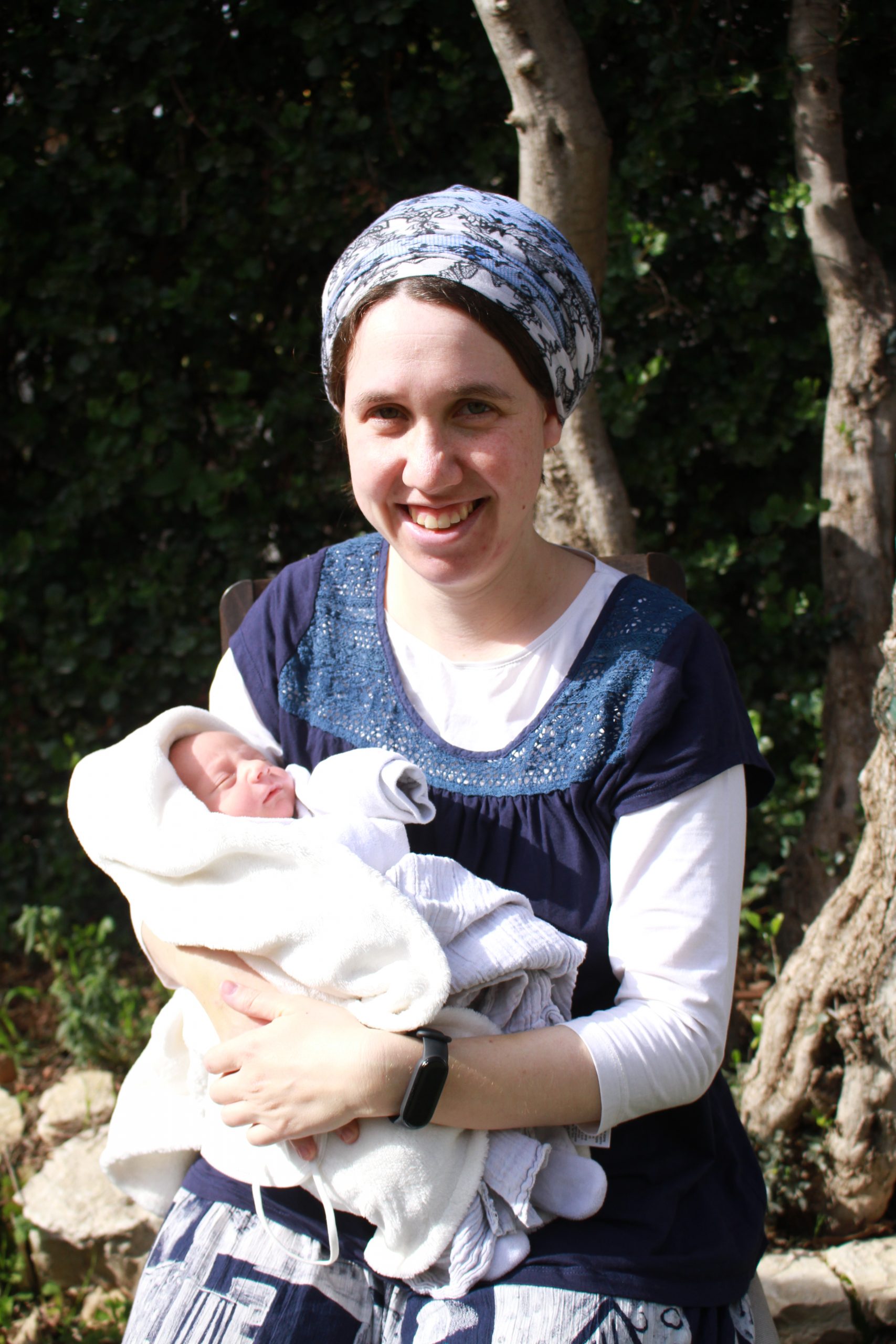
בתחילת הסבב הנוכחי הצטברו אצלי תחושות שאני לא מבינה מספיק מהי ההלכה אותה אני מקיימת בכל יום. כמו כן, כאמא לבנות רציתי לתת להן מודל נשי של לימוד תורה
שתי הסיבות האלו הובילו אותי להתחיל ללמוד. נתקלתי בתגובות מפרגנות וסקרניות איך אישה לומדת גמרא..
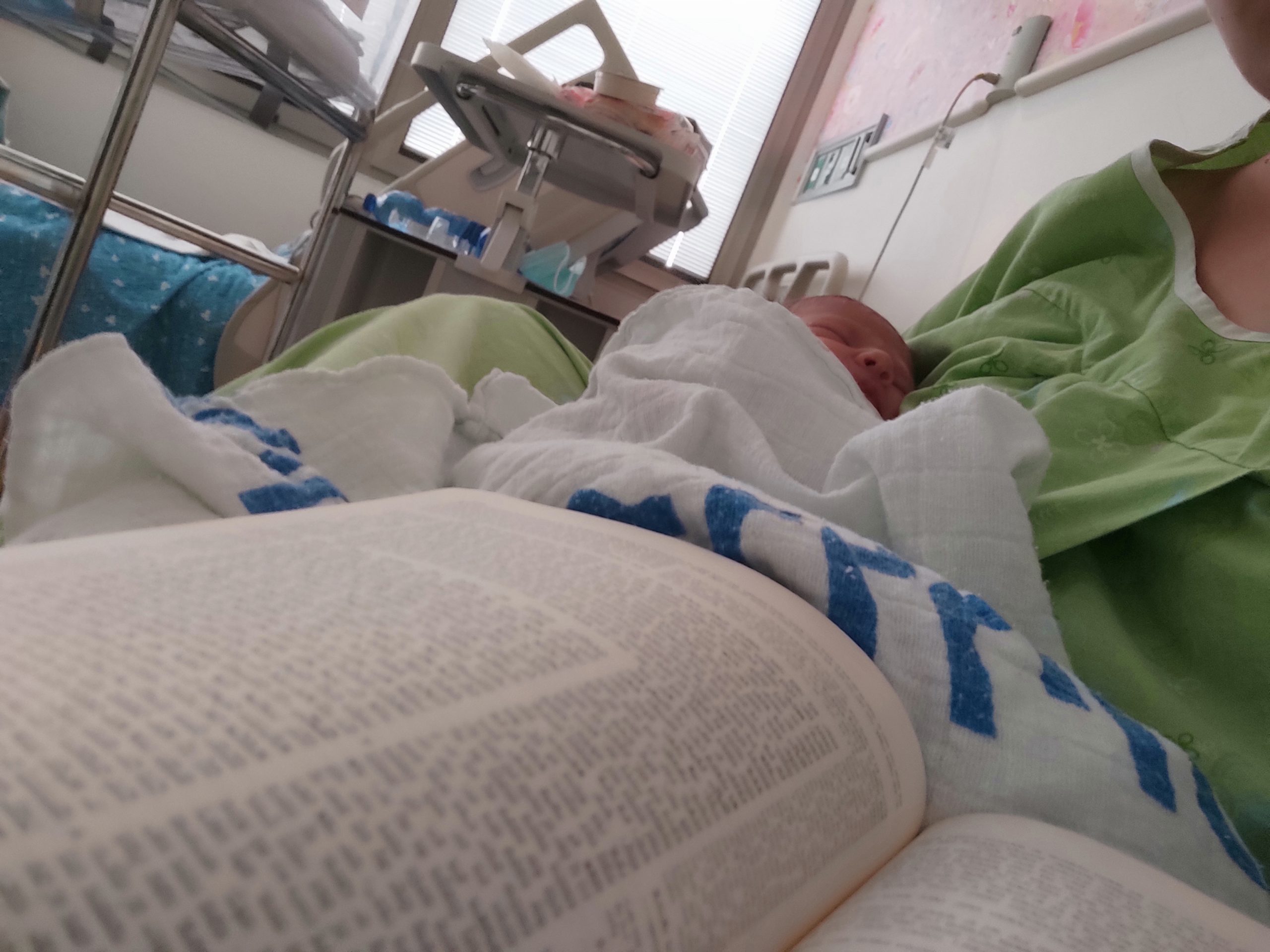
כמו שרואים בתמונה אני ממשיכה ללמוד גם היום ואפילו במחלקת יולדות אחרי לידת ביתי השלישית.

Noa Shiloh
נועה שילה

רבבה, ישראל

התחלתי ללמוד דף יומי לפני שנתיים, עם מסכת שבת. בהתחלה ההתמדה היתה קשה אבל בזכות הקורונה והסגרים הצלחתי להדביק את הפערים בשבתות הארוכות, לסיים את מסכת שבת ולהמשיך עם המסכתות הבאות. עכשיו אני מסיימת בהתרגשות רבה את מסכת חגיגה וסדר מועד ומחכה לסדר הבא!

Ilana-Shachnowitz
אילנה שכנוביץ

מודיעין, ישראל

. לא תמיד נהניתי מלימוד גמרא כילדה.,בל כהתבגרתי התחלתי לאהוב את זה שוב. התחלתי ללמוד מסכת סוטה בדף היומי לפני כחמש עשרה שנה ואז הפסקתי.הגעתי לסיום הגדול של הדרן לפני שנתיים וזה נתן לי השראה. והתחלתי ללמוד למשך כמה ימים ואז היתה לי פריצת דיסק והפסקתי…עד אלול השנה. אז התחלתי עם מסכת ביצה וב”ה אני מצליחה לעמוד בקצב. המשפחה מאוד תומכת בי ויש כמה שגם לומדים את זה במקביל. אני אוהבת שיש עוגן כל יום.

Rebecca Darshan
רבקה דרשן

בית שמש, ישראל

ראיתי את הסיום הגדול בבנייני האומה וכל כך התרשמתי ורציתי לקחת חלק.. אבל לקח לי עוד כשנה וחצי )באמצע מסיכת שבת להצטרף..
הלימוד חשוב לי מאוד.. אני תמיד במרדף אחרי הדף וגונבת כל פעם חצי דף כשהילדים עסוקים ומשלימה אח”כ אחרי שכולם הלכו לישון..

Olga Mizrahi
אולגה מזרחי

ירושלים, ישראל

שמעתי על הסיום הענק של הדף היומי ע”י נשים בבנייני האומה. רציתי גם.
החלטתי להצטרף. התחלתי ושיכנעתי את בעלי ועוד שתי חברות להצטרף. עכשיו יש לי לימוד משותף איתו בשבת ומפגש חודשי איתן בנושא (והתכתבויות תדירות על דברים מיוחדים שקראנו). הצטרפנו לקבוצות שונות בווטסאפ. אנחנו ממש נהנות. אני שומעת את השיעור מידי יום (בד”כ מהרב יוני גוטמן) וקוראת ומצטרפת לסיומים של הדרן. גם מקפידה על דף משלהן (ונהנית מאד).

Liat Citron
ליאת סיטרון

אפרת, ישראל

התחלתי ללמוד דף לפני קצת יותר מ-5 שנים, כשלמדתי רבנות בישיבת מהר”ת בניו יורק. בדיעבד, עד אז, הייתי בלימוד הגמרא שלי כמו מישהו שאוסף חרוזים משרשרת שהתפזרה, פה משהו ושם משהו, ומאז נפתח עולם ומלואו…. הדף נותן לי לימוד בצורה מאורגנת, שיטתית, יום-יומית, ומלמד אותי לא רק ידע אלא את השפה ודרך החשיבה שלנו. לשמחתי, יש לי סביבה תומכת וההרגשה שלי היא כמו בציטוט שבחרתי: הדף משפיע לטובה על כל היום שלי.

Michal Kahana
מיכל כהנא

חיפה, ישראל

אחרי שראיתי את הסיום הנשי של הדף היומי בבנייני האומה זה ריגש אותי ועורר בי את הרצון להצטרף. לא למדתי גמרא קודם לכן בכלל, אז הכל היה לי חדש, ולכן אני לומדת בעיקר מהשיעורים פה בהדרן, בשוטנשטיין או בחוברות ושיננתם.

Rebecca Schloss
רבקה שלוס

בית שמש, ישראל

לפני 15 שנה, אחרי עשרות שנים של "ג’ינגול” בין משפחה לקריירה תובענית בהייטק, הצטרפתי לשיעורי גמרא במתן רעננה. הלימוד המעמיק והייחודי של הרבנית אושרה קורן יחד עם קבוצת הנשים המגוונת הייתה חוויה מאלפת ומעשירה. לפני כשמונה שנים כאשר מחזור הדף היומי הגיע למסכת תענית הצטרפתי כ”חברותא” לבעלי. זו השעה היומית שלנו ביחד כאשר דפי הגמרא משתלבים בחיי היום יום, משפיעים ומושפעים, וכשלא מספיקים תמיד משלימים בשבת

Yodi Askoff
יודי אסקוף

רעננה, ישראל

התחלתי לפני כמה שנים אבל רק בסבב הזה זכיתי ללמוד יום יום ולסיים מסכתות

Sigal Tel
סיגל טל

רעננה, ישראל

בסוף הסבב הקודם ראיתי את השמחה הגדולה שבסיום הלימוד, בעלי סיים כבר בפעם השלישית וכמובן הסיום הנשי בבנייני האומה וחשבתי שאולי זו הזדמנות עבורי למשהו חדש.
למרות שאני שונה בסביבה שלי, מי ששומע על הלימוד שלי מפרגן מאוד.
אני מנסה ללמוד קצת בכל יום, גם אם לא את כל הדף ובסך הכל אני בדרך כלל עומדת בקצב.
הלימוד מעניק המון משמעות ליום יום ועושה סדר בלמוד תורה, שתמיד היה (ועדיין) שאיפה. אבל אין כמו קביעות

Racheli-Mendelson
רחלי מנדלסון

טל מנשה, ישראל

נדרים עג

הָכָא נָמֵי, דְּאָמַר לֵיהּ: לְכִי שָׁמַעְנָא מֵיפַר לַהּ. לְכִי שָׁמַע לֵיפַר לַהּ? הוּא סָבַר: דִּלְמָא מִטְּרִידְנָא.

The Gemara rejects this conclusion as well: Here too, it is a case in which the husband says to the steward: When I hear the vow, then it will be nullified for her. The Gemara asks: Let him nullify the vows for her when he actually hears them. Why do so earlier? The Gemara answers: He reasons: Perhaps I will be preoccupied at that moment and will forget to nullify them. The question pertaining to nullification of vows without hearing them is left unresolved.

בָּעֵי רָמֵי בַּר חָמָא: חֵרֵשׁ, מַהוּ שֶׁיָּפֵר לְאִשְׁתּוֹ? אִם תִּמְצָא לוֹמַר בַּעַל מֵיפֵר בְּלֹא שְׁמִיעָה — מִשּׁוּם דְּבַר מִישְׁמַע הוּא, אֲבָל חֵרֵשׁ דְּלָאו בַּר מִישְׁמַע הוּא, הַיְינוּ דְּרַבִּי זֵירָא.

§ Rami bar Ḥama asks: With regard to a deaf man, what is the halakha with regard to his nullifying vows for his wife? If you say that a husband who is not deaf can nullify a vow without hearing it, then perhaps this is because he is capable of hearing. But with regard to a deaf man, who is not capable of hearing, perhaps this is an application of the principle derived from the statement of Rabbi Zeira.

דְּאָמַר רַבִּי זֵירָא: כׇּל הָרָאוּי לְבִילָּה — אֵין בִּילָּה מְעַכֶּבֶת בּוֹ, וְכֹל שֶׁאֵין רָאוּי לְבִילָּה — בִּילָּה מְעַכֶּבֶת בּוֹ.

As Rabbi Zeira said: For any amount of flour suitable for mingling with oil in a meal-offering, mingling is not indispensable for it. Even though it is a mitzva to mingle the flour and oil ab initio, if they were not mingled, the meal-offering is still valid. But for any amount of flour not suitable for mingling, mingling is indispensable for it, and such a meal-offering is invalid. The principle is: Ab initio requirements prevent the fulfillment of a mitzva in situations where they are not merely absent but impossible. In this case, the deaf man does not merely not hear the vow, it is impossible for him to do so.

אוֹ דִלְמָא: ״וְשָׁמַע אִישָׁהּ״ לָא מְעַכֵּב. אָמַר רָבָא: תָּא שְׁמַע ״וְשָׁמַע אִישָׁהּ״ — פְּרָט לְאֵשֶׁת חֵרֵשׁ. שְׁמַע מִינַּהּ.

Or perhaps the phrase “and her husband hears it” (Numbers 30:8) does not mean that hearing is indispensable to the nullification of a vow, so that even a deaf man can nullify his wife’s vows. Rava said: Come and hear a baraita interpreting that verse: “And her husband hears it”; this excludes the wife of a deaf man. The Gemara concludes: Learn from this baraita that a deaf man cannot nullify his wife’s vows.

אִיבַּעְיָא לְהוּ: בַּעַל, מַהוּ שֶׁיָּפֵר לִשְׁתֵּי נָשָׁיו בְּבַת אַחַת? ״אוֹתָהּ״ דַּוְקָא, אוֹ לָאו דַּוְקָא?

§ A dilemma was raised before the Sages: Concerning a husband, what is the halakha with regard to nullifying vows for his two wives simultaneously? Do the words “but if her husband disallows her on the day that he hears it, and he nullifies her vow which is upon her” (Numbers 30:9), stated in the singular, refer specifically to one wife? Or, perhaps it does not refer specifically to one wife, and a husband can nullify the vows of more than one wife simultaneously.

אָמַר רָבִינָא, תָּא שְׁמַע: אֵין מַשְׁקִין שְׁתֵּי סוֹטוֹת כְּאַחַת, מִפְּנֵי שֶׁלִּבָּהּ גַּס בַּחֲבֶירְתָּהּ.

Ravina said: Come and hear a baraita: In the sota ritual, performed by women suspected by their husbands of having committed adultery, two sota women are not given to drink the bitter waters as one. This is because the heart of each becomes emboldened [gas] in the presence of the other woman, and if one is guilty she will lack the humility to confess.

רַבִּי יְהוּדָה אוֹמֵר: לֹא מִן הַשֵּׁם הוּא זֶה, אֶלָּא מִשּׁוּם שֶׁנֶּאֱמַר ״וְהִשְׁקָהּ״ — אוֹתָהּ, לְבַדָּהּ.

Rabbi Yehuda says: This is not for that reason [lo min hashem hu zeh], but because it is stated: “And he shall make her drink” (Numbers 5:27), which indicates her by herself. Similarly, the words “disallows her” (Numbers 30:9) should be read as referring specifically to a single woman, indicating that a man cannot nullify the vows of two wives simultaneously.

מַתְנִי׳ בּוֹגֶרֶת שֶׁשָּׁהֲתָה שְׁנֵים עָשָׂר חֹדֶשׁ, וְאַלְמָנָה שְׁלֹשִׁים יוֹם, רַבִּי אֱלִיעֶזֶר אוֹמֵר: הוֹאִיל וּבַעְלָהּ חַיָּיב בִּמְזוֹנוֹתֶיהָ — יָפֵר. וַחֲכָמִים אוֹמְרִים: אֵין הַבַּעַל מֵיפֵר עַד שֶׁתִּכָּנֵס לִרְשׁוּתוֹ.

MISHNA: With regard to a grown woman who waited twelve months after her betrothal and the time arrived for her betrothed to marry her, or a widow who waited thirty days and the time arrived for her betrothed to marry her, Rabbi Eliezer says: Since her husband is already obligated to provide for her sustenance, as he is obligated to have married her by then, he can nullify her vows by himself, as if he were fully married to her. But the Rabbis say: The husband does not nullify her vows on his own until she enters his jurisdiction.

גְּמָ׳ אָמַר רַבָּה: רַבִּי אֱלִיעֶזֶר וּמִשְׁנָה רִאשׁוֹנָה אָמְרוּ דָּבָר אֶחָד. דִּתְנַן: נוֹתְנִין לַבְּתוּלָה שְׁנֵים עָשָׂר חֹדֶשׁ לְפַרְנֵס עַצְמָהּ. הִגִּיעַ שְׁנֵים עָשָׂר חֹדֶשׁ — אוֹכֶלֶת מִשֶּׁלּוֹ, וְאוֹכֶלֶת בִּתְרוּמָה. אֲבָל הַיָּבָם אֵינוֹ מַאֲכִיל בִּתְרוּמָה.

GEMARA: Rabba says: Rabbi Eliezer and the initial version of the mishna said the same thing, as we learned in a mishna (Ketubot 57a): A virgin is given twelve months from the time of her betrothal to prepare herself, i.e., to prepare her trousseau. If the end of the twelve-month period arrived, even if he has not married her, she partakes of his food, i.e., he is obligated to provide for her. And if she was betrothed to a priest, she partakes of teruma like a priest’s wife. However, a man, i.e., a priest, whose married brother died childless [yavam], does not enable the woman awaiting levirate marriage to him to partake of teruma until they are actually married.

עָשְׂתָה שִׁשָּׁה חֳדָשִׁים בִּפְנֵי הַבַּעַל, וְשִׁשָּׁה חֳדָשִׁים בִּפְנֵי הַיָּבָם, וַאֲפִילּוּ כּוּלָּן בִּפְנֵי הַבַּעַל חָסֵר יוֹם אֶחָד, אוֹ כּוּלָּן בִּפְנֵי הַיָּבָם חָסֵר יוֹם אֶחָד — אֵינָהּ אוֹכֶלֶת בִּתְרוּמָה. זוֹ מִשְׁנָה רִאשׁוֹנָה. בֵּית דִּין שֶׁל אַחֲרֵיהֶם אָמְרוּ: אֵין הָאִשָּׁה אוֹכֶלֶת בִּתְרוּמָה עַד שֶׁתִּכָּנֵס לַחוּפָּה.

If the woman completed six months of awaiting marriage under the aegis of the husband, and he died, and then she completed six months under the aegis of the yavam; or even if she completed all of those months under the aegis of the husband, less one day; or all of them under the aegis of the yavam less one day, she may not partake of teruma. This is the initial version of the mishna. However, a court that convened after them, in a later generation, said: The woman may not partake of teruma until she enters the marriage canopy, thereby finalizing the marriage. Rabbi Eliezer’s opinion that her husband can nullify her vows after the completion of the period allotted after the betrothal follows the initial version, which requires the husband to support her from that point forward.

אֲמַר לֵיהּ אַבָּיֵי, דִּלְמָא לָא הִיא: עַד כָּאן לָא קָא אַשְׁמְעִינַן מִשְׁנָה רִאשׁוֹנָה אֶלָּא לְמֵיכַל בִּתְרוּמָה דְּרַבָּנַן. אֲבָל נְדָרִים דְּאוֹרָיְיתָא — אֵימָא לָא.

Abaye said to him: Perhaps it is not so. The initial version of the mishna teaches us only about the permissibility of her partaking of teruma whose status is by rabbinic law, but with regard to vows, whose prohibitions have the force of Torah law, say that her betrothed cannot nullify them.

וְעַד כָּאן לָא שָׁמְעַתְּ לֵיהּ לְרַבִּי אֱלִיעֶזֶר אֶלָּא גַּבֵּי נְדָרִים, כִּדְרַב פִּנְחָס מִשְּׁמֵיהּ דְּרָבָא דְּאָמַר כׇּל הַנּוֹדֶרֶת עַל דַּעַת בַּעְלָהּ הִיא נוֹדֶרֶת. אֲבָל תְּרוּמָה — אֲפִילּוּ מִדְּרַבָּנַן נָמֵי לָא אָכְלָה.

And perhaps you did not hear Rabbi Eliezer state his opinion that a betrothed woman is regarded as married only with regard to vows. Perhaps Rabbi Eliezer holds like that which Rav Pineḥas said in the name of Rava, who said: Any woman who takes a vow, takes a vow contingent upon the consent of her husband, since he provides her sustenance. Perhaps Rabbi Eliezer grants her betrothed authority over her vows only because she vows with his consent in mind, since he is now obligated to provide for her. But with regard to teruma, Rabbi Eliezer might hold that even if it is teruma by rabbinic law, she may not partake of it.

רוצה לעקוב אחרי התכנים ולהמשיך ללמוד?

ביצירת חשבון עוד היום ניתן לעקוב אחרי ההתקדמות שלך, לסמן מה למדת, ולעקוב אחרי השיעורים שמעניינים אותך.

לנקות את כל הפריטים מהרשימה?

פעולה זו תסיר את כל הפריטים בחלק זה כולל ההתקדמות וההיסטוריה. שימי לב: לא ניתן לשחזר פעולה זו.

ביטול
מחיקה

האם את/ה בטוח/ה שברצונך למחוק פריט זה?

תאבד/י את כל ההתקדמות או ההיסטוריה הקשורות לפריט זה.

ביטול
מחיקה