חיפוש

נדרים עה

רוצה להקדיש לימוד?

podcast placeholder

0:00
0:00


תקציר

הלימוד השבוע מוקדש ע”י ג’ואנה רום לע”נ אביה, ג’ולייס רום בציון 25 שנים לפטירתו.

הדף היום מוקדש ע”י ענינה, פילה וגורדון מרקס לכבוד יום הולדת של שרה מרקס!

מאיזה מילים בתוספתא מוצאים חיזוק לדברי ר’ אמי שר’ אליעזר אמר שהיבם מיפר נדרי יבמתו רק כשעשה בה מאמר? לאיזה עניין התייחס ר’ עקיבא כשאמר שכשאר דברים כן נדרים – מה זה ‘שאר דברים’? האם אפשר להפר נדרי אשתו מראש? ר’ אליעזר אומר שכן וחכמים אומרים שלא. מה הטיעון של כל אחד? לפי ר’ אליעזר, האם זה אומר שהנדר שלה לא חל בכלל כשתידור או שיחול לשנייה ואז יופר. מה הנפקא מינה? הגמרא מביאה שלושה מקורות בכדי לענות על השאלה. אבל ההוכחות נדחות.

נדרים עה

תַּנְיָא כְּווֹתֵיהּ דְּרַבִּי אַמֵּי? דְּקָתָנֵי: בֵּין שֶׁעָשָׂה בָּהּ מַאֲמָר וּבֵין שֶׁלֹּא עָשָׂה בָּהּ מַאֲמָר.

is it taught in the baraita in accordance with the opinion of Rabbi Ami? The Gemara explains that support for Rabbi Ami’s opinion is found in that which is taught in the baraita, as Rabbi Akiva mentions the following distinction: Whether he performed levirate betrothal or whether he did not perform levirate betrothal. This indicates that Rabbi Eliezer’s statement is referring to a yevama with whom he performed levirate betrothal.

אִי נָמֵי מֵרֵישָׁא דְּקָתָנֵי: מִשֶּׁנִּכְנְסָה לִרְשׁוּתוֹ נִגְמְרָה לוֹ. וְאִי דְּלָא קַדֵּישׁ, מַאי ״נִגְמְרָה לוֹ״? תִּפְשׁוֹט מִינֵּיהּ כְּשֶׁעָשָׂה בָּהּ מַאֲמָר.

Alternatively, support can be derived from the first clause of the baraita, which teaches: Once she enters his jurisdiction, she is fully under his authority. If the baraita is referring to a situation where he did not betroth her in levirate betrothal, in what sense is she fully under his authority? Deduce from it that the situation is one in which he has performed levirate betrothal.

מַאי ״וְכִשְׁאָר דְּבָרִים כֵּן נְדָרִים״ דְּקָתָנֵי? אָמַר רָבָא, הָכִי קָתָנֵי: אִי אַתָּה מוֹדֶה שֶׁאֵין חַיָּיבִין סְקִילָה, כְּנַעֲרָה הַמְאוֹרָסָה?

The Gemara then asks with regard to the baraita itself. What is the meaning of the phrase: And just as in other matters there is no such distinction, so too with regard to vows, that Rabbi Akiva teaches in the baraita? Rava said: This is what Rabbi Akiva is teaching: Do you not concede that one is not liable to be punished with stoning for adulterous relations with a yevama as he would be if she were a betrothed young woman? The status of the relationship is inferior to proper marriage, as one who engages in sexual intercourse with a yevama does not incur the death penalty. Accordingly, the authority of the yavam with regard to vows is also inferior.

אָמַר רַב אָשֵׁי, מַתְנִיתִין נָמֵי דַּיְקָא: אֵין יְבָמָה גְּמוּרָה לְאִישָׁהּ כְּשֵׁם שֶׁאֲרוּסָה גְּמוּרָה לְאִישָׁהּ.

Rav Ashi said: The mishna (74a) is also precisely formulated to indicate this, as it teaches: A yevama is not her husband’s full-fledged wife in the same manner that a betrothed woman is her husband’s full-fledged wife.

מַתְנִי׳ הָאוֹמֵר לְאִשְׁתּוֹ ״כׇּל הַנְּדָרִים שֶׁתִּדּוֹרִי מִכָּאן עַד שֶׁאָבֹא מִמָּקוֹם פְּלוֹנִי הֲרֵי הֵן קַיָּימִין״ — לֹא אָמַר כְּלוּם. ״הֲרֵי הֵן מוּפָרִין״ — רַבִּי אֱלִיעֶזֶר אֹמֵר: מוּפָר, וַחֲכָמִים אוֹמְרִים: אֵינוֹ מוּפָר. אָמַר רַבִּי אֱלִיעֶזֶר: אִם הֵפֵר נְדָרִים שֶׁבָּאוּ לִכְלַל אִיסּוּר — לֹא יָפֵר נְדָרִים שֶׁלֹּא בָּאוּ לִכְלַל אִיסּוּר?!

MISHNA: One who says to his wife: All vows that you will vow from now until I arrive from such and such a place are hereby ratified, has not said anything, i.e., the vows are not ratified. However, if he states that all vows that she will take until then are hereby nullified, Rabbi Eliezer said: They are nullified, while the Rabbis say: They are not nullified. Rabbi Eliezer said in explanation: If one can nullify vows that have reached the status of a prohibition, i.e., that have already taken effect, shall he not be able to nullify vows that have not reached the status of a prohibition?

אָמְרוּ לוֹ: הֲרֵי הוּא אוֹמֵר ״אִישָׁהּ יְקִימֶנּוּ וְאִישָׁהּ יְפֵרֶנּוּ״. אֶת שֶׁבָּא לִכְלַל הָקֵם — בָּא לִכְלַל הָפֵר, לֹא בָּא לִכְלַל הָקֵם — לֹא בָּא לִכְלַל הָפֵר.

The Rabbis said to him in response: The verse states: “Every vow, and every binding oath to afflict the soul, her husband may ratify it, or her husband may nullify it” (Numbers 30:14). This teaches: That which has reached the status of eligibility for ratification, i.e., a vow that she has already taken, has reached the status of eligibility for nullification. However, a vow that has not reached the status of eligibility for ratification has not reached the status of eligibility for nullification either, and it cannot be nullified.

גְּמָ׳ אִיבַּעְיָא לְהוּ: לְרַבִּי אֱלִיעֶזֶר מֵיחָל חָלִין וּבָטְלִין, אוֹ דִלְמָא לָא חָלִין כְּלָל? לְמַאי נָפְקָא מִינַּהּ,

GEMARA: A dilemma was raised before the Sages: According to Rabbi Eliezer, do the vows that the husband nullifies in advance take effect momentarily and are then canceled immediately after? Or perhaps they do not take effect at all. The Gemara inquires: In what case is there a difference between these possibilities?

כְּגוֹן דְּאַתְפֵּיס אַחֲרִינָא בְּהָדֵין נִדְרָא. אִי אָמְרַתְּ חָלִין — הָוְיָא תְּפִיסוּתָא. אִי אָמְרַתְּ לָא חָלִין — לָא אִיכָּא מְשָׁשָׁא.

The Gemara answers: There is a difference in a case where another person associated his own vow with this vow. If someone else heard her vow and declared his vow to be like hers, the status of his vow depends on this question. If you say that such vows take effect, then the association of the other person’s vow takes effect. If you say that such vows do not take effect at all, then the vow of the other person has no substance, as the vow with which he associated it never existed.

מַאי? תָּא שְׁמַע, אָמַר רַבִּי אֱלִיעֶזֶר: אִם הֵפֵר נְדָרִים שֶׁבָּאוּ לִכְלַל אִיסּוּר, לֹא יָפֵר נְדָרִים שֶׁלֹּא בָּאוּ לִכְלַל אִיסּוּר? שְׁמַע מִינַּהּ לָא חָלִין!

What, then, is Rabbi Eliezer’s opinion? Come and hear the mishna: Rabbi Eliezer said: If one can nullify vows that have reached the status of a prohibition, shall he not nullify vows that have not reached the status of a prohibition? Learn from it that such vows do not take effect at all, as they are described as not having reached the status of a prohibition.

מִי קָתָנֵי ״שֶׁאֵינָן בָּאִין״? ״שֶׁלֹּא בָּאוּ״ קָתָנֵי, עֲדַיִין לֹא בָּאוּ.

The Gemara rejects this conclusion: Does the mishna teach using the words: That do not reach the status of a prohibition? It teaches: That have not reached the status of a prohibition, which could mean that they have not yet reached the status of a prohibition, but they may take effect, momentarily, when she actually takes the vow.

תָּא שְׁמַע, אָמַר לָהֶן רַבִּי אֱלִיעֶזֶר: וּמָה בִּמְקוֹם שֶׁאֵין מֵיפֵר נִדְרֵי עַצְמוֹ מִשֶּׁנָּדַר, מֵיפֵר נִדְרֵי עַצְמוֹ עַד שֶׁלֹּא יָדוּר. מְקוֹם שֶׁמֵּפֵר נִדְרֵי אִשְׁתּוֹ מִשֶּׁתִּדּוֹר, אֵינוֹ דִּין שֶׁיָּפֵר נִדְרֵי אִשְׁתּוֹ עַד שֶׁלֹּא תִּדּוֹר?

Come and hear a baraita from the Tosefta (Nedarim 6:5): Rabbi Eliezer said to them: And just as in a situation where he cannot nullify his own vows once he has vowed, he can nullify his own vows before he vows by stipulating beforehand that the vows he takes should not take effect, all the more so in a situation where he can nullify his wife’s vows even after she vows, is it not logical that he should be able to nullify his wife’s vows before she vows?

מַאי לָאו, דְּאִשְׁתּוֹ דּוּמְיָא דִּילֵיהּ, מָה [הוּא] דְּלָא חָיְילִין — אַף אִשְׁתּוֹ נָמֵי דְּלָא חָיְילִין? לָא, הָא כִּדְאִיתָא וְהָא כִּדְאִיתָא.

The Gemara explains the proof: What, is it not referring to where his wife’s vows are similar to his own in that just as his vows, which were nullified in advance, do not take effect at all, so too the vows of his wife do not take effect at all when nullified in advance? The Gemara rejects this: No, this case of his nullifying his own vows prior to taking them is as it is, and that case of his nullifying her vows prior to her taking them is as it is; the similarity between the two cases is sufficient for an a fortiori inference, but they are not similar in all respects.

תָּא שְׁמַע, אָמְרוּ לוֹ לְרַבִּי אֱלִיעֶזֶר: וּמָה מִקְוֶה שֶׁמַּעֲלֶה אֶת הַטְּמֵאִין מִטּוּמְאָתָן — אֵין מַצִּיל עַל הַטְּהוֹרִים מִלִּיטָּמֵא, אָדָם שֶׁאֵין מַעֲלֶה אֶת הַטְּמֵאִין מִטּוּמְאָתָן — אֵינוֹ דִּין הוּא שֶׁלֹּא יַצִּיל עַל הַטְּהוֹרִין מִלִּיטָּמֵא?

Come and hear a baraita: They said to Rabbi Eliezer: Your a fortiori inference is flawed, as can be seen from this example: And just as with regard to a ritual bath, which elevates the impure from their ritual impurity when they immerse in it but does not save the pure from becoming impure if they come into contact with impurity after immersion, so too, with regard to a person, who does not elevate the impure from their impurity, e.g., when a person swallows a ritually impure object and then immerses in a ritual bath, the object remains impure, is it not logical that he should not save pure items from becoming impure? When one who has swallowed a ritually pure object comes into contact with impurity, the object he has swallowed should also become impure. This is not the case, as a swallowed object does not become impure when the person who swallowed it does. Therefore the a fortiori argument is flawed, and one cannot derive from the ability to change a status, like the husband’s ability to nullify his wife’s vows or the ability of the ritual bath to render something ritually pure, that the source of the change can also prevent a change of status or preserve that status.

שְׁמַע מִינַּהּ לָא חָיְילִין!

However, learn from this baraita that, according to Rabbi Eliezer, vows nullified by the husband from the outset do not take effect at all, as the Rabbis’ objection presumes that according to Rabbi Eliezer, the vows do not take effect at all. Their argument is based on the analogy between preemptive nullification and preemptive prevention of impurity. Preemptive prevention of impurity is understood to be saving an item from ever becoming impure and analogously, preemptive nullification is understood to be preventing a vow from ever taking effect.

חדשה בלימוד הגמרא?

זה הדף הראשון שלך? איזו התרגשות עצומה! יש לנו בדיוק את התכנים והכלים שיעזרו לך לעשות את הצעדים הראשונים ללמידה בקצב וברמה שלך, כך תוכלי להרגיש בנוח גם בתוך הסוגיות המורכבות ומאתגרות.

פסיפס הלומדות שלנו

גלי את קהילת הלומדות שלנו, מגוון נשים, רקעים וסיפורים. כולן חלק מתנועה ומסע מרגש ועוצמתי.

A friend in the SF Bay Area said in Dec 2019 that she might start listening on her morning drive to work. I mentioned to my husband and we decided to try the Daf when it began in Jan 2020 as part of our preparing to make Aliyah in the summer.

Hana Piotrkovsky
חנה פיוטרקובסקי

ירושלים, Israel

ראיתי את הסיום הגדול בבנייני האומה וכל כך התרשמתי ורציתי לקחת חלק.. אבל לקח לי עוד כשנה וחצי )באמצע מסיכת שבת להצטרף..
הלימוד חשוב לי מאוד.. אני תמיד במרדף אחרי הדף וגונבת כל פעם חצי דף כשהילדים עסוקים ומשלימה אח”כ אחרי שכולם הלכו לישון..

Olga Mizrahi
אולגה מזרחי

ירושלים, ישראל

התחלתי לפני כמה שנים אבל רק בסבב הזה זכיתי ללמוד יום יום ולסיים מסכתות

Sigal Tel
סיגל טל

רעננה, ישראל

התחלתי כשהייתי בחופש, עם הפרסומים על תחילת המחזור, הסביבה קיבלה את זה כמשהו מתמיד ומשמעותי ובהערכה, הלימוד זה עוגן יציב ביום יום, יש שבועות יותר ויש שפחות אבל זה משהו שנמצא שם אמין ובעל משמעות בחיים שלי….

Adi Diamant
עדי דיאמנט

גמזו, ישראל

בתחילת הסבב הנוכחי של לימוד הדף היומי, נחשפתי לחגיגות המרגשות באירועי הסיום ברחבי העולם. והבטחתי לעצמי שבקרוב אצטרף גם למעגל הלומדות. הסבב התחיל כאשר הייתי בתחילת דרכי בתוכנית קרן אריאל להכשרת יועצות הלכה של נשמ”ת. לא הצלחתי להוסיף את ההתחייבות לדף היומי על הלימוד האינטנסיבי של תוכנית היועצות. בבוקר למחרת המבחן הסופי בנשמ”ת, התחלתי את לימוד הדף במסכת סוכה ומאז לא הפסקתי.

Hana Shaham-Rozby (Dr.)
חנה שחם-רוזבי (ד”ר)

קרית גת, ישראל

אחי, שלומד דף יומי ממסכת ברכות, חיפש חברותא ללימוד מסכת ראש השנה והציע לי. החברותא היתה מאתגרת טכנית ורוב הזמן נעשתה דרך הטלפון, כך שבסיום המסכת נפרדו דרכינו. אחי חזר ללמוד לבד, אבל אני כבר נכבשתי בקסם הגמרא ושכנעתי את האיש שלי להצטרף אלי למסכת ביצה. מאז המשכנו הלאה, ועכשיו אנחנו מתרגשים לקראתו של סדר נשים!

Shulamit Saban
שולמית סבן

נוקדים, ישראל

התחלתי מחוג במסכת קידושין שהעבירה הרבנית רייסנר במסגרת בית המדרש כלנה בגבעת שמואל; לאחר מכן התחיל סבב הדף היומי אז הצטרפתי. לסביבה לקח זמן לעכל אבל היום כולם תומכים ומשתתפים איתי. הלימוד לעתים מעניין ומעשיר ולעתים קשה ואף הזוי… אך אני ממשיכה קדימה. הוא משפיע על היומיום שלי קודם כל במרדף אחרי הדף, וגם במושגים הרבים שלמדתי ובידע שהועשרתי בו, חלקו ממש מעשי

Abigail Chrissy
אביגיל כריסי

ראש העין, ישראל

רציתי לקבל ידע בתחום שהרגשתי שהוא גדול וחשוב אך נעלם ממני. הלימוד מעניק אתגר וסיפוק ומעמיק את תחושת השייכות שלי לתורה וליהדות

Ruth Agiv
רות עגיב

עלי זהב – לשם, ישראל

בסוף הסבב הקודם ראיתי את השמחה הגדולה שבסיום הלימוד, בעלי סיים כבר בפעם השלישית וכמובן הסיום הנשי בבנייני האומה וחשבתי שאולי זו הזדמנות עבורי למשהו חדש.
למרות שאני שונה בסביבה שלי, מי ששומע על הלימוד שלי מפרגן מאוד.
אני מנסה ללמוד קצת בכל יום, גם אם לא את כל הדף ובסך הכל אני בדרך כלל עומדת בקצב.
הלימוד מעניק המון משמעות ליום יום ועושה סדר בלמוד תורה, שתמיד היה (ועדיין) שאיפה. אבל אין כמו קביעות

Racheli-Mendelson
רחלי מנדלסון

טל מנשה, ישראל

התחלתי ללמוד דף יומי באמצע תקופת הקורונה, שאבא שלי סיפר לי על קבוצה של בנות שתיפתח ביישוב שלנו ותלמד דף יומי כל יום. הרבה זמן רציתי להצטרף לזה וזאת הייתה ההזדמנות בשבילי. הצטרפתי במסכת שקלים ובאמצע הייתה הפסקה קצרה. כיום אני כבר לומדת באולפנה ולומדת דף יומי לבד מתוך גמרא של טיינזלץ.

Saturdays in Raleigh
שבות בראלי

עתניאל, ישראל

התחלתי לפני 8 שנים במדרשה. לאחרונה סיימתי מסכת תענית בלמידה עצמית ועכשיו לקראת סיום מסכת מגילה.

Daniela Baruchim
דניאלה ברוכים

רעננה, ישראל

ראיתי את הסיום הגדול בבנייני האומה וכל כך התרשמתי ורציתי לקחת חלק.. אבל לקח לי עוד כשנה וחצי )באמצע מסיכת שבת להצטרף..
הלימוד חשוב לי מאוד.. אני תמיד במרדף אחרי הדף וגונבת כל פעם חצי דף כשהילדים עסוקים ומשלימה אח”כ אחרי שכולם הלכו לישון..

Olga Mizrahi
אולגה מזרחי

ירושלים, ישראל

התחלתי ללמוד בעידוד שתי חברות אתן למדתי בעבר את הפרק היומי במסגרת 929.
בבית מתלהבים מאוד ובשבת אני לומדת את הדף עם בעלי שזה מפתיע ומשמח מאוד! לימוד הדף הוא חלק בלתי נפרד מהיום שלי. לומדת בצהריים ומחכה לזמן הזה מידי יום…

Miriam Wengerover
מרים ונגרובר

אפרת, ישראל

סיום השס לנשים נתן לי מוטביציה להתחיל ללמוד דף יומי. עד אז למדתי גמרא בשבתות ועשיתי כמה סיומים. אבל לימוד יומיומי זה שונה לגמרי ופתאום כל דבר שקורה בחיים מתקשר לדף היומי.

Fogel Foundation
קרן פוגל

רתמים, ישראל

התחלתי ללמוד דף יומי אחרי שחזרתי בתשובה ולמדתי במדרשה במגדל עוז. הלימוד טוב ומספק חומר למחשבה על נושאים הלכתיים ”קטנים” ועד לערכים גדולים ביהדות. חשוב לי להכיר את הגמרא לעומק. והצעד הקטן היום הוא ללמוד אותה בבקיאות, בעזרת השם, ומי יודע אולי גם אגיע לעיון בנושאים מעניינים. נושאים בגמרא מתחברים לחגים, לתפילה, ליחסים שבין אדם לחברו ולמקום ולשאר הדברים שמלווים באורח חיים דתי 🙂

Gaia Divo
גאיה דיבו

מצפה יריחו, ישראל

התחלתי ללמוד את הדף היומי מעט אחרי שבני הקטן נולד. בהתחלה בשמיעה ולימוד באמצעות השיעור של הרבנית שפרבר. ובהמשך העזתי וקניתי לעצמי גמרא. מאז ממשיכה יום יום ללמוד עצמאית, ולפעמים בעזרת השיעור של הרבנית, כל יום. כל סיום של מסכת מביא לאושר גדול וסיפוק. הילדים בבית נהיו חלק מהלימוד, אני משתפת בסוגיות מעניינות ונהנית לשמוע את דעתם.

Eliraz Blau
אלירז בלאו

מעלה מכמש, ישראל

התחלתי כשהייתי בחופש, עם הפרסומים על תחילת המחזור, הסביבה קיבלה את זה כמשהו מתמיד ומשמעותי ובהערכה, הלימוד זה עוגן יציב ביום יום, יש שבועות יותר ויש שפחות אבל זה משהו שנמצא שם אמין ובעל משמעות בחיים שלי….

Adi Diamant
עדי דיאמנט

גמזו, ישראל

התחלתי ללמוד לפני כשנתיים בשאיפה לסיים לראשונה מסכת אחת במהלך חופשת הלידה.
אחרי מסכת אחת כבר היה קשה להפסיק…

Noa Gallant
נעה גלנט

ירוחם, ישראל

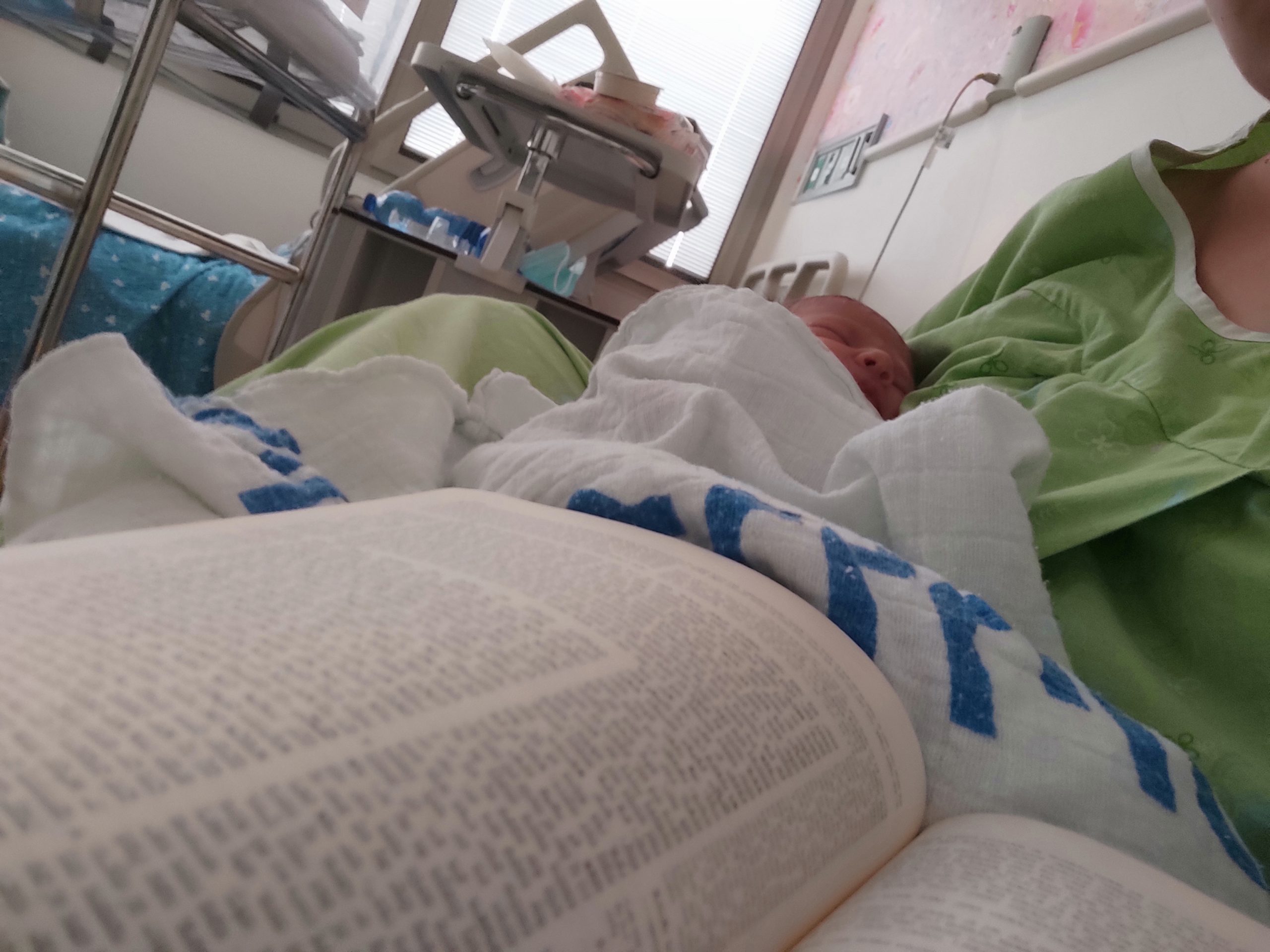
בתחילת הסבב הנוכחי הצטברו אצלי תחושות שאני לא מבינה מספיק מהי ההלכה אותה אני מקיימת בכל יום. כמו כן, כאמא לבנות רציתי לתת להן מודל נשי של לימוד תורה
שתי הסיבות האלו הובילו אותי להתחיל ללמוד. נתקלתי בתגובות מפרגנות וסקרניות איך אישה לומדת גמרא..
כמו שרואים בתמונה אני ממשיכה ללמוד גם היום ואפילו במחלקת יולדות אחרי לידת ביתי השלישית.

Noa Shiloh
נועה שילה

רבבה, ישראל

לפני 15 שנה, אחרי עשרות שנים של "ג’ינגול” בין משפחה לקריירה תובענית בהייטק, הצטרפתי לשיעורי גמרא במתן רעננה. הלימוד המעמיק והייחודי של הרבנית אושרה קורן יחד עם קבוצת הנשים המגוונת הייתה חוויה מאלפת ומעשירה. לפני כשמונה שנים כאשר מחזור הדף היומי הגיע למסכת תענית הצטרפתי כ”חברותא” לבעלי. זו השעה היומית שלנו ביחד כאשר דפי הגמרא משתלבים בחיי היום יום, משפיעים ומושפעים, וכשלא מספיקים תמיד משלימים בשבת

Yodi Askoff
יודי אסקוף

רעננה, ישראל

נדרים עה

תַּנְיָא כְּווֹתֵיהּ דְּרַבִּי אַמֵּי? דְּקָתָנֵי: בֵּין שֶׁעָשָׂה בָּהּ מַאֲמָר וּבֵין שֶׁלֹּא עָשָׂה בָּהּ מַאֲמָר.

is it taught in the baraita in accordance with the opinion of Rabbi Ami? The Gemara explains that support for Rabbi Ami’s opinion is found in that which is taught in the baraita, as Rabbi Akiva mentions the following distinction: Whether he performed levirate betrothal or whether he did not perform levirate betrothal. This indicates that Rabbi Eliezer’s statement is referring to a yevama with whom he performed levirate betrothal.

אִי נָמֵי מֵרֵישָׁא דְּקָתָנֵי: מִשֶּׁנִּכְנְסָה לִרְשׁוּתוֹ נִגְמְרָה לוֹ. וְאִי דְּלָא קַדֵּישׁ, מַאי ״נִגְמְרָה לוֹ״? תִּפְשׁוֹט מִינֵּיהּ כְּשֶׁעָשָׂה בָּהּ מַאֲמָר.

Alternatively, support can be derived from the first clause of the baraita, which teaches: Once she enters his jurisdiction, she is fully under his authority. If the baraita is referring to a situation where he did not betroth her in levirate betrothal, in what sense is she fully under his authority? Deduce from it that the situation is one in which he has performed levirate betrothal.

מַאי ״וְכִשְׁאָר דְּבָרִים כֵּן נְדָרִים״ דְּקָתָנֵי? אָמַר רָבָא, הָכִי קָתָנֵי: אִי אַתָּה מוֹדֶה שֶׁאֵין חַיָּיבִין סְקִילָה, כְּנַעֲרָה הַמְאוֹרָסָה?

The Gemara then asks with regard to the baraita itself. What is the meaning of the phrase: And just as in other matters there is no such distinction, so too with regard to vows, that Rabbi Akiva teaches in the baraita? Rava said: This is what Rabbi Akiva is teaching: Do you not concede that one is not liable to be punished with stoning for adulterous relations with a yevama as he would be if she were a betrothed young woman? The status of the relationship is inferior to proper marriage, as one who engages in sexual intercourse with a yevama does not incur the death penalty. Accordingly, the authority of the yavam with regard to vows is also inferior.

אָמַר רַב אָשֵׁי, מַתְנִיתִין נָמֵי דַּיְקָא: אֵין יְבָמָה גְּמוּרָה לְאִישָׁהּ כְּשֵׁם שֶׁאֲרוּסָה גְּמוּרָה לְאִישָׁהּ.

Rav Ashi said: The mishna (74a) is also precisely formulated to indicate this, as it teaches: A yevama is not her husband’s full-fledged wife in the same manner that a betrothed woman is her husband’s full-fledged wife.

מַתְנִי׳ הָאוֹמֵר לְאִשְׁתּוֹ ״כׇּל הַנְּדָרִים שֶׁתִּדּוֹרִי מִכָּאן עַד שֶׁאָבֹא מִמָּקוֹם פְּלוֹנִי הֲרֵי הֵן קַיָּימִין״ — לֹא אָמַר כְּלוּם. ״הֲרֵי הֵן מוּפָרִין״ — רַבִּי אֱלִיעֶזֶר אֹמֵר: מוּפָר, וַחֲכָמִים אוֹמְרִים: אֵינוֹ מוּפָר. אָמַר רַבִּי אֱלִיעֶזֶר: אִם הֵפֵר נְדָרִים שֶׁבָּאוּ לִכְלַל אִיסּוּר — לֹא יָפֵר נְדָרִים שֶׁלֹּא בָּאוּ לִכְלַל אִיסּוּר?!

MISHNA: One who says to his wife: All vows that you will vow from now until I arrive from such and such a place are hereby ratified, has not said anything, i.e., the vows are not ratified. However, if he states that all vows that she will take until then are hereby nullified, Rabbi Eliezer said: They are nullified, while the Rabbis say: They are not nullified. Rabbi Eliezer said in explanation: If one can nullify vows that have reached the status of a prohibition, i.e., that have already taken effect, shall he not be able to nullify vows that have not reached the status of a prohibition?

אָמְרוּ לוֹ: הֲרֵי הוּא אוֹמֵר ״אִישָׁהּ יְקִימֶנּוּ וְאִישָׁהּ יְפֵרֶנּוּ״. אֶת שֶׁבָּא לִכְלַל הָקֵם — בָּא לִכְלַל הָפֵר, לֹא בָּא לִכְלַל הָקֵם — לֹא בָּא לִכְלַל הָפֵר.

The Rabbis said to him in response: The verse states: “Every vow, and every binding oath to afflict the soul, her husband may ratify it, or her husband may nullify it” (Numbers 30:14). This teaches: That which has reached the status of eligibility for ratification, i.e., a vow that she has already taken, has reached the status of eligibility for nullification. However, a vow that has not reached the status of eligibility for ratification has not reached the status of eligibility for nullification either, and it cannot be nullified.

גְּמָ׳ אִיבַּעְיָא לְהוּ: לְרַבִּי אֱלִיעֶזֶר מֵיחָל חָלִין וּבָטְלִין, אוֹ דִלְמָא לָא חָלִין כְּלָל? לְמַאי נָפְקָא מִינַּהּ,

GEMARA: A dilemma was raised before the Sages: According to Rabbi Eliezer, do the vows that the husband nullifies in advance take effect momentarily and are then canceled immediately after? Or perhaps they do not take effect at all. The Gemara inquires: In what case is there a difference between these possibilities?

כְּגוֹן דְּאַתְפֵּיס אַחֲרִינָא בְּהָדֵין נִדְרָא. אִי אָמְרַתְּ חָלִין — הָוְיָא תְּפִיסוּתָא. אִי אָמְרַתְּ לָא חָלִין — לָא אִיכָּא מְשָׁשָׁא.

The Gemara answers: There is a difference in a case where another person associated his own vow with this vow. If someone else heard her vow and declared his vow to be like hers, the status of his vow depends on this question. If you say that such vows take effect, then the association of the other person’s vow takes effect. If you say that such vows do not take effect at all, then the vow of the other person has no substance, as the vow with which he associated it never existed.

מַאי? תָּא שְׁמַע, אָמַר רַבִּי אֱלִיעֶזֶר: אִם הֵפֵר נְדָרִים שֶׁבָּאוּ לִכְלַל אִיסּוּר, לֹא יָפֵר נְדָרִים שֶׁלֹּא בָּאוּ לִכְלַל אִיסּוּר? שְׁמַע מִינַּהּ לָא חָלִין!

What, then, is Rabbi Eliezer’s opinion? Come and hear the mishna: Rabbi Eliezer said: If one can nullify vows that have reached the status of a prohibition, shall he not nullify vows that have not reached the status of a prohibition? Learn from it that such vows do not take effect at all, as they are described as not having reached the status of a prohibition.

מִי קָתָנֵי ״שֶׁאֵינָן בָּאִין״? ״שֶׁלֹּא בָּאוּ״ קָתָנֵי, עֲדַיִין לֹא בָּאוּ.

The Gemara rejects this conclusion: Does the mishna teach using the words: That do not reach the status of a prohibition? It teaches: That have not reached the status of a prohibition, which could mean that they have not yet reached the status of a prohibition, but they may take effect, momentarily, when she actually takes the vow.

תָּא שְׁמַע, אָמַר לָהֶן רַבִּי אֱלִיעֶזֶר: וּמָה בִּמְקוֹם שֶׁאֵין מֵיפֵר נִדְרֵי עַצְמוֹ מִשֶּׁנָּדַר, מֵיפֵר נִדְרֵי עַצְמוֹ עַד שֶׁלֹּא יָדוּר. מְקוֹם שֶׁמֵּפֵר נִדְרֵי אִשְׁתּוֹ מִשֶּׁתִּדּוֹר, אֵינוֹ דִּין שֶׁיָּפֵר נִדְרֵי אִשְׁתּוֹ עַד שֶׁלֹּא תִּדּוֹר?

Come and hear a baraita from the Tosefta (Nedarim 6:5): Rabbi Eliezer said to them: And just as in a situation where he cannot nullify his own vows once he has vowed, he can nullify his own vows before he vows by stipulating beforehand that the vows he takes should not take effect, all the more so in a situation where he can nullify his wife’s vows even after she vows, is it not logical that he should be able to nullify his wife’s vows before she vows?

מַאי לָאו, דְּאִשְׁתּוֹ דּוּמְיָא דִּילֵיהּ, מָה [הוּא] דְּלָא חָיְילִין — אַף אִשְׁתּוֹ נָמֵי דְּלָא חָיְילִין? לָא, הָא כִּדְאִיתָא וְהָא כִּדְאִיתָא.

The Gemara explains the proof: What, is it not referring to where his wife’s vows are similar to his own in that just as his vows, which were nullified in advance, do not take effect at all, so too the vows of his wife do not take effect at all when nullified in advance? The Gemara rejects this: No, this case of his nullifying his own vows prior to taking them is as it is, and that case of his nullifying her vows prior to her taking them is as it is; the similarity between the two cases is sufficient for an a fortiori inference, but they are not similar in all respects.

תָּא שְׁמַע, אָמְרוּ לוֹ לְרַבִּי אֱלִיעֶזֶר: וּמָה מִקְוֶה שֶׁמַּעֲלֶה אֶת הַטְּמֵאִין מִטּוּמְאָתָן — אֵין מַצִּיל עַל הַטְּהוֹרִים מִלִּיטָּמֵא, אָדָם שֶׁאֵין מַעֲלֶה אֶת הַטְּמֵאִין מִטּוּמְאָתָן — אֵינוֹ דִּין הוּא שֶׁלֹּא יַצִּיל עַל הַטְּהוֹרִין מִלִּיטָּמֵא?

Come and hear a baraita: They said to Rabbi Eliezer: Your a fortiori inference is flawed, as can be seen from this example: And just as with regard to a ritual bath, which elevates the impure from their ritual impurity when they immerse in it but does not save the pure from becoming impure if they come into contact with impurity after immersion, so too, with regard to a person, who does not elevate the impure from their impurity, e.g., when a person swallows a ritually impure object and then immerses in a ritual bath, the object remains impure, is it not logical that he should not save pure items from becoming impure? When one who has swallowed a ritually pure object comes into contact with impurity, the object he has swallowed should also become impure. This is not the case, as a swallowed object does not become impure when the person who swallowed it does. Therefore the a fortiori argument is flawed, and one cannot derive from the ability to change a status, like the husband’s ability to nullify his wife’s vows or the ability of the ritual bath to render something ritually pure, that the source of the change can also prevent a change of status or preserve that status.

שְׁמַע מִינַּהּ לָא חָיְילִין!

However, learn from this baraita that, according to Rabbi Eliezer, vows nullified by the husband from the outset do not take effect at all, as the Rabbis’ objection presumes that according to Rabbi Eliezer, the vows do not take effect at all. Their argument is based on the analogy between preemptive nullification and preemptive prevention of impurity. Preemptive prevention of impurity is understood to be saving an item from ever becoming impure and analogously, preemptive nullification is understood to be preventing a vow from ever taking effect.

רוצה לעקוב אחרי התכנים ולהמשיך ללמוד?

ביצירת חשבון עוד היום ניתן לעקוב אחרי ההתקדמות שלך, לסמן מה למדת, ולעקוב אחרי השיעורים שמעניינים אותך.

לנקות את כל הפריטים מהרשימה?

פעולה זו תסיר את כל הפריטים בחלק זה כולל ההתקדמות וההיסטוריה. שימי לב: לא ניתן לשחזר פעולה זו.

ביטול
מחיקה

האם את/ה בטוח/ה שברצונך למחוק פריט זה?

תאבד/י את כל ההתקדמות או ההיסטוריה הקשורות לפריט זה.

ביטול
מחיקה