חיפוש

נדרים עח

רוצה להקדיש לימוד?

podcast placeholder

0:00
0:00


תקציר

הדף היום מוקדש ע”י יפה ונר לע”נ אביה, דוד בן רב שעיה מאיר הכהן בציון 26 שנים לפטירתו.

הדף היום מוקדש ע”י משפחת הדרן בזום לע”נ אביה של דבורה הופמן וייד, לירוי מוזיי, ולע”נ חברותא שלה, שמחה אלישבע בת אברהם ושרה ז”ל.

יש גזירה שווה עם המילים "זה הדבר” המופיעים בפסוקים של נדרים וגם בשחוטי חוץ. מההשוואה ניתן ללמד שהתרת נדרים בשלושה הדיוטות ולא צריך דיינים. ולגבי שחוטי חוץ, לומדים שאפשר לשאול על קדשים (להתיר קדושה מבהמה שהוקדשה ונשחטה מחוץ למקדש), כמו בנדרים, כדי להיפטר מעונש כרת. בית שמאי אינם סוברים שאפשר לשאול על הקדשים ולכן אין להם את הגזירה שווה. אם כן, מה הם לומדים מ’זה הדבר’ בנדרים ושחוטי חוץ? מנין הם דורשים שאפשר ג’ הדיוטות להתרת נדרים? הם לומדים מהפסוקים על המועדים – שמועדים מחייבים את השופטים לקבוע את קדושתם (על ידי קידוש החודש) ואילו נדרים לא. רבי חנינא מביא חריג לכלל שעל הבעל להפר נדרי אשתו ביום שישמע אותם. אם ירצה לנזוף בה תחילה על נדר, יכול לדחות את ההפרה עד עשרה ימים. רבא מעלה קושי על דבריו של רבי חנינא מהתוספתא, אבל זה נפתר.

נדרים עח

״זֶה הַדָּבָר״ — חָכָם מַתִּיר, וְאֵין בַּעַל מַתִּיר. תַּנְיָא אִידַּךְ: ״זֶה הַדָּבָר״ — בַּעַל מֵפֵר וְאֵין חָכָם מֵפֵר. שֶׁיָּכוֹל: וּמָה בַּעַל שֶׁאֵין מַתִּיר — מֵפֵר, חָכָם שֶׁמַּתִּיר — אֵינוֹ דִּין שֶׁמֵּפֵר, תַּלְמוּד לוֹמַר: ״זֶה הַדָּבָר״ — בַּעַל מֵפֵר, וְאֵין חָכָם מֵפֵר.

“This is the thing” (Numbers 30:2), to teach that the husband nullifies vows and a halakhic authority dissolves vows, but a husband does not dissolve them. It is taught in another baraita: The phrase “this is the thing” teaches that a husband nullifies vows but a halakhic authority does not nullify vows. As, one might have thought: Just as a husband, who cannot dissolve vows, nevertheless nullifies them, so too with regard to a halakhic authority, who can dissolve vows, is it not logical that he should also nullify them? Therefore, the verse states: “This is the thing,” to teach us that a husband nullifies vows, but a halakhic authority does not nullify them.

נֶאֱמַר כָּאן ״זֶה הַדָּבָר״, וְנֶאֱמַר לְהַלָּן ״זֶה הַדָּבָר״ בִּשְׁחוּטֵי חוּץ. מָה בִּשְׁחוּטֵי חוּץ — אַהֲרֹן וּבָנָיו וְכׇל יִשְׂרָאֵל, אַף פָּרָשַׁת נְדָרִים — אַהֲרֹן וּבָנָיו וְכׇל יִשְׂרָאֵל. וּמָה כָּאן רָאשֵׁי הַמַּטּוֹת — אַף לְהַלָּן רָאשֵׁי הַמַּטּוֹת.

It is taught in a baraita: It is stated here, with regard to vows: “This is the thing,” and it is stated elsewhere: “Speak to Aaron, and to his sons, and to all the children of Israel, and say to them: This is the thing which the Lord has commanded, saying” (Leviticus 17:2), in the verse introducing the prohibition against slaughtering offerings outside of the Temple courtyard. Just as with regard to offerings slaughtered outside the Temple courtyard, the verse is directed to Aaron and his sons and all of Israel, so too, the portion in the Torah about vows is directed to Aaron and his sons and all of Israel. And just as here, with regard to vows, the verse states: “And Moses spoke to the heads of the tribes of the children of Israel” (Numbers 30:2), so too, there, with regard to offerings slaughtered outside the Temple courtyard, Moses spoke to the heads of the tribes.

בְּפָרָשַׁת נְדָרִים לְמַאי הִלְכְתָא? אָמַר רַב אַחָא בַּר יַעֲקֹב: לְהַכְשִׁיר שְׁלֹשָׁה הֶדְיוֹטוֹת. וְהָא ״רָאשֵׁי הַמַּטּוֹת״ כְּתִיב! אָמַר רַב חִסְדָּא וְאִיתֵּימָא רַבִּי יוֹחָנָן: בְּיָחִיד מוּמְחֶה.

The Gemara asks: With regard to the Torah portion on vows, for what halakha is the verbal analogy between it and slaughtering offerings outside the Temple courtyard taught? Rav Aḥa bar Ya’akov says: The verbal analogy is the source to authorize three laymen to dissolve vows. The Gemara raises a difficulty: But isn’t it written: “The heads of the tribes”? Rav Ḥisda said, and some say it was Rabbi Yoḥanan: From the phrase “the heads of the tribes” the Sages derive that vows can also be dissolved by a single expert.

רָאשֵׁי הַמַּטּוֹת בִּשְׁחוּטֵי חוּץ לְמַאי הִלְכְתָא? אָמַר רַב שֵׁשֶׁת: לוֹמַר שֶׁיֵּשׁ שְׁאֵלָה בְּהֶקְדֵּשׁ.

The Gemara then asks the corresponding question about the other passage. The verbal analogy connects “the heads of the tribes” to offerings slaughtered outside of the Temple courtyard. For what halakha is this connection made? Rav Sheshet said: This connection is made in order to say that there is a concept of requesting dissolution of consecration of consecrated property.

לְבֵית שַׁמַּאי דְּאָמַר אֵין שְׁאֵלָה בְּהֶקְדֵּשׁ, ״רָאשֵׁי הַמַּטּוֹת״ דִּכְתִיב בִּשְׁחוּטֵי חוּץ לְמַאי הִלְכְתָא? בֵּית שַׁמַּאי לֵית לְהוּ גְּזֵירָה שָׁוָה.

The Gemara asks: According to Beit Shammai, who say that there is no possibility of requesting from a halakhic authority to cancel the consecration of consecrated property, the treatment of the verse “the heads of the tribes” as if it were written also about offerings slaughtered outside the Temple courtyard serves to teach what halakha? The Gemara answers: Beit Shammai do not have a tradition of interpreting the verses in accordance with this verbal analogy.

״זֶה הַדָּבָר״ בְּפָרָשַׁת נְדָרִים לְמַאי כְּתִיב? לוֹמַר: חָכָם מַתִּיר וְאֵין בַּעַל מַתִּיר, בַּעַל מֵפֵר וְאֵין חָכָם מֵפֵר.

The Gemara asks: Since Beit Shammai do not use this verbal analogy, for what purpose is “this is the thing,” in the portion on vows, written? The Gemara answers: It is written to say that only a halakhic authority dissolves vows, but a husband does not dissolve them; a husband nullifies vows, but a halakhic authority does not nullify them.

״זֶה הַדָּבָר״ בִּשְׁחוּטֵי חוּץ לְמַאי כְּתִיב? לוֹמַר: עַל הַשְּׁחִיטָה חַיָּיב, וְאֵין חַיָּיב עַל הַמְּלִיקָה.

According to Beit Shammai, for what purpose is written the phrase “this is the thing,” found in the portion on offerings slaughtered outside of the Temple courtyard? The Gemara answers: It is written to say that one is liable for slaughtering outside, but one is not liable for pinching the neck of a bird-offering outside the Temple courtyard, although that is the way it would be killed if it were a valid offering in the Temple.

אֶלָּא לְבֵית שַׁמַּאי, לְהַכְשִׁיר שְׁלֹשָׁה הֶדְיוֹטוֹת מְנָלַן? נָפְקָא לְהוּ מִדְּרַב אַסִּי בַּר נָתָן.

The Gemara asks: But according to Beit Shammai, who do not accept the verbal analogy between vows and the prohibition against slaughtering offerings outside of the Temple courtyard, from where do we derive the source to authorize three laymen to dissolve vows? The Gemara answers: Beit Shammai derive it from the explanation given to Rav Asi bar Natan.

דִּכְתִיב: ״וַיְדַבֵּר מֹשֶׁה אֶת מֹעֲדֵי ה׳ אֶל בְּנֵי יִשְׂרָאֵל״, וְהָתַנְיָא, רַבִּי יוֹסֵי הַגְּלִילִי אוֹמֵר: ״מוֹעֲדֵי״ נֶאֶמְרוּ, וְלֹא נֶאֶמְרָה שַׁבַּת בְּרֵאשִׁית עִמָּהֶן. בֶּן עַזַּאי אוֹמֵר: ״מוֹעֲדֵי״ נֶאֶמְרוּ, וְלֹא נֶאֱמַר פָּרָשַׁת נְדָרִים עִמָּהֶן.

This is as it is written: “And Moses declared the Festivals of the Lord to the children of Israel (Leviticus 23:44). And it is taught in a baraita: Rabbi Yosei HaGelili says: The Festivals are stated, but Shabbat, which commemorates Creation, is not stated with them. Ben Azzai says: The Festivals are stated, but the portion on vows is not stated with them.

רַב אַסִּי בַּר נָתָן קַשְׁיָא לֵיהּ הָא מַתְנִיתָא. אֲתָא לִנְהַרְדְּעָא לְקַמֵּיהּ דְּרַב שֵׁשֶׁת וְלָא אַשְׁכְּחֵיהּ, אֲתָא אַבָּתְרֵיהּ לְמָחוֹזָא. אֲמַר לֵיהּ: מוֹעֲדֵי ה׳ נֶאֶמְרוּ, וְלֹא נֶאֶמְרָה שַׁבַּת בְּרֵאשִׁית עִמָּהֶן?

The Gemara relates that Rav Asi bar Natan had a difficulty with this baraita. He came to Neharde’a to ask about it before Rav Sheshet, but he did not find him there. He pursued him to Meḥoza and said to him: How can the baraita say that the Festivals of the Lord were stated, but Shabbat, which commemorates Creation, was not stated with them?

וְהָא כְּתִיב שַׁבָּת עִמָּהֶן! וְתוּ: מוֹעֲדֵי ה׳ נֶאֶמְרוּ, וְלֹא נֶאֶמְרָה פָּרָשַׁת נְדָרִים עִמָּהֶן? וְהָא מִסִּיטְרָא כְּתִיבָא! אֲמַר לֵיהּ, הָכִי קָתָנֵי:

But Shabbat is written with them in the portions of the Torah about the Festivals (Leviticus 23:3; Numbers 28:9–10). And furthermore, can it be said that the Festivals of the Lord are stated, but the portion on vows (Numbers, chapter 30) is not stated with them? Isn’t it next to one of the portions in the Torah detailing the halakhot of the Festivals (Numbers, chapters 28–29)? Rav Sheshet said to him: This is what Rabbi Yosei HaGelili’s statement in the baraita is teaching:

מוֹעֲדֵי ה׳ צְרִיכִין קִידּוּשׁ בֵּית דִּין, שַׁבַּת בְּרֵאשִׁית אֵין צְרִיכָה קִידּוּשׁ בֵּית דִּין.

The Festivals of the Lord require sanctification by the court, as the Festival dates are established by the court’s determination of the New Moon, whereas Shabbat, which commemorates Creation, does not require sanctification by the court. Shabbat is sanctified every week independent of any court decision.

מוֹעֲדֵי ה׳ צְרִיכִין מוּמְחֶה, וְאֵין פָּרָשַׁת נְדָרִים צְרִיכִין מוּמְחֶה, אֲפִילּוּ בֵּית דִּין הֶדְיוֹטוֹת.

As for ben Azzai’s statement, it should be understood as follows: The Festivals of the Lord require an expert, as the start of the month, which is dependent upon the appearance of the new moon, which in turn determines the Festivals, can be established only by a court composed of experts. But the portion on vows does not require an expert, i.e., vows can be dissolved even by a court of laymen. This explanation of the baraita given to Rav Asi bar Natan also serves to explain Beit Shammai’s source for the halakha that three laymen can dissolve vows.

וְהָא בְּפָרָשַׁת נְדָרִים ״רָאשֵׁי הַמַּטּוֹת״ כְּתִיב! אָמַר רַב חִסְדָּא וְאִיתֵּימָא רַבִּי יוֹחָנָן: בְּיָחִיד מוּמְחֶה.

The Gemara raises a difficulty: But in the portion on vows the phrase “the heads of the tribes” (Numbers 30:2) is written. How, then, can it be said that vows can be dissolved by laymen? Rav Ḥisda said, and some say it was Rabbi Yoḥanan: From “the heads of the tribes,” the Sages derive that vows can be dissolved by a single expert by himself, but three laymen also have that ability.

אָמַר רַבִּי חֲנִינָא: הַשּׁוֹתֵק עַל מְנָת לְמֵיקַט, מֵפֵר אֲפִילּוּ מִכָּאן וְעַד עֲשָׂרָה יָמִים. מֵתִיב רָבָא: אֵימָתַי אָמְרוּ מֵת הַבַּעַל נִתְרוֹקְנָה רְשׁוּת לָאָב — בִּזְמַן שֶׁלֹּא שָׁמַע הַבַּעַל, אוֹ שֶׁשָּׁמַע וְשָׁתַק, אוֹ שֶׁשָּׁמַע וְהֵפֵר וּמֵת בּוֹ בַּיּוֹם. אֲבָל שָׁמַע וְקִיֵּים, אוֹ שֶׁשָּׁמַע וְשָׁתַק וּמֵת בַּיּוֹם שֶׁל אַחֲרָיו — אֵין יָכוֹל לְהָפֵר.

§ Rabbi Ḥanina says: A husband who is silent and does not formally nullify his wife’s vow in order to annoy [lemeikat] her, but intends to nullify it later, can nullify it even from now until ten days later. Rava raised an objection to this from a baraita: When did they say that if the husband of a betrothed young woman dies, the authority to nullify the woman’s vows reverts to the father? The authority reverts to the father when the husband did not hear of her vow, or when he heard and was silent, or when he heard and nullified it and died on the same day. But if he heard and ratified it, or if he heard and was silent and died on the following day, he, the father, cannot nullify the vow.

מַאי לָאו, בְּשׁוֹתֵק עַל מְנָת לְמֵיקַט? לֹא, בְּשׁוֹתֵק עַל מְנָת לְקַיֵּים. אִי הָכִי, הַיְינוּ אוֹ שָׁמַע וְקִיֵּים! אֶלָּא, בְּשׁוֹתֵק סְתָם.

What, is the phrase: Heard and was silent, not referring even to one who is silent in order to annoy her, and nevertheless nullification is only possible that day, contradicting the opinion of Rabbi Ḥanina? The Gemara answers: No, the baraita is referring to one who is silent in order to sustain the vow. The Gemara asks: If so, this is the same as: Or he heard and ratified, mentioned earlier in the baraita. Rather, the baraita is referring to one who is silent without any specific intent, as opposed to the husband who is silent in order to annoy his wife, whose intent is to nullify the vow.

מֵתִיב רַב חִסְדָּא: חוֹמֶר בְּהָקֵם מִבְּהָפֵר, וּבְהָפֵר מִבְּהָקֵם. חוֹמֶר בְּהָקֵם —

Rav Ḥisda raised an objection from a different baraita: In some ways the halakha is more stringent in ratification than in nullification, and in other ways it is more stringent in nullification than in ratification. The stringency in ratification of vows is

חדשה בלימוד הגמרא?

זה הדף הראשון שלך? איזו התרגשות עצומה! יש לנו בדיוק את התכנים והכלים שיעזרו לך לעשות את הצעדים הראשונים ללמידה בקצב וברמה שלך, כך תוכלי להרגיש בנוח גם בתוך הסוגיות המורכבות ומאתגרות.

פסיפס הלומדות שלנו

גלי את קהילת הלומדות שלנו, מגוון נשים, רקעים וסיפורים. כולן חלק מתנועה ומסע מרגש ועוצמתי.

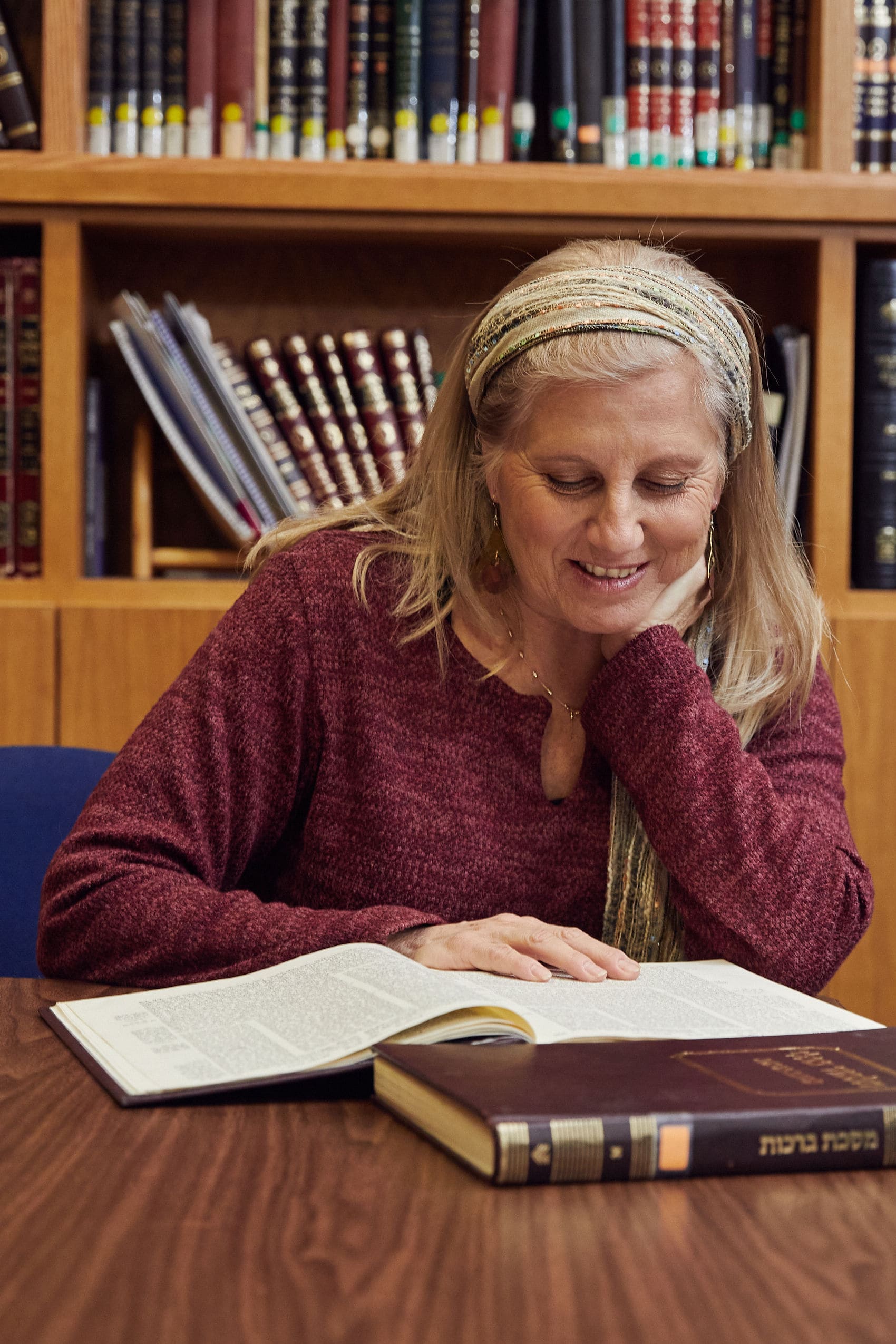
אמא שלי למדה איתי ש”ס משנה, והתחילה ללמוד דף יומי. אני החלטתי שאני רוצה ללמוד גם. בהתחלה למדתי איתה, אח”כ הצטרפתי ללימוד דף יומי שהרב דני וינט מעביר לנוער בנים בעתניאל. במסכת עירובין עוד חברה הצטרפה אלי וכשהתחלנו פסחים הרב דני פתח לנו שעור דף יומי לבנות. מאז אנחנו לומדות איתו קבוע כל יום את הדף היומי (ובשבת אבא שלי מחליף אותו). אני נהנית מהלימוד, הוא מאתגר ומעניין

Renana Hellman
רננה הלמן

עתניאל, ישראל

רציתי לקבל ידע בתחום שהרגשתי שהוא גדול וחשוב אך נעלם ממני. הלימוד מעניק אתגר וסיפוק ומעמיק את תחושת השייכות שלי לתורה וליהדות

Ruth Agiv
רות עגיב

עלי זהב – לשם, ישראל

אחרי שראיתי את הסיום הנשי של הדף היומי בבנייני האומה זה ריגש אותי ועורר בי את הרצון להצטרף. לא למדתי גמרא קודם לכן בכלל, אז הכל היה לי חדש, ולכן אני לומדת בעיקר מהשיעורים פה בהדרן, בשוטנשטיין או בחוברות ושיננתם.

Rebecca Schloss
רבקה שלוס

בית שמש, ישראל

התחלתי ללמוד דף יומי לפני שנתיים, עם מסכת שבת. בהתחלה ההתמדה היתה קשה אבל בזכות הקורונה והסגרים הצלחתי להדביק את הפערים בשבתות הארוכות, לסיים את מסכת שבת ולהמשיך עם המסכתות הבאות. עכשיו אני מסיימת בהתרגשות רבה את מסכת חגיגה וסדר מועד ומחכה לסדר הבא!

Ilana-Shachnowitz
אילנה שכנוביץ

מודיעין, ישראל

התחלתי ללמוד דף יומי בסבב הקודם. זכיתי לסיים אותו במעמד המרגש של הדרן. בסבב הראשון ליווה אותי הספק, שאולי לא אצליח לעמוד בקצב ולהתמיד. בסבב השני אני לומדת ברוגע, מתוך אמונה ביכולתי ללמוד ולסיים. בסבב הלימוד הראשון ליוותה אותי חוויה מסויימת של בדידות. הדרן העניקה לי קהילת לימוד ואחוות נשים. החוויה של סיום הש”ס במעמד כה גדול כשנשים שאינן מכירות אותי, שמחות ומתרגשות עבורי , היתה חוויה מרוממת נפש

Ilanit Weil
אילנית ווייל

קיבוץ מגדל עוז, ישראל

התחלתי ללמוד בשנת המדרשה במגדל עוז, בינתיים נהנית מאוד מהלימוד ומהגמרא, מעניין ומשמח מאוד!
משתדלת להצליח לעקוב כל יום, לפעמים משלימה קצת בהמשך השבוע.. מרגישה שיש עוגן מקובע ביום שלי והוא משמח מאוד!

Uriah Kesner
אוריה קסנר

חיפה , ישראל

התחלתי ללמוד דף יומי ממסכת נידה כי זה היה חומר הלימוד שלי אז. לאחר הסיום הגדול בבנייני האומה החלטתי להמשיך. וב”ה מאז עם הפסקות קטנות של קורונה ולידה אני משתדלת להמשיך ולהיות חלק.

זה משפיע מאוד על היום יום שלי ועל אף שאני עסוקה בלימודי הלכה ותורה כל יום, זאת המסגרת הקבועה והמחייבת ביותר שיש לי.

Moriah Taesan Michaeli
מוריה תעסן מיכאלי

גבעת הראל, ישראל

התחלתי ללמוד דף יומי אחרי שחזרתי בתשובה ולמדתי במדרשה במגדל עוז. הלימוד טוב ומספק חומר למחשבה על נושאים הלכתיים ”קטנים” ועד לערכים גדולים ביהדות. חשוב לי להכיר את הגמרא לעומק. והצעד הקטן היום הוא ללמוד אותה בבקיאות, בעזרת השם, ומי יודע אולי גם אגיע לעיון בנושאים מעניינים. נושאים בגמרא מתחברים לחגים, לתפילה, ליחסים שבין אדם לחברו ולמקום ולשאר הדברים שמלווים באורח חיים דתי 🙂

Gaia Divo
גאיה דיבו

מצפה יריחו, ישראל

"
גם אני התחלתי בסבב הנוכחי וב””ה הצלחתי לסיים את רוב המסכתות . בזכות הרבנית מישל משתדלת לפתוח את היום בשיעור הזום בשעה 6:20 .הלימוד הפך להיות חלק משמעותי בחיי ויש ימים בהם אני מצליחה לחזור על הדף עם מלמדים נוספים ששיעוריהם נמצאים במרשתת. שמחה להיות חלק מקהילת לומדות ברחבי העולם. ובמיוחד לשמש דוגמה לנכדותיי שאי””ה יגדלו לדור שלימוד תורה לנשים יהיה משהו שבשגרה. "

Ronit Shavit
רונית שביט

נתניה, ישראל

התחלתי ללמוד בסבב הנוכחי לפני כשנתיים .הסביבה מתפעלת ותומכת מאוד. אני משתדלת ללמוד מכל ההסכתים הנוספים שיש באתר הדרן. אני עורכת כל סיום מסכת שיעור בביתי לכ20 נשים שמחכות בקוצר רוח למפגשים האלו.

Yael Asher
יעל אשר

יהוד, ישראל

A friend in the SF Bay Area said in Dec 2019 that she might start listening on her morning drive to work. I mentioned to my husband and we decided to try the Daf when it began in Jan 2020 as part of our preparing to make Aliyah in the summer.

Hana Piotrkovsky
חנה פיוטרקובסקי

ירושלים, Israel

ראיתי את הסיום הגדול בבנייני האומה וכל כך התרשמתי ורציתי לקחת חלק.. אבל לקח לי עוד כשנה וחצי )באמצע מסיכת שבת להצטרף..
הלימוד חשוב לי מאוד.. אני תמיד במרדף אחרי הדף וגונבת כל פעם חצי דף כשהילדים עסוקים ומשלימה אח”כ אחרי שכולם הלכו לישון..

Olga Mizrahi
אולגה מזרחי

ירושלים, ישראל

A life-changing journey started with a Chanukah family tiyul to Zippori, home of the Sanhedrin 2 years ago and continued with the Syum in Binanei Hauma where I was awed by the energy of 3000 women dedicated to learning daf Yomi. Opening my morning daily with a fresh daf, I am excited with the new insights I find enriching my life and opening new and deeper horizons for me.

Becky Goldstein
בקי גולדשטיין

Elazar gush etzion, Israel

כבר סיפרתי בסיום של מועד קטן.
הלימוד מאוד משפיעה על היום שלי כי אני לומדת עם רבנית מישל על הבוקר בזום. זה נותן טון לכל היום – בסיס למחשבות שלי .זה זכות גדול להתחיל את היום בלימוד ובתפילה. תודה רבה !

שרה-ברלוביץ
שרה ברלוביץ

ירושלים, ישראל

התחלתי ללמוד את הדף היומי מעט אחרי שבני הקטן נולד. בהתחלה בשמיעה ולימוד באמצעות השיעור של הרבנית שפרבר. ובהמשך העזתי וקניתי לעצמי גמרא. מאז ממשיכה יום יום ללמוד עצמאית, ולפעמים בעזרת השיעור של הרבנית, כל יום. כל סיום של מסכת מביא לאושר גדול וסיפוק. הילדים בבית נהיו חלק מהלימוד, אני משתפת בסוגיות מעניינות ונהנית לשמוע את דעתם.

Eliraz Blau
אלירז בלאו

מעלה מכמש, ישראל

התחלתי ללמוד דף יומי באמצע תקופת הקורונה, שאבא שלי סיפר לי על קבוצה של בנות שתיפתח ביישוב שלנו ותלמד דף יומי כל יום. הרבה זמן רציתי להצטרף לזה וזאת הייתה ההזדמנות בשבילי. הצטרפתי במסכת שקלים ובאמצע הייתה הפסקה קצרה. כיום אני כבר לומדת באולפנה ולומדת דף יומי לבד מתוך גמרא של טיינזלץ.

Saturdays in Raleigh
שבות בראלי

עתניאל, ישראל

אחי, שלומד דף יומי ממסכת ברכות, חיפש חברותא ללימוד מסכת ראש השנה והציע לי. החברותא היתה מאתגרת טכנית ורוב הזמן נעשתה דרך הטלפון, כך שבסיום המסכת נפרדו דרכינו. אחי חזר ללמוד לבד, אבל אני כבר נכבשתי בקסם הגמרא ושכנעתי את האיש שלי להצטרף אלי למסכת ביצה. מאז המשכנו הלאה, ועכשיו אנחנו מתרגשים לקראתו של סדר נשים!

Shulamit Saban
שולמית סבן

נוקדים, ישראל

התחלתי ללמוד דף לפני קצת יותר מ-5 שנים, כשלמדתי רבנות בישיבת מהר”ת בניו יורק. בדיעבד, עד אז, הייתי בלימוד הגמרא שלי כמו מישהו שאוסף חרוזים משרשרת שהתפזרה, פה משהו ושם משהו, ומאז נפתח עולם ומלואו…. הדף נותן לי לימוד בצורה מאורגנת, שיטתית, יום-יומית, ומלמד אותי לא רק ידע אלא את השפה ודרך החשיבה שלנו. לשמחתי, יש לי סביבה תומכת וההרגשה שלי היא כמו בציטוט שבחרתי: הדף משפיע לטובה על כל היום שלי.

Michal Kahana
מיכל כהנא

חיפה, ישראל

סיום השס לנשים נתן לי מוטביציה להתחיל ללמוד דף יומי. עד אז למדתי גמרא בשבתות ועשיתי כמה סיומים. אבל לימוד יומיומי זה שונה לגמרי ופתאום כל דבר שקורה בחיים מתקשר לדף היומי.

Fogel Foundation
קרן פוגל

רתמים, ישראל

באירוע של הדרן בנייני האומה. בהשראתה של אמי שלי שסיימה את הש”ס בסבב הקודם ובעידוד מאיר , אישי, וילדיי וחברותיי ללימוד במכון למנהיגות הלכתית של רשת אור תורה סטון ומורתיי הרבנית ענת נובוסלסקי והרבנית דבורה עברון, ראש המכון למנהיגות הלכתית.
הלימוד מעשיר את יומי, מחזיר אותי גם למסכתות שכבר סיימתי וידוע שאינו דומה מי ששונה פרקו מאה לשונה פרקו מאה ואחת במיוחד מרתקים אותי החיבורים בין המסכתות

Roit Kalech
רוית קלך

מודיעין, ישראל

נדרים עח

״זֶה הַדָּבָר״ — חָכָם מַתִּיר, וְאֵין בַּעַל מַתִּיר. תַּנְיָא אִידַּךְ: ״זֶה הַדָּבָר״ — בַּעַל מֵפֵר וְאֵין חָכָם מֵפֵר. שֶׁיָּכוֹל: וּמָה בַּעַל שֶׁאֵין מַתִּיר — מֵפֵר, חָכָם שֶׁמַּתִּיר — אֵינוֹ דִּין שֶׁמֵּפֵר, תַּלְמוּד לוֹמַר: ״זֶה הַדָּבָר״ — בַּעַל מֵפֵר, וְאֵין חָכָם מֵפֵר.

“This is the thing” (Numbers 30:2), to teach that the husband nullifies vows and a halakhic authority dissolves vows, but a husband does not dissolve them. It is taught in another baraita: The phrase “this is the thing” teaches that a husband nullifies vows but a halakhic authority does not nullify vows. As, one might have thought: Just as a husband, who cannot dissolve vows, nevertheless nullifies them, so too with regard to a halakhic authority, who can dissolve vows, is it not logical that he should also nullify them? Therefore, the verse states: “This is the thing,” to teach us that a husband nullifies vows, but a halakhic authority does not nullify them.

נֶאֱמַר כָּאן ״זֶה הַדָּבָר״, וְנֶאֱמַר לְהַלָּן ״זֶה הַדָּבָר״ בִּשְׁחוּטֵי חוּץ. מָה בִּשְׁחוּטֵי חוּץ — אַהֲרֹן וּבָנָיו וְכׇל יִשְׂרָאֵל, אַף פָּרָשַׁת נְדָרִים — אַהֲרֹן וּבָנָיו וְכׇל יִשְׂרָאֵל. וּמָה כָּאן רָאשֵׁי הַמַּטּוֹת — אַף לְהַלָּן רָאשֵׁי הַמַּטּוֹת.

It is taught in a baraita: It is stated here, with regard to vows: “This is the thing,” and it is stated elsewhere: “Speak to Aaron, and to his sons, and to all the children of Israel, and say to them: This is the thing which the Lord has commanded, saying” (Leviticus 17:2), in the verse introducing the prohibition against slaughtering offerings outside of the Temple courtyard. Just as with regard to offerings slaughtered outside the Temple courtyard, the verse is directed to Aaron and his sons and all of Israel, so too, the portion in the Torah about vows is directed to Aaron and his sons and all of Israel. And just as here, with regard to vows, the verse states: “And Moses spoke to the heads of the tribes of the children of Israel” (Numbers 30:2), so too, there, with regard to offerings slaughtered outside the Temple courtyard, Moses spoke to the heads of the tribes.

בְּפָרָשַׁת נְדָרִים לְמַאי הִלְכְתָא? אָמַר רַב אַחָא בַּר יַעֲקֹב: לְהַכְשִׁיר שְׁלֹשָׁה הֶדְיוֹטוֹת. וְהָא ״רָאשֵׁי הַמַּטּוֹת״ כְּתִיב! אָמַר רַב חִסְדָּא וְאִיתֵּימָא רַבִּי יוֹחָנָן: בְּיָחִיד מוּמְחֶה.

The Gemara asks: With regard to the Torah portion on vows, for what halakha is the verbal analogy between it and slaughtering offerings outside the Temple courtyard taught? Rav Aḥa bar Ya’akov says: The verbal analogy is the source to authorize three laymen to dissolve vows. The Gemara raises a difficulty: But isn’t it written: “The heads of the tribes”? Rav Ḥisda said, and some say it was Rabbi Yoḥanan: From the phrase “the heads of the tribes” the Sages derive that vows can also be dissolved by a single expert.

רָאשֵׁי הַמַּטּוֹת בִּשְׁחוּטֵי חוּץ לְמַאי הִלְכְתָא? אָמַר רַב שֵׁשֶׁת: לוֹמַר שֶׁיֵּשׁ שְׁאֵלָה בְּהֶקְדֵּשׁ.

The Gemara then asks the corresponding question about the other passage. The verbal analogy connects “the heads of the tribes” to offerings slaughtered outside of the Temple courtyard. For what halakha is this connection made? Rav Sheshet said: This connection is made in order to say that there is a concept of requesting dissolution of consecration of consecrated property.

לְבֵית שַׁמַּאי דְּאָמַר אֵין שְׁאֵלָה בְּהֶקְדֵּשׁ, ״רָאשֵׁי הַמַּטּוֹת״ דִּכְתִיב בִּשְׁחוּטֵי חוּץ לְמַאי הִלְכְתָא? בֵּית שַׁמַּאי לֵית לְהוּ גְּזֵירָה שָׁוָה.

The Gemara asks: According to Beit Shammai, who say that there is no possibility of requesting from a halakhic authority to cancel the consecration of consecrated property, the treatment of the verse “the heads of the tribes” as if it were written also about offerings slaughtered outside the Temple courtyard serves to teach what halakha? The Gemara answers: Beit Shammai do not have a tradition of interpreting the verses in accordance with this verbal analogy.

״זֶה הַדָּבָר״ בְּפָרָשַׁת נְדָרִים לְמַאי כְּתִיב? לוֹמַר: חָכָם מַתִּיר וְאֵין בַּעַל מַתִּיר, בַּעַל מֵפֵר וְאֵין חָכָם מֵפֵר.

The Gemara asks: Since Beit Shammai do not use this verbal analogy, for what purpose is “this is the thing,” in the portion on vows, written? The Gemara answers: It is written to say that only a halakhic authority dissolves vows, but a husband does not dissolve them; a husband nullifies vows, but a halakhic authority does not nullify them.

״זֶה הַדָּבָר״ בִּשְׁחוּטֵי חוּץ לְמַאי כְּתִיב? לוֹמַר: עַל הַשְּׁחִיטָה חַיָּיב, וְאֵין חַיָּיב עַל הַמְּלִיקָה.

According to Beit Shammai, for what purpose is written the phrase “this is the thing,” found in the portion on offerings slaughtered outside of the Temple courtyard? The Gemara answers: It is written to say that one is liable for slaughtering outside, but one is not liable for pinching the neck of a bird-offering outside the Temple courtyard, although that is the way it would be killed if it were a valid offering in the Temple.

אֶלָּא לְבֵית שַׁמַּאי, לְהַכְשִׁיר שְׁלֹשָׁה הֶדְיוֹטוֹת מְנָלַן? נָפְקָא לְהוּ מִדְּרַב אַסִּי בַּר נָתָן.

The Gemara asks: But according to Beit Shammai, who do not accept the verbal analogy between vows and the prohibition against slaughtering offerings outside of the Temple courtyard, from where do we derive the source to authorize three laymen to dissolve vows? The Gemara answers: Beit Shammai derive it from the explanation given to Rav Asi bar Natan.

דִּכְתִיב: ״וַיְדַבֵּר מֹשֶׁה אֶת מֹעֲדֵי ה׳ אֶל בְּנֵי יִשְׂרָאֵל״, וְהָתַנְיָא, רַבִּי יוֹסֵי הַגְּלִילִי אוֹמֵר: ״מוֹעֲדֵי״ נֶאֶמְרוּ, וְלֹא נֶאֶמְרָה שַׁבַּת בְּרֵאשִׁית עִמָּהֶן. בֶּן עַזַּאי אוֹמֵר: ״מוֹעֲדֵי״ נֶאֶמְרוּ, וְלֹא נֶאֱמַר פָּרָשַׁת נְדָרִים עִמָּהֶן.

This is as it is written: “And Moses declared the Festivals of the Lord to the children of Israel (Leviticus 23:44). And it is taught in a baraita: Rabbi Yosei HaGelili says: The Festivals are stated, but Shabbat, which commemorates Creation, is not stated with them. Ben Azzai says: The Festivals are stated, but the portion on vows is not stated with them.

רַב אַסִּי בַּר נָתָן קַשְׁיָא לֵיהּ הָא מַתְנִיתָא. אֲתָא לִנְהַרְדְּעָא לְקַמֵּיהּ דְּרַב שֵׁשֶׁת וְלָא אַשְׁכְּחֵיהּ, אֲתָא אַבָּתְרֵיהּ לְמָחוֹזָא. אֲמַר לֵיהּ: מוֹעֲדֵי ה׳ נֶאֶמְרוּ, וְלֹא נֶאֶמְרָה שַׁבַּת בְּרֵאשִׁית עִמָּהֶן?

The Gemara relates that Rav Asi bar Natan had a difficulty with this baraita. He came to Neharde’a to ask about it before Rav Sheshet, but he did not find him there. He pursued him to Meḥoza and said to him: How can the baraita say that the Festivals of the Lord were stated, but Shabbat, which commemorates Creation, was not stated with them?

וְהָא כְּתִיב שַׁבָּת עִמָּהֶן! וְתוּ: מוֹעֲדֵי ה׳ נֶאֶמְרוּ, וְלֹא נֶאֶמְרָה פָּרָשַׁת נְדָרִים עִמָּהֶן? וְהָא מִסִּיטְרָא כְּתִיבָא! אֲמַר לֵיהּ, הָכִי קָתָנֵי:

But Shabbat is written with them in the portions of the Torah about the Festivals (Leviticus 23:3; Numbers 28:9–10). And furthermore, can it be said that the Festivals of the Lord are stated, but the portion on vows (Numbers, chapter 30) is not stated with them? Isn’t it next to one of the portions in the Torah detailing the halakhot of the Festivals (Numbers, chapters 28–29)? Rav Sheshet said to him: This is what Rabbi Yosei HaGelili’s statement in the baraita is teaching:

מוֹעֲדֵי ה׳ צְרִיכִין קִידּוּשׁ בֵּית דִּין, שַׁבַּת בְּרֵאשִׁית אֵין צְרִיכָה קִידּוּשׁ בֵּית דִּין.

The Festivals of the Lord require sanctification by the court, as the Festival dates are established by the court’s determination of the New Moon, whereas Shabbat, which commemorates Creation, does not require sanctification by the court. Shabbat is sanctified every week independent of any court decision.

מוֹעֲדֵי ה׳ צְרִיכִין מוּמְחֶה, וְאֵין פָּרָשַׁת נְדָרִים צְרִיכִין מוּמְחֶה, אֲפִילּוּ בֵּית דִּין הֶדְיוֹטוֹת.

As for ben Azzai’s statement, it should be understood as follows: The Festivals of the Lord require an expert, as the start of the month, which is dependent upon the appearance of the new moon, which in turn determines the Festivals, can be established only by a court composed of experts. But the portion on vows does not require an expert, i.e., vows can be dissolved even by a court of laymen. This explanation of the baraita given to Rav Asi bar Natan also serves to explain Beit Shammai’s source for the halakha that three laymen can dissolve vows.

וְהָא בְּפָרָשַׁת נְדָרִים ״רָאשֵׁי הַמַּטּוֹת״ כְּתִיב! אָמַר רַב חִסְדָּא וְאִיתֵּימָא רַבִּי יוֹחָנָן: בְּיָחִיד מוּמְחֶה.

The Gemara raises a difficulty: But in the portion on vows the phrase “the heads of the tribes” (Numbers 30:2) is written. How, then, can it be said that vows can be dissolved by laymen? Rav Ḥisda said, and some say it was Rabbi Yoḥanan: From “the heads of the tribes,” the Sages derive that vows can be dissolved by a single expert by himself, but three laymen also have that ability.

אָמַר רַבִּי חֲנִינָא: הַשּׁוֹתֵק עַל מְנָת לְמֵיקַט, מֵפֵר אֲפִילּוּ מִכָּאן וְעַד עֲשָׂרָה יָמִים. מֵתִיב רָבָא: אֵימָתַי אָמְרוּ מֵת הַבַּעַל נִתְרוֹקְנָה רְשׁוּת לָאָב — בִּזְמַן שֶׁלֹּא שָׁמַע הַבַּעַל, אוֹ שֶׁשָּׁמַע וְשָׁתַק, אוֹ שֶׁשָּׁמַע וְהֵפֵר וּמֵת בּוֹ בַּיּוֹם. אֲבָל שָׁמַע וְקִיֵּים, אוֹ שֶׁשָּׁמַע וְשָׁתַק וּמֵת בַּיּוֹם שֶׁל אַחֲרָיו — אֵין יָכוֹל לְהָפֵר.

§ Rabbi Ḥanina says: A husband who is silent and does not formally nullify his wife’s vow in order to annoy [lemeikat] her, but intends to nullify it later, can nullify it even from now until ten days later. Rava raised an objection to this from a baraita: When did they say that if the husband of a betrothed young woman dies, the authority to nullify the woman’s vows reverts to the father? The authority reverts to the father when the husband did not hear of her vow, or when he heard and was silent, or when he heard and nullified it and died on the same day. But if he heard and ratified it, or if he heard and was silent and died on the following day, he, the father, cannot nullify the vow.

מַאי לָאו, בְּשׁוֹתֵק עַל מְנָת לְמֵיקַט? לֹא, בְּשׁוֹתֵק עַל מְנָת לְקַיֵּים. אִי הָכִי, הַיְינוּ אוֹ שָׁמַע וְקִיֵּים! אֶלָּא, בְּשׁוֹתֵק סְתָם.

What, is the phrase: Heard and was silent, not referring even to one who is silent in order to annoy her, and nevertheless nullification is only possible that day, contradicting the opinion of Rabbi Ḥanina? The Gemara answers: No, the baraita is referring to one who is silent in order to sustain the vow. The Gemara asks: If so, this is the same as: Or he heard and ratified, mentioned earlier in the baraita. Rather, the baraita is referring to one who is silent without any specific intent, as opposed to the husband who is silent in order to annoy his wife, whose intent is to nullify the vow.

מֵתִיב רַב חִסְדָּא: חוֹמֶר בְּהָקֵם מִבְּהָפֵר, וּבְהָפֵר מִבְּהָקֵם. חוֹמֶר בְּהָקֵם —

Rav Ḥisda raised an objection from a different baraita: In some ways the halakha is more stringent in ratification than in nullification, and in other ways it is more stringent in nullification than in ratification. The stringency in ratification of vows is

רוצה לעקוב אחרי התכנים ולהמשיך ללמוד?

ביצירת חשבון עוד היום ניתן לעקוב אחרי ההתקדמות שלך, לסמן מה למדת, ולעקוב אחרי השיעורים שמעניינים אותך.

לנקות את כל הפריטים מהרשימה?

פעולה זו תסיר את כל הפריטים בחלק זה כולל ההתקדמות וההיסטוריה. שימי לב: לא ניתן לשחזר פעולה זו.

ביטול
מחיקה

האם את/ה בטוח/ה שברצונך למחוק פריט זה?

תאבד/י את כל ההתקדמות או ההיסטוריה הקשורות לפריט זה.

ביטול
מחיקה