חיפוש

נדרים עט

רוצה להקדיש לימוד?

podcast placeholder

0:00
0:00


תקציר

הדף היום מוקדש ע”י לינדה פרידמן לרגל יום הולדתה של אמה, תלמה פולטמן.

עוד ארבעה מקורות מובאים להקשות נגד דבריו של רבי חנינא לפיה בעל יכול לדחות הפרת נדרי אשתו עד עשרה ימים כדי לנזוף בה. אחד מהם נפתר ושלושה נותרו כקושי. יש מחלוקת בין תנא קמא לרבי יוסי מה נחשב בקטיגוריה של נדרי עינוי נפש שבעל יכול להפר. האם הימנעות מרחיצה או קישוט/איפור נחשבת כעינוי נפש? מה ההבדל בין נדרים שבעל יכול להפר בגלל שהם עינוי נפש ובין נדרים שהוא יכול לבטל בגלל שהם משפיעים לרעה על היחסים בינו לבין אשתו? לאחר התלבטות הם מסבירים שהקטגוריה הראשונה מתבטלת לנצח והשנייה רק ​​מתבטלת עד שהוא לא מחובר אליה יותר, כלומר עד שיתגרשו והיא תתחתן עם מישהו אחר, ובכך אסורה לחזור לבעל הראשון לנצח. המשנה מזכירה נדר עינוי נפש כ”אם ארחץ/אתקשט” "אם לא ארחץ/אתקשט”. הגמרא מנסה לברר מה הייתה לשון הנדר המלאה. הצעה אחת מועלית והיא נדחית.

נדרים עט

שֶׁהַשְּׁתִיקָה מְקַיֶּימֶת, וְאֵין שְׁתִיקָה מְבַטֶּלֶת. קִיֵּים בְּלִבּוֹ — קַיָּים, הֵפֵר בְּלִבּוֹ — אֵינוֹ מוּפָר. קִיֵּים — אֵין יָכוֹל לְהָפֵר, הֵפֵר — אֵין יָכוֹל לְקַיֵּים. קָתָנֵי: שֶׁהַשְּׁתִיקָה מְקַיֶּימֶת, מַאי לָאו בְּשׁוֹתֵק עַל מְנָת לְמֵיקַט?

that silence ratifies a vow, but silence does not cancel, i.e., nullify, a vow. If the husband ratified a vow in his heart, it is ratified, but if he nullified it in his heart, it is not nullified. The baraita adds: If he ratified a vow he can no longer nullify it; and similarly, if he nullified a vow he can no longer ratify it. In any case, the baraita teaches that silence ratifies a vow. What, is it not referring even to one who is silent in order to annoy his wife?

לֹא, בְּשׁוֹתֵק עַל מְנָת לְקַיֵּים. הַיְינוּ: קִיֵּים בְּלִבּוֹ קַיָּים! אֶלָּא בְּשׁוֹתֵק סְתָם.

The Gemara rejects this interpretation: No, it is referring to one who is silent in order to sustain the vow. The Gemara asks: If so, this is the same as: If the husband ratified a vow in his heart, it is ratified. Rather, the phrase in the baraita: Silence ratifies a vow, is referring to a case where the husband is silent without specifying his intent.

אַשְׁכְּחַן חוֹמֶר בְּהָקֵם מִבְּהָפֵר, בְּהָפֵר מִבְּהָקֵם מְנָא לַן? אָמַר רַבִּי יוֹחָנָן: נִשְׁאָלִין עַל הֶהָקֵם, וְאֵין נִשְׁאָלִין עַל הֶהָפֵר.

Relating to the baraita, the Gemara asks: We found how the halakha is more stringent in ratification of vows than in nullification of vows, but where do we find a case in which the halakha is more stringent in nullification than in ratification? Rabbi Yoḥanan says: One can request from a halakhic authority dissolution of the ratification of a vow his wife took, but one cannot request dissolution of the nullification of a vow.

מֵתִיב רַב כָּהֲנָא: ״וְאִם הַחֲרֵשׁ יַחֲרִישׁ לָהּ אִישָׁהּ וְגוֹ׳״, בְּשׁוֹתֵק עַל מְנָת לְמֵיקַט הַכָּתוּב מְדַבַּר. אַתָּה אוֹמֵר בְּשׁוֹתֵק עַל מְנָת לְמֵיקַט, אוֹ אֵינוֹ אֶלָּא בְּשׁוֹתֵק עַל מְנָת לְקַיֵּים?

Rav Kahana raised an objection to the opinion of Rabbi Ḥanina that a husband who is silent about his wife’s vow in order to annoy her can nullify it even several days later. A baraita teaches: “But if her husband altogether hold his peace at her from day to day, then he causes all her vows to be ratified” (Numbers 30:15). The verse is speaking of one who is silent in order to annoy his wife. Do you say that the verse is referring to one who is silent in order to annoy her, or it is referring only to one who is silent in order to ratify the vow?

כְּשֶׁהוּא אוֹמֵר ״כִּי הֶחֱרִשׁ לָהּ״, הֲרֵי בְּשׁוֹתֵק עַל מְנָת לְקַיֵּים הַכָּתוּב מְדַבֵּר, הָא מָה אֲנִי מְקַיֵּים ״אִם הַחֲרֵשׁ יַחֲרִישׁ לָהּ אִישָׁהּ״ — בְּשׁוֹתֵק עַל מְנָת לְמֵיקַט הַכָּתוּב מְדַבֵּר! תְּיוּבְתָּא.

The baraita continues: When it says, in the continuation of the same verse: “He has ratified them, because he held his peace at her on the day that he heard them” (Numbers 30:15), the verse is speaking of one who is silent in order to ratify the vow. How do I realize the meaning of: “If her husband altogether holds his peace at her”? It must be that the verse is speaking of one who is silent in order to annoy his wife, and that this is also considered an act of ratification. This baraita is a conclusive refutation [teyuveta] of Rabbi Ḥanina’s opinion.

וְלוֹקֵים: הָא — בְּשׁוֹתֵק עַל מְנָת לְקַיֵּים, הָא — בְּשׁוֹתֵק סְתָם! קְרָאֵי יַתִּירִי כְּתִיבִי.

The Gemara asks about this baraita: And let the tanna interpret this part of the verse as referring to one who is silent in order to ratify the vow, and that part of the same verse as referring to one who was silent without specifying his intent, as the Gemara suggests above in explanation of the baraita? The Gemara answers: Superfluous verses are written about silence, leading to the conclusion that whatever the reason for the husband’s silence, the vow is ratified.

מֵתִיב רָבָא: נָדְרָה עִם חֲשֵׁכָה — מֵפֵר לָהּ עַד שֶׁלֹּא חָשְׁכָה, שֶׁאִם לֹא הֵפֵר וְחָשְׁכָה — אֵינוֹ יָכוֹל לְהָפֵר. אַמַּאי? לֶהֱוֵי כְּשׁוֹתֵק עַל מְנָת לְמֵיקַט! תְּיוּבְתָּא.

Rava raised a further objection to the opinion of Rabbi Ḥanina, from a mishna (76b): If she took a vow on Friday with nightfall approaching, her father or husband can nullify the vow only until nightfall, since, if it became dark and he had not yet nullified her vow, he cannot nullify it anymore. Why should this be so? Let the fact that the husband refrained from nullifying the vow out of respect for Shabbat be regarded like one who is silent in order to annoy his wife, who, according to Rav Huna, can still nullify the vow later. The fact that this is not the case is a conclusive refutation of the opinion of Rabbi Ḥanina.

מֵתִיב רַב אָשֵׁי: ״יוֹדֵעַ אֲנִי שֶׁיֵּשׁ נְדָרִים, אֲבָל אֵינִי יוֹדֵעַ שֶׁיֵּשׁ מְפִירִין״ — יָפֵר. ״יוֹדֵעַ אֲנִי שֶׁיֵּשׁ מְפִירִין, אֲבָל אֵינִי יוֹדֵעַ שֶׁזֶּה נֶדֶר״, רַבִּי מֵאִיר אוֹמֵר: לֹא יָפֵר, וַחֲכָמִים אוֹמְרִים: יָפֵר.

Rav Ashi also raised an objection to Rabbi Ḥanina’s opinion, from another mishna (87b): If a husband or father said, after failing to nullify a vow on the day he heard it: I know that there are vows, but I do not know that there are those who can nullify vows, i.e., he was unaware that he can nullify a vow, he can nullify it even after the day he heard it. However, if he said: I know there are those who nullify, but I refrained from nullifying the vow because I do not know that this is considered a vow that I could nullify, Rabbi Meir says: He cannot nullify at this point, but the Rabbis say: Even in this case he can nullify the vow when he discovers his error.

וְאַמַּאי? לֶיהֱוֵי כְּשׁוֹתֵק עַל מְנָת לְמֵיקַט! תְּיוּבְתָּא.

Rav Ashi asks rhetorically: But why may he not nullify according to Rabbi Meir’s opinion? Let his silence by mistake be like that of one who is silent in order to annoy, who, according to Rabbi Ḥanina, can nullify the vow at a later stage. This is a conclusive refutation of Rabbi Ḥanina’s opinion.


הָדְרָן עֲלָךְ נַעֲרָה הַמְאוֹרָסָה

וְאֵלּוּ נְדָרִים שֶׁהוּא מֵפֵר: דְּבָרִים שֶׁיֵּשׁ בָּהֶן עִנּוּי נֶפֶשׁ: ״אִם אֶרְחַץ״ וְ״אִם לֹא אֶרְחַץ״, ״אִם אֶתְקַשֵּׁט״ וְ״אִם לֹא אֶתְקַשֵּׁט״.

MISHNA: And these are the vows that he, the husband or father, can nullify: The first category consists of matters that involve affliction for the woman who took the vow. For example, if a woman vowed: If I bathe, or: If I do not bathe; if she vowed: If I adorn myself [etkashet], or: If I do not adorn myself.

אָמַר רַבִּי יוֹסֵי: אֵין אֵלּוּ נִדְרֵי עִנּוּי נֶפֶשׁ. וְאֵלּוּ הֵן נִדְרֵי עִנּוּי נֶפֶשׁ: אָמְרָה ״קֻוֽנָּם פֵּירוֹת הָעוֹלָם עָלַי״ — הֲרֵי זֶה יָכוֹל לְהָפֵר. ״פֵּירוֹת מְדִינָה זוֹ עָלַי״ — יָבִיא לָהּ מִמְּדִינָה אַחֶרֶת. ״פֵּירוֹת חֶנְווֹנִי זֶה עָלַי״ — אֵינוֹ יָכוֹל לְהָפֵר. וְאִם לֹא הָיְתָה פַּרְנָסָתוֹ אֶלָּא מִמֶּנּוּ — הֲרֵי זֶה יָפֵר, דִּבְרֵי רַבִּי יוֹסֵי.

Rabbi Yosei said: These are not vows of affliction. Rather, these are vows of affliction: For example, if she said: The produce of the entire world is konam for me as if it were an offering, he can nullify the vow, as it certainly involves affliction. If, however, she said: The produce of this country is konam for me, he cannot nullify the vow, as it does not involve affliction, since he may still bring her produce from another country. Similarly, if she said: The produce of this storekeeper is konam for me, he cannot nullify her vow, as he may still bring her produce from another storekeeper. But if he can obtain his sustenance only from him, that particular storekeeper, he can nullify the vow. This is the statement of Rabbi Yosei.

גְּמָ׳ נִדְרֵי עִנּוּי נֶפֶשׁ הוּא דְּמֵפֵר, שֶׁאֵין בָּהֶן עִנּוּי נֶפֶשׁ אֵינוֹ מֵפֵר? וְהָא תַּנְיָא: ״בֵּין אִישׁ לְאִשְׁתּוֹ בֵּין אָב לְבִתּוֹ״ — מְלַמֵּד שֶׁהַבַּעַל מֵפֵר נְדָרִים שֶׁבֵּינוֹ לְבֵינָהּ!

GEMARA: The Gemara raises a question with regard to the ruling of the mishna: Is it only vows of affliction that he can nullify, whereas vows that do not involve affliction he cannot nullify? But isn’t it taught in a baraita: The verse “These are the statutes that the Lord commanded Moses, between a man and his wife, between a father and his daughter” (Numbers 30:17) teaches that a husband can nullify any of his wife’s vows that adversely affect the relationship between him and her, even if they do not involve affliction?

אָמְרִי: הָלֵין וְהָלֵין מֵפֵר, מִיהוּ עִנּוּי נֶפֶשׁ — מֵפֵר לְעוֹלָם. אֲבָל אֵין בָּהֶן עִנּוּי נֶפֶשׁ, כִּדְאִיתַהּ תְּחוֹתֵיהּ — הָוְיָא הֲפָרָה, מִכִּי מְגָרֵשׁ לַהּ — חָיֵיל עֲלַהּ נִדְרַהּ. בִּדְבָרִים שֶׁבֵּינוֹ לְבֵינָהּ שֶׁאֵין בָּהֶן עִנּוּי נֶפֶשׁ. אֲבָל יֵשׁ בָּהֶן עִנּוּי נֶפֶשׁ — לָא חָיֵיל עֲלַיהּ נִדְרַהּ.

The Sages say in response: In fact, he can nullify both these and those. There is, however, a difference between them. When he nullifies vows of affliction, he nullifies them forever, i.e., the vows remain nullified even if they subsequently divorce. But when he nullifies vows that do not involve affliction but merely impact upon their relationship, then, while they are married and she is under his authority it is an effective nullification, but when he divorces her, her vow takes effect upon her, i.e., his nullification is no longer effective. As stated, this is referring to vows concerning matters that adversely affect the relationship between him and her, that do not involve affliction. However, if he nullifies a vow that affects their relationship and also involves affliction, her vow does not take effect upon her even after she leaves her husband’s authority.

וּדְבָרִים שֶׁאֵין בָּהֶן עִנּוּי נֶפֶשׁ, כִּי מְגָרֵשׁ לַהּ חָיְילָא עֲלַהּ? וְהָא תְּנַן, רַבִּי יוֹחָנָן בֶּן נוּרִי אוֹמֵר: יָפֵר, שֶׁמָּא יְגָרְשֶׁנָּה וּתְהֵא אֲסוּרָה לוֹ. אַלְמָא: כִּי מְגָרֵשׁ לַהּ וּמֵפַר לַהּ מֵעִיקָּרָא — הָוְיָא הֲפָרָה!

The Gemara asks: And as for vows concerning matters that do not involve affliction, when a man divorces his wife, do they really take effect upon her? But didn’t we learn in a mishna with regard to a woman who prohibited her handiwork to her husband by way of a vow (85a) that Rabbi Yoḥanan ben Nuri says: Even though the vow is presently invalid, as a woman cannot render forbidden to her husband that to which he is already entitled, he should nevertheless nullify the vow? This is because perhaps he will one day divorce her, at which point the vow will take effect and she will then be forbidden to him, since he will be unable to remarry her lest he come to benefit from her handiwork. Apparently, however, if he divorces her after having nullified her vow from the outset, before their divorce, it is a permanent nullification, and although the vow does not involve affliction it remains nullified after their divorce.

אָמְרִי: הָלֵין וְהָלֵין הָוְיָא הֲפָרָה. אֶלָּא: נִדְרֵי עִנּוּי נֶפֶשׁ מֵפֵר, בֵּין לְעַצְמוֹ וּבֵין לַאֲחֵרִים. אֵין בָּהֶן עִנּוּי נֶפֶשׁ, לְעַצְמוֹ — מֵפֵר, לַאֲחֵרִים — אֵינוֹ מֵפֵר. וְהָכִי קָתָנֵי: אֵלּוּ נְדָרִים שֶׁהוּא מֵפֵר בֵּין לְעַצְמוֹ וּבֵין לַאֲחֵרִים — נְדָרִים שֶׁיֵּשׁ בָּהֶן עִנּוּי נֶפֶשׁ.

Consequently, the Sages say a different answer: With regard to both these and those, vows of affliction and vows adversely affecting the relationship between them, when the husband nullifies the vow, it is a permanent nullification. Rather, the difference between them is as follows: Vows of affliction he can fully nullify, both with respect to himself and with respect to others, i.e., the vow remains nullified even if he divorces her and she marries another man. Whereas vows that do not involve affliction but still adversely affect the relationship between him and her he can permanently nullify with respect to himself, but he cannot nullify with respect to others; if she marries another man, the vow takes effect. And according to this explanation, this is what the mishna is teaching: These are the vows that he can nullify both for himself and for others: Vows that involve affliction.

״אִם אֶרְחַץ״, הֵיכִי קָאָמַר? אִילֵּימָא דְּאָמְרָה ״קֻוֽנָּם פֵּירוֹת עוֹלָם עָלַי אִם אֶרְחַץ״ — לְמָה לֵהּ הֲפָרָה? לָא תִּרְחַץ וְלָא לִיתַּסְרָן פֵּירוֹת עוֹלָם אֵלּוּ עֲלַהּ!

§ The mishna teaches that, according to the first tanna, a woman’s vow: If I bathe, falls into the category of vows of affliction, whereas Rabbi Yosei disagrees and says that this is not a vow of affliction. The Gemara asks: As the phrase: If I bathe, is not the main substance of the vow, but rather the woman wishes to prohibit herself from deriving a certain benefit depending on whether or not she bathes, with regard to what case is the mishna speaking? If we say that she said: The produce of the world is konam for me if I bathe, why, according to the first tanna, does she need nullification at all to prevent her affliction? Let her not bathe and this produce of the world will not be forbidden to her.

וְעוֹד: בְּהָא לֵימָא רַבִּי יוֹסֵי אֵין אֵלּוּ נִדְרֵי עִנּוּי נֶפֶשׁ? דִּלְמָא רָחֲצָה וְאִיתַּסְרוּ פֵּירוֹת עוֹלָם עֲלַהּ.

And furthermore, this explanation is problematic for a different reason: With regard to a vow of this type, would Rabbi Yosei say that these are not vows of affliction? There is certainly room for concern that perhaps she will bathe and the produce of the world will be forbidden to her, a situation that certainly entails deprivation.

חדשה בלימוד הגמרא?

זה הדף הראשון שלך? איזו התרגשות עצומה! יש לנו בדיוק את התכנים והכלים שיעזרו לך לעשות את הצעדים הראשונים ללמידה בקצב וברמה שלך, כך תוכלי להרגיש בנוח גם בתוך הסוגיות המורכבות ומאתגרות.

פסיפס הלומדות שלנו

גלי את קהילת הלומדות שלנו, מגוון נשים, רקעים וסיפורים. כולן חלק מתנועה ומסע מרגש ועוצמתי.

התחלתי ללמוד בשנת המדרשה במגדל עוז, בינתיים נהנית מאוד מהלימוד ומהגמרא, מעניין ומשמח מאוד!
משתדלת להצליח לעקוב כל יום, לפעמים משלימה קצת בהמשך השבוע.. מרגישה שיש עוגן מקובע ביום שלי והוא משמח מאוד!

Uriah Kesner
אוריה קסנר

חיפה , ישראל

A friend in the SF Bay Area said in Dec 2019 that she might start listening on her morning drive to work. I mentioned to my husband and we decided to try the Daf when it began in Jan 2020 as part of our preparing to make Aliyah in the summer.

Hana Piotrkovsky
חנה פיוטרקובסקי

ירושלים, Israel

התחלתי ללמוד את הדף היומי מעט אחרי שבני הקטן נולד. בהתחלה בשמיעה ולימוד באמצעות השיעור של הרבנית שפרבר. ובהמשך העזתי וקניתי לעצמי גמרא. מאז ממשיכה יום יום ללמוד עצמאית, ולפעמים בעזרת השיעור של הרבנית, כל יום. כל סיום של מסכת מביא לאושר גדול וסיפוק. הילדים בבית נהיו חלק מהלימוד, אני משתפת בסוגיות מעניינות ונהנית לשמוע את דעתם.

Eliraz Blau
אלירז בלאו

מעלה מכמש, ישראל

כבר סיפרתי בסיום של מועד קטן.
הלימוד מאוד משפיעה על היום שלי כי אני לומדת עם רבנית מישל על הבוקר בזום. זה נותן טון לכל היום – בסיס למחשבות שלי .זה זכות גדול להתחיל את היום בלימוד ובתפילה. תודה רבה !

שרה-ברלוביץ
שרה ברלוביץ

ירושלים, ישראל

התחלתי בתחילת הסבב, והתמכרתי. זה נותן משמעות נוספת ליומיום ומאוד מחזק לתת לזה מקום בתוך כל שגרת הבית-עבודה השוטפת.

Reut Abrahami
רעות אברהמי

בית שמש, ישראל

התחלתי לפני 8 שנים במדרשה. לאחרונה סיימתי מסכת תענית בלמידה עצמית ועכשיו לקראת סיום מסכת מגילה.

Daniela Baruchim
דניאלה ברוכים

רעננה, ישראל

בתחילת הסבב הנוכחי של לימוד הדף היומי, נחשפתי לחגיגות המרגשות באירועי הסיום ברחבי העולם. והבטחתי לעצמי שבקרוב אצטרף גם למעגל הלומדות. הסבב התחיל כאשר הייתי בתחילת דרכי בתוכנית קרן אריאל להכשרת יועצות הלכה של נשמ”ת. לא הצלחתי להוסיף את ההתחייבות לדף היומי על הלימוד האינטנסיבי של תוכנית היועצות. בבוקר למחרת המבחן הסופי בנשמ”ת, התחלתי את לימוד הדף במסכת סוכה ומאז לא הפסקתי.

Hana Shaham-Rozby (Dr.)
חנה שחם-רוזבי (ד”ר)

קרית גת, ישראל

התחלתי ללמוד גמרא בבית הספר בגיל צעיר והתאהבתי. המשכתי בכך כל חיי ואף היייתי מורה לגמרא בבית הספר שקד בשדה אליהו (בית הספר בו למדתי בילדותי)בתחילת מחזור דף יומי הנוכחי החלטתי להצטרף ובע”ה מקווה להתמיד ולהמשיך. אני אוהבת את המפגש עם הדף את "דרישות השלום ” שמקבלת מקשרים עם דפים אחרים שלמדתי את הסנכרון שמתחולל בין התכנים.

Ariela Bigman
אריאלה ביגמן

מעלה גלבוע, ישראל

לפני 15 שנה, אחרי עשרות שנים של "ג’ינגול” בין משפחה לקריירה תובענית בהייטק, הצטרפתי לשיעורי גמרא במתן רעננה. הלימוד המעמיק והייחודי של הרבנית אושרה קורן יחד עם קבוצת הנשים המגוונת הייתה חוויה מאלפת ומעשירה. לפני כשמונה שנים כאשר מחזור הדף היומי הגיע למסכת תענית הצטרפתי כ”חברותא” לבעלי. זו השעה היומית שלנו ביחד כאשר דפי הגמרא משתלבים בחיי היום יום, משפיעים ומושפעים, וכשלא מספיקים תמיד משלימים בשבת

Yodi Askoff
יודי אסקוף

רעננה, ישראל

התחלתי ללמוד דף לפני קצת יותר מ-5 שנים, כשלמדתי רבנות בישיבת מהר”ת בניו יורק. בדיעבד, עד אז, הייתי בלימוד הגמרא שלי כמו מישהו שאוסף חרוזים משרשרת שהתפזרה, פה משהו ושם משהו, ומאז נפתח עולם ומלואו…. הדף נותן לי לימוד בצורה מאורגנת, שיטתית, יום-יומית, ומלמד אותי לא רק ידע אלא את השפה ודרך החשיבה שלנו. לשמחתי, יש לי סביבה תומכת וההרגשה שלי היא כמו בציטוט שבחרתי: הדף משפיע לטובה על כל היום שלי.

Michal Kahana
מיכל כהנא

חיפה, ישראל

התחלתי כשהייתי בחופש, עם הפרסומים על תחילת המחזור, הסביבה קיבלה את זה כמשהו מתמיד ומשמעותי ובהערכה, הלימוד זה עוגן יציב ביום יום, יש שבועות יותר ויש שפחות אבל זה משהו שנמצא שם אמין ובעל משמעות בחיים שלי….

Adi Diamant
עדי דיאמנט

גמזו, ישראל

התחלתי ללמוד גמרא בבית הספר בגיל צעיר והתאהבתי. המשכתי בכך כל חיי ואף היייתי מורה לגמרא בבית הספר שקד בשדה אליהו (בית הספר בו למדתי בילדותי)בתחילת מחזור דף יומי הנוכחי החלטתי להצטרף ובע”ה מקווה להתמיד ולהמשיך. אני אוהבת את המפגש עם הדף את "דרישות השלום ” שמקבלת מקשרים עם דפים אחרים שלמדתי את הסנכרון שמתחולל בין התכנים.

Ariela Bigman
אריאלה ביגמן

מעלה גלבוע, ישראל

התחלתי ללמוד לפני 4.5 שנים, כשהודיה חברה שלי פתחה קבוצת ווטסאפ ללימוד דף יומי בתחילת מסכת סנהדרין. מאז לימוד הדף נכנס לתוך היום-יום שלי והפך לאחד ממגדירי הזהות שלי ממש.

Rosenberg Foundation
קרן רוזנברג

ירושלים, ישראל

לצערי גדלתי בדור שבו לימוד גמרא לנשים לא היה דבר שבשגרה ושנים שאני חולמת להשלים את הפער הזה.. עד שלפני מספר שבועות, כמעט במקרה, נתקלתי במודעת פרסומת הקוראת להצטרף ללימוד מסכת תענית. כשקראתי את המודעה הרגשתי שהיא כאילו נכתבה עבורי – "תמיד חלמת ללמוד גמרא ולא ידעת איך להתחיל”, "בואי להתנסות במסכת קצרה וקלה” (רק היה חסר שהמודעה תיפתח במילים "מיכי שלום”..). קפצתי למים ו- ב”ה אני בדרך להגשמת החלום:)

Micah Kadosh
מיכי קדוש

מורשת, ישראל

סיום השס לנשים נתן לי מוטביציה להתחיל ללמוד דף יומי. עד אז למדתי גמרא בשבתות ועשיתי כמה סיומים. אבל לימוד יומיומי זה שונה לגמרי ופתאום כל דבר שקורה בחיים מתקשר לדף היומי.

Fogel Foundation
קרן פוגל

רתמים, ישראל

רציתי לקבל ידע בתחום שהרגשתי שהוא גדול וחשוב אך נעלם ממני. הלימוד מעניק אתגר וסיפוק ומעמיק את תחושת השייכות שלי לתורה וליהדות

Ruth Agiv
רות עגיב

עלי זהב – לשם, ישראל

A life-changing journey started with a Chanukah family tiyul to Zippori, home of the Sanhedrin 2 years ago and continued with the Syum in Binanei Hauma where I was awed by the energy of 3000 women dedicated to learning daf Yomi. Opening my morning daily with a fresh daf, I am excited with the new insights I find enriching my life and opening new and deeper horizons for me.

Becky Goldstein
בקי גולדשטיין

Elazar gush etzion, Israel

בתחילת הסבב הנוכחי הצטברו אצלי תחושות שאני לא מבינה מספיק מהי ההלכה אותה אני מקיימת בכל יום. כמו כן, כאמא לבנות רציתי לתת להן מודל נשי של לימוד תורה
שתי הסיבות האלו הובילו אותי להתחיל ללמוד. נתקלתי בתגובות מפרגנות וסקרניות איך אישה לומדת גמרא..
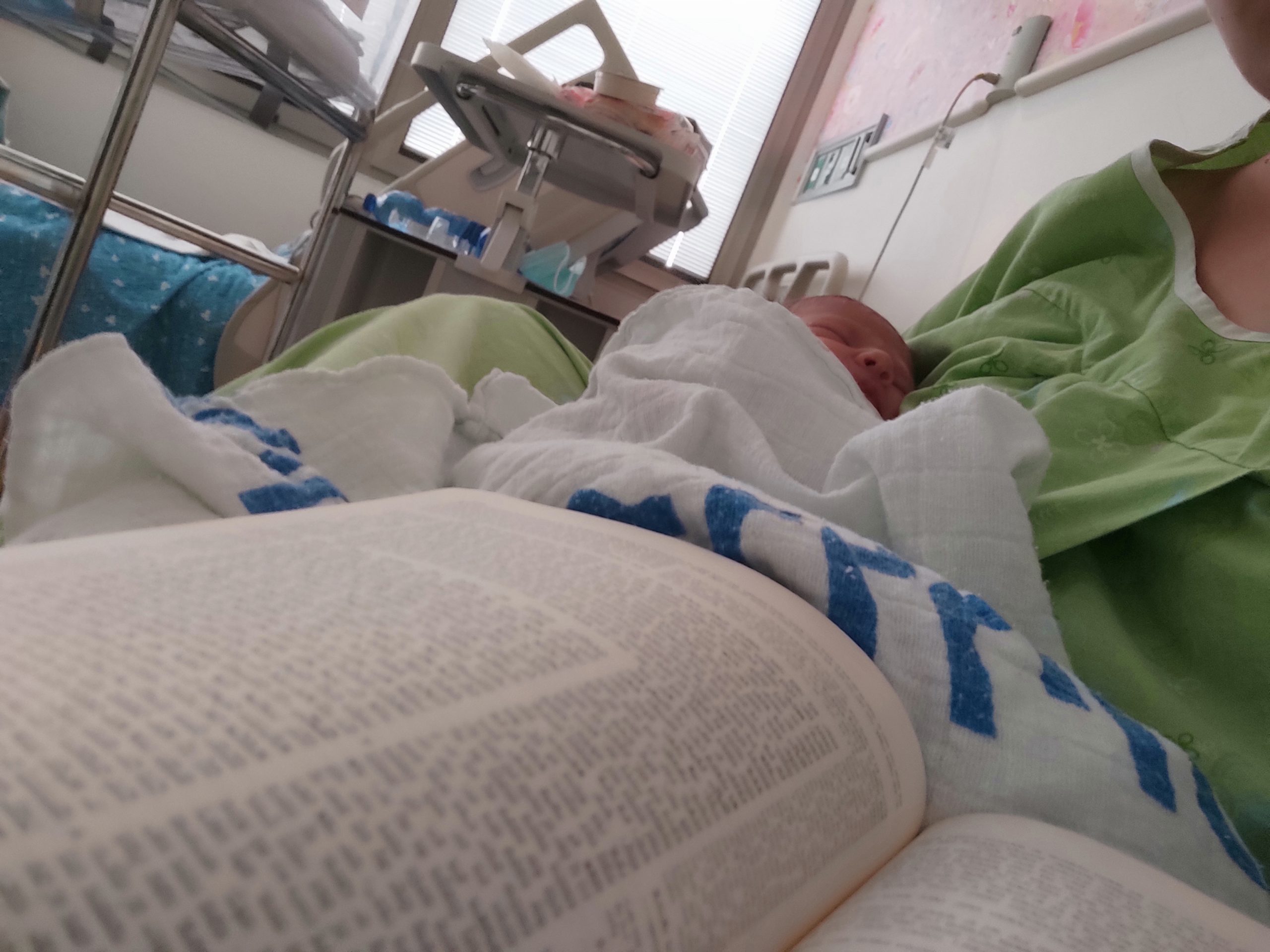
כמו שרואים בתמונה אני ממשיכה ללמוד גם היום ואפילו במחלקת יולדות אחרי לידת ביתי השלישית.

Noa Shiloh
נועה שילה

רבבה, ישראל

התחלתי ללמוד בסבב הנוכחי לפני כשנתיים .הסביבה מתפעלת ותומכת מאוד. אני משתדלת ללמוד מכל ההסכתים הנוספים שיש באתר הדרן. אני עורכת כל סיום מסכת שיעור בביתי לכ20 נשים שמחכות בקוצר רוח למפגשים האלו.

Yael Asher
יעל אשר

יהוד, ישראל

רבנית מישל הציתה אש התלמוד בלבבות בביניני האומה ואני נדלקתי. היא פתחה פתח ותמכה במתחילות כמוני ואפשרה לנו להתקדם בצעדים נכונים וטובים. הקימה מערך שלם שמסובב את הלומדות בסביבה תומכת וכך נכנסתי למסלול לימוד מעשיר שאין כמוה. הדרן יצר קהילה גדולה וחזקה שמאפשרת התקדמות מכל נקודת מוצא. יש דיבוק לומדות שמחזק את ההתמדה של כולנו. כל פניה ושאלה נענית בזריזות ויסודיות. תודה גם למגי על כל העזרה.

Sarah Aber
שרה אבר

נתניה, ישראל

נדרים עט

שֶׁהַשְּׁתִיקָה מְקַיֶּימֶת, וְאֵין שְׁתִיקָה מְבַטֶּלֶת. קִיֵּים בְּלִבּוֹ — קַיָּים, הֵפֵר בְּלִבּוֹ — אֵינוֹ מוּפָר. קִיֵּים — אֵין יָכוֹל לְהָפֵר, הֵפֵר — אֵין יָכוֹל לְקַיֵּים. קָתָנֵי: שֶׁהַשְּׁתִיקָה מְקַיֶּימֶת, מַאי לָאו בְּשׁוֹתֵק עַל מְנָת לְמֵיקַט?

that silence ratifies a vow, but silence does not cancel, i.e., nullify, a vow. If the husband ratified a vow in his heart, it is ratified, but if he nullified it in his heart, it is not nullified. The baraita adds: If he ratified a vow he can no longer nullify it; and similarly, if he nullified a vow he can no longer ratify it. In any case, the baraita teaches that silence ratifies a vow. What, is it not referring even to one who is silent in order to annoy his wife?

לֹא, בְּשׁוֹתֵק עַל מְנָת לְקַיֵּים. הַיְינוּ: קִיֵּים בְּלִבּוֹ קַיָּים! אֶלָּא בְּשׁוֹתֵק סְתָם.

The Gemara rejects this interpretation: No, it is referring to one who is silent in order to sustain the vow. The Gemara asks: If so, this is the same as: If the husband ratified a vow in his heart, it is ratified. Rather, the phrase in the baraita: Silence ratifies a vow, is referring to a case where the husband is silent without specifying his intent.

אַשְׁכְּחַן חוֹמֶר בְּהָקֵם מִבְּהָפֵר, בְּהָפֵר מִבְּהָקֵם מְנָא לַן? אָמַר רַבִּי יוֹחָנָן: נִשְׁאָלִין עַל הֶהָקֵם, וְאֵין נִשְׁאָלִין עַל הֶהָפֵר.

Relating to the baraita, the Gemara asks: We found how the halakha is more stringent in ratification of vows than in nullification of vows, but where do we find a case in which the halakha is more stringent in nullification than in ratification? Rabbi Yoḥanan says: One can request from a halakhic authority dissolution of the ratification of a vow his wife took, but one cannot request dissolution of the nullification of a vow.

מֵתִיב רַב כָּהֲנָא: ״וְאִם הַחֲרֵשׁ יַחֲרִישׁ לָהּ אִישָׁהּ וְגוֹ׳״, בְּשׁוֹתֵק עַל מְנָת לְמֵיקַט הַכָּתוּב מְדַבַּר. אַתָּה אוֹמֵר בְּשׁוֹתֵק עַל מְנָת לְמֵיקַט, אוֹ אֵינוֹ אֶלָּא בְּשׁוֹתֵק עַל מְנָת לְקַיֵּים?

Rav Kahana raised an objection to the opinion of Rabbi Ḥanina that a husband who is silent about his wife’s vow in order to annoy her can nullify it even several days later. A baraita teaches: “But if her husband altogether hold his peace at her from day to day, then he causes all her vows to be ratified” (Numbers 30:15). The verse is speaking of one who is silent in order to annoy his wife. Do you say that the verse is referring to one who is silent in order to annoy her, or it is referring only to one who is silent in order to ratify the vow?

כְּשֶׁהוּא אוֹמֵר ״כִּי הֶחֱרִשׁ לָהּ״, הֲרֵי בְּשׁוֹתֵק עַל מְנָת לְקַיֵּים הַכָּתוּב מְדַבֵּר, הָא מָה אֲנִי מְקַיֵּים ״אִם הַחֲרֵשׁ יַחֲרִישׁ לָהּ אִישָׁהּ״ — בְּשׁוֹתֵק עַל מְנָת לְמֵיקַט הַכָּתוּב מְדַבֵּר! תְּיוּבְתָּא.

The baraita continues: When it says, in the continuation of the same verse: “He has ratified them, because he held his peace at her on the day that he heard them” (Numbers 30:15), the verse is speaking of one who is silent in order to ratify the vow. How do I realize the meaning of: “If her husband altogether holds his peace at her”? It must be that the verse is speaking of one who is silent in order to annoy his wife, and that this is also considered an act of ratification. This baraita is a conclusive refutation [teyuveta] of Rabbi Ḥanina’s opinion.

וְלוֹקֵים: הָא — בְּשׁוֹתֵק עַל מְנָת לְקַיֵּים, הָא — בְּשׁוֹתֵק סְתָם! קְרָאֵי יַתִּירִי כְּתִיבִי.

The Gemara asks about this baraita: And let the tanna interpret this part of the verse as referring to one who is silent in order to ratify the vow, and that part of the same verse as referring to one who was silent without specifying his intent, as the Gemara suggests above in explanation of the baraita? The Gemara answers: Superfluous verses are written about silence, leading to the conclusion that whatever the reason for the husband’s silence, the vow is ratified.

מֵתִיב רָבָא: נָדְרָה עִם חֲשֵׁכָה — מֵפֵר לָהּ עַד שֶׁלֹּא חָשְׁכָה, שֶׁאִם לֹא הֵפֵר וְחָשְׁכָה — אֵינוֹ יָכוֹל לְהָפֵר. אַמַּאי? לֶהֱוֵי כְּשׁוֹתֵק עַל מְנָת לְמֵיקַט! תְּיוּבְתָּא.

Rava raised a further objection to the opinion of Rabbi Ḥanina, from a mishna (76b): If she took a vow on Friday with nightfall approaching, her father or husband can nullify the vow only until nightfall, since, if it became dark and he had not yet nullified her vow, he cannot nullify it anymore. Why should this be so? Let the fact that the husband refrained from nullifying the vow out of respect for Shabbat be regarded like one who is silent in order to annoy his wife, who, according to Rav Huna, can still nullify the vow later. The fact that this is not the case is a conclusive refutation of the opinion of Rabbi Ḥanina.

מֵתִיב רַב אָשֵׁי: ״יוֹדֵעַ אֲנִי שֶׁיֵּשׁ נְדָרִים, אֲבָל אֵינִי יוֹדֵעַ שֶׁיֵּשׁ מְפִירִין״ — יָפֵר. ״יוֹדֵעַ אֲנִי שֶׁיֵּשׁ מְפִירִין, אֲבָל אֵינִי יוֹדֵעַ שֶׁזֶּה נֶדֶר״, רַבִּי מֵאִיר אוֹמֵר: לֹא יָפֵר, וַחֲכָמִים אוֹמְרִים: יָפֵר.

Rav Ashi also raised an objection to Rabbi Ḥanina’s opinion, from another mishna (87b): If a husband or father said, after failing to nullify a vow on the day he heard it: I know that there are vows, but I do not know that there are those who can nullify vows, i.e., he was unaware that he can nullify a vow, he can nullify it even after the day he heard it. However, if he said: I know there are those who nullify, but I refrained from nullifying the vow because I do not know that this is considered a vow that I could nullify, Rabbi Meir says: He cannot nullify at this point, but the Rabbis say: Even in this case he can nullify the vow when he discovers his error.

וְאַמַּאי? לֶיהֱוֵי כְּשׁוֹתֵק עַל מְנָת לְמֵיקַט! תְּיוּבְתָּא.

Rav Ashi asks rhetorically: But why may he not nullify according to Rabbi Meir’s opinion? Let his silence by mistake be like that of one who is silent in order to annoy, who, according to Rabbi Ḥanina, can nullify the vow at a later stage. This is a conclusive refutation of Rabbi Ḥanina’s opinion.

הָדְרָן עֲלָךְ נַעֲרָה הַמְאוֹרָסָה

וְאֵלּוּ נְדָרִים שֶׁהוּא מֵפֵר: דְּבָרִים שֶׁיֵּשׁ בָּהֶן עִנּוּי נֶפֶשׁ: ״אִם אֶרְחַץ״ וְ״אִם לֹא אֶרְחַץ״, ״אִם אֶתְקַשֵּׁט״ וְ״אִם לֹא אֶתְקַשֵּׁט״.

MISHNA: And these are the vows that he, the husband or father, can nullify: The first category consists of matters that involve affliction for the woman who took the vow. For example, if a woman vowed: If I bathe, or: If I do not bathe; if she vowed: If I adorn myself [etkashet], or: If I do not adorn myself.

אָמַר רַבִּי יוֹסֵי: אֵין אֵלּוּ נִדְרֵי עִנּוּי נֶפֶשׁ. וְאֵלּוּ הֵן נִדְרֵי עִנּוּי נֶפֶשׁ: אָמְרָה ״קֻוֽנָּם פֵּירוֹת הָעוֹלָם עָלַי״ — הֲרֵי זֶה יָכוֹל לְהָפֵר. ״פֵּירוֹת מְדִינָה זוֹ עָלַי״ — יָבִיא לָהּ מִמְּדִינָה אַחֶרֶת. ״פֵּירוֹת חֶנְווֹנִי זֶה עָלַי״ — אֵינוֹ יָכוֹל לְהָפֵר. וְאִם לֹא הָיְתָה פַּרְנָסָתוֹ אֶלָּא מִמֶּנּוּ — הֲרֵי זֶה יָפֵר, דִּבְרֵי רַבִּי יוֹסֵי.

Rabbi Yosei said: These are not vows of affliction. Rather, these are vows of affliction: For example, if she said: The produce of the entire world is konam for me as if it were an offering, he can nullify the vow, as it certainly involves affliction. If, however, she said: The produce of this country is konam for me, he cannot nullify the vow, as it does not involve affliction, since he may still bring her produce from another country. Similarly, if she said: The produce of this storekeeper is konam for me, he cannot nullify her vow, as he may still bring her produce from another storekeeper. But if he can obtain his sustenance only from him, that particular storekeeper, he can nullify the vow. This is the statement of Rabbi Yosei.

גְּמָ׳ נִדְרֵי עִנּוּי נֶפֶשׁ הוּא דְּמֵפֵר, שֶׁאֵין בָּהֶן עִנּוּי נֶפֶשׁ אֵינוֹ מֵפֵר? וְהָא תַּנְיָא: ״בֵּין אִישׁ לְאִשְׁתּוֹ בֵּין אָב לְבִתּוֹ״ — מְלַמֵּד שֶׁהַבַּעַל מֵפֵר נְדָרִים שֶׁבֵּינוֹ לְבֵינָהּ!

GEMARA: The Gemara raises a question with regard to the ruling of the mishna: Is it only vows of affliction that he can nullify, whereas vows that do not involve affliction he cannot nullify? But isn’t it taught in a baraita: The verse “These are the statutes that the Lord commanded Moses, between a man and his wife, between a father and his daughter” (Numbers 30:17) teaches that a husband can nullify any of his wife’s vows that adversely affect the relationship between him and her, even if they do not involve affliction?

אָמְרִי: הָלֵין וְהָלֵין מֵפֵר, מִיהוּ עִנּוּי נֶפֶשׁ — מֵפֵר לְעוֹלָם. אֲבָל אֵין בָּהֶן עִנּוּי נֶפֶשׁ, כִּדְאִיתַהּ תְּחוֹתֵיהּ — הָוְיָא הֲפָרָה, מִכִּי מְגָרֵשׁ לַהּ — חָיֵיל עֲלַהּ נִדְרַהּ. בִּדְבָרִים שֶׁבֵּינוֹ לְבֵינָהּ שֶׁאֵין בָּהֶן עִנּוּי נֶפֶשׁ. אֲבָל יֵשׁ בָּהֶן עִנּוּי נֶפֶשׁ — לָא חָיֵיל עֲלַיהּ נִדְרַהּ.

The Sages say in response: In fact, he can nullify both these and those. There is, however, a difference between them. When he nullifies vows of affliction, he nullifies them forever, i.e., the vows remain nullified even if they subsequently divorce. But when he nullifies vows that do not involve affliction but merely impact upon their relationship, then, while they are married and she is under his authority it is an effective nullification, but when he divorces her, her vow takes effect upon her, i.e., his nullification is no longer effective. As stated, this is referring to vows concerning matters that adversely affect the relationship between him and her, that do not involve affliction. However, if he nullifies a vow that affects their relationship and also involves affliction, her vow does not take effect upon her even after she leaves her husband’s authority.

וּדְבָרִים שֶׁאֵין בָּהֶן עִנּוּי נֶפֶשׁ, כִּי מְגָרֵשׁ לַהּ חָיְילָא עֲלַהּ? וְהָא תְּנַן, רַבִּי יוֹחָנָן בֶּן נוּרִי אוֹמֵר: יָפֵר, שֶׁמָּא יְגָרְשֶׁנָּה וּתְהֵא אֲסוּרָה לוֹ. אַלְמָא: כִּי מְגָרֵשׁ לַהּ וּמֵפַר לַהּ מֵעִיקָּרָא — הָוְיָא הֲפָרָה!

The Gemara asks: And as for vows concerning matters that do not involve affliction, when a man divorces his wife, do they really take effect upon her? But didn’t we learn in a mishna with regard to a woman who prohibited her handiwork to her husband by way of a vow (85a) that Rabbi Yoḥanan ben Nuri says: Even though the vow is presently invalid, as a woman cannot render forbidden to her husband that to which he is already entitled, he should nevertheless nullify the vow? This is because perhaps he will one day divorce her, at which point the vow will take effect and she will then be forbidden to him, since he will be unable to remarry her lest he come to benefit from her handiwork. Apparently, however, if he divorces her after having nullified her vow from the outset, before their divorce, it is a permanent nullification, and although the vow does not involve affliction it remains nullified after their divorce.

אָמְרִי: הָלֵין וְהָלֵין הָוְיָא הֲפָרָה. אֶלָּא: נִדְרֵי עִנּוּי נֶפֶשׁ מֵפֵר, בֵּין לְעַצְמוֹ וּבֵין לַאֲחֵרִים. אֵין בָּהֶן עִנּוּי נֶפֶשׁ, לְעַצְמוֹ — מֵפֵר, לַאֲחֵרִים — אֵינוֹ מֵפֵר. וְהָכִי קָתָנֵי: אֵלּוּ נְדָרִים שֶׁהוּא מֵפֵר בֵּין לְעַצְמוֹ וּבֵין לַאֲחֵרִים — נְדָרִים שֶׁיֵּשׁ בָּהֶן עִנּוּי נֶפֶשׁ.

Consequently, the Sages say a different answer: With regard to both these and those, vows of affliction and vows adversely affecting the relationship between them, when the husband nullifies the vow, it is a permanent nullification. Rather, the difference between them is as follows: Vows of affliction he can fully nullify, both with respect to himself and with respect to others, i.e., the vow remains nullified even if he divorces her and she marries another man. Whereas vows that do not involve affliction but still adversely affect the relationship between him and her he can permanently nullify with respect to himself, but he cannot nullify with respect to others; if she marries another man, the vow takes effect. And according to this explanation, this is what the mishna is teaching: These are the vows that he can nullify both for himself and for others: Vows that involve affliction.

״אִם אֶרְחַץ״, הֵיכִי קָאָמַר? אִילֵּימָא דְּאָמְרָה ״קֻוֽנָּם פֵּירוֹת עוֹלָם עָלַי אִם אֶרְחַץ״ — לְמָה לֵהּ הֲפָרָה? לָא תִּרְחַץ וְלָא לִיתַּסְרָן פֵּירוֹת עוֹלָם אֵלּוּ עֲלַהּ!

§ The mishna teaches that, according to the first tanna, a woman’s vow: If I bathe, falls into the category of vows of affliction, whereas Rabbi Yosei disagrees and says that this is not a vow of affliction. The Gemara asks: As the phrase: If I bathe, is not the main substance of the vow, but rather the woman wishes to prohibit herself from deriving a certain benefit depending on whether or not she bathes, with regard to what case is the mishna speaking? If we say that she said: The produce of the world is konam for me if I bathe, why, according to the first tanna, does she need nullification at all to prevent her affliction? Let her not bathe and this produce of the world will not be forbidden to her.

וְעוֹד: בְּהָא לֵימָא רַבִּי יוֹסֵי אֵין אֵלּוּ נִדְרֵי עִנּוּי נֶפֶשׁ? דִּלְמָא רָחֲצָה וְאִיתַּסְרוּ פֵּירוֹת עוֹלָם עֲלַהּ.

And furthermore, this explanation is problematic for a different reason: With regard to a vow of this type, would Rabbi Yosei say that these are not vows of affliction? There is certainly room for concern that perhaps she will bathe and the produce of the world will be forbidden to her, a situation that certainly entails deprivation.

רוצה לעקוב אחרי התכנים ולהמשיך ללמוד?

ביצירת חשבון עוד היום ניתן לעקוב אחרי ההתקדמות שלך, לסמן מה למדת, ולעקוב אחרי השיעורים שמעניינים אותך.

לנקות את כל הפריטים מהרשימה?

פעולה זו תסיר את כל הפריטים בחלק זה כולל ההתקדמות וההיסטוריה. שימי לב: לא ניתן לשחזר פעולה זו.

ביטול
מחיקה

האם את/ה בטוח/ה שברצונך למחוק פריט זה?

תאבד/י את כל ההתקדמות או ההיסטוריה הקשורות לפריט זה.

ביטול
מחיקה