חיפוש

נדרים פב

רוצה להקדיש לימוד?

podcast placeholder

0:00
0:00


תקציר

הדף היום מוקדש ע”י שיינדי קורצמן לע”נ אמה, רבקה בת הרב שמחה בונים בציון 24 שנים לפטירתה.

רבא שואל את רב נחמן אם לשיטת חכמים נדר להימנע מקיום יחסים בכלל נחשב כעינוי נפש או לדברים שבינו לבינה? רב נחמן מנסה לענות על כך ממשנה המופיעה בהמשך פרקנו, אך רבא דוחה את ההוכחה על סמך קביעתו של רב הונא ששאר הפרק הוא כולו דעתו של רבי יוסי. שמואל אומר בשם לוי שאם אשה אוסרת את עצמה על מישהו מסוים הבעל יכול להפר את הנדר. שני קשיים מועלים נגד זה ממקרים במשנתנו שנראים דומים מאוד, אולם הבעל יכול להפרם. תשובה מובאת, אך נדחית. בסופו של דבר התשובה היא שהמשנה היא דעתו של רבי יוסי, ולוי סובר כשיטת חכמים. שמואל ורבי יוחנן חלוקים על מקרה שבו אשה נדרה שלא תאכל שתי ככרות לחם והימנעות מאכילת אחת נחשבת לעינוי נפש, אבל השנייה לא. אחד אומר שהוא מפר את כל הנדר והשני אומר שהוא מפר רק את שנחשב לעינוי נפש (ככר אחת).


נדרים פב

יָפֵר חֶלְקוֹ, וּמְשַׁמַּשְׁתּוֹ, וּתְהֵא נְטוּלָה מִן הַיְּהוּדִים. וְאִי אָמְרַתְּ נֶדֶר עִנּוּי נֶפֶשׁ הָוֵי, אַמַּאי תְּהֵא נְטוּלָה מִן הַיְּהוּדִים? שְׁמַע מִינַּהּ דְּבָרִים שֶׁבֵּינוֹ לְבֵינָהּ הָוַיִין.

her husband must nullify his part, i.e., the part of the vow that affects him, so that she will be permitted to him, and she may engage in intercourse with him, but she is removed from all other Jews, so that if he divorces her, she is forbidden to everyone. And if you say that this is a vow of affliction, why should she be removed from all other Jews? Wasn’t it already established that when a husband nullifies a vow of affliction for his wife, he nullifies it not only with respect to himself but with respect to others as well? Rather, learn from here that such vows are under the category of matters that adversely affect the relationship between him and her, and therefore he can nullify it only with respect to himself.

לְרַבָּנַן תִּבְּעֵי לָךְ, מִשּׁוּם דִּ״נְטוּלָה אֲנִי מִן הַיְּהוּדִים״ רַבִּי יוֹסֵי קָתָנֵי לַהּ, דְּאָמַר רַב הוּנָא: כּוּלֵּיהּ פִּירְקִין רַבִּי יוֹסֵי הִיא. מִמַּאי — כֵּיוָן דְּקָתָנֵי: רַבִּי יוֹסֵי אוֹמֵר אֵין אֵלּוּ נִדְרֵי עִינּוּי נֶפֶשׁ, לְמָה לֵיהּ תּוּ לְמִיתְנֵא ״הֲרֵי זֶה יָפֵר, דִּבְרֵי רַבִּי יוֹסֵי״? שְׁמַע מִינַּהּ: מִכָּאן וְאֵילָךְ רַבִּי יוֹסֵי הִיא.

The Gemara notes: According to the Rabbis, you still have the dilemma, because the mishna dealing with a woman who says: I am removed from the Jews, was taught by Rabbi Yosei. As Rav Huna said: Our entire chapter is in accordance with the opinion of Rabbi Yosei. From where do we know this? Since the mishna teaches: Rabbi Yosei says that these are not vows of affliction, why does it need to teach further, at the end of the mishna: He can nullify the vow; this is the statement of Rabbi Yosei? Learn from this that from this point forward, the rest of the mishna is in accordance with the opinion of Rabbi Yosei. Accordingly, this mishna teaches us only the opinion of Rabbi Yosei, not that of the Rabbis.

אָמַר שְׁמוּאֵל מִשְּׁמֵיהּ דְּלֵוִי: כׇּל נְדָרִים בַּעַל מֵפֵר לְאִשְׁתּוֹ, חוּץ מִן ״הֲנָאָתִי עַל פְּלוֹנִי״, שֶׁאֵינוֹ מֵפֵר. אֲבָל ״הֲנָאַת פְּלוֹנִי עָלַי״ — מֵפֵר.

§ Shmuel said in the name of Levi: A husband can nullify all vows of affliction for his wife, except for the vow: Benefit from me is konam for so-and-so, which he cannot nullify, as it is entirely between her and another person. But if she says: Benefit derived from so-and-so is konam for me, he can nullify the vow, as it considered a vow of affliction, since she might one day need that person and be unable to avail herself of his services due to her vow.

תְּנַן: ״פֵּירוֹת מְדִינָה זוֹ עָלַי״ — יָבִיא לָהּ מִמְּדִינָה אַחֶרֶת, אָמַר רַב יוֹסֵף: דְּקָאָמְרָה שֶׁתָּבִיא.

The Gemara raises an objection from that which we learned in the mishna: If she said: The produce of this country is konam for me, he cannot nullify the vow, as it does not involve affliction, since he can still bring her produce from another country. This vow is similar to a vow by which she prohibits herself from deriving benefit from another person. Why, then, does Shmuel say that the husband cannot nullify it? Rav Yosef said: The mishna is referring to a woman who said in her vow: That you bring. In other words, she did not prohibit herself from deriving benefit from the produce of that country entirely, but only from the produce that her husband himself would bring her. She may still enjoy that produce if it is brought to her by someone else or if she brings it for herself.

תָּא שְׁמַע: ״פֵּירוֹת חֶנְוָנִי זֶה עָלַי״ — אֵין יָכוֹל לְהָפֵר. הָכָא נָמֵי דְּקָא אָמְרָה שֶׁתָּבִיא אַתָּה.

The Gemara raises another objection from the next clause of the mishna: Come and hear: If the woman took a vow saying: The produce of this storekeeper is konam for me, her husband cannot nullify the vow. But didn’t Shmuel say that if a woman prohibits herself from benefiting from a certain person, her husband can nullify the vow? The Gemara answers: Here too, the mishna is referring to a case where she said in her vow: The produce that you bring from this storekeeper is konam for me.

לֹא הָיְתָה פַּרְנָסָתוֹ אֶלָּא מִמֶּנּוּ — הֲרֵי זֶה יָפֵר. וְאִי אָמְרַתְּ דְּקָא אָמְרָה שֶׁ״תָּבִיא אַתָּה״, אַמַּאי יָפֵר? אֶלָּא מִדְּסֵיפָא דְּלָא מַיְיתֵי בַּעַל הָוֵי, רֵישָׁא דְּקָא מַיְיתָא הִיא!

The Gemara questions this resolution: But the continuation of the mishna states: But if the husband can obtain his sustenance only from him, i.e., that particular storekeeper, he can nullify his wife’s vow. And if you say that this is referring to a case where the woman said in her vow: The fruit that you bring from this storekeeper is konam for me, why can the husband nullify her vow? Other people can bring her the fruit on his behalf. Rather, from the fact that the latter clause of the mishna must be dealing with a case where the woman renders all fruit forbidden to herself, even that which the husband does not bring her, the first clause must also refer to a case where the woman renders forbidden even the fruit that she herself brings, and nevertheless the husband cannot nullify the vow. Therefore, the objection raised against Shmuel remains.

אֶלָּא: רֵישָׁא אֵין יָכוֹל לְהָפֵר, וּדְקָא מַיְיתָא הִיא.

Rather, the Gemara retracts its previous answer and explains the matter as follows: In the first clause the husband cannot nullify his wife’s vow, and the case is one where she renders forbidden even the fruit that she herself brings.

וּמַתְנִיתִין רַבִּי יוֹסֵי הִיא. דְּאָמַר רַב הוּנָא: כּוּלֵּיהּ פִּרְקִין רַבִּי יוֹסֵי הִיא. וּמַאי ״אֵין יָכוֹל לְהָפֵר״, מִשּׁוּם עִינּוּי נֶפֶשׁ, אֲבָל מֵפֵר נְדָרִים שֶׁבֵּינוֹ לְבֵינָהּ.

And the mishna is in accordance with the opinion of Rabbi Yosei, who is more restrictive in his definition of affliction. As Rav Huna said: Our entire chapter is in accordance with the opinion of Rabbi Yosei. Shmuel, on the other hand, rules in accordance with the opinion of the Rabbis. And what does Rabbi Yosei mean when he says that the husband cannot nullify his wife’s vows? He means that he cannot nullify them as vows of affliction, but he can nullify them as vows that adversely affect the relationship between him and her.

אָמַר רַב יְהוּדָה אָמַר שְׁמוּאֵל: נָדְרָה מִשְׁתֵּי כִכָּרוֹת, בְּאַחַת מִתְעַנָּה, וּבְאַחַת אֵין מִתְעַנָּה, מִתּוֹךְ שֶׁהוּא מֵפֵר לַמִּתְעַנָּה — מֵפֵר לְשֶׁאֵינוֹ מִתְעַנָּה. וְרַב אַסִּי אָמַר רַבִּי יוֹחָנָן: מֵפֵר לַמִּתְעַנָּה, וְאֵין מֵפֵר לְשֶׁאֵין מִתְעַנָּה.

§ Rav Yehuda said that Shmuel said: In a case where a woman vowed that two loaves are forbidden to her, and if she abstains from one of them she would deprive herself, as it is a fine-quality loaf, and if she abstains from the other one she would not deprive herself, as it is a poor-quality loaf, then, since the husband can nullify the vow with regard to the loaf that would cause her to deprive herself, like any other vow of affliction, he can also nullify the vow with regard to the loaf that would not cause her to deprive herself. And Rav Asi said that Rabbi Yoḥanan said: The husband can nullify the vow with regard to the loaf that would cause her to deprive herself, but he cannot nullify the vow with regard to the loaf that would not cause her to deprive herself.

וְאִיכָּא דְּאָמְרִי, בְּעָא מִינֵּיהּ רַב אַסִּי מֵרַבִּי יוֹחָנָן: נָדְרָה מִשְׁתֵּי כִכָּרוֹת, בְּאַחַת מִתְעַנָּה וּבְאַחַת אֵין מִתְעַנָּה, מַהוּ? אֲמַר לֵיהּ: מֵפֵר לַמִּתְעַנָּה וְאֵין מֵפֵר לְשֶׁאֵין מִתְעַנָּה.

And some say a different version of this dispute, according to which Rav Asi raised a dilemma before Rabbi Yoḥanan: In a case where a woman vowed not to eat from two loaves of bread, and if she abstains from one of them she would deprive herself, and if she abstains from the other one she would not deprive herself, what is the halakha? Rabbi Yoḥanan said to him: The husband can nullify the vow with regard to the loaf that would cause her to deprive herself, but he cannot nullify the vow with regard to the loaf that would not cause her to deprive herself.

אֵיתִיבֵיהּ: הָאִשָּׁה שֶׁנָּדְרָה בְּנָזִיר, וְהָיְתָה שׁוֹתֶה יַיִן, וּמִטַּמְּאָה לְמֵתִים

Rav Asi raised an objection against Rabbi Yoḥanan from the following mishna (Nazir 23a): With regard to a woman who vowed to be a nazirite, and she transgressed her vow and drank wine or became impure by coming into contact with the dead,

חדשה בלימוד הגמרא?

זה הדף הראשון שלך? איזו התרגשות עצומה! יש לנו בדיוק את התכנים והכלים שיעזרו לך לעשות את הצעדים הראשונים ללמידה בקצב וברמה שלך, כך תוכלי להרגיש בנוח גם בתוך הסוגיות המורכבות ומאתגרות.

פסיפס הלומדות שלנו

גלי את קהילת הלומדות שלנו, מגוון נשים, רקעים וסיפורים. כולן חלק מתנועה ומסע מרגש ועוצמתי.

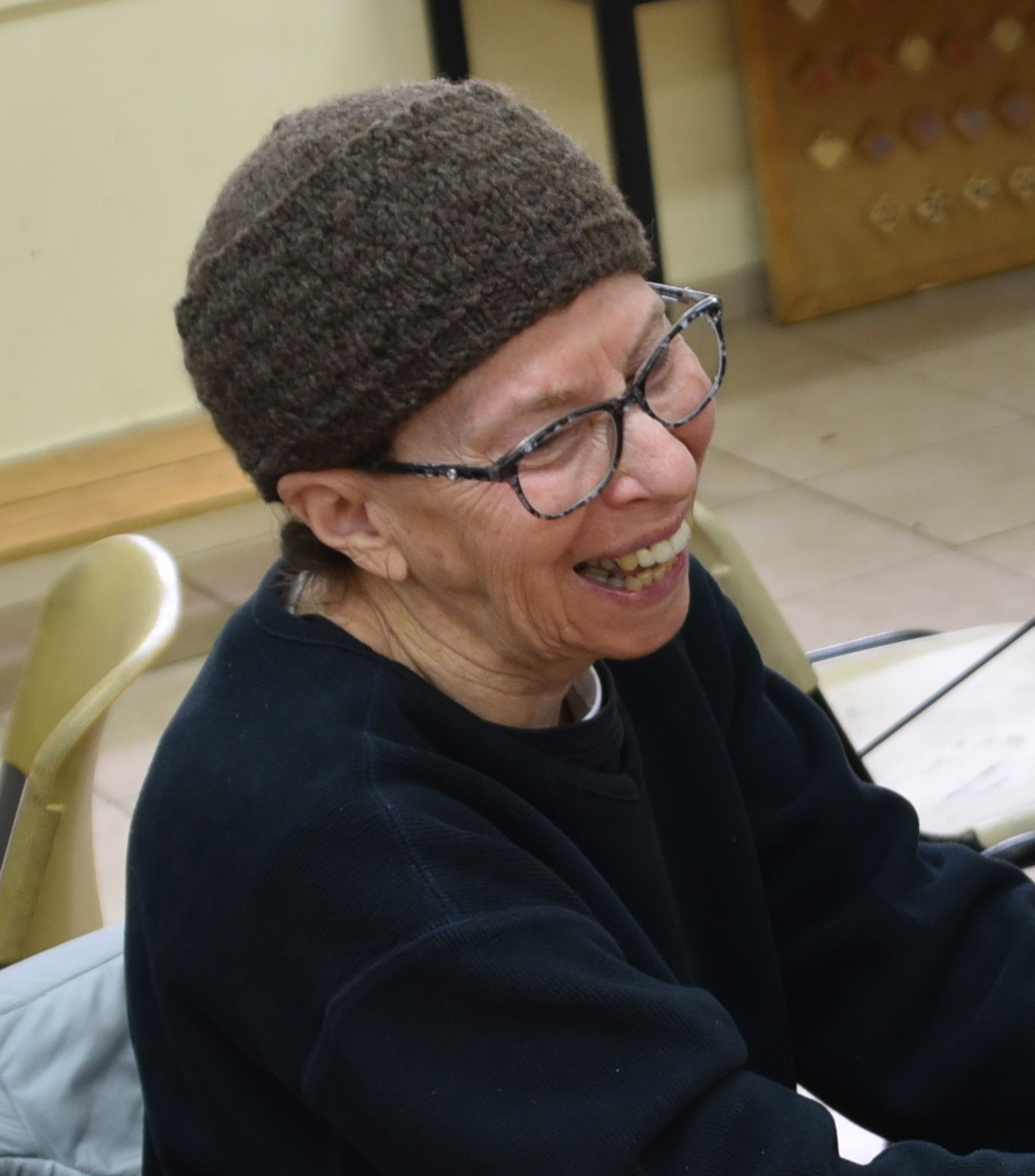
רבנית מישל הציתה אש התלמוד בלבבות בביניני האומה ואני נדלקתי. היא פתחה פתח ותמכה במתחילות כמוני ואפשרה לנו להתקדם בצעדים נכונים וטובים. הקימה מערך שלם שמסובב את הלומדות בסביבה תומכת וכך נכנסתי למסלול לימוד מעשיר שאין כמוה. הדרן יצר קהילה גדולה וחזקה שמאפשרת התקדמות מכל נקודת מוצא. יש דיבוק לומדות שמחזק את ההתמדה של כולנו. כל פניה ושאלה נענית בזריזות ויסודיות. תודה גם למגי על כל העזרה.

Sarah Aber
שרה אבר

נתניה, ישראל

התחלתי לפני 8 שנים במדרשה. לאחרונה סיימתי מסכת תענית בלמידה עצמית ועכשיו לקראת סיום מסכת מגילה.

Daniela Baruchim
דניאלה ברוכים

רעננה, ישראל

התחלתי ללמוד בשנת המדרשה במגדל עוז, בינתיים נהנית מאוד מהלימוד ומהגמרא, מעניין ומשמח מאוד!
משתדלת להצליח לעקוב כל יום, לפעמים משלימה קצת בהמשך השבוע.. מרגישה שיש עוגן מקובע ביום שלי והוא משמח מאוד!

Uriah Kesner
אוריה קסנר

חיפה , ישראל

בתחילת הסבב הנוכחי הצטברו אצלי תחושות שאני לא מבינה מספיק מהי ההלכה אותה אני מקיימת בכל יום. כמו כן, כאמא לבנות רציתי לתת להן מודל נשי של לימוד תורה
שתי הסיבות האלו הובילו אותי להתחיל ללמוד. נתקלתי בתגובות מפרגנות וסקרניות איך אישה לומדת גמרא..
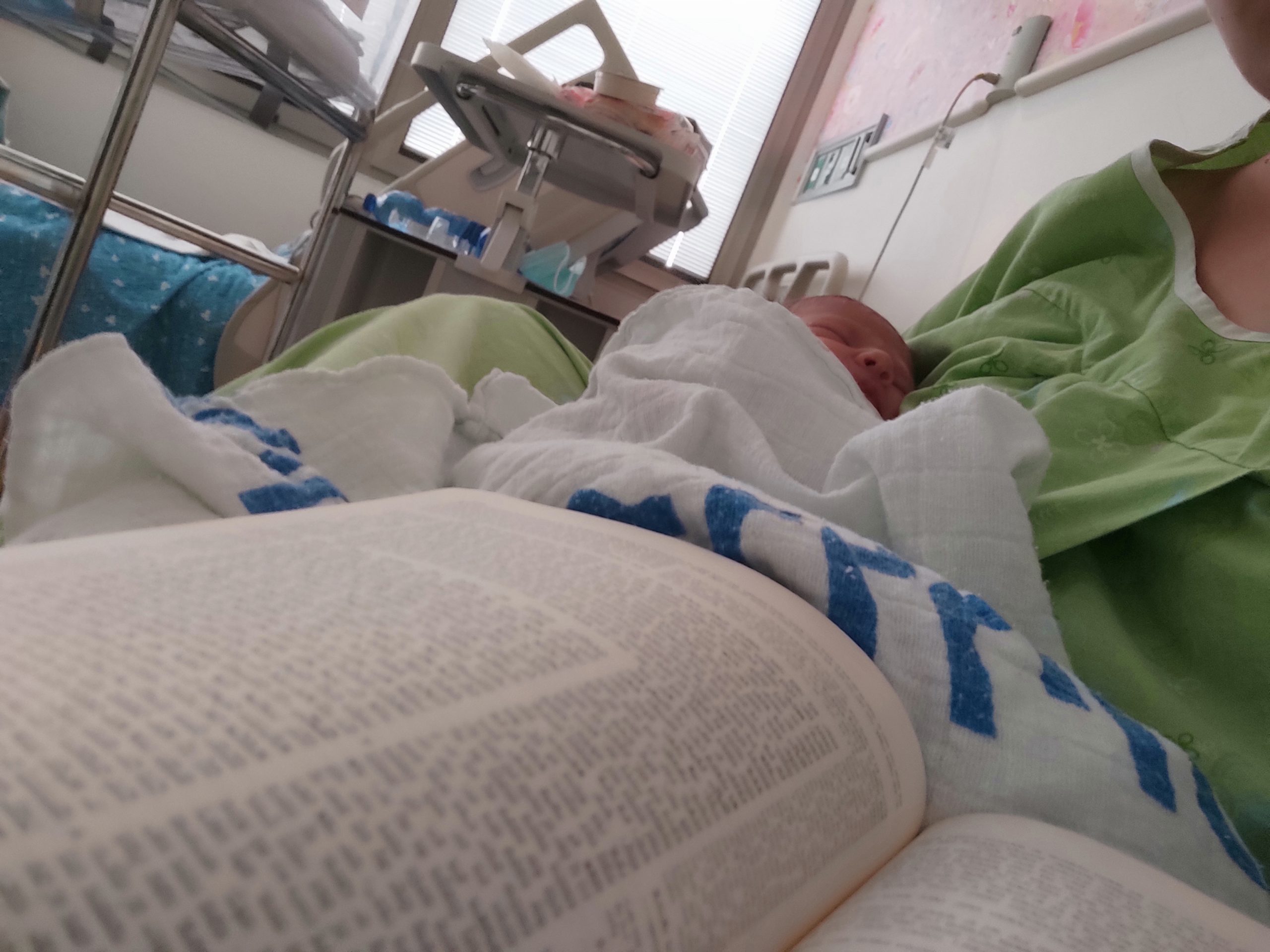
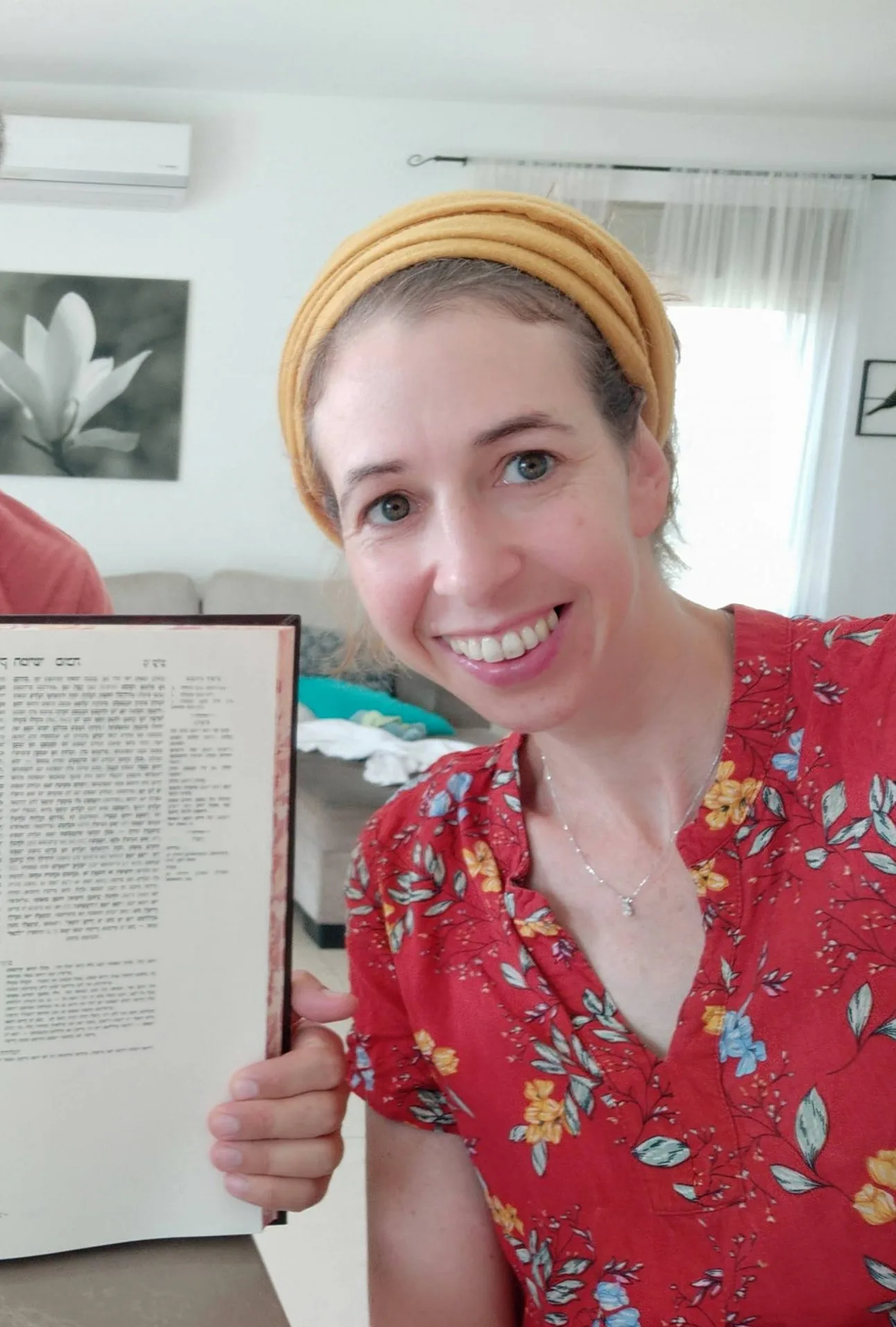
כמו שרואים בתמונה אני ממשיכה ללמוד גם היום ואפילו במחלקת יולדות אחרי לידת ביתי השלישית.

Noa Shiloh
נועה שילה

רבבה, ישראל

התחלתי ללמוד את הדף היומי מעט אחרי שבני הקטן נולד. בהתחלה בשמיעה ולימוד באמצעות השיעור של הרבנית שפרבר. ובהמשך העזתי וקניתי לעצמי גמרא. מאז ממשיכה יום יום ללמוד עצמאית, ולפעמים בעזרת השיעור של הרבנית, כל יום. כל סיום של מסכת מביא לאושר גדול וסיפוק. הילדים בבית נהיו חלק מהלימוד, אני משתפת בסוגיות מעניינות ונהנית לשמוע את דעתם.

Eliraz Blau
אלירז בלאו

מעלה מכמש, ישראל

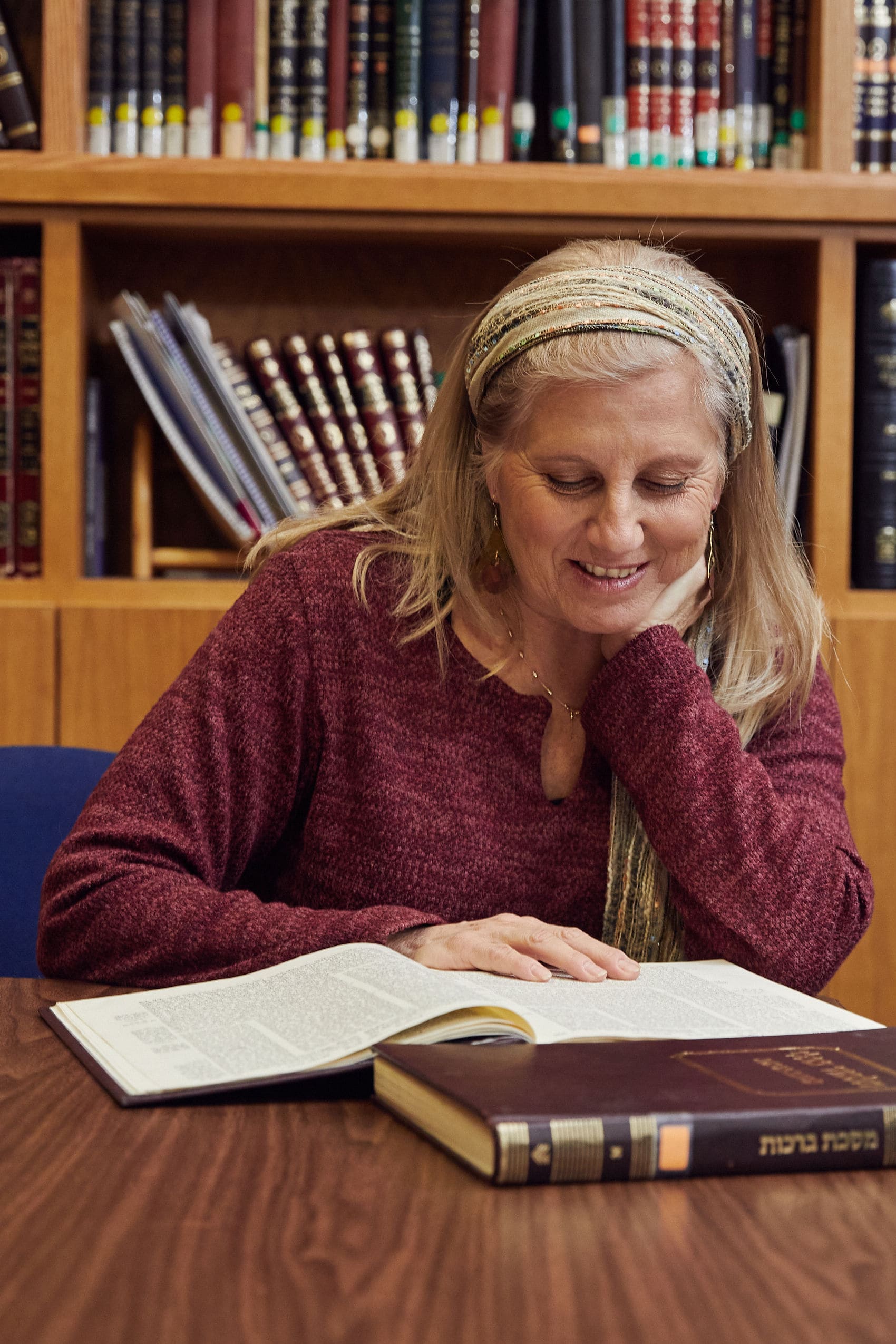
התחלתי ללמוד דף יומי כאשר קיבלתי במייל ממכון שטיינזלץ את הדפים הראשונים של מסכת ברכות במייל. קודם לא ידעתי איך לקרוא אותם עד שנתתי להם להדריך אותי. הסביבה שלי לא מודעת לעניין כי אני לא מדברת על כך בפומבי. למדתי מהדפים דברים חדשים, כמו הקשר בין המבנה של בית המקדש והמשכן לגופו של האדם (יומא מה, ע”א) והקשר שלו למשפט מפורסם שמופיע בספר ההינדי "בהגוד-גיתא”. מתברר שזה רעיון כלל עולמי ולא רק יהודי

Elena Arenburg
אלנה ארנבורג

נשר, ישראל

התחלתי ללמוד דף לפני קצת יותר מ-5 שנים, כשלמדתי רבנות בישיבת מהר”ת בניו יורק. בדיעבד, עד אז, הייתי בלימוד הגמרא שלי כמו מישהו שאוסף חרוזים משרשרת שהתפזרה, פה משהו ושם משהו, ומאז נפתח עולם ומלואו…. הדף נותן לי לימוד בצורה מאורגנת, שיטתית, יום-יומית, ומלמד אותי לא רק ידע אלא את השפה ודרך החשיבה שלנו. לשמחתי, יש לי סביבה תומכת וההרגשה שלי היא כמו בציטוט שבחרתי: הדף משפיע לטובה על כל היום שלי.

Michal Kahana
מיכל כהנא

חיפה, ישראל

התחלתי ללמוד דף יומי אחרי שחזרתי בתשובה ולמדתי במדרשה במגדל עוז. הלימוד טוב ומספק חומר למחשבה על נושאים הלכתיים ”קטנים” ועד לערכים גדולים ביהדות. חשוב לי להכיר את הגמרא לעומק. והצעד הקטן היום הוא ללמוד אותה בבקיאות, בעזרת השם, ומי יודע אולי גם אגיע לעיון בנושאים מעניינים. נושאים בגמרא מתחברים לחגים, לתפילה, ליחסים שבין אדם לחברו ולמקום ולשאר הדברים שמלווים באורח חיים דתי 🙂

Gaia Divo
גאיה דיבו

מצפה יריחו, ישראל

התחלתי ללמוד דף יומי לפני שנתיים, עם מסכת שבת. בהתחלה ההתמדה היתה קשה אבל בזכות הקורונה והסגרים הצלחתי להדביק את הפערים בשבתות הארוכות, לסיים את מסכת שבת ולהמשיך עם המסכתות הבאות. עכשיו אני מסיימת בהתרגשות רבה את מסכת חגיגה וסדר מועד ומחכה לסדר הבא!

Ilana-Shachnowitz
אילנה שכנוביץ

מודיעין, ישראל

ראיתי את הסיום הגדול בבנייני האומה וכל כך התרשמתי ורציתי לקחת חלק.. אבל לקח לי עוד כשנה וחצי )באמצע מסיכת שבת להצטרף..
הלימוד חשוב לי מאוד.. אני תמיד במרדף אחרי הדף וגונבת כל פעם חצי דף כשהילדים עסוקים ומשלימה אח”כ אחרי שכולם הלכו לישון..

Olga Mizrahi
אולגה מזרחי

ירושלים, ישראל

בסוף הסבב הקודם ראיתי את השמחה הגדולה שבסיום הלימוד, בעלי סיים כבר בפעם השלישית וכמובן הסיום הנשי בבנייני האומה וחשבתי שאולי זו הזדמנות עבורי למשהו חדש.
למרות שאני שונה בסביבה שלי, מי ששומע על הלימוד שלי מפרגן מאוד.
אני מנסה ללמוד קצת בכל יום, גם אם לא את כל הדף ובסך הכל אני בדרך כלל עומדת בקצב.
הלימוד מעניק המון משמעות ליום יום ועושה סדר בלמוד תורה, שתמיד היה (ועדיין) שאיפה. אבל אין כמו קביעות

Racheli-Mendelson
רחלי מנדלסון

טל מנשה, ישראל

התחלתי ללמוד בשנת המדרשה במגדל עוז, בינתיים נהנית מאוד מהלימוד ומהגמרא, מעניין ומשמח מאוד!
משתדלת להצליח לעקוב כל יום, לפעמים משלימה קצת בהמשך השבוע.. מרגישה שיש עוגן מקובע ביום שלי והוא משמח מאוד!

Uriah Kesner
אוריה קסנר

חיפה , ישראל

התחלתי ללמוד בסבב הנוכחי לפני כשנתיים .הסביבה מתפעלת ותומכת מאוד. אני משתדלת ללמוד מכל ההסכתים הנוספים שיש באתר הדרן. אני עורכת כל סיום מסכת שיעור בביתי לכ20 נשים שמחכות בקוצר רוח למפגשים האלו.

Yael Asher
יעל אשר

יהוד, ישראל

התחלתי כשהייתי בחופש, עם הפרסומים על תחילת המחזור, הסביבה קיבלה את זה כמשהו מתמיד ומשמעותי ובהערכה, הלימוד זה עוגן יציב ביום יום, יש שבועות יותר ויש שפחות אבל זה משהו שנמצא שם אמין ובעל משמעות בחיים שלי….

Adi Diamant
עדי דיאמנט

גמזו, ישראל

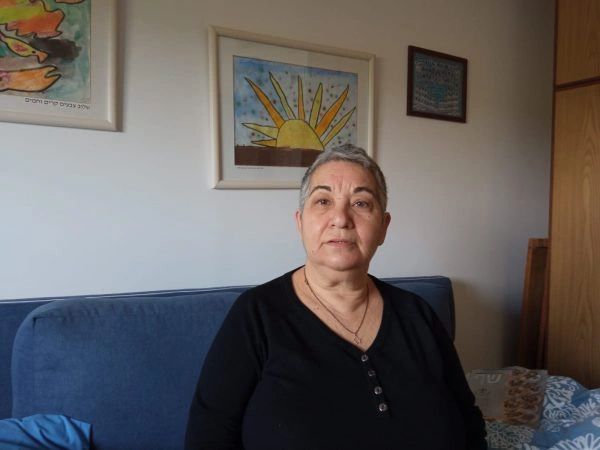
התחלתי בסיום הש”ס, יצאתי באורות. נשברתי פעמיים, ובשתיהם הרבנית מישל עודדה להמשיך איפה שכולם בסבב ולהשלים כשאוכל, וכך עשיתי וכיום השלמתי הכל. מדהים אותי שאני לומדת כל יום קצת, אפילו בחדר הלידה, בבידוד או בחו”ל. לאט לאט יותר נינוחה בסוגיות. לא כולם מבינים את הרצון, בפרט כפמניסטית. חשה סיפוק גדול להכיר את המושגים וצורת החשיבה. החלום זה להמשיך ולהתמיד ובמקביל ללמוד איך מהסוגיות נוצרה והתפתחה ההלכה.

Weingarten Sherrington Foundation
קרן וינגרטן שרינגטון

מודיעין, ישראל

התחלתי לפני 8 שנים במדרשה. לאחרונה סיימתי מסכת תענית בלמידה עצמית ועכשיו לקראת סיום מסכת מגילה.

Daniela Baruchim
דניאלה ברוכים

רעננה, ישראל

התחלתי ללמוד דף יומי לפני שנתיים, עם מסכת שבת. בהתחלה ההתמדה היתה קשה אבל בזכות הקורונה והסגרים הצלחתי להדביק את הפערים בשבתות הארוכות, לסיים את מסכת שבת ולהמשיך עם המסכתות הבאות. עכשיו אני מסיימת בהתרגשות רבה את מסכת חגיגה וסדר מועד ומחכה לסדר הבא!

Ilana-Shachnowitz
אילנה שכנוביץ

מודיעין, ישראל

רציתי לקבל ידע בתחום שהרגשתי שהוא גדול וחשוב אך נעלם ממני. הלימוד מעניק אתגר וסיפוק ומעמיק את תחושת השייכות שלי לתורה וליהדות

Ruth Agiv
רות עגיב

עלי זהב – לשם, ישראל

כבר סיפרתי בסיום של מועד קטן.
הלימוד מאוד משפיעה על היום שלי כי אני לומדת עם רבנית מישל על הבוקר בזום. זה נותן טון לכל היום – בסיס למחשבות שלי .זה זכות גדול להתחיל את היום בלימוד ובתפילה. תודה רבה !

שרה-ברלוביץ
שרה ברלוביץ

ירושלים, ישראל

התחלתי ללמוד לפני כשנתיים בשאיפה לסיים לראשונה מסכת אחת במהלך חופשת הלידה.
אחרי מסכת אחת כבר היה קשה להפסיק…

Noa Gallant
נעה גלנט

ירוחם, ישראל

נדרים פב

יָפֵר חֶלְקוֹ, וּמְשַׁמַּשְׁתּוֹ, וּתְהֵא נְטוּלָה מִן הַיְּהוּדִים. וְאִי אָמְרַתְּ נֶדֶר עִנּוּי נֶפֶשׁ הָוֵי, אַמַּאי תְּהֵא נְטוּלָה מִן הַיְּהוּדִים? שְׁמַע מִינַּהּ דְּבָרִים שֶׁבֵּינוֹ לְבֵינָהּ הָוַיִין.

her husband must nullify his part, i.e., the part of the vow that affects him, so that she will be permitted to him, and she may engage in intercourse with him, but she is removed from all other Jews, so that if he divorces her, she is forbidden to everyone. And if you say that this is a vow of affliction, why should she be removed from all other Jews? Wasn’t it already established that when a husband nullifies a vow of affliction for his wife, he nullifies it not only with respect to himself but with respect to others as well? Rather, learn from here that such vows are under the category of matters that adversely affect the relationship between him and her, and therefore he can nullify it only with respect to himself.

לְרַבָּנַן תִּבְּעֵי לָךְ, מִשּׁוּם דִּ״נְטוּלָה אֲנִי מִן הַיְּהוּדִים״ רַבִּי יוֹסֵי קָתָנֵי לַהּ, דְּאָמַר רַב הוּנָא: כּוּלֵּיהּ פִּירְקִין רַבִּי יוֹסֵי הִיא. מִמַּאי — כֵּיוָן דְּקָתָנֵי: רַבִּי יוֹסֵי אוֹמֵר אֵין אֵלּוּ נִדְרֵי עִינּוּי נֶפֶשׁ, לְמָה לֵיהּ תּוּ לְמִיתְנֵא ״הֲרֵי זֶה יָפֵר, דִּבְרֵי רַבִּי יוֹסֵי״? שְׁמַע מִינַּהּ: מִכָּאן וְאֵילָךְ רַבִּי יוֹסֵי הִיא.

The Gemara notes: According to the Rabbis, you still have the dilemma, because the mishna dealing with a woman who says: I am removed from the Jews, was taught by Rabbi Yosei. As Rav Huna said: Our entire chapter is in accordance with the opinion of Rabbi Yosei. From where do we know this? Since the mishna teaches: Rabbi Yosei says that these are not vows of affliction, why does it need to teach further, at the end of the mishna: He can nullify the vow; this is the statement of Rabbi Yosei? Learn from this that from this point forward, the rest of the mishna is in accordance with the opinion of Rabbi Yosei. Accordingly, this mishna teaches us only the opinion of Rabbi Yosei, not that of the Rabbis.

אָמַר שְׁמוּאֵל מִשְּׁמֵיהּ דְּלֵוִי: כׇּל נְדָרִים בַּעַל מֵפֵר לְאִשְׁתּוֹ, חוּץ מִן ״הֲנָאָתִי עַל פְּלוֹנִי״, שֶׁאֵינוֹ מֵפֵר. אֲבָל ״הֲנָאַת פְּלוֹנִי עָלַי״ — מֵפֵר.

§ Shmuel said in the name of Levi: A husband can nullify all vows of affliction for his wife, except for the vow: Benefit from me is konam for so-and-so, which he cannot nullify, as it is entirely between her and another person. But if she says: Benefit derived from so-and-so is konam for me, he can nullify the vow, as it considered a vow of affliction, since she might one day need that person and be unable to avail herself of his services due to her vow.

תְּנַן: ״פֵּירוֹת מְדִינָה זוֹ עָלַי״ — יָבִיא לָהּ מִמְּדִינָה אַחֶרֶת, אָמַר רַב יוֹסֵף: דְּקָאָמְרָה שֶׁתָּבִיא.

The Gemara raises an objection from that which we learned in the mishna: If she said: The produce of this country is konam for me, he cannot nullify the vow, as it does not involve affliction, since he can still bring her produce from another country. This vow is similar to a vow by which she prohibits herself from deriving benefit from another person. Why, then, does Shmuel say that the husband cannot nullify it? Rav Yosef said: The mishna is referring to a woman who said in her vow: That you bring. In other words, she did not prohibit herself from deriving benefit from the produce of that country entirely, but only from the produce that her husband himself would bring her. She may still enjoy that produce if it is brought to her by someone else or if she brings it for herself.

תָּא שְׁמַע: ״פֵּירוֹת חֶנְוָנִי זֶה עָלַי״ — אֵין יָכוֹל לְהָפֵר. הָכָא נָמֵי דְּקָא אָמְרָה שֶׁתָּבִיא אַתָּה.

The Gemara raises another objection from the next clause of the mishna: Come and hear: If the woman took a vow saying: The produce of this storekeeper is konam for me, her husband cannot nullify the vow. But didn’t Shmuel say that if a woman prohibits herself from benefiting from a certain person, her husband can nullify the vow? The Gemara answers: Here too, the mishna is referring to a case where she said in her vow: The produce that you bring from this storekeeper is konam for me.

לֹא הָיְתָה פַּרְנָסָתוֹ אֶלָּא מִמֶּנּוּ — הֲרֵי זֶה יָפֵר. וְאִי אָמְרַתְּ דְּקָא אָמְרָה שֶׁ״תָּבִיא אַתָּה״, אַמַּאי יָפֵר? אֶלָּא מִדְּסֵיפָא דְּלָא מַיְיתֵי בַּעַל הָוֵי, רֵישָׁא דְּקָא מַיְיתָא הִיא!

The Gemara questions this resolution: But the continuation of the mishna states: But if the husband can obtain his sustenance only from him, i.e., that particular storekeeper, he can nullify his wife’s vow. And if you say that this is referring to a case where the woman said in her vow: The fruit that you bring from this storekeeper is konam for me, why can the husband nullify her vow? Other people can bring her the fruit on his behalf. Rather, from the fact that the latter clause of the mishna must be dealing with a case where the woman renders all fruit forbidden to herself, even that which the husband does not bring her, the first clause must also refer to a case where the woman renders forbidden even the fruit that she herself brings, and nevertheless the husband cannot nullify the vow. Therefore, the objection raised against Shmuel remains.

אֶלָּא: רֵישָׁא אֵין יָכוֹל לְהָפֵר, וּדְקָא מַיְיתָא הִיא.

Rather, the Gemara retracts its previous answer and explains the matter as follows: In the first clause the husband cannot nullify his wife’s vow, and the case is one where she renders forbidden even the fruit that she herself brings.

וּמַתְנִיתִין רַבִּי יוֹסֵי הִיא. דְּאָמַר רַב הוּנָא: כּוּלֵּיהּ פִּרְקִין רַבִּי יוֹסֵי הִיא. וּמַאי ״אֵין יָכוֹל לְהָפֵר״, מִשּׁוּם עִינּוּי נֶפֶשׁ, אֲבָל מֵפֵר נְדָרִים שֶׁבֵּינוֹ לְבֵינָהּ.

And the mishna is in accordance with the opinion of Rabbi Yosei, who is more restrictive in his definition of affliction. As Rav Huna said: Our entire chapter is in accordance with the opinion of Rabbi Yosei. Shmuel, on the other hand, rules in accordance with the opinion of the Rabbis. And what does Rabbi Yosei mean when he says that the husband cannot nullify his wife’s vows? He means that he cannot nullify them as vows of affliction, but he can nullify them as vows that adversely affect the relationship between him and her.

אָמַר רַב יְהוּדָה אָמַר שְׁמוּאֵל: נָדְרָה מִשְׁתֵּי כִכָּרוֹת, בְּאַחַת מִתְעַנָּה, וּבְאַחַת אֵין מִתְעַנָּה, מִתּוֹךְ שֶׁהוּא מֵפֵר לַמִּתְעַנָּה — מֵפֵר לְשֶׁאֵינוֹ מִתְעַנָּה. וְרַב אַסִּי אָמַר רַבִּי יוֹחָנָן: מֵפֵר לַמִּתְעַנָּה, וְאֵין מֵפֵר לְשֶׁאֵין מִתְעַנָּה.

§ Rav Yehuda said that Shmuel said: In a case where a woman vowed that two loaves are forbidden to her, and if she abstains from one of them she would deprive herself, as it is a fine-quality loaf, and if she abstains from the other one she would not deprive herself, as it is a poor-quality loaf, then, since the husband can nullify the vow with regard to the loaf that would cause her to deprive herself, like any other vow of affliction, he can also nullify the vow with regard to the loaf that would not cause her to deprive herself. And Rav Asi said that Rabbi Yoḥanan said: The husband can nullify the vow with regard to the loaf that would cause her to deprive herself, but he cannot nullify the vow with regard to the loaf that would not cause her to deprive herself.

וְאִיכָּא דְּאָמְרִי, בְּעָא מִינֵּיהּ רַב אַסִּי מֵרַבִּי יוֹחָנָן: נָדְרָה מִשְׁתֵּי כִכָּרוֹת, בְּאַחַת מִתְעַנָּה וּבְאַחַת אֵין מִתְעַנָּה, מַהוּ? אֲמַר לֵיהּ: מֵפֵר לַמִּתְעַנָּה וְאֵין מֵפֵר לְשֶׁאֵין מִתְעַנָּה.

And some say a different version of this dispute, according to which Rav Asi raised a dilemma before Rabbi Yoḥanan: In a case where a woman vowed not to eat from two loaves of bread, and if she abstains from one of them she would deprive herself, and if she abstains from the other one she would not deprive herself, what is the halakha? Rabbi Yoḥanan said to him: The husband can nullify the vow with regard to the loaf that would cause her to deprive herself, but he cannot nullify the vow with regard to the loaf that would not cause her to deprive herself.

אֵיתִיבֵיהּ: הָאִשָּׁה שֶׁנָּדְרָה בְּנָזִיר, וְהָיְתָה שׁוֹתֶה יַיִן, וּמִטַּמְּאָה לְמֵתִים

Rav Asi raised an objection against Rabbi Yoḥanan from the following mishna (Nazir 23a): With regard to a woman who vowed to be a nazirite, and she transgressed her vow and drank wine or became impure by coming into contact with the dead,

רוצה לעקוב אחרי התכנים ולהמשיך ללמוד?

ביצירת חשבון עוד היום ניתן לעקוב אחרי ההתקדמות שלך, לסמן מה למדת, ולעקוב אחרי השיעורים שמעניינים אותך.

לנקות את כל הפריטים מהרשימה?

פעולה זו תסיר את כל הפריטים בחלק זה כולל ההתקדמות וההיסטוריה. שימי לב: לא ניתן לשחזר פעולה זו.

ביטול
מחיקה

האם את/ה בטוח/ה שברצונך למחוק פריט זה?

תאבד/י את כל ההתקדמות או ההיסטוריה הקשורות לפריט זה.

ביטול
מחיקה