חיפוש

נדרים פד

רוצה להקדיש לימוד?

podcast placeholder

0:00
0:00


תקציר

הדף היום מוקדש ע”י שקמה כץ "לכבוד בעלי וילדינו הנפלאים. מי יתן שיזכו לחיים של תורה ועשיה.”

הדף היום מוקדש ע”י אבישג אדרי לעילוי נשמת רחל בת נעמי.

רבא הקשה על רב נחמן ממשנה אחרת בפרק שמשם רואים שבעלה כן בכלל הבריות. הקושי כי נפתר כי מבחינים בין שתי המשניות. משנתינו קבעה שאשה שנדרה הנאה מבהריות יכולה ליהנות מלקט שכחה ופאה. אבל לא הזכירו מעשר עני. בתוספתא מוסיפים מעשר עני לרשימה. לכאורה המקורות נראים כסותרים זה את זה. רב יוסף מביא מחלוקת בין תנאים – ר’ אליעזר וחכמים – בעניין החיוב לקרוא שם למעשר עני מפיורת דמאי ומנסה לקשר את המחלוקת למחלוקת בין המשנה והתוספתא. אבל אביי דוחה כי הוא לא רואה את נקודת המחלוקת ביניהם כפי שראה רב יוסף. אם כן, רבא מביא תירוץ אחר שהמשנה והברייתא מתייחסים לשני מקרים שונים של מעשר עני – מי שהפריש מתוך ביתו לבין מי שהפריש בגורן. מהפריש בבית יש לו טובת הנאה לבחור למי לתת ולכן האשה שנדרה הנאה לא יכולה ליהנות. אבל המפריש מהגורן משאיר את זה בשדה ונחשב הפקר כמו לקט, שכחה ופאה. במשנה היו שני דינים לגבי הנודרת הנאה מכהנים/לויים. אפשר לדייק מהרישא שלטובת הנאה אין ערך כספי/ממוני ומהסיפא אפשר לדייק שיש לזה טובת הנאה. רב הושעיה מסביר שכל משפט היא דעתו של מישהו אחר ומביא מחלוקת בין רבי ור’ יוסי בר’ יהודה ונמסה להסביר שנקודת המחלוקת ביניהם זה האם טובת הנאה נחשב ממון או לא.

נדרים פד

אֵיתִיבֵיהּ רָבָא לְרַב נַחְמָן: וּבַעַל לָאו בִּכְלַל בְּרִיּוֹת הוּא? וְהָתְנַן: ״נְטוּלָה אֲנִי מִן הַיְּהוּדִים״ — יָפֵר חֶלְקוֹ, וּתְהֵא מְשַׁמַּשְׁתּוֹ, וּתְהֵא נְטוּלָה מִן הַיְּהוּדִים.

Rava raised an objection to the opinion of Rav Naḥman: And is a husband not included in her reference to people? But didn’t we learn otherwise in a mishna (90b): If a woman said: I am removed from the Jews, i.e., the benefit of intercourse with me is prohibited to all Jews, her husband must nullify his part, i.e., the part that affects him. She would be permitted to him, and she may engage in intercourse with him, but she is removed from all other Jews, so that if he divorces her, she is forbidden to all.

וְאִי אָמְרַתְּ בַּעַל לָאו בִּכְלַל ״בְּרִיּוֹת״ הוּא, נִדְרֵי עִינּוּי נֶפֶשׁ הֵן, וְיָפֵר לָהּ לְעוֹלָם!

The Gemara explains the difficulty: If you say that the husband is included in this vow, it follows that he can nullify his part, as it is a vow that adversely affects the relationship between him and her, but the vow is not permanently nullified; if they divorce she is removed from all Jews, including him. But if you say a husband is not included in her reference to people, then it is not a vow that touches upon their personal relationship, but rather it is a vow of affliction, and he can nullify it for her forever.

אֵימָא לָךְ: שָׁאנֵי הָכָא, דְּמוֹכְחָא מִלְּתָא דְּעַל הֶיתֵּרָא קָאָסְרָה נַפְשַׁהּ.

Rav Naḥman responded: I could say to you that in general a husband is not included in her reference to people, but here it is different, as it is clear that the woman means to include her husband in the vow, as she means to render forbidden to herself a matter that is otherwise permitted to her and not to render forbidden to herself intercourse with men other than her husband, which is in any case forbidden to her. Therefore, she certainly intended to render herself forbidden to her husband.

יְכוֹלָה לֵיהָנוֹת בְּלֶקֶט שִׁכְחָה וּפֵאָה. וְלָא קָתָנֵי וּבְמַעְשַׂר עָנִי. וְהָתַנְיָא בְּבָרַיְיתָא: וּבְמַעְשַׂר עָנִי!

§ The mishna teaches that if a woman took a vow prohibiting herself from benefiting from people, she may nevertheless benefit from gleanings, forgotten sheaves, and pe’a. The Gemara notes that the mishna does not teach that she may benefit from these gifts and also from poor man’s tithe. The Gemara asks: But isn’t it taught in a baraita that she may benefit from these gifts and also from poor man’s tithe?

אָמַר רַב יוֹסֵף: לָא קַשְׁיָא הָא — רַבִּי אֱלִיעֶזֶר, הָא — רַבָּנַן. דִּתְנַן, רַבִּי אֱלִיעֶזֶר אוֹמֵר: אֵין אָדָם צָרִיךְ לִקְרוֹת שֵׁם עַל מַעְשַׂר עָנִי שֶׁל דְּמַאי.

Rav Yosef said: This is not difficult, as the matter is the subject of a tannaitic dispute. This baraita that says that the woman may derive benefit even from poor man’s tithe reflects the opinion of Rabbi Eliezer, whereas that mishna, which does not mention poor man’s tithe, reflects the opinion of the Rabbis, as we learned in a mishna (Demai 4:3): Rabbi Eliezer says: A person need not actually set aside, nor even designate by name, the poor man’s tithe of doubtfully tithed produce [demai], i.e., produce purchased from an am ha’aretz, one who is not diligent in separating tithes, as poor man’s tithe has no sanctity, and a poor man cannot claim it from him, since he cannot offer proof that this produce in fact has the status of poor man’s tithe.

וַחֲכָמִים אוֹמְרִים: קוֹרֵא שֵׁם, וְאֵין צָרִיךְ לְהַפְרִישׁ. מַאי לָאו, לְמַאן דְּאָמַר סְפֵקוֹ טוֹבֵל, קָסָבַר: אִית לֵיהּ טוֹבַת הֲנָאָה, וְכֵיוָן דְּאִית לֵיהּ טוֹבַת הֲנָאָה — לָא מַהְנְיָא.

And the Rabbis say: He must designate poor man’s tithe by name, but he need not actually set it aside and give it to anyone, as a poor person cannot claim the tithe without bringing proof that he has a right to it. Rav Yosef now suggests: What, is it not that according to the one, i.e., the Rabbis, who says that the uncertainty as to whether or not poor man’s tithe had been separated by the am ha’aretz renders the produce forbidden as untithed produce [tevel], and therefore the owner of the produce must designate the poor man’s tithe by name, he holds that the owner of the produce has the benefit of discretion, meaning that he may give the poor man’s tithe to the poor person of his choice. And since he has the benefit of discretion, the option that a woman who vowed not to benefit from people should take poor man’s tithe is ineffective, as she would be receiving benefit from the owner of the tithe, since he could have given it to someone else.

וּלְמַאן דְּאָמַר [אֵינוֹ] קוֹרֵא שֵׁם, קָסָבַר: סְפֵקוֹ אֵינוֹ טוֹבֵל, וְכׇל שֶׁסְּפֵקוֹ אֵינוֹ טוֹבֵל — לֵית לֵיהּ טוֹבַת הֲנָאָה, וּשְׁרֵי לֵיהּ לְאִיתְהֲנוֹיֵי.

Rav Yosef continues: And according to the one, i.e., Rabbi Eliezer, who says that he need not designate poor man’s tithe by name, he holds that the uncertainty as to whether or not poor man’s tithe had been separated by the am ha’aretz does not render the produce forbidden as untithed produce. And whenever the case is that uncertainty does not render the produce forbidden as untithed produce, the owner does not have the benefit of discretion and does not choose to which poor person he will give it. And therefore one who vowed not to benefit from people is permitted to derive benefit from poor man’s tithe, as he is not receiving it from anyone.

אֲמַר לֵיהּ אַבָּיֵי: דְּכוּלֵּי עָלְמָא סְפֵקוֹ טוֹבֵל, וְרַבִּי אֱלִיעֶזֶר וְרַבָּנַן בְּהָא קָמִיפַּלְגִי. רַבִּי אֱלִיעֶזֶר סָבַר: לֹא נֶחְשְׁדוּ עַמֵּי הָאָרֶץ עַל מַעְשַׂר עָנִי. כֵּיוָן דְּאִילּוּ מַפְקַר נִכְסֵיהּ וְהָוֵי עָנִי וְשָׁקֵל לֵיהּ הוּא — לֵית לֵיהּ פְּסֵידָא.

Abaye said to him: This proof is not conclusive, as it may be that everyone agrees that the uncertainty as to whether or not poor man’s tithe had been separated by the am ha’aretz renders the produce forbidden as untithed produce, and that Rabbi Eliezer and the Rabbis disagree with regard to this issue: Rabbi Eliezer maintains that amei ha’aretz are not suspected of failing to set aside poor man’s tithe. Therefore, one who purchases demai from an am ha’aretz need not be concerned that its poor man’s tithe might not have been set aside. Rabbi Eliezer maintains this opinion because were the am ha’aretz to declare all his property ownerless and therefore become a poor man, and then take the poor man’s tithe himself, he would suffer no loss when he set aside this tithe, and therefore it is assumed that he separated it.

וְרַבָּנַן סָבְרִי: נִכְסֵיהּ לָא מַפְקַר אִינִישׁ, דְּמִירְתַת דִּלְמָא זָכֵי בְּהוּ אִינִישׁ אַחֲרִינָא. הִלְכָּךְ — נֶחְשְׁדוּ.

And the Rabbis maintain that while it is theoretically possible for one to avoid having to actually part from his poor man’s tithe, this is uncommon, as a person does not ordinarily declare his property ownerless for this purpose, as he is afraid that perhaps someone else will acquire it in the meantime. Consequently, one who sets aside poor man’s tithe from his produce is assumed to incur a loss, and therefore amei ha’aretz are suspected with regard to this tithe. Accordingly, no satisfactory explanation has yet been given as to why the baraita permits a woman who vowed not to derive benefit from people to take poor man’s tithe.

רָבָא אוֹמֵר: כָּאן בְּמַעְשַׂר עָנִי הַמִּתְחַלֵּק בְּתוֹךְ הַבַּיִת, דִּכְתִיבָא בֵּיהּ נְתִינָה: ״וְנָתַתָּה לַלֵּוִי לַגֵּר וְגוֹ׳״ — מִשּׁוּם הָכִי אָסוּר לֵיהּ לְאִיתְהֲנוֹיֵי.

Rava says that it is possible to explain the apparent contradiction between the sources with regard to benefit from poor man’s tithe without recourse to a tannaitic dispute: Here, the mishna is referring to poor man’s tithe distributed in the owner’s house, i.e., poor man’s tithe that had not been distributed in the threshing floor but was brought home and must now be distributed to the poor who visit the house, as the term giving is written in the verse with regard to such a tithe: “And you shall give to the Levite, to the stranger, to the orphan, and to the widow” (Deuteronomy 26:12), and the owner is entitled to give the tithe to the poor man of his choice, as the benefit of discretion is conferred upon him. Due to that reason, it is prohibited for one who vowed not to derive benefit from people to derive benefit from this type of poor man’s tithe.

כָּאן בְּמַעְשַׂר עָנִי הַמִּתְחַלֵּק בְּתוֹךְ הַגֳּרָנוֹת. כֵּיוָן דִּכְתִיב בֵּיהּ ״וְהִנַּחְתָּ בִּשְׁעָרֶיךָ״, שְׁרֵי לֵיהּ לְאִיתְהֲנוֹיֵי.

There, however, the baraita is referring to poor man’s tithe that is distributed in the threshing floor. Since with regard to such a tithe it is written: “And you shall leave it at your gates” (Deuteronomy 14:28), the owner cannot designate it for a particular person, and any poor person who comes by may take it from him. As the owner lacks the benefit of discretion, one who vows not to benefit from people is permitted to benefit from this poor man’s tithe.

כֹּהֲנִים וּלְוִיִּם נֶהֱנִין לִי יִטְּלוּ כּוּ׳. אַלְמָא טוֹבַת הֲנָאָה אֵינָהּ מָמוֹן.

§ The mishna teaches that if one said: I will not let priests and Levites benefit from me, they can take the priestly and Levitical gifts from him against his will. The Gemara notes: Apparently, the benefit of discretion to give his teruma and tithes to the priest or Levite of his choice is not considered to have monetary value. The priests and Levites can take the gifts from the owner of the produce against his will, and the latter is not regarded as having conferred benefit upon them.

אֵימָא סֵיפָא: ״כֹּהֲנִים אֵלּוּ וּלְוִיִּם אֵלּוּ נֶהֱנִין לִי״ — יִטְּלוּ אֲחֵרִים, אֲבָל לְהָנֵי — לָא. אַלְמָא טוֹבַת הֲנָאָה מָמוֹן!

But say the latter clause of the mishna, which states that if the person said: I will not let these specific priests and these specific Levites benefit from me, these gifts are taken by others. But these priests and Levites specified in his vow may not take these gifts. Apparently, this ruling indicates that the benefit of discretion is considered to have monetary value, and therefore the owner can prohibit specific priests or Levites from deriving benefit from him.

אָמַר רַב הוֹשַׁעְיָא: לָא קַשְׁיָא, הָא רַבִּי, וְהָא רַבִּי יוֹסֵי בְּרַבִּי יְהוּדָה. דְּתַנְיָא: הַגּוֹנֵב טִבְלוֹ שֶׁל חֲבֵירוֹ וַאֲכָלוֹ — מְשַׁלֵּם לוֹ דְּמֵי טִבְלוֹ, דִּבְרֵי רַבִּי. רַבִּי יוֹסֵי בְּרַבִּי יְהוּדָה אוֹמֵר: אֵינוֹ מְשַׁלֵּם אֶלָּא דְּמֵי חוּלִּין שֶׁבּוֹ. מַאי לָאו בְּהָא קָמִיפַּלְגִי,

Rav Hoshaya said: This is not difficult; this second ruling is in accordance with the opinion of Rabbi Yehuda HaNasi, and that first ruling is in accordance with the opinion of Rabbi Yosei, son of Rabbi Yehuda, as it is taught in a baraita: If one steals another’s untithed produce and eats it, he must pay him the value of his untithed produce, i.e., the full value of what he stole. This is the statement of Rabbi Yehuda HaNasi. Rabbi Yosei, son of Rabbi Yehuda, disagrees and says: He pays him only the value of the non-sacred produce it contained. The thief does not have to pay him the value of the teruma and tithe included in the untithed produce, as these portions do not belong to the owner of the produce. What, is it not the case that they disagree about this:

חדשה בלימוד הגמרא?

זה הדף הראשון שלך? איזו התרגשות עצומה! יש לנו בדיוק את התכנים והכלים שיעזרו לך לעשות את הצעדים הראשונים ללמידה בקצב וברמה שלך, כך תוכלי להרגיש בנוח גם בתוך הסוגיות המורכבות ומאתגרות.

פסיפס הלומדות שלנו

גלי את קהילת הלומדות שלנו, מגוון נשים, רקעים וסיפורים. כולן חלק מתנועה ומסע מרגש ועוצמתי.

בתחילת הסבב הנוכחי של לימוד הדף היומי, נחשפתי לחגיגות המרגשות באירועי הסיום ברחבי העולם. והבטחתי לעצמי שבקרוב אצטרף גם למעגל הלומדות. הסבב התחיל כאשר הייתי בתחילת דרכי בתוכנית קרן אריאל להכשרת יועצות הלכה של נשמ”ת. לא הצלחתי להוסיף את ההתחייבות לדף היומי על הלימוד האינטנסיבי של תוכנית היועצות. בבוקר למחרת המבחן הסופי בנשמ”ת, התחלתי את לימוד הדף במסכת סוכה ומאז לא הפסקתי.

Hana Shaham-Rozby (Dr.)
חנה שחם-רוזבי (ד”ר)

קרית גת, ישראל

הייתי לפני שנתיים בסיום הדרן נשים בבנייני האומה והחלטתי להתחיל. אפילו רק כמה דפים, אולי רק פרק, אולי רק מסכת… בינתיים סיימתי רבע שס ותכף את כל סדר מועד בה.
הסביבה תומכת ומפרגנת. אני בת יחידה עם ארבעה אחים שכולם לומדים דף יומי. מדי פעם אנחנו עושים סיומים יחד באירועים משפחתיים. ממש מרגש. מסכת שבת סיימנו כולנו יחד עם אבא שלנו!
אני שומעת כל יום פודקאסט בהליכה או בנסיעה ואחכ לומדת את הגמרא.

Edna Gross
עדנה גרוס

מרכז שפירא, ישראל

התחלתי ללמוד דף יומי כאשר קיבלתי במייל ממכון שטיינזלץ את הדפים הראשונים של מסכת ברכות במייל. קודם לא ידעתי איך לקרוא אותם עד שנתתי להם להדריך אותי. הסביבה שלי לא מודעת לעניין כי אני לא מדברת על כך בפומבי. למדתי מהדפים דברים חדשים, כמו הקשר בין המבנה של בית המקדש והמשכן לגופו של האדם (יומא מה, ע”א) והקשר שלו למשפט מפורסם שמופיע בספר ההינדי "בהגוד-גיתא”. מתברר שזה רעיון כלל עולמי ולא רק יהודי

Elena Arenburg
אלנה ארנבורג

נשר, ישראל

"
גם אני התחלתי בסבב הנוכחי וב””ה הצלחתי לסיים את רוב המסכתות . בזכות הרבנית מישל משתדלת לפתוח את היום בשיעור הזום בשעה 6:20 .הלימוד הפך להיות חלק משמעותי בחיי ויש ימים בהם אני מצליחה לחזור על הדף עם מלמדים נוספים ששיעוריהם נמצאים במרשתת. שמחה להיות חלק מקהילת לומדות ברחבי העולם. ובמיוחד לשמש דוגמה לנכדותיי שאי””ה יגדלו לדור שלימוד תורה לנשים יהיה משהו שבשגרה. "

Ronit Shavit
רונית שביט

נתניה, ישראל

My explorations into Gemara started a few days into the present cycle. I binged learnt and become addicted. I’m fascinated by the rich "tapestry” of intertwined themes, connections between Masechtot, conversations between generations of Rabbanim and learners past and present all over the world. My life has acquired a golden thread, linking generations with our amazing heritage.
Thank you.

Susan Kasdan
סוזן כשדן

חשמונאים, Israel

התחלתי ללמוד לפני כשנתיים בשאיפה לסיים לראשונה מסכת אחת במהלך חופשת הלידה.
אחרי מסכת אחת כבר היה קשה להפסיק…

Noa Gallant
נעה גלנט

ירוחם, ישראל

שמעתי על הסיום הענק של הדף היומי ע”י נשים בבנייני האומה. רציתי גם.
החלטתי להצטרף. התחלתי ושיכנעתי את בעלי ועוד שתי חברות להצטרף. עכשיו יש לי לימוד משותף איתו בשבת ומפגש חודשי איתן בנושא (והתכתבויות תדירות על דברים מיוחדים שקראנו). הצטרפנו לקבוצות שונות בווטסאפ. אנחנו ממש נהנות. אני שומעת את השיעור מידי יום (בד”כ מהרב יוני גוטמן) וקוראת ומצטרפת לסיומים של הדרן. גם מקפידה על דף משלהן (ונהנית מאד).

Liat Citron
ליאת סיטרון

אפרת, ישראל

התחלתי לפני כמה שנים אבל רק בסבב הזה זכיתי ללמוד יום יום ולסיים מסכתות

Sigal Tel
סיגל טל

רעננה, ישראל

התחלתי ללמוד לפני 4.5 שנים, כשהודיה חברה שלי פתחה קבוצת ווטסאפ ללימוד דף יומי בתחילת מסכת סנהדרין. מאז לימוד הדף נכנס לתוך היום-יום שלי והפך לאחד ממגדירי הזהות שלי ממש.

Rosenberg Foundation
קרן רוזנברג

ירושלים, ישראל

רבנית מישל הציתה אש התלמוד בלבבות בביניני האומה ואני נדלקתי. היא פתחה פתח ותמכה במתחילות כמוני ואפשרה לנו להתקדם בצעדים נכונים וטובים. הקימה מערך שלם שמסובב את הלומדות בסביבה תומכת וכך נכנסתי למסלול לימוד מעשיר שאין כמוה. הדרן יצר קהילה גדולה וחזקה שמאפשרת התקדמות מכל נקודת מוצא. יש דיבוק לומדות שמחזק את ההתמדה של כולנו. כל פניה ושאלה נענית בזריזות ויסודיות. תודה גם למגי על כל העזרה.

Sarah Aber
שרה אבר

נתניה, ישראל

התחלתי ללמוד את הדף היומי מעט אחרי שבני הקטן נולד. בהתחלה בשמיעה ולימוד באמצעות השיעור של הרבנית שפרבר. ובהמשך העזתי וקניתי לעצמי גמרא. מאז ממשיכה יום יום ללמוד עצמאית, ולפעמים בעזרת השיעור של הרבנית, כל יום. כל סיום של מסכת מביא לאושר גדול וסיפוק. הילדים בבית נהיו חלק מהלימוד, אני משתפת בסוגיות מעניינות ונהנית לשמוע את דעתם.

Eliraz Blau
אלירז בלאו

מעלה מכמש, ישראל

התחלתי לפני כמה שנים אבל רק בסבב הזה זכיתי ללמוד יום יום ולסיים מסכתות

Sigal Tel
סיגל טל

רעננה, ישראל

למדתי גמרא מכיתה ז- ט ב Maimonides School ואחרי העליה שלי בגיל 14 לימוד הגמרא, שלא היה כל כך מקובל בימים אלה, היה די ספוראדי. אחרי "ההתגלות” בבנייני האומה התחלתי ללמוד בעיקר בדרך הביתה למדתי מפוקקטסים שונים. לאט לאט ראיתי שאני תמיד חוזרת לרבנית מישל פרבר. באיזה שהוא שלב התחלתי ללמוד בזום בשעה 7:10 .
היום "אין מצב” שאני אתחיל את היום שלי ללא לימוד עם הרבנית מישל עם כוס הקפה שלי!!

selfie-scaled
דבי גביר

חשמונאים, ישראל

בתחילת הסבב הנוכחי הצטברו אצלי תחושות שאני לא מבינה מספיק מהי ההלכה אותה אני מקיימת בכל יום. כמו כן, כאמא לבנות רציתי לתת להן מודל נשי של לימוד תורה
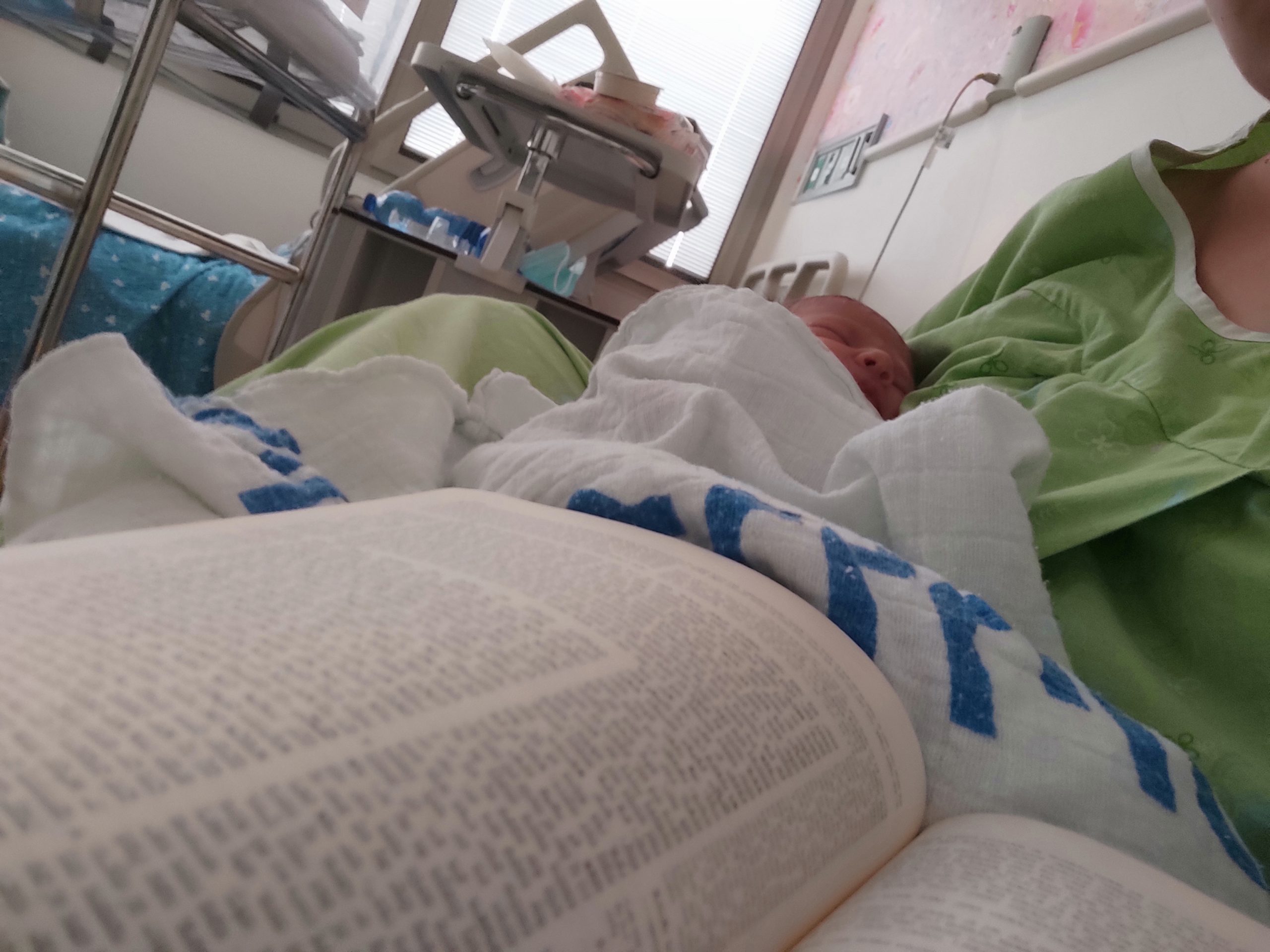
שתי הסיבות האלו הובילו אותי להתחיל ללמוד. נתקלתי בתגובות מפרגנות וסקרניות איך אישה לומדת גמרא..
כמו שרואים בתמונה אני ממשיכה ללמוד גם היום ואפילו במחלקת יולדות אחרי לידת ביתי השלישית.

Noa Shiloh
נועה שילה

רבבה, ישראל

התחלתי ללמוד גמרא בבית הספר בגיל צעיר והתאהבתי. המשכתי בכך כל חיי ואף היייתי מורה לגמרא בבית הספר שקד בשדה אליהו (בית הספר בו למדתי בילדותי)בתחילת מחזור דף יומי הנוכחי החלטתי להצטרף ובע”ה מקווה להתמיד ולהמשיך. אני אוהבת את המפגש עם הדף את "דרישות השלום ” שמקבלת מקשרים עם דפים אחרים שלמדתי את הסנכרון שמתחולל בין התכנים.

Ariela Bigman
אריאלה ביגמן

מעלה גלבוע, ישראל

לצערי גדלתי בדור שבו לימוד גמרא לנשים לא היה דבר שבשגרה ושנים שאני חולמת להשלים את הפער הזה.. עד שלפני מספר שבועות, כמעט במקרה, נתקלתי במודעת פרסומת הקוראת להצטרף ללימוד מסכת תענית. כשקראתי את המודעה הרגשתי שהיא כאילו נכתבה עבורי – "תמיד חלמת ללמוד גמרא ולא ידעת איך להתחיל”, "בואי להתנסות במסכת קצרה וקלה” (רק היה חסר שהמודעה תיפתח במילים "מיכי שלום”..). קפצתי למים ו- ב”ה אני בדרך להגשמת החלום:)

Micah Kadosh
מיכי קדוש

מורשת, ישראל

אחי, שלומד דף יומי ממסכת ברכות, חיפש חברותא ללימוד מסכת ראש השנה והציע לי. החברותא היתה מאתגרת טכנית ורוב הזמן נעשתה דרך הטלפון, כך שבסיום המסכת נפרדו דרכינו. אחי חזר ללמוד לבד, אבל אני כבר נכבשתי בקסם הגמרא ושכנעתי את האיש שלי להצטרף אלי למסכת ביצה. מאז המשכנו הלאה, ועכשיו אנחנו מתרגשים לקראתו של סדר נשים!

Shulamit Saban
שולמית סבן

נוקדים, ישראל

סיום השס לנשים נתן לי מוטביציה להתחיל ללמוד דף יומי. עד אז למדתי גמרא בשבתות ועשיתי כמה סיומים. אבל לימוד יומיומי זה שונה לגמרי ופתאום כל דבר שקורה בחיים מתקשר לדף היומי.

Fogel Foundation
קרן פוגל

רתמים, ישראל

התחלתי מעט לפני תחילת הסבב הנוכחי. אני נהנית מהאתגר של להמשיך להתמיד, מרגעים של "אהה, מפה זה הגיע!” ומהאתגר האינטלקטואלי

Eilat-Chen and Deller
אילת-חן ודלר

לוד, ישראל

התחלתי ללמוד בסבב הנוכחי לפני כשנתיים .הסביבה מתפעלת ותומכת מאוד. אני משתדלת ללמוד מכל ההסכתים הנוספים שיש באתר הדרן. אני עורכת כל סיום מסכת שיעור בביתי לכ20 נשים שמחכות בקוצר רוח למפגשים האלו.

Yael Asher
יעל אשר

יהוד, ישראל

נדרים פד

אֵיתִיבֵיהּ רָבָא לְרַב נַחְמָן: וּבַעַל לָאו בִּכְלַל בְּרִיּוֹת הוּא? וְהָתְנַן: ״נְטוּלָה אֲנִי מִן הַיְּהוּדִים״ — יָפֵר חֶלְקוֹ, וּתְהֵא מְשַׁמַּשְׁתּוֹ, וּתְהֵא נְטוּלָה מִן הַיְּהוּדִים.

Rava raised an objection to the opinion of Rav Naḥman: And is a husband not included in her reference to people? But didn’t we learn otherwise in a mishna (90b): If a woman said: I am removed from the Jews, i.e., the benefit of intercourse with me is prohibited to all Jews, her husband must nullify his part, i.e., the part that affects him. She would be permitted to him, and she may engage in intercourse with him, but she is removed from all other Jews, so that if he divorces her, she is forbidden to all.

וְאִי אָמְרַתְּ בַּעַל לָאו בִּכְלַל ״בְּרִיּוֹת״ הוּא, נִדְרֵי עִינּוּי נֶפֶשׁ הֵן, וְיָפֵר לָהּ לְעוֹלָם!

The Gemara explains the difficulty: If you say that the husband is included in this vow, it follows that he can nullify his part, as it is a vow that adversely affects the relationship between him and her, but the vow is not permanently nullified; if they divorce she is removed from all Jews, including him. But if you say a husband is not included in her reference to people, then it is not a vow that touches upon their personal relationship, but rather it is a vow of affliction, and he can nullify it for her forever.

אֵימָא לָךְ: שָׁאנֵי הָכָא, דְּמוֹכְחָא מִלְּתָא דְּעַל הֶיתֵּרָא קָאָסְרָה נַפְשַׁהּ.

Rav Naḥman responded: I could say to you that in general a husband is not included in her reference to people, but here it is different, as it is clear that the woman means to include her husband in the vow, as she means to render forbidden to herself a matter that is otherwise permitted to her and not to render forbidden to herself intercourse with men other than her husband, which is in any case forbidden to her. Therefore, she certainly intended to render herself forbidden to her husband.

יְכוֹלָה לֵיהָנוֹת בְּלֶקֶט שִׁכְחָה וּפֵאָה. וְלָא קָתָנֵי וּבְמַעְשַׂר עָנִי. וְהָתַנְיָא בְּבָרַיְיתָא: וּבְמַעְשַׂר עָנִי!

§ The mishna teaches that if a woman took a vow prohibiting herself from benefiting from people, she may nevertheless benefit from gleanings, forgotten sheaves, and pe’a. The Gemara notes that the mishna does not teach that she may benefit from these gifts and also from poor man’s tithe. The Gemara asks: But isn’t it taught in a baraita that she may benefit from these gifts and also from poor man’s tithe?

אָמַר רַב יוֹסֵף: לָא קַשְׁיָא הָא — רַבִּי אֱלִיעֶזֶר, הָא — רַבָּנַן. דִּתְנַן, רַבִּי אֱלִיעֶזֶר אוֹמֵר: אֵין אָדָם צָרִיךְ לִקְרוֹת שֵׁם עַל מַעְשַׂר עָנִי שֶׁל דְּמַאי.

Rav Yosef said: This is not difficult, as the matter is the subject of a tannaitic dispute. This baraita that says that the woman may derive benefit even from poor man’s tithe reflects the opinion of Rabbi Eliezer, whereas that mishna, which does not mention poor man’s tithe, reflects the opinion of the Rabbis, as we learned in a mishna (Demai 4:3): Rabbi Eliezer says: A person need not actually set aside, nor even designate by name, the poor man’s tithe of doubtfully tithed produce [demai], i.e., produce purchased from an am ha’aretz, one who is not diligent in separating tithes, as poor man’s tithe has no sanctity, and a poor man cannot claim it from him, since he cannot offer proof that this produce in fact has the status of poor man’s tithe.

וַחֲכָמִים אוֹמְרִים: קוֹרֵא שֵׁם, וְאֵין צָרִיךְ לְהַפְרִישׁ. מַאי לָאו, לְמַאן דְּאָמַר סְפֵקוֹ טוֹבֵל, קָסָבַר: אִית לֵיהּ טוֹבַת הֲנָאָה, וְכֵיוָן דְּאִית לֵיהּ טוֹבַת הֲנָאָה — לָא מַהְנְיָא.

And the Rabbis say: He must designate poor man’s tithe by name, but he need not actually set it aside and give it to anyone, as a poor person cannot claim the tithe without bringing proof that he has a right to it. Rav Yosef now suggests: What, is it not that according to the one, i.e., the Rabbis, who says that the uncertainty as to whether or not poor man’s tithe had been separated by the am ha’aretz renders the produce forbidden as untithed produce [tevel], and therefore the owner of the produce must designate the poor man’s tithe by name, he holds that the owner of the produce has the benefit of discretion, meaning that he may give the poor man’s tithe to the poor person of his choice. And since he has the benefit of discretion, the option that a woman who vowed not to benefit from people should take poor man’s tithe is ineffective, as she would be receiving benefit from the owner of the tithe, since he could have given it to someone else.

וּלְמַאן דְּאָמַר [אֵינוֹ] קוֹרֵא שֵׁם, קָסָבַר: סְפֵקוֹ אֵינוֹ טוֹבֵל, וְכׇל שֶׁסְּפֵקוֹ אֵינוֹ טוֹבֵל — לֵית לֵיהּ טוֹבַת הֲנָאָה, וּשְׁרֵי לֵיהּ לְאִיתְהֲנוֹיֵי.

Rav Yosef continues: And according to the one, i.e., Rabbi Eliezer, who says that he need not designate poor man’s tithe by name, he holds that the uncertainty as to whether or not poor man’s tithe had been separated by the am ha’aretz does not render the produce forbidden as untithed produce. And whenever the case is that uncertainty does not render the produce forbidden as untithed produce, the owner does not have the benefit of discretion and does not choose to which poor person he will give it. And therefore one who vowed not to benefit from people is permitted to derive benefit from poor man’s tithe, as he is not receiving it from anyone.

אֲמַר לֵיהּ אַבָּיֵי: דְּכוּלֵּי עָלְמָא סְפֵקוֹ טוֹבֵל, וְרַבִּי אֱלִיעֶזֶר וְרַבָּנַן בְּהָא קָמִיפַּלְגִי. רַבִּי אֱלִיעֶזֶר סָבַר: לֹא נֶחְשְׁדוּ עַמֵּי הָאָרֶץ עַל מַעְשַׂר עָנִי. כֵּיוָן דְּאִילּוּ מַפְקַר נִכְסֵיהּ וְהָוֵי עָנִי וְשָׁקֵל לֵיהּ הוּא — לֵית לֵיהּ פְּסֵידָא.

Abaye said to him: This proof is not conclusive, as it may be that everyone agrees that the uncertainty as to whether or not poor man’s tithe had been separated by the am ha’aretz renders the produce forbidden as untithed produce, and that Rabbi Eliezer and the Rabbis disagree with regard to this issue: Rabbi Eliezer maintains that amei ha’aretz are not suspected of failing to set aside poor man’s tithe. Therefore, one who purchases demai from an am ha’aretz need not be concerned that its poor man’s tithe might not have been set aside. Rabbi Eliezer maintains this opinion because were the am ha’aretz to declare all his property ownerless and therefore become a poor man, and then take the poor man’s tithe himself, he would suffer no loss when he set aside this tithe, and therefore it is assumed that he separated it.

וְרַבָּנַן סָבְרִי: נִכְסֵיהּ לָא מַפְקַר אִינִישׁ, דְּמִירְתַת דִּלְמָא זָכֵי בְּהוּ אִינִישׁ אַחֲרִינָא. הִלְכָּךְ — נֶחְשְׁדוּ.

And the Rabbis maintain that while it is theoretically possible for one to avoid having to actually part from his poor man’s tithe, this is uncommon, as a person does not ordinarily declare his property ownerless for this purpose, as he is afraid that perhaps someone else will acquire it in the meantime. Consequently, one who sets aside poor man’s tithe from his produce is assumed to incur a loss, and therefore amei ha’aretz are suspected with regard to this tithe. Accordingly, no satisfactory explanation has yet been given as to why the baraita permits a woman who vowed not to derive benefit from people to take poor man’s tithe.

רָבָא אוֹמֵר: כָּאן בְּמַעְשַׂר עָנִי הַמִּתְחַלֵּק בְּתוֹךְ הַבַּיִת, דִּכְתִיבָא בֵּיהּ נְתִינָה: ״וְנָתַתָּה לַלֵּוִי לַגֵּר וְגוֹ׳״ — מִשּׁוּם הָכִי אָסוּר לֵיהּ לְאִיתְהֲנוֹיֵי.

Rava says that it is possible to explain the apparent contradiction between the sources with regard to benefit from poor man’s tithe without recourse to a tannaitic dispute: Here, the mishna is referring to poor man’s tithe distributed in the owner’s house, i.e., poor man’s tithe that had not been distributed in the threshing floor but was brought home and must now be distributed to the poor who visit the house, as the term giving is written in the verse with regard to such a tithe: “And you shall give to the Levite, to the stranger, to the orphan, and to the widow” (Deuteronomy 26:12), and the owner is entitled to give the tithe to the poor man of his choice, as the benefit of discretion is conferred upon him. Due to that reason, it is prohibited for one who vowed not to derive benefit from people to derive benefit from this type of poor man’s tithe.

כָּאן בְּמַעְשַׂר עָנִי הַמִּתְחַלֵּק בְּתוֹךְ הַגֳּרָנוֹת. כֵּיוָן דִּכְתִיב בֵּיהּ ״וְהִנַּחְתָּ בִּשְׁעָרֶיךָ״, שְׁרֵי לֵיהּ לְאִיתְהֲנוֹיֵי.

There, however, the baraita is referring to poor man’s tithe that is distributed in the threshing floor. Since with regard to such a tithe it is written: “And you shall leave it at your gates” (Deuteronomy 14:28), the owner cannot designate it for a particular person, and any poor person who comes by may take it from him. As the owner lacks the benefit of discretion, one who vows not to benefit from people is permitted to benefit from this poor man’s tithe.

כֹּהֲנִים וּלְוִיִּם נֶהֱנִין לִי יִטְּלוּ כּוּ׳. אַלְמָא טוֹבַת הֲנָאָה אֵינָהּ מָמוֹן.

§ The mishna teaches that if one said: I will not let priests and Levites benefit from me, they can take the priestly and Levitical gifts from him against his will. The Gemara notes: Apparently, the benefit of discretion to give his teruma and tithes to the priest or Levite of his choice is not considered to have monetary value. The priests and Levites can take the gifts from the owner of the produce against his will, and the latter is not regarded as having conferred benefit upon them.

אֵימָא סֵיפָא: ״כֹּהֲנִים אֵלּוּ וּלְוִיִּם אֵלּוּ נֶהֱנִין לִי״ — יִטְּלוּ אֲחֵרִים, אֲבָל לְהָנֵי — לָא. אַלְמָא טוֹבַת הֲנָאָה מָמוֹן!

But say the latter clause of the mishna, which states that if the person said: I will not let these specific priests and these specific Levites benefit from me, these gifts are taken by others. But these priests and Levites specified in his vow may not take these gifts. Apparently, this ruling indicates that the benefit of discretion is considered to have monetary value, and therefore the owner can prohibit specific priests or Levites from deriving benefit from him.

אָמַר רַב הוֹשַׁעְיָא: לָא קַשְׁיָא, הָא רַבִּי, וְהָא רַבִּי יוֹסֵי בְּרַבִּי יְהוּדָה. דְּתַנְיָא: הַגּוֹנֵב טִבְלוֹ שֶׁל חֲבֵירוֹ וַאֲכָלוֹ — מְשַׁלֵּם לוֹ דְּמֵי טִבְלוֹ, דִּבְרֵי רַבִּי. רַבִּי יוֹסֵי בְּרַבִּי יְהוּדָה אוֹמֵר: אֵינוֹ מְשַׁלֵּם אֶלָּא דְּמֵי חוּלִּין שֶׁבּוֹ. מַאי לָאו בְּהָא קָמִיפַּלְגִי,

Rav Hoshaya said: This is not difficult; this second ruling is in accordance with the opinion of Rabbi Yehuda HaNasi, and that first ruling is in accordance with the opinion of Rabbi Yosei, son of Rabbi Yehuda, as it is taught in a baraita: If one steals another’s untithed produce and eats it, he must pay him the value of his untithed produce, i.e., the full value of what he stole. This is the statement of Rabbi Yehuda HaNasi. Rabbi Yosei, son of Rabbi Yehuda, disagrees and says: He pays him only the value of the non-sacred produce it contained. The thief does not have to pay him the value of the teruma and tithe included in the untithed produce, as these portions do not belong to the owner of the produce. What, is it not the case that they disagree about this:

רוצה לעקוב אחרי התכנים ולהמשיך ללמוד?

ביצירת חשבון עוד היום ניתן לעקוב אחרי ההתקדמות שלך, לסמן מה למדת, ולעקוב אחרי השיעורים שמעניינים אותך.

לנקות את כל הפריטים מהרשימה?

פעולה זו תסיר את כל הפריטים בחלק זה כולל ההתקדמות וההיסטוריה. שימי לב: לא ניתן לשחזר פעולה זו.

ביטול
מחיקה

האם את/ה בטוח/ה שברצונך למחוק פריט זה?

תאבד/י את כל ההתקדמות או ההיסטוריה הקשורות לפריט זה.

ביטול
מחיקה