







רב פפא אמר שרבא היה בודק אותם בשאלה זו: האם אשת כהן שנאנסה וחייבת להתגרש מקבלת את דמי הכתובה או לא? התשובה ברורה ממשנתנו שהיא מקבלת כסף כתבותה. אם אשה אומרת בבית הדין שבעלה התגרש ממנה, אומר רב המנונא שהיא נאמנת כי אשה לא הייתה מעיזה פניה לשקר בפני בעלה אם זה משהו שהוא יודע שהיא משקרת כגון, אם גירשה או לא. רבא סובר שאשה נאמנת כמו במשנתנו, במקרה שבו היא אומרת שנאנסה, (כפי שאמרו בשלב הראשון) כי זה משפיל אותה לומר זאת ולכן הייתה אומרת זאת רק אם זה באמת קרה. לגבי גירושין, בגלל שזה לא מביך להגיד שהיא גרושה, לא מאמינים לה. נשאלת שאלה נגד רבא מהמקרה במשנתנו בו אשה טוענת "שמיים ביני לבינך” והאמינה לה בשלב הראשון (משנה ראשונה). זה שמצביע על כך שהיא נאמנת גם אם היא אומרת משהו שאינו משפיל אותה, כי הבעייה נמצאת עם בעלה ולא איתה. קושי זה נפתר מכיוון שהשפה שבה היא משתמשת מעידה בבירור על כך שלא נוח לה לדבר על כך כי כנראה זה משפיל אותה. נשאלת שאלה נגד רב המנונא מהמקרה במשנתנו בו טוענת אשה "שמים ביני לבינך” לפי הפסיקה המאוחרת (משנה אחרונה) שאין מאמינים לה. לדברי רב המנונא, אם זה משהו שהוא גם יודע עליו, איך יכולה היא להעיז ולטעון דברי שקר בפניו? כדי לענות על השאלה, הם מניחים שהאשה חושבת שהבעל לא יודע אם הוא יורה כחץ או לא. שני סיפורים מסופרים על נשים נשואות לכהנים שסיפרו שבטעות קיימו יחסים עם גבר נכרי ובכל זאת רב נחמן קבע שאין להאמין להן והבעלים אינם צריכים להתגרש מנשותיהם. מספרים שני סיפורים על גברים שמצאו גבר אחר בביתם לבד עם נשותיהם ועל סמך מה שקרה כשהבעלים הגיעו הביתה, קבע רבא בשני המקרים שהנשים יכולות להישאר נשואות לבעליהן.
רוצה להקדיש לימוד?

תקציר
כלי ה-DAF היומיים של היום:
נדרים צא
וְגַבְרָא הוּא דְּנִסְתַּחֲפָה שָׂדֵהוּ. וְאָמְרִינַן לֵיהּ, מַתְנִיתִין הִיא: הָאוֹמֶרֶת ״טְמֵאָה אֲנִי לָךְ״ — יֵשׁ לָהּ כְּתוּבָּה.
And it is the man, her husband, whose field was flooded. In other words, like one whose field was flooded and destroyed, it is he who has suffered a natural disaster, as it is his status as a priest that forces him to divorce his wife. Therefore, she is entitled to receive payment of her marriage contract. And we said to Rava, in response to his question: The answer to your question is found in the mishna, which states: A woman who says to her husband: I am defiled to you, is entitled to receive payment of her marriage contract.
בְּמַאי עָסְקִינַן? אִילֵימָא בְּאֵשֶׁת יִשְׂרָאֵל, אִי בְּרָצוֹן — כְּלוּם יֵשׁ לָהּ כְּתוּבָּה? וְאִי בְּאוֹנֶס — מִי קָא מִיתַּסְרָא עַל גַּבְרָא? וְאֶלָּא בְּאֵשֶׁת כֹּהֵן. אִי בְּרָצוֹן — כְּלוּם יֵשׁ לָהּ כְּתוּבָּה? מִי גָּרְעָה מֵאֵשֶׁת יִשְׂרָאֵל בְּרָצוֹן? אֶלָּא לָאו: בְּאוֹנֶס, וְקָתָנֵי: יֵשׁ לָהּ כְּתוּבָּה.
The Gemara analyzes the mishna: With what are we dealing? If we say the mishna is speaking of the wife of an Israelite, consider the following: If she claims that she engaged in sexual intercourse willingly, does she have any right to receive payment of her marriage contract? And if she says it was by force, i.e., she was raped, is she thereby forbidden to the man, i.e., her husband? But rather, the mishna must be referring to the wife of a priest. Again, what are the circumstances? If she claims that she engaged in sexual intercourse willingly, does she have any right to receive payment of her marriage contract? Is her law any less stringent than that of the wife of an Israelite who willingly engaged in sexual intercourse with another man? Rather, is it not that the sexual intercourse was by force? And the tanna teaches that she has a right to receive payment of her marriage contract. This answers Rava’s question.
אִיבַּעְיָא לְהוּ: אָמְרָה לְבַעְלָהּ ״גֵּרַשְׁתַּנִי״, מַהוּ? אָמַר רַב הַמְנוּנָא: תָּא שְׁמַע: הָאוֹמֶרֶת ״טְמֵאָה אֲנִי לָךְ״, דַּאֲפִילּוּ לְמִשְׁנָה אַחֲרוֹנָה דְּקָתָנֵי לָא מְהֵימְנָא — הָתָם הוּא דִּמְשַׁקְּרָה, דְּיָדְעָה דְּבַעְלַהּ לָא יָדַע בָּהּ. אֲבָל גַּבֵּי ״גֵּרַשְׁתַּנִי״ דְּיָדַע בָּהּ — מְהֵימְנָא, דַּחֲזָקָה אֵין אִשָּׁה מְעִיזָּה פָּנֶיהָ בִּפְנֵי בַּעְלָהּ.
§ A dilemma was raised before the Sages: If a woman said to her husband: You divorced me, what is the halakha? Is she believed or not? Rav Hamnuna said: Come and hear an answer to this question from what is stated in the mishna about a woman who says: I am defiled to you, that even according to the ultimate version of the mishna that teaches that she is not believed in her claim, it may be argued that it is only there that she is suspected of lying when she claims to have been defiled, as she knows that her husband does not know the truth about her. She is relating an incident that supposedly occurred in his absence. But concerning the claim: You divorced me, with regard to which he knows the truth about whether or not he actually divorced her, she is believed. Why? Because the court relies on the presumption that a woman is not brazen enough to lie in the presence of her husband and present a claim that he knows is patently false.
אֲמַר לֵיהּ רָבָא: אַדְרַבָּא, אֲפִילּוּ לְמִשְׁנָה רִאשׁוֹנָה דְּקָתָנֵי מְהֵימְנָא — הָתָם מִשּׁוּם דְּלָא עֲבִידָא לְבַזּוֹיֵי נַפְשַׁהּ, אֲבָל הָכָא דְּזִמְנִין דִּתְקִיף לַהּ מִן גַּבְרָא — מְעִיזָּה וּמְעִיזָּה.
Rava said to him: On the contrary, even according to the initial version of the mishna that teaches that the woman is believed in her claim that she is defiled to her husband, it may be argued that it is only there that she is believed, because a woman would not demean herself by claiming she was raped if she were not telling the truth. But here, where it is sometimes hard for her under the authority of the man, i.e., her husband, she would be brazen to his face, and therefore the court does not believe her.
מֵתִיב רַב מְשַׁרְשְׁיָא: ״הַשָּׁמַיִם בֵּינִי לְבֵינָךְ״ דְּמִשְׁנָה רִאשׁוֹנָה — תְּיוּבְתָּא דְּרָבָא, הָכָא דְּלֵית לַהּ כִּיסּוּפָא, וְקָתָנֵי דִּמְהֵימְנָא! קָסָבַר רָבָא: הָתָם, כֵּיוָן דְּלָא סַגִּי לַהּ דְּלָא אָמְרָה ״אֵין יוֹרֶה כְּחֵץ״, אִי לָא אִיתָא כִּדְקָאָמְרָה — לָא אָמְרָה לֵיהּ.
Rav Mesharshiyya raised an objection: Let the ruling of the initial version of the mishna, with regard to a woman who says: Heaven is between me and you, be a conclusive refutation of the opinion of Rava, as here she suffers no embarrassment on account of her claim, and yet the tanna teaches that she is believed. The Gemara answers: Rava maintains that there, since it is not sufficient for her if she does not state in precise detail her claim that he does not shoot like an arrow, i.e., his semen is not emitted forcefully, then, were it not as she said, she would not say it. She would be too ashamed to speak of such things before the court. It is for this reason that she is believed.
״הַשָּׁמַיִם בֵּינִי לְבֵינָךְ״ דְּמִשְׁנָה אַחֲרוֹנָה, תִּהְוֵי תְּיוּבְתָּא דְּרַב הַמְנוּנָא: וְהָא הָכָא דְּיָדְעָה הִיא, וּבַעְלַהּ יָדַע בַּהּ, וְקָתָנֵי דְּלָא מְהֵימְנָא!
The Gemara further comments: Let the ruling of the ultimate version of the mishna, with regard to a woman who says: Heaven is between me and you, be a conclusive refutation of the opinion of Rav Hamnuna, who maintains that a woman who claims that her husband divorced her is believed. But here, as in the case of the alleged divorce, she knows and her husband also knows with regard to her whether or not she is lying, and yet the tanna of the mishna teaches that she is not believed.
קָסָבַר רַב הַמְנוּנָא: הָכָא נָמֵי הִיא גּוּפָא אָמְרָה: נְהִי דִּבְבִיאָה יָדַע, בְּיוֹרֶה כְּחֵץ מִי יָדַע? וּמִשּׁוּם הָכִי מְשַׁקְּרָא.
The Gemara answers: Rav Hamnuna maintains that here too, the woman herself says in her heart: Though he may know whether or not we engaged in sexual intercourse, does he know whether or not he shoots like an arrow? And it is due to that reason that she lies. Since the woman can make a false claim against her husband without having to fear that he will contradict her, she is not believed. A similar point cannot be made in the case of an alleged divorce, as the husband knows whether or not he divorced his wife, and therefore a woman who claims that her husband divorced her is believed.
הָהִיא אִיתְּתָא דְּכׇל יוֹמָא דְּתַשְׁמִישׁ מִיקַדְּמָה מָשְׁיָא יְדֵיהּ לְגַבְרָא. יוֹמָא חַד אַתְיָא לֵיהּ מַיָּא לְמִמְשֵׁא. אֲמַר לַהּ: הָדָא מִילְּתָא לָא הֲוָת הָאִידָּנָא! אֲמַרָה לֵיהּ: אִם כֵּן, חַד מִן נׇכְרִים
§ It is related that there was a certain woman, who on every day of engaging in sexual intercourse with her husband, would rise early in the morning and wash her husband’s hands. One day she brought him water to wash his hands, in response to which he said to her: This matter, i.e., sexual intercourse, did not occur now. She said to him: If so, it may be that one of the gentile
אַהֲלוֹיֵי דַּהֲווֹ הָכָא הָאִידָּנָא, אִי אַנְתְּ לָא — דִּלְמָא מִנְּהוֹן. אָמַר רַב נַחְמָן: עֵינֶיהָ נָתְנָה בְּאַחֵר, וְלֵית בַּהּ מְשָׁשָׁא בְּמִלַּהּ.
aloe merchants [ahaloyei] who were here just now should be blamed; if it was not you, perhaps it was one of them. The case came before Rav Naḥman, who said: There is reason to suspect that she might have cast her eyes upon another man, and therefore there is no substance to her words. She lacks credibility and her statement is unreliable, and so she remains permitted to her husband.
הָהִיא אִיתְּתָא דְּלָא הֲוָה בְּדִיחָא דַּעְתַּהּ בַּהֲדֵי גַּבְרָא. אֲמַר לַהּ: הָאִידָּנָא מַאי שְׁנָא? אֲמַרָה לֵיהּ: מֵעוֹלָם לָא צַעַרְתַּן בְּדֶרֶךְ אֶרֶץ כִּי הָאִידָּנָא. אֲמַר לַהּ: לָא הֲוָה הָדָא מִילְּתָא הָאִידָּנָא. אֲמַרָה לֵיהּ: אִם כֵּן הָלֵין נׇכְרִים נַפְטוֹיֵי דַּהֲווֹ הָכָא הָאִידָּנָא, אִי אַנְתְּ לָא — דִּלְמָא חַד מִנְּהוֹן. אֲמַר לְהוּ רַב נַחְמָן: לָא תַּשְׁגִּיחוּן בַּהּ, נוֹתֶנֶת עֵינֶיהָ בְּאַחֵר הֲוַאי.
It is further related that there was a certain woman who was displeased with her man. He said to her: What is different now? What have I done to make you angry? She said to him: I am upset because you never hurt me while we were engaged in proper relations as you did just now. He said to her: This matter did not occur now. She said to him: If so, it may be that one of the gentile oil merchants [naftoyei] who were here just now should be blamed; if it was not you, perhaps it was one of them. Rav Naḥman said to them: Take no notice of her; she has cast her eyes upon another man, and her words are therefore unreliable.
הָהוּא גַּבְרָא דַּהֲוָה מִהַרְזִיק בְּבֵיתָא הוּא וְאִינְתְּתָא. עָל אֲתָא מָרֵיהּ דְּבֵיתָא, פַּרְטֵיהּ נוֹאֵף לְהוּצָא וַעֲרַק. אָמַר רָבָא: אִיתְּתָא שַׁרְיָא. אִם אִיתָא דַּעֲבַד אִיסּוּרָא — אִרְכוֹסֵי הֲוָה מִירְכַס.
The Gemara relates another incident about a certain man who was secluding himself [meharzeik] in a house, he and a certain married woman. When the owner of the house entered, the adulterer burst through the wall of palm branches and fled. Rava said: The woman is permitted to her husband. The assumption is that she did not sin, for if it is so that the man had committed a transgression, he would have hidden himself in the house instead of revealing his identity by escaping in the open.
הָהוּא נוֹאֵף דְּעָל לְגַבֵּי דְּהָהִיא אִנְתְּתָא, אֲתָא גַּבְרָא, סְלֵיק נוֹאֵף אִיתִּיב [בִּכְלָאֵי] בָּבָא. הֲוָה מַחֲתָן תַּחְלֵי תַּמָּן וְטַעְמִינּוּן חִוְיָא. בְּעָא מָרֵי דְבֵיתָא לְמֵיכַל מִן הָנְהוּ תַּחְלֵי בְּלָא דַּעְתָּא דְּאִינְתְּתָא, אֲמַר לֵיהּ הָהוּא נוֹאֵף: לָא תֵּיכוּל מִנְּהוֹן דְּטַעְמִינּוּן חִוְיָא.
The Gemara concludes with one final incident about a certain adulterer who entered the house of a certain married woman. When the man, i.e., her husband, came home, the adulterer went and sat himself behind the door, so that the husband would not know that he was there. There was some cress [taḥlei] lying there in the house, and the adulterer, but not the husband, saw that a snake had come and tasted of it, perhaps thereby contaminating it with its venom. The master of the house wanted to eat from that cress, without the woman’s knowledge. The adulterer said to him: Do not eat from the cress, as a snake has tasted of it.
אָמַר רָבָא: אִינְתְּתֵיהּ שַׁרְיָא, אִם אִיתֵיהּ דַּעֲבַד אִיסּוּרָא, נִיחָא לֵיהּ דְּלֵיכוֹל וְלֵימוּת, דִּכְתִיב: ״כִּי נִאֵפוּ וְדָם בִּידֵיהֶן״.
The case was brought before Rava, who said: His wife is permitted to him, for were it so that the adulterer had committed a transgression, it would have been preferable for him that the husband should eat the cress and die. This is because one who commits adultery is also suspected of bloodshed, as it is written: “For they have committed adultery and blood is on their hands” (Ezekiel 23:37), indicating that adultery leads to murder.
פְּשִׁיטָא! מַהוּ דְּתֵימָא: אִיסּוּרָא עֲבַד, וְהַאי דַּאֲמַר לֵיהּ דְּנִיחָא לֵיהּ דְּלָא לֵימוּת בַּעַל, דְּתֶהְוֵי אִינְתְּתֵיהּ עִלָּוֵיהּ ״מַיִם גְּנוּבִים יִמְתָּקוּ וְלֶחֶם סְתָרִים יִנְעָם״, קָא מַשְׁמַע לַן.
The Gemara comments: It is obvious that this is the case. What then does Rava come to teach us? The Gemara answers: Rava’s ruling is necessary, lest you say that the man did in fact commit a transgression with the other man’s wife, and the reason that he said to the husband that he should not eat and saved his life is because it is preferable for him that the husband should not die. This is in order that his wife should be to him as it says in the verse: “Stolen waters are sweet, and bread eaten in secret is pleasant” (Proverbs 9:17). That is to say, a person derives greater pleasure from forbidden fruit. Rava therefore teaches us that this is not a concern. Rather, the assumption is that he had not yet actually sinned and therefore acted in the proper manner.
הַדְרָן עֲלָךְ וְאֵלּוּ נְדָרִים וּסְלִיקָא לַהּ מַסֶּכֶת נְדָרִים

כלי ה-DAF היומיים של היום:
חדשה בלימוד הגמרא?
זה הדף הראשון שלך? איזו התרגשות עצומה! יש לנו בדיוק את התכנים והכלים שיעזרו לך לעשות את הצעדים הראשונים ללמידה בקצב וברמה שלך, כך תוכלי להרגיש בנוח גם בתוך הסוגיות המורכבות ומאתגרות.
פסיפס הלומדות שלנו
גלי את קהילת הלומדות שלנו, מגוון נשים, רקעים וסיפורים. כולן חלק מתנועה ומסע מרגש ועוצמתי.
התחלתי לפני 8 שנים במדרשה. לאחרונה סיימתי מסכת תענית בלמידה עצמית ועכשיו לקראת סיום מסכת מגילה.

רעננה, ישראל
אחי, שלומד דף יומי ממסכת ברכות, חיפש חברותא ללימוד מסכת ראש השנה והציע לי. החברותא היתה מאתגרת טכנית ורוב הזמן נעשתה דרך הטלפון, כך שבסיום המסכת נפרדו דרכינו. אחי חזר ללמוד לבד, אבל אני כבר נכבשתי בקסם הגמרא ושכנעתי את האיש שלי להצטרף אלי למסכת ביצה. מאז המשכנו הלאה, ועכשיו אנחנו מתרגשים לקראתו של סדר נשים!

נוקדים, ישראל
התחלתי ללמוד בשנת המדרשה במגדל עוז, בינתיים נהנית מאוד מהלימוד ומהגמרא, מעניין ומשמח מאוד!
משתדלת להצליח לעקוב כל יום, לפעמים משלימה קצת בהמשך השבוע.. מרגישה שיש עוגן מקובע ביום שלי והוא משמח מאוד!

חיפה , ישראל
התחלתי ללמוד דף יומי שהתחילו מסכת כתובות, לפני 7 שנים, במסגרת קבוצת לימוד שהתפרקה די מהר, ומשם המשכתי לבד בתמיכת האיש שלי. נעזרתי בגמרת שטיינזלץ ובשיעורים מוקלטים.
הסביבה מאד תומכת ואני מקבלת המון מילים טובות לאורך כל הדרך. מאז הסיום הגדול יש תחושה שאני חלק מדבר גדול יותר.
אני לומדת בשיטת ה”7 דפים בשבוע” של הרבנית תרצה קלמן – כלומר, לא נורא אם לא הצלחת ללמוד כל יום, העיקר שגמרת ארבעה דפים בשבוע

עתניאל, ישראל
התחלתי ללמוד דף יומי אחרי שחזרתי בתשובה ולמדתי במדרשה במגדל עוז. הלימוד טוב ומספק חומר למחשבה על נושאים הלכתיים ”קטנים” ועד לערכים גדולים ביהדות. חשוב לי להכיר את הגמרא לעומק. והצעד הקטן היום הוא ללמוד אותה בבקיאות, בעזרת השם, ומי יודע אולי גם אגיע לעיון בנושאים מעניינים. נושאים בגמרא מתחברים לחגים, לתפילה, ליחסים שבין אדם לחברו ולמקום ולשאר הדברים שמלווים באורח חיים דתי 🙂

מצפה יריחו, ישראל
רציתי לקבל ידע בתחום שהרגשתי שהוא גדול וחשוב אך נעלם ממני. הלימוד מעניק אתגר וסיפוק ומעמיק את תחושת השייכות שלי לתורה וליהדות
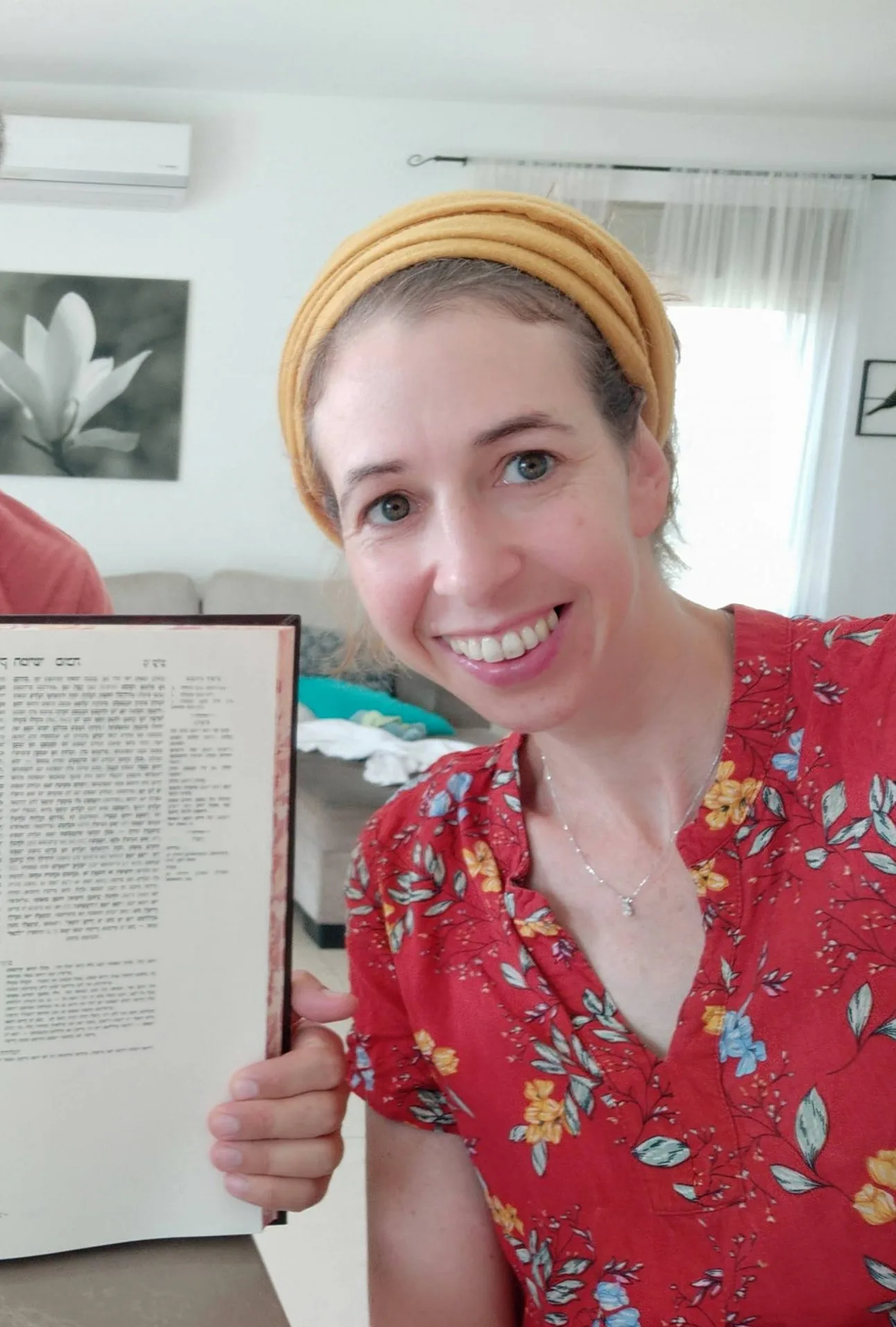
עלי זהב – לשם, ישראל
לפני 15 שנה, אחרי עשרות שנים של "ג’ינגול” בין משפחה לקריירה תובענית בהייטק, הצטרפתי לשיעורי גמרא במתן רעננה. הלימוד המעמיק והייחודי של הרבנית אושרה קורן יחד עם קבוצת הנשים המגוונת הייתה חוויה מאלפת ומעשירה. לפני כשמונה שנים כאשר מחזור הדף היומי הגיע למסכת תענית הצטרפתי כ”חברותא” לבעלי. זו השעה היומית שלנו ביחד כאשר דפי הגמרא משתלבים בחיי היום יום, משפיעים ומושפעים, וכשלא מספיקים תמיד משלימים בשבת

רעננה, ישראל
ראיתי את הסיום הגדול בבנייני האומה וכל כך התרשמתי ורציתי לקחת חלק.. אבל לקח לי עוד כשנה וחצי )באמצע מסיכת שבת להצטרף..
הלימוד חשוב לי מאוד.. אני תמיד במרדף אחרי הדף וגונבת כל פעם חצי דף כשהילדים עסוקים ומשלימה אח”כ אחרי שכולם הלכו לישון..

ירושלים, ישראל
בתחילת הסבב הנוכחי הצטברו אצלי תחושות שאני לא מבינה מספיק מהי ההלכה אותה אני מקיימת בכל יום. כמו כן, כאמא לבנות רציתי לתת להן מודל נשי של לימוד תורה
שתי הסיבות האלו הובילו אותי להתחיל ללמוד. נתקלתי בתגובות מפרגנות וסקרניות איך אישה לומדת גמרא..
כמו שרואים בתמונה אני ממשיכה ללמוד גם היום ואפילו במחלקת יולדות אחרי לידת ביתי השלישית.
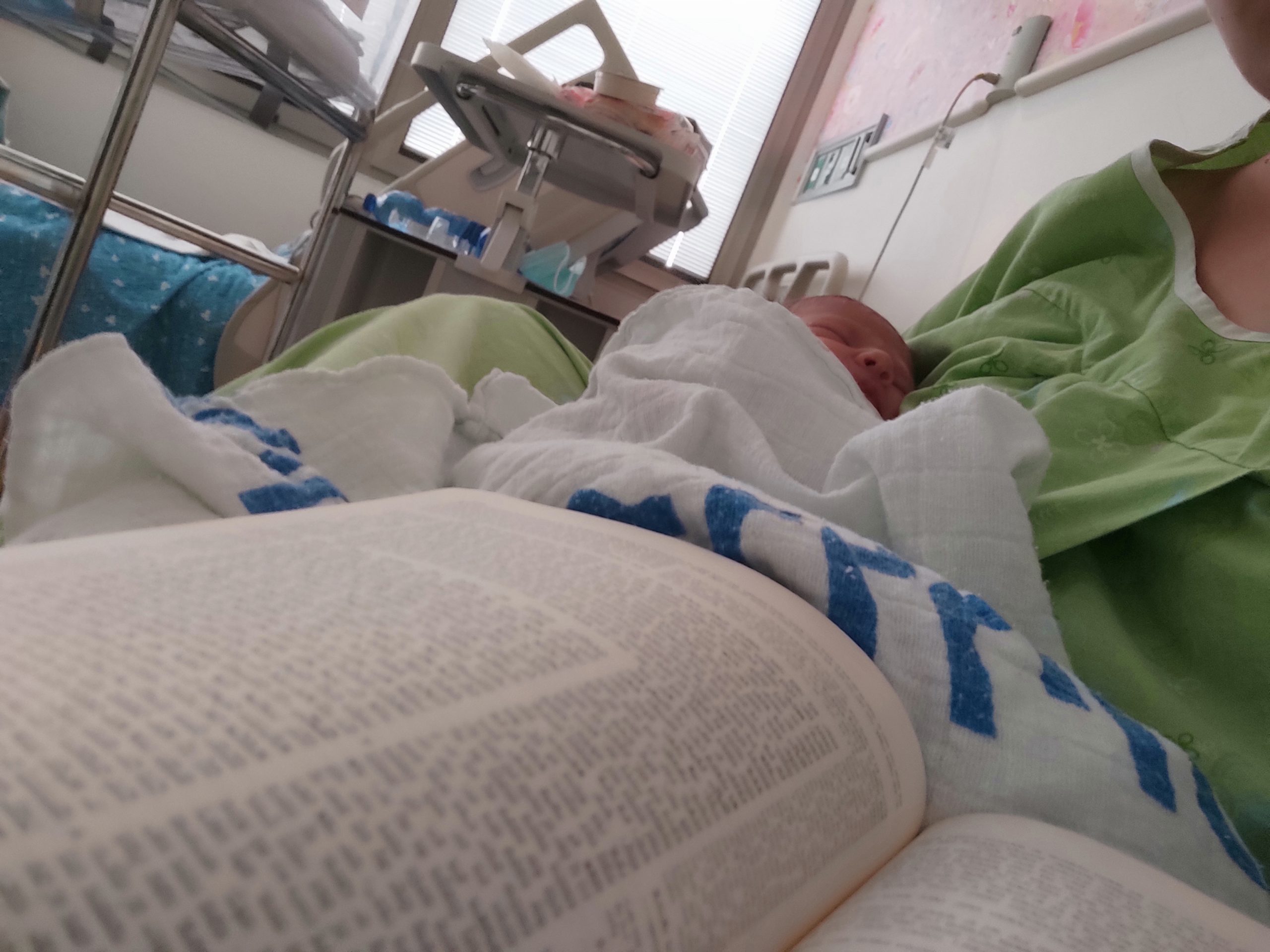
רבבה, ישראל
בתחילת הסבב הנוכחי של לימוד הדף היומי, נחשפתי לחגיגות המרגשות באירועי הסיום ברחבי העולם. והבטחתי לעצמי שבקרוב אצטרף גם למעגל הלומדות. הסבב התחיל כאשר הייתי בתחילת דרכי בתוכנית קרן אריאל להכשרת יועצות הלכה של נשמ”ת. לא הצלחתי להוסיף את ההתחייבות לדף היומי על הלימוד האינטנסיבי של תוכנית היועצות. בבוקר למחרת המבחן הסופי בנשמ”ת, התחלתי את לימוד הדף במסכת סוכה ומאז לא הפסקתי.

קרית גת, ישראל
התחלתי ללמוד דף יומי שהתחילו מסכת כתובות, לפני 7 שנים, במסגרת קבוצת לימוד שהתפרקה די מהר, ומשם המשכתי לבד בתמיכת האיש שלי. נעזרתי בגמרת שטיינזלץ ובשיעורים מוקלטים.
הסביבה מאד תומכת ואני מקבלת המון מילים טובות לאורך כל הדרך. מאז הסיום הגדול יש תחושה שאני חלק מדבר גדול יותר.
אני לומדת בשיטת ה”7 דפים בשבוע” של הרבנית תרצה קלמן – כלומר, לא נורא אם לא הצלחת ללמוד כל יום, העיקר שגמרת ארבעה דפים בשבוע
עתניאל, ישראל
רציתי לקבל ידע בתחום שהרגשתי שהוא גדול וחשוב אך נעלם ממני. הלימוד מעניק אתגר וסיפוק ומעמיק את תחושת השייכות שלי לתורה וליהדות
עלי זהב – לשם, ישראל
בתחילת הסבב הנוכחי של לימוד הדף היומי, נחשפתי לחגיגות המרגשות באירועי הסיום ברחבי העולם. והבטחתי לעצמי שבקרוב אצטרף גם למעגל הלומדות. הסבב התחיל כאשר הייתי בתחילת דרכי בתוכנית קרן אריאל להכשרת יועצות הלכה של נשמ”ת. לא הצלחתי להוסיף את ההתחייבות לדף היומי על הלימוד האינטנסיבי של תוכנית היועצות. בבוקר למחרת המבחן הסופי בנשמ”ת, התחלתי את לימוד הדף במסכת סוכה ומאז לא הפסקתי.
קרית גת, ישראל
התחלתי ללמוד בסבב הנוכחי לפני כשנתיים .הסביבה מתפעלת ותומכת מאוד. אני משתדלת ללמוד מכל ההסכתים הנוספים שיש באתר הדרן. אני עורכת כל סיום מסכת שיעור בביתי לכ20 נשים שמחכות בקוצר רוח למפגשים האלו.
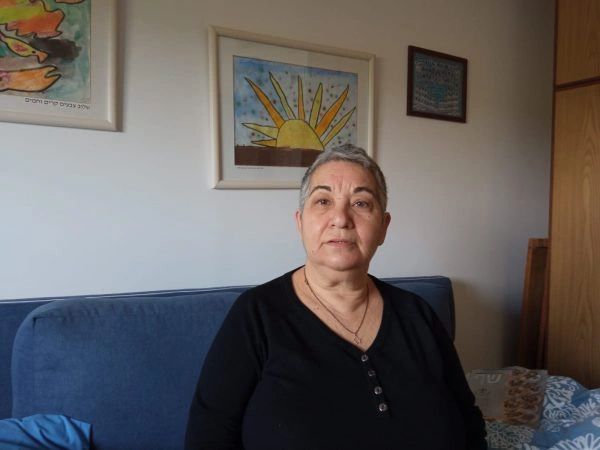
יהוד, ישראל
התחלתי ללמוד דף לפני קצת יותר מ-5 שנים, כשלמדתי רבנות בישיבת מהר”ת בניו יורק. בדיעבד, עד אז, הייתי בלימוד הגמרא שלי כמו מישהו שאוסף חרוזים משרשרת שהתפזרה, פה משהו ושם משהו, ומאז נפתח עולם ומלואו…. הדף נותן לי לימוד בצורה מאורגנת, שיטתית, יום-יומית, ומלמד אותי לא רק ידע אלא את השפה ודרך החשיבה שלנו. לשמחתי, יש לי סביבה תומכת וההרגשה שלי היא כמו בציטוט שבחרתי: הדף משפיע לטובה על כל היום שלי.

חיפה, ישראל
התחלתי לפני 8 שנים במדרשה. לאחרונה סיימתי מסכת תענית בלמידה עצמית ועכשיו לקראת סיום מסכת מגילה.
רעננה, ישראל
באירוע של הדרן בנייני האומה. בהשראתה של אמי שלי שסיימה את הש”ס בסבב הקודם ובעידוד מאיר , אישי, וילדיי וחברותיי ללימוד במכון למנהיגות הלכתית של רשת אור תורה סטון ומורתיי הרבנית ענת נובוסלסקי והרבנית דבורה עברון, ראש המכון למנהיגות הלכתית.
הלימוד מעשיר את יומי, מחזיר אותי גם למסכתות שכבר סיימתי וידוע שאינו דומה מי ששונה פרקו מאה לשונה פרקו מאה ואחת במיוחד מרתקים אותי החיבורים בין המסכתות
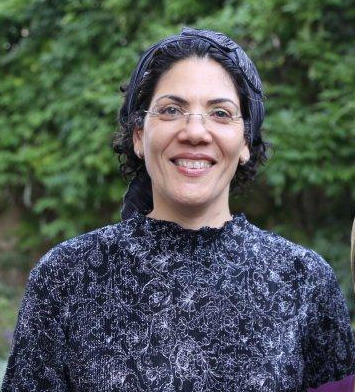
מודיעין, ישראל
סיום השס לנשים נתן לי מוטביציה להתחיל ללמוד דף יומי. עד אז למדתי גמרא בשבתות ועשיתי כמה סיומים. אבל לימוד יומיומי זה שונה לגמרי ופתאום כל דבר שקורה בחיים מתקשר לדף היומי.

רתמים, ישראל
בסוף הסבב הקודם ראיתי את השמחה הגדולה שבסיום הלימוד, בעלי סיים כבר בפעם השלישית וכמובן הסיום הנשי בבנייני האומה וחשבתי שאולי זו הזדמנות עבורי למשהו חדש.
למרות שאני שונה בסביבה שלי, מי ששומע על הלימוד שלי מפרגן מאוד.
אני מנסה ללמוד קצת בכל יום, גם אם לא את כל הדף ובסך הכל אני בדרך כלל עומדת בקצב.
הלימוד מעניק המון משמעות ליום יום ועושה סדר בלמוד תורה, שתמיד היה (ועדיין) שאיפה. אבל אין כמו קביעות

טל מנשה, ישראל
התחלתי ללמוד את הדף היומי מעט אחרי שבני הקטן נולד. בהתחלה בשמיעה ולימוד באמצעות השיעור של הרבנית שפרבר. ובהמשך העזתי וקניתי לעצמי גמרא. מאז ממשיכה יום יום ללמוד עצמאית, ולפעמים בעזרת השיעור של הרבנית, כל יום. כל סיום של מסכת מביא לאושר גדול וסיפוק. הילדים בבית נהיו חלק מהלימוד, אני משתפת בסוגיות מעניינות ונהנית לשמוע את דעתם.

מעלה מכמש, ישראל
נדרים צא
וְגַבְרָא הוּא דְּנִסְתַּחֲפָה שָׂדֵהוּ. וְאָמְרִינַן לֵיהּ, מַתְנִיתִין הִיא: הָאוֹמֶרֶת ״טְמֵאָה אֲנִי לָךְ״ — יֵשׁ לָהּ כְּתוּבָּה.
And it is the man, her husband, whose field was flooded. In other words, like one whose field was flooded and destroyed, it is he who has suffered a natural disaster, as it is his status as a priest that forces him to divorce his wife. Therefore, she is entitled to receive payment of her marriage contract. And we said to Rava, in response to his question: The answer to your question is found in the mishna, which states: A woman who says to her husband: I am defiled to you, is entitled to receive payment of her marriage contract.
בְּמַאי עָסְקִינַן? אִילֵימָא בְּאֵשֶׁת יִשְׂרָאֵל, אִי בְּרָצוֹן — כְּלוּם יֵשׁ לָהּ כְּתוּבָּה? וְאִי בְּאוֹנֶס — מִי קָא מִיתַּסְרָא עַל גַּבְרָא? וְאֶלָּא בְּאֵשֶׁת כֹּהֵן. אִי בְּרָצוֹן — כְּלוּם יֵשׁ לָהּ כְּתוּבָּה? מִי גָּרְעָה מֵאֵשֶׁת יִשְׂרָאֵל בְּרָצוֹן? אֶלָּא לָאו: בְּאוֹנֶס, וְקָתָנֵי: יֵשׁ לָהּ כְּתוּבָּה.
The Gemara analyzes the mishna: With what are we dealing? If we say the mishna is speaking of the wife of an Israelite, consider the following: If she claims that she engaged in sexual intercourse willingly, does she have any right to receive payment of her marriage contract? And if she says it was by force, i.e., she was raped, is she thereby forbidden to the man, i.e., her husband? But rather, the mishna must be referring to the wife of a priest. Again, what are the circumstances? If she claims that she engaged in sexual intercourse willingly, does she have any right to receive payment of her marriage contract? Is her law any less stringent than that of the wife of an Israelite who willingly engaged in sexual intercourse with another man? Rather, is it not that the sexual intercourse was by force? And the tanna teaches that she has a right to receive payment of her marriage contract. This answers Rava’s question.
אִיבַּעְיָא לְהוּ: אָמְרָה לְבַעְלָהּ ״גֵּרַשְׁתַּנִי״, מַהוּ? אָמַר רַב הַמְנוּנָא: תָּא שְׁמַע: הָאוֹמֶרֶת ״טְמֵאָה אֲנִי לָךְ״, דַּאֲפִילּוּ לְמִשְׁנָה אַחֲרוֹנָה דְּקָתָנֵי לָא מְהֵימְנָא — הָתָם הוּא דִּמְשַׁקְּרָה, דְּיָדְעָה דְּבַעְלַהּ לָא יָדַע בָּהּ. אֲבָל גַּבֵּי ״גֵּרַשְׁתַּנִי״ דְּיָדַע בָּהּ — מְהֵימְנָא, דַּחֲזָקָה אֵין אִשָּׁה מְעִיזָּה פָּנֶיהָ בִּפְנֵי בַּעְלָהּ.
§ A dilemma was raised before the Sages: If a woman said to her husband: You divorced me, what is the halakha? Is she believed or not? Rav Hamnuna said: Come and hear an answer to this question from what is stated in the mishna about a woman who says: I am defiled to you, that even according to the ultimate version of the mishna that teaches that she is not believed in her claim, it may be argued that it is only there that she is suspected of lying when she claims to have been defiled, as she knows that her husband does not know the truth about her. She is relating an incident that supposedly occurred in his absence. But concerning the claim: You divorced me, with regard to which he knows the truth about whether or not he actually divorced her, she is believed. Why? Because the court relies on the presumption that a woman is not brazen enough to lie in the presence of her husband and present a claim that he knows is patently false.
אֲמַר לֵיהּ רָבָא: אַדְרַבָּא, אֲפִילּוּ לְמִשְׁנָה רִאשׁוֹנָה דְּקָתָנֵי מְהֵימְנָא — הָתָם מִשּׁוּם דְּלָא עֲבִידָא לְבַזּוֹיֵי נַפְשַׁהּ, אֲבָל הָכָא דְּזִמְנִין דִּתְקִיף לַהּ מִן גַּבְרָא — מְעִיזָּה וּמְעִיזָּה.
Rava said to him: On the contrary, even according to the initial version of the mishna that teaches that the woman is believed in her claim that she is defiled to her husband, it may be argued that it is only there that she is believed, because a woman would not demean herself by claiming she was raped if she were not telling the truth. But here, where it is sometimes hard for her under the authority of the man, i.e., her husband, she would be brazen to his face, and therefore the court does not believe her.
מֵתִיב רַב מְשַׁרְשְׁיָא: ״הַשָּׁמַיִם בֵּינִי לְבֵינָךְ״ דְּמִשְׁנָה רִאשׁוֹנָה — תְּיוּבְתָּא דְּרָבָא, הָכָא דְּלֵית לַהּ כִּיסּוּפָא, וְקָתָנֵי דִּמְהֵימְנָא! קָסָבַר רָבָא: הָתָם, כֵּיוָן דְּלָא סַגִּי לַהּ דְּלָא אָמְרָה ״אֵין יוֹרֶה כְּחֵץ״, אִי לָא אִיתָא כִּדְקָאָמְרָה — לָא אָמְרָה לֵיהּ.
Rav Mesharshiyya raised an objection: Let the ruling of the initial version of the mishna, with regard to a woman who says: Heaven is between me and you, be a conclusive refutation of the opinion of Rava, as here she suffers no embarrassment on account of her claim, and yet the tanna teaches that she is believed. The Gemara answers: Rava maintains that there, since it is not sufficient for her if she does not state in precise detail her claim that he does not shoot like an arrow, i.e., his semen is not emitted forcefully, then, were it not as she said, she would not say it. She would be too ashamed to speak of such things before the court. It is for this reason that she is believed.
״הַשָּׁמַיִם בֵּינִי לְבֵינָךְ״ דְּמִשְׁנָה אַחֲרוֹנָה, תִּהְוֵי תְּיוּבְתָּא דְּרַב הַמְנוּנָא: וְהָא הָכָא דְּיָדְעָה הִיא, וּבַעְלַהּ יָדַע בַּהּ, וְקָתָנֵי דְּלָא מְהֵימְנָא!
The Gemara further comments: Let the ruling of the ultimate version of the mishna, with regard to a woman who says: Heaven is between me and you, be a conclusive refutation of the opinion of Rav Hamnuna, who maintains that a woman who claims that her husband divorced her is believed. But here, as in the case of the alleged divorce, she knows and her husband also knows with regard to her whether or not she is lying, and yet the tanna of the mishna teaches that she is not believed.
קָסָבַר רַב הַמְנוּנָא: הָכָא נָמֵי הִיא גּוּפָא אָמְרָה: נְהִי דִּבְבִיאָה יָדַע, בְּיוֹרֶה כְּחֵץ מִי יָדַע? וּמִשּׁוּם הָכִי מְשַׁקְּרָא.
The Gemara answers: Rav Hamnuna maintains that here too, the woman herself says in her heart: Though he may know whether or not we engaged in sexual intercourse, does he know whether or not he shoots like an arrow? And it is due to that reason that she lies. Since the woman can make a false claim against her husband without having to fear that he will contradict her, she is not believed. A similar point cannot be made in the case of an alleged divorce, as the husband knows whether or not he divorced his wife, and therefore a woman who claims that her husband divorced her is believed.
הָהִיא אִיתְּתָא דְּכׇל יוֹמָא דְּתַשְׁמִישׁ מִיקַדְּמָה מָשְׁיָא יְדֵיהּ לְגַבְרָא. יוֹמָא חַד אַתְיָא לֵיהּ מַיָּא לְמִמְשֵׁא. אֲמַר לַהּ: הָדָא מִילְּתָא לָא הֲוָת הָאִידָּנָא! אֲמַרָה לֵיהּ: אִם כֵּן, חַד מִן נׇכְרִים
§ It is related that there was a certain woman, who on every day of engaging in sexual intercourse with her husband, would rise early in the morning and wash her husband’s hands. One day she brought him water to wash his hands, in response to which he said to her: This matter, i.e., sexual intercourse, did not occur now. She said to him: If so, it may be that one of the gentile
אַהֲלוֹיֵי דַּהֲווֹ הָכָא הָאִידָּנָא, אִי אַנְתְּ לָא — דִּלְמָא מִנְּהוֹן. אָמַר רַב נַחְמָן: עֵינֶיהָ נָתְנָה בְּאַחֵר, וְלֵית בַּהּ מְשָׁשָׁא בְּמִלַּהּ.
aloe merchants [ahaloyei] who were here just now should be blamed; if it was not you, perhaps it was one of them. The case came before Rav Naḥman, who said: There is reason to suspect that she might have cast her eyes upon another man, and therefore there is no substance to her words. She lacks credibility and her statement is unreliable, and so she remains permitted to her husband.
הָהִיא אִיתְּתָא דְּלָא הֲוָה בְּדִיחָא דַּעְתַּהּ בַּהֲדֵי גַּבְרָא. אֲמַר לַהּ: הָאִידָּנָא מַאי שְׁנָא? אֲמַרָה לֵיהּ: מֵעוֹלָם לָא צַעַרְתַּן בְּדֶרֶךְ אֶרֶץ כִּי הָאִידָּנָא. אֲמַר לַהּ: לָא הֲוָה הָדָא מִילְּתָא הָאִידָּנָא. אֲמַרָה לֵיהּ: אִם כֵּן הָלֵין נׇכְרִים נַפְטוֹיֵי דַּהֲווֹ הָכָא הָאִידָּנָא, אִי אַנְתְּ לָא — דִּלְמָא חַד מִנְּהוֹן. אֲמַר לְהוּ רַב נַחְמָן: לָא תַּשְׁגִּיחוּן בַּהּ, נוֹתֶנֶת עֵינֶיהָ בְּאַחֵר הֲוַאי.
It is further related that there was a certain woman who was displeased with her man. He said to her: What is different now? What have I done to make you angry? She said to him: I am upset because you never hurt me while we were engaged in proper relations as you did just now. He said to her: This matter did not occur now. She said to him: If so, it may be that one of the gentile oil merchants [naftoyei] who were here just now should be blamed; if it was not you, perhaps it was one of them. Rav Naḥman said to them: Take no notice of her; she has cast her eyes upon another man, and her words are therefore unreliable.
הָהוּא גַּבְרָא דַּהֲוָה מִהַרְזִיק בְּבֵיתָא הוּא וְאִינְתְּתָא. עָל אֲתָא מָרֵיהּ דְּבֵיתָא, פַּרְטֵיהּ נוֹאֵף לְהוּצָא וַעֲרַק. אָמַר רָבָא: אִיתְּתָא שַׁרְיָא. אִם אִיתָא דַּעֲבַד אִיסּוּרָא — אִרְכוֹסֵי הֲוָה מִירְכַס.
The Gemara relates another incident about a certain man who was secluding himself [meharzeik] in a house, he and a certain married woman. When the owner of the house entered, the adulterer burst through the wall of palm branches and fled. Rava said: The woman is permitted to her husband. The assumption is that she did not sin, for if it is so that the man had committed a transgression, he would have hidden himself in the house instead of revealing his identity by escaping in the open.
הָהוּא נוֹאֵף דְּעָל לְגַבֵּי דְּהָהִיא אִנְתְּתָא, אֲתָא גַּבְרָא, סְלֵיק נוֹאֵף אִיתִּיב [בִּכְלָאֵי] בָּבָא. הֲוָה מַחֲתָן תַּחְלֵי תַּמָּן וְטַעְמִינּוּן חִוְיָא. בְּעָא מָרֵי דְבֵיתָא לְמֵיכַל מִן הָנְהוּ תַּחְלֵי בְּלָא דַּעְתָּא דְּאִינְתְּתָא, אֲמַר לֵיהּ הָהוּא נוֹאֵף: לָא תֵּיכוּל מִנְּהוֹן דְּטַעְמִינּוּן חִוְיָא.
The Gemara concludes with one final incident about a certain adulterer who entered the house of a certain married woman. When the man, i.e., her husband, came home, the adulterer went and sat himself behind the door, so that the husband would not know that he was there. There was some cress [taḥlei] lying there in the house, and the adulterer, but not the husband, saw that a snake had come and tasted of it, perhaps thereby contaminating it with its venom. The master of the house wanted to eat from that cress, without the woman’s knowledge. The adulterer said to him: Do not eat from the cress, as a snake has tasted of it.
אָמַר רָבָא: אִינְתְּתֵיהּ שַׁרְיָא, אִם אִיתֵיהּ דַּעֲבַד אִיסּוּרָא, נִיחָא לֵיהּ דְּלֵיכוֹל וְלֵימוּת, דִּכְתִיב: ״כִּי נִאֵפוּ וְדָם בִּידֵיהֶן״.
The case was brought before Rava, who said: His wife is permitted to him, for were it so that the adulterer had committed a transgression, it would have been preferable for him that the husband should eat the cress and die. This is because one who commits adultery is also suspected of bloodshed, as it is written: “For they have committed adultery and blood is on their hands” (Ezekiel 23:37), indicating that adultery leads to murder.
פְּשִׁיטָא! מַהוּ דְּתֵימָא: אִיסּוּרָא עֲבַד, וְהַאי דַּאֲמַר לֵיהּ דְּנִיחָא לֵיהּ דְּלָא לֵימוּת בַּעַל, דְּתֶהְוֵי אִינְתְּתֵיהּ עִלָּוֵיהּ ״מַיִם גְּנוּבִים יִמְתָּקוּ וְלֶחֶם סְתָרִים יִנְעָם״, קָא מַשְׁמַע לַן.
The Gemara comments: It is obvious that this is the case. What then does Rava come to teach us? The Gemara answers: Rava’s ruling is necessary, lest you say that the man did in fact commit a transgression with the other man’s wife, and the reason that he said to the husband that he should not eat and saved his life is because it is preferable for him that the husband should not die. This is in order that his wife should be to him as it says in the verse: “Stolen waters are sweet, and bread eaten in secret is pleasant” (Proverbs 9:17). That is to say, a person derives greater pleasure from forbidden fruit. Rava therefore teaches us that this is not a concern. Rather, the assumption is that he had not yet actually sinned and therefore acted in the proper manner.
הַדְרָן עֲלָךְ וְאֵלּוּ נְדָרִים וּסְלִיקָא לַהּ מַסֶּכֶת נְדָרִים

