








איך השיטות השונות לגבי דמים שיוצאים מן הפרוזדור מסתדרים עם הברייתות שהביאו ר’ חייא ורב קטינא? ר’ יוחנן אמר שיש שלושה מקורות שחכמים הולכים לפי הרוב וקובעים כודאי. הגמרא שואלת – מה לגבי עוד מקרים שגם פוסקים שהרוב כודאי כמו תשע חנויות כשרות, תשע צפרדעים שנמצאים ליד אחד לא כשר/טמא. איזה מקרה בא ר’ יוחנן למעט?
רוצה להקדיש לימוד?
נדה יח
וּפְלִיגָא דְּרַב קַטִּינָא.
And this option contradicts the opinion of Rav Ketina, who deems the blood impure due to uncertainty.
לְרַב הוּנָא, לָא פְּלִיגִי — כָּאן מִן הַלּוּל וְלִפְנִים, כָּאן מִן הַלּוּל וְלַחוּץ.
And according to the opinion of Rav Huna, who said that if the blood was found in the inner section it is definitely impure, as it is presumed to come from the uterus, and if the blood was found in the outer section it is impure due to uncertainty, one can say that Rabbi Ḥiyya and Rav Ketina do not disagree, as they were referring to different cases. Here, where Rabbi Ḥiyya deems the blood definitely impure, he is speaking of blood found from the vestibule and inward, whereas there, Rav Ketina deems it impure due to uncertainty when it is found from the vestibule and outward.
אֶלָּא לְרָמֵי בַּר שְׁמוּאֵל וּלְרַב יִצְחָק בְּרֵיהּ דְּרַב יְהוּדָה, דְּאָמְרִי: מִן הַלּוּל וְלַחוּץ — סְפֵקוֹ טָהוֹר, מִן הַלּוּל וְלִפְנִים — סְפֵקוֹ טָמֵא, הָנֵי בְּמַאי מִתּוֹקְמָא? מִן הַלּוּל וְלִפְנִים.
But according to the opinion of Rami bar Shmuel and Rav Yitzḥak, son of Rav Yehuda, who say that if the blood is found from the vestibule and outward, its state of uncertainty renders it pure, whereas if it is found in the area from the vestibule and inward, its state of uncertainty renders it impure, with regard to what case can the dispute between these Sages, Rabbi Ḥiyya and Rav Ketina, be interpreted? It must be referring to a situation where the blood was found from the vestibule and inward, as according to Rami bar Shmuel and Rav Yitzḥak, son of Rav Yehuda, if the blood is found from the vestibule and outward it is pure.
לֵימָא פְּלִיגָא דְּרַבִּי חִיָּיא!
If so, shall we say that Rami bar Shmuel and Rav Yitzḥak, son of Rav Yehuda, disagree with the opinion of Rabbi Ḥiyya, who deems the blood definitely impure, whereas they maintain that it is impure merely due to uncertainty?
לָא קַשְׁיָא, כָּאן — כְּשֶׁנִּמְצָא בַּקַּרְקַע פְּרוֹזְדוֹר, וְכָאן — שֶׁנִּמְצָא בְּגַג פְּרוֹזְדוֹר.
The Gemara answers: This is not difficult. It is possible that Rami bar Shmuel and Rav Yitzḥak, son of Rav Yehuda, agree with the opinion of Rabbi Ḥiyya, as they maintain that there is no dispute between Rav Ketina and Rabbi Ḥiyya. Once again the reason is that Rav Ketina and Rabbi Ḥiyya might be referring to two different cases: Here, Rabbi Ḥiyya deems the blood definitely impure because he is speaking of a case where it is found on the floor of the corridor, in which case the blood is presumed to come from the uterus rather than the bladder. And there, Rav Ketina, who deems the blood impure due to uncertainty, is referring to blood that is found on the roof of the corridor, and therefore it is uncertain whether the blood came from the bladder or the uterus.
אָמַר רַבִּי יוֹחָנָן: בִּשְׁלֹשָׁה מְקוֹמוֹת הָלְכוּ בּוֹ חֲכָמִים אַחַר הָרוֹב, וַעֲשָׂאוּם כְּוַדַּאי: מָקוֹר, שִׁלְיָא, חֲתִיכָה. מָקוֹר — הָא דַּאֲמַרַן;
§ Rabbi Yoḥanan says: In three places where there is uncertainty the Sages followed the majority, and based on that majority they established the halakha in these cases as though they involved a certainty. The three cases are as follows: The source, the afterbirth [shilya], and a shaped limb. The Gemara elaborates: The source is that which we just said, i.e., that blood found in the corridor from the vestibule and inward it is ritually impure, because the majority of blood found there is from the uterus.
שִׁלְיָא — דִּתְנַן: שִׁלְיָא בְּבַיִת, הַבַּיִת טָמֵא, וְלֹא שֶׁהַשִּׁלְיָא וָלָד, אֶלָּא שֶׁאֵין שִׁלְיָא בְּלֹא וָלָד. רַבִּי שִׁמְעוֹן אוֹמֵר: נִמּוֹק הַוָּלָד עַד שֶׁלֹּא יָצָא;
The afterbirth is as we learned in a mishna (26a): If a woman miscarried and the afterbirth is in the house, the house is ritually impure, in the sense that everything under the roof becomes impure due to impurity imparted by a corpse. And the reason is not that the afterbirth itself has the status of an offspring; rather, it is that there is no afterbirth without an offspring. It is clear that the afterbirth contained an offspring, which disintegrated after the miscarriage. That offspring renders the contents of the house impure. Rabbi Shimon says: The offspring was squashed before it emerged with the afterbirth. Consequently, the house is not rendered impure, because the squashed fetus is nullified by the majority of blood that accompanied the miscarriage.
חֲתִיכָה — דִּתְנַן: הַמַּפֶּלֶת יָד חֲתוּכָה וְרֶגֶל חֲתוּכָה, אִמּוֹ טְמֵאָה לֵידָה, וְאֵין חוֹשְׁשִׁין שֶׁמָּא מִגּוּף אָטוּם בָּאת.
The third case of an uncertainty where the Sages followed the majority is that of a shaped limb, as we learned in a baraita: In the case of a woman who miscarries a shaped hand, i.e., its fingers are discernible, or a shaped foot, its mother is impure with the impurity of a woman after childbirth, as it certainly came from a full-fledged fetus, and we are not concerned that perhaps it came from a fetus with a sealed, i.e., deficient body, in which case the miscarriage does not have the status of childbirth with regard to ritual impurity. The reason is that most pregnant women give birth to a fully formed fetus, and therefore it is presumed that the hand or foot came from a whole fetus that was squashed during childbirth. Once again the Sages established the impurity as a certainty, based on a majority.
וְתוּ לֵיכָּא? וְהָאִיכָּא תֵּשַׁע חֲנוּיוֹת!
The Gemara asks: And are there no more cases of uncertainty in which the Sages determined the halakha according to the status of the majority, treating the case as though it involved a certainty? But isn’t there the case of nine stores?
דְּתַנְיָא: תֵּשַׁע חֲנוּיוֹת, כּוּלָּן מוֹכְרוֹת בְּשַׂר שְׁחוּטָה, וְאַחַת מוֹכֶרֶת בְּשַׂר נְבֵלָה, וְלָקַח מֵאַחַת מֵהֶן וְאֵינוֹ יוֹדֵעַ מֵאֵיזֶה מֵהֶן לָקַח — סְפֵקוֹ אָסוּר.
As it is taught in a baraita: With regard to nine stores in a city, all of which sell kosher meat from slaughtered animals, and one other store that sells meat from unslaughtered animal carcasses, and a person bought meat from one of the stores and he does not know from which store he bought the meat, in this case of uncertainty, the meat is prohibited. With regard to an item of uncertain status, if it separated from its fixed location it is presumed to have separated from the majority of items like it in that location, and has their halakhic status. But in the case of an item that remained in its fixed location, i.e., didn’t separate, it is viewed as an uncertainty that is equally balanced, and one does not follow the majority. This ruling is based on the principle: The halakhic status of uncertainty with regard to any item fixed in its place is that of an uncertainty that is equally balanced, and one does not follow the majority.In this case, when it comes to determining whether or not this meat comes from a kosher store, since the uncertainty stems from the act of buying the meat in the store, and the stores are fixed in their places, the two types of stores are regarded as though they were equal in number.
וּבַנִּמְצָא — הַלֵּךְ אַחַר הָרוֹב.
The baraita continues: And in the case of meat found in the street, outside the stores, follow the majority of stores. If most stores in the city sell kosher meat one can assume that the meat he found is kosher, based on the principle: Any item separated, i.e., not fixed in its place, is presumed to have been separated from the majority. Similar to the previous cases, this meat is treated as certainly kosher on the basis of a majority.
טוּמְאָה קָאָמְרִינַן, אִיסּוּר לָא קָאָמְרִינַן.
The Gemara answers: We say that this list of cases mentioned by Rabbi Yoḥanan is referring to matters of ritual impurity, whereas we do not say that the list includes cases that involve prohibitions, such as that of non-kosher meat.
וְהָאִיכָּא תֵּשַׁע צְפַרְדְּעִין וְשֶׁרֶץ אֶחָד בֵּינֵיהֶם, וְנָגַע בְּאֶחָד מֵהֶן, וְאֵינוֹ יוֹדֵעַ בְּאֵיזֶה מֵהֶן נָגַע — בִּרְשׁוּת הַיָּחִיד סְפֵקוֹ טָמֵא, בִּרְשׁוּת הָרַבִּים סְפֵקוֹ טָהוֹר,
The Gemara further asks: But isn’t there the case where there were nine dead frogs, which do not impart ritual impurity, and one carcass of a creeping animal among them, which does impart impurity, and someone touched one of these ten dead creatures, and he does not know which of them he touched? The halakha is as follows: If this occurred in the private domain the item’s uncertain impurity renders it impure, as it is derived from the Torah that in cases of uncertainty with regard to ritual impurity in the private domain, the item is deemed impure. If the contact occurred in the public domain, the item’s uncertainty leaves it pure.
וּבַנִּמְצָא — הַלֵּךְ אַחַר הָרוֹב!
The Gemara continues: And in a case where one of these creatures was separated from the rest and was found elsewhere, and the person touched it there, follow the majority. Since most of the animals do not impart ritual impurity, this individual remains pure. This is another case involving uncertain impurity where the Sages established the halakha as certain based on the majority.
טוּמְאָה דְּאִשָּׁה קָאָמְרִינַן, טוּמְאָה בְּעָלְמָא לָא קָאָמְרִינַן.
The Gemara explains: We say that Rabbi Yoḥanan’s list is referring to matters of ritual impurity of a woman, whereas we do not say that the list includes cases that involve ritual impurity in general.
וְהָאִיכָּא הָא דְּאָמַר רַבִּי יְהוֹשֻׁעַ בֶּן לֵוִי: עָבְרָה בַּנָּהָר
The Gemara further asks: But isn’t there that which Rabbi Yehoshua ben Levi said: With regard to a pregnant woman who passed across a river
וְהִפִּילָה — מְבִיאָה קׇרְבָּן וְנֶאֱכָל.
and she miscarried her fetus into the river, but she does not know whether or not the fetus was fully formed, she brings the offering of a woman after childbirth, i.e., a burnt offering and a sin offering. And the sin offering, which is a bird, is eaten after the nape of its neck has been severed, in the manner of a regular bird sin offering. This is the halakha despite the uncertainty, i.e., this fetus might not have been fully formed, in which case the woman is not obligated to bring this offering, and a bird that is not an offering may not be eaten if its nape was severed.
הַלֵּךְ אַחַר רוֹב נָשִׁים, וְרוֹב נָשִׁים — וָלָד מְעַלְּיָא יָלְדָן.
Rabbi Yehoshua ben Levi explains the reasoning behind this ruling: One must follow the majority of pregnant women, and most pregnant women give birth to full-fledged offspring. If so, this is another case involving an uncertainty where the Sages established the halakha as a certainty based on the majority. Furthermore, this case involves the ritual impurity of a woman. Why then did Rabbi Yoḥanan list only three cases of this kind?
מַתְנִיתִין קָאָמְרִינַן, שְׁמַעְתָּתָא לָא קָאָמְרִינַן.
The Gemara answers: We say that only cases taught in the Mishna or a baraita are included in this list, whereas we do not say that those derived from an amoraic halakhic statement, e.g., the statement of Rabbi Yehoshua ben Levi, are included.
וְהָא כִּי אֲתָא רָבִין, אָמַר: מֵתִיב רַבִּי יוֹסֵי בַּר רַבִּי חֲנִינָא טוֹעָה, וְלָא יָדַעְנָא מַאי תְּיוּבְתֵּיהּ.
The Gemara raises a difficulty with regard to this explanation: But when Ravin came from Eretz Yisrael to Babylonia he said that Rabbi Yosei bar Rabbi Ḥanina raises an objection against the opinion of Rabbi Yehoshua ben Levi from a baraita that deals with an unsure woman, i.e., one who does not know when she gave birth. Ravin added: And I do not know what his objection was from that baraita.
מַאי לָאו לָא תְּיוּבְתָּא, אֶלָּא סִיַּיעְתָּא?
The Gemara discusses Ravin’s statement: What, is it not correct to say that Ravin meant that this baraita is not a refutation of the opinion of Rabbi Yehoshua ben Levi but actually provides support for that opinion? If so, that would mean that Rabbi Yehoshua ben Levi’s opinion is effectively taught in a baraita as well, and therefore according to the above consideration Rabbi Yoḥanan should have included it in his list.
לָא, דִּלְמָא לָא תְּיוּבְתָּא וְלֹא סִיַּיעְתָּא.
The Gemara answers: This is not necessarily the correct inference, as perhaps Ravin meant simply that the ruling of this baraita is neither a refutation nor a support for the opinion of Rabbi Yehoshua ben Levi.
לְמַעוֹטֵי מַאי?
§ When Rabbi Yoḥanan says that in three places where there is uncertainty the Sages followed the majority and established the halakha as though it involved a certainty, he is clearly indicating that some cases are excluded from this category. The Gemara asks: Rabbi Yoḥanan says this to exclude what?
אִילֵּימָא לְמַעוֹטֵי רוּבָּא, דְּאִיכָּא חֲזָקָה בַּהֲדֵיהּ, דְּלָא שָׂרְפִינַן עֲלֵיהּ אֶת הַתְּרוּמָה — וְהָא אַמְרַהּ רַבִּי יוֹחָנָן חֲדָא זִימְנָא!
If we say that he says this to exclude an uncertain case where on the one hand there is a majority that indicates the woman should be deemed ritually impure and on the other hand there is a presumptive status along with it that opposes that majority, which is why the uncertainty is not treated as a certainty, and therefore one does not burn teruma due to contact with that impurity, this cannot be the case. The reason is that Rabbi Yoḥanan already said it on another occasion, with regard to other cases of ritual impurity, that if the consideration of a majority indicates that an item should be impure while its presumptive status indicates that it should be pure, it is not considered definitely impure.
דִּתְנַן: תִּינוֹק הַנִּמְצָא בְּצַד הָעִיסָּה, וּבָצֵק בְּיָדוֹ — רַבִּי מֵאִיר מְטַהֵר, וַחֲכָמִים מְטַמְּאִין, שֶׁדַּרְכּוֹ שֶׁל תִּינוֹק לְטַפֵּחַ.
The Gemara cites the source for Rabbi Yoḥanan’s opinion in this regard. As we learned in a mishna (Teharot 3:8): If a ritually impure child is found alongside ritually pure started dough that has not yet risen, and he has risen dough in his hand that may have been removed from the larger portion of started dough, Rabbi Meir deems the started dough pure, since there is no proof the child touched it, as he might have been given the piece by someone else. And the Rabbis deem it impure, as they assume that he touched the started dough. The child is presumed to be impure, because it is the norm of a child to handle items.
וְאָמְרִינַן: מַאי טַעְמָא דְּרַבִּי מֵאִיר? קָסָבַר: רוֹב תִּינוֹקוֹת מְטַפְּחִין, וּמִיעוּט אֵין מְטַפְּחִין, וְעִיסָּה זוֹ בְּחֶזְקַת טְהוֹרָה עוֹמֶדֶת, סְמוֹךְ מִיעוּטָא לַחֲזָקָה, וְאִיתְּרַע לֵיהּ רוּבָּא.
And we say with regard to this dispute: What is the reason for the opinion of Rabbi Meir? He holds that a majority of children handle items that are within reach, in this case the dough, and a minority do not handle items within reach, and this dough retains a presumptive status of purity, since its impurity has not been definitively determined. Therefore, one should append the fact that the minority of children do not handle items within reach to the presumptive status of purity of the dough, and the force of the majority of children who handle items within reach is weakened. Therefore, the dough is considered pure.
וְרַבָּנַן מִיעוּטָא ״כְּמַאן דְּלֵיתֵיהּ דָּמֵי״, וְרוּבָּא וַחֲזָקָה — רוּבָּא עֲדִיף.
And the Rabbis contend that in a case where the majority is followed, the minority is considered like it does not exist. And consequently, there is a conflict between the determining factors of the majority of impure children who handle items within reach and the presumptive status of purity of the dough. Therefore, the majority takes precedence.
וְאָמַר רֵישׁ לָקִישׁ מִשּׁוּם רַבִּי אוֹשַׁעְיָא: זוֹ הִיא חֲזָקָה שֶׁשּׂוֹרְפִין עָלֶיהָ אֶת הַתְּרוּמָה, וְרַבִּי יוֹחָנָן אָמַר: אֵין זוֹ חֲזָקָה שֶׁשּׂוֹרְפִין עָלֶיהָ אֶת הַתְּרוּמָה!
And Reish Lakish says in the name of Rabbi Oshaya: This halakha of a child is an example of a presumption, that children handle items within reach, over which teruma is burned, as the Rabbis hold that it is sufficiently certain that the dough has become impure to allow it to be burned. And Rabbi Yoḥanan says: This is not a presumption over which teruma is burned. Rather, the dough is left aside, and can be neither eaten nor burned, due to the uncertainty whether it is impure. In this context, Rabbi Yoḥanan has already stated that when a majority is contradicted by a presumption, the status of uncertainty applies. Therefore, there was no need for him to specify the three cases he mentioned in order to exclude situations of this kind.
אֶלָּא לְמַעוֹטֵי רוּבָּא דְּרַבִּי יְהוּדָה, דִּתְנַן: הַמַּפֶּלֶת חֲתִיכָה — אִם יֵשׁ עִמָּהּ דָּם טְמֵאָה, וְאִם לָאו — טְהוֹרָה. רַבִּי יְהוּדָה אוֹמֵר: בֵּין כָּךְ וּבֵין כָּךְ טְמֵאָה.
Rather, Rabbi Yoḥanan’s statement that there are only three cases in which uncertainty is treated as certainty is meant to exclude a specific situation involving a majority, as discussed by Rabbi Yehuda. As we learned in a mishna (21a): In the case of a woman who miscarries an amorphous piece of flesh, if there is blood that emerges with it, the woman is ritually impure with the impurity of a menstruating woman. And if not, she is pure, as she is neither a menstruating woman nor a woman after childbirth. Rabbi Yehuda says: In both this case, where blood emerged, and that case, where no blood emerged, the woman is impure with the impurity of a menstruating woman, as there was certainly undetected blood that emerged with the flesh.
וְאָמַר רַב יְהוּדָה אָמַר שְׁמוּאֵל: לֹא טִימֵּא רַבִּי יְהוּדָה אֶלָּא בַּחֲתִיכָה שֶׁל אַרְבַּע מִינֵי דָמִים, אֲבָל שְׁאָר מִינֵי דָמִים — טְהוֹרָה. וְרַבִּי יוֹחָנָן אָמַר: שֶׁל אַרְבַּע מִינֵי דָמִים — דִּבְרֵי הַכֹּל טְמֵאָה, וְשֶׁל שְׁאָר דָמִים — דִּבְרֵי הַכֹּל טְהוֹרָה. לֹא נֶחְלְקוּ אֶלָּא כְּשֶׁהִפִּילָה
And Rav Yehuda says that Shmuel says: Rabbi Yehuda deemed the woman impure, despite the fact that no blood emerged, only in the case of a piece of flesh that has the color of one of the four types of ritually impure blood, as stated in the mishna below (19a). But if it has the color of other types of blood, the woman is pure. And Rabbi Yoḥanan says: If a woman miscarries a piece of flesh that has the color of one of the four types of ritually impure blood, all, i.e., Rabbi Yehuda and the Rabbis, agree that she is impure. And likewise, if the piece has the color of other types of blood, all agree that she is pure. The Rabbis and Rabbi Yehuda disagree only with regard to a case where the woman miscarried an amorphous piece of flesh,
לעקוב 
חדשה בלימוד הגמרא?
זה הדף הראשון שלך? איזו התרגשות עצומה! יש לנו בדיוק את התכנים והכלים שיעזרו לך לעשות את הצעדים הראשונים ללמידה בקצב וברמה שלך, כך תוכלי להרגיש בנוח גם בתוך הסוגיות המורכבות ומאתגרות.
פסיפס הלומדות שלנו
גלי את קהילת הלומדות שלנו, מגוון נשים, רקעים וסיפורים. כולן חלק מתנועה ומסע מרגש ועוצמתי.
"
גם אני התחלתי בסבב הנוכחי וב””ה הצלחתי לסיים את רוב המסכתות . בזכות הרבנית מישל משתדלת לפתוח את היום בשיעור הזום בשעה 6:20 .הלימוד הפך להיות חלק משמעותי בחיי ויש ימים בהם אני מצליחה לחזור על הדף עם מלמדים נוספים ששיעוריהם נמצאים במרשתת. שמחה להיות חלק מקהילת לומדות ברחבי העולם. ובמיוחד לשמש דוגמה לנכדותיי שאי””ה יגדלו לדור שלימוד תורה לנשים יהיה משהו שבשגרה. "
רונית שביט
נתניה, ישראל
בתחילת הסבב הנוכחי הצטברו אצלי תחושות שאני לא מבינה מספיק מהי ההלכה אותה אני מקיימת בכל יום. כמו כן, כאמא לבנות רציתי לתת להן מודל נשי של לימוד תורה
שתי הסיבות האלו הובילו אותי להתחיל ללמוד. נתקלתי בתגובות מפרגנות וסקרניות איך אישה לומדת גמרא..
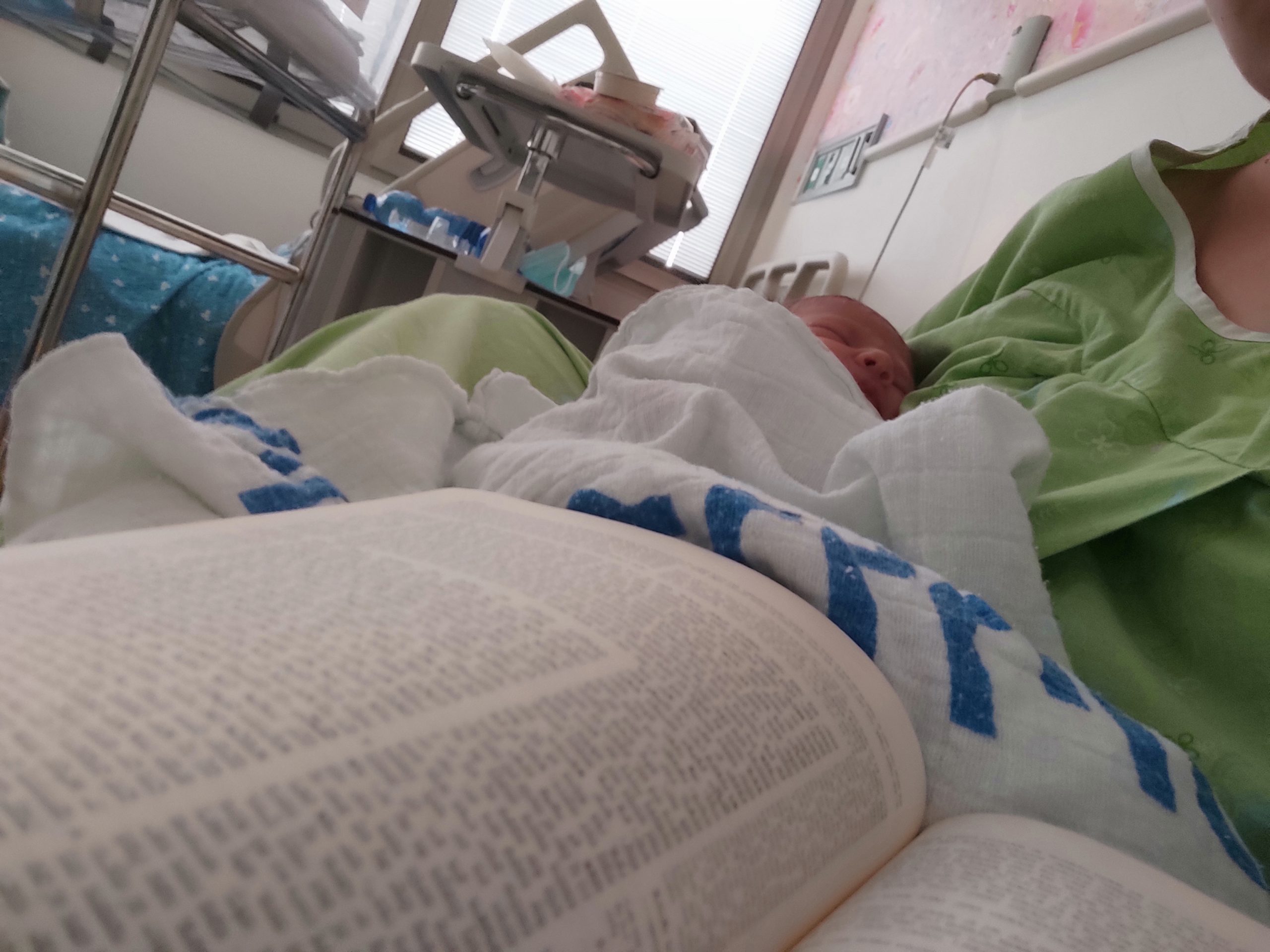
כמו שרואים בתמונה אני ממשיכה ללמוד גם היום ואפילו במחלקת יולדות אחרי לידת ביתי השלישית.
נועה שילה
רבבה, ישראל
אני לומדת גמרא כעשור במסגרות שונות, ואת הדף היומי התחלתי כשחברה הציעה שאצטרף אליה לסיום בבנייני האומה. מאז אני לומדת עם פודקסט הדרן, משתדלת באופן יומי אך אם לא מספיקה, מדביקה פערים עד ערב שבת. בסבב הזה הלימוד הוא "ממעוף הציפור”, מקשיבה במהירות מוגברת תוך כדי פעילויות כמו בישול או נהיגה, וכך רוכשת היכרות עם הסוגיות ואופן ניתוחם על ידי חז”ל. בע”ה בסבב הבא, ואולי לפני, אצלול לתוכו באופן מעמיק יותר.

יעל ביר
רמת גן, ישראל
התחלתי לפני 8 שנים במדרשה. לאחרונה סיימתי מסכת תענית בלמידה עצמית ועכשיו לקראת סיום מסכת מגילה.
דניאלה ברוכים
רעננה, ישראל
"התחלתי ללמוד דף יומי במחזור הזה, בח’ בטבת תש””ף. לקחתי על עצמי את הלימוד כדי ליצור תחום של התמדה יומיומית בחיים, והצטרפתי לקבוצת הלומדים בבית הכנסת בכפר אדומים. המשפחה והסביבה מתפעלים ותומכים.
בלימוד שלי אני מתפעלת בעיקר מכך שכדי ללמוד גמרא יש לדעת ולהכיר את כל הגמרא. זו מעין צבת בצבת עשויה שהיא עצומה בהיקפה.”

שרה פוּקס
כפר אדומים, ישראל
לפני 15 שנה, אחרי עשרות שנים של "ג’ינגול” בין משפחה לקריירה תובענית בהייטק, הצטרפתי לשיעורי גמרא במתן רעננה. הלימוד המעמיק והייחודי של הרבנית אושרה קורן יחד עם קבוצת הנשים המגוונת הייתה חוויה מאלפת ומעשירה. לפני כשמונה שנים כאשר מחזור הדף היומי הגיע למסכת תענית הצטרפתי כ”חברותא” לבעלי. זו השעה היומית שלנו ביחד כאשר דפי הגמרא משתלבים בחיי היום יום, משפיעים ומושפעים, וכשלא מספיקים תמיד משלימים בשבת

יודי אסקוף
רעננה, ישראל
A friend in the SF Bay Area said in Dec 2019 that she might start listening on her morning drive to work. I mentioned to my husband and we decided to try the Daf when it began in Jan 2020 as part of our preparing to make Aliyah in the summer.
חנה פיוטרקובסקי
ירושלים, Israel
התחלתי כשהייתי בחופש, עם הפרסומים על תחילת המחזור, הסביבה קיבלה את זה כמשהו מתמיד ומשמעותי ובהערכה, הלימוד זה עוגן יציב ביום יום, יש שבועות יותר ויש שפחות אבל זה משהו שנמצא שם אמין ובעל משמעות בחיים שלי….

עדי דיאמנט
גמזו, ישראל
התחלתי ללמוד דף יומי אחרי שחזרתי בתשובה ולמדתי במדרשה במגדל עוז. הלימוד טוב ומספק חומר למחשבה על נושאים הלכתיים ”קטנים” ועד לערכים גדולים ביהדות. חשוב לי להכיר את הגמרא לעומק. והצעד הקטן היום הוא ללמוד אותה בבקיאות, בעזרת השם, ומי יודע אולי גם אגיע לעיון בנושאים מעניינים. נושאים בגמרא מתחברים לחגים, לתפילה, ליחסים שבין אדם לחברו ולמקום ולשאר הדברים שמלווים באורח חיים דתי 🙂

גאיה דיבו
מצפה יריחו, ישראל
שמעתי על הסיום הענק של הדף היומי ע”י נשים בבנייני האומה. רציתי גם.
החלטתי להצטרף. התחלתי ושיכנעתי את בעלי ועוד שתי חברות להצטרף. עכשיו יש לי לימוד משותף איתו בשבת ומפגש חודשי איתן בנושא (והתכתבויות תדירות על דברים מיוחדים שקראנו). הצטרפנו לקבוצות שונות בווטסאפ. אנחנו ממש נהנות. אני שומעת את השיעור מידי יום (בד”כ מהרב יוני גוטמן) וקוראת ומצטרפת לסיומים של הדרן. גם מקפידה על דף משלהן (ונהנית מאד).
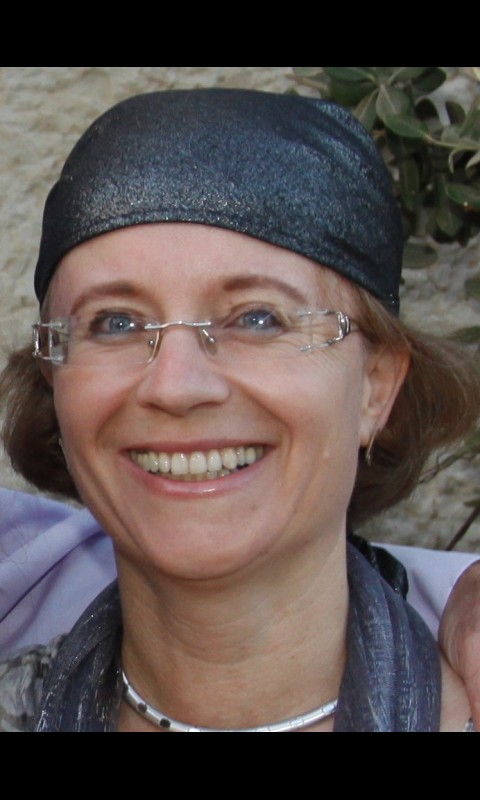
ליאת סיטרון
אפרת, ישראל
התחלתי ללמוד דף יומי באמצע תקופת הקורונה, שאבא שלי סיפר לי על קבוצה של בנות שתיפתח ביישוב שלנו ותלמד דף יומי כל יום. הרבה זמן רציתי להצטרף לזה וזאת הייתה ההזדמנות בשבילי. הצטרפתי במסכת שקלים ובאמצע הייתה הפסקה קצרה. כיום אני כבר לומדת באולפנה ולומדת דף יומי לבד מתוך גמרא של טיינזלץ.
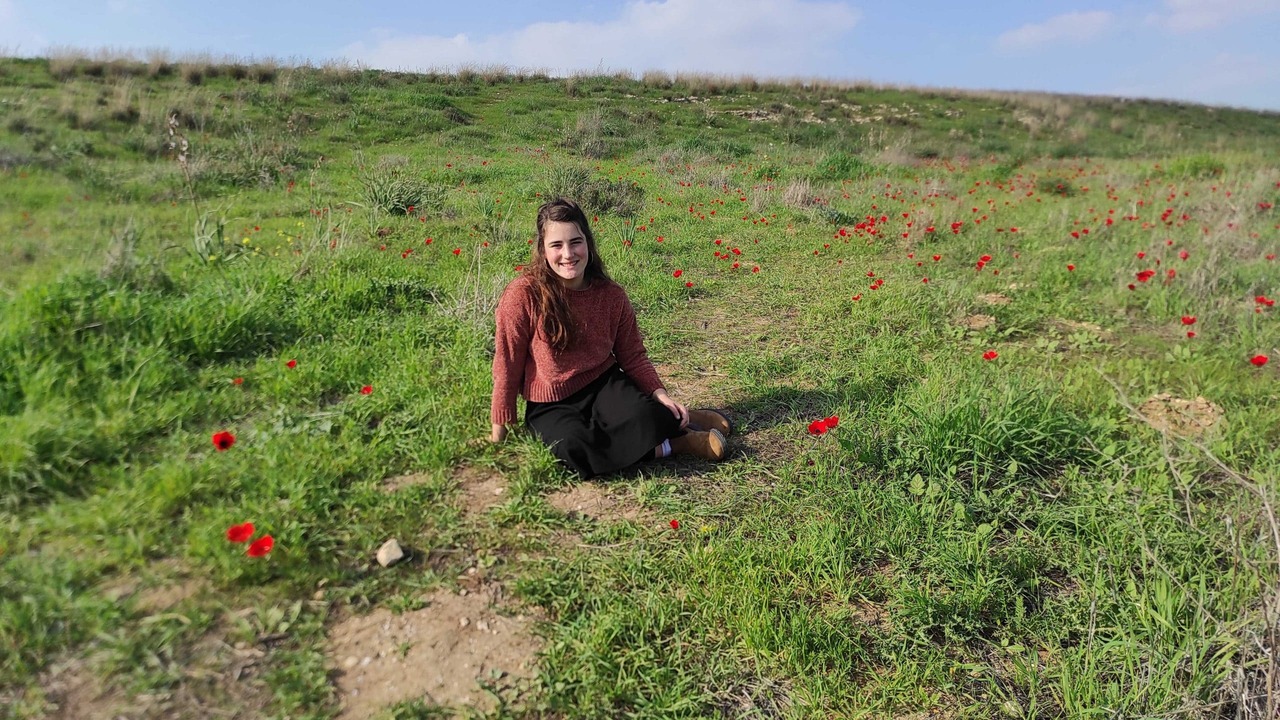
שבות בראלי
עתניאל, ישראל
התחלתי בתחילת הסבב, והתמכרתי. זה נותן משמעות נוספת ליומיום ומאוד מחזק לתת לזה מקום בתוך כל שגרת הבית-עבודה השוטפת.
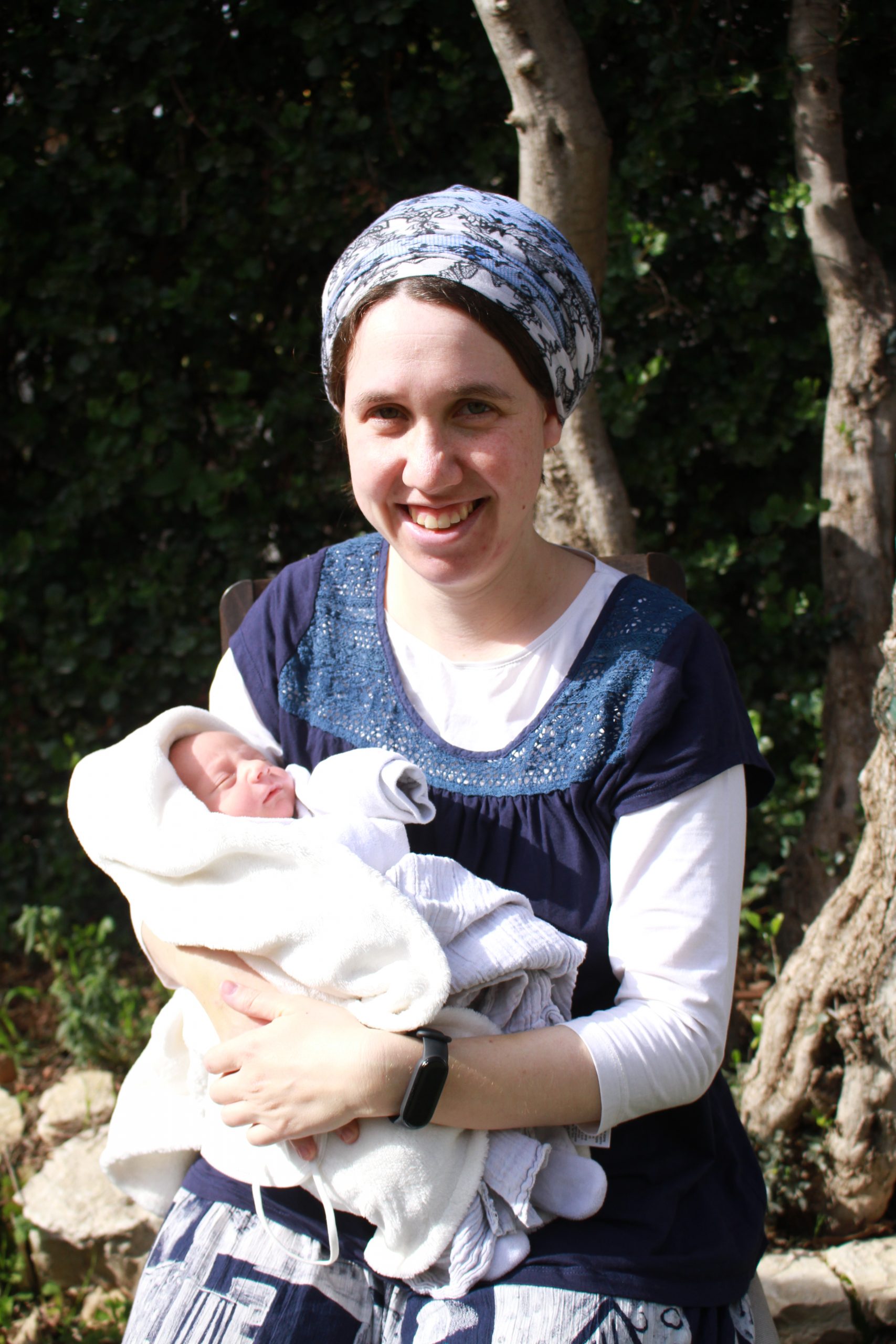
רעות אברהמי
בית שמש, ישראל
. לא תמיד נהניתי מלימוד גמרא כילדה.,בל כהתבגרתי התחלתי לאהוב את זה שוב. התחלתי ללמוד מסכת סוטה בדף היומי לפני כחמש עשרה שנה ואז הפסקתי.הגעתי לסיום הגדול של הדרן לפני שנתיים וזה נתן לי השראה. והתחלתי ללמוד למשך כמה ימים ואז היתה לי פריצת דיסק והפסקתי…עד אלול השנה. אז התחלתי עם מסכת ביצה וב”ה אני מצליחה לעמוד בקצב. המשפחה מאוד תומכת בי ויש כמה שגם לומדים את זה במקביל. אני אוהבת שיש עוגן כל יום.

רבקה דרשן
בית שמש, ישראל
A friend in the SF Bay Area said in Dec 2019 that she might start listening on her morning drive to work. I mentioned to my husband and we decided to try the Daf when it began in Jan 2020 as part of our preparing to make Aliyah in the summer.
חנה פיוטרקובסקי
ירושלים, Israel
התחלתי ללמוד דף יומי שהתחילו מסכת כתובות, לפני 7 שנים, במסגרת קבוצת לימוד שהתפרקה די מהר, ומשם המשכתי לבד בתמיכת האיש שלי. נעזרתי בגמרת שטיינזלץ ובשיעורים מוקלטים.
הסביבה מאד תומכת ואני מקבלת המון מילים טובות לאורך כל הדרך. מאז הסיום הגדול יש תחושה שאני חלק מדבר גדול יותר.
אני לומדת בשיטת ה”7 דפים בשבוע” של הרבנית תרצה קלמן – כלומר, לא נורא אם לא הצלחת ללמוד כל יום, העיקר שגמרת ארבעה דפים בשבוע

רחל גולדשטיין
עתניאל, ישראל
הייתי לפני שנתיים בסיום הדרן נשים בבנייני האומה והחלטתי להתחיל. אפילו רק כמה דפים, אולי רק פרק, אולי רק מסכת… בינתיים סיימתי רבע שס ותכף את כל סדר מועד בה.
הסביבה תומכת ומפרגנת. אני בת יחידה עם ארבעה אחים שכולם לומדים דף יומי. מדי פעם אנחנו עושים סיומים יחד באירועים משפחתיים. ממש מרגש. מסכת שבת סיימנו כולנו יחד עם אבא שלנו!
אני שומעת כל יום פודקאסט בהליכה או בנסיעה ואחכ לומדת את הגמרא.
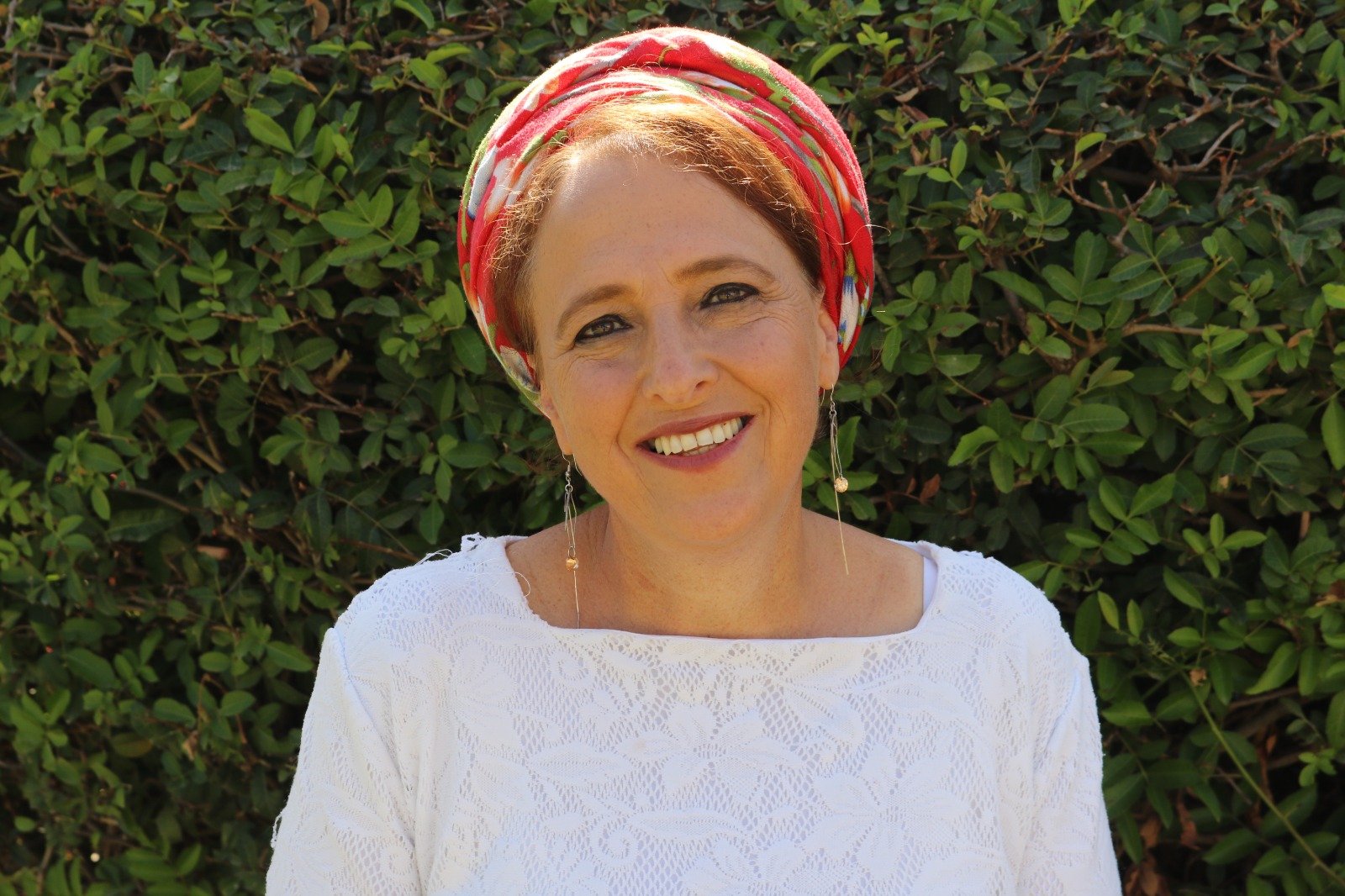
עדנה גרוס
מרכז שפירא, ישראל
לפני 15 שנה, אחרי עשרות שנים של "ג’ינגול” בין משפחה לקריירה תובענית בהייטק, הצטרפתי לשיעורי גמרא במתן רעננה. הלימוד המעמיק והייחודי של הרבנית אושרה קורן יחד עם קבוצת הנשים המגוונת הייתה חוויה מאלפת ומעשירה. לפני כשמונה שנים כאשר מחזור הדף היומי הגיע למסכת תענית הצטרפתי כ”חברותא” לבעלי. זו השעה היומית שלנו ביחד כאשר דפי הגמרא משתלבים בחיי היום יום, משפיעים ומושפעים, וכשלא מספיקים תמיד משלימים בשבת
יודי אסקוף
רעננה, ישראל
למדתי גמרא מכיתה ז- ט ב Maimonides School ואחרי העליה שלי בגיל 14 לימוד הגמרא, שלא היה כל כך מקובל בימים אלה, היה די ספוראדי. אחרי "ההתגלות” בבנייני האומה התחלתי ללמוד בעיקר בדרך הביתה למדתי מפוקקטסים שונים. לאט לאט ראיתי שאני תמיד חוזרת לרבנית מישל פרבר. באיזה שהוא שלב התחלתי ללמוד בזום בשעה 7:10 .
היום "אין מצב” שאני אתחיל את היום שלי ללא לימוד עם הרבנית מישל עם כוס הקפה שלי!!
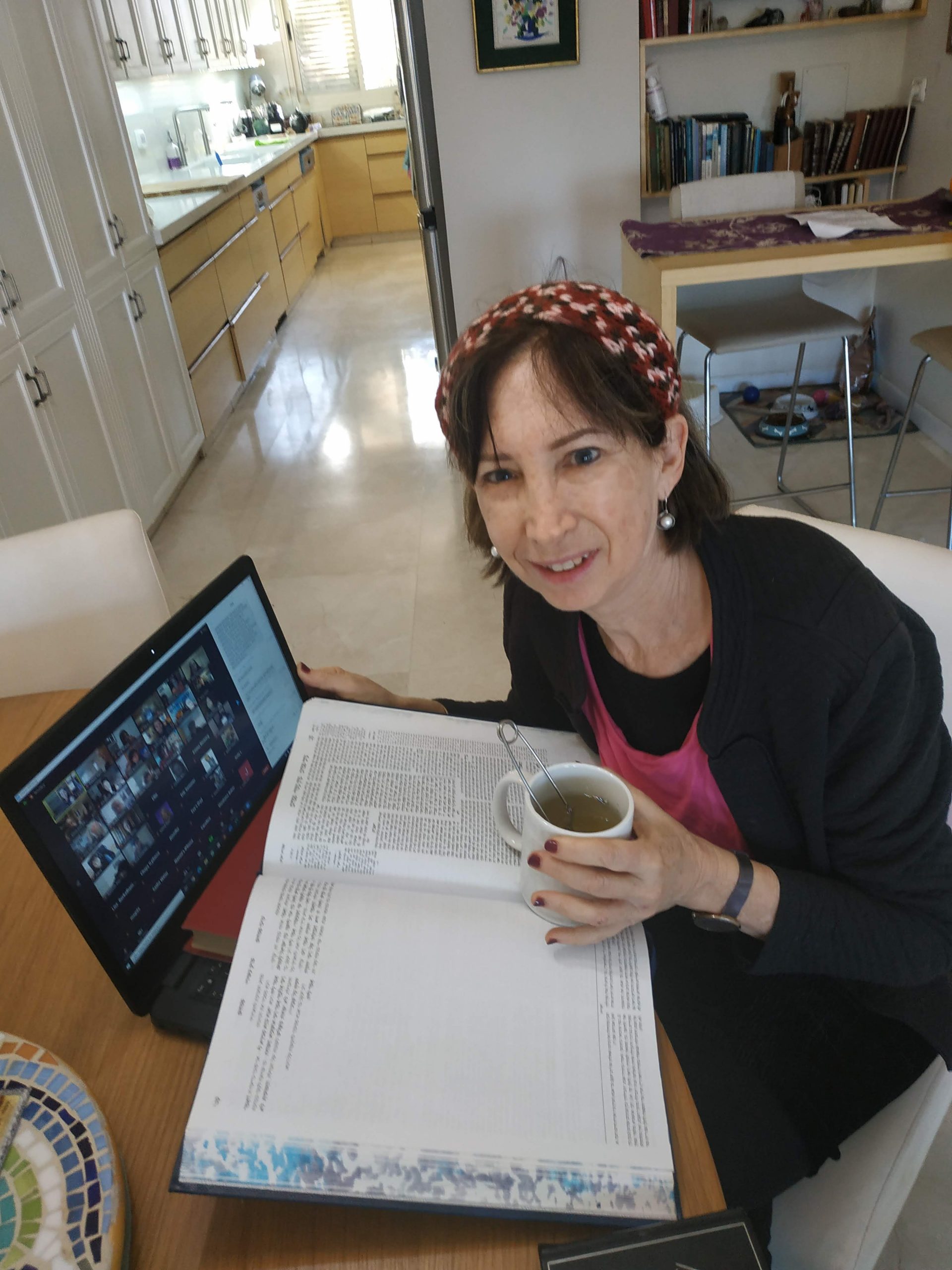
דבי גביר
חשמונאים, ישראל
רבנית מישל הציתה אש התלמוד בלבבות בביניני האומה ואני נדלקתי. היא פתחה פתח ותמכה במתחילות כמוני ואפשרה לנו להתקדם בצעדים נכונים וטובים. הקימה מערך שלם שמסובב את הלומדות בסביבה תומכת וכך נכנסתי למסלול לימוד מעשיר שאין כמוה. הדרן יצר קהילה גדולה וחזקה שמאפשרת התקדמות מכל נקודת מוצא. יש דיבוק לומדות שמחזק את ההתמדה של כולנו. כל פניה ושאלה נענית בזריזות ויסודיות. תודה גם למגי על כל העזרה.
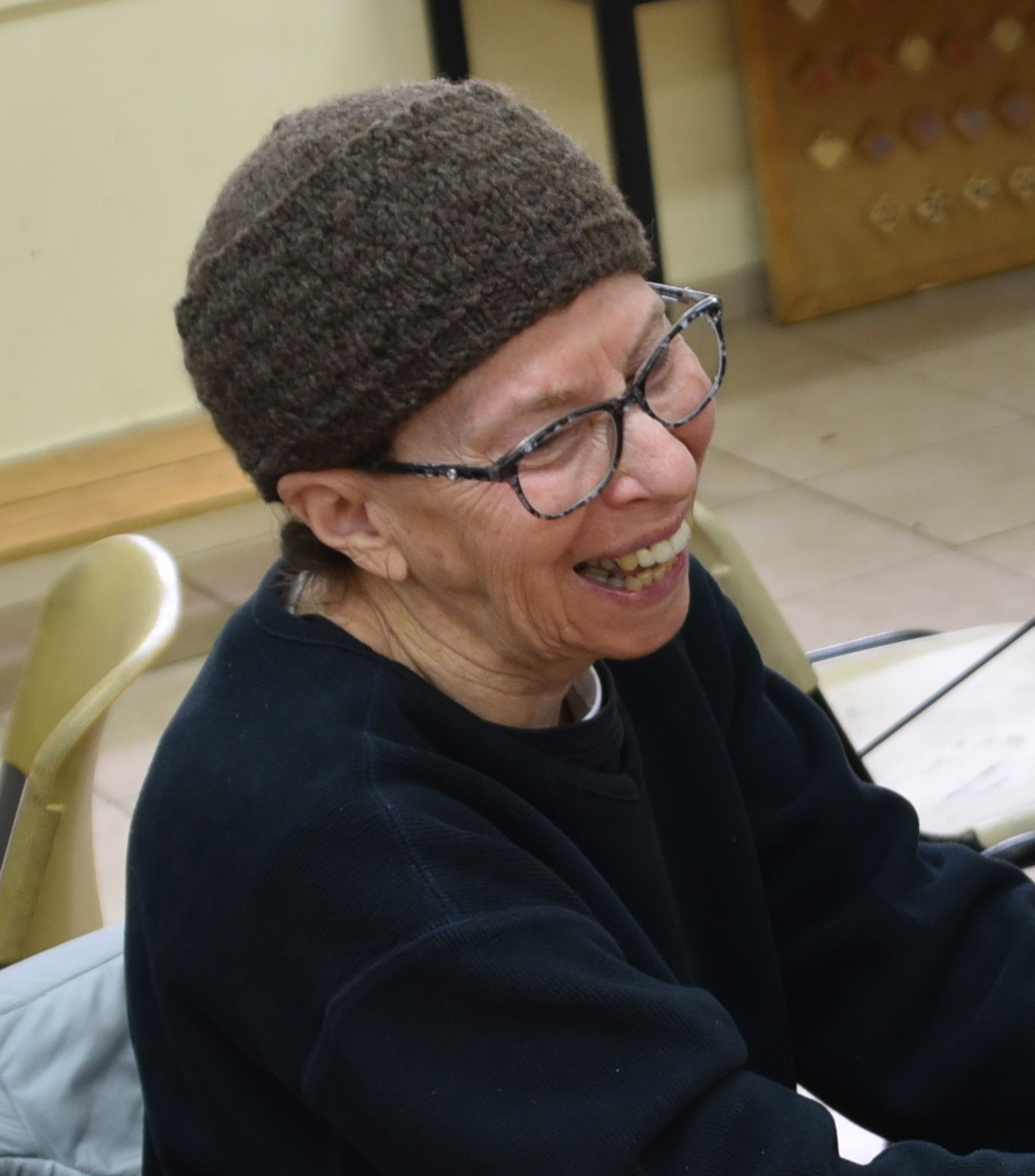
שרה אבר
נתניה, ישראל
התחלתי מעט לפני תחילת הסבב הנוכחי. אני נהנית מהאתגר של להמשיך להתמיד, מרגעים של "אהה, מפה זה הגיע!” ומהאתגר האינטלקטואלי

אילת-חן ודלר
לוד, ישראל
נדה יח
וּפְלִיגָא דְּרַב קַטִּינָא.
And this option contradicts the opinion of Rav Ketina, who deems the blood impure due to uncertainty.
לְרַב הוּנָא, לָא פְּלִיגִי — כָּאן מִן הַלּוּל וְלִפְנִים, כָּאן מִן הַלּוּל וְלַחוּץ.
And according to the opinion of Rav Huna, who said that if the blood was found in the inner section it is definitely impure, as it is presumed to come from the uterus, and if the blood was found in the outer section it is impure due to uncertainty, one can say that Rabbi Ḥiyya and Rav Ketina do not disagree, as they were referring to different cases. Here, where Rabbi Ḥiyya deems the blood definitely impure, he is speaking of blood found from the vestibule and inward, whereas there, Rav Ketina deems it impure due to uncertainty when it is found from the vestibule and outward.
אֶלָּא לְרָמֵי בַּר שְׁמוּאֵל וּלְרַב יִצְחָק בְּרֵיהּ דְּרַב יְהוּדָה, דְּאָמְרִי: מִן הַלּוּל וְלַחוּץ — סְפֵקוֹ טָהוֹר, מִן הַלּוּל וְלִפְנִים — סְפֵקוֹ טָמֵא, הָנֵי בְּמַאי מִתּוֹקְמָא? מִן הַלּוּל וְלִפְנִים.
But according to the opinion of Rami bar Shmuel and Rav Yitzḥak, son of Rav Yehuda, who say that if the blood is found from the vestibule and outward, its state of uncertainty renders it pure, whereas if it is found in the area from the vestibule and inward, its state of uncertainty renders it impure, with regard to what case can the dispute between these Sages, Rabbi Ḥiyya and Rav Ketina, be interpreted? It must be referring to a situation where the blood was found from the vestibule and inward, as according to Rami bar Shmuel and Rav Yitzḥak, son of Rav Yehuda, if the blood is found from the vestibule and outward it is pure.
לֵימָא פְּלִיגָא דְּרַבִּי חִיָּיא!
If so, shall we say that Rami bar Shmuel and Rav Yitzḥak, son of Rav Yehuda, disagree with the opinion of Rabbi Ḥiyya, who deems the blood definitely impure, whereas they maintain that it is impure merely due to uncertainty?
לָא קַשְׁיָא, כָּאן — כְּשֶׁנִּמְצָא בַּקַּרְקַע פְּרוֹזְדוֹר, וְכָאן — שֶׁנִּמְצָא בְּגַג פְּרוֹזְדוֹר.
The Gemara answers: This is not difficult. It is possible that Rami bar Shmuel and Rav Yitzḥak, son of Rav Yehuda, agree with the opinion of Rabbi Ḥiyya, as they maintain that there is no dispute between Rav Ketina and Rabbi Ḥiyya. Once again the reason is that Rav Ketina and Rabbi Ḥiyya might be referring to two different cases: Here, Rabbi Ḥiyya deems the blood definitely impure because he is speaking of a case where it is found on the floor of the corridor, in which case the blood is presumed to come from the uterus rather than the bladder. And there, Rav Ketina, who deems the blood impure due to uncertainty, is referring to blood that is found on the roof of the corridor, and therefore it is uncertain whether the blood came from the bladder or the uterus.
אָמַר רַבִּי יוֹחָנָן: בִּשְׁלֹשָׁה מְקוֹמוֹת הָלְכוּ בּוֹ חֲכָמִים אַחַר הָרוֹב, וַעֲשָׂאוּם כְּוַדַּאי: מָקוֹר, שִׁלְיָא, חֲתִיכָה. מָקוֹר — הָא דַּאֲמַרַן;
§ Rabbi Yoḥanan says: In three places where there is uncertainty the Sages followed the majority, and based on that majority they established the halakha in these cases as though they involved a certainty. The three cases are as follows: The source, the afterbirth [shilya], and a shaped limb. The Gemara elaborates: The source is that which we just said, i.e., that blood found in the corridor from the vestibule and inward it is ritually impure, because the majority of blood found there is from the uterus.
שִׁלְיָא — דִּתְנַן: שִׁלְיָא בְּבַיִת, הַבַּיִת טָמֵא, וְלֹא שֶׁהַשִּׁלְיָא וָלָד, אֶלָּא שֶׁאֵין שִׁלְיָא בְּלֹא וָלָד. רַבִּי שִׁמְעוֹן אוֹמֵר: נִמּוֹק הַוָּלָד עַד שֶׁלֹּא יָצָא;
The afterbirth is as we learned in a mishna (26a): If a woman miscarried and the afterbirth is in the house, the house is ritually impure, in the sense that everything under the roof becomes impure due to impurity imparted by a corpse. And the reason is not that the afterbirth itself has the status of an offspring; rather, it is that there is no afterbirth without an offspring. It is clear that the afterbirth contained an offspring, which disintegrated after the miscarriage. That offspring renders the contents of the house impure. Rabbi Shimon says: The offspring was squashed before it emerged with the afterbirth. Consequently, the house is not rendered impure, because the squashed fetus is nullified by the majority of blood that accompanied the miscarriage.
חֲתִיכָה — דִּתְנַן: הַמַּפֶּלֶת יָד חֲתוּכָה וְרֶגֶל חֲתוּכָה, אִמּוֹ טְמֵאָה לֵידָה, וְאֵין חוֹשְׁשִׁין שֶׁמָּא מִגּוּף אָטוּם בָּאת.
The third case of an uncertainty where the Sages followed the majority is that of a shaped limb, as we learned in a baraita: In the case of a woman who miscarries a shaped hand, i.e., its fingers are discernible, or a shaped foot, its mother is impure with the impurity of a woman after childbirth, as it certainly came from a full-fledged fetus, and we are not concerned that perhaps it came from a fetus with a sealed, i.e., deficient body, in which case the miscarriage does not have the status of childbirth with regard to ritual impurity. The reason is that most pregnant women give birth to a fully formed fetus, and therefore it is presumed that the hand or foot came from a whole fetus that was squashed during childbirth. Once again the Sages established the impurity as a certainty, based on a majority.
וְתוּ לֵיכָּא? וְהָאִיכָּא תֵּשַׁע חֲנוּיוֹת!
The Gemara asks: And are there no more cases of uncertainty in which the Sages determined the halakha according to the status of the majority, treating the case as though it involved a certainty? But isn’t there the case of nine stores?
דְּתַנְיָא: תֵּשַׁע חֲנוּיוֹת, כּוּלָּן מוֹכְרוֹת בְּשַׂר שְׁחוּטָה, וְאַחַת מוֹכֶרֶת בְּשַׂר נְבֵלָה, וְלָקַח מֵאַחַת מֵהֶן וְאֵינוֹ יוֹדֵעַ מֵאֵיזֶה מֵהֶן לָקַח — סְפֵקוֹ אָסוּר.
As it is taught in a baraita: With regard to nine stores in a city, all of which sell kosher meat from slaughtered animals, and one other store that sells meat from unslaughtered animal carcasses, and a person bought meat from one of the stores and he does not know from which store he bought the meat, in this case of uncertainty, the meat is prohibited. With regard to an item of uncertain status, if it separated from its fixed location it is presumed to have separated from the majority of items like it in that location, and has their halakhic status. But in the case of an item that remained in its fixed location, i.e., didn’t separate, it is viewed as an uncertainty that is equally balanced, and one does not follow the majority. This ruling is based on the principle: The halakhic status of uncertainty with regard to any item fixed in its place is that of an uncertainty that is equally balanced, and one does not follow the majority.In this case, when it comes to determining whether or not this meat comes from a kosher store, since the uncertainty stems from the act of buying the meat in the store, and the stores are fixed in their places, the two types of stores are regarded as though they were equal in number.
וּבַנִּמְצָא — הַלֵּךְ אַחַר הָרוֹב.
The baraita continues: And in the case of meat found in the street, outside the stores, follow the majority of stores. If most stores in the city sell kosher meat one can assume that the meat he found is kosher, based on the principle: Any item separated, i.e., not fixed in its place, is presumed to have been separated from the majority. Similar to the previous cases, this meat is treated as certainly kosher on the basis of a majority.
טוּמְאָה קָאָמְרִינַן, אִיסּוּר לָא קָאָמְרִינַן.
The Gemara answers: We say that this list of cases mentioned by Rabbi Yoḥanan is referring to matters of ritual impurity, whereas we do not say that the list includes cases that involve prohibitions, such as that of non-kosher meat.
וְהָאִיכָּא תֵּשַׁע צְפַרְדְּעִין וְשֶׁרֶץ אֶחָד בֵּינֵיהֶם, וְנָגַע בְּאֶחָד מֵהֶן, וְאֵינוֹ יוֹדֵעַ בְּאֵיזֶה מֵהֶן נָגַע — בִּרְשׁוּת הַיָּחִיד סְפֵקוֹ טָמֵא, בִּרְשׁוּת הָרַבִּים סְפֵקוֹ טָהוֹר,
The Gemara further asks: But isn’t there the case where there were nine dead frogs, which do not impart ritual impurity, and one carcass of a creeping animal among them, which does impart impurity, and someone touched one of these ten dead creatures, and he does not know which of them he touched? The halakha is as follows: If this occurred in the private domain the item’s uncertain impurity renders it impure, as it is derived from the Torah that in cases of uncertainty with regard to ritual impurity in the private domain, the item is deemed impure. If the contact occurred in the public domain, the item’s uncertainty leaves it pure.
וּבַנִּמְצָא — הַלֵּךְ אַחַר הָרוֹב!
The Gemara continues: And in a case where one of these creatures was separated from the rest and was found elsewhere, and the person touched it there, follow the majority. Since most of the animals do not impart ritual impurity, this individual remains pure. This is another case involving uncertain impurity where the Sages established the halakha as certain based on the majority.
טוּמְאָה דְּאִשָּׁה קָאָמְרִינַן, טוּמְאָה בְּעָלְמָא לָא קָאָמְרִינַן.
The Gemara explains: We say that Rabbi Yoḥanan’s list is referring to matters of ritual impurity of a woman, whereas we do not say that the list includes cases that involve ritual impurity in general.
וְהָאִיכָּא הָא דְּאָמַר רַבִּי יְהוֹשֻׁעַ בֶּן לֵוִי: עָבְרָה בַּנָּהָר
The Gemara further asks: But isn’t there that which Rabbi Yehoshua ben Levi said: With regard to a pregnant woman who passed across a river
וְהִפִּילָה — מְבִיאָה קׇרְבָּן וְנֶאֱכָל.
and she miscarried her fetus into the river, but she does not know whether or not the fetus was fully formed, she brings the offering of a woman after childbirth, i.e., a burnt offering and a sin offering. And the sin offering, which is a bird, is eaten after the nape of its neck has been severed, in the manner of a regular bird sin offering. This is the halakha despite the uncertainty, i.e., this fetus might not have been fully formed, in which case the woman is not obligated to bring this offering, and a bird that is not an offering may not be eaten if its nape was severed.
הַלֵּךְ אַחַר רוֹב נָשִׁים, וְרוֹב נָשִׁים — וָלָד מְעַלְּיָא יָלְדָן.
Rabbi Yehoshua ben Levi explains the reasoning behind this ruling: One must follow the majority of pregnant women, and most pregnant women give birth to full-fledged offspring. If so, this is another case involving an uncertainty where the Sages established the halakha as a certainty based on the majority. Furthermore, this case involves the ritual impurity of a woman. Why then did Rabbi Yoḥanan list only three cases of this kind?
מַתְנִיתִין קָאָמְרִינַן, שְׁמַעְתָּתָא לָא קָאָמְרִינַן.
The Gemara answers: We say that only cases taught in the Mishna or a baraita are included in this list, whereas we do not say that those derived from an amoraic halakhic statement, e.g., the statement of Rabbi Yehoshua ben Levi, are included.
וְהָא כִּי אֲתָא רָבִין, אָמַר: מֵתִיב רַבִּי יוֹסֵי בַּר רַבִּי חֲנִינָא טוֹעָה, וְלָא יָדַעְנָא מַאי תְּיוּבְתֵּיהּ.
The Gemara raises a difficulty with regard to this explanation: But when Ravin came from Eretz Yisrael to Babylonia he said that Rabbi Yosei bar Rabbi Ḥanina raises an objection against the opinion of Rabbi Yehoshua ben Levi from a baraita that deals with an unsure woman, i.e., one who does not know when she gave birth. Ravin added: And I do not know what his objection was from that baraita.
מַאי לָאו לָא תְּיוּבְתָּא, אֶלָּא סִיַּיעְתָּא?
The Gemara discusses Ravin’s statement: What, is it not correct to say that Ravin meant that this baraita is not a refutation of the opinion of Rabbi Yehoshua ben Levi but actually provides support for that opinion? If so, that would mean that Rabbi Yehoshua ben Levi’s opinion is effectively taught in a baraita as well, and therefore according to the above consideration Rabbi Yoḥanan should have included it in his list.
לָא, דִּלְמָא לָא תְּיוּבְתָּא וְלֹא סִיַּיעְתָּא.
The Gemara answers: This is not necessarily the correct inference, as perhaps Ravin meant simply that the ruling of this baraita is neither a refutation nor a support for the opinion of Rabbi Yehoshua ben Levi.
לְמַעוֹטֵי מַאי?
§ When Rabbi Yoḥanan says that in three places where there is uncertainty the Sages followed the majority and established the halakha as though it involved a certainty, he is clearly indicating that some cases are excluded from this category. The Gemara asks: Rabbi Yoḥanan says this to exclude what?
אִילֵּימָא לְמַעוֹטֵי רוּבָּא, דְּאִיכָּא חֲזָקָה בַּהֲדֵיהּ, דְּלָא שָׂרְפִינַן עֲלֵיהּ אֶת הַתְּרוּמָה — וְהָא אַמְרַהּ רַבִּי יוֹחָנָן חֲדָא זִימְנָא!
If we say that he says this to exclude an uncertain case where on the one hand there is a majority that indicates the woman should be deemed ritually impure and on the other hand there is a presumptive status along with it that opposes that majority, which is why the uncertainty is not treated as a certainty, and therefore one does not burn teruma due to contact with that impurity, this cannot be the case. The reason is that Rabbi Yoḥanan already said it on another occasion, with regard to other cases of ritual impurity, that if the consideration of a majority indicates that an item should be impure while its presumptive status indicates that it should be pure, it is not considered definitely impure.
דִּתְנַן: תִּינוֹק הַנִּמְצָא בְּצַד הָעִיסָּה, וּבָצֵק בְּיָדוֹ — רַבִּי מֵאִיר מְטַהֵר, וַחֲכָמִים מְטַמְּאִין, שֶׁדַּרְכּוֹ שֶׁל תִּינוֹק לְטַפֵּחַ.
The Gemara cites the source for Rabbi Yoḥanan’s opinion in this regard. As we learned in a mishna (Teharot 3:8): If a ritually impure child is found alongside ritually pure started dough that has not yet risen, and he has risen dough in his hand that may have been removed from the larger portion of started dough, Rabbi Meir deems the started dough pure, since there is no proof the child touched it, as he might have been given the piece by someone else. And the Rabbis deem it impure, as they assume that he touched the started dough. The child is presumed to be impure, because it is the norm of a child to handle items.
וְאָמְרִינַן: מַאי טַעְמָא דְּרַבִּי מֵאִיר? קָסָבַר: רוֹב תִּינוֹקוֹת מְטַפְּחִין, וּמִיעוּט אֵין מְטַפְּחִין, וְעִיסָּה זוֹ בְּחֶזְקַת טְהוֹרָה עוֹמֶדֶת, סְמוֹךְ מִיעוּטָא לַחֲזָקָה, וְאִיתְּרַע לֵיהּ רוּבָּא.
And we say with regard to this dispute: What is the reason for the opinion of Rabbi Meir? He holds that a majority of children handle items that are within reach, in this case the dough, and a minority do not handle items within reach, and this dough retains a presumptive status of purity, since its impurity has not been definitively determined. Therefore, one should append the fact that the minority of children do not handle items within reach to the presumptive status of purity of the dough, and the force of the majority of children who handle items within reach is weakened. Therefore, the dough is considered pure.
וְרַבָּנַן מִיעוּטָא ״כְּמַאן דְּלֵיתֵיהּ דָּמֵי״, וְרוּבָּא וַחֲזָקָה — רוּבָּא עֲדִיף.
And the Rabbis contend that in a case where the majority is followed, the minority is considered like it does not exist. And consequently, there is a conflict between the determining factors of the majority of impure children who handle items within reach and the presumptive status of purity of the dough. Therefore, the majority takes precedence.
וְאָמַר רֵישׁ לָקִישׁ מִשּׁוּם רַבִּי אוֹשַׁעְיָא: זוֹ הִיא חֲזָקָה שֶׁשּׂוֹרְפִין עָלֶיהָ אֶת הַתְּרוּמָה, וְרַבִּי יוֹחָנָן אָמַר: אֵין זוֹ חֲזָקָה שֶׁשּׂוֹרְפִין עָלֶיהָ אֶת הַתְּרוּמָה!
And Reish Lakish says in the name of Rabbi Oshaya: This halakha of a child is an example of a presumption, that children handle items within reach, over which teruma is burned, as the Rabbis hold that it is sufficiently certain that the dough has become impure to allow it to be burned. And Rabbi Yoḥanan says: This is not a presumption over which teruma is burned. Rather, the dough is left aside, and can be neither eaten nor burned, due to the uncertainty whether it is impure. In this context, Rabbi Yoḥanan has already stated that when a majority is contradicted by a presumption, the status of uncertainty applies. Therefore, there was no need for him to specify the three cases he mentioned in order to exclude situations of this kind.
אֶלָּא לְמַעוֹטֵי רוּבָּא דְּרַבִּי יְהוּדָה, דִּתְנַן: הַמַּפֶּלֶת חֲתִיכָה — אִם יֵשׁ עִמָּהּ דָּם טְמֵאָה, וְאִם לָאו — טְהוֹרָה. רַבִּי יְהוּדָה אוֹמֵר: בֵּין כָּךְ וּבֵין כָּךְ טְמֵאָה.
Rather, Rabbi Yoḥanan’s statement that there are only three cases in which uncertainty is treated as certainty is meant to exclude a specific situation involving a majority, as discussed by Rabbi Yehuda. As we learned in a mishna (21a): In the case of a woman who miscarries an amorphous piece of flesh, if there is blood that emerges with it, the woman is ritually impure with the impurity of a menstruating woman. And if not, she is pure, as she is neither a menstruating woman nor a woman after childbirth. Rabbi Yehuda says: In both this case, where blood emerged, and that case, where no blood emerged, the woman is impure with the impurity of a menstruating woman, as there was certainly undetected blood that emerged with the flesh.
וְאָמַר רַב יְהוּדָה אָמַר שְׁמוּאֵל: לֹא טִימֵּא רַבִּי יְהוּדָה אֶלָּא בַּחֲתִיכָה שֶׁל אַרְבַּע מִינֵי דָמִים, אֲבָל שְׁאָר מִינֵי דָמִים — טְהוֹרָה. וְרַבִּי יוֹחָנָן אָמַר: שֶׁל אַרְבַּע מִינֵי דָמִים — דִּבְרֵי הַכֹּל טְמֵאָה, וְשֶׁל שְׁאָר דָמִים — דִּבְרֵי הַכֹּל טְהוֹרָה. לֹא נֶחְלְקוּ אֶלָּא כְּשֶׁהִפִּילָה
And Rav Yehuda says that Shmuel says: Rabbi Yehuda deemed the woman impure, despite the fact that no blood emerged, only in the case of a piece of flesh that has the color of one of the four types of ritually impure blood, as stated in the mishna below (19a). But if it has the color of other types of blood, the woman is pure. And Rabbi Yoḥanan says: If a woman miscarries a piece of flesh that has the color of one of the four types of ritually impure blood, all, i.e., Rabbi Yehuda and the Rabbis, agree that she is impure. And likewise, if the piece has the color of other types of blood, all agree that she is pure. The Rabbis and Rabbi Yehuda disagree only with regard to a case where the woman miscarried an amorphous piece of flesh,
לעקוב

