








האם יוצא דופן נידון כלידה רגילה לעניין דמי לידה וקרבן – תנא קמא אומרים שלא ור’ שמעון אומר שכן. הגמרא מביאה את המקור לשיטותיהם ודנה בהם. ר’ יוחנן אומר שגם לר’ שמעון, כשמדובר בבהמה שמביאים לקרבן, יוצא דופן אינו נחשב ללידה רגילה ואי אפשר להקריבו. הלכה זו לומדים מגזירה שווה מבכור בהמה. למה לומדים משם ולא מגזירה שווה ללידת אדם? הגמרא מנסה לחזק את דברי ר’ יוחנן מברייתא.
רוצה להקדיש לימוד?
נדה מ
מַתְנִי’ יוֹצֵא דּוֹפֶן — אֵין יוֹשְׁבִין עָלָיו יְמֵי טוּמְאָה וִימֵי טׇהֳרָה, וְאֵין חַיָּיבִין עָלָיו קׇרְבָּן. רַבִּי שִׁמְעוֹן אוֹמֵר: הֲרֵי זֶה כְּיָלוּד.
MISHNA: After the birth of an offspring by caesarean section, the mother does not observe seven or fourteen days of impurity and thirty-three or sixty-six days of purity for male and female offspring, respectively, and she is not obligated to bring for it the offering brought by a woman after childbirth. Rabbi Shimon says: The halakhic status of that offspring is like that of an offspring born in a standard birth.
כׇּל הַנָּשִׁים מְטַמְּאוֹת בַּבַּיִת הַחִיצוֹן, שֶׁנֶּאֱמַר: ״דָּם יִהְיֶה זוֹבָהּ בִּבְשָׂרָהּ״, אֲבָל הַזָּב וּבַעַל קֶרִי אֵינָן מְטַמְּאִין, עַד שֶׁתֵּצֵא טוּמְאָתָן לַחוּץ.
All women become ritually impure with the flow of blood from the uterus into the outer chamber, i.e., the vagina, although it did not leave the woman’s body, as it is stated: “And her issue in her flesh shall be blood, she shall be in her menstruation seven days” (Leviticus 15:19), indicating that even if her menstrual blood remains in her flesh, she becomes impure. But one who experiences a gonorrhea-like discharge [zav] and one who experiences a seminal emission do not become ritually impure until their emission of impurity emerges outside the body.
הָיָה אוֹכֵל בִּתְרוּמָה, וְהִרְגִּישׁ שֶׁנִּזְדַּעְזְעוּ אֵבָרָיו — אוֹחֵז בָּאַמָּה וּבוֹלֵעַ אֶת הַתְּרוּמָה, וּמְטַמְּאִין בְּכֹל שֶׁהוּא, אֲפִילּוּ כְּעֵין הַחַרְדָּל, וּבְפָחוֹת מִכֵּן.
If a priest was partaking of teruma, the portion of the produce designated for the priest, and sensed a quaking of his limbs indicating that a seminal emission was imminent, he should firmly hold his penis to prevent the emission from leaving his body, and swallow the teruma while ritually pure. And the emission of a zav and a seminal emission impart impurity in any amount, even like the size of a mustard seed or even smaller than that.
גְּמָ’ אָמַר רַבִּי מָנִי בַּר פַּטִּישׁ: מַאי טַעְמַיְיהוּ דְּרַבָּנַן? אָמַר קְרָא ״אִשָּׁה כִּי תַזְרִיעַ וְיָלְדָה זָכָר״ — עַד שֶׁתֵּלֵד בִּמְקוֹם שֶׁהִיא מַזְרַעַת.
GEMARA: The mishna cites a dispute as to whether or not a birth by caesarean section is considered a birth with regard to the halakhot pertaining to childbirth. Rabbi Mani bar Patish said: What is the reason for the opinion of the Rabbis, who say that it is not considered a birth? It is because the verse states: “If a woman emitted seed and gave birth to a male, then she shall be impure seven days…And when the days of her purification are fulfilled, for a son, or for a daughter, she shall bring a lamb of the first year for a burnt offering, and a pigeon or a dove for a sin offering” (Leviticus 12:2–6). It is derived from here that the halakhot mentioned in that passage do not apply unless she gives birth through the place where she emits seed.
וְרַבִּי שִׁמְעוֹן? הָהִיא — דַּאֲפִילּוּ לֹא יָלְדָה אֶלָּא כְּעֵין שֶׁהִזְרִיעָה, אִמּוֹ טְמֵאָה לֵידָה.
The Gemara asks: And how does Rabbi Shimon interpret the term “emitted seed”? The Gemara answers: That word serves to teach that even if she gave birth only to a fluid that resembles the seed that she emitted, i.e., the fetus died and entirely decomposed and dissolved before emerging, its mother is ritually impure due to childbirth.
וְרַבִּי שִׁמְעוֹן, מַאי טַעְמֵיהּ? אָמַר רֵישׁ לָקִישׁ: אָמַר קְרָא ״תֵּלֵד״ — לְרַבּוֹת יוֹצֵא דּוֹפֶן.
The Gemara further asks: And Rabbi Shimon, what is the reason for his opinion that the halakhot of childbirth apply in the case of a caesarean section? Reish Lakish said that it is because the verse states: “But if she gives birth to a female” (Leviticus 12:5). The term “she gives birth” is superfluous in the context of the passage, as it was mentioned previously, and it therefore serves to include the birth of an offspring by caesarean section.
וְרַבָּנַן? הַאי מִבְּעֵי לֵיהּ לְרַבּוֹת טוּמְטוּם וְאַנְדְּרוֹגִינוֹס, דְּסָלְקָא דַעְתָּךְ אָמֵינָא: ״זָכָר״ וּ״נְקֵבָה״ כְּתִיב — זָכָר וַדַּאי, נְקֵבָה וַדָּאִית, וְלֹא טוּמְטוּם וְאַנְדְּרוֹגִינוֹס, קָא מַשְׁמַע לַן.
The Gemara asks: And what do the Rabbis derive from this superfluous expression? The Gemara answers: In their opinion, that expression is necessary to include the birth of a child whose sexual organs are indeterminate [tumtum] or a hermaphrodite. As it might enter your mind to say that as the words “male” (Leviticus 12:2) and “female” (Leviticus 12:5) are written in the passage, these halakhot apply only to a definite male and a definite female, but not to a tumtum or a hermaphrodite. Therefore, the term “she gives birth” teaches us that it is the birth itself, not the sex of the offspring, that matters.
וְרַבִּי שִׁמְעוֹן? נָפְקָא לֵיהּ מִדְּתָנֵי בַּר לֵיוַאי, דְּתָנֵי בַּר לֵיוַאי: ״לְבֵן״ — לְבֵן מִכׇּל מָקוֹם, ״לְבַת״ — לְבַת מִכׇּל מָקוֹם.
The Gemara asks: And from where does Rabbi Shimon derive that these halakhot apply to a tumtum and a hermaphrodite? The Gemara answers: He derives it from that which bar Livai teaches, as bar Livai teaches a baraita that discusses the verse: “And when the days of her purity are fulfilled, for a son, or for a daughter” (Leviticus 12:6). Since the verse uses the terms “son” and “daughter,” rather than male and female, it is derived from the term “for a son” that these halakhot apply to a son in any case, even if his masculinity is not definite. Similarly, the term “for a daughter” teaches that these halakhot apply to a daughter in any case, even if her femininity is not definite.
וְרַבָּנַן? הַאי מִבְּעֵי לֵיהּ לְחַיֵּיב עַל כׇּל בֵּן וּבֵן, וּלְחַיֵּיב עַל כׇּל בַּת וּבַת.
The Gemara asks: And what do the Rabbis derive from the terms “for a son” and “for a daughter”? The Gemara answers: In their opinion, that term is necessary to obligate the mother to bring an offering for each and every son to whom she gives birth, rather than one offering after having given birth to several sons; and likewise to obligate her to bring an offering for each and every daughter to whom she gives birth.
וְרַבִּי שִׁמְעוֹן? נָפְקָא לֵיהּ מִדְּתָנֵי תַּנָּא קַמֵּיהּ דְּרַב שֵׁשֶׁת: ״זֹאת תּוֹרַת הַיּוֹלֶדֶת״, מְלַמֵּד שֶׁמְּבִיאָה קׇרְבָּן אֶחָד עַל וְלָדוֹת הַרְבֵּה. יָכוֹל תָּבִיא עַל לֵידָה וְעַל זִיבָה כְּאֶחָת?
The Gemara asks: And from where does Rabbi Shimon derive this halakha? The Gemara answers that he derives it from a baraita that a tanna taught before Rav Sheshet: The verse states: “This is the law for one who gives birth, whether to a male or a female” (Leviticus 12:7). This teaches that a woman brings a single offering for many offspring born within a short time, e.g., after a multiple birth. One might have thought that she may bring an offering for her childbirth and an offering for an irregular discharge of blood from the uterus [ziva], in a case where she is required to bring one, as one, i.e., that she may fulfill her two obligations with a single offering.
אֶלָּא, יוֹלֶדֶת דְּאָכְלָה דָּם וְיוֹלֶדֶת דְּאָכְלָה חֵלֶב, בְּחַד קׇרְבָּן תִּסְגֵּי לַהּ?
The Gemara interrupts the baraita to raise a difficulty: But how could it possibly enter your mind that a woman may bring one offering for two obligations? In the case of a woman after childbirth who consumed blood, or a woman after childbirth who ate forbidden fat, is one offering sufficient for her? One who eats blood or forbidden fat is obligated to bring a sin offering for atonement (see Leviticus 7:25–27). There is no reason to think that a woman after childbirth, who is required to bring a sin offering for a reason other than her childbirth, may bring one offering for both obligations. Similarly, there are no grounds for suggesting that a single offering might suffice for both childbirth and ziva.
אֶלָּא, יָכוֹל תָּבִיא עַל לֵידָה שֶׁלִּפְנֵי מְלֹאת וְעַל לֵידָה שֶׁלְּאַחַר מְלֹאת כְּאַחַת? תַּלְמוּד לוֹמַר ״זֹאת״. וְרַבָּנַן, אַף עַל גַּב דִּכְתִיב ״זֹאת״, אִיצְטְרִיךְ ״לְבֵן אוֹ לְבַת״.
Rather, the statement of the baraita should be revised, as follows: One might have thought that a woman may bring an offering for a childbirth that occurred before the completion of her term of postpartum purity, and for a second childbirth that happened after the completion of that period, as one, i.e., she may fulfill her two obligations with a single offering. Therefore, the verse states: “This is the law for one who gives birth” (Leviticus 12:7), indicating that each birth, unless it occurred within the period of purity following another birth, requires its own offering. The Gemara asks: And how do the Rabbis respond to this derivation? The Gemara answers that in their opinion, even though it is written: “This is the law,” it was still necessary for the verse to state: “For a son, or for a daughter.”
סָלְקָא דַעְתָּךְ אָמֵינָא: בִּתְרֵי עִיבּוּרֵי (דְּחַד הָוֵי נֵפֶל), אֲבָל בְּחַד עִבּוּרָא, כְּגוֹן יְהוּדָה וְחִזְקִיָּה בְּנֵי רַבִּי חִיָּיא, אֵימַר בְּחַד קׇרְבָּן סַגִּי לַהּ — קָא מַשְׁמַע לַן.
The Gemara explains: Had the Torah stated only the verse: “This is the law,” it might enter your mind to say that one offering does not suffice for two births that occurred as a result of two pregnancies, as the second one was a miscarriage whose conception occurred during the woman’s period of purity following the first birth. But if both births occurred as a result of one pregnancy, such as in the case of Yehuda and Ḥizkiyya, the twin sons of Rabbi Ḥiyya, who were born three months apart (see 27a), I would say that one offering for both births is sufficient for her. Therefore, the verse “for a son, or for a daughter” teaches us otherwise.
אָמַר רַבִּי יוֹחָנָן: וּמוֹדֶה רַבִּי שִׁמְעוֹן בְּקָדָשִׁים שֶׁאֵינוֹ קָדוֹשׁ. מַאי טַעְמָא? גָּמַר ״לֵידָה״ ״לֵידָה״ מִבְּכוֹר — מָה הָתָם ״פֶּטֶר רֶחֶם״, אַף כָּאן ״פֶּטֶר רֶחֶם״.
§ Rabbi Yoḥanan says: And Rabbi Shimon, who maintains that childbirth by caesarean section has the halakhic status of regular childbirth, concedes in the case of consecrated animals that if one attempts to consecrate an animal born by caesarean section, it is not consecrated. What is the reason for this opinion? He derives it by means of a verbal analogy from the word birth that is written with regard to consecrated animals (see Leviticus 22:27), and the word birth that is written in connection with a firstborn animal (see Deuteronomy 15:19). Just as there, in the case of the firstborn, the halakhot apply specifically to one who “opens the womb” (Exodus 13:15), so too here, in the case of consecrated animals, the halakhot apply only to one who opens the womb.
וְלִגְמַר ״לֵידָה״ ״לֵידָה״ מֵאָדָם — מָה הָתָם יוֹצֵא דּוֹפֶן, אַף כָּאן יוֹצֵא דּוֹפֶן!
The Gemara objects: And let Rabbi Shimon derive a different conclusion by a similar verbal analogy, as the word birth is written with regard to consecrated animals, and the word birth is also written with regard to a person, i.e., a woman who gives birth (see Leviticus 12:2): Just as there, in the case of humans, childbirth by caesarean section has the status of childbirth according to Rabbi Shimon, so too here, in the case of consecrated animals, an animal born by caesarean section is considered the same as an animal born via a natural birth.
מִסְתַּבְּרָא מִבְּכוֹר הֲוָה לֵיהּ לְמֵילַף, שֶׁכֵּן אִמּוֹ מֵ״אִמּוֹ״, אַדְּרַבָּה, מֵאָדָם הֲוָה לֵיהּ לְמֵילַף, שֶׁכֵּן פָּשׁוּט מִפָּשׁוּט!
The Gemara answers: It is more reasonable for Rabbi Shimon to derive the halakha of a consecrated animal from a firstborn animal, rather than from the halakha of childbirth, as it is written with regard to a consecrated animal: “Its mother” (Leviticus 22:27), and it is likewise written with regard to a firstborn animal: “Its mother” (Exodus 22:29). The Gemara objects: On the contrary, he should derive it from human births, as that would be a derivation of the halakha concerning consecrated animals that are ordinary, i.e., not firstborns, from the halakha concerning human births of children that are ordinary, and not firstborns.
אֶלָּא, מִבְּכוֹר הֲוָה לֵיהּ לְמֵילַף, שֶׁכֵּן אִם בֶּהֱמַת קָדָשִׁים, פִּגּוּל, נוֹתָר, וְטָמֵא.
The Gemara adopts a different line of reasoning: Rather, Rabbi Shimon should derive it from a firstborn animal, as they both share the following five characteristics: In both cases it is written: “its mother”; both are cases of a sacrificial animal; both are subject to piggul, the disqualification of an offering through improper intent during its sacrificial rites; both are subject to notar, the disqualification of sacrificial meat after a prescribed time; and finally, both are subject to disqualification by becoming ritually impure. By contrast, humans do not share any of these characteristics.
אַדְּרַבָּה, מֵאָדָם הֲוָה לֵיהּ לְמֵילַף, שֶׁכֵּן פָּשׁוּט, זָכָר, קָדוֹשׁ, בְּמַתָּנָה! הָנָךְ נְפִישָׁן.
The Gemara objects: On the contrary, he should derive it from human births, as both cases share the following four characteristics: They are both instances of ordinary, non-firstborn offspring; they both apply to the offspring of either sex, and are not exclusively males; they are both dealing with offspring that are not automatically sacred at birth; and they both apply to offspring that are not a gift to a priest, but belong to an individual non-priest. By contrast, firstborn animals do not share any of these characteristics. The Gemara answers that the comparison to firstborn animals is preferable to the comparison to human childbirth because these shared characteristics are more numerous. The comparison to consecrated animals includes five shared characteristics, whereas the comparison to human births involves only four.
אָמַר רַב חִיָּיא בְּרֵיהּ דְּרַב הוּנָא מִשְּׁמֵיהּ דְּרָבָא: תַּנְיָא דִּמְסַיַּיע לֵיהּ לְרַבִּי יוֹחָנָן, רַבִּי יְהוּדָה אוֹמֵר: ״זֹאת תּוֹרַת הָעוֹלָה הִיא הָעוֹלָה״ — הֲרֵי אֵלּוּ שְׁלֹשָׁה מִיעוּטִין,
Rav Ḥiyya, son of Rav Huna, said in the name of Rava: A baraita is taught which supports the statement of Rabbi Yoḥanan: Rabbi Yehuda says: “This is the law of the burnt offering; that is the burnt offering that goes up on the pyre upon the altar” (Leviticus 6:2). It is derived from this verse that the halakha is that if a part of a disqualified offering is taken up to the altar it should be burned there, rather than taken down, despite its unfit status. There are three expressions which indicate exclusion in this verse: The term “this is,” which indicates this one and not another one; the term “that is,” indicating that one and not another one; and the term “the burnt offering” instead of “a burnt offering.”
פָּרַט לְנִשְׁחֲטָה בַּלַּיְלָה, וְשֶׁנִּשְׁפַּךְ דָּמָהּ, וְשֶׁיָּצָא דָּמָהּ חוּץ לַקְּלָעִים שֶׁאִם עָלְתָה תֵּרֵד.
These three expressions allude to the exclusion of the following three cases from the above principle: An offering that was disqualified because it was slaughtered at night, and an offering whose blood spilled before it could be sprinkled on the altar, and an offering whose blood was disqualified because it was taken outside the curtains [lakela’im] surrounding the courtyard of the Tabernacle in the wilderness, i.e., it left the Temple courtyard. These three cases are excluded, as in these instances, if parts of the disqualified offering ascended, i.e., were brought upon the altar, they must descend, i.e., be taken down.
רַבִּי שִׁמְעוֹן אוֹמֵר: עוֹלָה — אֵין לִי אֶלָּא עוֹלָה כְּשֵׁרָה, מִנַּיִן לְרַבּוֹת שֶׁנִּשְׁחֲטָה בַּלַּיְלָה, וְשֶׁנִּשְׁפַּךְ דָּמָהּ, וְשֶׁיָּצָא דָּמָהּ חוּץ לַקְּלָעִים, וְהַלָּן, וְהַיּוֹצֵא, וְהַטָּמֵא, וְהַנּוֹתָר, וְשֶׁנִּשְׁחַט חוּץ לִזְמַנּוֹ וְחוּץ לִמְקוֹמוֹ,
Rabbi Shimon says: From the verse’s reference to a burnt offering, I have derived only that a valid burnt offering should not be taken down from the altar. From where is it derived that the verse also serves to include the following disqualified offerings: An offering that is invalid because it was slaughtered at night; and one whose blood spilled before sprinkling; and one whose blood was taken outside the curtains, i.e., the Temple courtyard; and one whose blood was left overnight; and one that was itself taken out of the Temple courtyard; and one that became ritually impure; and one that was left overnight; and one that was slaughtered with the intent to eat its flesh beyond its designated time or outside its designated area.
וְשֶׁקִּבְּלוּ פְּסוּלִין וְזָרְקוּ אֶת דָּמָן, וְהַנִּתָּנִין לְמַעְלָה שֶׁנְּתָנָן לְמַטָּה, וְהַנִּתָּנִין לְמַטָּה שֶׁנְּתָנָן לְמַעְלָה, וְהַנִּתָּנִין בַּחוּץ שֶׁנְּתָנָן בִּפְנִים, וְהַנִּתָּנִין בִּפְנִים שֶׁנְּתָנָן בַּחוּץ, וְהַפֶּסַח וְהַחַטָּאת שֶׁשְּׁחָטָן שֶׁלֹּא לִשְׁמָן, מִנַּיִן?
And likewise, from where is it derived that the verse serves to include offerings that those who are unfit for performing the Temple service collected or sprinkled their blood; and offerings whose blood is supposed to be placed above the red line of the altar but which one placed below that line; and offerings whose blood is supposed to be placed below the red line of the altar but which one placed above it; and offerings whose blood should be placed on the altar situated outside the Sanctuary but which one instead placed on the altar inside the Sanctuary; and offerings whose blood should be placed on the altar inside the Sanctuary but which one placed on the altar outside; and a Paschal offering and a sin offering that one slaughtered not for their own sake, i.e., while slaughtering he actually intended to sacrifice a different offering? From where is it derived that although these offerings are disqualified, if they were brought up to the altar they are not taken down?
תַּלְמוּד לוֹמַר: ״זֹאת תּוֹרַת הָעוֹלָה״ — רִיבָּה תּוֹרָה אַחַת לְכׇל הָעוֹלִין, שֶׁאִם עָלוּ לֹא יֵרְדוּ.
The verse states: “This is the law of the burnt offering.” The verse thereby included in one law all items that ascend upon the altar, even disqualified offerings, teaching that if they ascended the altar, they shall not descend.
יָכוֹל שֶׁאֲנִי מְרַבֶּה אֶת הָרוֹבֵעַ, וְהַנִּרְבָּע, וְהַמּוּקְצֶה, וְהַנֶּעֱבָד, וְאֶתְנַן, וְהַמְחִיר, וְהַכִּלְאַיִם, וְהַטְּרֵפָה, וְיוֹצֵא דּוֹפֶן? תַּלְמוּד לוֹמַר ״זֹאת״.
Rabbi Shimon continues: One might have thought that I should also include an animal that copulated with a person; and an animal that was the object of bestiality; and an animal that was set aside for idol worship; and an animal that was worshipped as a deity; and an animal that was given as payment to a prostitute or as the price of a dog; and an animal that is an offspring of diverse kinds, i.e., crossbreeding; and an animal with a wound that will cause it to die within twelve months [tereifa]; and an animal born by caesarean section. Therefore, the verse states: “This,” to exclude these disqualifications.
וּמָה רָאִיתָ לְרַבּוֹת אֶת אֵלּוּ וּלְהוֹצִיא אֶת אֵלּוּ?
Rabbi Shimon elaborates: And what did you see, i.e., what is the reason to include these particular cases and to exclude those particular cases?
לעקוב 
חדשה בלימוד הגמרא?
זה הדף הראשון שלך? איזו התרגשות עצומה! יש לנו בדיוק את התכנים והכלים שיעזרו לך לעשות את הצעדים הראשונים ללמידה בקצב וברמה שלך, כך תוכלי להרגיש בנוח גם בתוך הסוגיות המורכבות ומאתגרות.
פסיפס הלומדות שלנו
גלי את קהילת הלומדות שלנו, מגוון נשים, רקעים וסיפורים. כולן חלק מתנועה ומסע מרגש ועוצמתי.
התחלתי לפני 8 שנים במדרשה. לאחרונה סיימתי מסכת תענית בלמידה עצמית ועכשיו לקראת סיום מסכת מגילה.

דניאלה ברוכים
רעננה, ישראל
התחלתי כשהייתי בחופש, עם הפרסומים על תחילת המחזור, הסביבה קיבלה את זה כמשהו מתמיד ומשמעותי ובהערכה, הלימוד זה עוגן יציב ביום יום, יש שבועות יותר ויש שפחות אבל זה משהו שנמצא שם אמין ובעל משמעות בחיים שלי….

עדי דיאמנט
גמזו, ישראל
התחלתי ללמוד בסבב הנוכחי לפני כשנתיים .הסביבה מתפעלת ותומכת מאוד. אני משתדלת ללמוד מכל ההסכתים הנוספים שיש באתר הדרן. אני עורכת כל סיום מסכת שיעור בביתי לכ20 נשים שמחכות בקוצר רוח למפגשים האלו.

יעל אשר
יהוד, ישראל
התחלתי ללמוד בעידוד שתי חברות אתן למדתי בעבר את הפרק היומי במסגרת 929.
בבית מתלהבים מאוד ובשבת אני לומדת את הדף עם בעלי שזה מפתיע ומשמח מאוד! לימוד הדף הוא חלק בלתי נפרד מהיום שלי. לומדת בצהריים ומחכה לזמן הזה מידי יום…

מרים ונגרובר
אפרת, ישראל
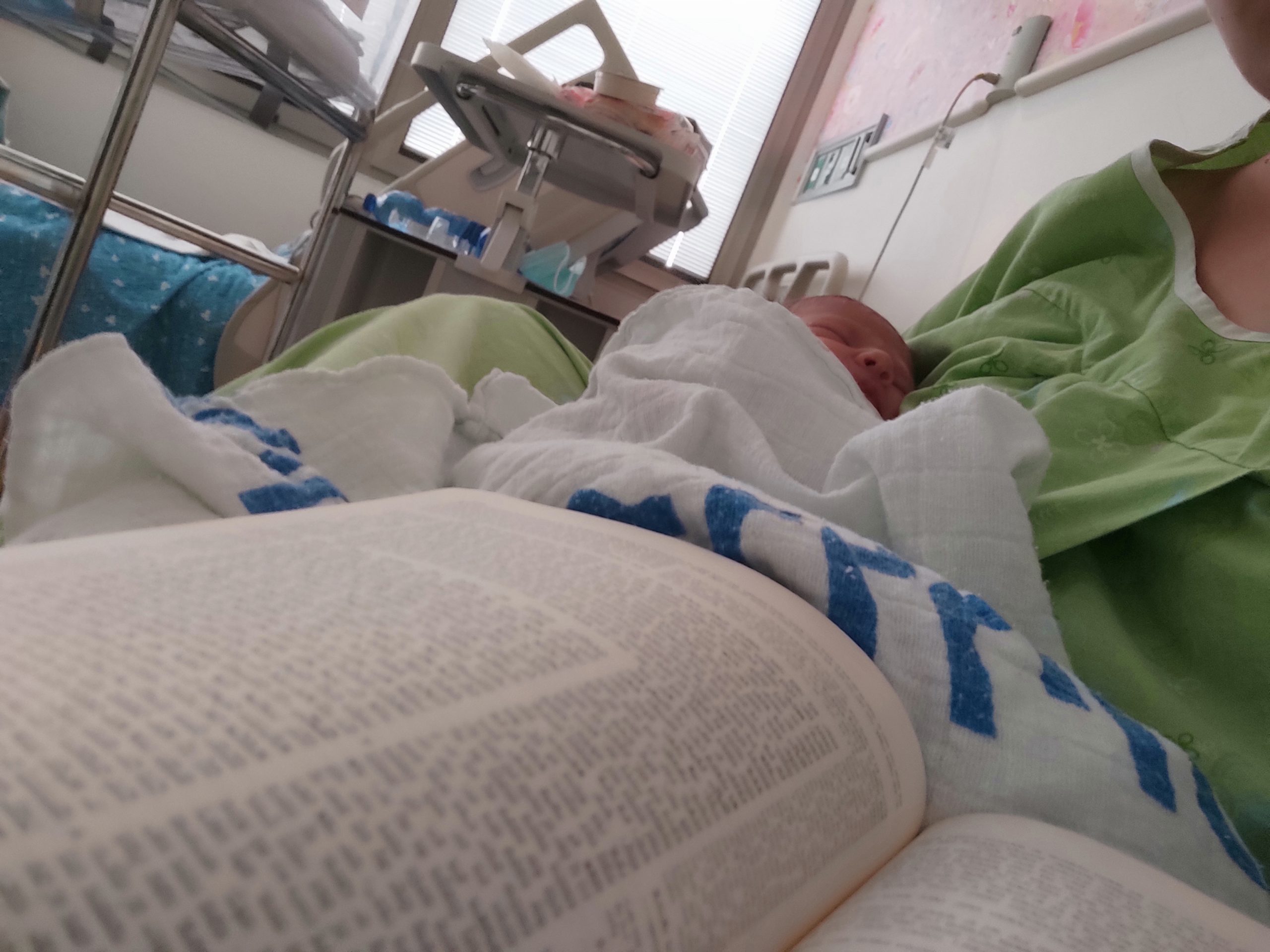
בתחילת הסבב הנוכחי הצטברו אצלי תחושות שאני לא מבינה מספיק מהי ההלכה אותה אני מקיימת בכל יום. כמו כן, כאמא לבנות רציתי לתת להן מודל נשי של לימוד תורה
שתי הסיבות האלו הובילו אותי להתחיל ללמוד. נתקלתי בתגובות מפרגנות וסקרניות איך אישה לומדת גמרא..
כמו שרואים בתמונה אני ממשיכה ללמוד גם היום ואפילו במחלקת יולדות אחרי לידת ביתי השלישית.
נועה שילה
רבבה, ישראל
A life-changing journey started with a Chanukah family tiyul to Zippori, home of the Sanhedrin 2 years ago and continued with the Syum in Binanei Hauma where I was awed by the energy of 3000 women dedicated to learning daf Yomi. Opening my morning daily with a fresh daf, I am excited with the new insights I find enriching my life and opening new and deeper horizons for me.

בקי גולדשטיין
Elazar gush etzion, Israel
התחלתי ללמוד דף יומי ממסכת נידה כי זה היה חומר הלימוד שלי אז. לאחר הסיום הגדול בבנייני האומה החלטתי להמשיך. וב”ה מאז עם הפסקות קטנות של קורונה ולידה אני משתדלת להמשיך ולהיות חלק.
זה משפיע מאוד על היום יום שלי ועל אף שאני עסוקה בלימודי הלכה ותורה כל יום, זאת המסגרת הקבועה והמחייבת ביותר שיש לי.

מוריה תעסן מיכאלי
גבעת הראל, ישראל
אני לומדת גמרא כעשור במסגרות שונות, ואת הדף היומי התחלתי כשחברה הציעה שאצטרף אליה לסיום בבנייני האומה. מאז אני לומדת עם פודקסט הדרן, משתדלת באופן יומי אך אם לא מספיקה, מדביקה פערים עד ערב שבת. בסבב הזה הלימוד הוא "ממעוף הציפור”, מקשיבה במהירות מוגברת תוך כדי פעילויות כמו בישול או נהיגה, וכך רוכשת היכרות עם הסוגיות ואופן ניתוחם על ידי חז”ל. בע”ה בסבב הבא, ואולי לפני, אצלול לתוכו באופן מעמיק יותר.

יעל ביר
רמת גן, ישראל
למדתי גמרא מכיתה ז- ט ב Maimonides School ואחרי העליה שלי בגיל 14 לימוד הגמרא, שלא היה כל כך מקובל בימים אלה, היה די ספוראדי. אחרי "ההתגלות” בבנייני האומה התחלתי ללמוד בעיקר בדרך הביתה למדתי מפוקקטסים שונים. לאט לאט ראיתי שאני תמיד חוזרת לרבנית מישל פרבר. באיזה שהוא שלב התחלתי ללמוד בזום בשעה 7:10 .
היום "אין מצב” שאני אתחיל את היום שלי ללא לימוד עם הרבנית מישל עם כוס הקפה שלי!!

דבי גביר
חשמונאים, ישראל
התחלתי ללמוד את הדף היומי מעט אחרי שבני הקטן נולד. בהתחלה בשמיעה ולימוד באמצעות השיעור של הרבנית שפרבר. ובהמשך העזתי וקניתי לעצמי גמרא. מאז ממשיכה יום יום ללמוד עצמאית, ולפעמים בעזרת השיעור של הרבנית, כל יום. כל סיום של מסכת מביא לאושר גדול וסיפוק. הילדים בבית נהיו חלק מהלימוד, אני משתפת בסוגיות מעניינות ונהנית לשמוע את דעתם.

אלירז בלאו
מעלה מכמש, ישראל
A life-changing journey started with a Chanukah family tiyul to Zippori, home of the Sanhedrin 2 years ago and continued with the Syum in Binanei Hauma where I was awed by the energy of 3000 women dedicated to learning daf Yomi. Opening my morning daily with a fresh daf, I am excited with the new insights I find enriching my life and opening new and deeper horizons for me.
בקי גולדשטיין
Elazar gush etzion, Israel
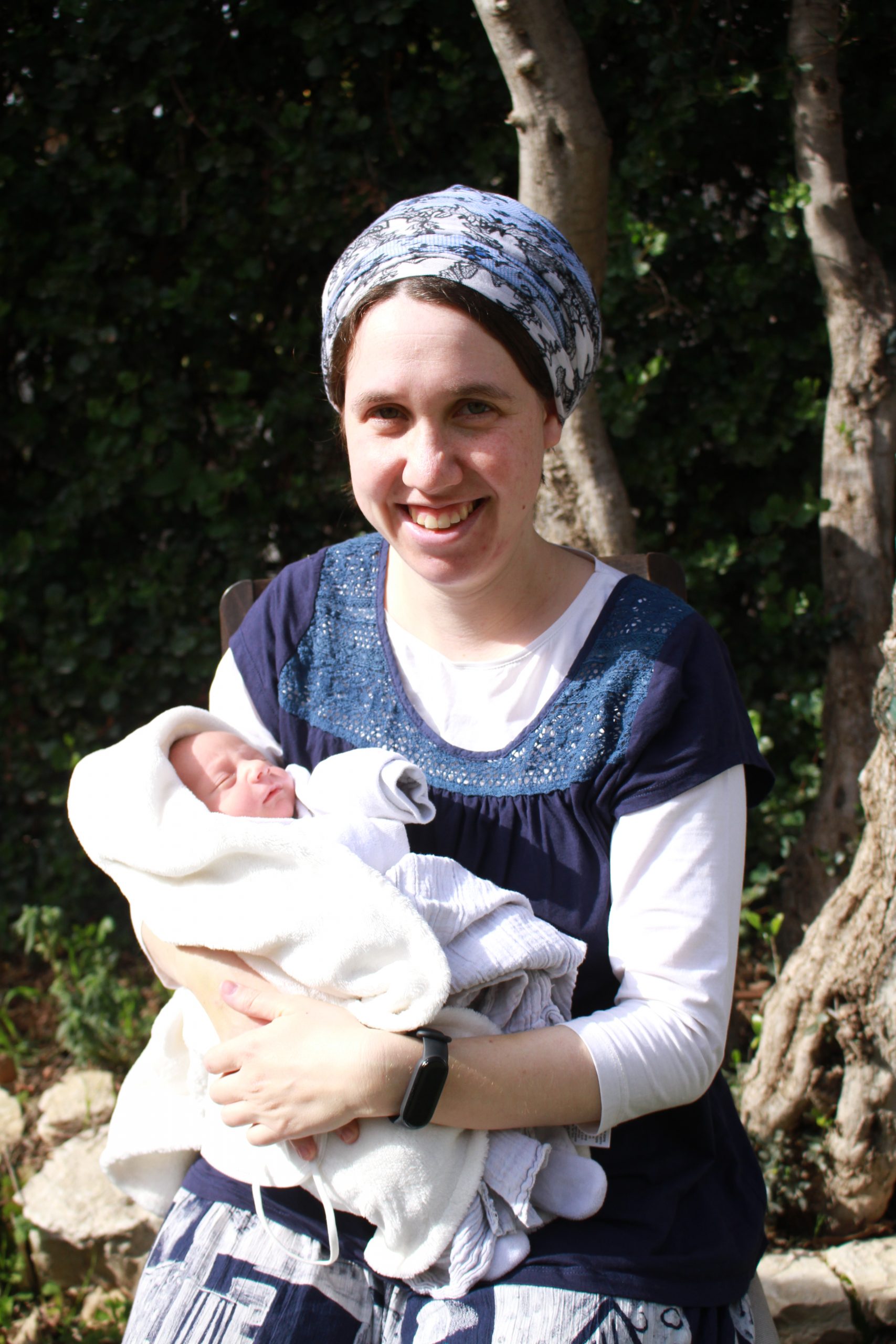
התחלתי בתחילת הסבב, והתמכרתי. זה נותן משמעות נוספת ליומיום ומאוד מחזק לתת לזה מקום בתוך כל שגרת הבית-עבודה השוטפת.
רעות אברהמי
בית שמש, ישראל
התחלתי ללמוד בשנת המדרשה במגדל עוז, בינתיים נהנית מאוד מהלימוד ומהגמרא, מעניין ומשמח מאוד!
משתדלת להצליח לעקוב כל יום, לפעמים משלימה קצת בהמשך השבוע.. מרגישה שיש עוגן מקובע ביום שלי והוא משמח מאוד!

אוריה קסנר
חיפה , ישראל
באירוע של הדרן בנייני האומה. בהשראתה של אמי שלי שסיימה את הש”ס בסבב הקודם ובעידוד מאיר , אישי, וילדיי וחברותיי ללימוד במכון למנהיגות הלכתית של רשת אור תורה סטון ומורתיי הרבנית ענת נובוסלסקי והרבנית דבורה עברון, ראש המכון למנהיגות הלכתית.
הלימוד מעשיר את יומי, מחזיר אותי גם למסכתות שכבר סיימתי וידוע שאינו דומה מי ששונה פרקו מאה לשונה פרקו מאה ואחת במיוחד מרתקים אותי החיבורים בין המסכתות
רוית קלך
מודיעין, ישראל
התחלתי ללמוד לפני כשנתיים בשאיפה לסיים לראשונה מסכת אחת במהלך חופשת הלידה.
אחרי מסכת אחת כבר היה קשה להפסיק…

נעה גלנט
ירוחם, ישראל
התחלתי ללמוד דף יומי אחרי שחזרתי בתשובה ולמדתי במדרשה במגדל עוז. הלימוד טוב ומספק חומר למחשבה על נושאים הלכתיים ”קטנים” ועד לערכים גדולים ביהדות. חשוב לי להכיר את הגמרא לעומק. והצעד הקטן היום הוא ללמוד אותה בבקיאות, בעזרת השם, ומי יודע אולי גם אגיע לעיון בנושאים מעניינים. נושאים בגמרא מתחברים לחגים, לתפילה, ליחסים שבין אדם לחברו ולמקום ולשאר הדברים שמלווים באורח חיים דתי 🙂

גאיה דיבו
מצפה יריחו, ישראל
כבר סיפרתי בסיום של מועד קטן.
הלימוד מאוד משפיעה על היום שלי כי אני לומדת עם רבנית מישל על הבוקר בזום. זה נותן טון לכל היום – בסיס למחשבות שלי .זה זכות גדול להתחיל את היום בלימוד ובתפילה. תודה רבה !

שרה ברלוביץ
ירושלים, ישראל
התחלתי ללמוד גמרא בבית הספר בגיל צעיר והתאהבתי. המשכתי בכך כל חיי ואף היייתי מורה לגמרא בבית הספר שקד בשדה אליהו (בית הספר בו למדתי בילדותי)בתחילת מחזור דף יומי הנוכחי החלטתי להצטרף ובע”ה מקווה להתמיד ולהמשיך. אני אוהבת את המפגש עם הדף את "דרישות השלום ” שמקבלת מקשרים עם דפים אחרים שלמדתי את הסנכרון שמתחולל בין התכנים.

אריאלה ביגמן
מעלה גלבוע, ישראל
הצטרפתי ללומדות בתחילת מסכת תענית. ההתרגשות שלי ושל המשפחה היתה גדולה מאוד, והיא הולכת וגוברת עם כל סיום שאני זוכה לו. במשך שנים רבות רציתי להצטרף ומשום מה זה לא קרה… ב”ה מצאתי לפני מספר חודשים פרסום של הדרן, ומיד הצטרפתי והתאהבתי. הדף היומי שינה את חיי ממש והפך כל יום- ליום של תורה. מודה לכן מקרב ליבי ומאחלת לכולנו לימוד פורה מתוך אהבת התורה ולומדיה.

נעה רוזן
חיספין רמת הגולן, ישראל
בסוף הסבב הקודם ראיתי את השמחה הגדולה שבסיום הלימוד, בעלי סיים כבר בפעם השלישית וכמובן הסיום הנשי בבנייני האומה וחשבתי שאולי זו הזדמנות עבורי למשהו חדש.
למרות שאני שונה בסביבה שלי, מי ששומע על הלימוד שלי מפרגן מאוד.
אני מנסה ללמוד קצת בכל יום, גם אם לא את כל הדף ובסך הכל אני בדרך כלל עומדת בקצב.
הלימוד מעניק המון משמעות ליום יום ועושה סדר בלמוד תורה, שתמיד היה (ועדיין) שאיפה. אבל אין כמו קביעות

רחלי מנדלסון
טל מנשה, ישראל
נדה מ
מַתְנִי’ יוֹצֵא דּוֹפֶן — אֵין יוֹשְׁבִין עָלָיו יְמֵי טוּמְאָה וִימֵי טׇהֳרָה, וְאֵין חַיָּיבִין עָלָיו קׇרְבָּן. רַבִּי שִׁמְעוֹן אוֹמֵר: הֲרֵי זֶה כְּיָלוּד.
MISHNA: After the birth of an offspring by caesarean section, the mother does not observe seven or fourteen days of impurity and thirty-three or sixty-six days of purity for male and female offspring, respectively, and she is not obligated to bring for it the offering brought by a woman after childbirth. Rabbi Shimon says: The halakhic status of that offspring is like that of an offspring born in a standard birth.
כׇּל הַנָּשִׁים מְטַמְּאוֹת בַּבַּיִת הַחִיצוֹן, שֶׁנֶּאֱמַר: ״דָּם יִהְיֶה זוֹבָהּ בִּבְשָׂרָהּ״, אֲבָל הַזָּב וּבַעַל קֶרִי אֵינָן מְטַמְּאִין, עַד שֶׁתֵּצֵא טוּמְאָתָן לַחוּץ.
All women become ritually impure with the flow of blood from the uterus into the outer chamber, i.e., the vagina, although it did not leave the woman’s body, as it is stated: “And her issue in her flesh shall be blood, she shall be in her menstruation seven days” (Leviticus 15:19), indicating that even if her menstrual blood remains in her flesh, she becomes impure. But one who experiences a gonorrhea-like discharge [zav] and one who experiences a seminal emission do not become ritually impure until their emission of impurity emerges outside the body.
הָיָה אוֹכֵל בִּתְרוּמָה, וְהִרְגִּישׁ שֶׁנִּזְדַּעְזְעוּ אֵבָרָיו — אוֹחֵז בָּאַמָּה וּבוֹלֵעַ אֶת הַתְּרוּמָה, וּמְטַמְּאִין בְּכֹל שֶׁהוּא, אֲפִילּוּ כְּעֵין הַחַרְדָּל, וּבְפָחוֹת מִכֵּן.
If a priest was partaking of teruma, the portion of the produce designated for the priest, and sensed a quaking of his limbs indicating that a seminal emission was imminent, he should firmly hold his penis to prevent the emission from leaving his body, and swallow the teruma while ritually pure. And the emission of a zav and a seminal emission impart impurity in any amount, even like the size of a mustard seed or even smaller than that.
גְּמָ’ אָמַר רַבִּי מָנִי בַּר פַּטִּישׁ: מַאי טַעְמַיְיהוּ דְּרַבָּנַן? אָמַר קְרָא ״אִשָּׁה כִּי תַזְרִיעַ וְיָלְדָה זָכָר״ — עַד שֶׁתֵּלֵד בִּמְקוֹם שֶׁהִיא מַזְרַעַת.
GEMARA: The mishna cites a dispute as to whether or not a birth by caesarean section is considered a birth with regard to the halakhot pertaining to childbirth. Rabbi Mani bar Patish said: What is the reason for the opinion of the Rabbis, who say that it is not considered a birth? It is because the verse states: “If a woman emitted seed and gave birth to a male, then she shall be impure seven days…And when the days of her purification are fulfilled, for a son, or for a daughter, she shall bring a lamb of the first year for a burnt offering, and a pigeon or a dove for a sin offering” (Leviticus 12:2–6). It is derived from here that the halakhot mentioned in that passage do not apply unless she gives birth through the place where she emits seed.
וְרַבִּי שִׁמְעוֹן? הָהִיא — דַּאֲפִילּוּ לֹא יָלְדָה אֶלָּא כְּעֵין שֶׁהִזְרִיעָה, אִמּוֹ טְמֵאָה לֵידָה.
The Gemara asks: And how does Rabbi Shimon interpret the term “emitted seed”? The Gemara answers: That word serves to teach that even if she gave birth only to a fluid that resembles the seed that she emitted, i.e., the fetus died and entirely decomposed and dissolved before emerging, its mother is ritually impure due to childbirth.
וְרַבִּי שִׁמְעוֹן, מַאי טַעְמֵיהּ? אָמַר רֵישׁ לָקִישׁ: אָמַר קְרָא ״תֵּלֵד״ — לְרַבּוֹת יוֹצֵא דּוֹפֶן.
The Gemara further asks: And Rabbi Shimon, what is the reason for his opinion that the halakhot of childbirth apply in the case of a caesarean section? Reish Lakish said that it is because the verse states: “But if she gives birth to a female” (Leviticus 12:5). The term “she gives birth” is superfluous in the context of the passage, as it was mentioned previously, and it therefore serves to include the birth of an offspring by caesarean section.
וְרַבָּנַן? הַאי מִבְּעֵי לֵיהּ לְרַבּוֹת טוּמְטוּם וְאַנְדְּרוֹגִינוֹס, דְּסָלְקָא דַעְתָּךְ אָמֵינָא: ״זָכָר״ וּ״נְקֵבָה״ כְּתִיב — זָכָר וַדַּאי, נְקֵבָה וַדָּאִית, וְלֹא טוּמְטוּם וְאַנְדְּרוֹגִינוֹס, קָא מַשְׁמַע לַן.
The Gemara asks: And what do the Rabbis derive from this superfluous expression? The Gemara answers: In their opinion, that expression is necessary to include the birth of a child whose sexual organs are indeterminate [tumtum] or a hermaphrodite. As it might enter your mind to say that as the words “male” (Leviticus 12:2) and “female” (Leviticus 12:5) are written in the passage, these halakhot apply only to a definite male and a definite female, but not to a tumtum or a hermaphrodite. Therefore, the term “she gives birth” teaches us that it is the birth itself, not the sex of the offspring, that matters.
וְרַבִּי שִׁמְעוֹן? נָפְקָא לֵיהּ מִדְּתָנֵי בַּר לֵיוַאי, דְּתָנֵי בַּר לֵיוַאי: ״לְבֵן״ — לְבֵן מִכׇּל מָקוֹם, ״לְבַת״ — לְבַת מִכׇּל מָקוֹם.
The Gemara asks: And from where does Rabbi Shimon derive that these halakhot apply to a tumtum and a hermaphrodite? The Gemara answers: He derives it from that which bar Livai teaches, as bar Livai teaches a baraita that discusses the verse: “And when the days of her purity are fulfilled, for a son, or for a daughter” (Leviticus 12:6). Since the verse uses the terms “son” and “daughter,” rather than male and female, it is derived from the term “for a son” that these halakhot apply to a son in any case, even if his masculinity is not definite. Similarly, the term “for a daughter” teaches that these halakhot apply to a daughter in any case, even if her femininity is not definite.
וְרַבָּנַן? הַאי מִבְּעֵי לֵיהּ לְחַיֵּיב עַל כׇּל בֵּן וּבֵן, וּלְחַיֵּיב עַל כׇּל בַּת וּבַת.
The Gemara asks: And what do the Rabbis derive from the terms “for a son” and “for a daughter”? The Gemara answers: In their opinion, that term is necessary to obligate the mother to bring an offering for each and every son to whom she gives birth, rather than one offering after having given birth to several sons; and likewise to obligate her to bring an offering for each and every daughter to whom she gives birth.
וְרַבִּי שִׁמְעוֹן? נָפְקָא לֵיהּ מִדְּתָנֵי תַּנָּא קַמֵּיהּ דְּרַב שֵׁשֶׁת: ״זֹאת תּוֹרַת הַיּוֹלֶדֶת״, מְלַמֵּד שֶׁמְּבִיאָה קׇרְבָּן אֶחָד עַל וְלָדוֹת הַרְבֵּה. יָכוֹל תָּבִיא עַל לֵידָה וְעַל זִיבָה כְּאֶחָת?
The Gemara asks: And from where does Rabbi Shimon derive this halakha? The Gemara answers that he derives it from a baraita that a tanna taught before Rav Sheshet: The verse states: “This is the law for one who gives birth, whether to a male or a female” (Leviticus 12:7). This teaches that a woman brings a single offering for many offspring born within a short time, e.g., after a multiple birth. One might have thought that she may bring an offering for her childbirth and an offering for an irregular discharge of blood from the uterus [ziva], in a case where she is required to bring one, as one, i.e., that she may fulfill her two obligations with a single offering.
אֶלָּא, יוֹלֶדֶת דְּאָכְלָה דָּם וְיוֹלֶדֶת דְּאָכְלָה חֵלֶב, בְּחַד קׇרְבָּן תִּסְגֵּי לַהּ?
The Gemara interrupts the baraita to raise a difficulty: But how could it possibly enter your mind that a woman may bring one offering for two obligations? In the case of a woman after childbirth who consumed blood, or a woman after childbirth who ate forbidden fat, is one offering sufficient for her? One who eats blood or forbidden fat is obligated to bring a sin offering for atonement (see Leviticus 7:25–27). There is no reason to think that a woman after childbirth, who is required to bring a sin offering for a reason other than her childbirth, may bring one offering for both obligations. Similarly, there are no grounds for suggesting that a single offering might suffice for both childbirth and ziva.
אֶלָּא, יָכוֹל תָּבִיא עַל לֵידָה שֶׁלִּפְנֵי מְלֹאת וְעַל לֵידָה שֶׁלְּאַחַר מְלֹאת כְּאַחַת? תַּלְמוּד לוֹמַר ״זֹאת״. וְרַבָּנַן, אַף עַל גַּב דִּכְתִיב ״זֹאת״, אִיצְטְרִיךְ ״לְבֵן אוֹ לְבַת״.
Rather, the statement of the baraita should be revised, as follows: One might have thought that a woman may bring an offering for a childbirth that occurred before the completion of her term of postpartum purity, and for a second childbirth that happened after the completion of that period, as one, i.e., she may fulfill her two obligations with a single offering. Therefore, the verse states: “This is the law for one who gives birth” (Leviticus 12:7), indicating that each birth, unless it occurred within the period of purity following another birth, requires its own offering. The Gemara asks: And how do the Rabbis respond to this derivation? The Gemara answers that in their opinion, even though it is written: “This is the law,” it was still necessary for the verse to state: “For a son, or for a daughter.”
סָלְקָא דַעְתָּךְ אָמֵינָא: בִּתְרֵי עִיבּוּרֵי (דְּחַד הָוֵי נֵפֶל), אֲבָל בְּחַד עִבּוּרָא, כְּגוֹן יְהוּדָה וְחִזְקִיָּה בְּנֵי רַבִּי חִיָּיא, אֵימַר בְּחַד קׇרְבָּן סַגִּי לַהּ — קָא מַשְׁמַע לַן.
The Gemara explains: Had the Torah stated only the verse: “This is the law,” it might enter your mind to say that one offering does not suffice for two births that occurred as a result of two pregnancies, as the second one was a miscarriage whose conception occurred during the woman’s period of purity following the first birth. But if both births occurred as a result of one pregnancy, such as in the case of Yehuda and Ḥizkiyya, the twin sons of Rabbi Ḥiyya, who were born three months apart (see 27a), I would say that one offering for both births is sufficient for her. Therefore, the verse “for a son, or for a daughter” teaches us otherwise.
אָמַר רַבִּי יוֹחָנָן: וּמוֹדֶה רַבִּי שִׁמְעוֹן בְּקָדָשִׁים שֶׁאֵינוֹ קָדוֹשׁ. מַאי טַעְמָא? גָּמַר ״לֵידָה״ ״לֵידָה״ מִבְּכוֹר — מָה הָתָם ״פֶּטֶר רֶחֶם״, אַף כָּאן ״פֶּטֶר רֶחֶם״.
§ Rabbi Yoḥanan says: And Rabbi Shimon, who maintains that childbirth by caesarean section has the halakhic status of regular childbirth, concedes in the case of consecrated animals that if one attempts to consecrate an animal born by caesarean section, it is not consecrated. What is the reason for this opinion? He derives it by means of a verbal analogy from the word birth that is written with regard to consecrated animals (see Leviticus 22:27), and the word birth that is written in connection with a firstborn animal (see Deuteronomy 15:19). Just as there, in the case of the firstborn, the halakhot apply specifically to one who “opens the womb” (Exodus 13:15), so too here, in the case of consecrated animals, the halakhot apply only to one who opens the womb.
וְלִגְמַר ״לֵידָה״ ״לֵידָה״ מֵאָדָם — מָה הָתָם יוֹצֵא דּוֹפֶן, אַף כָּאן יוֹצֵא דּוֹפֶן!
The Gemara objects: And let Rabbi Shimon derive a different conclusion by a similar verbal analogy, as the word birth is written with regard to consecrated animals, and the word birth is also written with regard to a person, i.e., a woman who gives birth (see Leviticus 12:2): Just as there, in the case of humans, childbirth by caesarean section has the status of childbirth according to Rabbi Shimon, so too here, in the case of consecrated animals, an animal born by caesarean section is considered the same as an animal born via a natural birth.
מִסְתַּבְּרָא מִבְּכוֹר הֲוָה לֵיהּ לְמֵילַף, שֶׁכֵּן אִמּוֹ מֵ״אִמּוֹ״, אַדְּרַבָּה, מֵאָדָם הֲוָה לֵיהּ לְמֵילַף, שֶׁכֵּן פָּשׁוּט מִפָּשׁוּט!
The Gemara answers: It is more reasonable for Rabbi Shimon to derive the halakha of a consecrated animal from a firstborn animal, rather than from the halakha of childbirth, as it is written with regard to a consecrated animal: “Its mother” (Leviticus 22:27), and it is likewise written with regard to a firstborn animal: “Its mother” (Exodus 22:29). The Gemara objects: On the contrary, he should derive it from human births, as that would be a derivation of the halakha concerning consecrated animals that are ordinary, i.e., not firstborns, from the halakha concerning human births of children that are ordinary, and not firstborns.
אֶלָּא, מִבְּכוֹר הֲוָה לֵיהּ לְמֵילַף, שֶׁכֵּן אִם בֶּהֱמַת קָדָשִׁים, פִּגּוּל, נוֹתָר, וְטָמֵא.
The Gemara adopts a different line of reasoning: Rather, Rabbi Shimon should derive it from a firstborn animal, as they both share the following five characteristics: In both cases it is written: “its mother”; both are cases of a sacrificial animal; both are subject to piggul, the disqualification of an offering through improper intent during its sacrificial rites; both are subject to notar, the disqualification of sacrificial meat after a prescribed time; and finally, both are subject to disqualification by becoming ritually impure. By contrast, humans do not share any of these characteristics.
אַדְּרַבָּה, מֵאָדָם הֲוָה לֵיהּ לְמֵילַף, שֶׁכֵּן פָּשׁוּט, זָכָר, קָדוֹשׁ, בְּמַתָּנָה! הָנָךְ נְפִישָׁן.
The Gemara objects: On the contrary, he should derive it from human births, as both cases share the following four characteristics: They are both instances of ordinary, non-firstborn offspring; they both apply to the offspring of either sex, and are not exclusively males; they are both dealing with offspring that are not automatically sacred at birth; and they both apply to offspring that are not a gift to a priest, but belong to an individual non-priest. By contrast, firstborn animals do not share any of these characteristics. The Gemara answers that the comparison to firstborn animals is preferable to the comparison to human childbirth because these shared characteristics are more numerous. The comparison to consecrated animals includes five shared characteristics, whereas the comparison to human births involves only four.
אָמַר רַב חִיָּיא בְּרֵיהּ דְּרַב הוּנָא מִשְּׁמֵיהּ דְּרָבָא: תַּנְיָא דִּמְסַיַּיע לֵיהּ לְרַבִּי יוֹחָנָן, רַבִּי יְהוּדָה אוֹמֵר: ״זֹאת תּוֹרַת הָעוֹלָה הִיא הָעוֹלָה״ — הֲרֵי אֵלּוּ שְׁלֹשָׁה מִיעוּטִין,
Rav Ḥiyya, son of Rav Huna, said in the name of Rava: A baraita is taught which supports the statement of Rabbi Yoḥanan: Rabbi Yehuda says: “This is the law of the burnt offering; that is the burnt offering that goes up on the pyre upon the altar” (Leviticus 6:2). It is derived from this verse that the halakha is that if a part of a disqualified offering is taken up to the altar it should be burned there, rather than taken down, despite its unfit status. There are three expressions which indicate exclusion in this verse: The term “this is,” which indicates this one and not another one; the term “that is,” indicating that one and not another one; and the term “the burnt offering” instead of “a burnt offering.”
פָּרַט לְנִשְׁחֲטָה בַּלַּיְלָה, וְשֶׁנִּשְׁפַּךְ דָּמָהּ, וְשֶׁיָּצָא דָּמָהּ חוּץ לַקְּלָעִים שֶׁאִם עָלְתָה תֵּרֵד.
These three expressions allude to the exclusion of the following three cases from the above principle: An offering that was disqualified because it was slaughtered at night, and an offering whose blood spilled before it could be sprinkled on the altar, and an offering whose blood was disqualified because it was taken outside the curtains [lakela’im] surrounding the courtyard of the Tabernacle in the wilderness, i.e., it left the Temple courtyard. These three cases are excluded, as in these instances, if parts of the disqualified offering ascended, i.e., were brought upon the altar, they must descend, i.e., be taken down.
רַבִּי שִׁמְעוֹן אוֹמֵר: עוֹלָה — אֵין לִי אֶלָּא עוֹלָה כְּשֵׁרָה, מִנַּיִן לְרַבּוֹת שֶׁנִּשְׁחֲטָה בַּלַּיְלָה, וְשֶׁנִּשְׁפַּךְ דָּמָהּ, וְשֶׁיָּצָא דָּמָהּ חוּץ לַקְּלָעִים, וְהַלָּן, וְהַיּוֹצֵא, וְהַטָּמֵא, וְהַנּוֹתָר, וְשֶׁנִּשְׁחַט חוּץ לִזְמַנּוֹ וְחוּץ לִמְקוֹמוֹ,
Rabbi Shimon says: From the verse’s reference to a burnt offering, I have derived only that a valid burnt offering should not be taken down from the altar. From where is it derived that the verse also serves to include the following disqualified offerings: An offering that is invalid because it was slaughtered at night; and one whose blood spilled before sprinkling; and one whose blood was taken outside the curtains, i.e., the Temple courtyard; and one whose blood was left overnight; and one that was itself taken out of the Temple courtyard; and one that became ritually impure; and one that was left overnight; and one that was slaughtered with the intent to eat its flesh beyond its designated time or outside its designated area.
וְשֶׁקִּבְּלוּ פְּסוּלִין וְזָרְקוּ אֶת דָּמָן, וְהַנִּתָּנִין לְמַעְלָה שֶׁנְּתָנָן לְמַטָּה, וְהַנִּתָּנִין לְמַטָּה שֶׁנְּתָנָן לְמַעְלָה, וְהַנִּתָּנִין בַּחוּץ שֶׁנְּתָנָן בִּפְנִים, וְהַנִּתָּנִין בִּפְנִים שֶׁנְּתָנָן בַּחוּץ, וְהַפֶּסַח וְהַחַטָּאת שֶׁשְּׁחָטָן שֶׁלֹּא לִשְׁמָן, מִנַּיִן?
And likewise, from where is it derived that the verse serves to include offerings that those who are unfit for performing the Temple service collected or sprinkled their blood; and offerings whose blood is supposed to be placed above the red line of the altar but which one placed below that line; and offerings whose blood is supposed to be placed below the red line of the altar but which one placed above it; and offerings whose blood should be placed on the altar situated outside the Sanctuary but which one instead placed on the altar inside the Sanctuary; and offerings whose blood should be placed on the altar inside the Sanctuary but which one placed on the altar outside; and a Paschal offering and a sin offering that one slaughtered not for their own sake, i.e., while slaughtering he actually intended to sacrifice a different offering? From where is it derived that although these offerings are disqualified, if they were brought up to the altar they are not taken down?
תַּלְמוּד לוֹמַר: ״זֹאת תּוֹרַת הָעוֹלָה״ — רִיבָּה תּוֹרָה אַחַת לְכׇל הָעוֹלִין, שֶׁאִם עָלוּ לֹא יֵרְדוּ.
The verse states: “This is the law of the burnt offering.” The verse thereby included in one law all items that ascend upon the altar, even disqualified offerings, teaching that if they ascended the altar, they shall not descend.
יָכוֹל שֶׁאֲנִי מְרַבֶּה אֶת הָרוֹבֵעַ, וְהַנִּרְבָּע, וְהַמּוּקְצֶה, וְהַנֶּעֱבָד, וְאֶתְנַן, וְהַמְחִיר, וְהַכִּלְאַיִם, וְהַטְּרֵפָה, וְיוֹצֵא דּוֹפֶן? תַּלְמוּד לוֹמַר ״זֹאת״.
Rabbi Shimon continues: One might have thought that I should also include an animal that copulated with a person; and an animal that was the object of bestiality; and an animal that was set aside for idol worship; and an animal that was worshipped as a deity; and an animal that was given as payment to a prostitute or as the price of a dog; and an animal that is an offspring of diverse kinds, i.e., crossbreeding; and an animal with a wound that will cause it to die within twelve months [tereifa]; and an animal born by caesarean section. Therefore, the verse states: “This,” to exclude these disqualifications.
וּמָה רָאִיתָ לְרַבּוֹת אֶת אֵלּוּ וּלְהוֹצִיא אֶת אֵלּוּ?
Rabbi Shimon elaborates: And what did you see, i.e., what is the reason to include these particular cases and to exclude those particular cases?
לעקוב

