חיפוש

פסחים ק

רוצה להקדיש לימוד?

podcast placeholder

0:00
0:00


תקציר

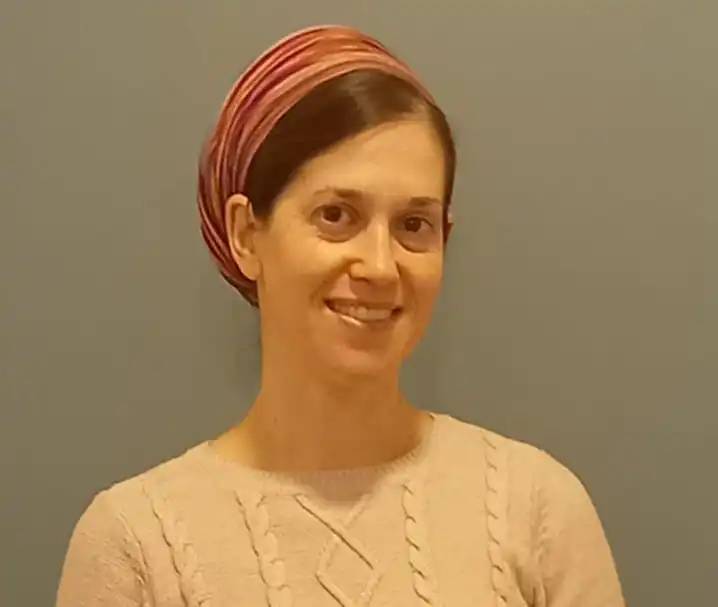
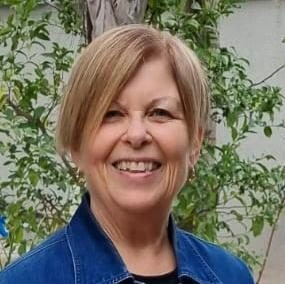
הדף היום מוקדש ע”י קרול רובינסון וארט גולד "בהוכרה לה’ ששמר על קרול בניתוח שעברה שבוע שעבר, ושאיפשר לרופאים לטפל בה. גם בהוכרה לחברתנו ומורתינו הרבנית פרבר ומשפחת הדרן שהעניקו לנו חום,אהבה ותמיכה.”

הגמרא קובעת סופית שהמשנה כשיטת ר’ יוסי בלבד, כפי שתרץ רב הונא. יוצא שר’ יוסי מסכים עם ר’ יהודה בערב פסח שאיו לאכול מן המנחה. הגמרא מקשה על זה מאמירה אחרת שמשם נשמע שר’ יוסי ור’ יהודה חולקים גם בערב פסח. הגמרא מסבירה שאמירה זו מתייחסת למחלוקת שלהם בעניין אחר – אם מתחילים סעודה מוקדם יותר ביום וזה נמשך, האם חייבים להפסיק את הסעודה ולקדש מיד או מסיימים לאכול ואז בסוף עוקרים שלחמן, מברכים ברכת המזון ומקדשים? קבעו הלכה כר’ יוסי בסיפור מעניין שבו הוא לא הסכים שיחמירו כדעת ר’ יהודה. שמואל קובע דעה אמצעית שפורס מפה ומקדש. עניין של פריסת מפה זה גם רלוונטי כל שבת אם מביאים את האוכל (או אפילו הלחם) לשלחן לפני קידוש, כי שמופיע בסיפור ובברייתא בגמרא. הגמרא מביאה שתי ברייתות שעוסקים במחלוקת ר’ יוסי ור’ יהודה בעניין איסור אכילה בערבי שבתות ומפרש אותם.

פסחים ק

דִּילְמָא מְשַׁבַּשְׁתָּא הִיא.

Perhaps this baraita is corrupted, and therefore it cannot serve as the basis of an objection.

אֲמַר לֵיהּ מָרִימָר, וְאִיתֵּימָא רַב יֵימַר: אֲנָא אִיקְּלַעִי לְפִירְקֵיהּ דְּרַב פִּנְחָס בְּרֵיהּ דְּרַב אַמֵּי, וְקָם תַּנָּא וְתָנֵי קַמֵּיהּ וְקַיבְּלַהּ מִינֵּיהּ. אִי הָכִי קַשְׁיָא! אֶלָּא מְחַוַּורְתָּא כִּדְרַב הוּנָא.

Mareimar said to him, and some say it was Rav Yeimar: I happened to come to the Festival lecture of Rav Pineḥas, son of Rav Ami, and the tanna who recited mishnayot stood up and taught this baraita before him, and he accepted it. This incident proves that the above version of the baraita is accepted and considered accurate. If so, the aforementioned objection to Rav Pappa’s opinion on the basis of the baraita remains difficult. Rather, Rav Pappa’s answer is insufficient, and it is clear that the mishna must be understood in accordance with the explanation of Rav Huna. In other words, the mishna is in accordance with the opinion of Rabbi Yosei, who maintains that although one may eat until dark on the eves of Shabbat and other Festivals, it is prohibited to eat on Passover eve from shortly before the lesser minḥa until nightfall.

וּלְרַב הוּנָא מִי נִיחָא? וְהָאָמַר רַבִּי יִרְמְיָה אָמַר רַבִּי יוֹחָנָן, וְאִיתֵּימָא אָמַר רַבִּי אֲבָהוּ אָמַר רַבִּי יוֹסֵי בַּר רַבִּי חֲנִינָא: הֲלָכָה כְּרַבִּי יְהוּדָה בְּעֶרֶב הַפֶּסַח, וַהֲלָכָה כְּרַבִּי יוֹסֵי בְּעֶרֶב שַׁבָּת.

The Gemara asks: And according to the explanation of Rav Huna, does it work out well? But didn’t Rabbi Yirmeya say that Rabbi Yoḥanan said, and some say that Rabbi Abbahu said that Rabbi Yosei bar Rabbi Ḥanina said: The halakha is in accordance with the opinion of Rabbi Yehuda with regard to the eve of Passover, and the halakha is in accordance with the opinion of Rabbi Yosei with regard to the eve of Shabbat?

הֲלָכָה כְּרַבִּי יְהוּדָה בְּעֶרֶב הַפֶּסַח, מִכְּלָל דִּפְלִיג רַבִּי יוֹסֵי בְּתַרְוַיְיהוּ!

The Gemara infers from the above statement: From the fact that it was necessary to say that the halakha is in accordance with the opinion of Rabbi Yehuda with regard to the eve of Passover, this proves by inference that Rabbi Yosei disagrees with regard to both cases, both the eves of Shabbat and other Festivals, as well as Passover eve. Consequently, it is impossible to ascribe to the opinion of Rabbi Yosei the mishna’s prohibition against eating on the eve of Passover, as he evidently permits one to eat until dark even on Passover eve.

לָא: הֲלָכָה, מִכְּלָל דִּפְלִיגִי בְּהַפְסָקָה.

The Gemara answers: No; the statement should be understood as follows: When it was said that the halakha is in accordance with the opinion of Rabbi Yehuda, this proves by inference that they disagree with regard to interruption. Even Rabbi Yosei agrees that one may not start eating on Passover eve from minḥa time onward, but he maintains that one who started to eat is not obligated to interrupt his meal even when the Festival begins.

דְּתַנְיָא: מַפְסִיקִין לְשַׁבָּתוֹת, דִּבְרֵי רַבִּי יְהוּדָה. רַבִּי יוֹסֵי אוֹמֵר: אֵין מַפְסִיקִין.

As it was taught in a baraita that Rabbi Yehuda and Rabbi Yosei disagree about interrupting a meal: If people were eating on the eve of Shabbat, they must interrupt for Shabbatot, meaning that once Shabbat begins, they must interrupt their meal, clear away the table, and recite the evening prayers and kiddush before continuing their meal; this is the statement of Rabbi Yehuda. Rabbi Yosei says: These diners need not interrupt their meal.

וּמַעֲשֶׂה בְּרַבָּן שִׁמְעוֹן בֶּן גַּמְלִיאֵל [וְרַבִּי יְהוּדָה] וְרַבִּי יוֹסֵי שֶׁהָיוּ מְסוּבִּין בְּעַכּוֹ וְקִדֵּשׁ עֲלֵיהֶם הַיּוֹם, אֲמַר לֵיהּ רַבָּן שִׁמְעוֹן בֶּן גַּמְלִיאֵל לְרַבִּי יוֹסֵי: בְּרַבִּי, רְצוֹנְךָ נַפְסִיק וְנֵיחוּשׁ לְדִבְרֵי יְהוּדָה חֲבֵירֵנוּ?

The baraita continues by relating a story: And there was an incident involving Rabban Shimon ben Gamliel, and Rabbi Yehuda, and Rabbi Yosei, who were reclining and eating together in Akko on Friday afternoon, and the day of Shabbat was sanctified, i.e., Shabbat began. Rabban Shimon ben Gamliel said to Rabbi Yosei: Berabbi, a title for an important man of distinguished lineage, is it your will that we should interrupt and be concerned for the statements of our colleague Yehuda, who maintains that one is obligated to interrupt his meal?

אָמַר לוֹ: בְּכׇל יוֹם וְיוֹם אַתָּה מְחַבֵּב דְּבָרַיי לִפְנֵי רַבִּי יְהוּדָה, וְעַכְשָׁיו אַתָּה מְחַבֵּב דִּבְרֵי רַבִּי יְהוּדָה בְּפָנַי? ״הֲגַם לִכְבּוֹשׁ אֶת הַמַּלְכָּה עִמִּי בַּבָּיִת״.

He said to him: Each and every day you cherish my statements before those of Rabbi Yehuda, and rule in accordance with my opinion, and now you cherish the statement of Rabbi Yehuda before me? Rabbi Yosei continued by applying a verse to this situation: “Will he even force the queen before me in the house?” (Esther 7:8).

אֲמַר לֵיהּ: אִם כֵּן לֹא נַפְסִיק, שֶׁמָּא יִרְאוּ הַתַּלְמִידִים וְיִקְבְּעוּ הֲלָכָה לְדוֹרוֹת. אָמְרוּ: לֹא זָזוּ מִשָּׁם עַד שֶׁקָּבְעוּ הֲלָכָה כְּרַבִּי יוֹסֵי.

Rabban Shimon said to him: If so, if displaying concern for Rabbi Yehuda’s opinion will be viewed as a halakhic ruling, we will not interrupt, as perhaps the students will see that we have broken off our meal and will establish the halakha for generations in accordance with the opinion of Rabbi Yehuda. The Sages later said: They did not move from there until they established the halakha in accordance with the opinion of Rabbi Yosei, that one need not interrupt one’s meal on the eve of Shabbat and Festivals.

אָמַר רַב יְהוּדָה אָמַר שְׁמוּאֵל: אֵין הֲלָכָה לֹא כְּרַבִּי יְהוּדָה וְלֹא כְּרַבִּי יוֹסֵי, אֶלָּא פּוֹרֵס מַפָּה וּמְקַדֵּשׁ. אִינִי?! וְהָא אָמַר רַב תַּחְלִיפָא בַּר אַבְדִּימִי אָמַר שְׁמוּאֵל: כְּשֵׁם שֶׁמַּפְסִיקִין לְקִידּוּשׁ

Rav Yehuda said that Shmuel said: The halakha is not in accordance with the opinion of Rabbi Yehuda, who said that one must interrupt one’s meal by removing the table entirely, nor is it in accordance with the opinion of Rabbi Yosei, who ruled that one need not interrupt one’s meal at all. Rather, one must spread a cloth over one’s table and recite kiddush, after which he may continue his meal. The Gemara asks: Is that so? But didn’t Rav Taḥalifa bar Avdimi say that Shmuel said: Just as one interrupts for kiddush,

כָּךְ מַפְסִיקִין לַהַבְדָּלָה. מַאי מַפְסִיקִין — לָאו לַעֲקִירַת שׁוּלְחַן? לָא, לְמַפָּה.

so one interrupts for havdala? People eating a meal on Shabbat until after nightfall must interrupt their meal to recite havdala. The Gemara inquires: What is the meaning of the phrase: One interrupts? Is it not referring to removing the table? The Gemara answers: No, it is referring to spreading a cloth, which is sufficient for havdala as well.

רַבָּה בַּר רַב הוּנָא אִיקְּלַע לְבֵי רֵישׁ גָּלוּתָא, אַיְיתוֹ תַּכָּא קַמֵּיהּ, פְּרַס מַפָּה וְקַידֵּשׁ. תַּנְיָא נָמֵי הָכִי: (וְשָׁוִין) שֶׁאֵין מְבִיאִין אֶת הַשּׁוּלְחָן אֶלָּא אִם כֵּן קִידֵּשׁ, וְאִם הֵבִיא — פּוֹרֵס מַפָּה וּמְקַדֵּשׁ.

The Gemara relates: Rabba bar Rav Huna happened to come to the house of the Exilarch. His hosts were reclining for a meal, and the attendants brought a table before him so he could eat as well. Since Shabbat had already started, he spread a cloth over the food and recited kiddush. That was also taught in a baraita: And the Sages agree that one may bring the table only if he has already recited kiddush; and if one brought out the table before kiddush, he should spread a cloth over the food and recite kiddush.

תָּנֵי חֲדָא: שָׁוִין שֶׁאֵין מַתְחִילִין, וְתַנְיָא אִידַּךְ: שָׁוִין שֶׁמַּתְחִילִין. בִּשְׁלָמָא הָא דְּתַנְיָא שָׁוִין שֶׁאֵין מַתְחִילִין — מַשְׁכַּחַתְּ לַהּ בְּעֶרֶב הַפֶּסַח,

It was taught in one baraita: Rabbi Yehuda and Rabbi Yosei, who disagree over whether it is permitted to eat from minḥa time on Shabbat eve and whether one must interrupt his meal, agree that one may not begin a meal from this time. And it was taught in the other baraita that they agree that one may begin a meal. The Gemara explains: Granted, that which was taught in the first baraita, that Rabbi Yehuda and Rabbi Yosei agree that one may not begin a meal, you will find that this is correct with regard to the eve of Passover, as even Rabbi Yosei concedes that one may not start a meal on Passover eve ab initio.

אֶלָּא הָא דְּתַנְיָא שָׁוִין שֶׁמַּתְחִילִין — אֵימַת? אִי נֵימָא בְּעֶרֶב שַׁבָּת — הָא מִיפְלָג פְּלִיגִי! לָא קַשְׁיָא: כָּאן — קוֹדֶם תִּשְׁעָה, כָּאן — לְאַחַר תִּשְׁעָה.

However, with regard to the other baraita, which taught that Rabbi Yehuda and Rabbi Yosei agree that one may begin, when does this halakha apply? If we say it is referring to the eve of Shabbat, this cannot be the case, as it was taught that Rabbi Yehuda and Rabbi Yosei indeed disagree over whether one may start a meal at that time. The Gemara answers: It is not difficult: Here, the baraita in which Rabbi Yehuda and Rabbi Yosei agree that it is permitted to start a new meal, is referring to before nine hours of the day have passed, as everyone agrees that it is permitted to commence a meal at this time. Conversely, there, the baraita in which they disagree over whether it is permitted to start a new meal, is referring to later in the day, after nine hours.

אוֹתָם בְּנֵי אָדָם שֶׁקִּידְּשׁוּ בְּבֵית הַכְּנֶסֶת, אָמַר רַב: יְדֵי יַיִן לֹא יָצְאוּ, יְדֵי קִידּוּשׁ יָצְאוּ. וּשְׁמוּאֵל אָמַר:

The Gemara continues to discuss the halakhot of kiddush: With regard to those people who recited kiddush in the synagogue, as was customarily done at the conclusion of the prayer service on Shabbat night, Rav said: They have not fulfilled their obligation to recite a blessing over wine. That is, the blessing over the wine in the synagogue does not enable them to drink wine at home without an additional blessing. However, they have fulfilled their obligation of reciting kiddush. And Shmuel said:

חדשה בלימוד הגמרא?

זה הדף הראשון שלך? איזו התרגשות עצומה! יש לנו בדיוק את התכנים והכלים שיעזרו לך לעשות את הצעדים הראשונים ללמידה בקצב וברמה שלך, כך תוכלי להרגיש בנוח גם בתוך הסוגיות המורכבות ומאתגרות.

פסיפס הלומדות שלנו

גלי את קהילת הלומדות שלנו, מגוון נשים, רקעים וסיפורים. כולן חלק מתנועה ומסע מרגש ועוצמתי.

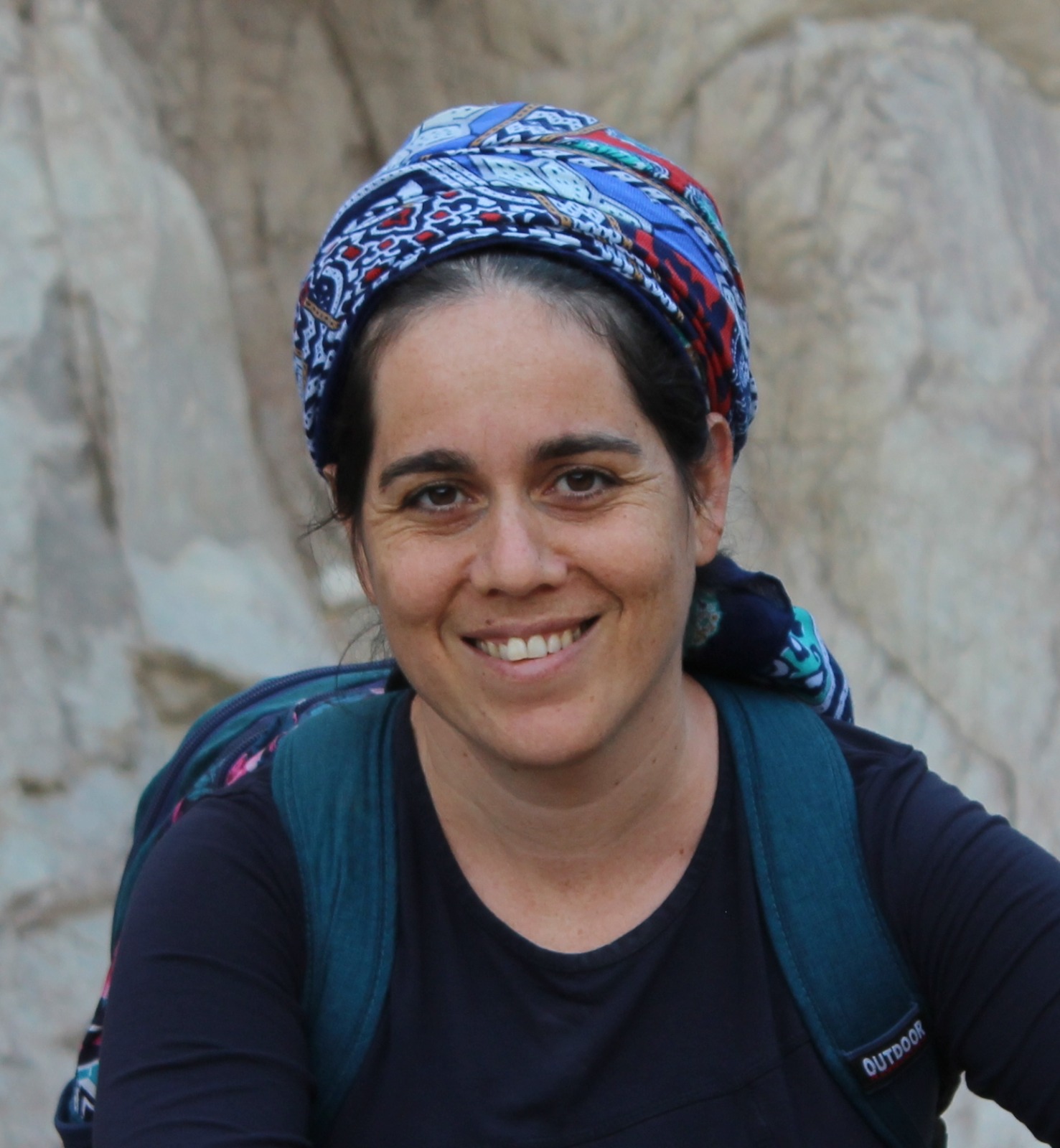
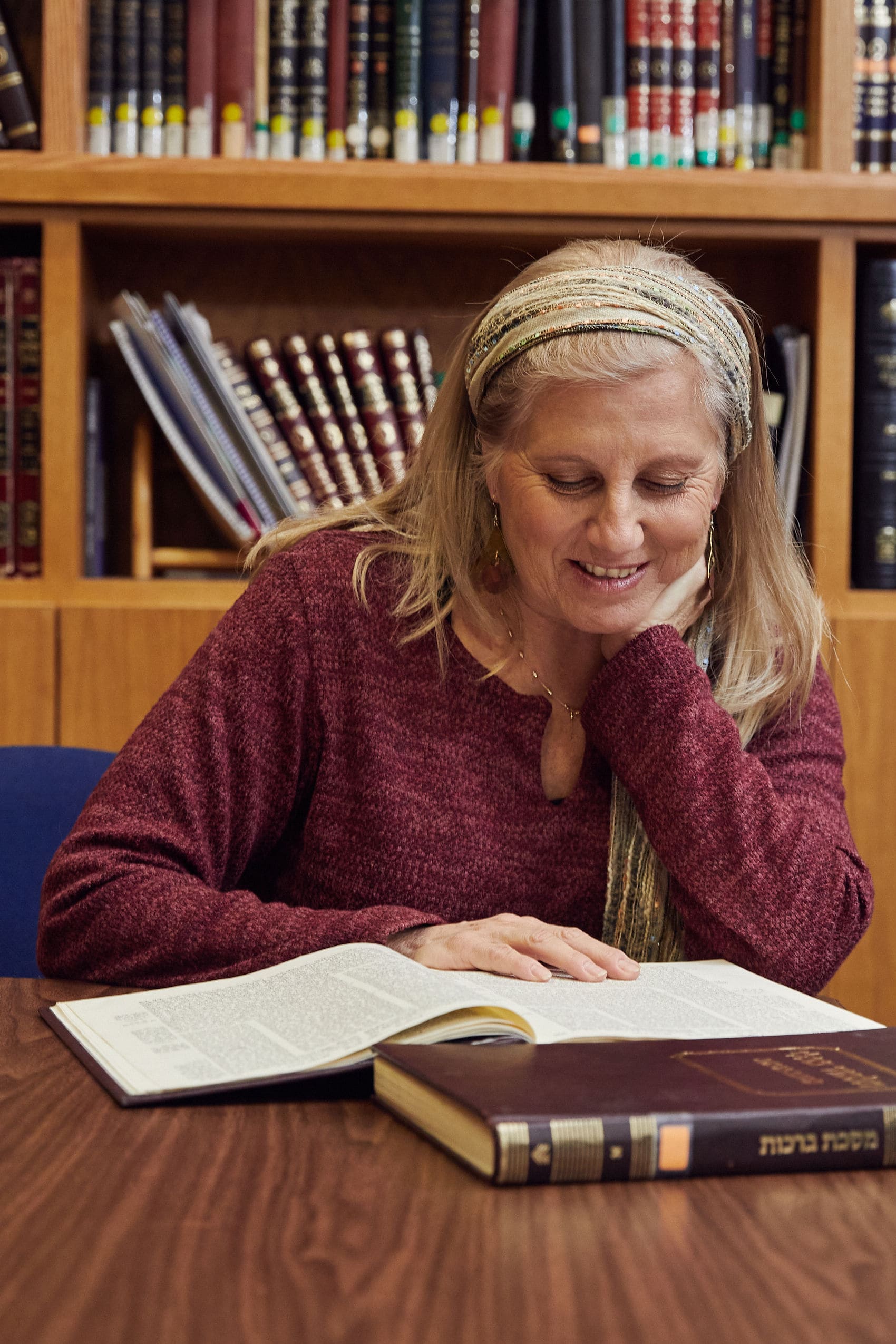
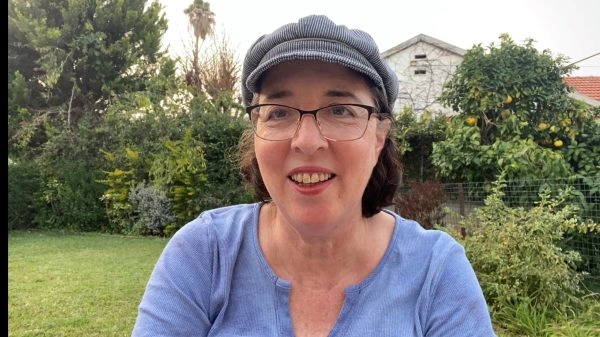
התחלתי ללמוד דף יומי שהתחילו מסכת כתובות, לפני 7 שנים, במסגרת קבוצת לימוד שהתפרקה די מהר, ומשם המשכתי לבד בתמיכת האיש שלי. נעזרתי בגמרת שטיינזלץ ובשיעורים מוקלטים.
הסביבה מאד תומכת ואני מקבלת המון מילים טובות לאורך כל הדרך. מאז הסיום הגדול יש תחושה שאני חלק מדבר גדול יותר.
אני לומדת בשיטת ה”7 דפים בשבוע” של הרבנית תרצה קלמן – כלומר, לא נורא אם לא הצלחת ללמוד כל יום, העיקר שגמרת ארבעה דפים בשבוע

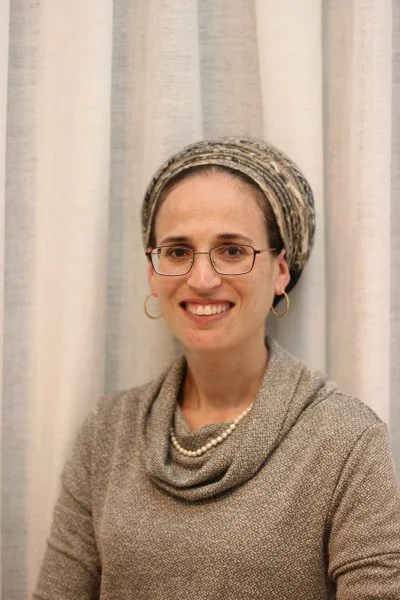
Rachel Goldstein
רחל גולדשטיין

עתניאל, ישראל

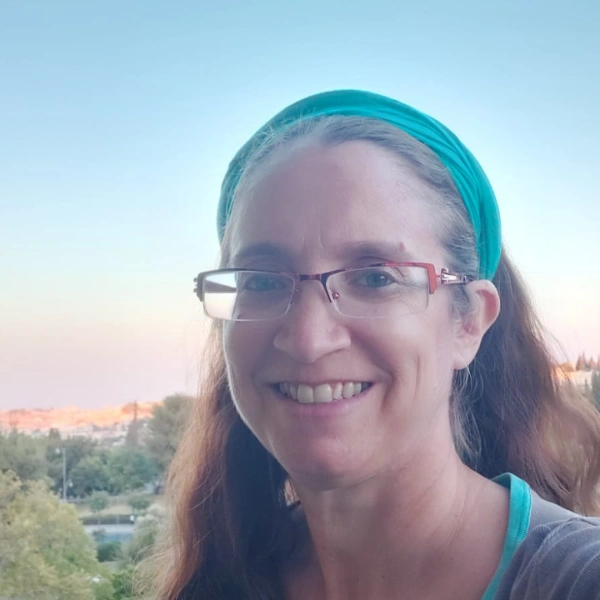
התחלתי ללמוד לפני כשנתיים בשאיפה לסיים לראשונה מסכת אחת במהלך חופשת הלידה.
אחרי מסכת אחת כבר היה קשה להפסיק…

Noa Gallant
נעה גלנט

ירוחם, ישראל

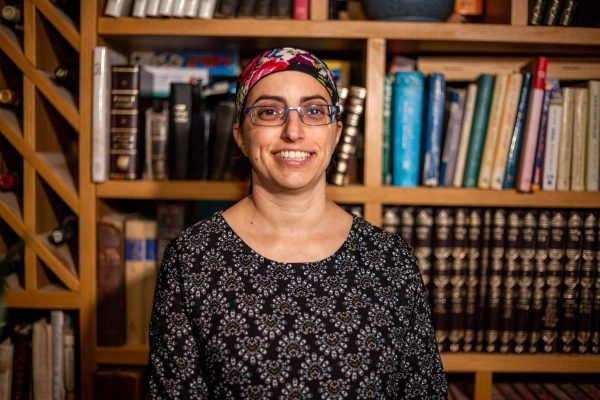
התחלתי מחוג במסכת קידושין שהעבירה הרבנית רייסנר במסגרת בית המדרש כלנה בגבעת שמואל; לאחר מכן התחיל סבב הדף היומי אז הצטרפתי. לסביבה לקח זמן לעכל אבל היום כולם תומכים ומשתתפים איתי. הלימוד לעתים מעניין ומעשיר ולעתים קשה ואף הזוי… אך אני ממשיכה קדימה. הוא משפיע על היומיום שלי קודם כל במרדף אחרי הדף, וגם במושגים הרבים שלמדתי ובידע שהועשרתי בו, חלקו ממש מעשי

Abigail Chrissy
אביגיל כריסי

ראש העין, ישראל

סיום השס לנשים נתן לי מוטביציה להתחיל ללמוד דף יומי. עד אז למדתי גמרא בשבתות ועשיתי כמה סיומים. אבל לימוד יומיומי זה שונה לגמרי ופתאום כל דבר שקורה בחיים מתקשר לדף היומי.

Fogel Foundation
קרן פוגל

רתמים, ישראל

התחלתי ללמוד בסבב הנוכחי לפני כשנתיים .הסביבה מתפעלת ותומכת מאוד. אני משתדלת ללמוד מכל ההסכתים הנוספים שיש באתר הדרן. אני עורכת כל סיום מסכת שיעור בביתי לכ20 נשים שמחכות בקוצר רוח למפגשים האלו.

Yael Asher
יעל אשר

יהוד, ישראל

רציתי לקבל ידע בתחום שהרגשתי שהוא גדול וחשוב אך נעלם ממני. הלימוד מעניק אתגר וסיפוק ומעמיק את תחושת השייכות שלי לתורה וליהדות

Ruth Agiv
רות עגיב

עלי זהב – לשם, ישראל

"התחלתי ללמוד דף יומי במחזור הזה, בח’ בטבת תש””ף. לקחתי על עצמי את הלימוד כדי ליצור תחום של התמדה יומיומית בחיים, והצטרפתי לקבוצת הלומדים בבית הכנסת בכפר אדומים. המשפחה והסביבה מתפעלים ותומכים.
בלימוד שלי אני מתפעלת בעיקר מכך שכדי ללמוד גמרא יש לדעת ולהכיר את כל הגמרא. זו מעין צבת בצבת עשויה שהיא עצומה בהיקפה.”

Sarah Fox
שרה פוּקס

כפר אדומים, ישראל

אמא שלי למדה איתי ש”ס משנה, והתחילה ללמוד דף יומי. אני החלטתי שאני רוצה ללמוד גם. בהתחלה למדתי איתה, אח”כ הצטרפתי ללימוד דף יומי שהרב דני וינט מעביר לנוער בנים בעתניאל. במסכת עירובין עוד חברה הצטרפה אלי וכשהתחלנו פסחים הרב דני פתח לנו שעור דף יומי לבנות. מאז אנחנו לומדות איתו קבוע כל יום את הדף היומי (ובשבת אבא שלי מחליף אותו). אני נהנית מהלימוד, הוא מאתגר ומעניין

Renana Hellman
רננה הלמן

עתניאל, ישראל

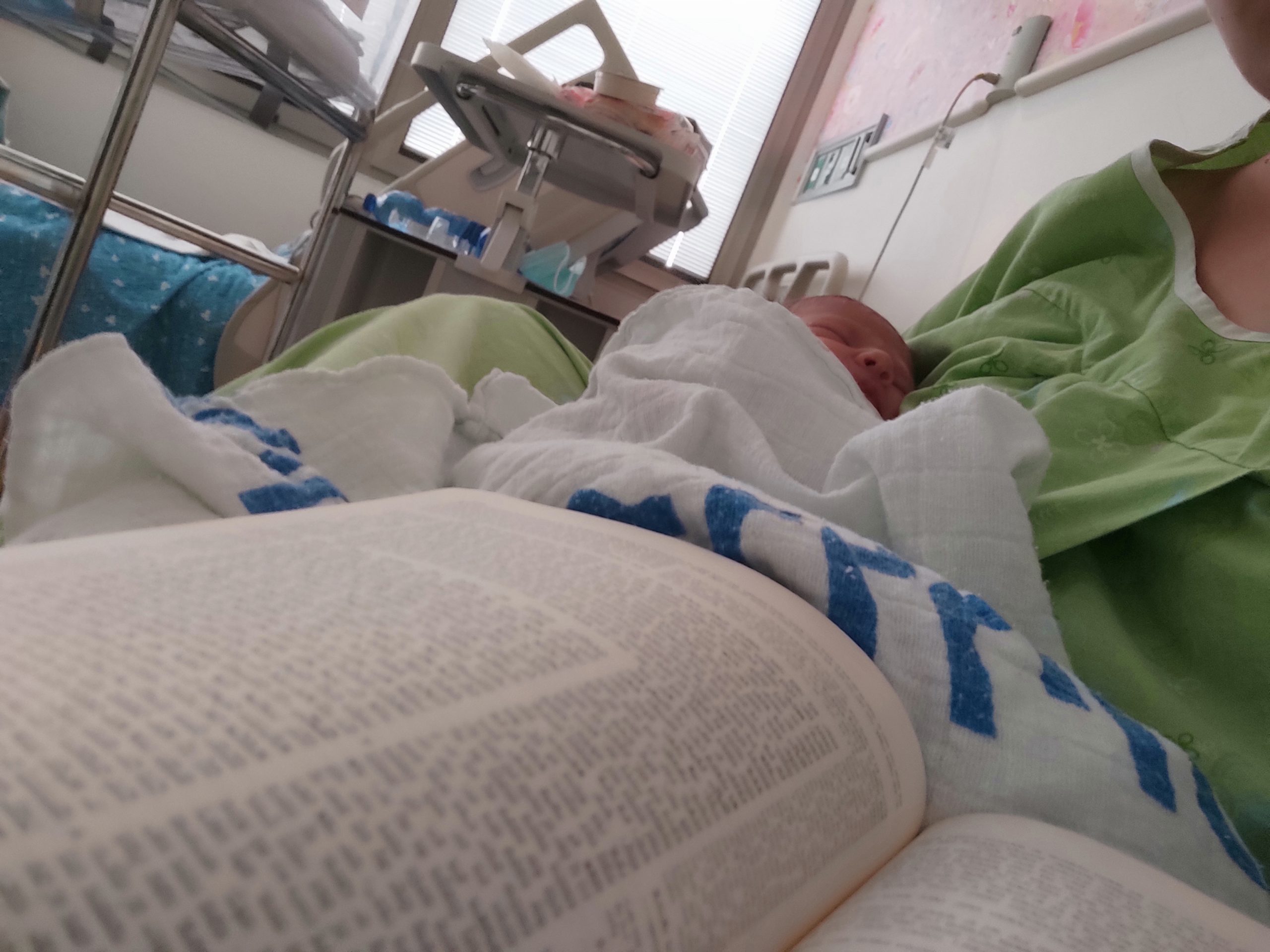
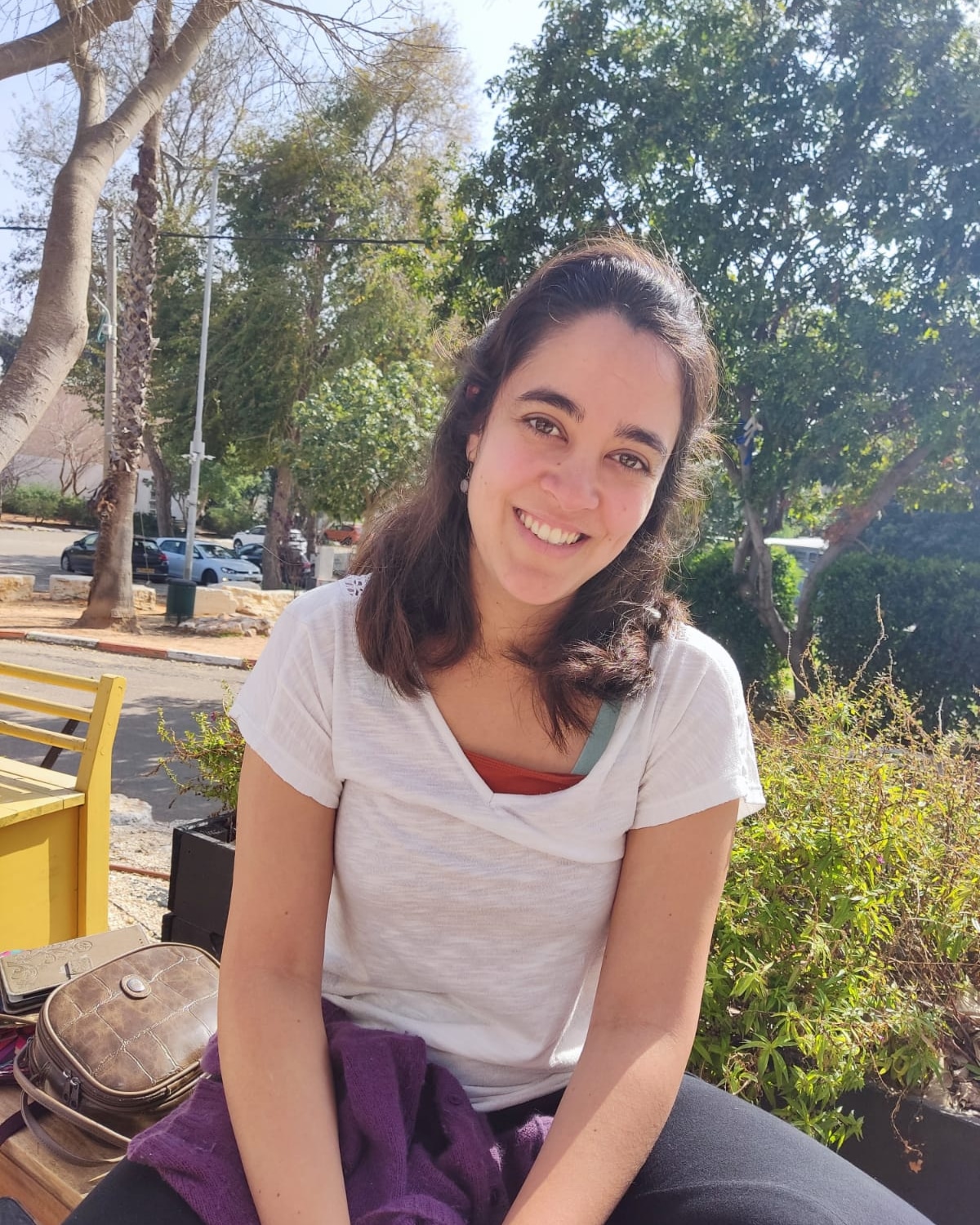
בתחילת הסבב הנוכחי הצטברו אצלי תחושות שאני לא מבינה מספיק מהי ההלכה אותה אני מקיימת בכל יום. כמו כן, כאמא לבנות רציתי לתת להן מודל נשי של לימוד תורה
שתי הסיבות האלו הובילו אותי להתחיל ללמוד. נתקלתי בתגובות מפרגנות וסקרניות איך אישה לומדת גמרא..
כמו שרואים בתמונה אני ממשיכה ללמוד גם היום ואפילו במחלקת יולדות אחרי לידת ביתי השלישית.

Noa Shiloh
נועה שילה

רבבה, ישראל

התחלתי ללמוד דף לפני קצת יותר מ-5 שנים, כשלמדתי רבנות בישיבת מהר”ת בניו יורק. בדיעבד, עד אז, הייתי בלימוד הגמרא שלי כמו מישהו שאוסף חרוזים משרשרת שהתפזרה, פה משהו ושם משהו, ומאז נפתח עולם ומלואו…. הדף נותן לי לימוד בצורה מאורגנת, שיטתית, יום-יומית, ומלמד אותי לא רק ידע אלא את השפה ודרך החשיבה שלנו. לשמחתי, יש לי סביבה תומכת וההרגשה שלי היא כמו בציטוט שבחרתי: הדף משפיע לטובה על כל היום שלי.

Michal Kahana
מיכל כהנא

חיפה, ישראל

התחלתי להשתתף בשיעור נשים פעם בשבוע, תכננתי ללמוד רק דפים בודדים, לא האמנתי שאצליח יותר מכך.
לאט לאט נשאבתי פנימה לעולם הלימוד .משתדלת ללמוד כל בוקר ומתחילה את היום בתחושה של מלאות ומתוך התכווננות נכונה יותר.
הלימוד של הדף היומי ממלא אותי בתחושה של חיבור עמוק לעם היהודי ולכל הלומדים בעבר ובהווה.

Neely Hayon
נילי חיון

אפרת, ישראל

התחלתי ללמוד את הדף היומי מעט אחרי שבני הקטן נולד. בהתחלה בשמיעה ולימוד באמצעות השיעור של הרבנית שפרבר. ובהמשך העזתי וקניתי לעצמי גמרא. מאז ממשיכה יום יום ללמוד עצמאית, ולפעמים בעזרת השיעור של הרבנית, כל יום. כל סיום של מסכת מביא לאושר גדול וסיפוק. הילדים בבית נהיו חלק מהלימוד, אני משתפת בסוגיות מעניינות ונהנית לשמוע את דעתם.

Eliraz Blau
אלירז בלאו

מעלה מכמש, ישראל

"התחלתי ללמוד דף יומי במחזור הזה, בח’ בטבת תש””ף. לקחתי על עצמי את הלימוד כדי ליצור תחום של התמדה יומיומית בחיים, והצטרפתי לקבוצת הלומדים בבית הכנסת בכפר אדומים. המשפחה והסביבה מתפעלים ותומכים.
בלימוד שלי אני מתפעלת בעיקר מכך שכדי ללמוד גמרא יש לדעת ולהכיר את כל הגמרא. זו מעין צבת בצבת עשויה שהיא עצומה בהיקפה.”

Sarah Fox
שרה פוּקס

כפר אדומים, ישראל

אני לומדת גמרא כעשור במסגרות שונות, ואת הדף היומי התחלתי כשחברה הציעה שאצטרף אליה לסיום בבנייני האומה. מאז אני לומדת עם פודקסט הדרן, משתדלת באופן יומי אך אם לא מספיקה, מדביקה פערים עד ערב שבת. בסבב הזה הלימוד הוא "ממעוף הציפור”, מקשיבה במהירות מוגברת תוך כדי פעילויות כמו בישול או נהיגה, וכך רוכשת היכרות עם הסוגיות ואופן ניתוחם על ידי חז”ל. בע”ה בסבב הבא, ואולי לפני, אצלול לתוכו באופן מעמיק יותר.

Yael Bir
יעל ביר

רמת גן, ישראל

התחלתי לפני 8 שנים במדרשה. לאחרונה סיימתי מסכת תענית בלמידה עצמית ועכשיו לקראת סיום מסכת מגילה.

Daniela Baruchim
דניאלה ברוכים

רעננה, ישראל

התחלתי ללמוד בעידוד שתי חברות אתן למדתי בעבר את הפרק היומי במסגרת 929.
בבית מתלהבים מאוד ובשבת אני לומדת את הדף עם בעלי שזה מפתיע ומשמח מאוד! לימוד הדף הוא חלק בלתי נפרד מהיום שלי. לומדת בצהריים ומחכה לזמן הזה מידי יום…

Miriam Wengerover
מרים ונגרובר

אפרת, ישראל

התחלתי ללמוד דף יומי כאשר קיבלתי במייל ממכון שטיינזלץ את הדפים הראשונים של מסכת ברכות במייל. קודם לא ידעתי איך לקרוא אותם עד שנתתי להם להדריך אותי. הסביבה שלי לא מודעת לעניין כי אני לא מדברת על כך בפומבי. למדתי מהדפים דברים חדשים, כמו הקשר בין המבנה של בית המקדש והמשכן לגופו של האדם (יומא מה, ע”א) והקשר שלו למשפט מפורסם שמופיע בספר ההינדי "בהגוד-גיתא”. מתברר שזה רעיון כלל עולמי ולא רק יהודי

Elena Arenburg
אלנה ארנבורג

נשר, ישראל

אחי, שלומד דף יומי ממסכת ברכות, חיפש חברותא ללימוד מסכת ראש השנה והציע לי. החברותא היתה מאתגרת טכנית ורוב הזמן נעשתה דרך הטלפון, כך שבסיום המסכת נפרדו דרכינו. אחי חזר ללמוד לבד, אבל אני כבר נכבשתי בקסם הגמרא ושכנעתי את האיש שלי להצטרף אלי למסכת ביצה. מאז המשכנו הלאה, ועכשיו אנחנו מתרגשים לקראתו של סדר נשים!

Shulamit Saban
שולמית סבן

נוקדים, ישראל

לפני 15 שנה, אחרי עשרות שנים של "ג’ינגול” בין משפחה לקריירה תובענית בהייטק, הצטרפתי לשיעורי גמרא במתן רעננה. הלימוד המעמיק והייחודי של הרבנית אושרה קורן יחד עם קבוצת הנשים המגוונת הייתה חוויה מאלפת ומעשירה. לפני כשמונה שנים כאשר מחזור הדף היומי הגיע למסכת תענית הצטרפתי כ”חברותא” לבעלי. זו השעה היומית שלנו ביחד כאשר דפי הגמרא משתלבים בחיי היום יום, משפיעים ומושפעים, וכשלא מספיקים תמיד משלימים בשבת

Yodi Askoff
יודי אסקוף

רעננה, ישראל

התחלתי ללמוד דף יומי בתחילת מסכת ברכות, עוד לא ידעתי כלום. נחשפתי לסיום הש״ס, ובעצם להתחלה מחדש בתקשורת, הפתיע אותי לטובה שהיה מקום לעיסוק בתורה.
את המסכתות הראשונות למדתי, אבל לא סיימתי (חוץ מעירובין איכשהו). השנה כשהגעתי למדרשה, נכנסתי ללופ, ואני מצליחה להיות חלק, סיימתי עם החברותא שלי את כל המסכתות הקצרות, גם כשהיינו חולות קורונה ובבידודים, למדנו לבד, העיקר לא לצבור פער, ומחכות ליבמות 🙂

Eden Yeshuron
עדן ישורון

מזכרת בתיה, ישראל

פסחים ק

דִּילְמָא מְשַׁבַּשְׁתָּא הִיא.

Perhaps this baraita is corrupted, and therefore it cannot serve as the basis of an objection.

אֲמַר לֵיהּ מָרִימָר, וְאִיתֵּימָא רַב יֵימַר: אֲנָא אִיקְּלַעִי לְפִירְקֵיהּ דְּרַב פִּנְחָס בְּרֵיהּ דְּרַב אַמֵּי, וְקָם תַּנָּא וְתָנֵי קַמֵּיהּ וְקַיבְּלַהּ מִינֵּיהּ. אִי הָכִי קַשְׁיָא! אֶלָּא מְחַוַּורְתָּא כִּדְרַב הוּנָא.

Mareimar said to him, and some say it was Rav Yeimar: I happened to come to the Festival lecture of Rav Pineḥas, son of Rav Ami, and the tanna who recited mishnayot stood up and taught this baraita before him, and he accepted it. This incident proves that the above version of the baraita is accepted and considered accurate. If so, the aforementioned objection to Rav Pappa’s opinion on the basis of the baraita remains difficult. Rather, Rav Pappa’s answer is insufficient, and it is clear that the mishna must be understood in accordance with the explanation of Rav Huna. In other words, the mishna is in accordance with the opinion of Rabbi Yosei, who maintains that although one may eat until dark on the eves of Shabbat and other Festivals, it is prohibited to eat on Passover eve from shortly before the lesser minḥa until nightfall.

וּלְרַב הוּנָא מִי נִיחָא? וְהָאָמַר רַבִּי יִרְמְיָה אָמַר רַבִּי יוֹחָנָן, וְאִיתֵּימָא אָמַר רַבִּי אֲבָהוּ אָמַר רַבִּי יוֹסֵי בַּר רַבִּי חֲנִינָא: הֲלָכָה כְּרַבִּי יְהוּדָה בְּעֶרֶב הַפֶּסַח, וַהֲלָכָה כְּרַבִּי יוֹסֵי בְּעֶרֶב שַׁבָּת.

The Gemara asks: And according to the explanation of Rav Huna, does it work out well? But didn’t Rabbi Yirmeya say that Rabbi Yoḥanan said, and some say that Rabbi Abbahu said that Rabbi Yosei bar Rabbi Ḥanina said: The halakha is in accordance with the opinion of Rabbi Yehuda with regard to the eve of Passover, and the halakha is in accordance with the opinion of Rabbi Yosei with regard to the eve of Shabbat?

הֲלָכָה כְּרַבִּי יְהוּדָה בְּעֶרֶב הַפֶּסַח, מִכְּלָל דִּפְלִיג רַבִּי יוֹסֵי בְּתַרְוַיְיהוּ!

The Gemara infers from the above statement: From the fact that it was necessary to say that the halakha is in accordance with the opinion of Rabbi Yehuda with regard to the eve of Passover, this proves by inference that Rabbi Yosei disagrees with regard to both cases, both the eves of Shabbat and other Festivals, as well as Passover eve. Consequently, it is impossible to ascribe to the opinion of Rabbi Yosei the mishna’s prohibition against eating on the eve of Passover, as he evidently permits one to eat until dark even on Passover eve.

לָא: הֲלָכָה, מִכְּלָל דִּפְלִיגִי בְּהַפְסָקָה.

The Gemara answers: No; the statement should be understood as follows: When it was said that the halakha is in accordance with the opinion of Rabbi Yehuda, this proves by inference that they disagree with regard to interruption. Even Rabbi Yosei agrees that one may not start eating on Passover eve from minḥa time onward, but he maintains that one who started to eat is not obligated to interrupt his meal even when the Festival begins.

דְּתַנְיָא: מַפְסִיקִין לְשַׁבָּתוֹת, דִּבְרֵי רַבִּי יְהוּדָה. רַבִּי יוֹסֵי אוֹמֵר: אֵין מַפְסִיקִין.

As it was taught in a baraita that Rabbi Yehuda and Rabbi Yosei disagree about interrupting a meal: If people were eating on the eve of Shabbat, they must interrupt for Shabbatot, meaning that once Shabbat begins, they must interrupt their meal, clear away the table, and recite the evening prayers and kiddush before continuing their meal; this is the statement of Rabbi Yehuda. Rabbi Yosei says: These diners need not interrupt their meal.

וּמַעֲשֶׂה בְּרַבָּן שִׁמְעוֹן בֶּן גַּמְלִיאֵל [וְרַבִּי יְהוּדָה] וְרַבִּי יוֹסֵי שֶׁהָיוּ מְסוּבִּין בְּעַכּוֹ וְקִדֵּשׁ עֲלֵיהֶם הַיּוֹם, אֲמַר לֵיהּ רַבָּן שִׁמְעוֹן בֶּן גַּמְלִיאֵל לְרַבִּי יוֹסֵי: בְּרַבִּי, רְצוֹנְךָ נַפְסִיק וְנֵיחוּשׁ לְדִבְרֵי יְהוּדָה חֲבֵירֵנוּ?

The baraita continues by relating a story: And there was an incident involving Rabban Shimon ben Gamliel, and Rabbi Yehuda, and Rabbi Yosei, who were reclining and eating together in Akko on Friday afternoon, and the day of Shabbat was sanctified, i.e., Shabbat began. Rabban Shimon ben Gamliel said to Rabbi Yosei: Berabbi, a title for an important man of distinguished lineage, is it your will that we should interrupt and be concerned for the statements of our colleague Yehuda, who maintains that one is obligated to interrupt his meal?

אָמַר לוֹ: בְּכׇל יוֹם וְיוֹם אַתָּה מְחַבֵּב דְּבָרַיי לִפְנֵי רַבִּי יְהוּדָה, וְעַכְשָׁיו אַתָּה מְחַבֵּב דִּבְרֵי רַבִּי יְהוּדָה בְּפָנַי? ״הֲגַם לִכְבּוֹשׁ אֶת הַמַּלְכָּה עִמִּי בַּבָּיִת״.

He said to him: Each and every day you cherish my statements before those of Rabbi Yehuda, and rule in accordance with my opinion, and now you cherish the statement of Rabbi Yehuda before me? Rabbi Yosei continued by applying a verse to this situation: “Will he even force the queen before me in the house?” (Esther 7:8).

אֲמַר לֵיהּ: אִם כֵּן לֹא נַפְסִיק, שֶׁמָּא יִרְאוּ הַתַּלְמִידִים וְיִקְבְּעוּ הֲלָכָה לְדוֹרוֹת. אָמְרוּ: לֹא זָזוּ מִשָּׁם עַד שֶׁקָּבְעוּ הֲלָכָה כְּרַבִּי יוֹסֵי.

Rabban Shimon said to him: If so, if displaying concern for Rabbi Yehuda’s opinion will be viewed as a halakhic ruling, we will not interrupt, as perhaps the students will see that we have broken off our meal and will establish the halakha for generations in accordance with the opinion of Rabbi Yehuda. The Sages later said: They did not move from there until they established the halakha in accordance with the opinion of Rabbi Yosei, that one need not interrupt one’s meal on the eve of Shabbat and Festivals.

אָמַר רַב יְהוּדָה אָמַר שְׁמוּאֵל: אֵין הֲלָכָה לֹא כְּרַבִּי יְהוּדָה וְלֹא כְּרַבִּי יוֹסֵי, אֶלָּא פּוֹרֵס מַפָּה וּמְקַדֵּשׁ. אִינִי?! וְהָא אָמַר רַב תַּחְלִיפָא בַּר אַבְדִּימִי אָמַר שְׁמוּאֵל: כְּשֵׁם שֶׁמַּפְסִיקִין לְקִידּוּשׁ

Rav Yehuda said that Shmuel said: The halakha is not in accordance with the opinion of Rabbi Yehuda, who said that one must interrupt one’s meal by removing the table entirely, nor is it in accordance with the opinion of Rabbi Yosei, who ruled that one need not interrupt one’s meal at all. Rather, one must spread a cloth over one’s table and recite kiddush, after which he may continue his meal. The Gemara asks: Is that so? But didn’t Rav Taḥalifa bar Avdimi say that Shmuel said: Just as one interrupts for kiddush,

כָּךְ מַפְסִיקִין לַהַבְדָּלָה. מַאי מַפְסִיקִין — לָאו לַעֲקִירַת שׁוּלְחַן? לָא, לְמַפָּה.

so one interrupts for havdala? People eating a meal on Shabbat until after nightfall must interrupt their meal to recite havdala. The Gemara inquires: What is the meaning of the phrase: One interrupts? Is it not referring to removing the table? The Gemara answers: No, it is referring to spreading a cloth, which is sufficient for havdala as well.

רַבָּה בַּר רַב הוּנָא אִיקְּלַע לְבֵי רֵישׁ גָּלוּתָא, אַיְיתוֹ תַּכָּא קַמֵּיהּ, פְּרַס מַפָּה וְקַידֵּשׁ. תַּנְיָא נָמֵי הָכִי: (וְשָׁוִין) שֶׁאֵין מְבִיאִין אֶת הַשּׁוּלְחָן אֶלָּא אִם כֵּן קִידֵּשׁ, וְאִם הֵבִיא — פּוֹרֵס מַפָּה וּמְקַדֵּשׁ.

The Gemara relates: Rabba bar Rav Huna happened to come to the house of the Exilarch. His hosts were reclining for a meal, and the attendants brought a table before him so he could eat as well. Since Shabbat had already started, he spread a cloth over the food and recited kiddush. That was also taught in a baraita: And the Sages agree that one may bring the table only if he has already recited kiddush; and if one brought out the table before kiddush, he should spread a cloth over the food and recite kiddush.

תָּנֵי חֲדָא: שָׁוִין שֶׁאֵין מַתְחִילִין, וְתַנְיָא אִידַּךְ: שָׁוִין שֶׁמַּתְחִילִין. בִּשְׁלָמָא הָא דְּתַנְיָא שָׁוִין שֶׁאֵין מַתְחִילִין — מַשְׁכַּחַתְּ לַהּ בְּעֶרֶב הַפֶּסַח,

It was taught in one baraita: Rabbi Yehuda and Rabbi Yosei, who disagree over whether it is permitted to eat from minḥa time on Shabbat eve and whether one must interrupt his meal, agree that one may not begin a meal from this time. And it was taught in the other baraita that they agree that one may begin a meal. The Gemara explains: Granted, that which was taught in the first baraita, that Rabbi Yehuda and Rabbi Yosei agree that one may not begin a meal, you will find that this is correct with regard to the eve of Passover, as even Rabbi Yosei concedes that one may not start a meal on Passover eve ab initio.

אֶלָּא הָא דְּתַנְיָא שָׁוִין שֶׁמַּתְחִילִין — אֵימַת? אִי נֵימָא בְּעֶרֶב שַׁבָּת — הָא מִיפְלָג פְּלִיגִי! לָא קַשְׁיָא: כָּאן — קוֹדֶם תִּשְׁעָה, כָּאן — לְאַחַר תִּשְׁעָה.

However, with regard to the other baraita, which taught that Rabbi Yehuda and Rabbi Yosei agree that one may begin, when does this halakha apply? If we say it is referring to the eve of Shabbat, this cannot be the case, as it was taught that Rabbi Yehuda and Rabbi Yosei indeed disagree over whether one may start a meal at that time. The Gemara answers: It is not difficult: Here, the baraita in which Rabbi Yehuda and Rabbi Yosei agree that it is permitted to start a new meal, is referring to before nine hours of the day have passed, as everyone agrees that it is permitted to commence a meal at this time. Conversely, there, the baraita in which they disagree over whether it is permitted to start a new meal, is referring to later in the day, after nine hours.

אוֹתָם בְּנֵי אָדָם שֶׁקִּידְּשׁוּ בְּבֵית הַכְּנֶסֶת, אָמַר רַב: יְדֵי יַיִן לֹא יָצְאוּ, יְדֵי קִידּוּשׁ יָצְאוּ. וּשְׁמוּאֵל אָמַר:

The Gemara continues to discuss the halakhot of kiddush: With regard to those people who recited kiddush in the synagogue, as was customarily done at the conclusion of the prayer service on Shabbat night, Rav said: They have not fulfilled their obligation to recite a blessing over wine. That is, the blessing over the wine in the synagogue does not enable them to drink wine at home without an additional blessing. However, they have fulfilled their obligation of reciting kiddush. And Shmuel said:

רוצה לעקוב אחרי התכנים ולהמשיך ללמוד?

ביצירת חשבון עוד היום ניתן לעקוב אחרי ההתקדמות שלך, לסמן מה למדת, ולעקוב אחרי השיעורים שמעניינים אותך.

לנקות את כל הפריטים מהרשימה?

פעולה זו תסיר את כל הפריטים בחלק זה כולל ההתקדמות וההיסטוריה. שימי לב: לא ניתן לשחזר פעולה זו.

ביטול
מחיקה

האם את/ה בטוח/ה שברצונך למחוק פריט זה?

תאבד/י את כל ההתקדמות או ההיסטוריה הקשורות לפריט זה.

ביטול
מחיקה