חיפוש

פסחים קג

רוצה להקדיש לימוד?

podcast placeholder

0:00
0:00


תקציר

הדף היום מוקדש ע”י נתניה סלומוויץ לזכר הסבא שלה (אבא של אמה), אברהם בן חנוך מאיר ואסתר דמבינסקי. הוא היה גיבור תנועת  הציונות הרוויזיוניסטית במרד גטו וורשה. נרצח בכ’ באדר, תש”ג (מרץ 27, 1943). יהי זכרו ברוך.

מה סדר הברכות כשיום נופל במוצאי שבת – יש לברך קידוש, הבדלה, על היין ועל הנר אבל לפי איזה סדר? הגמרא מביאה שבע דעות בנושא! הגמרא מביאה מעשים שהיו. בראשון, רבא בירך בהבדלה רגילה על הבשמים ואז על הנר ומקשים עליו ממחלות בית שמאי ובית הלל ששניהם מסכימים שנר בא קודם בשמים. רבא מסביר שיש מחלוקת איך להבין מחלוקת בית שמאי ובית הלל והוא הולך כפי השיטה של ר’ יהודה בהבנת במחלוקת ופסוק כבית הלל שבשמים קודמים לנר. כשמברכים יין על ברכת המזון, האם מברכים על היין שוב בורא פרי הגפן או האם הברכה על היין בסעודה פוטר את היין של ברכת המזון? יש דעות שונות בנושא והובאו סיפורים המתייחסים לזה. בגלל שהביאו סיפור אחר על רב יעקב בר אבא שהגיע לבית רבא ושאלו על הברכה על יין שלאחר המזון, הוא ממשיך לשאול אותו כמה שאלות על דברים אחרים – אחד על האבוקה בהבדלה ועוד אחד על נוסח ברכת ההבדלה שאמר רבא.

פסחים קג

וְרַבָּה אָמַר: יַהְנֵ״ק. וְלֵוִי אָמַר: קְנִיָּ״ה. וְרַבָּנַן אָמְרִי: קִינָ״ה. מָר בְּרֵיהּ דְּרַבְנָא אָמַר: נְקִיָּ״ה. מָרְתָא אָמַר מִשְּׁמֵיהּ דְּרַבִּי יְהוֹשֻׁעַ: נִיהָ״ק.

And Rabba said that the correct order is yod, heh, nun, kuf: Wine [yayin], havdala, candle [ner], and kiddush. And Levi said the order is kuf, nun, yod, heh: Kiddush, candle [ner], wine [yayin], and havdala. And the Rabbis say the order is kuf, yod, nun, heh: kiddush, wine [yayin], candle [ner], and havdala. Mar, son of Rabbana, said the order is nun, kuf, yod, heh: Candle [ner], kiddush, wine [yayin], and havdala. The Sage named Marta said in the name of Rabbi Yehoshua that the proper order is nun, yod, heh, kuf: Candle [ner], wine [yayin], havdala, and kiddush.

שְׁלַח לֵיהּ אֲבוּהּ דִּשְׁמוּאֵל לְרַבִּי: יְלַמְּדֵנוּ רַבֵּינוּ, סֵדֶר הַבְדָּלוֹת הֵיאַךְ. שְׁלַח לֵיהּ: כָּךְ אָמַר רַבִּי יִשְׁמָעֵאל בַּר רַבִּי יוֹסֵי שֶׁאָמַר מִשּׁוּם אָבִיו שֶׁאָמַר מִשּׁוּם רַבִּי יְהוֹשֻׁעַ בֶּן חֲנַנְיָה: נְהִי״ק.

With regard to this issue, the father of Shmuel, Abba ben Abba, sent a letter to Rabbi Yehuda HaNasi: Teach us, our Rabbi. How should one recite the order of havdala when a Festival occurs after Shabbat? Rabbi sent him the following response: This is what Rabbi Yishmael, son of Rabbi Yosei, said, who said it in the name of his father, who himself said it in the name of Rabbi Yehoshua ben Ḥananya: The proper order of the blessings is nun, heh, yod, kuf: Candle [ner], havdala, wine [yayin], and kiddush.

אָמַר רַבִּי חֲנִינָא: מָשָׁל דְּרַבִּי יְהוֹשֻׁעַ בֶּן חֲנַנְיָה לְמֶלֶךְ שֶׁיּוֹצֵא וְאִפַּרְכוֹס נִכְנָס, מְלַוִּוין אֶת הַמֶּלֶךְ וְאַחַר כָּךְ יוֹצְאִים לִקְרַאת אִפַּרְכוֹס.

Rabbi Ḥanina said that the following parable serves to explain the opinion of Rabbi Yehoshua ben Ḥananya: This is comparable to a king who is exiting a city and a governor is entering. Etiquette dictates that the inhabitants of the city first escort the king out of the city to take leave of him in a dignified fashion, and afterward they go out to greet the governor. Similarly, one should first recite havdala, to take leave of Shabbat, and only then recite kiddush over the Festival, whose sanctity is lesser than that of Shabbat.

מַאי הָוֵי עֲלַהּ? אַבָּיֵי אָמַר: יַקְזְנָ״ה, וְרָבָא אָמַר: יַקְנְהָ״ז, וְהִילְכְתָא כְּרָבָא.

The Gemara asks: What halakhic conclusion was reached about this matter? What is the proper order of the blessings? The amora’im accept Rav’s opinion that one should recite kiddush before havdala; however, they disagree about the blessing of time, which is generally relevant in such cases and which Rav did not address. Abaye said that the proper order is yod, kuf, zayin, nun, heh: The blessing over wine [yayin], kiddush, the blessing for time [zeman], the blessing over the candle [ner], and havdala. And Rava said the order is yod, kuf, nun, heh, zayin: Wine [yayin], kiddush, candle [ner], havdala, and time [zeman]. The Gemara concludes: And the halakha is in accordance with the opinion of Rava.

רַב הוּנָא בַּר יְהוּדָה אִיקְּלַע לְבֵי רָבָא, אַיְיתוֹ לְקַמַּיְיהוּ מָאוֹר וּבְשָׂמִים. בָּרֵיךְ רָבָא אַבְּשָׂמִים בְּרֵישָׁא וַהֲדַר אַמָּאוֹר. אֲמַר לֵיהּ: וְהָא בֵּין בֵּית שַׁמַּאי וּבֵין בֵּית הִילֵּל — מָאוֹר בְּרֵישָׁא וַהֲדַר אַבְּשָׂמִים.

With regard to this issue of havdala, the Gemara relates that Rav Huna bar Yehuda happened to come to the house of Rava. After Shabbat, they brought before them a light and spices. Rava recited the blessing over the spices first and then the blessing over the light. Rav Huna bar Yehuda said to him: But both Beit Shammai and Beit Hillel, who dispute the order of the blessings at havdala, agree that the blessing over light is first, and only then comes the blessing over the spices.

וּמַאי הִיא? דִּתְנַן, בֵּית שַׁמַּאי אוֹמְרִים: נֵר וּמָזוֹן, בְּשָׂמִים וְהַבְדָּלָה. וּבֵית הִילֵּל אוֹמְרִים: נֵר וּבְשָׂמִים, וּמָזוֹן וְהַבְדָּלָה.

And what is this; what is the source that this is the dispute between Beit Shammai and Beit Hillel? As we learned in a mishna: Beit Shammai say that with regard to one who is required to say Grace after Meals and havdala, and he has only one cup of wine, the proper order of the blessings is: The blessing over the candle, and the blessing of Grace After Meals, followed by the blessing over the spices, and finally havdala. And Beit Hillel say: The blessing over the candle comes first, and then the blessing over the spices, and afterward the blessing of Grace After Meals, and last is havdala. Both Beit Shammai and Beit Hillel agree that the blessing over the candle is recited before blessing over the spices.

עָנֵי רָבָא בָּתְרֵיהּ וְאָמַר: זוֹ דִּבְרֵי רַבִּי מֵאִיר, אֲבָל רַבִּי יְהוּדָה אוֹמֵר: לֹא נֶחְלְקוּ בֵּית שַׁמַּאי וּבֵית הִילֵּל עַל הַמָּזוֹן שֶׁהוּא בַּתְּחִלָּה וְעַל הַבְדָּלָה שֶׁהִיא בַּסּוֹף,

Rava answered after him and said: This mishna is the statement of Rabbi Meir. However, Rabbi Yehuda says: Beit Shammai and Beit Hillel did not disagree over Grace After Meals, as everyone concurs that it is recited first, nor did they disagree over the blessing over the spices, as it is recited last.

עַל מָה נֶחְלְקוּ? עַל הַמָּאוֹר וְעַל הַבְּשָׂמִים. בֵּית שַׁמַּאי אוֹמְרִים: מָאוֹר וְאַחַר כָּךְ בְּשָׂמִים, וּבֵית הִילֵּל אוֹמְרִים: בְּשָׂמִים וְאַחַר כָּךְ מָאוֹר. וְאָמַר רַבִּי יוֹחָנָן: נָהֲגוּ הָעָם כְּבֵית הִילֵּל וְאַלִּיבָּא דְּרַבִּי יְהוּדָה.

With regard to what did they disagree? They disagreed over the blessings recited in the middle of havdala, i.e., the blessings over light and over the spices. Beit Shammai say: Light first, and spices thereafter; and Beit Hillel say: Spices first, and light thereafter. And Rabbi Yoḥanan said: The people were accustomed to conduct themselves in accordance with the opinion of Beit Hillel, according to the interpretation of Rabbi Yehuda. Rava acted as dictated by this custom.

רַב יַעֲקֹב בַּר אַבָּא אִיקְּלַע לְבֵי רָבָא, חַזְיֵהּ דְּבָרֵיךְ ״בּוֹרֵא פְּרִי הַגֶּפֶן״ אַכָּסָא קַמָּא, וַהֲדַר בָּרֵיךְ אַכָּסָא דְבִרְכְּתָא, וְאִישְׁתִּי. אֲמַר לֵיהּ: לְמָה לָךְ כּוּלֵּי הַאי? הָא בָּרֵיךְ לַן מָר חֲדָא זִימְנָא! אֲמַר לֵיהּ: כִּי הֲוֵינַן בֵּי רֵישׁ גָּלוּתָא הָכִי עָבְדִינַן.

The Gemara relates another incident with regard to establishing meals and reciting blessings. Rav Ya’akov bar Abba happened to come to Rava’s house for a Shabbat meal. He saw that Rava recited the blessing: Who creates the fruit of the vine, over the first cup of wine he drank at the meal, and then he recited the same blessing upon the cup of wine he used for the blessing of Grace after Meals and drank it. He said to him: Why do you have to say all this, i.e., why is it necessary to recite a second blessing? The Master has recited a blessing for us once already, at the beginning of the meal, and thereby exempted us from a blessing on all the wine drunk during the meal. Rava said to him: When we were in the house of the Exilarch, this was our practice. It was the custom among the Sages to recite two blessings.

אֲמַר לֵיהּ: תִּינַח בֵּי רֵישׁ גָּלוּתָא דְּהָכִי עָבֵיד, דְּסָפֵק מַיְיתֵי לַן סָפֵק לָא מַיְיתֵי לַן. הָכָא, הָא מַנַּח כָּסָא קַמַּן וְדַעְתַּן עִילָּוֵיהּ? אֲמַר לֵיהּ: אֲנָא עֲבַדִי כְּתַלְמִידֵי דְרַב, דְּרַב בְּרוֹנָא וְרַב חֲנַנְאֵל תַּלְמִידֵי דְרַב הֲווֹ יָתְבִי בִּסְעוֹדְתָּא

He said to him: It works out well to act this way in the house of the Exilarch, as there is uncertainty as to whether he will bring us another cup of wine to drink, or whether he will not bring us another cup. Since we are dependent upon the host and cannot anticipate in advance whether we will drink more wine, each cup requires its own blessing. Here, however, the cup is resting before us and our attention is on it, i.e., we intend to drink this wine after Grace after Meals. What need is there to recite another blessing? He said to him: I acted in accordance with the opinion of the students of Rav, as Rav Beruna and Rav Ḥananel, the students of Rav, were sitting together at a meal,

קָאֵי עֲלַיְיהוּ רַב יֵיבָא סָבָא. אֲמַרוּ לֵיהּ: הַב לַן וְנִיבָרֵיךְ. לְסוֹף אֲמַרוּ לֵיהּ: הַב לַן וְנִישְׁתֵּי, אֲמַר לְהוּ: הָכִי אָמַר רַב, כֵּיוָן דְּאָמְרִיתוּ הַב לַן וְנִיבָרֵיךְ, אִיתַּסְרָא לְכוּ לְמִישְׁתֵּי. מַאי טַעְמָא, דְּאַסְחִיתוּ דַּעְתַּיְיכוּ.

and Rav Yeiva the Elder stood over them to serve them. They said to him: Give us a cup of wine and we will recite the blessings of Grace after Meals. Ultimately, they changed their mind and said to him: Give us a cup of wine and we will drink it. He said to them that Rav said as follows: Since you have said: Give us a cup and we will recite the blessings of Grace after Meals, it is prohibited for you to drink any more. What is the reason for this? The reason is that you have diverted your attention from drinking. Therefore, if you want to drink any more, you must recite the blessing over wine again.

אַמֵּימָר וּמָר זוּטְרָא וְרַב אָשֵׁי הֲווֹ יָתְבִי בִּסְעוּדָה, וְקָאֵי עֲלַיְיהוּ רַב אַחָא בְּרֵיהּ דְּרָבָא. אַמֵּימָר בָּרֵיךְ עַל כׇּל כָּסָא וְכָסָא, וּמָר זוּטְרָא בָּרֵיךְ אַכָּסָא קַמָּא וְאַכָּסָא בָּתְרָא, רַב אָשֵׁי בָּרֵיךְ אַכָּסָא קַמָּא, וְתוּ לָא בָּרֵיךְ.

The Gemara relates that Ameimar, Mar Zutra, and Rav Ashi were sitting at a meal, and Rav Aḥa, son of Rava, stood over them to serve them. Ameimar recited a blessing over each and every cup of wine he drank. And Mar Zutra recited a blessing over the first cup he drank during the meal and over the last cup he drank, upon concluding Grace after Meals. Rav Ashi recited a blessing over the first cup and did not recite any further blessings over the subsequent cups he drank.

אֲמַר לְהוּ רַב אַחָא בַּר רָבָא: אֲנַן כְּמַאן נַעֲבֵיד? אַמֵּימָר אָמַר: נִמְלָךְ אֲנָא. מָר זוּטְרָא אָמַר: אֲנָא דַּעֲבַדִי כְּתַלְמִידֵי דְרַב.

Rav Aḥa bar Rava said to them: In accordance with whose opinion should we act in this matter? We have witnessed three different courses of action. Ameimar said: I repeatedly changed my mind. In other words, the reason Ameimar recited a blessing over each cup was not because he maintains that it is always necessary to do so. Rather, he drank each cup with the intention that it should be his last. Consequently, he diverted his attention from drinking each time, and therefore he was required to recite a new blessing before he could drink again. Mar Zutra said: I acted in accordance with the opinion of the students of Rav. They maintain that one who prepares to recite Grace after Meals has completely diverted his attention from drinking, and therefore the blessing on wine that one recites during the meal does not include the wine he drinks after Grace after Meals.

וְרַב אָשֵׁי אָמַר: לֵית הִילְכְתָא כְּתַלְמִידֵי דְרַב, דְּהָא יוֹם טוֹב שֶׁחָל לִהְיוֹת אַחַר הַשַּׁבָּת, וְאָמַר רַב: יַקְנֶ״ה.

And Rav Ashi said: The halakha is not in accordance with the opinion of the students of Rav. This can be proven from a ruling of Rav himself, as with regard to a Festival that occurs after Shabbat, Rav said that the order of blessings is yod, kuf, nun, heh: Wine [yayin], kiddush, candle [ner], and havdala. This shows that although one recites kiddush between the blessing over wine and havdala, it is unnecessary to recite the blessing over wine again before havdala. The same should hold true in our case: Just as kiddush is not considered an interruption between the blessing over wine and its consumption, Grace after Meals should not be considered an interruption either.

וְלָא הִיא, הָתָם — עָקַר דַּעְתֵּיהּ מִמִּשְׁתְּיָא, הָכָא — לָא עָקַר דַּעְתֵּיהּ מִמִּשְׁתְּיָא.

The Gemara rejects this reasoning: And that is not so. There, when one is preparing himself to recite Grace after Meals, he has already uprooted his mind from drinking. Here, with regard to kiddush and havdala, he has not uprooted his mind from drinking.

כִּי מְטָא לְאַבְדּוֹלֵי, קָם שַׁמָּעֵיהּ וְאַדְלֵיק אֲבוּקָה מִשְּׁרָגָא. אֲמַר לֵיהּ: לְמָה לָךְ כּוּלֵּי הַאי, הָא מַנְחָא שְׁרָגָא! אֲמַר לֵיהּ: שַׁמָּעָא מִדַּעְתֵּיהּ דְּנַפְשֵׁיהּ קָא עָבֵיד. אֲמַר לֵיהּ: אִי לָא שְׁמִיעַ לֵיהּ מִינֵּיהּ דְּמָר, לָא הֲוָה עָבֵיד! אֲמַר לֵיהּ: לָא סָבַר לֵיהּ מָר אֲבוּקָה לְהַבְדָּלָה מִצְוָה מִן הַמּוּבְחָר.

After discussing the opinion of the students of Rav, the Gemara returns to the story of Rav Ya’akov bar Abba’s visit to Rava. When the time came to recite havdala, Rava’s attendant got up and lit a torch from a candle. Rav Ya’akov bar Abba said to him: Why do you need all this? The candle was present, and you could have recited the blessing over the light of the candle itself. Rava said to him: The attendant did this on his own accord, without consulting me. Rav Ya’akov bar Abba said to him: If he had not heard it from the Master he would not have done it on his own; he must have been following your opinion on this matter. Rava said to him: Does the Master not maintain that using a torch for havdala is the optimal manner in which to fulfill the mitzva? It is for this reason that the attendant lit a torch for havdala.

פָּתַח וְאָמַר: ״הַמַּבְדִּיל בֵּין קוֹדֶשׁ לְחוֹל בֵּין אוֹר לְחֹשֶׁךְ בֵּין יִשְׂרָאֵל לָעַמִּים בֵּין יוֹם הַשְּׁבִיעִי לְשֵׁשֶׁת יְמֵי הַמַּעֲשֶׂה״ אֲמַר לֵיהּ: לְמָה לָךְ כּוּלֵּי הַאי? וְהָאָמַר רַב יְהוּדָה אָמַר רַב: ״הַמַּבְדִּיל בֵּין קוֹדֶשׁ לְחוֹל״ זוֹ הִיא הַבְדָּלָתוֹ שֶׁל רַבִּי יְהוּדָה הַנָּשִׂיא?

Rava began his recitation of havdala and said: Who distinguishes between sacred and profane, between light and darkness, between Israel and the nations, between the seventh day and the six days of work. Rav Ya’akov bar Abba said to him: Why do you need all this? Didn’t Rav Yehuda say that Rav said with regard to the statement: Who distinguishes between sacred and profane, that this alone is the havdala of Rabbi Yehuda HaNasi? Why is this plain statement not enough for you?

אֲמַר לֵיהּ: אֲנָא כְּהָא סְבִירָא לִי, דְּאָמַר רַבִּי אֶלְעָזָר אָמַר רַבִּי אוֹשַׁעְיָא: הַפּוֹחֵת לֹא יִפְחוֹת מִשָּׁלֹשׁ, וְהַמּוֹסִיף לֹא יוֹסִיף עַל שֶׁבַע. אֲמַר לֵיהּ:

He said to him: I maintain in accordance with this statement that Rabbi Elazar said that Rabbi Oshaya said: One who decreases the number of distinctions in the text of the havdala should not decrease them to less than three, and one who increases the number of distinctions should not increase them to more than seven. Rav Ya’akov bar Abba said to him:

חדשה בלימוד הגמרא?

זה הדף הראשון שלך? איזו התרגשות עצומה! יש לנו בדיוק את התכנים והכלים שיעזרו לך לעשות את הצעדים הראשונים ללמידה בקצב וברמה שלך, כך תוכלי להרגיש בנוח גם בתוך הסוגיות המורכבות ומאתגרות.

פסיפס הלומדות שלנו

גלי את קהילת הלומדות שלנו, מגוון נשים, רקעים וסיפורים. כולן חלק מתנועה ומסע מרגש ועוצמתי.

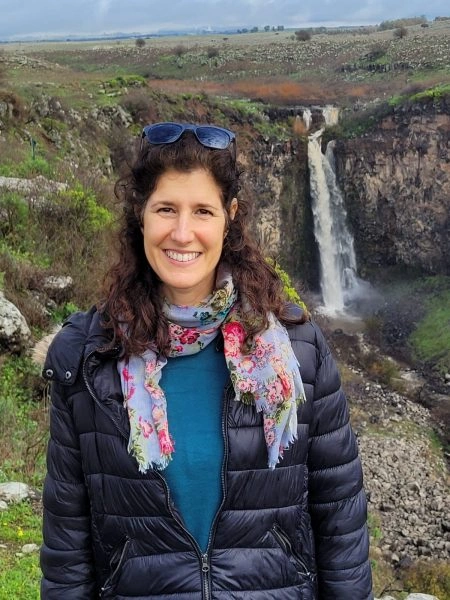
התחלתי ללמוד דף לפני קצת יותר מ-5 שנים, כשלמדתי רבנות בישיבת מהר”ת בניו יורק. בדיעבד, עד אז, הייתי בלימוד הגמרא שלי כמו מישהו שאוסף חרוזים משרשרת שהתפזרה, פה משהו ושם משהו, ומאז נפתח עולם ומלואו…. הדף נותן לי לימוד בצורה מאורגנת, שיטתית, יום-יומית, ומלמד אותי לא רק ידע אלא את השפה ודרך החשיבה שלנו. לשמחתי, יש לי סביבה תומכת וההרגשה שלי היא כמו בציטוט שבחרתי: הדף משפיע לטובה על כל היום שלי.

Michal Kahana
מיכל כהנא

חיפה, ישראל

התחלתי ללמוד דף יומי אחרי שחזרתי בתשובה ולמדתי במדרשה במגדל עוז. הלימוד טוב ומספק חומר למחשבה על נושאים הלכתיים ”קטנים” ועד לערכים גדולים ביהדות. חשוב לי להכיר את הגמרא לעומק. והצעד הקטן היום הוא ללמוד אותה בבקיאות, בעזרת השם, ומי יודע אולי גם אגיע לעיון בנושאים מעניינים. נושאים בגמרא מתחברים לחגים, לתפילה, ליחסים שבין אדם לחברו ולמקום ולשאר הדברים שמלווים באורח חיים דתי 🙂

Gaia Divo
גאיה דיבו

מצפה יריחו, ישראל

התחלתי ללמוד דף יומי שהתחילו מסכת כתובות, לפני 7 שנים, במסגרת קבוצת לימוד שהתפרקה די מהר, ומשם המשכתי לבד בתמיכת האיש שלי. נעזרתי בגמרת שטיינזלץ ובשיעורים מוקלטים.
הסביבה מאד תומכת ואני מקבלת המון מילים טובות לאורך כל הדרך. מאז הסיום הגדול יש תחושה שאני חלק מדבר גדול יותר.
אני לומדת בשיטת ה”7 דפים בשבוע” של הרבנית תרצה קלמן – כלומר, לא נורא אם לא הצלחת ללמוד כל יום, העיקר שגמרת ארבעה דפים בשבוע

Rachel Goldstein
רחל גולדשטיין

עתניאל, ישראל

ראיתי את הסיום הגדול בבנייני האומה וכל כך התרשמתי ורציתי לקחת חלק.. אבל לקח לי עוד כשנה וחצי )באמצע מסיכת שבת להצטרף..
הלימוד חשוב לי מאוד.. אני תמיד במרדף אחרי הדף וגונבת כל פעם חצי דף כשהילדים עסוקים ומשלימה אח”כ אחרי שכולם הלכו לישון..

Olga Mizrahi
אולגה מזרחי

ירושלים, ישראל

שמעתי על הסיום הענק של הדף היומי ע”י נשים בבנייני האומה. רציתי גם.
החלטתי להצטרף. התחלתי ושיכנעתי את בעלי ועוד שתי חברות להצטרף. עכשיו יש לי לימוד משותף איתו בשבת ומפגש חודשי איתן בנושא (והתכתבויות תדירות על דברים מיוחדים שקראנו). הצטרפנו לקבוצות שונות בווטסאפ. אנחנו ממש נהנות. אני שומעת את השיעור מידי יום (בד”כ מהרב יוני גוטמן) וקוראת ומצטרפת לסיומים של הדרן. גם מקפידה על דף משלהן (ונהנית מאד).

Liat Citron
ליאת סיטרון

אפרת, ישראל

אמא שלי למדה איתי ש”ס משנה, והתחילה ללמוד דף יומי. אני החלטתי שאני רוצה ללמוד גם. בהתחלה למדתי איתה, אח”כ הצטרפתי ללימוד דף יומי שהרב דני וינט מעביר לנוער בנים בעתניאל. במסכת עירובין עוד חברה הצטרפה אלי וכשהתחלנו פסחים הרב דני פתח לנו שעור דף יומי לבנות. מאז אנחנו לומדות איתו קבוע כל יום את הדף היומי (ובשבת אבא שלי מחליף אותו). אני נהנית מהלימוד, הוא מאתגר ומעניין

Renana Hellman
רננה הלמן

עתניאל, ישראל

. לא תמיד נהניתי מלימוד גמרא כילדה.,בל כהתבגרתי התחלתי לאהוב את זה שוב. התחלתי ללמוד מסכת סוטה בדף היומי לפני כחמש עשרה שנה ואז הפסקתי.הגעתי לסיום הגדול של הדרן לפני שנתיים וזה נתן לי השראה. והתחלתי ללמוד למשך כמה ימים ואז היתה לי פריצת דיסק והפסקתי…עד אלול השנה. אז התחלתי עם מסכת ביצה וב”ה אני מצליחה לעמוד בקצב. המשפחה מאוד תומכת בי ויש כמה שגם לומדים את זה במקביל. אני אוהבת שיש עוגן כל יום.

Rebecca Darshan
רבקה דרשן

בית שמש, ישראל

התחלתי לפני כמה שנים אבל רק בסבב הזה זכיתי ללמוד יום יום ולסיים מסכתות

Sigal Tel
סיגל טל

רעננה, ישראל

התחלתי מעט לפני תחילת הסבב הנוכחי. אני נהנית מהאתגר של להמשיך להתמיד, מרגעים של "אהה, מפה זה הגיע!” ומהאתגר האינטלקטואלי

Eilat-Chen and Deller
אילת-חן ודלר

לוד, ישראל

התחלתי מחוג במסכת קידושין שהעבירה הרבנית רייסנר במסגרת בית המדרש כלנה בגבעת שמואל; לאחר מכן התחיל סבב הדף היומי אז הצטרפתי. לסביבה לקח זמן לעכל אבל היום כולם תומכים ומשתתפים איתי. הלימוד לעתים מעניין ומעשיר ולעתים קשה ואף הזוי… אך אני ממשיכה קדימה. הוא משפיע על היומיום שלי קודם כל במרדף אחרי הדף, וגם במושגים הרבים שלמדתי ובידע שהועשרתי בו, חלקו ממש מעשי

Abigail Chrissy
אביגיל כריסי

ראש העין, ישראל

התחלתי להשתתף בשיעור נשים פעם בשבוע, תכננתי ללמוד רק דפים בודדים, לא האמנתי שאצליח יותר מכך.
לאט לאט נשאבתי פנימה לעולם הלימוד .משתדלת ללמוד כל בוקר ומתחילה את היום בתחושה של מלאות ומתוך התכווננות נכונה יותר.
הלימוד של הדף היומי ממלא אותי בתחושה של חיבור עמוק לעם היהודי ולכל הלומדים בעבר ובהווה.

Neely Hayon
נילי חיון

אפרת, ישראל

שמעתי על הסיום הענק של הדף היומי ע”י נשים בבנייני האומה. רציתי גם.
החלטתי להצטרף. התחלתי ושיכנעתי את בעלי ועוד שתי חברות להצטרף. עכשיו יש לי לימוד משותף איתו בשבת ומפגש חודשי איתן בנושא (והתכתבויות תדירות על דברים מיוחדים שקראנו). הצטרפנו לקבוצות שונות בווטסאפ. אנחנו ממש נהנות. אני שומעת את השיעור מידי יום (בד”כ מהרב יוני גוטמן) וקוראת ומצטרפת לסיומים של הדרן. גם מקפידה על דף משלהן (ונהנית מאד).

Liat Citron
ליאת סיטרון

אפרת, ישראל

התחלתי ללמוד דף יומי באמצע תקופת הקורונה, שאבא שלי סיפר לי על קבוצה של בנות שתיפתח ביישוב שלנו ותלמד דף יומי כל יום. הרבה זמן רציתי להצטרף לזה וזאת הייתה ההזדמנות בשבילי. הצטרפתי במסכת שקלים ובאמצע הייתה הפסקה קצרה. כיום אני כבר לומדת באולפנה ולומדת דף יומי לבד מתוך גמרא של טיינזלץ.

Saturdays in Raleigh
שבות בראלי

עתניאל, ישראל

התחלתי ללמוד בשנת המדרשה במגדל עוז, בינתיים נהנית מאוד מהלימוד ומהגמרא, מעניין ומשמח מאוד!
משתדלת להצליח לעקוב כל יום, לפעמים משלימה קצת בהמשך השבוע.. מרגישה שיש עוגן מקובע ביום שלי והוא משמח מאוד!

Uriah Kesner
אוריה קסנר

חיפה , ישראל

התחלתי ללמוד דף לפני קצת יותר מ-5 שנים, כשלמדתי רבנות בישיבת מהר”ת בניו יורק. בדיעבד, עד אז, הייתי בלימוד הגמרא שלי כמו מישהו שאוסף חרוזים משרשרת שהתפזרה, פה משהו ושם משהו, ומאז נפתח עולם ומלואו…. הדף נותן לי לימוד בצורה מאורגנת, שיטתית, יום-יומית, ומלמד אותי לא רק ידע אלא את השפה ודרך החשיבה שלנו. לשמחתי, יש לי סביבה תומכת וההרגשה שלי היא כמו בציטוט שבחרתי: הדף משפיע לטובה על כל היום שלי.

Michal Kahana
מיכל כהנא

חיפה, ישראל

התחלתי ללמוד לפני 4.5 שנים, כשהודיה חברה שלי פתחה קבוצת ווטסאפ ללימוד דף יומי בתחילת מסכת סנהדרין. מאז לימוד הדף נכנס לתוך היום-יום שלי והפך לאחד ממגדירי הזהות שלי ממש.

Rosenberg Foundation
קרן רוזנברג

ירושלים, ישראל

סיום השס לנשים נתן לי מוטביציה להתחיל ללמוד דף יומי. עד אז למדתי גמרא בשבתות ועשיתי כמה סיומים. אבל לימוד יומיומי זה שונה לגמרי ופתאום כל דבר שקורה בחיים מתקשר לדף היומי.

Fogel Foundation
קרן פוגל

רתמים, ישראל

"
גם אני התחלתי בסבב הנוכחי וב””ה הצלחתי לסיים את רוב המסכתות . בזכות הרבנית מישל משתדלת לפתוח את היום בשיעור הזום בשעה 6:20 .הלימוד הפך להיות חלק משמעותי בחיי ויש ימים בהם אני מצליחה לחזור על הדף עם מלמדים נוספים ששיעוריהם נמצאים במרשתת. שמחה להיות חלק מקהילת לומדות ברחבי העולם. ובמיוחד לשמש דוגמה לנכדותיי שאי””ה יגדלו לדור שלימוד תורה לנשים יהיה משהו שבשגרה. "

Ronit Shavit
רונית שביט

נתניה, ישראל

לפני 15 שנה, אחרי עשרות שנים של "ג’ינגול” בין משפחה לקריירה תובענית בהייטק, הצטרפתי לשיעורי גמרא במתן רעננה. הלימוד המעמיק והייחודי של הרבנית אושרה קורן יחד עם קבוצת הנשים המגוונת הייתה חוויה מאלפת ומעשירה. לפני כשמונה שנים כאשר מחזור הדף היומי הגיע למסכת תענית הצטרפתי כ”חברותא” לבעלי. זו השעה היומית שלנו ביחד כאשר דפי הגמרא משתלבים בחיי היום יום, משפיעים ומושפעים, וכשלא מספיקים תמיד משלימים בשבת

Yodi Askoff
יודי אסקוף

רעננה, ישראל

התחלתי ללמוד דף יומי ממסכת נידה כי זה היה חומר הלימוד שלי אז. לאחר הסיום הגדול בבנייני האומה החלטתי להמשיך. וב”ה מאז עם הפסקות קטנות של קורונה ולידה אני משתדלת להמשיך ולהיות חלק.

זה משפיע מאוד על היום יום שלי ועל אף שאני עסוקה בלימודי הלכה ותורה כל יום, זאת המסגרת הקבועה והמחייבת ביותר שיש לי.

Moriah Taesan Michaeli
מוריה תעסן מיכאלי

גבעת הראל, ישראל

פסחים קג

וְרַבָּה אָמַר: יַהְנֵ״ק. וְלֵוִי אָמַר: קְנִיָּ״ה. וְרַבָּנַן אָמְרִי: קִינָ״ה. מָר בְּרֵיהּ דְּרַבְנָא אָמַר: נְקִיָּ״ה. מָרְתָא אָמַר מִשְּׁמֵיהּ דְּרַבִּי יְהוֹשֻׁעַ: נִיהָ״ק.

And Rabba said that the correct order is yod, heh, nun, kuf: Wine [yayin], havdala, candle [ner], and kiddush. And Levi said the order is kuf, nun, yod, heh: Kiddush, candle [ner], wine [yayin], and havdala. And the Rabbis say the order is kuf, yod, nun, heh: kiddush, wine [yayin], candle [ner], and havdala. Mar, son of Rabbana, said the order is nun, kuf, yod, heh: Candle [ner], kiddush, wine [yayin], and havdala. The Sage named Marta said in the name of Rabbi Yehoshua that the proper order is nun, yod, heh, kuf: Candle [ner], wine [yayin], havdala, and kiddush.

שְׁלַח לֵיהּ אֲבוּהּ דִּשְׁמוּאֵל לְרַבִּי: יְלַמְּדֵנוּ רַבֵּינוּ, סֵדֶר הַבְדָּלוֹת הֵיאַךְ. שְׁלַח לֵיהּ: כָּךְ אָמַר רַבִּי יִשְׁמָעֵאל בַּר רַבִּי יוֹסֵי שֶׁאָמַר מִשּׁוּם אָבִיו שֶׁאָמַר מִשּׁוּם רַבִּי יְהוֹשֻׁעַ בֶּן חֲנַנְיָה: נְהִי״ק.

With regard to this issue, the father of Shmuel, Abba ben Abba, sent a letter to Rabbi Yehuda HaNasi: Teach us, our Rabbi. How should one recite the order of havdala when a Festival occurs after Shabbat? Rabbi sent him the following response: This is what Rabbi Yishmael, son of Rabbi Yosei, said, who said it in the name of his father, who himself said it in the name of Rabbi Yehoshua ben Ḥananya: The proper order of the blessings is nun, heh, yod, kuf: Candle [ner], havdala, wine [yayin], and kiddush.

אָמַר רַבִּי חֲנִינָא: מָשָׁל דְּרַבִּי יְהוֹשֻׁעַ בֶּן חֲנַנְיָה לְמֶלֶךְ שֶׁיּוֹצֵא וְאִפַּרְכוֹס נִכְנָס, מְלַוִּוין אֶת הַמֶּלֶךְ וְאַחַר כָּךְ יוֹצְאִים לִקְרַאת אִפַּרְכוֹס.

Rabbi Ḥanina said that the following parable serves to explain the opinion of Rabbi Yehoshua ben Ḥananya: This is comparable to a king who is exiting a city and a governor is entering. Etiquette dictates that the inhabitants of the city first escort the king out of the city to take leave of him in a dignified fashion, and afterward they go out to greet the governor. Similarly, one should first recite havdala, to take leave of Shabbat, and only then recite kiddush over the Festival, whose sanctity is lesser than that of Shabbat.

מַאי הָוֵי עֲלַהּ? אַבָּיֵי אָמַר: יַקְזְנָ״ה, וְרָבָא אָמַר: יַקְנְהָ״ז, וְהִילְכְתָא כְּרָבָא.

The Gemara asks: What halakhic conclusion was reached about this matter? What is the proper order of the blessings? The amora’im accept Rav’s opinion that one should recite kiddush before havdala; however, they disagree about the blessing of time, which is generally relevant in such cases and which Rav did not address. Abaye said that the proper order is yod, kuf, zayin, nun, heh: The blessing over wine [yayin], kiddush, the blessing for time [zeman], the blessing over the candle [ner], and havdala. And Rava said the order is yod, kuf, nun, heh, zayin: Wine [yayin], kiddush, candle [ner], havdala, and time [zeman]. The Gemara concludes: And the halakha is in accordance with the opinion of Rava.

רַב הוּנָא בַּר יְהוּדָה אִיקְּלַע לְבֵי רָבָא, אַיְיתוֹ לְקַמַּיְיהוּ מָאוֹר וּבְשָׂמִים. בָּרֵיךְ רָבָא אַבְּשָׂמִים בְּרֵישָׁא וַהֲדַר אַמָּאוֹר. אֲמַר לֵיהּ: וְהָא בֵּין בֵּית שַׁמַּאי וּבֵין בֵּית הִילֵּל — מָאוֹר בְּרֵישָׁא וַהֲדַר אַבְּשָׂמִים.

With regard to this issue of havdala, the Gemara relates that Rav Huna bar Yehuda happened to come to the house of Rava. After Shabbat, they brought before them a light and spices. Rava recited the blessing over the spices first and then the blessing over the light. Rav Huna bar Yehuda said to him: But both Beit Shammai and Beit Hillel, who dispute the order of the blessings at havdala, agree that the blessing over light is first, and only then comes the blessing over the spices.

וּמַאי הִיא? דִּתְנַן, בֵּית שַׁמַּאי אוֹמְרִים: נֵר וּמָזוֹן, בְּשָׂמִים וְהַבְדָּלָה. וּבֵית הִילֵּל אוֹמְרִים: נֵר וּבְשָׂמִים, וּמָזוֹן וְהַבְדָּלָה.

And what is this; what is the source that this is the dispute between Beit Shammai and Beit Hillel? As we learned in a mishna: Beit Shammai say that with regard to one who is required to say Grace after Meals and havdala, and he has only one cup of wine, the proper order of the blessings is: The blessing over the candle, and the blessing of Grace After Meals, followed by the blessing over the spices, and finally havdala. And Beit Hillel say: The blessing over the candle comes first, and then the blessing over the spices, and afterward the blessing of Grace After Meals, and last is havdala. Both Beit Shammai and Beit Hillel agree that the blessing over the candle is recited before blessing over the spices.

עָנֵי רָבָא בָּתְרֵיהּ וְאָמַר: זוֹ דִּבְרֵי רַבִּי מֵאִיר, אֲבָל רַבִּי יְהוּדָה אוֹמֵר: לֹא נֶחְלְקוּ בֵּית שַׁמַּאי וּבֵית הִילֵּל עַל הַמָּזוֹן שֶׁהוּא בַּתְּחִלָּה וְעַל הַבְדָּלָה שֶׁהִיא בַּסּוֹף,

Rava answered after him and said: This mishna is the statement of Rabbi Meir. However, Rabbi Yehuda says: Beit Shammai and Beit Hillel did not disagree over Grace After Meals, as everyone concurs that it is recited first, nor did they disagree over the blessing over the spices, as it is recited last.

עַל מָה נֶחְלְקוּ? עַל הַמָּאוֹר וְעַל הַבְּשָׂמִים. בֵּית שַׁמַּאי אוֹמְרִים: מָאוֹר וְאַחַר כָּךְ בְּשָׂמִים, וּבֵית הִילֵּל אוֹמְרִים: בְּשָׂמִים וְאַחַר כָּךְ מָאוֹר. וְאָמַר רַבִּי יוֹחָנָן: נָהֲגוּ הָעָם כְּבֵית הִילֵּל וְאַלִּיבָּא דְּרַבִּי יְהוּדָה.

With regard to what did they disagree? They disagreed over the blessings recited in the middle of havdala, i.e., the blessings over light and over the spices. Beit Shammai say: Light first, and spices thereafter; and Beit Hillel say: Spices first, and light thereafter. And Rabbi Yoḥanan said: The people were accustomed to conduct themselves in accordance with the opinion of Beit Hillel, according to the interpretation of Rabbi Yehuda. Rava acted as dictated by this custom.

רַב יַעֲקֹב בַּר אַבָּא אִיקְּלַע לְבֵי רָבָא, חַזְיֵהּ דְּבָרֵיךְ ״בּוֹרֵא פְּרִי הַגֶּפֶן״ אַכָּסָא קַמָּא, וַהֲדַר בָּרֵיךְ אַכָּסָא דְבִרְכְּתָא, וְאִישְׁתִּי. אֲמַר לֵיהּ: לְמָה לָךְ כּוּלֵּי הַאי? הָא בָּרֵיךְ לַן מָר חֲדָא זִימְנָא! אֲמַר לֵיהּ: כִּי הֲוֵינַן בֵּי רֵישׁ גָּלוּתָא הָכִי עָבְדִינַן.

The Gemara relates another incident with regard to establishing meals and reciting blessings. Rav Ya’akov bar Abba happened to come to Rava’s house for a Shabbat meal. He saw that Rava recited the blessing: Who creates the fruit of the vine, over the first cup of wine he drank at the meal, and then he recited the same blessing upon the cup of wine he used for the blessing of Grace after Meals and drank it. He said to him: Why do you have to say all this, i.e., why is it necessary to recite a second blessing? The Master has recited a blessing for us once already, at the beginning of the meal, and thereby exempted us from a blessing on all the wine drunk during the meal. Rava said to him: When we were in the house of the Exilarch, this was our practice. It was the custom among the Sages to recite two blessings.

אֲמַר לֵיהּ: תִּינַח בֵּי רֵישׁ גָּלוּתָא דְּהָכִי עָבֵיד, דְּסָפֵק מַיְיתֵי לַן סָפֵק לָא מַיְיתֵי לַן. הָכָא, הָא מַנַּח כָּסָא קַמַּן וְדַעְתַּן עִילָּוֵיהּ? אֲמַר לֵיהּ: אֲנָא עֲבַדִי כְּתַלְמִידֵי דְרַב, דְּרַב בְּרוֹנָא וְרַב חֲנַנְאֵל תַּלְמִידֵי דְרַב הֲווֹ יָתְבִי בִּסְעוֹדְתָּא

He said to him: It works out well to act this way in the house of the Exilarch, as there is uncertainty as to whether he will bring us another cup of wine to drink, or whether he will not bring us another cup. Since we are dependent upon the host and cannot anticipate in advance whether we will drink more wine, each cup requires its own blessing. Here, however, the cup is resting before us and our attention is on it, i.e., we intend to drink this wine after Grace after Meals. What need is there to recite another blessing? He said to him: I acted in accordance with the opinion of the students of Rav, as Rav Beruna and Rav Ḥananel, the students of Rav, were sitting together at a meal,

קָאֵי עֲלַיְיהוּ רַב יֵיבָא סָבָא. אֲמַרוּ לֵיהּ: הַב לַן וְנִיבָרֵיךְ. לְסוֹף אֲמַרוּ לֵיהּ: הַב לַן וְנִישְׁתֵּי, אֲמַר לְהוּ: הָכִי אָמַר רַב, כֵּיוָן דְּאָמְרִיתוּ הַב לַן וְנִיבָרֵיךְ, אִיתַּסְרָא לְכוּ לְמִישְׁתֵּי. מַאי טַעְמָא, דְּאַסְחִיתוּ דַּעְתַּיְיכוּ.

and Rav Yeiva the Elder stood over them to serve them. They said to him: Give us a cup of wine and we will recite the blessings of Grace after Meals. Ultimately, they changed their mind and said to him: Give us a cup of wine and we will drink it. He said to them that Rav said as follows: Since you have said: Give us a cup and we will recite the blessings of Grace after Meals, it is prohibited for you to drink any more. What is the reason for this? The reason is that you have diverted your attention from drinking. Therefore, if you want to drink any more, you must recite the blessing over wine again.

אַמֵּימָר וּמָר זוּטְרָא וְרַב אָשֵׁי הֲווֹ יָתְבִי בִּסְעוּדָה, וְקָאֵי עֲלַיְיהוּ רַב אַחָא בְּרֵיהּ דְּרָבָא. אַמֵּימָר בָּרֵיךְ עַל כׇּל כָּסָא וְכָסָא, וּמָר זוּטְרָא בָּרֵיךְ אַכָּסָא קַמָּא וְאַכָּסָא בָּתְרָא, רַב אָשֵׁי בָּרֵיךְ אַכָּסָא קַמָּא, וְתוּ לָא בָּרֵיךְ.

The Gemara relates that Ameimar, Mar Zutra, and Rav Ashi were sitting at a meal, and Rav Aḥa, son of Rava, stood over them to serve them. Ameimar recited a blessing over each and every cup of wine he drank. And Mar Zutra recited a blessing over the first cup he drank during the meal and over the last cup he drank, upon concluding Grace after Meals. Rav Ashi recited a blessing over the first cup and did not recite any further blessings over the subsequent cups he drank.

אֲמַר לְהוּ רַב אַחָא בַּר רָבָא: אֲנַן כְּמַאן נַעֲבֵיד? אַמֵּימָר אָמַר: נִמְלָךְ אֲנָא. מָר זוּטְרָא אָמַר: אֲנָא דַּעֲבַדִי כְּתַלְמִידֵי דְרַב.

Rav Aḥa bar Rava said to them: In accordance with whose opinion should we act in this matter? We have witnessed three different courses of action. Ameimar said: I repeatedly changed my mind. In other words, the reason Ameimar recited a blessing over each cup was not because he maintains that it is always necessary to do so. Rather, he drank each cup with the intention that it should be his last. Consequently, he diverted his attention from drinking each time, and therefore he was required to recite a new blessing before he could drink again. Mar Zutra said: I acted in accordance with the opinion of the students of Rav. They maintain that one who prepares to recite Grace after Meals has completely diverted his attention from drinking, and therefore the blessing on wine that one recites during the meal does not include the wine he drinks after Grace after Meals.

וְרַב אָשֵׁי אָמַר: לֵית הִילְכְתָא כְּתַלְמִידֵי דְרַב, דְּהָא יוֹם טוֹב שֶׁחָל לִהְיוֹת אַחַר הַשַּׁבָּת, וְאָמַר רַב: יַקְנֶ״ה.

And Rav Ashi said: The halakha is not in accordance with the opinion of the students of Rav. This can be proven from a ruling of Rav himself, as with regard to a Festival that occurs after Shabbat, Rav said that the order of blessings is yod, kuf, nun, heh: Wine [yayin], kiddush, candle [ner], and havdala. This shows that although one recites kiddush between the blessing over wine and havdala, it is unnecessary to recite the blessing over wine again before havdala. The same should hold true in our case: Just as kiddush is not considered an interruption between the blessing over wine and its consumption, Grace after Meals should not be considered an interruption either.

וְלָא הִיא, הָתָם — עָקַר דַּעְתֵּיהּ מִמִּשְׁתְּיָא, הָכָא — לָא עָקַר דַּעְתֵּיהּ מִמִּשְׁתְּיָא.

The Gemara rejects this reasoning: And that is not so. There, when one is preparing himself to recite Grace after Meals, he has already uprooted his mind from drinking. Here, with regard to kiddush and havdala, he has not uprooted his mind from drinking.

כִּי מְטָא לְאַבְדּוֹלֵי, קָם שַׁמָּעֵיהּ וְאַדְלֵיק אֲבוּקָה מִשְּׁרָגָא. אֲמַר לֵיהּ: לְמָה לָךְ כּוּלֵּי הַאי, הָא מַנְחָא שְׁרָגָא! אֲמַר לֵיהּ: שַׁמָּעָא מִדַּעְתֵּיהּ דְּנַפְשֵׁיהּ קָא עָבֵיד. אֲמַר לֵיהּ: אִי לָא שְׁמִיעַ לֵיהּ מִינֵּיהּ דְּמָר, לָא הֲוָה עָבֵיד! אֲמַר לֵיהּ: לָא סָבַר לֵיהּ מָר אֲבוּקָה לְהַבְדָּלָה מִצְוָה מִן הַמּוּבְחָר.

After discussing the opinion of the students of Rav, the Gemara returns to the story of Rav Ya’akov bar Abba’s visit to Rava. When the time came to recite havdala, Rava’s attendant got up and lit a torch from a candle. Rav Ya’akov bar Abba said to him: Why do you need all this? The candle was present, and you could have recited the blessing over the light of the candle itself. Rava said to him: The attendant did this on his own accord, without consulting me. Rav Ya’akov bar Abba said to him: If he had not heard it from the Master he would not have done it on his own; he must have been following your opinion on this matter. Rava said to him: Does the Master not maintain that using a torch for havdala is the optimal manner in which to fulfill the mitzva? It is for this reason that the attendant lit a torch for havdala.

פָּתַח וְאָמַר: ״הַמַּבְדִּיל בֵּין קוֹדֶשׁ לְחוֹל בֵּין אוֹר לְחֹשֶׁךְ בֵּין יִשְׂרָאֵל לָעַמִּים בֵּין יוֹם הַשְּׁבִיעִי לְשֵׁשֶׁת יְמֵי הַמַּעֲשֶׂה״ אֲמַר לֵיהּ: לְמָה לָךְ כּוּלֵּי הַאי? וְהָאָמַר רַב יְהוּדָה אָמַר רַב: ״הַמַּבְדִּיל בֵּין קוֹדֶשׁ לְחוֹל״ זוֹ הִיא הַבְדָּלָתוֹ שֶׁל רַבִּי יְהוּדָה הַנָּשִׂיא?

Rava began his recitation of havdala and said: Who distinguishes between sacred and profane, between light and darkness, between Israel and the nations, between the seventh day and the six days of work. Rav Ya’akov bar Abba said to him: Why do you need all this? Didn’t Rav Yehuda say that Rav said with regard to the statement: Who distinguishes between sacred and profane, that this alone is the havdala of Rabbi Yehuda HaNasi? Why is this plain statement not enough for you?

אֲמַר לֵיהּ: אֲנָא כְּהָא סְבִירָא לִי, דְּאָמַר רַבִּי אֶלְעָזָר אָמַר רַבִּי אוֹשַׁעְיָא: הַפּוֹחֵת לֹא יִפְחוֹת מִשָּׁלֹשׁ, וְהַמּוֹסִיף לֹא יוֹסִיף עַל שֶׁבַע. אֲמַר לֵיהּ:

He said to him: I maintain in accordance with this statement that Rabbi Elazar said that Rabbi Oshaya said: One who decreases the number of distinctions in the text of the havdala should not decrease them to less than three, and one who increases the number of distinctions should not increase them to more than seven. Rav Ya’akov bar Abba said to him:

רוצה לעקוב אחרי התכנים ולהמשיך ללמוד?

ביצירת חשבון עוד היום ניתן לעקוב אחרי ההתקדמות שלך, לסמן מה למדת, ולעקוב אחרי השיעורים שמעניינים אותך.

לנקות את כל הפריטים מהרשימה?

פעולה זו תסיר את כל הפריטים בחלק זה כולל ההתקדמות וההיסטוריה. שימי לב: לא ניתן לשחזר פעולה זו.

ביטול
מחיקה

האם את/ה בטוח/ה שברצונך למחוק פריט זה?

תאבד/י את כל ההתקדמות או ההיסטוריה הקשורות לפריט זה.

ביטול
מחיקה