








אם אוכלים אותו ירק לכרפס ומרור, מתי מברכים את הברכה על אכילת מרור? האם אפשר או רצוי לכרוך מצה ומרור ביחד לאוכלם ככה כמו שעשו במקדש? האם באמת במקדש עשו ככה? זה קשור למחלוקת בנושא האם מצוות מבטלות זו את זו. איך הגענו לנוהג שעושים בימינו? למה נוטלים ידיים לפני כרפס? האם צריך ליטול ידיים גם לפני מרור? האם אפשר לצאת ידי חובת מצה ומרור אם בולעים ולא לועסים? לפי מי היו שמים קערת הסדר? למה עוקרים את השולחן בליל הסדר? למה קוראים למצה לחם עוני?
רוצה להקדיש לימוד?
פסחים קטו
מַתְקֵיף לַהּ רַב חִסְדָּא: לְאַחַר שֶׁמִּילֵּא כְּרֵיסוֹ הֵימֶנּוּ חוֹזֵר וּמְבָרֵךְ עֲלֵיהּ? אֶלָּא אָמַר רַב חִסְדָּא: מֵעִיקָּרָא מְבָרֵךְ עֲלֵיהּ ״בּוֹרֵא פְּרִי הָאֲדָמָה״ וְ״עַל אֲכִילַת מָרוֹר״ וְאָכֵיל, וּלְבַסּוֹף אָכֵיל אֲכִילַת חַסָּא בְּלֹא בְּרָכָה.
Rav Ḥisda strongly objects to this opinion: Do you think that after one fills his belly with lettuce, he then recites another blessing over it? Rather, Rav Ḥisda said: Initially one recites two blessings over the lettuce: Who creates fruit of the ground, and: Commanded us over eating bitter herbs, and he eats it; and later in the seder he eats lettuce without a blessing.
בְּסוּרְיָא עָבְדִי כְּרַב הוּנָא, וְרַב שֵׁשֶׁת בְּרֵיהּ דְּרַב יְהוֹשֻׁעַ עָבֵיד כְּרַב חִסְדָּא. וְהִלְכְתָא כְּווֹתֵיהּ דְּרַב חִסְדָּא. רַב אַחָא בְּרֵיהּ דְּרָבָא מְהַדַּר אַשְּׁאָר יְרָקוֹת לְאַפּוֹקֵי נַפְשֵׁיהּ מִפְּלוּגְתָּא.
The Gemara comments: In Syria, they act in accordance with the opinion of Rav Huna. And Rav Sheshet, son of Rav Yehoshua, acted in accordance with the opinion of Rav Ḥisda. The Gemara summarizes: And the halakha is in accordance with the opinion of Rav Ḥisda. The Gemara relates that Rav Aḥa, son of Rava, would seek other vegetables for Passover to preclude himself from taking sides in the dispute. He first recited only the blessing: Who creates fruit of the ground, and later added the blessing: Commanded us over eating bitter herbs, thereby satisfying all opinions.
אָמַר רָבִינָא: אָמַר לִי רַב מְשַׁרְשְׁיָא בְּרֵיהּ דְּרַב נָתָן, הָכִי אָמַר הִלֵּל מִשְּׁמֵיהּ דִּגְמָרָא: לָא נִיכְרוֹךְ אִינִישׁ מַצָּה וּמָרוֹר בַּהֲדֵי הֲדָדֵי וְנֵיכוֹל, מִשּׁוּם דִּסְבִירָא לַן מַצָּה בִּזְמַן הַזֶּה דְּאוֹרָיְיתָא, וּמָרוֹר דְּרַבָּנַן, וְאָתֵי מָרוֹר דְּרַבָּנַן וּמְבַטֵּיל לֵיהּ לְמַצָּה דְּאוֹרָיְיתָא.
Ravina said: Rav Mesharshiya, son of Rav Natan, said to me that Hillel said as follows, citing tradition: A person should not wrap matza and bitter herbs together and eat them. He ruled in this manner because he maintains that today, after the destruction of the Temple, the obligation to eat matza applies by Torah law, and the obligation to eat bitter herbs without the Paschal lamb applies by rabbinic law. And if one were to wrap them together, the bitter herbs, whose obligation applies by rabbinic law, would come and nullify the matza, whose obligation applies by Torah law.
וַאֲפִילּוּ לְמַאן דְּאָמַר: מִצְוֹת אֵין מְבַטְּלוֹת זוֹ אֶת זוֹ, הָנֵי מִילֵּי דְּאוֹרָיְיתָא בִּדְאוֹרָיְיתָא אוֹ דְּרַבָּנַן בִּדְרַבָּנַן, אֲבָל דְּאוֹרָיְיתָא וּדְרַבָּנַן — אָתֵי דְּרַבָּנַן וּמְבַטֵּיל לֵיהּ לִדְאוֹרָיְיתָא.
And even according to the one who says that mitzvot do not nullify each other, that principle applies only to a mixture of one food whose obligation applies by Torah law with another food whose obligation applies by Torah law, or to a mixture of one food whose obligation applies by rabbinic law with another food whose obligation applies by rabbinic law. However, in a case of a mixture of one food whose obligation applies by Torah law with another food whose obligation applies by rabbinic law, the food whose obligation applies by rabbinic law comes and nullifies the food whose obligation applies by Torah law.
מַאן תַּנָּא דְּשָׁמְעַתְּ לֵיהּ מִצְוֹת אֵין מְבַטְּלוֹת זוֹ אֶת זוֹ? הִלֵּל הִיא. דְּתַנְיָא, אָמְרוּ עָלָיו עַל הִלֵּל שֶׁהָיָה כּוֹרְכָן בְּבַת אַחַת וְאוֹכְלָן, שֶׁנֶּאֱמַר: ״עַל מַצּוֹת וּמְרוֹרִים יֹאכְלוּהוּ״.
The Gemara asks: Who is the tanna that you heard say that mitzvot do not nullify each other? It is Hillel, as it was taught in a baraita: They said about Hillel that he would wrap matza and bitter herbs together and eat them, as it is stated: “They shall eat it with matzot and bitter herbs” (Numbers 9:11), which indicates that these two foods should be consumed together.
אָמַר רַבִּי יוֹחָנָן: חוֹלְקִין עָלָיו חֲבֵירָיו עַל הִלֵּל. דְּתַנְיָא: יָכוֹל יְהֵא כּוֹרְכָן בְּבַת אַחַת וְאוֹכְלָן כְּדֶרֶךְ שֶׁהִלֵּל אוֹכְלָן, תַּלְמוּד לוֹמַר: ״עַל מַצּוֹת וּמְרוֹרִים יֹאכְלוּהוּ״, אֲפִילּוּ זֶה בִּפְנֵי עַצְמוֹ וְזֶה בִּפְנֵי עַצְמוֹ. מַתְקֵיף לַהּ רַב אָשֵׁי: אִי הָכִי, מַאי אֲפִילּוּ?
Rabbi Yoḥanan said: Hillel’s colleagues disagree with him, as it was taught in another baraita: I might have thought that one should wrap matzot and bitter herbs together and eat them in the manner that Hillel eats them; therefore the verse states: “They shall eat it with matzot and bitter herbs,” meaning that one may eat even this, the matza, by itself, and that, the bitter herbs, by themselves. Rav Ashi strongly objects to this proof: If so, if the Sages disagree with Hillel and maintain that mitzvot nullify each other, what is the meaning of the word even in this baraita? This wording indicates that Hillel’s opinion is not rejected entirely, but that one fulfills his obligation even if he eats the items without combining them.
אֶלָּא אָמַר רַב אָשֵׁי, הַאי תַּנָּא הָכִי קָתָנֵי: יָכוֹל לֹא יָצָא בְּהוּ יְדֵי חוֹבָתוֹ אֶלָּא אִם כֵּן כּוֹרְכָן בְּבַת אַחַת וְאוֹכְלָן כְּדֶרֶךְ שֶׁהִלֵּל אוֹכְלָן — תַּלְמוּד לוֹמַר: ״עַל מַצּוֹת וּמְרוֹרִים יֹאכְלוּהוּ״ — אֲפִילּוּ זֶה בִּפְנֵי עַצְמוֹ וְזֶה בִּפְנֵי עַצְמוֹ.
Rather, Rav Ashi said: This is what this tanna is teaching: I might have thought that one fulfills his obligation with them only if he wraps matzot and bitter herbs together and eats them in the manner that Hillel eats them. Therefore, the verse states: “They shall eat it with matzot and bitter herbs,” i.e., one fulfills his obligation even if he eats the matza by itself and the bitter herbs by themselves.
הַשְׁתָּא דְּלָא אִיתְּמַר הִלְכְתָא לָא כְּהִלֵּל וְלָא כְּרַבָּנַן, מְבָרֵךְ ״עַל אֲכִילַת מַצָּה״ וְאָכֵיל, וַהֲדַר מְבָרֵךְ ״עַל אֲכִילַת מָרוֹר״ וְאָכֵיל, וַהֲדַר אָכֵיל מַצָּה וְחַסָּא בַּהֲדֵי הֲדָדֵי בְּלֹא בְּרָכָה זֵכֶר לַמִּקְדָּשׁ, כְּהִלֵּל.
The Gemara comments: Now that the halakha was stated neither in accordance with the opinion of Hillel nor in accordance with the opinion of the Rabbis, one recites the blessing: Commanded us over eating matza, and eats matza to fulfill his obligation. And then he recites the blessing: Commanded us over eating bitter herbs, and eats the lettuce as bitter herbs. And then he eats matza and lettuce together without a blessing in remembrance of the Temple, in the manner of Hillel in the days of the Temple, who ate matza and bitter herbs together with the Paschal lamb.
אָמַר רַבִּי אֶלְעָזָר אָמַר רַב אוֹשַׁעְיָא: כׇּל שֶׁטִּיבּוּלוֹ בְּמַשְׁקֶה — צָרִיךְ נְטִילַת יָדַיִם. אָמַר רַב פָּפָּא: שְׁמַע מִינַּהּ, הַאי חַסָּא
Rabbi Elazar said that Rav Oshaya said: Anything that is dipped in a liquid before it is eaten requires the ritual of washing of the hands. The obligation to wash one’s hands was instituted to preserve ritual purity and to prevent people from causing teruma food to contract ritual impurity. Hands are generally considered impure to the second degree of ritual impurity, and they confer impurity upon any liquid with which they come in contact. Liquids that become ritually impure are automatically impure to the first degree and will therefore transfer ritual impurity to any food that is dipped in them. Rav Pappa said: Learn from this halakha, which requires the washing of hands, that for this lettuce on Passover,
צְרִיךְ לְשַׁקּוֹעֵיהּ בַּחֲרוֹסֶת, מִשּׁוּם קָפָא. דְּאִי סָלְקָא דַעְתָּךְ לָא צְרִיךְ לְשַׁקּוֹעֵיהּ — נְטִילַת יָדַיִם לְמָה לִי? הָא לָא נָגַע! וְדִילְמָא לְעוֹלָם אֵימָא לָךְ: לָא צְרִיךְ לְשַׁקּוֹעֵיהּ, וְקָפָא מֵרֵיחָא מָיֵית. אֶלָּא לְמָה לִי נְטִילַת יָדַיִם — דִּילְמָא מְשַׁקְּעוּ לֵיהּ.
one must submerge it in the ḥaroset, due to the bitterness and poison in the lettuce. For if it could enter your mind that one need not thoroughly submerge the lettuce in ḥaroset, why do I need him to wash hands before eating bitter herbs? He did not touch the liquid with his hands, and therefore he did not render it ritually impure. The Gemara rejects this contention: Actually, I will say to you: According to the halakha, one need not submerge the lettuce in ḥaroset and the poison dies. The poison is nullified from the smell of the ḥaroset. The Gemara asks: But in that case, why do I need the washing of hands before dipping? The Gemara answers: Perhaps one will submerge the lettuce, and it is therefore necessary to wash one’s hands to avoid the possible transfer of ritual impurity.
וְאָמַר רַב פָּפָּא: לָא נִישַׁהֵי אִינִישׁ מָרוֹר בַּחֲרוֹסֶת, דִּילְמָא אַגַּב חַלְיֵיהּ דְּתַבְלִין מְבַטֵּיל לֵיהּ לִמְרוֹרֵיהּ, וּבָעֵינַן טַעַם מָרוֹר, וְלֵיכָּא. אַדְבְּרֵיהּ רַב חִסְדָּא לְרַבָּנָא עוּקְבָא, וּדְרַשׁ: נָטַל יָדָיו בְּטִיבּוּל רִאשׁוֹן — נוֹטֵל יָדָיו בְּטִיבּוּל שְׁנֵי.
And Rav Pappa said: A person should not leave bitter herbs in the ḥaroset for a lengthy period of time, lest the sweetness of the spices in the ḥaroset nullify its bitterness. And the bitter herbs require a bitter taste, and they are not bitter when marinated in ḥaroset. The Gemara reports: Rav Ḥisda authorized Rabbana Ukva to deliver a lecture, and he taught: If one washed his hands for the first dipping, he should wash his hands again for the second dipping.
אַמְרוּהָ רַבָּנַן קַמֵּיהּ דְּרַב פָּפָּא: הָא בְּעָלְמָא אִיתְּמַר. דְּאִי סָלְקָא דַעְתָּךְ הָכָא אִיתְּמַר, לְמָה לִי נְטִילַת יָדַיִם תְּרֵי זִימְנֵי? הָא מְשָׁא לֵיהּ יְדֵיהּ חֲדָא זִימְנָא!
The Sages said this halakha before Rav Pappa and added: This halakha was stated generally, i.e., concerning one who dips food twice anytime, not with regard to Passover night. For if it could enter your mind that this was stated here, concerning Passover, why do I need washing of the hands twice? This person has already washed his hands once. As he knows he will dip again, he will be careful to preserve his hands in a state of ritual purity and consequently there is no need for him to wash his hands a second time. This is not the case with regard to dipping throughout the rest of the year, when one does not know at the start that he will dip again.
אֲמַר לְהוּ רַב פָּפָּא: אַדְּרַבָּה, הָכָא אִיתְּמַר. דְּאִי סָלְקָא דַעְתָּךְ בְּעָלְמָא אִיתְּמַר, לְמָה לִי תְּרֵי טִיבּוּלֵי?
Rav Pappa said to them: On the contrary, this halakha was stated specifically here, with regard to Passover night. For if it could enter your mind that it was stated in general, why do I need two dippings? A person usually dips only once, either at the beginning or in the middle of his meal.
אֶלָּא מַאי, הָכָא אִיתְּמַר? נְטִילַת יָדַיִם תְּרֵי זִימְנֵי לְמָה לִי? הָא מְשָׁא לֵיהּ יְדֵיהּ חֲדָא זִימְנָא! אָמְרִי: כֵּיוָן דְּבָעֵי לְמֵימַר אַגָּדְתָּא וְהַלֵּילָא, דִּילְמָא אַסּוֹחֵי אַסְּחֵיהּ לְדַעְתֵּיהּ וּנְגַע.
The Gemara asks: Rather, what will you say; this halakha was stated specifically here, with regard to Passover night? If so, why do I need two washings of the hands? He has already washed his hands once. They say in response: Since he needs to recite the Haggadah and hallel in between the two dippings, perhaps he will divert his thoughts and his hands will touch a ritually impure object.
אָמַר רָבָא: בָּלַע מַצָּה — יָצָא, בָּלַע מָרוֹר — לֹא יָצָא. בָּלַע מַצָּה וּמָרוֹר, יְדֵי מַצָּה — יָצָא, יְדֵי מָרוֹר — לֹא יָצָא. כְּרָכָן בְּסִיב וּבְלָעָן — אַף יְדֵי מַצָּה נָמֵי לֹא יָצָא.
Rava said: If one swallowed matza without chewing it, he has fulfilled the obligation to eat matza, as he has consumed it. However, if one swallowed bitter herbs without chewing them, he has not fulfilled his obligation, as he did not taste their bitterness. Furthermore, if one swallowed matza and bitter herbs together, he has fulfilled the obligation of eating matza, but he has not fulfilled the obligation of eating bitter herbs. If one wrapped matza and bitter herbs in a palm net, the thin interlacing of vines that sprouts around a palm tree, and swallowed them, he has not fulfilled his obligation even of eating matza. When matza and bitter herbs are consumed in this fashion, the matza does not touch one’s mouth. This is not considered eating.
אָמַר רַב שִׁימִי בַּר אָשֵׁי: מַצָּה לִפְנֵי כׇּל אֶחָד וְאֶחָד, מָרוֹר לִפְנֵי כׇּל אֶחָד וְאֶחָד, וַחֲרוֹסֶת לִפְנֵי כׇּל אֶחָד וְאֶחָד. וְאֵין עוֹקְרִין אֶת הַשֻּׁלְחָן אֶלָּא לִפְנֵי מִי שֶׁאוֹמֵר הַגָּדָה.
Rav Shimi bar Ashi said: Matza must be placed before each and every participant at the seder. Each participant in a seder would recline on a couch at his own personal table. Likewise, bitter herbs must be placed before each and every participant, and ḥaroset must be placed before each and every participant. And during the seder, before the meal, one shall remove the table only from before the one reciting the Haggadah. The other tables, which correspond to the seder plates used nowadays, are left in their place.
רַב הוּנָא אוֹמֵר: כּוּלְּהוּ נָמֵי לִפְנֵי מִי שֶׁאוֹמֵר הַגָּדָה. וְהִלְכְתָא כְּרַב הוּנָא.
Rav Huna says: All of the aforementioned foods, i.e., matza, bitter herbs, and ḥaroset, must also be placed only before the one who recites the Haggadah. When the time comes to eat these items, all the other participants receive a portion from him. The Gemara comments: And the halakha is in accordance with the opinion of Rav Huna.
לָמָּה עוֹקְרִין אֶת הַשּׁוּלְחָן? אָמְרִי דְּבֵי רַבִּי יַנַּאי: כְּדֵי שֶׁיַּכִּירוּ תִּינוֹקוֹת וְיִשְׁאֲלוּ. אַבָּיֵי הֲוָה יָתֵיב קַמֵּיהּ דְּרַבָּה, חֲזָא דְּקָא מַדְלִי תַּכָּא מִקַּמֵּיהּ, אֲמַר לְהוּ: עֲדַיִין לָא קָא אָכְלִינַן, אָתוּ קָא מְעַקְּרִי תַּכָּא מִיקַּמַּן?! אֲמַר לֵיהּ רַבָּה: פְּטַרְתַּן מִלּוֹמַר ״מָה נִּשְׁתַּנָּה״.
The Gemara asks: Why does one remove the table? The school of Rabbi Yannai say: So that the children will notice that something is unusual and they will ask: Why is this night different from all other nights? The Gemara relates: Abaye was sitting before Rabba when he was still a child. He saw that they were removing the table from before him, and he said to those removing it: We have not yet eaten, and you are taking the table away from us? Rabba said to him: You have exempted us from reciting the questions of: Why is this night different [ma nishtana], as you have already asked what is special about the seder night.
אָמַר שְׁמוּאֵל: ״לֶחֶם עוֹנִי״ כְּתִיב — לֶחֶם שֶׁעוֹנִין עָלָיו דְּבָרִים. תַּנְיָא נָמֵי הָכִי: ״לֶחֶם עוֹנִי״ — לֶחֶם שֶׁעוֹנִין עָלָיו דְּבָרִים הַרְבֵּה. דָּבָר אַחֵר: ״לֶחֶם עוֹנִי״ — ״עֹנִי״ כְּתִיב, מָה עָנִי שֶׁדַּרְכּוֹ בִּפְרוּסָה,
Shmuel said that the phrase: “The bread of affliction [leḥem oni]” (Deuteronomy 16:3) means bread over which one answers [onim] matters, i.e., one recites the Haggadah over matza. That was also taught in a baraita: Leḥem oni is bread over which one answers many matters. Alternatively, in the verse, “leḥem oni” is actually written without a vav, which means a poor person. Just as it is the manner of a poor person to eat a piece of bread, for lack of a whole loaf,
לעקוב 
חדשה בלימוד הגמרא?
זה הדף הראשון שלך? איזו התרגשות עצומה! יש לנו בדיוק את התכנים והכלים שיעזרו לך לעשות את הצעדים הראשונים ללמידה בקצב וברמה שלך, כך תוכלי להרגיש בנוח גם בתוך הסוגיות המורכבות ומאתגרות.
פסיפס הלומדות שלנו
גלי את קהילת הלומדות שלנו, מגוון נשים, רקעים וסיפורים. כולן חלק מתנועה ומסע מרגש ועוצמתי.
רבנית מישל הציתה אש התלמוד בלבבות בביניני האומה ואני נדלקתי. היא פתחה פתח ותמכה במתחילות כמוני ואפשרה לנו להתקדם בצעדים נכונים וטובים. הקימה מערך שלם שמסובב את הלומדות בסביבה תומכת וכך נכנסתי למסלול לימוד מעשיר שאין כמוה. הדרן יצר קהילה גדולה וחזקה שמאפשרת התקדמות מכל נקודת מוצא. יש דיבוק לומדות שמחזק את ההתמדה של כולנו. כל פניה ושאלה נענית בזריזות ויסודיות. תודה גם למגי על כל העזרה.
שרה אבר
נתניה, ישראל
התחלתי ללמוד דף יומי כאשר קיבלתי במייל ממכון שטיינזלץ את הדפים הראשונים של מסכת ברכות במייל. קודם לא ידעתי איך לקרוא אותם עד שנתתי להם להדריך אותי. הסביבה שלי לא מודעת לעניין כי אני לא מדברת על כך בפומבי. למדתי מהדפים דברים חדשים, כמו הקשר בין המבנה של בית המקדש והמשכן לגופו של האדם (יומא מה, ע”א) והקשר שלו למשפט מפורסם שמופיע בספר ההינדי "בהגוד-גיתא”. מתברר שזה רעיון כלל עולמי ולא רק יהודי

אלנה ארנבורג
נשר, ישראל
בסוף הסבב הקודם ראיתי את השמחה הגדולה שבסיום הלימוד, בעלי סיים כבר בפעם השלישית וכמובן הסיום הנשי בבנייני האומה וחשבתי שאולי זו הזדמנות עבורי למשהו חדש.
למרות שאני שונה בסביבה שלי, מי ששומע על הלימוד שלי מפרגן מאוד.
אני מנסה ללמוד קצת בכל יום, גם אם לא את כל הדף ובסך הכל אני בדרך כלל עומדת בקצב.
הלימוד מעניק המון משמעות ליום יום ועושה סדר בלמוד תורה, שתמיד היה (ועדיין) שאיפה. אבל אין כמו קביעות

רחלי מנדלסון
טל מנשה, ישראל
התחלתי להשתתף בשיעור נשים פעם בשבוע, תכננתי ללמוד רק דפים בודדים, לא האמנתי שאצליח יותר מכך.
לאט לאט נשאבתי פנימה לעולם הלימוד .משתדלת ללמוד כל בוקר ומתחילה את היום בתחושה של מלאות ומתוך התכווננות נכונה יותר.
הלימוד של הדף היומי ממלא אותי בתחושה של חיבור עמוק לעם היהודי ולכל הלומדים בעבר ובהווה.

נילי חיון
אפרת, ישראל
הצטרפתי ללומדות בתחילת מסכת תענית. ההתרגשות שלי ושל המשפחה היתה גדולה מאוד, והיא הולכת וגוברת עם כל סיום שאני זוכה לו. במשך שנים רבות רציתי להצטרף ומשום מה זה לא קרה… ב”ה מצאתי לפני מספר חודשים פרסום של הדרן, ומיד הצטרפתי והתאהבתי. הדף היומי שינה את חיי ממש והפך כל יום- ליום של תורה. מודה לכן מקרב ליבי ומאחלת לכולנו לימוד פורה מתוך אהבת התורה ולומדיה.

נעה רוזן
חיספין רמת הגולן, ישראל
התחלתי בסיום הש”ס, יצאתי באורות. נשברתי פעמיים, ובשתיהם הרבנית מישל עודדה להמשיך איפה שכולם בסבב ולהשלים כשאוכל, וכך עשיתי וכיום השלמתי הכל. מדהים אותי שאני לומדת כל יום קצת, אפילו בחדר הלידה, בבידוד או בחו”ל. לאט לאט יותר נינוחה בסוגיות. לא כולם מבינים את הרצון, בפרט כפמניסטית. חשה סיפוק גדול להכיר את המושגים וצורת החשיבה. החלום זה להמשיך ולהתמיד ובמקביל ללמוד איך מהסוגיות נוצרה והתפתחה ההלכה.

קרן וינגרטן שרינגטון
מודיעין, ישראל
התחלתי לפני כמה שנים אבל רק בסבב הזה זכיתי ללמוד יום יום ולסיים מסכתות
סיגל טל
רעננה, ישראל
התחלתי ללמוד את הדף היומי מעט אחרי שבני הקטן נולד. בהתחלה בשמיעה ולימוד באמצעות השיעור של הרבנית שפרבר. ובהמשך העזתי וקניתי לעצמי גמרא. מאז ממשיכה יום יום ללמוד עצמאית, ולפעמים בעזרת השיעור של הרבנית, כל יום. כל סיום של מסכת מביא לאושר גדול וסיפוק. הילדים בבית נהיו חלק מהלימוד, אני משתפת בסוגיות מעניינות ונהנית לשמוע את דעתם.
אלירז בלאו
מעלה מכמש, ישראל
בתחילת הסבב הנוכחי הצטברו אצלי תחושות שאני לא מבינה מספיק מהי ההלכה אותה אני מקיימת בכל יום. כמו כן, כאמא לבנות רציתי לתת להן מודל נשי של לימוד תורה
שתי הסיבות האלו הובילו אותי להתחיל ללמוד. נתקלתי בתגובות מפרגנות וסקרניות איך אישה לומדת גמרא..
כמו שרואים בתמונה אני ממשיכה ללמוד גם היום ואפילו במחלקת יולדות אחרי לידת ביתי השלישית.
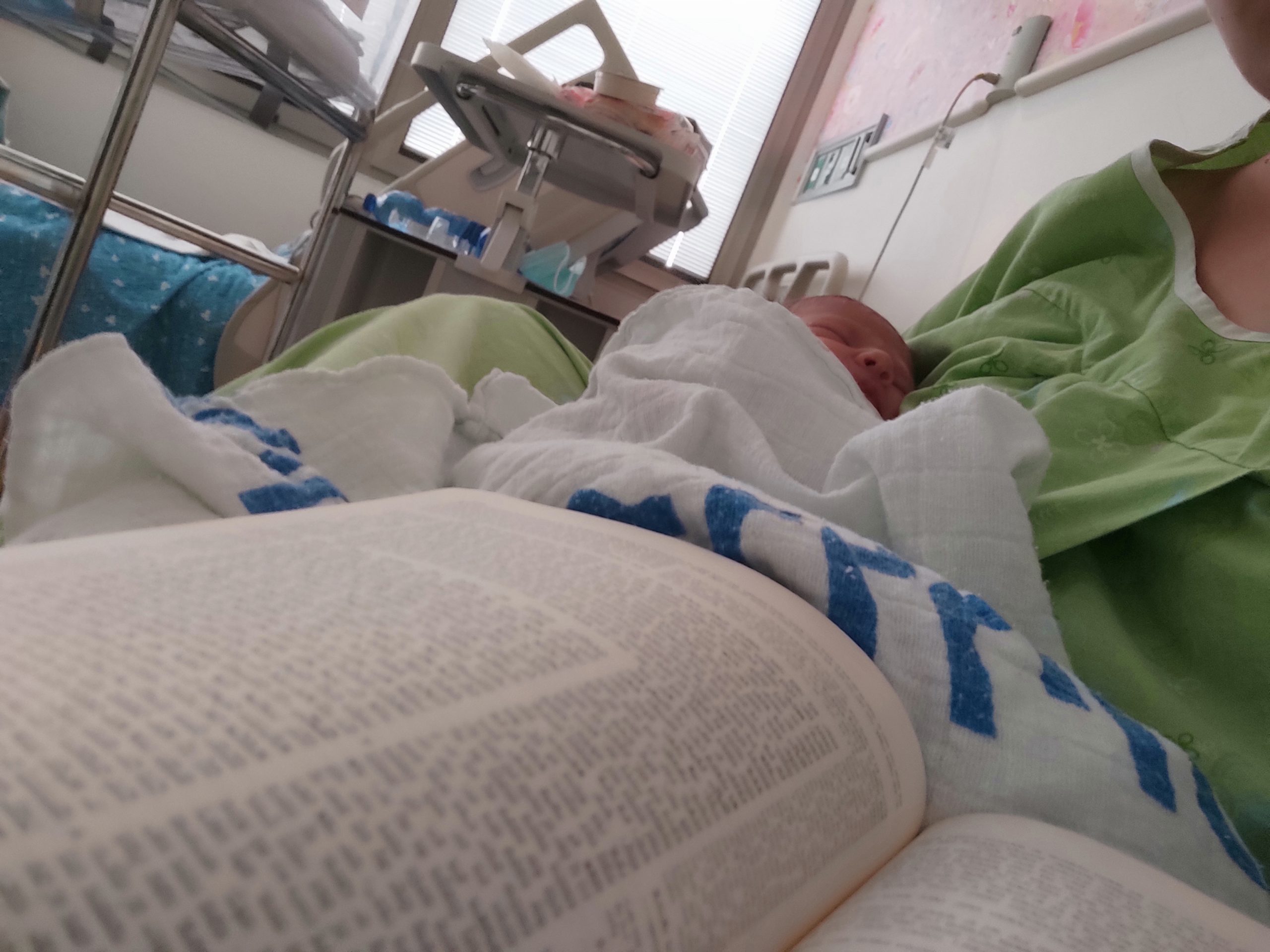
נועה שילה
רבבה, ישראל
התחלתי בתחילת הסבב, והתמכרתי. זה נותן משמעות נוספת ליומיום ומאוד מחזק לתת לזה מקום בתוך כל שגרת הבית-עבודה השוטפת.
רעות אברהמי
בית שמש, ישראל
לצערי גדלתי בדור שבו לימוד גמרא לנשים לא היה דבר שבשגרה ושנים שאני חולמת להשלים את הפער הזה.. עד שלפני מספר שבועות, כמעט במקרה, נתקלתי במודעת פרסומת הקוראת להצטרף ללימוד מסכת תענית. כשקראתי את המודעה הרגשתי שהיא כאילו נכתבה עבורי – "תמיד חלמת ללמוד גמרא ולא ידעת איך להתחיל”, "בואי להתנסות במסכת קצרה וקלה” (רק היה חסר שהמודעה תיפתח במילים "מיכי שלום”..). קפצתי למים ו- ב”ה אני בדרך להגשמת החלום:)
מיכי קדוש
מורשת, ישראל
הייתי לפני שנתיים בסיום הדרן נשים בבנייני האומה והחלטתי להתחיל. אפילו רק כמה דפים, אולי רק פרק, אולי רק מסכת… בינתיים סיימתי רבע שס ותכף את כל סדר מועד בה.
הסביבה תומכת ומפרגנת. אני בת יחידה עם ארבעה אחים שכולם לומדים דף יומי. מדי פעם אנחנו עושים סיומים יחד באירועים משפחתיים. ממש מרגש. מסכת שבת סיימנו כולנו יחד עם אבא שלנו!
אני שומעת כל יום פודקאסט בהליכה או בנסיעה ואחכ לומדת את הגמרא.

עדנה גרוס
מרכז שפירא, ישראל
התחלתי ללמוד דף יומי בתחילת מסכת ברכות, עוד לא ידעתי כלום. נחשפתי לסיום הש״ס, ובעצם להתחלה מחדש בתקשורת, הפתיע אותי לטובה שהיה מקום לעיסוק בתורה.
את המסכתות הראשונות למדתי, אבל לא סיימתי (חוץ מעירובין איכשהו). השנה כשהגעתי למדרשה, נכנסתי ללופ, ואני מצליחה להיות חלק, סיימתי עם החברותא שלי את כל המסכתות הקצרות, גם כשהיינו חולות קורונה ובבידודים, למדנו לבד, העיקר לא לצבור פער, ומחכות ליבמות 🙂

עדן ישורון
מזכרת בתיה, ישראל
התחלתי לפני 8 שנים במדרשה. לאחרונה סיימתי מסכת תענית בלמידה עצמית ועכשיו לקראת סיום מסכת מגילה.

דניאלה ברוכים
רעננה, ישראל
התחלתי ללמוד דף יומי לפני שנתיים, עם מסכת שבת. בהתחלה ההתמדה היתה קשה אבל בזכות הקורונה והסגרים הצלחתי להדביק את הפערים בשבתות הארוכות, לסיים את מסכת שבת ולהמשיך עם המסכתות הבאות. עכשיו אני מסיימת בהתרגשות רבה את מסכת חגיגה וסדר מועד ומחכה לסדר הבא!

אילנה שכנוביץ
מודיעין, ישראל
אני לומדת גמרא כעשור במסגרות שונות, ואת הדף היומי התחלתי כשחברה הציעה שאצטרף אליה לסיום בבנייני האומה. מאז אני לומדת עם פודקסט הדרן, משתדלת באופן יומי אך אם לא מספיקה, מדביקה פערים עד ערב שבת. בסבב הזה הלימוד הוא "ממעוף הציפור”, מקשיבה במהירות מוגברת תוך כדי פעילויות כמו בישול או נהיגה, וכך רוכשת היכרות עם הסוגיות ואופן ניתוחם על ידי חז”ל. בע”ה בסבב הבא, ואולי לפני, אצלול לתוכו באופן מעמיק יותר.
יעל ביר
רמת גן, ישראל
התחלתי בסיום הש”ס, יצאתי באורות. נשברתי פעמיים, ובשתיהם הרבנית מישל עודדה להמשיך איפה שכולם בסבב ולהשלים כשאוכל, וכך עשיתי וכיום השלמתי הכל. מדהים אותי שאני לומדת כל יום קצת, אפילו בחדר הלידה, בבידוד או בחו”ל. לאט לאט יותר נינוחה בסוגיות. לא כולם מבינים את הרצון, בפרט כפמניסטית. חשה סיפוק גדול להכיר את המושגים וצורת החשיבה. החלום זה להמשיך ולהתמיד ובמקביל ללמוד איך מהסוגיות נוצרה והתפתחה ההלכה.
קרן וינגרטן שרינגטון
מודיעין, ישראל
התחלתי ללמוד לפני 4.5 שנים, כשהודיה חברה שלי פתחה קבוצת ווטסאפ ללימוד דף יומי בתחילת מסכת סנהדרין. מאז לימוד הדף נכנס לתוך היום-יום שלי והפך לאחד ממגדירי הזהות שלי ממש.

קרן רוזנברג
ירושלים, ישראל
A friend in the SF Bay Area said in Dec 2019 that she might start listening on her morning drive to work. I mentioned to my husband and we decided to try the Daf when it began in Jan 2020 as part of our preparing to make Aliyah in the summer.
חנה פיוטרקובסקי
ירושלים, Israel
"
גם אני התחלתי בסבב הנוכחי וב””ה הצלחתי לסיים את רוב המסכתות . בזכות הרבנית מישל משתדלת לפתוח את היום בשיעור הזום בשעה 6:20 .הלימוד הפך להיות חלק משמעותי בחיי ויש ימים בהם אני מצליחה לחזור על הדף עם מלמדים נוספים ששיעוריהם נמצאים במרשתת. שמחה להיות חלק מקהילת לומדות ברחבי העולם. ובמיוחד לשמש דוגמה לנכדותיי שאי””ה יגדלו לדור שלימוד תורה לנשים יהיה משהו שבשגרה. "
רונית שביט
נתניה, ישראל
פסחים קטו
מַתְקֵיף לַהּ רַב חִסְדָּא: לְאַחַר שֶׁמִּילֵּא כְּרֵיסוֹ הֵימֶנּוּ חוֹזֵר וּמְבָרֵךְ עֲלֵיהּ? אֶלָּא אָמַר רַב חִסְדָּא: מֵעִיקָּרָא מְבָרֵךְ עֲלֵיהּ ״בּוֹרֵא פְּרִי הָאֲדָמָה״ וְ״עַל אֲכִילַת מָרוֹר״ וְאָכֵיל, וּלְבַסּוֹף אָכֵיל אֲכִילַת חַסָּא בְּלֹא בְּרָכָה.
Rav Ḥisda strongly objects to this opinion: Do you think that after one fills his belly with lettuce, he then recites another blessing over it? Rather, Rav Ḥisda said: Initially one recites two blessings over the lettuce: Who creates fruit of the ground, and: Commanded us over eating bitter herbs, and he eats it; and later in the seder he eats lettuce without a blessing.
בְּסוּרְיָא עָבְדִי כְּרַב הוּנָא, וְרַב שֵׁשֶׁת בְּרֵיהּ דְּרַב יְהוֹשֻׁעַ עָבֵיד כְּרַב חִסְדָּא. וְהִלְכְתָא כְּווֹתֵיהּ דְּרַב חִסְדָּא. רַב אַחָא בְּרֵיהּ דְּרָבָא מְהַדַּר אַשְּׁאָר יְרָקוֹת לְאַפּוֹקֵי נַפְשֵׁיהּ מִפְּלוּגְתָּא.
The Gemara comments: In Syria, they act in accordance with the opinion of Rav Huna. And Rav Sheshet, son of Rav Yehoshua, acted in accordance with the opinion of Rav Ḥisda. The Gemara summarizes: And the halakha is in accordance with the opinion of Rav Ḥisda. The Gemara relates that Rav Aḥa, son of Rava, would seek other vegetables for Passover to preclude himself from taking sides in the dispute. He first recited only the blessing: Who creates fruit of the ground, and later added the blessing: Commanded us over eating bitter herbs, thereby satisfying all opinions.
אָמַר רָבִינָא: אָמַר לִי רַב מְשַׁרְשְׁיָא בְּרֵיהּ דְּרַב נָתָן, הָכִי אָמַר הִלֵּל מִשְּׁמֵיהּ דִּגְמָרָא: לָא נִיכְרוֹךְ אִינִישׁ מַצָּה וּמָרוֹר בַּהֲדֵי הֲדָדֵי וְנֵיכוֹל, מִשּׁוּם דִּסְבִירָא לַן מַצָּה בִּזְמַן הַזֶּה דְּאוֹרָיְיתָא, וּמָרוֹר דְּרַבָּנַן, וְאָתֵי מָרוֹר דְּרַבָּנַן וּמְבַטֵּיל לֵיהּ לְמַצָּה דְּאוֹרָיְיתָא.
Ravina said: Rav Mesharshiya, son of Rav Natan, said to me that Hillel said as follows, citing tradition: A person should not wrap matza and bitter herbs together and eat them. He ruled in this manner because he maintains that today, after the destruction of the Temple, the obligation to eat matza applies by Torah law, and the obligation to eat bitter herbs without the Paschal lamb applies by rabbinic law. And if one were to wrap them together, the bitter herbs, whose obligation applies by rabbinic law, would come and nullify the matza, whose obligation applies by Torah law.
וַאֲפִילּוּ לְמַאן דְּאָמַר: מִצְוֹת אֵין מְבַטְּלוֹת זוֹ אֶת זוֹ, הָנֵי מִילֵּי דְּאוֹרָיְיתָא בִּדְאוֹרָיְיתָא אוֹ דְּרַבָּנַן בִּדְרַבָּנַן, אֲבָל דְּאוֹרָיְיתָא וּדְרַבָּנַן — אָתֵי דְּרַבָּנַן וּמְבַטֵּיל לֵיהּ לִדְאוֹרָיְיתָא.
And even according to the one who says that mitzvot do not nullify each other, that principle applies only to a mixture of one food whose obligation applies by Torah law with another food whose obligation applies by Torah law, or to a mixture of one food whose obligation applies by rabbinic law with another food whose obligation applies by rabbinic law. However, in a case of a mixture of one food whose obligation applies by Torah law with another food whose obligation applies by rabbinic law, the food whose obligation applies by rabbinic law comes and nullifies the food whose obligation applies by Torah law.
מַאן תַּנָּא דְּשָׁמְעַתְּ לֵיהּ מִצְוֹת אֵין מְבַטְּלוֹת זוֹ אֶת זוֹ? הִלֵּל הִיא. דְּתַנְיָא, אָמְרוּ עָלָיו עַל הִלֵּל שֶׁהָיָה כּוֹרְכָן בְּבַת אַחַת וְאוֹכְלָן, שֶׁנֶּאֱמַר: ״עַל מַצּוֹת וּמְרוֹרִים יֹאכְלוּהוּ״.
The Gemara asks: Who is the tanna that you heard say that mitzvot do not nullify each other? It is Hillel, as it was taught in a baraita: They said about Hillel that he would wrap matza and bitter herbs together and eat them, as it is stated: “They shall eat it with matzot and bitter herbs” (Numbers 9:11), which indicates that these two foods should be consumed together.
אָמַר רַבִּי יוֹחָנָן: חוֹלְקִין עָלָיו חֲבֵירָיו עַל הִלֵּל. דְּתַנְיָא: יָכוֹל יְהֵא כּוֹרְכָן בְּבַת אַחַת וְאוֹכְלָן כְּדֶרֶךְ שֶׁהִלֵּל אוֹכְלָן, תַּלְמוּד לוֹמַר: ״עַל מַצּוֹת וּמְרוֹרִים יֹאכְלוּהוּ״, אֲפִילּוּ זֶה בִּפְנֵי עַצְמוֹ וְזֶה בִּפְנֵי עַצְמוֹ. מַתְקֵיף לַהּ רַב אָשֵׁי: אִי הָכִי, מַאי אֲפִילּוּ?
Rabbi Yoḥanan said: Hillel’s colleagues disagree with him, as it was taught in another baraita: I might have thought that one should wrap matzot and bitter herbs together and eat them in the manner that Hillel eats them; therefore the verse states: “They shall eat it with matzot and bitter herbs,” meaning that one may eat even this, the matza, by itself, and that, the bitter herbs, by themselves. Rav Ashi strongly objects to this proof: If so, if the Sages disagree with Hillel and maintain that mitzvot nullify each other, what is the meaning of the word even in this baraita? This wording indicates that Hillel’s opinion is not rejected entirely, but that one fulfills his obligation even if he eats the items without combining them.
אֶלָּא אָמַר רַב אָשֵׁי, הַאי תַּנָּא הָכִי קָתָנֵי: יָכוֹל לֹא יָצָא בְּהוּ יְדֵי חוֹבָתוֹ אֶלָּא אִם כֵּן כּוֹרְכָן בְּבַת אַחַת וְאוֹכְלָן כְּדֶרֶךְ שֶׁהִלֵּל אוֹכְלָן — תַּלְמוּד לוֹמַר: ״עַל מַצּוֹת וּמְרוֹרִים יֹאכְלוּהוּ״ — אֲפִילּוּ זֶה בִּפְנֵי עַצְמוֹ וְזֶה בִּפְנֵי עַצְמוֹ.
Rather, Rav Ashi said: This is what this tanna is teaching: I might have thought that one fulfills his obligation with them only if he wraps matzot and bitter herbs together and eats them in the manner that Hillel eats them. Therefore, the verse states: “They shall eat it with matzot and bitter herbs,” i.e., one fulfills his obligation even if he eats the matza by itself and the bitter herbs by themselves.
הַשְׁתָּא דְּלָא אִיתְּמַר הִלְכְתָא לָא כְּהִלֵּל וְלָא כְּרַבָּנַן, מְבָרֵךְ ״עַל אֲכִילַת מַצָּה״ וְאָכֵיל, וַהֲדַר מְבָרֵךְ ״עַל אֲכִילַת מָרוֹר״ וְאָכֵיל, וַהֲדַר אָכֵיל מַצָּה וְחַסָּא בַּהֲדֵי הֲדָדֵי בְּלֹא בְּרָכָה זֵכֶר לַמִּקְדָּשׁ, כְּהִלֵּל.
The Gemara comments: Now that the halakha was stated neither in accordance with the opinion of Hillel nor in accordance with the opinion of the Rabbis, one recites the blessing: Commanded us over eating matza, and eats matza to fulfill his obligation. And then he recites the blessing: Commanded us over eating bitter herbs, and eats the lettuce as bitter herbs. And then he eats matza and lettuce together without a blessing in remembrance of the Temple, in the manner of Hillel in the days of the Temple, who ate matza and bitter herbs together with the Paschal lamb.
אָמַר רַבִּי אֶלְעָזָר אָמַר רַב אוֹשַׁעְיָא: כׇּל שֶׁטִּיבּוּלוֹ בְּמַשְׁקֶה — צָרִיךְ נְטִילַת יָדַיִם. אָמַר רַב פָּפָּא: שְׁמַע מִינַּהּ, הַאי חַסָּא
Rabbi Elazar said that Rav Oshaya said: Anything that is dipped in a liquid before it is eaten requires the ritual of washing of the hands. The obligation to wash one’s hands was instituted to preserve ritual purity and to prevent people from causing teruma food to contract ritual impurity. Hands are generally considered impure to the second degree of ritual impurity, and they confer impurity upon any liquid with which they come in contact. Liquids that become ritually impure are automatically impure to the first degree and will therefore transfer ritual impurity to any food that is dipped in them. Rav Pappa said: Learn from this halakha, which requires the washing of hands, that for this lettuce on Passover,
צְרִיךְ לְשַׁקּוֹעֵיהּ בַּחֲרוֹסֶת, מִשּׁוּם קָפָא. דְּאִי סָלְקָא דַעְתָּךְ לָא צְרִיךְ לְשַׁקּוֹעֵיהּ — נְטִילַת יָדַיִם לְמָה לִי? הָא לָא נָגַע! וְדִילְמָא לְעוֹלָם אֵימָא לָךְ: לָא צְרִיךְ לְשַׁקּוֹעֵיהּ, וְקָפָא מֵרֵיחָא מָיֵית. אֶלָּא לְמָה לִי נְטִילַת יָדַיִם — דִּילְמָא מְשַׁקְּעוּ לֵיהּ.
one must submerge it in the ḥaroset, due to the bitterness and poison in the lettuce. For if it could enter your mind that one need not thoroughly submerge the lettuce in ḥaroset, why do I need him to wash hands before eating bitter herbs? He did not touch the liquid with his hands, and therefore he did not render it ritually impure. The Gemara rejects this contention: Actually, I will say to you: According to the halakha, one need not submerge the lettuce in ḥaroset and the poison dies. The poison is nullified from the smell of the ḥaroset. The Gemara asks: But in that case, why do I need the washing of hands before dipping? The Gemara answers: Perhaps one will submerge the lettuce, and it is therefore necessary to wash one’s hands to avoid the possible transfer of ritual impurity.
וְאָמַר רַב פָּפָּא: לָא נִישַׁהֵי אִינִישׁ מָרוֹר בַּחֲרוֹסֶת, דִּילְמָא אַגַּב חַלְיֵיהּ דְּתַבְלִין מְבַטֵּיל לֵיהּ לִמְרוֹרֵיהּ, וּבָעֵינַן טַעַם מָרוֹר, וְלֵיכָּא. אַדְבְּרֵיהּ רַב חִסְדָּא לְרַבָּנָא עוּקְבָא, וּדְרַשׁ: נָטַל יָדָיו בְּטִיבּוּל רִאשׁוֹן — נוֹטֵל יָדָיו בְּטִיבּוּל שְׁנֵי.
And Rav Pappa said: A person should not leave bitter herbs in the ḥaroset for a lengthy period of time, lest the sweetness of the spices in the ḥaroset nullify its bitterness. And the bitter herbs require a bitter taste, and they are not bitter when marinated in ḥaroset. The Gemara reports: Rav Ḥisda authorized Rabbana Ukva to deliver a lecture, and he taught: If one washed his hands for the first dipping, he should wash his hands again for the second dipping.
אַמְרוּהָ רַבָּנַן קַמֵּיהּ דְּרַב פָּפָּא: הָא בְּעָלְמָא אִיתְּמַר. דְּאִי סָלְקָא דַעְתָּךְ הָכָא אִיתְּמַר, לְמָה לִי נְטִילַת יָדַיִם תְּרֵי זִימְנֵי? הָא מְשָׁא לֵיהּ יְדֵיהּ חֲדָא זִימְנָא!
The Sages said this halakha before Rav Pappa and added: This halakha was stated generally, i.e., concerning one who dips food twice anytime, not with regard to Passover night. For if it could enter your mind that this was stated here, concerning Passover, why do I need washing of the hands twice? This person has already washed his hands once. As he knows he will dip again, he will be careful to preserve his hands in a state of ritual purity and consequently there is no need for him to wash his hands a second time. This is not the case with regard to dipping throughout the rest of the year, when one does not know at the start that he will dip again.
אֲמַר לְהוּ רַב פָּפָּא: אַדְּרַבָּה, הָכָא אִיתְּמַר. דְּאִי סָלְקָא דַעְתָּךְ בְּעָלְמָא אִיתְּמַר, לְמָה לִי תְּרֵי טִיבּוּלֵי?
Rav Pappa said to them: On the contrary, this halakha was stated specifically here, with regard to Passover night. For if it could enter your mind that it was stated in general, why do I need two dippings? A person usually dips only once, either at the beginning or in the middle of his meal.
אֶלָּא מַאי, הָכָא אִיתְּמַר? נְטִילַת יָדַיִם תְּרֵי זִימְנֵי לְמָה לִי? הָא מְשָׁא לֵיהּ יְדֵיהּ חֲדָא זִימְנָא! אָמְרִי: כֵּיוָן דְּבָעֵי לְמֵימַר אַגָּדְתָּא וְהַלֵּילָא, דִּילְמָא אַסּוֹחֵי אַסְּחֵיהּ לְדַעְתֵּיהּ וּנְגַע.
The Gemara asks: Rather, what will you say; this halakha was stated specifically here, with regard to Passover night? If so, why do I need two washings of the hands? He has already washed his hands once. They say in response: Since he needs to recite the Haggadah and hallel in between the two dippings, perhaps he will divert his thoughts and his hands will touch a ritually impure object.
אָמַר רָבָא: בָּלַע מַצָּה — יָצָא, בָּלַע מָרוֹר — לֹא יָצָא. בָּלַע מַצָּה וּמָרוֹר, יְדֵי מַצָּה — יָצָא, יְדֵי מָרוֹר — לֹא יָצָא. כְּרָכָן בְּסִיב וּבְלָעָן — אַף יְדֵי מַצָּה נָמֵי לֹא יָצָא.
Rava said: If one swallowed matza without chewing it, he has fulfilled the obligation to eat matza, as he has consumed it. However, if one swallowed bitter herbs without chewing them, he has not fulfilled his obligation, as he did not taste their bitterness. Furthermore, if one swallowed matza and bitter herbs together, he has fulfilled the obligation of eating matza, but he has not fulfilled the obligation of eating bitter herbs. If one wrapped matza and bitter herbs in a palm net, the thin interlacing of vines that sprouts around a palm tree, and swallowed them, he has not fulfilled his obligation even of eating matza. When matza and bitter herbs are consumed in this fashion, the matza does not touch one’s mouth. This is not considered eating.
אָמַר רַב שִׁימִי בַּר אָשֵׁי: מַצָּה לִפְנֵי כׇּל אֶחָד וְאֶחָד, מָרוֹר לִפְנֵי כׇּל אֶחָד וְאֶחָד, וַחֲרוֹסֶת לִפְנֵי כׇּל אֶחָד וְאֶחָד. וְאֵין עוֹקְרִין אֶת הַשֻּׁלְחָן אֶלָּא לִפְנֵי מִי שֶׁאוֹמֵר הַגָּדָה.
Rav Shimi bar Ashi said: Matza must be placed before each and every participant at the seder. Each participant in a seder would recline on a couch at his own personal table. Likewise, bitter herbs must be placed before each and every participant, and ḥaroset must be placed before each and every participant. And during the seder, before the meal, one shall remove the table only from before the one reciting the Haggadah. The other tables, which correspond to the seder plates used nowadays, are left in their place.
רַב הוּנָא אוֹמֵר: כּוּלְּהוּ נָמֵי לִפְנֵי מִי שֶׁאוֹמֵר הַגָּדָה. וְהִלְכְתָא כְּרַב הוּנָא.
Rav Huna says: All of the aforementioned foods, i.e., matza, bitter herbs, and ḥaroset, must also be placed only before the one who recites the Haggadah. When the time comes to eat these items, all the other participants receive a portion from him. The Gemara comments: And the halakha is in accordance with the opinion of Rav Huna.
לָמָּה עוֹקְרִין אֶת הַשּׁוּלְחָן? אָמְרִי דְּבֵי רַבִּי יַנַּאי: כְּדֵי שֶׁיַּכִּירוּ תִּינוֹקוֹת וְיִשְׁאֲלוּ. אַבָּיֵי הֲוָה יָתֵיב קַמֵּיהּ דְּרַבָּה, חֲזָא דְּקָא מַדְלִי תַּכָּא מִקַּמֵּיהּ, אֲמַר לְהוּ: עֲדַיִין לָא קָא אָכְלִינַן, אָתוּ קָא מְעַקְּרִי תַּכָּא מִיקַּמַּן?! אֲמַר לֵיהּ רַבָּה: פְּטַרְתַּן מִלּוֹמַר ״מָה נִּשְׁתַּנָּה״.
The Gemara asks: Why does one remove the table? The school of Rabbi Yannai say: So that the children will notice that something is unusual and they will ask: Why is this night different from all other nights? The Gemara relates: Abaye was sitting before Rabba when he was still a child. He saw that they were removing the table from before him, and he said to those removing it: We have not yet eaten, and you are taking the table away from us? Rabba said to him: You have exempted us from reciting the questions of: Why is this night different [ma nishtana], as you have already asked what is special about the seder night.
אָמַר שְׁמוּאֵל: ״לֶחֶם עוֹנִי״ כְּתִיב — לֶחֶם שֶׁעוֹנִין עָלָיו דְּבָרִים. תַּנְיָא נָמֵי הָכִי: ״לֶחֶם עוֹנִי״ — לֶחֶם שֶׁעוֹנִין עָלָיו דְּבָרִים הַרְבֵּה. דָּבָר אַחֵר: ״לֶחֶם עוֹנִי״ — ״עֹנִי״ כְּתִיב, מָה עָנִי שֶׁדַּרְכּוֹ בִּפְרוּסָה,
Shmuel said that the phrase: “The bread of affliction [leḥem oni]” (Deuteronomy 16:3) means bread over which one answers [onim] matters, i.e., one recites the Haggadah over matza. That was also taught in a baraita: Leḥem oni is bread over which one answers many matters. Alternatively, in the verse, “leḥem oni” is actually written without a vav, which means a poor person. Just as it is the manner of a poor person to eat a piece of bread, for lack of a whole loaf,
לעקוב

