








מה הסיבה לטבילה בחרוסת? האם זו מצווה או שמא מסיבה אחרת? מדוע חרוסת אינה נוזלית? הכוס השנייה מוזגת בסדר ואז מתחילים ב”מגיד”. זה מתחיל בשאלת שאלות והמשנה מביאה שאלות ששואלים "מה נשתנה”. לא ברור אם כל צריכות לשאול את השאלות הספציפיות האלה או שאלה ניתנות למי שאינו יודע לשאול. המבנה הוא להתחיל בתיאור הגנות ולסיום בשבח. הגמרא מביאה ויכוח לגבי מה זה אמור להיות. ואז עלינו לפרוש את הפסוקים של "ארמי אבד אבי” עד סוף אותו קטע. מה עושים אם אין ילדים – מי שואל את השאלות? האם תוכן השאלות השתנה עם הזמן? האם יכול להיות מקרה בו אין צורך לשאול את השאלות? רבן גמליאל אומר שיש 3 דברים שחובה לדבר עליהם בסדר – פסח, מצה ומרור. המשנה ממשיכה לדבר על הצורך להרגיש כאילו אנו עצמנו הוצאנו ממצרים ולכן צריך לשבח את אלוהים. ואז אומרים את שתי הפסקאות הראשונות או הראשונות של הלל (ויכוח בין בית שמאי לבית הלל) וקוראים ברכה על הגאולה. האם אדם עיוור מחויב על פי התורה לספר את הסיפור?
רוצה להקדיש לימוד?
פסחים קטז
אַף כָּאן בִּפְרוּסָה. דָּבָר אַחֵר: מָה דַּרְכּוֹ שֶׁל עָנִי הוּא מַסִּיק וְאִשְׁתּוֹ אוֹפָה, אַף כָּאן נָמֵי — הוּא מַסִּיק וְאִשְׁתּוֹ אוֹפָה.
so too, here he should use a piece of matza. Alternatively: Just as the manner of a poor person is that he heats the oven and his wife bakes quickly, before the small amount of wood they have is used up, so too here; when baking matza, he heats the oven and his wife bakes quickly so the dough doesn’t rise. This is why matza is called the poor man’s bread.
אַף עַל פִּי שֶׁאֵין חֲרוֹסֶת מִצְוָה. וְאִי לָא מִצְוָה, מִשּׁוּם מַאי מַיְיתֵי לַהּ? אָמַר רַבִּי אַמֵּי: מִשּׁוּם קָפָא. אָמַר רַב אַסִּי: קָפָא דְחַסָּא — חָמָא. קָפָא דְּחָמָא — כַּרָּתֵי. [קָפָא דְכַרָּתֵי — חַמִּימֵי.] קָפָא דְּכוּלְּהוּ — חַמִּימֵי. אַדְּהָכִי וְהָכִי, נֵימָא הָכִי: ״קָפָא קָפָא, דְּכִירְנָא לָךְ וּלְשַׁב בְּנָתָיךְ וּלְתַמְנֵי כַּלָּתָךְ״.
The mishna states that they bring the ḥaroset to the leader of the seder, although eating ḥaroset is not a mitzva. The Gemara asks: And if it is not a mitzva, for what reason does one bring it to the seder? Rabbi Ami said: It is brought due to the poison in the bitter herbs, which is neutralized by the ḥaroset. In this regard, Rav Asi said: The remedy for one who ate the poison in lettuce is to eat a radish. The remedy for the poison in a radish is leeks. The remedy for the poison in leeks is hot water. A remedy for the poison in all vegetables is hot water. The Gemara comments: In the meantime, while one is waiting for someone to bring him the remedy, let him say the following incantation: Poison, poison, I remember you, and your seven daughters, and your eight daughters-in-law.
רַבִּי אֶלְעָזָר בְּרַבִּי צָדוֹק אוֹמֵר מִצְוָה וְכוּ׳. מַאי מִצְוָה? רַבִּי לֵוִי אוֹמֵר: זֵכֶר לַתַּפּוּחַ. וְרַבִּי יוֹחָנָן אוֹמֵר: זֵכֶר לַטִּיט. אָמַר אַבָּיֵי: הִלְכָּךְ צְרִיךְ לְקַהוֹיֵיהּ וּצְרִיךְ לְסַמּוֹכֵיהּ. לְקַהוֹיֵיהּ — זֵכֶר לַתַּפּוּחַ, וּצְרִיךְ לְסַמּוֹכֵיהּ — זֵכֶר לַטִּיט.
The mishna states: Rabbi Elazar, son of Rabbi Tzadok, says that eating ḥaroset is a mitzva. The Gemara asks: What is the nature of this mitzva? The Gemara answers: Rabbi Levi says: It is in remembrance of the apple, as apple is one of the ingredients in ḥaroset. The verse states: “Who is this who comes up from the wilderness, reclining upon her beloved? Under the apple tree I awakened you” (Song of Songs 8:5), which is an allusion to the Jewish people leaving Egypt. And Rabbi Yoḥanan says: The ḥaroset is in remembrance of the mortar used by the Jews for their slave labor in Egypt. Abaye said: Therefore, to fulfill both opinions, one must prepare it tart and one must prepare it thick. One must prepare it tart in remembrance of the apple, and one must prepare it thick in remembrance of the mortar.
תַּנְיָא כְּווֹתֵיהּ דְּרַבִּי יוֹחָנָן: תַּבְלִין זֵכֶר לַתֶּבֶן, חֲרוֹסֶת זֵכֶר לַטִּיט. אָמַר רַבִּי אֶלְעָזָר בְּרַבִּי צָדוֹק, כָּךְ הָיוּ אוֹמְרִים תַּגָּרֵי חָרָךְ שֶׁבִּירוּשָׁלַיִם: בּוֹאוּ וּטְלוּ לָכֶם תַּבְלִין לְמִצְוָה.
It was taught in a baraita in accordance with the opinion of Rabbi Yoḥanan: The spices used in the ḥaroset are in remembrance of the hay that our forefathers used for building in Egypt, and the ḥaroset itself is in remembrance of the mortar. Rabbi Elazar, son of Rabbi Tzadok, said: When selling ḥaroset, the small shopkeepers in Jerusalem would say as follows: Come and take spices for yourselves for the mitzva.
מַתְנִי׳ מָזְגוּ לוֹ כּוֹס שֵׁנִי וְכָאן הַבֵּן שׁוֹאֵל אָבִיו. וְאִם אֵין דַּעַת בַּבֵּן אָבִיו מְלַמְּדוֹ.
MISHNA: The attendants poured the second cup for the leader of the seder, and here the son asks his father the questions about the differences between Passover night and a regular night. And if the son does not have the intelligence to ask questions on his own, his father teaches him the questions.
מָה נִשְׁתַּנָּה הַלַּיְלָה הַזֶּה מִכׇּל הַלֵּילוֹת. שֶׁבְּכָל הַלֵּילוֹת אָנוּ אוֹכְלִין חָמֵץ וּמַצָּה, הַלַּיְלָה הַזֶּה — כּוּלּוֹ מַצָּה. שֶׁבְּכָל הַלֵּילוֹת אָנוּ אוֹכְלִין שְׁאָר יְרָקוֹת, הַלַּיְלָה הַזֶּה — מָרוֹר. שֶׁבְּכָל הַלֵּילוֹת אָנוּ אוֹכְלִין בָּשָׂר צָלִי שָׁלוּק וּמְבוּשָּׁל, הַלַּיְלָה הַזֶּה — כּוּלּוֹ צָלִי. שֶׁבְּכָל הַלֵּילוֹת אָנוּ מַטְבִּילִין פַּעַם אֶחָת, הַלַּיְלָה הַזֶּה — שְׁתֵּי פְעָמִים.
The mishna lists the questions: Why is this night different from all other nights? As on all other nights we eat leavened bread and matza as preferred; on this night all our bread is matza. As on all other nights we eat other vegetables; on this night we eat bitter herbs. The mishna continues its list of the questions. When the Temple was standing one would ask: As on all other nights we eat either roasted, stewed, or cooked meat, but on this night all the meat is the roasted meat of the Paschal lamb. The final question was asked even after the destruction of the Temple: As on all other nights we dip the vegetables in a liquid during the meal only once; however, on this night we dip twice.
וּלְפִי דַּעְתּוֹ שֶׁל בֵּן אָבִיו מְלַמְּדוֹ. מַתְחִיל בִּגְנוּת וּמְסַיֵּים בְּשֶׁבַח. וְדוֹרֵשׁ מֵ״אֲרַמִּי אוֹבֵד אָבִי״, עַד שֶׁיִּגְמוֹר כׇּל הַפָּרָשָׁה כּוּלָּהּ.
And according to the intelligence and the ability of the son, his father teaches him about the Exodus. When teaching his son about the Exodus. He begins with the Jewish people’s disgrace and concludes with their glory. And he expounds from the passage: “An Aramean tried to destroy my father” (Deuteronomy 26:5), the declaration one recites when presenting his first fruits at the Temple, until he concludes explaining the entire section.
גְּמָ׳ תָּנוּ רַבָּנַן: חָכָם בְּנוֹ — שׁוֹאֲלוֹ. וְאִם אֵינוֹ חָכָם — אִשְׁתּוֹ שׁוֹאַלְתּוֹ, וְאִם לָאו — הוּא שׁוֹאֵל לְעַצְמוֹ, וַאֲפִילּוּ שְׁנֵי תַּלְמִידֵי חֲכָמִים שֶׁיּוֹדְעִין בְּהִלְכוֹת הַפֶּסַח — שׁוֹאֲלִין זֶה לָזֶה.
GEMARA: The Sages taught: If his son is wise and knows how to inquire, his son asks him. And if he is not wise, his wife asks him. And if even his wife is not capable of asking or if he has no wife, he asks himself. And even if two Torah scholars who know the halakhot of Passover are sitting together and there is no one else present to pose the questions, they ask each other.
מָה נִשְׁתַּנָּה הַלַּיְלָה הַזֶּה מִכׇּל הַלֵּילוֹת, שֶׁבְּכָל הַלֵּילוֹת אָנוּ מַטְבִּילִין פַּעַם אֶחָת, הַלַּיְלָה הַזֶּה — שְׁתֵּי פְעָמִים. מַתְקֵיף לַהּ רָבָא: אַטּוּ כׇּל יוֹמָא לָא סַגִּיא דְּלָא מְטַבְּלָא חֲדָא זִימְנָא? אֶלָּא אָמַר רָבָא, הָכִי קָתָנֵי: שֶׁבְּכָל הַלֵּילוֹת אֵין אָנוּ חַיָּיבִין לְטַבֵּל אֲפִילּוּ פַּעַם אֶחָת, הַלַּיְלָה הַזֶּה — שְׁתֵּי פְעָמִים.
The mishna states that one of the questions is: Why is this night different from all other nights? As on all other nights we dip once; however, on this night we dip twice. Rava strongly objects to this statement of the mishna: Is that to say that on every other day there is no alternative but to dip once? Is there an obligation to dip at all on other days, as indicated by the wording of the mishna? Rather, Rava said that this is what the mishna is teaching: As on all other nights we are not obligated to dip even once; however, on this night we are obligated to dip twice.
מַתְקֵיף לַהּ רַב סָפְרָא: חִיּוּבָא לְדַרְדְּקֵי?! אֶלָּא אָמַר רַב סָפְרָא, הָכִי קָתָנֵי: אֵין אָנוּ מַטְבִּילִין אֲפִילּוּ פַּעַם אֶחָת, הַלַּיְלָה הַזֶּה — שְׁתֵּי פְעָמִים.
Rav Safra strongly objects to this explanation: Is it obligatory for the children? As previously mentioned, the reason one dips twice is to encourage the children to ask questions. How can this be called an obligation? Rather, Rav Safra said that this is what the mishna is teaching: We do not normally dip even once; however, on this night we dip twice. This wording is preferable, as it indicates the performance of an optional act.
מַתְחִיל בִּגְנוּת וּמְסַיֵּים בְּשֶׁבַח. מַאי בִּגְנוּת? רַב אָמַר: ״מִתְּחִלָּה עוֹבְדֵי עֲבוֹדָה זָרָה הָיוּ אֲבוֹתֵינוּ״. [וּשְׁמוּאֵל] אָמַר: ״עֲבָדִים הָיִינוּ״.
It was taught in the mishna that the father begins his answer with disgrace and concludes with glory. The Gemara asks: What is the meaning of the term: With disgrace? Rav said that one should begin by saying: At first our forefathers were idol worshippers, before concluding with words of glory. And Shmuel said: The disgrace with which one should begin his answer is: We were slaves.
אֲמַר לֵיהּ רַב נַחְמָן לְדָרוּ עַבְדֵּיהּ: עַבְדָּא דְּמַפֵּיק לֵיהּ מָרֵיהּ לְחֵירוּת, וְיָהֵיב לֵיהּ כַּסְפָּא וְדַהֲבָא, מַאי בָּעֵי לְמֵימַר לֵיהּ? אֲמַר לֵיהּ: בָּעֵי לְאוֹדוֹיֵי וּלְשַׁבּוֹחֵי, אֲמַר לֵיהּ: פְּטַרְתַּן מִלּוֹמַר ״מָה נִשְׁתַּנָּה״. פָּתַח וְאָמַר ״עֲבָדִים הָיִינוּ״.
Rav Naḥman said to his servant, Daru: With regard to a slave who is freed by his master, who gives him gold and silver, what should the slave say to him? Daru said to him: He must thank and praise his master. He said to him: If so, you have exempted us from reciting the questions of: Why is this night different, as you have stated the essence of the seder night. Rav Naḥman immediately began to recite: We were slaves.
מַתְנִי׳ רַבָּן גַּמְלִיאֵל הָיָה אוֹמֵר: כֹּל שֶׁלֹּא אָמַר
MISHNA: Rabban Gamliel would say: Anyone who did not say
שְׁלֹשָׁה דְּבָרִים אֵלּוּ בַּפֶּסַח לֹא יָצָא יְדֵי חוֹבָתוֹ, וְאֵלּוּ הֵן: פֶּסַח, מַצָּה, וּמָרוֹר. פֶּסַח — עַל שׁוּם שֶׁפָּסַח הַמָּקוֹם עַל בָּתֵּי אֲבוֹתֵינוּ בְּמִצְרַיִם, [שֶׁנֶּאֱמַר: ״וַאֲמַרְתֶּם זֶבַח פֶּסַח הוּא לַה׳ אֲשֶׁר פָּסַח וְגוֹ׳״].
these three matters on Passover has not fulfilled his obligation: The Paschal lamb, matza, and bitter herbs. When one mentions these matters, he must elaborate and explain them: The Paschal lamb is brought because the Omnipresent passed over [pasaḥ] the houses of our forefathers in Egypt, as it is stated: “That you shall say: It is the sacrifice of the Lord’s Paschal offering for He passed over the houses of the children of Israel in Egypt, when he smote the Egyptians, and delivered our houses” (Exodus 12:27).
מַצָּה — עַל שׁוּם שֶׁנִּגְאֲלוּ אֲבוֹתֵינוּ מִמִּצְרַיִם, [שֶׁנֶּאֱמַר: ״וַיֹּאפוּ אֶת הַבָּצֵק אֲשֶׁר הוֹצִיאוּ מִמִּצְרַיִם וְגוֹ׳״]. מָרוֹר — עַל שׁוּם שֶׁמֵּרְרוּ הַמִּצְרִיִּים אֶת חַיֵּי אֲבוֹתֵינוּ בְּמִצְרַיִם, שֶׁנֶּאֱמַר: [״וַיְמָרְרוּ אֶת חַיֵּיהֶם וְגוֹ׳״].
Rabban Gamliel continues to explain: The reason for matza is because our forefathers were redeemed from Egypt, as it is stated: “And they baked the dough that they took out of Egypt as cakes of matzot, for it was not leavened, as they were thrust out of Egypt and could not tarry, neither had they prepared for themselves any victual” (Exodus 12:39). The reason for bitter herbs is because the Egyptians embittered our forefathers’ lives in Egypt, as it is stated: “And they embittered their lives with hard service, in mortar and in brick; in all manner of service in the field, all the service that they made them serve was with rigor” (Exodus 1:14).
בְּכׇל דּוֹר וָדוֹר חַיָּיב אָדָם לִרְאוֹת אֶת עַצְמוֹ כְּאִילּוּ הוּא יָצָא מִמִּצְרַיִם, שֶׁנֶּאֱמַר: ״וְהִגַּדְתָּ לְבִנְךָ בַּיּוֹם הַהוּא לֵאמֹר בַּעֲבוּר זֶה עָשָׂה ה׳ לִי בְּצֵאתִי מִמִּצְרָיִם״.
The tanna of the mishna further states: In each and every generation a person must view himself as though he personally left Egypt, as it is stated: “And you shall tell your son on that day, saying: It is because of this which the Lord did for me when I came forth out of Egypt” (Exodus 13:8). In every generation, each person must say: “This which the Lord did for me,” and not: This which the Lord did for my forefathers.
לְפִיכָךְ אֲנַחְנוּ חַיָּיבִים לְהוֹדוֹת, לְהַלֵּל, לְשַׁבֵּחַ, לְפָאֵר, לְרוֹמֵם, לְהַדֵּר, לְבָרֵךְ, לְעַלֵּה וּלְקַלֵּס לְמִי שֶׁעָשָׂה לַאֲבוֹתֵינוּ וְלָנוּ אֶת כׇּל הַנִּסִּים הָאֵלּוּ. הוֹצִיאָנוּ מֵעַבְדוּת לְחֵרוּת, מִיָּגוֹן לְשִׂמְחָה, וּמֵאֵבֶל לְיוֹם טוֹב, וּמֵאֲפֵלָה לְאוֹר גָּדוֹל, וּמִשִּׁעְבּוּד לִגְאוּלָּה. וְנֹאמַר לְפָנָיו הַלְלוּיָהּ.
The mishna continues with the text of the Haggadah. Therefore we are obligated to thank, praise, glorify, extol, exalt, honor, bless, revere, and laud [lekales] the One who performed for our forefathers and for us all these miracles: He took us out from slavery to freedom, from sorrow to joy, from mourning to a Festival, from darkness to a great light, and from enslavement to redemption. And we will say before Him: Halleluya. At this point one recites the hallel that is said on all joyous days.
עַד הֵיכָן הוּא אוֹמֵר? בֵּית שַׁמַּאי אוֹמְרִים: עַד ״אֵם הַבָּנִים שְׂמֵחָה״. וּבֵית הִלֵּל אוֹמְרִים: עַד ״חַלָּמִישׁ לְמַעְיְנוֹ מָיִם״. וְחוֹתֵם בִּגְאוּלָּה. רַבִּי טַרְפוֹן אוֹמֵר: אֲשֶׁר גְּאָלָנוּ וְגָאַל אֶת אֲבוֹתֵינוּ מִמִּצְרַיִם, וְלֹא הָיָה חוֹתֵם.
Since one does not complete hallel at this point in the seder, the mishna asks: Until where does one recite hallel? Beit Shammai say: Until “Who makes the barren woman dwell in her house as a joyful mother of children, halleluya” (Psalms 113:9). And Beit Hillel say: Until “Who turned the rock into a pool of water, the flint into a fountain of waters” (Psalms 114:8). And one concludes this section of hallel with a blessing that refers to redemption. Rabbi Tarfon says that although one should recite: Who redeemed us and redeemed our forefathers from Egypt, one who did so would not conclude with the formula: Blessed are You, Lord.
רַבִּי עֲקִיבָא אוֹמֵר: ״כֵּן ה׳ אֱלֹהֵינוּ וֵאלֹהֵי אֲבוֹתֵינוּ יַגִּיעֵנוּ לְמוֹעֲדִים וְלִרְגָלִים אֲחֵרִים הַבָּאִים לִקְרָאתֵנוּ לְשָׁלוֹם, שְׂמֵחִים בְּבִנְיַן עִירֶךָ, וְשָׂשִׂים בַּעֲבוֹדָתֶךְ. וְנֹאכַל שָׁם (מִן הַפְּסָחִים וּמִן הַזְּבָחִים) כּוּ׳״, עַד ״בָּרוּךְ אַתָּה ה׳ גָּאַל יִשְׂרָאֵל״.
Rabbi Akiva says that one recites a different version of this blessing: So too, the Lord our God and the God of our forefathers will bring us to future holidays and Festivals in peace, happy over the building of Your city and joyous in Your service. And there we will eat from the Paschal lamb and other offerings, etc., until: Blessed are You, Lord, Who redeemed Israel.
גְּמָ׳ אָמַר רָבָא: צָרִיךְ שֶׁיֹּאמַר ״וְאוֹתָנוּ הוֹצִיא מִשָּׁם״. אָמַר רָבָא: מַצָּה — צָרִיךְ לְהַגְבִּיהַּ, וּמָרוֹר — צָרִיךְ לְהַגְבִּיהַּ. בָּשָׂר — אֵין צָרִיךְ לְהַגְבִּיהַּ. וְלֹא עוֹד, אֶלָּא שֶׁנִּרְאֶה כְּאוֹכֵל קָדָשִׁים בַּחוּץ.
GEMARA: Rava said: When mentioning the exodus from Egypt one must say: And He took us out from there. Furthermore, Rava said: When one mentions matza in the list of the three matters one must recall during the seder, he must lift it for display before the assembled company. Likewise, when discussing bitter herbs, one must raise them. However, nowadays one need not raise the meat. And not only that, but it is prohibited to do so, for if one lifts the meat it appears as though he is eating sacrificial meat outside the Temple. An observer might think he is presenting it as the meat of a Paschal lamb, and it is prohibited by Torah law to slaughter a sheep as a Paschal lamb outside the Temple.
אָמַר רַב אַחָא בַּר יַעֲקֹב: סוֹמֵא פָּטוּר מִלּוֹמַר הַגָּדָה. כְּתִיב הָכָא: ״בַּעֲבוּר זֶה״, וּכְתִיב הָתָם: ״בְּנֵנוּ זֶה״. מַה לְּהַלָּן — פְּרָט לְסוֹמֵא, אַף כָּאן — פְּרָט לְסוֹמִין.
Rav Aḥa bar Ya’akov said: A blind person is exempt from reciting the Haggadah. The proof is that it is written here, with regard to the Paschal lamb: “And you shall tell your son on that day saying, it is because of this which the Lord did for me when I came forth out of Egypt” (Exodus 13:8), and it was written there, with regard to the stubborn and rebellious son, that his parents say: “This son of ours is stubborn and rebellious, he does not listen to our voice; he is a glutton, and a drunkard” (Deuteronomy 21:20). The Gemara explains the verbal analogy of the word “this”: Just as there, in the case of the rebellious son, the Sages expound that the verse excludes a blind person, as a blind parent cannot say: This son of ours, for he cannot point to him; so too here, in the case of the recitation of the Passover Haggadah, the word “this” excludes blind people.
אִינִי? וְהָאָמַר מָרִימָר, שְׁאֵלְתִּינְהוּ לְרַבָּנַן דְּבֵי רַב יוֹסֵף: מַאן דְּאָמַר אַגָּדְתָּא בֵּי רַב יוֹסֵף? אֲמַרוּ: רַב יוֹסֵף. מַאן דְּאָמַר אַגָּדְתָּא בֵּי רַב שֵׁשֶׁת? אָמְרוּ: רַב שֵׁשֶׁת. קָסָבְרִי רַבָּנַן, מַצָּה בִּזְמַן הַזֶּה — דְּרַבָּנַן.
The Gemara asks: Is that so? But didn’t Mareimar say: I asked the Sages from the school of Rav Yosef, who was blind: Who recited the Haggadah in the house of Rav Yosef? They said to him: Rav Yosef himself recited it. Mareimar subsequently asked: Who recited the Haggadah in the house of Rav Sheshet, who was also blind? They said to him: Rav Sheshet himself recited it. This indicates that a blind person is obligated to recite the Haggadah. The Gemara answers: These Sages, Rav Yosef and Rav Sheshet, maintain that nowadays the halakhot of eating matza and the recitation of the Haggadah that accompanies it apply by rabbinic law. For this reason, blind people can recite the Haggadah for others.
מִכְּלָל דְּרַב אַחָא בַּר יַעֲקֹב סָבַר מַצָּה בִּזְמַן הַזֶּה דְּאוֹרָיְיתָא? וְהָא רַב אַחָא בַּר יַעֲקֹב הוּא דְּאָמַר: מַצָּה בִּזְמַן הַזֶּה דְּרַבָּנַן! קָסָבַר: כֹּל דְּתַקּוּן רַבָּנַן — כְּעֵין דְּאוֹרָיְיתָא תַּיקּוּן.
The Gemara asks: Does this prove by inference that Rav Aḥa bar Ya’akov maintains that eating matza nowadays applies by Torah law? But isn’t Rav Aḥa bar Ya’akov the one who said that eating matza nowadays applies by rabbinic law? Rav Aḥa bar Ya’akov apparently contradicts himself. The Gemara answers: Rav Aḥa bar Ya’akov maintains that everything the Sages instituted through their decrees, they instituted similar to the model established by Torah law. In other words, although the obligations to eat matza and recite the Haggadah are rabbinic, the stringencies and restrictions that apply to Torah mitzvot apply here as well. Therefore, a blind person is exempt from reciting the Haggadah.
לְרַב שֵׁשֶׁת וּלְרַב יוֹסֵף נָמֵי, הָא וַדַּאי כׇּל דְּתַקּוּן רַבָּנַן — כְּעֵין דְּאוֹרָיְיתָא תַּיקּוּן?
The Gemara asks: According to the opinion of Rav Sheshet and Rav Yosef too, certainly everything the Sages instituted through their decrees, they instituted similar to the model established by Torah law. Why, then, did these blind Sages recite the Haggadah themselves?
הָכִי הַשְׁתָּא?! בִּשְׁלָמָא הָתָם, מִדַּהֲוָה לֵיהּ לְמִיכְתַּב ״בְּנֵנוּ הוּא״, וּכְתִיב ״בְּנֵנוּ זֶה״ — שְׁמַע מִינַּהּ: פְּרָט לְסוֹמִין הוּא דַּאֲתָא. אֲבָל הָכָא, אִי לָאו ״בַּעֲבוּר זֶה״, מַאי לִכְתּוֹב? אֶלָּא בַּעֲבוּר מַצָּה וּמָרוֹר הוּא דַּאֲתָא.
The Gemara rejects this difficulty: How can these cases, the verses dealing with rebellious son and the Passover Haggadah, be compared? Granted, there, in the case of the rebellious son, as the verse could have written: He is our son, and instead it is written: “This son of ours,” I can learn from it that the parents must point with a finger to their son, which comes to exclude blind parents. However, here, if the verse did not use the phrase “because of this,” what could it have written in reference to matzot and bitter herbs? Rather, this verse comes because of the matza and bitter herbs. Consequently, there is no need to actually point with one’s finger in this instance, and therefore the blind are also obligated to recite the Haggadah.
לְפִיכָךְ אֲנַחְנוּ חַיָּיבִים.
The mishna states: Therefore we are obligated to thank.

חדשה בלימוד הגמרא?
זה הדף הראשון שלך? איזו התרגשות עצומה! יש לנו בדיוק את התכנים והכלים שיעזרו לך לעשות את הצעדים הראשונים ללמידה בקצב וברמה שלך, כך תוכלי להרגיש בנוח גם בתוך הסוגיות המורכבות ומאתגרות.
פסיפס הלומדות שלנו
גלי את קהילת הלומדות שלנו, מגוון נשים, רקעים וסיפורים. כולן חלק מתנועה ומסע מרגש ועוצמתי.
הייתי לפני שנתיים בסיום הדרן נשים בבנייני האומה והחלטתי להתחיל. אפילו רק כמה דפים, אולי רק פרק, אולי רק מסכת… בינתיים סיימתי רבע שס ותכף את כל סדר מועד בה.
הסביבה תומכת ומפרגנת. אני בת יחידה עם ארבעה אחים שכולם לומדים דף יומי. מדי פעם אנחנו עושים סיומים יחד באירועים משפחתיים. ממש מרגש. מסכת שבת סיימנו כולנו יחד עם אבא שלנו!
אני שומעת כל יום פודקאסט בהליכה או בנסיעה ואחכ לומדת את הגמרא.
מרכז שפירא, ישראל
באירוע של הדרן בנייני האומה. בהשראתה של אמי שלי שסיימה את הש”ס בסבב הקודם ובעידוד מאיר , אישי, וילדיי וחברותיי ללימוד במכון למנהיגות הלכתית של רשת אור תורה סטון ומורתיי הרבנית ענת נובוסלסקי והרבנית דבורה עברון, ראש המכון למנהיגות הלכתית.
הלימוד מעשיר את יומי, מחזיר אותי גם למסכתות שכבר סיימתי וידוע שאינו דומה מי ששונה פרקו מאה לשונה פרקו מאה ואחת במיוחד מרתקים אותי החיבורים בין המסכתות
מודיעין, ישראל
התחלתי ללמוד דף יומי בתחילת מסכת ברכות, עוד לא ידעתי כלום. נחשפתי לסיום הש״ס, ובעצם להתחלה מחדש בתקשורת, הפתיע אותי לטובה שהיה מקום לעיסוק בתורה.
את המסכתות הראשונות למדתי, אבל לא סיימתי (חוץ מעירובין איכשהו). השנה כשהגעתי למדרשה, נכנסתי ללופ, ואני מצליחה להיות חלק, סיימתי עם החברותא שלי את כל המסכתות הקצרות, גם כשהיינו חולות קורונה ובבידודים, למדנו לבד, העיקר לא לצבור פער, ומחכות ליבמות 🙂
מזכרת בתיה, ישראל
התחלתי ללמוד דף יומי כאשר קיבלתי במייל ממכון שטיינזלץ את הדפים הראשונים של מסכת ברכות במייל. קודם לא ידעתי איך לקרוא אותם עד שנתתי להם להדריך אותי. הסביבה שלי לא מודעת לעניין כי אני לא מדברת על כך בפומבי. למדתי מהדפים דברים חדשים, כמו הקשר בין המבנה של בית המקדש והמשכן לגופו של האדם (יומא מה, ע”א) והקשר שלו למשפט מפורסם שמופיע בספר ההינדי "בהגוד-גיתא”. מתברר שזה רעיון כלל עולמי ולא רק יהודי
נשר, ישראל
בסוף הסבב הקודם ראיתי את השמחה הגדולה שבסיום הלימוד, בעלי סיים כבר בפעם השלישית וכמובן הסיום הנשי בבנייני האומה וחשבתי שאולי זו הזדמנות עבורי למשהו חדש.
למרות שאני שונה בסביבה שלי, מי ששומע על הלימוד שלי מפרגן מאוד.
אני מנסה ללמוד קצת בכל יום, גם אם לא את כל הדף ובסך הכל אני בדרך כלל עומדת בקצב.
הלימוד מעניק המון משמעות ליום יום ועושה סדר בלמוד תורה, שתמיד היה (ועדיין) שאיפה. אבל אין כמו קביעות
טל מנשה, ישראל
כבר סיפרתי בסיום של מועד קטן.
הלימוד מאוד משפיעה על היום שלי כי אני לומדת עם רבנית מישל על הבוקר בזום. זה נותן טון לכל היום – בסיס למחשבות שלי .זה זכות גדול להתחיל את היום בלימוד ובתפילה. תודה רבה !
ירושלים, ישראל
סיום השס לנשים נתן לי מוטביציה להתחיל ללמוד דף יומי. עד אז למדתי גמרא בשבתות ועשיתי כמה סיומים. אבל לימוד יומיומי זה שונה לגמרי ופתאום כל דבר שקורה בחיים מתקשר לדף היומי.
רתמים, ישראל
התחלתי ללמוד דף יומי לפני שנתיים, עם מסכת שבת. בהתחלה ההתמדה היתה קשה אבל בזכות הקורונה והסגרים הצלחתי להדביק את הפערים בשבתות הארוכות, לסיים את מסכת שבת ולהמשיך עם המסכתות הבאות. עכשיו אני מסיימת בהתרגשות רבה את מסכת חגיגה וסדר מועד ומחכה לסדר הבא!

מודיעין, ישראל
בתחילת הסבב הנוכחי של לימוד הדף היומי, נחשפתי לחגיגות המרגשות באירועי הסיום ברחבי העולם. והבטחתי לעצמי שבקרוב אצטרף גם למעגל הלומדות. הסבב התחיל כאשר הייתי בתחילת דרכי בתוכנית קרן אריאל להכשרת יועצות הלכה של נשמ”ת. לא הצלחתי להוסיף את ההתחייבות לדף היומי על הלימוד האינטנסיבי של תוכנית היועצות. בבוקר למחרת המבחן הסופי בנשמ”ת, התחלתי את לימוד הדף במסכת סוכה ומאז לא הפסקתי.
קרית גת, ישראל
התחלתי מחוג במסכת קידושין שהעבירה הרבנית רייסנר במסגרת בית המדרש כלנה בגבעת שמואל; לאחר מכן התחיל סבב הדף היומי אז הצטרפתי. לסביבה לקח זמן לעכל אבל היום כולם תומכים ומשתתפים איתי. הלימוד לעתים מעניין ומעשיר ולעתים קשה ואף הזוי… אך אני ממשיכה קדימה. הוא משפיע על היומיום שלי קודם כל במרדף אחרי הדף, וגם במושגים הרבים שלמדתי ובידע שהועשרתי בו, חלקו ממש מעשי
ראש העין, ישראל
הייתי לפני שנתיים בסיום הדרן נשים בבנייני האומה והחלטתי להתחיל. אפילו רק כמה דפים, אולי רק פרק, אולי רק מסכת… בינתיים סיימתי רבע שס ותכף את כל סדר מועד בה.
הסביבה תומכת ומפרגנת. אני בת יחידה עם ארבעה אחים שכולם לומדים דף יומי. מדי פעם אנחנו עושים סיומים יחד באירועים משפחתיים. ממש מרגש. מסכת שבת סיימנו כולנו יחד עם אבא שלנו!
אני שומעת כל יום פודקאסט בהליכה או בנסיעה ואחכ לומדת את הגמרא.
מרכז שפירא, ישראל
באירוע של הדרן בנייני האומה. בהשראתה של אמי שלי שסיימה את הש”ס בסבב הקודם ובעידוד מאיר , אישי, וילדיי וחברותיי ללימוד במכון למנהיגות הלכתית של רשת אור תורה סטון ומורתיי הרבנית ענת נובוסלסקי והרבנית דבורה עברון, ראש המכון למנהיגות הלכתית.
הלימוד מעשיר את יומי, מחזיר אותי גם למסכתות שכבר סיימתי וידוע שאינו דומה מי ששונה פרקו מאה לשונה פרקו מאה ואחת במיוחד מרתקים אותי החיבורים בין המסכתות
מודיעין, ישראל
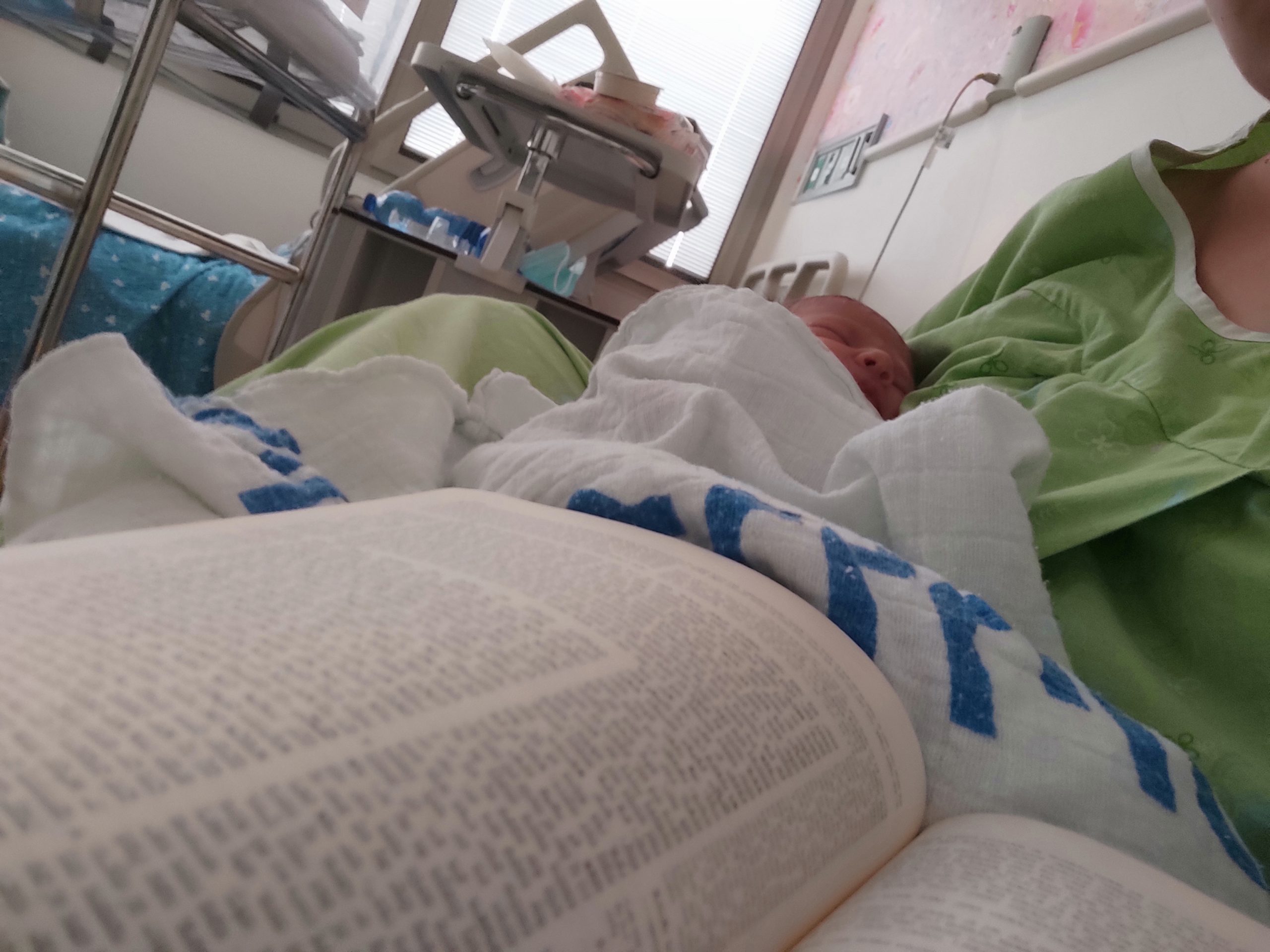
בתחילת הסבב הנוכחי הצטברו אצלי תחושות שאני לא מבינה מספיק מהי ההלכה אותה אני מקיימת בכל יום. כמו כן, כאמא לבנות רציתי לתת להן מודל נשי של לימוד תורה
שתי הסיבות האלו הובילו אותי להתחיל ללמוד. נתקלתי בתגובות מפרגנות וסקרניות איך אישה לומדת גמרא..
כמו שרואים בתמונה אני ממשיכה ללמוד גם היום ואפילו במחלקת יולדות אחרי לידת ביתי השלישית.
רבבה, ישראל
שמעתי על הסיום הענק של הדף היומי ע”י נשים בבנייני האומה. רציתי גם.
החלטתי להצטרף. התחלתי ושיכנעתי את בעלי ועוד שתי חברות להצטרף. עכשיו יש לי לימוד משותף איתו בשבת ומפגש חודשי איתן בנושא (והתכתבויות תדירות על דברים מיוחדים שקראנו). הצטרפנו לקבוצות שונות בווטסאפ. אנחנו ממש נהנות. אני שומעת את השיעור מידי יום (בד”כ מהרב יוני גוטמן) וקוראת ומצטרפת לסיומים של הדרן. גם מקפידה על דף משלהן (ונהנית מאד).
אפרת, ישראל
הצטרפתי ללומדות בתחילת מסכת תענית. ההתרגשות שלי ושל המשפחה היתה גדולה מאוד, והיא הולכת וגוברת עם כל סיום שאני זוכה לו. במשך שנים רבות רציתי להצטרף ומשום מה זה לא קרה… ב”ה מצאתי לפני מספר חודשים פרסום של הדרן, ומיד הצטרפתי והתאהבתי. הדף היומי שינה את חיי ממש והפך כל יום- ליום של תורה. מודה לכן מקרב ליבי ומאחלת לכולנו לימוד פורה מתוך אהבת התורה ולומדיה.
חיספין רמת הגולן, ישראל
התחלתי לפני 8 שנים במדרשה. לאחרונה סיימתי מסכת תענית בלמידה עצמית ועכשיו לקראת סיום מסכת מגילה.
רעננה, ישראל
התחלתי ללמוד דף יומי שהתחילו מסכת כתובות, לפני 7 שנים, במסגרת קבוצת לימוד שהתפרקה די מהר, ומשם המשכתי לבד בתמיכת האיש שלי. נעזרתי בגמרת שטיינזלץ ובשיעורים מוקלטים.
הסביבה מאד תומכת ואני מקבלת המון מילים טובות לאורך כל הדרך. מאז הסיום הגדול יש תחושה שאני חלק מדבר גדול יותר.
אני לומדת בשיטת ה”7 דפים בשבוע” של הרבנית תרצה קלמן – כלומר, לא נורא אם לא הצלחת ללמוד כל יום, העיקר שגמרת ארבעה דפים בשבוע
עתניאל, ישראל
התחלתי בתחילת הסבב, והתמכרתי. זה נותן משמעות נוספת ליומיום ומאוד מחזק לתת לזה מקום בתוך כל שגרת הבית-עבודה השוטפת.
בית שמש, ישראל
התחלתי ללמוד דף לפני קצת יותר מ-5 שנים, כשלמדתי רבנות בישיבת מהר”ת בניו יורק. בדיעבד, עד אז, הייתי בלימוד הגמרא שלי כמו מישהו שאוסף חרוזים משרשרת שהתפזרה, פה משהו ושם משהו, ומאז נפתח עולם ומלואו…. הדף נותן לי לימוד בצורה מאורגנת, שיטתית, יום-יומית, ומלמד אותי לא רק ידע אלא את השפה ודרך החשיבה שלנו. לשמחתי, יש לי סביבה תומכת וההרגשה שלי היא כמו בציטוט שבחרתי: הדף משפיע לטובה על כל היום שלי.
חיפה, ישראל
"
גם אני התחלתי בסבב הנוכחי וב””ה הצלחתי לסיים את רוב המסכתות . בזכות הרבנית מישל משתדלת לפתוח את היום בשיעור הזום בשעה 6:20 .הלימוד הפך להיות חלק משמעותי בחיי ויש ימים בהם אני מצליחה לחזור על הדף עם מלמדים נוספים ששיעוריהם נמצאים במרשתת. שמחה להיות חלק מקהילת לומדות ברחבי העולם. ובמיוחד לשמש דוגמה לנכדותיי שאי””ה יגדלו לדור שלימוד תורה לנשים יהיה משהו שבשגרה. "
נתניה, ישראל
פסחים קטז
אַף כָּאן בִּפְרוּסָה. דָּבָר אַחֵר: מָה דַּרְכּוֹ שֶׁל עָנִי הוּא מַסִּיק וְאִשְׁתּוֹ אוֹפָה, אַף כָּאן נָמֵי — הוּא מַסִּיק וְאִשְׁתּוֹ אוֹפָה.
so too, here he should use a piece of matza. Alternatively: Just as the manner of a poor person is that he heats the oven and his wife bakes quickly, before the small amount of wood they have is used up, so too here; when baking matza, he heats the oven and his wife bakes quickly so the dough doesn’t rise. This is why matza is called the poor man’s bread.
אַף עַל פִּי שֶׁאֵין חֲרוֹסֶת מִצְוָה. וְאִי לָא מִצְוָה, מִשּׁוּם מַאי מַיְיתֵי לַהּ? אָמַר רַבִּי אַמֵּי: מִשּׁוּם קָפָא. אָמַר רַב אַסִּי: קָפָא דְחַסָּא — חָמָא. קָפָא דְּחָמָא — כַּרָּתֵי. [קָפָא דְכַרָּתֵי — חַמִּימֵי.] קָפָא דְּכוּלְּהוּ — חַמִּימֵי. אַדְּהָכִי וְהָכִי, נֵימָא הָכִי: ״קָפָא קָפָא, דְּכִירְנָא לָךְ וּלְשַׁב בְּנָתָיךְ וּלְתַמְנֵי כַּלָּתָךְ״.
The mishna states that they bring the ḥaroset to the leader of the seder, although eating ḥaroset is not a mitzva. The Gemara asks: And if it is not a mitzva, for what reason does one bring it to the seder? Rabbi Ami said: It is brought due to the poison in the bitter herbs, which is neutralized by the ḥaroset. In this regard, Rav Asi said: The remedy for one who ate the poison in lettuce is to eat a radish. The remedy for the poison in a radish is leeks. The remedy for the poison in leeks is hot water. A remedy for the poison in all vegetables is hot water. The Gemara comments: In the meantime, while one is waiting for someone to bring him the remedy, let him say the following incantation: Poison, poison, I remember you, and your seven daughters, and your eight daughters-in-law.
רַבִּי אֶלְעָזָר בְּרַבִּי צָדוֹק אוֹמֵר מִצְוָה וְכוּ׳. מַאי מִצְוָה? רַבִּי לֵוִי אוֹמֵר: זֵכֶר לַתַּפּוּחַ. וְרַבִּי יוֹחָנָן אוֹמֵר: זֵכֶר לַטִּיט. אָמַר אַבָּיֵי: הִלְכָּךְ צְרִיךְ לְקַהוֹיֵיהּ וּצְרִיךְ לְסַמּוֹכֵיהּ. לְקַהוֹיֵיהּ — זֵכֶר לַתַּפּוּחַ, וּצְרִיךְ לְסַמּוֹכֵיהּ — זֵכֶר לַטִּיט.
The mishna states: Rabbi Elazar, son of Rabbi Tzadok, says that eating ḥaroset is a mitzva. The Gemara asks: What is the nature of this mitzva? The Gemara answers: Rabbi Levi says: It is in remembrance of the apple, as apple is one of the ingredients in ḥaroset. The verse states: “Who is this who comes up from the wilderness, reclining upon her beloved? Under the apple tree I awakened you” (Song of Songs 8:5), which is an allusion to the Jewish people leaving Egypt. And Rabbi Yoḥanan says: The ḥaroset is in remembrance of the mortar used by the Jews for their slave labor in Egypt. Abaye said: Therefore, to fulfill both opinions, one must prepare it tart and one must prepare it thick. One must prepare it tart in remembrance of the apple, and one must prepare it thick in remembrance of the mortar.
תַּנְיָא כְּווֹתֵיהּ דְּרַבִּי יוֹחָנָן: תַּבְלִין זֵכֶר לַתֶּבֶן, חֲרוֹסֶת זֵכֶר לַטִּיט. אָמַר רַבִּי אֶלְעָזָר בְּרַבִּי צָדוֹק, כָּךְ הָיוּ אוֹמְרִים תַּגָּרֵי חָרָךְ שֶׁבִּירוּשָׁלַיִם: בּוֹאוּ וּטְלוּ לָכֶם תַּבְלִין לְמִצְוָה.
It was taught in a baraita in accordance with the opinion of Rabbi Yoḥanan: The spices used in the ḥaroset are in remembrance of the hay that our forefathers used for building in Egypt, and the ḥaroset itself is in remembrance of the mortar. Rabbi Elazar, son of Rabbi Tzadok, said: When selling ḥaroset, the small shopkeepers in Jerusalem would say as follows: Come and take spices for yourselves for the mitzva.
מַתְנִי׳ מָזְגוּ לוֹ כּוֹס שֵׁנִי וְכָאן הַבֵּן שׁוֹאֵל אָבִיו. וְאִם אֵין דַּעַת בַּבֵּן אָבִיו מְלַמְּדוֹ.
MISHNA: The attendants poured the second cup for the leader of the seder, and here the son asks his father the questions about the differences between Passover night and a regular night. And if the son does not have the intelligence to ask questions on his own, his father teaches him the questions.
מָה נִשְׁתַּנָּה הַלַּיְלָה הַזֶּה מִכׇּל הַלֵּילוֹת. שֶׁבְּכָל הַלֵּילוֹת אָנוּ אוֹכְלִין חָמֵץ וּמַצָּה, הַלַּיְלָה הַזֶּה — כּוּלּוֹ מַצָּה. שֶׁבְּכָל הַלֵּילוֹת אָנוּ אוֹכְלִין שְׁאָר יְרָקוֹת, הַלַּיְלָה הַזֶּה — מָרוֹר. שֶׁבְּכָל הַלֵּילוֹת אָנוּ אוֹכְלִין בָּשָׂר צָלִי שָׁלוּק וּמְבוּשָּׁל, הַלַּיְלָה הַזֶּה — כּוּלּוֹ צָלִי. שֶׁבְּכָל הַלֵּילוֹת אָנוּ מַטְבִּילִין פַּעַם אֶחָת, הַלַּיְלָה הַזֶּה — שְׁתֵּי פְעָמִים.
The mishna lists the questions: Why is this night different from all other nights? As on all other nights we eat leavened bread and matza as preferred; on this night all our bread is matza. As on all other nights we eat other vegetables; on this night we eat bitter herbs. The mishna continues its list of the questions. When the Temple was standing one would ask: As on all other nights we eat either roasted, stewed, or cooked meat, but on this night all the meat is the roasted meat of the Paschal lamb. The final question was asked even after the destruction of the Temple: As on all other nights we dip the vegetables in a liquid during the meal only once; however, on this night we dip twice.
וּלְפִי דַּעְתּוֹ שֶׁל בֵּן אָבִיו מְלַמְּדוֹ. מַתְחִיל בִּגְנוּת וּמְסַיֵּים בְּשֶׁבַח. וְדוֹרֵשׁ מֵ״אֲרַמִּי אוֹבֵד אָבִי״, עַד שֶׁיִּגְמוֹר כׇּל הַפָּרָשָׁה כּוּלָּהּ.
And according to the intelligence and the ability of the son, his father teaches him about the Exodus. When teaching his son about the Exodus. He begins with the Jewish people’s disgrace and concludes with their glory. And he expounds from the passage: “An Aramean tried to destroy my father” (Deuteronomy 26:5), the declaration one recites when presenting his first fruits at the Temple, until he concludes explaining the entire section.
גְּמָ׳ תָּנוּ רַבָּנַן: חָכָם בְּנוֹ — שׁוֹאֲלוֹ. וְאִם אֵינוֹ חָכָם — אִשְׁתּוֹ שׁוֹאַלְתּוֹ, וְאִם לָאו — הוּא שׁוֹאֵל לְעַצְמוֹ, וַאֲפִילּוּ שְׁנֵי תַּלְמִידֵי חֲכָמִים שֶׁיּוֹדְעִין בְּהִלְכוֹת הַפֶּסַח — שׁוֹאֲלִין זֶה לָזֶה.
GEMARA: The Sages taught: If his son is wise and knows how to inquire, his son asks him. And if he is not wise, his wife asks him. And if even his wife is not capable of asking or if he has no wife, he asks himself. And even if two Torah scholars who know the halakhot of Passover are sitting together and there is no one else present to pose the questions, they ask each other.
מָה נִשְׁתַּנָּה הַלַּיְלָה הַזֶּה מִכׇּל הַלֵּילוֹת, שֶׁבְּכָל הַלֵּילוֹת אָנוּ מַטְבִּילִין פַּעַם אֶחָת, הַלַּיְלָה הַזֶּה — שְׁתֵּי פְעָמִים. מַתְקֵיף לַהּ רָבָא: אַטּוּ כׇּל יוֹמָא לָא סַגִּיא דְּלָא מְטַבְּלָא חֲדָא זִימְנָא? אֶלָּא אָמַר רָבָא, הָכִי קָתָנֵי: שֶׁבְּכָל הַלֵּילוֹת אֵין אָנוּ חַיָּיבִין לְטַבֵּל אֲפִילּוּ פַּעַם אֶחָת, הַלַּיְלָה הַזֶּה — שְׁתֵּי פְעָמִים.
The mishna states that one of the questions is: Why is this night different from all other nights? As on all other nights we dip once; however, on this night we dip twice. Rava strongly objects to this statement of the mishna: Is that to say that on every other day there is no alternative but to dip once? Is there an obligation to dip at all on other days, as indicated by the wording of the mishna? Rather, Rava said that this is what the mishna is teaching: As on all other nights we are not obligated to dip even once; however, on this night we are obligated to dip twice.
מַתְקֵיף לַהּ רַב סָפְרָא: חִיּוּבָא לְדַרְדְּקֵי?! אֶלָּא אָמַר רַב סָפְרָא, הָכִי קָתָנֵי: אֵין אָנוּ מַטְבִּילִין אֲפִילּוּ פַּעַם אֶחָת, הַלַּיְלָה הַזֶּה — שְׁתֵּי פְעָמִים.
Rav Safra strongly objects to this explanation: Is it obligatory for the children? As previously mentioned, the reason one dips twice is to encourage the children to ask questions. How can this be called an obligation? Rather, Rav Safra said that this is what the mishna is teaching: We do not normally dip even once; however, on this night we dip twice. This wording is preferable, as it indicates the performance of an optional act.
מַתְחִיל בִּגְנוּת וּמְסַיֵּים בְּשֶׁבַח. מַאי בִּגְנוּת? רַב אָמַר: ״מִתְּחִלָּה עוֹבְדֵי עֲבוֹדָה זָרָה הָיוּ אֲבוֹתֵינוּ״. [וּשְׁמוּאֵל] אָמַר: ״עֲבָדִים הָיִינוּ״.
It was taught in the mishna that the father begins his answer with disgrace and concludes with glory. The Gemara asks: What is the meaning of the term: With disgrace? Rav said that one should begin by saying: At first our forefathers were idol worshippers, before concluding with words of glory. And Shmuel said: The disgrace with which one should begin his answer is: We were slaves.
אֲמַר לֵיהּ רַב נַחְמָן לְדָרוּ עַבְדֵּיהּ: עַבְדָּא דְּמַפֵּיק לֵיהּ מָרֵיהּ לְחֵירוּת, וְיָהֵיב לֵיהּ כַּסְפָּא וְדַהֲבָא, מַאי בָּעֵי לְמֵימַר לֵיהּ? אֲמַר לֵיהּ: בָּעֵי לְאוֹדוֹיֵי וּלְשַׁבּוֹחֵי, אֲמַר לֵיהּ: פְּטַרְתַּן מִלּוֹמַר ״מָה נִשְׁתַּנָּה״. פָּתַח וְאָמַר ״עֲבָדִים הָיִינוּ״.
Rav Naḥman said to his servant, Daru: With regard to a slave who is freed by his master, who gives him gold and silver, what should the slave say to him? Daru said to him: He must thank and praise his master. He said to him: If so, you have exempted us from reciting the questions of: Why is this night different, as you have stated the essence of the seder night. Rav Naḥman immediately began to recite: We were slaves.
מַתְנִי׳ רַבָּן גַּמְלִיאֵל הָיָה אוֹמֵר: כֹּל שֶׁלֹּא אָמַר
MISHNA: Rabban Gamliel would say: Anyone who did not say
שְׁלֹשָׁה דְּבָרִים אֵלּוּ בַּפֶּסַח לֹא יָצָא יְדֵי חוֹבָתוֹ, וְאֵלּוּ הֵן: פֶּסַח, מַצָּה, וּמָרוֹר. פֶּסַח — עַל שׁוּם שֶׁפָּסַח הַמָּקוֹם עַל בָּתֵּי אֲבוֹתֵינוּ בְּמִצְרַיִם, [שֶׁנֶּאֱמַר: ״וַאֲמַרְתֶּם זֶבַח פֶּסַח הוּא לַה׳ אֲשֶׁר פָּסַח וְגוֹ׳״].
these three matters on Passover has not fulfilled his obligation: The Paschal lamb, matza, and bitter herbs. When one mentions these matters, he must elaborate and explain them: The Paschal lamb is brought because the Omnipresent passed over [pasaḥ] the houses of our forefathers in Egypt, as it is stated: “That you shall say: It is the sacrifice of the Lord’s Paschal offering for He passed over the houses of the children of Israel in Egypt, when he smote the Egyptians, and delivered our houses” (Exodus 12:27).
מַצָּה — עַל שׁוּם שֶׁנִּגְאֲלוּ אֲבוֹתֵינוּ מִמִּצְרַיִם, [שֶׁנֶּאֱמַר: ״וַיֹּאפוּ אֶת הַבָּצֵק אֲשֶׁר הוֹצִיאוּ מִמִּצְרַיִם וְגוֹ׳״]. מָרוֹר — עַל שׁוּם שֶׁמֵּרְרוּ הַמִּצְרִיִּים אֶת חַיֵּי אֲבוֹתֵינוּ בְּמִצְרַיִם, שֶׁנֶּאֱמַר: [״וַיְמָרְרוּ אֶת חַיֵּיהֶם וְגוֹ׳״].
Rabban Gamliel continues to explain: The reason for matza is because our forefathers were redeemed from Egypt, as it is stated: “And they baked the dough that they took out of Egypt as cakes of matzot, for it was not leavened, as they were thrust out of Egypt and could not tarry, neither had they prepared for themselves any victual” (Exodus 12:39). The reason for bitter herbs is because the Egyptians embittered our forefathers’ lives in Egypt, as it is stated: “And they embittered their lives with hard service, in mortar and in brick; in all manner of service in the field, all the service that they made them serve was with rigor” (Exodus 1:14).
בְּכׇל דּוֹר וָדוֹר חַיָּיב אָדָם לִרְאוֹת אֶת עַצְמוֹ כְּאִילּוּ הוּא יָצָא מִמִּצְרַיִם, שֶׁנֶּאֱמַר: ״וְהִגַּדְתָּ לְבִנְךָ בַּיּוֹם הַהוּא לֵאמֹר בַּעֲבוּר זֶה עָשָׂה ה׳ לִי בְּצֵאתִי מִמִּצְרָיִם״.
The tanna of the mishna further states: In each and every generation a person must view himself as though he personally left Egypt, as it is stated: “And you shall tell your son on that day, saying: It is because of this which the Lord did for me when I came forth out of Egypt” (Exodus 13:8). In every generation, each person must say: “This which the Lord did for me,” and not: This which the Lord did for my forefathers.
לְפִיכָךְ אֲנַחְנוּ חַיָּיבִים לְהוֹדוֹת, לְהַלֵּל, לְשַׁבֵּחַ, לְפָאֵר, לְרוֹמֵם, לְהַדֵּר, לְבָרֵךְ, לְעַלֵּה וּלְקַלֵּס לְמִי שֶׁעָשָׂה לַאֲבוֹתֵינוּ וְלָנוּ אֶת כׇּל הַנִּסִּים הָאֵלּוּ. הוֹצִיאָנוּ מֵעַבְדוּת לְחֵרוּת, מִיָּגוֹן לְשִׂמְחָה, וּמֵאֵבֶל לְיוֹם טוֹב, וּמֵאֲפֵלָה לְאוֹר גָּדוֹל, וּמִשִּׁעְבּוּד לִגְאוּלָּה. וְנֹאמַר לְפָנָיו הַלְלוּיָהּ.
The mishna continues with the text of the Haggadah. Therefore we are obligated to thank, praise, glorify, extol, exalt, honor, bless, revere, and laud [lekales] the One who performed for our forefathers and for us all these miracles: He took us out from slavery to freedom, from sorrow to joy, from mourning to a Festival, from darkness to a great light, and from enslavement to redemption. And we will say before Him: Halleluya. At this point one recites the hallel that is said on all joyous days.
עַד הֵיכָן הוּא אוֹמֵר? בֵּית שַׁמַּאי אוֹמְרִים: עַד ״אֵם הַבָּנִים שְׂמֵחָה״. וּבֵית הִלֵּל אוֹמְרִים: עַד ״חַלָּמִישׁ לְמַעְיְנוֹ מָיִם״. וְחוֹתֵם בִּגְאוּלָּה. רַבִּי טַרְפוֹן אוֹמֵר: אֲשֶׁר גְּאָלָנוּ וְגָאַל אֶת אֲבוֹתֵינוּ מִמִּצְרַיִם, וְלֹא הָיָה חוֹתֵם.
Since one does not complete hallel at this point in the seder, the mishna asks: Until where does one recite hallel? Beit Shammai say: Until “Who makes the barren woman dwell in her house as a joyful mother of children, halleluya” (Psalms 113:9). And Beit Hillel say: Until “Who turned the rock into a pool of water, the flint into a fountain of waters” (Psalms 114:8). And one concludes this section of hallel with a blessing that refers to redemption. Rabbi Tarfon says that although one should recite: Who redeemed us and redeemed our forefathers from Egypt, one who did so would not conclude with the formula: Blessed are You, Lord.
רַבִּי עֲקִיבָא אוֹמֵר: ״כֵּן ה׳ אֱלֹהֵינוּ וֵאלֹהֵי אֲבוֹתֵינוּ יַגִּיעֵנוּ לְמוֹעֲדִים וְלִרְגָלִים אֲחֵרִים הַבָּאִים לִקְרָאתֵנוּ לְשָׁלוֹם, שְׂמֵחִים בְּבִנְיַן עִירֶךָ, וְשָׂשִׂים בַּעֲבוֹדָתֶךְ. וְנֹאכַל שָׁם (מִן הַפְּסָחִים וּמִן הַזְּבָחִים) כּוּ׳״, עַד ״בָּרוּךְ אַתָּה ה׳ גָּאַל יִשְׂרָאֵל״.
Rabbi Akiva says that one recites a different version of this blessing: So too, the Lord our God and the God of our forefathers will bring us to future holidays and Festivals in peace, happy over the building of Your city and joyous in Your service. And there we will eat from the Paschal lamb and other offerings, etc., until: Blessed are You, Lord, Who redeemed Israel.
גְּמָ׳ אָמַר רָבָא: צָרִיךְ שֶׁיֹּאמַר ״וְאוֹתָנוּ הוֹצִיא מִשָּׁם״. אָמַר רָבָא: מַצָּה — צָרִיךְ לְהַגְבִּיהַּ, וּמָרוֹר — צָרִיךְ לְהַגְבִּיהַּ. בָּשָׂר — אֵין צָרִיךְ לְהַגְבִּיהַּ. וְלֹא עוֹד, אֶלָּא שֶׁנִּרְאֶה כְּאוֹכֵל קָדָשִׁים בַּחוּץ.
GEMARA: Rava said: When mentioning the exodus from Egypt one must say: And He took us out from there. Furthermore, Rava said: When one mentions matza in the list of the three matters one must recall during the seder, he must lift it for display before the assembled company. Likewise, when discussing bitter herbs, one must raise them. However, nowadays one need not raise the meat. And not only that, but it is prohibited to do so, for if one lifts the meat it appears as though he is eating sacrificial meat outside the Temple. An observer might think he is presenting it as the meat of a Paschal lamb, and it is prohibited by Torah law to slaughter a sheep as a Paschal lamb outside the Temple.
אָמַר רַב אַחָא בַּר יַעֲקֹב: סוֹמֵא פָּטוּר מִלּוֹמַר הַגָּדָה. כְּתִיב הָכָא: ״בַּעֲבוּר זֶה״, וּכְתִיב הָתָם: ״בְּנֵנוּ זֶה״. מַה לְּהַלָּן — פְּרָט לְסוֹמֵא, אַף כָּאן — פְּרָט לְסוֹמִין.
Rav Aḥa bar Ya’akov said: A blind person is exempt from reciting the Haggadah. The proof is that it is written here, with regard to the Paschal lamb: “And you shall tell your son on that day saying, it is because of this which the Lord did for me when I came forth out of Egypt” (Exodus 13:8), and it was written there, with regard to the stubborn and rebellious son, that his parents say: “This son of ours is stubborn and rebellious, he does not listen to our voice; he is a glutton, and a drunkard” (Deuteronomy 21:20). The Gemara explains the verbal analogy of the word “this”: Just as there, in the case of the rebellious son, the Sages expound that the verse excludes a blind person, as a blind parent cannot say: This son of ours, for he cannot point to him; so too here, in the case of the recitation of the Passover Haggadah, the word “this” excludes blind people.
אִינִי? וְהָאָמַר מָרִימָר, שְׁאֵלְתִּינְהוּ לְרַבָּנַן דְּבֵי רַב יוֹסֵף: מַאן דְּאָמַר אַגָּדְתָּא בֵּי רַב יוֹסֵף? אֲמַרוּ: רַב יוֹסֵף. מַאן דְּאָמַר אַגָּדְתָּא בֵּי רַב שֵׁשֶׁת? אָמְרוּ: רַב שֵׁשֶׁת. קָסָבְרִי רַבָּנַן, מַצָּה בִּזְמַן הַזֶּה — דְּרַבָּנַן.
The Gemara asks: Is that so? But didn’t Mareimar say: I asked the Sages from the school of Rav Yosef, who was blind: Who recited the Haggadah in the house of Rav Yosef? They said to him: Rav Yosef himself recited it. Mareimar subsequently asked: Who recited the Haggadah in the house of Rav Sheshet, who was also blind? They said to him: Rav Sheshet himself recited it. This indicates that a blind person is obligated to recite the Haggadah. The Gemara answers: These Sages, Rav Yosef and Rav Sheshet, maintain that nowadays the halakhot of eating matza and the recitation of the Haggadah that accompanies it apply by rabbinic law. For this reason, blind people can recite the Haggadah for others.
מִכְּלָל דְּרַב אַחָא בַּר יַעֲקֹב סָבַר מַצָּה בִּזְמַן הַזֶּה דְּאוֹרָיְיתָא? וְהָא רַב אַחָא בַּר יַעֲקֹב הוּא דְּאָמַר: מַצָּה בִּזְמַן הַזֶּה דְּרַבָּנַן! קָסָבַר: כֹּל דְּתַקּוּן רַבָּנַן — כְּעֵין דְּאוֹרָיְיתָא תַּיקּוּן.
The Gemara asks: Does this prove by inference that Rav Aḥa bar Ya’akov maintains that eating matza nowadays applies by Torah law? But isn’t Rav Aḥa bar Ya’akov the one who said that eating matza nowadays applies by rabbinic law? Rav Aḥa bar Ya’akov apparently contradicts himself. The Gemara answers: Rav Aḥa bar Ya’akov maintains that everything the Sages instituted through their decrees, they instituted similar to the model established by Torah law. In other words, although the obligations to eat matza and recite the Haggadah are rabbinic, the stringencies and restrictions that apply to Torah mitzvot apply here as well. Therefore, a blind person is exempt from reciting the Haggadah.
לְרַב שֵׁשֶׁת וּלְרַב יוֹסֵף נָמֵי, הָא וַדַּאי כׇּל דְּתַקּוּן רַבָּנַן — כְּעֵין דְּאוֹרָיְיתָא תַּיקּוּן?
The Gemara asks: According to the opinion of Rav Sheshet and Rav Yosef too, certainly everything the Sages instituted through their decrees, they instituted similar to the model established by Torah law. Why, then, did these blind Sages recite the Haggadah themselves?
הָכִי הַשְׁתָּא?! בִּשְׁלָמָא הָתָם, מִדַּהֲוָה לֵיהּ לְמִיכְתַּב ״בְּנֵנוּ הוּא״, וּכְתִיב ״בְּנֵנוּ זֶה״ — שְׁמַע מִינַּהּ: פְּרָט לְסוֹמִין הוּא דַּאֲתָא. אֲבָל הָכָא, אִי לָאו ״בַּעֲבוּר זֶה״, מַאי לִכְתּוֹב? אֶלָּא בַּעֲבוּר מַצָּה וּמָרוֹר הוּא דַּאֲתָא.
The Gemara rejects this difficulty: How can these cases, the verses dealing with rebellious son and the Passover Haggadah, be compared? Granted, there, in the case of the rebellious son, as the verse could have written: He is our son, and instead it is written: “This son of ours,” I can learn from it that the parents must point with a finger to their son, which comes to exclude blind parents. However, here, if the verse did not use the phrase “because of this,” what could it have written in reference to matzot and bitter herbs? Rather, this verse comes because of the matza and bitter herbs. Consequently, there is no need to actually point with one’s finger in this instance, and therefore the blind are also obligated to recite the Haggadah.
לְפִיכָךְ אֲנַחְנוּ חַיָּיבִים.
The mishna states: Therefore we are obligated to thank.

