חיפוש

פסחים קיט

רוצה להקדיש לימוד?

podcast placeholder

0:00
0:00


תקציר

הדף היום מוקדש ע”י טובה קסטנבאום לזכר סבתה, חיה חאשה בת צבי זאב ולאה ינטה. "היא הייתה סבתא מדהימה. תמיד אזכור איך שהייתה מתפללת בכוונה עצומה, 3 תפילות ביום. היה זכרה למסילת יושר למשפחתינו ולכלל ישראל.” 

מאיפה הרומאים השיגו את עושרם הרב? מקורו ביוסף במצרים – לאן זה עבר משם עד שבסופו של דבר הגיע לרומאים? את הפסוקים מסוף הלל מסבירים שהם נאמרו כאשר שמואל הלך לבחור את דוד למלך במקום שאול. המשנה בסוכה מובאת בנוגע למנהגים שונים של אופן קריאת הלל – האם כל הפסוקים או רק חלק מהם אומרים פעמיים? אי אפשר לאכול אפיקומן אחרי אכילת קרבן הפסח. מה זה אפיקומן? מה סיבת האיסור? האם אסור גם לאכול אחרי המצה?


פסחים קיט

זֶה הַמַּכִּיר מְקוֹם חֲבֵירוֹ בַּיְּשִׁיבָה. אִיכָּא דְאָמְרִי, אָמַר רַבִּי אֶלְעָזָר: זֶה הַמְקַבֵּל פְּנֵי חֲבֵירוֹ בַּיְּשִׁיבָה.

This is one who recognizes his colleague’s place in the yeshiva, as he is there often enough to know where everyone sits. Some say that Rabbi Elazar said a different explanation: This is one who greets his colleague in the yeshiva, as he is always there to meet him.

מַאי ״לִמְכַסֶּה עָתִיק״ — זֶה הַמְכַסֶּה דְּבָרִים שֶׁכִּיסָּה עַתִּיק יוֹמִין, וּמַאי נִינְהוּ? סִתְרֵי תוֹרָה. וְאִיכָּא דְּאָמְרִי: זֶה הַמְגַלֶּה דְּבָרִים שֶׁכִּיסָּה עַתִּיק יוֹמִין, מַאי נִינְהוּ? טַעֲמֵי תוֹרָה.

The Gemara asks: What is the meaning of the continuation of this verse: “For stately clothing [limekhaseh atik]” This is one who conceals [mekhaseh] matters that the Ancient of Days [atik yomin], i.e., God, concealed. And what are these? These are the secrets of the Torah, the esoteric Act of Creation and the Act of the Divine Chariot, which should remain hidden. And some say: This verse is referring to one who reveals matters that the Ancient of Days concealed. And what are these? These are the reasons for different mitzvot in the Torah, which should be kept secret.

אָמַר רַב כָּהֲנָא מִשּׁוּם רַבִּי יִשְׁמָעֵאל בְּרַבִּי יוֹסֵי, מַאי דִּכְתִיב: ״לַמְנַצֵּחַ מִזְמוֹר לְדָוִד״ — זַמְּרוּ לְמִי שֶׁנּוֹצְחִין אוֹתוֹ וְשָׂמֵחַ.

The Gemara cites another statement attributed to Rabbi Yishmael, son of Rabbi Yosei. Rav Kahana said, citing Rabbi Yishmael, son of Rabbi Yosei: What is the meaning of that which is written: “Lamenatzeaḥ a psalm of David (e.g., Psalms 13:1)? It means: Sing to the One who rejoices when conquered [shenotzḥin oto].

בֹּא וּרְאֵה שֶׁלֹּא כְּמִדַּת הַקָּדוֹשׁ בָּרוּךְ הוּא מִדַּת בָּשָׂר וָדָם. בָּשָׂר וָדָם — מְנַצְּחִין אוֹתוֹ וְעָצֵב, אֲבָל הַקָּדוֹשׁ בָּרוּךְ הוּא — נוֹצְחִין אוֹתוֹ וְשָׂמֵחַ, שֶׁנֶּאֱמַר: ״וַיֹּאמֶר לְהַשְׁמִידָם לוּלֵי מֹשֶׁה בְחִירוֹ עָמַד בַּפֶּרֶץ לְפָנָיו״.

Come and see how the characteristics of the Holy One, Blessed be He, are unlike the characteristics of flesh and blood: When a flesh and blood person is conquered, he is sad; however, when the Holy One, Blessed be He, is conquered, He rejoices, as it is stated: “Therefore He said that He would destroy them, had not Moses His chosen stood before Him in the breach, to turn back His wrath lest He should destroy them” (Psalms 106:23). In this verse Moses is called “His chosen,” although he defeated God, as it were, by preventing Him from destroying the Jewish people.

אָמַר רַב כָּהֲנָא מִשּׁוּם רַבִּי יִשְׁמָעֵאל בְּרַבִּי יוֹסֵי אָמַר רַבִּי שִׁמְעוֹן בֶּן לָקִישׁ מִשּׁוּם רַבִּי יְהוּדָה נְשִׂיאָה: מַאי דִּכְתִיב: ״וִידֵי אָדָם מִתַּחַת כַּנְפֵיהֶם״, ״יָדוֹ״ כְּתִיב — זֶה יָדוֹ שֶׁל הַקָּדוֹשׁ בָּרוּךְ הוּא שֶׁפְּרוּסָה תַּחַת כַּנְפֵי הַחַיּוֹת כְּדֵי לְקַבֵּל בַּעֲלֵי תְשׁוּבָה מִיַּד מִדַּת הַדִּין.

Furthermore, Rav Kahana said, citing Rabbi Yishmael, son of Rabbi Yosei, who said that Rabbi Shimon ben Lakish said, citing Rabbi Yehuda Nesia: What is the meaning of that which is written in the description of the sacred ḥayyot, the angels that carried the Divine chariot: “And they had the hands of a man under their wings” (Ezekiel 1:8)? Although the word is read hands in the plural, actually “his hand” is written in the singular. This is the hand of the Holy One, Blessed be He, that is spread under the wings of the ḥayyot to accept penitents from the claims of the attribute of justice. God accepts sincere penitents, despite the fact that in accordance with the strict attribute of justice they should not be given the opportunity to repent.

אָמַר רַב יְהוּדָה אָמַר שְׁמוּאֵל: כׇּל כֶּסֶף וְזָהָב שֶׁבָּעוֹלָם יוֹסֵף לִקְּטוֹ וֶהֱבִיאוֹ לְמִצְרַיִם, שֶׁנֶּאֱמַר: ״וַיְלַקֵּט יוֹסֵף אֶת כׇּל הַכֶּסֶף הַנִּמְצָא״. אֵין לִי אֶלָּא שֶׁבְּאֶרֶץ מִצְרַיִם וְשֶׁבְּאֶרֶץ כְּנַעַן, בִּשְׁאָר אֲרָצוֹת מִנַּיִן? תַּלְמוּד לוֹמַר: ״וְכׇל הָאָרֶץ בָּאוּ מִצְרַיְמָה״.

Rav Yehuda said that Shmuel said: Joseph collected all the silver and gold in the world and brought it to Egypt, as it is stated: “And Joseph collected all the money found in the land of Egypt and in the land of Canaan” (Genesis 47:14). I have derived only that he collected the money that was in the land of Egypt and that was in the Land of Canaan. From where do I derive that he also collected all the money that was in other lands? The verse states “And all the land came to Egypt to buy food from Joseph, because the famine was sore in all the earth” (Genesis 41:57).

וּכְשֶׁעָלוּ יִשְׂרָאֵל מִמִּצְרַיִם הֶעֱלוּהוּ עִמָּהֶן, שֶׁנֶּאֱמַר: ״וַיְנַצְּלוּ אֶת מִצְרָיִם״, רַב אַסִּי אָמַר: עֲשָׂאוּהָ כִּמְצוּדָה זוֹ שֶׁאֵין בָּהּ דָּגָן, רַבִּי שִׁמְעוֹן אָמַר: כִּמְצוּלָה שֶׁאֵין בָּהּ דָּגִים.

And when the Jewish people ascended from Egypt they took this treasure with them, as it is stated: “They despoiled [vayenatzlu] Egypt” (Exodus 12:36). The Sages explain this term. Rav Asi said: They made Egypt like this trap [metzuda] for birds, where grain is usually placed as bait, in which there is no grain. Rabbi Shimon said: They made Egypt like the depths [kimetzula] of the sea in which there are no fish.

וְהָיָה מוּנָּח עַד רְחַבְעָם. בָּא שִׁישַׁק מֶלֶךְ מִצְרַיִם וּנְטָלוֹ מֵרְחַבְעָם, שֶׁנֶּאֱמַר: ״וַיְהִי בַּשָּׁנָה הַחֲמִישִׁית לַמֶּלֶךְ רְחַבְעָם עָלָה שִׁישַׁק מֶלֶךְ מִצְרַיִם [עַל יְרוּשָׁלִַים] וַיִּקַּח אֶת אוֹצְרוֹת בֵּית ה׳ וְאֶת אוֹצְרוֹת בֵּית הַמֶּלֶךְ״. בָּא זֶרַח מֶלֶךְ כּוּשׁ וּנְטָלוֹ מִשִּׁישַׁק.

And this treasure remained in Eretz Yisrael until the time of Rehoboam, at which point Shishak, king of Egypt, came and took it from Rehoboam, as it is stated: “And it came to pass in the fifth year of king Rehoboam, that Shishak king of Egypt came up against Jerusalem. And he took the treasures of the house of the Lord, and the treasures of the king’s house; and he took away all” (I Kings 14:25–26). Zerah, king of Kush, who ruled over Egypt, later came and took it from Shishak.

בָּא אָסָא וּנְטָלוֹ מִזֶּרַח מֶלֶךְ כּוּשׁ וְשִׁיגְּרוֹ לְהַדְרִימּוֹן בֶּן טַבְרִימּוֹן. בָּאוּ בְּנֵי עַמּוֹן וּנְטָלוּם מֵהַדְרִימּוֹן בֶּן טַבְרִימּוֹן. בָּא יְהוֹשָׁפָט וּנְטָלוֹ מִבְּנֵי עַמּוֹן וְהָיָה מוּנָּח עַד אָחָז.

Asa came and took it from Zerah, king of Kush, when he defeated him in battle (II Chronicles 14) and sent it to Hadrimmon ben Tabrimmon, king of Aram (see I Kings 15). The children of Ammon came and took it from Hadrimmon ben Tabrimmon, as learned by tradition. Jehosaphat came and took it from the children of Ammon (see II Chronicles 20), and it remained in Eretz Yisrael until the reign of Ahaz.

בָּא סַנְחֵרִיב וּנְטָלוֹ מֵאָחָז. בָּא חִזְקִיָּה וּנְטָלוֹ מִסַּנְחֵרִיב וְהָיָה מוּנָּח עַד צִדְקִיָּה. בָּאוּ כַּשְׂדִּיִּים וּנְטָלוּהוּ מִצִּדְקִיָּה. בָּאוּ פָּרְסִיִּים וּנְטָלוּהוּ מִכַּשְׂדִּיִּים. בָּאוּ יְוָונִים וּנְטָלוּהוּ מִפָּרְסִיִּים. בָּאוּ רוֹמִיִּים וּנְטָלוּהוּ מִיַּד יְוָונִים, וַעֲדַיִין מוּנָּח בְּרוֹמִי.

Sennacherib came and took it from Ahaz. Hezekiah came and took it from Sennacherib, and it remained in Jerusalem until the reign of Zedekiah. The Chaldeans came and took it from Zedekiah. The Persians came and took it from the Chaldeans. The Greeks came and took it from the Persians. The Romans came and took it from the Greeks, and this treasure of silver and gold still remains in Rome.

אָמַר רַבִּי חָמָא (בַּר) חֲנִינָא: שָׁלֹשׁ מַטְמוֹנִיּוֹת הִטְמִין יוֹסֵף בְּמִצְרַיִם, אַחַת נִתְגַּלָּה לְקֹרַח, וְאַחַת נִתְגַּלָּה לְאַנְטוֹנִינוּס בֶּן אַסְוִירוּס, וְאַחַת גְּנוּזָה לְצַדִּיקִים לֶעָתִיד לָבֹא.

With regard to this matter, Rabbi Ḥama bar Ḥanina said: Joseph hid three treasures in Egypt. One of them was revealed to Korah, one was revealed to Antoninos ben Asveiros, king of Rome, and one is hidden for the righteous in the future.

״עוֹשֶׁר שָׁמוּר לִבְעָלָיו לְרָעָתוֹ״, אָמַר רַבִּי שִׁמְעוֹן בֶּן לָקִישׁ: זוֹ עׇשְׁרוֹ שֶׁל קֹרַח. (שֶׁנֶּאֱמַר:) ״וְאֶת כׇּל הַיְקוּם אֲשֶׁר בְּרַגְלֵיהֶם״, אָמַר רַבִּי אֶלְעָזָר: זֶה מָמוֹנוֹ שֶׁל אָדָם שֶׁמַּעֲמִידוֹ עַל רַגְלָיו. אָמַר רַבִּי לֵוִי: מַשּׂאוֹי שְׁלֹשׁ מֵאוֹת פְּרָדוֹת לְבָנוֹת הָיוּ מַפְתְּחוֹת בֵּית גְּנָזָיו שֶׁל קֹרַח, וְכוּלְּהוּ אַקְלִידֵי וּקְלִיפֵּי דְגִלְדָּא.

With regard to Korah’s wealth, the Gemara cites the verse: “Riches kept by his owner to his hurt” (Ecclesiastes 5:12). Rabbi Shimon ben Lakish said: This is the wealth of Korah, which caused him to grow arrogant and lead to his destruction. As it is stated: “And what He did to Dathan and Abiram, the sons of Eliab, son of Reuben; how the earth opened her mouth and swallowed them up, and their households, and their tents, and all the sustenance that was at their feet” (Deuteronomy 11:6). Rabbi Elazar said: This is referring to a person’s money that stands him upon his own two feet. Rabbi Levi said: The keys to Korah’s treasuries were a load of three hundred strong white mules, and they were all keys [aklidei] and locks made of leather.

(דיא״ש אדי״ש כשד״ך מאוד״ך סִימָן). אָמַר רַבִּי שְׁמוּאֵל בַּר נַחְמָנִי אָמַר רַבִּי יוֹנָתָן: ״אוֹדְךָ כִּי עֲנִיתָנִי״ — אָמַר דָּוִד. ״אֶבֶן מָאֲסוּ הַבּוֹנִים הָיְתָה לְרֹאשׁ פִּנָּה״ — אָמַר יִשַׁי. ״מֵאֵת ה׳ הָיְתָה זֹּאת״ — אָמְרוּ אֶחָיו. ״זֶה הַיּוֹם עָשָׂה ה׳״ — אָמַר שְׁמוּאֵל.

Dalet, yod, alef, shin, alef, dalet, yod, shin, khaf, shin, dalet, khaf, mem, alef, vav, dalet, khaf is a mnemonic device for the following passage. Returning to the issue of hallel, the Gemara states that these psalms include choruses in which each section is sung by a different person. Rabbi Shmuel bar Naḥmani said that Rabbi Yonatan said that David recited: “I will give thanks to You, for You have answered me” (Psalms 118:21), with regard to the success of his reign. Yishai recited: “The stone which the builders rejected has become the chief keystone” (Psalms 118:22). The brothers of David recited: “This is the Lord’s doing; it is marvelous in our eyes” (Psalms 118:23). Samuel the Prophet recited: “This is the day which the Lord has made; we will rejoice and be glad in it” (Psalms 118:24).

״אָנָּא ה׳ הוֹשִׁיעָה נָּא״ — אָמְרוּ אֶחָיו. ״אָנָּא ה׳ הַצְלִיחָה נָּא״ — אָמַר דָּוִד. ״בָּרוּךְ הַבָּא בְּשֵׁם ה׳״ — אָמַר יִשַׁי. ״בֵּרַכְנוּכֶם מִבֵּית ה׳״ — אָמַר שְׁמוּאֵל. ״אֵל ה׳ וַיָּאֶר לָנוּ״ — אָמְרוּ כּוּלָּן. ״אִסְרוּ חַג בַּעֲבוֹתִים״ — אָמַר שְׁמוּאֵל. ״אֵלִי אַתָּה וְאוֹדֶךָּ״ — אָמַר דָּוִד. ״אֱלֹהַי אֲרוֹמְמֶךָּ״ — אָמְרוּ כּוּלָּן.

The brothers of David recited: “We beseech You, Lord, save now” (Psalms 118:25). David recited: “We beseech You, Lord, make us prosper now” (Psalms 118:25). Yishai recited: “Blessed be he who comes in the name of the Lord” (Psalms 118:26). Samuel recited: “We bless you out of the house of the Lord” (Psalms 118:26). They all recited: “The Lord is God, and has given us light” (Psalms 118:27). Samuel recited: “Order the Festival procession with boughs, even to the horns of the altar” (Psalms 118:27). David recited: “You are my God, and I will give thanks to You” (Psalms 118:28). They all recited: “You are my God, I will exalt You” (Psalms 118:28).

תְּנַן הָתָם: מָקוֹם שֶׁנָּהֲגוּ

We learned in a mishna there, in Sukka: In a place where they were accustomed

לִכְפּוֹל — יִכְפּוֹל, לִפְשׁוֹט — יִפְשׁוֹט, לְבָרֵךְ אַחֲרָיו — יְבָרֵךְ, הַכֹּל כְּמִנְהַג הַמְּדִינָה. אָמַר אַבָּיֵי: לֹא שָׁנוּ אֶלָּא לְאַחֲרָיו, אֲבָל לְפָנָיו — [מִצְוָה] לְבָרֵךְ. דְּאָמַר רַב יְהוּדָה אָמַר שְׁמוּאֵל: כׇּל הַמִּצְוֹת מְבָרֵךְ עֲלֵיהֶן עוֹבֵר לַעֲשִׂיָּיתָן.

to double certain verses in hallel, one doubles them and reads them twice. In a place where the custom is to recite them simply, i.e., only once, one recites them simply. In a place where it is customary to recite a blessing after hallel, one should recite a blessing. Everything is in accordance with the regional custom. Abaye said: They taught that it depends on the local custom only with regard to the blessing after hallel; however, in all places it is a mitzva to recite a blessing before hallel. As Rav Yehuda said that Shmuel said: With regard to all the mitzvot, one recites a blessing over them prior to their performance.

מַאי מַשְׁמַע דְּהַאי ״עוֹבֵר״ לִישָּׁנָא דְּאַקְדּוֹמֵי הוּא? אָמַר רַבִּי נַחְמָן בַּר יִצְחָק, דִּכְתִיב: ״וַיָּרׇץ אֲחִימַעַץ דֶּרֶךְ הַכִּכָּר וַיַּעֲבוֹר אֶת הַכּוּשִׁי״. אַבָּיֵי אָמַר, מֵהָכָא: ״וְהוּא עָבַר לִפְנֵיהֶם״. אִיכָּא דְּאָמְרִי מֵהָכָא: ״וַיַּעֲבוֹר מַלְכָּם לִפְנֵיהֶם וַה׳ בְּרֹאשָׁם״.

The Gemara asks: From where may it be inferred that the word over is a formulation that means before an action is performed? Rav Naḥman bar Yitzḥak said that this is as it is written: “And Ahimaaz ran by way of the square and he passed [vaya’avor] the Kushite” (II Samuel 18:23), i.e., Ahimaaz overtook the Kushite. Abaye said that it is derived from here: “And he passed [avar] before them” (Genesis 33:3). Some say that the proof is from here: “And their king shall pass on [vaya’avor] before them, and God at their head” (Micah 2:13).

תַּנְיָא: רַבִּי כּוֹפֵל בָּהּ דְּבָרִים, רַבִּי אֶלְעָזָר בֶּן פַּרְטָא מוֹסִיף בָּהּ דְּבָרִים. מַאי מוֹסִיף? אָמַר אַבָּיֵי: מוֹסִיף לִכְפּוֹל מֵ״אוֹדְךָ״ לְמַטָּה.

It was taught in a baraita: Rabbi Yehuda HaNasi doubles certain matters in hallel. Rabbi Elazar ben Perata added matters to hallel. The Gemara asks: What did he add? Certainly this cannot mean that Rabbi Elazar ben Perata added statements of his own to hallel. Abaye said: He added repetitions, i.e., he repeated other verses, from “I will give thanks to You” and onward. From that point on, he repeated each verse.

דָּרֵשׁ רַב עַוִּירָא, זִימְנִין אָמַר לֵיהּ מִשְּׁמֵיהּ דְּרַב אַמֵּי וְזִימְנִין אָמַר לֵיהּ מִשְּׁמֵיהּ דְּרַב אַסִּי: מַאי דִּכְתִיב: ״וַיִּגְדַּל הַיֶּלֶד וַיִּגָּמַל״ — עָתִיד הַקָּדוֹשׁ בָּרוּךְ הוּא לַעֲשׂוֹת סְעוּדָה לַצַּדִּיקִים בְּיוֹם שֶׁיִּגְמֹל חַסְדּוֹ לְזַרְעוֹ שֶׁל יִצְחָק. לְאַחַר שֶׁאוֹכְלִין וְשׁוֹתִין נוֹתְנִין לוֹ לְאַבְרָהָם אָבִינוּ כּוֹס שֶׁל בְּרָכָה לְבָרֵךְ,

In connection to its discussion of hallel, the Gemara cites a statement that Rav Avira taught. Sometimes he said this exposition citing Rav Ami, and sometimes he said it citing Rav Asi: What is the meaning of that which is written: “And the child grew and was weaned [vayiggamal], and Abraham made a great feast on the day that Isaac was weaned” (Genesis 21:8)? In the future, the Holy One, Blessed be He, will prepare a feast for the righteous on the day that He extends [sheyigmol] His mercy to the descendants of Isaac. After they eat and drink, the celebrants will give Abraham our father a cup of blessing to recite the blessing, as he is the first of our forefathers.

וְאוֹמֵר לָהֶן: אֵינִי מְבָרֵךְ, שֶׁיָּצָא מִמֶּנִּי יִשְׁמָעֵאל. אוֹמֵר לוֹ לְיִצְחָק: טוֹל וּבָרֵךְ. אוֹמֵר לָהֶן: אֵינִי מְבָרֵךְ, שֶׁיָּצָא מִמֶּנִּי עֵשָׂו. אוֹמֵר לוֹ לְיַעֲקֹב: טוֹל וּבָרֵךְ. אוֹמֵר לָהֶם: אֵינִי מְבָרֵךְ, שֶׁנָּשָׂאתִי שְׁתֵּי אֲחָיוֹת בְּחַיֵּיהֶן, שֶׁעֲתִידָה תּוֹרָה לְאוֹסְרָן עָלַי.

And Abraham will say to them: I will not recite the blessing, as I am blemished, for the wicked Ishmael came from me. Abraham will say to Isaac: Take the cup and recite the blessing. Isaac will say to them: I will not recite the blessing, as the wicked Esau came from me. Isaac will say to Jacob: Take the cup and recite the blessing. Jacob will say to them: I will not recite the blessing, as I married two sisters, Rachel and Leah, in their lifetimes, and in the future the Torah forbade them to me. Although at the time it was not prohibited to wed two sisters, this practice would eventually be considered a serious transgression.

אוֹמֵר לוֹ לְמֹשֶׁה: טוֹל וּבָרֵךְ. אוֹמֵר לָהֶם: אֵינִי מְבָרֵךְ, שֶׁלֹּא זָכִיתִי לִיכָּנֵס לְאֶרֶץ יִשְׂרָאֵל, לֹא בְּחַיַּי וְלֹא בְּמוֹתִי. אוֹמֵר לוֹ לִיהוֹשֻׁעַ: טוֹל וּבָרֵךְ, אוֹמֵר לָהֶן: אֵינִי מְבָרֵךְ, שֶׁלֹּא זָכִיתִי לְבֵן, דִּכְתִיב: ״יְהוֹשֻׁעַ בִּן נוּן״, ״נוֹן בְּנוֹ יְהוֹשֻׁעַ בְּנוֹ״.

Jacob will say to Moses: Take the cup and recite the blessing. Moses will say to them: I will not recite the blessing, as I did not merit to enter Eretz Yisrael, neither in my life nor in my death. Moses will say to Joshua: Take the cup and recite the blessing. Joshua will say to them: I will not recite the blessing, as I did not merit to have a son. The proof for this is that it is written: “Joshua the son of Nun (Numbers 14:6), and in the genealogical list of Ephraim it states: Nun his son, Joshua his son” (I Chronicles 7:27). Since the verse does not mention any children of Joshua, evidently he had no sons.

אוֹמֵר לוֹ לְדָוִד: טוֹל וּבָרֵךְ. אוֹמֵר לָהֶן: אֲנִי אֲבָרֵךְ, וְלִי נָאֶה לְבָרֵךְ, שֶׁנֶּאֱמַר: ״כּוֹס יְשׁוּעוֹת אֶשָּׂא וּבְשֵׁם ה׳ אֶקְרָא״.

Joshua will say to David: Take the cup and recite the blessing. David will say to them: I will recite the blessing, and it is fitting for me to recite the blessing, as it is stated: “I will lift up the cup of salvation, and I will call upon the name of the Lord” (Psalms 116:13).

מַתְנִי׳ אֵין מַפְטִירִין אַחַר הַפֶּסַח אֲפִיקוֹמָן.

MISHNA: One does not conclude after the Paschal lamb with an afikoman.

גְּמָ׳ מַאי אֲפִיקוֹמָן? אָמַר רַב: שֶׁלֹּא יֵעָקְרוּ מֵחֲבוּרָה לַחֲבוּרָה.

GEMARA: The Gemara asks: What is the meaning of afikoman? Rav said: It means that a member of a group that ate the Paschal lamb together should not leave that group to join another group. One who joined one group for the Paschal lamb may not leave and take food with him. According to this interpretation, afikoman is derived from the phrase afiku mani, take out the vessels. The reason for this prohibition is that people might remove the Paschal lamb to another location after they had begun to eat it elsewhere. This is prohibited, as the Paschal lamb must be eaten in a single location by one group.

וּשְׁמוּאֵל אָמַר: כְּגוֹן אוֹרְדִּילָאֵי לִי וְגוֹזָלַיָּיא לְאַבָּא. וְרַב חֲנִינָא בַּר שֵׁילָא וְרַבִּי יוֹחָנָן (אָמַר) [אָמְרוּ]: כְּגוֹן תְּמָרִים קְלָיוֹת וֶאֱגוֹזִים. תַּנְיָא כְּווֹתֵיהּ דְּרַבִּי יוֹחָנָן: אֵין מַפְטִירִין אַחַר הַפֶּסַח כְּגוֹן תְּמָרִים קְלָיוֹת וֶאֱגוֹזִים.

And Shmuel said: It means that one may not eat dessert after the meal, like mushrooms [urdila’ei] for me, and chicks for Abba, Rav. It was customary for them to eat delicacies after the meal. And Rav Ḥanina bar Sheila and Rabbi Yoḥanan say: Afikoman refers to foods such as dates, roasted grains, and nuts, which are eaten during the meal. It was taught in a baraita in accordance with the opinion of Rabbi Yoḥanan: One does not conclude by eating after the Paschal lamb foods such as dates, roasted grains, and nuts.

אָמַר רַב יְהוּדָה אָמַר שְׁמוּאֵל: אֵין מַפְטִירִין אַחַר מַצָּה אֲפִיקוֹמָן. תְּנַן: אֵין מַפְטִירִין אַחַר הַפֶּסַח אֲפִיקוֹמָן. אַחַר הַפֶּסַח הוּא דְּלָא, אֲבָל לְאַחַר מַצָּה — מַפְטִירִין!

Rav Yehuda said that Shmuel said an additional halakha: Nowadays, when we have no Paschal lamb, one does not conclude after matza with an afikoman. The Gemara asks: We learned in the mishna that one does not conclude after the Paschal lamb with an afikoman. The Gemara infers from the mishna: It is after the Paschal lamb that one may not conclude with an afikoman; however, after matza one may conclude with an afikoman. This statement of the mishna apparently contradicts Shmuel’s ruling.

לָא מִיבַּעְיָא קָאָמַר: לָא מִיבַּעְיָא אַחַר מַצָּה — דְּלָא נְפִישׁ טַעְמַיְיהוּ, אֲבָל לְאַחַר הַפֶּסַח, דִּנְפִישׁ טַעְמֵיהּ וְלָא מָצֵי עַבּוֹרֵיהּ — לֵית לַן בַּהּ, קָמַשְׁמַע לַן.

The Gemara rejects this contention: That is an incorrect inference, as the mishna is stated in the style of: Needless to say. The mishna should be understood as follows: Needless to say that one may not conclude with an afikoman after eating matza, as the taste of matza is slight. If one eats anything else afterward, the taste of the matza will dissipate. However, after the Paschal lamb, which has a strong taste that is not easily removed, one might think that we have no problem with it. Therefore, the mishna teaches us that it is prohibited to conclude with an afikoman after the Paschal lamb as well.

נֵימָא מְסַיַּיע לֵיהּ: הַסּוּפְגָּנִין וְהַדּוּבְשָׁנִין וְהָאִיסְקְרִיטִין, אָדָם מְמַלֵּא כְּרֵיסוֹ מֵהֶן, וּבִלְבַד שֶׁיֹּאכַל כְּזַיִת מַצָּה בָּאַחֲרוֹנָה. בָּאַחֲרוֹנָה אִין,

The Gemara proposes: Let us say that the Tosefta supports Shmuel’s ruling: With regard to unleavened sponge cakes, cakes fried in oil and honey, and honey cakes, a person may fill his stomach with them on Passover night, provided that he eats an olive-bulk of matza after all that food. The Gemara infers from here that if he eats the matza after those cakes, yes, this is acceptable, as the matza is eaten last.

חדשה בלימוד הגמרא?

זה הדף הראשון שלך? איזו התרגשות עצומה! יש לנו בדיוק את התכנים והכלים שיעזרו לך לעשות את הצעדים הראשונים ללמידה בקצב וברמה שלך, כך תוכלי להרגיש בנוח גם בתוך הסוגיות המורכבות ומאתגרות.

פסיפס הלומדות שלנו

גלי את קהילת הלומדות שלנו, מגוון נשים, רקעים וסיפורים. כולן חלק מתנועה ומסע מרגש ועוצמתי.

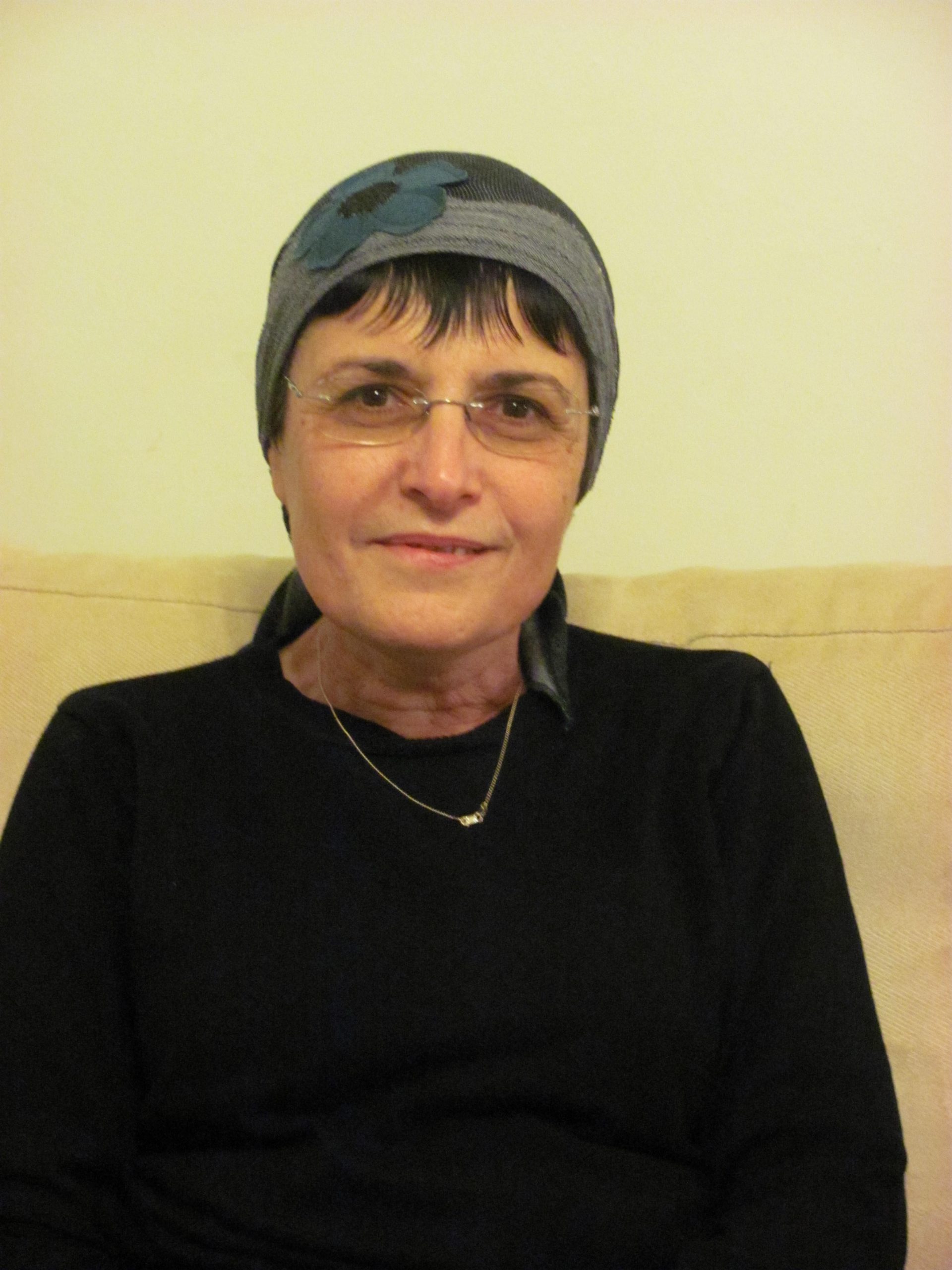
התחלתי ללמוד דף יומי ממסכת נידה כי זה היה חומר הלימוד שלי אז. לאחר הסיום הגדול בבנייני האומה החלטתי להמשיך. וב”ה מאז עם הפסקות קטנות של קורונה ולידה אני משתדלת להמשיך ולהיות חלק.

זה משפיע מאוד על היום יום שלי ועל אף שאני עסוקה בלימודי הלכה ותורה כל יום, זאת המסגרת הקבועה והמחייבת ביותר שיש לי.

Moriah Taesan Michaeli
מוריה תעסן מיכאלי

גבעת הראל, ישראל

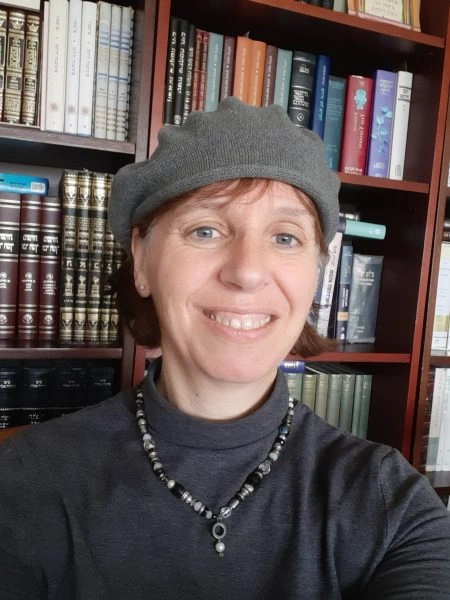
התחלתי ללמוד גמרא בבית הספר בגיל צעיר והתאהבתי. המשכתי בכך כל חיי ואף היייתי מורה לגמרא בבית הספר שקד בשדה אליהו (בית הספר בו למדתי בילדותי)בתחילת מחזור דף יומי הנוכחי החלטתי להצטרף ובע”ה מקווה להתמיד ולהמשיך. אני אוהבת את המפגש עם הדף את "דרישות השלום ” שמקבלת מקשרים עם דפים אחרים שלמדתי את הסנכרון שמתחולל בין התכנים.

Ariela Bigman
אריאלה ביגמן

מעלה גלבוע, ישראל

התחלתי להשתתף בשיעור נשים פעם בשבוע, תכננתי ללמוד רק דפים בודדים, לא האמנתי שאצליח יותר מכך.
לאט לאט נשאבתי פנימה לעולם הלימוד .משתדלת ללמוד כל בוקר ומתחילה את היום בתחושה של מלאות ומתוך התכווננות נכונה יותר.
הלימוד של הדף היומי ממלא אותי בתחושה של חיבור עמוק לעם היהודי ולכל הלומדים בעבר ובהווה.

Neely Hayon
נילי חיון

אפרת, ישראל

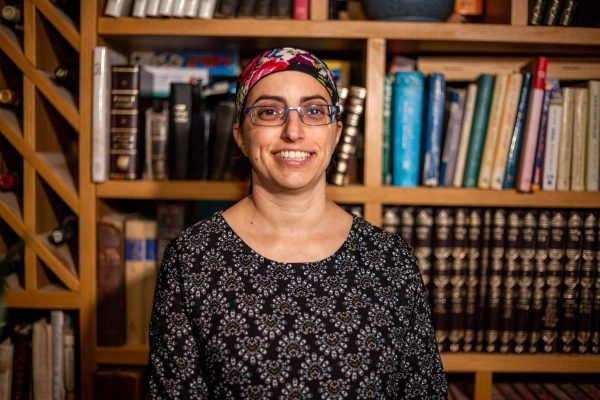
התחלתי ללמוד דף יומי באמצע תקופת הקורונה, שאבא שלי סיפר לי על קבוצה של בנות שתיפתח ביישוב שלנו ותלמד דף יומי כל יום. הרבה זמן רציתי להצטרף לזה וזאת הייתה ההזדמנות בשבילי. הצטרפתי במסכת שקלים ובאמצע הייתה הפסקה קצרה. כיום אני כבר לומדת באולפנה ולומדת דף יומי לבד מתוך גמרא של טיינזלץ.

Saturdays in Raleigh
שבות בראלי

עתניאל, ישראל

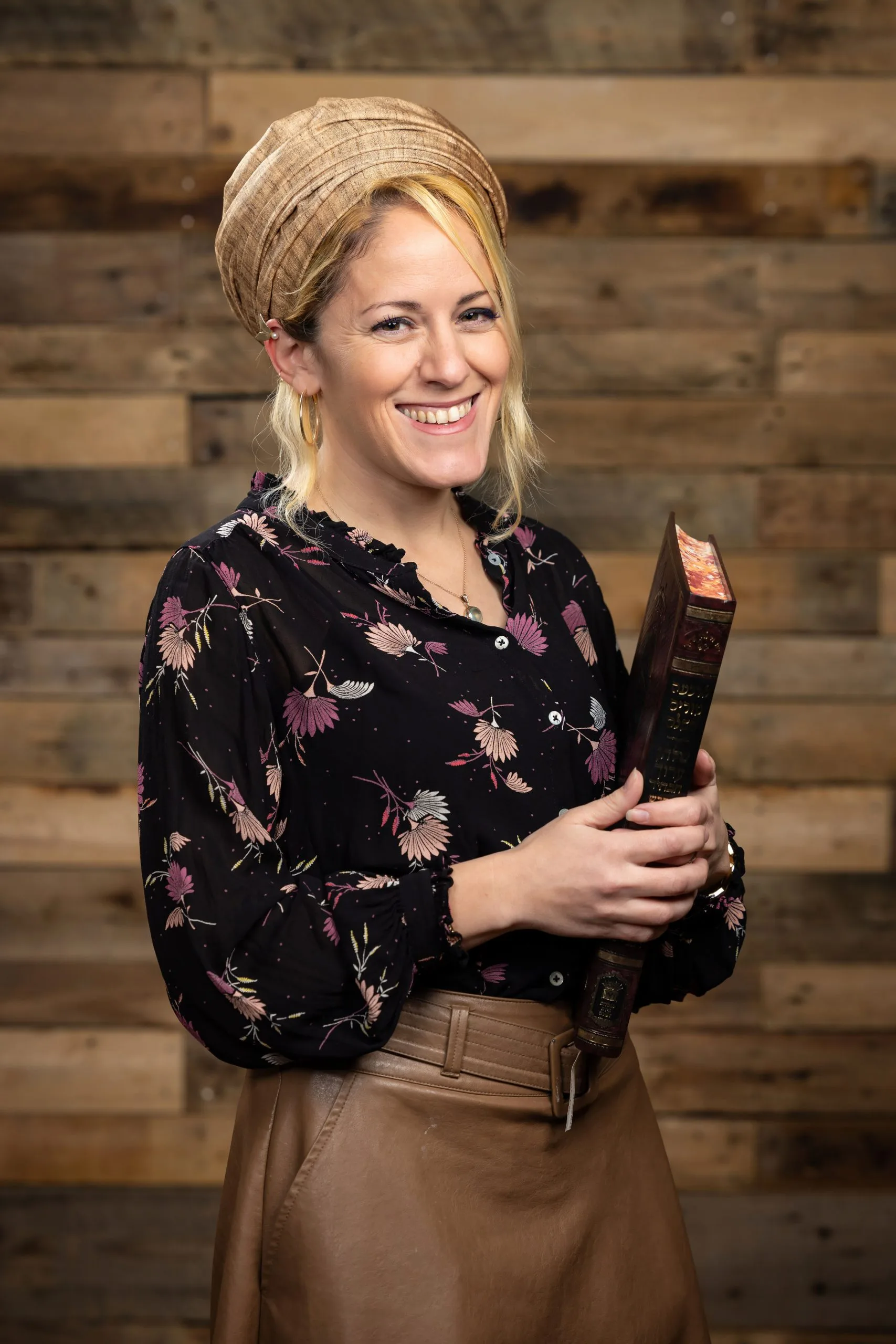
התחלתי ללמוד דף לפני קצת יותר מ-5 שנים, כשלמדתי רבנות בישיבת מהר”ת בניו יורק. בדיעבד, עד אז, הייתי בלימוד הגמרא שלי כמו מישהו שאוסף חרוזים משרשרת שהתפזרה, פה משהו ושם משהו, ומאז נפתח עולם ומלואו…. הדף נותן לי לימוד בצורה מאורגנת, שיטתית, יום-יומית, ומלמד אותי לא רק ידע אלא את השפה ודרך החשיבה שלנו. לשמחתי, יש לי סביבה תומכת וההרגשה שלי היא כמו בציטוט שבחרתי: הדף משפיע לטובה על כל היום שלי.

Michal Kahana
מיכל כהנא

חיפה, ישראל

בסוף הסבב הקודם ראיתי את השמחה הגדולה שבסיום הלימוד, בעלי סיים כבר בפעם השלישית וכמובן הסיום הנשי בבנייני האומה וחשבתי שאולי זו הזדמנות עבורי למשהו חדש.
למרות שאני שונה בסביבה שלי, מי ששומע על הלימוד שלי מפרגן מאוד.
אני מנסה ללמוד קצת בכל יום, גם אם לא את כל הדף ובסך הכל אני בדרך כלל עומדת בקצב.
הלימוד מעניק המון משמעות ליום יום ועושה סדר בלמוד תורה, שתמיד היה (ועדיין) שאיפה. אבל אין כמו קביעות

Racheli-Mendelson
רחלי מנדלסון

טל מנשה, ישראל

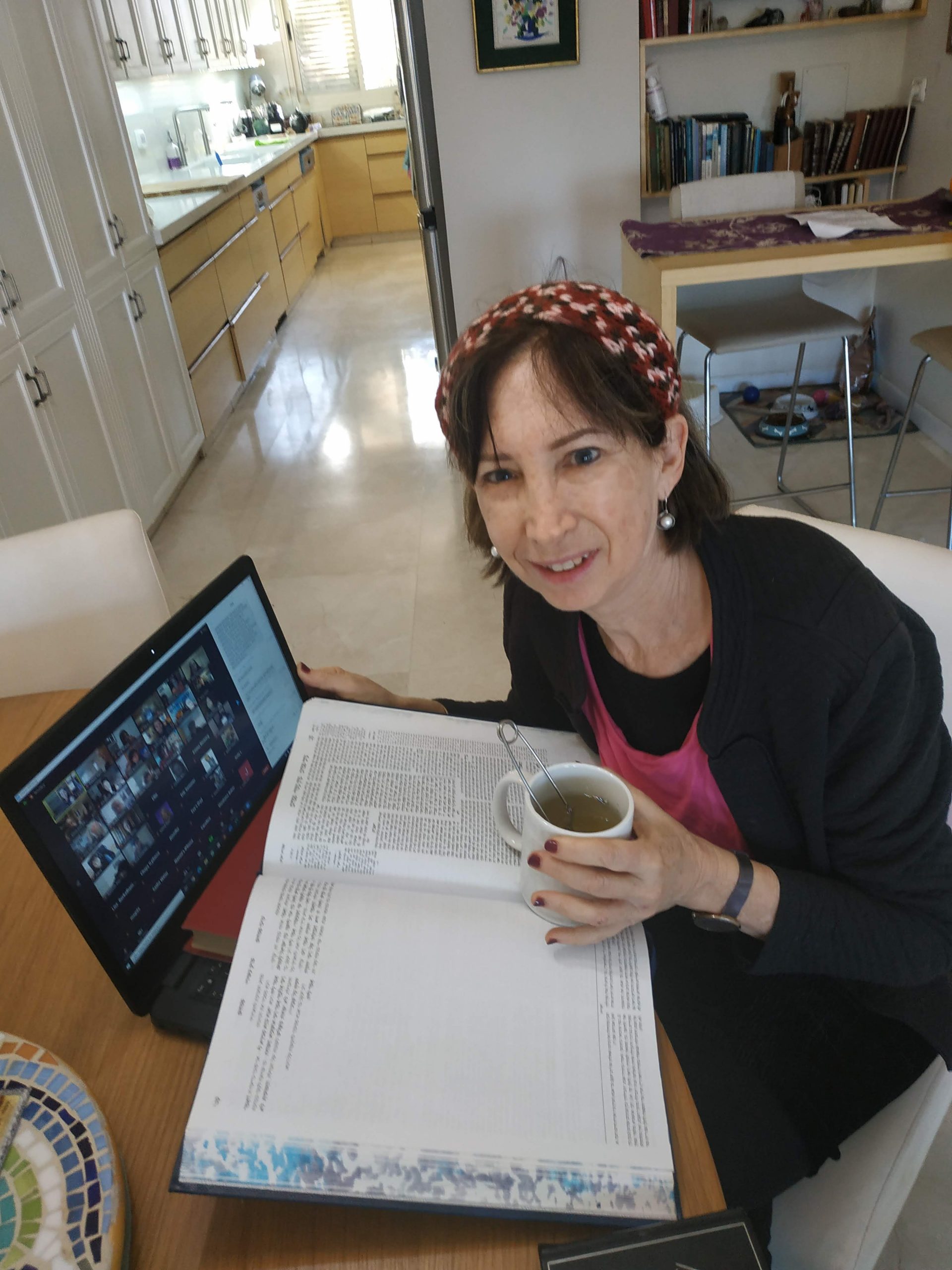
בתחילת הסבב הנוכחי הצטברו אצלי תחושות שאני לא מבינה מספיק מהי ההלכה אותה אני מקיימת בכל יום. כמו כן, כאמא לבנות רציתי לתת להן מודל נשי של לימוד תורה
שתי הסיבות האלו הובילו אותי להתחיל ללמוד. נתקלתי בתגובות מפרגנות וסקרניות איך אישה לומדת גמרא..
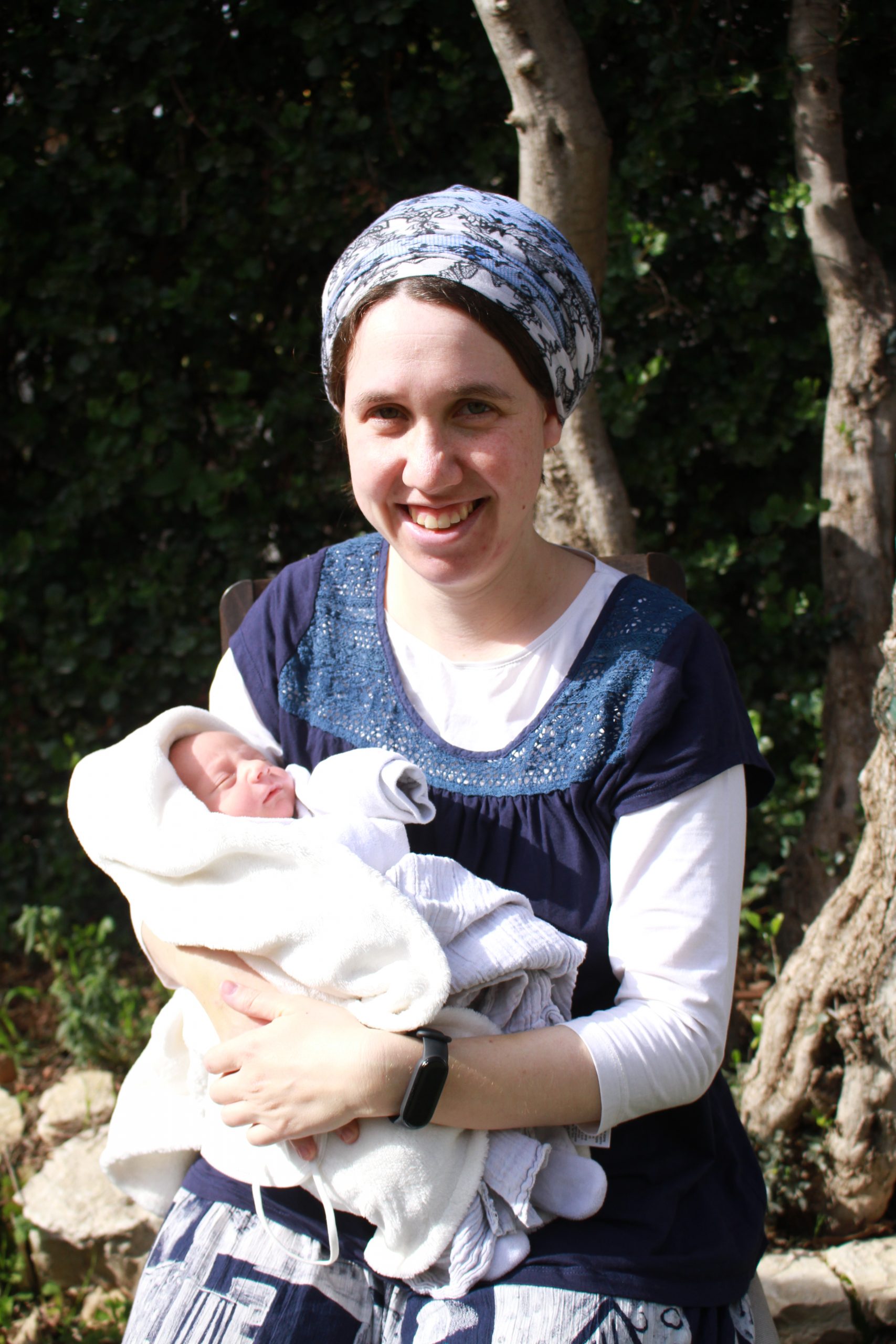
כמו שרואים בתמונה אני ממשיכה ללמוד גם היום ואפילו במחלקת יולדות אחרי לידת ביתי השלישית.

Noa Shiloh
נועה שילה

רבבה, ישראל

A life-changing journey started with a Chanukah family tiyul to Zippori, home of the Sanhedrin 2 years ago and continued with the Syum in Binanei Hauma where I was awed by the energy of 3000 women dedicated to learning daf Yomi. Opening my morning daily with a fresh daf, I am excited with the new insights I find enriching my life and opening new and deeper horizons for me.

Becky Goldstein
בקי גולדשטיין

Elazar gush etzion, Israel

התחלתי ללמוד לפני כשנתיים בשאיפה לסיים לראשונה מסכת אחת במהלך חופשת הלידה.
אחרי מסכת אחת כבר היה קשה להפסיק…

Noa Gallant
נעה גלנט

ירוחם, ישראל

שמעתי על הסיום הענק של הדף היומי ע”י נשים בבנייני האומה. רציתי גם.
החלטתי להצטרף. התחלתי ושיכנעתי את בעלי ועוד שתי חברות להצטרף. עכשיו יש לי לימוד משותף איתו בשבת ומפגש חודשי איתן בנושא (והתכתבויות תדירות על דברים מיוחדים שקראנו). הצטרפנו לקבוצות שונות בווטסאפ. אנחנו ממש נהנות. אני שומעת את השיעור מידי יום (בד”כ מהרב יוני גוטמן) וקוראת ומצטרפת לסיומים של הדרן. גם מקפידה על דף משלהן (ונהנית מאד).

Liat Citron
ליאת סיטרון

אפרת, ישראל

הייתי לפני שנתיים בסיום הדרן נשים בבנייני האומה והחלטתי להתחיל. אפילו רק כמה דפים, אולי רק פרק, אולי רק מסכת… בינתיים סיימתי רבע שס ותכף את כל סדר מועד בה.
הסביבה תומכת ומפרגנת. אני בת יחידה עם ארבעה אחים שכולם לומדים דף יומי. מדי פעם אנחנו עושים סיומים יחד באירועים משפחתיים. ממש מרגש. מסכת שבת סיימנו כולנו יחד עם אבא שלנו!
אני שומעת כל יום פודקאסט בהליכה או בנסיעה ואחכ לומדת את הגמרא.

Edna Gross
עדנה גרוס

מרכז שפירא, ישראל

התחלתי ללמוד דף יומי שהתחילו מסכת כתובות, לפני 7 שנים, במסגרת קבוצת לימוד שהתפרקה די מהר, ומשם המשכתי לבד בתמיכת האיש שלי. נעזרתי בגמרת שטיינזלץ ובשיעורים מוקלטים.
הסביבה מאד תומכת ואני מקבלת המון מילים טובות לאורך כל הדרך. מאז הסיום הגדול יש תחושה שאני חלק מדבר גדול יותר.
אני לומדת בשיטת ה”7 דפים בשבוע” של הרבנית תרצה קלמן – כלומר, לא נורא אם לא הצלחת ללמוד כל יום, העיקר שגמרת ארבעה דפים בשבוע

Rachel Goldstein
רחל גולדשטיין

עתניאל, ישראל

התחלתי ללמוד בסבב הנוכחי לפני כשנתיים .הסביבה מתפעלת ותומכת מאוד. אני משתדלת ללמוד מכל ההסכתים הנוספים שיש באתר הדרן. אני עורכת כל סיום מסכת שיעור בביתי לכ20 נשים שמחכות בקוצר רוח למפגשים האלו.

Yael Asher
יעל אשר

יהוד, ישראל

אמא שלי למדה איתי ש”ס משנה, והתחילה ללמוד דף יומי. אני החלטתי שאני רוצה ללמוד גם. בהתחלה למדתי איתה, אח”כ הצטרפתי ללימוד דף יומי שהרב דני וינט מעביר לנוער בנים בעתניאל. במסכת עירובין עוד חברה הצטרפה אלי וכשהתחלנו פסחים הרב דני פתח לנו שעור דף יומי לבנות. מאז אנחנו לומדות איתו קבוע כל יום את הדף היומי (ובשבת אבא שלי מחליף אותו). אני נהנית מהלימוד, הוא מאתגר ומעניין

Renana Hellman
רננה הלמן

עתניאל, ישראל

בתחילת הסבב הנוכחי של לימוד הדף היומי, נחשפתי לחגיגות המרגשות באירועי הסיום ברחבי העולם. והבטחתי לעצמי שבקרוב אצטרף גם למעגל הלומדות. הסבב התחיל כאשר הייתי בתחילת דרכי בתוכנית קרן אריאל להכשרת יועצות הלכה של נשמ”ת. לא הצלחתי להוסיף את ההתחייבות לדף היומי על הלימוד האינטנסיבי של תוכנית היועצות. בבוקר למחרת המבחן הסופי בנשמ”ת, התחלתי את לימוד הדף במסכת סוכה ומאז לא הפסקתי.

Hana Shaham-Rozby (Dr.)
חנה שחם-רוזבי (ד”ר)

קרית גת, ישראל

התחלתי כשהייתי בחופש, עם הפרסומים על תחילת המחזור, הסביבה קיבלה את זה כמשהו מתמיד ומשמעותי ובהערכה, הלימוד זה עוגן יציב ביום יום, יש שבועות יותר ויש שפחות אבל זה משהו שנמצא שם אמין ובעל משמעות בחיים שלי….

Adi Diamant
עדי דיאמנט

גמזו, ישראל

התחלתי לפני כמה שנים אבל רק בסבב הזה זכיתי ללמוד יום יום ולסיים מסכתות

Sigal Tel
סיגל טל

רעננה, ישראל

בסוף הסבב הקודם ראיתי את השמחה הגדולה שבסיום הלימוד, בעלי סיים כבר בפעם השלישית וכמובן הסיום הנשי בבנייני האומה וחשבתי שאולי זו הזדמנות עבורי למשהו חדש.
למרות שאני שונה בסביבה שלי, מי ששומע על הלימוד שלי מפרגן מאוד.
אני מנסה ללמוד קצת בכל יום, גם אם לא את כל הדף ובסך הכל אני בדרך כלל עומדת בקצב.
הלימוד מעניק המון משמעות ליום יום ועושה סדר בלמוד תורה, שתמיד היה (ועדיין) שאיפה. אבל אין כמו קביעות

Racheli-Mendelson
רחלי מנדלסון

טל מנשה, ישראל

התחלתי בסיום הש”ס, יצאתי באורות. נשברתי פעמיים, ובשתיהם הרבנית מישל עודדה להמשיך איפה שכולם בסבב ולהשלים כשאוכל, וכך עשיתי וכיום השלמתי הכל. מדהים אותי שאני לומדת כל יום קצת, אפילו בחדר הלידה, בבידוד או בחו”ל. לאט לאט יותר נינוחה בסוגיות. לא כולם מבינים את הרצון, בפרט כפמניסטית. חשה סיפוק גדול להכיר את המושגים וצורת החשיבה. החלום זה להמשיך ולהתמיד ובמקביל ללמוד איך מהסוגיות נוצרה והתפתחה ההלכה.

Weingarten Sherrington Foundation
קרן וינגרטן שרינגטון

מודיעין, ישראל

התחלתי ללמוד לפני 4.5 שנים, כשהודיה חברה שלי פתחה קבוצת ווטסאפ ללימוד דף יומי בתחילת מסכת סנהדרין. מאז לימוד הדף נכנס לתוך היום-יום שלי והפך לאחד ממגדירי הזהות שלי ממש.

Rosenberg Foundation
קרן רוזנברג

ירושלים, ישראל

פסחים קיט

זֶה הַמַּכִּיר מְקוֹם חֲבֵירוֹ בַּיְּשִׁיבָה. אִיכָּא דְאָמְרִי, אָמַר רַבִּי אֶלְעָזָר: זֶה הַמְקַבֵּל פְּנֵי חֲבֵירוֹ בַּיְּשִׁיבָה.

This is one who recognizes his colleague’s place in the yeshiva, as he is there often enough to know where everyone sits. Some say that Rabbi Elazar said a different explanation: This is one who greets his colleague in the yeshiva, as he is always there to meet him.

מַאי ״לִמְכַסֶּה עָתִיק״ — זֶה הַמְכַסֶּה דְּבָרִים שֶׁכִּיסָּה עַתִּיק יוֹמִין, וּמַאי נִינְהוּ? סִתְרֵי תוֹרָה. וְאִיכָּא דְּאָמְרִי: זֶה הַמְגַלֶּה דְּבָרִים שֶׁכִּיסָּה עַתִּיק יוֹמִין, מַאי נִינְהוּ? טַעֲמֵי תוֹרָה.

The Gemara asks: What is the meaning of the continuation of this verse: “For stately clothing [limekhaseh atik]” This is one who conceals [mekhaseh] matters that the Ancient of Days [atik yomin], i.e., God, concealed. And what are these? These are the secrets of the Torah, the esoteric Act of Creation and the Act of the Divine Chariot, which should remain hidden. And some say: This verse is referring to one who reveals matters that the Ancient of Days concealed. And what are these? These are the reasons for different mitzvot in the Torah, which should be kept secret.

אָמַר רַב כָּהֲנָא מִשּׁוּם רַבִּי יִשְׁמָעֵאל בְּרַבִּי יוֹסֵי, מַאי דִּכְתִיב: ״לַמְנַצֵּחַ מִזְמוֹר לְדָוִד״ — זַמְּרוּ לְמִי שֶׁנּוֹצְחִין אוֹתוֹ וְשָׂמֵחַ.

The Gemara cites another statement attributed to Rabbi Yishmael, son of Rabbi Yosei. Rav Kahana said, citing Rabbi Yishmael, son of Rabbi Yosei: What is the meaning of that which is written: “Lamenatzeaḥ a psalm of David (e.g., Psalms 13:1)? It means: Sing to the One who rejoices when conquered [shenotzḥin oto].

בֹּא וּרְאֵה שֶׁלֹּא כְּמִדַּת הַקָּדוֹשׁ בָּרוּךְ הוּא מִדַּת בָּשָׂר וָדָם. בָּשָׂר וָדָם — מְנַצְּחִין אוֹתוֹ וְעָצֵב, אֲבָל הַקָּדוֹשׁ בָּרוּךְ הוּא — נוֹצְחִין אוֹתוֹ וְשָׂמֵחַ, שֶׁנֶּאֱמַר: ״וַיֹּאמֶר לְהַשְׁמִידָם לוּלֵי מֹשֶׁה בְחִירוֹ עָמַד בַּפֶּרֶץ לְפָנָיו״.

Come and see how the characteristics of the Holy One, Blessed be He, are unlike the characteristics of flesh and blood: When a flesh and blood person is conquered, he is sad; however, when the Holy One, Blessed be He, is conquered, He rejoices, as it is stated: “Therefore He said that He would destroy them, had not Moses His chosen stood before Him in the breach, to turn back His wrath lest He should destroy them” (Psalms 106:23). In this verse Moses is called “His chosen,” although he defeated God, as it were, by preventing Him from destroying the Jewish people.

אָמַר רַב כָּהֲנָא מִשּׁוּם רַבִּי יִשְׁמָעֵאל בְּרַבִּי יוֹסֵי אָמַר רַבִּי שִׁמְעוֹן בֶּן לָקִישׁ מִשּׁוּם רַבִּי יְהוּדָה נְשִׂיאָה: מַאי דִּכְתִיב: ״וִידֵי אָדָם מִתַּחַת כַּנְפֵיהֶם״, ״יָדוֹ״ כְּתִיב — זֶה יָדוֹ שֶׁל הַקָּדוֹשׁ בָּרוּךְ הוּא שֶׁפְּרוּסָה תַּחַת כַּנְפֵי הַחַיּוֹת כְּדֵי לְקַבֵּל בַּעֲלֵי תְשׁוּבָה מִיַּד מִדַּת הַדִּין.

Furthermore, Rav Kahana said, citing Rabbi Yishmael, son of Rabbi Yosei, who said that Rabbi Shimon ben Lakish said, citing Rabbi Yehuda Nesia: What is the meaning of that which is written in the description of the sacred ḥayyot, the angels that carried the Divine chariot: “And they had the hands of a man under their wings” (Ezekiel 1:8)? Although the word is read hands in the plural, actually “his hand” is written in the singular. This is the hand of the Holy One, Blessed be He, that is spread under the wings of the ḥayyot to accept penitents from the claims of the attribute of justice. God accepts sincere penitents, despite the fact that in accordance with the strict attribute of justice they should not be given the opportunity to repent.

אָמַר רַב יְהוּדָה אָמַר שְׁמוּאֵל: כׇּל כֶּסֶף וְזָהָב שֶׁבָּעוֹלָם יוֹסֵף לִקְּטוֹ וֶהֱבִיאוֹ לְמִצְרַיִם, שֶׁנֶּאֱמַר: ״וַיְלַקֵּט יוֹסֵף אֶת כׇּל הַכֶּסֶף הַנִּמְצָא״. אֵין לִי אֶלָּא שֶׁבְּאֶרֶץ מִצְרַיִם וְשֶׁבְּאֶרֶץ כְּנַעַן, בִּשְׁאָר אֲרָצוֹת מִנַּיִן? תַּלְמוּד לוֹמַר: ״וְכׇל הָאָרֶץ בָּאוּ מִצְרַיְמָה״.

Rav Yehuda said that Shmuel said: Joseph collected all the silver and gold in the world and brought it to Egypt, as it is stated: “And Joseph collected all the money found in the land of Egypt and in the land of Canaan” (Genesis 47:14). I have derived only that he collected the money that was in the land of Egypt and that was in the Land of Canaan. From where do I derive that he also collected all the money that was in other lands? The verse states “And all the land came to Egypt to buy food from Joseph, because the famine was sore in all the earth” (Genesis 41:57).

וּכְשֶׁעָלוּ יִשְׂרָאֵל מִמִּצְרַיִם הֶעֱלוּהוּ עִמָּהֶן, שֶׁנֶּאֱמַר: ״וַיְנַצְּלוּ אֶת מִצְרָיִם״, רַב אַסִּי אָמַר: עֲשָׂאוּהָ כִּמְצוּדָה זוֹ שֶׁאֵין בָּהּ דָּגָן, רַבִּי שִׁמְעוֹן אָמַר: כִּמְצוּלָה שֶׁאֵין בָּהּ דָּגִים.

And when the Jewish people ascended from Egypt they took this treasure with them, as it is stated: “They despoiled [vayenatzlu] Egypt” (Exodus 12:36). The Sages explain this term. Rav Asi said: They made Egypt like this trap [metzuda] for birds, where grain is usually placed as bait, in which there is no grain. Rabbi Shimon said: They made Egypt like the depths [kimetzula] of the sea in which there are no fish.

וְהָיָה מוּנָּח עַד רְחַבְעָם. בָּא שִׁישַׁק מֶלֶךְ מִצְרַיִם וּנְטָלוֹ מֵרְחַבְעָם, שֶׁנֶּאֱמַר: ״וַיְהִי בַּשָּׁנָה הַחֲמִישִׁית לַמֶּלֶךְ רְחַבְעָם עָלָה שִׁישַׁק מֶלֶךְ מִצְרַיִם [עַל יְרוּשָׁלִַים] וַיִּקַּח אֶת אוֹצְרוֹת בֵּית ה׳ וְאֶת אוֹצְרוֹת בֵּית הַמֶּלֶךְ״. בָּא זֶרַח מֶלֶךְ כּוּשׁ וּנְטָלוֹ מִשִּׁישַׁק.

And this treasure remained in Eretz Yisrael until the time of Rehoboam, at which point Shishak, king of Egypt, came and took it from Rehoboam, as it is stated: “And it came to pass in the fifth year of king Rehoboam, that Shishak king of Egypt came up against Jerusalem. And he took the treasures of the house of the Lord, and the treasures of the king’s house; and he took away all” (I Kings 14:25–26). Zerah, king of Kush, who ruled over Egypt, later came and took it from Shishak.

בָּא אָסָא וּנְטָלוֹ מִזֶּרַח מֶלֶךְ כּוּשׁ וְשִׁיגְּרוֹ לְהַדְרִימּוֹן בֶּן טַבְרִימּוֹן. בָּאוּ בְּנֵי עַמּוֹן וּנְטָלוּם מֵהַדְרִימּוֹן בֶּן טַבְרִימּוֹן. בָּא יְהוֹשָׁפָט וּנְטָלוֹ מִבְּנֵי עַמּוֹן וְהָיָה מוּנָּח עַד אָחָז.

Asa came and took it from Zerah, king of Kush, when he defeated him in battle (II Chronicles 14) and sent it to Hadrimmon ben Tabrimmon, king of Aram (see I Kings 15). The children of Ammon came and took it from Hadrimmon ben Tabrimmon, as learned by tradition. Jehosaphat came and took it from the children of Ammon (see II Chronicles 20), and it remained in Eretz Yisrael until the reign of Ahaz.

בָּא סַנְחֵרִיב וּנְטָלוֹ מֵאָחָז. בָּא חִזְקִיָּה וּנְטָלוֹ מִסַּנְחֵרִיב וְהָיָה מוּנָּח עַד צִדְקִיָּה. בָּאוּ כַּשְׂדִּיִּים וּנְטָלוּהוּ מִצִּדְקִיָּה. בָּאוּ פָּרְסִיִּים וּנְטָלוּהוּ מִכַּשְׂדִּיִּים. בָּאוּ יְוָונִים וּנְטָלוּהוּ מִפָּרְסִיִּים. בָּאוּ רוֹמִיִּים וּנְטָלוּהוּ מִיַּד יְוָונִים, וַעֲדַיִין מוּנָּח בְּרוֹמִי.

Sennacherib came and took it from Ahaz. Hezekiah came and took it from Sennacherib, and it remained in Jerusalem until the reign of Zedekiah. The Chaldeans came and took it from Zedekiah. The Persians came and took it from the Chaldeans. The Greeks came and took it from the Persians. The Romans came and took it from the Greeks, and this treasure of silver and gold still remains in Rome.

אָמַר רַבִּי חָמָא (בַּר) חֲנִינָא: שָׁלֹשׁ מַטְמוֹנִיּוֹת הִטְמִין יוֹסֵף בְּמִצְרַיִם, אַחַת נִתְגַּלָּה לְקֹרַח, וְאַחַת נִתְגַּלָּה לְאַנְטוֹנִינוּס בֶּן אַסְוִירוּס, וְאַחַת גְּנוּזָה לְצַדִּיקִים לֶעָתִיד לָבֹא.

With regard to this matter, Rabbi Ḥama bar Ḥanina said: Joseph hid three treasures in Egypt. One of them was revealed to Korah, one was revealed to Antoninos ben Asveiros, king of Rome, and one is hidden for the righteous in the future.

״עוֹשֶׁר שָׁמוּר לִבְעָלָיו לְרָעָתוֹ״, אָמַר רַבִּי שִׁמְעוֹן בֶּן לָקִישׁ: זוֹ עׇשְׁרוֹ שֶׁל קֹרַח. (שֶׁנֶּאֱמַר:) ״וְאֶת כׇּל הַיְקוּם אֲשֶׁר בְּרַגְלֵיהֶם״, אָמַר רַבִּי אֶלְעָזָר: זֶה מָמוֹנוֹ שֶׁל אָדָם שֶׁמַּעֲמִידוֹ עַל רַגְלָיו. אָמַר רַבִּי לֵוִי: מַשּׂאוֹי שְׁלֹשׁ מֵאוֹת פְּרָדוֹת לְבָנוֹת הָיוּ מַפְתְּחוֹת בֵּית גְּנָזָיו שֶׁל קֹרַח, וְכוּלְּהוּ אַקְלִידֵי וּקְלִיפֵּי דְגִלְדָּא.

With regard to Korah’s wealth, the Gemara cites the verse: “Riches kept by his owner to his hurt” (Ecclesiastes 5:12). Rabbi Shimon ben Lakish said: This is the wealth of Korah, which caused him to grow arrogant and lead to his destruction. As it is stated: “And what He did to Dathan and Abiram, the sons of Eliab, son of Reuben; how the earth opened her mouth and swallowed them up, and their households, and their tents, and all the sustenance that was at their feet” (Deuteronomy 11:6). Rabbi Elazar said: This is referring to a person’s money that stands him upon his own two feet. Rabbi Levi said: The keys to Korah’s treasuries were a load of three hundred strong white mules, and they were all keys [aklidei] and locks made of leather.

(דיא״ש אדי״ש כשד״ך מאוד״ך סִימָן). אָמַר רַבִּי שְׁמוּאֵל בַּר נַחְמָנִי אָמַר רַבִּי יוֹנָתָן: ״אוֹדְךָ כִּי עֲנִיתָנִי״ — אָמַר דָּוִד. ״אֶבֶן מָאֲסוּ הַבּוֹנִים הָיְתָה לְרֹאשׁ פִּנָּה״ — אָמַר יִשַׁי. ״מֵאֵת ה׳ הָיְתָה זֹּאת״ — אָמְרוּ אֶחָיו. ״זֶה הַיּוֹם עָשָׂה ה׳״ — אָמַר שְׁמוּאֵל.

Dalet, yod, alef, shin, alef, dalet, yod, shin, khaf, shin, dalet, khaf, mem, alef, vav, dalet, khaf is a mnemonic device for the following passage. Returning to the issue of hallel, the Gemara states that these psalms include choruses in which each section is sung by a different person. Rabbi Shmuel bar Naḥmani said that Rabbi Yonatan said that David recited: “I will give thanks to You, for You have answered me” (Psalms 118:21), with regard to the success of his reign. Yishai recited: “The stone which the builders rejected has become the chief keystone” (Psalms 118:22). The brothers of David recited: “This is the Lord’s doing; it is marvelous in our eyes” (Psalms 118:23). Samuel the Prophet recited: “This is the day which the Lord has made; we will rejoice and be glad in it” (Psalms 118:24).

״אָנָּא ה׳ הוֹשִׁיעָה נָּא״ — אָמְרוּ אֶחָיו. ״אָנָּא ה׳ הַצְלִיחָה נָּא״ — אָמַר דָּוִד. ״בָּרוּךְ הַבָּא בְּשֵׁם ה׳״ — אָמַר יִשַׁי. ״בֵּרַכְנוּכֶם מִבֵּית ה׳״ — אָמַר שְׁמוּאֵל. ״אֵל ה׳ וַיָּאֶר לָנוּ״ — אָמְרוּ כּוּלָּן. ״אִסְרוּ חַג בַּעֲבוֹתִים״ — אָמַר שְׁמוּאֵל. ״אֵלִי אַתָּה וְאוֹדֶךָּ״ — אָמַר דָּוִד. ״אֱלֹהַי אֲרוֹמְמֶךָּ״ — אָמְרוּ כּוּלָּן.

The brothers of David recited: “We beseech You, Lord, save now” (Psalms 118:25). David recited: “We beseech You, Lord, make us prosper now” (Psalms 118:25). Yishai recited: “Blessed be he who comes in the name of the Lord” (Psalms 118:26). Samuel recited: “We bless you out of the house of the Lord” (Psalms 118:26). They all recited: “The Lord is God, and has given us light” (Psalms 118:27). Samuel recited: “Order the Festival procession with boughs, even to the horns of the altar” (Psalms 118:27). David recited: “You are my God, and I will give thanks to You” (Psalms 118:28). They all recited: “You are my God, I will exalt You” (Psalms 118:28).

תְּנַן הָתָם: מָקוֹם שֶׁנָּהֲגוּ

We learned in a mishna there, in Sukka: In a place where they were accustomed

לִכְפּוֹל — יִכְפּוֹל, לִפְשׁוֹט — יִפְשׁוֹט, לְבָרֵךְ אַחֲרָיו — יְבָרֵךְ, הַכֹּל כְּמִנְהַג הַמְּדִינָה. אָמַר אַבָּיֵי: לֹא שָׁנוּ אֶלָּא לְאַחֲרָיו, אֲבָל לְפָנָיו — [מִצְוָה] לְבָרֵךְ. דְּאָמַר רַב יְהוּדָה אָמַר שְׁמוּאֵל: כׇּל הַמִּצְוֹת מְבָרֵךְ עֲלֵיהֶן עוֹבֵר לַעֲשִׂיָּיתָן.

to double certain verses in hallel, one doubles them and reads them twice. In a place where the custom is to recite them simply, i.e., only once, one recites them simply. In a place where it is customary to recite a blessing after hallel, one should recite a blessing. Everything is in accordance with the regional custom. Abaye said: They taught that it depends on the local custom only with regard to the blessing after hallel; however, in all places it is a mitzva to recite a blessing before hallel. As Rav Yehuda said that Shmuel said: With regard to all the mitzvot, one recites a blessing over them prior to their performance.

מַאי מַשְׁמַע דְּהַאי ״עוֹבֵר״ לִישָּׁנָא דְּאַקְדּוֹמֵי הוּא? אָמַר רַבִּי נַחְמָן בַּר יִצְחָק, דִּכְתִיב: ״וַיָּרׇץ אֲחִימַעַץ דֶּרֶךְ הַכִּכָּר וַיַּעֲבוֹר אֶת הַכּוּשִׁי״. אַבָּיֵי אָמַר, מֵהָכָא: ״וְהוּא עָבַר לִפְנֵיהֶם״. אִיכָּא דְּאָמְרִי מֵהָכָא: ״וַיַּעֲבוֹר מַלְכָּם לִפְנֵיהֶם וַה׳ בְּרֹאשָׁם״.

The Gemara asks: From where may it be inferred that the word over is a formulation that means before an action is performed? Rav Naḥman bar Yitzḥak said that this is as it is written: “And Ahimaaz ran by way of the square and he passed [vaya’avor] the Kushite” (II Samuel 18:23), i.e., Ahimaaz overtook the Kushite. Abaye said that it is derived from here: “And he passed [avar] before them” (Genesis 33:3). Some say that the proof is from here: “And their king shall pass on [vaya’avor] before them, and God at their head” (Micah 2:13).

תַּנְיָא: רַבִּי כּוֹפֵל בָּהּ דְּבָרִים, רַבִּי אֶלְעָזָר בֶּן פַּרְטָא מוֹסִיף בָּהּ דְּבָרִים. מַאי מוֹסִיף? אָמַר אַבָּיֵי: מוֹסִיף לִכְפּוֹל מֵ״אוֹדְךָ״ לְמַטָּה.

It was taught in a baraita: Rabbi Yehuda HaNasi doubles certain matters in hallel. Rabbi Elazar ben Perata added matters to hallel. The Gemara asks: What did he add? Certainly this cannot mean that Rabbi Elazar ben Perata added statements of his own to hallel. Abaye said: He added repetitions, i.e., he repeated other verses, from “I will give thanks to You” and onward. From that point on, he repeated each verse.

דָּרֵשׁ רַב עַוִּירָא, זִימְנִין אָמַר לֵיהּ מִשְּׁמֵיהּ דְּרַב אַמֵּי וְזִימְנִין אָמַר לֵיהּ מִשְּׁמֵיהּ דְּרַב אַסִּי: מַאי דִּכְתִיב: ״וַיִּגְדַּל הַיֶּלֶד וַיִּגָּמַל״ — עָתִיד הַקָּדוֹשׁ בָּרוּךְ הוּא לַעֲשׂוֹת סְעוּדָה לַצַּדִּיקִים בְּיוֹם שֶׁיִּגְמֹל חַסְדּוֹ לְזַרְעוֹ שֶׁל יִצְחָק. לְאַחַר שֶׁאוֹכְלִין וְשׁוֹתִין נוֹתְנִין לוֹ לְאַבְרָהָם אָבִינוּ כּוֹס שֶׁל בְּרָכָה לְבָרֵךְ,

In connection to its discussion of hallel, the Gemara cites a statement that Rav Avira taught. Sometimes he said this exposition citing Rav Ami, and sometimes he said it citing Rav Asi: What is the meaning of that which is written: “And the child grew and was weaned [vayiggamal], and Abraham made a great feast on the day that Isaac was weaned” (Genesis 21:8)? In the future, the Holy One, Blessed be He, will prepare a feast for the righteous on the day that He extends [sheyigmol] His mercy to the descendants of Isaac. After they eat and drink, the celebrants will give Abraham our father a cup of blessing to recite the blessing, as he is the first of our forefathers.

וְאוֹמֵר לָהֶן: אֵינִי מְבָרֵךְ, שֶׁיָּצָא מִמֶּנִּי יִשְׁמָעֵאל. אוֹמֵר לוֹ לְיִצְחָק: טוֹל וּבָרֵךְ. אוֹמֵר לָהֶן: אֵינִי מְבָרֵךְ, שֶׁיָּצָא מִמֶּנִּי עֵשָׂו. אוֹמֵר לוֹ לְיַעֲקֹב: טוֹל וּבָרֵךְ. אוֹמֵר לָהֶם: אֵינִי מְבָרֵךְ, שֶׁנָּשָׂאתִי שְׁתֵּי אֲחָיוֹת בְּחַיֵּיהֶן, שֶׁעֲתִידָה תּוֹרָה לְאוֹסְרָן עָלַי.

And Abraham will say to them: I will not recite the blessing, as I am blemished, for the wicked Ishmael came from me. Abraham will say to Isaac: Take the cup and recite the blessing. Isaac will say to them: I will not recite the blessing, as the wicked Esau came from me. Isaac will say to Jacob: Take the cup and recite the blessing. Jacob will say to them: I will not recite the blessing, as I married two sisters, Rachel and Leah, in their lifetimes, and in the future the Torah forbade them to me. Although at the time it was not prohibited to wed two sisters, this practice would eventually be considered a serious transgression.

אוֹמֵר לוֹ לְמֹשֶׁה: טוֹל וּבָרֵךְ. אוֹמֵר לָהֶם: אֵינִי מְבָרֵךְ, שֶׁלֹּא זָכִיתִי לִיכָּנֵס לְאֶרֶץ יִשְׂרָאֵל, לֹא בְּחַיַּי וְלֹא בְּמוֹתִי. אוֹמֵר לוֹ לִיהוֹשֻׁעַ: טוֹל וּבָרֵךְ, אוֹמֵר לָהֶן: אֵינִי מְבָרֵךְ, שֶׁלֹּא זָכִיתִי לְבֵן, דִּכְתִיב: ״יְהוֹשֻׁעַ בִּן נוּן״, ״נוֹן בְּנוֹ יְהוֹשֻׁעַ בְּנוֹ״.

Jacob will say to Moses: Take the cup and recite the blessing. Moses will say to them: I will not recite the blessing, as I did not merit to enter Eretz Yisrael, neither in my life nor in my death. Moses will say to Joshua: Take the cup and recite the blessing. Joshua will say to them: I will not recite the blessing, as I did not merit to have a son. The proof for this is that it is written: “Joshua the son of Nun (Numbers 14:6), and in the genealogical list of Ephraim it states: Nun his son, Joshua his son” (I Chronicles 7:27). Since the verse does not mention any children of Joshua, evidently he had no sons.

אוֹמֵר לוֹ לְדָוִד: טוֹל וּבָרֵךְ. אוֹמֵר לָהֶן: אֲנִי אֲבָרֵךְ, וְלִי נָאֶה לְבָרֵךְ, שֶׁנֶּאֱמַר: ״כּוֹס יְשׁוּעוֹת אֶשָּׂא וּבְשֵׁם ה׳ אֶקְרָא״.

Joshua will say to David: Take the cup and recite the blessing. David will say to them: I will recite the blessing, and it is fitting for me to recite the blessing, as it is stated: “I will lift up the cup of salvation, and I will call upon the name of the Lord” (Psalms 116:13).

מַתְנִי׳ אֵין מַפְטִירִין אַחַר הַפֶּסַח אֲפִיקוֹמָן.

MISHNA: One does not conclude after the Paschal lamb with an afikoman.

גְּמָ׳ מַאי אֲפִיקוֹמָן? אָמַר רַב: שֶׁלֹּא יֵעָקְרוּ מֵחֲבוּרָה לַחֲבוּרָה.

GEMARA: The Gemara asks: What is the meaning of afikoman? Rav said: It means that a member of a group that ate the Paschal lamb together should not leave that group to join another group. One who joined one group for the Paschal lamb may not leave and take food with him. According to this interpretation, afikoman is derived from the phrase afiku mani, take out the vessels. The reason for this prohibition is that people might remove the Paschal lamb to another location after they had begun to eat it elsewhere. This is prohibited, as the Paschal lamb must be eaten in a single location by one group.

וּשְׁמוּאֵל אָמַר: כְּגוֹן אוֹרְדִּילָאֵי לִי וְגוֹזָלַיָּיא לְאַבָּא. וְרַב חֲנִינָא בַּר שֵׁילָא וְרַבִּי יוֹחָנָן (אָמַר) [אָמְרוּ]: כְּגוֹן תְּמָרִים קְלָיוֹת וֶאֱגוֹזִים. תַּנְיָא כְּווֹתֵיהּ דְּרַבִּי יוֹחָנָן: אֵין מַפְטִירִין אַחַר הַפֶּסַח כְּגוֹן תְּמָרִים קְלָיוֹת וֶאֱגוֹזִים.

And Shmuel said: It means that one may not eat dessert after the meal, like mushrooms [urdila’ei] for me, and chicks for Abba, Rav. It was customary for them to eat delicacies after the meal. And Rav Ḥanina bar Sheila and Rabbi Yoḥanan say: Afikoman refers to foods such as dates, roasted grains, and nuts, which are eaten during the meal. It was taught in a baraita in accordance with the opinion of Rabbi Yoḥanan: One does not conclude by eating after the Paschal lamb foods such as dates, roasted grains, and nuts.

אָמַר רַב יְהוּדָה אָמַר שְׁמוּאֵל: אֵין מַפְטִירִין אַחַר מַצָּה אֲפִיקוֹמָן. תְּנַן: אֵין מַפְטִירִין אַחַר הַפֶּסַח אֲפִיקוֹמָן. אַחַר הַפֶּסַח הוּא דְּלָא, אֲבָל לְאַחַר מַצָּה — מַפְטִירִין!

Rav Yehuda said that Shmuel said an additional halakha: Nowadays, when we have no Paschal lamb, one does not conclude after matza with an afikoman. The Gemara asks: We learned in the mishna that one does not conclude after the Paschal lamb with an afikoman. The Gemara infers from the mishna: It is after the Paschal lamb that one may not conclude with an afikoman; however, after matza one may conclude with an afikoman. This statement of the mishna apparently contradicts Shmuel’s ruling.

לָא מִיבַּעְיָא קָאָמַר: לָא מִיבַּעְיָא אַחַר מַצָּה — דְּלָא נְפִישׁ טַעְמַיְיהוּ, אֲבָל לְאַחַר הַפֶּסַח, דִּנְפִישׁ טַעְמֵיהּ וְלָא מָצֵי עַבּוֹרֵיהּ — לֵית לַן בַּהּ, קָמַשְׁמַע לַן.

The Gemara rejects this contention: That is an incorrect inference, as the mishna is stated in the style of: Needless to say. The mishna should be understood as follows: Needless to say that one may not conclude with an afikoman after eating matza, as the taste of matza is slight. If one eats anything else afterward, the taste of the matza will dissipate. However, after the Paschal lamb, which has a strong taste that is not easily removed, one might think that we have no problem with it. Therefore, the mishna teaches us that it is prohibited to conclude with an afikoman after the Paschal lamb as well.

נֵימָא מְסַיַּיע לֵיהּ: הַסּוּפְגָּנִין וְהַדּוּבְשָׁנִין וְהָאִיסְקְרִיטִין, אָדָם מְמַלֵּא כְּרֵיסוֹ מֵהֶן, וּבִלְבַד שֶׁיֹּאכַל כְּזַיִת מַצָּה בָּאַחֲרוֹנָה. בָּאַחֲרוֹנָה אִין,

The Gemara proposes: Let us say that the Tosefta supports Shmuel’s ruling: With regard to unleavened sponge cakes, cakes fried in oil and honey, and honey cakes, a person may fill his stomach with them on Passover night, provided that he eats an olive-bulk of matza after all that food. The Gemara infers from here that if he eats the matza after those cakes, yes, this is acceptable, as the matza is eaten last.

רוצה לעקוב אחרי התכנים ולהמשיך ללמוד?

ביצירת חשבון עוד היום ניתן לעקוב אחרי ההתקדמות שלך, לסמן מה למדת, ולעקוב אחרי השיעורים שמעניינים אותך.

לנקות את כל הפריטים מהרשימה?

פעולה זו תסיר את כל הפריטים בחלק זה כולל ההתקדמות וההיסטוריה. שימי לב: לא ניתן לשחזר פעולה זו.

ביטול
מחיקה

האם את/ה בטוח/ה שברצונך למחוק פריט זה?

תאבד/י את כל ההתקדמות או ההיסטוריה הקשורות לפריט זה.

ביטול
מחיקה