חיפוש

ראש השנה טו

רוצה להקדיש לימוד?

podcast placeholder

0:00
0:00


תקציר

הדף היום מוקדש על ידי בט קיסילף לעילוי נשמת 11 היהודים שנרצחו בבית הכנסת בפיטסבורג ב2018: אידית בלציא בת אבא מנחם, יוסף בן חיים, רייזל בת אברהם, יהודה בן יחזקאל, חיים בן אליעזר, דוד בן אליעזר, בילא רחל בת משה, זלמן שכנא בן מנחם מענדל, דניאל אברהם בן ברוך, משה גדול בן יוסף, הם כולם היו מגיעים לבית הכנסת מוקדם, ועבדו על יצירת קהילה, כל אחד בדרכו שלו. ה’ יקום דמם.

והלימוד השבוע מוקדש על ידי מרטין גיינור לזכר נשמת ג’רי רבינוביץ, יהודה בן יחזקאל וסלמה ז”ל בנאדם שתרם הרבה לאחרים ואהב ללמוד. 

יש ארבע שיטות תנאים איך להתיייחס לאתרוגים לגבי מעשר ולגבי שמיטה. לפי שיטת רבן גמליאל שלעניין מעשר הולכים אחר זמן לקיטה כירקות, האם גם ראש השנה שלהם בתשרי כמו ירקות? לא! עדיין ראש השנה למעשר בט”ו בשבט. הגמרא מביאה את שאר דעות שתנאים וגם מביאים דעות של אמוראים שלדעתם יש לפצל כרבן גמליאל וכאבטולמוס) אבל בכל אופן פוטרים ממעשר מיבול שחנט בשנת שמיטה בגלל שמפקירים את הפירות בשנת שמיטה ואז יש גם פטור ממעשר לסיבה אחר כי הפקר פטור ממעשר. הגמרא מביאה ברייתא בעניין פירות באופן כללי. שיטת ר’ נחמיה הובאה שהוא סובר שהולכים בתר חנטה רק בעץ שמוציא פירותיו כמה פעמים בשנה. ר’ יוחנן הביא דוגמה של עץ חרוב שהעם נהגו בו כר’ נחמיה והלכו בתר לקיטה. ריש לקיש הקשה עליו והוא שתק. למה שתק? הרי היו לו טיעונים שהיה יכול להביא נגד ריש לקיש!

ראש השנה טו

מַאן שָׁמְעַתְּ לֵיהּ דְּאָזֵיל בָּתַר לְקִיטָה — רַבָּן גַּמְלִיאֵל, וְקָתָנֵי שְׁבָט!

The Gemara clarifies this ruling: Whom did you hear that said the tithe year of an etrog follows the time of the picking of its fruit? It was Rabban Gamliel. And yet this baraita is teaching that the new year for tithing an etrog is the fifteenth of Shevat, against the opinion of Rabba bar Rav Huna, who says that according to Rabban Gamliel it is the first of Tishrei.

אֶלָּא, אִי אִתְּמַר הָכִי אִתְּמַר: אָמַר רַבָּה בַּר רַב הוּנָא: אַף עַל גַּב דְּאָמַר רַבָּן גַּמְלִיאֵל אֶתְרוֹג אַחַר לְקִיטָה כְּיָרָק — רֹאשׁ הַשָּׁנָה שֶׁלּוֹ שְׁבָט.

Rather, if this was said, it was said as follows: Rabba bar Rav Huna said: Even though Rabban Gamliel said that the tithe year of an etrog follows the time of the picking of its fruit, like a vegetable, its new year is in Shevat, like a tree.

מַאי שְׁנָא הָתָם דְּקָתָנֵי ״אִם הָיְתָה שְׁנִיָּה נִכְנֶסֶת לִשְׁלִישִׁית״ וּמַאי שְׁנָא הָכָא דְּקָתָנֵי ״אִם הָיְתָה שְׁלִישִׁית נִכְנֶסֶת לִרְבִיעִית״?

The Gemara asks: What is different there, in the baraita with regard to one who picked vegetables on the eve of Rosh HaShana, such that it teaches the case when it was the second year of the Sabbatical cycle going into the third year, and what is different here, in the baraita dealing with one who was picking the fruit of an etrog tree on the eve of the fifteenth of Shevat, such that it teaches the case when it was the third year going into the fourth year? Why is the same example not brought in both cases?

מִילְּתָא אַגַּב אוֹרְחֵיהּ קָא מַשְׁמַע לַן, דְּאֶתְרוֹג קַשְׁיָא לֵיהּ יְדָא וְאַיְּידֵי דִּמְמַשְׁמְשִׁי בֵּיהּ כּוּלֵּי עָלְמָא בִּשְׁבִיעִית, לָא טָעֵין פֵּרֵי עַד תְּלָת שְׁנִין.

The Gemara answers: It teaches us a matter in passing, that it is damaging for an etrog when the tree is handled, and since everyone handles it in the Sabbatical Year, as all the orchards are declared ownerless and everyone is permitted to enter and pick produce, the tree does not bear fruit that is fit for eating for another three years.

בְּעָא מִינֵּיהּ רַבִּי יוֹחָנָן מֵרַבִּי יַנַּאי: אֶתְרוֹג, רֹאשׁ הַשָּׁנָה שֶׁלּוֹ אֵימָתַי? אֲמַר לֵיהּ: שְׁבָט. שְׁבָט דָּחֳדָשִׁים, אוֹ שְׁבָט דִּתְקוּפָה? אֲמַר לֵיהּ: דָּחֳדָשִׁים.

Rabbi Yoḥanan inquired of Rabbi Yannai: With regard to an etrog, when is its new year? Rabbi Yannai said to him: It is in Shevat. Rabbi Yoḥanan asked again: Are you referring to the lunar month of Shevat or to the Shevat of the solar season, which begins thirty days after the winter solstice, but on a different date each year? Rabbi Yannai said to him: I am referring to the lunar month of Shevat.

בְּעָא מִינֵּיהּ רָבָא מֵרַב נַחְמָן, וְאָמְרִי לַהּ רַבִּי יוֹחָנָן מֵרַבִּי יַנַּאי: הָיְתָה שָׁנָה מְעוּבֶּרֶת, מַהוּ? אֲמַר לֵיהּ: הַלֵּךְ אַחַר רוֹב שָׁנִים.

Rava inquired of Rav Naḥman, and some say that it was Rabbi Yoḥanan who inquired of Rabbi Yannai: If it was a leap year, what is the halakha? Does the new year for trees then move to the First Adar, which is the penultimate month in a leap year? He said to him: Follow the majority of years. Even in a leap year the new year for trees is in Shevat.

אָמַר רַבָּה: אֶתְרוֹג בַּת שִׁשִּׁית שֶׁנִּכְנְסָה לִשְׁבִיעִית — פְּטוּרָה מִן הַמַּעֲשֵׂר וּפְטוּרָה מִן הַבִּיעוּר. וּבַת שְׁבִיעִית שֶׁנִּכְנְסָה לִשְׁמִינִית — פְּטוּרָה בַּמַּעֲשֵׂר וְחַיֶּיבֶת בַּבִּיעוּר.

Rabba said: An etrog from the sixth year of the Sabbatical cycle that entered into, and was picked in, the Sabbatical Year is exempt from tithes, like the produce of the Sabbatical Year, and is also exempt from the mitzva of elimination of Sabbatical Year produce from one’s house after produce of that particular species is no longer found in the field. A Sabbatical Year etrog that entered into, and was picked in, the eighth year is exempt from tithes but is subject to the mitzva of elimination of Sabbatical Year produce from one’s house.

אֲמַר לֵיהּ אַבָּיֵי: בִּשְׁלָמָא סֵיפָא — לְחוּמְרָא, אֶלָּא רֵישָׁא פְּטוּרָה מִן הַבִּיעוּר — אַמַּאי? דְּאָמְרִינַן זִיל בָּתַר חֲנָטָה, אִי הָכִי תִּיחַיַּיב בְּמַעֲשֵׂר!

Abaye said to him: Granted, in the latter clause the halakha follows the more stringent approach, as it follows the time of the formation of the fruit, which was in the Sabbatical Year, and therefore the etrog is subject to the mitzva of elimination. But in the first clause, which states that the etrog is exempt from the mitzva of elimination, why is this so? It must be that we say to follow the time of the formation of the fruit, which was in the sixth year. But if so, it should be subject to tithes.

אֲמַר לֵיהּ: יַד הַכֹּל מְמַשְׁמְשִׁין בָּהּ, וְאַתְּ אָמְרַתְּ תִּיחַיַּיב בְּמַעֲשֵׂר?!

Rabba said to him: Everyone’s hand is touching it, as all are permitted to enter the orchards and touch all the fruit, and so the etrog is regarded as ownerless, and yet you wish to say that it should be subject to tithes? Even if it is not exempt as fruit of the Sabbatical Year, it is exempt from tithes because it is now ownerless.

וְרַב הַמְנוּנָא אָמַר: בַּת שִׁשִּׁית שֶׁנִּכְנֶסֶת לִשְׁבִיעִית — לְעוֹלָם שִׁשִּׁית, וּבַת שְׁבִיעִית הַנִּכְנֶסֶת לִשְׁמִינִית — לְעוֹלָם שְׁבִיעִית.

Rav Hamnuna argued and said: An etrog from the sixth year of the Sabbatical cycle that entered into, and was picked in, the Sabbatical Year is always and for all purposes considered sixth-year produce. And an etrog from the Sabbatical Year that entered into, and was picked in, the eighth year is always and for all purposes considered produce of the Sabbatical Year.

מֵיתִיבִי, רַבִּי שִׁמְעוֹן בֶּן יְהוּדָה אוֹמֵר מִשּׁוּם רַבִּי שִׁמְעוֹן: אֶתְרוֹג בַּת שִׁשִּׁית שֶׁנִּכְנֶסֶת לִשְׁבִיעִית — פְּטוּרָה מִן הַמַּעֲשֵׂר וּפְטוּרָה מִן הַבִּיעוּר, שֶׁאֵין לְךָ דָּבָר שֶׁחַיָּיב בְּמַעֲשֵׂר אֶלָּא אִם כֵּן גָּדַל בְּחִיּוּב וְנִלְקַט בְּחִיּוּב. וּבַת שְׁבִיעִית שֶׁנִּכְנֶסֶת לִשְׁמִינִית — פְּטוּרָה מִן הַמַּעֲשֵׂר וּפְטוּרָה מִן הַבִּיעוּר, שֶׁאֵין לְךָ דָּבָר שֶׁחַיָּיב בְּבִיעוּר אֶלָּא אִם כֵּן גָּדַל בִּשְׁבִיעִית וְנִלְקַט בִּשְׁבִיעִית.

The Gemara raises an objection from the following baraita: Rabbi Shimon ben Yehuda said in the name of Rabbi Shimon: An etrog from the sixth year that entered into, and was picked in, the Sabbatical Year is exempt from tithes, and it is also exempt from the mitzva of elimination of Sabbatical Year produce from one’s house, as there is nothing that is subject to tithes unless it both grew at a time of obligation in tithes and was also picked at a time of obligation. Likewise, an etrog from the Sabbatical Year that entered into, and was picked in, the eighth year is exempt from tithes, and it is also exempt from the mitzva of elimination, as nothing is subject to the mitzva of elimination unless it both grew in the Sabbatical Year and was also picked in the Sabbatical Year.

רֵישָׁא קַשְׁיָא לְרַב הַמְנוּנָא, סֵיפָא קַשְׁיָא בֵּין לְרַבָּה בֵּין לְרַב הַמְנוּנָא!

The Gemara notes: The first clause of this baraita poses a difficulty with regard to the opinion of Rav Hamnuna, who says that a sixth-year etrog that was picked in the Sabbatical Year is subject to tithes. And the latter clause of the baraita poses a difficulty with regard to the opinions of both Rabba and Rav Hamnuna, as they both say that a Sabbatical-Year etrog that was picked in the eighth year is subject to the mitzva of elimination.

תַּנָּאֵי הִיא. דְּתַנְיָא, אָמַר רַבִּי יוֹסֵי, אַבְטוּלְמוֹס הֵעִיד מִשּׁוּם חֲמִשָּׁה זְקֵנִים: אֶתְרוֹג — אַחַר לְקִיטָתוֹ לְמַעֲשֵׂר, וְרַבּוֹתֵינוּ נִמְנוּ בְּאוּשָׁא, וְאָמְרוּ: אַחַר לְקִיטָתוֹ, בֵּין לְמַעֲשֵׂר בֵּין לִשְׁבִיעִית.

The Gemara answers: The matter is a dispute between tanna’im, as it is taught in a baraita: Rabbi Yosei said: Avtolemos testified in the name of five Elders: An etrog follows the time of its picking in the matter of tithes. But our Sages voted in Usha and said that an etrog follows the time of its picking, both in the matter of tithes and in the matter of the Sabbatical Year.

שְׁבִיעִית מַאן דְּכַר שְׁמֵיהּ?

The Gemara raises a question about this baraita: Who mentioned anything about the Sabbatical Year? The subject of the discussion was tithes.

חַסּוֹרֵי מִיחַסְּרָא וְהָכִי קָתָנֵי: אֶתְרוֹג — אַחַר לְקִיטָתוֹ לְמַעֲשֵׂר וְאַחַר חֲנָטָה לִשְׁבִיעִית. וְרַבּוֹתֵינוּ נִמְנוּ בְּאוּשָׁא: אַחַר לְקִיטָתוֹ, בֵּין לְמַעֲשֵׂר בֵּין לִשְׁבִיעִית.

The Gemara answers: The baraita is incomplete and is teaching the following: Avtolemos testified in the name of five Elders: An etrog follows the time of its picking in the matter of tithes and it follows the time of the formation of its fruit in the matter of the Sabbatical Year. But our Sages voted in Usha and decided that an etrog follows the time of its picking, both in the matter of tithes and in the matter of the Sabbatical Year.

אִיתְּמַר, רַבִּי יוֹחָנָן וְרֵישׁ לָקִישׁ אָמְרִי תַּרְוַיְיהוּ: אֶתְרוֹג בַּת שִׁשִּׁית שֶׁנִּכְנְסָה לִשְׁבִיעִית — לְעוֹלָם שִׁשִּׁית. כִּי אֲתָא רָבִין אָמַר רַבִּי יוֹחָנָן: אֶתְרוֹג בַּת שִׁשִּׁית שֶׁנִּכְנְסָה לִשְׁבִיעִית, אֲפִילּוּ כְּזַיִת וְנַעֲשֵׂית כִּכָּר — חַיָּיבִין עָלֶיהָ מִשּׁוּם טֶבֶל.

It was stated that the amora’im of Eretz Yisrael discussed this issue: Rabbi Yoḥanan and Reish Lakish both say: An etrog from the sixth year of the Sabbatical cycle that entered into, and was picked in, the Sabbatical Year is always and for all purposes considered as sixth-year produce. When Ravin came from Eretz Yisrael to Babylonia, he said that Rabbi Yoḥanan said: A sixth-year etrog that entered into, and was picked in, the Sabbatical Year, although at the beginning of the Sabbatical Year it was only the size of an olive-bulk and during the Sabbatical Year it grew to the size of a loaf of bread, is considered sixth-year produce that is subject to tithing, and if one eats it without tithing, he is liable for eating untithed produce.

תָּנוּ רַבָּנַן: אִילָן שֶׁחָנְטוּ פֵּירוֹתָיו קוֹדֶם חֲמִשָּׁה עָשָׂר בִּשְׁבָט — מִתְעַשֵּׂר לְשָׁנָה שֶׁעָבְרָה, אַחַר חֲמִשָּׁה עָשָׂר בִּשְׁבָט — מִתְעַשֵּׂר לְשָׁנָה הַבָּאָה. אָמַר רַבִּי נְחֶמְיָה: בַּמֶּה דְּבָרִים אֲמוּרִים — בְּאִילָן שֶׁעוֹשֶׂה שְׁתֵּי בְרִיכוֹת בַּשָּׁנָה.

The Sages taught in a baraita: A tree whose fruits were formed before the fifteenth of Shevat is tithed in accordance with the previous year, and if the fruits were formed after the fifteenth of Shevat it is tithed in accordance with the coming year. Rabbi Neḥemya said: In what case is this statement said? It is said with regard to a tree that produces two broods, two crops, in a single year.

שְׁתֵּי בְרִיכוֹת סָלְקָא דַּעְתָּךְ? אֶלָּא אֵימָא: כְּעֵין שְׁתֵּי בְרִיכוֹת.

The Gemara interrupts with a question about the wording of this baraita: Does it enter your mind to say two broods? Animals produce broods, but trees do not. Rather, say: Like two broods, i.e., two seasons’ worth of crops.

אֲבָל אִילָן הָעוֹשֶׂה בְּרִיכָה אַחַת, כְּגוֹן דְּקָלִים וְזֵיתִים וְחָרוּבִין, אַף עַל פִּי שֶׁחָנְטוּ פֵּירוֹתֵיהֶן קוֹדֶם חֲמִשָּׁה עָשָׂר בִּשְׁבָט — מִתְעַשְּׂרִין לְשָׁנָה הַבָּאָה.

The baraita continues: But in the case of trees that produce only one brood of fruit, for example, palm trees, and olive trees, and carob trees, which yield fruit only once a year, although their fruit took form before the fifteenth of Shevat, they are tithed in accordance with the coming year, since they follow the time of their fruit’s picking. According to Rabbi Neḥemya, most fruit will be tithed according to the time that the fruit is picked, since only a minority of fruit trees produce two crops a year.

אָמַר רַבִּי יוֹחָנָן: נָהֲגוּ הָעָם בֶּחָרוּבִין כְּרַבִּי נְחֶמְיָה.

Rabbi Yoḥanan said: The people were accustomed to act with regard to carobs in accordance with the opinion of Rabbi Neḥemya, that their tithe year follows the time of the fruit’s picking.

אֵיתִיבֵיהּ רֵישׁ לָקִישׁ לְרַבִּי יוֹחָנָן: בְּנוֹת שׁוּחַ — שְׁבִיעִית שֶׁלָּהֶן שְׁנִיָּה, מִפְּנֵי שֶׁעוֹשׂוֹת לִשְׁלֹשׁ הַשָּׁנִים!

Reish Lakish raised an objection to the opinion of Rabbi Yoḥanan from a mishna that teaches: In the case of white fig trees, the Sabbatical Year for them with regard to the halakhot of eating and elimination is in the second year of the Sabbatical cycle, due to the fact that their fruit grows for three years, and so the fruit that ripens in the second year of the Sabbatical cycle had already taken form in the previous Sabbatical Year. This indicates that the tithe follows the time of the formation of the fruit and not the time of picking.

אִישְׁתִּיק. אֲמַר לֵיהּ רַבִּי אַבָּא הַכֹּהֵן לְרַבִּי יוֹסֵי הַכֹּהֵן: אַמַּאי אִישְׁתִּיק? לֵימָא לֵיהּ: אָמֵינָא לָךְ אֲנָא רַבִּי נְחֶמְיָה, וְאַתְּ אָמְרַתְּ לִי רַבָּנַן?!

Rabbi Yoḥanan was silent and did not respond, as though he had no answer. Rabbi Abba the priest said to Rabbi Yosei the priest: Why was Rabbi Yoḥanan silent? He should have said to Reish Lakish as follows: I am speaking to you of the opinion of Rabbi Neḥemya, and you say to me the opinion of the Rabbis?

מִשּׁוּם דַּאֲמַר לֵיהּ: שָׁבְקַתְּ רַבָּנַן וְעָבְדַתְּ כְּרַבִּי נְחֶמְיָה?!

Rabbi Yosei the priest answered: He could not have made this argument, because Reish Lakish would then have said to him: Do you abandon the opinion of the Rabbis, who constitute the majority, and act in accordance with the opinion of Rabbi Neḥemya, who expresses a sole dissenting opinion?

וְלֵימָא לֵיהּ: קָאָמֵינָא לָךְ ״נָהֲגוּ״, וְאַתְּ אָמְרַתְּ לִי אִיסּוּרָא?! דַּאֲמַר לֵיהּ: בִּמְקוֹם אִיסּוּרָא, כִּי נָהֲגוּ שָׁבְקִינַן לְהוּ?!

Rabbi Abba the priest asked further: Rabbi Yoḥanan should have said to him: I am speaking to you only about how the people practice and that their custom follows the opinion of Rabbi Neḥemya, and you say to me that it is a prohibition? Rabbi Yosei the priest answered: He could not have said this, because Reish Lakish would then have said to him: Where there is a prohibition, even if they were accustomed to act in a particular manner, would we leave them to continue?

וְלֵימָא לֵיהּ: כִּי אָמֵינָא לָךְ אֲנָא — מַעֲשֵׂר חָרוּבִין דְּרַבָּנַן, וְאַתְּ אָמְרַתְּ לִי שְׁבִיעִית דְּאוֹרָיְיתָא?!

Rabbi Abba the priest asked further: Rabbi Yoḥanan should have said to Reish Lakish as follows: I am speaking to you about the tithe of carobs, which is only by rabbinic decree, as by Torah law all fruits apart from grapes and olives are exempt from tithing, and you speak to me about the Sabbatical Year, which is by Torah law? This being an irrefutable argument, the Gemara once again clarifies this matter.

אֶלָּא אָמַר רַבִּי אַבָּא הַכֹּהֵן: תְּמֵיהַנִי אִם הֱשִׁיבָהּ רֵישׁ לָקִישׁ לִתְשׁוּבָה זוֹ. אִם הֱשִׁיבָהּ? הָא אוֹתְבַהּ! אֶלָּא אֵימָא: אִם קִיבְּלָהּ רַבִּי יוֹחָנָן, אִם לָא קִיבְּלָהּ.

Rather, Rabbi Abba the priest said: I wonder whether Reish Lakish actually raised this original objection to the opinion of Rabbi Yoḥanan, since it has such a clear refutation. The Gemara asks: Whether he asked it? But he did ask it, as is reported in the story. Rather, say: I wonder if Rabbi Yoḥanan accepted this question and was silent because he had nothing to answer, or he did not accept it but nevertheless remained silent because he thought the question was not worthy of an answer.

חדשה בלימוד הגמרא?

זה הדף הראשון שלך? איזו התרגשות עצומה! יש לנו בדיוק את התכנים והכלים שיעזרו לך לעשות את הצעדים הראשונים ללמידה בקצב וברמה שלך, כך תוכלי להרגיש בנוח גם בתוך הסוגיות המורכבות ומאתגרות.

פסיפס הלומדות שלנו

גלי את קהילת הלומדות שלנו, מגוון נשים, רקעים וסיפורים. כולן חלק מתנועה ומסע מרגש ועוצמתי.

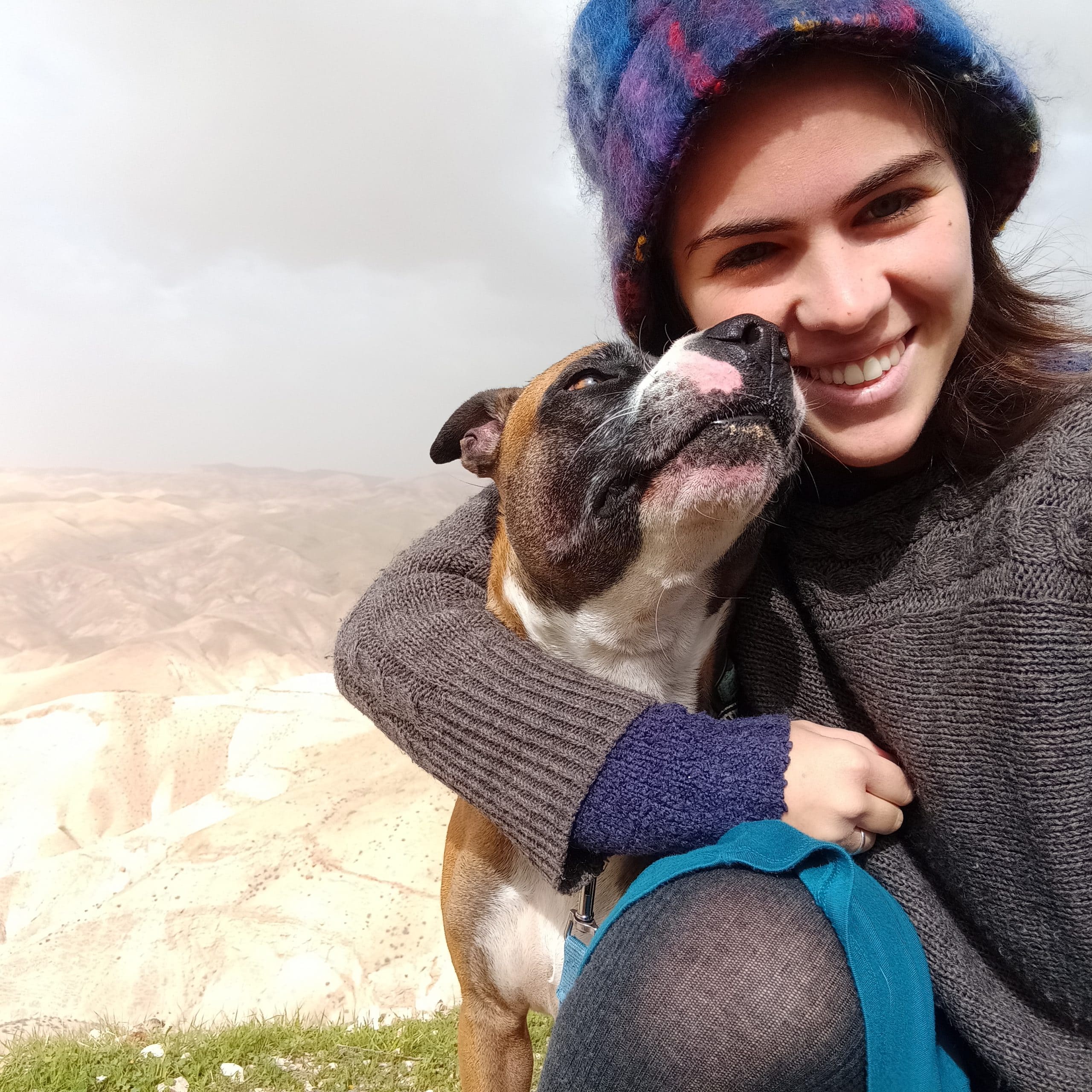
התחלתי ללמוד דף יומי אחרי שחזרתי בתשובה ולמדתי במדרשה במגדל עוז. הלימוד טוב ומספק חומר למחשבה על נושאים הלכתיים ”קטנים” ועד לערכים גדולים ביהדות. חשוב לי להכיר את הגמרא לעומק. והצעד הקטן היום הוא ללמוד אותה בבקיאות, בעזרת השם, ומי יודע אולי גם אגיע לעיון בנושאים מעניינים. נושאים בגמרא מתחברים לחגים, לתפילה, ליחסים שבין אדם לחברו ולמקום ולשאר הדברים שמלווים באורח חיים דתי 🙂

Gaia Divo
גאיה דיבו

מצפה יריחו, ישראל

התחלתי ללמוד לפני 4.5 שנים, כשהודיה חברה שלי פתחה קבוצת ווטסאפ ללימוד דף יומי בתחילת מסכת סנהדרין. מאז לימוד הדף נכנס לתוך היום-יום שלי והפך לאחד ממגדירי הזהות שלי ממש.

Rosenberg Foundation
קרן רוזנברג

ירושלים, ישראל

כבר סיפרתי בסיום של מועד קטן.
הלימוד מאוד משפיעה על היום שלי כי אני לומדת עם רבנית מישל על הבוקר בזום. זה נותן טון לכל היום – בסיס למחשבות שלי .זה זכות גדול להתחיל את היום בלימוד ובתפילה. תודה רבה !

שרה-ברלוביץ
שרה ברלוביץ

ירושלים, ישראל

התחלתי ללמוד דף לפני קצת יותר מ-5 שנים, כשלמדתי רבנות בישיבת מהר”ת בניו יורק. בדיעבד, עד אז, הייתי בלימוד הגמרא שלי כמו מישהו שאוסף חרוזים משרשרת שהתפזרה, פה משהו ושם משהו, ומאז נפתח עולם ומלואו…. הדף נותן לי לימוד בצורה מאורגנת, שיטתית, יום-יומית, ומלמד אותי לא רק ידע אלא את השפה ודרך החשיבה שלנו. לשמחתי, יש לי סביבה תומכת וההרגשה שלי היא כמו בציטוט שבחרתי: הדף משפיע לטובה על כל היום שלי.

Michal Kahana
מיכל כהנא

חיפה, ישראל

התחלתי ללמוד בסבב הנוכחי לפני כשנתיים .הסביבה מתפעלת ותומכת מאוד. אני משתדלת ללמוד מכל ההסכתים הנוספים שיש באתר הדרן. אני עורכת כל סיום מסכת שיעור בביתי לכ20 נשים שמחכות בקוצר רוח למפגשים האלו.

Yael Asher
יעל אשר

יהוד, ישראל

אמא שלי למדה איתי ש”ס משנה, והתחילה ללמוד דף יומי. אני החלטתי שאני רוצה ללמוד גם. בהתחלה למדתי איתה, אח”כ הצטרפתי ללימוד דף יומי שהרב דני וינט מעביר לנוער בנים בעתניאל. במסכת עירובין עוד חברה הצטרפה אלי וכשהתחלנו פסחים הרב דני פתח לנו שעור דף יומי לבנות. מאז אנחנו לומדות איתו קבוע כל יום את הדף היומי (ובשבת אבא שלי מחליף אותו). אני נהנית מהלימוד, הוא מאתגר ומעניין

Renana Hellman
רננה הלמן

עתניאל, ישראל

אחי, שלומד דף יומי ממסכת ברכות, חיפש חברותא ללימוד מסכת ראש השנה והציע לי. החברותא היתה מאתגרת טכנית ורוב הזמן נעשתה דרך הטלפון, כך שבסיום המסכת נפרדו דרכינו. אחי חזר ללמוד לבד, אבל אני כבר נכבשתי בקסם הגמרא ושכנעתי את האיש שלי להצטרף אלי למסכת ביצה. מאז המשכנו הלאה, ועכשיו אנחנו מתרגשים לקראתו של סדר נשים!

Shulamit Saban
שולמית סבן

נוקדים, ישראל

A life-changing journey started with a Chanukah family tiyul to Zippori, home of the Sanhedrin 2 years ago and continued with the Syum in Binanei Hauma where I was awed by the energy of 3000 women dedicated to learning daf Yomi. Opening my morning daily with a fresh daf, I am excited with the new insights I find enriching my life and opening new and deeper horizons for me.

Becky Goldstein
בקי גולדשטיין

Elazar gush etzion, Israel

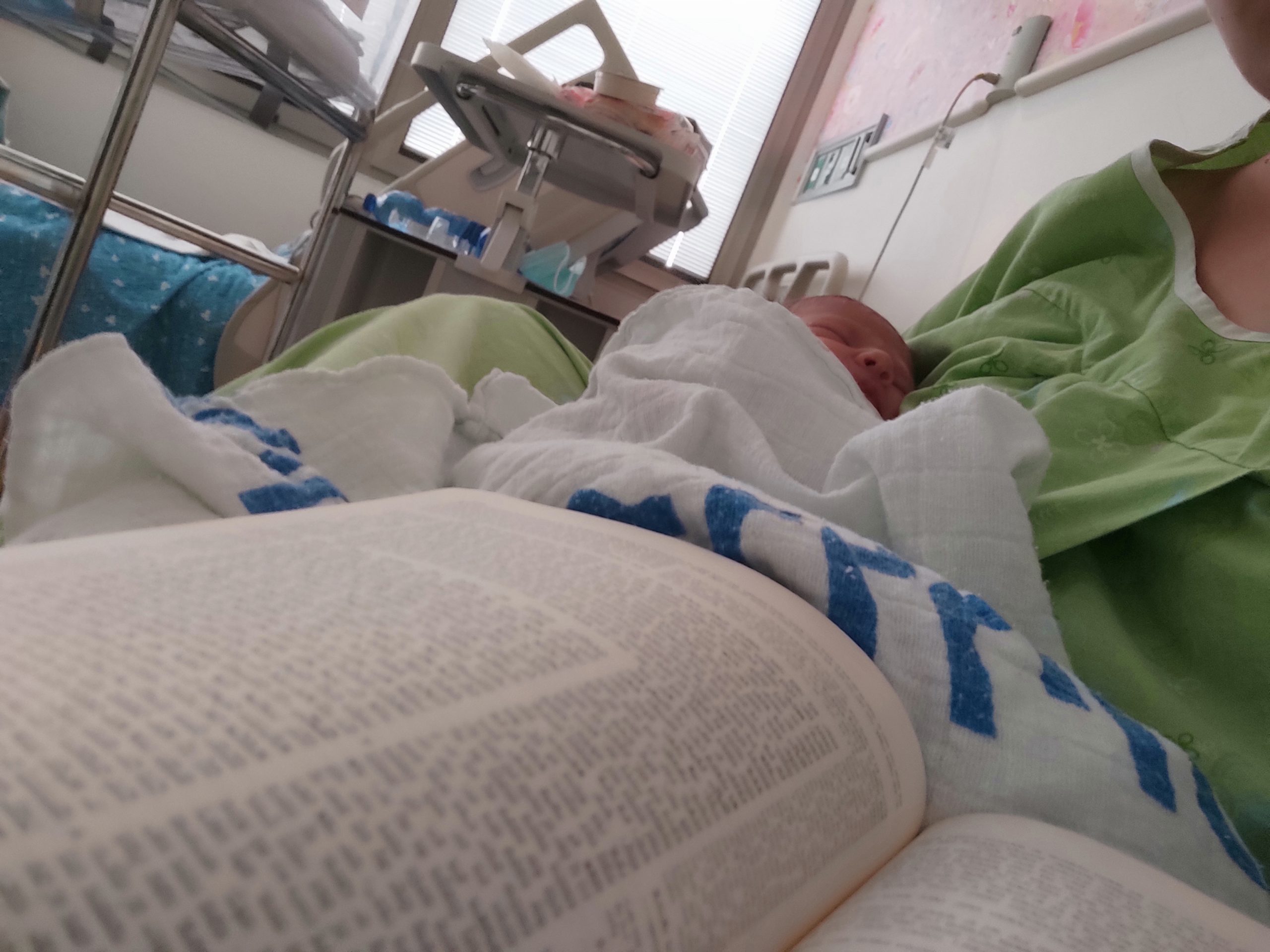
בתחילת הסבב הנוכחי הצטברו אצלי תחושות שאני לא מבינה מספיק מהי ההלכה אותה אני מקיימת בכל יום. כמו כן, כאמא לבנות רציתי לתת להן מודל נשי של לימוד תורה
שתי הסיבות האלו הובילו אותי להתחיל ללמוד. נתקלתי בתגובות מפרגנות וסקרניות איך אישה לומדת גמרא..
כמו שרואים בתמונה אני ממשיכה ללמוד גם היום ואפילו במחלקת יולדות אחרי לידת ביתי השלישית.

Noa Shiloh
נועה שילה

רבבה, ישראל

בסוף הסבב הקודם ראיתי את השמחה הגדולה שבסיום הלימוד, בעלי סיים כבר בפעם השלישית וכמובן הסיום הנשי בבנייני האומה וחשבתי שאולי זו הזדמנות עבורי למשהו חדש.
למרות שאני שונה בסביבה שלי, מי ששומע על הלימוד שלי מפרגן מאוד.
אני מנסה ללמוד קצת בכל יום, גם אם לא את כל הדף ובסך הכל אני בדרך כלל עומדת בקצב.
הלימוד מעניק המון משמעות ליום יום ועושה סדר בלמוד תורה, שתמיד היה (ועדיין) שאיפה. אבל אין כמו קביעות

Racheli-Mendelson
רחלי מנדלסון

טל מנשה, ישראל

התחלתי בסיום הש”ס, יצאתי באורות. נשברתי פעמיים, ובשתיהם הרבנית מישל עודדה להמשיך איפה שכולם בסבב ולהשלים כשאוכל, וכך עשיתי וכיום השלמתי הכל. מדהים אותי שאני לומדת כל יום קצת, אפילו בחדר הלידה, בבידוד או בחו”ל. לאט לאט יותר נינוחה בסוגיות. לא כולם מבינים את הרצון, בפרט כפמניסטית. חשה סיפוק גדול להכיר את המושגים וצורת החשיבה. החלום זה להמשיך ולהתמיד ובמקביל ללמוד איך מהסוגיות נוצרה והתפתחה ההלכה.

Weingarten Sherrington Foundation
קרן וינגרטן שרינגטון

מודיעין, ישראל

. לא תמיד נהניתי מלימוד גמרא כילדה.,בל כהתבגרתי התחלתי לאהוב את זה שוב. התחלתי ללמוד מסכת סוטה בדף היומי לפני כחמש עשרה שנה ואז הפסקתי.הגעתי לסיום הגדול של הדרן לפני שנתיים וזה נתן לי השראה. והתחלתי ללמוד למשך כמה ימים ואז היתה לי פריצת דיסק והפסקתי…עד אלול השנה. אז התחלתי עם מסכת ביצה וב”ה אני מצליחה לעמוד בקצב. המשפחה מאוד תומכת בי ויש כמה שגם לומדים את זה במקביל. אני אוהבת שיש עוגן כל יום.

Rebecca Darshan
רבקה דרשן

בית שמש, ישראל

התחלתי ללמוד דף יומי באמצע תקופת הקורונה, שאבא שלי סיפר לי על קבוצה של בנות שתיפתח ביישוב שלנו ותלמד דף יומי כל יום. הרבה זמן רציתי להצטרף לזה וזאת הייתה ההזדמנות בשבילי. הצטרפתי במסכת שקלים ובאמצע הייתה הפסקה קצרה. כיום אני כבר לומדת באולפנה ולומדת דף יומי לבד מתוך גמרא של טיינזלץ.

Saturdays in Raleigh
שבות בראלי

עתניאל, ישראל

התחלתי ללמוד דף יומי ממסכת נידה כי זה היה חומר הלימוד שלי אז. לאחר הסיום הגדול בבנייני האומה החלטתי להמשיך. וב”ה מאז עם הפסקות קטנות של קורונה ולידה אני משתדלת להמשיך ולהיות חלק.

זה משפיע מאוד על היום יום שלי ועל אף שאני עסוקה בלימודי הלכה ותורה כל יום, זאת המסגרת הקבועה והמחייבת ביותר שיש לי.

Moriah Taesan Michaeli
מוריה תעסן מיכאלי

גבעת הראל, ישראל

התחלתי ללמוד את הדף היומי מעט אחרי שבני הקטן נולד. בהתחלה בשמיעה ולימוד באמצעות השיעור של הרבנית שפרבר. ובהמשך העזתי וקניתי לעצמי גמרא. מאז ממשיכה יום יום ללמוד עצמאית, ולפעמים בעזרת השיעור של הרבנית, כל יום. כל סיום של מסכת מביא לאושר גדול וסיפוק. הילדים בבית נהיו חלק מהלימוד, אני משתפת בסוגיות מעניינות ונהנית לשמוע את דעתם.

Eliraz Blau
אלירז בלאו

מעלה מכמש, ישראל

כבר סיפרתי בסיום של מועד קטן.
הלימוד מאוד משפיעה על היום שלי כי אני לומדת עם רבנית מישל על הבוקר בזום. זה נותן טון לכל היום – בסיס למחשבות שלי .זה זכות גדול להתחיל את היום בלימוד ובתפילה. תודה רבה !

שרה-ברלוביץ
שרה ברלוביץ

ירושלים, ישראל

רציתי לקבל ידע בתחום שהרגשתי שהוא גדול וחשוב אך נעלם ממני. הלימוד מעניק אתגר וסיפוק ומעמיק את תחושת השייכות שלי לתורה וליהדות

Ruth Agiv
רות עגיב

עלי זהב – לשם, ישראל

התחלתי ללמוד דף יומי לפני שנתיים, עם מסכת שבת. בהתחלה ההתמדה היתה קשה אבל בזכות הקורונה והסגרים הצלחתי להדביק את הפערים בשבתות הארוכות, לסיים את מסכת שבת ולהמשיך עם המסכתות הבאות. עכשיו אני מסיימת בהתרגשות רבה את מסכת חגיגה וסדר מועד ומחכה לסדר הבא!

Ilana-Shachnowitz
אילנה שכנוביץ

מודיעין, ישראל

A friend in the SF Bay Area said in Dec 2019 that she might start listening on her morning drive to work. I mentioned to my husband and we decided to try the Daf when it began in Jan 2020 as part of our preparing to make Aliyah in the summer.

Hana Piotrkovsky
חנה פיוטרקובסקי

ירושלים, Israel

התחלתי כשהייתי בחופש, עם הפרסומים על תחילת המחזור, הסביבה קיבלה את זה כמשהו מתמיד ומשמעותי ובהערכה, הלימוד זה עוגן יציב ביום יום, יש שבועות יותר ויש שפחות אבל זה משהו שנמצא שם אמין ובעל משמעות בחיים שלי….

Adi Diamant
עדי דיאמנט

גמזו, ישראל

ראש השנה טו

מַאן שָׁמְעַתְּ לֵיהּ דְּאָזֵיל בָּתַר לְקִיטָה — רַבָּן גַּמְלִיאֵל, וְקָתָנֵי שְׁבָט!

The Gemara clarifies this ruling: Whom did you hear that said the tithe year of an etrog follows the time of the picking of its fruit? It was Rabban Gamliel. And yet this baraita is teaching that the new year for tithing an etrog is the fifteenth of Shevat, against the opinion of Rabba bar Rav Huna, who says that according to Rabban Gamliel it is the first of Tishrei.

אֶלָּא, אִי אִתְּמַר הָכִי אִתְּמַר: אָמַר רַבָּה בַּר רַב הוּנָא: אַף עַל גַּב דְּאָמַר רַבָּן גַּמְלִיאֵל אֶתְרוֹג אַחַר לְקִיטָה כְּיָרָק — רֹאשׁ הַשָּׁנָה שֶׁלּוֹ שְׁבָט.

Rather, if this was said, it was said as follows: Rabba bar Rav Huna said: Even though Rabban Gamliel said that the tithe year of an etrog follows the time of the picking of its fruit, like a vegetable, its new year is in Shevat, like a tree.

מַאי שְׁנָא הָתָם דְּקָתָנֵי ״אִם הָיְתָה שְׁנִיָּה נִכְנֶסֶת לִשְׁלִישִׁית״ וּמַאי שְׁנָא הָכָא דְּקָתָנֵי ״אִם הָיְתָה שְׁלִישִׁית נִכְנֶסֶת לִרְבִיעִית״?

The Gemara asks: What is different there, in the baraita with regard to one who picked vegetables on the eve of Rosh HaShana, such that it teaches the case when it was the second year of the Sabbatical cycle going into the third year, and what is different here, in the baraita dealing with one who was picking the fruit of an etrog tree on the eve of the fifteenth of Shevat, such that it teaches the case when it was the third year going into the fourth year? Why is the same example not brought in both cases?

מִילְּתָא אַגַּב אוֹרְחֵיהּ קָא מַשְׁמַע לַן, דְּאֶתְרוֹג קַשְׁיָא לֵיהּ יְדָא וְאַיְּידֵי דִּמְמַשְׁמְשִׁי בֵּיהּ כּוּלֵּי עָלְמָא בִּשְׁבִיעִית, לָא טָעֵין פֵּרֵי עַד תְּלָת שְׁנִין.

The Gemara answers: It teaches us a matter in passing, that it is damaging for an etrog when the tree is handled, and since everyone handles it in the Sabbatical Year, as all the orchards are declared ownerless and everyone is permitted to enter and pick produce, the tree does not bear fruit that is fit for eating for another three years.

בְּעָא מִינֵּיהּ רַבִּי יוֹחָנָן מֵרַבִּי יַנַּאי: אֶתְרוֹג, רֹאשׁ הַשָּׁנָה שֶׁלּוֹ אֵימָתַי? אֲמַר לֵיהּ: שְׁבָט. שְׁבָט דָּחֳדָשִׁים, אוֹ שְׁבָט דִּתְקוּפָה? אֲמַר לֵיהּ: דָּחֳדָשִׁים.

Rabbi Yoḥanan inquired of Rabbi Yannai: With regard to an etrog, when is its new year? Rabbi Yannai said to him: It is in Shevat. Rabbi Yoḥanan asked again: Are you referring to the lunar month of Shevat or to the Shevat of the solar season, which begins thirty days after the winter solstice, but on a different date each year? Rabbi Yannai said to him: I am referring to the lunar month of Shevat.

בְּעָא מִינֵּיהּ רָבָא מֵרַב נַחְמָן, וְאָמְרִי לַהּ רַבִּי יוֹחָנָן מֵרַבִּי יַנַּאי: הָיְתָה שָׁנָה מְעוּבֶּרֶת, מַהוּ? אֲמַר לֵיהּ: הַלֵּךְ אַחַר רוֹב שָׁנִים.

Rava inquired of Rav Naḥman, and some say that it was Rabbi Yoḥanan who inquired of Rabbi Yannai: If it was a leap year, what is the halakha? Does the new year for trees then move to the First Adar, which is the penultimate month in a leap year? He said to him: Follow the majority of years. Even in a leap year the new year for trees is in Shevat.

אָמַר רַבָּה: אֶתְרוֹג בַּת שִׁשִּׁית שֶׁנִּכְנְסָה לִשְׁבִיעִית — פְּטוּרָה מִן הַמַּעֲשֵׂר וּפְטוּרָה מִן הַבִּיעוּר. וּבַת שְׁבִיעִית שֶׁנִּכְנְסָה לִשְׁמִינִית — פְּטוּרָה בַּמַּעֲשֵׂר וְחַיֶּיבֶת בַּבִּיעוּר.

Rabba said: An etrog from the sixth year of the Sabbatical cycle that entered into, and was picked in, the Sabbatical Year is exempt from tithes, like the produce of the Sabbatical Year, and is also exempt from the mitzva of elimination of Sabbatical Year produce from one’s house after produce of that particular species is no longer found in the field. A Sabbatical Year etrog that entered into, and was picked in, the eighth year is exempt from tithes but is subject to the mitzva of elimination of Sabbatical Year produce from one’s house.

אֲמַר לֵיהּ אַבָּיֵי: בִּשְׁלָמָא סֵיפָא — לְחוּמְרָא, אֶלָּא רֵישָׁא פְּטוּרָה מִן הַבִּיעוּר — אַמַּאי? דְּאָמְרִינַן זִיל בָּתַר חֲנָטָה, אִי הָכִי תִּיחַיַּיב בְּמַעֲשֵׂר!

Abaye said to him: Granted, in the latter clause the halakha follows the more stringent approach, as it follows the time of the formation of the fruit, which was in the Sabbatical Year, and therefore the etrog is subject to the mitzva of elimination. But in the first clause, which states that the etrog is exempt from the mitzva of elimination, why is this so? It must be that we say to follow the time of the formation of the fruit, which was in the sixth year. But if so, it should be subject to tithes.

אֲמַר לֵיהּ: יַד הַכֹּל מְמַשְׁמְשִׁין בָּהּ, וְאַתְּ אָמְרַתְּ תִּיחַיַּיב בְּמַעֲשֵׂר?!

Rabba said to him: Everyone’s hand is touching it, as all are permitted to enter the orchards and touch all the fruit, and so the etrog is regarded as ownerless, and yet you wish to say that it should be subject to tithes? Even if it is not exempt as fruit of the Sabbatical Year, it is exempt from tithes because it is now ownerless.

וְרַב הַמְנוּנָא אָמַר: בַּת שִׁשִּׁית שֶׁנִּכְנֶסֶת לִשְׁבִיעִית — לְעוֹלָם שִׁשִּׁית, וּבַת שְׁבִיעִית הַנִּכְנֶסֶת לִשְׁמִינִית — לְעוֹלָם שְׁבִיעִית.

Rav Hamnuna argued and said: An etrog from the sixth year of the Sabbatical cycle that entered into, and was picked in, the Sabbatical Year is always and for all purposes considered sixth-year produce. And an etrog from the Sabbatical Year that entered into, and was picked in, the eighth year is always and for all purposes considered produce of the Sabbatical Year.

מֵיתִיבִי, רַבִּי שִׁמְעוֹן בֶּן יְהוּדָה אוֹמֵר מִשּׁוּם רַבִּי שִׁמְעוֹן: אֶתְרוֹג בַּת שִׁשִּׁית שֶׁנִּכְנֶסֶת לִשְׁבִיעִית — פְּטוּרָה מִן הַמַּעֲשֵׂר וּפְטוּרָה מִן הַבִּיעוּר, שֶׁאֵין לְךָ דָּבָר שֶׁחַיָּיב בְּמַעֲשֵׂר אֶלָּא אִם כֵּן גָּדַל בְּחִיּוּב וְנִלְקַט בְּחִיּוּב. וּבַת שְׁבִיעִית שֶׁנִּכְנֶסֶת לִשְׁמִינִית — פְּטוּרָה מִן הַמַּעֲשֵׂר וּפְטוּרָה מִן הַבִּיעוּר, שֶׁאֵין לְךָ דָּבָר שֶׁחַיָּיב בְּבִיעוּר אֶלָּא אִם כֵּן גָּדַל בִּשְׁבִיעִית וְנִלְקַט בִּשְׁבִיעִית.

The Gemara raises an objection from the following baraita: Rabbi Shimon ben Yehuda said in the name of Rabbi Shimon: An etrog from the sixth year that entered into, and was picked in, the Sabbatical Year is exempt from tithes, and it is also exempt from the mitzva of elimination of Sabbatical Year produce from one’s house, as there is nothing that is subject to tithes unless it both grew at a time of obligation in tithes and was also picked at a time of obligation. Likewise, an etrog from the Sabbatical Year that entered into, and was picked in, the eighth year is exempt from tithes, and it is also exempt from the mitzva of elimination, as nothing is subject to the mitzva of elimination unless it both grew in the Sabbatical Year and was also picked in the Sabbatical Year.

רֵישָׁא קַשְׁיָא לְרַב הַמְנוּנָא, סֵיפָא קַשְׁיָא בֵּין לְרַבָּה בֵּין לְרַב הַמְנוּנָא!

The Gemara notes: The first clause of this baraita poses a difficulty with regard to the opinion of Rav Hamnuna, who says that a sixth-year etrog that was picked in the Sabbatical Year is subject to tithes. And the latter clause of the baraita poses a difficulty with regard to the opinions of both Rabba and Rav Hamnuna, as they both say that a Sabbatical-Year etrog that was picked in the eighth year is subject to the mitzva of elimination.

תַּנָּאֵי הִיא. דְּתַנְיָא, אָמַר רַבִּי יוֹסֵי, אַבְטוּלְמוֹס הֵעִיד מִשּׁוּם חֲמִשָּׁה זְקֵנִים: אֶתְרוֹג — אַחַר לְקִיטָתוֹ לְמַעֲשֵׂר, וְרַבּוֹתֵינוּ נִמְנוּ בְּאוּשָׁא, וְאָמְרוּ: אַחַר לְקִיטָתוֹ, בֵּין לְמַעֲשֵׂר בֵּין לִשְׁבִיעִית.

The Gemara answers: The matter is a dispute between tanna’im, as it is taught in a baraita: Rabbi Yosei said: Avtolemos testified in the name of five Elders: An etrog follows the time of its picking in the matter of tithes. But our Sages voted in Usha and said that an etrog follows the time of its picking, both in the matter of tithes and in the matter of the Sabbatical Year.

שְׁבִיעִית מַאן דְּכַר שְׁמֵיהּ?

The Gemara raises a question about this baraita: Who mentioned anything about the Sabbatical Year? The subject of the discussion was tithes.

חַסּוֹרֵי מִיחַסְּרָא וְהָכִי קָתָנֵי: אֶתְרוֹג — אַחַר לְקִיטָתוֹ לְמַעֲשֵׂר וְאַחַר חֲנָטָה לִשְׁבִיעִית. וְרַבּוֹתֵינוּ נִמְנוּ בְּאוּשָׁא: אַחַר לְקִיטָתוֹ, בֵּין לְמַעֲשֵׂר בֵּין לִשְׁבִיעִית.

The Gemara answers: The baraita is incomplete and is teaching the following: Avtolemos testified in the name of five Elders: An etrog follows the time of its picking in the matter of tithes and it follows the time of the formation of its fruit in the matter of the Sabbatical Year. But our Sages voted in Usha and decided that an etrog follows the time of its picking, both in the matter of tithes and in the matter of the Sabbatical Year.

אִיתְּמַר, רַבִּי יוֹחָנָן וְרֵישׁ לָקִישׁ אָמְרִי תַּרְוַיְיהוּ: אֶתְרוֹג בַּת שִׁשִּׁית שֶׁנִּכְנְסָה לִשְׁבִיעִית — לְעוֹלָם שִׁשִּׁית. כִּי אֲתָא רָבִין אָמַר רַבִּי יוֹחָנָן: אֶתְרוֹג בַּת שִׁשִּׁית שֶׁנִּכְנְסָה לִשְׁבִיעִית, אֲפִילּוּ כְּזַיִת וְנַעֲשֵׂית כִּכָּר — חַיָּיבִין עָלֶיהָ מִשּׁוּם טֶבֶל.

It was stated that the amora’im of Eretz Yisrael discussed this issue: Rabbi Yoḥanan and Reish Lakish both say: An etrog from the sixth year of the Sabbatical cycle that entered into, and was picked in, the Sabbatical Year is always and for all purposes considered as sixth-year produce. When Ravin came from Eretz Yisrael to Babylonia, he said that Rabbi Yoḥanan said: A sixth-year etrog that entered into, and was picked in, the Sabbatical Year, although at the beginning of the Sabbatical Year it was only the size of an olive-bulk and during the Sabbatical Year it grew to the size of a loaf of bread, is considered sixth-year produce that is subject to tithing, and if one eats it without tithing, he is liable for eating untithed produce.

תָּנוּ רַבָּנַן: אִילָן שֶׁחָנְטוּ פֵּירוֹתָיו קוֹדֶם חֲמִשָּׁה עָשָׂר בִּשְׁבָט — מִתְעַשֵּׂר לְשָׁנָה שֶׁעָבְרָה, אַחַר חֲמִשָּׁה עָשָׂר בִּשְׁבָט — מִתְעַשֵּׂר לְשָׁנָה הַבָּאָה. אָמַר רַבִּי נְחֶמְיָה: בַּמֶּה דְּבָרִים אֲמוּרִים — בְּאִילָן שֶׁעוֹשֶׂה שְׁתֵּי בְרִיכוֹת בַּשָּׁנָה.

The Sages taught in a baraita: A tree whose fruits were formed before the fifteenth of Shevat is tithed in accordance with the previous year, and if the fruits were formed after the fifteenth of Shevat it is tithed in accordance with the coming year. Rabbi Neḥemya said: In what case is this statement said? It is said with regard to a tree that produces two broods, two crops, in a single year.

שְׁתֵּי בְרִיכוֹת סָלְקָא דַּעְתָּךְ? אֶלָּא אֵימָא: כְּעֵין שְׁתֵּי בְרִיכוֹת.

The Gemara interrupts with a question about the wording of this baraita: Does it enter your mind to say two broods? Animals produce broods, but trees do not. Rather, say: Like two broods, i.e., two seasons’ worth of crops.

אֲבָל אִילָן הָעוֹשֶׂה בְּרִיכָה אַחַת, כְּגוֹן דְּקָלִים וְזֵיתִים וְחָרוּבִין, אַף עַל פִּי שֶׁחָנְטוּ פֵּירוֹתֵיהֶן קוֹדֶם חֲמִשָּׁה עָשָׂר בִּשְׁבָט — מִתְעַשְּׂרִין לְשָׁנָה הַבָּאָה.

The baraita continues: But in the case of trees that produce only one brood of fruit, for example, palm trees, and olive trees, and carob trees, which yield fruit only once a year, although their fruit took form before the fifteenth of Shevat, they are tithed in accordance with the coming year, since they follow the time of their fruit’s picking. According to Rabbi Neḥemya, most fruit will be tithed according to the time that the fruit is picked, since only a minority of fruit trees produce two crops a year.

אָמַר רַבִּי יוֹחָנָן: נָהֲגוּ הָעָם בֶּחָרוּבִין כְּרַבִּי נְחֶמְיָה.

Rabbi Yoḥanan said: The people were accustomed to act with regard to carobs in accordance with the opinion of Rabbi Neḥemya, that their tithe year follows the time of the fruit’s picking.

אֵיתִיבֵיהּ רֵישׁ לָקִישׁ לְרַבִּי יוֹחָנָן: בְּנוֹת שׁוּחַ — שְׁבִיעִית שֶׁלָּהֶן שְׁנִיָּה, מִפְּנֵי שֶׁעוֹשׂוֹת לִשְׁלֹשׁ הַשָּׁנִים!

Reish Lakish raised an objection to the opinion of Rabbi Yoḥanan from a mishna that teaches: In the case of white fig trees, the Sabbatical Year for them with regard to the halakhot of eating and elimination is in the second year of the Sabbatical cycle, due to the fact that their fruit grows for three years, and so the fruit that ripens in the second year of the Sabbatical cycle had already taken form in the previous Sabbatical Year. This indicates that the tithe follows the time of the formation of the fruit and not the time of picking.

אִישְׁתִּיק. אֲמַר לֵיהּ רַבִּי אַבָּא הַכֹּהֵן לְרַבִּי יוֹסֵי הַכֹּהֵן: אַמַּאי אִישְׁתִּיק? לֵימָא לֵיהּ: אָמֵינָא לָךְ אֲנָא רַבִּי נְחֶמְיָה, וְאַתְּ אָמְרַתְּ לִי רַבָּנַן?!

Rabbi Yoḥanan was silent and did not respond, as though he had no answer. Rabbi Abba the priest said to Rabbi Yosei the priest: Why was Rabbi Yoḥanan silent? He should have said to Reish Lakish as follows: I am speaking to you of the opinion of Rabbi Neḥemya, and you say to me the opinion of the Rabbis?

מִשּׁוּם דַּאֲמַר לֵיהּ: שָׁבְקַתְּ רַבָּנַן וְעָבְדַתְּ כְּרַבִּי נְחֶמְיָה?!

Rabbi Yosei the priest answered: He could not have made this argument, because Reish Lakish would then have said to him: Do you abandon the opinion of the Rabbis, who constitute the majority, and act in accordance with the opinion of Rabbi Neḥemya, who expresses a sole dissenting opinion?

וְלֵימָא לֵיהּ: קָאָמֵינָא לָךְ ״נָהֲגוּ״, וְאַתְּ אָמְרַתְּ לִי אִיסּוּרָא?! דַּאֲמַר לֵיהּ: בִּמְקוֹם אִיסּוּרָא, כִּי נָהֲגוּ שָׁבְקִינַן לְהוּ?!

Rabbi Abba the priest asked further: Rabbi Yoḥanan should have said to him: I am speaking to you only about how the people practice and that their custom follows the opinion of Rabbi Neḥemya, and you say to me that it is a prohibition? Rabbi Yosei the priest answered: He could not have said this, because Reish Lakish would then have said to him: Where there is a prohibition, even if they were accustomed to act in a particular manner, would we leave them to continue?

וְלֵימָא לֵיהּ: כִּי אָמֵינָא לָךְ אֲנָא — מַעֲשֵׂר חָרוּבִין דְּרַבָּנַן, וְאַתְּ אָמְרַתְּ לִי שְׁבִיעִית דְּאוֹרָיְיתָא?!

Rabbi Abba the priest asked further: Rabbi Yoḥanan should have said to Reish Lakish as follows: I am speaking to you about the tithe of carobs, which is only by rabbinic decree, as by Torah law all fruits apart from grapes and olives are exempt from tithing, and you speak to me about the Sabbatical Year, which is by Torah law? This being an irrefutable argument, the Gemara once again clarifies this matter.

אֶלָּא אָמַר רַבִּי אַבָּא הַכֹּהֵן: תְּמֵיהַנִי אִם הֱשִׁיבָהּ רֵישׁ לָקִישׁ לִתְשׁוּבָה זוֹ. אִם הֱשִׁיבָהּ? הָא אוֹתְבַהּ! אֶלָּא אֵימָא: אִם קִיבְּלָהּ רַבִּי יוֹחָנָן, אִם לָא קִיבְּלָהּ.

Rather, Rabbi Abba the priest said: I wonder whether Reish Lakish actually raised this original objection to the opinion of Rabbi Yoḥanan, since it has such a clear refutation. The Gemara asks: Whether he asked it? But he did ask it, as is reported in the story. Rather, say: I wonder if Rabbi Yoḥanan accepted this question and was silent because he had nothing to answer, or he did not accept it but nevertheless remained silent because he thought the question was not worthy of an answer.

רוצה לעקוב אחרי התכנים ולהמשיך ללמוד?

ביצירת חשבון עוד היום ניתן לעקוב אחרי ההתקדמות שלך, לסמן מה למדת, ולעקוב אחרי השיעורים שמעניינים אותך.

לנקות את כל הפריטים מהרשימה?

פעולה זו תסיר את כל הפריטים בחלק זה כולל ההתקדמות וההיסטוריה. שימי לב: לא ניתן לשחזר פעולה זו.

ביטול
מחיקה

האם את/ה בטוח/ה שברצונך למחוק פריט זה?

תאבד/י את כל ההתקדמות או ההיסטוריה הקשורות לפריט זה.

ביטול
מחיקה