חיפוש

ראש השנה טז

רוצה להקדיש לימוד?

podcast placeholder

0:00
0:00


תקציר

השיעור היום מוקדש על ידי סטייסי גודשטיין אשטמקר לזכר נשמת אמא, ארלין גולדשטיין. "אמי היתה אשה מיוחדת שאהבה ללמוד, מסורה ליהדות ובנתה בית יהודי חזק. היא היתה נרגשת אילו ידעה שאני לומדת מדי יום דף יומי כמעט שנתיים! מתגעגעים במיוחד היום כי מחר בע”ה תתחתן נכדתה הבכורה חנה בירושלים.” 

ישנן ארבע פעמים בשנה שהעולם נשפט – בפסח לתבואה, בחג השבועות לפירות, בראש השנה אנשים מופיעים לפני אלוהים כמו בני מרון ובסוכות למים. איך בדיוק שופטים אותנו לתבואה בפסח – זה לקראת סוף עונת הצמיחה? האם זה קשור למה שכבר צומחת או ליבול החדש שייזרע בהמשך השנה? בסופו של דבר מובן כי כל יבול נשפט פעמיים – כל פסח לגידול שכבר גדל כמו גם היבול שיזרע. הגמרא מביאה ברייתא עם ארבע דעות שונות לגבי מתי שופטים את העולם ואף אחת מהדעות האלה לא תואמת את המשנה. כדי לפתור זאת, מביאים ברייתא מבית מדרשו של רבי ישמעאל התואם את הדעה במשנה. מדוע רבי יוסי (מצוטט בברייתא) קובע שאנשים נשפטים כל יום ולמה הוא לא הסכים אם כן עם רבי נתן שקבע שהם נשפטים כל שעה? אותו פסוק המשמש לענות על שאלה זו משמש ללמד שאם מלך והציבור הולכים לדין, המלך הולך ראשון או כי לא ראוי להשאיר את המלך לחכות בחוץ או שעדיף לתת לו ללכת לפני השופט כועס משמיעת כל חטאי האחרים. אם, על פי רוב הדעות, אנשים נשפטים פעם בשנה, אז מדוע אנו מתפללים מדי יום בעד חולים ואחרים? אולי תפילותינו לחולים הן בעלות משמעות רק על פי ר’ יוסי הקובע כי אנו נשפטים על בסיס יומיומי? אפשר להבין את תפילותינו גם על פי אחרים, שכן רבי יצחק קובע שתפילות יכולות להיות יעילות גם לאחר שאלוהים קבע מה יהיה. יש ברייתא המחברת בין הקרבנות המובאות בחגים לבין הדבר שעבורו אנו נידונים באותו חג. אנו משתמשים בשופר העשוי מאיל בראש השנה כדי להזכיר לאלוהים את עקידת יצחק – תקיעת השופר היא כאילו עקדנו את עצמינו לפני הקב”ה. רבי יצחק הסביר שחלק מהתקיעות נעשות בישיבה (לא בזמן אמירת העמידה) ובחלקן בעמידה (במהלך תפילת שמונה עשרה) על מנת לבלבל את השטן. מספר מימרות אחרות שלו מובאות בנוגע למספר נושאים שונים, כולל, הקב”ה דן אותנו רק על סמך מעשינו כעת ולא על מה שעתיד להיות, לימוד מישמעאל "באשר הוא שם”, מה ניתן לעשות כדי לשנות גזר דין של הקב”ה, יש לבקר את רבו ברגל וכן להיטהר ברגל, ואחרים. דרשות מהפסוקים מובאים לכל אמירה. בראש השנה נפתחים שלושה ספרים – לצדיקים, לבינוניים ולרשעים. החלטות מיידיות מתקבלות לצדיקים ולרשעים, וגזר דין של בינוניים נחתם עד יום כיפור. שני פסוקים שונים מובאים כמקור לכך שיש שלושה ספרים. בית שמאי דן באותן שלוש קטגוריות של אנשים בהקשר לתחיית המתים – מה יקרה לכל סוג?

ראש השנה טז

מַתְנִי׳ בְּאַרְבָּעָה פְּרָקִים הָעוֹלָם נִידּוֹן: בַּפֶּסַח — עַל הַתְּבוּאָה, בַּעֲצֶרֶת — עַל פֵּירוֹת הָאִילָן, בְּרֹאשׁ הַשָּׁנָה — כׇּל בָּאֵי עוֹלָם עוֹבְרִין לְפָנָיו כִּבְנֵי מָרוֹן, שֶׁנֶּאֱמַר: ״הַיּוֹצֵר יַחַד לִבָּם הַמֵּבִין אֶל כׇּל מַעֲשֵׂיהֶם״, וּבֶחָג נִידּוֹנִין עַל הַמַּיִם.

MISHNA: At four times of the year the world is judged: On Passover judgment is passed concerning grain; on Shavuot concerning fruits that grow on a tree; on Rosh HaShana all creatures pass before Him like sheep [benei maron], as it is stated: “He Who fashions their hearts alike, Who considers all their deeds” (Psalms 33:15); and on the festival of Sukkot they are judged concerning water, i.e., the rainfall of the coming year.

גְּמָ׳ הֵי תְּבוּאָה? אִילֵּימָא הָא תְּבוּאָה דְּקָיְימָא, כׇּל הָנֵי הַרְפַּתְקֵי דַּעֲדוֹ עֲלַהּ אֵימַת אִיתְּדוּן? אֶלָּא תְּבוּאָה דְּמִזְדַּרְעָא.

GEMARA: The mishna taught that on Passover judgment is passed concerning grain. The Gemara asks: Which grain is judged on Passover? If we say it is the grain that is presently standing in the fields ready to be reaped between Passover and Shavuot, when was judgment passed with regard to all those events [harpatkei] that already happened to the grain while it was growing in the winter? Rather, the mishna must be referring to the grain that will be sown over the coming year.

לְמֵימְרָא דְּחַד דִּינָא מִתַּדְנָא? וְהָתַנְיָא: תְּבוּאָה שֶׁאֵירַע בָּהּ קֶרִי אוֹ אוֹנֶס, קוֹדֶם הַפֶּסַח — נִידּוֹנֶית לְשֶׁעָבַר, לְאַחַר הַפֶּסַח — נִידּוֹנֶית לְהַבָּא. אָדָם שֶׁאֵירַע בּוֹ קֶרִי אוֹ אוֹנֶס, קוֹדֶם יוֹם הַכִּפּוּרִים — נִידּוֹן לְשֶׁעָבַר, לְאַחַר יוֹם הַכִּפּוּרִים — נִידּוֹן לְהַבָּא.

The Gemara asks further: Is this to say that only one judgment is passed concerning a particular crop, and no more? But isn’t it taught in a baraita: If grain suffers an incident or accident before Passover, it was judged in the past, the previous Passover; if this occurs after Passover, it was judged this Passover for the future. And similarly, if a person suffered an incident or accident before Yom Kippur, he was judged in the past, the previous Rosh HaShana; if this occurred after Yom Kippur, he was judged this Rosh HaShana for the future.

אָמַר רָבָא: שְׁמַע מִינַּהּ תְּרֵי דִינֵי מִתַּדְנָא. אָמַר אַבָּיֵי: הִלְכָּךְ, כִּי חָזֵי אִינָשׁ דְּמַצְלַח זַרְעָא אַפְלָא — לִיקַדֵּים וְלִיזְרַע חָרְפָא. דְּעַד דְּמָטֵי לְמֵדַיְינֵיהּ — קָדֵים סָלֵיק.

Rava said: Learn from here that two judgments are passed concerning each crop, one covering the period between the time it is sown and Passover and another covering the period between Passover and the time it is harvested. Abaye said: Therefore, if a person sees that his slow-growing crops, those that are sown at the beginning of the winter but ripen only in the spring or summer, are doing well, he should quickly sow fast-growing crops, such as barley, which can be sown at the end of the winter and still ripen before Passover, as before it is brought to judgment on the next Passover it will already have successfully grown, since he knows that this year’s crops were judged for a favorable yield.

מַנִּי מַתְנִיתִין? לָא רַבִּי מֵאִיר, וְלָא רַבִּי יְהוּדָה, וְלָא רַבִּי יוֹסֵי, וְלָא רַבִּי נָתָן.

The Gemara raises a question about the mishna: Whose opinion is expressed in the mishna? It is not in accordance with the opinion of Rabbi Meir, and not in accordance with the opinion of Rabbi Yehuda, and not in accordance with the opinion of Rabbi Yosei, and not in accordance with the opinion of Rabbi Natan.

דְּתַנְיָא: הַכֹּל נִידּוֹנִים בָּרֹאשׁ הַשָּׁנָה, וּגְזַר דִּין שֶׁלָּהֶם נֶחְתָּם בְּיוֹם הַכִּפּוּרִים, דִּבְרֵי רַבִּי מֵאִיר. רַבִּי יְהוּדָה אוֹמֵר: הַכֹּל נִידּוֹנִין בְּרֹאשׁ הַשָּׁנָה, וּגְזַר דִּין שֶׁלָּהֶם נֶחְתָּם כׇּל אֶחָד וְאֶחָד בִּזְמַנּוֹ: בַּפֶּסַח — עַל הַתְּבוּאָה, בַּעֲצֶרֶת — עַל פֵּירוֹת הָאִילָן, בֶּחָג נִידּוֹנִין עַל הַמַּיִם. וְאָדָם נִידּוֹן בְּרֹאשׁ הַשָּׁנָה, וּגְזַר דִּין שֶׁלּוֹ נֶחְתָּם בְּיוֹם הַכִּפּוּרִים.

The Gemara explains: As it is taught in a baraita: All are judged on Rosh HaShana, and their sentence is sealed on Yom Kippur; this is the statement of Rabbi Meir. Rabbi Yehuda says: All are judged on Rosh HaShana, and their sentence is sealed each in its own time: On Passover the sentence is sealed concerning grain; on Shavuot concerning fruits that grow on a tree; on the festival of Sukkot they are judged concerning water; and mankind is judged on Rosh HaShana, and the sentence is sealed on Yom Kippur.

רַבִּי יוֹסֵי אוֹמֵר: אָדָם נִידּוֹן בְּכׇל יוֹם, שֶׁנֶּאֱמַר: ״וַתִּפְקְדֶנּוּ לִבְקָרִים״. רַבִּי נָתָן אוֹמֵר: אָדָם נִידּוֹן בְּכׇל שָׁעָה, שֶׁנֶּאֱמַר: ״לִרְגָעִים תִּבְחָנֶנּוּ״.

Rabbi Yosei says: A person is judged every day, and not just once a year, as it is stated: “You visit him every morning” (Job 7:18), meaning that every morning an accounting is made and a judgment is passed. Rabbi Natan says: A person is judged every hour, as it is stated: “You try him every moment” (Job 7:18).

וְכִי תֵּימָא: לְעוֹלָם רַבִּי יְהוּדָה הִיא, וְכִי קָתָנֵי מַתְנִיתִין — אַגְּזַר דִּין, אִי הָכִי — קַשְׁיָא אָדָם!

And lest you say that actually, the mishna is taught in accordance with the opinion of Rabbi Yehuda, and when the mishna is taught, it is taught with regard to the sentence, and not the judgments, which are all passed on Rosh HaShana, if so, it is difficult with regard to mankind, as the mishna should have stated that the sentence is sealed on Yom Kippur.

אָמַר רָבָא: הַאי תָּנָא דְּבֵי רַבִּי יִשְׁמָעֵאל הִיא, דְּתָנָא דְּבֵי רַבִּי יִשְׁמָעֵאל, בְּאַרְבָּעָה פְּרָקִים הָעוֹלָם נִידּוֹן: בַּפֶּסַח — עַל הַתְּבוּאָה, בַּעֲצֶרֶת — עַל פֵּירוֹת הָאִילָן, בְּחָג נִידּוֹנִין עַל הַמַּיִם. וְאָדָם נִידּוֹן בָּרֹאשׁ הַשָּׁנָה, וּגְזַר דִּין שֶׁלּוֹ נֶחְתָּם בְּיוֹם הַכִּפּוּרִים. וְכִי קָתָנֵי מַתְנִיתִין — אַתְּחִלַּת דִּין.

Rava said: The tanna of the mishna is a tanna from the school of Rabbi Yishmael, as a tanna from the school of Rabbi Yishmael taught: At four times of the year the world is judged: On Passover concerning grain; on Shavuot concerning fruits that grow on a tree; on the festival of Sukkot they are judged concerning water; and mankind is judged on Rosh HaShana and the sentence is sealed on Yom Kippur. And when the mishna is taught, it is taught with regard to the beginning of the judgment process, i.e., the judgment of mankind is initially passed on Rosh HaShana.

אָמַר רַב חִסְדָּא: מַאי טַעְמָא דְּרַבִּי יוֹסֵי? כִּדְקָאָמַר טַעְמֵיהּ: ״וַתִּפְקְדֶנּוּ לִבְקָרִים״! אֲנַן הָכִי קָאָמְרִינַן: מַאי טַעְמָא לָא אָמַר כְּרַבִּי נָתָן? בְּחִינָה — עַיּוֹנֵי בְּעָלְמָא הִיא. פְּקִידָה נָמֵי עַיּוֹנֵי בְּעָלְמָא הִיא?!

Rav Ḥisda said: What is the reason for the opinion of Rabbi Yosei? The Gemara is astonished by this question: Why ask about his reason? He stated his reason, the verse that states: “You visit him every morning.” The Gemara explains: This is what we are saying: If Rabbi Yosei relies on this verse, what is the reason that he did not state his opinion in accordance with the opinion of Rabbi Natan that a person is judged every hour? And if you say that he holds that the verse “You try him every moment” cannot serve as proof, because trying merely indicates examination and not actual judgment, then in the same way visiting merely indicates examination. If so, there is no clear proof from this verse.

אֶלָּא אָמַר רַב חִסְדָּא: טַעְמֵיהּ דְּרַבִּי יוֹסֵי מֵהָכָא: ״לַעֲשׂוֹת מִשְׁפַּט עַבְדּוֹ וּמִשְׁפַּט עַמּוֹ יִשְׂרָאֵל דְּבַר יוֹם בְּיוֹמוֹ״.

Rather, Rav Ḥisda said: Rabbi Yosei’s reason is from here, another verse, which states: “To make the judgment of His servant and the judgment of His people Israel at all times, as each day may require” (I Kings 8:59), which indicates that the entire world is judged every day.

וְאָמַר רַב חִסְדָּא: מֶלֶךְ וְצִבּוּר — מֶלֶךְ נִכְנָס תְּחִלָּה לַדִּין, שֶׁנֶּאֱמַר: ״לַעֲשׂוֹת מִשְׁפַּט עַבְדּוֹ וּמִשְׁפַּט עַמּוֹ יִשְׂרָאֵל״. מַאי טַעְמָא? אִיבָּעֵית אֵימָא: לָאו אוֹרַח אַרְעָא לְמֵיתַב מַלְכָּא אַבָּרַאי. וְאִיבָּעֵית אֵימָא: מִקַּמֵּי דְּלִיפּוֹשׁ חֲרוֹן אַף.

§ About this verse Rav Ḥisda said: When a king and a community are brought before God for judgment, the king is brought in for judgment first, as it is stated: “To make the judgment of His servant,” and afterward: “And the judgment of His people Israel.” What is the reason for this? If you wish, say that it is not proper conduct for the king to stand outside and wait for the trial of his subjects to come to an end. And if you wish, say instead that the king is brought in first so that he may be judged before God’s anger intensifies due to the sins of the community, and consequently he may be saved from overly harsh judgment.

אָמַר רַב יוֹסֵף: כְּמַאן מְצַלִּינַן הָאִידָּנָא אַקְּצִירֵי וְאַמְּרִיעֵי, כְּמַאן — כְּרַבִּי יוֹסֵי. וְאִיבָּעֵית אֵימָא: לְעוֹלָם כְּרַבָּנַן, וְכִדְרַבִּי יִצְחָק. דְּאָמַר רַבִּי יִצְחָק: יָפָה צְעָקָה לָאָדָם בֵּין קוֹדֶם גְּזַר דִּין בֵּין לְאַחַר גְּזַר דִּין.

Rav Yosef said: In accordance with whose opinion do we pray nowadays on a daily basis for the sick and afflicted? The Gemara repeats the question: In accordance with whose opinion? It is in accordance with the opinion of Rabbi Yosei, who holds that one is judged every day, and so there is reason to pray every day in order to affect the outcome of his judgment. And if you wish, say that actually, normative practice is even in accordance with the opinion of the Rabbis, who hold that one is judged only once a year, but also in accordance with the opinion of Rabbi Yitzḥak. As Rabbi Yitzḥak said: Crying out to God is beneficial for a person both before his sentence has been issued and after his sentence has been issued.

תַּנְיָא, אָמַר רַבִּי יְהוּדָה מִשּׁוּם רַבִּי עֲקִיבָא: מִפְּנֵי מָה אָמְרָה תּוֹרָה הָבִיאוּ עוֹמֶר בַּפֶּסַח — מִפְּנֵי שֶׁהַפֶּסַח זְמַן תְּבוּאָה הוּא, אָמַר הַקָּדוֹשׁ בָּרוּךְ הוּא: הָבִיאוּ לְפָנַי עוֹמֶר בַּפֶּסַח, כְּדֵי שֶׁתִּתְבָּרֵךְ לָכֶם תְּבוּאָה שֶׁבַּשָּׂדוֹת. וּמִפְּנֵי מָה אָמְרָה תּוֹרָה הָבִיאוּ שְׁתֵּי הַלֶּחֶם בָּעֲצֶרֶת — מִפְּנֵי שֶׁעֲצֶרֶת זְמַן פֵּירוֹת הָאִילָן הוּא, אָמַר הַקָּדוֹשׁ בָּרוּךְ הוּא: הָבִיאוּ לְפָנַי שְׁתֵּי הַלֶּחֶם בַּעֲצֶרֶת, כְּדֵי שֶׁיִּתְבָּרְכוּ לָכֶם פֵּירוֹת הָאִילָן.

§ It is taught in a baraita that Rabbi Yehuda said in the name of Rabbi Akiva: For what reason did the Torah say: Bring the omer offering on the second day of Passover? It is because Passover is the time of grain, the beginning of the grain harvest season, and therefore the Holy One, Blessed be He, said: Bring the omer offering before Me on Passover so that the grain in the fields will be blessed for you. And for what reason did the Torah say: Bring the offering of the two loaves from the new wheat on Shavuot? It is because Shavuot is the time of the fruits that grow on a tree, when it begins to ripen, and therefore the Holy One, Blessed be He, said: Bring the offering of the two loaves before Me on Shavuot so that the fruits that grow on a tree will be blessed for you.

וּמִפְּנֵי מָה אָמְרָה תּוֹרָה נַסְּכוּ מַיִם בֶּחָג — אָמַר הַקָּדוֹשׁ בָּרוּךְ הוּא: נַסְּכוּ לְפָנַי מַיִם בֶּחָג, כְּדֵי שֶׁיִּתְבָּרְכוּ לָכֶם גִּשְׁמֵי שָׁנָה. וְאִמְרוּ לְפָנַי בְּרֹאשׁ הַשָּׁנָה מַלְכִיּוֹת זִכְרוֹנוֹת וְשׁוֹפָרוֹת. מַלְכִיּוֹת — כְּדֵי שֶׁתַּמְלִיכוּנִי עֲלֵיכֶם, זִכְרוֹנוֹת — כְּדֵי שֶׁיַּעֲלֶה זִכְרוֹנְיכֶם לְפָנַי לְטוֹבָה, וּבַמֶּה — בְּשׁוֹפָר.

And for what reason did the Torah say: Pour water onto the altar in the Temple on the festival of Sukkot? The Holy One, Blessed be He, said: Pour water before Me on the festival of Sukkot so that the rains of the year, which begin to fall after Sukkot, will be blessed for you. And recite before Me on Rosh HaShana verses that mention Kingships, Remembrances, and Shofarot: Kingships so that you will crown Me as King over you; Remembrances so that your remembrance will rise before Me for good; and with what will the remembrance rise? It will rise with the shofar.

אָמַר רַבִּי אֲבָהוּ: לָמָה תּוֹקְעִין בְּשׁוֹפָר שֶׁל אַיִל? אָמַר הַקָּדוֹשׁ בָּרוּךְ הוּא: תִּקְעוּ לְפָנַי בְּשׁוֹפָר שֶׁל אַיִל, כְּדֵי שֶׁאֶזְכּוֹר לָכֶם עֲקֵידַת יִצְחָק בֶּן אַבְרָהָם, וּמַעֲלֶה אֲנִי עֲלֵיכֶם כְּאִילּוּ עֲקַדְתֶּם עַצְמְכֶם לְפָנַי.

Similarly, Rabbi Abbahu said: Why does one sound a blast with a shofar made from a ram’s horn on Rosh HaShana? The Holy One, Blessed be He, said: Sound a blast before Me with a shofar made from a ram’s horn, so that I will remember for you the binding of Isaac, son of Abraham, in whose stead a ram was sacrificed, and I will ascribe it to you as if you had bound yourselves before Me.

וְאָמַר רַבִּי יִצְחָק: לָמָּה תּוֹקְעִין בְּרֹאשׁ הַשָּׁנָה? לָמָּה תּוֹקְעִין?! רַחֲמָנָא אָמַר תִּקְעוּ! אֶלָּא: לָמָּה מְרִיעִין? מְרִיעִין?! רַחֲמָנָא אָמַר ״זִכְרוֹן תְּרוּעָה״! אֶלָּא: לָמָּה תּוֹקְעִין וּמְרִיעִין כְּשֶׁהֵן יוֹשְׁבִין,

Rabbi Yitzḥak said: Why does one sound [tokin] a blast on Rosh HaShana? The Gemara is astonished by the question: Why do we sound a blast? The Merciful One states in the verse: “Sound [tiku] a shofar” (Psalms 81:4). Rather, the question is: Why does one sound a staccato series of shofar blasts [terua] in addition to a long continuous shofar blast [tekia]? The Gemara is still surprised by the question: Sound a terua? The Merciful One states: “In the seventh month, in the first day of the month, shall be a solemn rest unto you, a memorial proclaimed with the blast of horns [terua]” (Leviticus 23:24). Rather, Rabbi Yitzḥak asked about the common practice in Jewish communities, which is not explicitly stated in the Torah: Why does one sound a long, continuous shofar blast [tekia] and then a staccato series of shofar blasts [terua] while the congregation is still sitting before the silent prayer,

וְתוֹקְעִין וּמְרִיעִין כְּשֶׁהֵן עוֹמְדִין — כְּדֵי לְעַרְבֵּב הַשָּׂטָן.

and then sound again a tekia and a terua while they are standing in the Amida prayer? He answers: In order to confuse the Satan, for this double blowing of the shofar demonstrates Israel’s love for the mitzva, and this will confuse Satan when he brings his accusations against Israel before the heavenly court, and the Jewish people will receive a favorable judgment.

וְאָמַר רַבִּי יִצְחָק: כׇּל שָׁנָה שֶׁאֵין תּוֹקְעִין לָהּ בִּתְחִלָּתָהּ — מְרִיעִין לָהּ בְּסוֹפָהּ. מַאי טַעְמָא — דְּלָא אִיעַרְבַּב שָׂטָן.

And Rabbi Yitzḥak said, playing on the double meaning of the word meri’in, which can mean either sound a terua or cause misfortune: Any year during which, due to some mishap, the shofar was not sounded at its beginning will suffer evil and misfortune at its end. What is the reason? Because Satan was not confused, and he was able to put forward his accusations, so that the Jewish people would be punished.

וְאָמַר רַבִּי יִצְחָק: כׇּל שָׁנָה שֶׁרָשָׁה בִּתְחִלָּתָהּ — מִתְעַשֶּׁרֶת בְּסוֹפָהּ, שֶׁנֶּאֱמַר: ״מֵרֵאשִׁית הַשָּׁנָה״ — ״מֵרֵשִׁית״ כְּתִיב. ״וְעַד אַחֲרִית״ — סוֹפָהּ שֶׁיֵּשׁ לָהּ אַחֲרִית.

§ The Gemara brings a series of statements in the name of Rabbi Yitzḥak, all of which relate to judgment: And Rabbi Yitzḥak said: Any year that is poor [rasha] and troubled at its beginning will be made rich at its end, for it is stated: “From the beginning [mereishit] of the year” (Deuteronomy 11:12). The word meireishit is written defectively, without an alef, so that it may also be understood in the sense of rashut, poverty. The verse continues: “And until the end [aḥarit] of the year,” which means that the end of the year will have expectations of good things in the end [aḥarit].

וְאָמַר רַבִּי יִצְחָק: אֵין דָּנִין אֶת הָאָדָם אֶלָּא לְפִי מַעֲשָׂיו שֶׁל אוֹתָהּ שָׁעָה, שֶׁנֶּאֱמַר: ״כִּי שָׁמַע אֱלֹהִים אֶל קוֹל הַנַּעַר בַּאֲשֶׁר הוּא שָׁם״.

And Rabbi Yitzḥak said: A man is judged only according to his deeds at the time of his judgment, and not according to his future deeds, as it is stated with regard to Ishmael: “For God has heard the voice of the lad where he is” (Genesis 21:17). Although Ishmael and his descendants would act wickedly in the future, his prayer was heard and answered because he was innocent at the time.

וְאָמַר רַבִּי יִצְחָק: שְׁלֹשָׁה דְּבָרִים מַזְכִּירִין עֲוֹנוֹתָיו שֶׁל אָדָם, אֵלּוּ הֵן: קִיר נָטוּי, וְעִיּוּן תְּפִלָּה, וּמוֹסֵר דִּין עַל חֲבֵירוֹ. דְּאָמַר רַבִּי אָבִין: כָּל הַמּוֹסֵר דִּין עַל חֲבֵירוֹ — הוּא נֶעֱנָשׁ תְּחִלָּה, שֶׁנֶּאֱמַר: ״וַתֹּאמֶר שָׂרַי אֶל אַבְרָם חֲמָסִי עָלֶיךָ״, וּכְתִיב: ״וַיָּבֹא אַבְרָהָם לִסְפּוֹד לְשָׂרָה וְלִבְכּוֹתָהּ״.

And Rabbi Yitzḥak said: Three matters evoke a person’s sins, and they are: Endangering oneself by sitting next to an inclined wall that is about to collapse; expecting prayer to be accepted, as that leads to an assessment of one’s status and merit; and passing a case against another to Heaven, for Rabbi Avin said: Anyone who passes a case against another to God is punished first. Praying for God to pass judgment on another causes one’s own deeds to be examined and compared with the deeds of the other, as it is stated: “And Sarai said to Abram: My anger be upon you; I have given my maid into your bosom, and when she saw that she had conceived, I was despised in her eyes; let the Lord judge between me and you” (Genesis 16:5), and it is written afterward: “And Abraham came to mourn for Sarah and to weep for her” (Genesis 23:2). Sarah called upon Heaven to pass judgment between her and her husband, and therefore she was punished and died first.

וְאָמַר רַבִּי יִצְחָק: אַרְבָּעָה דְּבָרִים מְקָרְעִין גְּזַר דִּינוֹ שֶׁל אָדָם, אֵלּוּ הֵן: צְדָקָה, צְעָקָה, שִׁינּוּי הַשֵּׁם, וְשִׁינּוּי מַעֲשֶׂה. צְדָקָה, דִּכְתִיב: ״וּצְדָקָה תַּצִּיל מִמָּוֶת״. צְעָקָה, דִּכְתִיב: ״וַיִּצְעֲקוּ אֶל ה׳ בַּצַּר לָהֶם וּמִמְּצוּקוֹתֵיהֶם יוֹצִיאֵם״. שִׁינּוּי הַשֵּׁם, דִּכְתִיב: ״שָׂרַי אִשְׁתְּךָ לֹא תִקְרָא אֶת שְׁמָהּ שָׂרָי כִּי שָׂרָה שְׁמָהּ״, וּכְתִיב: ״וּבֵרַכְתִּי אוֹתָהּ וְגַם נָתַתִּי מִמֶּנָּה לְךָ בֵּן״. שִׁינּוּי מַעֲשֶׂה, דִּכְתִיב: ״וַיַּרְא הָאֱלֹהִים אֶת מַעֲשֵׂיהֶם״, וּכְתִיב: ״וַיִּנָּחֶם הָאֱלֹהִים עַל הָרָעָה אֲשֶׁר דִּבֶּר לַעֲשׂוֹת לָהֶם וְלֹא עָשָׂה״.

And Rabbi Yitzḥak said: A person’s sentence is torn up on account of four types of actions. These are: Giving charity, crying out in prayer, a change of one’s name, and a change of one’s deeds for the better. An allusion may be found in Scripture for all of them: Giving charity, as it is written: “And charity delivers from death” (Proverbs 10:2); crying out in prayer, as it is written: “Then they cry to the Lord in their trouble, and He brings them out of their distresses” (Psalms 107:28); a change of one’s name, as it is written: “As for Sarai your wife, you shall not call her name Sarai, but Sarah shall her name be” (Genesis 17:15), and it is written there: “And I will bless her, and I will also give you a son from her” (Genesis 17:16); a change of one’s deeds for the better, as it is written: “And God saw their deeds” (Jonah 3:10), and it is written there: “And God repented of the evil, which He had said He would do to them, and He did not do it” (Jonah 3:10).

וְיֵשׁ אוֹמְרִים: אַף שִׁינּוּי מָקוֹם, דִּכְתִיב: ״וַיֹּאמֶר ה׳ אֶל אַבְרָם לֶךְ לְךָ מֵאַרְצְךָ״, וַהֲדַר: ״וְאֶעֶשְׂךָ לְגוֹי גָּדוֹל״. וְאִידַּךְ: הָהוּא זְכוּתָא דְּאֶרֶץ יִשְׂרָאֵל הוּא דְּאַהַנְיָא לֵיהּ.

And some say: Also, a change of one’s place of residence cancels an evil judgment, as it is written: “And the Lord said to Abram: Go you out of your county” (Genesis 12:1), and afterward it is written: “And I will make of you a great nation” (Genesis 12: 2). The Gemara explains: And the other one, i.e., Rabbi Yitzḥak, who does not include a change of residence in his list, holds that in the case of Abram, it was the merit and sanctity of Eretz Yisrael that helped him become the father of a great nation.

וְאָמַר רַבִּי יִצְחָק: חַיָּיב אָדָם לְהַקְבִּיל פְּנֵי רַבּוֹ בָּרֶגֶל, שֶׁנֶּאֱמַר: ״מַדּוּעַ אַתְּ הוֹלֶכֶת אֵלָיו הַיּוֹם לֹא חֹדֶשׁ וְלֹא שַׁבָּת״, מִכְּלָל דִּבְחֹדֶשׁ וְשַׁבָּת אִיבְּעִי לַהּ לְמֵיזַל.

The Gemara cites two more statements in the name of Rabbi Yitzḥak, relating to the Festivals: And Rabbi Yitzḥak said: A person is obligated to go out and greet his teacher on a Festival, as it is stated that the husband of the Shunamite woman asked, when she was readying herself to go to the prophet: “Why will you go to him today; it is neither the New Moon nor Shabbat” (II Kings 4:23). By inference, we learn that on the New Moon and on Shabbat, which in this context means a Festival that is a day of rest, she was required to go.

וְאָמַר רַבִּי יִצְחָק: חַיָּיב אָדָם לְטַהֵר אֶת עַצְמוֹ בָּרֶגֶל, שֶׁנֶּאֱמַר: ״וּבְנִבְלָתָם לֹא תִגָּעוּ״.

And Rabbi Yitzḥak said: A person is obligated to purify himself on a Festival, as it is stated: “And their carcasses you shall not touch; they are impure to you” (Leviticus 11:8). This verse is referring to the Festivals, as taught in the following baraita.

תַּנְיָא נָמֵי הָכִי: ״וּבִנְבָלָתָם לֹא תִגָּעוּ״, יָכוֹל יְהוּ יִשְׂרָאֵל מוּזְהָרִין עַל מַגַּע נְבֵילָה, תַּלְמוּד לוֹמַר: ״אֱמוֹר אֶל הַכֹּהֲנִים בְּנֵי אַהֲרֹן״, בְּנֵי אַהֲרֹן מוּזְהָרִין, בְּנֵי יִשְׂרָאֵל אֵין מוּזְהָרִין.

This is also taught in a baraita: The verse states: “And their carcass you shall not touch.” One might have thought that ordinary Jews are prohibited from touching an animal carcass. Therefore, the verse states: “Speak to the priests, the sons of Aaron, and say to them: There shall none be defiled for the dead among his people” (Leviticus 21:1). It is derived from here that the sons of Aaron are prohibited from defiling themselves, but the children of Israel, i.e., non-priests, are not prohibited from doing so.

וַהֲלֹא דְּבָרִים קַל וָחוֹמֶר: וּמָה טוּמְאָה חֲמוּרָה — כֹּהֲנִים מוּזְהָרִין, יִשְׂרְאֵלִים אֵינָן מוּזְהָרִין. טוּמְאָה קַלָּה — לֹא כׇּל שֶׁכֵּן? אֶלָּא, מָה תַּלְמוּד לוֹמַר ״וּבְנִבְלָתָם לֹא תִגָּעוּ״ — בָּרֶגֶל.

But are these matters not an a fortiori inference? If, with regard to severe impurity, i.e., contact with a human corpse, priests are prohibited from defiling themselves, while ordinary Israelites are not prohibited from doing so, in the case of light impurity, e.g., touching an animal carcass, is it not all the more so that Israelites be permitted to defile themselves? Rather, what is the meaning when the verse states: “And their carcass you shall not touch?” It means that on a Festival all are obligated to purify themselves.

אָמַר רַבִּי כְּרוּסְפָּדַאי אָמַר רַבִּי יוֹחָנָן: שְׁלֹשָׁה סְפָרִים נִפְתָּחִין בְּרֹאשׁ הַשָּׁנָה, אֶחָד שֶׁל רְשָׁעִים גְּמוּרִין, וְאֶחָד שֶׁל צַדִּיקִים גְּמוּרִין, וְאֶחָד שֶׁל בֵּינוֹנִיִּים. צַדִּיקִים גְּמוּרִין — נִכְתָּבִין וְנֶחְתָּמִין לְאַלְתַּר לְחַיִּים, רְשָׁעִים גְּמוּרִין — נִכְתָּבִין וְנֶחְתָּמִין לְאַלְתַּר לְמִיתָה, בֵּינוֹנִיִּים — תְּלוּיִין וְעוֹמְדִין מֵרֹאשׁ הַשָּׁנָה וְעַד יוֹם הַכִּפּוּרִים, זָכוּ — נִכְתָּבִין לְחַיִּים, לֹא זָכוּ — נִכְתָּבִין לְמִיתָה.

§ The Gemara goes back to discuss the Day of Judgment. Rabbi Kruspedai said that Rabbi Yoḥanan said: Three books are opened on Rosh HaShana before the Holy One, Blessed be He: One of wholly wicked people, and one of wholly righteous people, and one of middling people whose good and bad deeds are equally balanced. Wholly righteous people are immediately written and sealed for life; wholly wicked people are immediately written and sealed for death; and middling people are left with their judgment suspended from Rosh HaShana until Yom Kippur, their fate remaining undecided. If they merit, through the good deeds and mitzvot that they perform during this period, they are written for life; if they do not so merit, they are written for death.

אָמַר רַבִּי אָבִין, מַאי קְרָא: ״יִמָּחוּ מִסֵּפֶר חַיִּים וְעִם צַדִּיקִים אַל יִכָּתֵבוּ״. ״יִמָּחוּ מִסֵּפֶר״ — זֶה סִפְרָן שֶׁל רְשָׁעִים גְּמוּרִין, ״חַיִּים״ — זֶה סִפְרָן שֶׁל צַדִּיקִים, ״וְעִם צַדִּיקִים אַל יִכָּתֵבוּ״ — זֶה סִפְרָן שֶׁל בֵּינוֹנִיִּים.

Rabbi Avin said: What is the verse that alludes to this? “Let them be blotted out of the book of the living, but not be written with the righteous” (Psalms 69:29). “Let them be blotted out of the book”; this is the book of wholly wicked people, who are blotted out from the world. “Of the living”; this is the book of wholly righteous people. “But not be written with the righteous”; this is the book of middling people, who are written in a separate book, not with the righteous.

רַב נַחְמָן בַּר יִצְחָק אָמַר, מֵהָכָא: ״וְאִם אַיִן מְחֵנִי נָא מִסִּפְרְךָ אֲשֶׁר כָּתָבְתָּ״, ״מְחֵנִי נָא״ — זֶה סִפְרָן שֶׁל רְשָׁעִים, ״מִסִּפְרְךָ״ — זֶה סִפְרָן שֶׁל צַדִּיקִים, ״אֲשֶׁר כָּתָבְתָּ״ — זֶה סִפְרָן שֶׁל בֵּינוֹנִיִּים.

Rav Naḥman bar Yitzḥak said: This matter is derived from here: “And if not, blot me, I pray You, out of Your book which you have written” (Exodus 32:32). “Blot me, I pray You”; this is the book of wholly wicked people, who are blotted out from the world. “Out of Your book”; this is the book of wholly righteous people, which is special and attributed to God Himself. “Which You have written”; this is the book of middling people.

תַּנְיָא, בֵּית שַׁמַּאי אוֹמְרִים: שָׁלֹשׁ כִּתּוֹת הֵן לְיוֹם הַדִּין: אַחַת שֶׁל צַדִּיקִים גְּמוּרִין, וְאַחַת שֶׁל רְשָׁעִים גְּמוּרִין, וְאַחַת שֶׁל בֵּינוֹנִיִּים. צַדִּיקִים גְּמוּרִין — נִכְתָּבִין וְנֶחְתָּמִין לְאַלְתַּר לְחַיֵּי עוֹלָם, רְשָׁעִים גְּמוּרִין — נִכְתָּבִין וְנֶחְתָּמִין לְאַלְתַּר לְגֵיהִנָּם, שֶׁנֶּאֱמַר: ״וְרַבִּים מִיְּשֵׁנֵי אַדְמַת עָפָר יָקִיצוּ אֵלֶּה לְחַיֵּי עוֹלָם וְאֵלֶּה לַחֲרָפוֹת לְדִרְאוֹן עוֹלָם״, בֵּינוֹנִיִּים — יוֹרְדִין לְגֵיהִנָּם,

It is taught in a baraita: Beit Shammai say: There will be three groups of people on the great Day of Judgment at the end of days: One of wholly righteous people, one of wholly wicked people, and one of middling people. Wholly righteous people will immediately be written and sealed for eternal life. Wholly wicked people will immediately be written and sealed for Gehenna, as it is stated: “And many of those who sleep in the dust of the earth shall wake, some to eternal life and some to shame and everlasting contempt” (Daniel 12:2). Middling people will descend to Gehenna to be cleansed and to achieve atonement for their sins,

חדשה בלימוד הגמרא?

זה הדף הראשון שלך? איזו התרגשות עצומה! יש לנו בדיוק את התכנים והכלים שיעזרו לך לעשות את הצעדים הראשונים ללמידה בקצב וברמה שלך, כך תוכלי להרגיש בנוח גם בתוך הסוגיות המורכבות ומאתגרות.

פסיפס הלומדות שלנו

גלי את קהילת הלומדות שלנו, מגוון נשים, רקעים וסיפורים. כולן חלק מתנועה ומסע מרגש ועוצמתי.

"
גם אני התחלתי בסבב הנוכחי וב””ה הצלחתי לסיים את רוב המסכתות . בזכות הרבנית מישל משתדלת לפתוח את היום בשיעור הזום בשעה 6:20 .הלימוד הפך להיות חלק משמעותי בחיי ויש ימים בהם אני מצליחה לחזור על הדף עם מלמדים נוספים ששיעוריהם נמצאים במרשתת. שמחה להיות חלק מקהילת לומדות ברחבי העולם. ובמיוחד לשמש דוגמה לנכדותיי שאי””ה יגדלו לדור שלימוד תורה לנשים יהיה משהו שבשגרה. "

Ronit Shavit
רונית שביט

נתניה, ישראל

התחלתי ללמוד דף יומי ממסכת נידה כי זה היה חומר הלימוד שלי אז. לאחר הסיום הגדול בבנייני האומה החלטתי להמשיך. וב”ה מאז עם הפסקות קטנות של קורונה ולידה אני משתדלת להמשיך ולהיות חלק.

זה משפיע מאוד על היום יום שלי ועל אף שאני עסוקה בלימודי הלכה ותורה כל יום, זאת המסגרת הקבועה והמחייבת ביותר שיש לי.

Moriah Taesan Michaeli
מוריה תעסן מיכאלי

גבעת הראל, ישראל

התחלתי ללמוד בעידוד שתי חברות אתן למדתי בעבר את הפרק היומי במסגרת 929.
בבית מתלהבים מאוד ובשבת אני לומדת את הדף עם בעלי שזה מפתיע ומשמח מאוד! לימוד הדף הוא חלק בלתי נפרד מהיום שלי. לומדת בצהריים ומחכה לזמן הזה מידי יום…

Miriam Wengerover
מרים ונגרובר

אפרת, ישראל

אחרי שראיתי את הסיום הנשי של הדף היומי בבנייני האומה זה ריגש אותי ועורר בי את הרצון להצטרף. לא למדתי גמרא קודם לכן בכלל, אז הכל היה לי חדש, ולכן אני לומדת בעיקר מהשיעורים פה בהדרן, בשוטנשטיין או בחוברות ושיננתם.

Rebecca Schloss
רבקה שלוס

בית שמש, ישראל

התחלתי ללמוד את הדף היומי מעט אחרי שבני הקטן נולד. בהתחלה בשמיעה ולימוד באמצעות השיעור של הרבנית שפרבר. ובהמשך העזתי וקניתי לעצמי גמרא. מאז ממשיכה יום יום ללמוד עצמאית, ולפעמים בעזרת השיעור של הרבנית, כל יום. כל סיום של מסכת מביא לאושר גדול וסיפוק. הילדים בבית נהיו חלק מהלימוד, אני משתפת בסוגיות מעניינות ונהנית לשמוע את דעתם.

Eliraz Blau
אלירז בלאו

מעלה מכמש, ישראל

אחי, שלומד דף יומי ממסכת ברכות, חיפש חברותא ללימוד מסכת ראש השנה והציע לי. החברותא היתה מאתגרת טכנית ורוב הזמן נעשתה דרך הטלפון, כך שבסיום המסכת נפרדו דרכינו. אחי חזר ללמוד לבד, אבל אני כבר נכבשתי בקסם הגמרא ושכנעתי את האיש שלי להצטרף אלי למסכת ביצה. מאז המשכנו הלאה, ועכשיו אנחנו מתרגשים לקראתו של סדר נשים!

Shulamit Saban
שולמית סבן

נוקדים, ישראל

למדתי גמרא מכיתה ז- ט ב Maimonides School ואחרי העליה שלי בגיל 14 לימוד הגמרא, שלא היה כל כך מקובל בימים אלה, היה די ספוראדי. אחרי "ההתגלות” בבנייני האומה התחלתי ללמוד בעיקר בדרך הביתה למדתי מפוקקטסים שונים. לאט לאט ראיתי שאני תמיד חוזרת לרבנית מישל פרבר. באיזה שהוא שלב התחלתי ללמוד בזום בשעה 7:10 .
היום "אין מצב” שאני אתחיל את היום שלי ללא לימוד עם הרבנית מישל עם כוס הקפה שלי!!

selfie-scaled
דבי גביר

חשמונאים, ישראל

My explorations into Gemara started a few days into the present cycle. I binged learnt and become addicted. I’m fascinated by the rich "tapestry” of intertwined themes, connections between Masechtot, conversations between generations of Rabbanim and learners past and present all over the world. My life has acquired a golden thread, linking generations with our amazing heritage.
Thank you.

Susan Kasdan
סוזן כשדן

חשמונאים, Israel

באירוע של הדרן בנייני האומה. בהשראתה של אמי שלי שסיימה את הש”ס בסבב הקודם ובעידוד מאיר , אישי, וילדיי וחברותיי ללימוד במכון למנהיגות הלכתית של רשת אור תורה סטון ומורתיי הרבנית ענת נובוסלסקי והרבנית דבורה עברון, ראש המכון למנהיגות הלכתית.
הלימוד מעשיר את יומי, מחזיר אותי גם למסכתות שכבר סיימתי וידוע שאינו דומה מי ששונה פרקו מאה לשונה פרקו מאה ואחת במיוחד מרתקים אותי החיבורים בין המסכתות

Roit Kalech
רוית קלך

מודיעין, ישראל

אני לומדת גמרא כעשור במסגרות שונות, ואת הדף היומי התחלתי כשחברה הציעה שאצטרף אליה לסיום בבנייני האומה. מאז אני לומדת עם פודקסט הדרן, משתדלת באופן יומי אך אם לא מספיקה, מדביקה פערים עד ערב שבת. בסבב הזה הלימוד הוא "ממעוף הציפור”, מקשיבה במהירות מוגברת תוך כדי פעילויות כמו בישול או נהיגה, וכך רוכשת היכרות עם הסוגיות ואופן ניתוחם על ידי חז”ל. בע”ה בסבב הבא, ואולי לפני, אצלול לתוכו באופן מעמיק יותר.

Yael Bir
יעל ביר

רמת גן, ישראל

לצערי גדלתי בדור שבו לימוד גמרא לנשים לא היה דבר שבשגרה ושנים שאני חולמת להשלים את הפער הזה.. עד שלפני מספר שבועות, כמעט במקרה, נתקלתי במודעת פרסומת הקוראת להצטרף ללימוד מסכת תענית. כשקראתי את המודעה הרגשתי שהיא כאילו נכתבה עבורי – "תמיד חלמת ללמוד גמרא ולא ידעת איך להתחיל”, "בואי להתנסות במסכת קצרה וקלה” (רק היה חסר שהמודעה תיפתח במילים "מיכי שלום”..). קפצתי למים ו- ב”ה אני בדרך להגשמת החלום:)

Micah Kadosh
מיכי קדוש

מורשת, ישראל

התחלתי ללמוד את הדף היומי מעט אחרי שבני הקטן נולד. בהתחלה בשמיעה ולימוד באמצעות השיעור של הרבנית שפרבר. ובהמשך העזתי וקניתי לעצמי גמרא. מאז ממשיכה יום יום ללמוד עצמאית, ולפעמים בעזרת השיעור של הרבנית, כל יום. כל סיום של מסכת מביא לאושר גדול וסיפוק. הילדים בבית נהיו חלק מהלימוד, אני משתפת בסוגיות מעניינות ונהנית לשמוע את דעתם.

Eliraz Blau
אלירז בלאו

מעלה מכמש, ישראל

התחלתי ללמוד לפני כשנתיים בשאיפה לסיים לראשונה מסכת אחת במהלך חופשת הלידה.
אחרי מסכת אחת כבר היה קשה להפסיק…

Noa Gallant
נעה גלנט

ירוחם, ישראל

התחלתי ללמוד דף יומי בסבב הקודם. זכיתי לסיים אותו במעמד המרגש של הדרן. בסבב הראשון ליווה אותי הספק, שאולי לא אצליח לעמוד בקצב ולהתמיד. בסבב השני אני לומדת ברוגע, מתוך אמונה ביכולתי ללמוד ולסיים. בסבב הלימוד הראשון ליוותה אותי חוויה מסויימת של בדידות. הדרן העניקה לי קהילת לימוד ואחוות נשים. החוויה של סיום הש”ס במעמד כה גדול כשנשים שאינן מכירות אותי, שמחות ומתרגשות עבורי , היתה חוויה מרוממת נפש

Ilanit Weil
אילנית ווייל

קיבוץ מגדל עוז, ישראל

התחלתי ללמוד דף לפני קצת יותר מ-5 שנים, כשלמדתי רבנות בישיבת מהר”ת בניו יורק. בדיעבד, עד אז, הייתי בלימוד הגמרא שלי כמו מישהו שאוסף חרוזים משרשרת שהתפזרה, פה משהו ושם משהו, ומאז נפתח עולם ומלואו…. הדף נותן לי לימוד בצורה מאורגנת, שיטתית, יום-יומית, ומלמד אותי לא רק ידע אלא את השפה ודרך החשיבה שלנו. לשמחתי, יש לי סביבה תומכת וההרגשה שלי היא כמו בציטוט שבחרתי: הדף משפיע לטובה על כל היום שלי.

Michal Kahana
מיכל כהנא

חיפה, ישראל

בתחילת הסבב הנוכחי של לימוד הדף היומי, נחשפתי לחגיגות המרגשות באירועי הסיום ברחבי העולם. והבטחתי לעצמי שבקרוב אצטרף גם למעגל הלומדות. הסבב התחיל כאשר הייתי בתחילת דרכי בתוכנית קרן אריאל להכשרת יועצות הלכה של נשמ”ת. לא הצלחתי להוסיף את ההתחייבות לדף היומי על הלימוד האינטנסיבי של תוכנית היועצות. בבוקר למחרת המבחן הסופי בנשמ”ת, התחלתי את לימוד הדף במסכת סוכה ומאז לא הפסקתי.

Hana Shaham-Rozby (Dr.)
חנה שחם-רוזבי (ד”ר)

קרית גת, ישראל

בתחילת הסבב הנוכחי הצטברו אצלי תחושות שאני לא מבינה מספיק מהי ההלכה אותה אני מקיימת בכל יום. כמו כן, כאמא לבנות רציתי לתת להן מודל נשי של לימוד תורה
שתי הסיבות האלו הובילו אותי להתחיל ללמוד. נתקלתי בתגובות מפרגנות וסקרניות איך אישה לומדת גמרא..
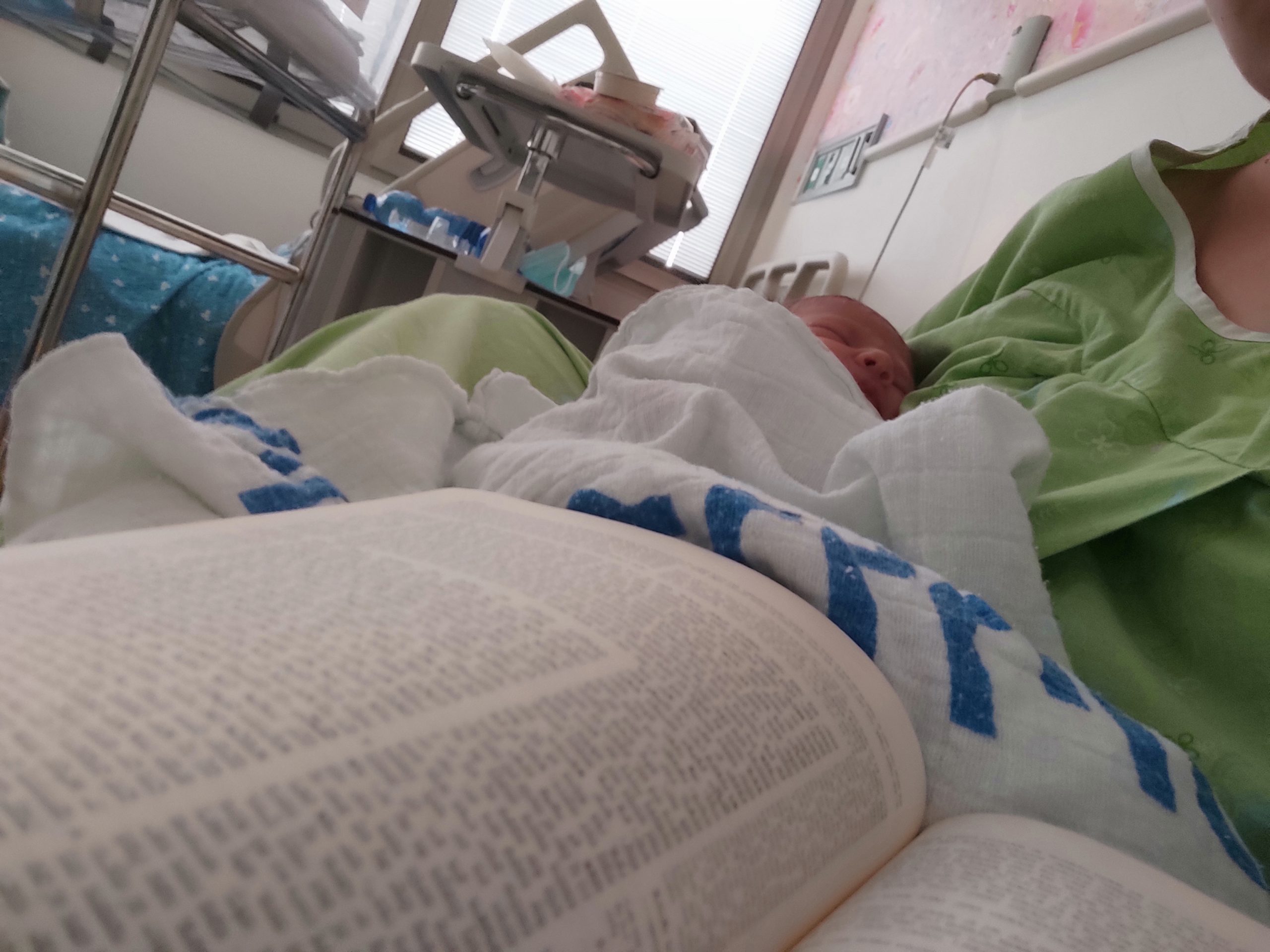
כמו שרואים בתמונה אני ממשיכה ללמוד גם היום ואפילו במחלקת יולדות אחרי לידת ביתי השלישית.

Noa Shiloh
נועה שילה

רבבה, ישראל

התחלתי בתחילת הסבב, והתמכרתי. זה נותן משמעות נוספת ליומיום ומאוד מחזק לתת לזה מקום בתוך כל שגרת הבית-עבודה השוטפת.

Reut Abrahami
רעות אברהמי

בית שמש, ישראל

אמא שלי למדה איתי ש”ס משנה, והתחילה ללמוד דף יומי. אני החלטתי שאני רוצה ללמוד גם. בהתחלה למדתי איתה, אח”כ הצטרפתי ללימוד דף יומי שהרב דני וינט מעביר לנוער בנים בעתניאל. במסכת עירובין עוד חברה הצטרפה אלי וכשהתחלנו פסחים הרב דני פתח לנו שעור דף יומי לבנות. מאז אנחנו לומדות איתו קבוע כל יום את הדף היומי (ובשבת אבא שלי מחליף אותו). אני נהנית מהלימוד, הוא מאתגר ומעניין

Renana Hellman
רננה הלמן

עתניאל, ישראל

אחי, שלומד דף יומי ממסכת ברכות, חיפש חברותא ללימוד מסכת ראש השנה והציע לי. החברותא היתה מאתגרת טכנית ורוב הזמן נעשתה דרך הטלפון, כך שבסיום המסכת נפרדו דרכינו. אחי חזר ללמוד לבד, אבל אני כבר נכבשתי בקסם הגמרא ושכנעתי את האיש שלי להצטרף אלי למסכת ביצה. מאז המשכנו הלאה, ועכשיו אנחנו מתרגשים לקראתו של סדר נשים!

Shulamit Saban
שולמית סבן

נוקדים, ישראל

ראש השנה טז

מַתְנִי׳ בְּאַרְבָּעָה פְּרָקִים הָעוֹלָם נִידּוֹן: בַּפֶּסַח — עַל הַתְּבוּאָה, בַּעֲצֶרֶת — עַל פֵּירוֹת הָאִילָן, בְּרֹאשׁ הַשָּׁנָה — כׇּל בָּאֵי עוֹלָם עוֹבְרִין לְפָנָיו כִּבְנֵי מָרוֹן, שֶׁנֶּאֱמַר: ״הַיּוֹצֵר יַחַד לִבָּם הַמֵּבִין אֶל כׇּל מַעֲשֵׂיהֶם״, וּבֶחָג נִידּוֹנִין עַל הַמַּיִם.

MISHNA: At four times of the year the world is judged: On Passover judgment is passed concerning grain; on Shavuot concerning fruits that grow on a tree; on Rosh HaShana all creatures pass before Him like sheep [benei maron], as it is stated: “He Who fashions their hearts alike, Who considers all their deeds” (Psalms 33:15); and on the festival of Sukkot they are judged concerning water, i.e., the rainfall of the coming year.

גְּמָ׳ הֵי תְּבוּאָה? אִילֵּימָא הָא תְּבוּאָה דְּקָיְימָא, כׇּל הָנֵי הַרְפַּתְקֵי דַּעֲדוֹ עֲלַהּ אֵימַת אִיתְּדוּן? אֶלָּא תְּבוּאָה דְּמִזְדַּרְעָא.

GEMARA: The mishna taught that on Passover judgment is passed concerning grain. The Gemara asks: Which grain is judged on Passover? If we say it is the grain that is presently standing in the fields ready to be reaped between Passover and Shavuot, when was judgment passed with regard to all those events [harpatkei] that already happened to the grain while it was growing in the winter? Rather, the mishna must be referring to the grain that will be sown over the coming year.

לְמֵימְרָא דְּחַד דִּינָא מִתַּדְנָא? וְהָתַנְיָא: תְּבוּאָה שֶׁאֵירַע בָּהּ קֶרִי אוֹ אוֹנֶס, קוֹדֶם הַפֶּסַח — נִידּוֹנֶית לְשֶׁעָבַר, לְאַחַר הַפֶּסַח — נִידּוֹנֶית לְהַבָּא. אָדָם שֶׁאֵירַע בּוֹ קֶרִי אוֹ אוֹנֶס, קוֹדֶם יוֹם הַכִּפּוּרִים — נִידּוֹן לְשֶׁעָבַר, לְאַחַר יוֹם הַכִּפּוּרִים — נִידּוֹן לְהַבָּא.

The Gemara asks further: Is this to say that only one judgment is passed concerning a particular crop, and no more? But isn’t it taught in a baraita: If grain suffers an incident or accident before Passover, it was judged in the past, the previous Passover; if this occurs after Passover, it was judged this Passover for the future. And similarly, if a person suffered an incident or accident before Yom Kippur, he was judged in the past, the previous Rosh HaShana; if this occurred after Yom Kippur, he was judged this Rosh HaShana for the future.

אָמַר רָבָא: שְׁמַע מִינַּהּ תְּרֵי דִינֵי מִתַּדְנָא. אָמַר אַבָּיֵי: הִלְכָּךְ, כִּי חָזֵי אִינָשׁ דְּמַצְלַח זַרְעָא אַפְלָא — לִיקַדֵּים וְלִיזְרַע חָרְפָא. דְּעַד דְּמָטֵי לְמֵדַיְינֵיהּ — קָדֵים סָלֵיק.

Rava said: Learn from here that two judgments are passed concerning each crop, one covering the period between the time it is sown and Passover and another covering the period between Passover and the time it is harvested. Abaye said: Therefore, if a person sees that his slow-growing crops, those that are sown at the beginning of the winter but ripen only in the spring or summer, are doing well, he should quickly sow fast-growing crops, such as barley, which can be sown at the end of the winter and still ripen before Passover, as before it is brought to judgment on the next Passover it will already have successfully grown, since he knows that this year’s crops were judged for a favorable yield.

מַנִּי מַתְנִיתִין? לָא רַבִּי מֵאִיר, וְלָא רַבִּי יְהוּדָה, וְלָא רַבִּי יוֹסֵי, וְלָא רַבִּי נָתָן.

The Gemara raises a question about the mishna: Whose opinion is expressed in the mishna? It is not in accordance with the opinion of Rabbi Meir, and not in accordance with the opinion of Rabbi Yehuda, and not in accordance with the opinion of Rabbi Yosei, and not in accordance with the opinion of Rabbi Natan.

דְּתַנְיָא: הַכֹּל נִידּוֹנִים בָּרֹאשׁ הַשָּׁנָה, וּגְזַר דִּין שֶׁלָּהֶם נֶחְתָּם בְּיוֹם הַכִּפּוּרִים, דִּבְרֵי רַבִּי מֵאִיר. רַבִּי יְהוּדָה אוֹמֵר: הַכֹּל נִידּוֹנִין בְּרֹאשׁ הַשָּׁנָה, וּגְזַר דִּין שֶׁלָּהֶם נֶחְתָּם כׇּל אֶחָד וְאֶחָד בִּזְמַנּוֹ: בַּפֶּסַח — עַל הַתְּבוּאָה, בַּעֲצֶרֶת — עַל פֵּירוֹת הָאִילָן, בֶּחָג נִידּוֹנִין עַל הַמַּיִם. וְאָדָם נִידּוֹן בְּרֹאשׁ הַשָּׁנָה, וּגְזַר דִּין שֶׁלּוֹ נֶחְתָּם בְּיוֹם הַכִּפּוּרִים.

The Gemara explains: As it is taught in a baraita: All are judged on Rosh HaShana, and their sentence is sealed on Yom Kippur; this is the statement of Rabbi Meir. Rabbi Yehuda says: All are judged on Rosh HaShana, and their sentence is sealed each in its own time: On Passover the sentence is sealed concerning grain; on Shavuot concerning fruits that grow on a tree; on the festival of Sukkot they are judged concerning water; and mankind is judged on Rosh HaShana, and the sentence is sealed on Yom Kippur.

רַבִּי יוֹסֵי אוֹמֵר: אָדָם נִידּוֹן בְּכׇל יוֹם, שֶׁנֶּאֱמַר: ״וַתִּפְקְדֶנּוּ לִבְקָרִים״. רַבִּי נָתָן אוֹמֵר: אָדָם נִידּוֹן בְּכׇל שָׁעָה, שֶׁנֶּאֱמַר: ״לִרְגָעִים תִּבְחָנֶנּוּ״.

Rabbi Yosei says: A person is judged every day, and not just once a year, as it is stated: “You visit him every morning” (Job 7:18), meaning that every morning an accounting is made and a judgment is passed. Rabbi Natan says: A person is judged every hour, as it is stated: “You try him every moment” (Job 7:18).

וְכִי תֵּימָא: לְעוֹלָם רַבִּי יְהוּדָה הִיא, וְכִי קָתָנֵי מַתְנִיתִין — אַגְּזַר דִּין, אִי הָכִי — קַשְׁיָא אָדָם!

And lest you say that actually, the mishna is taught in accordance with the opinion of Rabbi Yehuda, and when the mishna is taught, it is taught with regard to the sentence, and not the judgments, which are all passed on Rosh HaShana, if so, it is difficult with regard to mankind, as the mishna should have stated that the sentence is sealed on Yom Kippur.

אָמַר רָבָא: הַאי תָּנָא דְּבֵי רַבִּי יִשְׁמָעֵאל הִיא, דְּתָנָא דְּבֵי רַבִּי יִשְׁמָעֵאל, בְּאַרְבָּעָה פְּרָקִים הָעוֹלָם נִידּוֹן: בַּפֶּסַח — עַל הַתְּבוּאָה, בַּעֲצֶרֶת — עַל פֵּירוֹת הָאִילָן, בְּחָג נִידּוֹנִין עַל הַמַּיִם. וְאָדָם נִידּוֹן בָּרֹאשׁ הַשָּׁנָה, וּגְזַר דִּין שֶׁלּוֹ נֶחְתָּם בְּיוֹם הַכִּפּוּרִים. וְכִי קָתָנֵי מַתְנִיתִין — אַתְּחִלַּת דִּין.

Rava said: The tanna of the mishna is a tanna from the school of Rabbi Yishmael, as a tanna from the school of Rabbi Yishmael taught: At four times of the year the world is judged: On Passover concerning grain; on Shavuot concerning fruits that grow on a tree; on the festival of Sukkot they are judged concerning water; and mankind is judged on Rosh HaShana and the sentence is sealed on Yom Kippur. And when the mishna is taught, it is taught with regard to the beginning of the judgment process, i.e., the judgment of mankind is initially passed on Rosh HaShana.

אָמַר רַב חִסְדָּא: מַאי טַעְמָא דְּרַבִּי יוֹסֵי? כִּדְקָאָמַר טַעְמֵיהּ: ״וַתִּפְקְדֶנּוּ לִבְקָרִים״! אֲנַן הָכִי קָאָמְרִינַן: מַאי טַעְמָא לָא אָמַר כְּרַבִּי נָתָן? בְּחִינָה — עַיּוֹנֵי בְּעָלְמָא הִיא. פְּקִידָה נָמֵי עַיּוֹנֵי בְּעָלְמָא הִיא?!

Rav Ḥisda said: What is the reason for the opinion of Rabbi Yosei? The Gemara is astonished by this question: Why ask about his reason? He stated his reason, the verse that states: “You visit him every morning.” The Gemara explains: This is what we are saying: If Rabbi Yosei relies on this verse, what is the reason that he did not state his opinion in accordance with the opinion of Rabbi Natan that a person is judged every hour? And if you say that he holds that the verse “You try him every moment” cannot serve as proof, because trying merely indicates examination and not actual judgment, then in the same way visiting merely indicates examination. If so, there is no clear proof from this verse.

אֶלָּא אָמַר רַב חִסְדָּא: טַעְמֵיהּ דְּרַבִּי יוֹסֵי מֵהָכָא: ״לַעֲשׂוֹת מִשְׁפַּט עַבְדּוֹ וּמִשְׁפַּט עַמּוֹ יִשְׂרָאֵל דְּבַר יוֹם בְּיוֹמוֹ״.

Rather, Rav Ḥisda said: Rabbi Yosei’s reason is from here, another verse, which states: “To make the judgment of His servant and the judgment of His people Israel at all times, as each day may require” (I Kings 8:59), which indicates that the entire world is judged every day.

וְאָמַר רַב חִסְדָּא: מֶלֶךְ וְצִבּוּר — מֶלֶךְ נִכְנָס תְּחִלָּה לַדִּין, שֶׁנֶּאֱמַר: ״לַעֲשׂוֹת מִשְׁפַּט עַבְדּוֹ וּמִשְׁפַּט עַמּוֹ יִשְׂרָאֵל״. מַאי טַעְמָא? אִיבָּעֵית אֵימָא: לָאו אוֹרַח אַרְעָא לְמֵיתַב מַלְכָּא אַבָּרַאי. וְאִיבָּעֵית אֵימָא: מִקַּמֵּי דְּלִיפּוֹשׁ חֲרוֹן אַף.

§ About this verse Rav Ḥisda said: When a king and a community are brought before God for judgment, the king is brought in for judgment first, as it is stated: “To make the judgment of His servant,” and afterward: “And the judgment of His people Israel.” What is the reason for this? If you wish, say that it is not proper conduct for the king to stand outside and wait for the trial of his subjects to come to an end. And if you wish, say instead that the king is brought in first so that he may be judged before God’s anger intensifies due to the sins of the community, and consequently he may be saved from overly harsh judgment.

אָמַר רַב יוֹסֵף: כְּמַאן מְצַלִּינַן הָאִידָּנָא אַקְּצִירֵי וְאַמְּרִיעֵי, כְּמַאן — כְּרַבִּי יוֹסֵי. וְאִיבָּעֵית אֵימָא: לְעוֹלָם כְּרַבָּנַן, וְכִדְרַבִּי יִצְחָק. דְּאָמַר רַבִּי יִצְחָק: יָפָה צְעָקָה לָאָדָם בֵּין קוֹדֶם גְּזַר דִּין בֵּין לְאַחַר גְּזַר דִּין.

Rav Yosef said: In accordance with whose opinion do we pray nowadays on a daily basis for the sick and afflicted? The Gemara repeats the question: In accordance with whose opinion? It is in accordance with the opinion of Rabbi Yosei, who holds that one is judged every day, and so there is reason to pray every day in order to affect the outcome of his judgment. And if you wish, say that actually, normative practice is even in accordance with the opinion of the Rabbis, who hold that one is judged only once a year, but also in accordance with the opinion of Rabbi Yitzḥak. As Rabbi Yitzḥak said: Crying out to God is beneficial for a person both before his sentence has been issued and after his sentence has been issued.

תַּנְיָא, אָמַר רַבִּי יְהוּדָה מִשּׁוּם רַבִּי עֲקִיבָא: מִפְּנֵי מָה אָמְרָה תּוֹרָה הָבִיאוּ עוֹמֶר בַּפֶּסַח — מִפְּנֵי שֶׁהַפֶּסַח זְמַן תְּבוּאָה הוּא, אָמַר הַקָּדוֹשׁ בָּרוּךְ הוּא: הָבִיאוּ לְפָנַי עוֹמֶר בַּפֶּסַח, כְּדֵי שֶׁתִּתְבָּרֵךְ לָכֶם תְּבוּאָה שֶׁבַּשָּׂדוֹת. וּמִפְּנֵי מָה אָמְרָה תּוֹרָה הָבִיאוּ שְׁתֵּי הַלֶּחֶם בָּעֲצֶרֶת — מִפְּנֵי שֶׁעֲצֶרֶת זְמַן פֵּירוֹת הָאִילָן הוּא, אָמַר הַקָּדוֹשׁ בָּרוּךְ הוּא: הָבִיאוּ לְפָנַי שְׁתֵּי הַלֶּחֶם בַּעֲצֶרֶת, כְּדֵי שֶׁיִּתְבָּרְכוּ לָכֶם פֵּירוֹת הָאִילָן.

§ It is taught in a baraita that Rabbi Yehuda said in the name of Rabbi Akiva: For what reason did the Torah say: Bring the omer offering on the second day of Passover? It is because Passover is the time of grain, the beginning of the grain harvest season, and therefore the Holy One, Blessed be He, said: Bring the omer offering before Me on Passover so that the grain in the fields will be blessed for you. And for what reason did the Torah say: Bring the offering of the two loaves from the new wheat on Shavuot? It is because Shavuot is the time of the fruits that grow on a tree, when it begins to ripen, and therefore the Holy One, Blessed be He, said: Bring the offering of the two loaves before Me on Shavuot so that the fruits that grow on a tree will be blessed for you.

וּמִפְּנֵי מָה אָמְרָה תּוֹרָה נַסְּכוּ מַיִם בֶּחָג — אָמַר הַקָּדוֹשׁ בָּרוּךְ הוּא: נַסְּכוּ לְפָנַי מַיִם בֶּחָג, כְּדֵי שֶׁיִּתְבָּרְכוּ לָכֶם גִּשְׁמֵי שָׁנָה. וְאִמְרוּ לְפָנַי בְּרֹאשׁ הַשָּׁנָה מַלְכִיּוֹת זִכְרוֹנוֹת וְשׁוֹפָרוֹת. מַלְכִיּוֹת — כְּדֵי שֶׁתַּמְלִיכוּנִי עֲלֵיכֶם, זִכְרוֹנוֹת — כְּדֵי שֶׁיַּעֲלֶה זִכְרוֹנְיכֶם לְפָנַי לְטוֹבָה, וּבַמֶּה — בְּשׁוֹפָר.

And for what reason did the Torah say: Pour water onto the altar in the Temple on the festival of Sukkot? The Holy One, Blessed be He, said: Pour water before Me on the festival of Sukkot so that the rains of the year, which begin to fall after Sukkot, will be blessed for you. And recite before Me on Rosh HaShana verses that mention Kingships, Remembrances, and Shofarot: Kingships so that you will crown Me as King over you; Remembrances so that your remembrance will rise before Me for good; and with what will the remembrance rise? It will rise with the shofar.

אָמַר רַבִּי אֲבָהוּ: לָמָה תּוֹקְעִין בְּשׁוֹפָר שֶׁל אַיִל? אָמַר הַקָּדוֹשׁ בָּרוּךְ הוּא: תִּקְעוּ לְפָנַי בְּשׁוֹפָר שֶׁל אַיִל, כְּדֵי שֶׁאֶזְכּוֹר לָכֶם עֲקֵידַת יִצְחָק בֶּן אַבְרָהָם, וּמַעֲלֶה אֲנִי עֲלֵיכֶם כְּאִילּוּ עֲקַדְתֶּם עַצְמְכֶם לְפָנַי.

Similarly, Rabbi Abbahu said: Why does one sound a blast with a shofar made from a ram’s horn on Rosh HaShana? The Holy One, Blessed be He, said: Sound a blast before Me with a shofar made from a ram’s horn, so that I will remember for you the binding of Isaac, son of Abraham, in whose stead a ram was sacrificed, and I will ascribe it to you as if you had bound yourselves before Me.

וְאָמַר רַבִּי יִצְחָק: לָמָּה תּוֹקְעִין בְּרֹאשׁ הַשָּׁנָה? לָמָּה תּוֹקְעִין?! רַחֲמָנָא אָמַר תִּקְעוּ! אֶלָּא: לָמָּה מְרִיעִין? מְרִיעִין?! רַחֲמָנָא אָמַר ״זִכְרוֹן תְּרוּעָה״! אֶלָּא: לָמָּה תּוֹקְעִין וּמְרִיעִין כְּשֶׁהֵן יוֹשְׁבִין,

Rabbi Yitzḥak said: Why does one sound [tokin] a blast on Rosh HaShana? The Gemara is astonished by the question: Why do we sound a blast? The Merciful One states in the verse: “Sound [tiku] a shofar” (Psalms 81:4). Rather, the question is: Why does one sound a staccato series of shofar blasts [terua] in addition to a long continuous shofar blast [tekia]? The Gemara is still surprised by the question: Sound a terua? The Merciful One states: “In the seventh month, in the first day of the month, shall be a solemn rest unto you, a memorial proclaimed with the blast of horns [terua]” (Leviticus 23:24). Rather, Rabbi Yitzḥak asked about the common practice in Jewish communities, which is not explicitly stated in the Torah: Why does one sound a long, continuous shofar blast [tekia] and then a staccato series of shofar blasts [terua] while the congregation is still sitting before the silent prayer,

וְתוֹקְעִין וּמְרִיעִין כְּשֶׁהֵן עוֹמְדִין — כְּדֵי לְעַרְבֵּב הַשָּׂטָן.

and then sound again a tekia and a terua while they are standing in the Amida prayer? He answers: In order to confuse the Satan, for this double blowing of the shofar demonstrates Israel’s love for the mitzva, and this will confuse Satan when he brings his accusations against Israel before the heavenly court, and the Jewish people will receive a favorable judgment.

וְאָמַר רַבִּי יִצְחָק: כׇּל שָׁנָה שֶׁאֵין תּוֹקְעִין לָהּ בִּתְחִלָּתָהּ — מְרִיעִין לָהּ בְּסוֹפָהּ. מַאי טַעְמָא — דְּלָא אִיעַרְבַּב שָׂטָן.

And Rabbi Yitzḥak said, playing on the double meaning of the word meri’in, which can mean either sound a terua or cause misfortune: Any year during which, due to some mishap, the shofar was not sounded at its beginning will suffer evil and misfortune at its end. What is the reason? Because Satan was not confused, and he was able to put forward his accusations, so that the Jewish people would be punished.

וְאָמַר רַבִּי יִצְחָק: כׇּל שָׁנָה שֶׁרָשָׁה בִּתְחִלָּתָהּ — מִתְעַשֶּׁרֶת בְּסוֹפָהּ, שֶׁנֶּאֱמַר: ״מֵרֵאשִׁית הַשָּׁנָה״ — ״מֵרֵשִׁית״ כְּתִיב. ״וְעַד אַחֲרִית״ — סוֹפָהּ שֶׁיֵּשׁ לָהּ אַחֲרִית.

§ The Gemara brings a series of statements in the name of Rabbi Yitzḥak, all of which relate to judgment: And Rabbi Yitzḥak said: Any year that is poor [rasha] and troubled at its beginning will be made rich at its end, for it is stated: “From the beginning [mereishit] of the year” (Deuteronomy 11:12). The word meireishit is written defectively, without an alef, so that it may also be understood in the sense of rashut, poverty. The verse continues: “And until the end [aḥarit] of the year,” which means that the end of the year will have expectations of good things in the end [aḥarit].

וְאָמַר רַבִּי יִצְחָק: אֵין דָּנִין אֶת הָאָדָם אֶלָּא לְפִי מַעֲשָׂיו שֶׁל אוֹתָהּ שָׁעָה, שֶׁנֶּאֱמַר: ״כִּי שָׁמַע אֱלֹהִים אֶל קוֹל הַנַּעַר בַּאֲשֶׁר הוּא שָׁם״.

And Rabbi Yitzḥak said: A man is judged only according to his deeds at the time of his judgment, and not according to his future deeds, as it is stated with regard to Ishmael: “For God has heard the voice of the lad where he is” (Genesis 21:17). Although Ishmael and his descendants would act wickedly in the future, his prayer was heard and answered because he was innocent at the time.

וְאָמַר רַבִּי יִצְחָק: שְׁלֹשָׁה דְּבָרִים מַזְכִּירִין עֲוֹנוֹתָיו שֶׁל אָדָם, אֵלּוּ הֵן: קִיר נָטוּי, וְעִיּוּן תְּפִלָּה, וּמוֹסֵר דִּין עַל חֲבֵירוֹ. דְּאָמַר רַבִּי אָבִין: כָּל הַמּוֹסֵר דִּין עַל חֲבֵירוֹ — הוּא נֶעֱנָשׁ תְּחִלָּה, שֶׁנֶּאֱמַר: ״וַתֹּאמֶר שָׂרַי אֶל אַבְרָם חֲמָסִי עָלֶיךָ״, וּכְתִיב: ״וַיָּבֹא אַבְרָהָם לִסְפּוֹד לְשָׂרָה וְלִבְכּוֹתָהּ״.

And Rabbi Yitzḥak said: Three matters evoke a person’s sins, and they are: Endangering oneself by sitting next to an inclined wall that is about to collapse; expecting prayer to be accepted, as that leads to an assessment of one’s status and merit; and passing a case against another to Heaven, for Rabbi Avin said: Anyone who passes a case against another to God is punished first. Praying for God to pass judgment on another causes one’s own deeds to be examined and compared with the deeds of the other, as it is stated: “And Sarai said to Abram: My anger be upon you; I have given my maid into your bosom, and when she saw that she had conceived, I was despised in her eyes; let the Lord judge between me and you” (Genesis 16:5), and it is written afterward: “And Abraham came to mourn for Sarah and to weep for her” (Genesis 23:2). Sarah called upon Heaven to pass judgment between her and her husband, and therefore she was punished and died first.

וְאָמַר רַבִּי יִצְחָק: אַרְבָּעָה דְּבָרִים מְקָרְעִין גְּזַר דִּינוֹ שֶׁל אָדָם, אֵלּוּ הֵן: צְדָקָה, צְעָקָה, שִׁינּוּי הַשֵּׁם, וְשִׁינּוּי מַעֲשֶׂה. צְדָקָה, דִּכְתִיב: ״וּצְדָקָה תַּצִּיל מִמָּוֶת״. צְעָקָה, דִּכְתִיב: ״וַיִּצְעֲקוּ אֶל ה׳ בַּצַּר לָהֶם וּמִמְּצוּקוֹתֵיהֶם יוֹצִיאֵם״. שִׁינּוּי הַשֵּׁם, דִּכְתִיב: ״שָׂרַי אִשְׁתְּךָ לֹא תִקְרָא אֶת שְׁמָהּ שָׂרָי כִּי שָׂרָה שְׁמָהּ״, וּכְתִיב: ״וּבֵרַכְתִּי אוֹתָהּ וְגַם נָתַתִּי מִמֶּנָּה לְךָ בֵּן״. שִׁינּוּי מַעֲשֶׂה, דִּכְתִיב: ״וַיַּרְא הָאֱלֹהִים אֶת מַעֲשֵׂיהֶם״, וּכְתִיב: ״וַיִּנָּחֶם הָאֱלֹהִים עַל הָרָעָה אֲשֶׁר דִּבֶּר לַעֲשׂוֹת לָהֶם וְלֹא עָשָׂה״.

And Rabbi Yitzḥak said: A person’s sentence is torn up on account of four types of actions. These are: Giving charity, crying out in prayer, a change of one’s name, and a change of one’s deeds for the better. An allusion may be found in Scripture for all of them: Giving charity, as it is written: “And charity delivers from death” (Proverbs 10:2); crying out in prayer, as it is written: “Then they cry to the Lord in their trouble, and He brings them out of their distresses” (Psalms 107:28); a change of one’s name, as it is written: “As for Sarai your wife, you shall not call her name Sarai, but Sarah shall her name be” (Genesis 17:15), and it is written there: “And I will bless her, and I will also give you a son from her” (Genesis 17:16); a change of one’s deeds for the better, as it is written: “And God saw their deeds” (Jonah 3:10), and it is written there: “And God repented of the evil, which He had said He would do to them, and He did not do it” (Jonah 3:10).

וְיֵשׁ אוֹמְרִים: אַף שִׁינּוּי מָקוֹם, דִּכְתִיב: ״וַיֹּאמֶר ה׳ אֶל אַבְרָם לֶךְ לְךָ מֵאַרְצְךָ״, וַהֲדַר: ״וְאֶעֶשְׂךָ לְגוֹי גָּדוֹל״. וְאִידַּךְ: הָהוּא זְכוּתָא דְּאֶרֶץ יִשְׂרָאֵל הוּא דְּאַהַנְיָא לֵיהּ.

And some say: Also, a change of one’s place of residence cancels an evil judgment, as it is written: “And the Lord said to Abram: Go you out of your county” (Genesis 12:1), and afterward it is written: “And I will make of you a great nation” (Genesis 12: 2). The Gemara explains: And the other one, i.e., Rabbi Yitzḥak, who does not include a change of residence in his list, holds that in the case of Abram, it was the merit and sanctity of Eretz Yisrael that helped him become the father of a great nation.

וְאָמַר רַבִּי יִצְחָק: חַיָּיב אָדָם לְהַקְבִּיל פְּנֵי רַבּוֹ בָּרֶגֶל, שֶׁנֶּאֱמַר: ״מַדּוּעַ אַתְּ הוֹלֶכֶת אֵלָיו הַיּוֹם לֹא חֹדֶשׁ וְלֹא שַׁבָּת״, מִכְּלָל דִּבְחֹדֶשׁ וְשַׁבָּת אִיבְּעִי לַהּ לְמֵיזַל.

The Gemara cites two more statements in the name of Rabbi Yitzḥak, relating to the Festivals: And Rabbi Yitzḥak said: A person is obligated to go out and greet his teacher on a Festival, as it is stated that the husband of the Shunamite woman asked, when she was readying herself to go to the prophet: “Why will you go to him today; it is neither the New Moon nor Shabbat” (II Kings 4:23). By inference, we learn that on the New Moon and on Shabbat, which in this context means a Festival that is a day of rest, she was required to go.

וְאָמַר רַבִּי יִצְחָק: חַיָּיב אָדָם לְטַהֵר אֶת עַצְמוֹ בָּרֶגֶל, שֶׁנֶּאֱמַר: ״וּבְנִבְלָתָם לֹא תִגָּעוּ״.

And Rabbi Yitzḥak said: A person is obligated to purify himself on a Festival, as it is stated: “And their carcasses you shall not touch; they are impure to you” (Leviticus 11:8). This verse is referring to the Festivals, as taught in the following baraita.

תַּנְיָא נָמֵי הָכִי: ״וּבִנְבָלָתָם לֹא תִגָּעוּ״, יָכוֹל יְהוּ יִשְׂרָאֵל מוּזְהָרִין עַל מַגַּע נְבֵילָה, תַּלְמוּד לוֹמַר: ״אֱמוֹר אֶל הַכֹּהֲנִים בְּנֵי אַהֲרֹן״, בְּנֵי אַהֲרֹן מוּזְהָרִין, בְּנֵי יִשְׂרָאֵל אֵין מוּזְהָרִין.

This is also taught in a baraita: The verse states: “And their carcass you shall not touch.” One might have thought that ordinary Jews are prohibited from touching an animal carcass. Therefore, the verse states: “Speak to the priests, the sons of Aaron, and say to them: There shall none be defiled for the dead among his people” (Leviticus 21:1). It is derived from here that the sons of Aaron are prohibited from defiling themselves, but the children of Israel, i.e., non-priests, are not prohibited from doing so.

וַהֲלֹא דְּבָרִים קַל וָחוֹמֶר: וּמָה טוּמְאָה חֲמוּרָה — כֹּהֲנִים מוּזְהָרִין, יִשְׂרְאֵלִים אֵינָן מוּזְהָרִין. טוּמְאָה קַלָּה — לֹא כׇּל שֶׁכֵּן? אֶלָּא, מָה תַּלְמוּד לוֹמַר ״וּבְנִבְלָתָם לֹא תִגָּעוּ״ — בָּרֶגֶל.

But are these matters not an a fortiori inference? If, with regard to severe impurity, i.e., contact with a human corpse, priests are prohibited from defiling themselves, while ordinary Israelites are not prohibited from doing so, in the case of light impurity, e.g., touching an animal carcass, is it not all the more so that Israelites be permitted to defile themselves? Rather, what is the meaning when the verse states: “And their carcass you shall not touch?” It means that on a Festival all are obligated to purify themselves.

אָמַר רַבִּי כְּרוּסְפָּדַאי אָמַר רַבִּי יוֹחָנָן: שְׁלֹשָׁה סְפָרִים נִפְתָּחִין בְּרֹאשׁ הַשָּׁנָה, אֶחָד שֶׁל רְשָׁעִים גְּמוּרִין, וְאֶחָד שֶׁל צַדִּיקִים גְּמוּרִין, וְאֶחָד שֶׁל בֵּינוֹנִיִּים. צַדִּיקִים גְּמוּרִין — נִכְתָּבִין וְנֶחְתָּמִין לְאַלְתַּר לְחַיִּים, רְשָׁעִים גְּמוּרִין — נִכְתָּבִין וְנֶחְתָּמִין לְאַלְתַּר לְמִיתָה, בֵּינוֹנִיִּים — תְּלוּיִין וְעוֹמְדִין מֵרֹאשׁ הַשָּׁנָה וְעַד יוֹם הַכִּפּוּרִים, זָכוּ — נִכְתָּבִין לְחַיִּים, לֹא זָכוּ — נִכְתָּבִין לְמִיתָה.

§ The Gemara goes back to discuss the Day of Judgment. Rabbi Kruspedai said that Rabbi Yoḥanan said: Three books are opened on Rosh HaShana before the Holy One, Blessed be He: One of wholly wicked people, and one of wholly righteous people, and one of middling people whose good and bad deeds are equally balanced. Wholly righteous people are immediately written and sealed for life; wholly wicked people are immediately written and sealed for death; and middling people are left with their judgment suspended from Rosh HaShana until Yom Kippur, their fate remaining undecided. If they merit, through the good deeds and mitzvot that they perform during this period, they are written for life; if they do not so merit, they are written for death.

אָמַר רַבִּי אָבִין, מַאי קְרָא: ״יִמָּחוּ מִסֵּפֶר חַיִּים וְעִם צַדִּיקִים אַל יִכָּתֵבוּ״. ״יִמָּחוּ מִסֵּפֶר״ — זֶה סִפְרָן שֶׁל רְשָׁעִים גְּמוּרִין, ״חַיִּים״ — זֶה סִפְרָן שֶׁל צַדִּיקִים, ״וְעִם צַדִּיקִים אַל יִכָּתֵבוּ״ — זֶה סִפְרָן שֶׁל בֵּינוֹנִיִּים.

Rabbi Avin said: What is the verse that alludes to this? “Let them be blotted out of the book of the living, but not be written with the righteous” (Psalms 69:29). “Let them be blotted out of the book”; this is the book of wholly wicked people, who are blotted out from the world. “Of the living”; this is the book of wholly righteous people. “But not be written with the righteous”; this is the book of middling people, who are written in a separate book, not with the righteous.

רַב נַחְמָן בַּר יִצְחָק אָמַר, מֵהָכָא: ״וְאִם אַיִן מְחֵנִי נָא מִסִּפְרְךָ אֲשֶׁר כָּתָבְתָּ״, ״מְחֵנִי נָא״ — זֶה סִפְרָן שֶׁל רְשָׁעִים, ״מִסִּפְרְךָ״ — זֶה סִפְרָן שֶׁל צַדִּיקִים, ״אֲשֶׁר כָּתָבְתָּ״ — זֶה סִפְרָן שֶׁל בֵּינוֹנִיִּים.

Rav Naḥman bar Yitzḥak said: This matter is derived from here: “And if not, blot me, I pray You, out of Your book which you have written” (Exodus 32:32). “Blot me, I pray You”; this is the book of wholly wicked people, who are blotted out from the world. “Out of Your book”; this is the book of wholly righteous people, which is special and attributed to God Himself. “Which You have written”; this is the book of middling people.

תַּנְיָא, בֵּית שַׁמַּאי אוֹמְרִים: שָׁלֹשׁ כִּתּוֹת הֵן לְיוֹם הַדִּין: אַחַת שֶׁל צַדִּיקִים גְּמוּרִין, וְאַחַת שֶׁל רְשָׁעִים גְּמוּרִין, וְאַחַת שֶׁל בֵּינוֹנִיִּים. צַדִּיקִים גְּמוּרִין — נִכְתָּבִין וְנֶחְתָּמִין לְאַלְתַּר לְחַיֵּי עוֹלָם, רְשָׁעִים גְּמוּרִין — נִכְתָּבִין וְנֶחְתָּמִין לְאַלְתַּר לְגֵיהִנָּם, שֶׁנֶּאֱמַר: ״וְרַבִּים מִיְּשֵׁנֵי אַדְמַת עָפָר יָקִיצוּ אֵלֶּה לְחַיֵּי עוֹלָם וְאֵלֶּה לַחֲרָפוֹת לְדִרְאוֹן עוֹלָם״, בֵּינוֹנִיִּים — יוֹרְדִין לְגֵיהִנָּם,

It is taught in a baraita: Beit Shammai say: There will be three groups of people on the great Day of Judgment at the end of days: One of wholly righteous people, one of wholly wicked people, and one of middling people. Wholly righteous people will immediately be written and sealed for eternal life. Wholly wicked people will immediately be written and sealed for Gehenna, as it is stated: “And many of those who sleep in the dust of the earth shall wake, some to eternal life and some to shame and everlasting contempt” (Daniel 12:2). Middling people will descend to Gehenna to be cleansed and to achieve atonement for their sins,

רוצה לעקוב אחרי התכנים ולהמשיך ללמוד?

ביצירת חשבון עוד היום ניתן לעקוב אחרי ההתקדמות שלך, לסמן מה למדת, ולעקוב אחרי השיעורים שמעניינים אותך.

לנקות את כל הפריטים מהרשימה?

פעולה זו תסיר את כל הפריטים בחלק זה כולל ההתקדמות וההיסטוריה. שימי לב: לא ניתן לשחזר פעולה זו.

ביטול
מחיקה

האם את/ה בטוח/ה שברצונך למחוק פריט זה?

תאבד/י את כל ההתקדמות או ההיסטוריה הקשורות לפריט זה.

ביטול
מחיקה