חיפוש

ראש השנה כ

רוצה להקדיש לימוד?

podcast placeholder

0:00
0:00


תקציר

הדף היום מוקדש ע”י דיאנה בלום לעילוי נשמת סבה ישראל בן מנס.

חכמי ארץ ישראל שלחו למר עוקבא בבבל שאדר סמוך לניסן תמיד חסר. לפי גירסה אחת רב חנמן מקשה עליו ולפי גירה שנייה הוא מביא חיזוק מהמשנה הבאה שעדים יכולים לחלל שבת על ניסן ועל תשרי. איך הגמרא מגיבה לדבריו? עולא בא לאנשי בבל לספר שעיברו את אלול ועשו לטובתם. למה זה היה לטובתם ולמה דווקא לבבלים ולא לארץ ישראלים?  שמואל רצה לקבוע לוח שנה בבל. אבל הקשו עליו שהוא לא באמת יודע הכל. ר’ זירא מדבר על כמה עניינים בקשר למולד והזמן שיש בין המלוד לירח החדש במקומות אחרים בעולם.

ראש השנה כ

אֶלָּא אִי אָמְרַתְּ לְעוֹלָם חָסֵר, אַמַּאי מְחַלְּלִינַן? מִשּׁוּם דְּמִצְוָה לְקַדֵּשׁ עַל הָרְאִיָּיה.

But if you say that the Adar immediately preceding Nisan is always short, why should they desecrate Shabbat? The court can calculate the time of the New Moon without witnesses. The Gemara answers: Because it is a mitzva to sanctify the New Moon on the basis of the testimony of witnesses who actually saw the new moon and not rely on calculations or established practices.

אִיכָּא דְּאָמְרִי, אָמַר רַב נַחְמָן, אַף אֲנַן נָמֵי תְּנֵינָא: עַל שְׁנֵי חֳדָשִׁים מְחַלְּלִין אֶת הַשַּׁבָּת — עַל נִיסָן וְעַל תִּשְׁרִי. אִי אָמְרַתְּ בִּשְׁלָמָא לְעוֹלָם חָסֵר — מִשּׁוּם הָכִי מְחַלְּלִינַן, דְּמִצְוָה לְקַדֵּשׁ עַל הָרְאִיָּיה.

Some say that Rav Naḥman said: We, too, learn in a mishna: Witnesses who saw the new moon may desecrate Shabbat to establish the New Moon for two months, for the month of Nisan and for the month of Tishrei. Granted, if you say that the Adar immediately preceding Nisan is always short, due to that reason the witnesses may desecrate Shabbat, because it is a mitzva to sanctify the month on the basis of the testimony of witnesses who actually saw the new moon.

אֶלָּא אִי אָמְרַתְּ זִמְנִין מָלֵא זִמְנִין חָסֵר — אַמַּאי מְחַלְּלִינַן? נְעַבְּרֵיהּ הָאִידָּנָא, וּנְקַדְּשֵׁיהּ לִמְחַר.

But if you say that the Adar immediately preceding Nisan is sometimes full and sometimes short, and there is no regularity to it, why should the witnesses desecrate Shabbat? Have the court add an extra day to the month now, since it can decide whether the thirtieth day or the thirty-first day is the beginning of the new month, and let the members of the court sanctify the next day as the New Moon.

אִי דְּאִקְּלַע יוֹם שְׁלֹשִׁים בְּשַׁבָּת — הָכִי נָמֵי. הָכָא בְּמַאי עָסְקִינַן: דְּאִקְּלַע יוֹם שְׁלֹשִׁים וְאֶחָד בְּשַׁבָּת, דְּמִצְוָה לְקַדֵּשׁ עַל הָרְאִיָּיה.

The Gemara rejects this argument: If the thirtieth of Adar falls on Shabbat, this is indeed what is done. The witnesses are not permitted to desecrate Shabbat. Rather, the month is made full and the next day is sanctified as the New Moon. Here we are dealing with a case where the thirty-first of Adar falls on Shabbat, and so the sanctification of the New Moon cannot be pushed off to the next day, as a month cannot be longer than thirty days. In that case, the witnesses may desecrate Shabbat because it is a mitzva to sanctify the month based on testimony of witnesses who actually saw the new moon.

מֵתִיב רַב כָּהֲנָא: כְּשֶׁהַמִּקְדָּשׁ קַיָּים מְחַלְּלִין אַף עַל כּוּלָּן, מִפְּנֵי תַּקָּנַת הַקׇּרְבָּן.

Rav Kahana raised an objection from the continuation of the mishna, which teaches: When the Temple was standing, the witnesses would desecrate Shabbat for establishing the New Moon even for all the months, in order to rectify the offering of the New Moon, i.e., ensure that it is at the proper time.

מִדְּכוּלְּהוּ לָאו מִשּׁוּם דְּמִצְוָה לְקַדֵּשׁ עַל הָרְאִיָּיה — נִיסָן וְתִשְׁרִי נָמֵי לָאו מִשּׁוּם דְּמִצְוָה לְקַדֵּשׁ עַל הָרְאִיָּיה.

From the fact that the reason that the witnesses are permitted to desecrate Shabbat for all the other months is not because it is a mitzva to sanctify the month based on testimony of witnesses who saw the new moon, the implication is that with regard to Nisan and Tishrei as well, the witnesses are permitted to desecrate Shabbat for another reason and not because it is a mitzva to sanctify the month based on the testimony of witnesses who saw the new moon.

אִי אָמְרַתְּ בִּשְׁלָמָא זִמְנִין מָלֵא וְזִמְנִין חָסֵר, מִשּׁוּם הָכִי מְחַלְּלִינַן. אֶלָּא אִי אָמְרַתְּ לְעוֹלָם חָסֵר, אַמַּאי מְחַלְּלִינַן? תְּיוּבְתָּא.

Granted, if you say that Adar is sometimes full and sometimes short, due to that reason the witnesses may desecrate Shabbat. But if you say that Adar is always short, why should they desecrate Shabbat? The court knows in advance when will be the New Moon of Nisan. The Gemara concludes: This is indeed a conclusive refutation to the proof brought by Rav Naḥman.

כִּי אֲתָא עוּלָּא, אָמַר: עַבְּרוּהּ לֶאֱלוּל. אָמַר עוּלָּא: יָדְעִי חַבְרִין בַּבְלָאֵי מַאי טֵיבוּתָא עָבְדִינַן בַּהֲדַיְיהוּ!

§ It is related that when Ulla came from Eretz Yisrael to Babylonia, he said: This year they added an extra day to the month of Elul. Ulla continued and said: Do our Babylonian colleagues understand what benefit we did for them? We pushed off Rosh HaShana for a day, so that the Festival would not occur adjacent to Shabbat.

מַאי טֵיבוּתָא? עוּלָּא אָמַר: מִשּׁוּם יַרְקַיָּא. רַבִּי אַחָא בַּר חֲנִינָא אָמַר: מִשּׁוּם מִתַיָּא.

The Gemara asks: What is the benefit in having a weekday between Shabbat and a Festival? Ulla said: Due to the vegetables that would not be picked for two days and those picked beforehand that would no longer be fresh. Rabbi Aḥa bar Ḥanina said: Due to the dead who would not be buried for two days and consequently would begin to decompose.

מַאי בֵּינַיְיהוּ? אִיכָּא בֵּינַיְיהוּ: יוֹם הַכִּפּוּרִים שֶׁחָל לִהְיוֹת אַחַר הַשַּׁבָּת. מַאן דְּאָמַר מִשּׁוּם מִתַיָּא — מְעַבְּרִינַן. וּמַאן דְּאָמַר מִשּׁוּם יַרְקַיָּא, לְאֵימַת קָא בָּעֵי לְהוּ — לְאוּרְתָּא, לְאוּרְתָּא טָרַח וּמַיְיתֵי.

The Gemara asks: What is the practical difference between these two concerns? The Gemara answers: The practical difference between them is in the case where Yom Kippur occurs directly after Shabbat. According to the one who said that the reason is due to the dead that would go unburied for two days, the court adds an extra day to Elul so that Yom Kippur will not occur on Sunday. But according to the one who said that the reason is due to the vegetables that would not be fresh, there is no need to add an extra day to Elul. When would he require the vegetables? Only in the evening following Yom Kippur; and if Yom Kippur falls on Sunday, he can go out in the evening after the fast and bring fresh vegetables.

וּלְמַאן דְּאָמַר מִשּׁוּם יַרְקַיָּא, לְעַבְּרֵיהּ מִשּׁוּם מִתַיָּא! אֶלָּא: אִיכָּא בֵּינַיְיהוּ יוֹם טוֹב הַסָּמוּךְ לַשַּׁבָּת בֵּין מִלְּפָנֶיהָ בֵּין מִלְּאַחֲרֶיהָ. מַאן דְּאָמַר מִשּׁוּם יַרְקַיָּא — מְעַבְּרִינַן, וּמַאן דְּאָמַר מִשּׁוּם מִתַיָּא — אֶפְשָׁר בְּעַמְמֵי.

The Gemara asks: But according to the one who says that the reason is due to vegetables, the court should still make Elul full due to the dead, as this is also an important consideration. Rather, the practical difference between them is with regard to the case where the Festival of Rosh HaShana occurs adjacent to Shabbat, either before it or after it. According to the one who said that the reason is due to the vegetables that would wither, the court adds an extra day to Elul. But according to the one who said that the reason is due to the dead that would go unburied, there is no reason to make Elul full, because on a Festival it is possible to arrange that the dead be buried by gentiles.

וּלְמַאן דְּאָמַר מִשּׁוּם מִתַיָּא, לְעַבְּרֵיהּ מִשּׁוּם יַרְקַיָּא! אֶפְשָׁר בְּחַמִּימֵי.

The Gemara asks: But according to the one who said that the reason is due to the dead, the court should still add an extra day to Elul due to the vegetables. The Gemara answers: According to him this is not an important consideration, because it is possible to soak the withered vegetables in hot water and thereby restore their freshness.

אִי הָכִי: מַאי שְׁנָא לְדִידַן, אֲפִילּוּ לְדִידְהוּ נָמֵי! לְדִידַן חֲבִיל לַן עָלְמָא, לְדִידְהוּ לָא חֲבִיל לְהוּ עָלְמָא.

The Gemara asks: If so, what is different about those who live in Babylonia and those who live in Eretz Yisrael? Why did Ulla specifically say that adding an extra day to Elul was beneficial to us, in Babylonia; it was beneficial to them as well. The Gemara answers: For us in Babylonia the weather is very hot, and so vegetables wither and corpses decompose quickly. But for them in Eretz Yisrael, the weather is not as hot, and vegetables and corpses can be kept for two days.

אִינִי?! וְהָתָנֵי רַבָּה בַּר שְׁמוּאֵל: יָכוֹל כְּשֵׁם שֶׁמְּעַבְּרִין אֶת הַשָּׁנָה לְצוֹרֶךְ, כָּךְ מְעַבְּרִין אֶת הַחֹדֶשׁ לְצוֹרֶךְ? תַּלְמוּד לוֹמַר: ״הַחֹדֶשׁ הַזֶּה לָכֶם רֹאשׁ חֳדָשִׁים״ — כָּזֶה רְאֵה וְקַדֵּשׁ.

§ It was taught above that for various reasons a month can have an extra day added, even if the new moon was seen on the night before the thirtieth. The Gemara challenges this assumption: Is that so? But didn’t Rabba bar Shmuel teach in a baraita: One might have thought that just as the court adds an extra month to a year for some pressing communal need, so too, the court adds an extra day to a month for some similar need. Therefore, the verse states: “This month shall be to you the beginning of months” (Exodus 12:2). This teaches that when there is a moon like this, see it and sanctify the month. When the new moon is seen, the month must be sanctified without delay.

אָמַר רָבָא, לָא קַשְׁיָא: כָּאן לְעַבְּרוֹ, כָּאן לְקַדְּשׁוֹ. וְהָכִי קָאָמַר: יָכוֹל כְּשֵׁם שֶׁמְּעַבְּרִין אֶת הַשָּׁנָה וְאֶת הַחֹדֶשׁ לְצוֹרֶךְ, כָּךְ מְקַדְּשִׁין אֶת הַחֹדֶשׁ לְצוֹרֶךְ — תַּלְמוּד לוֹמַר: ״הַחֹדֶשׁ הַזֶּה לָכֶם״ — כָּזֶה רְאֵה וְקַדֵּשׁ.

Rava said: This is not difficult: Here it is speaking of adding an extra day to the month, although the new moon was seen on the thirtieth, which is permitted; whereas there it is speaking of sanctifying the month on the thirtieth, although the new moon was not yet seen, which is prohibited. And this is what the baraita is saying: One might have thought that just as the court adds to a year or a month for some pressing communal need, so too, a month can be sanctified early on the thirtieth even without seeing the new moon. Therefore, the verse states: “This month shall be to you the beginning of months,” which teaches: Only when the moon appears like this, see it and sanctify the month, but not before.

וְכִי הָא דְּאָמַר רַבִּי יְהוֹשֻׁעַ בֶּן לֵוִי: מְאַיְּימִין עַל הָעֵדִים עַל הַחֹדֶשׁ שֶׁנִּרְאָה בִּזְמַנּוֹ — לְעַבְּרוֹ, וְאֵין מְאַיְּימִין עַל הָעֵדִים עַל הַחֹדֶשׁ שֶׁלֹּא נִרְאָה בִּזְמַנּוֹ — לְקַדְּשׁוֹ.

The Gemara comments that this is like that which Rabbi Yehoshua ben Levi said: The court may intimidate witnesses through rigorous and confusing examination, so that they will give inadmissible testimony about the new moon that was seen at its due time, the thirtieth of the month. This is so that the court can add an extra day to it, and the New Moon will be sanctified on the thirty-first day. But the court may not intimidate witnesses into giving testimony about the new moon that was not seen on its due time, in order to sanctify the New Moon early, on the thirtieth.

אִינִי?! וְהָא שְׁלַח לֵיהּ רַבִּי יְהוּדָה נְשִׂיאָה לְרַבִּי אַמֵּי: הֱווּ יוֹדְעִין שֶׁכׇּל יָמָיו שֶׁל רַבִּי יוֹחָנָן הָיָה מְלַמְּדֵנוּ: מְאַיְּימִין עַל הָעֵדִים עַל הַחֹדֶשׁ שֶׁלֹּא נִרְאָה בִּזְמַנּוֹ — לְקַדְּשׁוֹ, אַף עַל פִּי שֶׁלֹּא רָאוּהוּ, יֹאמְרוּ ״רָאִינוּ״!

The Gemara asks: Is that so? But didn’t Rabbi Yehuda Nesia, who was the Nasi of the Sanhedrin, send a message to Rabbi Ami: Be aware that all the days of Rabbi Yoḥanan he would teach us that witnesses may be intimidated into giving testimony about the new moon that was not seen in its due time. This was done in order that the new month may be sanctified early, already on the thirtieth. Although the witnesses did not see the moon, they may say: We saw it.

אָמַר אַבָּיֵי, לָא קַשְׁיָא: הָא בְּנִיסָן וְתִשְׁרִי, הָא בִּשְׁאָר יַרְחֵי.

Abaye said: This is not difficult: This ruling is referring to Nisan and Tishrei, which may be sanctified early in order to set the Festivals that occur in those months; that ruling is referring to the other months, which may not be sanctified early, even for some other pressing need.

רָבָא אָמַר: הָא דְּתָנֵי רַבָּה בַּר שְׁמוּאֵל — אֲחֵרִים הִיא. דְּתַנְיָא, אֲחֵרִים אוֹמְרִים: אֵין בֵּין עֲצֶרֶת לַעֲצֶרֶת וְאֵין בֵּין רֹאשׁ הַשָּׁנָה לָרֹאשׁ הַשָּׁנָה אֶלָּא אַרְבָּעָה יָמִים בִּלְבַד. וְאִם הָיְתָה שָׁנָה מְעוּבֶּרֶת — חֲמִשָּׁה.

Rava said: That which Rabba bar Shmuel taught, that the court may not lengthen or shorten the months for reason of communal need, follows the opinion of Aḥerim, as it is taught in a baraita: Aḥerim say: The difference between the festival of Shavuot of one year and the festival of Shavuot of the following year, and similarly, between Rosh HaShana of one year and Rosh HaShana of the following year, is only four days of the week. There are 354 days in a lunar year, which are divided into twelve alternating months, six months that are thirty days long and six months that are twenty-nine days long. Therefore, every year is fifty weeks and four days long. And if it was a leap year, in which case the year is comprised of 383 days, or fifty-four weeks and five days, there is a difference of five days between them.

רַב דִּימִי מִנְּהַרְדְּעָא מַתְנֵי אִיפְּכָא: מְאַיְּימִין עַל הָעֵדִים עַל הַחֹדֶשׁ שֶׁלֹּא נִרְאָה בִּזְמַנּוֹ — לְקַדְּשׁוֹ, וְאֵין מְאַיְּימִין עַל הָעֵדִים עַל הַחֹדֶשׁ שֶׁנִּרְאָה בִּזְמַנּוֹ — לְעַבְּרוֹ.

Rav Dimi from Neharde’a taught the baraita in the opposite manner: The court may intimidate the witnesses into giving testimony about the new moon that was not seen in its due time in order that the new month may be sanctified early, already on the thirtieth. But the court may not intimidate witnesses so that they do not give acceptable testimony about the new moon that was seen in its due time, in order to add an extra day to the old month, so that the New Moon is sanctified on the thirty-first.

מַאי טַעְמָא —

The Gemara asks: What is the reason for Rav Dimi’s opinion? Intimidating witnesses into testifying about something that they did not see is worse than intimidating them to withhold testimony about something that they did see.

הַאי מִיחֲזֵי כְּשִׁקְרָא, הַאי לָא מִיחֲזֵי כְּשִׁקְרָא.

In this case, where the witnesses withhold testimony about what they saw and the New Moon is pushed off to the next day, it looks like a lie, as the moon might have been seen by others as well, and people will wonder why the New Moon was not sanctified the previous day. In that case, where the witnesses testify about something that they did not see and the New Moon is a day early, it does not look like a lie, as everybody knows that it is possible that only a few people saw the new moon.

אָמַר שְׁמוּאֵל: יָכֵילְנָא לְתַקּוֹנֵי לְכוּלַּהּ גּוֹלָה.

§ Shmuel said: I am able to fix the calendar for the entire Diaspora without witnesses. Shmuel was an expert on the movement of the celestial bodies and on the principles governing leap years and additional days added to months.

אֲמַר לֵיהּ אַבָּא אֲבוּהּ דְּרַבִּי שִׂמְלַאי לִשְׁמוּאֵל: יָדַע מָר הַאי מִילְּתָא דְּתַנְיָא בְּסוֹד הָעִיבּוּר: נוֹלַד קוֹדֶם חֲצוֹת אוֹ נוֹלַד אַחַר חֲצוֹת? אֲמַר לֵיהּ: לָא. אֲמַר לֵיהּ: מִדְּהָא לָא יָדַע מָר — אִיכָּא מִילֵּי אַחְרָנְיָיתָא דְּלָא יָדַע מָר.

Abba, the father of Rabbi Simlai, said to Shmuel: Does the Master know the meaning of this statement, as it is taught in a baraita dealing with the secret of addition, which discusses calendric calculations: Differentiate between when the molad occurred before midday and when the molad occurred after midday? He said to him: No, I do not know what this means. He said to him: Since the Master does not know this, there are probably other matters that the Master does not know, and therefore you must not establish a calendar, relying upon calculations that were made based on faulty or insufficient knowledge.

כִּי סְלֵיק רַבִּי זֵירָא, שְׁלַח לְהוּ: צָרִיךְ שֶׁיְּהֵא לַיְלָה וָיוֹם מִן הֶחָדָשׁ.

As for the meaning of this obscure baraita, when Rabbi Zeira went up from Babylonia to Eretz Yisrael, he sent back a letter to his colleagues in Babylonia: In order for a day to be sanctified as the New Moon, it is necessary that both the night and the day be of the new month. That is to say, the molad must occur before the beginning of the night.

וְזוֹ שֶׁאָמַר אַבָּא אֲבוּהּ דְּרַבִּי שִׂמְלַאי: מְחַשְּׁבִין אֶת תּוֹלַדְתּוֹ. נוֹלַד קוֹדֶם חֲצוֹת — בְּיָדוּעַ שֶׁנִּרְאָה סָמוּךְ לִשְׁקִיעַת הַחַמָּה. לֹא נוֹלַד קוֹדֶם חֲצוֹת — בְּיָדוּעַ שֶׁלֹּא נִרְאָה סָמוּךְ לִשְׁקִיעַת הַחַמָּה.

And this is what Abba, the father of Rabbi Simlai, said: The baraita means as follows: They calculate the molad; if the molad occurred before midday, so that there are at least six more hours left of the day, it is known that the moon will be visible close to sunset. If, however, the molad did not occur before midday, so that there are fewer than six hours left of the day, it is known that the moon will not be visible close to sunset.

לְמַאי נָפְקָא מִינַּהּ? אָמַר רַב אָשֵׁי: לְאַכְחוֹשֵׁי סָהֲדֵי.

The Gemara asks: What is the practical difference that this statement makes? In any case, the court is dependent upon the testimony of witnesses. Rav Ashi said: This information is used to refute the witnesses, as if the witnesses claim that they saw the new moon at a time when it was not visible according to the calculations, they are clearly false witnesses.

אָמַר רַבִּי זֵירָא אָמַר רַב נַחְמָן: עֶשְׂרִים וְאַרְבְּעָה שָׁעֵי מִכַּסֵּי סֵיהֲרָא. לְדִידַן — שֵׁית מֵעַתִּיקָא וְתַמְנֵי סְרֵי מֵחַדְתָּא, לְדִידְהוּ — שֵׁית מֵחַדְתָּא וְתַמְנֵי סְרֵי מֵעַתִּיקָא.

Rabbi Zeira said that Rav Naḥman said: For twenty-four hours the moon is covered, i.e., not visible. This occurs between the last sighting of the old moon and the first sighting of the new moon. For us, in Babylonia, it is not visible for six hours of the old moon and eighteen hours of the new; for them, in Eretz Yisrael, it is not visible for six hours of the new moon and eighteen hours of the old.

לְמַאי נָפְקָא מִינַּהּ? אָמַר רַב אָשֵׁי: לְאַכְחוֹשֵׁי סָהֲדֵי.

The Gemara asks: What is the practical difference that this statement makes? Rav Ashi said: It is used to refute the witnesses, as if they testify that they saw two moons, the old and the new, within a single twenty-four hour period, they are certainly false witnesses.

אָמַר מָר: צָרִיךְ שֶׁיְּהֵא לַיְלָה וָיוֹם מִן הֶחָדָשׁ. מְנָלַן? רַבִּי יוֹחָנָן אָמַר: ״מֵעֶרֶב עַד עֶרֶב״.

§ The Master said above: In order for a day to be sanctified as the New Moon, it is necessary that both the night and the day be of the new moon. The Gemara asks: From where do we derive this? Rabbi Yoḥanan said: The verse states: “From evening to evening shall you celebrate your Shabbat” (Leviticus 23:32). This teaches that the day follows the night for all the calculations pertaining to the Festivals and New Moons.

רֵישׁ לָקִישׁ אָמַר: ״עַד יוֹם הָאֶחָד וְעֶשְׂרִים לַחֹדֶשׁ בָּעָרֶב״.

Reish Lakish said: It is derived from the verse that states: “In the first month, on the fourteenth day of the month at the evening, you shall eat unleavened bread, until the twenty-first day of the month at the evening” (Exodus 12:18). This teaches that the Festival terminates at the end of the day, and a new day begins in the evening.

מַאי בֵּינַיְיהוּ? אַבָּיֵי אָמַר: מַשְׁמָעוּת דּוֹרְשִׁין אִיכָּא בֵּינַיְיהוּ.

The Gemara asks: What is the practical difference between these two derivations? Abaye said: There is no practical difference between them. The interpretation of the meaning of the verse is the difference between them.

רָבָא אָמַר: חֲצוֹת לַיְלָה אִיכָּא בֵּינַיְיהוּ.

Rava said: There is a practical difference between them with regard to the hours before midnight. According to Rabbi Yoḥanan, who derives the halakha from the verse: “From evening to evening,” the previous day ends at nightfall. Therefore, if the new moon was seen only at the beginning of the night of the thirtieth, the thirtieth is not sanctified as the New Moon. However, according to Reish Lakish, who derives the halakha from the verse with regard to Passover: “Until the twenty-first day of the month at the evening,” the moon may be sanctified if it was seen before midnight. Eating unleavened bread on Passover is an obligation only on the first night until midnight. After that time, it is optional. The verse states: “You shall eat unleavened bread, until the twenty-first day of the month at the evening,” implying that it is not obligatory but optional to eat unleavened bread. Since the optional time of eating unleavened bread begins at midnight, after the conclusion of the obligatory time, the conclusion of that time is also at midnight on the twenty-first day. This implies that there is a concept of a day beginning at midnight. Accordingly, if the new moon was seen at the beginning of the night of the thirtieth, the thirtieth can still be sanctified as the New Moon.

אָמַר רַבִּי זֵירָא אָמַר רַב נַחְמָן: כֹּל סְפֵיקָא לְקַמֵּיהּ שָׁדֵינַן. לְמֵימְרָא דַּחֲמֵיסַר וְשִׁיתְּסַר עָבְדִינַן, אַרְבֵּיסַר לָא עָבְדִינַן.

§ With regard to the extra Festival day that is observed in the Diaspora, Rabbi Zeira said that Rav Naḥman said: Any time that an extra Festival day is observed out of uncertainty with regard to the calendar, we cast it forward, i.e., it is observed on the following day and not on the preceding day. That is to say, owing to the uncertainty we observe Sukkot in the Diaspora on the fifteenth and the sixteenth of Tishrei, but not on the fourteenth.

וְלֶיעְבַּד נָמֵי אַרְבֵּיסַר? דִּלְמָא חַסְּרוּהּ לְאָב וְחַסְּרוּהּ לֶאֱלוּל!

The Gemara asks: But why not observe it also on the fourteenth, as perhaps both the month of Av and the month of Elul were made short? In that case, the day that is considered the fourteenth of Tishrei in the Diaspora would actually be the fifteenth of Tishrei, and therefore it should also be observed as Sukkot.

חדשה בלימוד הגמרא?

זה הדף הראשון שלך? איזו התרגשות עצומה! יש לנו בדיוק את התכנים והכלים שיעזרו לך לעשות את הצעדים הראשונים ללמידה בקצב וברמה שלך, כך תוכלי להרגיש בנוח גם בתוך הסוגיות המורכבות ומאתגרות.

פסיפס הלומדות שלנו

גלי את קהילת הלומדות שלנו, מגוון נשים, רקעים וסיפורים. כולן חלק מתנועה ומסע מרגש ועוצמתי.

באירוע של הדרן בנייני האומה. בהשראתה של אמי שלי שסיימה את הש”ס בסבב הקודם ובעידוד מאיר , אישי, וילדיי וחברותיי ללימוד במכון למנהיגות הלכתית של רשת אור תורה סטון ומורתיי הרבנית ענת נובוסלסקי והרבנית דבורה עברון, ראש המכון למנהיגות הלכתית.
הלימוד מעשיר את יומי, מחזיר אותי גם למסכתות שכבר סיימתי וידוע שאינו דומה מי ששונה פרקו מאה לשונה פרקו מאה ואחת במיוחד מרתקים אותי החיבורים בין המסכתות

Roit Kalech
רוית קלך

מודיעין, ישראל

שמעתי על הסיום הענק של הדף היומי ע”י נשים בבנייני האומה. רציתי גם.
החלטתי להצטרף. התחלתי ושיכנעתי את בעלי ועוד שתי חברות להצטרף. עכשיו יש לי לימוד משותף איתו בשבת ומפגש חודשי איתן בנושא (והתכתבויות תדירות על דברים מיוחדים שקראנו). הצטרפנו לקבוצות שונות בווטסאפ. אנחנו ממש נהנות. אני שומעת את השיעור מידי יום (בד”כ מהרב יוני גוטמן) וקוראת ומצטרפת לסיומים של הדרן. גם מקפידה על דף משלהן (ונהנית מאד).

Liat Citron
ליאת סיטרון

אפרת, ישראל

ראיתי את הסיום הגדול בבנייני האומה וכל כך התרשמתי ורציתי לקחת חלק.. אבל לקח לי עוד כשנה וחצי )באמצע מסיכת שבת להצטרף..
הלימוד חשוב לי מאוד.. אני תמיד במרדף אחרי הדף וגונבת כל פעם חצי דף כשהילדים עסוקים ומשלימה אח”כ אחרי שכולם הלכו לישון..

Olga Mizrahi
אולגה מזרחי

ירושלים, ישראל

כבר סיפרתי בסיום של מועד קטן.
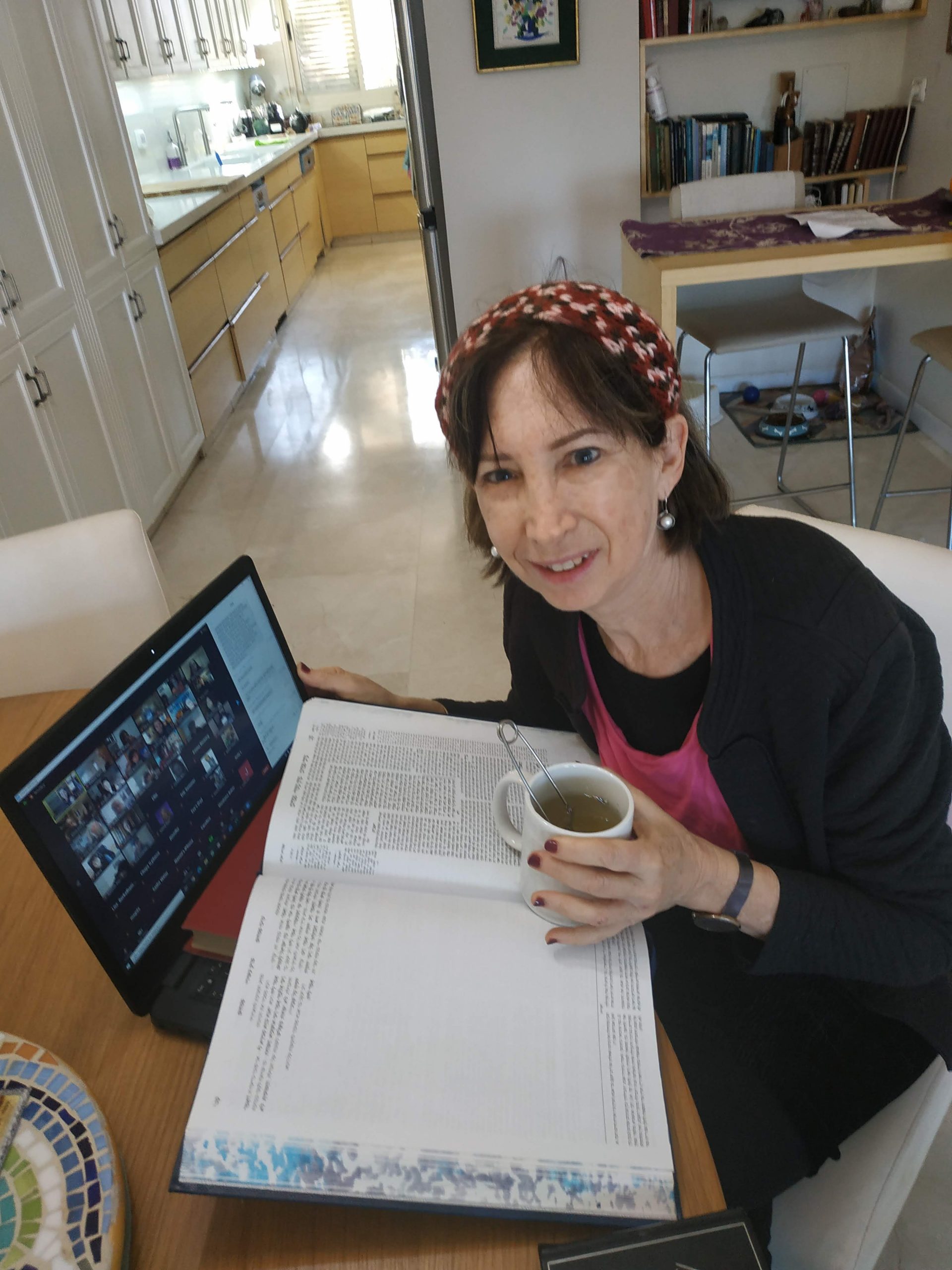
הלימוד מאוד משפיעה על היום שלי כי אני לומדת עם רבנית מישל על הבוקר בזום. זה נותן טון לכל היום – בסיס למחשבות שלי .זה זכות גדול להתחיל את היום בלימוד ובתפילה. תודה רבה !

שרה-ברלוביץ
שרה ברלוביץ

ירושלים, ישראל

"
גם אני התחלתי בסבב הנוכחי וב””ה הצלחתי לסיים את רוב המסכתות . בזכות הרבנית מישל משתדלת לפתוח את היום בשיעור הזום בשעה 6:20 .הלימוד הפך להיות חלק משמעותי בחיי ויש ימים בהם אני מצליחה לחזור על הדף עם מלמדים נוספים ששיעוריהם נמצאים במרשתת. שמחה להיות חלק מקהילת לומדות ברחבי העולם. ובמיוחד לשמש דוגמה לנכדותיי שאי””ה יגדלו לדור שלימוד תורה לנשים יהיה משהו שבשגרה. "

Ronit Shavit
רונית שביט

נתניה, ישראל

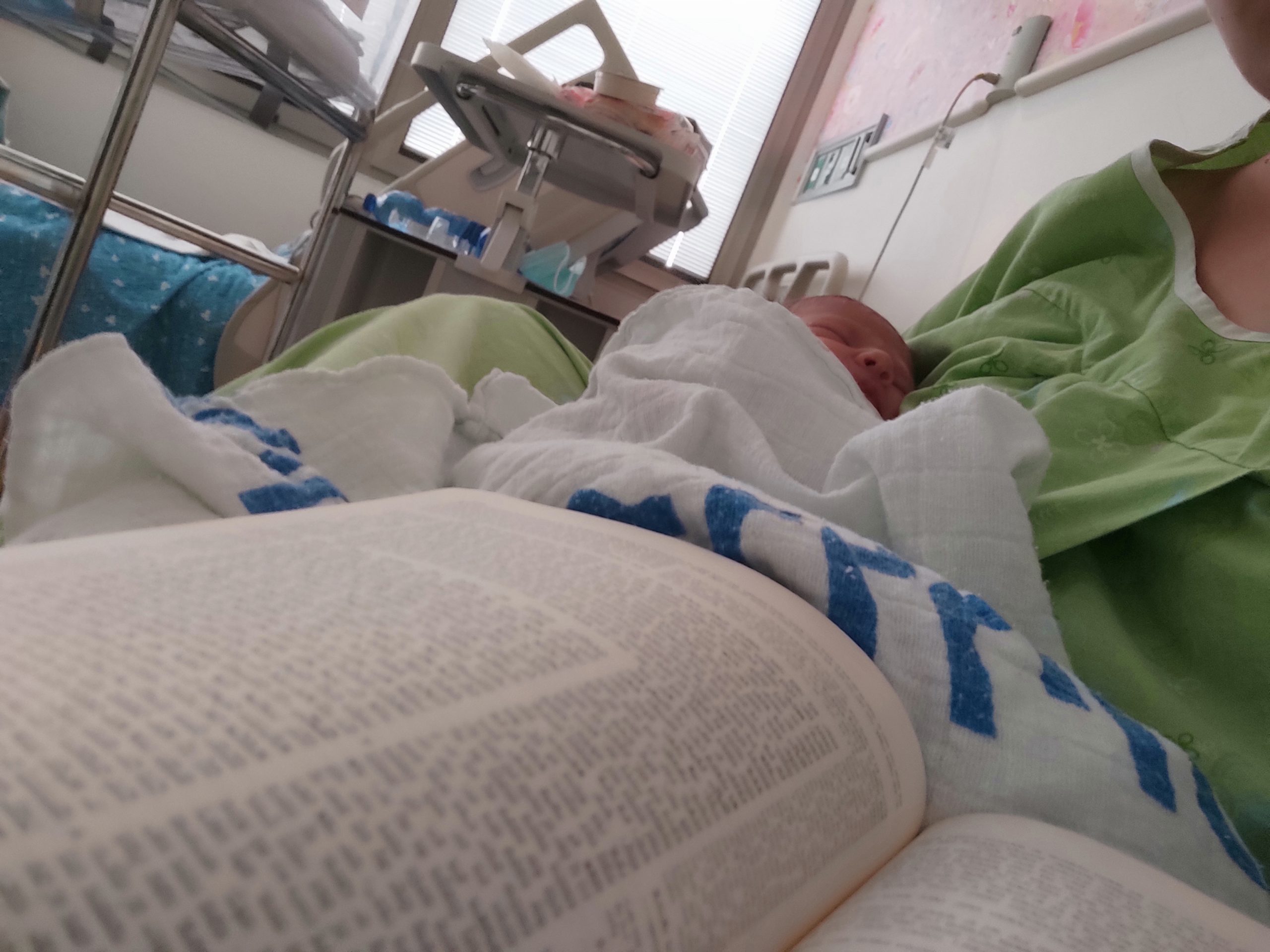
התחלתי בסיום הש”ס, יצאתי באורות. נשברתי פעמיים, ובשתיהם הרבנית מישל עודדה להמשיך איפה שכולם בסבב ולהשלים כשאוכל, וכך עשיתי וכיום השלמתי הכל. מדהים אותי שאני לומדת כל יום קצת, אפילו בחדר הלידה, בבידוד או בחו”ל. לאט לאט יותר נינוחה בסוגיות. לא כולם מבינים את הרצון, בפרט כפמניסטית. חשה סיפוק גדול להכיר את המושגים וצורת החשיבה. החלום זה להמשיך ולהתמיד ובמקביל ללמוד איך מהסוגיות נוצרה והתפתחה ההלכה.

Weingarten Sherrington Foundation
קרן וינגרטן שרינגטון

מודיעין, ישראל

לצערי גדלתי בדור שבו לימוד גמרא לנשים לא היה דבר שבשגרה ושנים שאני חולמת להשלים את הפער הזה.. עד שלפני מספר שבועות, כמעט במקרה, נתקלתי במודעת פרסומת הקוראת להצטרף ללימוד מסכת תענית. כשקראתי את המודעה הרגשתי שהיא כאילו נכתבה עבורי – "תמיד חלמת ללמוד גמרא ולא ידעת איך להתחיל”, "בואי להתנסות במסכת קצרה וקלה” (רק היה חסר שהמודעה תיפתח במילים "מיכי שלום”..). קפצתי למים ו- ב”ה אני בדרך להגשמת החלום:)

Micah Kadosh
מיכי קדוש

מורשת, ישראל

הצטרפתי ללומדות בתחילת מסכת תענית. ההתרגשות שלי ושל המשפחה היתה גדולה מאוד, והיא הולכת וגוברת עם כל סיום שאני זוכה לו. במשך שנים רבות רציתי להצטרף ומשום מה זה לא קרה… ב”ה מצאתי לפני מספר חודשים פרסום של הדרן, ומיד הצטרפתי והתאהבתי. הדף היומי שינה את חיי ממש והפך כל יום- ליום של תורה. מודה לכן מקרב ליבי ומאחלת לכולנו לימוד פורה מתוך אהבת התורה ולומדיה.

Noa Rosen
נעה רוזן

חיספין רמת הגולן, ישראל

התחלתי ללמוד את הדף היומי מעט אחרי שבני הקטן נולד. בהתחלה בשמיעה ולימוד באמצעות השיעור של הרבנית שפרבר. ובהמשך העזתי וקניתי לעצמי גמרא. מאז ממשיכה יום יום ללמוד עצמאית, ולפעמים בעזרת השיעור של הרבנית, כל יום. כל סיום של מסכת מביא לאושר גדול וסיפוק. הילדים בבית נהיו חלק מהלימוד, אני משתפת בסוגיות מעניינות ונהנית לשמוע את דעתם.

Eliraz Blau
אלירז בלאו

מעלה מכמש, ישראל

A life-changing journey started with a Chanukah family tiyul to Zippori, home of the Sanhedrin 2 years ago and continued with the Syum in Binanei Hauma where I was awed by the energy of 3000 women dedicated to learning daf Yomi. Opening my morning daily with a fresh daf, I am excited with the new insights I find enriching my life and opening new and deeper horizons for me.

Becky Goldstein
בקי גולדשטיין

Elazar gush etzion, Israel

התחלתי לפני 8 שנים במדרשה. לאחרונה סיימתי מסכת תענית בלמידה עצמית ועכשיו לקראת סיום מסכת מגילה.

Daniela Baruchim
דניאלה ברוכים

רעננה, ישראל

. לא תמיד נהניתי מלימוד גמרא כילדה.,בל כהתבגרתי התחלתי לאהוב את זה שוב. התחלתי ללמוד מסכת סוטה בדף היומי לפני כחמש עשרה שנה ואז הפסקתי.הגעתי לסיום הגדול של הדרן לפני שנתיים וזה נתן לי השראה. והתחלתי ללמוד למשך כמה ימים ואז היתה לי פריצת דיסק והפסקתי…עד אלול השנה. אז התחלתי עם מסכת ביצה וב”ה אני מצליחה לעמוד בקצב. המשפחה מאוד תומכת בי ויש כמה שגם לומדים את זה במקביל. אני אוהבת שיש עוגן כל יום.

Rebecca Darshan
רבקה דרשן

בית שמש, ישראל

רבנית מישל הציתה אש התלמוד בלבבות בביניני האומה ואני נדלקתי. היא פתחה פתח ותמכה במתחילות כמוני ואפשרה לנו להתקדם בצעדים נכונים וטובים. הקימה מערך שלם שמסובב את הלומדות בסביבה תומכת וכך נכנסתי למסלול לימוד מעשיר שאין כמוה. הדרן יצר קהילה גדולה וחזקה שמאפשרת התקדמות מכל נקודת מוצא. יש דיבוק לומדות שמחזק את ההתמדה של כולנו. כל פניה ושאלה נענית בזריזות ויסודיות. תודה גם למגי על כל העזרה.

Sarah Aber
שרה אבר

נתניה, ישראל

כבר סיפרתי בסיום של מועד קטן.
הלימוד מאוד משפיעה על היום שלי כי אני לומדת עם רבנית מישל על הבוקר בזום. זה נותן טון לכל היום – בסיס למחשבות שלי .זה זכות גדול להתחיל את היום בלימוד ובתפילה. תודה רבה !

שרה-ברלוביץ
שרה ברלוביץ

ירושלים, ישראל

A life-changing journey started with a Chanukah family tiyul to Zippori, home of the Sanhedrin 2 years ago and continued with the Syum in Binanei Hauma where I was awed by the energy of 3000 women dedicated to learning daf Yomi. Opening my morning daily with a fresh daf, I am excited with the new insights I find enriching my life and opening new and deeper horizons for me.

Becky Goldstein
בקי גולדשטיין

Elazar gush etzion, Israel

התחלתי להשתתף בשיעור נשים פעם בשבוע, תכננתי ללמוד רק דפים בודדים, לא האמנתי שאצליח יותר מכך.
לאט לאט נשאבתי פנימה לעולם הלימוד .משתדלת ללמוד כל בוקר ומתחילה את היום בתחושה של מלאות ומתוך התכווננות נכונה יותר.
הלימוד של הדף היומי ממלא אותי בתחושה של חיבור עמוק לעם היהודי ולכל הלומדים בעבר ובהווה.

Neely Hayon
נילי חיון

אפרת, ישראל

התחלתי בסיום הש”ס, יצאתי באורות. נשברתי פעמיים, ובשתיהם הרבנית מישל עודדה להמשיך איפה שכולם בסבב ולהשלים כשאוכל, וכך עשיתי וכיום השלמתי הכל. מדהים אותי שאני לומדת כל יום קצת, אפילו בחדר הלידה, בבידוד או בחו”ל. לאט לאט יותר נינוחה בסוגיות. לא כולם מבינים את הרצון, בפרט כפמניסטית. חשה סיפוק גדול להכיר את המושגים וצורת החשיבה. החלום זה להמשיך ולהתמיד ובמקביל ללמוד איך מהסוגיות נוצרה והתפתחה ההלכה.

Weingarten Sherrington Foundation
קרן וינגרטן שרינגטון

מודיעין, ישראל

התחלתי לפני כמה שנים אבל רק בסבב הזה זכיתי ללמוד יום יום ולסיים מסכתות

Sigal Tel
סיגל טל

רעננה, ישראל

אחרי שראיתי את הסיום הנשי של הדף היומי בבנייני האומה זה ריגש אותי ועורר בי את הרצון להצטרף. לא למדתי גמרא קודם לכן בכלל, אז הכל היה לי חדש, ולכן אני לומדת בעיקר מהשיעורים פה בהדרן, בשוטנשטיין או בחוברות ושיננתם.

Rebecca Schloss
רבקה שלוס

בית שמש, ישראל

התחלתי מעט לפני תחילת הסבב הנוכחי. אני נהנית מהאתגר של להמשיך להתמיד, מרגעים של "אהה, מפה זה הגיע!” ומהאתגר האינטלקטואלי

Eilat-Chen and Deller
אילת-חן ודלר

לוד, ישראל

ראש השנה כ

אֶלָּא אִי אָמְרַתְּ לְעוֹלָם חָסֵר, אַמַּאי מְחַלְּלִינַן? מִשּׁוּם דְּמִצְוָה לְקַדֵּשׁ עַל הָרְאִיָּיה.

But if you say that the Adar immediately preceding Nisan is always short, why should they desecrate Shabbat? The court can calculate the time of the New Moon without witnesses. The Gemara answers: Because it is a mitzva to sanctify the New Moon on the basis of the testimony of witnesses who actually saw the new moon and not rely on calculations or established practices.

אִיכָּא דְּאָמְרִי, אָמַר רַב נַחְמָן, אַף אֲנַן נָמֵי תְּנֵינָא: עַל שְׁנֵי חֳדָשִׁים מְחַלְּלִין אֶת הַשַּׁבָּת — עַל נִיסָן וְעַל תִּשְׁרִי. אִי אָמְרַתְּ בִּשְׁלָמָא לְעוֹלָם חָסֵר — מִשּׁוּם הָכִי מְחַלְּלִינַן, דְּמִצְוָה לְקַדֵּשׁ עַל הָרְאִיָּיה.

Some say that Rav Naḥman said: We, too, learn in a mishna: Witnesses who saw the new moon may desecrate Shabbat to establish the New Moon for two months, for the month of Nisan and for the month of Tishrei. Granted, if you say that the Adar immediately preceding Nisan is always short, due to that reason the witnesses may desecrate Shabbat, because it is a mitzva to sanctify the month on the basis of the testimony of witnesses who actually saw the new moon.

אֶלָּא אִי אָמְרַתְּ זִמְנִין מָלֵא זִמְנִין חָסֵר — אַמַּאי מְחַלְּלִינַן? נְעַבְּרֵיהּ הָאִידָּנָא, וּנְקַדְּשֵׁיהּ לִמְחַר.

But if you say that the Adar immediately preceding Nisan is sometimes full and sometimes short, and there is no regularity to it, why should the witnesses desecrate Shabbat? Have the court add an extra day to the month now, since it can decide whether the thirtieth day or the thirty-first day is the beginning of the new month, and let the members of the court sanctify the next day as the New Moon.

אִי דְּאִקְּלַע יוֹם שְׁלֹשִׁים בְּשַׁבָּת — הָכִי נָמֵי. הָכָא בְּמַאי עָסְקִינַן: דְּאִקְּלַע יוֹם שְׁלֹשִׁים וְאֶחָד בְּשַׁבָּת, דְּמִצְוָה לְקַדֵּשׁ עַל הָרְאִיָּיה.

The Gemara rejects this argument: If the thirtieth of Adar falls on Shabbat, this is indeed what is done. The witnesses are not permitted to desecrate Shabbat. Rather, the month is made full and the next day is sanctified as the New Moon. Here we are dealing with a case where the thirty-first of Adar falls on Shabbat, and so the sanctification of the New Moon cannot be pushed off to the next day, as a month cannot be longer than thirty days. In that case, the witnesses may desecrate Shabbat because it is a mitzva to sanctify the month based on testimony of witnesses who actually saw the new moon.

מֵתִיב רַב כָּהֲנָא: כְּשֶׁהַמִּקְדָּשׁ קַיָּים מְחַלְּלִין אַף עַל כּוּלָּן, מִפְּנֵי תַּקָּנַת הַקׇּרְבָּן.

Rav Kahana raised an objection from the continuation of the mishna, which teaches: When the Temple was standing, the witnesses would desecrate Shabbat for establishing the New Moon even for all the months, in order to rectify the offering of the New Moon, i.e., ensure that it is at the proper time.

מִדְּכוּלְּהוּ לָאו מִשּׁוּם דְּמִצְוָה לְקַדֵּשׁ עַל הָרְאִיָּיה — נִיסָן וְתִשְׁרִי נָמֵי לָאו מִשּׁוּם דְּמִצְוָה לְקַדֵּשׁ עַל הָרְאִיָּיה.

From the fact that the reason that the witnesses are permitted to desecrate Shabbat for all the other months is not because it is a mitzva to sanctify the month based on testimony of witnesses who saw the new moon, the implication is that with regard to Nisan and Tishrei as well, the witnesses are permitted to desecrate Shabbat for another reason and not because it is a mitzva to sanctify the month based on the testimony of witnesses who saw the new moon.

אִי אָמְרַתְּ בִּשְׁלָמָא זִמְנִין מָלֵא וְזִמְנִין חָסֵר, מִשּׁוּם הָכִי מְחַלְּלִינַן. אֶלָּא אִי אָמְרַתְּ לְעוֹלָם חָסֵר, אַמַּאי מְחַלְּלִינַן? תְּיוּבְתָּא.

Granted, if you say that Adar is sometimes full and sometimes short, due to that reason the witnesses may desecrate Shabbat. But if you say that Adar is always short, why should they desecrate Shabbat? The court knows in advance when will be the New Moon of Nisan. The Gemara concludes: This is indeed a conclusive refutation to the proof brought by Rav Naḥman.

כִּי אֲתָא עוּלָּא, אָמַר: עַבְּרוּהּ לֶאֱלוּל. אָמַר עוּלָּא: יָדְעִי חַבְרִין בַּבְלָאֵי מַאי טֵיבוּתָא עָבְדִינַן בַּהֲדַיְיהוּ!

§ It is related that when Ulla came from Eretz Yisrael to Babylonia, he said: This year they added an extra day to the month of Elul. Ulla continued and said: Do our Babylonian colleagues understand what benefit we did for them? We pushed off Rosh HaShana for a day, so that the Festival would not occur adjacent to Shabbat.

מַאי טֵיבוּתָא? עוּלָּא אָמַר: מִשּׁוּם יַרְקַיָּא. רַבִּי אַחָא בַּר חֲנִינָא אָמַר: מִשּׁוּם מִתַיָּא.

The Gemara asks: What is the benefit in having a weekday between Shabbat and a Festival? Ulla said: Due to the vegetables that would not be picked for two days and those picked beforehand that would no longer be fresh. Rabbi Aḥa bar Ḥanina said: Due to the dead who would not be buried for two days and consequently would begin to decompose.

מַאי בֵּינַיְיהוּ? אִיכָּא בֵּינַיְיהוּ: יוֹם הַכִּפּוּרִים שֶׁחָל לִהְיוֹת אַחַר הַשַּׁבָּת. מַאן דְּאָמַר מִשּׁוּם מִתַיָּא — מְעַבְּרִינַן. וּמַאן דְּאָמַר מִשּׁוּם יַרְקַיָּא, לְאֵימַת קָא בָּעֵי לְהוּ — לְאוּרְתָּא, לְאוּרְתָּא טָרַח וּמַיְיתֵי.

The Gemara asks: What is the practical difference between these two concerns? The Gemara answers: The practical difference between them is in the case where Yom Kippur occurs directly after Shabbat. According to the one who said that the reason is due to the dead that would go unburied for two days, the court adds an extra day to Elul so that Yom Kippur will not occur on Sunday. But according to the one who said that the reason is due to the vegetables that would not be fresh, there is no need to add an extra day to Elul. When would he require the vegetables? Only in the evening following Yom Kippur; and if Yom Kippur falls on Sunday, he can go out in the evening after the fast and bring fresh vegetables.

וּלְמַאן דְּאָמַר מִשּׁוּם יַרְקַיָּא, לְעַבְּרֵיהּ מִשּׁוּם מִתַיָּא! אֶלָּא: אִיכָּא בֵּינַיְיהוּ יוֹם טוֹב הַסָּמוּךְ לַשַּׁבָּת בֵּין מִלְּפָנֶיהָ בֵּין מִלְּאַחֲרֶיהָ. מַאן דְּאָמַר מִשּׁוּם יַרְקַיָּא — מְעַבְּרִינַן, וּמַאן דְּאָמַר מִשּׁוּם מִתַיָּא — אֶפְשָׁר בְּעַמְמֵי.

The Gemara asks: But according to the one who says that the reason is due to vegetables, the court should still make Elul full due to the dead, as this is also an important consideration. Rather, the practical difference between them is with regard to the case where the Festival of Rosh HaShana occurs adjacent to Shabbat, either before it or after it. According to the one who said that the reason is due to the vegetables that would wither, the court adds an extra day to Elul. But according to the one who said that the reason is due to the dead that would go unburied, there is no reason to make Elul full, because on a Festival it is possible to arrange that the dead be buried by gentiles.

וּלְמַאן דְּאָמַר מִשּׁוּם מִתַיָּא, לְעַבְּרֵיהּ מִשּׁוּם יַרְקַיָּא! אֶפְשָׁר בְּחַמִּימֵי.

The Gemara asks: But according to the one who said that the reason is due to the dead, the court should still add an extra day to Elul due to the vegetables. The Gemara answers: According to him this is not an important consideration, because it is possible to soak the withered vegetables in hot water and thereby restore their freshness.

אִי הָכִי: מַאי שְׁנָא לְדִידַן, אֲפִילּוּ לְדִידְהוּ נָמֵי! לְדִידַן חֲבִיל לַן עָלְמָא, לְדִידְהוּ לָא חֲבִיל לְהוּ עָלְמָא.

The Gemara asks: If so, what is different about those who live in Babylonia and those who live in Eretz Yisrael? Why did Ulla specifically say that adding an extra day to Elul was beneficial to us, in Babylonia; it was beneficial to them as well. The Gemara answers: For us in Babylonia the weather is very hot, and so vegetables wither and corpses decompose quickly. But for them in Eretz Yisrael, the weather is not as hot, and vegetables and corpses can be kept for two days.

אִינִי?! וְהָתָנֵי רַבָּה בַּר שְׁמוּאֵל: יָכוֹל כְּשֵׁם שֶׁמְּעַבְּרִין אֶת הַשָּׁנָה לְצוֹרֶךְ, כָּךְ מְעַבְּרִין אֶת הַחֹדֶשׁ לְצוֹרֶךְ? תַּלְמוּד לוֹמַר: ״הַחֹדֶשׁ הַזֶּה לָכֶם רֹאשׁ חֳדָשִׁים״ — כָּזֶה רְאֵה וְקַדֵּשׁ.

§ It was taught above that for various reasons a month can have an extra day added, even if the new moon was seen on the night before the thirtieth. The Gemara challenges this assumption: Is that so? But didn’t Rabba bar Shmuel teach in a baraita: One might have thought that just as the court adds an extra month to a year for some pressing communal need, so too, the court adds an extra day to a month for some similar need. Therefore, the verse states: “This month shall be to you the beginning of months” (Exodus 12:2). This teaches that when there is a moon like this, see it and sanctify the month. When the new moon is seen, the month must be sanctified without delay.

אָמַר רָבָא, לָא קַשְׁיָא: כָּאן לְעַבְּרוֹ, כָּאן לְקַדְּשׁוֹ. וְהָכִי קָאָמַר: יָכוֹל כְּשֵׁם שֶׁמְּעַבְּרִין אֶת הַשָּׁנָה וְאֶת הַחֹדֶשׁ לְצוֹרֶךְ, כָּךְ מְקַדְּשִׁין אֶת הַחֹדֶשׁ לְצוֹרֶךְ — תַּלְמוּד לוֹמַר: ״הַחֹדֶשׁ הַזֶּה לָכֶם״ — כָּזֶה רְאֵה וְקַדֵּשׁ.

Rava said: This is not difficult: Here it is speaking of adding an extra day to the month, although the new moon was seen on the thirtieth, which is permitted; whereas there it is speaking of sanctifying the month on the thirtieth, although the new moon was not yet seen, which is prohibited. And this is what the baraita is saying: One might have thought that just as the court adds to a year or a month for some pressing communal need, so too, a month can be sanctified early on the thirtieth even without seeing the new moon. Therefore, the verse states: “This month shall be to you the beginning of months,” which teaches: Only when the moon appears like this, see it and sanctify the month, but not before.

וְכִי הָא דְּאָמַר רַבִּי יְהוֹשֻׁעַ בֶּן לֵוִי: מְאַיְּימִין עַל הָעֵדִים עַל הַחֹדֶשׁ שֶׁנִּרְאָה בִּזְמַנּוֹ — לְעַבְּרוֹ, וְאֵין מְאַיְּימִין עַל הָעֵדִים עַל הַחֹדֶשׁ שֶׁלֹּא נִרְאָה בִּזְמַנּוֹ — לְקַדְּשׁוֹ.

The Gemara comments that this is like that which Rabbi Yehoshua ben Levi said: The court may intimidate witnesses through rigorous and confusing examination, so that they will give inadmissible testimony about the new moon that was seen at its due time, the thirtieth of the month. This is so that the court can add an extra day to it, and the New Moon will be sanctified on the thirty-first day. But the court may not intimidate witnesses into giving testimony about the new moon that was not seen on its due time, in order to sanctify the New Moon early, on the thirtieth.

אִינִי?! וְהָא שְׁלַח לֵיהּ רַבִּי יְהוּדָה נְשִׂיאָה לְרַבִּי אַמֵּי: הֱווּ יוֹדְעִין שֶׁכׇּל יָמָיו שֶׁל רַבִּי יוֹחָנָן הָיָה מְלַמְּדֵנוּ: מְאַיְּימִין עַל הָעֵדִים עַל הַחֹדֶשׁ שֶׁלֹּא נִרְאָה בִּזְמַנּוֹ — לְקַדְּשׁוֹ, אַף עַל פִּי שֶׁלֹּא רָאוּהוּ, יֹאמְרוּ ״רָאִינוּ״!

The Gemara asks: Is that so? But didn’t Rabbi Yehuda Nesia, who was the Nasi of the Sanhedrin, send a message to Rabbi Ami: Be aware that all the days of Rabbi Yoḥanan he would teach us that witnesses may be intimidated into giving testimony about the new moon that was not seen in its due time. This was done in order that the new month may be sanctified early, already on the thirtieth. Although the witnesses did not see the moon, they may say: We saw it.

אָמַר אַבָּיֵי, לָא קַשְׁיָא: הָא בְּנִיסָן וְתִשְׁרִי, הָא בִּשְׁאָר יַרְחֵי.

Abaye said: This is not difficult: This ruling is referring to Nisan and Tishrei, which may be sanctified early in order to set the Festivals that occur in those months; that ruling is referring to the other months, which may not be sanctified early, even for some other pressing need.

רָבָא אָמַר: הָא דְּתָנֵי רַבָּה בַּר שְׁמוּאֵל — אֲחֵרִים הִיא. דְּתַנְיָא, אֲחֵרִים אוֹמְרִים: אֵין בֵּין עֲצֶרֶת לַעֲצֶרֶת וְאֵין בֵּין רֹאשׁ הַשָּׁנָה לָרֹאשׁ הַשָּׁנָה אֶלָּא אַרְבָּעָה יָמִים בִּלְבַד. וְאִם הָיְתָה שָׁנָה מְעוּבֶּרֶת — חֲמִשָּׁה.

Rava said: That which Rabba bar Shmuel taught, that the court may not lengthen or shorten the months for reason of communal need, follows the opinion of Aḥerim, as it is taught in a baraita: Aḥerim say: The difference between the festival of Shavuot of one year and the festival of Shavuot of the following year, and similarly, between Rosh HaShana of one year and Rosh HaShana of the following year, is only four days of the week. There are 354 days in a lunar year, which are divided into twelve alternating months, six months that are thirty days long and six months that are twenty-nine days long. Therefore, every year is fifty weeks and four days long. And if it was a leap year, in which case the year is comprised of 383 days, or fifty-four weeks and five days, there is a difference of five days between them.

רַב דִּימִי מִנְּהַרְדְּעָא מַתְנֵי אִיפְּכָא: מְאַיְּימִין עַל הָעֵדִים עַל הַחֹדֶשׁ שֶׁלֹּא נִרְאָה בִּזְמַנּוֹ — לְקַדְּשׁוֹ, וְאֵין מְאַיְּימִין עַל הָעֵדִים עַל הַחֹדֶשׁ שֶׁנִּרְאָה בִּזְמַנּוֹ — לְעַבְּרוֹ.

Rav Dimi from Neharde’a taught the baraita in the opposite manner: The court may intimidate the witnesses into giving testimony about the new moon that was not seen in its due time in order that the new month may be sanctified early, already on the thirtieth. But the court may not intimidate witnesses so that they do not give acceptable testimony about the new moon that was seen in its due time, in order to add an extra day to the old month, so that the New Moon is sanctified on the thirty-first.

מַאי טַעְמָא —

The Gemara asks: What is the reason for Rav Dimi’s opinion? Intimidating witnesses into testifying about something that they did not see is worse than intimidating them to withhold testimony about something that they did see.

הַאי מִיחֲזֵי כְּשִׁקְרָא, הַאי לָא מִיחֲזֵי כְּשִׁקְרָא.

In this case, where the witnesses withhold testimony about what they saw and the New Moon is pushed off to the next day, it looks like a lie, as the moon might have been seen by others as well, and people will wonder why the New Moon was not sanctified the previous day. In that case, where the witnesses testify about something that they did not see and the New Moon is a day early, it does not look like a lie, as everybody knows that it is possible that only a few people saw the new moon.

אָמַר שְׁמוּאֵל: יָכֵילְנָא לְתַקּוֹנֵי לְכוּלַּהּ גּוֹלָה.

§ Shmuel said: I am able to fix the calendar for the entire Diaspora without witnesses. Shmuel was an expert on the movement of the celestial bodies and on the principles governing leap years and additional days added to months.

אֲמַר לֵיהּ אַבָּא אֲבוּהּ דְּרַבִּי שִׂמְלַאי לִשְׁמוּאֵל: יָדַע מָר הַאי מִילְּתָא דְּתַנְיָא בְּסוֹד הָעִיבּוּר: נוֹלַד קוֹדֶם חֲצוֹת אוֹ נוֹלַד אַחַר חֲצוֹת? אֲמַר לֵיהּ: לָא. אֲמַר לֵיהּ: מִדְּהָא לָא יָדַע מָר — אִיכָּא מִילֵּי אַחְרָנְיָיתָא דְּלָא יָדַע מָר.

Abba, the father of Rabbi Simlai, said to Shmuel: Does the Master know the meaning of this statement, as it is taught in a baraita dealing with the secret of addition, which discusses calendric calculations: Differentiate between when the molad occurred before midday and when the molad occurred after midday? He said to him: No, I do not know what this means. He said to him: Since the Master does not know this, there are probably other matters that the Master does not know, and therefore you must not establish a calendar, relying upon calculations that were made based on faulty or insufficient knowledge.

כִּי סְלֵיק רַבִּי זֵירָא, שְׁלַח לְהוּ: צָרִיךְ שֶׁיְּהֵא לַיְלָה וָיוֹם מִן הֶחָדָשׁ.

As for the meaning of this obscure baraita, when Rabbi Zeira went up from Babylonia to Eretz Yisrael, he sent back a letter to his colleagues in Babylonia: In order for a day to be sanctified as the New Moon, it is necessary that both the night and the day be of the new month. That is to say, the molad must occur before the beginning of the night.

וְזוֹ שֶׁאָמַר אַבָּא אֲבוּהּ דְּרַבִּי שִׂמְלַאי: מְחַשְּׁבִין אֶת תּוֹלַדְתּוֹ. נוֹלַד קוֹדֶם חֲצוֹת — בְּיָדוּעַ שֶׁנִּרְאָה סָמוּךְ לִשְׁקִיעַת הַחַמָּה. לֹא נוֹלַד קוֹדֶם חֲצוֹת — בְּיָדוּעַ שֶׁלֹּא נִרְאָה סָמוּךְ לִשְׁקִיעַת הַחַמָּה.

And this is what Abba, the father of Rabbi Simlai, said: The baraita means as follows: They calculate the molad; if the molad occurred before midday, so that there are at least six more hours left of the day, it is known that the moon will be visible close to sunset. If, however, the molad did not occur before midday, so that there are fewer than six hours left of the day, it is known that the moon will not be visible close to sunset.

לְמַאי נָפְקָא מִינַּהּ? אָמַר רַב אָשֵׁי: לְאַכְחוֹשֵׁי סָהֲדֵי.

The Gemara asks: What is the practical difference that this statement makes? In any case, the court is dependent upon the testimony of witnesses. Rav Ashi said: This information is used to refute the witnesses, as if the witnesses claim that they saw the new moon at a time when it was not visible according to the calculations, they are clearly false witnesses.

אָמַר רַבִּי זֵירָא אָמַר רַב נַחְמָן: עֶשְׂרִים וְאַרְבְּעָה שָׁעֵי מִכַּסֵּי סֵיהֲרָא. לְדִידַן — שֵׁית מֵעַתִּיקָא וְתַמְנֵי סְרֵי מֵחַדְתָּא, לְדִידְהוּ — שֵׁית מֵחַדְתָּא וְתַמְנֵי סְרֵי מֵעַתִּיקָא.

Rabbi Zeira said that Rav Naḥman said: For twenty-four hours the moon is covered, i.e., not visible. This occurs between the last sighting of the old moon and the first sighting of the new moon. For us, in Babylonia, it is not visible for six hours of the old moon and eighteen hours of the new; for them, in Eretz Yisrael, it is not visible for six hours of the new moon and eighteen hours of the old.

לְמַאי נָפְקָא מִינַּהּ? אָמַר רַב אָשֵׁי: לְאַכְחוֹשֵׁי סָהֲדֵי.

The Gemara asks: What is the practical difference that this statement makes? Rav Ashi said: It is used to refute the witnesses, as if they testify that they saw two moons, the old and the new, within a single twenty-four hour period, they are certainly false witnesses.

אָמַר מָר: צָרִיךְ שֶׁיְּהֵא לַיְלָה וָיוֹם מִן הֶחָדָשׁ. מְנָלַן? רַבִּי יוֹחָנָן אָמַר: ״מֵעֶרֶב עַד עֶרֶב״.

§ The Master said above: In order for a day to be sanctified as the New Moon, it is necessary that both the night and the day be of the new moon. The Gemara asks: From where do we derive this? Rabbi Yoḥanan said: The verse states: “From evening to evening shall you celebrate your Shabbat” (Leviticus 23:32). This teaches that the day follows the night for all the calculations pertaining to the Festivals and New Moons.

רֵישׁ לָקִישׁ אָמַר: ״עַד יוֹם הָאֶחָד וְעֶשְׂרִים לַחֹדֶשׁ בָּעָרֶב״.

Reish Lakish said: It is derived from the verse that states: “In the first month, on the fourteenth day of the month at the evening, you shall eat unleavened bread, until the twenty-first day of the month at the evening” (Exodus 12:18). This teaches that the Festival terminates at the end of the day, and a new day begins in the evening.

מַאי בֵּינַיְיהוּ? אַבָּיֵי אָמַר: מַשְׁמָעוּת דּוֹרְשִׁין אִיכָּא בֵּינַיְיהוּ.

The Gemara asks: What is the practical difference between these two derivations? Abaye said: There is no practical difference between them. The interpretation of the meaning of the verse is the difference between them.

רָבָא אָמַר: חֲצוֹת לַיְלָה אִיכָּא בֵּינַיְיהוּ.

Rava said: There is a practical difference between them with regard to the hours before midnight. According to Rabbi Yoḥanan, who derives the halakha from the verse: “From evening to evening,” the previous day ends at nightfall. Therefore, if the new moon was seen only at the beginning of the night of the thirtieth, the thirtieth is not sanctified as the New Moon. However, according to Reish Lakish, who derives the halakha from the verse with regard to Passover: “Until the twenty-first day of the month at the evening,” the moon may be sanctified if it was seen before midnight. Eating unleavened bread on Passover is an obligation only on the first night until midnight. After that time, it is optional. The verse states: “You shall eat unleavened bread, until the twenty-first day of the month at the evening,” implying that it is not obligatory but optional to eat unleavened bread. Since the optional time of eating unleavened bread begins at midnight, after the conclusion of the obligatory time, the conclusion of that time is also at midnight on the twenty-first day. This implies that there is a concept of a day beginning at midnight. Accordingly, if the new moon was seen at the beginning of the night of the thirtieth, the thirtieth can still be sanctified as the New Moon.

אָמַר רַבִּי זֵירָא אָמַר רַב נַחְמָן: כֹּל סְפֵיקָא לְקַמֵּיהּ שָׁדֵינַן. לְמֵימְרָא דַּחֲמֵיסַר וְשִׁיתְּסַר עָבְדִינַן, אַרְבֵּיסַר לָא עָבְדִינַן.

§ With regard to the extra Festival day that is observed in the Diaspora, Rabbi Zeira said that Rav Naḥman said: Any time that an extra Festival day is observed out of uncertainty with regard to the calendar, we cast it forward, i.e., it is observed on the following day and not on the preceding day. That is to say, owing to the uncertainty we observe Sukkot in the Diaspora on the fifteenth and the sixteenth of Tishrei, but not on the fourteenth.

וְלֶיעְבַּד נָמֵי אַרְבֵּיסַר? דִּלְמָא חַסְּרוּהּ לְאָב וְחַסְּרוּהּ לֶאֱלוּל!

The Gemara asks: But why not observe it also on the fourteenth, as perhaps both the month of Av and the month of Elul were made short? In that case, the day that is considered the fourteenth of Tishrei in the Diaspora would actually be the fifteenth of Tishrei, and therefore it should also be observed as Sukkot.

רוצה לעקוב אחרי התכנים ולהמשיך ללמוד?

ביצירת חשבון עוד היום ניתן לעקוב אחרי ההתקדמות שלך, לסמן מה למדת, ולעקוב אחרי השיעורים שמעניינים אותך.

לנקות את כל הפריטים מהרשימה?

פעולה זו תסיר את כל הפריטים בחלק זה כולל ההתקדמות וההיסטוריה. שימי לב: לא ניתן לשחזר פעולה זו.

ביטול
מחיקה

האם את/ה בטוח/ה שברצונך למחוק פריט זה?

תאבד/י את כל ההתקדמות או ההיסטוריה הקשורות לפריט זה.

ביטול
מחיקה