חיפוש

סנהדרין ט

רוצה להקדיש לימוד?

podcast placeholder

0:00
0:00


תקציר

הדף היום מוקדש ע”י עדינה גברץ לע”נ אביה, מל ריש.

הדף היום מוקדש ע”י ארט גולד לע”נ יהודה לייב בן משה.

באילו נסיבות רבי מאיר וחכמים חולקים האם מקרה של מוציא שם רע נידון בבית דין של שלושה או עשרים ושלושה, ומה שורש מחלוקתם? מובאות ארבע הצעות נוספות (המביאות את הסך הכל לשמונה) לענות על שאלה זו.

רב יוסף מביא דין לגבי מוציא שם רע. אף על פי שבדרך כלל, אם אדם חייב מיתה וחיוב ממון על אותו מעשה, הוא פטור מתשלום, (קם ליה בדרבה מיניה), יש תרחיש במוציא שם רע בו אדם יכול להתחייב גם מיתה וגם תשלום. אם הבעל הביא עדים נגד אשתו, ואז האב הביא עדים המזימים את הקבוצה הראשונה, ואז הבעל הביא עדים להפוך את עדי האב לזוממים, עדי האב מקבלים גם עונש מוות (כי ניסו להרוג את קבוצת העדים הראשונה) וגם חייבים לשלם לבעל, שכן היה צריך לשלם לאשה קנס אם עדותם הייתה מתקבלת. מכיוון שעונש המוות מתייחס למה שעשו לעדי הבעל והתשלום מתייחס לבעל, הם יכולים לקבל שני עונשים.

רב יוסף מביא פסיקה שנייה. אם אדם מעיד נגד אחר אך בתוך עדותו הוא מפליל את עצמו, אין אנו יכולים לקבל את עדותו כי הוא נחשב רשע ועדות רשע אינה מתקבלת בבית דין. רבא חולק וסובר שאנו מפצלים את עדותו (פלגינן דיבוריה) ומקבלים רק מה שהוא אומר על האחר כי אין אדם נאמן על עצמו להפליל, כי אדם קרוב אצל עצמו ואין ואדם משים עצמו רשע.

סנהדרין ט

דְּאַתְרוֹ בַּיהּ מַלְקוֹת, וְלָא אַתְרוֹ בַּיהּ קַטְלָא.

the witnesses warned her that she would be liable to receive lashes, but they did not warn her that she would be liable to receive the death penalty. In that case, the court would try her for adultery, and if found guilty she would receive lashes and not the death penalty.

וְקָמִיפַּלְגִי בִּפְלוּגְתָּא דְּרַבִּי יִשְׁמָעֵאל וְרַבָּנַן, דִּתְנַן: מַכּוֹת בִּשְׁלֹשָׁה. מִשּׁוּם רַבִּי יִשְׁמָעֵאל אָמְרוּ: בְּעֶשְׂרִים וּשְׁלֹשָׁה.

And they disagree with regard to the issue that is the subject of the dispute between Rabbi Yishmael and the Rabbis, as we learned in the mishna: One who is accused of violating a prohibition that would render him liable to receive lashes must be judged by three judges. In the name of Rabbi Yishmael it was stated: Cases involving lashes must be adjudicated by twenty-three judges. Therefore, Rabbi Meir holds that the case of the defamer may be adjudicated by three judges, because he holds that a court of three may administer lashes. The dissenting opinion, which holds that lashes may be administered only by twenty-three judges, also holds that this case must be adjudicated by a court of twenty-three.

רָבִינָא אָמַר: כְּגוֹן שֶׁנִּמְצָא אֶחָד מִן הָעֵדִים קָרוֹב אוֹ פָּסוּל, וְקָמִיפַּלְגִי בִּפְלוּגְתָּא דְּרַבִּי יוֹסֵי וְרַבִּי, אַלִּיבָּא דְּרַבִּי עֲקִיבָא. דִּתְנַן: רַבִּי עֲקִיבָא אוֹמֵר, לֹא בָּא שְׁלִישִׁי אֶלָּא לְהַחְמִיר עָלָיו, לַעֲשׂוֹת דִּינוֹ כַּיּוֹצֵא בָּאֵלּוּ.

Ravina says a different explanation: The case in the mishna is discussing a situation where one of the witnesses is found to be a close relative or a disqualified witness, but two valid witnesses still remain. And Rabbi Meir and the Rabbis disagree with regard to the issue that is the subject of the dispute between Rabbi Yosei and Rabbi Yehuda HaNasi with regard to the opinion of Rabbi Akiva. As we learned in a mishna (Makkot 5b) that Rabbi Akiva says: When the verse states: “At the mouth of two witnesses, or at the mouth of three witnesses, shall a matter be established” (Deuteronomy 17:6), the third witness is mentioned only to be stringent with him, to make his status like these other two witnesses. If a group of three witnesses is found to be conspiring witnesses, the third one might claim that his testimony was unnecessary and therefore did no harm. The Torah nevertheless imposes upon him the same strict punishment as his peers.

אִם כֵּן עָנַשׁ הַכָּתוּב אֶת הַנִּיטְפָּל לְעוֹבְרֵי עֲבֵירָה כְּעוֹבְרֵי עֲבֵירָה – עַל אַחַת כַּמָּה וְכַמָּה שֶׁיְּשַׁלֵּם שָׂכָר לַנִּיטְפָּל לְעוֹשֵׂה מִצְוָה כְּעוֹשֵׂה מִצְוָה.

Rabbi Akiva elaborates upon the implications of this halakha. If so, the Torah punishes the one who acts as an accessory to transgressors with the same punishment as the primary transgressors. All the more so, God will grant the reward to an individual who acts as an accessory to one who performs a mitzva like the primary one who performs a mitzva, for the measure of good is always greater than the measure of suffering (see Sota 11a).

וּמָה שְׁנַיִם, נִמְצָא אֶחָד מֵהֶן קָרוֹב אוֹ פָּסוּל – עֵדוּתָן בְּטֵלָה, אַף שְׁלֹשָׁה, נִמְצָא אֶחָד מֵהֶן קָרוֹב אוֹ פָּסוּל – עֵדוּתָן בְּטֵלָה. וּמִנַּיִין שֶׁאֲפִילּוּ מֵאָה? תַּלְמוּד לוֹמַר: ״עֵדִים״.

Additionally, this teaches that just as in the case of two witnesses, if one of them is found to be a close relative or a disqualified witness their testimony is nullified, as the single remaining witness is not able to testify alone, so too, in the case of three witnesses, if one of them is found to be a close relative or a disqualified witness their testimony is nullified. And from where is it derived that this applies even to a group of one hundred witnesses? The verse states: “Witnesses.”

אָמַר רַבִּי יוֹסֵי: בַּמֶּה דְּבָרִים אֲמוּרִים? בְּדִינֵי נְפָשׁוֹת, אֲבָל בְּדִינֵי מָמוֹנוֹת תִּתְקַיֵּים עֵדוּת בַּשְּׁאָר. רַבִּי אוֹמֵר: אֶחָד דִּינֵי מָמוֹנוֹת וְאֶחָד דִּינֵי נְפָשׁוֹת, וְאֵימָתַי? בִּזְמַן שֶׁהִתְרוּ בָּהֶן, אֲבָל בִּזְמַן שֶׁלֹּא הִתְרוּ בָּהֶן,

The tanna’im discussed how Rabbi Akiva’s opinion is to be understood. Rabbi Yosei says: In what situation is this statement, that if one of them is found to be a close relative or a disqualified witness their testimony is nullified, said? In cases of capital law. But in cases of monetary law, the testimony may be upheld with the other witnesses. Rabbi Yehuda HaNasi says: Rabbi Akiva’s opinion applies to both cases of monetary law and cases of capital law. And when is this so? When the relatives or disqualified witnesses also warned the transgressors and therefore actively included themselves in the group of witnesses; but when they did not warn the transgressors, they are not counted as witnesses at all.

מָה יַעֲשׂוּ שְׁנֵי אַחִים וְאֶחָד, שֶׁרָאוּ בְּאֶחָד שֶׁהָרַג אֶת הַנֶּפֶשׁ?

If this were not to be so, what should two brothers and one other person do, if they saw someone kill another person? If the mere fact that they saw the event invalidates the testimony, then no one can ever be tried for a transgression committed in the presence of relatives. If one may decide whether or not he will be a witness, one of the brothers may join with the third person in warning the potential transgressor and, thereafter, constitute a pair of valid witnesses. Similarly, the mishna is understood as discussing a case in which a betrothed woman committed adultery, and of the three witnesses, two were brothers. If one of the brothers refrained from warning her, the remaining two witnesses may still testify against her, according to Rabbi Yehuda HaNasi. In this situation, the case must be tried by twenty-three judges. According to Rabbi Yosei the case may be tried by three judges, because with regard to capital law, the two brothers invalidate the testimony merely by seeing the event together.

וְאִיבָּעֵית אֵימָא: כְּגוֹן שֶׁהִתְרוּ בָּהּ אֲחֵרִים, וְלֹא הִתְרוּ בָּהּ עֵדִים. וְקָמִיפַּלְגִי בִּפְלוּגְתָּא דְּרַבִּי יוֹסֵי וְרַבָּנַן, דִּתְנַן: רַבִּי יוֹסֵי אוֹמֵר, לְעוֹלָם אֵינוֹ נֶהֱרָג עַד שֶׁיְּהוּ פִּי שְׁנֵי עֵדָיו מַתְרִין בּוֹ, שֶׁנֶּאֱמַר: ״עַל פִּי שְׁנַיִם עֵדִים״.

And if you wish, say instead: The mishna discusses a case where others warned her, and the witnesses themselves did not warn her. And Rabbi Meir and the Rabbis disagree with regard to the issue that is the subject of the dispute between Rabbi Yosei and the Rabbis. As we learned in a mishna (Makkot 6b), Rabbi Yosei says: A defendant is never executed unless the mouths of his two witnesses are those who warn him, as it is stated: “At the mouth of two witnesses, or at the mouth of three witnesses, shall he that is to die be put to death” (Deuteronomy 17:6). The verse’s emphasis on the phrase “at the mouth of” teaches that the witnesses must issue the warning themselves. Rabbi Meir may agree with Rabbi Yosei that the woman cannot be executed if others gave the warning. Therefore the trial of the defamer needs only three judges, whereas the Rabbis in the mishna agree with the Rabbis in Makkot who disagree with Rabbi Yosei. Since she may be tried for adultery, the case requires twenty-three judges.

וְאִיבָּעֵית אֵימָא: כְּגוֹן דְּאִיתַּכְחוּשׁ בִּבְדִיקוֹת, וְלָא אִיתַּכְחוּשׁ בַּחֲקִירוֹת.

And if you wish, say instead a different explanation: The mishna discusses a case where the testimony about the adultery was found to be contradictory with regard to the examinations concerning minor details of the incident, but the testimony was not found to be contradictory with regard to the interrogations concerning the time and place of the incident, which is the primary substance of the testimony.

וְקָמִיפַּלְגִי בִּפְלוּגְתָּא דְּבֶן זַכַּאי וְרַבָּנַן, דִּתְנַן: מַעֲשֶׂה וּבָדַק בֶּן זַכַּאי בְּעוּקְצֵי תְאֵנִים.

And Rabbi Meir and the Rabbis disagree with regard to the issue that is the subject of the dispute between Rabban Yoḥanan ben Zakkai and the Rabbis. As we learned in a mishna (40a): An incident occurred, and Rabban Yoḥanan ben Zakkai examined the witnesses with regard to the stems of figs, as to their color and shape, in order to expose a contradiction between the witnesses. When he found a discrepancy in their reports about the figs, he dismissed the testimony. Rabbi Meir adopts this opinion, and therefore a woman cannot be tried for adultery if the witnesses disagree about details like these. The Rabbis accept such testimony, and consequently, they require a court of twenty-three judges.

אָמַר רַב יוֹסֵף: הֵבִיא הַבַּעַל עֵדִים שֶׁזִּינְּתָה, וְהֵבִיא הָאָב עֵדִים וֶהֱזִימּוּם לְעֵדֵי הַבַּעַל, עֵדֵי הַבַּעַל נֶהֱרָגִין וְאֵין מְשַׁלְּמִין מָמוֹן.

§ The Gemara discusses scenarios concerning the testimony about a woman’s committing adultery and allegations that the husband is guilty of defamation. Rav Yosef says: If the husband brought witnesses who testified that his wife committed adultery, and the wife’s father brought witnesses, and they testified that the husband’s witnesses were conspiring witnesses, then the husband’s witnesses are executed, but they or their estates do not pay money. Although their testimony, if accepted, would also have lowered the value of her marriage contract, they do not incur liability, based on the principle that if someone commits a transgression that renders him liable to receive more than one punishment, he receives the greater punishment.

חָזַר וְהֵבִיא הַבַּעַל עֵדִים, וֶהֱזִימּוּם לְעֵדֵי הָאָב. עֵדֵי הָאָב נֶהֱרָגִין, וּמְשַׁלְּמִין מָמוֹן. מָמוֹן לָזֶה, וּנְפָשׁוֹת לָזֶה.

If the husband came back before his witnesses were executed and brought new witnesses, and they testified that the father’s witnesses were conspiring witnesses, the father’s witnesses are executed, and they must also pay money to the husband, as they attempted to make him liable to pay the fine for defamation. They are not exempt from the payment because the money is for this victim, i.e., the husband, and their lives are for that set of witnesses, who would have been killed. Since their liability to receive the death penalty and their financial liability were caused by their offenses against different people, these are deemed separate transgressions, and consequently they receive both punishments.

וְאָמַר רַב יוֹסֵף: ״פְּלוֹנִי רְבָעוֹ לְאוֹנְסוֹ״ – הוּא וְאַחֵר מִצְטָרְפִין לְהׇרְגוֹ.

And Rav Yosef also says, with regard to distinguishing between the different aspects of a single testimony: If a man testifies that so-and-so sodomized him against his will, he and another witness may combine as a valid pair of witnesses to kill the defendant for the sin of homosexual sodomy (see Leviticus 18:22).

״לִרְצוֹנוֹ״ – רָשָׁע הוּא, וְהַתּוֹרָה אָמְרָה: ״אַל תָּשֶׁת רָשָׁע עֵד״. רָבָא אָמַר: אָדָם קָרוֹב אֵצֶל עַצְמוֹ, וְאֵין אָדָם מֵשִׂים עַצְמוֹ רָשָׁע.

But if the one who was sodomized testified that the accused sodomized him with his consent, he is testifying that he himself is wicked, having been complicit in the forbidden act, and the Torah said: “Do not put your hand with a wicked person to be an unrighteous witness” (Exodus 23:1). Therefore, the testimony is rejected. Rava says: A person is his own relative and therefore may not testify about himself. Therefore, a person cannot render himself wicked by his own testimony. As a result, he is deemed credible with regard to the sodomizer, but not with regard to himself. He remains a valid witness to convict the sodomizer in combination with another.

אָמַר רָבָא:

And similarly, Rava says:

חדשה בלימוד הגמרא?

זה הדף הראשון שלך? איזו התרגשות עצומה! יש לנו בדיוק את התכנים והכלים שיעזרו לך לעשות את הצעדים הראשונים ללמידה בקצב וברמה שלך, כך תוכלי להרגיש בנוח גם בתוך הסוגיות המורכבות ומאתגרות.

פסיפס הלומדות שלנו

גלי את קהילת הלומדות שלנו, מגוון נשים, רקעים וסיפורים. כולן חלק מתנועה ומסע מרגש ועוצמתי.

התחלתי לפני כמה שנים אבל רק בסבב הזה זכיתי ללמוד יום יום ולסיים מסכתות

Sigal Tel
סיגל טל

רעננה, ישראל

באירוע של הדרן בנייני האומה. בהשראתה של אמי שלי שסיימה את הש”ס בסבב הקודם ובעידוד מאיר , אישי, וילדיי וחברותיי ללימוד במכון למנהיגות הלכתית של רשת אור תורה סטון ומורתיי הרבנית ענת נובוסלסקי והרבנית דבורה עברון, ראש המכון למנהיגות הלכתית.
הלימוד מעשיר את יומי, מחזיר אותי גם למסכתות שכבר סיימתי וידוע שאינו דומה מי ששונה פרקו מאה לשונה פרקו מאה ואחת במיוחד מרתקים אותי החיבורים בין המסכתות

Roit Kalech
רוית קלך

מודיעין, ישראל

התחלתי לפני 8 שנים במדרשה. לאחרונה סיימתי מסכת תענית בלמידה עצמית ועכשיו לקראת סיום מסכת מגילה.

Daniela Baruchim
דניאלה ברוכים

רעננה, ישראל

התחלתי ללמוד גמרא בבית הספר בגיל צעיר והתאהבתי. המשכתי בכך כל חיי ואף היייתי מורה לגמרא בבית הספר שקד בשדה אליהו (בית הספר בו למדתי בילדותי)בתחילת מחזור דף יומי הנוכחי החלטתי להצטרף ובע”ה מקווה להתמיד ולהמשיך. אני אוהבת את המפגש עם הדף את "דרישות השלום ” שמקבלת מקשרים עם דפים אחרים שלמדתי את הסנכרון שמתחולל בין התכנים.

Ariela Bigman
אריאלה ביגמן

מעלה גלבוע, ישראל

התחלתי מחוג במסכת קידושין שהעבירה הרבנית רייסנר במסגרת בית המדרש כלנה בגבעת שמואל; לאחר מכן התחיל סבב הדף היומי אז הצטרפתי. לסביבה לקח זמן לעכל אבל היום כולם תומכים ומשתתפים איתי. הלימוד לעתים מעניין ומעשיר ולעתים קשה ואף הזוי… אך אני ממשיכה קדימה. הוא משפיע על היומיום שלי קודם כל במרדף אחרי הדף, וגם במושגים הרבים שלמדתי ובידע שהועשרתי בו, חלקו ממש מעשי

Abigail Chrissy
אביגיל כריסי

ראש העין, ישראל

התחלתי ללמוד דף יומי כאשר קיבלתי במייל ממכון שטיינזלץ את הדפים הראשונים של מסכת ברכות במייל. קודם לא ידעתי איך לקרוא אותם עד שנתתי להם להדריך אותי. הסביבה שלי לא מודעת לעניין כי אני לא מדברת על כך בפומבי. למדתי מהדפים דברים חדשים, כמו הקשר בין המבנה של בית המקדש והמשכן לגופו של האדם (יומא מה, ע”א) והקשר שלו למשפט מפורסם שמופיע בספר ההינדי "בהגוד-גיתא”. מתברר שזה רעיון כלל עולמי ולא רק יהודי

Elena Arenburg
אלנה ארנבורג

נשר, ישראל

My explorations into Gemara started a few days into the present cycle. I binged learnt and become addicted. I’m fascinated by the rich "tapestry” of intertwined themes, connections between Masechtot, conversations between generations of Rabbanim and learners past and present all over the world. My life has acquired a golden thread, linking generations with our amazing heritage.
Thank you.

Susan Kasdan
סוזן כשדן

חשמונאים, Israel

התחלתי ללמוד דף לפני קצת יותר מ-5 שנים, כשלמדתי רבנות בישיבת מהר”ת בניו יורק. בדיעבד, עד אז, הייתי בלימוד הגמרא שלי כמו מישהו שאוסף חרוזים משרשרת שהתפזרה, פה משהו ושם משהו, ומאז נפתח עולם ומלואו…. הדף נותן לי לימוד בצורה מאורגנת, שיטתית, יום-יומית, ומלמד אותי לא רק ידע אלא את השפה ודרך החשיבה שלנו. לשמחתי, יש לי סביבה תומכת וההרגשה שלי היא כמו בציטוט שבחרתי: הדף משפיע לטובה על כל היום שלי.

Michal Kahana
מיכל כהנא

חיפה, ישראל

התחלתי ללמוד דף יומי אחרי שחזרתי בתשובה ולמדתי במדרשה במגדל עוז. הלימוד טוב ומספק חומר למחשבה על נושאים הלכתיים ”קטנים” ועד לערכים גדולים ביהדות. חשוב לי להכיר את הגמרא לעומק. והצעד הקטן היום הוא ללמוד אותה בבקיאות, בעזרת השם, ומי יודע אולי גם אגיע לעיון בנושאים מעניינים. נושאים בגמרא מתחברים לחגים, לתפילה, ליחסים שבין אדם לחברו ולמקום ולשאר הדברים שמלווים באורח חיים דתי 🙂

Gaia Divo
גאיה דיבו

מצפה יריחו, ישראל

אחי, שלומד דף יומי ממסכת ברכות, חיפש חברותא ללימוד מסכת ראש השנה והציע לי. החברותא היתה מאתגרת טכנית ורוב הזמן נעשתה דרך הטלפון, כך שבסיום המסכת נפרדו דרכינו. אחי חזר ללמוד לבד, אבל אני כבר נכבשתי בקסם הגמרא ושכנעתי את האיש שלי להצטרף אלי למסכת ביצה. מאז המשכנו הלאה, ועכשיו אנחנו מתרגשים לקראתו של סדר נשים!

Shulamit Saban
שולמית סבן

נוקדים, ישראל

לצערי גדלתי בדור שבו לימוד גמרא לנשים לא היה דבר שבשגרה ושנים שאני חולמת להשלים את הפער הזה.. עד שלפני מספר שבועות, כמעט במקרה, נתקלתי במודעת פרסומת הקוראת להצטרף ללימוד מסכת תענית. כשקראתי את המודעה הרגשתי שהיא כאילו נכתבה עבורי – "תמיד חלמת ללמוד גמרא ולא ידעת איך להתחיל”, "בואי להתנסות במסכת קצרה וקלה” (רק היה חסר שהמודעה תיפתח במילים "מיכי שלום”..). קפצתי למים ו- ב”ה אני בדרך להגשמת החלום:)

Micah Kadosh
מיכי קדוש

מורשת, ישראל

ראיתי את הסיום הגדול בבנייני האומה וכל כך התרשמתי ורציתי לקחת חלק.. אבל לקח לי עוד כשנה וחצי )באמצע מסיכת שבת להצטרף..
הלימוד חשוב לי מאוד.. אני תמיד במרדף אחרי הדף וגונבת כל פעם חצי דף כשהילדים עסוקים ומשלימה אח”כ אחרי שכולם הלכו לישון..

Olga Mizrahi
אולגה מזרחי

ירושלים, ישראל

הייתי לפני שנתיים בסיום הדרן נשים בבנייני האומה והחלטתי להתחיל. אפילו רק כמה דפים, אולי רק פרק, אולי רק מסכת… בינתיים סיימתי רבע שס ותכף את כל סדר מועד בה.
הסביבה תומכת ומפרגנת. אני בת יחידה עם ארבעה אחים שכולם לומדים דף יומי. מדי פעם אנחנו עושים סיומים יחד באירועים משפחתיים. ממש מרגש. מסכת שבת סיימנו כולנו יחד עם אבא שלנו!
אני שומעת כל יום פודקאסט בהליכה או בנסיעה ואחכ לומדת את הגמרא.

Edna Gross
עדנה גרוס

מרכז שפירא, ישראל

התחלתי ללמוד בעידוד שתי חברות אתן למדתי בעבר את הפרק היומי במסגרת 929.
בבית מתלהבים מאוד ובשבת אני לומדת את הדף עם בעלי שזה מפתיע ומשמח מאוד! לימוד הדף הוא חלק בלתי נפרד מהיום שלי. לומדת בצהריים ומחכה לזמן הזה מידי יום…

Miriam Wengerover
מרים ונגרובר

אפרת, ישראל

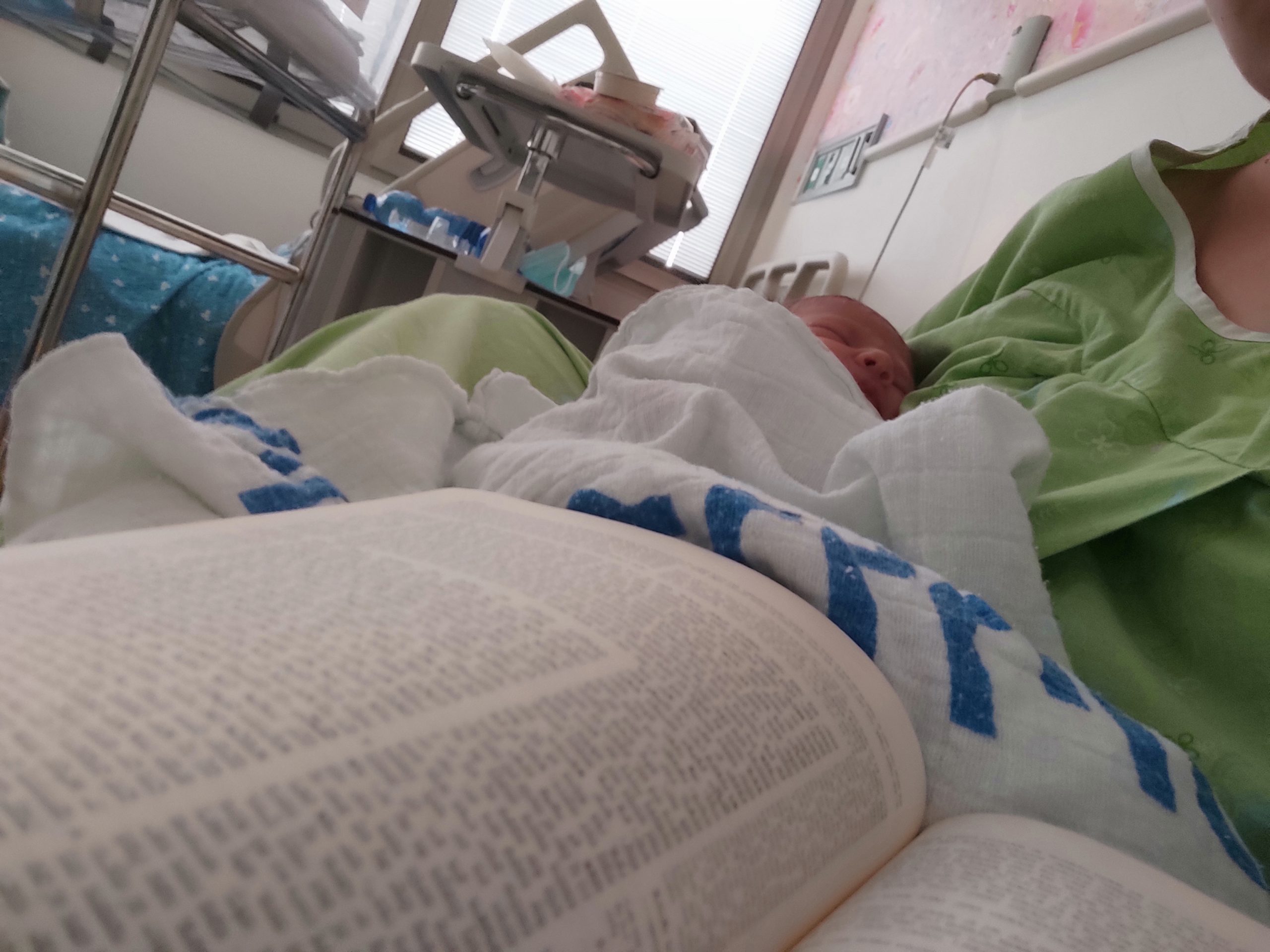
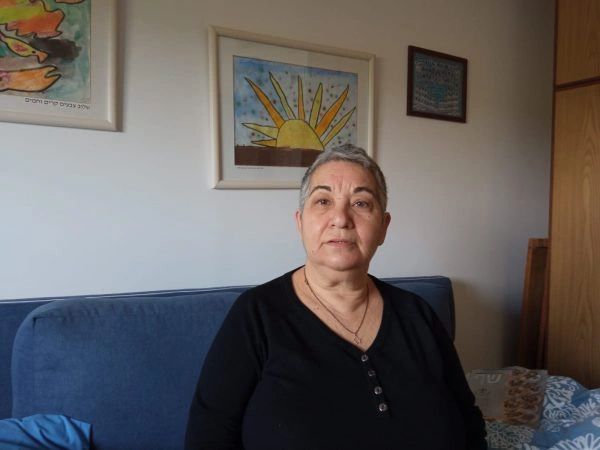
בתחילת הסבב הנוכחי הצטברו אצלי תחושות שאני לא מבינה מספיק מהי ההלכה אותה אני מקיימת בכל יום. כמו כן, כאמא לבנות רציתי לתת להן מודל נשי של לימוד תורה
שתי הסיבות האלו הובילו אותי להתחיל ללמוד. נתקלתי בתגובות מפרגנות וסקרניות איך אישה לומדת גמרא..
כמו שרואים בתמונה אני ממשיכה ללמוד גם היום ואפילו במחלקת יולדות אחרי לידת ביתי השלישית.

Noa Shiloh
נועה שילה

רבבה, ישראל

התחלתי ללמוד גמרא בבית הספר בגיל צעיר והתאהבתי. המשכתי בכך כל חיי ואף היייתי מורה לגמרא בבית הספר שקד בשדה אליהו (בית הספר בו למדתי בילדותי)בתחילת מחזור דף יומי הנוכחי החלטתי להצטרף ובע”ה מקווה להתמיד ולהמשיך. אני אוהבת את המפגש עם הדף את "דרישות השלום ” שמקבלת מקשרים עם דפים אחרים שלמדתי את הסנכרון שמתחולל בין התכנים.

Ariela Bigman
אריאלה ביגמן

מעלה גלבוע, ישראל

לפני 15 שנה, אחרי עשרות שנים של "ג’ינגול” בין משפחה לקריירה תובענית בהייטק, הצטרפתי לשיעורי גמרא במתן רעננה. הלימוד המעמיק והייחודי של הרבנית אושרה קורן יחד עם קבוצת הנשים המגוונת הייתה חוויה מאלפת ומעשירה. לפני כשמונה שנים כאשר מחזור הדף היומי הגיע למסכת תענית הצטרפתי כ”חברותא” לבעלי. זו השעה היומית שלנו ביחד כאשר דפי הגמרא משתלבים בחיי היום יום, משפיעים ומושפעים, וכשלא מספיקים תמיד משלימים בשבת

Yodi Askoff
יודי אסקוף

רעננה, ישראל

התחלתי ללמוד בסבב הנוכחי לפני כשנתיים .הסביבה מתפעלת ותומכת מאוד. אני משתדלת ללמוד מכל ההסכתים הנוספים שיש באתר הדרן. אני עורכת כל סיום מסכת שיעור בביתי לכ20 נשים שמחכות בקוצר רוח למפגשים האלו.

Yael Asher
יעל אשר

יהוד, ישראל

באירוע של הדרן בנייני האומה. בהשראתה של אמי שלי שסיימה את הש”ס בסבב הקודם ובעידוד מאיר , אישי, וילדיי וחברותיי ללימוד במכון למנהיגות הלכתית של רשת אור תורה סטון ומורתיי הרבנית ענת נובוסלסקי והרבנית דבורה עברון, ראש המכון למנהיגות הלכתית.
הלימוד מעשיר את יומי, מחזיר אותי גם למסכתות שכבר סיימתי וידוע שאינו דומה מי ששונה פרקו מאה לשונה פרקו מאה ואחת במיוחד מרתקים אותי החיבורים בין המסכתות

Roit Kalech
רוית קלך

מודיעין, ישראל

התחלתי לפני 8 שנים במדרשה. לאחרונה סיימתי מסכת תענית בלמידה עצמית ועכשיו לקראת סיום מסכת מגילה.

Daniela Baruchim
דניאלה ברוכים

רעננה, ישראל

סנהדרין ט

דְּאַתְרוֹ בַּיהּ מַלְקוֹת, וְלָא אַתְרוֹ בַּיהּ קַטְלָא.

the witnesses warned her that she would be liable to receive lashes, but they did not warn her that she would be liable to receive the death penalty. In that case, the court would try her for adultery, and if found guilty she would receive lashes and not the death penalty.

וְקָמִיפַּלְגִי בִּפְלוּגְתָּא דְּרַבִּי יִשְׁמָעֵאל וְרַבָּנַן, דִּתְנַן: מַכּוֹת בִּשְׁלֹשָׁה. מִשּׁוּם רַבִּי יִשְׁמָעֵאל אָמְרוּ: בְּעֶשְׂרִים וּשְׁלֹשָׁה.

And they disagree with regard to the issue that is the subject of the dispute between Rabbi Yishmael and the Rabbis, as we learned in the mishna: One who is accused of violating a prohibition that would render him liable to receive lashes must be judged by three judges. In the name of Rabbi Yishmael it was stated: Cases involving lashes must be adjudicated by twenty-three judges. Therefore, Rabbi Meir holds that the case of the defamer may be adjudicated by three judges, because he holds that a court of three may administer lashes. The dissenting opinion, which holds that lashes may be administered only by twenty-three judges, also holds that this case must be adjudicated by a court of twenty-three.

רָבִינָא אָמַר: כְּגוֹן שֶׁנִּמְצָא אֶחָד מִן הָעֵדִים קָרוֹב אוֹ פָּסוּל, וְקָמִיפַּלְגִי בִּפְלוּגְתָּא דְּרַבִּי יוֹסֵי וְרַבִּי, אַלִּיבָּא דְּרַבִּי עֲקִיבָא. דִּתְנַן: רַבִּי עֲקִיבָא אוֹמֵר, לֹא בָּא שְׁלִישִׁי אֶלָּא לְהַחְמִיר עָלָיו, לַעֲשׂוֹת דִּינוֹ כַּיּוֹצֵא בָּאֵלּוּ.

Ravina says a different explanation: The case in the mishna is discussing a situation where one of the witnesses is found to be a close relative or a disqualified witness, but two valid witnesses still remain. And Rabbi Meir and the Rabbis disagree with regard to the issue that is the subject of the dispute between Rabbi Yosei and Rabbi Yehuda HaNasi with regard to the opinion of Rabbi Akiva. As we learned in a mishna (Makkot 5b) that Rabbi Akiva says: When the verse states: “At the mouth of two witnesses, or at the mouth of three witnesses, shall a matter be established” (Deuteronomy 17:6), the third witness is mentioned only to be stringent with him, to make his status like these other two witnesses. If a group of three witnesses is found to be conspiring witnesses, the third one might claim that his testimony was unnecessary and therefore did no harm. The Torah nevertheless imposes upon him the same strict punishment as his peers.

אִם כֵּן עָנַשׁ הַכָּתוּב אֶת הַנִּיטְפָּל לְעוֹבְרֵי עֲבֵירָה כְּעוֹבְרֵי עֲבֵירָה – עַל אַחַת כַּמָּה וְכַמָּה שֶׁיְּשַׁלֵּם שָׂכָר לַנִּיטְפָּל לְעוֹשֵׂה מִצְוָה כְּעוֹשֵׂה מִצְוָה.

Rabbi Akiva elaborates upon the implications of this halakha. If so, the Torah punishes the one who acts as an accessory to transgressors with the same punishment as the primary transgressors. All the more so, God will grant the reward to an individual who acts as an accessory to one who performs a mitzva like the primary one who performs a mitzva, for the measure of good is always greater than the measure of suffering (see Sota 11a).

וּמָה שְׁנַיִם, נִמְצָא אֶחָד מֵהֶן קָרוֹב אוֹ פָּסוּל – עֵדוּתָן בְּטֵלָה, אַף שְׁלֹשָׁה, נִמְצָא אֶחָד מֵהֶן קָרוֹב אוֹ פָּסוּל – עֵדוּתָן בְּטֵלָה. וּמִנַּיִין שֶׁאֲפִילּוּ מֵאָה? תַּלְמוּד לוֹמַר: ״עֵדִים״.

Additionally, this teaches that just as in the case of two witnesses, if one of them is found to be a close relative or a disqualified witness their testimony is nullified, as the single remaining witness is not able to testify alone, so too, in the case of three witnesses, if one of them is found to be a close relative or a disqualified witness their testimony is nullified. And from where is it derived that this applies even to a group of one hundred witnesses? The verse states: “Witnesses.”

אָמַר רַבִּי יוֹסֵי: בַּמֶּה דְּבָרִים אֲמוּרִים? בְּדִינֵי נְפָשׁוֹת, אֲבָל בְּדִינֵי מָמוֹנוֹת תִּתְקַיֵּים עֵדוּת בַּשְּׁאָר. רַבִּי אוֹמֵר: אֶחָד דִּינֵי מָמוֹנוֹת וְאֶחָד דִּינֵי נְפָשׁוֹת, וְאֵימָתַי? בִּזְמַן שֶׁהִתְרוּ בָּהֶן, אֲבָל בִּזְמַן שֶׁלֹּא הִתְרוּ בָּהֶן,

The tanna’im discussed how Rabbi Akiva’s opinion is to be understood. Rabbi Yosei says: In what situation is this statement, that if one of them is found to be a close relative or a disqualified witness their testimony is nullified, said? In cases of capital law. But in cases of monetary law, the testimony may be upheld with the other witnesses. Rabbi Yehuda HaNasi says: Rabbi Akiva’s opinion applies to both cases of monetary law and cases of capital law. And when is this so? When the relatives or disqualified witnesses also warned the transgressors and therefore actively included themselves in the group of witnesses; but when they did not warn the transgressors, they are not counted as witnesses at all.

מָה יַעֲשׂוּ שְׁנֵי אַחִים וְאֶחָד, שֶׁרָאוּ בְּאֶחָד שֶׁהָרַג אֶת הַנֶּפֶשׁ?

If this were not to be so, what should two brothers and one other person do, if they saw someone kill another person? If the mere fact that they saw the event invalidates the testimony, then no one can ever be tried for a transgression committed in the presence of relatives. If one may decide whether or not he will be a witness, one of the brothers may join with the third person in warning the potential transgressor and, thereafter, constitute a pair of valid witnesses. Similarly, the mishna is understood as discussing a case in which a betrothed woman committed adultery, and of the three witnesses, two were brothers. If one of the brothers refrained from warning her, the remaining two witnesses may still testify against her, according to Rabbi Yehuda HaNasi. In this situation, the case must be tried by twenty-three judges. According to Rabbi Yosei the case may be tried by three judges, because with regard to capital law, the two brothers invalidate the testimony merely by seeing the event together.

וְאִיבָּעֵית אֵימָא: כְּגוֹן שֶׁהִתְרוּ בָּהּ אֲחֵרִים, וְלֹא הִתְרוּ בָּהּ עֵדִים. וְקָמִיפַּלְגִי בִּפְלוּגְתָּא דְּרַבִּי יוֹסֵי וְרַבָּנַן, דִּתְנַן: רַבִּי יוֹסֵי אוֹמֵר, לְעוֹלָם אֵינוֹ נֶהֱרָג עַד שֶׁיְּהוּ פִּי שְׁנֵי עֵדָיו מַתְרִין בּוֹ, שֶׁנֶּאֱמַר: ״עַל פִּי שְׁנַיִם עֵדִים״.

And if you wish, say instead: The mishna discusses a case where others warned her, and the witnesses themselves did not warn her. And Rabbi Meir and the Rabbis disagree with regard to the issue that is the subject of the dispute between Rabbi Yosei and the Rabbis. As we learned in a mishna (Makkot 6b), Rabbi Yosei says: A defendant is never executed unless the mouths of his two witnesses are those who warn him, as it is stated: “At the mouth of two witnesses, or at the mouth of three witnesses, shall he that is to die be put to death” (Deuteronomy 17:6). The verse’s emphasis on the phrase “at the mouth of” teaches that the witnesses must issue the warning themselves. Rabbi Meir may agree with Rabbi Yosei that the woman cannot be executed if others gave the warning. Therefore the trial of the defamer needs only three judges, whereas the Rabbis in the mishna agree with the Rabbis in Makkot who disagree with Rabbi Yosei. Since she may be tried for adultery, the case requires twenty-three judges.

וְאִיבָּעֵית אֵימָא: כְּגוֹן דְּאִיתַּכְחוּשׁ בִּבְדִיקוֹת, וְלָא אִיתַּכְחוּשׁ בַּחֲקִירוֹת.

And if you wish, say instead a different explanation: The mishna discusses a case where the testimony about the adultery was found to be contradictory with regard to the examinations concerning minor details of the incident, but the testimony was not found to be contradictory with regard to the interrogations concerning the time and place of the incident, which is the primary substance of the testimony.

וְקָמִיפַּלְגִי בִּפְלוּגְתָּא דְּבֶן זַכַּאי וְרַבָּנַן, דִּתְנַן: מַעֲשֶׂה וּבָדַק בֶּן זַכַּאי בְּעוּקְצֵי תְאֵנִים.

And Rabbi Meir and the Rabbis disagree with regard to the issue that is the subject of the dispute between Rabban Yoḥanan ben Zakkai and the Rabbis. As we learned in a mishna (40a): An incident occurred, and Rabban Yoḥanan ben Zakkai examined the witnesses with regard to the stems of figs, as to their color and shape, in order to expose a contradiction between the witnesses. When he found a discrepancy in their reports about the figs, he dismissed the testimony. Rabbi Meir adopts this opinion, and therefore a woman cannot be tried for adultery if the witnesses disagree about details like these. The Rabbis accept such testimony, and consequently, they require a court of twenty-three judges.

אָמַר רַב יוֹסֵף: הֵבִיא הַבַּעַל עֵדִים שֶׁזִּינְּתָה, וְהֵבִיא הָאָב עֵדִים וֶהֱזִימּוּם לְעֵדֵי הַבַּעַל, עֵדֵי הַבַּעַל נֶהֱרָגִין וְאֵין מְשַׁלְּמִין מָמוֹן.

§ The Gemara discusses scenarios concerning the testimony about a woman’s committing adultery and allegations that the husband is guilty of defamation. Rav Yosef says: If the husband brought witnesses who testified that his wife committed adultery, and the wife’s father brought witnesses, and they testified that the husband’s witnesses were conspiring witnesses, then the husband’s witnesses are executed, but they or their estates do not pay money. Although their testimony, if accepted, would also have lowered the value of her marriage contract, they do not incur liability, based on the principle that if someone commits a transgression that renders him liable to receive more than one punishment, he receives the greater punishment.

חָזַר וְהֵבִיא הַבַּעַל עֵדִים, וֶהֱזִימּוּם לְעֵדֵי הָאָב. עֵדֵי הָאָב נֶהֱרָגִין, וּמְשַׁלְּמִין מָמוֹן. מָמוֹן לָזֶה, וּנְפָשׁוֹת לָזֶה.

If the husband came back before his witnesses were executed and brought new witnesses, and they testified that the father’s witnesses were conspiring witnesses, the father’s witnesses are executed, and they must also pay money to the husband, as they attempted to make him liable to pay the fine for defamation. They are not exempt from the payment because the money is for this victim, i.e., the husband, and their lives are for that set of witnesses, who would have been killed. Since their liability to receive the death penalty and their financial liability were caused by their offenses against different people, these are deemed separate transgressions, and consequently they receive both punishments.

וְאָמַר רַב יוֹסֵף: ״פְּלוֹנִי רְבָעוֹ לְאוֹנְסוֹ״ – הוּא וְאַחֵר מִצְטָרְפִין לְהׇרְגוֹ.

And Rav Yosef also says, with regard to distinguishing between the different aspects of a single testimony: If a man testifies that so-and-so sodomized him against his will, he and another witness may combine as a valid pair of witnesses to kill the defendant for the sin of homosexual sodomy (see Leviticus 18:22).

״לִרְצוֹנוֹ״ – רָשָׁע הוּא, וְהַתּוֹרָה אָמְרָה: ״אַל תָּשֶׁת רָשָׁע עֵד״. רָבָא אָמַר: אָדָם קָרוֹב אֵצֶל עַצְמוֹ, וְאֵין אָדָם מֵשִׂים עַצְמוֹ רָשָׁע.

But if the one who was sodomized testified that the accused sodomized him with his consent, he is testifying that he himself is wicked, having been complicit in the forbidden act, and the Torah said: “Do not put your hand with a wicked person to be an unrighteous witness” (Exodus 23:1). Therefore, the testimony is rejected. Rava says: A person is his own relative and therefore may not testify about himself. Therefore, a person cannot render himself wicked by his own testimony. As a result, he is deemed credible with regard to the sodomizer, but not with regard to himself. He remains a valid witness to convict the sodomizer in combination with another.

אָמַר רָבָא:

And similarly, Rava says:

רוצה לעקוב אחרי התכנים ולהמשיך ללמוד?

ביצירת חשבון עוד היום ניתן לעקוב אחרי ההתקדמות שלך, לסמן מה למדת, ולעקוב אחרי השיעורים שמעניינים אותך.

לנקות את כל הפריטים מהרשימה?

פעולה זו תסיר את כל הפריטים בחלק זה כולל ההתקדמות וההיסטוריה. שימי לב: לא ניתן לשחזר פעולה זו.

ביטול
מחיקה

האם את/ה בטוח/ה שברצונך למחוק פריט זה?

תאבד/י את כל ההתקדמות או ההיסטוריה הקשורות לפריט זה.

ביטול
מחיקה