








האם אפשר לטלטל כלי שמלאכתו לאיסור לצורך דבר שמותר (לצורך גופו)? רבה חושב שכן ואביי מביא כמה מקורות להקשות עליו. רבה מייחס אחד לר’ נחמיה שמחמיר בהגדרת מוקצה והשני רבה מכניס לקטיגוריה של מוקצה מחמת חסרון כיס (חפץ יקר ערך שלא ישתמש בו לצרכים אחרים). יש 4 הסברים שונים לגבי איזה קורנס מודבר במשנה שמתירים לפצח אגוזים. אם יש ירק טמון בקרקע, האם אפשר להוציא ולא חוששים שיזיז את האדמה שמוקצה? במה זה תלוי? אם ניטל הנקב של מחט, האם בטל ממנו שם כלי וזה מוקצה? האם הקריטיריונים הם אותם קריטיריונים ל-מה נחשב כלי לגבי טומאה/טהרה? ר’ יוסי חושב שכל הכלים אינם מוקצה חוץ ממוקצה מחמת חסרון כיס. הגמרא מדברת על איזה כלים נכנסים לקטיגוריה הזאת. הגמרא מביאה ברייתא עם תיאור של התפתחותם של דיני מוקצה. רבא ואביי חולקים על איך להבין כל שלב שמוזכר בברייתא. בימי נחמיה חידשו העניין של מוקצה. למה?
רוצה להקדיש לימוד?
שבת קכג
דָּבָר שֶׁמְּלַאכְתּוֹ לְאִיסּוּר לְצוֹרֶךְ גּוּפוֹ — מוּתָּר.
Using an object whose primary function is for a prohibited use, for the purpose of utilizing the object itself to perform a permitted action, is permitted.
אֵיתִיבֵיהּ אַבָּיֵי לְרַבָּה: מְדוֹכָה, אִם יֵשׁ בָּהּ שׁוּם — מְטַלְטְלִין אוֹתָהּ, וְאִם לָאו — אֵין מְטַלְטְלִין אוֹתָהּ.
Abaye raised an objection to the opinion of Rabba from the Tosefta: A mortar, if it still has garlic in it, one may move it on Shabbat, and if not, one may not move it. Apparently, under no circumstances may a mortar be used, even for an action that is generally permitted on Shabbat, because the mortar’s primary function is prohibited.
אֲמַר לֵיהּ: הָא מַנִּי — רַבִּי נְחֶמְיָה הִיא, דְּאָמַר: אֵין כְּלִי נִיטָּל אֶלָּא לְצוֹרֶךְ תַּשְׁמִישׁוֹ.
Rabba said to him: In accordance with whose opinion is this baraita? It is the opinion of Rabbi Neḥemya, who says: A vessel may not be moved on Shabbat except for the purpose of its designated use.
אֵיתִיבֵיהּ: (בֵּית שַׁמַּאי אוֹמְרִים: אֵין נוֹטְלִין אֶת הָעֱלִי לְקַצֵּב עָלָיו בָּשָׂר. וּבֵית הִלֵּל מַתִּירִין.) וְשָׁוִין שֶׁאִם קִצֵּב עָלָיו בָּשָׂר שֶׁאָסוּר לְטַלְטְלוֹ!
Abaye raised another objection to Rabba’s opinion. We learned in a mishna that Beit Shammai say: One may not take a large pestle from a mortar, which is typically used for a prohibited action, in order to cut meat on it for the purpose of a Festival. And Beit Hillel permit doing so due to the mitzva of rejoicing on the Festival. And everyone agrees that if one cut meat on it for the purpose of the Festival, that it is then prohibited to move it because there is no further need for it on the Festival. Apparently, it is prohibited to use an object whose primary function is for a prohibited use, even to perform a permitted action.
סְבַר לְשַׁנּוֹיֵי לֵיהּ כְּרַבִּי נְחֶמְיָה. כֵּיוָן דְּשַׁמְעַהּ לְהָא דְּאָמַר רַב חִינָּנָא בַּר שֶׁלֶמְיָא מִשְּׁמֵיהּ דְּרַב: הַכֹּל מוֹדִים בְּסִיכֵּי זְיָירֵי וּמָזוּרֵי דְּכֵיוָן דְּקָפֵיד עֲלַיְיהוּ, מְיַיחֵד לְהוּ מָקוֹם — הָא נָמֵי מְיַיחֵד לְהוּ מָקוֹם.
Initially, Rabba thought to respond to Abaye’s objection by saying that this mishna, too, is in accordance with the opinion of Rabbi Neḥemya, that a vessel may only be moved on Shabbat for the purpose of its designated use. However, he changed his mind once he heard that which Rav Ḥinana bar Shelemya said in the name of Rav: Everyone agrees in the case of launderers’ pins, presses, and clothing rods (Arukh), that since one is particular about them to ensure that they remain intact, he designates a place for them and does not move them for other purposes. Therefore, everyone agrees that it is prohibited to move them. Here, too, the mortar and pestle are specifically designated for a particular use and one designates a place for them; therefore, it is prohibited to move them.
אִיתְּמַר. רַבִּי חִיָּיא בַּר אַבָּא אָמַר רַבִּי יוֹחָנָן: קוּרְנָס שֶׁל זֶהָבִים שָׁנִינוּ. רַב שֶׁמֶן בַּר אַבָּא אָמַר: קוּרְנָס שֶׁל בַּשָּׂמִים שָׁנִינוּ.
It was stated that there was another amoraic dispute on this topic. Rabbi Ḥiyya bar Abba said that Rabbi Yoḥanan said: It was with regard to the hammer of goldsmiths that we learned it may be used to crack nuts. Although the goldsmith is particular about ensuring that the hammer remains smooth and avoids using it for any purpose other than its particular use, nevertheless, it was allowed to be used for other permitted actions. Rav Shemen bar Abba said: It was with regard to the hammer of spice merchants that we learned it may be used to crack nuts.
מַאן דְּאָמַר דְּבַשָּׂמִים, כׇּל שֶׁכֵּן דְּזֶהָבִים. מַאן דְּאָמַר שֶׁל זֶהָבִים — אֲבָל דְּבַשָּׂמִים קָפֵיד עֲלַיְיהוּ.
The Gemara explains: The one who said it is permitted to crack nuts on Shabbat using the hammer of spice merchants, all the more so that it is permitted to use a hammer typically used by goldsmiths. However, the one who said that it is only permitted to use a hammer used by goldsmiths, but with regard to the hammer of spice merchants, the merchant is particular about it and would not allow it to be used for cracking nuts. Use for other purposes would cause the hammer to absorb foreign smells, which would ruin the spices.
וְאֶת הַכּוּשׁ וְאֶת הַכַּרְכֵּר כּוּ׳. תָּנוּ רַבָּנַן: פָּגָה שֶׁטְּמָנָהּ בְּתֶבֶן וַחֲרָרָה שֶׁטְּמָנָהּ בְּגֶחָלִים, אִם מְגוּלָּה מִקְצָתָהּ — מוּתָּר לְטַלְטְלָהּ, וְאִם לָאו — אָסוּר לְטַלְטְלָהּ.
And we learned in the mishna: one may move a reed or a shuttle [karkar] in order to stick it into food. The Sages taught in a baraita: With regard to an unripe fig that one buried in straw to accelerate its ripening, and likewise with regard to a cake that one buried in coals in order to heat it, if part of it is exposed, it is permitted to move it on Shabbat. And if not, and it was completely covered, it is prohibited to move it lest one come to carry straw or coals, which are set-aside, along with it. It is prohibited for one to move set-aside objects or to cause them to be moved.
רַבִּי אֶלְעָזָר בֶּן תַּדַּאי אוֹמֵר: תּוֹחֲבָן בַּכּוּשׁ אוֹ בַּכַּרְכֵּר, וְהֵן נִנְעָרוֹת מֵאֵילֵיהֶן. אָמַר רַב נַחְמָן: הֲלָכָה כְּרַבִּי אֶלְעָזָר בֶּן תַּדַּאי!
Rabbi Elazar ben Tadai says: One may insert a reed or a shuttle into an unripe fig or a cake that is buried in coals to remove it from its place, and the straw and the coals are shaken off on their own. Rav Naḥman says: The halakha is in accordance with the opinion of Rabbi Elazar ben Tadai.
לְמֵימְרָא דְּסָבַר רַב נַחְמָן טִלְטוּל מִן הַצַּד לָא שְׁמֵיהּ טִלְטוּל? וְהָאָמַר רַב נַחְמָן: הַאי פּוּגְלָא, מִלְּמַעְלָה לְמַטָּה — שְׁרֵי, מִמַּטָּה לְמַעְלָה — אֲסִיר! הֲדַר בֵּיהּ רַב נַחְמָן מֵהַהִיא.
The Gemara asks: Is that to say that Rav Naḥman holds: Moving an object in an atypical manner is not considered to be a bona fide act of moving and is permitted on Shabbat? Didn’t Rav Naḥman say: This radish that was buried in the dirt to protect it, if it was inserted from the top to bottom, i.e., the wider part of the radish is closer to the surface and the narrower part is farther, it is permitted to remove it from the dirt. If it was inserted from bottom to top, and the wider part was farther from the surface, it is prohibited because he thereby moves the dirt. Apparently, Rav Naḥman prohibits moving set-aside items even if one does so in an atypical manner. The Gemara answers: Rav Naḥman reversed his opinion with regard to that halakha of the radish.
מַחַט שֶׁל יָד לִיטּוֹל בָּהּ כּוּ׳. שְׁלַח לֵיהּ רָבָא בְּרֵיהּ דְּרַבָּה לְרַב יוֹסֵף: יְלַמְּדֵנוּ רַבֵּינוּ, מַחַט שֶׁנִּיטַּל חֲרָרָהּ אוֹ עוּקְצָהּ, מַהוּ?
We learned in the mishna: One is permitted to take an ordinary hand needle used for sewing clothes to extract a thorn with it. Rava, son of Rabba, sent the following question to Rav Yosef: Let our teacher teach us: With regard to a needle whose eye or point was removed, what is its legal status, i.e., is moving it on Shabbat permitted?
אֲמַר לֵיהּ, תְּנֵיתוּהָ: מַחַט שֶׁל יָד לִיטּוֹל בָּהּ אֶת הַקּוֹץ: וְכִי מָה אִיכְפַּת לֵיהּ לַקּוֹץ בֵּין נְקוּבָה לְבֵין שֶׁאֵינָהּ נְקוּבָה?
Rav Yosef said to him: You already learned the answer to that question in the mishna: One is permitted to take an ordinary hand needle used for sewing clothes to extract a thorn with it. And what does the thorn that is stuck in his flesh care whether the needle has an eye or whether it does not have an eye? Since the needle is suited for that purpose, it is permitted to move it.
אֵיתִיבֵיהּ: מַחַט שֶׁנִּיטַּל חֲרָרָהּ אוֹ עוּקְצָהּ — טְהוֹרָה?
Rava, son of Rabba, raised an objection to Rav Yosef from that which we learned in a mishna: A ritually impure needle whose eye or point was removed becomes ritually pure, because its status as a vessel is negated. Since it is no longer considered a vessel, why would it be permitted to move it?
אָמַר אַבָּיֵי: טוּמְאָה אַשַּׁבָּת קָרָמֵית? טוּמְאָה כְּלִי מַעֲשֶׂה בָּעֵינַן, לְעִנְיַן שַׁבָּת מִידֵּי דַּחֲזֵי בָּעֵינַן — וְהָא נָמֵי חַזְיָא לְמִשְׁקַל בַּהּ קוֹץ.
Abaye said: Are you raising a contradiction from the halakhot of ritual impurity to the halakhot of Shabbat? With regard to ritual impurity, we require a functional utensil for it to become ritually impure or to retain impurity, and anything which is not functional is ritually pure. However, with regard to Shabbat we require something that is fit for use, and this too is fit to extract a thorn with it, and therefore, its legal status is that of a utensil and moving it is permitted.
אָמַר רָבָא: מַאן דְּקָמוֹתֵיב, שַׁפִּיר קָמוֹתֵיב. מִדִּלְעִנְיַן טוּמְאָה לָאו מָנָא הוּא — לְעִנְיַן שַׁבָּת נָמֵי לָאו מָנָא הוּא.
Rava said: The one who raises the objection, raises the objection well. From the fact that with regard to ritual impurity it is not considered a utensil, with regard to Shabbat, it is also not considered a utensil, and if it is not a utensil it may not be moved on Shabbat.
מֵיתִיבִי: מַחַט, בֵּין נְקוּבָה בֵּין שֶׁאֵינָהּ נְקוּבָה — מוּתָּר לְטַלְטְלָהּ בְּשַׁבָּת. וְלֹא אָמְרוּ נְקוּבָה אֶלָּא לְעִנְיַן טוּמְאָה בִּלְבַד!
The Gemara raises an objection to the opinion of Rava based on what was taught in a baraita: A needle, whether it is perforated or whether it is not perforated, it is permitted to move it on Shabbat. And they said that the status of a perforated needle is different only with regard to ritual impurity alone.
תַּרְגְּמַהּ אַבָּיֵי אַלִּיבָּא דְּרָבָא: בְּגוּלְמֵי עָסְקִינַן, זִימְנִין דְּמִימְּלִיךְ עֲלַיְיהוּ, וּמְשַׁוֵּי לְהוּ מָנָא. אֲבָל הֵיכָא דְּנִיטַּל חֲרָרָהּ אוֹ עוּקְצָהּ — אָדָם זוֹרְקָהּ לְבֵין גְּרוּטָאוֹת.
Abaye interpreted it according to the opinion of Rava: In this mishna, we are dealing with unfinished needles. Sometimes one decides to render them a utensil for other purposes without perforating them. However, in a case where its eye or its point was removed from the finished needle, its status as a vessel was negated, since a person throws it among the junk [gerutaot].
אַסּוֹבֵי יָנוֹקָא — רַב נַחְמָן אָסַר, וְרַב שֵׁשֶׁת שָׁרֵי. אָמַר רַב נַחְמָן: מְנָא אָמֵינָא לַהּ, דִּתְנַן: אֵין עוֹשִׂין
With regard to the matter of aligning the limbs of an infant on Shabbat when it is necessary to do so, Rav Naḥman prohibits doing so on Shabbat, due to concern that it is similar to the prohibited labor of completing the production process of a vessel, and Rav Sheshet permits doing so. Rav Naḥman says: From where do I say that this is the halakha? As we learned in a mishna: One may not make
אַפִּיקְטְוִיזִין בַּשַּׁבָּת. וְרַב שֵׁשֶׁת: הָתָם — לָאו אוֹרְחֵיהּ, הָכָא — אוֹרְחֵיהּ.
afiktoizin, a drug to induce vomiting, on Shabbat. Apparently, actions associated with treating the body on Shabbat are prohibited. And Rav Sheshet explains: There, with regard to a drug to induce vomiting, drinking it for any reason other than medicinal purposes is atypical. Here, aligning the limbs of an infant is typical conduct not undertaken solely for medicinal purposes.
אָמַר רַב שֵׁשֶׁת: מְנָא אָמֵינָא לַהּ — דִּתְנַן: מַחַט שֶׁל יָד — לִיטּוֹל בָּהּ אֶת הַקּוֹץ! וְרַב נַחְמָן: הָתָם — פְּקִיד, הָכָא — לָא פְּקִיד.
Rav Sheshet said: From where do I say that this is the halakha? As we learned in the mishna: One is permitted to take an ordinary hand needle used for sewing clothes to extract a thorn with it. Apparently, some curative actions are permitted and there is no concern that they are similar to completing the production process of a vessel. And Rav Naḥman objects: That is no proof, as there, the thorn is merely deposited in the skin and it is not an organic part of the body. Removing a foreign object from the body effects no fundamental change in the body. Here, in the case of aligning the limbs, it is not merely tending to a foreign object deposited in the body; rather it involves effecting a fundamental change in the body itself, which is both a curative act and one similar to completing the production process.
מַתְנִי׳ קָנֶה שֶׁל זֵיתִים, אִם יֵשׁ קֶשֶׁר בְּרֹאשׁוֹ — מְקַבֵּל טוּמְאָה, וְאִם לָאו — אֵין מְקַבֵּל טוּמְאָה. בֵּין כָּךְ וּבֵין כָּךְ — נִיטָּל בַּשַּׁבָּת.
MISHNA: A reed that is used for turning olives in a bundle, if there is a cork-like knot at the top of it, it can become ritually impure as a vessel, and if not, it cannot become ritually impure, because it is not a vessel. In either case, it may be moved on Shabbat for use in a permitted action.
גְּמָ׳ אַמַּאי? פְּשׁוּטֵי כְלֵי עֵץ הוּא, וּפְשׁוּטֵי כְלֵי עֵץ אֵינָן מְקַבְּלִין טוּמְאָה, מַאי טַעְמָא? — דּוּמְיָא דְּשַׂק בָּעֵינַן. תָּנָא מִשְּׁמֵיהּ דְּרַבִּי נְחֶמְיָה: בְּשָׁעָה שֶׁמְּהַפֵּךְ בְּזֵיתִים הוֹפְכוֹ וְרוֹאֶה בּוֹ.
GEMARA: The Gemara asks: Why would this reed become impure? It is in the category of flat wooden vessels without a receptacle, and the governing principle in that case is: Flat wooden vessels do not become ritually impure. What is the reason for this? We require an object similar to a sack. The halakhot of ritual impurity are derived from the sack mentioned in the Torah as an example of an item that can become ritually impure. If it lacks a receptacle, it is unlike that sack and it cannot become ritually impure. To explain this halakha, the Gemara cites that which was taught in a baraita in the name of Rabbi Neḥemya: At the time that one turns over the olives with the reed, he turns over the reed and sees inside it. There is a small cavity at the end of the reed near the knot. He looks there to ascertain whether it has filled with oil, which would indicate that the olives are ready to be placed in the olive press. That cavity is a type of small receptacle, which renders the reed fit to become ritually impure.
מַתְנִי׳ רַבִּי יוֹסֵי אוֹמֵר: כׇּל הַכֵּלִים נִיטָּלִין, חוּץ מִן הַמַּסָּר הַגָּדוֹל וְיָתֵד שֶׁל מַחֲרֵישָׁה.
MISHNA: Rabbi Yosei says: All utensils may be moved on Shabbat except for a large saw and the blade of a plow. Since they must be sharp and ready for use and there is concern that they might be damaged, one sets them aside from his consciousness and they may not be used for any other purpose.
גְּמָ׳ אָמַר רַב נַחְמָן: הַאי אוּכְלָא דְקַצָּרֵי — כְּיָתֵד שֶׁל מַחֲרֵישָׁה דָּמְיָא.
GEMARA: Rav Naḥman says: A launderer’s sprinkler is considered to be like the blade of a plow. Moving it is prohibited on Shabbat because one sets it aside from use out of concern that it might be damaged.
אָמַר אַבָּיֵי: חַרְבָּא דְאוּשְׁכָּפֵי וְסַכִּינָא דְאַשְׁכָּבְתָּא וַחֲצִינָא דְנַגָּרֵי — כְּיָתֵד שֶׁל מַחֲרֵישָׁה דָּמֵי.
Abaye says: A shoemaker’s knife, and a butcher’s knife, and a carpenter’s drawknife are considered to be like the blade of a plow, because their owners set them aside from use out of concern that they might be damaged.
תָּנוּ רַבָּנַן: בָּרִאשׁוֹנָה הָיוּ אוֹמְרִים שְׁלֹשָׁה כֵּלִים נִיטָּלִין בַּשַּׁבָּת: מִקְצוֹעַ שֶׁל דְּבֵילָה, וְזוּהֲמָא לִיסְטְרוֹן שֶׁל קְדֵרָה, וְסַכִּין קְטַנָּה שֶׁעַל גַּבֵּי שֻׁלְחָן. הִתִּירוּ, וְחָזְרוּ וְהִתִּירוּ, וְחָזְרוּ וְהִתִּירוּ, עַד שֶׁאָמְרוּ: כׇּל הַכֵּלִים נִיטָּלִין בַּשַּׁבָּת, חוּץ מִן מַסָּר הַגָּדוֹל וְיָתֵד שֶׁל מַחֲרֵישָׁה.
The Sages taught in the Tosefta: Initially, they would say that only three utensils may be moved on Shabbat: A knife for cutting a cake of dried figs, and a combined spoon and fork (ge’onim) to clean the filth [zuhama listeran] of a pot, and a small knife that is on the table. Each of these items is required for eating and may be used, and it had been prohibited to move any other utensil. However, over the generations, when the Rabbis saw that Jewish people were vigilant in observing the prohibitions of Shabbat, they permitted, and then they permitted again, and then they permitted again, until they said in the last mishna: All utensils may be moved on Shabbat except for a large saw and the blade of a plow.
מַאי הִתִּירוּ, וְחָזְרוּ וְהִתִּירוּ, וְחָזְרוּ וְהִתִּירוּ?
The Gemara asks: What are the stages described in the Tosefta: They permitted, and then they permitted, and then they permitted?
אֲמַר אַבָּיֵי: הִתִּירוּ דָּבָר שֶׁמְּלַאכְתּוֹ לְהֶיתֵּר לְצוֹרֶךְ גּוּפוֹ, וְחָזְרוּ וְהִתִּירוּ דָּבָר שֶׁמְּלַאכְתּוֹ לְהֶיתֵּר לְצוֹרֶךְ מְקוֹמוֹ, וְחָזְרוּ וְהִתִּירוּ דָּבָר שֶׁמְּלַאכְתּוֹ לְאִיסּוּר, לְצוֹרֶךְ גּוּפוֹ — אִין, לְצוֹרֶךְ מְקוֹמוֹ — לָא. וַעֲדַיִין בְּיָדוֹ אַחַת — אִין, בִּשְׁתֵּי יָדָיו — לָא, עַד שֶׁאָמְרוּ: כׇּל הַכֵּלִים נִיטָּלִין בַּשַּׁבָּת, וַאֲפִילּוּ בִּשְׁתֵּי יָדַיִם.
Abaye says: Initially, they permitted moving an object whose primary function is for a permitted use, for the purpose of utilizing the object itself to perform a permitted action. And then they permitted moving an object whose primary function is for a permitted use, for the purpose of sitting in or utilizing its place. And then they permitted moving an object whose primary function is for a prohibited use, for the purpose of utilizing the object itself to perform a permitted action, yes; however, for the purpose of utilizing its place, no. And still, utensils that can be held in one of his hands, yes, they may be moved; however, utensils that can only be held in his two hands, no, they may not be moved, in order to signify that there is a prohibition to move certain items. This prohibition remained intact until they said: All utensils may be moved on Shabbat, and even those that can only be held in both hands.
אֲמַר לֵיהּ רָבָא: מִכְּדֵי ״הִתִּירוּ״ קָתָנֵי, מַה לִּי לְצוֹרֶךְ גּוּפוֹ, מַה לִּי לְצוֹרֶךְ מְקוֹמוֹ? אֶלָּא אָמַר רָבָא: הִתִּירוּ דָּבָר שֶׁמְּלַאכְתּוֹ לְהֶיתֵּר בֵּין לְצוֹרֶךְ גּוּפוֹ וּבֵין לְצוֹרֶךְ מְקוֹמוֹ, וְחָזְרוּ וְהִתִּירוּ מֵחַמָּה לַצֵּל. וְחָזְרוּ וְהִתִּירוּ דָּבָר שֶׁמְּלַאכְתּוֹ לְאִיסּוּר, לְצוֹרֶךְ גּוּפוֹ וּלְצוֹרֶךְ מְקוֹמוֹ — אִין, מֵחַמָּה לַצֵּל — לָא. וַעֲדַיִין, בְּאָדָם אֶחָד — אִין, בִּשְׁנֵי בְּנֵי אָדָם — לָא, עַד שֶׁאָמְרוּ: כׇּל הַכֵּלִים נִיטָּלִין בַּשַּׁבָּת, אֲפִילּוּ בִּשְׁנֵי בְּנֵי אָדָם.
Rava said to him: After all, it was taught in the Tosefta: They permitted, what difference is there to me if it is for the purpose of utilizing the object itself, and what difference is there to me if it is for the purpose of utilizing its place; why introduce distinctions that are not explicitly stated in the Tosefta? Rather, Rava said that it should be explained as follows: Initially, they permitted moving an object whose primary function is for a permitted use, both for the purpose of utilizing the object itself and for the purpose of sitting in or utilizing its place. And then they permitted moving that object from the sun into the shade. And then they permitted moving an object whose primary function is for a prohibited use, both for the purpose of utilizing the object itself and for the purpose of sitting in or utilizing its place, yes; however, moving that object from the sun into the shade, no, they did not permit it. And still, utensils that can be carried by one person, yes, they may be moved; however, utensils that can only be carried by two people, no, they may not be moved. This prohibition remained intact until they said: All utensils may be moved on Shabbat, and even those that can only be carried by two people.
אֵיתִיבֵיהּ אַבָּיֵי: מְדוֹכָה, אִם יֵשׁ בָּהּ שׁוּם — מְטַלְטְלִין אוֹתָהּ, וְאִם לָאו — אֵין מְטַלְטְלִין אוֹתָהּ? הָכָא בְּמַאי עָסְקִינַן — מֵחַמָּה לַצֵּל. אֵיתִיבֵיהּ: וְשָׁוִין שֶׁאִם קִצֵּב עָלָיו בָּשָׂר שֶׁאָסוּר לְטַלְטְלוֹ? הָכָא נָמֵי מֵחַמָּה לַצֵּל.
Abaye raised a challenge to Rava’s opinion from that which was taught: With regard to a mortar, if it has garlic in it, one may move it on Shabbat, and if not, one may not move it on Shabbat. According to Rava’s opinion that all utensils may be moved, why is it prohibited to move the mortar? Rava responded: With what we are dealing here? We are dealing with a case of moving the mortar from the sun to the shade. Abaye raised a challenge to Rava’s opinion from that which was taught: Beit Shammai and Beit Hillel agree that if one cut meat on it for the purpose of a Festival that it is then prohibited to move it because there is no further need for it on the Festival. According to Rava’s opinion, all utensils may be moved. He answered him: Here, too, we are dealing with a case of moving the mortar from the sun to the shade.
אָמַר רַבִּי חֲנִינָא: בִּימֵי נְחֶמְיָה בֶּן חֲכַלְיָה נִשְׁנֵית מִשְׁנָה זוֹ, דִּכְתִיב: ״בַּיָּמִים הָהֵמָּה רָאִיתִי בִיהוּדָה דּוֹרְכִים גִּתּוֹת בַּשַּׁבָּת וּמְבִיאִים הָעֲרֵימוֹת״.
Rabbi Ḥanina said: This mishna was taught in the days of Nehemiah, son of Hacaliah, a period when many stringent decrees were issued with regard to Shabbat prohibitions, as it is written: “In those days I saw in Judea some treading winepresses on Shabbat and bringing in heaps of grain and lading donkeys with them; as also wine, grapes, figs, and all manner of burdens which are brought into Jerusalem on the Shabbat day. I forewarned them on that day when they sold food” (Nehemiah 13:15). Since the people treated the sanctity of Shabbat with disdain, Nehemiah instituted many stringencies with regard to all the halakhot of Shabbat in order to educate the people to observe Shabbat.
אָמַר רַבִּי אֶלְעָזָר: קָנִין, וּמַקְלוֹת, גְּלוּסְטְרָא, וּמְדוֹכָה — כּוּלָּן קוֹדֶם הַתָּרַת כֵּלִים נִשְׁנוּ.
Rabbi Elazar said: The mishnayot that deal with the topics of rods, poles, the thick end [gelostera] of the bolt in a door lock, and a mortar were all taught before permission to move utensils on Shabbat was adopted. At that time, moving most utensils was still prohibited and only a small number of utensils whose primary function was for a permitted use were permitted to be moved. The Gemara cites the relevant mishnayot.
קָנִין — דִּתְנַן: לֹא סִידּוּר הַקָּנִין וְלֹא נְטִילָתָן דּוֹחָה אֶת הַשַּׁבָּת.
Rods: Golden rods were placed between the loaves of showbread in the Temple to support the loaves and to aerate them. At that time, moving the rods was prohibited because they were considered to be set-aside, as we learned in a mishna: Neither arranging the rods nor moving them overrides the prohibition of set-aside on Shabbat.
מַקְלוֹת — דִּתְנַן: מַקְלוֹת דַּקִּין חֲלָקִין הָיוּ שָׁם, וּמַנִּיחוֹ עַל כְּתֵפוֹ וְעַל כֶּתֶף חֲבֵירוֹ, וְתוֹלֶה וּמַפְשִׁיט. אָמַר רַבִּי אֶלְעָזָר: אַרְבָּעָה עָשָׂר שֶׁחָל לִהְיוֹת בְּשַׁבָּת, מַנִּיחַ
And the source for the matter of poles is as we learned in a mishna: There were thin, smooth poles in the Temple, and every Passover eve one places the pole on his shoulder and on the shoulder of another, and suspends the Paschal lamb on it and flays its hide. And Rabbi Elazar said: With regard to the fourteenth of Nisan, the day that the Paschal lamb is sacrificed, that occurred on Shabbat, they would not use the poles, as a conspicuous reminder that it was Shabbat. Instead, one places

חדשה בלימוד הגמרא?
זה הדף הראשון שלך? איזו התרגשות עצומה! יש לנו בדיוק את התכנים והכלים שיעזרו לך לעשות את הצעדים הראשונים ללמידה בקצב וברמה שלך, כך תוכלי להרגיש בנוח גם בתוך הסוגיות המורכבות ומאתגרות.
פסיפס הלומדות שלנו
גלי את קהילת הלומדות שלנו, מגוון נשים, רקעים וסיפורים. כולן חלק מתנועה ומסע מרגש ועוצמתי.
התחלתי לפני 8 שנים במדרשה. לאחרונה סיימתי מסכת תענית בלמידה עצמית ועכשיו לקראת סיום מסכת מגילה.

רעננה, ישראל
ראיתי את הסיום הגדול בבנייני האומה וכל כך התרשמתי ורציתי לקחת חלק.. אבל לקח לי עוד כשנה וחצי )באמצע מסיכת שבת להצטרף..
הלימוד חשוב לי מאוד.. אני תמיד במרדף אחרי הדף וגונבת כל פעם חצי דף כשהילדים עסוקים ומשלימה אח”כ אחרי שכולם הלכו לישון..

ירושלים, ישראל
התחלתי ללמוד דף יומי שהתחילו מסכת כתובות, לפני 7 שנים, במסגרת קבוצת לימוד שהתפרקה די מהר, ומשם המשכתי לבד בתמיכת האיש שלי. נעזרתי בגמרת שטיינזלץ ובשיעורים מוקלטים.
הסביבה מאד תומכת ואני מקבלת המון מילים טובות לאורך כל הדרך. מאז הסיום הגדול יש תחושה שאני חלק מדבר גדול יותר.
אני לומדת בשיטת ה”7 דפים בשבוע” של הרבנית תרצה קלמן – כלומר, לא נורא אם לא הצלחת ללמוד כל יום, העיקר שגמרת ארבעה דפים בשבוע

עתניאל, ישראל
שמעתי על הסיום הענק של הדף היומי ע”י נשים בבנייני האומה. רציתי גם.
החלטתי להצטרף. התחלתי ושיכנעתי את בעלי ועוד שתי חברות להצטרף. עכשיו יש לי לימוד משותף איתו בשבת ומפגש חודשי איתן בנושא (והתכתבויות תדירות על דברים מיוחדים שקראנו). הצטרפנו לקבוצות שונות בווטסאפ. אנחנו ממש נהנות. אני שומעת את השיעור מידי יום (בד”כ מהרב יוני גוטמן) וקוראת ומצטרפת לסיומים של הדרן. גם מקפידה על דף משלהן (ונהנית מאד).
אפרת, ישראל
אחרי שראיתי את הסיום הנשי של הדף היומי בבנייני האומה זה ריגש אותי ועורר בי את הרצון להצטרף. לא למדתי גמרא קודם לכן בכלל, אז הכל היה לי חדש, ולכן אני לומדת בעיקר מהשיעורים פה בהדרן, בשוטנשטיין או בחוברות ושיננתם.

בית שמש, ישראל
התחלתי בתחילת הסבב, והתמכרתי. זה נותן משמעות נוספת ליומיום ומאוד מחזק לתת לזה מקום בתוך כל שגרת הבית-עבודה השוטפת.
בית שמש, ישראל
התחלתי לפני כמה שנים אבל רק בסבב הזה זכיתי ללמוד יום יום ולסיים מסכתות

רעננה, ישראל
בתחילת הסבב הנוכחי הצטברו אצלי תחושות שאני לא מבינה מספיק מהי ההלכה אותה אני מקיימת בכל יום. כמו כן, כאמא לבנות רציתי לתת להן מודל נשי של לימוד תורה
שתי הסיבות האלו הובילו אותי להתחיל ללמוד. נתקלתי בתגובות מפרגנות וסקרניות איך אישה לומדת גמרא..
כמו שרואים בתמונה אני ממשיכה ללמוד גם היום ואפילו במחלקת יולדות אחרי לידת ביתי השלישית.
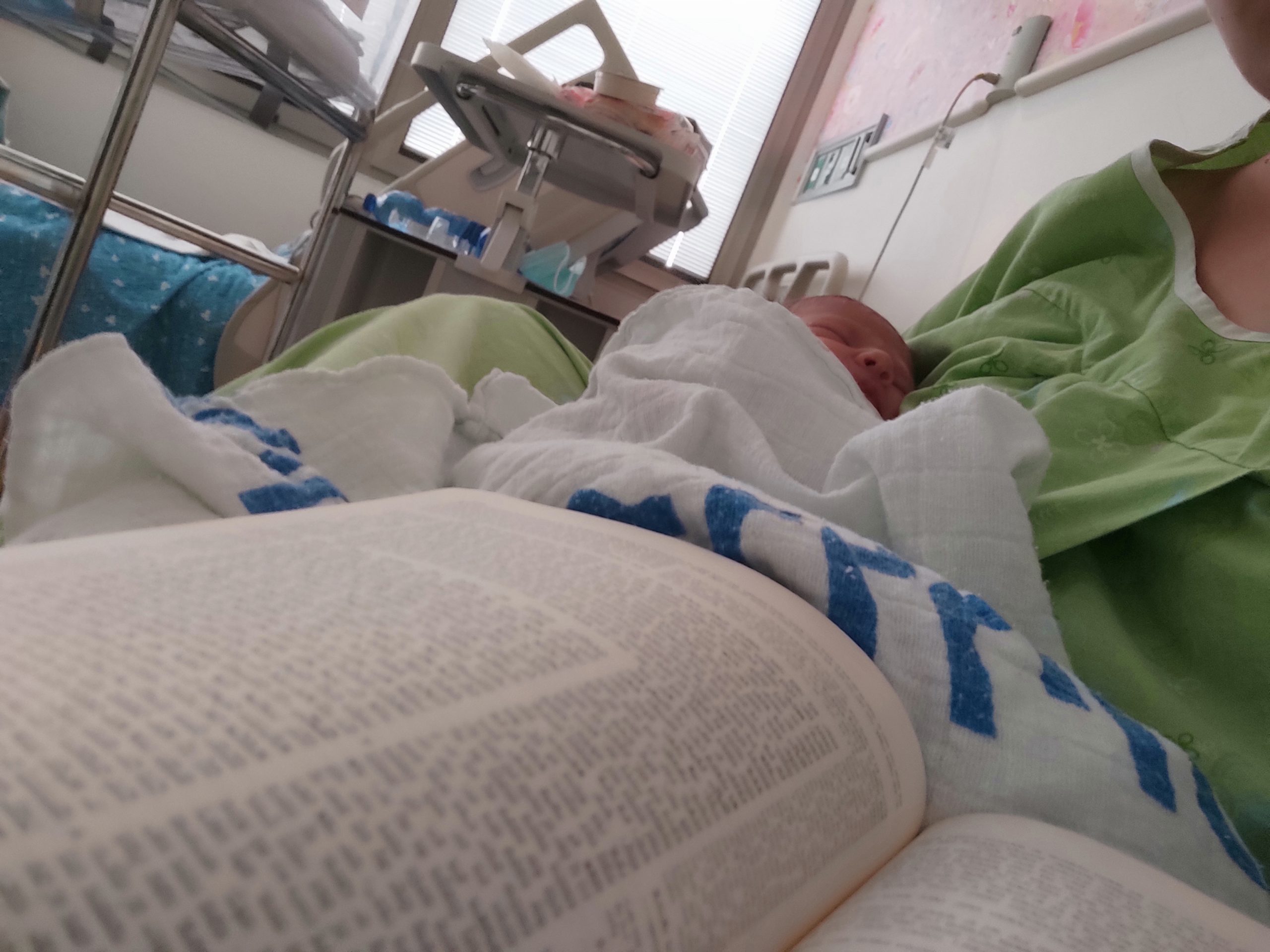
רבבה, ישראל
התחלתי ללמוד בעידוד שתי חברות אתן למדתי בעבר את הפרק היומי במסגרת 929.
בבית מתלהבים מאוד ובשבת אני לומדת את הדף עם בעלי שזה מפתיע ומשמח מאוד! לימוד הדף הוא חלק בלתי נפרד מהיום שלי. לומדת בצהריים ומחכה לזמן הזה מידי יום…

אפרת, ישראל
התחלתי בסיום הש”ס, יצאתי באורות. נשברתי פעמיים, ובשתיהם הרבנית מישל עודדה להמשיך איפה שכולם בסבב ולהשלים כשאוכל, וכך עשיתי וכיום השלמתי הכל. מדהים אותי שאני לומדת כל יום קצת, אפילו בחדר הלידה, בבידוד או בחו”ל. לאט לאט יותר נינוחה בסוגיות. לא כולם מבינים את הרצון, בפרט כפמניסטית. חשה סיפוק גדול להכיר את המושגים וצורת החשיבה. החלום זה להמשיך ולהתמיד ובמקביל ללמוד איך מהסוגיות נוצרה והתפתחה ההלכה.

מודיעין, ישראל
רבנית מישל הציתה אש התלמוד בלבבות בביניני האומה ואני נדלקתי. היא פתחה פתח ותמכה במתחילות כמוני ואפשרה לנו להתקדם בצעדים נכונים וטובים. הקימה מערך שלם שמסובב את הלומדות בסביבה תומכת וכך נכנסתי למסלול לימוד מעשיר שאין כמוה. הדרן יצר קהילה גדולה וחזקה שמאפשרת התקדמות מכל נקודת מוצא. יש דיבוק לומדות שמחזק את ההתמדה של כולנו. כל פניה ושאלה נענית בזריזות ויסודיות. תודה גם למגי על כל העזרה.
נתניה, ישראל
התחלתי לפני כמה שנים אבל רק בסבב הזה זכיתי ללמוד יום יום ולסיים מסכתות
רעננה, ישראל
התחלתי ללמוד בסבב הנוכחי לפני כשנתיים .הסביבה מתפעלת ותומכת מאוד. אני משתדלת ללמוד מכל ההסכתים הנוספים שיש באתר הדרן. אני עורכת כל סיום מסכת שיעור בביתי לכ20 נשים שמחכות בקוצר רוח למפגשים האלו.
יהוד, ישראל
הצטרפתי ללומדות בתחילת מסכת תענית. ההתרגשות שלי ושל המשפחה היתה גדולה מאוד, והיא הולכת וגוברת עם כל סיום שאני זוכה לו. במשך שנים רבות רציתי להצטרף ומשום מה זה לא קרה… ב”ה מצאתי לפני מספר חודשים פרסום של הדרן, ומיד הצטרפתי והתאהבתי. הדף היומי שינה את חיי ממש והפך כל יום- ליום של תורה. מודה לכן מקרב ליבי ומאחלת לכולנו לימוד פורה מתוך אהבת התורה ולומדיה.

חיספין רמת הגולן, ישראל
אני לומדת גמרא כעשור במסגרות שונות, ואת הדף היומי התחלתי כשחברה הציעה שאצטרף אליה לסיום בבנייני האומה. מאז אני לומדת עם פודקסט הדרן, משתדלת באופן יומי אך אם לא מספיקה, מדביקה פערים עד ערב שבת. בסבב הזה הלימוד הוא "ממעוף הציפור”, מקשיבה במהירות מוגברת תוך כדי פעילויות כמו בישול או נהיגה, וכך רוכשת היכרות עם הסוגיות ואופן ניתוחם על ידי חז”ל. בע”ה בסבב הבא, ואולי לפני, אצלול לתוכו באופן מעמיק יותר.

רמת גן, ישראל
A friend in the SF Bay Area said in Dec 2019 that she might start listening on her morning drive to work. I mentioned to my husband and we decided to try the Daf when it began in Jan 2020 as part of our preparing to make Aliyah in the summer.
ירושלים, Israel
סיום השס לנשים נתן לי מוטביציה להתחיל ללמוד דף יומי. עד אז למדתי גמרא בשבתות ועשיתי כמה סיומים. אבל לימוד יומיומי זה שונה לגמרי ופתאום כל דבר שקורה בחיים מתקשר לדף היומי.

רתמים, ישראל
התחלתי ללמוד לפני 4.5 שנים, כשהודיה חברה שלי פתחה קבוצת ווטסאפ ללימוד דף יומי בתחילת מסכת סנהדרין. מאז לימוד הדף נכנס לתוך היום-יום שלי והפך לאחד ממגדירי הזהות שלי ממש.

ירושלים, ישראל
התחלתי להשתתף בשיעור נשים פעם בשבוע, תכננתי ללמוד רק דפים בודדים, לא האמנתי שאצליח יותר מכך.
לאט לאט נשאבתי פנימה לעולם הלימוד .משתדלת ללמוד כל בוקר ומתחילה את היום בתחושה של מלאות ומתוך התכווננות נכונה יותר.
הלימוד של הדף היומי ממלא אותי בתחושה של חיבור עמוק לעם היהודי ולכל הלומדים בעבר ובהווה.

אפרת, ישראל
. לא תמיד נהניתי מלימוד גמרא כילדה.,בל כהתבגרתי התחלתי לאהוב את זה שוב. התחלתי ללמוד מסכת סוטה בדף היומי לפני כחמש עשרה שנה ואז הפסקתי.הגעתי לסיום הגדול של הדרן לפני שנתיים וזה נתן לי השראה. והתחלתי ללמוד למשך כמה ימים ואז היתה לי פריצת דיסק והפסקתי…עד אלול השנה. אז התחלתי עם מסכת ביצה וב”ה אני מצליחה לעמוד בקצב. המשפחה מאוד תומכת בי ויש כמה שגם לומדים את זה במקביל. אני אוהבת שיש עוגן כל יום.

בית שמש, ישראל
שבת קכג
דָּבָר שֶׁמְּלַאכְתּוֹ לְאִיסּוּר לְצוֹרֶךְ גּוּפוֹ — מוּתָּר.
Using an object whose primary function is for a prohibited use, for the purpose of utilizing the object itself to perform a permitted action, is permitted.
אֵיתִיבֵיהּ אַבָּיֵי לְרַבָּה: מְדוֹכָה, אִם יֵשׁ בָּהּ שׁוּם — מְטַלְטְלִין אוֹתָהּ, וְאִם לָאו — אֵין מְטַלְטְלִין אוֹתָהּ.
Abaye raised an objection to the opinion of Rabba from the Tosefta: A mortar, if it still has garlic in it, one may move it on Shabbat, and if not, one may not move it. Apparently, under no circumstances may a mortar be used, even for an action that is generally permitted on Shabbat, because the mortar’s primary function is prohibited.
אֲמַר לֵיהּ: הָא מַנִּי — רַבִּי נְחֶמְיָה הִיא, דְּאָמַר: אֵין כְּלִי נִיטָּל אֶלָּא לְצוֹרֶךְ תַּשְׁמִישׁוֹ.
Rabba said to him: In accordance with whose opinion is this baraita? It is the opinion of Rabbi Neḥemya, who says: A vessel may not be moved on Shabbat except for the purpose of its designated use.
אֵיתִיבֵיהּ: (בֵּית שַׁמַּאי אוֹמְרִים: אֵין נוֹטְלִין אֶת הָעֱלִי לְקַצֵּב עָלָיו בָּשָׂר. וּבֵית הִלֵּל מַתִּירִין.) וְשָׁוִין שֶׁאִם קִצֵּב עָלָיו בָּשָׂר שֶׁאָסוּר לְטַלְטְלוֹ!
Abaye raised another objection to Rabba’s opinion. We learned in a mishna that Beit Shammai say: One may not take a large pestle from a mortar, which is typically used for a prohibited action, in order to cut meat on it for the purpose of a Festival. And Beit Hillel permit doing so due to the mitzva of rejoicing on the Festival. And everyone agrees that if one cut meat on it for the purpose of the Festival, that it is then prohibited to move it because there is no further need for it on the Festival. Apparently, it is prohibited to use an object whose primary function is for a prohibited use, even to perform a permitted action.
סְבַר לְשַׁנּוֹיֵי לֵיהּ כְּרַבִּי נְחֶמְיָה. כֵּיוָן דְּשַׁמְעַהּ לְהָא דְּאָמַר רַב חִינָּנָא בַּר שֶׁלֶמְיָא מִשְּׁמֵיהּ דְּרַב: הַכֹּל מוֹדִים בְּסִיכֵּי זְיָירֵי וּמָזוּרֵי דְּכֵיוָן דְּקָפֵיד עֲלַיְיהוּ, מְיַיחֵד לְהוּ מָקוֹם — הָא נָמֵי מְיַיחֵד לְהוּ מָקוֹם.
Initially, Rabba thought to respond to Abaye’s objection by saying that this mishna, too, is in accordance with the opinion of Rabbi Neḥemya, that a vessel may only be moved on Shabbat for the purpose of its designated use. However, he changed his mind once he heard that which Rav Ḥinana bar Shelemya said in the name of Rav: Everyone agrees in the case of launderers’ pins, presses, and clothing rods (Arukh), that since one is particular about them to ensure that they remain intact, he designates a place for them and does not move them for other purposes. Therefore, everyone agrees that it is prohibited to move them. Here, too, the mortar and pestle are specifically designated for a particular use and one designates a place for them; therefore, it is prohibited to move them.
אִיתְּמַר. רַבִּי חִיָּיא בַּר אַבָּא אָמַר רַבִּי יוֹחָנָן: קוּרְנָס שֶׁל זֶהָבִים שָׁנִינוּ. רַב שֶׁמֶן בַּר אַבָּא אָמַר: קוּרְנָס שֶׁל בַּשָּׂמִים שָׁנִינוּ.
It was stated that there was another amoraic dispute on this topic. Rabbi Ḥiyya bar Abba said that Rabbi Yoḥanan said: It was with regard to the hammer of goldsmiths that we learned it may be used to crack nuts. Although the goldsmith is particular about ensuring that the hammer remains smooth and avoids using it for any purpose other than its particular use, nevertheless, it was allowed to be used for other permitted actions. Rav Shemen bar Abba said: It was with regard to the hammer of spice merchants that we learned it may be used to crack nuts.
מַאן דְּאָמַר דְּבַשָּׂמִים, כׇּל שֶׁכֵּן דְּזֶהָבִים. מַאן דְּאָמַר שֶׁל זֶהָבִים — אֲבָל דְּבַשָּׂמִים קָפֵיד עֲלַיְיהוּ.
The Gemara explains: The one who said it is permitted to crack nuts on Shabbat using the hammer of spice merchants, all the more so that it is permitted to use a hammer typically used by goldsmiths. However, the one who said that it is only permitted to use a hammer used by goldsmiths, but with regard to the hammer of spice merchants, the merchant is particular about it and would not allow it to be used for cracking nuts. Use for other purposes would cause the hammer to absorb foreign smells, which would ruin the spices.
וְאֶת הַכּוּשׁ וְאֶת הַכַּרְכֵּר כּוּ׳. תָּנוּ רַבָּנַן: פָּגָה שֶׁטְּמָנָהּ בְּתֶבֶן וַחֲרָרָה שֶׁטְּמָנָהּ בְּגֶחָלִים, אִם מְגוּלָּה מִקְצָתָהּ — מוּתָּר לְטַלְטְלָהּ, וְאִם לָאו — אָסוּר לְטַלְטְלָהּ.
And we learned in the mishna: one may move a reed or a shuttle [karkar] in order to stick it into food. The Sages taught in a baraita: With regard to an unripe fig that one buried in straw to accelerate its ripening, and likewise with regard to a cake that one buried in coals in order to heat it, if part of it is exposed, it is permitted to move it on Shabbat. And if not, and it was completely covered, it is prohibited to move it lest one come to carry straw or coals, which are set-aside, along with it. It is prohibited for one to move set-aside objects or to cause them to be moved.
רַבִּי אֶלְעָזָר בֶּן תַּדַּאי אוֹמֵר: תּוֹחֲבָן בַּכּוּשׁ אוֹ בַּכַּרְכֵּר, וְהֵן נִנְעָרוֹת מֵאֵילֵיהֶן. אָמַר רַב נַחְמָן: הֲלָכָה כְּרַבִּי אֶלְעָזָר בֶּן תַּדַּאי!
Rabbi Elazar ben Tadai says: One may insert a reed or a shuttle into an unripe fig or a cake that is buried in coals to remove it from its place, and the straw and the coals are shaken off on their own. Rav Naḥman says: The halakha is in accordance with the opinion of Rabbi Elazar ben Tadai.
לְמֵימְרָא דְּסָבַר רַב נַחְמָן טִלְטוּל מִן הַצַּד לָא שְׁמֵיהּ טִלְטוּל? וְהָאָמַר רַב נַחְמָן: הַאי פּוּגְלָא, מִלְּמַעְלָה לְמַטָּה — שְׁרֵי, מִמַּטָּה לְמַעְלָה — אֲסִיר! הֲדַר בֵּיהּ רַב נַחְמָן מֵהַהִיא.
The Gemara asks: Is that to say that Rav Naḥman holds: Moving an object in an atypical manner is not considered to be a bona fide act of moving and is permitted on Shabbat? Didn’t Rav Naḥman say: This radish that was buried in the dirt to protect it, if it was inserted from the top to bottom, i.e., the wider part of the radish is closer to the surface and the narrower part is farther, it is permitted to remove it from the dirt. If it was inserted from bottom to top, and the wider part was farther from the surface, it is prohibited because he thereby moves the dirt. Apparently, Rav Naḥman prohibits moving set-aside items even if one does so in an atypical manner. The Gemara answers: Rav Naḥman reversed his opinion with regard to that halakha of the radish.
מַחַט שֶׁל יָד לִיטּוֹל בָּהּ כּוּ׳. שְׁלַח לֵיהּ רָבָא בְּרֵיהּ דְּרַבָּה לְרַב יוֹסֵף: יְלַמְּדֵנוּ רַבֵּינוּ, מַחַט שֶׁנִּיטַּל חֲרָרָהּ אוֹ עוּקְצָהּ, מַהוּ?
We learned in the mishna: One is permitted to take an ordinary hand needle used for sewing clothes to extract a thorn with it. Rava, son of Rabba, sent the following question to Rav Yosef: Let our teacher teach us: With regard to a needle whose eye or point was removed, what is its legal status, i.e., is moving it on Shabbat permitted?
אֲמַר לֵיהּ, תְּנֵיתוּהָ: מַחַט שֶׁל יָד לִיטּוֹל בָּהּ אֶת הַקּוֹץ: וְכִי מָה אִיכְפַּת לֵיהּ לַקּוֹץ בֵּין נְקוּבָה לְבֵין שֶׁאֵינָהּ נְקוּבָה?
Rav Yosef said to him: You already learned the answer to that question in the mishna: One is permitted to take an ordinary hand needle used for sewing clothes to extract a thorn with it. And what does the thorn that is stuck in his flesh care whether the needle has an eye or whether it does not have an eye? Since the needle is suited for that purpose, it is permitted to move it.
אֵיתִיבֵיהּ: מַחַט שֶׁנִּיטַּל חֲרָרָהּ אוֹ עוּקְצָהּ — טְהוֹרָה?
Rava, son of Rabba, raised an objection to Rav Yosef from that which we learned in a mishna: A ritually impure needle whose eye or point was removed becomes ritually pure, because its status as a vessel is negated. Since it is no longer considered a vessel, why would it be permitted to move it?
אָמַר אַבָּיֵי: טוּמְאָה אַשַּׁבָּת קָרָמֵית? טוּמְאָה כְּלִי מַעֲשֶׂה בָּעֵינַן, לְעִנְיַן שַׁבָּת מִידֵּי דַּחֲזֵי בָּעֵינַן — וְהָא נָמֵי חַזְיָא לְמִשְׁקַל בַּהּ קוֹץ.
Abaye said: Are you raising a contradiction from the halakhot of ritual impurity to the halakhot of Shabbat? With regard to ritual impurity, we require a functional utensil for it to become ritually impure or to retain impurity, and anything which is not functional is ritually pure. However, with regard to Shabbat we require something that is fit for use, and this too is fit to extract a thorn with it, and therefore, its legal status is that of a utensil and moving it is permitted.
אָמַר רָבָא: מַאן דְּקָמוֹתֵיב, שַׁפִּיר קָמוֹתֵיב. מִדִּלְעִנְיַן טוּמְאָה לָאו מָנָא הוּא — לְעִנְיַן שַׁבָּת נָמֵי לָאו מָנָא הוּא.
Rava said: The one who raises the objection, raises the objection well. From the fact that with regard to ritual impurity it is not considered a utensil, with regard to Shabbat, it is also not considered a utensil, and if it is not a utensil it may not be moved on Shabbat.
מֵיתִיבִי: מַחַט, בֵּין נְקוּבָה בֵּין שֶׁאֵינָהּ נְקוּבָה — מוּתָּר לְטַלְטְלָהּ בְּשַׁבָּת. וְלֹא אָמְרוּ נְקוּבָה אֶלָּא לְעִנְיַן טוּמְאָה בִּלְבַד!
The Gemara raises an objection to the opinion of Rava based on what was taught in a baraita: A needle, whether it is perforated or whether it is not perforated, it is permitted to move it on Shabbat. And they said that the status of a perforated needle is different only with regard to ritual impurity alone.
תַּרְגְּמַהּ אַבָּיֵי אַלִּיבָּא דְּרָבָא: בְּגוּלְמֵי עָסְקִינַן, זִימְנִין דְּמִימְּלִיךְ עֲלַיְיהוּ, וּמְשַׁוֵּי לְהוּ מָנָא. אֲבָל הֵיכָא דְּנִיטַּל חֲרָרָהּ אוֹ עוּקְצָהּ — אָדָם זוֹרְקָהּ לְבֵין גְּרוּטָאוֹת.
Abaye interpreted it according to the opinion of Rava: In this mishna, we are dealing with unfinished needles. Sometimes one decides to render them a utensil for other purposes without perforating them. However, in a case where its eye or its point was removed from the finished needle, its status as a vessel was negated, since a person throws it among the junk [gerutaot].
אַסּוֹבֵי יָנוֹקָא — רַב נַחְמָן אָסַר, וְרַב שֵׁשֶׁת שָׁרֵי. אָמַר רַב נַחְמָן: מְנָא אָמֵינָא לַהּ, דִּתְנַן: אֵין עוֹשִׂין
With regard to the matter of aligning the limbs of an infant on Shabbat when it is necessary to do so, Rav Naḥman prohibits doing so on Shabbat, due to concern that it is similar to the prohibited labor of completing the production process of a vessel, and Rav Sheshet permits doing so. Rav Naḥman says: From where do I say that this is the halakha? As we learned in a mishna: One may not make
אַפִּיקְטְוִיזִין בַּשַּׁבָּת. וְרַב שֵׁשֶׁת: הָתָם — לָאו אוֹרְחֵיהּ, הָכָא — אוֹרְחֵיהּ.
afiktoizin, a drug to induce vomiting, on Shabbat. Apparently, actions associated with treating the body on Shabbat are prohibited. And Rav Sheshet explains: There, with regard to a drug to induce vomiting, drinking it for any reason other than medicinal purposes is atypical. Here, aligning the limbs of an infant is typical conduct not undertaken solely for medicinal purposes.
אָמַר רַב שֵׁשֶׁת: מְנָא אָמֵינָא לַהּ — דִּתְנַן: מַחַט שֶׁל יָד — לִיטּוֹל בָּהּ אֶת הַקּוֹץ! וְרַב נַחְמָן: הָתָם — פְּקִיד, הָכָא — לָא פְּקִיד.
Rav Sheshet said: From where do I say that this is the halakha? As we learned in the mishna: One is permitted to take an ordinary hand needle used for sewing clothes to extract a thorn with it. Apparently, some curative actions are permitted and there is no concern that they are similar to completing the production process of a vessel. And Rav Naḥman objects: That is no proof, as there, the thorn is merely deposited in the skin and it is not an organic part of the body. Removing a foreign object from the body effects no fundamental change in the body. Here, in the case of aligning the limbs, it is not merely tending to a foreign object deposited in the body; rather it involves effecting a fundamental change in the body itself, which is both a curative act and one similar to completing the production process.
מַתְנִי׳ קָנֶה שֶׁל זֵיתִים, אִם יֵשׁ קֶשֶׁר בְּרֹאשׁוֹ — מְקַבֵּל טוּמְאָה, וְאִם לָאו — אֵין מְקַבֵּל טוּמְאָה. בֵּין כָּךְ וּבֵין כָּךְ — נִיטָּל בַּשַּׁבָּת.
MISHNA: A reed that is used for turning olives in a bundle, if there is a cork-like knot at the top of it, it can become ritually impure as a vessel, and if not, it cannot become ritually impure, because it is not a vessel. In either case, it may be moved on Shabbat for use in a permitted action.
גְּמָ׳ אַמַּאי? פְּשׁוּטֵי כְלֵי עֵץ הוּא, וּפְשׁוּטֵי כְלֵי עֵץ אֵינָן מְקַבְּלִין טוּמְאָה, מַאי טַעְמָא? — דּוּמְיָא דְּשַׂק בָּעֵינַן. תָּנָא מִשְּׁמֵיהּ דְּרַבִּי נְחֶמְיָה: בְּשָׁעָה שֶׁמְּהַפֵּךְ בְּזֵיתִים הוֹפְכוֹ וְרוֹאֶה בּוֹ.
GEMARA: The Gemara asks: Why would this reed become impure? It is in the category of flat wooden vessels without a receptacle, and the governing principle in that case is: Flat wooden vessels do not become ritually impure. What is the reason for this? We require an object similar to a sack. The halakhot of ritual impurity are derived from the sack mentioned in the Torah as an example of an item that can become ritually impure. If it lacks a receptacle, it is unlike that sack and it cannot become ritually impure. To explain this halakha, the Gemara cites that which was taught in a baraita in the name of Rabbi Neḥemya: At the time that one turns over the olives with the reed, he turns over the reed and sees inside it. There is a small cavity at the end of the reed near the knot. He looks there to ascertain whether it has filled with oil, which would indicate that the olives are ready to be placed in the olive press. That cavity is a type of small receptacle, which renders the reed fit to become ritually impure.
מַתְנִי׳ רַבִּי יוֹסֵי אוֹמֵר: כׇּל הַכֵּלִים נִיטָּלִין, חוּץ מִן הַמַּסָּר הַגָּדוֹל וְיָתֵד שֶׁל מַחֲרֵישָׁה.
MISHNA: Rabbi Yosei says: All utensils may be moved on Shabbat except for a large saw and the blade of a plow. Since they must be sharp and ready for use and there is concern that they might be damaged, one sets them aside from his consciousness and they may not be used for any other purpose.
גְּמָ׳ אָמַר רַב נַחְמָן: הַאי אוּכְלָא דְקַצָּרֵי — כְּיָתֵד שֶׁל מַחֲרֵישָׁה דָּמְיָא.
GEMARA: Rav Naḥman says: A launderer’s sprinkler is considered to be like the blade of a plow. Moving it is prohibited on Shabbat because one sets it aside from use out of concern that it might be damaged.
אָמַר אַבָּיֵי: חַרְבָּא דְאוּשְׁכָּפֵי וְסַכִּינָא דְאַשְׁכָּבְתָּא וַחֲצִינָא דְנַגָּרֵי — כְּיָתֵד שֶׁל מַחֲרֵישָׁה דָּמֵי.
Abaye says: A shoemaker’s knife, and a butcher’s knife, and a carpenter’s drawknife are considered to be like the blade of a plow, because their owners set them aside from use out of concern that they might be damaged.
תָּנוּ רַבָּנַן: בָּרִאשׁוֹנָה הָיוּ אוֹמְרִים שְׁלֹשָׁה כֵּלִים נִיטָּלִין בַּשַּׁבָּת: מִקְצוֹעַ שֶׁל דְּבֵילָה, וְזוּהֲמָא לִיסְטְרוֹן שֶׁל קְדֵרָה, וְסַכִּין קְטַנָּה שֶׁעַל גַּבֵּי שֻׁלְחָן. הִתִּירוּ, וְחָזְרוּ וְהִתִּירוּ, וְחָזְרוּ וְהִתִּירוּ, עַד שֶׁאָמְרוּ: כׇּל הַכֵּלִים נִיטָּלִין בַּשַּׁבָּת, חוּץ מִן מַסָּר הַגָּדוֹל וְיָתֵד שֶׁל מַחֲרֵישָׁה.
The Sages taught in the Tosefta: Initially, they would say that only three utensils may be moved on Shabbat: A knife for cutting a cake of dried figs, and a combined spoon and fork (ge’onim) to clean the filth [zuhama listeran] of a pot, and a small knife that is on the table. Each of these items is required for eating and may be used, and it had been prohibited to move any other utensil. However, over the generations, when the Rabbis saw that Jewish people were vigilant in observing the prohibitions of Shabbat, they permitted, and then they permitted again, and then they permitted again, until they said in the last mishna: All utensils may be moved on Shabbat except for a large saw and the blade of a plow.
מַאי הִתִּירוּ, וְחָזְרוּ וְהִתִּירוּ, וְחָזְרוּ וְהִתִּירוּ?
The Gemara asks: What are the stages described in the Tosefta: They permitted, and then they permitted, and then they permitted?
אֲמַר אַבָּיֵי: הִתִּירוּ דָּבָר שֶׁמְּלַאכְתּוֹ לְהֶיתֵּר לְצוֹרֶךְ גּוּפוֹ, וְחָזְרוּ וְהִתִּירוּ דָּבָר שֶׁמְּלַאכְתּוֹ לְהֶיתֵּר לְצוֹרֶךְ מְקוֹמוֹ, וְחָזְרוּ וְהִתִּירוּ דָּבָר שֶׁמְּלַאכְתּוֹ לְאִיסּוּר, לְצוֹרֶךְ גּוּפוֹ — אִין, לְצוֹרֶךְ מְקוֹמוֹ — לָא. וַעֲדַיִין בְּיָדוֹ אַחַת — אִין, בִּשְׁתֵּי יָדָיו — לָא, עַד שֶׁאָמְרוּ: כׇּל הַכֵּלִים נִיטָּלִין בַּשַּׁבָּת, וַאֲפִילּוּ בִּשְׁתֵּי יָדַיִם.
Abaye says: Initially, they permitted moving an object whose primary function is for a permitted use, for the purpose of utilizing the object itself to perform a permitted action. And then they permitted moving an object whose primary function is for a permitted use, for the purpose of sitting in or utilizing its place. And then they permitted moving an object whose primary function is for a prohibited use, for the purpose of utilizing the object itself to perform a permitted action, yes; however, for the purpose of utilizing its place, no. And still, utensils that can be held in one of his hands, yes, they may be moved; however, utensils that can only be held in his two hands, no, they may not be moved, in order to signify that there is a prohibition to move certain items. This prohibition remained intact until they said: All utensils may be moved on Shabbat, and even those that can only be held in both hands.
אֲמַר לֵיהּ רָבָא: מִכְּדֵי ״הִתִּירוּ״ קָתָנֵי, מַה לִּי לְצוֹרֶךְ גּוּפוֹ, מַה לִּי לְצוֹרֶךְ מְקוֹמוֹ? אֶלָּא אָמַר רָבָא: הִתִּירוּ דָּבָר שֶׁמְּלַאכְתּוֹ לְהֶיתֵּר בֵּין לְצוֹרֶךְ גּוּפוֹ וּבֵין לְצוֹרֶךְ מְקוֹמוֹ, וְחָזְרוּ וְהִתִּירוּ מֵחַמָּה לַצֵּל. וְחָזְרוּ וְהִתִּירוּ דָּבָר שֶׁמְּלַאכְתּוֹ לְאִיסּוּר, לְצוֹרֶךְ גּוּפוֹ וּלְצוֹרֶךְ מְקוֹמוֹ — אִין, מֵחַמָּה לַצֵּל — לָא. וַעֲדַיִין, בְּאָדָם אֶחָד — אִין, בִּשְׁנֵי בְּנֵי אָדָם — לָא, עַד שֶׁאָמְרוּ: כׇּל הַכֵּלִים נִיטָּלִין בַּשַּׁבָּת, אֲפִילּוּ בִּשְׁנֵי בְּנֵי אָדָם.
Rava said to him: After all, it was taught in the Tosefta: They permitted, what difference is there to me if it is for the purpose of utilizing the object itself, and what difference is there to me if it is for the purpose of utilizing its place; why introduce distinctions that are not explicitly stated in the Tosefta? Rather, Rava said that it should be explained as follows: Initially, they permitted moving an object whose primary function is for a permitted use, both for the purpose of utilizing the object itself and for the purpose of sitting in or utilizing its place. And then they permitted moving that object from the sun into the shade. And then they permitted moving an object whose primary function is for a prohibited use, both for the purpose of utilizing the object itself and for the purpose of sitting in or utilizing its place, yes; however, moving that object from the sun into the shade, no, they did not permit it. And still, utensils that can be carried by one person, yes, they may be moved; however, utensils that can only be carried by two people, no, they may not be moved. This prohibition remained intact until they said: All utensils may be moved on Shabbat, and even those that can only be carried by two people.
אֵיתִיבֵיהּ אַבָּיֵי: מְדוֹכָה, אִם יֵשׁ בָּהּ שׁוּם — מְטַלְטְלִין אוֹתָהּ, וְאִם לָאו — אֵין מְטַלְטְלִין אוֹתָהּ? הָכָא בְּמַאי עָסְקִינַן — מֵחַמָּה לַצֵּל. אֵיתִיבֵיהּ: וְשָׁוִין שֶׁאִם קִצֵּב עָלָיו בָּשָׂר שֶׁאָסוּר לְטַלְטְלוֹ? הָכָא נָמֵי מֵחַמָּה לַצֵּל.
Abaye raised a challenge to Rava’s opinion from that which was taught: With regard to a mortar, if it has garlic in it, one may move it on Shabbat, and if not, one may not move it on Shabbat. According to Rava’s opinion that all utensils may be moved, why is it prohibited to move the mortar? Rava responded: With what we are dealing here? We are dealing with a case of moving the mortar from the sun to the shade. Abaye raised a challenge to Rava’s opinion from that which was taught: Beit Shammai and Beit Hillel agree that if one cut meat on it for the purpose of a Festival that it is then prohibited to move it because there is no further need for it on the Festival. According to Rava’s opinion, all utensils may be moved. He answered him: Here, too, we are dealing with a case of moving the mortar from the sun to the shade.
אָמַר רַבִּי חֲנִינָא: בִּימֵי נְחֶמְיָה בֶּן חֲכַלְיָה נִשְׁנֵית מִשְׁנָה זוֹ, דִּכְתִיב: ״בַּיָּמִים הָהֵמָּה רָאִיתִי בִיהוּדָה דּוֹרְכִים גִּתּוֹת בַּשַּׁבָּת וּמְבִיאִים הָעֲרֵימוֹת״.
Rabbi Ḥanina said: This mishna was taught in the days of Nehemiah, son of Hacaliah, a period when many stringent decrees were issued with regard to Shabbat prohibitions, as it is written: “In those days I saw in Judea some treading winepresses on Shabbat and bringing in heaps of grain and lading donkeys with them; as also wine, grapes, figs, and all manner of burdens which are brought into Jerusalem on the Shabbat day. I forewarned them on that day when they sold food” (Nehemiah 13:15). Since the people treated the sanctity of Shabbat with disdain, Nehemiah instituted many stringencies with regard to all the halakhot of Shabbat in order to educate the people to observe Shabbat.
אָמַר רַבִּי אֶלְעָזָר: קָנִין, וּמַקְלוֹת, גְּלוּסְטְרָא, וּמְדוֹכָה — כּוּלָּן קוֹדֶם הַתָּרַת כֵּלִים נִשְׁנוּ.
Rabbi Elazar said: The mishnayot that deal with the topics of rods, poles, the thick end [gelostera] of the bolt in a door lock, and a mortar were all taught before permission to move utensils on Shabbat was adopted. At that time, moving most utensils was still prohibited and only a small number of utensils whose primary function was for a permitted use were permitted to be moved. The Gemara cites the relevant mishnayot.
קָנִין — דִּתְנַן: לֹא סִידּוּר הַקָּנִין וְלֹא נְטִילָתָן דּוֹחָה אֶת הַשַּׁבָּת.
Rods: Golden rods were placed between the loaves of showbread in the Temple to support the loaves and to aerate them. At that time, moving the rods was prohibited because they were considered to be set-aside, as we learned in a mishna: Neither arranging the rods nor moving them overrides the prohibition of set-aside on Shabbat.
מַקְלוֹת — דִּתְנַן: מַקְלוֹת דַּקִּין חֲלָקִין הָיוּ שָׁם, וּמַנִּיחוֹ עַל כְּתֵפוֹ וְעַל כֶּתֶף חֲבֵירוֹ, וְתוֹלֶה וּמַפְשִׁיט. אָמַר רַבִּי אֶלְעָזָר: אַרְבָּעָה עָשָׂר שֶׁחָל לִהְיוֹת בְּשַׁבָּת, מַנִּיחַ
And the source for the matter of poles is as we learned in a mishna: There were thin, smooth poles in the Temple, and every Passover eve one places the pole on his shoulder and on the shoulder of another, and suspends the Paschal lamb on it and flays its hide. And Rabbi Elazar said: With regard to the fourteenth of Nisan, the day that the Paschal lamb is sacrificed, that occurred on Shabbat, they would not use the poles, as a conspicuous reminder that it was Shabbat. Instead, one places

