








הגמרא עוברת על רשימה של חפצים ודנה האם מותרים בטלטול או לא? יש מחלוקת בין ר’ מאיר ור’ יהודה בעניין שברי תנור. הגמרא דנה במקרה של המחלוקת ומה הבסיס למחלוקת ביניהם. אם בנו כלי מדלעת ושמו אבן בתוכו כדי לאפשר שאיבת מים – כדי שישקע), האם זה מותר בשבת או האם הדלעת הופך לבסיס לדבר האסור? איך זה דומה באבן ששמו על פי חבית שמופיע במשנה אחרת?כדי לטלטל חפץ שמוקצה מחמת גופו, האם מספיק חשיבה לפני שבת שישתמש בו בשבת או האם צריך מעשה, ואם מעשה, איזה סוג של מעשה? האם אפשר להוסיף פקק לחלון בשבת – האם זה נחשב כבניין מחיצה?
רוצה להקדיש לימוד?
שבת קכה
אִם זְרָקָהּ מִבְּעוֹד יוֹם לְאַשְׁפָּה — אֲסוּרָה.
If one threw the clay seal of a jug into the garbage dump while it is still day, before Shabbat, it is prohibited to move it on Shabbat because he indicated that he set it aside from use.
אָמַר בַּר הַמְדּוּרֵי אָמַר שְׁמוּאֵל: קְרוּמִיּוֹת שֶׁל מַחְצֶלֶת — מוּתָּר לְטַלְטְלָן בְּשַׁבָּת. מַאי טַעְמָא? אָמַר רָבָא, בַּר הַמְדּוּרֵי אַסְבְּרַהּ לִי: מַחְצֶלֶת גּוּפַהּ לְמַאי חַזְיָא — לְכַסּוֹיֵי בַּהּ עַפְרָא, הָנֵי נָמֵי חַזְיָין לְכַסּוֹיֵי בְּהוּ טִינּוּפָא.
Bar Hamduri said that Shmuel said: With regard to shreds of reeds that separated from a mat, it is permitted to move them on Shabbat. The Gemara asks: What is the reason for this? Rava said: Bar Hamduri explained it to me: The mat itself, for what use is it suited? It is suited to cover dirt with it. These shreds, too, are suited to cover filth with them.
אָמַר רַבִּי זֵירָא אָמַר רַב: שְׁיָרֵי פְּרוּזְמָיוֹת — אָסוּר לְטַלְטְלָן בְּשַׁבָּת. אֲמַר אַבָּיֵי: בְּמַטְלָנִיּוֹת שֶׁאֵין בָּהֶן שָׁלֹשׁ עַל שָׁלֹשׁ, דְּלָא חַזְיָין לָא לַעֲנִיִּים וְלָא לַעֲשִׁירִים.
Rabbi Zeira said that Rav said: With regard to the remains of cloaks [perozemiyyot], it is prohibited to move them on Shabbat. Abaye said: This is referring to small rags that do not have an area of three by three fingerbreadths, that are neither suited for use by the poor nor by the wealthy.
תָּנוּ רַבָּנַן: שִׁבְרֵי תַּנּוּר יָשָׁן הֲרֵי הֵן כְּכׇל הַכֵּלִים הַנִּיטָּלִין בֶּחָצֵר, דִּבְרֵי רַבִּי מֵאִיר. רַבִּי יְהוּדָה אוֹמֵר: אֵין נִיטָּלִין. הֵעִיד רַבִּי יוֹסֵי מִשּׁוּם רַבִּי אֱלִיעֶזֶר בֶּן יַעֲקֹב עַל שִׁבְרֵי תַּנּוּר יָשָׁן שֶׁנִּיטָּלִין בַּשַּׁבָּת, וְעַל כִּיסּוּיוֹ שֶׁאֵינוֹ צָרִיךְ בֵּית יָד.
The Sages taught in the Tosefta: The shards of an old oven may be moved in a courtyard on Shabbat like all of the vessels that may be moved in a courtyard on Shabbat; this is the statement of Rabbi Meir. Rabbi Yehuda says: They may not be moved. Rabbi Yosei testified in the name of Rabbi Eliezer ben Ya’akov about shards of an old oven that may be moved on Shabbat, and about its cover, which does not require a handle.
בְּמַאי קָמִיפַּלְגִי? אָמַר אַבָּיֵי: בְּעוֹשִׂין מֵעֵין מְלָאכָה, וְאֵין עוֹשִׂין מֵעֵין מְלַאכְתָּן קָמִיפַּלְגִי. וְאַזְדָּא רַבִּי יְהוּדָה לְטַעְמֵיהּ, וְרַבִּי מֵאִיר לְטַעְמֵיהּ.
The Gemara asks: With regard to what do they disagree? Abaye said: It is with regard to shards when they serve some function but do not serve a function similar to their own original function that they disagree. And Rabbi Yehuda follows his own line of reasoning, and Rabbi Meir follows his own line of reasoning, as they differed in the mishna.
מַתְקִיף לַהּ רָבָא: אִי הָכִי, אַדְּמִיפַּלְגִי בְּשִׁבְרֵי תַנּוּר, לִיפַּלְגוּ בְּשִׁבְרֵי כֵלִים בְּעָלְמָא?
Rava strongly objects to this: If so, instead of disagreeing with regard to shards of an oven, let them disagree with regard to ordinary shards. Why is the dispute specifically with regard to an oven?
אֶלָּא אָמַר רָבָא: בְּשִׁבְרֵי דְּהַאי תַּנּוּר קָמִיפַּלְגִי. דִּתְנַן: נְתָנוֹ עַל פִּי הַבּוֹר אוֹ עַל פִּי הַדּוּת וְנָתַן שָׁם אֶבֶן, רַבִּי יְהוּדָה אוֹמֵר: אִם מַסִּיק מִלְּמַטָּה וְהוּא נִסּוֹק מִלְּמַעְלָה — טָמֵא, וְאִם לָאו — טָהוֹר. וַחֲכָמִים אוֹמְרִים: הוֹאִיל וְהוּסַּק מִכׇּל מָקוֹם — טָמֵא.
Rather, Rava said: It is with regard to shards of this particular oven that they disagree, as we learned in a mishna: With regard to a clay oven that is not attached to the ground with mortar in the standard manner, but rather, one placed it over the mouth of a pit or over the mouth of a cistern, and he placed a stone there between the wall of the pit and the oven to secure the oven in place, Rabbi Yehuda says: If one heats the oven from beneath the oven, inside the pit, and the oven is thereby heated at the top, the oven serves its standard function; it is a full-fledged utensil and it can become ritually impure. And if it is not attached so tightly that it is heated at the top, it is ritually pure, because it is not a full-fledged vessel. And the Rabbis say: Since it can be heated in some manner, it can become ritually impure, because it serves its standard purpose.
וּבְמַאי קָמִיפַּלְגִי — בְּהַאי קְרָא: ״תַּנּוּר וְכִירַיִם יוּתָּץ טְמֵאִים הֵם וּטְמֵאִים יִהְיוּ לָכֶם״, רַבִּי יְהוּדָה סָבַר: מְחוּסָּר נְתִיצָה — טָמֵא, שֶׁאֵין מְחוּסָּר נְתִיצָה — טָהוֹר. וְרַבָּנַן סָבְרִי: ״טְמֵאִים יִהְיוּ לָכֶם״ — מִכׇּל מָקוֹם.
And with regard to what do they disagree? It is with regard to this verse: “And everything upon which any part of their carcass falls shall be impure; whether oven, or stove, it shall be broken in pieces; they are impure, and they shall be impure to you” (Leviticus 11:35). Rabbi Yehuda holds: An oven that lacks smashing, i.e., it is whole and can be broken, can become impure. One that does not lack smashing, but it is situated in a place where it is not completely effective, is considered broken and is pure, i.e., it cannot become ritually impure. And the Rabbis hold that the verse comes to add: “They shall be impure to you,” in any case, under any circumstances.
וְרַבָּנַן נָמֵי, הָכְתִיב: ״יוּתָּץ״? הָהוּא לְאִידַּךְ גִּיסָא, דְּסָלְקָא דַּעְתָּךְ אָמֵינָא: כֵּיוָן דְּחַבְּרֵיהּ בְּאַרְעָא — כְּגוּפָא דְאַרְעָא דָּמֵי, קָא מַשְׁמַע לַן.
The Gemara asks: And according to the Rabbis, too, isn’t it written: “They shall be broken into pieces,” and why don’t they interpret the verse in the same way that Rabbi Yehuda does? The Gemara explains: The Rabbis understand this verse from another direction, as it could have entered your mind to say: Since he attached it to the ground, its legal status is like that of the ground itself, and anything attached to the ground cannot become impure. Therefore, it teaches us that since it is possible to detach it from the ground, it is indeed impure.
וְאִידַּךְ נָמֵי, הָכְתִיב: ״טְמֵאִים יִהְיוּ לָכֶם״! הָהִיא, כִּדְרַב יְהוּדָה אָמַר שְׁמוּאֵל. דְּאָמַר רַב יְהוּדָה אָמַר שְׁמוּאֵל: מַחֲלוֹקֶת בְּהֶיסֵּק רִאשׁוֹן, אֲבָל בְּהֶיסֵּק שֵׁנִי, אֲפִילּוּ תָּלוּי בְּצַוַּאר גָּמָל.
The Gemara asks: And according to the other tanna, Rabbi Yehuda, too, isn’t it written: “They shall be impure to you”? The Gemara answers: He understood that verse in accordance with that which Rav Yehuda said that Shmuel said, as Rav Yehuda said that Shmuel said: The dispute between Rabbi Yehuda and the Rabbis is specifically with regard to the first lighting. The first lighting transforms an earthenware oven that did not yet completely dry into a vessel. However, with regard to the second lighting they do not disagree, even if it was hanging around a camel’s neck; since it had already been fired up once, it is impure.
אָמַר עוּלָּא: וְהֶיסֵּק רִאשׁוֹן לְרַבָּנַן, אֲפִילּוּ תָּלוּי בְּצַוַּאר גָּמָל.
Ulla says: And with regard to the first lighting according to the Rabbis, even if it was hanging around a camel’s neck, since it had already been fired up once it is a full-fledged oven and is impure.
מַתְקֵיף לַהּ רַב אָשֵׁי: אִי הָכִי, אַדְּמִיפַּלְגִי בְּשִׁבְרֵי תַנּוּר, לִיפַּלְגוּ בְּתַנּוּר גּוּפֵהּ. הַשְׁתָּא תַּנּוּר גּוּפֵהּ לְרַבִּי יְהוּדָה לָא הָוֵי מָנָא, שְׁבָרָיו מִיבַּעְיָא?!
Rav Ashi strongly objects to this line of reasoning: If so, instead of disagreeing with regard to the shards of an oven, let them disagree with regard to the oven itself. Now the oven itself, according to Rabbi Yehuda, is not considered a vessel; therefore, to say that its broken pieces are not vessels, is it necessary?
אֶלָּא אָמַר רַב אָשֵׁי: לְעוֹלָם כְּדַאֲמַרַן מֵעִיקָּרָא וּבְעוֹשֶׂה מַעֲשֵׂה טַפְקָא, וְרַבִּי מֵאִיר לִדְבָרָיו דְּרַבִּי יְהוּדָה קָאָמַר: לְדִידִי אֲפִילּוּ בְּעוֹשִׂין מֵעֵין מְלָאכָה, אֶלָּא לְדִידָךְ, אוֹדִי לִי מִיהָא דִּכְהַאי גַּוְונָא מְלַאכְתּוֹ הוּא!
Rather, Rav Ashi said: Actually, it is as we said initially, that it is referring to shards of any oven, and with which he crafts a ceramic board [tapka], and Rabbi Meir is speaking in accordance with the statement of Rabbi Yehuda: According to my opinion, it is permitted to move even shards that serve any purpose. However, according to your opinion, agree with me at least that in a case of this sort, it is a function similar to their own original function. The shards can be used for baking.
וְרַבִּי יְהוּדָה: לָא דָּמֵי, הָתָם — הֶסֵּקוֹ מִבִּפְנִים, הָכָא — הֶסֵּקוֹ מִבַּחוּץ. הָתָם — מְעוּמָּד, הָכָא — לָאו מְעוּמָּד.
And Rabbi Yehuda says: It is not similar. There, in the case of an intact oven, its firing is from within. Here, with regard to the shard, its firing is from without. There, in the case of an intact oven, it bakes standing; here, it does not bake standing. Therefore, its function is not similar to its original function.
הֵעִיד רַבִּי יוֹסֵי מִשּׁוּם רַבִּי אֱלִיעֶזֶר בֶּן יַעֲקֹב עַל שִׁבְרֵי תַּנּוּר יָשָׁן שֶׁנִּיטָּלִין בַּשַּׁבָּת, וְעַל כִּיסּוּיוֹ שֶׁאֵינוֹ צָרִיךְ בֵּית יָד. אָמַר רָבִינָא: כְּמַאן מְטַלְטְלִינַן הָאִידָּנָא כִּיסּוּי דְּתַנּוּרֵי דְמָתָא מַחְסֵיָא דְּאֵין לָהֶם בֵּית אֲחִיזָה? כְּמַאן — כְּרַבִּי אֱלִיעֶזֶר בֶּן יַעֲקֹב.
In that same Tosefta where Rabbi Yosei testified in the name of Rabbi Eliezer ben Ya’akov about shards of an old oven that may be moved on Shabbat, and about its cover, which does not require a handle, and which is considered a vessel and may be moved as is, Ravina says: In accordance with whose opinion do we now move the oven covers in the city of Meḥasya that do not have handles? In accordance with whose opinion is it? It is in accordance with the opinion of Rabbi Eliezer ben Ya’akov.
מַתְנִי׳ הָאֶבֶן שֶׁבְּקֵירוּיָה, אִם מְמַלְּאִין בָּהּ וְאֵינָהּ נוֹפֶלֶת — מְמַלְּאִין בָּהּ, וְאִם לָאו — אֵין מְמַלְּאִין בָּהּ.
MISHNA: A stone that is in a gourd used to draw water [kiruya], if they fill it with water and the stone does not fall, one may fill with it on Shabbat, and if not, and the stone does fall, one may not fill with it.
זְמוֹרָה שֶׁהִיא קְשׁוּרָה בַּטָּפִיחַ — מְמַלְּאִין בָּהּ בְּשַׁבָּת.
With regard to a vine branch that is tied to a pitcher, one may fill water with it on Shabbat because the branch became part of the vessel.
פְּקַק הַחַלּוֹן, רַבִּי אֱלִיעֶזֶר אוֹמֵר: בִּזְמַן שֶׁהוּא קָשׁוּר וְתָלוּי — פּוֹקְקִין בּוֹ, וְאִם לָאו — אֵין פּוֹקְקִין בּוֹ. וַחֲכָמִים אוֹמְרִים: בֵּין כָּךְ וּבֵין כָּךְ — פּוֹקְקִין בּוֹ.
With regard to a window shutter, Rabbi Eliezer says: When it is tied to and hanging from the window, i.e., it is not touching the ground, one may shutter the window with it, because it is not considered building; and if not, i.e., it is touching the ground, one may not shutter the window with it. And the Rabbis say: Both in this case and in that case one may shutter with it.
גְּמָ׳ תְּנַן הָתָם: אֶבֶן שֶׁעַל פִּי הֶחָבִית — מַטָּהּ עַל צִידָּהּ, וְהִיא נוֹפֶלֶת. אָמַר רַבָּה אָמַר רַבִּי אַמֵּי אָמַר רַבִּי יוֹחָנָן: לֹא שָׁנוּ אֶלָּא בְּשׁוֹכֵחַ, אֲבָל בְּמַנִּיחַ — נַעֲשָׂה בָּסִיס לְדָבָר הָאָסוּר. וְרַב יוֹסֵף אָמַר רַבִּי אַסִּי אָמַר רַבִּי יוֹחָנָן: לֹא שָׁנוּ אֶלָּא בְּשׁוֹכֵחַ, אֲבָל בְּמַנִּיחַ — נַעֲשָׂה כִּיסּוּי לֶחָבִית.
GEMARA: We learned in a mishna there: In the case of a stone that is atop a barrel and one wants to open the barrel, he tilts the barrel on its side and the stone falls. Rabba said that Rabbi Ami said that Rabbi Yoḥanan said: They only taught this in a case where one forgets the stone atop the barrel; however, in a case where one places the stone atop the barrel intentionally, the barrel becomes a base for a prohibited object, and it is therefore prohibited to move the barrel. And Rav Yosef said that Rabbi Asi said that Rabbi Yoḥanan said: They only taught this in a case where one forgets it; however, in a case where one places it there, the stone becomes a cover for the barrel and it is permitted to use it like other barrel covers.
אָמַר רַבָּה, מוֹתְבִינַן אַשְּׁמַעְתִּין: הָאֶבֶן שֶׁבְּקֵירוּיָה אִם מְמַלְּאִין בָּהּ וְאֵינָהּ נוֹפֶלֶת — מְמַלְּאִין בָּהּ! וְלָא הִיא. הָתָם, כֵּיוָן דְּהַדְּקַהּ — שַׁוְּיַהּ דּוֹפֶן.
Rabba said: We raise an objection to our halakha from the mishna: With regard to a stone that is in a gourd used to draw water, if they fill it with water and the stone does not fall, one may fill with it on Shabbat. Apparently, if the stone is designated for a purpose, it is no longer set-aside. He rejects the proof: And that is not so, as these cases are not comparable. There, in the case of the stone in the gourd, since one attached it to the gourd, he rendered the stone a wall of the gourd and part of the vessel, unlike in the case of the stone atop the barrel.
אָמַר רַב יוֹסֵף, וּמוֹתְבִינַן אַשְּׁמַעְתִּין: אִם לָאו — אֵין מְמַלְּאִין בָּהּ! וְלָא הִיא. הָתָם, כֵּיוָן דְּלָא הַדְּקַהּ — בַּטּוֹלֵי בַּטְּלַהּ.
Rav Yosef said: And we raise an objection to our halakha from the mishna: And if not, and the stone does fall, one may not fill with it. A stone that is not attached is not considered to be part of the vessel and is therefore set-aside. He rejects the proof. And that is not so, as these cases are not comparable. There, since he did not attach the stone to the gourd, he negates its status as a part of the vessel and it remains set-aside.
בְּמַאי קָמִיפַּלְגִי? מָר סָבַר בָּעֵינַן מַעֲשֶׂה, וּמָר סָבַר לָא בָּעֵינַן מַעֲשֶׂה.
The Gemara explains: With regard to what do they disagree? One Sage, Rabba, holds that we require an action to change the status of a stone or another set-aside object into a vessel, and one Sage, Rav Yosef, holds that we do not require an action.
וְאָזְדוּ לְטַעְמַיְיהוּ, דְּכִי אֲתָא רַב דִּימִי אָמַר רַבִּי חֲנִינָא, וְאָמְרִי לַהּ אָמַר רַבִּי זֵירָא אָמַר רַבִּי חֲנִינָא: פַּעַם אַחַת הָלַךְ רַבִּי לְמָקוֹם אֶחָד וּמָצָא נִדְבָּךְ שֶׁל אֲבָנִים, וְאָמַר לְתַלְמִידָיו: צְאוּ וְחַשְּׁבוּ כְּדֵי שֶׁנֵּשֵׁב עֲלֵיהֶן לְמָחָר, וְלֹא הִצְרִיכָן רַבִּי לְמַעֲשֶׂה.
And they, Rabbi Ami and Rabbi Asi, follow their regular line of reasoning, as when Rav Dimi came from Eretz Yisrael to Babylonia he said that Rabbi Ḥanina said, and some say that it was Rabbi Zeira who said that Rabbi Ḥanina said: Once Rabbi Yehuda HaNasi went to one place and found a course of building stones, and he said to his students: Go out and think that you are designating these stones for Shabbat so that we may sit on them tomorrow on Shabbat, and Rabbi Yehuda HaNasi did not require them to perform an action with those stones. Thought alone was sufficient.
רַבִּי יוֹחָנָן אָמַר: הִצְרִיכָן רַבִּי לְמַעֲשֶׂה. מַאי אֲמַר לְהוּ? רַבִּי אַמֵּי אָמַר: ״צְאוּ וְלַמְּדוּם״ אֲמַר לְהוּ. רַבִּי אַסִּי אָמַר: ״צְאוּ וְשַׁפְשְׁפוּם״ אֲמַר לְהוּ.
Rabbi Yoḥanan said: That is not what happened. Rabbi Yehuda HaNasi required them to perform an action to designate the stones. The Gemara asks: What action did he say to them to perform? Rabbi Ami said that Rabbi Yehuda HaNasi said to them: Go out and arrange the stones. Rabbi Asi said that he said to them: Go out and rub the mortar off of them. Rabbi Ami requires a more significant action to render the stones a vessel.
אִיתְּמַר, רַבִּי יוֹסֵי בֶּן שָׁאוּל אָמַר: סְוָאר שֶׁל קוֹרוֹת הֲוָה. וְרַבִּי יוֹחָנָן בֶּן שָׁאוּל אָמַר: גָּשׁוֹשׁ שֶׁל סְפִינָה הֲוָה. מַאן דַּאֲמַר גָּשׁוֹשׁ — כׇּל שֶׁכֵּן סְוָאר, וּמַאן דְּאָמַר סְוָאר — אֲבָל גָּשׁוֹשׁ קָפֵיד עֲלֵיהּ.
It was stated that there was a dispute with regard to this matter. Rabbi Yosei ben Shaul said: It was a new stack of beams, not stones. And Rabbi Yoḥanan ben Shaul said: It was the sounding pole of a ship used to determine the depth of the water. The one who said that Rabbi Yehuda HaNasi permitted sitting on a ship’s sounding pole, all the more so he permitted doing so in the case of beams. And with regard to the one who said that Rabbi Yehuda HaNasi permitted sitting on a stack of beams, but in the case of the sounding pole he would prohibit doing so because it is set-aside due to monetary loss, as he is particular about it that it will not become warped and damaged.
זְמוֹרָה שֶׁהִיא קְשׁוּרָה כּוּ׳. קְשׁוּרָה — אִין, לֹא קְשׁוּרָה — לָא. לֵימָא מַתְנִיתִין דְּלָא כְּרַבָּן שִׁמְעוֹן בֶּן גַּמְלִיאֵל.
We learned in the mishna: With regard to a vine branch that is tied to a pitcher, one may fill water with it on Shabbat. The Gemara infers: If it is tied, yes, it is permitted; if it is not tied, no, it is prohibited. Let us say that the mishna is not in accordance with the opinion of Rabban Shimon ben Gamliel.
דְּתַנְיָא: חֲרִיּוֹת שֶׁל דֶּקֶל שֶׁגְּדָרָן לְעֵצִים וְנִמְלַךְ עֲלֵיהֶן לִישִׁיבָה — צָרִיךְ לִקְשׁוֹר. רַבָּן שִׁמְעוֹן בֶּן גַּמְלִיאֵל אוֹמֵר: אֵין צָרִיךְ לִקְשׁוֹר.
As it was taught in a baraita: With regard to hard branches of a palm tree that one cut for firewood or for construction, and then he reconsidered their designation and decided to use them for sitting, he must tie the branches together on Shabbat eve so that they will not be set-aside. Rabban Shimon ben Gamliel says: He need not tie them together, and nevertheless, it is permitted to move them. According to Rabban Shimon ben Gamliel, cut wood need not be specially prepared to be used on Shabbat.
אָמַר רַב שֵׁשֶׁת: אֲפִילּוּ תֵּימָא רַבָּן שִׁמְעוֹן בֶּן גַּמְלִיאֵל, הָכָא בְּמַאי עָסְקִינַן — בִּמְחוּבֶּרֶת בְּאִבֶּיהָ. אִי הָכִי, קָא מִשְׁתַּמֵּשׁ בִּמְחוּבָּר לַקַּרְקַע! לְמַטָּה מִשְּׁלֹשָׁה. רַב אָשֵׁי אָמַר: אֲפִילּוּ תֵּימָא בִּתְלוּשָׁה, גְּזֵירָה שֶׁמָּא יִקְטוֹם.
Rav Sheshet says: Even if you say that the mishna is in accordance with the opinion of Rabban Shimon ben Gamliel, with what are we dealing here? With a case where the shoot is still connected to its origin, the vine. The Gemara asks: If so, he is making use of an item that is attached to the ground, and the Sages issued a decree prohibiting the use of any plant attached to the ground. The Gemara answers: This is referring to a branch attached to the vine below three handbreadths off the ground. A vine attached to the ground below three handbreadths off the ground was not prohibited in that decree, just as it is permitted to make use of tree roots adjacent to the ground. Rav Ashi said: Even if you say that it is referring to a branch that is detached, nevertheless, its use is prohibited due to the decree lest one cut and straighten the branch to prepare it for use with the bucket. Therefore, Rabban Shimon ben Gamliel teaches that there is no need for concern.
פְּקַק הַחַלּוֹן כּוּ׳. אָמַר רַבָּה בַּר בַּר חָנָה אָמַר רַבִּי יוֹחָנָן: הַכֹּל מוֹדִים שֶׁאֵין עוֹשִׂין אֹהֶל עֲרַאי בַּתְּחִלָּה בְּיוֹם טוֹב, וְאֵין צָרִיךְ לוֹמַר בְּשַׁבָּת. לֹא נֶחְלְקוּ אֶלָּא לְהוֹסִיף. שֶׁרַבִּי אֱלִיעֶזֶר אוֹמֵר: אֵין מוֹסִיפִין בְּיוֹם טוֹב, וְאֵין צָרִיךְ לוֹמַר בְּשַׁבָּת. וַחֲכָמִים אוֹמְרִים: מוֹסִיפִין בְּשַׁבָּת, וְאֵין צָרִיךְ לוֹמַר בְּיוֹם טוֹב.
We learned in the mishna that Rabbi Eliezer and the Rabbis dispute the case of a window shutter and in what manner one is permitted to shutter a window on Shabbat. Rabba bar bar Ḥana said that Rabbi Yoḥanan said: Everyone agrees that one may not construct a temporary tent on a Festival for the first time, and needless to say, one may not do so on Shabbat. The tanna’im disagree only with regard to adding to an existing tent, as Rabbi Eliezer says: One may not add to an existing structure on a Festival, and needless to say, one may not do so on Shabbat. And the Rabbis say: One may add to a temporary structure on Shabbat, and needless to say, one may do so on a Festival.
וַחֲכָמִים אוֹמְרִים: בֵּין כָּךְ וּבֵין כָּךְ פּוֹקְקִין בּוֹ. מַאי ״בֵּין כָּךְ וּבֵין כָּךְ״? אָמַר רַבִּי אַבָּא אָמַר רַב כָּהֲנָא:
We learned in the mishna that the Rabbis say: Both in this case and in that case one may shutter with it. The Gemara asks: What is the meaning of: Both in this case and in that case, in this context? Rabbi Abba said that Rav Kahana said:
לעקוב 
חדשה בלימוד הגמרא?
זה הדף הראשון שלך? איזו התרגשות עצומה! יש לנו בדיוק את התכנים והכלים שיעזרו לך לעשות את הצעדים הראשונים ללמידה בקצב וברמה שלך, כך תוכלי להרגיש בנוח גם בתוך הסוגיות המורכבות ומאתגרות.
פסיפס הלומדות שלנו
גלי את קהילת הלומדות שלנו, מגוון נשים, רקעים וסיפורים. כולן חלק מתנועה ומסע מרגש ועוצמתי.
בתחילת הסבב הנוכחי הצטברו אצלי תחושות שאני לא מבינה מספיק מהי ההלכה אותה אני מקיימת בכל יום. כמו כן, כאמא לבנות רציתי לתת להן מודל נשי של לימוד תורה
שתי הסיבות האלו הובילו אותי להתחיל ללמוד. נתקלתי בתגובות מפרגנות וסקרניות איך אישה לומדת גמרא..
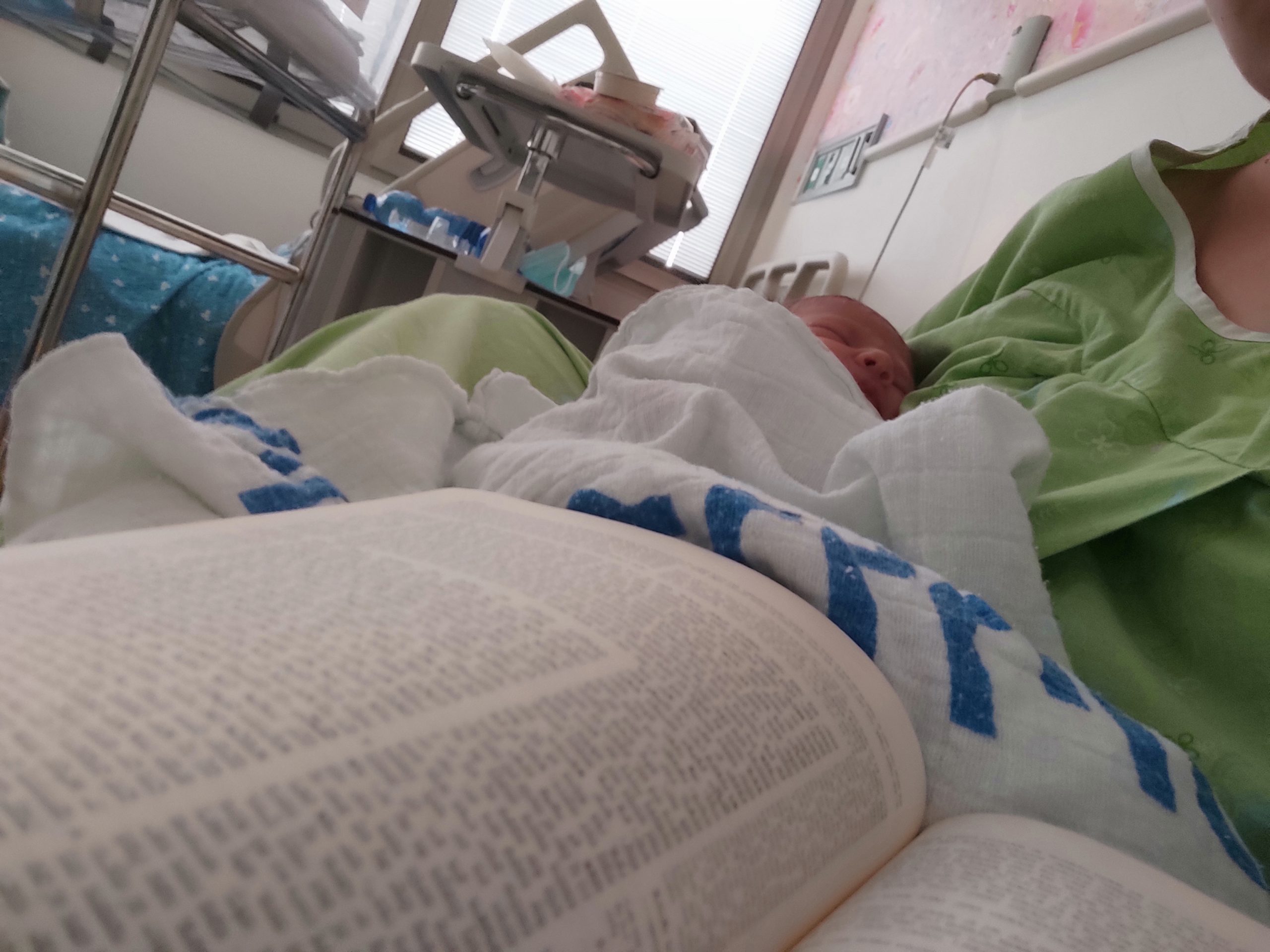
כמו שרואים בתמונה אני ממשיכה ללמוד גם היום ואפילו במחלקת יולדות אחרי לידת ביתי השלישית.
נועה שילה
רבבה, ישראל
בסוף הסבב הקודם ראיתי את השמחה הגדולה שבסיום הלימוד, בעלי סיים כבר בפעם השלישית וכמובן הסיום הנשי בבנייני האומה וחשבתי שאולי זו הזדמנות עבורי למשהו חדש.
למרות שאני שונה בסביבה שלי, מי ששומע על הלימוד שלי מפרגן מאוד.
אני מנסה ללמוד קצת בכל יום, גם אם לא את כל הדף ובסך הכל אני בדרך כלל עומדת בקצב.
הלימוד מעניק המון משמעות ליום יום ועושה סדר בלמוד תורה, שתמיד היה (ועדיין) שאיפה. אבל אין כמו קביעות

רחלי מנדלסון
טל מנשה, ישראל
אחי, שלומד דף יומי ממסכת ברכות, חיפש חברותא ללימוד מסכת ראש השנה והציע לי. החברותא היתה מאתגרת טכנית ורוב הזמן נעשתה דרך הטלפון, כך שבסיום המסכת נפרדו דרכינו. אחי חזר ללמוד לבד, אבל אני כבר נכבשתי בקסם הגמרא ושכנעתי את האיש שלי להצטרף אלי למסכת ביצה. מאז המשכנו הלאה, ועכשיו אנחנו מתרגשים לקראתו של סדר נשים!

שולמית סבן
נוקדים, ישראל
התחלתי כשהייתי בחופש, עם הפרסומים על תחילת המחזור, הסביבה קיבלה את זה כמשהו מתמיד ומשמעותי ובהערכה, הלימוד זה עוגן יציב ביום יום, יש שבועות יותר ויש שפחות אבל זה משהו שנמצא שם אמין ובעל משמעות בחיים שלי….

עדי דיאמנט
גמזו, ישראל
אחרי שראיתי את הסיום הנשי של הדף היומי בבנייני האומה זה ריגש אותי ועורר בי את הרצון להצטרף. לא למדתי גמרא קודם לכן בכלל, אז הכל היה לי חדש, ולכן אני לומדת בעיקר מהשיעורים פה בהדרן, בשוטנשטיין או בחוברות ושיננתם.

רבקה שלוס
בית שמש, ישראל
ראיתי את הסיום הגדול בבנייני האומה וכל כך התרשמתי ורציתי לקחת חלק.. אבל לקח לי עוד כשנה וחצי )באמצע מסיכת שבת להצטרף..
הלימוד חשוב לי מאוד.. אני תמיד במרדף אחרי הדף וגונבת כל פעם חצי דף כשהילדים עסוקים ומשלימה אח”כ אחרי שכולם הלכו לישון..

אולגה מזרחי
ירושלים, ישראל
התחלתי ללמוד בעידוד שתי חברות אתן למדתי בעבר את הפרק היומי במסגרת 929.
בבית מתלהבים מאוד ובשבת אני לומדת את הדף עם בעלי שזה מפתיע ומשמח מאוד! לימוד הדף הוא חלק בלתי נפרד מהיום שלי. לומדת בצהריים ומחכה לזמן הזה מידי יום…

מרים ונגרובר
אפרת, ישראל
"התחלתי ללמוד דף יומי במחזור הזה, בח’ בטבת תש””ף. לקחתי על עצמי את הלימוד כדי ליצור תחום של התמדה יומיומית בחיים, והצטרפתי לקבוצת הלומדים בבית הכנסת בכפר אדומים. המשפחה והסביבה מתפעלים ותומכים.
בלימוד שלי אני מתפעלת בעיקר מכך שכדי ללמוד גמרא יש לדעת ולהכיר את כל הגמרא. זו מעין צבת בצבת עשויה שהיא עצומה בהיקפה.”

שרה פוּקס
כפר אדומים, ישראל
התחלתי ללמוד בסבב הנוכחי לפני כשנתיים .הסביבה מתפעלת ותומכת מאוד. אני משתדלת ללמוד מכל ההסכתים הנוספים שיש באתר הדרן. אני עורכת כל סיום מסכת שיעור בביתי לכ20 נשים שמחכות בקוצר רוח למפגשים האלו.

יעל אשר
יהוד, ישראל
אמא שלי למדה איתי ש”ס משנה, והתחילה ללמוד דף יומי. אני החלטתי שאני רוצה ללמוד גם. בהתחלה למדתי איתה, אח”כ הצטרפתי ללימוד דף יומי שהרב דני וינט מעביר לנוער בנים בעתניאל. במסכת עירובין עוד חברה הצטרפה אלי וכשהתחלנו פסחים הרב דני פתח לנו שעור דף יומי לבנות. מאז אנחנו לומדות איתו קבוע כל יום את הדף היומי (ובשבת אבא שלי מחליף אותו). אני נהנית מהלימוד, הוא מאתגר ומעניין

רננה הלמן
עתניאל, ישראל
אני לומדת גמרא כעשור במסגרות שונות, ואת הדף היומי התחלתי כשחברה הציעה שאצטרף אליה לסיום בבנייני האומה. מאז אני לומדת עם פודקסט הדרן, משתדלת באופן יומי אך אם לא מספיקה, מדביקה פערים עד ערב שבת. בסבב הזה הלימוד הוא "ממעוף הציפור”, מקשיבה במהירות מוגברת תוך כדי פעילויות כמו בישול או נהיגה, וכך רוכשת היכרות עם הסוגיות ואופן ניתוחם על ידי חז”ל. בע”ה בסבב הבא, ואולי לפני, אצלול לתוכו באופן מעמיק יותר.

יעל ביר
רמת גן, ישראל
התחלתי ללמוד גמרא בבית הספר בגיל צעיר והתאהבתי. המשכתי בכך כל חיי ואף היייתי מורה לגמרא בבית הספר שקד בשדה אליהו (בית הספר בו למדתי בילדותי)בתחילת מחזור דף יומי הנוכחי החלטתי להצטרף ובע”ה מקווה להתמיד ולהמשיך. אני אוהבת את המפגש עם הדף את "דרישות השלום ” שמקבלת מקשרים עם דפים אחרים שלמדתי את הסנכרון שמתחולל בין התכנים.

אריאלה ביגמן
מעלה גלבוע, ישראל
בתחילת הסבב הנוכחי הצטברו אצלי תחושות שאני לא מבינה מספיק מהי ההלכה אותה אני מקיימת בכל יום. כמו כן, כאמא לבנות רציתי לתת להן מודל נשי של לימוד תורה
שתי הסיבות האלו הובילו אותי להתחיל ללמוד. נתקלתי בתגובות מפרגנות וסקרניות איך אישה לומדת גמרא..
כמו שרואים בתמונה אני ממשיכה ללמוד גם היום ואפילו במחלקת יולדות אחרי לידת ביתי השלישית.
נועה שילה
רבבה, ישראל
לפני 15 שנה, אחרי עשרות שנים של "ג’ינגול” בין משפחה לקריירה תובענית בהייטק, הצטרפתי לשיעורי גמרא במתן רעננה. הלימוד המעמיק והייחודי של הרבנית אושרה קורן יחד עם קבוצת הנשים המגוונת הייתה חוויה מאלפת ומעשירה. לפני כשמונה שנים כאשר מחזור הדף היומי הגיע למסכת תענית הצטרפתי כ”חברותא” לבעלי. זו השעה היומית שלנו ביחד כאשר דפי הגמרא משתלבים בחיי היום יום, משפיעים ומושפעים, וכשלא מספיקים תמיד משלימים בשבת

יודי אסקוף
רעננה, ישראל
באירוע של הדרן בנייני האומה. בהשראתה של אמי שלי שסיימה את הש”ס בסבב הקודם ובעידוד מאיר , אישי, וילדיי וחברותיי ללימוד במכון למנהיגות הלכתית של רשת אור תורה סטון ומורתיי הרבנית ענת נובוסלסקי והרבנית דבורה עברון, ראש המכון למנהיגות הלכתית.
הלימוד מעשיר את יומי, מחזיר אותי גם למסכתות שכבר סיימתי וידוע שאינו דומה מי ששונה פרקו מאה לשונה פרקו מאה ואחת במיוחד מרתקים אותי החיבורים בין המסכתות

רוית קלך
מודיעין, ישראל
התחלתי ללמוד בשנת המדרשה במגדל עוז, בינתיים נהנית מאוד מהלימוד ומהגמרא, מעניין ומשמח מאוד!
משתדלת להצליח לעקוב כל יום, לפעמים משלימה קצת בהמשך השבוע.. מרגישה שיש עוגן מקובע ביום שלי והוא משמח מאוד!

אוריה קסנר
חיפה , ישראל
אמא שלי למדה איתי ש”ס משנה, והתחילה ללמוד דף יומי. אני החלטתי שאני רוצה ללמוד גם. בהתחלה למדתי איתה, אח”כ הצטרפתי ללימוד דף יומי שהרב דני וינט מעביר לנוער בנים בעתניאל. במסכת עירובין עוד חברה הצטרפה אלי וכשהתחלנו פסחים הרב דני פתח לנו שעור דף יומי לבנות. מאז אנחנו לומדות איתו קבוע כל יום את הדף היומי (ובשבת אבא שלי מחליף אותו). אני נהנית מהלימוד, הוא מאתגר ומעניין
רננה הלמן
עתניאל, ישראל
התחלתי ללמוד לפני כשנתיים בשאיפה לסיים לראשונה מסכת אחת במהלך חופשת הלידה.
אחרי מסכת אחת כבר היה קשה להפסיק…

נעה גלנט
ירוחם, ישראל
התחלתי ללמוד דף יומי באמצע תקופת הקורונה, שאבא שלי סיפר לי על קבוצה של בנות שתיפתח ביישוב שלנו ותלמד דף יומי כל יום. הרבה זמן רציתי להצטרף לזה וזאת הייתה ההזדמנות בשבילי. הצטרפתי במסכת שקלים ובאמצע הייתה הפסקה קצרה. כיום אני כבר לומדת באולפנה ולומדת דף יומי לבד מתוך גמרא של טיינזלץ.

שבות בראלי
עתניאל, ישראל
לצערי גדלתי בדור שבו לימוד גמרא לנשים לא היה דבר שבשגרה ושנים שאני חולמת להשלים את הפער הזה.. עד שלפני מספר שבועות, כמעט במקרה, נתקלתי במודעת פרסומת הקוראת להצטרף ללימוד מסכת תענית. כשקראתי את המודעה הרגשתי שהיא כאילו נכתבה עבורי – "תמיד חלמת ללמוד גמרא ולא ידעת איך להתחיל”, "בואי להתנסות במסכת קצרה וקלה” (רק היה חסר שהמודעה תיפתח במילים "מיכי שלום”..). קפצתי למים ו- ב”ה אני בדרך להגשמת החלום:)
מיכי קדוש
מורשת, ישראל
שבת קכה
אִם זְרָקָהּ מִבְּעוֹד יוֹם לְאַשְׁפָּה — אֲסוּרָה.
If one threw the clay seal of a jug into the garbage dump while it is still day, before Shabbat, it is prohibited to move it on Shabbat because he indicated that he set it aside from use.
אָמַר בַּר הַמְדּוּרֵי אָמַר שְׁמוּאֵל: קְרוּמִיּוֹת שֶׁל מַחְצֶלֶת — מוּתָּר לְטַלְטְלָן בְּשַׁבָּת. מַאי טַעְמָא? אָמַר רָבָא, בַּר הַמְדּוּרֵי אַסְבְּרַהּ לִי: מַחְצֶלֶת גּוּפַהּ לְמַאי חַזְיָא — לְכַסּוֹיֵי בַּהּ עַפְרָא, הָנֵי נָמֵי חַזְיָין לְכַסּוֹיֵי בְּהוּ טִינּוּפָא.
Bar Hamduri said that Shmuel said: With regard to shreds of reeds that separated from a mat, it is permitted to move them on Shabbat. The Gemara asks: What is the reason for this? Rava said: Bar Hamduri explained it to me: The mat itself, for what use is it suited? It is suited to cover dirt with it. These shreds, too, are suited to cover filth with them.
אָמַר רַבִּי זֵירָא אָמַר רַב: שְׁיָרֵי פְּרוּזְמָיוֹת — אָסוּר לְטַלְטְלָן בְּשַׁבָּת. אֲמַר אַבָּיֵי: בְּמַטְלָנִיּוֹת שֶׁאֵין בָּהֶן שָׁלֹשׁ עַל שָׁלֹשׁ, דְּלָא חַזְיָין לָא לַעֲנִיִּים וְלָא לַעֲשִׁירִים.
Rabbi Zeira said that Rav said: With regard to the remains of cloaks [perozemiyyot], it is prohibited to move them on Shabbat. Abaye said: This is referring to small rags that do not have an area of three by three fingerbreadths, that are neither suited for use by the poor nor by the wealthy.
תָּנוּ רַבָּנַן: שִׁבְרֵי תַּנּוּר יָשָׁן הֲרֵי הֵן כְּכׇל הַכֵּלִים הַנִּיטָּלִין בֶּחָצֵר, דִּבְרֵי רַבִּי מֵאִיר. רַבִּי יְהוּדָה אוֹמֵר: אֵין נִיטָּלִין. הֵעִיד רַבִּי יוֹסֵי מִשּׁוּם רַבִּי אֱלִיעֶזֶר בֶּן יַעֲקֹב עַל שִׁבְרֵי תַּנּוּר יָשָׁן שֶׁנִּיטָּלִין בַּשַּׁבָּת, וְעַל כִּיסּוּיוֹ שֶׁאֵינוֹ צָרִיךְ בֵּית יָד.
The Sages taught in the Tosefta: The shards of an old oven may be moved in a courtyard on Shabbat like all of the vessels that may be moved in a courtyard on Shabbat; this is the statement of Rabbi Meir. Rabbi Yehuda says: They may not be moved. Rabbi Yosei testified in the name of Rabbi Eliezer ben Ya’akov about shards of an old oven that may be moved on Shabbat, and about its cover, which does not require a handle.
בְּמַאי קָמִיפַּלְגִי? אָמַר אַבָּיֵי: בְּעוֹשִׂין מֵעֵין מְלָאכָה, וְאֵין עוֹשִׂין מֵעֵין מְלַאכְתָּן קָמִיפַּלְגִי. וְאַזְדָּא רַבִּי יְהוּדָה לְטַעְמֵיהּ, וְרַבִּי מֵאִיר לְטַעְמֵיהּ.
The Gemara asks: With regard to what do they disagree? Abaye said: It is with regard to shards when they serve some function but do not serve a function similar to their own original function that they disagree. And Rabbi Yehuda follows his own line of reasoning, and Rabbi Meir follows his own line of reasoning, as they differed in the mishna.
מַתְקִיף לַהּ רָבָא: אִי הָכִי, אַדְּמִיפַּלְגִי בְּשִׁבְרֵי תַנּוּר, לִיפַּלְגוּ בְּשִׁבְרֵי כֵלִים בְּעָלְמָא?
Rava strongly objects to this: If so, instead of disagreeing with regard to shards of an oven, let them disagree with regard to ordinary shards. Why is the dispute specifically with regard to an oven?
אֶלָּא אָמַר רָבָא: בְּשִׁבְרֵי דְּהַאי תַּנּוּר קָמִיפַּלְגִי. דִּתְנַן: נְתָנוֹ עַל פִּי הַבּוֹר אוֹ עַל פִּי הַדּוּת וְנָתַן שָׁם אֶבֶן, רַבִּי יְהוּדָה אוֹמֵר: אִם מַסִּיק מִלְּמַטָּה וְהוּא נִסּוֹק מִלְּמַעְלָה — טָמֵא, וְאִם לָאו — טָהוֹר. וַחֲכָמִים אוֹמְרִים: הוֹאִיל וְהוּסַּק מִכׇּל מָקוֹם — טָמֵא.
Rather, Rava said: It is with regard to shards of this particular oven that they disagree, as we learned in a mishna: With regard to a clay oven that is not attached to the ground with mortar in the standard manner, but rather, one placed it over the mouth of a pit or over the mouth of a cistern, and he placed a stone there between the wall of the pit and the oven to secure the oven in place, Rabbi Yehuda says: If one heats the oven from beneath the oven, inside the pit, and the oven is thereby heated at the top, the oven serves its standard function; it is a full-fledged utensil and it can become ritually impure. And if it is not attached so tightly that it is heated at the top, it is ritually pure, because it is not a full-fledged vessel. And the Rabbis say: Since it can be heated in some manner, it can become ritually impure, because it serves its standard purpose.
וּבְמַאי קָמִיפַּלְגִי — בְּהַאי קְרָא: ״תַּנּוּר וְכִירַיִם יוּתָּץ טְמֵאִים הֵם וּטְמֵאִים יִהְיוּ לָכֶם״, רַבִּי יְהוּדָה סָבַר: מְחוּסָּר נְתִיצָה — טָמֵא, שֶׁאֵין מְחוּסָּר נְתִיצָה — טָהוֹר. וְרַבָּנַן סָבְרִי: ״טְמֵאִים יִהְיוּ לָכֶם״ — מִכׇּל מָקוֹם.
And with regard to what do they disagree? It is with regard to this verse: “And everything upon which any part of their carcass falls shall be impure; whether oven, or stove, it shall be broken in pieces; they are impure, and they shall be impure to you” (Leviticus 11:35). Rabbi Yehuda holds: An oven that lacks smashing, i.e., it is whole and can be broken, can become impure. One that does not lack smashing, but it is situated in a place where it is not completely effective, is considered broken and is pure, i.e., it cannot become ritually impure. And the Rabbis hold that the verse comes to add: “They shall be impure to you,” in any case, under any circumstances.
וְרַבָּנַן נָמֵי, הָכְתִיב: ״יוּתָּץ״? הָהוּא לְאִידַּךְ גִּיסָא, דְּסָלְקָא דַּעְתָּךְ אָמֵינָא: כֵּיוָן דְּחַבְּרֵיהּ בְּאַרְעָא — כְּגוּפָא דְאַרְעָא דָּמֵי, קָא מַשְׁמַע לַן.
The Gemara asks: And according to the Rabbis, too, isn’t it written: “They shall be broken into pieces,” and why don’t they interpret the verse in the same way that Rabbi Yehuda does? The Gemara explains: The Rabbis understand this verse from another direction, as it could have entered your mind to say: Since he attached it to the ground, its legal status is like that of the ground itself, and anything attached to the ground cannot become impure. Therefore, it teaches us that since it is possible to detach it from the ground, it is indeed impure.
וְאִידַּךְ נָמֵי, הָכְתִיב: ״טְמֵאִים יִהְיוּ לָכֶם״! הָהִיא, כִּדְרַב יְהוּדָה אָמַר שְׁמוּאֵל. דְּאָמַר רַב יְהוּדָה אָמַר שְׁמוּאֵל: מַחֲלוֹקֶת בְּהֶיסֵּק רִאשׁוֹן, אֲבָל בְּהֶיסֵּק שֵׁנִי, אֲפִילּוּ תָּלוּי בְּצַוַּאר גָּמָל.
The Gemara asks: And according to the other tanna, Rabbi Yehuda, too, isn’t it written: “They shall be impure to you”? The Gemara answers: He understood that verse in accordance with that which Rav Yehuda said that Shmuel said, as Rav Yehuda said that Shmuel said: The dispute between Rabbi Yehuda and the Rabbis is specifically with regard to the first lighting. The first lighting transforms an earthenware oven that did not yet completely dry into a vessel. However, with regard to the second lighting they do not disagree, even if it was hanging around a camel’s neck; since it had already been fired up once, it is impure.
אָמַר עוּלָּא: וְהֶיסֵּק רִאשׁוֹן לְרַבָּנַן, אֲפִילּוּ תָּלוּי בְּצַוַּאר גָּמָל.
Ulla says: And with regard to the first lighting according to the Rabbis, even if it was hanging around a camel’s neck, since it had already been fired up once it is a full-fledged oven and is impure.
מַתְקֵיף לַהּ רַב אָשֵׁי: אִי הָכִי, אַדְּמִיפַּלְגִי בְּשִׁבְרֵי תַנּוּר, לִיפַּלְגוּ בְּתַנּוּר גּוּפֵהּ. הַשְׁתָּא תַּנּוּר גּוּפֵהּ לְרַבִּי יְהוּדָה לָא הָוֵי מָנָא, שְׁבָרָיו מִיבַּעְיָא?!
Rav Ashi strongly objects to this line of reasoning: If so, instead of disagreeing with regard to the shards of an oven, let them disagree with regard to the oven itself. Now the oven itself, according to Rabbi Yehuda, is not considered a vessel; therefore, to say that its broken pieces are not vessels, is it necessary?
אֶלָּא אָמַר רַב אָשֵׁי: לְעוֹלָם כְּדַאֲמַרַן מֵעִיקָּרָא וּבְעוֹשֶׂה מַעֲשֵׂה טַפְקָא, וְרַבִּי מֵאִיר לִדְבָרָיו דְּרַבִּי יְהוּדָה קָאָמַר: לְדִידִי אֲפִילּוּ בְּעוֹשִׂין מֵעֵין מְלָאכָה, אֶלָּא לְדִידָךְ, אוֹדִי לִי מִיהָא דִּכְהַאי גַּוְונָא מְלַאכְתּוֹ הוּא!
Rather, Rav Ashi said: Actually, it is as we said initially, that it is referring to shards of any oven, and with which he crafts a ceramic board [tapka], and Rabbi Meir is speaking in accordance with the statement of Rabbi Yehuda: According to my opinion, it is permitted to move even shards that serve any purpose. However, according to your opinion, agree with me at least that in a case of this sort, it is a function similar to their own original function. The shards can be used for baking.
וְרַבִּי יְהוּדָה: לָא דָּמֵי, הָתָם — הֶסֵּקוֹ מִבִּפְנִים, הָכָא — הֶסֵּקוֹ מִבַּחוּץ. הָתָם — מְעוּמָּד, הָכָא — לָאו מְעוּמָּד.
And Rabbi Yehuda says: It is not similar. There, in the case of an intact oven, its firing is from within. Here, with regard to the shard, its firing is from without. There, in the case of an intact oven, it bakes standing; here, it does not bake standing. Therefore, its function is not similar to its original function.
הֵעִיד רַבִּי יוֹסֵי מִשּׁוּם רַבִּי אֱלִיעֶזֶר בֶּן יַעֲקֹב עַל שִׁבְרֵי תַּנּוּר יָשָׁן שֶׁנִּיטָּלִין בַּשַּׁבָּת, וְעַל כִּיסּוּיוֹ שֶׁאֵינוֹ צָרִיךְ בֵּית יָד. אָמַר רָבִינָא: כְּמַאן מְטַלְטְלִינַן הָאִידָּנָא כִּיסּוּי דְּתַנּוּרֵי דְמָתָא מַחְסֵיָא דְּאֵין לָהֶם בֵּית אֲחִיזָה? כְּמַאן — כְּרַבִּי אֱלִיעֶזֶר בֶּן יַעֲקֹב.
In that same Tosefta where Rabbi Yosei testified in the name of Rabbi Eliezer ben Ya’akov about shards of an old oven that may be moved on Shabbat, and about its cover, which does not require a handle, and which is considered a vessel and may be moved as is, Ravina says: In accordance with whose opinion do we now move the oven covers in the city of Meḥasya that do not have handles? In accordance with whose opinion is it? It is in accordance with the opinion of Rabbi Eliezer ben Ya’akov.
מַתְנִי׳ הָאֶבֶן שֶׁבְּקֵירוּיָה, אִם מְמַלְּאִין בָּהּ וְאֵינָהּ נוֹפֶלֶת — מְמַלְּאִין בָּהּ, וְאִם לָאו — אֵין מְמַלְּאִין בָּהּ.
MISHNA: A stone that is in a gourd used to draw water [kiruya], if they fill it with water and the stone does not fall, one may fill with it on Shabbat, and if not, and the stone does fall, one may not fill with it.
זְמוֹרָה שֶׁהִיא קְשׁוּרָה בַּטָּפִיחַ — מְמַלְּאִין בָּהּ בְּשַׁבָּת.
With regard to a vine branch that is tied to a pitcher, one may fill water with it on Shabbat because the branch became part of the vessel.
פְּקַק הַחַלּוֹן, רַבִּי אֱלִיעֶזֶר אוֹמֵר: בִּזְמַן שֶׁהוּא קָשׁוּר וְתָלוּי — פּוֹקְקִין בּוֹ, וְאִם לָאו — אֵין פּוֹקְקִין בּוֹ. וַחֲכָמִים אוֹמְרִים: בֵּין כָּךְ וּבֵין כָּךְ — פּוֹקְקִין בּוֹ.
With regard to a window shutter, Rabbi Eliezer says: When it is tied to and hanging from the window, i.e., it is not touching the ground, one may shutter the window with it, because it is not considered building; and if not, i.e., it is touching the ground, one may not shutter the window with it. And the Rabbis say: Both in this case and in that case one may shutter with it.
גְּמָ׳ תְּנַן הָתָם: אֶבֶן שֶׁעַל פִּי הֶחָבִית — מַטָּהּ עַל צִידָּהּ, וְהִיא נוֹפֶלֶת. אָמַר רַבָּה אָמַר רַבִּי אַמֵּי אָמַר רַבִּי יוֹחָנָן: לֹא שָׁנוּ אֶלָּא בְּשׁוֹכֵחַ, אֲבָל בְּמַנִּיחַ — נַעֲשָׂה בָּסִיס לְדָבָר הָאָסוּר. וְרַב יוֹסֵף אָמַר רַבִּי אַסִּי אָמַר רַבִּי יוֹחָנָן: לֹא שָׁנוּ אֶלָּא בְּשׁוֹכֵחַ, אֲבָל בְּמַנִּיחַ — נַעֲשָׂה כִּיסּוּי לֶחָבִית.
GEMARA: We learned in a mishna there: In the case of a stone that is atop a barrel and one wants to open the barrel, he tilts the barrel on its side and the stone falls. Rabba said that Rabbi Ami said that Rabbi Yoḥanan said: They only taught this in a case where one forgets the stone atop the barrel; however, in a case where one places the stone atop the barrel intentionally, the barrel becomes a base for a prohibited object, and it is therefore prohibited to move the barrel. And Rav Yosef said that Rabbi Asi said that Rabbi Yoḥanan said: They only taught this in a case where one forgets it; however, in a case where one places it there, the stone becomes a cover for the barrel and it is permitted to use it like other barrel covers.
אָמַר רַבָּה, מוֹתְבִינַן אַשְּׁמַעְתִּין: הָאֶבֶן שֶׁבְּקֵירוּיָה אִם מְמַלְּאִין בָּהּ וְאֵינָהּ נוֹפֶלֶת — מְמַלְּאִין בָּהּ! וְלָא הִיא. הָתָם, כֵּיוָן דְּהַדְּקַהּ — שַׁוְּיַהּ דּוֹפֶן.
Rabba said: We raise an objection to our halakha from the mishna: With regard to a stone that is in a gourd used to draw water, if they fill it with water and the stone does not fall, one may fill with it on Shabbat. Apparently, if the stone is designated for a purpose, it is no longer set-aside. He rejects the proof: And that is not so, as these cases are not comparable. There, in the case of the stone in the gourd, since one attached it to the gourd, he rendered the stone a wall of the gourd and part of the vessel, unlike in the case of the stone atop the barrel.
אָמַר רַב יוֹסֵף, וּמוֹתְבִינַן אַשְּׁמַעְתִּין: אִם לָאו — אֵין מְמַלְּאִין בָּהּ! וְלָא הִיא. הָתָם, כֵּיוָן דְּלָא הַדְּקַהּ — בַּטּוֹלֵי בַּטְּלַהּ.
Rav Yosef said: And we raise an objection to our halakha from the mishna: And if not, and the stone does fall, one may not fill with it. A stone that is not attached is not considered to be part of the vessel and is therefore set-aside. He rejects the proof. And that is not so, as these cases are not comparable. There, since he did not attach the stone to the gourd, he negates its status as a part of the vessel and it remains set-aside.
בְּמַאי קָמִיפַּלְגִי? מָר סָבַר בָּעֵינַן מַעֲשֶׂה, וּמָר סָבַר לָא בָּעֵינַן מַעֲשֶׂה.
The Gemara explains: With regard to what do they disagree? One Sage, Rabba, holds that we require an action to change the status of a stone or another set-aside object into a vessel, and one Sage, Rav Yosef, holds that we do not require an action.
וְאָזְדוּ לְטַעְמַיְיהוּ, דְּכִי אֲתָא רַב דִּימִי אָמַר רַבִּי חֲנִינָא, וְאָמְרִי לַהּ אָמַר רַבִּי זֵירָא אָמַר רַבִּי חֲנִינָא: פַּעַם אַחַת הָלַךְ רַבִּי לְמָקוֹם אֶחָד וּמָצָא נִדְבָּךְ שֶׁל אֲבָנִים, וְאָמַר לְתַלְמִידָיו: צְאוּ וְחַשְּׁבוּ כְּדֵי שֶׁנֵּשֵׁב עֲלֵיהֶן לְמָחָר, וְלֹא הִצְרִיכָן רַבִּי לְמַעֲשֶׂה.
And they, Rabbi Ami and Rabbi Asi, follow their regular line of reasoning, as when Rav Dimi came from Eretz Yisrael to Babylonia he said that Rabbi Ḥanina said, and some say that it was Rabbi Zeira who said that Rabbi Ḥanina said: Once Rabbi Yehuda HaNasi went to one place and found a course of building stones, and he said to his students: Go out and think that you are designating these stones for Shabbat so that we may sit on them tomorrow on Shabbat, and Rabbi Yehuda HaNasi did not require them to perform an action with those stones. Thought alone was sufficient.
רַבִּי יוֹחָנָן אָמַר: הִצְרִיכָן רַבִּי לְמַעֲשֶׂה. מַאי אֲמַר לְהוּ? רַבִּי אַמֵּי אָמַר: ״צְאוּ וְלַמְּדוּם״ אֲמַר לְהוּ. רַבִּי אַסִּי אָמַר: ״צְאוּ וְשַׁפְשְׁפוּם״ אֲמַר לְהוּ.
Rabbi Yoḥanan said: That is not what happened. Rabbi Yehuda HaNasi required them to perform an action to designate the stones. The Gemara asks: What action did he say to them to perform? Rabbi Ami said that Rabbi Yehuda HaNasi said to them: Go out and arrange the stones. Rabbi Asi said that he said to them: Go out and rub the mortar off of them. Rabbi Ami requires a more significant action to render the stones a vessel.
אִיתְּמַר, רַבִּי יוֹסֵי בֶּן שָׁאוּל אָמַר: סְוָאר שֶׁל קוֹרוֹת הֲוָה. וְרַבִּי יוֹחָנָן בֶּן שָׁאוּל אָמַר: גָּשׁוֹשׁ שֶׁל סְפִינָה הֲוָה. מַאן דַּאֲמַר גָּשׁוֹשׁ — כׇּל שֶׁכֵּן סְוָאר, וּמַאן דְּאָמַר סְוָאר — אֲבָל גָּשׁוֹשׁ קָפֵיד עֲלֵיהּ.
It was stated that there was a dispute with regard to this matter. Rabbi Yosei ben Shaul said: It was a new stack of beams, not stones. And Rabbi Yoḥanan ben Shaul said: It was the sounding pole of a ship used to determine the depth of the water. The one who said that Rabbi Yehuda HaNasi permitted sitting on a ship’s sounding pole, all the more so he permitted doing so in the case of beams. And with regard to the one who said that Rabbi Yehuda HaNasi permitted sitting on a stack of beams, but in the case of the sounding pole he would prohibit doing so because it is set-aside due to monetary loss, as he is particular about it that it will not become warped and damaged.
זְמוֹרָה שֶׁהִיא קְשׁוּרָה כּוּ׳. קְשׁוּרָה — אִין, לֹא קְשׁוּרָה — לָא. לֵימָא מַתְנִיתִין דְּלָא כְּרַבָּן שִׁמְעוֹן בֶּן גַּמְלִיאֵל.
We learned in the mishna: With regard to a vine branch that is tied to a pitcher, one may fill water with it on Shabbat. The Gemara infers: If it is tied, yes, it is permitted; if it is not tied, no, it is prohibited. Let us say that the mishna is not in accordance with the opinion of Rabban Shimon ben Gamliel.
דְּתַנְיָא: חֲרִיּוֹת שֶׁל דֶּקֶל שֶׁגְּדָרָן לְעֵצִים וְנִמְלַךְ עֲלֵיהֶן לִישִׁיבָה — צָרִיךְ לִקְשׁוֹר. רַבָּן שִׁמְעוֹן בֶּן גַּמְלִיאֵל אוֹמֵר: אֵין צָרִיךְ לִקְשׁוֹר.
As it was taught in a baraita: With regard to hard branches of a palm tree that one cut for firewood or for construction, and then he reconsidered their designation and decided to use them for sitting, he must tie the branches together on Shabbat eve so that they will not be set-aside. Rabban Shimon ben Gamliel says: He need not tie them together, and nevertheless, it is permitted to move them. According to Rabban Shimon ben Gamliel, cut wood need not be specially prepared to be used on Shabbat.
אָמַר רַב שֵׁשֶׁת: אֲפִילּוּ תֵּימָא רַבָּן שִׁמְעוֹן בֶּן גַּמְלִיאֵל, הָכָא בְּמַאי עָסְקִינַן — בִּמְחוּבֶּרֶת בְּאִבֶּיהָ. אִי הָכִי, קָא מִשְׁתַּמֵּשׁ בִּמְחוּבָּר לַקַּרְקַע! לְמַטָּה מִשְּׁלֹשָׁה. רַב אָשֵׁי אָמַר: אֲפִילּוּ תֵּימָא בִּתְלוּשָׁה, גְּזֵירָה שֶׁמָּא יִקְטוֹם.
Rav Sheshet says: Even if you say that the mishna is in accordance with the opinion of Rabban Shimon ben Gamliel, with what are we dealing here? With a case where the shoot is still connected to its origin, the vine. The Gemara asks: If so, he is making use of an item that is attached to the ground, and the Sages issued a decree prohibiting the use of any plant attached to the ground. The Gemara answers: This is referring to a branch attached to the vine below three handbreadths off the ground. A vine attached to the ground below three handbreadths off the ground was not prohibited in that decree, just as it is permitted to make use of tree roots adjacent to the ground. Rav Ashi said: Even if you say that it is referring to a branch that is detached, nevertheless, its use is prohibited due to the decree lest one cut and straighten the branch to prepare it for use with the bucket. Therefore, Rabban Shimon ben Gamliel teaches that there is no need for concern.
פְּקַק הַחַלּוֹן כּוּ׳. אָמַר רַבָּה בַּר בַּר חָנָה אָמַר רַבִּי יוֹחָנָן: הַכֹּל מוֹדִים שֶׁאֵין עוֹשִׂין אֹהֶל עֲרַאי בַּתְּחִלָּה בְּיוֹם טוֹב, וְאֵין צָרִיךְ לוֹמַר בְּשַׁבָּת. לֹא נֶחְלְקוּ אֶלָּא לְהוֹסִיף. שֶׁרַבִּי אֱלִיעֶזֶר אוֹמֵר: אֵין מוֹסִיפִין בְּיוֹם טוֹב, וְאֵין צָרִיךְ לוֹמַר בְּשַׁבָּת. וַחֲכָמִים אוֹמְרִים: מוֹסִיפִין בְּשַׁבָּת, וְאֵין צָרִיךְ לוֹמַר בְּיוֹם טוֹב.
We learned in the mishna that Rabbi Eliezer and the Rabbis dispute the case of a window shutter and in what manner one is permitted to shutter a window on Shabbat. Rabba bar bar Ḥana said that Rabbi Yoḥanan said: Everyone agrees that one may not construct a temporary tent on a Festival for the first time, and needless to say, one may not do so on Shabbat. The tanna’im disagree only with regard to adding to an existing tent, as Rabbi Eliezer says: One may not add to an existing structure on a Festival, and needless to say, one may not do so on Shabbat. And the Rabbis say: One may add to a temporary structure on Shabbat, and needless to say, one may do so on a Festival.
וַחֲכָמִים אוֹמְרִים: בֵּין כָּךְ וּבֵין כָּךְ פּוֹקְקִין בּוֹ. מַאי ״בֵּין כָּךְ וּבֵין כָּךְ״? אָמַר רַבִּי אַבָּא אָמַר רַב כָּהֲנָא:
We learned in the mishna that the Rabbis say: Both in this case and in that case one may shutter with it. The Gemara asks: What is the meaning of: Both in this case and in that case, in this context? Rabbi Abba said that Rav Kahana said:
לעקוב

