חיפוש

שבת קלב

רוצה להקדיש לימוד?

podcast placeholder

0:00
0:00


תקציר

השיעור היום מוקדש על ידי רובין סמואלס לרפואה שלמה ומהירה ליעקב וולף בן ציפה. 

מניין לר׳ אליעזר שמכשירי מילה דוחה שבת. מניין לנו שמילה דוחה שבת. הגמרא מביאה שבע אפשרויות שונות ודנה בכל אחד מהם. הגמרא מביאה ברייתא לחזק דעת ר’ יוחנן שלומדים מהמילה "ביום” שדוחה שבת. בברייתא מציעים שתי אופציות – או שמילה דוחה שבת או שלא. רבא מנסה להבין את ההגיון מאחורי כל אפשרות. האם שבת יותר חמור מאיסור קציצת צרעת או להיפך. ברייתא מתייחסים לכך שברית מילה דוחה את האיסור לא תעשה לקצץ נגע צרעת. הגמרא מבאיה ברייתא שמביאה את המקור לדין הזה. וכמו בברייתא הקודמת, יש שתי אפשרויות – להגיד שדוחה ולהגיד שלא דוחה ובסוף דורשים מפסוק. הגמרא מביאה שתי אפשרויות שונות להבין את ההגיון שעומד מאחורי שתי הדעות האלו.


שבת קלב

שֶׁכֵּן אִם עָבַר זְמַנָּהּ בָּטְלָה. אֶלָּא הַיְינוּ טַעְמָא דְּרַבִּי אֱלִיעֶזֶר, דְּאָמַר קְרָא: ״וּבַיּוֹם הַשְּׁמִינִי יִמּוֹל בְּשַׂר עׇרְלָתוֹ״, וַאֲפִילּוּ בְּשַׁבָּת.

in each, as if its time passed, it is void, unlike the mitzva of circumcision, which can be fulfilled at a later date if the child is not circumcised on the eighth day. Rather, this is the reason for the opinion of Rabbi Eliezer, as the verse says: “And on the eighth day the flesh of his foreskin shall be circumcised” (Leviticus 12:3), indicating that he is circumcised on the eighth day even if it falls on Shabbat.

וְלִיכְתּוֹב רַחֲמָנָא בְּמִילָה, וְלֵיתוֹ הָנָךְ וְלִיגְמְרוּ מִינֵּיהּ! מִשּׁוּם דְּאִיכָּא לְמִיפְרַךְ: מָה לְמִילָה שֶׁכֵּן נִכְרְתוּ עָלֶיהָ שְׁלֹשׁ עֶשְׂרֵה בְּרִיתוֹת.

The Gemara asks: And let the Torah write this principle only with regard to the mitzva of circumcision, and let these other mitzvot come and derive their halakhot from it. The Gemara answers: Because this suggestion can be refuted: What is unique about the mitzva of circumcision? That thirteen covenants were established over it, as the word covenant is mentioned thirteen times in the passage dealing with the circumcision of Abraham (Genesis 17). Owing to its great significance, other mitzvot cannot be derived from it.

עַד כָּאן לָא פְּלִיגִי רַבָּנַן עֲלֵיהּ אֶלָּא בְּמַכְשִׁירֵי מִילָה, אֲבָל מִילָה גּוּפַהּ דִּבְרֵי הַכֹּל דּוֹחָה שַׁבָּת, מְנָלַן? אֲמַר עוּלָּא: הֲלָכָה. וְכֵן אָמַר רַבִּי יִצְחָק הֲלָכָה.

The Gemara departs from the facilitators of circumcision to the halakha of circumcision itself and asks: The Rabbis only disagree with Rabbi Eliezer with regard to actions that facilitate circumcision, which, in their view, do not override Shabbat; however, with regard to circumcision itself, everyone agrees that it overrides Shabbat. From where do we derive this halakha? Ulla said: This is a halakha transmitted to Moses from Sinai, but there is no biblical basis for it. And so too, Rabbi Yitzḥak said: It is a halakha transmitted to Moses from Sinai.

מֵיתִיבִי: מִנַּיִין לְפִיקּוּחַ נֶפֶשׁ שֶׁדּוֹחֶה אֶת הַשַּׁבָּת? רַבִּי אֶלְעָזָר בֶּן עֲזַרְיָה אוֹמֵר: מָה מִילָה שֶׁהִיא אַחַת מֵאֵיבָרָיו שֶׁל אָדָם דּוֹחָה אֶת הַשַּׁבָּת — קַל וָחוֹמֶר לְפִיקּוּחַ נֶפֶשׁ שֶׁדּוֹחֶה אֶת הַשַּׁבָּת.

The Gemara raises an objection from that which was taught in the Tosefta: From where is it derived that saving a life overrides Shabbat? Rabbi Elazar ben Azarya says it is derived from the mitzva of circumcision: Just as circumcision, which pertains to only one of a person’s limbs, overrides Shabbat, all the more so it is an a fortiori inference that saving a life, which is a mitzva that pertains to the entire person, overrides Shabbat.

וְאִי סָלְקָא דַּעְתָּךְ הֲלָכָה — קַל וָחוֹמֶר מֵהֲלָכָה מִי אָתֵי? וְהָתַנְיָא, אָמַר לוֹ רַבִּי אֶלְעָזָר בֶּן עֲזַרְיָה: עֲקִיבָא, עֶצֶם כִּשְׂעוֹרָה (מְטַמֵּא) הֲלָכָה, וּרְבִיעִית דָּם קַל וָחוֹמֶר, וְאֵין דָּנִין קַל וָחוֹמֶר מֵהֲלָכָה.

And if it should enter your mind to say that circumcision may be performed on Shabbat based on a halakha transmitted to Moses from Sinai, is an a fortiori inference derived from a halakha transmitted to Moses from Sinai? Wasn’t it taught explicitly in a baraita that an a fortiori inference cannot be derived from a halakha transmitted to Moses from Sinai? Rabbi Akiva sought to derive that a nazirite who comes into contact with a quarter log of blood from a corpse becomes ritually impure and is required to shave his hair. He sought to do this based on an a fortiori inference from the halakha of the bone from a dead person the size of a grain of barley, as he had a received tradition that a nazirite is required to shave his hair due to that contact. Rabbi Elazar ben Azarya said to him: Akiva, the halakha that a bone the size of a grain of barley transmits ritual impurity is a halakha transmitted to Moses from Sinai, and you would derive from it that a quarter of a log of blood transmits ritual impurity based upon an a fortiori inference, and one does not derive an a fortiori inference from a halakha transmitted to Moses from Sinai. The Tosefta explicitly states that Rabbi Elazar ben Azarya himself derived an a fortiori inference from the halakha of circumcision on Shabbat. Clearly, then, it is derived from the Torah itself and not from a halakha transmitted to Moses from Sinai.

אֶלָּא אָמַר רַבִּי אֶלְעָזָר: אָתְיָא ״אוֹת״ ״אוֹת״.

Rather, Rabbi Elazar said: This halakha is derived by means of a verbal analogy between the word sign that appears with regard to circumcision: “And you shall be circumcised in the flesh of your foreskin; and it shall be a sign of the covenant between Me and you” (Genesis 17:11), and sign that appears with regard to Shabbat: “However, you shall keep My Shabbatot, for it is a sign between Me and you throughout your generations” (Exodus 31:13). From this verbal analogy, it is derived that circumcision, which is a sign, may be performed even on Shabbat, which is itself a sign.

אֶלָּא מֵעַתָּה, תְּפִילִּין דִּכְתִיב בְּהוּ ״אוֹת״, לִידְחֵי שַׁבָּת!

The Gemara asks: But if what you say is so, phylacteries, with regard to which the term sign is also written: “And it shall be for a sign on your hand and for frontlets between your eyes” (Exodus 13:16), should also override Shabbat, and they should be donned on that day.

אֶלָּא אָתְיָא ״בְּרִית״ ״בְּרִית״.

Rather, this principle is derived by means of a different verbal analogy from the word covenant that appears with regard to circumcision: “And you shall be circumcised in the flesh of your foreskin; and it shall be a sign of the covenant between Me and you” (Genesis 17:11), and the word covenant that appears with regard to Shabbat: “The children of Israel shall keep the Shabbat, to observe the Shabbat throughout their generations for a perpetual covenant” (Exodus 31:16).

גָּדוֹל, דִּכְתִיב בֵּיהּ ״בְּרִית״, לִידְחֵי שַׁבָּת!

The Gemara raises a difficulty: If this is so, then the circumcision of an adult should also be permitted on Shabbat and it should not be limited to a child on the eighth day, as the term covenant is written with regard to him as well, as it applies to any Jewish male not yet circumcised. Therefore, let his circumcision override Shabbat. The halakha, however, is that only circumcision at its proper time on the eighth day overrides Shabbat.

אֶלָּא אָתְיָא ״דּוֹרוֹת״ ״דּוֹרוֹת״.

Rather, this halakha is derived by means of a verbal analogy between the word generations that appears with regard to Shabbat: “Throughout their generations for a perpetual covenant” (Exodus 31:16), and the word generations that appears with regard to circumcision: “And I shall establish My covenant between Me and you, and between your seed after you throughout their generations, for an everlasting covenant” (Genesis 17:7).

צִיצִית, דִּכְתִיב בֵּיהּ ״דּוֹרוֹת״, לִידְחֵי שַׁבָּת!

The Gemara asks: If so, let ritual fringes too, with regard to which the term generations is also written, override Shabbat, and it should be permitted to affix ritual fringes to a garment on Shabbat.

אֶלָּא אָמַר רַב נַחְמָן בַּר יִצְחָק: דָּנִין ״אוֹת״ ״בְּרִית״ וְ״דוֹרוֹת״ מֵ״אוֹת״ ״בְּרִית״ וְ״דוֹרוֹת״ — לְאַפּוֹקֵי הָנָךְ, דְּחַד חַד הוּא דִּכְתִיב בָּהֶן.

Rather, Rav Naḥman bar Yitzḥak said: This halakha is derived not from one common word alone, but one derives it based upon the three words sign, covenant, and generations that appear with regard to circumcision, from sign, covenant, and generations that appear with regard to Shabbat, to the exclusion of these, i.e., ritual fringes and phylacteries, that with regard to each of them, one of these is written but not all three words together.

וְרַבִּי יוֹחָנָן אָמַר: אָמַר קְרָא ״בַּיּוֹם״. ״בַּיּוֹם״, אֲפִילּוּ בְּשַׁבָּת.

And Rabbi Yoḥanan said: The verse says: “And on the eighth day…shall be circumcised” (Leviticus 12:3), which means that the child is circumcised on the eighth day whenever it occurs, even on Shabbat.

אֲמַר לֵיהּ רֵישׁ לָקִישׁ לְרַבִּי יוֹחָנָן: אֶלָּא מֵעַתָּה מְחוּסְּרֵי כַּפָּרָה, דִּכְתִיב בְּהוּ ״בַּיּוֹם״, הָכִי נָמֵי דְּדָחוּ שַׁבָּת?! הַהוּא מִיבְּעֵי לֵיהּ בַּיּוֹם וְלֹא בַּלַּיְלָה.

Reish Lakish said to Rabbi Yoḥanan: But if what you say is so, then, with regard to those lacking atonement, such as a zav or a healed leper, who must after their immersion still bring an atonement offering in order to complete their purification process, with regard to whom the term on the day is also written, as in the verse: “And on the eighth day he shall take two he-lambs without blemish, and one ewe-lamb of the first year without blemish” (Leviticus 14:10), sacrificing their atonement offerings should also override Shabbat. Rabbi Yoḥanan responded: That verse is necessary to teach that the sacrifice must be brought during the day and not at night.

הַאי נָמֵי, מִיבְּעֵי לֵיהּ בַּיּוֹם וְלֹא בַּלַּיְלָה! הָהוּא מִ״בֶּן שְׁמֹנַת יָמִים״ נָפְקָא.

Reish Lakish asked: This verse with regard to the mitzva of circumcision is also necessary to teach that circumcision must be performed during the day and not at night. Rabbi Yoḥanan replied: That is derived from a different verse, which states: “And he that is eight days old shall be circumcised among you throughout your generations” (Genesis 17:12). That circumcision must take place during the day is derived from that verse.

הַאי נָמֵי, מִ״בְּיוֹם צַוּוֹתוֹ״ נָפְקָא!

Reish Lakish says: That matter, that the atonement offering must be sacrificed during the day, can also be derived from a different verse, as it is stated: “This is the law of the burnt-offering, of the meal-offering, and of the sin-offering, and of the guilt-offering, and of the consecration-offering, and of the sacrifice of the peace-offerings; which the Lord commanded Moses at Mount Sinai on the day He commanded the children of Israel to present their offerings to the Lord in the wilderness of Sinai” (Leviticus 7:37–38), and from here it is derived that all offerings are sacrificed by day and not at night.

אַף עַל גַּב דְּנָפְקָא מִ״בְּיוֹם צַוּוֹתוֹ״, אִצְטְרִיכָא. סָלְקָא דַּעְתָּךְ אָמֵינָא: הוֹאִיל וְחָס רַחֲמָנָא עֲלֵיהּ לְאֵתוֹיֵי בְּדַלּוּת, בַּלַּיְלָה נָמֵי לַיְתֵי, קָא מַשְׁמַע לַן.

The Gemara answers: Although this halakha is derived from: “On the day He commanded,” an additional source is necessary for those lacking atonement. It might have entered your mind to say that since the Torah shows him mercy by allowing him to bring an offering of poverty, as if one cannot afford to sacrifice the regular atonement offering, the Torah enables him to sacrifice a less costly one, let him also bring it at night, as perhaps the Torah shows him mercy and allows him to hasten his atonement. Therefore, it teaches us that he too must bring his offering only by day and not at night.

מַתְקֵיף לַהּ רָבִינָא: אֶלָּא מֵעַתָּה, יְהֵא זָר כָּשֵׁר בָּהֶן, וִיהֵא אוֹנֵן כָּשֵׁר בָּהֶן! הָא אַהְדְּרֵיהּ קְרָא.

Ravina strongly objects to this reasoning: But if what you say is so, that the Torah has compassion on a person lacking atonement and is lenient with regard to the halakhot of the atonement offering, a non-priest should be fit to sacrifice them, and similarly, a priest who is an acute mourner, i.e., one whose relative died that same day and has not yet been buried, should be fit to sacrifice them. The Gemara answers: The verse has restored this. The additional verse that teaches that even one lacking atonement must sacrifice during the day, also teaches that the Torah was lenient with regard to this offering only in the ways explicitly stated in the Torah.

רַב אַחָא בַּר יַעֲקֹב אָמַר: אָמַר קְרָא: ״שְׁמִינִי״. ״שְׁמִינִי״, אֲפִילּוּ בְּשַׁבָּת.

Rav Aḥa bar Ya’akov said: There is a different proof from the Torah that circumcision is performed even on Shabbat, for the verse said: “On the eighth day,” underscoring that circumcision is performed specifically on the eighth day and indicating that it is performed even on Shabbat.

הַאי ״שְׁמִינִי״ מִיבְּעֵי לֵיהּ לְמַעוֹטֵי שְׁבִיעִי! שְׁבִיעִי מִ״בֶּן שְׁמֹנַת יָמִים״ נָפְקָא.

The Gemara raises a difficulty: This usage of the term eighth is necessary to exclude the seventh day, i.e., a child may not be circumcised before the eighth day. The Gemara answers: The fact that one may not circumcise on the seventh day is derived from a different verse, as it is stated: “And he that is eight days old shall be circumcised among you throughout your generations” (Genesis 17:12).

וְאַכַּתִּי מִיבְּעֵי לֵיהּ, חַד לְמַעוֹטֵי שְׁבִיעִי, וְחַד לְמַעוֹטֵי תְּשִׁיעִי. דְּאִי מֵחַד, הֲוָה אָמֵינָא: שְׁבִיעִי הוּא דְּלָא מְטָא זִמְנֵיהּ, אֲבָל מִשְּׁמִינִי וְאֵילָךְ זִמְנֵיהּ הוּא! אֶלָּא מְחַוַּורְתָּא כִּדְרַבִּי יוֹחָנָן.

The Gemara raises a further difficulty: Both verses are still necessary, one to exclude the seventh day and one to exclude the ninth day. As if it were derived from one verse alone, I would have said: It is on the seventh day that one may not circumcise, since the time to circumcise this child has not yet arrived and the obligation of circumcision is not yet in effect; however, from the eighth day and onward is its time, and therefore it is permissible to postpone a circumcision until the ninth day. No answer was found to this question, and the Gemara concludes: Rather, the derivation is clear according to Rabbi Yoḥanan.

תַּנְיָא כְּווֹתֵיהּ דְּרַבִּי יוֹחָנָן, וּדְלָא כְּרַב אַחָא בַּר יַעֲקֹב: ״שְׁמִינִי יִמּוֹל״ — אֲפִילּוּ בְּשַׁבָּת, וּמָה אֲנִי מְקַיֵּים ״מְחַלְּלֶיהָ מוֹת יוּמָת״ — בִּשְׁאָר מְלָאכוֹת חוּץ מִמִּילָה. אוֹ אֵינוֹ אֶלָּא אֲפִילּוּ מִילָה, וּמָה אֲנִי מְקַיֵּים ״שְׁמִינִי יִמּוֹל״ — חוּץ מִשַּׁבָּת, תַּלְמוּד לוֹמַר: ״בַּיּוֹם״ — אֲפִילּוּ בְּשַׁבָּת.

It was taught in a baraita in accordance with the opinion of Rabbi Yoḥanan and not in accordance with the opinion of Rav Aḥa bar Ya’akov, as the tanna interprets the phrase: “On the eighth day he shall be circumcised” to mean that the circumcision must be performed even on Shabbat. And how do I fulfill the prohibition against performing prohibited labor explicit in the Torah in the verse: “And you shall guard the Shabbat, for it is holy to you; he who desecrates it shall surely die” (Exodus 31:14)? That is referring to other prohibited labors besides circumcision. The tanna questions his previous statement: Or perhaps that is not the case, and the prohibition of performing prohibited labor on Shabbat includes even circumcision, and, on the contrary, how do I fulfill the verse: “On the eighth day he shall be circumcised”? It applies when the eighth day is any day other than Shabbat. The verse states: “On the day,” meaning on that very day when he turns eight days old, even on Shabbat. The tanna of this baraita rejects Rav Aḥa bar Ya’akov’s proof and accepts Rabbi Yoḥanan’s assertion that the phrase “On the day” conclusively establishes that circumcision is performed even on Shabbat.

אָמַר רָבָא: הַאי תַּנָּא מֵעִיקָּרָא מַאי קָא נִיחָא לֵיהּ, וּלְבַסּוֹף מַאי קָא קַשְׁיָא לֵיהּ?

With regard to this baraita, Rava said: Initially, what did this tanna find acceptable, and ultimately, what did he find difficult? Initially he suggested that: “On the eighth day he shall be circumcised” is a valid source for the fact that circumcision overrides Shabbat, but ultimately, he deemed that difficult and turned to an alternative source, yet provided no reason, neither for his initial statement nor for his second statement.

הָכִי קָאָמַר: ״שְׁמִינִי יִמּוֹל״ — אֲפִילּוּ בְּשַׁבָּת. וּמָה אֲנִי מְקַיֵּים ״מְחַלְּלֶיהָ מוֹת יוּמָת״ — בִּשְׁאָר מְלָאכוֹת חוּץ מִמִּילָה, אֲבָל מִילָה דָּחֲיָא,

Rather, we can explain that this is what he is saying: “On the eighth day he shall be circumcised” applies even on Shabbat. And how do I fulfill: “He who desecrates it shall surely die”? That is referring to the other prohibited labors besides circumcision; however, circumcision overrides Shabbat.

מַאי טַעְמָא? — קַל וָחוֹמֶר הוּא: וּמָה צָרַעַת שֶׁדּוֹחֶה אֶת הָעֲבוֹדָה,

What is the reason for this? It is derived by means of an a fortiori inference: Just as leprosy, which overrides the Temple service, as a priest who is a leper may not serve in the Temple and it is prohibited to cut off the symptoms of leprosy,

וַעֲבוֹדָה דּוֹחָה אֶת הַשַּׁבָּת — מִילָה דּוֹחָה אוֹתָהּ. שַׁבָּת שֶׁנִּדְחֵית מִפְּנֵי הָעֲבוֹדָה, אֵינוֹ דִּין שֶׁתְּהֵא מִילָה דּוֹחָה אוֹתָהּ?

and the Temple service overrides Shabbat, as Shabbat offerings are sacrificed at their appointed time, and nevertheless circumcision overrides leprosy, i.e., if there were symptoms of leprosy on the foreskin of the baby, one circumcises the child even though he thereby violates the prohibition to cut off symptoms of leprosy; therefore, with regard to Shabbat, which is overridden by the Temple service, is it not logical that circumcision, which is so stringent that it overrides leprosy, overrides Shabbat as well? This was the tanna’s reasoning at the outset.

וּמַאי ״אוֹ אֵינוֹ״ דְּקָאָמַר — הֲדַר אָמַר: וּמִמַּאי דְּצָרַעַת חֲמוּרָה? דִילְמָא שַׁבָּת חֲמוּרָה, שֶׁכֵּן יֵשׁ בָּהּ עוֹנָשִׁין וְאַזְהָרוֹת הַרְבֵּה. אִי נָמֵי: וּמִמַּאי מִשּׁוּם דַּחֲמִירָא צָרַעַת הִיא, דִּילְמָא מִשּׁוּם גַּבְרָא הוּא דְּלָא חֲזֵי. וּמָה אֲנִי מְקַיֵּים ״שְׁמִינִי יִמּוֹל״ — חוּץ מִשַּׁבָּת. תַּלְמוּד לוֹמַר: ״בַּיּוֹם״ — אֲפִילּוּ בְּשַׁבָּת.

And what was the reason the tanna said: Or perhaps, and questioned his previous statement? He reconsidered and said: And from where do we know that leprosy is more stringent than Shabbat? Perhaps Shabbat is more stringent, as it includes the severe punishments of karet and execution by stoning, and numerous warnings pertaining to it throughout the Torah. Alternatively, and from where do we know that the reason the Temple service does not override the prohibition of leprosy is specifically because leprosy is more stringent than the Temple service? Perhaps the Temple service does not override the prohibition of leprosy because a man afflicted with leprosy is unfit to perform the Temple service and not due to the stringency of the prohibition to remove symptoms of leprosy from one’s body. And if so, how do I establish the verse: “And on the eighth day the flesh of his foreskin shall be circumcised” (Leviticus 12:3)? That it applies to days other than Shabbat. Consequently, the tanna cited additional proof from that which the Torah states: “On the day,” indicating that circumcision is performed even on Shabbat.

תָּנוּ רַבָּנַן: מִילָה דּוֹחָה אֶת הַצָּרַעַת, בֵּין בִּזְמַנָּהּ בֵּין שֶׁלֹּא בִּזְמַנָּהּ. יוֹם טוֹב אֵינָהּ דּוֹחָה אֶלָּא בִּזְמַנָּהּ בִּלְבַד.

The Sages taught: Circumcision overrides leprosy. The foreskin is cut even if it has symptoms of leprosy on it, despite the fact that there is a Torah prohibition to cut off symptoms of leprosy. This is the halakha both when the circumcision takes place at its appointed time, on the eighth day, or when it is not performed at its appointed time but after the eighth day. However, circumcision overrides a Festival only when performed at its appointed time.

מְנָהָנֵי מִילֵּי? דְּתָנוּ רַבָּנַן: ״יִמּוֹל בְּשַׂר עׇרְלָתוֹ״, וְאַף עַל פִּי שֶׁיֵּשׁ שָׁם בַּהֶרֶת, יָקוֹץ. וּמָה אֲנִי מְקַיֵּים ״הִשָּׁמֶר בְּנֶגַע הַצָּרַעַת״ — בִּשְׁאָר מְקוֹמוֹת חוּץ מִמִּילָה.

The Gemara asks: From where are these matters derived? As the Sages taught in a baraita with regard to the verse: “And on the eighth day the flesh of his foreskin shall be circumcised” (Leviticus 12:3), since this verse is stated in general terms, it teaches that even though there is a bright white leprous spot there, he should cut it. And how do I establish the verse: “Take care with regard to the plague of leprosy to take great care and to perform in accordance with all that the priests, the Levites, instruct you; as I commanded them you shall take care to perform” (Deuteronomy 24:8)? Does usage of the term “take care” indicate that there is a negative mitzva that prohibits cutting off symptoms of leprosy? We establish this prohibition as applying in other places, other than the place of a circumcision.

אוֹ אֵינוֹ אֶלָּא אֲפִילּוּ מִילָה, וּמָה אֲנִי מְקַיֵּים ״יִמּוֹל בְּשַׂר עׇרְלָתוֹ״ — בִּזְמַן שֶׁאֵין בָּהּ בַּהֶרֶת. תַּלְמוּד לוֹמַר: ״בָּשָׂר״, וְאַף עַל פִּי שֶׁיֵּשׁ שָׁם בַּהֶרֶת.

The tanna asks: Or perhaps that is not the case; rather, this prohibition applies even in the place of circumcision, and how do I validate the verse: “The flesh of his foreskin shall be circumcised”? It applies when there is no bright white leprous spot on the foreskin. So that we will not interpret the verse that way, the verse states the superfluous word flesh. It would have been sufficient to state: His foreskin shall be circumcised, but instead the verse stated: “The flesh of his foreskin shall be circumcised,” indicating that the foreskin must be removed even though there is a bright white spot there.

אָמַר רָבָא: הַאי תַּנָּא מֵעִיקָּרָא מַאי נִיחָא לֵיהּ וּלְבַסּוֹף מַאי קַשְׁיָא לֵיהּ?

Rava said: Initially, what did this tanna find acceptable, and ultimately, what did he find difficult? At first he assumed that the mitzva of circumcision is more stringent, but he ultimately rejected this assumption with no explanation.

הָכִי קָאָמַר: ״יִמּוֹל בְּשַׂר עׇרְלָתוֹ״ — וְאַף עַל פִּי שֶׁיֵּשׁ [שָׁם] בַּהֶרֶת, וּמָה אֲנִי מְקַיֵּים ״הִשָּׁמֶר בְּנֶגַע הַצָּרַעַת״ — בִּשְׁאָר מְקוֹמוֹת חוּץ מִמִּילָה. אֲבָל מִילָה דּוֹחָה אֶת הַצָּרַעַת, מַאי טַעְמָא? דְּאָתְיָא מִקַּל וְחוֹמֶר: וּמָה שַׁבָּת חֲמוּרָה, מִילָה דּוֹחָה אוֹתָהּ, צָרַעַת לֹא כׇּל שֶׁכֵּן.

Rather, this is what he is saying: Initially he held that the phrase: The flesh of his foreskin shall be circumcised teaches that it is permitted to remove the foreskin even though there is a bright white spot there. And how do I validate the following verse: Take care with regard to the plague of leprosy? It applies in other places, aside from the place of circumcision, but circumcision overrides leprosy. What is the reason for this? It is derived by means of an a fortiori inference: Just as Shabbat is stringent and nevertheless circumcision overrides it, all the more so that circumcision overrides leprosy, which is less stringent than Shabbat.

וּמַאי ״אוֹ אֵינוֹ״ דְּקָאָמַר — הֲדַר קָאָמַר: מִמַּאי דְּשַׁבָּת חֲמִירָא? דִילְמָא צָרַעַת חֲמִירָא, שֶׁכֵּן דּוֹחָה אֶת הָעֲבוֹדָה, וַעֲבוֹדָה דּוֹחָה אֶת הַשַּׁבָּת! תַּלְמוּד לוֹמַר: ״בָּשָׂר״ — וְאַף עַל פִּי שֶׁיֵּשׁ שָׁם בַּהֶרֶת.

And what was the reason for the term or perhaps that the tanna is saying to question his previous statement? He reconsidered and said: From where do we know that Shabbat is more stringent? Perhaps leprosy is more stringent, as leprosy overrides the Temple service, as stated earlier, and the Temple service overrides Shabbat. Therefore, the verse states the additional word flesh, to teach that the foreskin is removed even though there is a bright white leprous spot there.

לִישָּׁנָא אַחֲרִינָא. מִילָה דּוֹחָה אֶת הַצָּרַעַת, מַאי טַעְמָא? דְּאָתֵי עֲשֵׂה וְדָחֵי לֹא תַעֲשֶׂה. וּמַאי ״אוֹ אֵינוֹ״ דְּקָאָמַר — הֲדַר קָאָמַר: אֵימַר דְּאָמְרִינַן דְּאָתֵי עֲשֵׂה וְדָחֵי אֶת לֹא תַעֲשֶׂה — לֹא תַעֲשֶׂה גְּרֵידָא, הַאי עֲשֵׂה וְלֹא תַעֲשֶׂה הוּא. וּמָה אֲנִי מְקַיֵּים ״יִמּוֹל בְּשַׂר עׇרְלָתוֹ״ — בִּזְמַן שֶׁאֵין בָּהּ בַּהֶרֶת, תַּלְמוּד לוֹמַר: ״בָּשָׂר״ — וְאַף עַל פִּי שֶׁיֵּשׁ שָׁם בַּהֶרֶת.

The Gemara cites another version of Rava’s comments. Initially the tanna thought that circumcision overrides leprosy. What is the reason for this? He relied on the principle that a positive mitzva comes and overrides a negative mitzva. And what was the reason the tanna is saying: Or perhaps to question his previous statement? He reconsidered and said: Say that we say that a positive mitzva comes and overrides a negative mitzva when there is a negative mitzva alone. However, this cutting off leprosy is prohibited by both a positive mitzva and a negative mitzva. And how do I establish the verse: The flesh of his foreskin shall be circumcised? It applies only when there is no bright white spot on the foreskin. Therefore, the verse states the additional word flesh in order to emphasize that the foreskin is removed, even though there is a bright white spot there.

תִּינַח גָּדוֹל, דִּכְתִיב בֵּיהּ ״בָּשָׂר״. קָטָן נָמֵי, כְּתִיב בֵּיהּ ״בָּשָׂר״. בֵּינוֹנִי מְנָלַן?

The Gemara questions the derivation from the word flesh: This works out well with regard to the circumcision of an adult who has not yet been circumcised, as the word flesh is written with regard to adults in the verse: “And an uncircumcised male who will not circumcise the flesh of his foreskin, that soul shall be cut off from its people; My covenant he has broken” (Genesis 17:14). Similarly, it works out well with regard to a minor who is circumcised on the eighth day, as the superfluous word flesh is also written with regard to him. However, with regard to a person at an intermediate stage of life, i.e., a child who was not circumcised on the eighth day but has not yet reached majority, from where do we derive that his circumcision overrides leprosy? The Torah explicitly mandates his circumcision: “Circumcise for yourselves every male” (Genesis 17:10). However, that verse does not employ the term flesh.

אָמַר אַבָּיֵי, אָתְיָא מִבֵּינַיָּא: מִגָּדוֹל לָא אָתְיָא, שֶׁכֵּן עָנוּשׁ כָּרֵת. מִקָּטָן לָא אָתְיָא, שֶׁכֵּן מִילָה בִּזְמַנָּהּ. הַצַּד הַשָּׁוֶה שֶׁבָּהֶן — שֶׁכֵּן נִימּוֹלִין וְדוֹחִין אֶת הַצָּרַעַת, אַף כֹּל שֶׁנִּימּוֹלִין — דּוֹחִין אֶת הַצָּרַעַת.

Abaye said: It is derived from a combination of the two sources about the status of a child at the intermediate stage, from the common denominator between an eight-day-old and one who reached majority. From an adult alone, the halakha with regard to an intermediate child cannot be derived, as an adult is punishable by karet if he fails to circumcise himself, but an intermediate child is not punishable by karet. Likewise, from the case of an eight-day-old child, the case of an intermediate child cannot be derived; since the circumcision at its time overrides Shabbat it may also override leprosy. However, the common denominator between an eight-day-old and an adult is that they are circumcised and their circumcision overrides leprosy. So too, all who are circumcised, including those in the intermediate stage, override leprosy.

רָבָא אָמַר: מִילָה בִּזְמַנָּהּ דּוֹחָה לָא צְרִיכָא קְרָא, מִקַּל וָחוֹמֶר אָתְיָא: וּמָה שַׁבָּת דַּחֲמִירָא דּוֹחָה — צָרַעַת לֹא כׇּל שֶׁכֵּן.

Rava said: No verse is required to teach that circumcision at its appointed time overrides leprosy, as it is derived by means of an a fortiori inference: Just as circumcision overrides Shabbat, which is more stringent than leprosy, all the more so that circumcision overrides leprosy.

אֲמַר לֵיהּ רַב סָפְרָא לְרָבָא: מִמַּאי דְּשַׁבָּת חֲמִירָא? דִּילְמָא צָרַעַת חֲמִירָא, שֶׁכֵּן דּוֹחָה אֶת הָעֲבוֹדָה, וַעֲבוֹדָה דּוֹחָה אֶת הַשַּׁבָּת! הָתָם, לָאו מִשּׁוּם דַּחֲמִירָא צָרַעַת, אֶלָּא מִשּׁוּם דְּגַבְרָא הוּא דְּלָא חֲזִי. אַמַּאי: וְיָקוֹץ בַּהַרְתּוֹ וְיַעֲבוֹד! מְחוּסָּר טְבִילָה הוּא.

Rav Safra said to Rava: From where do we know that Shabbat is more stringent? Perhaps leprosy is more stringent, as leprosy overrides the Temple service, and the Temple service overrides Shabbat. Rava answered: There, when leprosy overrides the Temple service, it is not because leprosy is more stringent; rather, it is because the man afflicted with leprosy is unfit for the Temple service. Rav Safra asked: Why is he unfit? Let him cut off his bright white leprous spot and serve. Rava answered: He would remain unfit to serve, as he is lacking immersion. In order to purify himself for service in the Temple, he must immerse himself and wait until the following day. In the meantime he is unfit.

תִּינַח נְגָעִים טְמֵאִים. נְגָעִים טְהוֹרִים, מַאי אִיכָּא לְמֵימַר?

Rav Safra raised a difficulty: It works out well if we are referring to impure symptoms of leprosy, as even one who removes them must immerse afterward. However, with regard to pure symptoms of leprosy, there is a prohibition to cut off the symptoms even though there is no impurity. They have the legal status of blemishes that invalidate a priest from serving until it is cured. Once the bright white spot is removed, he may immediately serve in the Temple without immersion. What is there to say in that case?

אֶלָּא אָמַר רַב אָשֵׁי: הֵיכָא אָמְרִינַן דְּאָתֵי עֲשֵׂה וְדָחֵי לֹא תַעֲשֶׂה — כְּגוֹן מִילָה בְּצָרַעַת, אִי נָמֵי צִיצִית וְכִלְאַיִם, דִּבְעִידָּנָא דְּמִתְעֲקַר לָאו — קָא מוֹקֵים עֲשֵׂה. הָכָא, בְּעִידָּנָא דְּמִתְעֲקַר לְלָאו — לָא קָא מוֹקֵים עֲשֵׂה.

Rather, Rav Ashi said that this is the reason that leprosy overrides the Temple service: Where do we say that a positive mitzva overrides a negative mitzva? It is in cases like circumcision in a case of leprosy, or alternatively, ritual fringes and diverse kinds of wool and linen, as at the time the negative mitzva is uprooted, the positive mitzva is fulfilled in the very same action, e.g., when the ritual fringes are woolen and will be attached to a linen garment, a prohibited mixture is created. However, here, in the case of a person afflicted with pure symptoms of leprosy cutting off his symptoms to enable his involvement in the Temple service, it is different, at the time the negative mitzva is uprooted, the positive mitzva is not yet fulfilled, as cutting off the symptoms is only a preliminary action that enables him to serve. In that case, the positive mitzva does not override the negative one.

וְהָא, דְּרָבָא וְרַב סָפְרָא

The Gemara points out that this disagreement between Rava and Rav Safra

חדשה בלימוד הגמרא?

זה הדף הראשון שלך? איזו התרגשות עצומה! יש לנו בדיוק את התכנים והכלים שיעזרו לך לעשות את הצעדים הראשונים ללמידה בקצב וברמה שלך, כך תוכלי להרגיש בנוח גם בתוך הסוגיות המורכבות ומאתגרות.

פסיפס הלומדות שלנו

גלי את קהילת הלומדות שלנו, מגוון נשים, רקעים וסיפורים. כולן חלק מתנועה ומסע מרגש ועוצמתי.

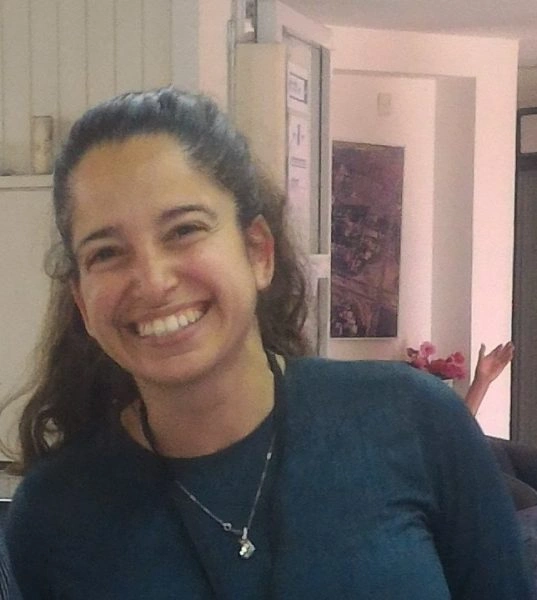
התחלתי כשהייתי בחופש, עם הפרסומים על תחילת המחזור, הסביבה קיבלה את זה כמשהו מתמיד ומשמעותי ובהערכה, הלימוד זה עוגן יציב ביום יום, יש שבועות יותר ויש שפחות אבל זה משהו שנמצא שם אמין ובעל משמעות בחיים שלי….

Adi Diamant
עדי דיאמנט

גמזו, ישראל

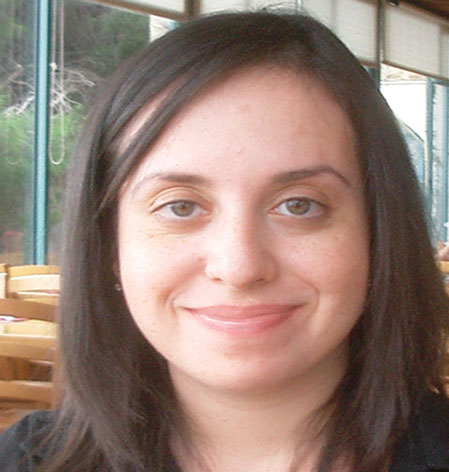
התחלתי ללמוד לפני 4.5 שנים, כשהודיה חברה שלי פתחה קבוצת ווטסאפ ללימוד דף יומי בתחילת מסכת סנהדרין. מאז לימוד הדף נכנס לתוך היום-יום שלי והפך לאחד ממגדירי הזהות שלי ממש.

Rosenberg Foundation
קרן רוזנברג

ירושלים, ישראל

"התחלתי ללמוד דף יומי במחזור הזה, בח’ בטבת תש””ף. לקחתי על עצמי את הלימוד כדי ליצור תחום של התמדה יומיומית בחיים, והצטרפתי לקבוצת הלומדים בבית הכנסת בכפר אדומים. המשפחה והסביבה מתפעלים ותומכים.
בלימוד שלי אני מתפעלת בעיקר מכך שכדי ללמוד גמרא יש לדעת ולהכיר את כל הגמרא. זו מעין צבת בצבת עשויה שהיא עצומה בהיקפה.”

Sarah Fox
שרה פוּקס

כפר אדומים, ישראל

התחלתי ללמוד דף יומי כאשר קיבלתי במייל ממכון שטיינזלץ את הדפים הראשונים של מסכת ברכות במייל. קודם לא ידעתי איך לקרוא אותם עד שנתתי להם להדריך אותי. הסביבה שלי לא מודעת לעניין כי אני לא מדברת על כך בפומבי. למדתי מהדפים דברים חדשים, כמו הקשר בין המבנה של בית המקדש והמשכן לגופו של האדם (יומא מה, ע”א) והקשר שלו למשפט מפורסם שמופיע בספר ההינדי "בהגוד-גיתא”. מתברר שזה רעיון כלל עולמי ולא רק יהודי

Elena Arenburg
אלנה ארנבורג

נשר, ישראל

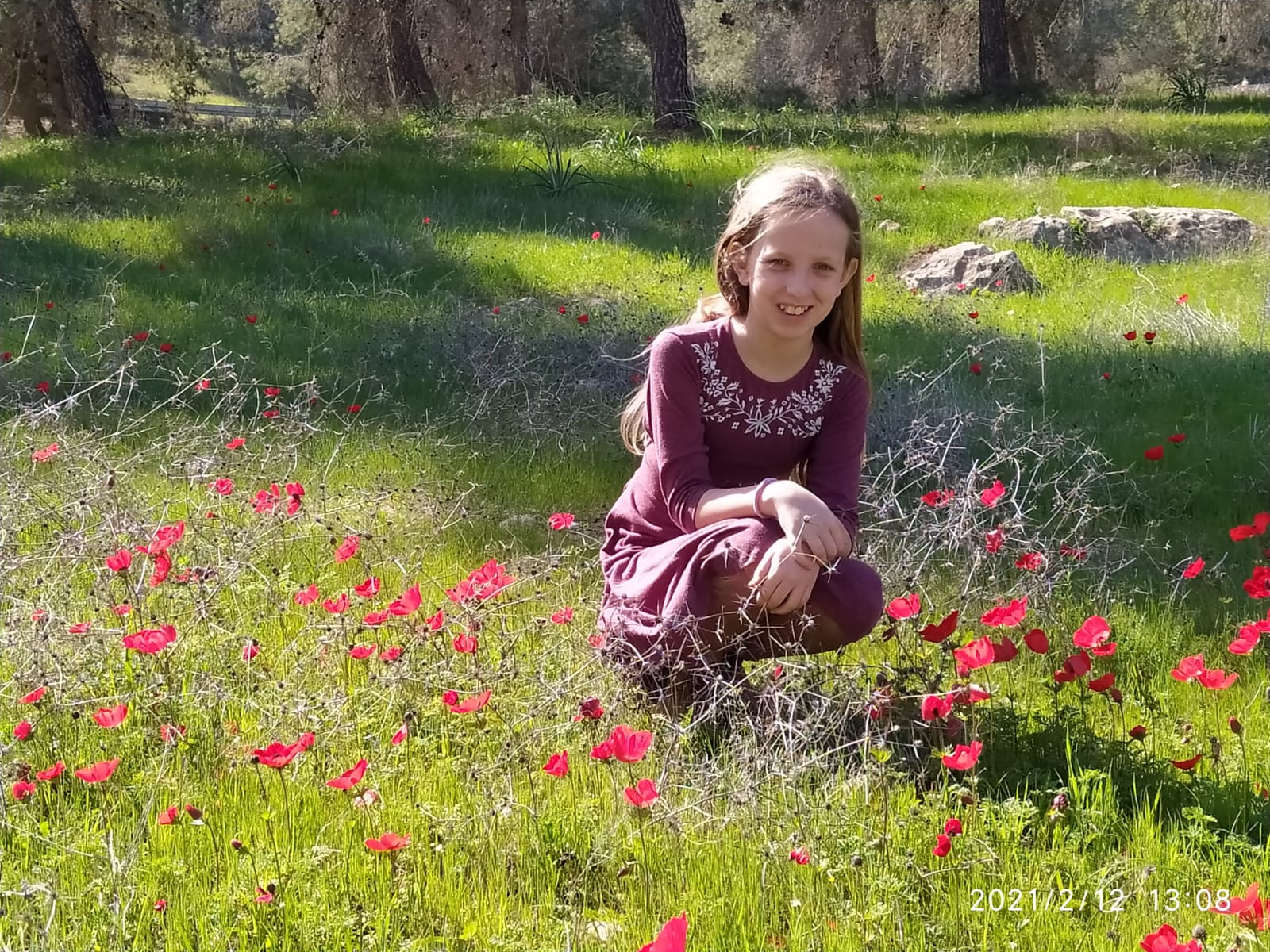
אמא שלי למדה איתי ש”ס משנה, והתחילה ללמוד דף יומי. אני החלטתי שאני רוצה ללמוד גם. בהתחלה למדתי איתה, אח”כ הצטרפתי ללימוד דף יומי שהרב דני וינט מעביר לנוער בנים בעתניאל. במסכת עירובין עוד חברה הצטרפה אלי וכשהתחלנו פסחים הרב דני פתח לנו שעור דף יומי לבנות. מאז אנחנו לומדות איתו קבוע כל יום את הדף היומי (ובשבת אבא שלי מחליף אותו). אני נהנית מהלימוד, הוא מאתגר ומעניין

Renana Hellman
רננה הלמן

עתניאל, ישראל

התחלתי ללמוד דף לפני קצת יותר מ-5 שנים, כשלמדתי רבנות בישיבת מהר”ת בניו יורק. בדיעבד, עד אז, הייתי בלימוד הגמרא שלי כמו מישהו שאוסף חרוזים משרשרת שהתפזרה, פה משהו ושם משהו, ומאז נפתח עולם ומלואו…. הדף נותן לי לימוד בצורה מאורגנת, שיטתית, יום-יומית, ומלמד אותי לא רק ידע אלא את השפה ודרך החשיבה שלנו. לשמחתי, יש לי סביבה תומכת וההרגשה שלי היא כמו בציטוט שבחרתי: הדף משפיע לטובה על כל היום שלי.

Michal Kahana
מיכל כהנא

חיפה, ישראל

התחלתי ללמוד בשנת המדרשה במגדל עוז, בינתיים נהנית מאוד מהלימוד ומהגמרא, מעניין ומשמח מאוד!
משתדלת להצליח לעקוב כל יום, לפעמים משלימה קצת בהמשך השבוע.. מרגישה שיש עוגן מקובע ביום שלי והוא משמח מאוד!

Uriah Kesner
אוריה קסנר

חיפה , ישראל

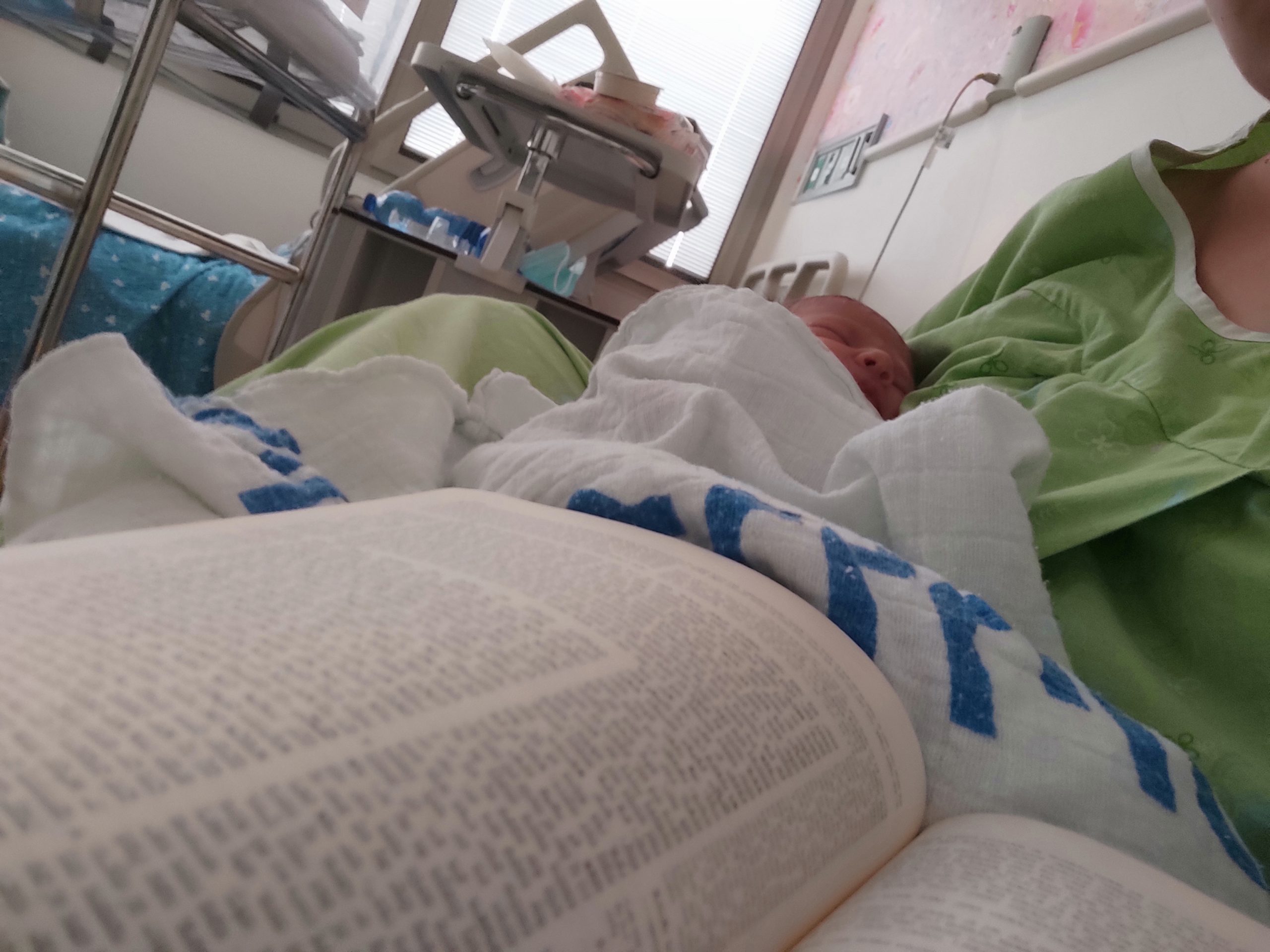
בתחילת הסבב הנוכחי הצטברו אצלי תחושות שאני לא מבינה מספיק מהי ההלכה אותה אני מקיימת בכל יום. כמו כן, כאמא לבנות רציתי לתת להן מודל נשי של לימוד תורה
שתי הסיבות האלו הובילו אותי להתחיל ללמוד. נתקלתי בתגובות מפרגנות וסקרניות איך אישה לומדת גמרא..
כמו שרואים בתמונה אני ממשיכה ללמוד גם היום ואפילו במחלקת יולדות אחרי לידת ביתי השלישית.

Noa Shiloh
נועה שילה

רבבה, ישראל

התחלתי ללמוד דף יומי בתחילת מסכת ברכות, עוד לא ידעתי כלום. נחשפתי לסיום הש״ס, ובעצם להתחלה מחדש בתקשורת, הפתיע אותי לטובה שהיה מקום לעיסוק בתורה.
את המסכתות הראשונות למדתי, אבל לא סיימתי (חוץ מעירובין איכשהו). השנה כשהגעתי למדרשה, נכנסתי ללופ, ואני מצליחה להיות חלק, סיימתי עם החברותא שלי את כל המסכתות הקצרות, גם כשהיינו חולות קורונה ובבידודים, למדנו לבד, העיקר לא לצבור פער, ומחכות ליבמות 🙂

Eden Yeshuron
עדן ישורון

מזכרת בתיה, ישראל

התחלתי בתחילת הסבב, והתמכרתי. זה נותן משמעות נוספת ליומיום ומאוד מחזק לתת לזה מקום בתוך כל שגרת הבית-עבודה השוטפת.

Reut Abrahami
רעות אברהמי

בית שמש, ישראל

התחלתי ללמוד בשנת המדרשה במגדל עוז, בינתיים נהנית מאוד מהלימוד ומהגמרא, מעניין ומשמח מאוד!
משתדלת להצליח לעקוב כל יום, לפעמים משלימה קצת בהמשך השבוע.. מרגישה שיש עוגן מקובע ביום שלי והוא משמח מאוד!

Uriah Kesner
אוריה קסנר

חיפה , ישראל

התחלתי בסיום הש”ס, יצאתי באורות. נשברתי פעמיים, ובשתיהם הרבנית מישל עודדה להמשיך איפה שכולם בסבב ולהשלים כשאוכל, וכך עשיתי וכיום השלמתי הכל. מדהים אותי שאני לומדת כל יום קצת, אפילו בחדר הלידה, בבידוד או בחו”ל. לאט לאט יותר נינוחה בסוגיות. לא כולם מבינים את הרצון, בפרט כפמניסטית. חשה סיפוק גדול להכיר את המושגים וצורת החשיבה. החלום זה להמשיך ולהתמיד ובמקביל ללמוד איך מהסוגיות נוצרה והתפתחה ההלכה.

Weingarten Sherrington Foundation
קרן וינגרטן שרינגטון

מודיעין, ישראל

סיום השס לנשים נתן לי מוטביציה להתחיל ללמוד דף יומי. עד אז למדתי גמרא בשבתות ועשיתי כמה סיומים. אבל לימוד יומיומי זה שונה לגמרי ופתאום כל דבר שקורה בחיים מתקשר לדף היומי.

Fogel Foundation
קרן פוגל

רתמים, ישראל

התחלתי ללמוד את הדף היומי מעט אחרי שבני הקטן נולד. בהתחלה בשמיעה ולימוד באמצעות השיעור של הרבנית שפרבר. ובהמשך העזתי וקניתי לעצמי גמרא. מאז ממשיכה יום יום ללמוד עצמאית, ולפעמים בעזרת השיעור של הרבנית, כל יום. כל סיום של מסכת מביא לאושר גדול וסיפוק. הילדים בבית נהיו חלק מהלימוד, אני משתפת בסוגיות מעניינות ונהנית לשמוע את דעתם.

Eliraz Blau
אלירז בלאו

מעלה מכמש, ישראל

התחלתי ללמוד דף יומי כאשר קיבלתי במייל ממכון שטיינזלץ את הדפים הראשונים של מסכת ברכות במייל. קודם לא ידעתי איך לקרוא אותם עד שנתתי להם להדריך אותי. הסביבה שלי לא מודעת לעניין כי אני לא מדברת על כך בפומבי. למדתי מהדפים דברים חדשים, כמו הקשר בין המבנה של בית המקדש והמשכן לגופו של האדם (יומא מה, ע”א) והקשר שלו למשפט מפורסם שמופיע בספר ההינדי "בהגוד-גיתא”. מתברר שזה רעיון כלל עולמי ולא רק יהודי

Elena Arenburg
אלנה ארנבורג

נשר, ישראל

בסוף הסבב הקודם ראיתי את השמחה הגדולה שבסיום הלימוד, בעלי סיים כבר בפעם השלישית וכמובן הסיום הנשי בבנייני האומה וחשבתי שאולי זו הזדמנות עבורי למשהו חדש.
למרות שאני שונה בסביבה שלי, מי ששומע על הלימוד שלי מפרגן מאוד.
אני מנסה ללמוד קצת בכל יום, גם אם לא את כל הדף ובסך הכל אני בדרך כלל עומדת בקצב.
הלימוד מעניק המון משמעות ליום יום ועושה סדר בלמוד תורה, שתמיד היה (ועדיין) שאיפה. אבל אין כמו קביעות

Racheli-Mendelson
רחלי מנדלסון

טל מנשה, ישראל

התחלתי ללמוד דף יומי ממסכת נידה כי זה היה חומר הלימוד שלי אז. לאחר הסיום הגדול בבנייני האומה החלטתי להמשיך. וב”ה מאז עם הפסקות קטנות של קורונה ולידה אני משתדלת להמשיך ולהיות חלק.

זה משפיע מאוד על היום יום שלי ועל אף שאני עסוקה בלימודי הלכה ותורה כל יום, זאת המסגרת הקבועה והמחייבת ביותר שיש לי.

Moriah Taesan Michaeli
מוריה תעסן מיכאלי

גבעת הראל, ישראל

התחלתי ללמוד דף יומי באמצע תקופת הקורונה, שאבא שלי סיפר לי על קבוצה של בנות שתיפתח ביישוב שלנו ותלמד דף יומי כל יום. הרבה זמן רציתי להצטרף לזה וזאת הייתה ההזדמנות בשבילי. הצטרפתי במסכת שקלים ובאמצע הייתה הפסקה קצרה. כיום אני כבר לומדת באולפנה ולומדת דף יומי לבד מתוך גמרא של טיינזלץ.

Saturdays in Raleigh
שבות בראלי

עתניאל, ישראל

התחלתי ללמוד גמרא בבית הספר בגיל צעיר והתאהבתי. המשכתי בכך כל חיי ואף היייתי מורה לגמרא בבית הספר שקד בשדה אליהו (בית הספר בו למדתי בילדותי)בתחילת מחזור דף יומי הנוכחי החלטתי להצטרף ובע”ה מקווה להתמיד ולהמשיך. אני אוהבת את המפגש עם הדף את "דרישות השלום ” שמקבלת מקשרים עם דפים אחרים שלמדתי את הסנכרון שמתחולל בין התכנים.

Ariela Bigman
אריאלה ביגמן

מעלה גלבוע, ישראל

בתחילת הסבב הנוכחי של לימוד הדף היומי, נחשפתי לחגיגות המרגשות באירועי הסיום ברחבי העולם. והבטחתי לעצמי שבקרוב אצטרף גם למעגל הלומדות. הסבב התחיל כאשר הייתי בתחילת דרכי בתוכנית קרן אריאל להכשרת יועצות הלכה של נשמ”ת. לא הצלחתי להוסיף את ההתחייבות לדף היומי על הלימוד האינטנסיבי של תוכנית היועצות. בבוקר למחרת המבחן הסופי בנשמ”ת, התחלתי את לימוד הדף במסכת סוכה ומאז לא הפסקתי.

Hana Shaham-Rozby (Dr.)
חנה שחם-רוזבי (ד”ר)

קרית גת, ישראל

שבת קלב

שֶׁכֵּן אִם עָבַר זְמַנָּהּ בָּטְלָה. אֶלָּא הַיְינוּ טַעְמָא דְּרַבִּי אֱלִיעֶזֶר, דְּאָמַר קְרָא: ״וּבַיּוֹם הַשְּׁמִינִי יִמּוֹל בְּשַׂר עׇרְלָתוֹ״, וַאֲפִילּוּ בְּשַׁבָּת.

in each, as if its time passed, it is void, unlike the mitzva of circumcision, which can be fulfilled at a later date if the child is not circumcised on the eighth day. Rather, this is the reason for the opinion of Rabbi Eliezer, as the verse says: “And on the eighth day the flesh of his foreskin shall be circumcised” (Leviticus 12:3), indicating that he is circumcised on the eighth day even if it falls on Shabbat.

וְלִיכְתּוֹב רַחֲמָנָא בְּמִילָה, וְלֵיתוֹ הָנָךְ וְלִיגְמְרוּ מִינֵּיהּ! מִשּׁוּם דְּאִיכָּא לְמִיפְרַךְ: מָה לְמִילָה שֶׁכֵּן נִכְרְתוּ עָלֶיהָ שְׁלֹשׁ עֶשְׂרֵה בְּרִיתוֹת.

The Gemara asks: And let the Torah write this principle only with regard to the mitzva of circumcision, and let these other mitzvot come and derive their halakhot from it. The Gemara answers: Because this suggestion can be refuted: What is unique about the mitzva of circumcision? That thirteen covenants were established over it, as the word covenant is mentioned thirteen times in the passage dealing with the circumcision of Abraham (Genesis 17). Owing to its great significance, other mitzvot cannot be derived from it.

עַד כָּאן לָא פְּלִיגִי רַבָּנַן עֲלֵיהּ אֶלָּא בְּמַכְשִׁירֵי מִילָה, אֲבָל מִילָה גּוּפַהּ דִּבְרֵי הַכֹּל דּוֹחָה שַׁבָּת, מְנָלַן? אֲמַר עוּלָּא: הֲלָכָה. וְכֵן אָמַר רַבִּי יִצְחָק הֲלָכָה.

The Gemara departs from the facilitators of circumcision to the halakha of circumcision itself and asks: The Rabbis only disagree with Rabbi Eliezer with regard to actions that facilitate circumcision, which, in their view, do not override Shabbat; however, with regard to circumcision itself, everyone agrees that it overrides Shabbat. From where do we derive this halakha? Ulla said: This is a halakha transmitted to Moses from Sinai, but there is no biblical basis for it. And so too, Rabbi Yitzḥak said: It is a halakha transmitted to Moses from Sinai.

מֵיתִיבִי: מִנַּיִין לְפִיקּוּחַ נֶפֶשׁ שֶׁדּוֹחֶה אֶת הַשַּׁבָּת? רַבִּי אֶלְעָזָר בֶּן עֲזַרְיָה אוֹמֵר: מָה מִילָה שֶׁהִיא אַחַת מֵאֵיבָרָיו שֶׁל אָדָם דּוֹחָה אֶת הַשַּׁבָּת — קַל וָחוֹמֶר לְפִיקּוּחַ נֶפֶשׁ שֶׁדּוֹחֶה אֶת הַשַּׁבָּת.

The Gemara raises an objection from that which was taught in the Tosefta: From where is it derived that saving a life overrides Shabbat? Rabbi Elazar ben Azarya says it is derived from the mitzva of circumcision: Just as circumcision, which pertains to only one of a person’s limbs, overrides Shabbat, all the more so it is an a fortiori inference that saving a life, which is a mitzva that pertains to the entire person, overrides Shabbat.

וְאִי סָלְקָא דַּעְתָּךְ הֲלָכָה — קַל וָחוֹמֶר מֵהֲלָכָה מִי אָתֵי? וְהָתַנְיָא, אָמַר לוֹ רַבִּי אֶלְעָזָר בֶּן עֲזַרְיָה: עֲקִיבָא, עֶצֶם כִּשְׂעוֹרָה (מְטַמֵּא) הֲלָכָה, וּרְבִיעִית דָּם קַל וָחוֹמֶר, וְאֵין דָּנִין קַל וָחוֹמֶר מֵהֲלָכָה.

And if it should enter your mind to say that circumcision may be performed on Shabbat based on a halakha transmitted to Moses from Sinai, is an a fortiori inference derived from a halakha transmitted to Moses from Sinai? Wasn’t it taught explicitly in a baraita that an a fortiori inference cannot be derived from a halakha transmitted to Moses from Sinai? Rabbi Akiva sought to derive that a nazirite who comes into contact with a quarter log of blood from a corpse becomes ritually impure and is required to shave his hair. He sought to do this based on an a fortiori inference from the halakha of the bone from a dead person the size of a grain of barley, as he had a received tradition that a nazirite is required to shave his hair due to that contact. Rabbi Elazar ben Azarya said to him: Akiva, the halakha that a bone the size of a grain of barley transmits ritual impurity is a halakha transmitted to Moses from Sinai, and you would derive from it that a quarter of a log of blood transmits ritual impurity based upon an a fortiori inference, and one does not derive an a fortiori inference from a halakha transmitted to Moses from Sinai. The Tosefta explicitly states that Rabbi Elazar ben Azarya himself derived an a fortiori inference from the halakha of circumcision on Shabbat. Clearly, then, it is derived from the Torah itself and not from a halakha transmitted to Moses from Sinai.

אֶלָּא אָמַר רַבִּי אֶלְעָזָר: אָתְיָא ״אוֹת״ ״אוֹת״.

Rather, Rabbi Elazar said: This halakha is derived by means of a verbal analogy between the word sign that appears with regard to circumcision: “And you shall be circumcised in the flesh of your foreskin; and it shall be a sign of the covenant between Me and you” (Genesis 17:11), and sign that appears with regard to Shabbat: “However, you shall keep My Shabbatot, for it is a sign between Me and you throughout your generations” (Exodus 31:13). From this verbal analogy, it is derived that circumcision, which is a sign, may be performed even on Shabbat, which is itself a sign.

אֶלָּא מֵעַתָּה, תְּפִילִּין דִּכְתִיב בְּהוּ ״אוֹת״, לִידְחֵי שַׁבָּת!

The Gemara asks: But if what you say is so, phylacteries, with regard to which the term sign is also written: “And it shall be for a sign on your hand and for frontlets between your eyes” (Exodus 13:16), should also override Shabbat, and they should be donned on that day.

אֶלָּא אָתְיָא ״בְּרִית״ ״בְּרִית״.

Rather, this principle is derived by means of a different verbal analogy from the word covenant that appears with regard to circumcision: “And you shall be circumcised in the flesh of your foreskin; and it shall be a sign of the covenant between Me and you” (Genesis 17:11), and the word covenant that appears with regard to Shabbat: “The children of Israel shall keep the Shabbat, to observe the Shabbat throughout their generations for a perpetual covenant” (Exodus 31:16).

גָּדוֹל, דִּכְתִיב בֵּיהּ ״בְּרִית״, לִידְחֵי שַׁבָּת!

The Gemara raises a difficulty: If this is so, then the circumcision of an adult should also be permitted on Shabbat and it should not be limited to a child on the eighth day, as the term covenant is written with regard to him as well, as it applies to any Jewish male not yet circumcised. Therefore, let his circumcision override Shabbat. The halakha, however, is that only circumcision at its proper time on the eighth day overrides Shabbat.

אֶלָּא אָתְיָא ״דּוֹרוֹת״ ״דּוֹרוֹת״.

Rather, this halakha is derived by means of a verbal analogy between the word generations that appears with regard to Shabbat: “Throughout their generations for a perpetual covenant” (Exodus 31:16), and the word generations that appears with regard to circumcision: “And I shall establish My covenant between Me and you, and between your seed after you throughout their generations, for an everlasting covenant” (Genesis 17:7).

צִיצִית, דִּכְתִיב בֵּיהּ ״דּוֹרוֹת״, לִידְחֵי שַׁבָּת!

The Gemara asks: If so, let ritual fringes too, with regard to which the term generations is also written, override Shabbat, and it should be permitted to affix ritual fringes to a garment on Shabbat.

אֶלָּא אָמַר רַב נַחְמָן בַּר יִצְחָק: דָּנִין ״אוֹת״ ״בְּרִית״ וְ״דוֹרוֹת״ מֵ״אוֹת״ ״בְּרִית״ וְ״דוֹרוֹת״ — לְאַפּוֹקֵי הָנָךְ, דְּחַד חַד הוּא דִּכְתִיב בָּהֶן.

Rather, Rav Naḥman bar Yitzḥak said: This halakha is derived not from one common word alone, but one derives it based upon the three words sign, covenant, and generations that appear with regard to circumcision, from sign, covenant, and generations that appear with regard to Shabbat, to the exclusion of these, i.e., ritual fringes and phylacteries, that with regard to each of them, one of these is written but not all three words together.

וְרַבִּי יוֹחָנָן אָמַר: אָמַר קְרָא ״בַּיּוֹם״. ״בַּיּוֹם״, אֲפִילּוּ בְּשַׁבָּת.

And Rabbi Yoḥanan said: The verse says: “And on the eighth day…shall be circumcised” (Leviticus 12:3), which means that the child is circumcised on the eighth day whenever it occurs, even on Shabbat.

אֲמַר לֵיהּ רֵישׁ לָקִישׁ לְרַבִּי יוֹחָנָן: אֶלָּא מֵעַתָּה מְחוּסְּרֵי כַּפָּרָה, דִּכְתִיב בְּהוּ ״בַּיּוֹם״, הָכִי נָמֵי דְּדָחוּ שַׁבָּת?! הַהוּא מִיבְּעֵי לֵיהּ בַּיּוֹם וְלֹא בַּלַּיְלָה.

Reish Lakish said to Rabbi Yoḥanan: But if what you say is so, then, with regard to those lacking atonement, such as a zav or a healed leper, who must after their immersion still bring an atonement offering in order to complete their purification process, with regard to whom the term on the day is also written, as in the verse: “And on the eighth day he shall take two he-lambs without blemish, and one ewe-lamb of the first year without blemish” (Leviticus 14:10), sacrificing their atonement offerings should also override Shabbat. Rabbi Yoḥanan responded: That verse is necessary to teach that the sacrifice must be brought during the day and not at night.

הַאי נָמֵי, מִיבְּעֵי לֵיהּ בַּיּוֹם וְלֹא בַּלַּיְלָה! הָהוּא מִ״בֶּן שְׁמֹנַת יָמִים״ נָפְקָא.

Reish Lakish asked: This verse with regard to the mitzva of circumcision is also necessary to teach that circumcision must be performed during the day and not at night. Rabbi Yoḥanan replied: That is derived from a different verse, which states: “And he that is eight days old shall be circumcised among you throughout your generations” (Genesis 17:12). That circumcision must take place during the day is derived from that verse.

הַאי נָמֵי, מִ״בְּיוֹם צַוּוֹתוֹ״ נָפְקָא!

Reish Lakish says: That matter, that the atonement offering must be sacrificed during the day, can also be derived from a different verse, as it is stated: “This is the law of the burnt-offering, of the meal-offering, and of the sin-offering, and of the guilt-offering, and of the consecration-offering, and of the sacrifice of the peace-offerings; which the Lord commanded Moses at Mount Sinai on the day He commanded the children of Israel to present their offerings to the Lord in the wilderness of Sinai” (Leviticus 7:37–38), and from here it is derived that all offerings are sacrificed by day and not at night.

אַף עַל גַּב דְּנָפְקָא מִ״בְּיוֹם צַוּוֹתוֹ״, אִצְטְרִיכָא. סָלְקָא דַּעְתָּךְ אָמֵינָא: הוֹאִיל וְחָס רַחֲמָנָא עֲלֵיהּ לְאֵתוֹיֵי בְּדַלּוּת, בַּלַּיְלָה נָמֵי לַיְתֵי, קָא מַשְׁמַע לַן.

The Gemara answers: Although this halakha is derived from: “On the day He commanded,” an additional source is necessary for those lacking atonement. It might have entered your mind to say that since the Torah shows him mercy by allowing him to bring an offering of poverty, as if one cannot afford to sacrifice the regular atonement offering, the Torah enables him to sacrifice a less costly one, let him also bring it at night, as perhaps the Torah shows him mercy and allows him to hasten his atonement. Therefore, it teaches us that he too must bring his offering only by day and not at night.

מַתְקֵיף לַהּ רָבִינָא: אֶלָּא מֵעַתָּה, יְהֵא זָר כָּשֵׁר בָּהֶן, וִיהֵא אוֹנֵן כָּשֵׁר בָּהֶן! הָא אַהְדְּרֵיהּ קְרָא.

Ravina strongly objects to this reasoning: But if what you say is so, that the Torah has compassion on a person lacking atonement and is lenient with regard to the halakhot of the atonement offering, a non-priest should be fit to sacrifice them, and similarly, a priest who is an acute mourner, i.e., one whose relative died that same day and has not yet been buried, should be fit to sacrifice them. The Gemara answers: The verse has restored this. The additional verse that teaches that even one lacking atonement must sacrifice during the day, also teaches that the Torah was lenient with regard to this offering only in the ways explicitly stated in the Torah.

רַב אַחָא בַּר יַעֲקֹב אָמַר: אָמַר קְרָא: ״שְׁמִינִי״. ״שְׁמִינִי״, אֲפִילּוּ בְּשַׁבָּת.

Rav Aḥa bar Ya’akov said: There is a different proof from the Torah that circumcision is performed even on Shabbat, for the verse said: “On the eighth day,” underscoring that circumcision is performed specifically on the eighth day and indicating that it is performed even on Shabbat.

הַאי ״שְׁמִינִי״ מִיבְּעֵי לֵיהּ לְמַעוֹטֵי שְׁבִיעִי! שְׁבִיעִי מִ״בֶּן שְׁמֹנַת יָמִים״ נָפְקָא.

The Gemara raises a difficulty: This usage of the term eighth is necessary to exclude the seventh day, i.e., a child may not be circumcised before the eighth day. The Gemara answers: The fact that one may not circumcise on the seventh day is derived from a different verse, as it is stated: “And he that is eight days old shall be circumcised among you throughout your generations” (Genesis 17:12).

וְאַכַּתִּי מִיבְּעֵי לֵיהּ, חַד לְמַעוֹטֵי שְׁבִיעִי, וְחַד לְמַעוֹטֵי תְּשִׁיעִי. דְּאִי מֵחַד, הֲוָה אָמֵינָא: שְׁבִיעִי הוּא דְּלָא מְטָא זִמְנֵיהּ, אֲבָל מִשְּׁמִינִי וְאֵילָךְ זִמְנֵיהּ הוּא! אֶלָּא מְחַוַּורְתָּא כִּדְרַבִּי יוֹחָנָן.

The Gemara raises a further difficulty: Both verses are still necessary, one to exclude the seventh day and one to exclude the ninth day. As if it were derived from one verse alone, I would have said: It is on the seventh day that one may not circumcise, since the time to circumcise this child has not yet arrived and the obligation of circumcision is not yet in effect; however, from the eighth day and onward is its time, and therefore it is permissible to postpone a circumcision until the ninth day. No answer was found to this question, and the Gemara concludes: Rather, the derivation is clear according to Rabbi Yoḥanan.

תַּנְיָא כְּווֹתֵיהּ דְּרַבִּי יוֹחָנָן, וּדְלָא כְּרַב אַחָא בַּר יַעֲקֹב: ״שְׁמִינִי יִמּוֹל״ — אֲפִילּוּ בְּשַׁבָּת, וּמָה אֲנִי מְקַיֵּים ״מְחַלְּלֶיהָ מוֹת יוּמָת״ — בִּשְׁאָר מְלָאכוֹת חוּץ מִמִּילָה. אוֹ אֵינוֹ אֶלָּא אֲפִילּוּ מִילָה, וּמָה אֲנִי מְקַיֵּים ״שְׁמִינִי יִמּוֹל״ — חוּץ מִשַּׁבָּת, תַּלְמוּד לוֹמַר: ״בַּיּוֹם״ — אֲפִילּוּ בְּשַׁבָּת.

It was taught in a baraita in accordance with the opinion of Rabbi Yoḥanan and not in accordance with the opinion of Rav Aḥa bar Ya’akov, as the tanna interprets the phrase: “On the eighth day he shall be circumcised” to mean that the circumcision must be performed even on Shabbat. And how do I fulfill the prohibition against performing prohibited labor explicit in the Torah in the verse: “And you shall guard the Shabbat, for it is holy to you; he who desecrates it shall surely die” (Exodus 31:14)? That is referring to other prohibited labors besides circumcision. The tanna questions his previous statement: Or perhaps that is not the case, and the prohibition of performing prohibited labor on Shabbat includes even circumcision, and, on the contrary, how do I fulfill the verse: “On the eighth day he shall be circumcised”? It applies when the eighth day is any day other than Shabbat. The verse states: “On the day,” meaning on that very day when he turns eight days old, even on Shabbat. The tanna of this baraita rejects Rav Aḥa bar Ya’akov’s proof and accepts Rabbi Yoḥanan’s assertion that the phrase “On the day” conclusively establishes that circumcision is performed even on Shabbat.

אָמַר רָבָא: הַאי תַּנָּא מֵעִיקָּרָא מַאי קָא נִיחָא לֵיהּ, וּלְבַסּוֹף מַאי קָא קַשְׁיָא לֵיהּ?

With regard to this baraita, Rava said: Initially, what did this tanna find acceptable, and ultimately, what did he find difficult? Initially he suggested that: “On the eighth day he shall be circumcised” is a valid source for the fact that circumcision overrides Shabbat, but ultimately, he deemed that difficult and turned to an alternative source, yet provided no reason, neither for his initial statement nor for his second statement.

הָכִי קָאָמַר: ״שְׁמִינִי יִמּוֹל״ — אֲפִילּוּ בְּשַׁבָּת. וּמָה אֲנִי מְקַיֵּים ״מְחַלְּלֶיהָ מוֹת יוּמָת״ — בִּשְׁאָר מְלָאכוֹת חוּץ מִמִּילָה, אֲבָל מִילָה דָּחֲיָא,

Rather, we can explain that this is what he is saying: “On the eighth day he shall be circumcised” applies even on Shabbat. And how do I fulfill: “He who desecrates it shall surely die”? That is referring to the other prohibited labors besides circumcision; however, circumcision overrides Shabbat.

מַאי טַעְמָא? — קַל וָחוֹמֶר הוּא: וּמָה צָרַעַת שֶׁדּוֹחֶה אֶת הָעֲבוֹדָה,

What is the reason for this? It is derived by means of an a fortiori inference: Just as leprosy, which overrides the Temple service, as a priest who is a leper may not serve in the Temple and it is prohibited to cut off the symptoms of leprosy,

וַעֲבוֹדָה דּוֹחָה אֶת הַשַּׁבָּת — מִילָה דּוֹחָה אוֹתָהּ. שַׁבָּת שֶׁנִּדְחֵית מִפְּנֵי הָעֲבוֹדָה, אֵינוֹ דִּין שֶׁתְּהֵא מִילָה דּוֹחָה אוֹתָהּ?

and the Temple service overrides Shabbat, as Shabbat offerings are sacrificed at their appointed time, and nevertheless circumcision overrides leprosy, i.e., if there were symptoms of leprosy on the foreskin of the baby, one circumcises the child even though he thereby violates the prohibition to cut off symptoms of leprosy; therefore, with regard to Shabbat, which is overridden by the Temple service, is it not logical that circumcision, which is so stringent that it overrides leprosy, overrides Shabbat as well? This was the tanna’s reasoning at the outset.

וּמַאי ״אוֹ אֵינוֹ״ דְּקָאָמַר — הֲדַר אָמַר: וּמִמַּאי דְּצָרַעַת חֲמוּרָה? דִילְמָא שַׁבָּת חֲמוּרָה, שֶׁכֵּן יֵשׁ בָּהּ עוֹנָשִׁין וְאַזְהָרוֹת הַרְבֵּה. אִי נָמֵי: וּמִמַּאי מִשּׁוּם דַּחֲמִירָא צָרַעַת הִיא, דִּילְמָא מִשּׁוּם גַּבְרָא הוּא דְּלָא חֲזֵי. וּמָה אֲנִי מְקַיֵּים ״שְׁמִינִי יִמּוֹל״ — חוּץ מִשַּׁבָּת. תַּלְמוּד לוֹמַר: ״בַּיּוֹם״ — אֲפִילּוּ בְּשַׁבָּת.

And what was the reason the tanna said: Or perhaps, and questioned his previous statement? He reconsidered and said: And from where do we know that leprosy is more stringent than Shabbat? Perhaps Shabbat is more stringent, as it includes the severe punishments of karet and execution by stoning, and numerous warnings pertaining to it throughout the Torah. Alternatively, and from where do we know that the reason the Temple service does not override the prohibition of leprosy is specifically because leprosy is more stringent than the Temple service? Perhaps the Temple service does not override the prohibition of leprosy because a man afflicted with leprosy is unfit to perform the Temple service and not due to the stringency of the prohibition to remove symptoms of leprosy from one’s body. And if so, how do I establish the verse: “And on the eighth day the flesh of his foreskin shall be circumcised” (Leviticus 12:3)? That it applies to days other than Shabbat. Consequently, the tanna cited additional proof from that which the Torah states: “On the day,” indicating that circumcision is performed even on Shabbat.

תָּנוּ רַבָּנַן: מִילָה דּוֹחָה אֶת הַצָּרַעַת, בֵּין בִּזְמַנָּהּ בֵּין שֶׁלֹּא בִּזְמַנָּהּ. יוֹם טוֹב אֵינָהּ דּוֹחָה אֶלָּא בִּזְמַנָּהּ בִּלְבַד.

The Sages taught: Circumcision overrides leprosy. The foreskin is cut even if it has symptoms of leprosy on it, despite the fact that there is a Torah prohibition to cut off symptoms of leprosy. This is the halakha both when the circumcision takes place at its appointed time, on the eighth day, or when it is not performed at its appointed time but after the eighth day. However, circumcision overrides a Festival only when performed at its appointed time.

מְנָהָנֵי מִילֵּי? דְּתָנוּ רַבָּנַן: ״יִמּוֹל בְּשַׂר עׇרְלָתוֹ״, וְאַף עַל פִּי שֶׁיֵּשׁ שָׁם בַּהֶרֶת, יָקוֹץ. וּמָה אֲנִי מְקַיֵּים ״הִשָּׁמֶר בְּנֶגַע הַצָּרַעַת״ — בִּשְׁאָר מְקוֹמוֹת חוּץ מִמִּילָה.

The Gemara asks: From where are these matters derived? As the Sages taught in a baraita with regard to the verse: “And on the eighth day the flesh of his foreskin shall be circumcised” (Leviticus 12:3), since this verse is stated in general terms, it teaches that even though there is a bright white leprous spot there, he should cut it. And how do I establish the verse: “Take care with regard to the plague of leprosy to take great care and to perform in accordance with all that the priests, the Levites, instruct you; as I commanded them you shall take care to perform” (Deuteronomy 24:8)? Does usage of the term “take care” indicate that there is a negative mitzva that prohibits cutting off symptoms of leprosy? We establish this prohibition as applying in other places, other than the place of a circumcision.

אוֹ אֵינוֹ אֶלָּא אֲפִילּוּ מִילָה, וּמָה אֲנִי מְקַיֵּים ״יִמּוֹל בְּשַׂר עׇרְלָתוֹ״ — בִּזְמַן שֶׁאֵין בָּהּ בַּהֶרֶת. תַּלְמוּד לוֹמַר: ״בָּשָׂר״, וְאַף עַל פִּי שֶׁיֵּשׁ שָׁם בַּהֶרֶת.

The tanna asks: Or perhaps that is not the case; rather, this prohibition applies even in the place of circumcision, and how do I validate the verse: “The flesh of his foreskin shall be circumcised”? It applies when there is no bright white leprous spot on the foreskin. So that we will not interpret the verse that way, the verse states the superfluous word flesh. It would have been sufficient to state: His foreskin shall be circumcised, but instead the verse stated: “The flesh of his foreskin shall be circumcised,” indicating that the foreskin must be removed even though there is a bright white spot there.

אָמַר רָבָא: הַאי תַּנָּא מֵעִיקָּרָא מַאי נִיחָא לֵיהּ וּלְבַסּוֹף מַאי קַשְׁיָא לֵיהּ?

Rava said: Initially, what did this tanna find acceptable, and ultimately, what did he find difficult? At first he assumed that the mitzva of circumcision is more stringent, but he ultimately rejected this assumption with no explanation.

הָכִי קָאָמַר: ״יִמּוֹל בְּשַׂר עׇרְלָתוֹ״ — וְאַף עַל פִּי שֶׁיֵּשׁ [שָׁם] בַּהֶרֶת, וּמָה אֲנִי מְקַיֵּים ״הִשָּׁמֶר בְּנֶגַע הַצָּרַעַת״ — בִּשְׁאָר מְקוֹמוֹת חוּץ מִמִּילָה. אֲבָל מִילָה דּוֹחָה אֶת הַצָּרַעַת, מַאי טַעְמָא? דְּאָתְיָא מִקַּל וְחוֹמֶר: וּמָה שַׁבָּת חֲמוּרָה, מִילָה דּוֹחָה אוֹתָהּ, צָרַעַת לֹא כׇּל שֶׁכֵּן.

Rather, this is what he is saying: Initially he held that the phrase: The flesh of his foreskin shall be circumcised teaches that it is permitted to remove the foreskin even though there is a bright white spot there. And how do I validate the following verse: Take care with regard to the plague of leprosy? It applies in other places, aside from the place of circumcision, but circumcision overrides leprosy. What is the reason for this? It is derived by means of an a fortiori inference: Just as Shabbat is stringent and nevertheless circumcision overrides it, all the more so that circumcision overrides leprosy, which is less stringent than Shabbat.

וּמַאי ״אוֹ אֵינוֹ״ דְּקָאָמַר — הֲדַר קָאָמַר: מִמַּאי דְּשַׁבָּת חֲמִירָא? דִילְמָא צָרַעַת חֲמִירָא, שֶׁכֵּן דּוֹחָה אֶת הָעֲבוֹדָה, וַעֲבוֹדָה דּוֹחָה אֶת הַשַּׁבָּת! תַּלְמוּד לוֹמַר: ״בָּשָׂר״ — וְאַף עַל פִּי שֶׁיֵּשׁ שָׁם בַּהֶרֶת.

And what was the reason for the term or perhaps that the tanna is saying to question his previous statement? He reconsidered and said: From where do we know that Shabbat is more stringent? Perhaps leprosy is more stringent, as leprosy overrides the Temple service, as stated earlier, and the Temple service overrides Shabbat. Therefore, the verse states the additional word flesh, to teach that the foreskin is removed even though there is a bright white leprous spot there.

לִישָּׁנָא אַחֲרִינָא. מִילָה דּוֹחָה אֶת הַצָּרַעַת, מַאי טַעְמָא? דְּאָתֵי עֲשֵׂה וְדָחֵי לֹא תַעֲשֶׂה. וּמַאי ״אוֹ אֵינוֹ״ דְּקָאָמַר — הֲדַר קָאָמַר: אֵימַר דְּאָמְרִינַן דְּאָתֵי עֲשֵׂה וְדָחֵי אֶת לֹא תַעֲשֶׂה — לֹא תַעֲשֶׂה גְּרֵידָא, הַאי עֲשֵׂה וְלֹא תַעֲשֶׂה הוּא. וּמָה אֲנִי מְקַיֵּים ״יִמּוֹל בְּשַׂר עׇרְלָתוֹ״ — בִּזְמַן שֶׁאֵין בָּהּ בַּהֶרֶת, תַּלְמוּד לוֹמַר: ״בָּשָׂר״ — וְאַף עַל פִּי שֶׁיֵּשׁ שָׁם בַּהֶרֶת.

The Gemara cites another version of Rava’s comments. Initially the tanna thought that circumcision overrides leprosy. What is the reason for this? He relied on the principle that a positive mitzva comes and overrides a negative mitzva. And what was the reason the tanna is saying: Or perhaps to question his previous statement? He reconsidered and said: Say that we say that a positive mitzva comes and overrides a negative mitzva when there is a negative mitzva alone. However, this cutting off leprosy is prohibited by both a positive mitzva and a negative mitzva. And how do I establish the verse: The flesh of his foreskin shall be circumcised? It applies only when there is no bright white spot on the foreskin. Therefore, the verse states the additional word flesh in order to emphasize that the foreskin is removed, even though there is a bright white spot there.

תִּינַח גָּדוֹל, דִּכְתִיב בֵּיהּ ״בָּשָׂר״. קָטָן נָמֵי, כְּתִיב בֵּיהּ ״בָּשָׂר״. בֵּינוֹנִי מְנָלַן?

The Gemara questions the derivation from the word flesh: This works out well with regard to the circumcision of an adult who has not yet been circumcised, as the word flesh is written with regard to adults in the verse: “And an uncircumcised male who will not circumcise the flesh of his foreskin, that soul shall be cut off from its people; My covenant he has broken” (Genesis 17:14). Similarly, it works out well with regard to a minor who is circumcised on the eighth day, as the superfluous word flesh is also written with regard to him. However, with regard to a person at an intermediate stage of life, i.e., a child who was not circumcised on the eighth day but has not yet reached majority, from where do we derive that his circumcision overrides leprosy? The Torah explicitly mandates his circumcision: “Circumcise for yourselves every male” (Genesis 17:10). However, that verse does not employ the term flesh.

אָמַר אַבָּיֵי, אָתְיָא מִבֵּינַיָּא: מִגָּדוֹל לָא אָתְיָא, שֶׁכֵּן עָנוּשׁ כָּרֵת. מִקָּטָן לָא אָתְיָא, שֶׁכֵּן מִילָה בִּזְמַנָּהּ. הַצַּד הַשָּׁוֶה שֶׁבָּהֶן — שֶׁכֵּן נִימּוֹלִין וְדוֹחִין אֶת הַצָּרַעַת, אַף כֹּל שֶׁנִּימּוֹלִין — דּוֹחִין אֶת הַצָּרַעַת.

Abaye said: It is derived from a combination of the two sources about the status of a child at the intermediate stage, from the common denominator between an eight-day-old and one who reached majority. From an adult alone, the halakha with regard to an intermediate child cannot be derived, as an adult is punishable by karet if he fails to circumcise himself, but an intermediate child is not punishable by karet. Likewise, from the case of an eight-day-old child, the case of an intermediate child cannot be derived; since the circumcision at its time overrides Shabbat it may also override leprosy. However, the common denominator between an eight-day-old and an adult is that they are circumcised and their circumcision overrides leprosy. So too, all who are circumcised, including those in the intermediate stage, override leprosy.

רָבָא אָמַר: מִילָה בִּזְמַנָּהּ דּוֹחָה לָא צְרִיכָא קְרָא, מִקַּל וָחוֹמֶר אָתְיָא: וּמָה שַׁבָּת דַּחֲמִירָא דּוֹחָה — צָרַעַת לֹא כׇּל שֶׁכֵּן.

Rava said: No verse is required to teach that circumcision at its appointed time overrides leprosy, as it is derived by means of an a fortiori inference: Just as circumcision overrides Shabbat, which is more stringent than leprosy, all the more so that circumcision overrides leprosy.

אֲמַר לֵיהּ רַב סָפְרָא לְרָבָא: מִמַּאי דְּשַׁבָּת חֲמִירָא? דִּילְמָא צָרַעַת חֲמִירָא, שֶׁכֵּן דּוֹחָה אֶת הָעֲבוֹדָה, וַעֲבוֹדָה דּוֹחָה אֶת הַשַּׁבָּת! הָתָם, לָאו מִשּׁוּם דַּחֲמִירָא צָרַעַת, אֶלָּא מִשּׁוּם דְּגַבְרָא הוּא דְּלָא חֲזִי. אַמַּאי: וְיָקוֹץ בַּהַרְתּוֹ וְיַעֲבוֹד! מְחוּסָּר טְבִילָה הוּא.

Rav Safra said to Rava: From where do we know that Shabbat is more stringent? Perhaps leprosy is more stringent, as leprosy overrides the Temple service, and the Temple service overrides Shabbat. Rava answered: There, when leprosy overrides the Temple service, it is not because leprosy is more stringent; rather, it is because the man afflicted with leprosy is unfit for the Temple service. Rav Safra asked: Why is he unfit? Let him cut off his bright white leprous spot and serve. Rava answered: He would remain unfit to serve, as he is lacking immersion. In order to purify himself for service in the Temple, he must immerse himself and wait until the following day. In the meantime he is unfit.

תִּינַח נְגָעִים טְמֵאִים. נְגָעִים טְהוֹרִים, מַאי אִיכָּא לְמֵימַר?

Rav Safra raised a difficulty: It works out well if we are referring to impure symptoms of leprosy, as even one who removes them must immerse afterward. However, with regard to pure symptoms of leprosy, there is a prohibition to cut off the symptoms even though there is no impurity. They have the legal status of blemishes that invalidate a priest from serving until it is cured. Once the bright white spot is removed, he may immediately serve in the Temple without immersion. What is there to say in that case?

אֶלָּא אָמַר רַב אָשֵׁי: הֵיכָא אָמְרִינַן דְּאָתֵי עֲשֵׂה וְדָחֵי לֹא תַעֲשֶׂה — כְּגוֹן מִילָה בְּצָרַעַת, אִי נָמֵי צִיצִית וְכִלְאַיִם, דִּבְעִידָּנָא דְּמִתְעֲקַר לָאו — קָא מוֹקֵים עֲשֵׂה. הָכָא, בְּעִידָּנָא דְּמִתְעֲקַר לְלָאו — לָא קָא מוֹקֵים עֲשֵׂה.

Rather, Rav Ashi said that this is the reason that leprosy overrides the Temple service: Where do we say that a positive mitzva overrides a negative mitzva? It is in cases like circumcision in a case of leprosy, or alternatively, ritual fringes and diverse kinds of wool and linen, as at the time the negative mitzva is uprooted, the positive mitzva is fulfilled in the very same action, e.g., when the ritual fringes are woolen and will be attached to a linen garment, a prohibited mixture is created. However, here, in the case of a person afflicted with pure symptoms of leprosy cutting off his symptoms to enable his involvement in the Temple service, it is different, at the time the negative mitzva is uprooted, the positive mitzva is not yet fulfilled, as cutting off the symptoms is only a preliminary action that enables him to serve. In that case, the positive mitzva does not override the negative one.

וְהָא, דְּרָבָא וְרַב סָפְרָא

The Gemara points out that this disagreement between Rava and Rav Safra

רוצה לעקוב אחרי התכנים ולהמשיך ללמוד?

ביצירת חשבון עוד היום ניתן לעקוב אחרי ההתקדמות שלך, לסמן מה למדת, ולעקוב אחרי השיעורים שמעניינים אותך.

לנקות את כל הפריטים מהרשימה?

פעולה זו תסיר את כל הפריטים בחלק זה כולל ההתקדמות וההיסטוריה. שימי לב: לא ניתן לשחזר פעולה זו.

ביטול
מחיקה

האם את/ה בטוח/ה שברצונך למחוק פריט זה?

תאבד/י את כל ההתקדמות או ההיסטוריה הקשורות לפריט זה.

ביטול
מחיקה