חיפוש

שבת קלח

רוצה להקדיש לימוד?

podcast placeholder

0:00
0:00


תקציר

השיעור היום מוקדש על ידי אליזבט קירשנר לזכר נשמת אביה, הרב גבריאל קירשנר, הרב גבריאל מאיר בן הרב שרגא פייבל ז”ל שהשריש בה אהבת תורה מתחילת חייה. שתהיה עלייה לנשמתו ושמורשתו יביא רפואה והרמוניה לעולם. ועל ידי מרשא באום לזכר נשמת אביה, סם באום, חיים שמחה בן אהרון הלוי וליבה ז”ל בשנת 17 לפטירתו. הוא לימד את בנותיו שכל דבר אשר לבן חפץ בו הוא אפשרי. גם לימוד גמרא! ועל ידי קרוליין מוזין ברקוביץ לכבוד יום הולדתה של סבתה, פלורנס הירש. כפי שכתוב בערכין יט – סבתא בביתה, סימה (אוצר) בביתא. והיא באמת אוצר! ועל ידי ולריה אדלר לכבוד קיי וינברגר ליום הולדתה. חודש טוב ותהני מלימוד הדף.

לפי חכמים שאוסרים לתלות משמרת בשבת, האם אסור מדאורייתא מדין בונה או מדרבנן מדין עובדא דחול? רב יוסף ואביי חלוקים בנושא. אביי מחלק דיני בניית חפצים שונים לשלושה סוגים – אלו שחייבים מדאורייתא, מדרבנן או מותר לגמרי. מה הדין לפי חכמים אם סינן את היין במשמרת – אסור מדאורייתא או מדרבנן? והאם זה מדין בורר או מרקד? הגמרא דנה במקרים שונים של בניית אוהל עראי. מהן הקריטיריונים שנדרשו כדי להתיר בניית כילת חתנים בשבת? בהקשר של הלכות בעניין אוהל עראי שמסר רב הונא בשם רב, הוא גם מוסר אמירה של רב בעניין לימוד תורה – שיבוא יום בעתיד שהתורה תשתכח מישראל. הגמרא מביאה דוגמה לדבר שלא יידעו בעתיד. ר’ שמעון בר יוחאי חולק וסובר שלא ישתכח תורה אלא שיהיו מחלוקות ולא תהיה הלכה ברורה.

שבת קלח

אֶלָּא אָמַר אַבָּיֵי: מִדְּרַבָּנַן הִיא, שֶׁלֹּא יַעֲשֶׂה כְּדֶרֶךְ שֶׁהוּא עוֹשֶׂה בַּחוֹל.

Rather, Abaye said: It is a rabbinic decree issued so that one will not conduct himself on Shabbat in the manner that he conducts himself during the week.

מְנַקֵּיט אַבָּיֵי חוּמְרֵי מַתְנְיָתָא וְתָנֵי: הַגּוֹד וְהַמְשַׁמֶּרֶת, כִּילָּה וְכִסֵּא גַלִּין — לֹא יַעֲשֶׂה, וְאִם עָשָׂה — פָּטוּר אֲבָל אָסוּר. אׇהֳלֵי קְבַע — לֹא יַעֲשֶׂה, וְאִם עָשָׂה — חַיָּיב חַטָּאת. אֲבָל מִטָּה וְכִסֵּא טְרַסְקָל וְאַסְלָא — מוּתָּר לִנְטוֹתָן לְכַתְּחִילָּה.

Abaye would consolidate the principles of the baraitot pertaining to the construction of a tent on Shabbat and teach: With regard to a large wineskin, a wine strainer, a canopy hung over a bed, and a folding chair whose cover is detached from its legs, one may not assemble them due to the prohibition against making a temporary tent. If one did so unwittingly, he is exempt by Torah law from bringing a sin-offering, but it is prohibited by rabbinic decree. With regard to permanent tents, one may not make them, and if he did so, he is liable to bring a sin-offering for performing the prohibited labor of building. However, with regard to a bed, and a folding chair [teraskal] whose cover is attached to its legs, and a collapsible toilet, it is permissible to open them ab initio, since they are prepared for use from before Shabbat.

וְאֵין נוֹתְנִין לַתְּלוּיָה בַּשַּׁבָּת. אִיבַּעְיָא לְהוּ: שִׁימֵּר מַאי? אָמַר רַב כָּהֲנָא: שִׁימֵּר — חַיָּיב חַטָּאת.

We also learned in the mishna: One may not place wine for filtering even into a suspended strainer on Shabbat. A dilemma was raised before the Sages: If one strained wine, what is the halakha? Rav Kahana said: If one strained wine, he is liable to bring a sin-offering.

מַתְקֵיף לַהּ רַב שֵׁשֶׁת: מִי אִיכָּא מִידֵּי דְּרַבָּנַן מְחַיְּיבִי חַטָּאת, וְרַבִּי אֱלִיעֶזֶר שָׁרֵי לְכַתְּחִילָּה?!

Rav Sheshet strongly objects to this: Is there something for which the Rabbis render one liable to bring a sin-offering and Rabbi Eliezer permits its performance ab initio? Extreme differences of opinion of that kind are rarely found in one mishna.

מַתְקֵיף לַהּ רַב יוֹסֵף: אַלְּמָה לָא? הֲרֵי עִיר שֶׁל זָהָב, דְּרַבִּי מֵאִיר מְחַיֵּיב חַטָּאת, וְרַבִּי אֱלִיעֶזֶר שָׁרֵי לְכַתְּחִילָּה.

Rav Yosef strongly objects to this question: Why not? Isn’t there an analogous dispute with regard to a woman who wears a city of gold ornament from one domain to another on Shabbat, as Rabbi Meir renders her liable to bring a sin-offering, and Rabbi Eliezer permits it even ab initio?

מַאי הִיא — דְּתַנְיָא: לֹא תֵּצֵא אִשָּׁה בְּעִיר שֶׁל זָהָב, וְאִם יָצְאָה — חַיֶּיבֶת חַטָּאת, דִּבְרֵי רַבִּי מֵאִיר. וַחֲכָמִים אוֹמְרִים: לֹא תֵּצֵא, וְאִם יָצְאָה פְּטוּרָה. רַבִּי אֱלִיעֶזֶר אוֹמֵר: יוֹצְאָה אִשָּׁה בְּעִיר שֶׁל זָהָב לְכַתְּחִילָּה.

What is that dispute? As it was taught in a baraita: A woman may not go out into the public domain on Shabbat with a city of gold ornament. And if she did go out with it into the public domain, she is liable to bring a sin-offering; this is the statement of Rabbi Meir. And the Rabbis say: She may not go out with it ab initio, and if she went out, she is exempt. And Rabbi Eliezer says: A woman may go out with a city of gold ornament ab initio. Apparently, there is precedent for a dispute in which one opinion maintains that an action incurs liability to bring a sin-offering, while another opinion rules that it is permitted ab initio.

אֲמַר לֵיהּ אַבָּיֵי: מִי סָבְרַתְּ רַבִּי אֱלִיעֶזֶר אַדְּרַבִּי מֵאִיר קָאֵי, דְּאָמַר חַיֶּיבֶת חַטָּאת? אַדְּרַבָּנַן קָאֵי, דְּאָמְרִי פָּטוּר אֲבָל אָסוּר, וַאֲמַר לְהוּ אִיהוּ מוּתָּר לְכַתְּחִילָּה.

Abaye said to Rav Yosef: Do you hold that Rabbi Eliezer is relating to the statement of Rabbi Meir, who said that she is liable to bring a sin-offering? He is relating to the statement of the Rabbis, who said one is exempt but it is prohibited, and he said to them that he holds that it is permitted ab initio. Had there not been the intermediate opinion of the Rabbis, an argument with such extreme opinions would not have been possible.

מִשּׁוּם מַאי מַתְרִינַן בֵּיהּ? רַבָּה אָמַר: מִשּׁוּם בּוֹרֵר. רַבִּי זֵירָא אָמַר: מִשּׁוּם מְרַקֵּד.

The Gemara asks: One is liable to bring a sin-offering for straining. Due to performance of what category of prohibited labor do we forewarn him? Rabba said: It is for the category of selecting, as one is selecting the wine from the sediment. Rabbi Zeira said: It is for the category of sifting, as straining is similar to sifting flour in a sifter, which is a form of selecting.

אָמַר רַבָּה, כְּווֹתִי דִּידִי מִסְתַּבְּרָא: מָה דַּרְכּוֹ שֶׁל בּוֹרֵר — נוֹטֵל אוֹכֵל וּמַנִּיחַ הַפְּסוֹלֶת, אַף הָכָא נָמֵי: נוֹטֵל אֶת הָאוֹכֵל וּמַנִּיחַ אֶת הַפְּסוֹלֶת.

Rabba said: According to my opinion, it is reasonable. What is the manner of one who selects? He takes the food and leaves the refuse; here too, when straining wine, one takes the food and leaves the refuse.

אָמַר רַבִּי זֵירָא, כְּווֹתִי דִּידִי מִסְתַּבְּרָא: מָה דַּרְכּוֹ שֶׁל מְרַקֵּד — פְּסוֹלֶת מִלְּמַעְלָה וְאוֹכֶל מִלְּמַטָּה, אַף הָכָא נָמֵי: פְּסוֹלֶת מִלְּמַעְלָה וְאוֹכֶל מִלְּמַטָּה.

Rabbi Zeira said: According to my opinion, that this is not typical selection but rather a specific type of selection, it is reasonable, as what is the manner of sifting? The refuse remains atop the sifter and the food is below. Here too, when straining wine, the refuse remains atop the strainer and the food is below.

תָּנֵי רָמֵי בַּר יְחֶזְקֵאל: טַלִּית כְּפוּלָה לֹא יַעֲשֶׂה, וְאִם עָשָׂה — פָּטוּר אֲבָל אָסוּר. הָיָה כָּרוּךְ עָלֶיהָ חוּט אוֹ מְשִׁיחָה — מוּתָּר לִנְטוֹתָהּ לְכַתְּחִילָּה.

Rami bar Yeḥezkel taught: With regard to a doubled cloak, one may not make a covering on Shabbat by taking the cloak and placing it over a rope and extending the two sides in order to form something similar to a canopy beneath which one could lie (ge’onim; Rif). And if one made it, he is exempt from bringing a sin-offering by Torah law, but it is prohibited by rabbinic decree. If there was a string or a cord wrapped around it before Shabbat, and the cloak was attached to the string while folded, it is permitted to spread it and stretch it ab initio.

בְּעָא מִינֵּיהּ רַב כָּהֲנָא מֵרַב: כִּילָּה מַהוּ? אֲמַר לֵיהּ: אַף מִטָּה אֲסוּרָה. מִטָּה מַהוּ? אֲמַר לֵיהּ: אַף כִּילָּה מוּתֶּרֶת. כִּילָּה וּמִטָּה מַהוּ? אֲמַר לֵיהּ: כִּילָּה אֲסוּרָה וּמִטָּה מוּתֶּרֶת.

On a related issue, Rav Kahana raised a dilemma before Rav: In the case of a canopy, what is the halakha? Is it permitted to spread it on Shabbat? He said to him: Even a bed is prohibited. Rav Kahana asked: With regard to a bed, what is the halakha? He said to him: Even a canopy is permitted. Rav Kahana again asked: In the case of a bed and a canopy, what is the halakha? He said to him: A canopy is prohibited, and a bed is permitted.

וְלָא קַשְׁיָא. הָא דְּקָאָמַר אַף מִטָּה אֲסוּרָה — כִּדְקַרְמֹנָאֵי. הָא דְּקָאֲמַר לֵיהּ אַף כִּילָּה מוּתֶּרֶת — כִּדְרָמֵי בַּר יְחֶזְקֵאל. כִּילָּה אֲסוּרָה וּמִטָּה מוּתֶּרֶת — כִּדְדִידַן.

The Gemara comments: And this is not difficult, as the responses do not in fact contradict one another. Rather, when he said: Even a bed is prohibited, this is referring to folding beds like those of the Carmanians. Unfolding them is considered like making a tent. When he said: Even a canopy is permitted, this is referring to spreading the canopy in the manner explained by Rami bar Yeḥezkel. The canopy was bound by a string from before Shabbat. When he said: A canopy is prohibited, and a bed is permitted, this is referring to beds and canopies like ours, which do not fold. A bed of that kind involves no building. However, spreading canopies is performed in a manner similar to constructing a tent.

אָמַר רַב יוֹסֵף: חֲזֵינָא לְהוּ לְכִילֵּי דְּבֵי רַב הוּנָא דְּמֵאוּרְתָּא נְגִידָא וּמִצַּפְרָא חֲבִיטָא רַמְיָא.

Rav Yosef said: I saw the canopies of the house of Rav Huna that were spread out in the evening, and in the morning they were cast off and lying on the ground. This indicates that it is permitted to dismantle and spread them on Shabbat.

אָמַר רַב מִשּׁוּם רַבִּי חִיָּיא: וִילוֹן מוּתָּר לִנְטוֹתוֹ וּמוּתָּר לְפוֹרְקוֹ.

Rav said in the name of Rabbi Ḥiyya: With regard to a curtain, it is permitted to spread it, and it is permitted to dismantle it. Since a curtain has no roof, neither action constitutes establishing a tent.

וְאָמַר שְׁמוּאֵל מִשּׁוּם רַבִּי חִיָּיא:

And Shmuel said in the name of Rabbi Ḥiyya:

כִּילַּת חֲתָנִים מוּתָּר לִנְטוֹתָהּ וּמוּתָּר לְפוֹרְקָהּ.

With regard to a bridegroom’s canopy, which has no roof but is entirely sloped, it is permitted to spread it and it is permitted to dismantle it on Shabbat.

אָמַר רַב שֵׁשֶׁת בְּרֵיהּ דְּרַב אִידִי: לָא אֲמַרַן אֶלָּא שֶׁאֵין בְּגַגָּהּ טֶפַח, אֲבָל יֵשׁ בְּגַגָּהּ טֶפַח — אֲסוּרָה. וְכִי אֵין בְּגַגָּהּ טֶפַח נָמֵי לָא אֲמַרַן אֶלָּא שֶׁאֵין בְּפָחוֹת מִשְּׁלֹשָׁה סָמוּךְ לְגַגָּהּ טֶפַח, אֲבָל יֵשׁ בְּפָחוֹת מִשְּׁלֹשָׁה סָמוּךְ לְגַגָּהּ טֶפַח — אָסוּר. וְלָא אֲמַרַן אֶלָּא שֶׁאֵין בְּשִׁיפּוּעָהּ טֶפַח, אֲבָל יֵשׁ בְּשִׁיפּוּעָהּ טֶפַח — שִׁפּוּעֵי אֹהָלִים כְּאֹהָלִים דָּמוּ. וְלָא אֲמַרַן אֶלָּא דְּלָא נָחֵית מִפּוּרְיָא טֶפַח, אֲבָל נָחֵית מִפּוּרְיָא טֶפַח — אָסוּר.

Rav Sheshet, son of Rav Idi, said: We only said that it is permitted in a case where its roof is not a handbreadth wide; however, if its roof is a handbreadth wide, it is prohibited. Furthermore, even when its roof is not a handbreadth wide, we only said that it is permitted where there is not the width of a handbreadth within three handbreadths of its roof; however, if it expands to the width of a handbreadth within three handbreadths of its roof, it is prohibited. And we only stated that it is permitted where there is not in its incline the width of a handbreadth; however, if there is in its incline the width of a handbreadth, it is prohibited. This halakha is in accordance with the principle that the inclines of tents, even though they are not actual roofs, are considered like tents. And we only said that this canopy is permitted where no part of the canopy descends to a handbreadth below the bed; however, if part of the canopy descends to a handbreadth below the bed, it is prohibited, as the bed itself becomes a roof, and the curtain is considered a wall.

וְאָמַר רַב שֵׁשֶׁת בְּרֵיהּ דְּרַב אִידִי: הַאי סְיָאנָא שָׁרֵי. וְהָאִיתְּמַר: סְיָאנָא אָסוּר! לָא קַשְׁיָא: הָא דְּאִית בֵּיהּ טֶפַח, הָא דְּלֵית בֵּיהּ טֶפַח.

And Rav Sheshet, son of Rav Idi, also said: Wearing this felt hat is permitted on Shabbat, even though it has a wide brim and is similar to a tent. The Gemara raises a difficulty: Wasn’t it stated elsewhere that it is prohibited to wear a felt hat on Shabbat? The Gemara answers: This is not difficult: This latter statement, which prohibited wearing the hat, is referring to a case where its brim has the width of a handbreadth wide and is similar to a tent. That statement by Rav Sheshet, which permits wearing the hat, is referring to a case where its brim does not have the width of a handbreadth.

אֶלָּא מֵעַתָּה, שַׁרְבֵּיב בִּגְלִימָא טֶפַח הָכִי נָמֵי דְּמִיחַיַּיב? אֶלָּא לָא קַשְׁיָא: הָא דְּמִיהַדַּק, הָא דְּלָא מִיהַדַּק.

The Gemara asks: But if that is so, if one extended his cloak a handbreadth beyond his head, would you also say that he is liable for making a tent? Rather, this is not difficult. The reason the hat is prohibited is not due to making a tent, but due to concern that the wind might blow the cap off one’s head and he will come to carry it by hand. The conflicting statements can be resolved as follows: This statement of Rav Sheshet, which permits wearing the hat, is referring to a case where it is fitted firmly on his head. That statement, which prohibits wearing the hat, is referring to a case where it is not fitted firmly.

שְׁלַח לֵיהּ רָמֵי בַּר יְחֶזְקֵאל לְרַב הוּנָא: אֵימָא לַן אִיזִי הָנָךְ מִילֵּי מְעַלְּיָיתָא דַּאֲמַרְתְּ לַן מִשְּׁמֵיהּ דְּרַב, תַּרְתֵּי בְּשַׁבָּת וַחֲדָא בְּתוֹרָה.

Rami bar Yeḥezkel sent to Rav Huna: Say to us, please, those excellent statements that you said to us in the name of Rav, two with regard to the halakhot of Shabbat, and one with regard to the Torah.

שְׁלַח לֵיהּ: הָא דְּתַנְיָא גּוֹד בְּכִיסָנָא מוּתָּר לִנְטוֹתָהּ בְּשַׁבָּת — אָמַר רַב: לֹא שָׁנוּ אֶלָּא בִּשְׁנֵי בְּנֵי אָדָם, אֲבָל בְּאָדָם אֶחָד — אָסוּר.

Rav Huna sent to him in response: With regard to that which was taught in a baraita: It is permitted to spread a large wineskin and suspend it by its straps on Shabbat, Rav said: They only taught that it is permitted if it is performed by two people together. They do not stretch the wineskin like a tent; rather, they place it without stretching it. However, it is prohibited for one person to do so by himself, due to the concern that he may establish a tent of sorts.

אָמַר אַבָּיֵי: וְכִילָּה אֲפִילּוּ בַּעֲשָׂרָה בְּנֵי אָדָם אָסוּר. אִי אֶפְשָׁר דְּלָא מִימַּתְחָא פּוּרְתָּא.

Abaye said: And it is prohibited to spread a canopy on Shabbat even with ten people. The reason for this is that it is impossible that it will not be stretched a bit for a certain period of time, which would establish a temporary tent.

אִידַּךְ מַאי הִיא דְּתַנְיָא: כִּירָה שֶׁנִּשְׁמְטָה אַחַת מִיַּרְכוֹתֶיהָ — מוּתָּר לְטַלְטְלָהּ. שְׁתַּיִם — אָסוּר. רַב אָמַר: אֲפִילּוּ חַד נָמֵי אָסוּר, גְּזֵירָה שֶׁמָּא יִתְקַע.

And the other halakha with regard to Shabbat, what is it? As it was taught in a baraita: In the case of a stove, one of whose legs fell, it is permitted to move it on Shabbat. Since it remains a vessel, it may be moved if it is taking up a space that is needed. However, if two of its legs fell, it is prohibited, since it is then a broken vessel. Rav said: Even if only one leg fell, it is also prohibited to handle it, due to a decree lest one fasten the leg in place forcefully and be liable for preparing a vessel for use.

תּוֹרָה — דְּאָמַר רַב: עֲתִידָה תּוֹרָה שֶׁתִּשְׁתַּכַּח מִיִּשְׂרָאֵל, שֶׁנֶּאֱמַר: ״וְהִפְלָא ה׳ אֶת מַכֹּתְךָ״, הַפְלָאָה זוֹ אֵינִי יוֹדֵעַ מַהִי. כְּשֶׁהוּא אוֹמֵר: ״לָכֵן הִנְנִי יוֹסִיף לְהַפְלִיא אֶת הָעָם הַזֶּה הַפְלֵא וָפֶלֶא״ — הֱוֵי אוֹמֵר: הַפְלָאָה זוֹ תּוֹרָה.

With regard to Torah, Rav Huna related that Rav said: The Torah is destined to be forgotten from the Jewish people. It is stated at the conclusion of the curses in the Torah’s reproof: “And the Lord will make your plagues astonishing, and the plagues of your seed, great plagues of long continuance, and evil diseases of long continuance” (Deuteronomy 28:59). This term of astonishment, mentioned in the verse in addition to the explicit punishments, I do not know what it is. But when the verse states elsewhere: “Therefore, behold, I will continue to astonish this people with wondrous astonishment, and the wisdom of its wise will be lost, and the understanding of its men of understanding shall be hidden” (Isaiah 29:14), you must say: This astonishment is referring to forgetting the Torah.

תָּנוּ רַבָּנַן: כְּשֶׁנִּכְנְסוּ רַבּוֹתֵינוּ לַכֶּרֶם בְּיַבְנֶה אָמְרוּ, עֲתִידָה תּוֹרָה שֶׁתִּשְׁתַּכַּח מִיִּשְׂרָאֵל, שֶׁנֶּאֱמַר: ״הִנֵּה יָמִים בָּאִים נְאֻם ה׳ אֱלֹהִים וְהִשְׁלַחְתִּי רָעָב בָּאָרֶץ לֹא רָעָב לַלֶּחֶם וְלֹא צָמָא לַמַּיִם כִּי אִם לִשְׁמוֹעַ אֵת דִּבְרֵי ה׳״, וּכְתִיב: ״וְנָעוּ מִיָּם עַד יָם וּמִצָּפוֹן וְעַד מִזְרָח יְשׁוֹטְטוּ לְבַקֵּשׁ אֶת דְּבַר ה׳ וְלֹא יִמְצָאוּ״.

The Sages taught a similar idea in the Tosefta: When our Sages entered the vineyard in Yavne, they said: The Torah is destined to be forgotten from the Jewish people, as it is stated: “Behold, days are approaching, says the Lord God, and I will send forth a hunger in the land, not a hunger for bread and not a thirst for water, but for hearing the words of the Lord” (Amos 8:11). And it states: “And they will drift from sea to sea, and from north to east they will roam to find the word of the Lord, but they will not find it” (Amos 8:12).

״דְּבַר ה׳״ — זוֹ הֲלָכָה, ״דְּבַר ה׳״ — זֶה הַקֵּץ, ״דְּבַר ה׳״ — זוֹ נְבוּאָה.

“The word of the Lord” in this context bears many meanings. “The word of the Lord”; that is halakha. “The word of the Lord”; that is the end of days. “The word of the Lord”; that is prophecy. All these will be lost from the Jewish people.

וּמַאי ״יְשׁוֹטְטוּ לְבַקֵּשׁ אֶת דְּבַר ה׳״? אָמְרוּ: עֲתִידָה אִשָּׁה שֶׁתִּטּוֹל כִּכָּר שֶׁל תְּרוּמָה וְתַחֲזוֹר בְּבָתֵּי כְנֵסִיּוֹת וּבְבָתֵּי מִדְרָשׁוֹת לֵידַע אִם טְמֵאָה הִיא וְאִם טְהוֹרָה הִיא, וְאֵין מֵבִין.

And what is the meaning of: “They will roam to find the word of the Lord, but they will not find it”? They said: It is destined that a woman will take a loaf of teruma bread and circulate among the synagogues and study halls to ascertain whether it is ritually impure or whether it is ritually pure, and there will be none who understands.

אִם טְהוֹרָה הִיא וְאִם טְמֵאָה הִיא בְּהֶדְיָא כְּתִיב בֵּיהּ: ״מִכׇּל הָאוֹכֶל אֲשֶׁר יֵאָכֵל״! אֶלָּא: לֵידַע אִם רִאשׁוֹנָה הִיא וְאִם שְׁנִיָּה הִיא, וְאֵין מֵבִין.

The Gemara asks: How is it possible that they will be unable to understand whether the loaf is ritually pure or whether it is ritually impure? It is explicitly written in the Torah with regard to this: “All food that is eaten upon which water falls shall contract impurity, and all liquid drunk in any vessel shall contract impurity” (Leviticus 11:34). There can be no doubt as to the question of whether or not the loaf can become impure. Rather, the Gemara explains: The woman seeks to ascertain whether it assumes first-degree ritual impurity status or whether it assumes second-degree ritual impurity status; and there will be none who understands.

הָא נָמֵי מַתְנִיתִין הִיא? כְּדִתְנַן: הַשֶּׁרֶץ שֶׁנִּמְצָא בַּתַּנּוּר — הַפַּת שֶׁבְּתוֹכוֹ שְׁנִיָּה, שֶׁהַתַּנּוּר תְּחִילָּה.

The Gemara asks: That too is an explicit mishna, and how is it that none will know an explicit mishna? As we learned in a mishna: If the carcass of a creeping animal was found in the airspace of an oven, the bread inside it assumes second-degree ritual impurity status, as the creeping animal, which is a primary source of impurity, renders the oven impure with first-degree ritual impurity. The oven then renders the bread impure with second-degree ritual impurity.

מִסְתַּפְּקָא לְהוּ הָא דַּאֲמַר לֵיהּ רַב אַדָּא בַּר אַהֲבָה לְרָבָא: לֶיחְזְיֵיהּ לְהַאי תַּנּוּרָא כְּמַאן דִּמְלֵי טוּמְאָה וְתִיהְוֵי פַּת רִאשׁוֹנָה!

The Gemara responds: They are uncertain with regard to that which Rav Adda bar Ahava said to Rava: Let us view this oven as one filled with impurity, and the bread will then assume first-degree ritual impurity status. In other words, the legal status of food in the airspace of an earthenware vessel that also has the carcass of a creeping animal in its airspace is that of food that came into contact with the creeping animal, even if the food does not come into contact with the carcass of a creeping animal.

אֲמַר לֵיהּ: לָא אָמְרִינַן לֶיחְזְיֵיהּ לְהַאי תַּנּוּרָא כְּמַאן דִּמְלֵי טוּמְאָה. דְּתַנְיָא: יָכוֹל יְהוּ כׇּל הַכֵּלִים מִיטַּמְּאִין בַּאֲוִיר כְּלִי חֶרֶס, תַּלְמוּד לוֹמַר: ״כֹּל אֲשֶׁר בְּתוֹכוֹ יִטְמָא״, ״מִכׇּל הָאוֹכֶל אֲשֶׁר יֵאָכֵל״ — אוֹכָלִין מִטַּמְּאִין בַּאֲוִיר כְּלִי חֶרֶס, וְאֵין כֵּלִים מִטַּמְּאִין בַּאֲוִיר כְּלִי חֶרֶס.

He said to him that we do not say: Let us view the oven as one filled with ritual impurity, as it was taught in a baraita: One might think that all vessels should become ritually impure in the airspace of an earthenware vessel that has the carcass of a creeping animal in its airspace; therefore, the verse states: “And any earthenware vessel in which any of them falls, all that is in it shall be impure, and you shall break it. All food that is eaten, upon which water comes, shall be impure; and all drink that may be drunk, in any vessel, shall be impure” (Leviticus 11:33–34). The baraita learns from the juxtaposition of these verses that foods become ritually impure in the airspace of earthenware vessels, but vessels do not become ritually impure in the airspace of earthenware vessels. Apparently, the airspace of an oven is not considered filled with the impurity of the carcass of a creeping animal. If that were the case, even vessels would become ritually impure.

תַּנְיָא, רַבִּי שִׁמְעוֹן בֶּן יוֹחַי אוֹמֵר: חַס וְשָׁלוֹם שֶׁתִּשְׁתַּכַּח תּוֹרָה מִיִּשְׂרָאֵל, שֶׁנֶּאֱמַר: ״כִּי לֹא תִשָּׁכַח מִפִּי זַרְעוֹ״. אֶלָּא מָה אֲנִי מְקַיֵּים ״יְשׁוֹטְטוּ לְבַקֵּשׁ אֶת דְּבַר ה׳ וְלֹא יִמְצָאוּ״? שֶׁלֹּא יִמְצְאוּ

An opposing view was taught in another baraita. Rabbi Shimon ben Yoḥai says: Heaven forfend that the Torah should be forgotten from the Jewish people, as it is stated: “And this song shall answer to him as a witness, for it shall not be forgotten from his seed” (Deuteronomy 31:21). Rather, how do I explain: “They will roam to find the word of God, but they will not find it”? It means that they will not find

חדשה בלימוד הגמרא?

זה הדף הראשון שלך? איזו התרגשות עצומה! יש לנו בדיוק את התכנים והכלים שיעזרו לך לעשות את הצעדים הראשונים ללמידה בקצב וברמה שלך, כך תוכלי להרגיש בנוח גם בתוך הסוגיות המורכבות ומאתגרות.

פסיפס הלומדות שלנו

גלי את קהילת הלומדות שלנו, מגוון נשים, רקעים וסיפורים. כולן חלק מתנועה ומסע מרגש ועוצמתי.

כבר סיפרתי בסיום של מועד קטן.
הלימוד מאוד משפיעה על היום שלי כי אני לומדת עם רבנית מישל על הבוקר בזום. זה נותן טון לכל היום – בסיס למחשבות שלי .זה זכות גדול להתחיל את היום בלימוד ובתפילה. תודה רבה !

שרה-ברלוביץ
שרה ברלוביץ

ירושלים, ישראל

באירוע של הדרן בנייני האומה. בהשראתה של אמי שלי שסיימה את הש”ס בסבב הקודם ובעידוד מאיר , אישי, וילדיי וחברותיי ללימוד במכון למנהיגות הלכתית של רשת אור תורה סטון ומורתיי הרבנית ענת נובוסלסקי והרבנית דבורה עברון, ראש המכון למנהיגות הלכתית.
הלימוד מעשיר את יומי, מחזיר אותי גם למסכתות שכבר סיימתי וידוע שאינו דומה מי ששונה פרקו מאה לשונה פרקו מאה ואחת במיוחד מרתקים אותי החיבורים בין המסכתות

Roit Kalech
רוית קלך

מודיעין, ישראל

התחלתי לפני 8 שנים במדרשה. לאחרונה סיימתי מסכת תענית בלמידה עצמית ועכשיו לקראת סיום מסכת מגילה.

Daniela Baruchim
דניאלה ברוכים

רעננה, ישראל

לצערי גדלתי בדור שבו לימוד גמרא לנשים לא היה דבר שבשגרה ושנים שאני חולמת להשלים את הפער הזה.. עד שלפני מספר שבועות, כמעט במקרה, נתקלתי במודעת פרסומת הקוראת להצטרף ללימוד מסכת תענית. כשקראתי את המודעה הרגשתי שהיא כאילו נכתבה עבורי – "תמיד חלמת ללמוד גמרא ולא ידעת איך להתחיל”, "בואי להתנסות במסכת קצרה וקלה” (רק היה חסר שהמודעה תיפתח במילים "מיכי שלום”..). קפצתי למים ו- ב”ה אני בדרך להגשמת החלום:)

Micah Kadosh
מיכי קדוש

מורשת, ישראל

A friend in the SF Bay Area said in Dec 2019 that she might start listening on her morning drive to work. I mentioned to my husband and we decided to try the Daf when it began in Jan 2020 as part of our preparing to make Aliyah in the summer.

Hana Piotrkovsky
חנה פיוטרקובסקי

ירושלים, Israel

התחלתי ללמוד דף יומי בסבב הקודם. זכיתי לסיים אותו במעמד המרגש של הדרן. בסבב הראשון ליווה אותי הספק, שאולי לא אצליח לעמוד בקצב ולהתמיד. בסבב השני אני לומדת ברוגע, מתוך אמונה ביכולתי ללמוד ולסיים. בסבב הלימוד הראשון ליוותה אותי חוויה מסויימת של בדידות. הדרן העניקה לי קהילת לימוד ואחוות נשים. החוויה של סיום הש”ס במעמד כה גדול כשנשים שאינן מכירות אותי, שמחות ומתרגשות עבורי , היתה חוויה מרוממת נפש

Ilanit Weil
אילנית ווייל

קיבוץ מגדל עוז, ישראל

התחלתי ללמוד בשנת המדרשה במגדל עוז, בינתיים נהנית מאוד מהלימוד ומהגמרא, מעניין ומשמח מאוד!
משתדלת להצליח לעקוב כל יום, לפעמים משלימה קצת בהמשך השבוע.. מרגישה שיש עוגן מקובע ביום שלי והוא משמח מאוד!

Uriah Kesner
אוריה קסנר

חיפה , ישראל

התחלתי ללמוד דף יומי שהתחילו מסכת כתובות, לפני 7 שנים, במסגרת קבוצת לימוד שהתפרקה די מהר, ומשם המשכתי לבד בתמיכת האיש שלי. נעזרתי בגמרת שטיינזלץ ובשיעורים מוקלטים.
הסביבה מאד תומכת ואני מקבלת המון מילים טובות לאורך כל הדרך. מאז הסיום הגדול יש תחושה שאני חלק מדבר גדול יותר.
אני לומדת בשיטת ה”7 דפים בשבוע” של הרבנית תרצה קלמן – כלומר, לא נורא אם לא הצלחת ללמוד כל יום, העיקר שגמרת ארבעה דפים בשבוע

Rachel Goldstein
רחל גולדשטיין

עתניאל, ישראל

התחלתי ללמוד דף יומי אחרי שחזרתי בתשובה ולמדתי במדרשה במגדל עוז. הלימוד טוב ומספק חומר למחשבה על נושאים הלכתיים ”קטנים” ועד לערכים גדולים ביהדות. חשוב לי להכיר את הגמרא לעומק. והצעד הקטן היום הוא ללמוד אותה בבקיאות, בעזרת השם, ומי יודע אולי גם אגיע לעיון בנושאים מעניינים. נושאים בגמרא מתחברים לחגים, לתפילה, ליחסים שבין אדם לחברו ולמקום ולשאר הדברים שמלווים באורח חיים דתי 🙂

Gaia Divo
גאיה דיבו

מצפה יריחו, ישראל

My explorations into Gemara started a few days into the present cycle. I binged learnt and become addicted. I’m fascinated by the rich "tapestry” of intertwined themes, connections between Masechtot, conversations between generations of Rabbanim and learners past and present all over the world. My life has acquired a golden thread, linking generations with our amazing heritage.
Thank you.

Susan Kasdan
סוזן כשדן

חשמונאים, Israel

התחלתי ללמוד דף יומי כאשר קיבלתי במייל ממכון שטיינזלץ את הדפים הראשונים של מסכת ברכות במייל. קודם לא ידעתי איך לקרוא אותם עד שנתתי להם להדריך אותי. הסביבה שלי לא מודעת לעניין כי אני לא מדברת על כך בפומבי. למדתי מהדפים דברים חדשים, כמו הקשר בין המבנה של בית המקדש והמשכן לגופו של האדם (יומא מה, ע”א) והקשר שלו למשפט מפורסם שמופיע בספר ההינדי "בהגוד-גיתא”. מתברר שזה רעיון כלל עולמי ולא רק יהודי

Elena Arenburg
אלנה ארנבורג

נשר, ישראל

התחלתי ללמוד לפני 4.5 שנים, כשהודיה חברה שלי פתחה קבוצת ווטסאפ ללימוד דף יומי בתחילת מסכת סנהדרין. מאז לימוד הדף נכנס לתוך היום-יום שלי והפך לאחד ממגדירי הזהות שלי ממש.

Rosenberg Foundation
קרן רוזנברג

ירושלים, ישראל

אחי, שלומד דף יומי ממסכת ברכות, חיפש חברותא ללימוד מסכת ראש השנה והציע לי. החברותא היתה מאתגרת טכנית ורוב הזמן נעשתה דרך הטלפון, כך שבסיום המסכת נפרדו דרכינו. אחי חזר ללמוד לבד, אבל אני כבר נכבשתי בקסם הגמרא ושכנעתי את האיש שלי להצטרף אלי למסכת ביצה. מאז המשכנו הלאה, ועכשיו אנחנו מתרגשים לקראתו של סדר נשים!

Shulamit Saban
שולמית סבן

נוקדים, ישראל

בתחילת הסבב הנוכחי של לימוד הדף היומי, נחשפתי לחגיגות המרגשות באירועי הסיום ברחבי העולם. והבטחתי לעצמי שבקרוב אצטרף גם למעגל הלומדות. הסבב התחיל כאשר הייתי בתחילת דרכי בתוכנית קרן אריאל להכשרת יועצות הלכה של נשמ”ת. לא הצלחתי להוסיף את ההתחייבות לדף היומי על הלימוד האינטנסיבי של תוכנית היועצות. בבוקר למחרת המבחן הסופי בנשמ”ת, התחלתי את לימוד הדף במסכת סוכה ומאז לא הפסקתי.

Hana Shaham-Rozby (Dr.)
חנה שחם-רוזבי (ד”ר)

קרית גת, ישראל

"
גם אני התחלתי בסבב הנוכחי וב””ה הצלחתי לסיים את רוב המסכתות . בזכות הרבנית מישל משתדלת לפתוח את היום בשיעור הזום בשעה 6:20 .הלימוד הפך להיות חלק משמעותי בחיי ויש ימים בהם אני מצליחה לחזור על הדף עם מלמדים נוספים ששיעוריהם נמצאים במרשתת. שמחה להיות חלק מקהילת לומדות ברחבי העולם. ובמיוחד לשמש דוגמה לנכדותיי שאי””ה יגדלו לדור שלימוד תורה לנשים יהיה משהו שבשגרה. "

Ronit Shavit
רונית שביט

נתניה, ישראל

בסוף הסבב הקודם ראיתי את השמחה הגדולה שבסיום הלימוד, בעלי סיים כבר בפעם השלישית וכמובן הסיום הנשי בבנייני האומה וחשבתי שאולי זו הזדמנות עבורי למשהו חדש.
למרות שאני שונה בסביבה שלי, מי ששומע על הלימוד שלי מפרגן מאוד.
אני מנסה ללמוד קצת בכל יום, גם אם לא את כל הדף ובסך הכל אני בדרך כלל עומדת בקצב.
הלימוד מעניק המון משמעות ליום יום ועושה סדר בלמוד תורה, שתמיד היה (ועדיין) שאיפה. אבל אין כמו קביעות

Racheli-Mendelson
רחלי מנדלסון

טל מנשה, ישראל

בתחילת הסבב הנוכחי הצטברו אצלי תחושות שאני לא מבינה מספיק מהי ההלכה אותה אני מקיימת בכל יום. כמו כן, כאמא לבנות רציתי לתת להן מודל נשי של לימוד תורה
שתי הסיבות האלו הובילו אותי להתחיל ללמוד. נתקלתי בתגובות מפרגנות וסקרניות איך אישה לומדת גמרא..
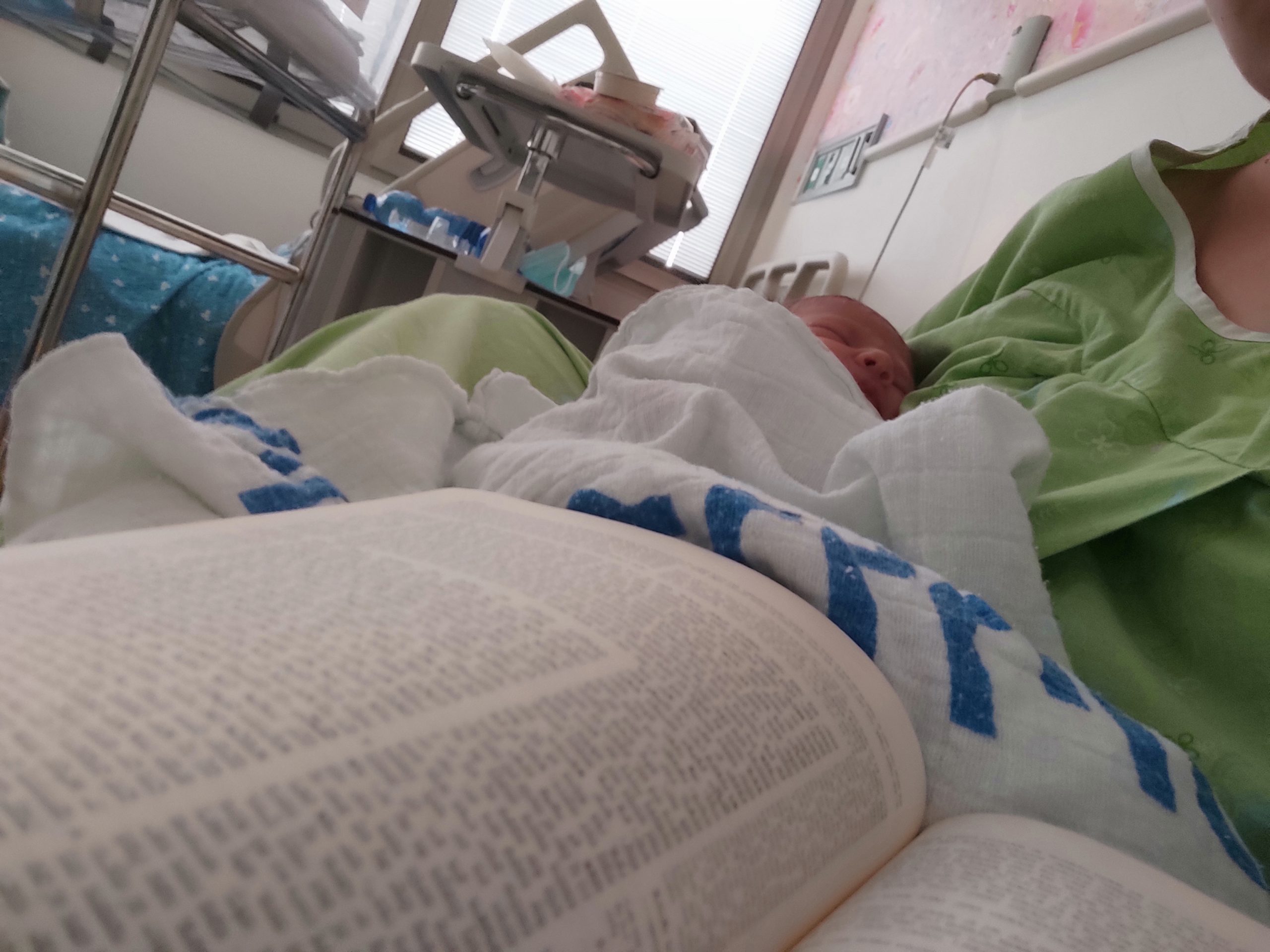
כמו שרואים בתמונה אני ממשיכה ללמוד גם היום ואפילו במחלקת יולדות אחרי לידת ביתי השלישית.

Noa Shiloh
נועה שילה

רבבה, ישראל

. לא תמיד נהניתי מלימוד גמרא כילדה.,בל כהתבגרתי התחלתי לאהוב את זה שוב. התחלתי ללמוד מסכת סוטה בדף היומי לפני כחמש עשרה שנה ואז הפסקתי.הגעתי לסיום הגדול של הדרן לפני שנתיים וזה נתן לי השראה. והתחלתי ללמוד למשך כמה ימים ואז היתה לי פריצת דיסק והפסקתי…עד אלול השנה. אז התחלתי עם מסכת ביצה וב”ה אני מצליחה לעמוד בקצב. המשפחה מאוד תומכת בי ויש כמה שגם לומדים את זה במקביל. אני אוהבת שיש עוגן כל יום.

Rebecca Darshan
רבקה דרשן

בית שמש, ישראל

התחלתי להשתתף בשיעור נשים פעם בשבוע, תכננתי ללמוד רק דפים בודדים, לא האמנתי שאצליח יותר מכך.
לאט לאט נשאבתי פנימה לעולם הלימוד .משתדלת ללמוד כל בוקר ומתחילה את היום בתחושה של מלאות ומתוך התכווננות נכונה יותר.
הלימוד של הדף היומי ממלא אותי בתחושה של חיבור עמוק לעם היהודי ולכל הלומדים בעבר ובהווה.

Neely Hayon
נילי חיון

אפרת, ישראל

התחלתי ללמוד דף יומי שהתחילו מסכת כתובות, לפני 7 שנים, במסגרת קבוצת לימוד שהתפרקה די מהר, ומשם המשכתי לבד בתמיכת האיש שלי. נעזרתי בגמרת שטיינזלץ ובשיעורים מוקלטים.
הסביבה מאד תומכת ואני מקבלת המון מילים טובות לאורך כל הדרך. מאז הסיום הגדול יש תחושה שאני חלק מדבר גדול יותר.
אני לומדת בשיטת ה”7 דפים בשבוע” של הרבנית תרצה קלמן – כלומר, לא נורא אם לא הצלחת ללמוד כל יום, העיקר שגמרת ארבעה דפים בשבוע

Rachel Goldstein
רחל גולדשטיין

עתניאל, ישראל

שבת קלח

אֶלָּא אָמַר אַבָּיֵי: מִדְּרַבָּנַן הִיא, שֶׁלֹּא יַעֲשֶׂה כְּדֶרֶךְ שֶׁהוּא עוֹשֶׂה בַּחוֹל.

Rather, Abaye said: It is a rabbinic decree issued so that one will not conduct himself on Shabbat in the manner that he conducts himself during the week.

מְנַקֵּיט אַבָּיֵי חוּמְרֵי מַתְנְיָתָא וְתָנֵי: הַגּוֹד וְהַמְשַׁמֶּרֶת, כִּילָּה וְכִסֵּא גַלִּין — לֹא יַעֲשֶׂה, וְאִם עָשָׂה — פָּטוּר אֲבָל אָסוּר. אׇהֳלֵי קְבַע — לֹא יַעֲשֶׂה, וְאִם עָשָׂה — חַיָּיב חַטָּאת. אֲבָל מִטָּה וְכִסֵּא טְרַסְקָל וְאַסְלָא — מוּתָּר לִנְטוֹתָן לְכַתְּחִילָּה.

Abaye would consolidate the principles of the baraitot pertaining to the construction of a tent on Shabbat and teach: With regard to a large wineskin, a wine strainer, a canopy hung over a bed, and a folding chair whose cover is detached from its legs, one may not assemble them due to the prohibition against making a temporary tent. If one did so unwittingly, he is exempt by Torah law from bringing a sin-offering, but it is prohibited by rabbinic decree. With regard to permanent tents, one may not make them, and if he did so, he is liable to bring a sin-offering for performing the prohibited labor of building. However, with regard to a bed, and a folding chair [teraskal] whose cover is attached to its legs, and a collapsible toilet, it is permissible to open them ab initio, since they are prepared for use from before Shabbat.

וְאֵין נוֹתְנִין לַתְּלוּיָה בַּשַּׁבָּת. אִיבַּעְיָא לְהוּ: שִׁימֵּר מַאי? אָמַר רַב כָּהֲנָא: שִׁימֵּר — חַיָּיב חַטָּאת.

We also learned in the mishna: One may not place wine for filtering even into a suspended strainer on Shabbat. A dilemma was raised before the Sages: If one strained wine, what is the halakha? Rav Kahana said: If one strained wine, he is liable to bring a sin-offering.

מַתְקֵיף לַהּ רַב שֵׁשֶׁת: מִי אִיכָּא מִידֵּי דְּרַבָּנַן מְחַיְּיבִי חַטָּאת, וְרַבִּי אֱלִיעֶזֶר שָׁרֵי לְכַתְּחִילָּה?!

Rav Sheshet strongly objects to this: Is there something for which the Rabbis render one liable to bring a sin-offering and Rabbi Eliezer permits its performance ab initio? Extreme differences of opinion of that kind are rarely found in one mishna.

מַתְקֵיף לַהּ רַב יוֹסֵף: אַלְּמָה לָא? הֲרֵי עִיר שֶׁל זָהָב, דְּרַבִּי מֵאִיר מְחַיֵּיב חַטָּאת, וְרַבִּי אֱלִיעֶזֶר שָׁרֵי לְכַתְּחִילָּה.

Rav Yosef strongly objects to this question: Why not? Isn’t there an analogous dispute with regard to a woman who wears a city of gold ornament from one domain to another on Shabbat, as Rabbi Meir renders her liable to bring a sin-offering, and Rabbi Eliezer permits it even ab initio?

מַאי הִיא — דְּתַנְיָא: לֹא תֵּצֵא אִשָּׁה בְּעִיר שֶׁל זָהָב, וְאִם יָצְאָה — חַיֶּיבֶת חַטָּאת, דִּבְרֵי רַבִּי מֵאִיר. וַחֲכָמִים אוֹמְרִים: לֹא תֵּצֵא, וְאִם יָצְאָה פְּטוּרָה. רַבִּי אֱלִיעֶזֶר אוֹמֵר: יוֹצְאָה אִשָּׁה בְּעִיר שֶׁל זָהָב לְכַתְּחִילָּה.

What is that dispute? As it was taught in a baraita: A woman may not go out into the public domain on Shabbat with a city of gold ornament. And if she did go out with it into the public domain, she is liable to bring a sin-offering; this is the statement of Rabbi Meir. And the Rabbis say: She may not go out with it ab initio, and if she went out, she is exempt. And Rabbi Eliezer says: A woman may go out with a city of gold ornament ab initio. Apparently, there is precedent for a dispute in which one opinion maintains that an action incurs liability to bring a sin-offering, while another opinion rules that it is permitted ab initio.

אֲמַר לֵיהּ אַבָּיֵי: מִי סָבְרַתְּ רַבִּי אֱלִיעֶזֶר אַדְּרַבִּי מֵאִיר קָאֵי, דְּאָמַר חַיֶּיבֶת חַטָּאת? אַדְּרַבָּנַן קָאֵי, דְּאָמְרִי פָּטוּר אֲבָל אָסוּר, וַאֲמַר לְהוּ אִיהוּ מוּתָּר לְכַתְּחִילָּה.

Abaye said to Rav Yosef: Do you hold that Rabbi Eliezer is relating to the statement of Rabbi Meir, who said that she is liable to bring a sin-offering? He is relating to the statement of the Rabbis, who said one is exempt but it is prohibited, and he said to them that he holds that it is permitted ab initio. Had there not been the intermediate opinion of the Rabbis, an argument with such extreme opinions would not have been possible.

מִשּׁוּם מַאי מַתְרִינַן בֵּיהּ? רַבָּה אָמַר: מִשּׁוּם בּוֹרֵר. רַבִּי זֵירָא אָמַר: מִשּׁוּם מְרַקֵּד.

The Gemara asks: One is liable to bring a sin-offering for straining. Due to performance of what category of prohibited labor do we forewarn him? Rabba said: It is for the category of selecting, as one is selecting the wine from the sediment. Rabbi Zeira said: It is for the category of sifting, as straining is similar to sifting flour in a sifter, which is a form of selecting.

אָמַר רַבָּה, כְּווֹתִי דִּידִי מִסְתַּבְּרָא: מָה דַּרְכּוֹ שֶׁל בּוֹרֵר — נוֹטֵל אוֹכֵל וּמַנִּיחַ הַפְּסוֹלֶת, אַף הָכָא נָמֵי: נוֹטֵל אֶת הָאוֹכֵל וּמַנִּיחַ אֶת הַפְּסוֹלֶת.

Rabba said: According to my opinion, it is reasonable. What is the manner of one who selects? He takes the food and leaves the refuse; here too, when straining wine, one takes the food and leaves the refuse.

אָמַר רַבִּי זֵירָא, כְּווֹתִי דִּידִי מִסְתַּבְּרָא: מָה דַּרְכּוֹ שֶׁל מְרַקֵּד — פְּסוֹלֶת מִלְּמַעְלָה וְאוֹכֶל מִלְּמַטָּה, אַף הָכָא נָמֵי: פְּסוֹלֶת מִלְּמַעְלָה וְאוֹכֶל מִלְּמַטָּה.

Rabbi Zeira said: According to my opinion, that this is not typical selection but rather a specific type of selection, it is reasonable, as what is the manner of sifting? The refuse remains atop the sifter and the food is below. Here too, when straining wine, the refuse remains atop the strainer and the food is below.

תָּנֵי רָמֵי בַּר יְחֶזְקֵאל: טַלִּית כְּפוּלָה לֹא יַעֲשֶׂה, וְאִם עָשָׂה — פָּטוּר אֲבָל אָסוּר. הָיָה כָּרוּךְ עָלֶיהָ חוּט אוֹ מְשִׁיחָה — מוּתָּר לִנְטוֹתָהּ לְכַתְּחִילָּה.

Rami bar Yeḥezkel taught: With regard to a doubled cloak, one may not make a covering on Shabbat by taking the cloak and placing it over a rope and extending the two sides in order to form something similar to a canopy beneath which one could lie (ge’onim; Rif). And if one made it, he is exempt from bringing a sin-offering by Torah law, but it is prohibited by rabbinic decree. If there was a string or a cord wrapped around it before Shabbat, and the cloak was attached to the string while folded, it is permitted to spread it and stretch it ab initio.

בְּעָא מִינֵּיהּ רַב כָּהֲנָא מֵרַב: כִּילָּה מַהוּ? אֲמַר לֵיהּ: אַף מִטָּה אֲסוּרָה. מִטָּה מַהוּ? אֲמַר לֵיהּ: אַף כִּילָּה מוּתֶּרֶת. כִּילָּה וּמִטָּה מַהוּ? אֲמַר לֵיהּ: כִּילָּה אֲסוּרָה וּמִטָּה מוּתֶּרֶת.

On a related issue, Rav Kahana raised a dilemma before Rav: In the case of a canopy, what is the halakha? Is it permitted to spread it on Shabbat? He said to him: Even a bed is prohibited. Rav Kahana asked: With regard to a bed, what is the halakha? He said to him: Even a canopy is permitted. Rav Kahana again asked: In the case of a bed and a canopy, what is the halakha? He said to him: A canopy is prohibited, and a bed is permitted.

וְלָא קַשְׁיָא. הָא דְּקָאָמַר אַף מִטָּה אֲסוּרָה — כִּדְקַרְמֹנָאֵי. הָא דְּקָאֲמַר לֵיהּ אַף כִּילָּה מוּתֶּרֶת — כִּדְרָמֵי בַּר יְחֶזְקֵאל. כִּילָּה אֲסוּרָה וּמִטָּה מוּתֶּרֶת — כִּדְדִידַן.

The Gemara comments: And this is not difficult, as the responses do not in fact contradict one another. Rather, when he said: Even a bed is prohibited, this is referring to folding beds like those of the Carmanians. Unfolding them is considered like making a tent. When he said: Even a canopy is permitted, this is referring to spreading the canopy in the manner explained by Rami bar Yeḥezkel. The canopy was bound by a string from before Shabbat. When he said: A canopy is prohibited, and a bed is permitted, this is referring to beds and canopies like ours, which do not fold. A bed of that kind involves no building. However, spreading canopies is performed in a manner similar to constructing a tent.

אָמַר רַב יוֹסֵף: חֲזֵינָא לְהוּ לְכִילֵּי דְּבֵי רַב הוּנָא דְּמֵאוּרְתָּא נְגִידָא וּמִצַּפְרָא חֲבִיטָא רַמְיָא.

Rav Yosef said: I saw the canopies of the house of Rav Huna that were spread out in the evening, and in the morning they were cast off and lying on the ground. This indicates that it is permitted to dismantle and spread them on Shabbat.

אָמַר רַב מִשּׁוּם רַבִּי חִיָּיא: וִילוֹן מוּתָּר לִנְטוֹתוֹ וּמוּתָּר לְפוֹרְקוֹ.

Rav said in the name of Rabbi Ḥiyya: With regard to a curtain, it is permitted to spread it, and it is permitted to dismantle it. Since a curtain has no roof, neither action constitutes establishing a tent.

וְאָמַר שְׁמוּאֵל מִשּׁוּם רַבִּי חִיָּיא:

And Shmuel said in the name of Rabbi Ḥiyya:

כִּילַּת חֲתָנִים מוּתָּר לִנְטוֹתָהּ וּמוּתָּר לְפוֹרְקָהּ.

With regard to a bridegroom’s canopy, which has no roof but is entirely sloped, it is permitted to spread it and it is permitted to dismantle it on Shabbat.

אָמַר רַב שֵׁשֶׁת בְּרֵיהּ דְּרַב אִידִי: לָא אֲמַרַן אֶלָּא שֶׁאֵין בְּגַגָּהּ טֶפַח, אֲבָל יֵשׁ בְּגַגָּהּ טֶפַח — אֲסוּרָה. וְכִי אֵין בְּגַגָּהּ טֶפַח נָמֵי לָא אֲמַרַן אֶלָּא שֶׁאֵין בְּפָחוֹת מִשְּׁלֹשָׁה סָמוּךְ לְגַגָּהּ טֶפַח, אֲבָל יֵשׁ בְּפָחוֹת מִשְּׁלֹשָׁה סָמוּךְ לְגַגָּהּ טֶפַח — אָסוּר. וְלָא אֲמַרַן אֶלָּא שֶׁאֵין בְּשִׁיפּוּעָהּ טֶפַח, אֲבָל יֵשׁ בְּשִׁיפּוּעָהּ טֶפַח — שִׁפּוּעֵי אֹהָלִים כְּאֹהָלִים דָּמוּ. וְלָא אֲמַרַן אֶלָּא דְּלָא נָחֵית מִפּוּרְיָא טֶפַח, אֲבָל נָחֵית מִפּוּרְיָא טֶפַח — אָסוּר.

Rav Sheshet, son of Rav Idi, said: We only said that it is permitted in a case where its roof is not a handbreadth wide; however, if its roof is a handbreadth wide, it is prohibited. Furthermore, even when its roof is not a handbreadth wide, we only said that it is permitted where there is not the width of a handbreadth within three handbreadths of its roof; however, if it expands to the width of a handbreadth within three handbreadths of its roof, it is prohibited. And we only stated that it is permitted where there is not in its incline the width of a handbreadth; however, if there is in its incline the width of a handbreadth, it is prohibited. This halakha is in accordance with the principle that the inclines of tents, even though they are not actual roofs, are considered like tents. And we only said that this canopy is permitted where no part of the canopy descends to a handbreadth below the bed; however, if part of the canopy descends to a handbreadth below the bed, it is prohibited, as the bed itself becomes a roof, and the curtain is considered a wall.

וְאָמַר רַב שֵׁשֶׁת בְּרֵיהּ דְּרַב אִידִי: הַאי סְיָאנָא שָׁרֵי. וְהָאִיתְּמַר: סְיָאנָא אָסוּר! לָא קַשְׁיָא: הָא דְּאִית בֵּיהּ טֶפַח, הָא דְּלֵית בֵּיהּ טֶפַח.

And Rav Sheshet, son of Rav Idi, also said: Wearing this felt hat is permitted on Shabbat, even though it has a wide brim and is similar to a tent. The Gemara raises a difficulty: Wasn’t it stated elsewhere that it is prohibited to wear a felt hat on Shabbat? The Gemara answers: This is not difficult: This latter statement, which prohibited wearing the hat, is referring to a case where its brim has the width of a handbreadth wide and is similar to a tent. That statement by Rav Sheshet, which permits wearing the hat, is referring to a case where its brim does not have the width of a handbreadth.

אֶלָּא מֵעַתָּה, שַׁרְבֵּיב בִּגְלִימָא טֶפַח הָכִי נָמֵי דְּמִיחַיַּיב? אֶלָּא לָא קַשְׁיָא: הָא דְּמִיהַדַּק, הָא דְּלָא מִיהַדַּק.

The Gemara asks: But if that is so, if one extended his cloak a handbreadth beyond his head, would you also say that he is liable for making a tent? Rather, this is not difficult. The reason the hat is prohibited is not due to making a tent, but due to concern that the wind might blow the cap off one’s head and he will come to carry it by hand. The conflicting statements can be resolved as follows: This statement of Rav Sheshet, which permits wearing the hat, is referring to a case where it is fitted firmly on his head. That statement, which prohibits wearing the hat, is referring to a case where it is not fitted firmly.

שְׁלַח לֵיהּ רָמֵי בַּר יְחֶזְקֵאל לְרַב הוּנָא: אֵימָא לַן אִיזִי הָנָךְ מִילֵּי מְעַלְּיָיתָא דַּאֲמַרְתְּ לַן מִשְּׁמֵיהּ דְּרַב, תַּרְתֵּי בְּשַׁבָּת וַחֲדָא בְּתוֹרָה.

Rami bar Yeḥezkel sent to Rav Huna: Say to us, please, those excellent statements that you said to us in the name of Rav, two with regard to the halakhot of Shabbat, and one with regard to the Torah.

שְׁלַח לֵיהּ: הָא דְּתַנְיָא גּוֹד בְּכִיסָנָא מוּתָּר לִנְטוֹתָהּ בְּשַׁבָּת — אָמַר רַב: לֹא שָׁנוּ אֶלָּא בִּשְׁנֵי בְּנֵי אָדָם, אֲבָל בְּאָדָם אֶחָד — אָסוּר.

Rav Huna sent to him in response: With regard to that which was taught in a baraita: It is permitted to spread a large wineskin and suspend it by its straps on Shabbat, Rav said: They only taught that it is permitted if it is performed by two people together. They do not stretch the wineskin like a tent; rather, they place it without stretching it. However, it is prohibited for one person to do so by himself, due to the concern that he may establish a tent of sorts.

אָמַר אַבָּיֵי: וְכִילָּה אֲפִילּוּ בַּעֲשָׂרָה בְּנֵי אָדָם אָסוּר. אִי אֶפְשָׁר דְּלָא מִימַּתְחָא פּוּרְתָּא.

Abaye said: And it is prohibited to spread a canopy on Shabbat even with ten people. The reason for this is that it is impossible that it will not be stretched a bit for a certain period of time, which would establish a temporary tent.

אִידַּךְ מַאי הִיא דְּתַנְיָא: כִּירָה שֶׁנִּשְׁמְטָה אַחַת מִיַּרְכוֹתֶיהָ — מוּתָּר לְטַלְטְלָהּ. שְׁתַּיִם — אָסוּר. רַב אָמַר: אֲפִילּוּ חַד נָמֵי אָסוּר, גְּזֵירָה שֶׁמָּא יִתְקַע.

And the other halakha with regard to Shabbat, what is it? As it was taught in a baraita: In the case of a stove, one of whose legs fell, it is permitted to move it on Shabbat. Since it remains a vessel, it may be moved if it is taking up a space that is needed. However, if two of its legs fell, it is prohibited, since it is then a broken vessel. Rav said: Even if only one leg fell, it is also prohibited to handle it, due to a decree lest one fasten the leg in place forcefully and be liable for preparing a vessel for use.

תּוֹרָה — דְּאָמַר רַב: עֲתִידָה תּוֹרָה שֶׁתִּשְׁתַּכַּח מִיִּשְׂרָאֵל, שֶׁנֶּאֱמַר: ״וְהִפְלָא ה׳ אֶת מַכֹּתְךָ״, הַפְלָאָה זוֹ אֵינִי יוֹדֵעַ מַהִי. כְּשֶׁהוּא אוֹמֵר: ״לָכֵן הִנְנִי יוֹסִיף לְהַפְלִיא אֶת הָעָם הַזֶּה הַפְלֵא וָפֶלֶא״ — הֱוֵי אוֹמֵר: הַפְלָאָה זוֹ תּוֹרָה.

With regard to Torah, Rav Huna related that Rav said: The Torah is destined to be forgotten from the Jewish people. It is stated at the conclusion of the curses in the Torah’s reproof: “And the Lord will make your plagues astonishing, and the plagues of your seed, great plagues of long continuance, and evil diseases of long continuance” (Deuteronomy 28:59). This term of astonishment, mentioned in the verse in addition to the explicit punishments, I do not know what it is. But when the verse states elsewhere: “Therefore, behold, I will continue to astonish this people with wondrous astonishment, and the wisdom of its wise will be lost, and the understanding of its men of understanding shall be hidden” (Isaiah 29:14), you must say: This astonishment is referring to forgetting the Torah.

תָּנוּ רַבָּנַן: כְּשֶׁנִּכְנְסוּ רַבּוֹתֵינוּ לַכֶּרֶם בְּיַבְנֶה אָמְרוּ, עֲתִידָה תּוֹרָה שֶׁתִּשְׁתַּכַּח מִיִּשְׂרָאֵל, שֶׁנֶּאֱמַר: ״הִנֵּה יָמִים בָּאִים נְאֻם ה׳ אֱלֹהִים וְהִשְׁלַחְתִּי רָעָב בָּאָרֶץ לֹא רָעָב לַלֶּחֶם וְלֹא צָמָא לַמַּיִם כִּי אִם לִשְׁמוֹעַ אֵת דִּבְרֵי ה׳״, וּכְתִיב: ״וְנָעוּ מִיָּם עַד יָם וּמִצָּפוֹן וְעַד מִזְרָח יְשׁוֹטְטוּ לְבַקֵּשׁ אֶת דְּבַר ה׳ וְלֹא יִמְצָאוּ״.

The Sages taught a similar idea in the Tosefta: When our Sages entered the vineyard in Yavne, they said: The Torah is destined to be forgotten from the Jewish people, as it is stated: “Behold, days are approaching, says the Lord God, and I will send forth a hunger in the land, not a hunger for bread and not a thirst for water, but for hearing the words of the Lord” (Amos 8:11). And it states: “And they will drift from sea to sea, and from north to east they will roam to find the word of the Lord, but they will not find it” (Amos 8:12).

״דְּבַר ה׳״ — זוֹ הֲלָכָה, ״דְּבַר ה׳״ — זֶה הַקֵּץ, ״דְּבַר ה׳״ — זוֹ נְבוּאָה.

“The word of the Lord” in this context bears many meanings. “The word of the Lord”; that is halakha. “The word of the Lord”; that is the end of days. “The word of the Lord”; that is prophecy. All these will be lost from the Jewish people.

וּמַאי ״יְשׁוֹטְטוּ לְבַקֵּשׁ אֶת דְּבַר ה׳״? אָמְרוּ: עֲתִידָה אִשָּׁה שֶׁתִּטּוֹל כִּכָּר שֶׁל תְּרוּמָה וְתַחֲזוֹר בְּבָתֵּי כְנֵסִיּוֹת וּבְבָתֵּי מִדְרָשׁוֹת לֵידַע אִם טְמֵאָה הִיא וְאִם טְהוֹרָה הִיא, וְאֵין מֵבִין.

And what is the meaning of: “They will roam to find the word of the Lord, but they will not find it”? They said: It is destined that a woman will take a loaf of teruma bread and circulate among the synagogues and study halls to ascertain whether it is ritually impure or whether it is ritually pure, and there will be none who understands.

אִם טְהוֹרָה הִיא וְאִם טְמֵאָה הִיא בְּהֶדְיָא כְּתִיב בֵּיהּ: ״מִכׇּל הָאוֹכֶל אֲשֶׁר יֵאָכֵל״! אֶלָּא: לֵידַע אִם רִאשׁוֹנָה הִיא וְאִם שְׁנִיָּה הִיא, וְאֵין מֵבִין.

The Gemara asks: How is it possible that they will be unable to understand whether the loaf is ritually pure or whether it is ritually impure? It is explicitly written in the Torah with regard to this: “All food that is eaten upon which water falls shall contract impurity, and all liquid drunk in any vessel shall contract impurity” (Leviticus 11:34). There can be no doubt as to the question of whether or not the loaf can become impure. Rather, the Gemara explains: The woman seeks to ascertain whether it assumes first-degree ritual impurity status or whether it assumes second-degree ritual impurity status; and there will be none who understands.

הָא נָמֵי מַתְנִיתִין הִיא? כְּדִתְנַן: הַשֶּׁרֶץ שֶׁנִּמְצָא בַּתַּנּוּר — הַפַּת שֶׁבְּתוֹכוֹ שְׁנִיָּה, שֶׁהַתַּנּוּר תְּחִילָּה.

The Gemara asks: That too is an explicit mishna, and how is it that none will know an explicit mishna? As we learned in a mishna: If the carcass of a creeping animal was found in the airspace of an oven, the bread inside it assumes second-degree ritual impurity status, as the creeping animal, which is a primary source of impurity, renders the oven impure with first-degree ritual impurity. The oven then renders the bread impure with second-degree ritual impurity.

מִסְתַּפְּקָא לְהוּ הָא דַּאֲמַר לֵיהּ רַב אַדָּא בַּר אַהֲבָה לְרָבָא: לֶיחְזְיֵיהּ לְהַאי תַּנּוּרָא כְּמַאן דִּמְלֵי טוּמְאָה וְתִיהְוֵי פַּת רִאשׁוֹנָה!

The Gemara responds: They are uncertain with regard to that which Rav Adda bar Ahava said to Rava: Let us view this oven as one filled with impurity, and the bread will then assume first-degree ritual impurity status. In other words, the legal status of food in the airspace of an earthenware vessel that also has the carcass of a creeping animal in its airspace is that of food that came into contact with the creeping animal, even if the food does not come into contact with the carcass of a creeping animal.

אֲמַר לֵיהּ: לָא אָמְרִינַן לֶיחְזְיֵיהּ לְהַאי תַּנּוּרָא כְּמַאן דִּמְלֵי טוּמְאָה. דְּתַנְיָא: יָכוֹל יְהוּ כׇּל הַכֵּלִים מִיטַּמְּאִין בַּאֲוִיר כְּלִי חֶרֶס, תַּלְמוּד לוֹמַר: ״כֹּל אֲשֶׁר בְּתוֹכוֹ יִטְמָא״, ״מִכׇּל הָאוֹכֶל אֲשֶׁר יֵאָכֵל״ — אוֹכָלִין מִטַּמְּאִין בַּאֲוִיר כְּלִי חֶרֶס, וְאֵין כֵּלִים מִטַּמְּאִין בַּאֲוִיר כְּלִי חֶרֶס.

He said to him that we do not say: Let us view the oven as one filled with ritual impurity, as it was taught in a baraita: One might think that all vessels should become ritually impure in the airspace of an earthenware vessel that has the carcass of a creeping animal in its airspace; therefore, the verse states: “And any earthenware vessel in which any of them falls, all that is in it shall be impure, and you shall break it. All food that is eaten, upon which water comes, shall be impure; and all drink that may be drunk, in any vessel, shall be impure” (Leviticus 11:33–34). The baraita learns from the juxtaposition of these verses that foods become ritually impure in the airspace of earthenware vessels, but vessels do not become ritually impure in the airspace of earthenware vessels. Apparently, the airspace of an oven is not considered filled with the impurity of the carcass of a creeping animal. If that were the case, even vessels would become ritually impure.

תַּנְיָא, רַבִּי שִׁמְעוֹן בֶּן יוֹחַי אוֹמֵר: חַס וְשָׁלוֹם שֶׁתִּשְׁתַּכַּח תּוֹרָה מִיִּשְׂרָאֵל, שֶׁנֶּאֱמַר: ״כִּי לֹא תִשָּׁכַח מִפִּי זַרְעוֹ״. אֶלָּא מָה אֲנִי מְקַיֵּים ״יְשׁוֹטְטוּ לְבַקֵּשׁ אֶת דְּבַר ה׳ וְלֹא יִמְצָאוּ״? שֶׁלֹּא יִמְצְאוּ

An opposing view was taught in another baraita. Rabbi Shimon ben Yoḥai says: Heaven forfend that the Torah should be forgotten from the Jewish people, as it is stated: “And this song shall answer to him as a witness, for it shall not be forgotten from his seed” (Deuteronomy 31:21). Rather, how do I explain: “They will roam to find the word of God, but they will not find it”? It means that they will not find

רוצה לעקוב אחרי התכנים ולהמשיך ללמוד?

ביצירת חשבון עוד היום ניתן לעקוב אחרי ההתקדמות שלך, לסמן מה למדת, ולעקוב אחרי השיעורים שמעניינים אותך.

לנקות את כל הפריטים מהרשימה?

פעולה זו תסיר את כל הפריטים בחלק זה כולל ההתקדמות וההיסטוריה. שימי לב: לא ניתן לשחזר פעולה זו.

ביטול
מחיקה

האם את/ה בטוח/ה שברצונך למחוק פריט זה?

תאבד/י את כל ההתקדמות או ההיסטוריה הקשורות לפריט זה.

ביטול
מחיקה