חיפוש

שבת ב

רוצה להקדיש לימוד?

podcast placeholder

0:00
0:00


תקציר

מסכת שבת מוקדשת לעילוי נשמת אליהו דניאל בן בר ציון דוד הלוי ע”י קבוצת נשים מקהילת ישורון במנהטן. והשיעור הזה מוקדש לרפואה שלמה לחיים ישעיהו בן שפינצה פייגל.

המסכת מתחילה עם דיני הוצאה. למה? כדי להתחייב בדיני הוצאה, צריך שתהיה עקירת החפץ מרשות אחת והנחתו ברשות אחרת וצריך ששתי הפעולות ייעשו על ידי אותו בנאדם. המשנה מתארת שמונה סיטואציות שבכל מקרה יש שני אנשים ואחד עומד ברשות היחיד (בעל הבית) ואחד

עומד ברשות הרבים (עני) ומושיטים אחד לשני. מי חייב בכל מקרה והאם יש מקרים שבהם אף אחד מהם לא חייב? הגמרא שואלת למה במשנתינו יש שמונה מקרים ובמשנה במסכת שבועות מוזכר הוצאה בשבת אבל שם כתוב שיש רק ארבע מקרים? הגמרא מביאה שתי תשובות אבל דוחה את הראשונה.

שבת ב

מַתְנִי׳ יְצִיאוֹת הַשַּׁבָּת, שְׁתַּיִם שֶׁהֵן אַרְבַּע בִּפְנִים, וּשְׁתַּיִם שֶׁהֵן אַרְבַּע בַּחוּץ.

MISHNA: The acts of carrying out from a public domain into a private domain or vice versa, which are prohibited on Shabbat, are primarily two basic actions that comprise four cases from the perspective of a person inside a private domain, and two basic actions that comprise four cases from the perspective of a person outside, in a public domain.

כֵּיצַד?

The mishna elaborates: How do these eight cases take place? In order to answer that question, the mishna cites cases involving a poor person and a homeowner.

הֶעָנִי עוֹמֵד בַּחוּץ, וּבַעַל הַבַּיִת בִּפְנִים: פָּשַׁט הֶעָנִי אֶת יָדוֹ לִפְנִים וְנָתַן לְתוֹךְ יָדוֹ שֶׁל בַּעַל הַבַּיִת, אוֹ שֶׁנָּטַל מִתּוֹכָהּ וְהוֹצִיא — הֶעָנִי חַיָּיב וּבַעַל הַבַּיִת פָּטוּר.

The poor person stands outside, in the public domain, and the homeowner stands inside, in the private domain. The poor person lifted an object in the public domain, extended his hand into the private domain, and placed the object into the hand of the homeowner. In that case, the poor person performed the prohibited labor of carrying from the public domain into the private domain in its entirety. Or, the poor person reached his hand into the private domain, took an item from the hand of the homeowner, and carried it out into the public domain. In that case, the poor person performed the prohibited labor of carrying out from the private domain into the public domain in its entirety. In both of these cases, because the poor person performed the prohibited labor in its entirety, he is liable and the homeowner is exempt.

פָּשַׁט בַּעַל הַבַּיִת אֶת יָדוֹ לַחוּץ וְנָתַן לְתוֹךְ יָדוֹ שֶׁל עָנִי, אוֹ שֶׁנָּטַל מִתּוֹכָהּ וְהִכְנִיס — בַּעַל הַבַּיִת חַיָּיב וְהֶעָנִי פָּטוּר.

The mishna cites two additional cases. In these, the prohibited labor is performed by the homeowner, who is in the private domain: The homeowner lifted an item in the private domain, extended his hand into the public domain, and placed the object into the hand of the poor person. In that case, the homeowner performed the labor of carrying out from the private domain into the public domain in its entirety. Or, the homeowner reached his hand into the public domain, took an object from the hand of the poor person, and carried it into the private domain. In that case, the homeowner performed the labor of carrying from the public domain into the private domain in its entirety. In both of those cases, because the homeowner performed the prohibited labor in its entirety, he is liable and the poor person is exempt.

פָּשַׁט הֶעָנִי אֶת יָדוֹ לִפְנִים וְנָטַל בַּעַל הַבַּיִת מִתּוֹכָהּ, אוֹ שֶׁנָּתַן לְתוֹכָהּ וְהוֹצִיא — שְׁנֵיהֶם פְּטוּרִין.

There are four additional cases where neither the homeowner nor the poor person performed the labor in its entirety, and therefore neither is liable: The poor person extended his hand into the private domain and either the homeowner took an object from his hand and placed it in the private domain or the homeowner placed an object into the hand of the poor person, and the poor person carried the object out into the public domain. In those cases and the two that follow, the act of transferring the object from one domain to another was performed jointly by two people, the poor person and the homeowner. Because each performed only part of the prohibited labor, both of them are exempt.

פָּשַׁט בַּעַל הַבַּיִת אֶת יָדוֹ לַחוּץ וְנָטַל הֶעָנִי מִתּוֹכָהּ, אוֹ שֶׁנָּתַן לְתוֹכָהּ וְהִכְנִיס — שְׁנֵיהֶם פְּטוּרִין.

So too, in a case where the homeowner extended his hand into the public domain and, either the poor person took an object from the homeowner’s hand and placed it in the public domain or the poor person placed an object into the homeowner’s hand and the homeowner carried the object into the private domain. Because each performed only part of the prohibited labor, both of them are exempt.

גְּמָ׳ תְּנַן הָתָם: שְׁבוּעוֹת, שְׁתַּיִם שֶׁהֵן אַרְבַּע.

GEMARA: We learned in our mishna: The acts of carrying out on Shabbat are two that comprise four. Similarly, we learned in the mishna there, in tractate Shevuot: Oaths on a statement, which, when violated, render one liable to bring a sin-offering are two that comprise four. The first two cases, which are mentioned explicitly in the Torah, are: One who swore that he would perform a specific action in the future and one who swore to refrain from performing said action. Based on an amplification in the language of the Torah, two more cases are added: One who swore that he performed a specific action in the past and one who swore that he did not perform said action.

יְדִיעוֹת הַטּוּמְאָה, שְׁתַּיִם שֶׁהֵן אַרְבַּע.

Similarly, with regard to awareness of ritual impurity, there are two cases that comprise four. It is prohibited for one who is ritually impure to enter the Temple or to consume a consecrated item. However, one who unwittingly violates this serious prohibition is obligated to bring a sacrifice for his transgression only if he was clearly aware of his ritually impure status both before committing the transgression and thereafter. The two cases of unwitting transgression in this area are: One who was aware and then forgot that he is ritually impure, and then either ate consecrated meat or entered the Temple, and subsequently recalled that he was ritually impure. Two additional cases are: One who was aware of his ritually impure status but was unaware that the food he was about to eat was consecrated and ate it, or he was unaware that he was about to enter the Temple and entered it.

מַרְאוֹת נְגָעִים, שְׁנַיִם שֶׁהֵן אַרְבָּעָה.

Signs of affliction by leprosy are two that comprise four. The Torah (Leviticus 13) mentions two types of signs of affliction with regard to leprosy, baheret and se’et. Two additional, secondary signs of affliction were added. They are not as white as those delineated in the Torah. Consequently, there are derivatives of both baheret and se’et.

יְצִיאוֹת הַשַּׁבָּת, שְׁתַּיִם שֶׁהֵן אַרְבַּע.

The mishna in Shevuot also mentions that the acts of carrying out on Shabbat are two basic actions that comprise four.

מַאי שְׁנָא הָכָא דְּתָנֵי ״שְׁתַּיִם שֶׁהֵן אַרְבַּע בִּפְנִים וּשְׁתַּיִם שֶׁהֵן אַרְבַּע בַּחוּץ״, וּמַאי שְׁנָא הָתָם דְּתָנֵי ״שְׁתַּיִם שֶׁהֵן אַרְבַּע״ וְתוּ לָא?

The Gemara asks: What is different here that our mishna teaches: Two that comprise four inside and two that comprise four outside, and what is different there, in tractate Shevuot, that the mishna teaches with regard to transfers on Shabbat: Two that comprise four, and nothing more?

הָכָא דְּעִיקַּר שַׁבָּת הוּא, תָּנֵי אָבוֹת וְתָנֵי תּוֹלָדוֹת. הָתָם דְּלָאו עִיקַּר שַׁבָּת הוּא, אָבוֹת תָּנֵי, תּוֹלָדוֹת לָא תָּנֵי.

The Gemara answers: Here, in tractate Shabbat, which contains the primary discussion of the halakhot of Shabbat, the mishna teaches the primary categories of labor that are prohibited on Shabbat, including carrying out from the private to the public domain, and it teaches the subcategories of labor that are prohibited on Shabbat, including carrying from the public into the private domain. But there, in tractate Shevuot, which does not contain the primary discussion of the halakhot of Shabbat, the mishna teaches the primary categories of labor prohibited on Shabbat but does not teach the subcategories of labor.

אָבוֹת מַאי נִיהוּ? — יְצִיאוֹת, וִיצִיאוֹת תְּרֵי הָוְיָין!

The Gemara asks: What are the primary categories of labor prohibited on Shabbat? They are acts of carrying out from the private domain to the public domain. However, the Gemara objects: The acts of carrying out are only two in number: There is the case of the homeowner who takes an object out of the private domain and places it in the hand of the poor person in the public domain and the case of a poor person who takes an object from the homeowner’s hand in the private domain and takes it out into the public domain. What are the two additional cases referred to by the phrase: Two that comprise four, in tractate Shevuot?

וְכִי תֵּימָא, מֵהֶן לְחִיּוּב וּמֵהֶן לִפְטוּר, וְהָא דּוּמְיָא דְּמַרְאוֹת נְגָעִים קָתָנֵי: מָה הָתָם כּוּלְּהוּ לְחִיּוּבָא, אַף הָכָא נָמֵי כּוּלְּהוּ לְחִיּוּבָא!

And if you say that the mishna in tractate Shevuot enumerates all four cases of carrying out, among them those for which there is liability and among them those for which there is exemption, including those mentioned in the second half of our mishna in which each individual performs only half of the prohibited labor, that is not feasible. The mishna in Shevuot teaches the prohibition of carrying out on Shabbat parallel to the signs of affliction by leprosy. Just as there, with regard to leprosy, all four of them are cases for which there is liability, so too, here, with regard to Shabbat, all four of them are cases for which there is liability.

אֶלָּא אָמַר רַב פָּפָּא: הָכָא דְּעִיקַּר שַׁבָּת הוּא, תָּנֵי חִיּוּבֵי וּפְטוּרֵי. הָתָם דְּלָאו עִיקָּר שַׁבָּת הוּא, חִיּוּבֵי תָּנֵי וּפְטוּרֵי לָא תָּנֵי.

Rather, Rav Pappa said that the difference between the manner in which the halakha is cited in tractates Shevuot and Shabbat must be understood as follows: Here, where it contains the primary discussion of the halakhot of Shabbat, the mishna teaches both cases of liability and cases of exemption, meaning cases of carrying out for which one is liable by Torah law as well as those for which one is exempt by Torah law. However, there, where it does not contain the primary discussion of the halakhot of Shabbat, the mishna teaches cases of liability but does not teach cases of exemption.

חִיּוּבֵי מַאי נִיהוּ? — יְצִיאוֹת, יְצִיאוֹת תַּרְתֵּי הָוְיָין! — שְׁתַּיִם דְּהוֹצָאָה וּשְׁתַּיִם דְּהַכְנָסָה.

The Gemara asks: What are the cases of liability? They are acts of carrying out from the private domain to the public domain. The Gemara objects on the grounds that there are only two acts of carrying out: Carrying out while standing inside and carrying out while standing outside. What is the meaning of the phrase in Shevuot: Which comprise four? The Gemara answers: It is possible to arrive at a total of four. Cases of carrying in from the public domain to the private domain are also enumerated in tractate Shevuot. Consequently, there are two cases of carrying out and two cases of carrying in.

וְהָא ״יְצִיאוֹת״ קָתָנֵי! אָמַר רַב אָשֵׁי: תַּנָּא הַכְנָסָה נָמֵי ״הוֹצָאָה״ קָרֵי לַהּ.

The Gemara objects: In Shevuot, the phrase: Acts of carrying out, is taught in the mishna, not acts of carrying in. Rav Ashi said: The tanna in Shevuot also refers to carrying in as carrying out.

מִמַּאי? מִדִּתְנַן: הַמּוֹצִיא מֵרְשׁוּת לִרְשׁוּת — חַיָּיב. מִי לָא עָסְקִינַן דְּקָא מְעַיֵּיל מֵרְשׁוּת הָרַבִּים לִרְשׁוּת הַיָּחִיד, וְקָא קָרֵי לַהּ ״הוֹצָאָה״?

From where do I know this? From that which we learned in a mishna: One who carries out an object from one domain to another is liable. Are we not also dealing with a case where he is carrying it in from the public domain to the private domain, and nevertheless the mishna characterizes it as carrying out?

וְטַעְמָא מַאי? — כׇּל עֲקִירַת חֵפֶץ מִמְּקוֹמוֹ תַּנָּא ״הוֹצָאָה״ קָרֵי לַהּ.

And what is the reason that the term carrying out is used to refer to an act of carrying in? The tanna characterizes any act that involves lifting of an object from its place and transferring it to another domain as carrying out. Carrying out does not refer only to carrying an object out from one’s house. Rather, it is a general depiction of moving an object from the domain in which it is located into another domain.

אָמַר רָבִינָא: מַתְנִיתִין נָמֵי דַּיְקָא, דְּקָתָנֵי ״יְצִיאוֹת״ וְקָא מְפָרֵשׁ הַכְנָסָה לְאַלְתַּר. שְׁמַע מִינַּהּ.

Ravina said: Our mishna is also precise, and its language leads us to the same conclusion, as the expression: Acts of carrying out on Shabbat, was taught in our mishna, yet immediately a case of carrying in is articulated. The first case listed in our mishna involves the poor person placing an object into the hand of the homeowner, which is a case of carrying in from the public to the private domain. The Gemara notes: Indeed, conclude from this that the term carrying out also refers to carrying in.

רָבָא אָמַר, ״רְשׁוּיוֹת״ קָתָנֵי: ״רְשׁוּיוֹת שַׁבָּת שְׁתַּיִם״.

Rava said: The language of the mishnayot poses no difficulty. The tanna in both of these mishnayot did not teach: Acts of carrying out on Shabbat. Rather, he taught: Domains of Shabbat. The correct version of the mishna is: The domains of Shabbat are two that comprise four, and, according to this tanna, there are four instances of prohibited labor in these two domains, inside and outside.

אֲמַר לֵיהּ רַב מַתְנָה לְאַבָּיֵי: הָא תַּמְנֵי הָוְיָין? תַּרְתֵּי סְרֵי הָוְיָין!

Rav Mattana said to Abaye: The mishna speaks of two that comprise four inside and two that comprise four outside, for a total of eight. Yet there is a difficulty: Are these eight cases? They are twelve. Upon closer inspection, in the four cases in the latter part of the mishna, the homeowner and the poor person each performs an individual action contributing to the overall prohibited labor of carrying in or carrying out. Consequently, there are four actions in the first part of the mishna and eight actions in the second part.

וְלִיטַעְמָיךְ שִׁיתְסְרֵי הָוְיָין!

Abaye responded: According to your reasoning, they are sixteen actions, as even in the first part of our mishna, the one who receives the object and the one who places the object each participates in the performance of a prohibited action. Therefore, there are a total of sixteen actions.

אָמַר לֵיהּ — הָא לָא קַשְׁיָא: בִּשְׁלָמָא

Rav Mattana said to Abaye: That is not difficult, as granted,

חדשה בלימוד הגמרא?

זה הדף הראשון שלך? איזו התרגשות עצומה! יש לנו בדיוק את התכנים והכלים שיעזרו לך לעשות את הצעדים הראשונים ללמידה בקצב וברמה שלך, כך תוכלי להרגיש בנוח גם בתוך הסוגיות המורכבות ומאתגרות.

פסיפס הלומדות שלנו

גלי את קהילת הלומדות שלנו, מגוון נשים, רקעים וסיפורים. כולן חלק מתנועה ומסע מרגש ועוצמתי.

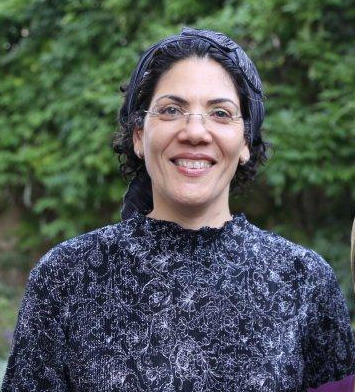
"התחלתי ללמוד דף יומי במחזור הזה, בח’ בטבת תש””ף. לקחתי על עצמי את הלימוד כדי ליצור תחום של התמדה יומיומית בחיים, והצטרפתי לקבוצת הלומדים בבית הכנסת בכפר אדומים. המשפחה והסביבה מתפעלים ותומכים.
בלימוד שלי אני מתפעלת בעיקר מכך שכדי ללמוד גמרא יש לדעת ולהכיר את כל הגמרא. זו מעין צבת בצבת עשויה שהיא עצומה בהיקפה.”

Sarah Fox
שרה פוּקס

כפר אדומים, ישראל

באירוע של הדרן בנייני האומה. בהשראתה של אמי שלי שסיימה את הש”ס בסבב הקודם ובעידוד מאיר , אישי, וילדיי וחברותיי ללימוד במכון למנהיגות הלכתית של רשת אור תורה סטון ומורתיי הרבנית ענת נובוסלסקי והרבנית דבורה עברון, ראש המכון למנהיגות הלכתית.
הלימוד מעשיר את יומי, מחזיר אותי גם למסכתות שכבר סיימתי וידוע שאינו דומה מי ששונה פרקו מאה לשונה פרקו מאה ואחת במיוחד מרתקים אותי החיבורים בין המסכתות

Roit Kalech
רוית קלך

מודיעין, ישראל

התחלתי ללמוד דף יומי לפני שנתיים, עם מסכת שבת. בהתחלה ההתמדה היתה קשה אבל בזכות הקורונה והסגרים הצלחתי להדביק את הפערים בשבתות הארוכות, לסיים את מסכת שבת ולהמשיך עם המסכתות הבאות. עכשיו אני מסיימת בהתרגשות רבה את מסכת חגיגה וסדר מועד ומחכה לסדר הבא!

Ilana-Shachnowitz
אילנה שכנוביץ

מודיעין, ישראל

My explorations into Gemara started a few days into the present cycle. I binged learnt and become addicted. I’m fascinated by the rich "tapestry” of intertwined themes, connections between Masechtot, conversations between generations of Rabbanim and learners past and present all over the world. My life has acquired a golden thread, linking generations with our amazing heritage.
Thank you.

Susan Kasdan
סוזן כשדן

חשמונאים, Israel

. לא תמיד נהניתי מלימוד גמרא כילדה.,בל כהתבגרתי התחלתי לאהוב את זה שוב. התחלתי ללמוד מסכת סוטה בדף היומי לפני כחמש עשרה שנה ואז הפסקתי.הגעתי לסיום הגדול של הדרן לפני שנתיים וזה נתן לי השראה. והתחלתי ללמוד למשך כמה ימים ואז היתה לי פריצת דיסק והפסקתי…עד אלול השנה. אז התחלתי עם מסכת ביצה וב”ה אני מצליחה לעמוד בקצב. המשפחה מאוד תומכת בי ויש כמה שגם לומדים את זה במקביל. אני אוהבת שיש עוגן כל יום.

Rebecca Darshan
רבקה דרשן

בית שמש, ישראל

בתחילת הסבב הנוכחי של לימוד הדף היומי, נחשפתי לחגיגות המרגשות באירועי הסיום ברחבי העולם. והבטחתי לעצמי שבקרוב אצטרף גם למעגל הלומדות. הסבב התחיל כאשר הייתי בתחילת דרכי בתוכנית קרן אריאל להכשרת יועצות הלכה של נשמ”ת. לא הצלחתי להוסיף את ההתחייבות לדף היומי על הלימוד האינטנסיבי של תוכנית היועצות. בבוקר למחרת המבחן הסופי בנשמ”ת, התחלתי את לימוד הדף במסכת סוכה ומאז לא הפסקתי.

Hana Shaham-Rozby (Dr.)
חנה שחם-רוזבי (ד”ר)

קרית גת, ישראל

רבנית מישל הציתה אש התלמוד בלבבות בביניני האומה ואני נדלקתי. היא פתחה פתח ותמכה במתחילות כמוני ואפשרה לנו להתקדם בצעדים נכונים וטובים. הקימה מערך שלם שמסובב את הלומדות בסביבה תומכת וכך נכנסתי למסלול לימוד מעשיר שאין כמוה. הדרן יצר קהילה גדולה וחזקה שמאפשרת התקדמות מכל נקודת מוצא. יש דיבוק לומדות שמחזק את ההתמדה של כולנו. כל פניה ושאלה נענית בזריזות ויסודיות. תודה גם למגי על כל העזרה.

Sarah Aber
שרה אבר

נתניה, ישראל

התחלתי בתחילת הסבב, והתמכרתי. זה נותן משמעות נוספת ליומיום ומאוד מחזק לתת לזה מקום בתוך כל שגרת הבית-עבודה השוטפת.

Reut Abrahami
רעות אברהמי

בית שמש, ישראל

אמא שלי למדה איתי ש”ס משנה, והתחילה ללמוד דף יומי. אני החלטתי שאני רוצה ללמוד גם. בהתחלה למדתי איתה, אח”כ הצטרפתי ללימוד דף יומי שהרב דני וינט מעביר לנוער בנים בעתניאל. במסכת עירובין עוד חברה הצטרפה אלי וכשהתחלנו פסחים הרב דני פתח לנו שעור דף יומי לבנות. מאז אנחנו לומדות איתו קבוע כל יום את הדף היומי (ובשבת אבא שלי מחליף אותו). אני נהנית מהלימוד, הוא מאתגר ומעניין

Renana Hellman
רננה הלמן

עתניאל, ישראל

הייתי לפני שנתיים בסיום הדרן נשים בבנייני האומה והחלטתי להתחיל. אפילו רק כמה דפים, אולי רק פרק, אולי רק מסכת… בינתיים סיימתי רבע שס ותכף את כל סדר מועד בה.
הסביבה תומכת ומפרגנת. אני בת יחידה עם ארבעה אחים שכולם לומדים דף יומי. מדי פעם אנחנו עושים סיומים יחד באירועים משפחתיים. ממש מרגש. מסכת שבת סיימנו כולנו יחד עם אבא שלנו!
אני שומעת כל יום פודקאסט בהליכה או בנסיעה ואחכ לומדת את הגמרא.

Edna Gross
עדנה גרוס

מרכז שפירא, ישראל

התחלתי ללמוד דף יומי בתחילת מסכת ברכות, עוד לא ידעתי כלום. נחשפתי לסיום הש״ס, ובעצם להתחלה מחדש בתקשורת, הפתיע אותי לטובה שהיה מקום לעיסוק בתורה.
את המסכתות הראשונות למדתי, אבל לא סיימתי (חוץ מעירובין איכשהו). השנה כשהגעתי למדרשה, נכנסתי ללופ, ואני מצליחה להיות חלק, סיימתי עם החברותא שלי את כל המסכתות הקצרות, גם כשהיינו חולות קורונה ובבידודים, למדנו לבד, העיקר לא לצבור פער, ומחכות ליבמות 🙂

Eden Yeshuron
עדן ישורון

מזכרת בתיה, ישראל

. לא תמיד נהניתי מלימוד גמרא כילדה.,בל כהתבגרתי התחלתי לאהוב את זה שוב. התחלתי ללמוד מסכת סוטה בדף היומי לפני כחמש עשרה שנה ואז הפסקתי.הגעתי לסיום הגדול של הדרן לפני שנתיים וזה נתן לי השראה. והתחלתי ללמוד למשך כמה ימים ואז היתה לי פריצת דיסק והפסקתי…עד אלול השנה. אז התחלתי עם מסכת ביצה וב”ה אני מצליחה לעמוד בקצב. המשפחה מאוד תומכת בי ויש כמה שגם לומדים את זה במקביל. אני אוהבת שיש עוגן כל יום.

Rebecca Darshan
רבקה דרשן

בית שמש, ישראל

התחלתי להשתתף בשיעור נשים פעם בשבוע, תכננתי ללמוד רק דפים בודדים, לא האמנתי שאצליח יותר מכך.
לאט לאט נשאבתי פנימה לעולם הלימוד .משתדלת ללמוד כל בוקר ומתחילה את היום בתחושה של מלאות ומתוך התכווננות נכונה יותר.
הלימוד של הדף היומי ממלא אותי בתחושה של חיבור עמוק לעם היהודי ולכל הלומדים בעבר ובהווה.

Neely Hayon
נילי חיון

אפרת, ישראל

התחלתי ללמוד דף יומי שהתחילו מסכת כתובות, לפני 7 שנים, במסגרת קבוצת לימוד שהתפרקה די מהר, ומשם המשכתי לבד בתמיכת האיש שלי. נעזרתי בגמרת שטיינזלץ ובשיעורים מוקלטים.
הסביבה מאד תומכת ואני מקבלת המון מילים טובות לאורך כל הדרך. מאז הסיום הגדול יש תחושה שאני חלק מדבר גדול יותר.
אני לומדת בשיטת ה”7 דפים בשבוע” של הרבנית תרצה קלמן – כלומר, לא נורא אם לא הצלחת ללמוד כל יום, העיקר שגמרת ארבעה דפים בשבוע

Rachel Goldstein
רחל גולדשטיין

עתניאל, ישראל

התחלתי ללמוד בשנת המדרשה במגדל עוז, בינתיים נהנית מאוד מהלימוד ומהגמרא, מעניין ומשמח מאוד!
משתדלת להצליח לעקוב כל יום, לפעמים משלימה קצת בהמשך השבוע.. מרגישה שיש עוגן מקובע ביום שלי והוא משמח מאוד!

Uriah Kesner
אוריה קסנר

חיפה , ישראל

הצטרפתי ללומדות בתחילת מסכת תענית. ההתרגשות שלי ושל המשפחה היתה גדולה מאוד, והיא הולכת וגוברת עם כל סיום שאני זוכה לו. במשך שנים רבות רציתי להצטרף ומשום מה זה לא קרה… ב”ה מצאתי לפני מספר חודשים פרסום של הדרן, ומיד הצטרפתי והתאהבתי. הדף היומי שינה את חיי ממש והפך כל יום- ליום של תורה. מודה לכן מקרב ליבי ומאחלת לכולנו לימוד פורה מתוך אהבת התורה ולומדיה.

Noa Rosen
נעה רוזן

חיספין רמת הגולן, ישראל

לצערי גדלתי בדור שבו לימוד גמרא לנשים לא היה דבר שבשגרה ושנים שאני חולמת להשלים את הפער הזה.. עד שלפני מספר שבועות, כמעט במקרה, נתקלתי במודעת פרסומת הקוראת להצטרף ללימוד מסכת תענית. כשקראתי את המודעה הרגשתי שהיא כאילו נכתבה עבורי – "תמיד חלמת ללמוד גמרא ולא ידעת איך להתחיל”, "בואי להתנסות במסכת קצרה וקלה” (רק היה חסר שהמודעה תיפתח במילים "מיכי שלום”..). קפצתי למים ו- ב”ה אני בדרך להגשמת החלום:)

Micah Kadosh
מיכי קדוש

מורשת, ישראל

התחלתי בסיום הש”ס, יצאתי באורות. נשברתי פעמיים, ובשתיהם הרבנית מישל עודדה להמשיך איפה שכולם בסבב ולהשלים כשאוכל, וכך עשיתי וכיום השלמתי הכל. מדהים אותי שאני לומדת כל יום קצת, אפילו בחדר הלידה, בבידוד או בחו”ל. לאט לאט יותר נינוחה בסוגיות. לא כולם מבינים את הרצון, בפרט כפמניסטית. חשה סיפוק גדול להכיר את המושגים וצורת החשיבה. החלום זה להמשיך ולהתמיד ובמקביל ללמוד איך מהסוגיות נוצרה והתפתחה ההלכה.

Weingarten Sherrington Foundation
קרן וינגרטן שרינגטון

מודיעין, ישראל

רציתי לקבל ידע בתחום שהרגשתי שהוא גדול וחשוב אך נעלם ממני. הלימוד מעניק אתגר וסיפוק ומעמיק את תחושת השייכות שלי לתורה וליהדות

Ruth Agiv
רות עגיב

עלי זהב – לשם, ישראל

אני לומדת גמרא כעשור במסגרות שונות, ואת הדף היומי התחלתי כשחברה הציעה שאצטרף אליה לסיום בבנייני האומה. מאז אני לומדת עם פודקסט הדרן, משתדלת באופן יומי אך אם לא מספיקה, מדביקה פערים עד ערב שבת. בסבב הזה הלימוד הוא "ממעוף הציפור”, מקשיבה במהירות מוגברת תוך כדי פעילויות כמו בישול או נהיגה, וכך רוכשת היכרות עם הסוגיות ואופן ניתוחם על ידי חז”ל. בע”ה בסבב הבא, ואולי לפני, אצלול לתוכו באופן מעמיק יותר.

Yael Bir
יעל ביר

רמת גן, ישראל

שבת ב

מַתְנִי׳ יְצִיאוֹת הַשַּׁבָּת, שְׁתַּיִם שֶׁהֵן אַרְבַּע בִּפְנִים, וּשְׁתַּיִם שֶׁהֵן אַרְבַּע בַּחוּץ.

MISHNA: The acts of carrying out from a public domain into a private domain or vice versa, which are prohibited on Shabbat, are primarily two basic actions that comprise four cases from the perspective of a person inside a private domain, and two basic actions that comprise four cases from the perspective of a person outside, in a public domain.

כֵּיצַד?

The mishna elaborates: How do these eight cases take place? In order to answer that question, the mishna cites cases involving a poor person and a homeowner.

הֶעָנִי עוֹמֵד בַּחוּץ, וּבַעַל הַבַּיִת בִּפְנִים: פָּשַׁט הֶעָנִי אֶת יָדוֹ לִפְנִים וְנָתַן לְתוֹךְ יָדוֹ שֶׁל בַּעַל הַבַּיִת, אוֹ שֶׁנָּטַל מִתּוֹכָהּ וְהוֹצִיא — הֶעָנִי חַיָּיב וּבַעַל הַבַּיִת פָּטוּר.

The poor person stands outside, in the public domain, and the homeowner stands inside, in the private domain. The poor person lifted an object in the public domain, extended his hand into the private domain, and placed the object into the hand of the homeowner. In that case, the poor person performed the prohibited labor of carrying from the public domain into the private domain in its entirety. Or, the poor person reached his hand into the private domain, took an item from the hand of the homeowner, and carried it out into the public domain. In that case, the poor person performed the prohibited labor of carrying out from the private domain into the public domain in its entirety. In both of these cases, because the poor person performed the prohibited labor in its entirety, he is liable and the homeowner is exempt.

פָּשַׁט בַּעַל הַבַּיִת אֶת יָדוֹ לַחוּץ וְנָתַן לְתוֹךְ יָדוֹ שֶׁל עָנִי, אוֹ שֶׁנָּטַל מִתּוֹכָהּ וְהִכְנִיס — בַּעַל הַבַּיִת חַיָּיב וְהֶעָנִי פָּטוּר.

The mishna cites two additional cases. In these, the prohibited labor is performed by the homeowner, who is in the private domain: The homeowner lifted an item in the private domain, extended his hand into the public domain, and placed the object into the hand of the poor person. In that case, the homeowner performed the labor of carrying out from the private domain into the public domain in its entirety. Or, the homeowner reached his hand into the public domain, took an object from the hand of the poor person, and carried it into the private domain. In that case, the homeowner performed the labor of carrying from the public domain into the private domain in its entirety. In both of those cases, because the homeowner performed the prohibited labor in its entirety, he is liable and the poor person is exempt.

פָּשַׁט הֶעָנִי אֶת יָדוֹ לִפְנִים וְנָטַל בַּעַל הַבַּיִת מִתּוֹכָהּ, אוֹ שֶׁנָּתַן לְתוֹכָהּ וְהוֹצִיא — שְׁנֵיהֶם פְּטוּרִין.

There are four additional cases where neither the homeowner nor the poor person performed the labor in its entirety, and therefore neither is liable: The poor person extended his hand into the private domain and either the homeowner took an object from his hand and placed it in the private domain or the homeowner placed an object into the hand of the poor person, and the poor person carried the object out into the public domain. In those cases and the two that follow, the act of transferring the object from one domain to another was performed jointly by two people, the poor person and the homeowner. Because each performed only part of the prohibited labor, both of them are exempt.

פָּשַׁט בַּעַל הַבַּיִת אֶת יָדוֹ לַחוּץ וְנָטַל הֶעָנִי מִתּוֹכָהּ, אוֹ שֶׁנָּתַן לְתוֹכָהּ וְהִכְנִיס — שְׁנֵיהֶם פְּטוּרִין.

So too, in a case where the homeowner extended his hand into the public domain and, either the poor person took an object from the homeowner’s hand and placed it in the public domain or the poor person placed an object into the homeowner’s hand and the homeowner carried the object into the private domain. Because each performed only part of the prohibited labor, both of them are exempt.

גְּמָ׳ תְּנַן הָתָם: שְׁבוּעוֹת, שְׁתַּיִם שֶׁהֵן אַרְבַּע.

GEMARA: We learned in our mishna: The acts of carrying out on Shabbat are two that comprise four. Similarly, we learned in the mishna there, in tractate Shevuot: Oaths on a statement, which, when violated, render one liable to bring a sin-offering are two that comprise four. The first two cases, which are mentioned explicitly in the Torah, are: One who swore that he would perform a specific action in the future and one who swore to refrain from performing said action. Based on an amplification in the language of the Torah, two more cases are added: One who swore that he performed a specific action in the past and one who swore that he did not perform said action.

יְדִיעוֹת הַטּוּמְאָה, שְׁתַּיִם שֶׁהֵן אַרְבַּע.

Similarly, with regard to awareness of ritual impurity, there are two cases that comprise four. It is prohibited for one who is ritually impure to enter the Temple or to consume a consecrated item. However, one who unwittingly violates this serious prohibition is obligated to bring a sacrifice for his transgression only if he was clearly aware of his ritually impure status both before committing the transgression and thereafter. The two cases of unwitting transgression in this area are: One who was aware and then forgot that he is ritually impure, and then either ate consecrated meat or entered the Temple, and subsequently recalled that he was ritually impure. Two additional cases are: One who was aware of his ritually impure status but was unaware that the food he was about to eat was consecrated and ate it, or he was unaware that he was about to enter the Temple and entered it.

מַרְאוֹת נְגָעִים, שְׁנַיִם שֶׁהֵן אַרְבָּעָה.

Signs of affliction by leprosy are two that comprise four. The Torah (Leviticus 13) mentions two types of signs of affliction with regard to leprosy, baheret and se’et. Two additional, secondary signs of affliction were added. They are not as white as those delineated in the Torah. Consequently, there are derivatives of both baheret and se’et.

יְצִיאוֹת הַשַּׁבָּת, שְׁתַּיִם שֶׁהֵן אַרְבַּע.

The mishna in Shevuot also mentions that the acts of carrying out on Shabbat are two basic actions that comprise four.

מַאי שְׁנָא הָכָא דְּתָנֵי ״שְׁתַּיִם שֶׁהֵן אַרְבַּע בִּפְנִים וּשְׁתַּיִם שֶׁהֵן אַרְבַּע בַּחוּץ״, וּמַאי שְׁנָא הָתָם דְּתָנֵי ״שְׁתַּיִם שֶׁהֵן אַרְבַּע״ וְתוּ לָא?

The Gemara asks: What is different here that our mishna teaches: Two that comprise four inside and two that comprise four outside, and what is different there, in tractate Shevuot, that the mishna teaches with regard to transfers on Shabbat: Two that comprise four, and nothing more?

הָכָא דְּעִיקַּר שַׁבָּת הוּא, תָּנֵי אָבוֹת וְתָנֵי תּוֹלָדוֹת. הָתָם דְּלָאו עִיקַּר שַׁבָּת הוּא, אָבוֹת תָּנֵי, תּוֹלָדוֹת לָא תָּנֵי.

The Gemara answers: Here, in tractate Shabbat, which contains the primary discussion of the halakhot of Shabbat, the mishna teaches the primary categories of labor that are prohibited on Shabbat, including carrying out from the private to the public domain, and it teaches the subcategories of labor that are prohibited on Shabbat, including carrying from the public into the private domain. But there, in tractate Shevuot, which does not contain the primary discussion of the halakhot of Shabbat, the mishna teaches the primary categories of labor prohibited on Shabbat but does not teach the subcategories of labor.

אָבוֹת מַאי נִיהוּ? — יְצִיאוֹת, וִיצִיאוֹת תְּרֵי הָוְיָין!

The Gemara asks: What are the primary categories of labor prohibited on Shabbat? They are acts of carrying out from the private domain to the public domain. However, the Gemara objects: The acts of carrying out are only two in number: There is the case of the homeowner who takes an object out of the private domain and places it in the hand of the poor person in the public domain and the case of a poor person who takes an object from the homeowner’s hand in the private domain and takes it out into the public domain. What are the two additional cases referred to by the phrase: Two that comprise four, in tractate Shevuot?

וְכִי תֵּימָא, מֵהֶן לְחִיּוּב וּמֵהֶן לִפְטוּר, וְהָא דּוּמְיָא דְּמַרְאוֹת נְגָעִים קָתָנֵי: מָה הָתָם כּוּלְּהוּ לְחִיּוּבָא, אַף הָכָא נָמֵי כּוּלְּהוּ לְחִיּוּבָא!

And if you say that the mishna in tractate Shevuot enumerates all four cases of carrying out, among them those for which there is liability and among them those for which there is exemption, including those mentioned in the second half of our mishna in which each individual performs only half of the prohibited labor, that is not feasible. The mishna in Shevuot teaches the prohibition of carrying out on Shabbat parallel to the signs of affliction by leprosy. Just as there, with regard to leprosy, all four of them are cases for which there is liability, so too, here, with regard to Shabbat, all four of them are cases for which there is liability.

אֶלָּא אָמַר רַב פָּפָּא: הָכָא דְּעִיקַּר שַׁבָּת הוּא, תָּנֵי חִיּוּבֵי וּפְטוּרֵי. הָתָם דְּלָאו עִיקָּר שַׁבָּת הוּא, חִיּוּבֵי תָּנֵי וּפְטוּרֵי לָא תָּנֵי.

Rather, Rav Pappa said that the difference between the manner in which the halakha is cited in tractates Shevuot and Shabbat must be understood as follows: Here, where it contains the primary discussion of the halakhot of Shabbat, the mishna teaches both cases of liability and cases of exemption, meaning cases of carrying out for which one is liable by Torah law as well as those for which one is exempt by Torah law. However, there, where it does not contain the primary discussion of the halakhot of Shabbat, the mishna teaches cases of liability but does not teach cases of exemption.

חִיּוּבֵי מַאי נִיהוּ? — יְצִיאוֹת, יְצִיאוֹת תַּרְתֵּי הָוְיָין! — שְׁתַּיִם דְּהוֹצָאָה וּשְׁתַּיִם דְּהַכְנָסָה.

The Gemara asks: What are the cases of liability? They are acts of carrying out from the private domain to the public domain. The Gemara objects on the grounds that there are only two acts of carrying out: Carrying out while standing inside and carrying out while standing outside. What is the meaning of the phrase in Shevuot: Which comprise four? The Gemara answers: It is possible to arrive at a total of four. Cases of carrying in from the public domain to the private domain are also enumerated in tractate Shevuot. Consequently, there are two cases of carrying out and two cases of carrying in.

וְהָא ״יְצִיאוֹת״ קָתָנֵי! אָמַר רַב אָשֵׁי: תַּנָּא הַכְנָסָה נָמֵי ״הוֹצָאָה״ קָרֵי לַהּ.

The Gemara objects: In Shevuot, the phrase: Acts of carrying out, is taught in the mishna, not acts of carrying in. Rav Ashi said: The tanna in Shevuot also refers to carrying in as carrying out.

מִמַּאי? מִדִּתְנַן: הַמּוֹצִיא מֵרְשׁוּת לִרְשׁוּת — חַיָּיב. מִי לָא עָסְקִינַן דְּקָא מְעַיֵּיל מֵרְשׁוּת הָרַבִּים לִרְשׁוּת הַיָּחִיד, וְקָא קָרֵי לַהּ ״הוֹצָאָה״?

From where do I know this? From that which we learned in a mishna: One who carries out an object from one domain to another is liable. Are we not also dealing with a case where he is carrying it in from the public domain to the private domain, and nevertheless the mishna characterizes it as carrying out?

וְטַעְמָא מַאי? — כׇּל עֲקִירַת חֵפֶץ מִמְּקוֹמוֹ תַּנָּא ״הוֹצָאָה״ קָרֵי לַהּ.

And what is the reason that the term carrying out is used to refer to an act of carrying in? The tanna characterizes any act that involves lifting of an object from its place and transferring it to another domain as carrying out. Carrying out does not refer only to carrying an object out from one’s house. Rather, it is a general depiction of moving an object from the domain in which it is located into another domain.

אָמַר רָבִינָא: מַתְנִיתִין נָמֵי דַּיְקָא, דְּקָתָנֵי ״יְצִיאוֹת״ וְקָא מְפָרֵשׁ הַכְנָסָה לְאַלְתַּר. שְׁמַע מִינַּהּ.

Ravina said: Our mishna is also precise, and its language leads us to the same conclusion, as the expression: Acts of carrying out on Shabbat, was taught in our mishna, yet immediately a case of carrying in is articulated. The first case listed in our mishna involves the poor person placing an object into the hand of the homeowner, which is a case of carrying in from the public to the private domain. The Gemara notes: Indeed, conclude from this that the term carrying out also refers to carrying in.

רָבָא אָמַר, ״רְשׁוּיוֹת״ קָתָנֵי: ״רְשׁוּיוֹת שַׁבָּת שְׁתַּיִם״.

Rava said: The language of the mishnayot poses no difficulty. The tanna in both of these mishnayot did not teach: Acts of carrying out on Shabbat. Rather, he taught: Domains of Shabbat. The correct version of the mishna is: The domains of Shabbat are two that comprise four, and, according to this tanna, there are four instances of prohibited labor in these two domains, inside and outside.

אֲמַר לֵיהּ רַב מַתְנָה לְאַבָּיֵי: הָא תַּמְנֵי הָוְיָין? תַּרְתֵּי סְרֵי הָוְיָין!

Rav Mattana said to Abaye: The mishna speaks of two that comprise four inside and two that comprise four outside, for a total of eight. Yet there is a difficulty: Are these eight cases? They are twelve. Upon closer inspection, in the four cases in the latter part of the mishna, the homeowner and the poor person each performs an individual action contributing to the overall prohibited labor of carrying in or carrying out. Consequently, there are four actions in the first part of the mishna and eight actions in the second part.

וְלִיטַעְמָיךְ שִׁיתְסְרֵי הָוְיָין!

Abaye responded: According to your reasoning, they are sixteen actions, as even in the first part of our mishna, the one who receives the object and the one who places the object each participates in the performance of a prohibited action. Therefore, there are a total of sixteen actions.

אָמַר לֵיהּ — הָא לָא קַשְׁיָא: בִּשְׁלָמָא

Rav Mattana said to Abaye: That is not difficult, as granted,

רוצה לעקוב אחרי התכנים ולהמשיך ללמוד?

ביצירת חשבון עוד היום ניתן לעקוב אחרי ההתקדמות שלך, לסמן מה למדת, ולעקוב אחרי השיעורים שמעניינים אותך.

לנקות את כל הפריטים מהרשימה?

פעולה זו תסיר את כל הפריטים בחלק זה כולל ההתקדמות וההיסטוריה. שימי לב: לא ניתן לשחזר פעולה זו.

ביטול
מחיקה

האם את/ה בטוח/ה שברצונך למחוק פריט זה?

תאבד/י את כל ההתקדמות או ההיסטוריה הקשורות לפריט זה.

ביטול
מחיקה