חיפוש

שבת לה

רוצה להקדיש לימוד?

podcast placeholder

0:00
0:00


תקציר

השיעור היום מקודש על ידי עליזה אבשלום לזכר נשמת אמה, שרה בן לחסון ז”ל שאהבה את התורה, למדה ולימדה כל חייה, ולרפואה שלמה לכל חולי העולם הזקוקים לרחמי שמים. השיעורים השבוע מקודשים לחגיגת יום ההולדת של הרב פרדה כהן באהבה ממשפחתה. 

הדעות של רבה ורב יוסף לגבי שיעור בין השמשות (רב יוסף נתן שיעור יותר קטן) מוחלפות בכלי שנחשב כמוקצה בשבת בגודל מסויים (רב יוסף נתן שיעור יותר גדול) ואי אפשר לטלטלו. הרבנים נותנים דרכים שונות שבהן אפשר להבחין מתי מתחיל שעת בין השמשות. הם גם מסבירים איפה אפשר ללכת כדי לראות בארה של מרים שסיפק לבני ישראל מים כשהם היו במדבר. ר’ יהודה אמר שבין השמשות מתחיל כדי פני מזרח מאדימים – האם מסתכלים מזרחה כדי להבחין שעה זו או מערבה? לפני שבת היו תוקעים 6 פעמים – ראשון לפועלים שבשדות לחזור הביתה, שנית לפועלים בעיר, שלישית להדליק את הנר או להוריד תפילין, אז עוד שלושה כדי להודיע שמעכשיו אסור לעשות מלאכה. אבל האם יש קצת זמן אחר כך שעדיין אפשר לעשות מלאכה כי התוקע צריך להחזיר שופרו הביתה?

שבת לה

תְּרֵי תִילְתֵי מִיל. מַאי בֵּינַיְיהוּ? — אִיכָּא בֵּינַיְיהוּ פַּלְגָא דְּדַנְקָא.

it means two-thirds of a mil. The Gemara explains: What is the practical difference between them? The practical difference between them is half of one-sixth [danka], i.e., one-twelfth of a mil. Their disputes are consistent, as the duration of twilight according to Rav Yosef is shorter than its duration according to Rabba.

וְחִילּוּפַהּ בְּחַלְּתָא. דְּאָמַר רַבָּה: חַלְּתָא בַּת תְּרֵי כוֹרֵי — שְׁרֵי לְטַלְטוֹלַהּ, וּבַת תְּלָתָא כוֹרֵי — אֲסִיר לְטַלְטוֹלַהּ. וְרַב יוֹסֵף אָמַר: בַּת תְּלָתָא כוֹרֵי — נָמֵי שְׁרֵי, בַּת אַרְבְּעָה כוֹרֵי — אֲסִיר.

The Gemara comments: And with regard to the legal status of a wicker vessel their dispute is the opposite. In that case, the size of the vessel permitted by Rav Yosef is larger than the size of the vessel permitted by Rabba. As Rabba said with regard to a wicker vessel with a capacity of two kor, one is permitted to move it on Shabbat. And one with a capacity of three kor, one is prohibited to move it on Shabbat. It is much larger than the dimensions of a vessel and one is only permitted to move vessels on Shabbat. And Rav Yosef said: A vessel with a capacity of three kor, one is also permitted to move it, and only one with a capacity of four kor, it is prohibited to move.

אָמַר אַבָּיֵי: בְּעַי מִינֵּיהּ דְּמָר בִּשְׁעַת מַעֲשֶׂה, וַאֲפִילּוּ בַּת תְּרֵי כוֹרֵי לָא שְׁרָא לִי. כְּמַאן — כְּהַאי תַּנָּא דִּתְנַן: כַּוֶּורֶת הַקַּשׁ וְכַוֶּורֶת הַקָּנִים וּבוֹר סְפִינָה אֲלֶכְּסַנְדְּרִית, אַף עַל פִּי שֶׁיֵּשׁ לָהֶם שׁוּלַיִם וְהֵן מַחֲזִיקוֹת אַרְבָּעִים סְאָה בַּלַּח שֶׁהֵן כּוֹרַיִים בַּיָּבֵשׁ — טְהוֹרִים. אָמַר אַבָּיֵי: שְׁמַע מִינַּהּ הַאי גּוּדְשָׁא תִּילְּתָא הָוֵי.

Abaye said: I raised the dilemma before my Master, Rabba, when it was practical, when I actually needed to know what to do, and he did not permit me to move even a vessel with a capacity of two kor. The Gemara explains: In accordance with whose opinion did Rabba issue his practical halakhic ruling? In accordance with the opinion of this tanna that we learned in the mishna discussing the laws of ritual purity: A round straw barrel, and a round barrel made of reeds, and the cistern of an Alexandrian ship, which is a large vessel placed on a boat and filled with potable water, although these vessels have bottoms, i.e., they are receptacles, since they have a capacity of forty se’a of liquid, which is the equivalent of two kor of dry goods, they are ritually pure. Even if they come into contact with a source of ritual impurity, they do not become impure. Beyond a certain size, containers are no longer considered vessels and, consequently, cannot become ritually impure. Rabba held: Since with regard to the halakhot of ritual impurity a vessel of two kor is not considered a vessel, it may not be moved on Shabbat. With regard to this mishna, Abaye said: Learn from it that the surplus of dry goods in a vessel relative to liquids is one-third of the contents of the vessel. It says in the mishna that a vessel that can hold forty se’a of liquid holds two kor of dry produce, which is the equivalent of sixty se’a.

אַבָּיֵי חַזְיֵיהּ לְרָבָא דְּקָא דָּאוֵי לְמַעֲרָב. אֲמַר לֵיהּ: וְהָתַנְיָא כׇּל זְמַן שֶׁפְּנֵי מִזְרָח מַאֲדִימִין? אֲמַר לֵיהּ: מִי סָבְרַתְּ פְּנֵי מִזְרָח מַמָּשׁ? לָא, פָּנִים הַמַּאֲדִימִין אֶת הַמִּזְרָח. אִיכָּא דְאָמְרִי: רָבָא חַזְיֵיהּ לְאַבָּיֵי דְּקָא דָּאוֵי לְמִזְרָח. אֲמַר לֵיהּ מִי סָבְרַתְּ פְּנֵי מִזְרָח מַמָּשׁ? פָּנִים הַמַּאֲדִימִין אֶת הַמִּזְרָח. וְסִימָנָיךְ: כַּוְּותָא.

The Gemara relates: Abaye saw that Rava was gazing westward on Shabbat eve to determine whether or not the sky was red and whether or not it was twilight. Abaye said to Rava: Wasn’t it taught in a baraita that twilight is from when the sun sets, as long as the eastern face of the sky is reddened by the light of the sun? Why, then, are you looking westward? Rava said to him: Do you hold that the reference is actually to the eastern face of the sky? No, it is referring to the face of the sky that causes the east to redden, i.e., the west. Some say a different version of that incident. Rava saw that Abaye was gazing eastward. He said to him, do you hold that the reference is to the actual eastern face of the sky? The reference is to the face of the sky that causes the east to redden, i.e., the west. And your mnemonic is a window, as it is on the wall opposite the window that one can see how much sunlight is shining through.

רַבִּי נְחֶמְיָה אוֹמֵר כְּדֵי שֶׁיְּהַלֵּךְ אָדָם מִשֶּׁתִּשְׁקַע הַחַמָּה חֲצִי מִיל. אָמַר רַבִּי חֲנִינָא: הָרוֹצֶה לֵידַע שִׁיעוּרוֹ שֶׁל רַבִּי נְחֶמְיָה יַנִּיחַ חַמָּה בְּרֹאשׁ הַכַּרְמֶל וְיֵרֵד וְיִטְבּוֹל בַּיָּם וְיַעֲלֶה — וְזֶהוּ שִׁיעוּרוֹ שֶׁל רַבִּי נְחֶמְיָה.

With regard to that which was taught in the baraita that Rabbi Neḥemya says: The duration of twilight is the time it takes for a person to walk half a mil after the sun sets. Rabbi Ḥanina said: One who wants to know the precise measure of Rabbi Neḥemya’s twilight should do the following: Leave the sun at the top of Mount Carmel, as when one is standing on the seashore he can still see the top of Mount Carmel in sunlight, and descend and immerse himself in the sea, and emerge, and that is Rabbi Neḥemya’s measure of the duration of twilight.

אָמַר רַבִּי חִיָּיא: הָרוֹצֶה לִרְאוֹת בְּאֵרָהּ שֶׁל מִרְיָם יַעֲלֶה לְרֹאשׁ הַכַּרְמֶל וְיִצְפֶּה וְיִרְאֶה כְּמִין כְּבָרָה בַּיָּם — וְזוֹ הִיא בְּאֵרָהּ שֶׁל מִרְיָם. אָמַר רַב: מַעְיָן הַמִּיטַּלְטֵל טָהוֹר — וְזֶהוּ בְּאֵרָהּ שֶׁל מִרְיָם.

Because of its similarity to Rabbi Ḥanina’s statement, the Gemara cites that which Rabbi Ḥiyya said: One who wants to see Miriam’s well, which accompanied the Jewish people throughout their sojourn in the desert, should do the following: He should climb to the top of Mount Carmel and look out, and he will see a rock that looks like a sieve in the sea, and that is Miriam’s well. Rav said: A spring that is portable, i.e., that moves from place to place, is ritually pure and is regarded as an actual spring and not as drawn water. And what is a movable spring? It is Miriam’s well.

אָמַר רַב יְהוּדָה אָמַר שְׁמוּאֵל: בֵּין הַשְּׁמָשׁוֹת דְּרַבִּי יְהוּדָה, כֹּהֲנִים טוֹבְלִין בּוֹ. לְמַאן? אִילֵימָא לְרַבִּי יְהוּדָה — סְפֵקָא הוּא. אֶלָּא, בֵּין הַשְּׁמָשׁוֹת דְּרַבִּי יְהוּדָה, לְרַבִּי יוֹסֵי כֹּהֲנִים טוֹבְלִין בּוֹ.

Rav Yehuda said that Shmuel said: During Rabbi Yehuda’s twilight, ritually impure priests who want to immerse themselves during the day to become ritually pure, so that sunset will follow immersion and they will be permitted to eat teruma, can still immerse themselves during that period. According to this opinion, twilight is still considered to be day. The Gemara asks: In accordance with whose opinion is that true? If you say that it is in accordance with Rabbi Yehuda’s own opinion, his opinion cited above is that twilight is a period of uncertainty. Therefore, one who immerses at that time may not eat teruma until after the sunset of the following day. Rather, the reference is to twilight of Rabbi Yehuda, in accordance with the opinion of Rabbi Yosei. Priests can immerse then, as Rabbi Yosei considers that time to still be day, and sunset will follow.

פְּשִׁיטָא! מַהוּ דְתֵימָא: בֵּין הַשְּׁמָשׁוֹת דְּרַבִּי יוֹסֵי מֵישָׁךְ שָׁיֵיךְ בִּדְרַבִּי יְהוּדָה — קָא מַשְׁמַע לַן דְּשָׁלֵים בֵּין הַשְּׁמָשׁוֹת דְּרַבִּי יְהוּדָה, וַהֲדַר מַתְחֵיל בֵּין הַשְּׁמָשׁוֹת דְּרַבִּי יוֹסֵי.

The Gemara asks: It is obvious that according to Rabbi Yosei they are immersing themselves during the day. The Gemara answers: Lest you say that the twilight of Rabbi Yosei is subsumed within and takes place at the end of the twilight of Rabbi Yehuda. When the twilight of Rabbi Yehuda ends, Rabbi Yosei’s twilight is also over. It is already night, sunset of that day has already passed, and there is no sunset to enable them to eat teruma. Therefore, he teaches us that Rabbi Yehuda’s twilight ends, and only thereafter does Rabbi Yosei’s twilight begin.

אָמַר רַבָּה בַּר בַּר חָנָה אָמַר רַבִּי יוֹחָנָן: הֲלָכָה כְּרַבִּי יְהוּדָה לְעִנְיַן שַׁבָּת, וַהֲלָכָה כְּרַבִּי יוֹסֵי לְעִנְיַן תְּרוּמָה. בִּשְׁלָמָא הֲלָכָה כְּרַבִּי יְהוּדָה לְעִנְיַן שַׁבָּת — לְחוּמְרָא. אֲבָל לְעִנְיַן תְּרוּמָה — מַאי הִיא? אִילֵימָא לִטְבִילָה — סְפֵקָא הִיא?

Rabba bar bar Ḥana said that Rabbi Yoḥanan said: The halakha is in accordance with the opinion of Rabbi Yehuda with regard to the matter of Shabbat, and the halakha is in accordance with the opinion of Rabbi Yosei with regard to the matter of teruma. The Gemara asks: Granted, concerning the statement that the halakha is in accordance with the opinion of Rabbi Yehuda with regard to the matter of Shabbat, as like all other cases of uncertainty, the ruling is stringent with regard to Torah prohibitions. However, with regard to teruma, what is the case under discussion? If you say that it is referring to the matter of immersion, immersion is also a case of uncertainty with regard to a Torah law. Why would the ruling be more lenient in that case than in the case of Shabbat?

אֶלָּא לַאֲכִילַת תְּרוּמָה, דְּלָא אָכְלִי כֹּהֲנִים תְּרוּמָה עַד דְּשָׁלֵים בֵּין הַשְּׁמָשׁוֹת דְּרַבִּי יוֹסֵי.

Rather, it must be that the reference is with regard to eating teruma. Priests may not eat teruma until twilight is completed, which according to Rabbi Yosei’s opinion is slightly later than it is according to Rabbi Yehuda’s opinion.

אָמַר רַב יְהוּדָה אָמַר שְׁמוּאֵל: כּוֹכָב אֶחָד — יוֹם, שְׁנַיִם — בֵּין הַשְּׁמָשׁוֹת, שְׁלֹשָׁה — לַיְלָה. תַּנְיָא נָמֵי הָכִי: כּוֹכָב אֶחָד יוֹם, שְׁנַיִם בֵּין הַשְּׁמָשׁוֹת, שְׁלֹשָׁה לַיְלָה. אָמַר רַבִּי יוֹסֵי, לֹא כּוֹכָבִים גְּדוֹלִים הַנִּרְאִין בַּיּוֹם, וְלֹא כּוֹכָבִים קְטַנִּים שֶׁאֵין נִרְאִין אֶלָּא בַּלַּיְלָה — אֶלָּא בֵּינוֹנִים.

With regard to the period of twilight, Rav Yehuda said that Shmuel said: When one can see one star in the evening sky, it is still day; two stars, twilight; three stars, night. That was also taught in a baraita: When one can see one star in the evening sky, it is still day; two stars, twilight; three stars, night. Rabbi Yosei said: This is neither referring to large stars that are visible even during the day, nor to small stars that are visible only late at night. Rather, it is referring to medium-sized stars.

אָמַר רַבִּי יוֹסֵי בְּרַבִּי זְבִידָא: הָעוֹשֶׂה מְלָאכָה בִּשְׁנֵי בֵּין הַשְּׁמָשׁוֹת — חַיָּיב חַטָּאת מִמָּה נַפְשָׁךְ. אֲמַר לֵיהּ רָבָא לְשַׁמָּעֵיהּ: אַתּוּן דְּלָא קִים לְכוּ בְּשִׁיעוּרָא דְרַבָּנַן, אַדְּשִׁימְשָׁא אַרֵישׂ דִּיקְלֵי אַתְלוֹ שְׁרָגָא. בְּיוֹם הַמְעוּנָּן מַאי? בְּמָתָא — חֲזִי תַּרְנְגוֹלָא. בְּדַבְרָא — עוֹרְבֵי, אִי נָמֵי — אֲדָאנֵי.

Rabbi Yosei, son of Rabbi Zevida, said: One who performs a prohibited labor during two twilights, one between Friday and Shabbat and one between Shabbat and the conclusion of Shabbat on Saturday night, is liable to bring a sin-offering for performing a prohibited labor on Shabbat whichever way you look at it. Whether we say that twilight is day or night, certainly one of those labors was performed on Shabbat. Rava said to his servant: You, who are not expert in the measures of the Sages, when the sun is at the top of the palm trees, light the Shabbat lights. His servant asked him: What should we do on a cloudy day, when the sun is not visible at the top of the trees? Rava said to him: In the city, watch the roosters because as evening approaches they sit on their beams. In a field, watch the ravens because they return to their nests as evening approaches. Alternatively, you can watch the plants [adanei] that turn westward in the evening. When they begin to turn westward evening is approaching.

תָּנוּ רַבָּנַן: שֵׁשׁ תְּקִיעוֹת תּוֹקְעִין עֶרֶב שַׁבָּת. רִאשׁוֹנָה — לְהַבְטִיל אֶת הָעָם מִמְּלָאכָה שֶׁבַּשָּׂדוֹת. שְׁנִיָּה — לְהַבְטִיל עִיר וַחֲנוּיוֹת. שְׁלִישִׁית — לְהַדְלִיק אֶת הַנֵּר, דִּבְרֵי רַבִּי נָתָן. רַבִּי יְהוּדָה הַנָּשִׂיא אוֹמֵר: שְׁלִישִׁית — לַחֲלוֹץ תְּפִילִּין. וְשׁוֹהֶה כְּדֵי צְלִיַּית דָּג קָטָן אוֹ כְּדֵי לְהַדְבִּיק פַּת בַּתַּנּוּר, וְתוֹקֵעַ וּמֵרִיעַ וְתוֹקֵעַ, וְשׁוֹבֵת.

The Sages taught in a baraita: They sound six blasts on Shabbat eve to announce that Shabbat is approaching. The Gemara details what each blast signifies. The first blast is in order to stop the people from work in the fields. The second blast is to stop those who are working in the city, and to inform the proprietors to close the stores. The third is to inform them to light the Shabbat light; that is the statement of Rabbi Natan. Rabbi Yehuda HaNasi says: The third blast is to inform those who don phylacteries throughout the day to remove their phylacteries, as one does not don phylacteries on Shabbat. And he pauses after the third blast for the length of time it takes to fry a small fish or to stick bread to the sides of the oven. One who forgot to do so and needs those foods for Shabbat may do so then. And he sounds a tekia, and sounds a terua, and sounds a tekia, and he accepts Shabbat. It is then that Shabbat begins in every sense.

אָמַר רַבָּן שִׁמְעוֹן בֶּן גַּמְלִיאֵל: מַה נַּעֲשֶׂה לָהֶם לַבַּבְלִיִּים, שֶׁתּוֹקְעִין וּמְרִיעִין וְשׁוֹבְתִין מִתּוֹךְ מְרִיעִין. תּוֹקְעִין וּמְרִיעִין? הָווּ לְהוּ חֲמִשָּׁה! אֶלָּא: שֶׁתּוֹקְעִין וְחוֹזְרִין וְתוֹקְעִין וּמְרִיעִין, וְשׁוֹבְתִין מִתּוֹךְ מְרִיעִין. מִנְהַג אֲבוֹתֵיהֶן בִּידֵיהֶן.

Rabban Shimon ben Gamliel said: What shall we do to the Babylonian Jews? They stray from the custom, as they sound a tekia and a terua, and they accept Shabbat during the terua, i.e., upon hearing the blast of the terua. The Gemara asks about this: Do the Babylonians really sound only a tekia and a terua and no more blasts? If so, there are only five blasts and not six, as it was taught in the baraita. Rather, the correct version is: They sound a tekia, and they again sound a tekia, and then they sound a terua, and they accept Shabbat during the terua. They do so because they continue the custom of their fathers that was handed down to them.

מַתְנֵי לֵיהּ רַב יְהוּדָה לְרַב יִצְחָק בְּרֵיהּ: שְׁנִיָּה לְהַדְלִיק אֶת הַנֵּר. כְּמַאן? לָא כְּרַבִּי נָתָן, וְלָא כְּרַבִּי יְהוּדָה הַנָּשִׂיא! — אֶלָּא: שְׁלִישִׁית לְהַדְלִיק אֶת הַנֵּר. כְּמַאן — כְּרַבִּי נָתָן.

Rav Yehuda taught to Rav Yitzḥak, his son: The second blast that is sounded before Shabbat is to inform people to light the light. The Gemara asks: In accordance with whose opinion did he say this? It is neither in accordance with the opinion of Rabbi Natan nor in accordance with the opinion of Rabbi Yehuda HaNasi. Rather, certainly he told him that the third blast is in order to inform people to light the light, and in accordance with whose opinion did he say this? It is in accordance with the opinion of Rabbi Natan.

תָּנָא דְּבֵי רַבִּי יִשְׁמָעֵאל: שֵׁשׁ תְּקִיעוֹת תּוֹקְעִין עֶרֶב שַׁבָּת. הִתְחִיל לִתְקוֹעַ תְּקִיעָה רִאשׁוֹנָה — נִמְנְעוּ הָעוֹמְדִים בַּשָּׂדֶה מִלַּעֲדוֹר וּמִלַּחְרוֹשׁ וּמִלַּעֲשׂוֹת כׇּל מְלָאכָה שֶׁבַּשָּׂדוֹת. וְאֵין הַקְּרוֹבִין רַשָּׁאִין לִיכָּנֵס עַד שֶׁיָּבוֹאוּ רְחוֹקִין, וְיִכָּנְסוּ כּוּלָּם כְּאֶחָד. וַעֲדַיִין חֲנוּיוֹת פְּתוּחוֹת וּתְרִיסִין מוּנָּחִין. הִתְחִיל לִתְקוֹעַ תְּקִיעָה שְׁנִיָּה, נִסְתַּלְּקוּ הַתְּרִיסִין וְנִנְעֲלוּ הַחֲנוּיוֹת, וַעֲדַיִין חַמִּין מוּנָּחִין עַל גַּבֵּי כִּירָה וּקְדֵירוֹת מוּנָּחוֹת עַל גַּבֵּי כִּירָה. הִתְחִיל לִתְקוֹעַ תְּקִיעָה שְׁלִישִׁית — סִילֵּק הַמְסַלֵּק, וְהִטְמִין הַמַּטְמִין, וְהִדְלִיק הַמַּדְלִיק. וְשׁוֹהֶה כְּדֵי צְלִיַּית דָּג קָטָן, אוֹ כְּדֵי לְהַדְבִּיק פַּת בַּתַּנּוּר, וְתוֹקֵעַ וּמֵרִיעַ וְתוֹקֵעַ וְשׁוֹבֵת.

On a similar note, the school of Rabbi Yishmael taught in greater detail: Six blasts are sounded on Shabbat eve. When one begins sounding the first tekia, the people standing and working in the fields refrained from hoeing, and from plowing and from performing all labor in the fields. And those workers who work close to the city are not permitted to enter the city until those who work farther away come, so that they will all enter together. Otherwise, people would suspect that the workers who came later continued to work after the blast. And still, at this time, the stores in the city are open and the shutters of the stores, upon which the storekeepers would arrange their merchandise in front of the stores, remain in place. When he began sounding the second blast, the shutters were removed from where they were placed and the stores were locked and in the homes, however, hot water was still cooking on the stove and pots remained in place on the stove. When he began sounding the third blast, the one charged with removing food from the stove removed it, and the one charged with insulating hot water for Shabbat so that it would not cool off insulated it, and the one charged with kindling the Shabbat lights lit. And the one sounding the shofar pauses for the amount of time it takes to fry a small fish or to stick bread to the sides of the oven, and he sounds a tekia, and sounds a terua, and sounds a tekia, and accepts Shabbat.

אָמַר רַבִּי יוֹסֵי בַּר חֲנִינָא: שָׁמַעְתִּי שֶׁאִם בָּא לְהַדְלִיק אַחַר שֵׁשׁ תְּקִיעוֹת — מַדְלִיק. שֶׁהֲרֵי נָתְנוּ חֲכָמִים שִׁיעוּר לְחַזַּן הַכְּנֶסֶת לְהוֹלִיךְ שׁוֹפָרוֹ לְבֵיתוֹ. אָמְרוּ לוֹ, אִם כֵּן נָתַתָּ דְּבָרֶיךָ לְשִׁיעוּרִין. אֶלָּא מָקוֹם צָנוּעַ יֵשׁ לוֹ לְחַזַּן הַכְּנֶסֶת בְּרֹאשׁ גַּגּוֹ, שֶׁשָּׁם מַנִּיחַ שׁוֹפָרוֹ. לְפִי שֶׁאֵין מְטַלְטְלִין לֹא אֶת הַשּׁוֹפָר וְלֹא אֶת הַחֲצוֹצְרוֹת.

Rabbi Yosei bar Ḥanina, said: I heard that a person who was pressed for time and comes to light Shabbat lights after six blasts may light without concern, as even the moment of the sixth blast is not yet Shabbat. Proof for this is that the Sages provided the sexton of the synagogue a period of time to take his shofar, which he used to sound the blasts on a tall roof in the middle of the city, to his house. Clearly, during that interval it is not yet Shabbat. He said to him: If so, then you have rendered your statement subject to circumstances, and it would not apply uniformly to all. Shabbat would start at a different time in each place based on the distance between the site where the shofar is sounded and the home of the sexton. Rather, Shabbat began immediately after the final blast with no pause in between. The sexton had a concealed place on top of his roof, where he would sound the shofar, in which he would place his shofar because the consensus is that one may move neither the shofar nor the trumpets on Shabbat.

וְהָתַנְיָא: שׁוֹפָר מִיטַּלְטֵל וַחֲצוֹצְרוֹת אֵינָם מִיטַּלְטְלִין! אָמַר רַב (יוֹסֵי) [יוֹסֵף], לָא קַשְׁיָא: כָּאן בְּיָחִיד, כָּאן בְּצִבּוּר. אֲמַר לֵיהּ אַבָּיֵי: וּבְיָחִיד לְמַאי חֲזֵי? — הוֹאִיל וְרָאוּי לְגַמֵּעַ בּוֹ מַיִם.

The Gemara asks with regard to this last halakha: Wasn’t it taught in a baraita that the shofar may be moved on Shabbat, and the trumpets may not be moved? Rav Yosei said: This is not difficult, as one could say that here, where moving a shofar was permitted, it is referring to a shofar belonging to an individual. Because it has a use even on Shabbat, it may be moved. There, where moving a shofar was prohibited, it is referring to a shofar that belongs to a community. Because it has no use on Shabbat, it is, therefore, considered set-aside [muktze]. Abaye said to him: And in the case of an individual, for what permitted action is a shofar fit to be used on Shabbat? It is fit for use since it is suitable to give water with it

חדשה בלימוד הגמרא?

זה הדף הראשון שלך? איזו התרגשות עצומה! יש לנו בדיוק את התכנים והכלים שיעזרו לך לעשות את הצעדים הראשונים ללמידה בקצב וברמה שלך, כך תוכלי להרגיש בנוח גם בתוך הסוגיות המורכבות ומאתגרות.

פסיפס הלומדות שלנו

גלי את קהילת הלומדות שלנו, מגוון נשים, רקעים וסיפורים. כולן חלק מתנועה ומסע מרגש ועוצמתי.

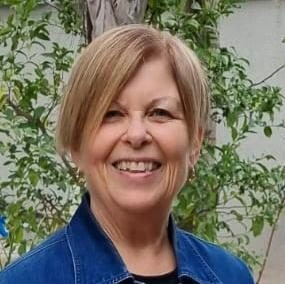
התחלתי ללמוד דף יומי ממסכת נידה כי זה היה חומר הלימוד שלי אז. לאחר הסיום הגדול בבנייני האומה החלטתי להמשיך. וב”ה מאז עם הפסקות קטנות של קורונה ולידה אני משתדלת להמשיך ולהיות חלק.

זה משפיע מאוד על היום יום שלי ועל אף שאני עסוקה בלימודי הלכה ותורה כל יום, זאת המסגרת הקבועה והמחייבת ביותר שיש לי.

Moriah Taesan Michaeli
מוריה תעסן מיכאלי

גבעת הראל, ישראל

בסוף הסבב הקודם ראיתי את השמחה הגדולה שבסיום הלימוד, בעלי סיים כבר בפעם השלישית וכמובן הסיום הנשי בבנייני האומה וחשבתי שאולי זו הזדמנות עבורי למשהו חדש.
למרות שאני שונה בסביבה שלי, מי ששומע על הלימוד שלי מפרגן מאוד.
אני מנסה ללמוד קצת בכל יום, גם אם לא את כל הדף ובסך הכל אני בדרך כלל עומדת בקצב.
הלימוד מעניק המון משמעות ליום יום ועושה סדר בלמוד תורה, שתמיד היה (ועדיין) שאיפה. אבל אין כמו קביעות

Racheli-Mendelson
רחלי מנדלסון

טל מנשה, ישראל

התחלתי ללמוד דף יומי בתחילת מסכת ברכות, עוד לא ידעתי כלום. נחשפתי לסיום הש״ס, ובעצם להתחלה מחדש בתקשורת, הפתיע אותי לטובה שהיה מקום לעיסוק בתורה.
את המסכתות הראשונות למדתי, אבל לא סיימתי (חוץ מעירובין איכשהו). השנה כשהגעתי למדרשה, נכנסתי ללופ, ואני מצליחה להיות חלק, סיימתי עם החברותא שלי את כל המסכתות הקצרות, גם כשהיינו חולות קורונה ובבידודים, למדנו לבד, העיקר לא לצבור פער, ומחכות ליבמות 🙂

Eden Yeshuron
עדן ישורון

מזכרת בתיה, ישראל

אני לומדת גמרא כעשור במסגרות שונות, ואת הדף היומי התחלתי כשחברה הציעה שאצטרף אליה לסיום בבנייני האומה. מאז אני לומדת עם פודקסט הדרן, משתדלת באופן יומי אך אם לא מספיקה, מדביקה פערים עד ערב שבת. בסבב הזה הלימוד הוא "ממעוף הציפור”, מקשיבה במהירות מוגברת תוך כדי פעילויות כמו בישול או נהיגה, וכך רוכשת היכרות עם הסוגיות ואופן ניתוחם על ידי חז”ל. בע”ה בסבב הבא, ואולי לפני, אצלול לתוכו באופן מעמיק יותר.

Yael Bir
יעל ביר

רמת גן, ישראל

התחלתי ללמוד גמרא בבית הספר בגיל צעיר והתאהבתי. המשכתי בכך כל חיי ואף היייתי מורה לגמרא בבית הספר שקד בשדה אליהו (בית הספר בו למדתי בילדותי)בתחילת מחזור דף יומי הנוכחי החלטתי להצטרף ובע”ה מקווה להתמיד ולהמשיך. אני אוהבת את המפגש עם הדף את "דרישות השלום ” שמקבלת מקשרים עם דפים אחרים שלמדתי את הסנכרון שמתחולל בין התכנים.

Ariela Bigman
אריאלה ביגמן

מעלה גלבוע, ישראל

התחלתי לפני 8 שנים במדרשה. לאחרונה סיימתי מסכת תענית בלמידה עצמית ועכשיו לקראת סיום מסכת מגילה.

Daniela Baruchim
דניאלה ברוכים

רעננה, ישראל

התחלתי בסיום הש”ס, יצאתי באורות. נשברתי פעמיים, ובשתיהם הרבנית מישל עודדה להמשיך איפה שכולם בסבב ולהשלים כשאוכל, וכך עשיתי וכיום השלמתי הכל. מדהים אותי שאני לומדת כל יום קצת, אפילו בחדר הלידה, בבידוד או בחו”ל. לאט לאט יותר נינוחה בסוגיות. לא כולם מבינים את הרצון, בפרט כפמניסטית. חשה סיפוק גדול להכיר את המושגים וצורת החשיבה. החלום זה להמשיך ולהתמיד ובמקביל ללמוד איך מהסוגיות נוצרה והתפתחה ההלכה.

Weingarten Sherrington Foundation
קרן וינגרטן שרינגטון

מודיעין, ישראל

אחרי שראיתי את הסיום הנשי של הדף היומי בבנייני האומה זה ריגש אותי ועורר בי את הרצון להצטרף. לא למדתי גמרא קודם לכן בכלל, אז הכל היה לי חדש, ולכן אני לומדת בעיקר מהשיעורים פה בהדרן, בשוטנשטיין או בחוברות ושיננתם.

Rebecca Schloss
רבקה שלוס

בית שמש, ישראל

. לא תמיד נהניתי מלימוד גמרא כילדה.,בל כהתבגרתי התחלתי לאהוב את זה שוב. התחלתי ללמוד מסכת סוטה בדף היומי לפני כחמש עשרה שנה ואז הפסקתי.הגעתי לסיום הגדול של הדרן לפני שנתיים וזה נתן לי השראה. והתחלתי ללמוד למשך כמה ימים ואז היתה לי פריצת דיסק והפסקתי…עד אלול השנה. אז התחלתי עם מסכת ביצה וב”ה אני מצליחה לעמוד בקצב. המשפחה מאוד תומכת בי ויש כמה שגם לומדים את זה במקביל. אני אוהבת שיש עוגן כל יום.

Rebecca Darshan
רבקה דרשן

בית שמש, ישראל

שמעתי על הסיום הענק של הדף היומי ע”י נשים בבנייני האומה. רציתי גם.
החלטתי להצטרף. התחלתי ושיכנעתי את בעלי ועוד שתי חברות להצטרף. עכשיו יש לי לימוד משותף איתו בשבת ומפגש חודשי איתן בנושא (והתכתבויות תדירות על דברים מיוחדים שקראנו). הצטרפנו לקבוצות שונות בווטסאפ. אנחנו ממש נהנות. אני שומעת את השיעור מידי יום (בד”כ מהרב יוני גוטמן) וקוראת ומצטרפת לסיומים של הדרן. גם מקפידה על דף משלהן (ונהנית מאד).

Liat Citron
ליאת סיטרון

אפרת, ישראל

התחלתי ללמוד דף יומי ממסכת נידה כי זה היה חומר הלימוד שלי אז. לאחר הסיום הגדול בבנייני האומה החלטתי להמשיך. וב”ה מאז עם הפסקות קטנות של קורונה ולידה אני משתדלת להמשיך ולהיות חלק.

זה משפיע מאוד על היום יום שלי ועל אף שאני עסוקה בלימודי הלכה ותורה כל יום, זאת המסגרת הקבועה והמחייבת ביותר שיש לי.

Moriah Taesan Michaeli
מוריה תעסן מיכאלי

גבעת הראל, ישראל

רבנית מישל הציתה אש התלמוד בלבבות בביניני האומה ואני נדלקתי. היא פתחה פתח ותמכה במתחילות כמוני ואפשרה לנו להתקדם בצעדים נכונים וטובים. הקימה מערך שלם שמסובב את הלומדות בסביבה תומכת וכך נכנסתי למסלול לימוד מעשיר שאין כמוה. הדרן יצר קהילה גדולה וחזקה שמאפשרת התקדמות מכל נקודת מוצא. יש דיבוק לומדות שמחזק את ההתמדה של כולנו. כל פניה ושאלה נענית בזריזות ויסודיות. תודה גם למגי על כל העזרה.

Sarah Aber
שרה אבר

נתניה, ישראל

שמעתי על הסיום הענק של הדף היומי ע”י נשים בבנייני האומה. רציתי גם.
החלטתי להצטרף. התחלתי ושיכנעתי את בעלי ועוד שתי חברות להצטרף. עכשיו יש לי לימוד משותף איתו בשבת ומפגש חודשי איתן בנושא (והתכתבויות תדירות על דברים מיוחדים שקראנו). הצטרפנו לקבוצות שונות בווטסאפ. אנחנו ממש נהנות. אני שומעת את השיעור מידי יום (בד”כ מהרב יוני גוטמן) וקוראת ומצטרפת לסיומים של הדרן. גם מקפידה על דף משלהן (ונהנית מאד).

Liat Citron
ליאת סיטרון

אפרת, ישראל

התחלתי ללמוד לפני כשנתיים בשאיפה לסיים לראשונה מסכת אחת במהלך חופשת הלידה.
אחרי מסכת אחת כבר היה קשה להפסיק…

Noa Gallant
נעה גלנט

ירוחם, ישראל

סיום השס לנשים נתן לי מוטביציה להתחיל ללמוד דף יומי. עד אז למדתי גמרא בשבתות ועשיתי כמה סיומים. אבל לימוד יומיומי זה שונה לגמרי ופתאום כל דבר שקורה בחיים מתקשר לדף היומי.

Fogel Foundation
קרן פוגל

רתמים, ישראל

לפני 15 שנה, אחרי עשרות שנים של "ג’ינגול” בין משפחה לקריירה תובענית בהייטק, הצטרפתי לשיעורי גמרא במתן רעננה. הלימוד המעמיק והייחודי של הרבנית אושרה קורן יחד עם קבוצת הנשים המגוונת הייתה חוויה מאלפת ומעשירה. לפני כשמונה שנים כאשר מחזור הדף היומי הגיע למסכת תענית הצטרפתי כ”חברותא” לבעלי. זו השעה היומית שלנו ביחד כאשר דפי הגמרא משתלבים בחיי היום יום, משפיעים ומושפעים, וכשלא מספיקים תמיד משלימים בשבת

Yodi Askoff
יודי אסקוף

רעננה, ישראל

התחלתי ללמוד בעידוד שתי חברות אתן למדתי בעבר את הפרק היומי במסגרת 929.
בבית מתלהבים מאוד ובשבת אני לומדת את הדף עם בעלי שזה מפתיע ומשמח מאוד! לימוד הדף הוא חלק בלתי נפרד מהיום שלי. לומדת בצהריים ומחכה לזמן הזה מידי יום…

Miriam Wengerover
מרים ונגרובר

אפרת, ישראל

A life-changing journey started with a Chanukah family tiyul to Zippori, home of the Sanhedrin 2 years ago and continued with the Syum in Binanei Hauma where I was awed by the energy of 3000 women dedicated to learning daf Yomi. Opening my morning daily with a fresh daf, I am excited with the new insights I find enriching my life and opening new and deeper horizons for me.

Becky Goldstein
בקי גולדשטיין

Elazar gush etzion, Israel

אני לומדת גמרא כעשור במסגרות שונות, ואת הדף היומי התחלתי כשחברה הציעה שאצטרף אליה לסיום בבנייני האומה. מאז אני לומדת עם פודקסט הדרן, משתדלת באופן יומי אך אם לא מספיקה, מדביקה פערים עד ערב שבת. בסבב הזה הלימוד הוא "ממעוף הציפור”, מקשיבה במהירות מוגברת תוך כדי פעילויות כמו בישול או נהיגה, וכך רוכשת היכרות עם הסוגיות ואופן ניתוחם על ידי חז”ל. בע”ה בסבב הבא, ואולי לפני, אצלול לתוכו באופן מעמיק יותר.

Yael Bir
יעל ביר

רמת גן, ישראל

בתחילת הסבב הנוכחי של לימוד הדף היומי, נחשפתי לחגיגות המרגשות באירועי הסיום ברחבי העולם. והבטחתי לעצמי שבקרוב אצטרף גם למעגל הלומדות. הסבב התחיל כאשר הייתי בתחילת דרכי בתוכנית קרן אריאל להכשרת יועצות הלכה של נשמ”ת. לא הצלחתי להוסיף את ההתחייבות לדף היומי על הלימוד האינטנסיבי של תוכנית היועצות. בבוקר למחרת המבחן הסופי בנשמ”ת, התחלתי את לימוד הדף במסכת סוכה ומאז לא הפסקתי.

Hana Shaham-Rozby (Dr.)
חנה שחם-רוזבי (ד”ר)

קרית גת, ישראל

שבת לה

תְּרֵי תִילְתֵי מִיל. מַאי בֵּינַיְיהוּ? — אִיכָּא בֵּינַיְיהוּ פַּלְגָא דְּדַנְקָא.

it means two-thirds of a mil. The Gemara explains: What is the practical difference between them? The practical difference between them is half of one-sixth [danka], i.e., one-twelfth of a mil. Their disputes are consistent, as the duration of twilight according to Rav Yosef is shorter than its duration according to Rabba.

וְחִילּוּפַהּ בְּחַלְּתָא. דְּאָמַר רַבָּה: חַלְּתָא בַּת תְּרֵי כוֹרֵי — שְׁרֵי לְטַלְטוֹלַהּ, וּבַת תְּלָתָא כוֹרֵי — אֲסִיר לְטַלְטוֹלַהּ. וְרַב יוֹסֵף אָמַר: בַּת תְּלָתָא כוֹרֵי — נָמֵי שְׁרֵי, בַּת אַרְבְּעָה כוֹרֵי — אֲסִיר.

The Gemara comments: And with regard to the legal status of a wicker vessel their dispute is the opposite. In that case, the size of the vessel permitted by Rav Yosef is larger than the size of the vessel permitted by Rabba. As Rabba said with regard to a wicker vessel with a capacity of two kor, one is permitted to move it on Shabbat. And one with a capacity of three kor, one is prohibited to move it on Shabbat. It is much larger than the dimensions of a vessel and one is only permitted to move vessels on Shabbat. And Rav Yosef said: A vessel with a capacity of three kor, one is also permitted to move it, and only one with a capacity of four kor, it is prohibited to move.

אָמַר אַבָּיֵי: בְּעַי מִינֵּיהּ דְּמָר בִּשְׁעַת מַעֲשֶׂה, וַאֲפִילּוּ בַּת תְּרֵי כוֹרֵי לָא שְׁרָא לִי. כְּמַאן — כְּהַאי תַּנָּא דִּתְנַן: כַּוֶּורֶת הַקַּשׁ וְכַוֶּורֶת הַקָּנִים וּבוֹר סְפִינָה אֲלֶכְּסַנְדְּרִית, אַף עַל פִּי שֶׁיֵּשׁ לָהֶם שׁוּלַיִם וְהֵן מַחֲזִיקוֹת אַרְבָּעִים סְאָה בַּלַּח שֶׁהֵן כּוֹרַיִים בַּיָּבֵשׁ — טְהוֹרִים. אָמַר אַבָּיֵי: שְׁמַע מִינַּהּ הַאי גּוּדְשָׁא תִּילְּתָא הָוֵי.

Abaye said: I raised the dilemma before my Master, Rabba, when it was practical, when I actually needed to know what to do, and he did not permit me to move even a vessel with a capacity of two kor. The Gemara explains: In accordance with whose opinion did Rabba issue his practical halakhic ruling? In accordance with the opinion of this tanna that we learned in the mishna discussing the laws of ritual purity: A round straw barrel, and a round barrel made of reeds, and the cistern of an Alexandrian ship, which is a large vessel placed on a boat and filled with potable water, although these vessels have bottoms, i.e., they are receptacles, since they have a capacity of forty se’a of liquid, which is the equivalent of two kor of dry goods, they are ritually pure. Even if they come into contact with a source of ritual impurity, they do not become impure. Beyond a certain size, containers are no longer considered vessels and, consequently, cannot become ritually impure. Rabba held: Since with regard to the halakhot of ritual impurity a vessel of two kor is not considered a vessel, it may not be moved on Shabbat. With regard to this mishna, Abaye said: Learn from it that the surplus of dry goods in a vessel relative to liquids is one-third of the contents of the vessel. It says in the mishna that a vessel that can hold forty se’a of liquid holds two kor of dry produce, which is the equivalent of sixty se’a.

אַבָּיֵי חַזְיֵיהּ לְרָבָא דְּקָא דָּאוֵי לְמַעֲרָב. אֲמַר לֵיהּ: וְהָתַנְיָא כׇּל זְמַן שֶׁפְּנֵי מִזְרָח מַאֲדִימִין? אֲמַר לֵיהּ: מִי סָבְרַתְּ פְּנֵי מִזְרָח מַמָּשׁ? לָא, פָּנִים הַמַּאֲדִימִין אֶת הַמִּזְרָח. אִיכָּא דְאָמְרִי: רָבָא חַזְיֵיהּ לְאַבָּיֵי דְּקָא דָּאוֵי לְמִזְרָח. אֲמַר לֵיהּ מִי סָבְרַתְּ פְּנֵי מִזְרָח מַמָּשׁ? פָּנִים הַמַּאֲדִימִין אֶת הַמִּזְרָח. וְסִימָנָיךְ: כַּוְּותָא.

The Gemara relates: Abaye saw that Rava was gazing westward on Shabbat eve to determine whether or not the sky was red and whether or not it was twilight. Abaye said to Rava: Wasn’t it taught in a baraita that twilight is from when the sun sets, as long as the eastern face of the sky is reddened by the light of the sun? Why, then, are you looking westward? Rava said to him: Do you hold that the reference is actually to the eastern face of the sky? No, it is referring to the face of the sky that causes the east to redden, i.e., the west. Some say a different version of that incident. Rava saw that Abaye was gazing eastward. He said to him, do you hold that the reference is to the actual eastern face of the sky? The reference is to the face of the sky that causes the east to redden, i.e., the west. And your mnemonic is a window, as it is on the wall opposite the window that one can see how much sunlight is shining through.

רַבִּי נְחֶמְיָה אוֹמֵר כְּדֵי שֶׁיְּהַלֵּךְ אָדָם מִשֶּׁתִּשְׁקַע הַחַמָּה חֲצִי מִיל. אָמַר רַבִּי חֲנִינָא: הָרוֹצֶה לֵידַע שִׁיעוּרוֹ שֶׁל רַבִּי נְחֶמְיָה יַנִּיחַ חַמָּה בְּרֹאשׁ הַכַּרְמֶל וְיֵרֵד וְיִטְבּוֹל בַּיָּם וְיַעֲלֶה — וְזֶהוּ שִׁיעוּרוֹ שֶׁל רַבִּי נְחֶמְיָה.

With regard to that which was taught in the baraita that Rabbi Neḥemya says: The duration of twilight is the time it takes for a person to walk half a mil after the sun sets. Rabbi Ḥanina said: One who wants to know the precise measure of Rabbi Neḥemya’s twilight should do the following: Leave the sun at the top of Mount Carmel, as when one is standing on the seashore he can still see the top of Mount Carmel in sunlight, and descend and immerse himself in the sea, and emerge, and that is Rabbi Neḥemya’s measure of the duration of twilight.

אָמַר רַבִּי חִיָּיא: הָרוֹצֶה לִרְאוֹת בְּאֵרָהּ שֶׁל מִרְיָם יַעֲלֶה לְרֹאשׁ הַכַּרְמֶל וְיִצְפֶּה וְיִרְאֶה כְּמִין כְּבָרָה בַּיָּם — וְזוֹ הִיא בְּאֵרָהּ שֶׁל מִרְיָם. אָמַר רַב: מַעְיָן הַמִּיטַּלְטֵל טָהוֹר — וְזֶהוּ בְּאֵרָהּ שֶׁל מִרְיָם.

Because of its similarity to Rabbi Ḥanina’s statement, the Gemara cites that which Rabbi Ḥiyya said: One who wants to see Miriam’s well, which accompanied the Jewish people throughout their sojourn in the desert, should do the following: He should climb to the top of Mount Carmel and look out, and he will see a rock that looks like a sieve in the sea, and that is Miriam’s well. Rav said: A spring that is portable, i.e., that moves from place to place, is ritually pure and is regarded as an actual spring and not as drawn water. And what is a movable spring? It is Miriam’s well.

אָמַר רַב יְהוּדָה אָמַר שְׁמוּאֵל: בֵּין הַשְּׁמָשׁוֹת דְּרַבִּי יְהוּדָה, כֹּהֲנִים טוֹבְלִין בּוֹ. לְמַאן? אִילֵימָא לְרַבִּי יְהוּדָה — סְפֵקָא הוּא. אֶלָּא, בֵּין הַשְּׁמָשׁוֹת דְּרַבִּי יְהוּדָה, לְרַבִּי יוֹסֵי כֹּהֲנִים טוֹבְלִין בּוֹ.

Rav Yehuda said that Shmuel said: During Rabbi Yehuda’s twilight, ritually impure priests who want to immerse themselves during the day to become ritually pure, so that sunset will follow immersion and they will be permitted to eat teruma, can still immerse themselves during that period. According to this opinion, twilight is still considered to be day. The Gemara asks: In accordance with whose opinion is that true? If you say that it is in accordance with Rabbi Yehuda’s own opinion, his opinion cited above is that twilight is a period of uncertainty. Therefore, one who immerses at that time may not eat teruma until after the sunset of the following day. Rather, the reference is to twilight of Rabbi Yehuda, in accordance with the opinion of Rabbi Yosei. Priests can immerse then, as Rabbi Yosei considers that time to still be day, and sunset will follow.

פְּשִׁיטָא! מַהוּ דְתֵימָא: בֵּין הַשְּׁמָשׁוֹת דְּרַבִּי יוֹסֵי מֵישָׁךְ שָׁיֵיךְ בִּדְרַבִּי יְהוּדָה — קָא מַשְׁמַע לַן דְּשָׁלֵים בֵּין הַשְּׁמָשׁוֹת דְּרַבִּי יְהוּדָה, וַהֲדַר מַתְחֵיל בֵּין הַשְּׁמָשׁוֹת דְּרַבִּי יוֹסֵי.

The Gemara asks: It is obvious that according to Rabbi Yosei they are immersing themselves during the day. The Gemara answers: Lest you say that the twilight of Rabbi Yosei is subsumed within and takes place at the end of the twilight of Rabbi Yehuda. When the twilight of Rabbi Yehuda ends, Rabbi Yosei’s twilight is also over. It is already night, sunset of that day has already passed, and there is no sunset to enable them to eat teruma. Therefore, he teaches us that Rabbi Yehuda’s twilight ends, and only thereafter does Rabbi Yosei’s twilight begin.

אָמַר רַבָּה בַּר בַּר חָנָה אָמַר רַבִּי יוֹחָנָן: הֲלָכָה כְּרַבִּי יְהוּדָה לְעִנְיַן שַׁבָּת, וַהֲלָכָה כְּרַבִּי יוֹסֵי לְעִנְיַן תְּרוּמָה. בִּשְׁלָמָא הֲלָכָה כְּרַבִּי יְהוּדָה לְעִנְיַן שַׁבָּת — לְחוּמְרָא. אֲבָל לְעִנְיַן תְּרוּמָה — מַאי הִיא? אִילֵימָא לִטְבִילָה — סְפֵקָא הִיא?

Rabba bar bar Ḥana said that Rabbi Yoḥanan said: The halakha is in accordance with the opinion of Rabbi Yehuda with regard to the matter of Shabbat, and the halakha is in accordance with the opinion of Rabbi Yosei with regard to the matter of teruma. The Gemara asks: Granted, concerning the statement that the halakha is in accordance with the opinion of Rabbi Yehuda with regard to the matter of Shabbat, as like all other cases of uncertainty, the ruling is stringent with regard to Torah prohibitions. However, with regard to teruma, what is the case under discussion? If you say that it is referring to the matter of immersion, immersion is also a case of uncertainty with regard to a Torah law. Why would the ruling be more lenient in that case than in the case of Shabbat?

אֶלָּא לַאֲכִילַת תְּרוּמָה, דְּלָא אָכְלִי כֹּהֲנִים תְּרוּמָה עַד דְּשָׁלֵים בֵּין הַשְּׁמָשׁוֹת דְּרַבִּי יוֹסֵי.

Rather, it must be that the reference is with regard to eating teruma. Priests may not eat teruma until twilight is completed, which according to Rabbi Yosei’s opinion is slightly later than it is according to Rabbi Yehuda’s opinion.

אָמַר רַב יְהוּדָה אָמַר שְׁמוּאֵל: כּוֹכָב אֶחָד — יוֹם, שְׁנַיִם — בֵּין הַשְּׁמָשׁוֹת, שְׁלֹשָׁה — לַיְלָה. תַּנְיָא נָמֵי הָכִי: כּוֹכָב אֶחָד יוֹם, שְׁנַיִם בֵּין הַשְּׁמָשׁוֹת, שְׁלֹשָׁה לַיְלָה. אָמַר רַבִּי יוֹסֵי, לֹא כּוֹכָבִים גְּדוֹלִים הַנִּרְאִין בַּיּוֹם, וְלֹא כּוֹכָבִים קְטַנִּים שֶׁאֵין נִרְאִין אֶלָּא בַּלַּיְלָה — אֶלָּא בֵּינוֹנִים.

With regard to the period of twilight, Rav Yehuda said that Shmuel said: When one can see one star in the evening sky, it is still day; two stars, twilight; three stars, night. That was also taught in a baraita: When one can see one star in the evening sky, it is still day; two stars, twilight; three stars, night. Rabbi Yosei said: This is neither referring to large stars that are visible even during the day, nor to small stars that are visible only late at night. Rather, it is referring to medium-sized stars.

אָמַר רַבִּי יוֹסֵי בְּרַבִּי זְבִידָא: הָעוֹשֶׂה מְלָאכָה בִּשְׁנֵי בֵּין הַשְּׁמָשׁוֹת — חַיָּיב חַטָּאת מִמָּה נַפְשָׁךְ. אֲמַר לֵיהּ רָבָא לְשַׁמָּעֵיהּ: אַתּוּן דְּלָא קִים לְכוּ בְּשִׁיעוּרָא דְרַבָּנַן, אַדְּשִׁימְשָׁא אַרֵישׂ דִּיקְלֵי אַתְלוֹ שְׁרָגָא. בְּיוֹם הַמְעוּנָּן מַאי? בְּמָתָא — חֲזִי תַּרְנְגוֹלָא. בְּדַבְרָא — עוֹרְבֵי, אִי נָמֵי — אֲדָאנֵי.

Rabbi Yosei, son of Rabbi Zevida, said: One who performs a prohibited labor during two twilights, one between Friday and Shabbat and one between Shabbat and the conclusion of Shabbat on Saturday night, is liable to bring a sin-offering for performing a prohibited labor on Shabbat whichever way you look at it. Whether we say that twilight is day or night, certainly one of those labors was performed on Shabbat. Rava said to his servant: You, who are not expert in the measures of the Sages, when the sun is at the top of the palm trees, light the Shabbat lights. His servant asked him: What should we do on a cloudy day, when the sun is not visible at the top of the trees? Rava said to him: In the city, watch the roosters because as evening approaches they sit on their beams. In a field, watch the ravens because they return to their nests as evening approaches. Alternatively, you can watch the plants [adanei] that turn westward in the evening. When they begin to turn westward evening is approaching.

תָּנוּ רַבָּנַן: שֵׁשׁ תְּקִיעוֹת תּוֹקְעִין עֶרֶב שַׁבָּת. רִאשׁוֹנָה — לְהַבְטִיל אֶת הָעָם מִמְּלָאכָה שֶׁבַּשָּׂדוֹת. שְׁנִיָּה — לְהַבְטִיל עִיר וַחֲנוּיוֹת. שְׁלִישִׁית — לְהַדְלִיק אֶת הַנֵּר, דִּבְרֵי רַבִּי נָתָן. רַבִּי יְהוּדָה הַנָּשִׂיא אוֹמֵר: שְׁלִישִׁית — לַחֲלוֹץ תְּפִילִּין. וְשׁוֹהֶה כְּדֵי צְלִיַּית דָּג קָטָן אוֹ כְּדֵי לְהַדְבִּיק פַּת בַּתַּנּוּר, וְתוֹקֵעַ וּמֵרִיעַ וְתוֹקֵעַ, וְשׁוֹבֵת.

The Sages taught in a baraita: They sound six blasts on Shabbat eve to announce that Shabbat is approaching. The Gemara details what each blast signifies. The first blast is in order to stop the people from work in the fields. The second blast is to stop those who are working in the city, and to inform the proprietors to close the stores. The third is to inform them to light the Shabbat light; that is the statement of Rabbi Natan. Rabbi Yehuda HaNasi says: The third blast is to inform those who don phylacteries throughout the day to remove their phylacteries, as one does not don phylacteries on Shabbat. And he pauses after the third blast for the length of time it takes to fry a small fish or to stick bread to the sides of the oven. One who forgot to do so and needs those foods for Shabbat may do so then. And he sounds a tekia, and sounds a terua, and sounds a tekia, and he accepts Shabbat. It is then that Shabbat begins in every sense.

אָמַר רַבָּן שִׁמְעוֹן בֶּן גַּמְלִיאֵל: מַה נַּעֲשֶׂה לָהֶם לַבַּבְלִיִּים, שֶׁתּוֹקְעִין וּמְרִיעִין וְשׁוֹבְתִין מִתּוֹךְ מְרִיעִין. תּוֹקְעִין וּמְרִיעִין? הָווּ לְהוּ חֲמִשָּׁה! אֶלָּא: שֶׁתּוֹקְעִין וְחוֹזְרִין וְתוֹקְעִין וּמְרִיעִין, וְשׁוֹבְתִין מִתּוֹךְ מְרִיעִין. מִנְהַג אֲבוֹתֵיהֶן בִּידֵיהֶן.

Rabban Shimon ben Gamliel said: What shall we do to the Babylonian Jews? They stray from the custom, as they sound a tekia and a terua, and they accept Shabbat during the terua, i.e., upon hearing the blast of the terua. The Gemara asks about this: Do the Babylonians really sound only a tekia and a terua and no more blasts? If so, there are only five blasts and not six, as it was taught in the baraita. Rather, the correct version is: They sound a tekia, and they again sound a tekia, and then they sound a terua, and they accept Shabbat during the terua. They do so because they continue the custom of their fathers that was handed down to them.

מַתְנֵי לֵיהּ רַב יְהוּדָה לְרַב יִצְחָק בְּרֵיהּ: שְׁנִיָּה לְהַדְלִיק אֶת הַנֵּר. כְּמַאן? לָא כְּרַבִּי נָתָן, וְלָא כְּרַבִּי יְהוּדָה הַנָּשִׂיא! — אֶלָּא: שְׁלִישִׁית לְהַדְלִיק אֶת הַנֵּר. כְּמַאן — כְּרַבִּי נָתָן.

Rav Yehuda taught to Rav Yitzḥak, his son: The second blast that is sounded before Shabbat is to inform people to light the light. The Gemara asks: In accordance with whose opinion did he say this? It is neither in accordance with the opinion of Rabbi Natan nor in accordance with the opinion of Rabbi Yehuda HaNasi. Rather, certainly he told him that the third blast is in order to inform people to light the light, and in accordance with whose opinion did he say this? It is in accordance with the opinion of Rabbi Natan.

תָּנָא דְּבֵי רַבִּי יִשְׁמָעֵאל: שֵׁשׁ תְּקִיעוֹת תּוֹקְעִין עֶרֶב שַׁבָּת. הִתְחִיל לִתְקוֹעַ תְּקִיעָה רִאשׁוֹנָה — נִמְנְעוּ הָעוֹמְדִים בַּשָּׂדֶה מִלַּעֲדוֹר וּמִלַּחְרוֹשׁ וּמִלַּעֲשׂוֹת כׇּל מְלָאכָה שֶׁבַּשָּׂדוֹת. וְאֵין הַקְּרוֹבִין רַשָּׁאִין לִיכָּנֵס עַד שֶׁיָּבוֹאוּ רְחוֹקִין, וְיִכָּנְסוּ כּוּלָּם כְּאֶחָד. וַעֲדַיִין חֲנוּיוֹת פְּתוּחוֹת וּתְרִיסִין מוּנָּחִין. הִתְחִיל לִתְקוֹעַ תְּקִיעָה שְׁנִיָּה, נִסְתַּלְּקוּ הַתְּרִיסִין וְנִנְעֲלוּ הַחֲנוּיוֹת, וַעֲדַיִין חַמִּין מוּנָּחִין עַל גַּבֵּי כִּירָה וּקְדֵירוֹת מוּנָּחוֹת עַל גַּבֵּי כִּירָה. הִתְחִיל לִתְקוֹעַ תְּקִיעָה שְׁלִישִׁית — סִילֵּק הַמְסַלֵּק, וְהִטְמִין הַמַּטְמִין, וְהִדְלִיק הַמַּדְלִיק. וְשׁוֹהֶה כְּדֵי צְלִיַּית דָּג קָטָן, אוֹ כְּדֵי לְהַדְבִּיק פַּת בַּתַּנּוּר, וְתוֹקֵעַ וּמֵרִיעַ וְתוֹקֵעַ וְשׁוֹבֵת.

On a similar note, the school of Rabbi Yishmael taught in greater detail: Six blasts are sounded on Shabbat eve. When one begins sounding the first tekia, the people standing and working in the fields refrained from hoeing, and from plowing and from performing all labor in the fields. And those workers who work close to the city are not permitted to enter the city until those who work farther away come, so that they will all enter together. Otherwise, people would suspect that the workers who came later continued to work after the blast. And still, at this time, the stores in the city are open and the shutters of the stores, upon which the storekeepers would arrange their merchandise in front of the stores, remain in place. When he began sounding the second blast, the shutters were removed from where they were placed and the stores were locked and in the homes, however, hot water was still cooking on the stove and pots remained in place on the stove. When he began sounding the third blast, the one charged with removing food from the stove removed it, and the one charged with insulating hot water for Shabbat so that it would not cool off insulated it, and the one charged with kindling the Shabbat lights lit. And the one sounding the shofar pauses for the amount of time it takes to fry a small fish or to stick bread to the sides of the oven, and he sounds a tekia, and sounds a terua, and sounds a tekia, and accepts Shabbat.

אָמַר רַבִּי יוֹסֵי בַּר חֲנִינָא: שָׁמַעְתִּי שֶׁאִם בָּא לְהַדְלִיק אַחַר שֵׁשׁ תְּקִיעוֹת — מַדְלִיק. שֶׁהֲרֵי נָתְנוּ חֲכָמִים שִׁיעוּר לְחַזַּן הַכְּנֶסֶת לְהוֹלִיךְ שׁוֹפָרוֹ לְבֵיתוֹ. אָמְרוּ לוֹ, אִם כֵּן נָתַתָּ דְּבָרֶיךָ לְשִׁיעוּרִין. אֶלָּא מָקוֹם צָנוּעַ יֵשׁ לוֹ לְחַזַּן הַכְּנֶסֶת בְּרֹאשׁ גַּגּוֹ, שֶׁשָּׁם מַנִּיחַ שׁוֹפָרוֹ. לְפִי שֶׁאֵין מְטַלְטְלִין לֹא אֶת הַשּׁוֹפָר וְלֹא אֶת הַחֲצוֹצְרוֹת.

Rabbi Yosei bar Ḥanina, said: I heard that a person who was pressed for time and comes to light Shabbat lights after six blasts may light without concern, as even the moment of the sixth blast is not yet Shabbat. Proof for this is that the Sages provided the sexton of the synagogue a period of time to take his shofar, which he used to sound the blasts on a tall roof in the middle of the city, to his house. Clearly, during that interval it is not yet Shabbat. He said to him: If so, then you have rendered your statement subject to circumstances, and it would not apply uniformly to all. Shabbat would start at a different time in each place based on the distance between the site where the shofar is sounded and the home of the sexton. Rather, Shabbat began immediately after the final blast with no pause in between. The sexton had a concealed place on top of his roof, where he would sound the shofar, in which he would place his shofar because the consensus is that one may move neither the shofar nor the trumpets on Shabbat.

וְהָתַנְיָא: שׁוֹפָר מִיטַּלְטֵל וַחֲצוֹצְרוֹת אֵינָם מִיטַּלְטְלִין! אָמַר רַב (יוֹסֵי) [יוֹסֵף], לָא קַשְׁיָא: כָּאן בְּיָחִיד, כָּאן בְּצִבּוּר. אֲמַר לֵיהּ אַבָּיֵי: וּבְיָחִיד לְמַאי חֲזֵי? — הוֹאִיל וְרָאוּי לְגַמֵּעַ בּוֹ מַיִם.

The Gemara asks with regard to this last halakha: Wasn’t it taught in a baraita that the shofar may be moved on Shabbat, and the trumpets may not be moved? Rav Yosei said: This is not difficult, as one could say that here, where moving a shofar was permitted, it is referring to a shofar belonging to an individual. Because it has a use even on Shabbat, it may be moved. There, where moving a shofar was prohibited, it is referring to a shofar that belongs to a community. Because it has no use on Shabbat, it is, therefore, considered set-aside [muktze]. Abaye said to him: And in the case of an individual, for what permitted action is a shofar fit to be used on Shabbat? It is fit for use since it is suitable to give water with it

רוצה לעקוב אחרי התכנים ולהמשיך ללמוד?

ביצירת חשבון עוד היום ניתן לעקוב אחרי ההתקדמות שלך, לסמן מה למדת, ולעקוב אחרי השיעורים שמעניינים אותך.

לנקות את כל הפריטים מהרשימה?

פעולה זו תסיר את כל הפריטים בחלק זה כולל ההתקדמות וההיסטוריה. שימי לב: לא ניתן לשחזר פעולה זו.

ביטול
מחיקה

האם את/ה בטוח/ה שברצונך למחוק פריט זה?

תאבד/י את כל ההתקדמות או ההיסטוריה הקשורות לפריט זה.

ביטול
מחיקה