חיפוש

שבת מא

רוצה להקדיש לימוד?

podcast placeholder

0:00
0:00


תקציר

השיעור מוקדש לכבוד יום הולדתה של חנה רבקה ברכה על ידי אמה, מלכה אברהם. 

הגמרא מביאה שני סיפורים על ר’ זירא שהיה ליד רבנים בשעת רחיצה. בכל אחד מהם ניסה ללמוד או למד הלכות מאותו רב. המשנה מתארת סוגים שונים של מיחמים והאם מותר לשתות מים מהם בשבת אם גרפו את הגחלים לפני שבת? המשנה מדברת על מיחם שפינהו – האם אפשר לשים מים צוננים בתוכו? במה זה תלוי? הגמרא דנה במקרה עצמו – מה משמעות "מיחם שפינהו”? האם המשנה הולכת לפי שיטת ר’ יהודה או ר’ שמעון בעניין דבר שאינו מתכוון?

שבת מא

דְּלֵית לֵיהּ גִּידּוּדֵי, הָא דְּאִית לֵיהּ גִּידּוּדֵי.

that does not have embankments surrounding it. Since there are no partitions, it appears like an ocean or a river. That incident involving Rabbi Abbahu occurred in a place that has embankments and looks like a vessel. Therefore, the Sages did not prohibit it.

וְאָמַר רַבִּי זֵירָא: אֲנָא חֲזִיתֵיהּ לְרַבִּי אֲבָהוּ שֶׁהִנִּיחַ יָדָיו כְּנֶגֶד פָּנָיו שֶׁל מַטָּה, וְלָא יָדַעְנָא אִי נְגַע אִי לָא נְגַע. פְּשִׁיטָא דְּלָא נְגַע, דְּתַנְיָא רַבִּי אֱלִיעֶזֶר אוֹמֵר: כׇּל הָאוֹחֵז בָּאַמָּה וּמַשְׁתִּין — כְּאִילּוּ מֵבִיא מַבּוּל לָעוֹלָם.

After citing what Rabbi Zeira related with regard to Rabbi Abbahu, the Gemara cites that Rabbi Zeira said: I saw that Rabbi Abbahu, while he was bathing, placed his hands over his genitals for the sake of modesty, and I do not know whether he touched them or did not touch them. The Gemara questions Rabbi Zeira’s uncertainty. It is obvious that he did not touch his genitals, as it was taught in a baraita: Rabbi Eliezer says: One who holds his penis and urinates it is as if he were bringing a flood to the world. He is liable to become aroused by that contact and that is an extremely severe transgression, comparable to the transgressions violated in the generation of the flood.

אָמַר אַבָּיֵי: עֲשָׂאוּהָ כְּבוֹלֶשֶׁת. דִּתְנַן: בּוֹלֶשֶׁת שֶׁנִּכְנְסָה לָעִיר, בִּשְׁעַת שָׁלוֹם — חָבִיּוֹת פְּתוּחוֹת אֲסוּרוֹת, סְתוּמוֹת מוּתָּרוֹת. בִּשְׁעַת מִלְחָמָה — אֵלּוּ וְאֵלּוּ מוּתָּרוֹת, לְפִי שֶׁאֵין פְּנַאי לְנַסֵּךְ. אַלְמָא כֵּיוָן דִּבְעִיתִי לָא מְנַסְּכִי. הָכָא נָמֵי, כֵּיוָן דִּבְעִית לָא אָתֵי לְהַרְהוֹרֵי. הָכָא מַאי בִּיעֲתוּתָא? בִּיעֲתוּתָא דְנַהְרָא.

Abaye said: Nevertheless, no proof can be cited from that baraita. Perhaps the Sages rendered the legal status of this situation like that of a military unit, as we learned in a mishna: A military unit that entered a city, if it entered during peacetime, after the soldiers leave, the open barrels of wine are prohibited and the wine in them may not be drunk due to suspicion that the gentile soldiers may have poured this wine as a libation for idolatry. The sealed barrels are permitted. However, if the unit entered in wartime, both are permitted because in wartime there is no respite to pour wine for idolatry, and one can be certain that the soldiers did not do so. Apparently, since they are afraid, they do not pour libations. Here too, in the case of bathing, since he is afraid, he will not come to have impure thoughts. The Gemara asks: And what fear is there here that would prevent one bathing from having impure thoughts? The Gemara answers: Fear of the river. Since he needs to be careful that the water does not wash him away, he is too distracted to think of other matters.

אִינִי?! וְהָאָמַר רַבִּי אַבָּא אָמַר רַב הוּנָא אָמַר רַב: כׇּל הַמַּנִּיחַ יָדָיו כְּנֶגֶד פָּנָיו שֶׁל מַטָּה כְּאִילּוּ כּוֹפֵר בִּבְרִיתוֹ שֶׁל אַבְרָהָם אָבִינוּ! לָא קַשְׁיָא: הָא כִּי נָחֵית, הָא כִּי סָלֵיק. כִּי הָא דְּרָבָא שָׁחֵי. רַבִּי זֵירָא זָקֵיף. רַבָּנַן דְּבֵי רַב אָשֵׁי, כִּי קָא נָחֲתִי — זָקְפִי, כִּי קָא סָלְקִי — שָׁחוּ.

The Gemara questions the story itself: And is that so? Is it permitted under any circumstances to cover one’s genitals while bathing? Didn’t Rabbi Abba say that Rav Huna said that Rav said: Anyone who places his hands over his genitals is as if he denies the covenant of our father Abraham? It appears as if he is covering himself to obscure the fact that he is circumcised. The Gemara answers: This is not difficult, as there is room to distinguish and say that this, the case where it is prohibited to cover oneself, is when he is descending into the river and there are no people facing him and he need not be concerned with modesty. In that case covering oneself is prohibited as he appears to be renouncing the covenant of Abraham. That, the case where, in certain circumstances, this prohibition does not apply, is when he is emerging from the river. When he emerges, he is facing the people on the riverbank and it is then permitted to cover himself in the interest of modesty, as that which Rava would do. He would bend over when he was naked. Rabbi Zeira would stand upright, in accordance with Rav’s statement that it is prohibited to appear to be renouncing the covenant of Abraham. When the Sages of the school of Rav Ashi descended into the river they stood upright. When they emerged from the river they bent over.

רַבִּי זֵירָא הֲוָה קָא מִשְׁתְּמִיט מִדְּרַב יְהוּדָה, דְּבָעֵי לְמִיסַּק לְאַרְעָא דְיִשְׂרָאֵל. דְּאָמַר רַב יְהוּדָה: כׇּל הָעוֹלֶה מִבָּבֶל לְאֶרֶץ יִשְׂרָאֵל עוֹבֵר בַּעֲשֵׂה, שֶׁנֶּאֱמַר: ״בָּבֶלָה יוּבָאוּ וְשָׁמָּה יִהְיוּ״. אֲמַר: אֵיזִיל וְאֶשְׁמַע מִינֵּיהּ מִילְּתָא וְאֵיתֵי וְאֶיסַּק. אֲזַל, אַשְׁכְּחֵיהּ דְּקָאֵי בֵּי בָאנֵי וְקָאָמַר לֵיהּ לְשַׁמָּעֵיהּ: הָבִיאוּ לִי נֶתֶר, הָבִיאוּ לִי מַסְרֵק, פִּתְחוּ פּוּמַּיְיכוּ וְאַפִּיקוּ הַבְלָא, וְאִשְׁתוּ מִמַּיָּא דְּבֵי בָאנֵי. אֲמַר: אִילְמָלֵא לֹא בָּאתִי אֶלָּא לִשְׁמוֹעַ דָּבָר זֶה דַּיִּי.

Speaking of bathing and its halakhot, the Gemara relates: Rabbi Zeira was avoiding being seen by his teacher, Rav Yehuda, as Rabbi Zeira sought to ascend to Eretz Yisrael and his teacher disapproved. As Rav Yehuda said: Anyone who ascends from Babylonia to Eretz Yisrael transgresses a positive commandment, as it is stated: “They shall be taken to Babylonia and there they shall remain until the day that I recall them, said the Lord” (Jeremiah 27:22). Based on that verse, Rav Yehuda held that since the Babylonian exile was by divine decree, permission to leave Babylonia for Eretz Yisrael could only be granted by God. Rabbi Zeira did not want to discuss his desire to emigrate with Rav Yehuda, so that he would not be forced to explicitly disobey him. Nevertheless, he said: I will go and hear something from him and then I will leave. He went and found Rav Yehuda standing in the bathhouse and telling his servant: Bring me natron [neter] with which to wash, bring me a comb, open your mouths and let out air, and drink from the water of the bathhouse. Rabbi Zeira said: If I had come only to hear this matter from Rav Yehuda, it would suffice for me.

בִּשְׁלָמָא ״הָבִיאוּ נֶתֶר, הָבִיאוּ מַסְרֵק״ — קָמַשְׁמַע לַן דְּבָרִים שֶׁל חוֹל מוּתָּר לְאוֹמְרָם בִּלְשׁוֹן קֹדֶשׁ. ״פִּתְחוּ פּוּמַּיְיכוּ וְאַפִּיקוּ הַבְלָא״ — נָמֵי כְּדִשְׁמוּאֵל, דְּאָמַר שְׁמוּאֵל: הַבְלָא מַפֵּיק הַבְלָא. אֶלָּא ״אִשְׁתוּ מַיָּא דְּבֵי בָאנֵי״ מַאי מְעַלְּיוּתָא? דְּתַנְיָא אָכַל וְלֹא שָׁתָה — אֲכִילָתוֹ דָּם, וְזֶהוּ תְּחִילַּת חוֹלִי מֵעַיִים. אָכַל וְלֹא הָלַךְ אַרְבַּע אַמּוֹת — אֲכִילָתוֹ מַרְקֶבֶת, וְזֶהוּ תְּחִילַּת רֵיחַ רַע. הַנִּצְרָךְ לִנְקָבָיו וְאָכַל — דּוֹמֶה לְתַנּוּר שֶׁהִסִּיקוּהוּ עַל גַּבֵּי אֶפְרוֹ, וְזֶהוּ תְּחִילַּת רֵיחַ זוּהֲמָא. רָחַץ בְּחַמִּין וְלֹא שָׁתָה מֵהֶן — דּוֹמֶה לְתַנּוּר שֶׁהִסִּיקוּהוּ מִבְּחוּץ וְלֹא הִסִּיקוּהוּ מִבִּפְנִים. רָחַץ בְּחַמִּין וְלֹא נִשְׁתַּטֵּף בְּצוֹנֵן — דּוֹמֶה לְבַרְזֶל שֶׁהִכְנִיסוּהוּ לָאוּר וְלֹא הִכְנִיסוּהוּ לְצוֹנֵן. רָחַץ וְלֹא סָךְ — דּוֹמֶה לְמַיִם עַל גַּבֵּי חָבִית.

The Gemara analyzes the lessons learned from this story. Granted, when Rav Yehuda said: Bring me natron, bring me a comb, he was teaching us that mundane matters are permitted to be spoken in the bathhouse, even in the sacred language. When he said: Open your mouths and let out air, that too is in accordance with that which Shmuel said, as Shmuel said: Heat produces heat. The hot air that one inhales causes him to sweat more quickly. However, drink the water of the bathhouse, what benefit is there in doing that? The Gemara answers: As it was taught in a baraita: One who ate and did not drink at all, what he ate becomes blood and that causes the onset of intestinal disease. One who ate and did not walk four cubits after eating, what he ate rots and that causes the onset of bad breath. One who needs to defecate and ate is similar to an oven that was lit on top of its ashes. When ashes from a previous fire are not swept out, and new logs are placed on top of the old ones, it inhibits the burning and dirties the oven, and that causes the onset of odor of the filth of perspiration in a person. As far as our matter is concerned, the baraita teaches: One who bathed in hot water and did not drink from it is like an oven that was lit from the outside and not lit from the inside. The lighting is ineffective and the oven does not heat properly. Rav Yehuda told his servants to drink the hot water while bathing so that they would be heated from the inside and the outside. The baraita continues: One who bathed in hot water and did not rinse afterward with cold water is like iron that was placed in the fire and not placed afterward in cold water, which leaves the iron soft. And one who bathed and did not smear himself with oil afterward is like water that was poured on top of a barrel, and not into it. The water spills outside the barrel.

מַתְנִי׳ מוּלְיָאר הַגָּרוּף שׁוֹתִין הֵימֶנּוּ בְּשַׁבָּת. אַנְטִיכֵי, אַף עַל פִּי שֶׁגְּרוּפָה אֵין שׁוֹתִין הֵימֶנָּה.

MISHNA: In this mishna, the Sages discuss two vessels used for heating water. With regard to a mulyar, a bronze vessel into which coals are placed in an outer compartment and water is placed into an adjacent inner compartment, whose coals were swept, one may drink from it on Shabbat. With regard to an antikhi, which is a vessel with a different configuration, even if its coals were swept, one may not drink from it on Shabbat.

גְּמָ׳ הֵיכִי דָּמֵי מוּלְיָאר הַגָּרוּף? תָּנָא, מַיִם מִבִּפְנִים וְגֶחָלִים מִבְּחוּץ. אַנְטִיכֵי: רַבָּה אָמַר — בֵּי כִירֵי. רַב נַחְמָן בַּר יִצְחָק אָמַר — בֵּי דוּדֵי. מַאן דְּאָמַר בֵּי דוּדֵי כָּל שֶׁכֵּן בֵּי כִירֵי, וּמַאן דְּאָמַר בֵּי כִירֵי אֲבָל בֵּי דוּדֵי — לָא. תַּנְיָא כְּווֹתֵיהּ דְּרַב נַחְמָן: אַנְטִיכֵי אַף עַל פִּי שֶׁגְּרוּפָה וּקְטוּמָה אֵין שׁוֹתִין הֵימֶנָּה מִפְּנֵי שֶׁנְּחוּשְׁתָּהּ מְחַמַּמְתָּהּ.

GEMARA: The Gemara asks: What are the circumstances of a swept mulyar? The Gemara answers: A mulyar is the vessel, explained in the Tosefta on our mishna, that has water on the inside and coals on the outside. With regard to the identity of an antikhi there are different opinions. Rabba said that it refers to a stove. A space is created in the wall of a stove and filled with water. Since the stove is very hot, it is prohibited to use this water. Rav Naḥman bar Yitzhak said: An antikhi is a cauldron, i.e., a vessel made from two cauldrons stacked one on top of the other with coals in the bottom one and water in the upper one. These two different opinions have halakhic implications. The one who says that it is prohibited to use a vessel composed of two cauldrons, all the more so it is prohibited to use the space inside of a stove. And the one who says that it is prohibited to use the space inside a stove, a vessel composed of two cauldrons, no, it is not prohibited. It was taught in a baraita in accordance with the opinion of Rav Naḥman: An antikhi, even if it was swept and covered with ashes, one may not drink from it on Shabbat because its copper heats it. The heating in an antikhi is by means of the coals beneath the water.

מַתְנִי׳ הַמֵּיחַם שֶׁפִּינָּהוּ לֹא יִתֵּן לְתוֹכוֹ צוֹנֵן בִּשְׁבִיל שֶׁיֵּחַמּוּ. אֲבָל נוֹתֵן הוּא לְתוֹכוֹ אוֹ לְתוֹךְ הַכּוֹס כְּדֵי לְהַפְשִׁירָן.

MISHNA: The Sages added to the laws of leaving food on a source of heat and cooking food on Shabbat: An urn that was emptied of its hot water on Shabbat, one may not place cold water into it so that the cold water will be heated. However, one may place cold water into an urn or into a cup that were emptied of their hot water in order to warm it but not in order to heat it.

גְּמָ׳ מַאי קָאָמַר? אָמַר רַב אַדָּא בַּר מַתְנָא, הָכִי קָאָמַר: הַמֵּיחַם שֶׁפִּינָּה מִמֶּנּוּ מַיִם חַמִּין לֹא יִתֵּן לְתוֹכָן מַיִם מוּעָטִים כְּדֵי שֶׁיֵּחַמּוּ, אֲבָל נוֹתֵן לְתוֹכוֹ מַיִם מְרוּבִּים כְּדֵי לְהַפְשִׁירָן.

GEMARA: The mishna seems to contradict itself. The first statement completely prohibits placing water into an urn, and later it was partially permitted. The Gemara asks: What is the mishna saying? Rav Adda bar Mattana said that it said the following: An urn that was emptied of its hot water, one may not put a small amount of water into it so that it will become very hot. However, one may put a large quantity of water into it in order to warm it. A large quantity of cold water will not be heated in those circumstances.

וַהֲלֹא מְצָרֵף? רַבִּי שִׁמְעוֹן הִיא, דְּאָמַר: דָּבָר שֶׁאֵין מִתְכַּוֵּין — מוּתָּר. מַתְקִיף לַהּ אַבָּיֵי: מִידֵּי מֵיחַם שֶׁפִּינָּה מִמֶּנּוּ מַיִם קָתָנֵי?! מֵיחַם שֶׁפִּינָּהוּ קָתָנֵי!

The Gemara questions this leniency: By putting cold water into the urn, doesn’t it harden the vessel? Cold water poured into a heated metal vessel reinforces the vessel. It is one of the stages in the labor of a blacksmith. How is it permitted to do something similar on Shabbat? The Gemara answers: This mishna is in accordance with the opinion of Rabbi Shimon, who stated a principle with regard to the laws of Shabbat: An unintentional act, i.e., a permitted action from which a prohibited labor inadvertently ensues, is permitted. Here too, his intention was to warm the water, not to reinforce the vessel. Abaye strongly objects to this explanation: Does it say in the mishna: An urn from which water was emptied? That would indicate that he sought to fill the vessel with other water and warm up that water. Rather, an urn that was removed was taught in the mishna, meaning that the urn was removed from the fire, not that the water was emptied from it.

אֶלָּא אָמַר אַבָּיֵי, הָכִי קָאָמַר: הַמֵּיחַם שֶׁפִּינָּהוּ וְיֵשׁ בּוֹ מַיִם חַמִּין — לֹא יִתֵּן לְתוֹכוֹ מַיִם מוּעָטִין בִּשְׁבִיל שֶׁיָּחוֹמּוּ, אֲבָל נוֹתֵן לְתוֹכוֹ מַיִם מְרוּבִּים כְּדֵי לְהַפְשִׁירָן. וּמֵיחַם שֶׁפִּינָּה מִמֶּנּוּ מַיִם — לֹא יִתֵּן לְתוֹכוֹ מַיִם כׇּל עִיקָּר, מִפְּנֵי שֶׁמְּצָרֵף. וְרַבִּי יְהוּדָה הִיא, דְּאָמַר דָּבָר שֶׁאֵין מִתְכַּוֵּין אָסוּר.

Rather, Abaye said this is what the mishna is saying: An urn that was removed from the fire and contains hot water, one may not place a small quantity of water in it so that the water will become hot; rather, one may place a large quantity of water in it so that the water will become warm. And with regard to an urn from which water was removed; one may not place any water into it because he hardens the vessel by placing cold water into a hot vessel. And, according to this explanation, our mishna is in accordance with the opinion of Rabbi Yehuda, who said that an unintentional act from which a prohibited labor inadvertently ensues is prohibited on Shabbat.

אָמַר רַב: לֹא שָׁנוּ אֶלָּא לְהַפְשִׁיר, אֲבָל לְצָרֵף — אָסוּר. וּשְׁמוּאֵל אָמַר: אֲפִילּוּ לְצָרֵף נָמֵי מוּתָּר. לְצָרֵף לְכַתְּחִילָּה מִי שְׁרֵי?! אֶלָּא אִי אִיתְּמַר הָכִי אִיתְּמַר: אָמַר רַב לֹא שָׁנוּ אֶלָּא שִׁיעוּר לְהַפְשִׁיר, אֲבָל שִׁיעוּר לְצָרֵף — אָסוּר. וּשְׁמוּאֵל אָמַר: אֲפִילּוּ שִׁיעוּר לְצָרֵף —

With regard to the matter itself, Rav said: They taught that one is permitted to place cold water into an urn with hot water after it was removed from the fire, when his intention is only to warm the cold water. However, if he did this in order to harden the vessel, it is prohibited. And Shmuel said: Even if he does so in order to harden the vessel, it is also permitted. The Gemara wonders: Is hardening permitted ab initio? Isn’t it a full-fledged prohibited labor on Shabbat? Rather, if the dispute between Rav and Shmuel was stated, it was stated as follows. Rav said: They taught that it is permitted to add water only in a measure that is sufficient to warm the water, i.e., to only partially fill the vessel. However, filling it completely with a measure sufficient to harden the vessel is prohibited. And Shmuel said: Even a measure sufficient to harden the vessel

חדשה בלימוד הגמרא?

זה הדף הראשון שלך? איזו התרגשות עצומה! יש לנו בדיוק את התכנים והכלים שיעזרו לך לעשות את הצעדים הראשונים ללמידה בקצב וברמה שלך, כך תוכלי להרגיש בנוח גם בתוך הסוגיות המורכבות ומאתגרות.

פסיפס הלומדות שלנו

גלי את קהילת הלומדות שלנו, מגוון נשים, רקעים וסיפורים. כולן חלק מתנועה ומסע מרגש ועוצמתי.

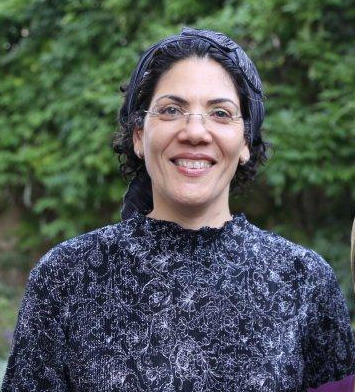
אמא שלי למדה איתי ש”ס משנה, והתחילה ללמוד דף יומי. אני החלטתי שאני רוצה ללמוד גם. בהתחלה למדתי איתה, אח”כ הצטרפתי ללימוד דף יומי שהרב דני וינט מעביר לנוער בנים בעתניאל. במסכת עירובין עוד חברה הצטרפה אלי וכשהתחלנו פסחים הרב דני פתח לנו שעור דף יומי לבנות. מאז אנחנו לומדות איתו קבוע כל יום את הדף היומי (ובשבת אבא שלי מחליף אותו). אני נהנית מהלימוד, הוא מאתגר ומעניין

Renana Hellman
רננה הלמן

עתניאל, ישראל

התחלתי ללמוד דף יומי לפני שנתיים, עם מסכת שבת. בהתחלה ההתמדה היתה קשה אבל בזכות הקורונה והסגרים הצלחתי להדביק את הפערים בשבתות הארוכות, לסיים את מסכת שבת ולהמשיך עם המסכתות הבאות. עכשיו אני מסיימת בהתרגשות רבה את מסכת חגיגה וסדר מועד ומחכה לסדר הבא!

Ilana-Shachnowitz
אילנה שכנוביץ

מודיעין, ישראל

באירוע של הדרן בנייני האומה. בהשראתה של אמי שלי שסיימה את הש”ס בסבב הקודם ובעידוד מאיר , אישי, וילדיי וחברותיי ללימוד במכון למנהיגות הלכתית של רשת אור תורה סטון ומורתיי הרבנית ענת נובוסלסקי והרבנית דבורה עברון, ראש המכון למנהיגות הלכתית.
הלימוד מעשיר את יומי, מחזיר אותי גם למסכתות שכבר סיימתי וידוע שאינו דומה מי ששונה פרקו מאה לשונה פרקו מאה ואחת במיוחד מרתקים אותי החיבורים בין המסכתות

Roit Kalech
רוית קלך

מודיעין, ישראל

. לא תמיד נהניתי מלימוד גמרא כילדה.,בל כהתבגרתי התחלתי לאהוב את זה שוב. התחלתי ללמוד מסכת סוטה בדף היומי לפני כחמש עשרה שנה ואז הפסקתי.הגעתי לסיום הגדול של הדרן לפני שנתיים וזה נתן לי השראה. והתחלתי ללמוד למשך כמה ימים ואז היתה לי פריצת דיסק והפסקתי…עד אלול השנה. אז התחלתי עם מסכת ביצה וב”ה אני מצליחה לעמוד בקצב. המשפחה מאוד תומכת בי ויש כמה שגם לומדים את זה במקביל. אני אוהבת שיש עוגן כל יום.

Rebecca Darshan
רבקה דרשן

בית שמש, ישראל

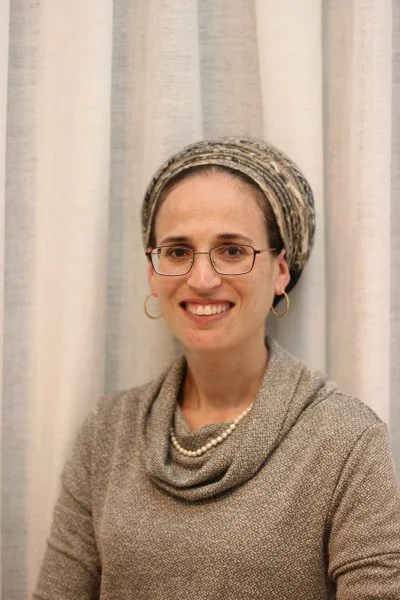
לצערי גדלתי בדור שבו לימוד גמרא לנשים לא היה דבר שבשגרה ושנים שאני חולמת להשלים את הפער הזה.. עד שלפני מספר שבועות, כמעט במקרה, נתקלתי במודעת פרסומת הקוראת להצטרף ללימוד מסכת תענית. כשקראתי את המודעה הרגשתי שהיא כאילו נכתבה עבורי – "תמיד חלמת ללמוד גמרא ולא ידעת איך להתחיל”, "בואי להתנסות במסכת קצרה וקלה” (רק היה חסר שהמודעה תיפתח במילים "מיכי שלום”..). קפצתי למים ו- ב”ה אני בדרך להגשמת החלום:)

Micah Kadosh
מיכי קדוש

מורשת, ישראל

רבנית מישל הציתה אש התלמוד בלבבות בביניני האומה ואני נדלקתי. היא פתחה פתח ותמכה במתחילות כמוני ואפשרה לנו להתקדם בצעדים נכונים וטובים. הקימה מערך שלם שמסובב את הלומדות בסביבה תומכת וכך נכנסתי למסלול לימוד מעשיר שאין כמוה. הדרן יצר קהילה גדולה וחזקה שמאפשרת התקדמות מכל נקודת מוצא. יש דיבוק לומדות שמחזק את ההתמדה של כולנו. כל פניה ושאלה נענית בזריזות ויסודיות. תודה גם למגי על כל העזרה.

Sarah Aber
שרה אבר

נתניה, ישראל

בתחילת הסבב הנוכחי של לימוד הדף היומי, נחשפתי לחגיגות המרגשות באירועי הסיום ברחבי העולם. והבטחתי לעצמי שבקרוב אצטרף גם למעגל הלומדות. הסבב התחיל כאשר הייתי בתחילת דרכי בתוכנית קרן אריאל להכשרת יועצות הלכה של נשמ”ת. לא הצלחתי להוסיף את ההתחייבות לדף היומי על הלימוד האינטנסיבי של תוכנית היועצות. בבוקר למחרת המבחן הסופי בנשמ”ת, התחלתי את לימוד הדף במסכת סוכה ומאז לא הפסקתי.

Hana Shaham-Rozby (Dr.)
חנה שחם-רוזבי (ד”ר)

קרית גת, ישראל

אחרי שראיתי את הסיום הנשי של הדף היומי בבנייני האומה זה ריגש אותי ועורר בי את הרצון להצטרף. לא למדתי גמרא קודם לכן בכלל, אז הכל היה לי חדש, ולכן אני לומדת בעיקר מהשיעורים פה בהדרן, בשוטנשטיין או בחוברות ושיננתם.

Rebecca Schloss
רבקה שלוס

בית שמש, ישראל

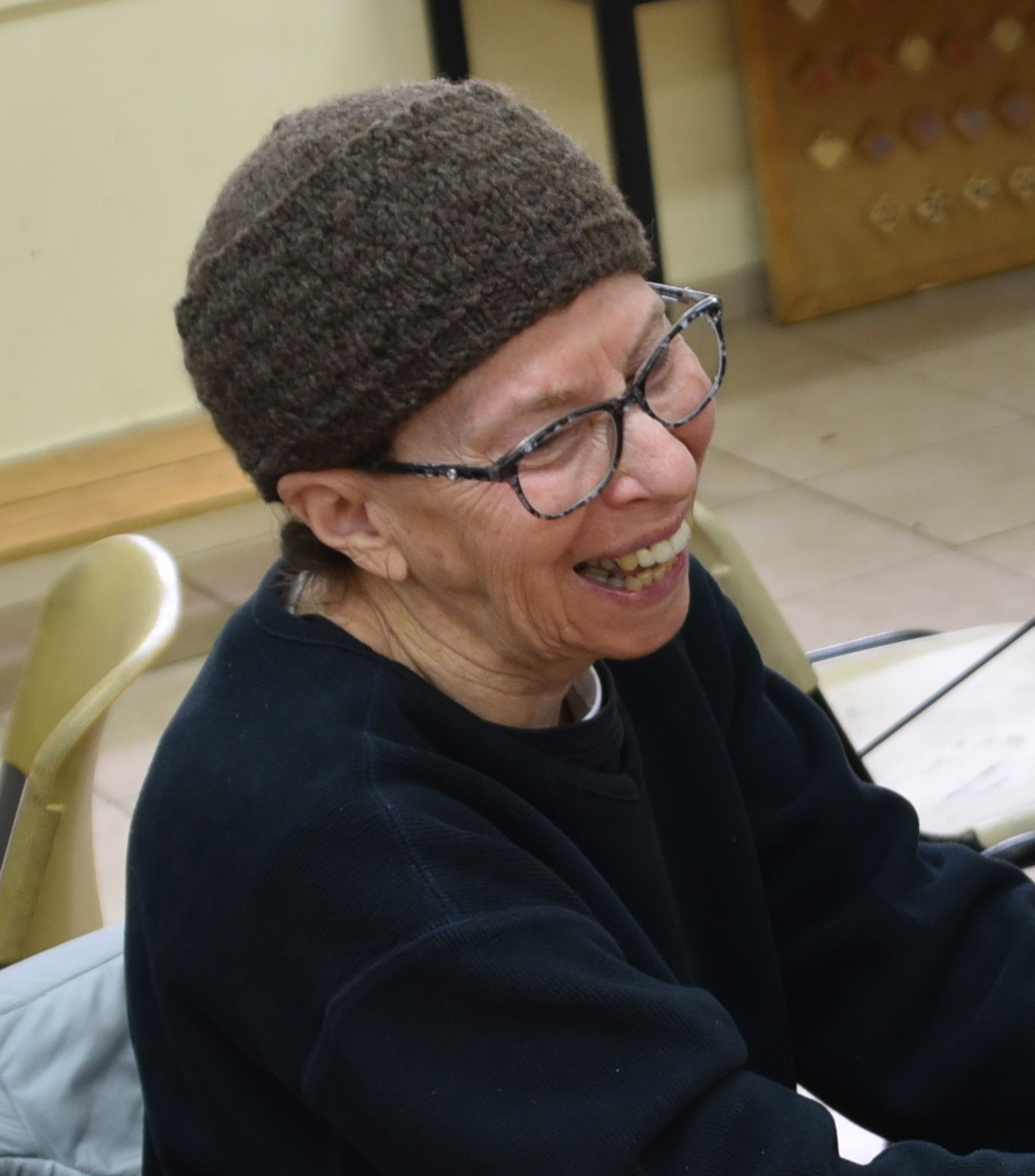
התחלתי ללמוד לפני כשנתיים בשאיפה לסיים לראשונה מסכת אחת במהלך חופשת הלידה.
אחרי מסכת אחת כבר היה קשה להפסיק…

Noa Gallant
נעה גלנט

ירוחם, ישראל

כבר סיפרתי בסיום של מועד קטן.
הלימוד מאוד משפיעה על היום שלי כי אני לומדת עם רבנית מישל על הבוקר בזום. זה נותן טון לכל היום – בסיס למחשבות שלי .זה זכות גדול להתחיל את היום בלימוד ובתפילה. תודה רבה !

שרה-ברלוביץ
שרה ברלוביץ

ירושלים, ישראל

. לא תמיד נהניתי מלימוד גמרא כילדה.,בל כהתבגרתי התחלתי לאהוב את זה שוב. התחלתי ללמוד מסכת סוטה בדף היומי לפני כחמש עשרה שנה ואז הפסקתי.הגעתי לסיום הגדול של הדרן לפני שנתיים וזה נתן לי השראה. והתחלתי ללמוד למשך כמה ימים ואז היתה לי פריצת דיסק והפסקתי…עד אלול השנה. אז התחלתי עם מסכת ביצה וב”ה אני מצליחה לעמוד בקצב. המשפחה מאוד תומכת בי ויש כמה שגם לומדים את זה במקביל. אני אוהבת שיש עוגן כל יום.

Rebecca Darshan
רבקה דרשן

בית שמש, ישראל

התחלתי ללמוד לפני 4.5 שנים, כשהודיה חברה שלי פתחה קבוצת ווטסאפ ללימוד דף יומי בתחילת מסכת סנהדרין. מאז לימוד הדף נכנס לתוך היום-יום שלי והפך לאחד ממגדירי הזהות שלי ממש.

Rosenberg Foundation
קרן רוזנברג

ירושלים, ישראל

כבר סיפרתי בסיום של מועד קטן.
הלימוד מאוד משפיעה על היום שלי כי אני לומדת עם רבנית מישל על הבוקר בזום. זה נותן טון לכל היום – בסיס למחשבות שלי .זה זכות גדול להתחיל את היום בלימוד ובתפילה. תודה רבה !

שרה-ברלוביץ
שרה ברלוביץ

ירושלים, ישראל

אחי, שלומד דף יומי ממסכת ברכות, חיפש חברותא ללימוד מסכת ראש השנה והציע לי. החברותא היתה מאתגרת טכנית ורוב הזמן נעשתה דרך הטלפון, כך שבסיום המסכת נפרדו דרכינו. אחי חזר ללמוד לבד, אבל אני כבר נכבשתי בקסם הגמרא ושכנעתי את האיש שלי להצטרף אלי למסכת ביצה. מאז המשכנו הלאה, ועכשיו אנחנו מתרגשים לקראתו של סדר נשים!

Shulamit Saban
שולמית סבן

נוקדים, ישראל

אני לומדת גמרא כעשור במסגרות שונות, ואת הדף היומי התחלתי כשחברה הציעה שאצטרף אליה לסיום בבנייני האומה. מאז אני לומדת עם פודקסט הדרן, משתדלת באופן יומי אך אם לא מספיקה, מדביקה פערים עד ערב שבת. בסבב הזה הלימוד הוא "ממעוף הציפור”, מקשיבה במהירות מוגברת תוך כדי פעילויות כמו בישול או נהיגה, וכך רוכשת היכרות עם הסוגיות ואופן ניתוחם על ידי חז”ל. בע”ה בסבב הבא, ואולי לפני, אצלול לתוכו באופן מעמיק יותר.

Yael Bir
יעל ביר

רמת גן, ישראל

לצערי גדלתי בדור שבו לימוד גמרא לנשים לא היה דבר שבשגרה ושנים שאני חולמת להשלים את הפער הזה.. עד שלפני מספר שבועות, כמעט במקרה, נתקלתי במודעת פרסומת הקוראת להצטרף ללימוד מסכת תענית. כשקראתי את המודעה הרגשתי שהיא כאילו נכתבה עבורי – "תמיד חלמת ללמוד גמרא ולא ידעת איך להתחיל”, "בואי להתנסות במסכת קצרה וקלה” (רק היה חסר שהמודעה תיפתח במילים "מיכי שלום”..). קפצתי למים ו- ב”ה אני בדרך להגשמת החלום:)

Micah Kadosh
מיכי קדוש

מורשת, ישראל

התחלתי ללמוד דף יומי לפני שנתיים, עם מסכת שבת. בהתחלה ההתמדה היתה קשה אבל בזכות הקורונה והסגרים הצלחתי להדביק את הפערים בשבתות הארוכות, לסיים את מסכת שבת ולהמשיך עם המסכתות הבאות. עכשיו אני מסיימת בהתרגשות רבה את מסכת חגיגה וסדר מועד ומחכה לסדר הבא!

Ilana-Shachnowitz
אילנה שכנוביץ

מודיעין, ישראל

התחלתי כשהייתי בחופש, עם הפרסומים על תחילת המחזור, הסביבה קיבלה את זה כמשהו מתמיד ומשמעותי ובהערכה, הלימוד זה עוגן יציב ביום יום, יש שבועות יותר ויש שפחות אבל זה משהו שנמצא שם אמין ובעל משמעות בחיים שלי….

Adi Diamant
עדי דיאמנט

גמזו, ישראל

בסוף הסבב הקודם ראיתי את השמחה הגדולה שבסיום הלימוד, בעלי סיים כבר בפעם השלישית וכמובן הסיום הנשי בבנייני האומה וחשבתי שאולי זו הזדמנות עבורי למשהו חדש.
למרות שאני שונה בסביבה שלי, מי ששומע על הלימוד שלי מפרגן מאוד.
אני מנסה ללמוד קצת בכל יום, גם אם לא את כל הדף ובסך הכל אני בדרך כלל עומדת בקצב.
הלימוד מעניק המון משמעות ליום יום ועושה סדר בלמוד תורה, שתמיד היה (ועדיין) שאיפה. אבל אין כמו קביעות

Racheli-Mendelson
רחלי מנדלסון

טל מנשה, ישראל

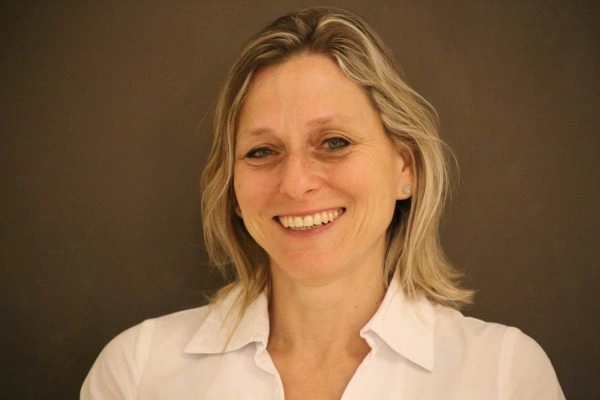
A friend in the SF Bay Area said in Dec 2019 that she might start listening on her morning drive to work. I mentioned to my husband and we decided to try the Daf when it began in Jan 2020 as part of our preparing to make Aliyah in the summer.

Hana Piotrkovsky
חנה פיוטרקובסקי

ירושלים, Israel

שבת מא

דְּלֵית לֵיהּ גִּידּוּדֵי, הָא דְּאִית לֵיהּ גִּידּוּדֵי.

that does not have embankments surrounding it. Since there are no partitions, it appears like an ocean or a river. That incident involving Rabbi Abbahu occurred in a place that has embankments and looks like a vessel. Therefore, the Sages did not prohibit it.

וְאָמַר רַבִּי זֵירָא: אֲנָא חֲזִיתֵיהּ לְרַבִּי אֲבָהוּ שֶׁהִנִּיחַ יָדָיו כְּנֶגֶד פָּנָיו שֶׁל מַטָּה, וְלָא יָדַעְנָא אִי נְגַע אִי לָא נְגַע. פְּשִׁיטָא דְּלָא נְגַע, דְּתַנְיָא רַבִּי אֱלִיעֶזֶר אוֹמֵר: כׇּל הָאוֹחֵז בָּאַמָּה וּמַשְׁתִּין — כְּאִילּוּ מֵבִיא מַבּוּל לָעוֹלָם.

After citing what Rabbi Zeira related with regard to Rabbi Abbahu, the Gemara cites that Rabbi Zeira said: I saw that Rabbi Abbahu, while he was bathing, placed his hands over his genitals for the sake of modesty, and I do not know whether he touched them or did not touch them. The Gemara questions Rabbi Zeira’s uncertainty. It is obvious that he did not touch his genitals, as it was taught in a baraita: Rabbi Eliezer says: One who holds his penis and urinates it is as if he were bringing a flood to the world. He is liable to become aroused by that contact and that is an extremely severe transgression, comparable to the transgressions violated in the generation of the flood.

אָמַר אַבָּיֵי: עֲשָׂאוּהָ כְּבוֹלֶשֶׁת. דִּתְנַן: בּוֹלֶשֶׁת שֶׁנִּכְנְסָה לָעִיר, בִּשְׁעַת שָׁלוֹם — חָבִיּוֹת פְּתוּחוֹת אֲסוּרוֹת, סְתוּמוֹת מוּתָּרוֹת. בִּשְׁעַת מִלְחָמָה — אֵלּוּ וְאֵלּוּ מוּתָּרוֹת, לְפִי שֶׁאֵין פְּנַאי לְנַסֵּךְ. אַלְמָא כֵּיוָן דִּבְעִיתִי לָא מְנַסְּכִי. הָכָא נָמֵי, כֵּיוָן דִּבְעִית לָא אָתֵי לְהַרְהוֹרֵי. הָכָא מַאי בִּיעֲתוּתָא? בִּיעֲתוּתָא דְנַהְרָא.

Abaye said: Nevertheless, no proof can be cited from that baraita. Perhaps the Sages rendered the legal status of this situation like that of a military unit, as we learned in a mishna: A military unit that entered a city, if it entered during peacetime, after the soldiers leave, the open barrels of wine are prohibited and the wine in them may not be drunk due to suspicion that the gentile soldiers may have poured this wine as a libation for idolatry. The sealed barrels are permitted. However, if the unit entered in wartime, both are permitted because in wartime there is no respite to pour wine for idolatry, and one can be certain that the soldiers did not do so. Apparently, since they are afraid, they do not pour libations. Here too, in the case of bathing, since he is afraid, he will not come to have impure thoughts. The Gemara asks: And what fear is there here that would prevent one bathing from having impure thoughts? The Gemara answers: Fear of the river. Since he needs to be careful that the water does not wash him away, he is too distracted to think of other matters.

אִינִי?! וְהָאָמַר רַבִּי אַבָּא אָמַר רַב הוּנָא אָמַר רַב: כׇּל הַמַּנִּיחַ יָדָיו כְּנֶגֶד פָּנָיו שֶׁל מַטָּה כְּאִילּוּ כּוֹפֵר בִּבְרִיתוֹ שֶׁל אַבְרָהָם אָבִינוּ! לָא קַשְׁיָא: הָא כִּי נָחֵית, הָא כִּי סָלֵיק. כִּי הָא דְּרָבָא שָׁחֵי. רַבִּי זֵירָא זָקֵיף. רַבָּנַן דְּבֵי רַב אָשֵׁי, כִּי קָא נָחֲתִי — זָקְפִי, כִּי קָא סָלְקִי — שָׁחוּ.

The Gemara questions the story itself: And is that so? Is it permitted under any circumstances to cover one’s genitals while bathing? Didn’t Rabbi Abba say that Rav Huna said that Rav said: Anyone who places his hands over his genitals is as if he denies the covenant of our father Abraham? It appears as if he is covering himself to obscure the fact that he is circumcised. The Gemara answers: This is not difficult, as there is room to distinguish and say that this, the case where it is prohibited to cover oneself, is when he is descending into the river and there are no people facing him and he need not be concerned with modesty. In that case covering oneself is prohibited as he appears to be renouncing the covenant of Abraham. That, the case where, in certain circumstances, this prohibition does not apply, is when he is emerging from the river. When he emerges, he is facing the people on the riverbank and it is then permitted to cover himself in the interest of modesty, as that which Rava would do. He would bend over when he was naked. Rabbi Zeira would stand upright, in accordance with Rav’s statement that it is prohibited to appear to be renouncing the covenant of Abraham. When the Sages of the school of Rav Ashi descended into the river they stood upright. When they emerged from the river they bent over.

רַבִּי זֵירָא הֲוָה קָא מִשְׁתְּמִיט מִדְּרַב יְהוּדָה, דְּבָעֵי לְמִיסַּק לְאַרְעָא דְיִשְׂרָאֵל. דְּאָמַר רַב יְהוּדָה: כׇּל הָעוֹלֶה מִבָּבֶל לְאֶרֶץ יִשְׂרָאֵל עוֹבֵר בַּעֲשֵׂה, שֶׁנֶּאֱמַר: ״בָּבֶלָה יוּבָאוּ וְשָׁמָּה יִהְיוּ״. אֲמַר: אֵיזִיל וְאֶשְׁמַע מִינֵּיהּ מִילְּתָא וְאֵיתֵי וְאֶיסַּק. אֲזַל, אַשְׁכְּחֵיהּ דְּקָאֵי בֵּי בָאנֵי וְקָאָמַר לֵיהּ לְשַׁמָּעֵיהּ: הָבִיאוּ לִי נֶתֶר, הָבִיאוּ לִי מַסְרֵק, פִּתְחוּ פּוּמַּיְיכוּ וְאַפִּיקוּ הַבְלָא, וְאִשְׁתוּ מִמַּיָּא דְּבֵי בָאנֵי. אֲמַר: אִילְמָלֵא לֹא בָּאתִי אֶלָּא לִשְׁמוֹעַ דָּבָר זֶה דַּיִּי.

Speaking of bathing and its halakhot, the Gemara relates: Rabbi Zeira was avoiding being seen by his teacher, Rav Yehuda, as Rabbi Zeira sought to ascend to Eretz Yisrael and his teacher disapproved. As Rav Yehuda said: Anyone who ascends from Babylonia to Eretz Yisrael transgresses a positive commandment, as it is stated: “They shall be taken to Babylonia and there they shall remain until the day that I recall them, said the Lord” (Jeremiah 27:22). Based on that verse, Rav Yehuda held that since the Babylonian exile was by divine decree, permission to leave Babylonia for Eretz Yisrael could only be granted by God. Rabbi Zeira did not want to discuss his desire to emigrate with Rav Yehuda, so that he would not be forced to explicitly disobey him. Nevertheless, he said: I will go and hear something from him and then I will leave. He went and found Rav Yehuda standing in the bathhouse and telling his servant: Bring me natron [neter] with which to wash, bring me a comb, open your mouths and let out air, and drink from the water of the bathhouse. Rabbi Zeira said: If I had come only to hear this matter from Rav Yehuda, it would suffice for me.

בִּשְׁלָמָא ״הָבִיאוּ נֶתֶר, הָבִיאוּ מַסְרֵק״ — קָמַשְׁמַע לַן דְּבָרִים שֶׁל חוֹל מוּתָּר לְאוֹמְרָם בִּלְשׁוֹן קֹדֶשׁ. ״פִּתְחוּ פּוּמַּיְיכוּ וְאַפִּיקוּ הַבְלָא״ — נָמֵי כְּדִשְׁמוּאֵל, דְּאָמַר שְׁמוּאֵל: הַבְלָא מַפֵּיק הַבְלָא. אֶלָּא ״אִשְׁתוּ מַיָּא דְּבֵי בָאנֵי״ מַאי מְעַלְּיוּתָא? דְּתַנְיָא אָכַל וְלֹא שָׁתָה — אֲכִילָתוֹ דָּם, וְזֶהוּ תְּחִילַּת חוֹלִי מֵעַיִים. אָכַל וְלֹא הָלַךְ אַרְבַּע אַמּוֹת — אֲכִילָתוֹ מַרְקֶבֶת, וְזֶהוּ תְּחִילַּת רֵיחַ רַע. הַנִּצְרָךְ לִנְקָבָיו וְאָכַל — דּוֹמֶה לְתַנּוּר שֶׁהִסִּיקוּהוּ עַל גַּבֵּי אֶפְרוֹ, וְזֶהוּ תְּחִילַּת רֵיחַ זוּהֲמָא. רָחַץ בְּחַמִּין וְלֹא שָׁתָה מֵהֶן — דּוֹמֶה לְתַנּוּר שֶׁהִסִּיקוּהוּ מִבְּחוּץ וְלֹא הִסִּיקוּהוּ מִבִּפְנִים. רָחַץ בְּחַמִּין וְלֹא נִשְׁתַּטֵּף בְּצוֹנֵן — דּוֹמֶה לְבַרְזֶל שֶׁהִכְנִיסוּהוּ לָאוּר וְלֹא הִכְנִיסוּהוּ לְצוֹנֵן. רָחַץ וְלֹא סָךְ — דּוֹמֶה לְמַיִם עַל גַּבֵּי חָבִית.

The Gemara analyzes the lessons learned from this story. Granted, when Rav Yehuda said: Bring me natron, bring me a comb, he was teaching us that mundane matters are permitted to be spoken in the bathhouse, even in the sacred language. When he said: Open your mouths and let out air, that too is in accordance with that which Shmuel said, as Shmuel said: Heat produces heat. The hot air that one inhales causes him to sweat more quickly. However, drink the water of the bathhouse, what benefit is there in doing that? The Gemara answers: As it was taught in a baraita: One who ate and did not drink at all, what he ate becomes blood and that causes the onset of intestinal disease. One who ate and did not walk four cubits after eating, what he ate rots and that causes the onset of bad breath. One who needs to defecate and ate is similar to an oven that was lit on top of its ashes. When ashes from a previous fire are not swept out, and new logs are placed on top of the old ones, it inhibits the burning and dirties the oven, and that causes the onset of odor of the filth of perspiration in a person. As far as our matter is concerned, the baraita teaches: One who bathed in hot water and did not drink from it is like an oven that was lit from the outside and not lit from the inside. The lighting is ineffective and the oven does not heat properly. Rav Yehuda told his servants to drink the hot water while bathing so that they would be heated from the inside and the outside. The baraita continues: One who bathed in hot water and did not rinse afterward with cold water is like iron that was placed in the fire and not placed afterward in cold water, which leaves the iron soft. And one who bathed and did not smear himself with oil afterward is like water that was poured on top of a barrel, and not into it. The water spills outside the barrel.

מַתְנִי׳ מוּלְיָאר הַגָּרוּף שׁוֹתִין הֵימֶנּוּ בְּשַׁבָּת. אַנְטִיכֵי, אַף עַל פִּי שֶׁגְּרוּפָה אֵין שׁוֹתִין הֵימֶנָּה.

MISHNA: In this mishna, the Sages discuss two vessels used for heating water. With regard to a mulyar, a bronze vessel into which coals are placed in an outer compartment and water is placed into an adjacent inner compartment, whose coals were swept, one may drink from it on Shabbat. With regard to an antikhi, which is a vessel with a different configuration, even if its coals were swept, one may not drink from it on Shabbat.

גְּמָ׳ הֵיכִי דָּמֵי מוּלְיָאר הַגָּרוּף? תָּנָא, מַיִם מִבִּפְנִים וְגֶחָלִים מִבְּחוּץ. אַנְטִיכֵי: רַבָּה אָמַר — בֵּי כִירֵי. רַב נַחְמָן בַּר יִצְחָק אָמַר — בֵּי דוּדֵי. מַאן דְּאָמַר בֵּי דוּדֵי כָּל שֶׁכֵּן בֵּי כִירֵי, וּמַאן דְּאָמַר בֵּי כִירֵי אֲבָל בֵּי דוּדֵי — לָא. תַּנְיָא כְּווֹתֵיהּ דְּרַב נַחְמָן: אַנְטִיכֵי אַף עַל פִּי שֶׁגְּרוּפָה וּקְטוּמָה אֵין שׁוֹתִין הֵימֶנָּה מִפְּנֵי שֶׁנְּחוּשְׁתָּהּ מְחַמַּמְתָּהּ.

GEMARA: The Gemara asks: What are the circumstances of a swept mulyar? The Gemara answers: A mulyar is the vessel, explained in the Tosefta on our mishna, that has water on the inside and coals on the outside. With regard to the identity of an antikhi there are different opinions. Rabba said that it refers to a stove. A space is created in the wall of a stove and filled with water. Since the stove is very hot, it is prohibited to use this water. Rav Naḥman bar Yitzhak said: An antikhi is a cauldron, i.e., a vessel made from two cauldrons stacked one on top of the other with coals in the bottom one and water in the upper one. These two different opinions have halakhic implications. The one who says that it is prohibited to use a vessel composed of two cauldrons, all the more so it is prohibited to use the space inside of a stove. And the one who says that it is prohibited to use the space inside a stove, a vessel composed of two cauldrons, no, it is not prohibited. It was taught in a baraita in accordance with the opinion of Rav Naḥman: An antikhi, even if it was swept and covered with ashes, one may not drink from it on Shabbat because its copper heats it. The heating in an antikhi is by means of the coals beneath the water.

מַתְנִי׳ הַמֵּיחַם שֶׁפִּינָּהוּ לֹא יִתֵּן לְתוֹכוֹ צוֹנֵן בִּשְׁבִיל שֶׁיֵּחַמּוּ. אֲבָל נוֹתֵן הוּא לְתוֹכוֹ אוֹ לְתוֹךְ הַכּוֹס כְּדֵי לְהַפְשִׁירָן.

MISHNA: The Sages added to the laws of leaving food on a source of heat and cooking food on Shabbat: An urn that was emptied of its hot water on Shabbat, one may not place cold water into it so that the cold water will be heated. However, one may place cold water into an urn or into a cup that were emptied of their hot water in order to warm it but not in order to heat it.

גְּמָ׳ מַאי קָאָמַר? אָמַר רַב אַדָּא בַּר מַתְנָא, הָכִי קָאָמַר: הַמֵּיחַם שֶׁפִּינָּה מִמֶּנּוּ מַיִם חַמִּין לֹא יִתֵּן לְתוֹכָן מַיִם מוּעָטִים כְּדֵי שֶׁיֵּחַמּוּ, אֲבָל נוֹתֵן לְתוֹכוֹ מַיִם מְרוּבִּים כְּדֵי לְהַפְשִׁירָן.

GEMARA: The mishna seems to contradict itself. The first statement completely prohibits placing water into an urn, and later it was partially permitted. The Gemara asks: What is the mishna saying? Rav Adda bar Mattana said that it said the following: An urn that was emptied of its hot water, one may not put a small amount of water into it so that it will become very hot. However, one may put a large quantity of water into it in order to warm it. A large quantity of cold water will not be heated in those circumstances.

וַהֲלֹא מְצָרֵף? רַבִּי שִׁמְעוֹן הִיא, דְּאָמַר: דָּבָר שֶׁאֵין מִתְכַּוֵּין — מוּתָּר. מַתְקִיף לַהּ אַבָּיֵי: מִידֵּי מֵיחַם שֶׁפִּינָּה מִמֶּנּוּ מַיִם קָתָנֵי?! מֵיחַם שֶׁפִּינָּהוּ קָתָנֵי!

The Gemara questions this leniency: By putting cold water into the urn, doesn’t it harden the vessel? Cold water poured into a heated metal vessel reinforces the vessel. It is one of the stages in the labor of a blacksmith. How is it permitted to do something similar on Shabbat? The Gemara answers: This mishna is in accordance with the opinion of Rabbi Shimon, who stated a principle with regard to the laws of Shabbat: An unintentional act, i.e., a permitted action from which a prohibited labor inadvertently ensues, is permitted. Here too, his intention was to warm the water, not to reinforce the vessel. Abaye strongly objects to this explanation: Does it say in the mishna: An urn from which water was emptied? That would indicate that he sought to fill the vessel with other water and warm up that water. Rather, an urn that was removed was taught in the mishna, meaning that the urn was removed from the fire, not that the water was emptied from it.

אֶלָּא אָמַר אַבָּיֵי, הָכִי קָאָמַר: הַמֵּיחַם שֶׁפִּינָּהוּ וְיֵשׁ בּוֹ מַיִם חַמִּין — לֹא יִתֵּן לְתוֹכוֹ מַיִם מוּעָטִין בִּשְׁבִיל שֶׁיָּחוֹמּוּ, אֲבָל נוֹתֵן לְתוֹכוֹ מַיִם מְרוּבִּים כְּדֵי לְהַפְשִׁירָן. וּמֵיחַם שֶׁפִּינָּה מִמֶּנּוּ מַיִם — לֹא יִתֵּן לְתוֹכוֹ מַיִם כׇּל עִיקָּר, מִפְּנֵי שֶׁמְּצָרֵף. וְרַבִּי יְהוּדָה הִיא, דְּאָמַר דָּבָר שֶׁאֵין מִתְכַּוֵּין אָסוּר.

Rather, Abaye said this is what the mishna is saying: An urn that was removed from the fire and contains hot water, one may not place a small quantity of water in it so that the water will become hot; rather, one may place a large quantity of water in it so that the water will become warm. And with regard to an urn from which water was removed; one may not place any water into it because he hardens the vessel by placing cold water into a hot vessel. And, according to this explanation, our mishna is in accordance with the opinion of Rabbi Yehuda, who said that an unintentional act from which a prohibited labor inadvertently ensues is prohibited on Shabbat.

אָמַר רַב: לֹא שָׁנוּ אֶלָּא לְהַפְשִׁיר, אֲבָל לְצָרֵף — אָסוּר. וּשְׁמוּאֵל אָמַר: אֲפִילּוּ לְצָרֵף נָמֵי מוּתָּר. לְצָרֵף לְכַתְּחִילָּה מִי שְׁרֵי?! אֶלָּא אִי אִיתְּמַר הָכִי אִיתְּמַר: אָמַר רַב לֹא שָׁנוּ אֶלָּא שִׁיעוּר לְהַפְשִׁיר, אֲבָל שִׁיעוּר לְצָרֵף — אָסוּר. וּשְׁמוּאֵל אָמַר: אֲפִילּוּ שִׁיעוּר לְצָרֵף —

With regard to the matter itself, Rav said: They taught that one is permitted to place cold water into an urn with hot water after it was removed from the fire, when his intention is only to warm the cold water. However, if he did this in order to harden the vessel, it is prohibited. And Shmuel said: Even if he does so in order to harden the vessel, it is also permitted. The Gemara wonders: Is hardening permitted ab initio? Isn’t it a full-fledged prohibited labor on Shabbat? Rather, if the dispute between Rav and Shmuel was stated, it was stated as follows. Rav said: They taught that it is permitted to add water only in a measure that is sufficient to warm the water, i.e., to only partially fill the vessel. However, filling it completely with a measure sufficient to harden the vessel is prohibited. And Shmuel said: Even a measure sufficient to harden the vessel

רוצה לעקוב אחרי התכנים ולהמשיך ללמוד?

ביצירת חשבון עוד היום ניתן לעקוב אחרי ההתקדמות שלך, לסמן מה למדת, ולעקוב אחרי השיעורים שמעניינים אותך.

לנקות את כל הפריטים מהרשימה?

פעולה זו תסיר את כל הפריטים בחלק זה כולל ההתקדמות וההיסטוריה. שימי לב: לא ניתן לשחזר פעולה זו.

ביטול
מחיקה

האם את/ה בטוח/ה שברצונך למחוק פריט זה?

תאבד/י את כל ההתקדמות או ההיסטוריה הקשורות לפריט זה.

ביטול
מחיקה