חיפוש

שבת פה

רוצה להקדיש לימוד?

podcast placeholder

0:00
0:00


תקציר

השיעור היום מוקדש על ידי שירה מרילי מירוויס לעילוי נשמת אביה, יצחק אליהו בן עליזה ומשה ז”ל. 

מניין לנו שחכמים קבעו את השיעור הנכון לכלאים (חמשה זרעונים בשטח של ששה על ששה טפחים? כמה אומר להיות הגבול סביב כל ערוגה? רב ושמואל חלוקים בעניין המציאות של המקרה במשנה – האם זה ערוגה לבד או בין ערוגות? ר’ יוחנן מסביר איך לשתול כל מיני ירקות שונות בשטח אחד של ששה על ששה על ידי יצירת עיגול או עיגולים. ורבי ינאי ורב אשי חולקים בדברי ר’ יוחנן אם אפשר לשתול בין העיגולים או לא?

שבת פה

וְקִים לְהוּ לְרַבָּנַן דְּחַמְשָׁא בְּשִׁיתָּא לָא יָנְקִי מֵהֲדָדֵי.

And the Sages have an accepted tradition that five seeds in a six-handbreadth space do not draw sustenance from one another.

וּמְנָלַן דְּהָא דְּקִים לְהוּ לְרַבָּנַן דְּחַמְשָׁא בְּשִׁיתָּא מִילְּתָא הִיא? דְּאָמַר רַבִּי חִיָּיא בַּר אַבָּא אָמַר רַבִּי יוֹחָנָן: מַאי דִּכְתִיב: ״לֹא תַסִּיג גְּבוּל רֵעֲךָ [אֲשֶׁר גָּבְלוּ רִאשׁוֹנִים]״ — גְּבוּל שֶׁגָּבְלוּ רִאשׁוֹנִים לֹא תַסִּיג. מַאי ״גָּבְלוּ רִאשׁוֹנִים״? אָמַר רַבִּי שְׁמוּאֵל בַּר נַחְמָנִי אָמַר רַבִּי יוֹנָתָן: מַאי דִּכְתִיב ״אֵלֶּה בְנֵי שֵׂעִיר הַחֹרִי יֹשְׁבֵי הָאָרֶץ״, אַטּוּ כּוּלֵּי עָלְמָא יוֹשְׁבֵי רָקִיעַ נִינְהוּ?! אֶלָּא שֶׁהָיוּ בְּקִיאִין בְּיִשּׁוּבָהּ שֶׁל אֶרֶץ, שֶׁהָיוּ אוֹמְרִים: מְלֹא קָנֶה זֶה לְזַיִת, מְלֹא קָנֶה זֶה לִגְפָנִים, מְלֹא קָנֶה זֶה לִתְאֵנִים. וְ״חֹרִי״ — שֶׁמְּרִיחִים אֶת הָאָרֶץ. וְ״חִוִּי״, אָמַר רַב פָּפָּא: שֶׁהָיוּ טוֹעֲמִין אֶת הָאָרֶץ כְּחִוְיָא. רַב אַחָא בַּר יַעֲקֹב אָמַר: ״חֹרִי״ — שֶׁנַּעֲשׂוּ בְּנֵי חוֹרִין מִנִּכְסֵיהֶן.

The Gemara asks: And from where do we derive that when the Sages have an accepted tradition it is a substantial matter, meaning that the tradition is reliable? Rabbi Ḥiyya bar Abba said that Rabbi Yoḥanan said: What is the meaning of that which is written: “You shall not cross your neighbor’s border, which they of the old times have set in your inheritance that you shall inherit” (Deuteronomy 19:14)? It means that you shall not cross the border that the early generations set, establishing the parameters necessary for each plant. The Gemara asks: What is the meaning of the phrase: The early generations set? Rabbi Shmuel bar Naḥmani said that Rabbi Yonatan said: What is the meaning of that which was written: “These are the sons of Seir the Horite who inhabit the land, Lotan and Shoval and Zibeon and Ana” (Genesis 36:20)? And is everyone else inhabitants of the heavens, that it was necessary for the verse to emphasize that these inhabit the land? Rather, it means that they were experts in the settlement of the land, as they would say: This tract of land that is the full length of a rod is fit for olive trees; this full length of a rod is fit for grapes, this full length of a rod is fit for figs. And the members of this tribe were called Horites [ḥori] since they smelled [heriḥu] the earth to determine what is fit to be grown there. The allusion is based on a transposition of the letters ḥet and reish. And in explanation of why the early inhabitants of Seir were called Hivites [ḥivi] (see Genesis 36:2), Rav Pappa said: Because they would taste the earth like a snake [ḥivya] and determine what should be grown there according to the taste. Rav Aḥa bar Ya’akov said that they were called Horites [ḥori] because they became free [benei ḥorin] of their possessions when the children of Esau drove them from their lands. Their primary name was actually Hivites.

אָמַר רַב אַסִּי: עֲרוּגָה — תּוֹכָהּ שִׁשָּׁה חוּץ מִגְּבוּלֶיהָ. תַּנְיָא נָמֵי הָכִי: עֲרוּגָה תּוֹכָהּ שִׁשָּׁה. גְּבוּלֶיהָ בְּכַמָּה? כְּדִתְנַן, רַבִּי יְהוּדָה אוֹמֵר: רוֹחַב — כִּמְלֹא רוֹחַב פַּרְסָה. אָמַר רַבִּי זֵירָא, וְאִיתֵּימָא רַבִּי חֲנִינָא בַּר פָּפָּא: מַאי טַעְמָא דְּרַבִּי יְהוּדָה — דִּכְתִיב: ״וְהִשְׁקִיתָ בְרַגְלְךָ כְּגַן הַיָּרָק״ — מָה רֶגֶל טֶפַח, אַף גְּבוּל נָמֵי טֶפַח.

With regard to the halakha itself, Rav Asi said: The garden bed in the mishna whose area is six by six handbreadths is one whose internal area is six by six handbreadths excluding the area of its boundaries, which must be added to the total area. That was also taught in a baraita: The internal area of a garden bed is six by six handbreadths. The Gemara asks: How much is the size of its boundaries? The Gemara answers, as we learned in a mishna that Rabbi Yehuda says: The width of the border is like the width of a foot. And Rabbi Zeira said, and some say it was Rabbi Ḥanina bar Pappa who said: What is the reason for the statement of Rabbi Yehuda? As it is written: “And you water it with your foot like a garden of herbs” (Deuteronomy 11:10), meaning that just as one’s foot is a handbreadth wide, so too, the boundary between garden beds where one walks to water plants is also a handbreadth wide.

אָמַר רַב: עֲרוּגָה — בְּחוּרְבָּה שָׁנִינוּ. וְהָאִיכָּא מָקוֹם קְרָנוֹת! אָמְרִי בֵּי רַב מִשְּׁמֵיהּ דְּרַב: בִּמְמַלֵּא אֶת הַקְּרָנוֹת. וְלִיזְרַע מֵאַבָּרַאי וְלָא לִימַלֵּי מִגַּוַּאי!

Rav said: When we learned in the mishna that one may plant five kinds of seeds within a garden bed without violating the prohibition of diverse kinds, we learned this with regard to a garden bed in a desolate area not surrounded by other plants. However, if the garden bed is among other garden beds, it is prohibited to plant that many species there because seeds from the different beds will intermingle. The Gemara asks: If the mishna is dealing with a solitary garden bed, isn’t there space in the corners, where more species of seeds could be planted without encountering the prohibition of diverse seeds? The school of Rav taught in the name of Rav: Rav’s statement is referring to a case where one fills the corners of the flowerbed with the five species of seeds, leaving no room in the corners for other varieties. The Gemara asks: And let him plant on the outside and not fill up the inside, to increase the different seed types instead of filling up the corners.

גְּזֵירָה שֶׁמָּא יְמַלֵּא אֶת הַקְּרָנוֹת. וְלֹא יְהֵא אֶלָּא רֹאשׁ תּוֹר יָרָק? מִי לָא תְּנַן: הָיָה רֹאשׁ תּוֹר יָרָק נִכְנָס לְתוֹךְ שָׂדֶה אַחֵר — מוּתָּר, מִפְּנֵי שֶׁנִּרְאֶה סוֹף שָׂדֶה! אֵין רֹאשׁ תּוֹר בַּעֲרוּגָה.

Rather, Rav’s reasoning must be: It is a decree lest one will fill the corners after having first planted the garden bed, and thereby violate the prohibition of diverse kinds. The Gemara asks: And why should that matter, the legal status of the garden bed should merely be like a triangular [rosh tor] plot of vegetables. Didn’t we learn in a mishna: If a triangular plot of vegetables was protruding into another field, it is permitted; there, it is not considered a prohibited mixture of diverse kinds, because the end of the field is distinguishable. Based on the shapes of the two fields where they intersect, the demarcation between them is clear. And the Gemara answers: There is no leniency with regard to a triangular plot in a garden bed. This allowance with regard to a triangular section of one field jutting into another field applies only to a large field where the triangular shape can clearly be attributed to a different field, but in a small garden bed where the seeds are adjacent to one another, it is impossible to distinguish between the seeds.

וּשְׁמוּאֵל אָמַר: עֲרוּגָה בֵּין הָעֲרוּגוֹת שָׁנִינוּ. וְהָא קָא מִיתְעָרְבִי בַּהֲדָדֵי! בְּנוֹטֶה שׁוּרָה לְכָאן וְשׁוּרָה לְכָאן.

And Shmuel said: When we learned in the mishna that one may plant five kinds of seeds within a garden bed without violating the prohibition of diverse kinds, we learned this even with regard to a garden bed among garden beds, not only in a solitary bed. The Gemara asks: Don’t the seeds become intermingled with one another? The Gemara answers: It is referring to a case where one inclines one row to here, in one direction, and one row to here, in a different direction (Me’iri). In that way they do not appear intermingled.

אָמַר עוּלָּא, בְּעוֹ בְּמַעְרְבָא: הִפְקִיעַ תֶּלֶם אֶחָד עַל פְּנֵי כּוּלָּהּ, מַהוּ? אָמַר רַב שֵׁשֶׁת: בָּא עִרְבּוּב וּבִיטֵּל אֶת הַשּׁוּרָה. רַב אַסִּי אָמַר: אֵין עֵירוּבוֹ מְבַטֵּל אֶת הַשּׁוּרָה. אֵיתִיבֵיהּ רָבִינָא לְרַב אָשֵׁי: הַנּוֹטֵעַ שְׁתֵּי שׁוּרוֹת שֶׁל קִישּׁוּאִין, שְׁתֵּי שׁוּרוֹת שֶׁל דִּילּוּעִין, שְׁתֵּי שׁוּרוֹת שֶׁל פּוֹל הַמִּצְרִי — מוּתָּר. שׁוּרָה אַחַת שֶׁל קִישּׁוּאִין וְשׁוּרָה אַחַת שֶׁל דִּילּוּעִין וְשׁוּרָה אַחַת שֶׁל פּוֹל הַמִּצְרִי — אָסוּר! שָׁאנֵי הָכָא דְּאִיכָּא שְׁרָאכָא.

Ulla said: They raise a dilemma in the West, Eretz Yisrael: What is the halakha if one opened a single furrow across its entirety? Is it considered demarcation between the garden beds if one dug a furrow between two garden beds (ge’onim, Tosafot)? Rav Sheshet said: The intermingling of these garden beds comes and nullifies the row. The furrow is not considered to be a demarcation between the beds. Rav Asi said: Its intermingling does not disqualify the row. Ravina raised an objection to the opinion of Rav Ashi from a mishna: One who plants two rows of cucumbers and two rows of gourds and two rows of Egyptian beans, it is permitted because each of the species is distinct. However, if he plants one row of cucumbers and one row of gourds and one row of Egyptian beans, it is prohibited because in single rows there is no clear demarcation between the species. This indicates that a furrow between different species of seeds does not prevent intermingling between them. Rav Ashi replied: The case in that mishna is an exception. Here, it is different because there are branches that grow out from these species which become entangled with each other, nullifying the furrow between them. Other vegetables, whose branches do not become entangled, may be planted with a single furrow between them.

אָמַר רַב כָּהֲנָא אָמַר רַבִּי יוֹחָנָן: הָרוֹצֶה לְמַלֹּאות כׇּל גִּינָּתוֹ יָרָק — עוֹשֶׂה עֲרוּגָה שִׁשָּׁה עַל שִׁשָּׁה וְעוֹגֵל בָּהּ חֲמִשָּׁה, וּמְמַלֵּא קַרְנוֹתֶיהָ כׇּל מַה שֶּׁיִּרְצֶה.

Rav Kahana said that Rabbi Yoḥanan said: One who wishes to fill his entire garden with vegetables and does not want to distance the rows of seeds from one another may make a garden bed that is six by six handbreadths and make five circles inside it (ge’onim, Rambam). He plants different species in the different circles and fills its corners with whatever additional species that he wants.

וְהָא אִיכָּא דְּבֵינֵי וּבֵינֵי! אָמְרִי דְּבֵי רַבִּי יַנַּאי: בְּמַחֲרִיב בֵּין הַבֵּינַיִים. רַב אָשֵׁי אָמַר: אִם הָיוּ זְרוּעִין שְׁתִי — זוֹרְעָן עֵרֶב, עֵרֶב — זוֹרְעָן שְׁתִי. אֵיתִיבֵיהּ רָבִינָא לְרַב אָשֵׁי: עֲבוֹדַת יָרָק בְּיָרָק אַחֵר, שִׁשָּׁה טְפָחִים. וְרוֹאִין אוֹתָם

The Gemara asks: Aren’t there seeds between the circles, which intermingle with the species that are in the circles? The school of Rabbi Yannai say in response to this: This is referring to a case where one leaves the space in between them barren and does not plant there. Rav Ashi said: He may fill the entire bed with seeds, and demarcate between the different types of seeds in the following manner. If the circles were planted lengthwise, he plants the seeds in between widthwise; and if the circles were planted widthwise, he plants the seeds in between lengthwise. Ravina raised an objection to the opinion of Rav Ashi: We learned that the work space of a vegetable of one species, when planted with a vegetable of a different species, is six handbreadths. And one views them

חדשה בלימוד הגמרא?

זה הדף הראשון שלך? איזו התרגשות עצומה! יש לנו בדיוק את התכנים והכלים שיעזרו לך לעשות את הצעדים הראשונים ללמידה בקצב וברמה שלך, כך תוכלי להרגיש בנוח גם בתוך הסוגיות המורכבות ומאתגרות.

פסיפס הלומדות שלנו

גלי את קהילת הלומדות שלנו, מגוון נשים, רקעים וסיפורים. כולן חלק מתנועה ומסע מרגש ועוצמתי.

הייתי לפני שנתיים בסיום הדרן נשים בבנייני האומה והחלטתי להתחיל. אפילו רק כמה דפים, אולי רק פרק, אולי רק מסכת… בינתיים סיימתי רבע שס ותכף את כל סדר מועד בה.
הסביבה תומכת ומפרגנת. אני בת יחידה עם ארבעה אחים שכולם לומדים דף יומי. מדי פעם אנחנו עושים סיומים יחד באירועים משפחתיים. ממש מרגש. מסכת שבת סיימנו כולנו יחד עם אבא שלנו!
אני שומעת כל יום פודקאסט בהליכה או בנסיעה ואחכ לומדת את הגמרא.

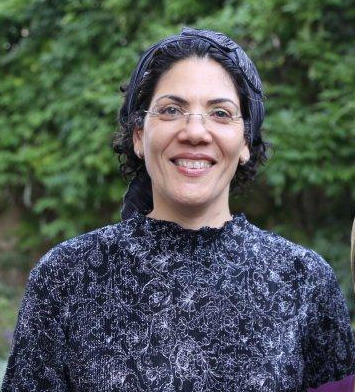
Edna Gross
עדנה גרוס

מרכז שפירא, ישראל

שמעתי על הסיום הענק של הדף היומי ע”י נשים בבנייני האומה. רציתי גם.
החלטתי להצטרף. התחלתי ושיכנעתי את בעלי ועוד שתי חברות להצטרף. עכשיו יש לי לימוד משותף איתו בשבת ומפגש חודשי איתן בנושא (והתכתבויות תדירות על דברים מיוחדים שקראנו). הצטרפנו לקבוצות שונות בווטסאפ. אנחנו ממש נהנות. אני שומעת את השיעור מידי יום (בד”כ מהרב יוני גוטמן) וקוראת ומצטרפת לסיומים של הדרן. גם מקפידה על דף משלהן (ונהנית מאד).

Liat Citron
ליאת סיטרון

אפרת, ישראל

התחלתי ללמוד לפני כשנתיים בשאיפה לסיים לראשונה מסכת אחת במהלך חופשת הלידה.
אחרי מסכת אחת כבר היה קשה להפסיק…

Noa Gallant
נעה גלנט

ירוחם, ישראל

התחלתי בסיום הש”ס, יצאתי באורות. נשברתי פעמיים, ובשתיהם הרבנית מישל עודדה להמשיך איפה שכולם בסבב ולהשלים כשאוכל, וכך עשיתי וכיום השלמתי הכל. מדהים אותי שאני לומדת כל יום קצת, אפילו בחדר הלידה, בבידוד או בחו”ל. לאט לאט יותר נינוחה בסוגיות. לא כולם מבינים את הרצון, בפרט כפמניסטית. חשה סיפוק גדול להכיר את המושגים וצורת החשיבה. החלום זה להמשיך ולהתמיד ובמקביל ללמוד איך מהסוגיות נוצרה והתפתחה ההלכה.

Weingarten Sherrington Foundation
קרן וינגרטן שרינגטון

מודיעין, ישראל

A life-changing journey started with a Chanukah family tiyul to Zippori, home of the Sanhedrin 2 years ago and continued with the Syum in Binanei Hauma where I was awed by the energy of 3000 women dedicated to learning daf Yomi. Opening my morning daily with a fresh daf, I am excited with the new insights I find enriching my life and opening new and deeper horizons for me.

Becky Goldstein
בקי גולדשטיין

Elazar gush etzion, Israel

הצטרפתי ללומדות בתחילת מסכת תענית. ההתרגשות שלי ושל המשפחה היתה גדולה מאוד, והיא הולכת וגוברת עם כל סיום שאני זוכה לו. במשך שנים רבות רציתי להצטרף ומשום מה זה לא קרה… ב”ה מצאתי לפני מספר חודשים פרסום של הדרן, ומיד הצטרפתי והתאהבתי. הדף היומי שינה את חיי ממש והפך כל יום- ליום של תורה. מודה לכן מקרב ליבי ומאחלת לכולנו לימוד פורה מתוך אהבת התורה ולומדיה.

Noa Rosen
נעה רוזן

חיספין רמת הגולן, ישראל

לפני 15 שנה, אחרי עשרות שנים של "ג’ינגול” בין משפחה לקריירה תובענית בהייטק, הצטרפתי לשיעורי גמרא במתן רעננה. הלימוד המעמיק והייחודי של הרבנית אושרה קורן יחד עם קבוצת הנשים המגוונת הייתה חוויה מאלפת ומעשירה. לפני כשמונה שנים כאשר מחזור הדף היומי הגיע למסכת תענית הצטרפתי כ”חברותא” לבעלי. זו השעה היומית שלנו ביחד כאשר דפי הגמרא משתלבים בחיי היום יום, משפיעים ומושפעים, וכשלא מספיקים תמיד משלימים בשבת

Yodi Askoff
יודי אסקוף

רעננה, ישראל

התחלתי ללמוד דף לפני קצת יותר מ-5 שנים, כשלמדתי רבנות בישיבת מהר”ת בניו יורק. בדיעבד, עד אז, הייתי בלימוד הגמרא שלי כמו מישהו שאוסף חרוזים משרשרת שהתפזרה, פה משהו ושם משהו, ומאז נפתח עולם ומלואו…. הדף נותן לי לימוד בצורה מאורגנת, שיטתית, יום-יומית, ומלמד אותי לא רק ידע אלא את השפה ודרך החשיבה שלנו. לשמחתי, יש לי סביבה תומכת וההרגשה שלי היא כמו בציטוט שבחרתי: הדף משפיע לטובה על כל היום שלי.

Michal Kahana
מיכל כהנא

חיפה, ישראל

רבנית מישל הציתה אש התלמוד בלבבות בביניני האומה ואני נדלקתי. היא פתחה פתח ותמכה במתחילות כמוני ואפשרה לנו להתקדם בצעדים נכונים וטובים. הקימה מערך שלם שמסובב את הלומדות בסביבה תומכת וכך נכנסתי למסלול לימוד מעשיר שאין כמוה. הדרן יצר קהילה גדולה וחזקה שמאפשרת התקדמות מכל נקודת מוצא. יש דיבוק לומדות שמחזק את ההתמדה של כולנו. כל פניה ושאלה נענית בזריזות ויסודיות. תודה גם למגי על כל העזרה.

Sarah Aber
שרה אבר

נתניה, ישראל

בסוף הסבב הקודם ראיתי את השמחה הגדולה שבסיום הלימוד, בעלי סיים כבר בפעם השלישית וכמובן הסיום הנשי בבנייני האומה וחשבתי שאולי זו הזדמנות עבורי למשהו חדש.
למרות שאני שונה בסביבה שלי, מי ששומע על הלימוד שלי מפרגן מאוד.
אני מנסה ללמוד קצת בכל יום, גם אם לא את כל הדף ובסך הכל אני בדרך כלל עומדת בקצב.
הלימוד מעניק המון משמעות ליום יום ועושה סדר בלמוד תורה, שתמיד היה (ועדיין) שאיפה. אבל אין כמו קביעות

Racheli-Mendelson
רחלי מנדלסון

טל מנשה, ישראל

כבר סיפרתי בסיום של מועד קטן.
הלימוד מאוד משפיעה על היום שלי כי אני לומדת עם רבנית מישל על הבוקר בזום. זה נותן טון לכל היום – בסיס למחשבות שלי .זה זכות גדול להתחיל את היום בלימוד ובתפילה. תודה רבה !

שרה-ברלוביץ
שרה ברלוביץ

ירושלים, ישראל

לצערי גדלתי בדור שבו לימוד גמרא לנשים לא היה דבר שבשגרה ושנים שאני חולמת להשלים את הפער הזה.. עד שלפני מספר שבועות, כמעט במקרה, נתקלתי במודעת פרסומת הקוראת להצטרף ללימוד מסכת תענית. כשקראתי את המודעה הרגשתי שהיא כאילו נכתבה עבורי – "תמיד חלמת ללמוד גמרא ולא ידעת איך להתחיל”, "בואי להתנסות במסכת קצרה וקלה” (רק היה חסר שהמודעה תיפתח במילים "מיכי שלום”..). קפצתי למים ו- ב”ה אני בדרך להגשמת החלום:)

Micah Kadosh
מיכי קדוש

מורשת, ישראל

התחלתי מחוג במסכת קידושין שהעבירה הרבנית רייסנר במסגרת בית המדרש כלנה בגבעת שמואל; לאחר מכן התחיל סבב הדף היומי אז הצטרפתי. לסביבה לקח זמן לעכל אבל היום כולם תומכים ומשתתפים איתי. הלימוד לעתים מעניין ומעשיר ולעתים קשה ואף הזוי… אך אני ממשיכה קדימה. הוא משפיע על היומיום שלי קודם כל במרדף אחרי הדף, וגם במושגים הרבים שלמדתי ובידע שהועשרתי בו, חלקו ממש מעשי

Abigail Chrissy
אביגיל כריסי

ראש העין, ישראל

התחלתי ללמוד בסבב הנוכחי לפני כשנתיים .הסביבה מתפעלת ותומכת מאוד. אני משתדלת ללמוד מכל ההסכתים הנוספים שיש באתר הדרן. אני עורכת כל סיום מסכת שיעור בביתי לכ20 נשים שמחכות בקוצר רוח למפגשים האלו.

Yael Asher
יעל אשר

יהוד, ישראל

התחלתי ללמוד בעידוד שתי חברות אתן למדתי בעבר את הפרק היומי במסגרת 929.
בבית מתלהבים מאוד ובשבת אני לומדת את הדף עם בעלי שזה מפתיע ומשמח מאוד! לימוד הדף הוא חלק בלתי נפרד מהיום שלי. לומדת בצהריים ומחכה לזמן הזה מידי יום…

Miriam Wengerover
מרים ונגרובר

אפרת, ישראל

אחרי שראיתי את הסיום הנשי של הדף היומי בבנייני האומה זה ריגש אותי ועורר בי את הרצון להצטרף. לא למדתי גמרא קודם לכן בכלל, אז הכל היה לי חדש, ולכן אני לומדת בעיקר מהשיעורים פה בהדרן, בשוטנשטיין או בחוברות ושיננתם.

Rebecca Schloss
רבקה שלוס

בית שמש, ישראל

התחלתי ללמוד את הדף היומי מעט אחרי שבני הקטן נולד. בהתחלה בשמיעה ולימוד באמצעות השיעור של הרבנית שפרבר. ובהמשך העזתי וקניתי לעצמי גמרא. מאז ממשיכה יום יום ללמוד עצמאית, ולפעמים בעזרת השיעור של הרבנית, כל יום. כל סיום של מסכת מביא לאושר גדול וסיפוק. הילדים בבית נהיו חלק מהלימוד, אני משתפת בסוגיות מעניינות ונהנית לשמוע את דעתם.

Eliraz Blau
אלירז בלאו

מעלה מכמש, ישראל

התחלתי מעט לפני תחילת הסבב הנוכחי. אני נהנית מהאתגר של להמשיך להתמיד, מרגעים של "אהה, מפה זה הגיע!” ומהאתגר האינטלקטואלי

Eilat-Chen and Deller
אילת-חן ודלר

לוד, ישראל

באירוע של הדרן בנייני האומה. בהשראתה של אמי שלי שסיימה את הש”ס בסבב הקודם ובעידוד מאיר , אישי, וילדיי וחברותיי ללימוד במכון למנהיגות הלכתית של רשת אור תורה סטון ומורתיי הרבנית ענת נובוסלסקי והרבנית דבורה עברון, ראש המכון למנהיגות הלכתית.
הלימוד מעשיר את יומי, מחזיר אותי גם למסכתות שכבר סיימתי וידוע שאינו דומה מי ששונה פרקו מאה לשונה פרקו מאה ואחת במיוחד מרתקים אותי החיבורים בין המסכתות

Roit Kalech
רוית קלך

מודיעין, ישראל

התחלתי ללמוד דף יומי ממסכת נידה כי זה היה חומר הלימוד שלי אז. לאחר הסיום הגדול בבנייני האומה החלטתי להמשיך. וב”ה מאז עם הפסקות קטנות של קורונה ולידה אני משתדלת להמשיך ולהיות חלק.

זה משפיע מאוד על היום יום שלי ועל אף שאני עסוקה בלימודי הלכה ותורה כל יום, זאת המסגרת הקבועה והמחייבת ביותר שיש לי.

Moriah Taesan Michaeli
מוריה תעסן מיכאלי

גבעת הראל, ישראל

שבת פה

וְקִים לְהוּ לְרַבָּנַן דְּחַמְשָׁא בְּשִׁיתָּא לָא יָנְקִי מֵהֲדָדֵי.

And the Sages have an accepted tradition that five seeds in a six-handbreadth space do not draw sustenance from one another.

וּמְנָלַן דְּהָא דְּקִים לְהוּ לְרַבָּנַן דְּחַמְשָׁא בְּשִׁיתָּא מִילְּתָא הִיא? דְּאָמַר רַבִּי חִיָּיא בַּר אַבָּא אָמַר רַבִּי יוֹחָנָן: מַאי דִּכְתִיב: ״לֹא תַסִּיג גְּבוּל רֵעֲךָ [אֲשֶׁר גָּבְלוּ רִאשׁוֹנִים]״ — גְּבוּל שֶׁגָּבְלוּ רִאשׁוֹנִים לֹא תַסִּיג. מַאי ״גָּבְלוּ רִאשׁוֹנִים״? אָמַר רַבִּי שְׁמוּאֵל בַּר נַחְמָנִי אָמַר רַבִּי יוֹנָתָן: מַאי דִּכְתִיב ״אֵלֶּה בְנֵי שֵׂעִיר הַחֹרִי יֹשְׁבֵי הָאָרֶץ״, אַטּוּ כּוּלֵּי עָלְמָא יוֹשְׁבֵי רָקִיעַ נִינְהוּ?! אֶלָּא שֶׁהָיוּ בְּקִיאִין בְּיִשּׁוּבָהּ שֶׁל אֶרֶץ, שֶׁהָיוּ אוֹמְרִים: מְלֹא קָנֶה זֶה לְזַיִת, מְלֹא קָנֶה זֶה לִגְפָנִים, מְלֹא קָנֶה זֶה לִתְאֵנִים. וְ״חֹרִי״ — שֶׁמְּרִיחִים אֶת הָאָרֶץ. וְ״חִוִּי״, אָמַר רַב פָּפָּא: שֶׁהָיוּ טוֹעֲמִין אֶת הָאָרֶץ כְּחִוְיָא. רַב אַחָא בַּר יַעֲקֹב אָמַר: ״חֹרִי״ — שֶׁנַּעֲשׂוּ בְּנֵי חוֹרִין מִנִּכְסֵיהֶן.

The Gemara asks: And from where do we derive that when the Sages have an accepted tradition it is a substantial matter, meaning that the tradition is reliable? Rabbi Ḥiyya bar Abba said that Rabbi Yoḥanan said: What is the meaning of that which is written: “You shall not cross your neighbor’s border, which they of the old times have set in your inheritance that you shall inherit” (Deuteronomy 19:14)? It means that you shall not cross the border that the early generations set, establishing the parameters necessary for each plant. The Gemara asks: What is the meaning of the phrase: The early generations set? Rabbi Shmuel bar Naḥmani said that Rabbi Yonatan said: What is the meaning of that which was written: “These are the sons of Seir the Horite who inhabit the land, Lotan and Shoval and Zibeon and Ana” (Genesis 36:20)? And is everyone else inhabitants of the heavens, that it was necessary for the verse to emphasize that these inhabit the land? Rather, it means that they were experts in the settlement of the land, as they would say: This tract of land that is the full length of a rod is fit for olive trees; this full length of a rod is fit for grapes, this full length of a rod is fit for figs. And the members of this tribe were called Horites [ḥori] since they smelled [heriḥu] the earth to determine what is fit to be grown there. The allusion is based on a transposition of the letters ḥet and reish. And in explanation of why the early inhabitants of Seir were called Hivites [ḥivi] (see Genesis 36:2), Rav Pappa said: Because they would taste the earth like a snake [ḥivya] and determine what should be grown there according to the taste. Rav Aḥa bar Ya’akov said that they were called Horites [ḥori] because they became free [benei ḥorin] of their possessions when the children of Esau drove them from their lands. Their primary name was actually Hivites.

אָמַר רַב אַסִּי: עֲרוּגָה — תּוֹכָהּ שִׁשָּׁה חוּץ מִגְּבוּלֶיהָ. תַּנְיָא נָמֵי הָכִי: עֲרוּגָה תּוֹכָהּ שִׁשָּׁה. גְּבוּלֶיהָ בְּכַמָּה? כְּדִתְנַן, רַבִּי יְהוּדָה אוֹמֵר: רוֹחַב — כִּמְלֹא רוֹחַב פַּרְסָה. אָמַר רַבִּי זֵירָא, וְאִיתֵּימָא רַבִּי חֲנִינָא בַּר פָּפָּא: מַאי טַעְמָא דְּרַבִּי יְהוּדָה — דִּכְתִיב: ״וְהִשְׁקִיתָ בְרַגְלְךָ כְּגַן הַיָּרָק״ — מָה רֶגֶל טֶפַח, אַף גְּבוּל נָמֵי טֶפַח.

With regard to the halakha itself, Rav Asi said: The garden bed in the mishna whose area is six by six handbreadths is one whose internal area is six by six handbreadths excluding the area of its boundaries, which must be added to the total area. That was also taught in a baraita: The internal area of a garden bed is six by six handbreadths. The Gemara asks: How much is the size of its boundaries? The Gemara answers, as we learned in a mishna that Rabbi Yehuda says: The width of the border is like the width of a foot. And Rabbi Zeira said, and some say it was Rabbi Ḥanina bar Pappa who said: What is the reason for the statement of Rabbi Yehuda? As it is written: “And you water it with your foot like a garden of herbs” (Deuteronomy 11:10), meaning that just as one’s foot is a handbreadth wide, so too, the boundary between garden beds where one walks to water plants is also a handbreadth wide.

אָמַר רַב: עֲרוּגָה — בְּחוּרְבָּה שָׁנִינוּ. וְהָאִיכָּא מָקוֹם קְרָנוֹת! אָמְרִי בֵּי רַב מִשְּׁמֵיהּ דְּרַב: בִּמְמַלֵּא אֶת הַקְּרָנוֹת. וְלִיזְרַע מֵאַבָּרַאי וְלָא לִימַלֵּי מִגַּוַּאי!

Rav said: When we learned in the mishna that one may plant five kinds of seeds within a garden bed without violating the prohibition of diverse kinds, we learned this with regard to a garden bed in a desolate area not surrounded by other plants. However, if the garden bed is among other garden beds, it is prohibited to plant that many species there because seeds from the different beds will intermingle. The Gemara asks: If the mishna is dealing with a solitary garden bed, isn’t there space in the corners, where more species of seeds could be planted without encountering the prohibition of diverse seeds? The school of Rav taught in the name of Rav: Rav’s statement is referring to a case where one fills the corners of the flowerbed with the five species of seeds, leaving no room in the corners for other varieties. The Gemara asks: And let him plant on the outside and not fill up the inside, to increase the different seed types instead of filling up the corners.

גְּזֵירָה שֶׁמָּא יְמַלֵּא אֶת הַקְּרָנוֹת. וְלֹא יְהֵא אֶלָּא רֹאשׁ תּוֹר יָרָק? מִי לָא תְּנַן: הָיָה רֹאשׁ תּוֹר יָרָק נִכְנָס לְתוֹךְ שָׂדֶה אַחֵר — מוּתָּר, מִפְּנֵי שֶׁנִּרְאֶה סוֹף שָׂדֶה! אֵין רֹאשׁ תּוֹר בַּעֲרוּגָה.

Rather, Rav’s reasoning must be: It is a decree lest one will fill the corners after having first planted the garden bed, and thereby violate the prohibition of diverse kinds. The Gemara asks: And why should that matter, the legal status of the garden bed should merely be like a triangular [rosh tor] plot of vegetables. Didn’t we learn in a mishna: If a triangular plot of vegetables was protruding into another field, it is permitted; there, it is not considered a prohibited mixture of diverse kinds, because the end of the field is distinguishable. Based on the shapes of the two fields where they intersect, the demarcation between them is clear. And the Gemara answers: There is no leniency with regard to a triangular plot in a garden bed. This allowance with regard to a triangular section of one field jutting into another field applies only to a large field where the triangular shape can clearly be attributed to a different field, but in a small garden bed where the seeds are adjacent to one another, it is impossible to distinguish between the seeds.

וּשְׁמוּאֵל אָמַר: עֲרוּגָה בֵּין הָעֲרוּגוֹת שָׁנִינוּ. וְהָא קָא מִיתְעָרְבִי בַּהֲדָדֵי! בְּנוֹטֶה שׁוּרָה לְכָאן וְשׁוּרָה לְכָאן.

And Shmuel said: When we learned in the mishna that one may plant five kinds of seeds within a garden bed without violating the prohibition of diverse kinds, we learned this even with regard to a garden bed among garden beds, not only in a solitary bed. The Gemara asks: Don’t the seeds become intermingled with one another? The Gemara answers: It is referring to a case where one inclines one row to here, in one direction, and one row to here, in a different direction (Me’iri). In that way they do not appear intermingled.

אָמַר עוּלָּא, בְּעוֹ בְּמַעְרְבָא: הִפְקִיעַ תֶּלֶם אֶחָד עַל פְּנֵי כּוּלָּהּ, מַהוּ? אָמַר רַב שֵׁשֶׁת: בָּא עִרְבּוּב וּבִיטֵּל אֶת הַשּׁוּרָה. רַב אַסִּי אָמַר: אֵין עֵירוּבוֹ מְבַטֵּל אֶת הַשּׁוּרָה. אֵיתִיבֵיהּ רָבִינָא לְרַב אָשֵׁי: הַנּוֹטֵעַ שְׁתֵּי שׁוּרוֹת שֶׁל קִישּׁוּאִין, שְׁתֵּי שׁוּרוֹת שֶׁל דִּילּוּעִין, שְׁתֵּי שׁוּרוֹת שֶׁל פּוֹל הַמִּצְרִי — מוּתָּר. שׁוּרָה אַחַת שֶׁל קִישּׁוּאִין וְשׁוּרָה אַחַת שֶׁל דִּילּוּעִין וְשׁוּרָה אַחַת שֶׁל פּוֹל הַמִּצְרִי — אָסוּר! שָׁאנֵי הָכָא דְּאִיכָּא שְׁרָאכָא.

Ulla said: They raise a dilemma in the West, Eretz Yisrael: What is the halakha if one opened a single furrow across its entirety? Is it considered demarcation between the garden beds if one dug a furrow between two garden beds (ge’onim, Tosafot)? Rav Sheshet said: The intermingling of these garden beds comes and nullifies the row. The furrow is not considered to be a demarcation between the beds. Rav Asi said: Its intermingling does not disqualify the row. Ravina raised an objection to the opinion of Rav Ashi from a mishna: One who plants two rows of cucumbers and two rows of gourds and two rows of Egyptian beans, it is permitted because each of the species is distinct. However, if he plants one row of cucumbers and one row of gourds and one row of Egyptian beans, it is prohibited because in single rows there is no clear demarcation between the species. This indicates that a furrow between different species of seeds does not prevent intermingling between them. Rav Ashi replied: The case in that mishna is an exception. Here, it is different because there are branches that grow out from these species which become entangled with each other, nullifying the furrow between them. Other vegetables, whose branches do not become entangled, may be planted with a single furrow between them.

אָמַר רַב כָּהֲנָא אָמַר רַבִּי יוֹחָנָן: הָרוֹצֶה לְמַלֹּאות כׇּל גִּינָּתוֹ יָרָק — עוֹשֶׂה עֲרוּגָה שִׁשָּׁה עַל שִׁשָּׁה וְעוֹגֵל בָּהּ חֲמִשָּׁה, וּמְמַלֵּא קַרְנוֹתֶיהָ כׇּל מַה שֶּׁיִּרְצֶה.

Rav Kahana said that Rabbi Yoḥanan said: One who wishes to fill his entire garden with vegetables and does not want to distance the rows of seeds from one another may make a garden bed that is six by six handbreadths and make five circles inside it (ge’onim, Rambam). He plants different species in the different circles and fills its corners with whatever additional species that he wants.

וְהָא אִיכָּא דְּבֵינֵי וּבֵינֵי! אָמְרִי דְּבֵי רַבִּי יַנַּאי: בְּמַחֲרִיב בֵּין הַבֵּינַיִים. רַב אָשֵׁי אָמַר: אִם הָיוּ זְרוּעִין שְׁתִי — זוֹרְעָן עֵרֶב, עֵרֶב — זוֹרְעָן שְׁתִי. אֵיתִיבֵיהּ רָבִינָא לְרַב אָשֵׁי: עֲבוֹדַת יָרָק בְּיָרָק אַחֵר, שִׁשָּׁה טְפָחִים. וְרוֹאִין אוֹתָם

The Gemara asks: Aren’t there seeds between the circles, which intermingle with the species that are in the circles? The school of Rabbi Yannai say in response to this: This is referring to a case where one leaves the space in between them barren and does not plant there. Rav Ashi said: He may fill the entire bed with seeds, and demarcate between the different types of seeds in the following manner. If the circles were planted lengthwise, he plants the seeds in between widthwise; and if the circles were planted widthwise, he plants the seeds in between lengthwise. Ravina raised an objection to the opinion of Rav Ashi: We learned that the work space of a vegetable of one species, when planted with a vegetable of a different species, is six handbreadths. And one views them

רוצה לעקוב אחרי התכנים ולהמשיך ללמוד?

ביצירת חשבון עוד היום ניתן לעקוב אחרי ההתקדמות שלך, לסמן מה למדת, ולעקוב אחרי השיעורים שמעניינים אותך.

לנקות את כל הפריטים מהרשימה?

פעולה זו תסיר את כל הפריטים בחלק זה כולל ההתקדמות וההיסטוריה. שימי לב: לא ניתן לשחזר פעולה זו.

ביטול
מחיקה

האם את/ה בטוח/ה שברצונך למחוק פריט זה?

תאבד/י את כל ההתקדמות או ההיסטוריה הקשורות לפריט זה.

ביטול
מחיקה