








אם אחד אוסף כסף לאורך זמן לתת למחצית השקל אבל אסף יותר מדי, מה הסטטוס של הכסף הנוסף? באיזה מקרה בית שמאי ובית הלל חולקים? איך זה בהשוואה לכסף שנשאר מכסף שאסף בכדי לקנות בהמה לקרבן חטאת? איזה סכום ניתן לאורך הדורות עבור מחצית השקל? מדוע התורה נתנה סכום של מחצית השקל? המשנה דנה בכסף שנותר עבור קרבנות שונים ודברים שונים כמו מחצית השקל ועשירית האיפה ומה יש לעשות איתם. הגמרא מביאה כמה דיונים בנוגע לכמה מהנושאים במשנה, כולל מה שקורה עם בהמה המיועדת לקרבן פסח שהובאה כקרבן עולה לפני פסח – האם היא נחשבת קרבן שלמים או קרבן פסול? אם זה נחשב מקרבן שלמים, האם זה יכול להיחשב כפיגול אם מישהו חושב לזרוק את הדם או לעשות פעולה אחרת בזמן הלא נכון או האם זה פשוט נפסל ואין חיוב כרת באכילתו?
רוצה להקדיש לימוד?
שקלים ו
שְׁלֹשָׁה עָשָׂר שׁוֹפָרוֹת, שְׁלֹשָׁה עָשָׂר שֻׁלְחָנוֹת, שְׁלשׁ עֶשְׂרֵה הִשְׁתַּחֲוָיוֹת, הָיוּ בַּמִקְדָּשׁ. שֶׁל בֵּית רַבָּן גַּמְלִיאֵל וְשֶׁל בֵּית רַבִּי חֲנַנְיָא סְגַן הַכֹּהֲנִים הָיוּ מִשְׁתַּחֲוִין אַרְבַּע עֶשְׂרֵה. וְהֵיכָן הָיְתָה יְתֵרָה, כְּנֶגֶד דִּיר הָעֵצִים, שֶׁכֵּן מָסֹרֶת בְּיָדָם מֵאֲבוֹתֵיהֶם שֶׁשָּׁם הָאָרוֹן נִגְנַז:
There were thirteen collection horns, narrow at the top and wide at the bottom, into which were placed the shekels that were collected for the various needs of the Temple. There were also thirteen tables for various purposes, and thirteen prostrations in the Temple. The members of the household of Rabban Gamliel and the members of the household of Rabbi Ḥananya, the deputy High Priest, would prostrate themselves in fourteen places. And where was this extra location? It was facing the wood depository, as there was a tradition handed down to them from their fathers that the Ark was sequestered there.
מַעֲשֶׂה בְּכֹהֵן אֶחָד שֶׁהָיָה מִתְעַסֵּק, וְרָאָה הָרִצְפָּה שֶׁהִיא מְשֻׁנָּה מֵחֲבֵרוֹתֶיהָ. בָּא וְאָמַר לַחֲבֵרוֹ. לֹא הִסְפִּיק לִגְמֹר אֶת הַדָּבָר עַד שֶׁיָּצְתָה נִשְׁמָתוֹ, וְיָדְעוּ בְיִחוּד שֶׁשָּׁם הָאָרוֹן נִגְנַז:
The mishna relates that there was an incident involving a certain priest who was going about his duties and saw a certain flagstone that was different from the others. He noticed that one of the stones was slightly raised above the others, indicating that it had been removed and returned to its place. The priest understood that this was the opening to an underground tunnel where the Ark was concealed. He came and said to his fellow that he had noticed this deviation in the floor. He did not manage to conclude relating the incident before his soul left him, i.e., he died. Following this event, they knew with certainty that the Ark was sequestered there and that God had prevented that priest from revealing its location.
וְהֵיכָן הָיוּ מִשְׁתַּחֲוִים, אַרְבַּע בַּצָּפוֹן, וְאַרְבַּע בַּדָּרוֹם, שָׁלשׁ בַּמִּזְרָח, וּשְׁתַּיִם בַּמַּעֲרָב, כְּנֶגֶד שְׁלשָׁה עָשָׂר שְׁעָרִים. שְׁעָרִים דְּרוֹמִיִּים סְמוּכִין לַמַּעֲרָב, שַׁעַר הָעֶלְיוֹן, שַׁעַר הַדֶּלֶק, שַׁעַר הַבְּכוֹרוֹת, שַׁעַר הַמָּיִם. וְלָמָּה נִקְרָא שְׁמוֹ שַׁעַר הַמַּיִם, שֶׁבּוֹ מַכְנִיסִין צְלוֹחִית שֶׁל מַיִם שֶׁל נִסּוּךְ בֶּחָג. רַבִּי אֱלִיעֶזֶר בֶּן יַעֲקֹב אוֹמֵר, בּוֹ הַמַּיִם מְפַכִּים וַעֲתִידִין לִהְיוֹת יוֹצְאִין מִתַּחַת מִפְתַּן הַבַּיִת. לְעֻמָּתָן בַּצָּפוֹן סְמוּכִין לַמַּעֲרָב, שַׁעַר יְכָנְיָה, שַׁעַר קָרְבָּן, שַׁעַר נָשִׁים, שַׁעַר הַשִּׁיר. וְלָמָּה נִקְרָא שְׁמוֹ שַׁעַר יְכָנְיָה, שֶׁבּוֹ יָצָא יְכָנְיָה בְּגָלוּתוֹ. בַּמִּזְרָח, שַׁעַר נִיקָנוֹר, וּשְׁנֵי פִשְׁפְּשִׁין הָיוּ לוֹ, אֶחָד בִּימִינוֹ וְאֶחָד בִּשְׂמֹאלוֹ. וּשְׁנַיִם בַּמַּעֲרָב שֶׁלֹּא הָיָה לָהֶם שֵׁם:
The previous mishna mentioned that there were thirteen prostrations in the Temple. Where were these prostrations? There were four in the north of the courtyard, four in the south, three in the east and two in the west, as the thirteen prostrations were facing the thirteen gates of the Temple courtyard. The thirteen gates were as follows: The southern ones, listed in order, beginning with the one adjacent to the western side, were the Upper Gate, and the topography of the courtyard was such that there was an incline on the east-west plane, therefore the gate farthest to the west was higher than the other gates; the Gate of Kindling, through which the priests would bring the wood for the arrangement of fire on top of the altar; the Gate of the Firstborn, through which priests would bring the ritually pure firstborn animals to be sacrificed, as it is permitted to slaughter firstborn animals on the southern side of the courtyard; and the Gate of Water. The mishna elaborates: And why was it named the Gate of Water? Since through it they would bring in the vial of water for the water libation on the festival of Sukkot, as they would ceremoniously draw the water from the Pool of Siloam and bring it to the altar through this gate. Rabbi Eliezer ben Ya’akov says: There was a different reason for this name. It was called the Gate of Water because through it the water would trickle [mefakim], and in the future this water will increase and go out from under the threshold of the House. Facing these gates were the ones in the north, listed in order from the one closest to the west: The Gate of Jeconiah; the Gate of the Offering, through which they would bring the offerings of the most sacred order, as these could be slaughtered only in the northern part of the courtyard; the Gate of Women, where women would enter the courtyard to place their hands on the heads of their offerings; and the Gate of Song, through which they would bring the musical instruments into the courtyard. The mishna asks: And why was it called the Gate of Jeconiah? The reason is that through it Jeconiah went out to his exile. Before Jeconiah was exiled by Nebuchadnezzar to Babylon he came to take leave of the Temple, and he left through this gate. The mishna resumes the list with the gates that are in the east: the Gate of Nicanor, which was named after Nicanor, who brought the doors of this gate from Egypt (see Yoma 38a). And the Gate of Nicanor had two wickets [pishpeshin], one on its right and one on its left. And there were two gates in the west that did not have a name, making a total of thirteen gates.
שְׁלשָׁה עָשָׂר שֻׁלְחָנוֹת הָיוּ בַּמִּקְדָּשׁ, שְׁמוֹנֶה שֶׁל שַׁיִשׁ בְּבֵית הַמִּטְבְּחַיִם, שֶׁעֲלֵיהֶן מְדִיחִין אֶת הַקְּרָבַיִם. וּשְׁנַיִם בְּמַעֲרַב הַכֶּבֶשׁ, אֶחָד שֶׁל שַׁיִשׁ וְאֶחָד שֶׁל כֶּסֶף עַל שֶׁל שַׁיִשׁ הָיוּ נוֹתְנִים אֶת הָאֵבָרִים, עַל שֶׁל כֶּסֶף כְּלֵי שָׁרֵת. וּשְׁנַיִם בָּאוּלָם מִבִּפְנִים עַל פֶּתַח הַבַּיִת, אֶחָד שֶׁל שַׁיִשׁ וְאֶחָד שֶׁל זָהָב, עַל שֶׁל שַׁיִשׁ נוֹתְנִין לֶחֶם הַפָּנִים בִּכְנִיסָתוֹ, וְעַל שֶׁל זָהָב בִּיצִיאָתוֹ, שֶׁמַּעֲלִין בַּקֹּדֶשׁ וְלֹא מוֹרִידִין. וְאֶחָד שֶׁל זָהָב מִבִּפְנִים, שֶׁעָלָיו לֶחֶם הַפָּנִים תָּמִיד:
This mishna details the exact location and purpose of the thirteen tables in the Temple. There were thirteen tables in the Temple. Eight of them were made of marble and were located in the slaughtering area, north of the altar, where the priests would slaughter the offerings of the most sacred order. Upon these tables they would wash the innards of the offerings, as the marble was cool and preserved the freshness of the meat. And there were two more tables on the western side of the ramp, south of the altar, one of marble and one of silver.On the table of marble they would place the limbs before they were sacrificed, and from there the priests would bring them up to the altar. On the table made of silver they would place the ninety-three sacred vessels brought out from the Chamber of Vessels each morning for the services of that day. And there were two tables in the Entrance Hall to the Sanctuary, on the inside of the Entrance Hall, near the opening to the Temple, one of marble and one of gold. On the table of marble they would put the shewbread before its entrance to the Sanctuary after it was baked on the eve of Shabbat. And they would place the old shewbread on the table of gold upon its exit from the Sanctuary, to be divided among the priests. The reason the shewbread was placed on a marble table before being brought into the Sanctuary and on a golden one upon when removed from there is that one elevates to a higher level in matters of sanctity and one does not downgrade. Since it had been placed on the golden Shewbread table all week inside the Sanctuary, upon its removal it could not be derogated to a marble table and so was placed on a different golden table in the Entrance Hall. Finally, there was one table of gold inside the Sanctuary, i.e. the Shewbread table, upon which the shewbread was placed always.
שְׁלשָׁה עָשָׂר שׁוֹפָרוֹת הָיוּ בַּמִּקְדָּשׁ, וְכָתוּב עֲלֵיהֶם, תִּקְלִין חַדְתִין וְתִקְלִין עַתִּיקִין, קִנִּין וְגוֹזְלֵי עוֹלָה, עֵצִים, וּלְבוֹנָה, זָהָב לַכַּפֹּרֶת. שִׁשָּׁה, לִנְדָבָה. תִּקְלִין חַדְתִּין, שֶׁבְּכָל שָׁנָה וְשָׁנָה. עַתִּיקִין, מִי שֶׁלֹּא שָׁקַל אֶשְׁתָּקַד, שׁוֹקֵל לְשָׁנָה הַבָּאָה. קִנִּין, הֵם תּוֹרִים. וְגוֹזְלֵי עוֹלָה, הֵן בְּנֵי יוֹנָה. וְכֻלָּן עוֹלוֹת, דִּבְרֵי רַבִּי יְהוּדָה. וַחֲכָמִים אוֹמְרִים, קִנִּין, אֶחָד חַטָאת וְאֶחָד עוֹלָה. וְגוֹזְלֵי עוֹלָה, כֻּלָּן עוֹלוֹת:
There were thirteen collection horns in the Temple, and the intended use of the funds was written upon each one, as follows: New shekels, old shekels, pairs of birds, fledglings designated for burnt-offerings, wood for the arrangement on the altar, frankincense that accompanied meal-offerings, and gold donated for the Ark cover. The remaining six horns were designated for communal free-will offerings. The horn labeled new shekels was designated for the half-shekel donation that was brought every year for the needs of that year. The horn labeled old shekels was for one who did not bring his half-shekel the previous year, who would contribute his shekel for the following year. The funds in the horn labeled pairs of birds are designated for the turtledoves used for bird-offerings, and the one labeled fledglings for burnt-offerings are used to purchase young pigeons as burnt-offerings. All of these, i.e., the funds in both horns, were used exclusively for voluntary burnt-offerings. This is the statement of Rabbi Yehuda. And the Rabbis say: The funds in both the horn labeled pairs of birds and the horn labeled fledglings were for young pigeons and turtledoves. The distinction between them is that the funds in the horn labeled pairs of birds were designated for the obligatory offerings of a zav, a zava, a woman after childbirth, and a leper. These offerings included a pair of birds, one brought for a sin-offering, and the other one brought for a burnt-offering. Conversely, the funds in the horn labeled fledglings for burnt-offerings were all used exclusively for voluntary burnt-offerings.
הָאוֹמֵר, הֲרֵי עָלַי עֵצִים, לֹא יִפְחוֹת מִשְּׁנֵי גִּזְרִין. לְבוֹנָה, לֹא יִפְחוֹת מִקֹּמֶץ. זָהָב, לֹא יִפְחוֹת מִדִּינַר זָהָב, שִׁשָּׁה לִנְדָבָה, נְדָבָה מֶה הָיוּ עוֹשִׂין בָּהּ, לוֹקְחִין בָּהּ עוֹלוֹת, הַבָּשָׂר לַשֵּׁם, וְהָעוֹרוֹת לַכֹּהֲנִים. זֶה מִדְרָשׁ דָּרַשׁ יְהוֹיָדָע כֹּהֵן גָּדוֹל, (ויקרא ה) אָשָׁם הוּא אָשֹׁם אָשַׁם לַיְיָ. (זֶה הַכְּלָל), כֹּל שֶׁהוּא בָּא מִשּׁוּם חֵטְא וּמִשּׁוּם אַשְׁמָה, יִלָּקַח בּוֹ עוֹלוֹת, הַבָּשָׂר לַשֵּׁם, וְהָעוֹרוֹת לַכֹּהֲנִים. נִמְצְאוּ שְׁנֵי כְּתוּבִים קַיָּמִים, אָשָׁם לַה’, וְאָשָׁם לַכֹּהֲנִים, וְאוֹמֵר, (מלכים ב יב), כֶּסֶף אָשָׁם וְכֶסֶף חַטָאוֹת לֹא יוּבָא בֵּית ה’ לַכֹּהֲנִים יִהְיוּ:
One who says: It is incumbent upon me to donate wood to the Temple, must donate no fewer than two logs for the arrangement on the altar. One who says: It is incumbent upon me to donate frankincense, must donate no less than a handful of frankincense, the amount brought with a meal-offering. One who says: It is incumbent upon me to donate gold, must donate no less than a dinar of gold. It was stated that six horns were designated for communal free-will offerings. The Mishna asks: With regard to the money designated for communal free-will offerings, what would they do with this money? The Mishna answers that they used it to purchase animals for burnt-offerings, as the meat from these offerings was offered on the altar to God and the hides were given to the priests. This midrash was taught by Jehoiada the High Priest: There is an apparent contradiction between two verses. With regard to the guilt-offering, the verse states: “It is a guilt-offering; he is certainly guilty before the Lord” (Leviticus 5:19). This verse indicates that the guilt-offering goes to God, not the priests. However, a different verse states: “As is the sin-offering, so is the guilt-offering; there is one law for them; the priest who makes atonement with it, he shall have it” (Leviticus 7:7). This verse indicates that the offering is designated for the priests alone. How can these two verses be reconciled? The Mishna explains that this is the principle: Any funds that come due to a sin-offering or due to a guilt-offering, i.e., leftover coins designated for one of these offerings, they should be used for the purchase of animals for a voluntary burnt-offering, as the meat will be offered on the altar to God, and the hides will go to the priests. In this manner the two verses are found to be fulfilled, as it is both a guilt-offering to God as well as a guilt-offering to the priest. And this halakha also explains the verse that says: “The guilt-offering money and the sin-offering money was not brought into the House of the Lord; it was for the priests” (II Kings 12:17). This verse is understood to refer to the hides given to the priests.
לעקוב 
חדשה בלימוד הגמרא?
זה הדף הראשון שלך? איזו התרגשות עצומה! יש לנו בדיוק את התכנים והכלים שיעזרו לך לעשות את הצעדים הראשונים ללמידה בקצב וברמה שלך, כך תוכלי להרגיש בנוח גם בתוך הסוגיות המורכבות ומאתגרות.
פסיפס הלומדות שלנו
גלי את קהילת הלומדות שלנו, מגוון נשים, רקעים וסיפורים. כולן חלק מתנועה ומסע מרגש ועוצמתי.
אחרי שראיתי את הסיום הנשי של הדף היומי בבנייני האומה זה ריגש אותי ועורר בי את הרצון להצטרף. לא למדתי גמרא קודם לכן בכלל, אז הכל היה לי חדש, ולכן אני לומדת בעיקר מהשיעורים פה בהדרן, בשוטנשטיין או בחוברות ושיננתם.

רבקה שלוס
בית שמש, ישראל
למדתי גמרא מכיתה ז- ט ב Maimonides School ואחרי העליה שלי בגיל 14 לימוד הגמרא, שלא היה כל כך מקובל בימים אלה, היה די ספוראדי. אחרי "ההתגלות” בבנייני האומה התחלתי ללמוד בעיקר בדרך הביתה למדתי מפוקקטסים שונים. לאט לאט ראיתי שאני תמיד חוזרת לרבנית מישל פרבר. באיזה שהוא שלב התחלתי ללמוד בזום בשעה 7:10 .
היום "אין מצב” שאני אתחיל את היום שלי ללא לימוד עם הרבנית מישל עם כוס הקפה שלי!!
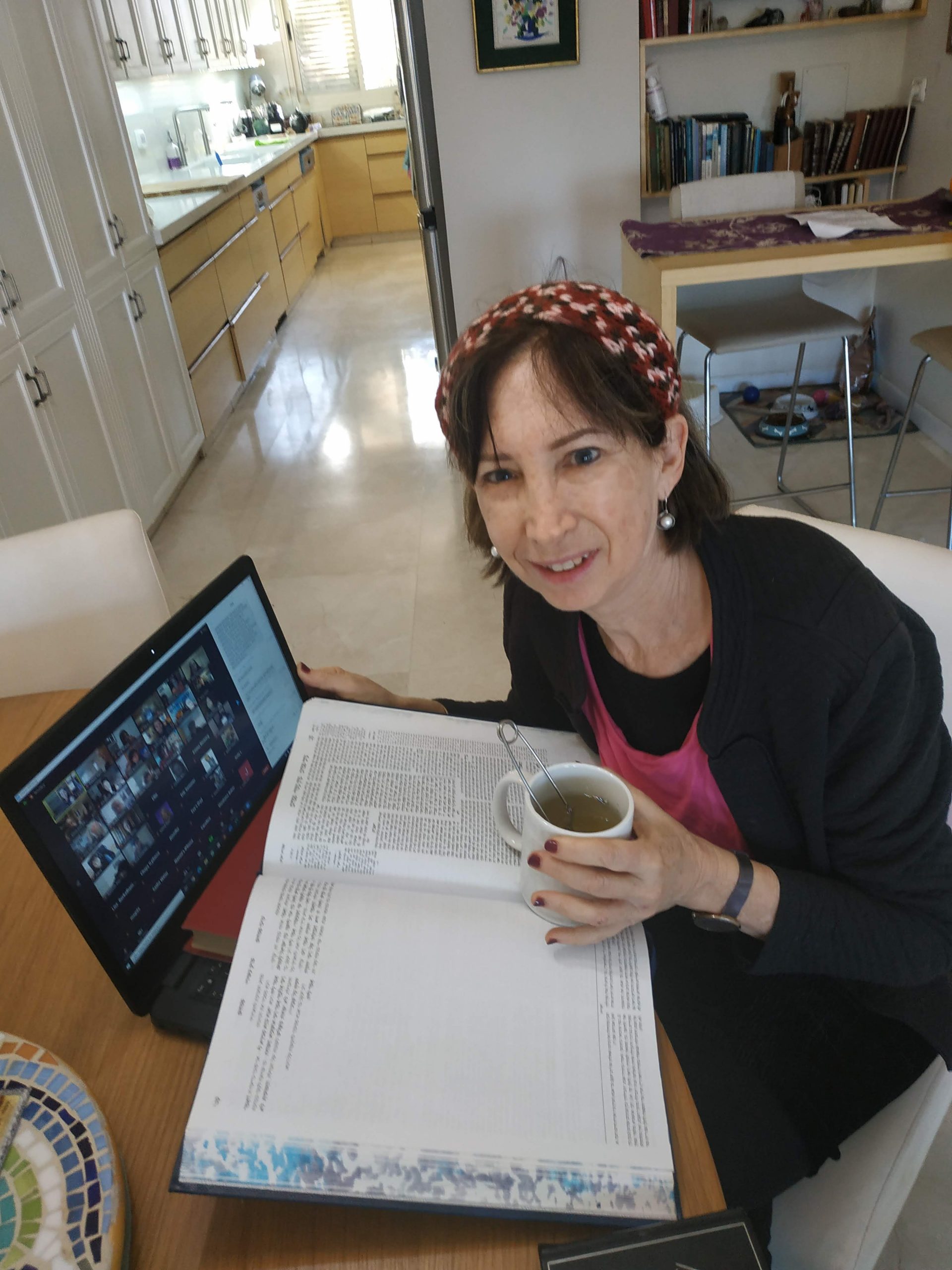
דבי גביר
חשמונאים, ישראל
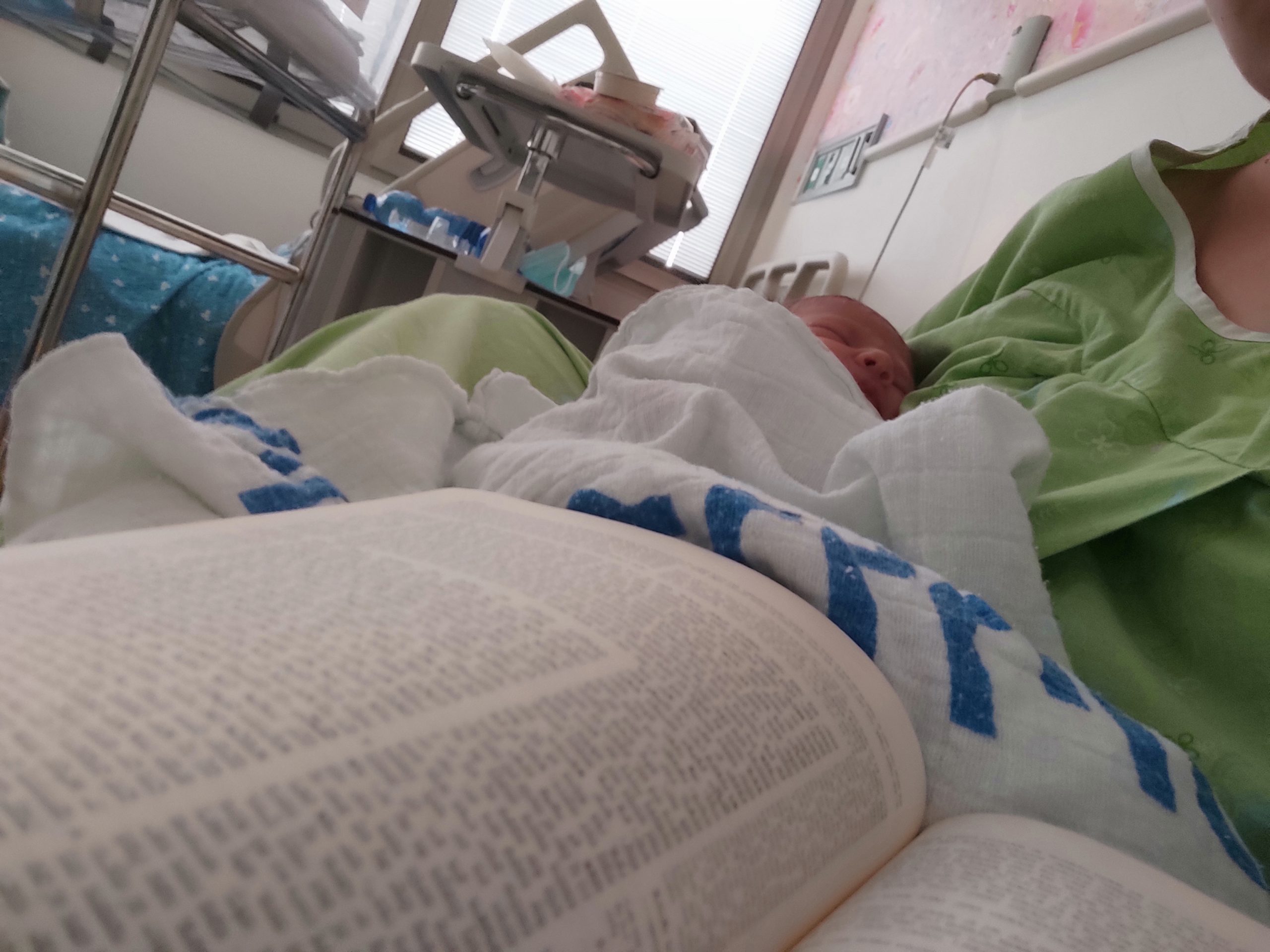
בתחילת הסבב הנוכחי הצטברו אצלי תחושות שאני לא מבינה מספיק מהי ההלכה אותה אני מקיימת בכל יום. כמו כן, כאמא לבנות רציתי לתת להן מודל נשי של לימוד תורה
שתי הסיבות האלו הובילו אותי להתחיל ללמוד. נתקלתי בתגובות מפרגנות וסקרניות איך אישה לומדת גמרא..
כמו שרואים בתמונה אני ממשיכה ללמוד גם היום ואפילו במחלקת יולדות אחרי לידת ביתי השלישית.
נועה שילה
רבבה, ישראל
התחלתי מעט לפני תחילת הסבב הנוכחי. אני נהנית מהאתגר של להמשיך להתמיד, מרגעים של "אהה, מפה זה הגיע!” ומהאתגר האינטלקטואלי

אילת-חן ודלר
לוד, ישראל
התחלתי ללמוד דף יומי בתחילת מסכת ברכות, עוד לא ידעתי כלום. נחשפתי לסיום הש״ס, ובעצם להתחלה מחדש בתקשורת, הפתיע אותי לטובה שהיה מקום לעיסוק בתורה.
את המסכתות הראשונות למדתי, אבל לא סיימתי (חוץ מעירובין איכשהו). השנה כשהגעתי למדרשה, נכנסתי ללופ, ואני מצליחה להיות חלק, סיימתי עם החברותא שלי את כל המסכתות הקצרות, גם כשהיינו חולות קורונה ובבידודים, למדנו לבד, העיקר לא לצבור פער, ומחכות ליבמות 🙂

עדן ישורון
מזכרת בתיה, ישראל
התחלתי ללמוד לפני כשנתיים בשאיפה לסיים לראשונה מסכת אחת במהלך חופשת הלידה.
אחרי מסכת אחת כבר היה קשה להפסיק…
נעה גלנט
ירוחם, ישראל
התחלתי בתחילת הסבב, והתמכרתי. זה נותן משמעות נוספת ליומיום ומאוד מחזק לתת לזה מקום בתוך כל שגרת הבית-עבודה השוטפת.
רעות אברהמי
בית שמש, ישראל
התחלתי ללמוד גמרא בבית הספר בגיל צעיר והתאהבתי. המשכתי בכך כל חיי ואף היייתי מורה לגמרא בבית הספר שקד בשדה אליהו (בית הספר בו למדתי בילדותי)בתחילת מחזור דף יומי הנוכחי החלטתי להצטרף ובע”ה מקווה להתמיד ולהמשיך. אני אוהבת את המפגש עם הדף את "דרישות השלום ” שמקבלת מקשרים עם דפים אחרים שלמדתי את הסנכרון שמתחולל בין התכנים.
אריאלה ביגמן
מעלה גלבוע, ישראל
התחלתי ללמוד לפני 4.5 שנים, כשהודיה חברה שלי פתחה קבוצת ווטסאפ ללימוד דף יומי בתחילת מסכת סנהדרין. מאז לימוד הדף נכנס לתוך היום-יום שלי והפך לאחד ממגדירי הזהות שלי ממש.

קרן רוזנברג
ירושלים, ישראל
סיום השס לנשים נתן לי מוטביציה להתחיל ללמוד דף יומי. עד אז למדתי גמרא בשבתות ועשיתי כמה סיומים. אבל לימוד יומיומי זה שונה לגמרי ופתאום כל דבר שקורה בחיים מתקשר לדף היומי.
קרן פוגל
רתמים, ישראל
התחלתי בסיום הש”ס, יצאתי באורות. נשברתי פעמיים, ובשתיהם הרבנית מישל עודדה להמשיך איפה שכולם בסבב ולהשלים כשאוכל, וכך עשיתי וכיום השלמתי הכל. מדהים אותי שאני לומדת כל יום קצת, אפילו בחדר הלידה, בבידוד או בחו”ל. לאט לאט יותר נינוחה בסוגיות. לא כולם מבינים את הרצון, בפרט כפמניסטית. חשה סיפוק גדול להכיר את המושגים וצורת החשיבה. החלום זה להמשיך ולהתמיד ובמקביל ללמוד איך מהסוגיות נוצרה והתפתחה ההלכה.

קרן וינגרטן שרינגטון
מודיעין, ישראל
לפני 15 שנה, אחרי עשרות שנים של "ג’ינגול” בין משפחה לקריירה תובענית בהייטק, הצטרפתי לשיעורי גמרא במתן רעננה. הלימוד המעמיק והייחודי של הרבנית אושרה קורן יחד עם קבוצת הנשים המגוונת הייתה חוויה מאלפת ומעשירה. לפני כשמונה שנים כאשר מחזור הדף היומי הגיע למסכת תענית הצטרפתי כ”חברותא” לבעלי. זו השעה היומית שלנו ביחד כאשר דפי הגמרא משתלבים בחיי היום יום, משפיעים ומושפעים, וכשלא מספיקים תמיד משלימים בשבת
יודי אסקוף
רעננה, ישראל
התחלתי ללמוד לפני 4.5 שנים, כשהודיה חברה שלי פתחה קבוצת ווטסאפ ללימוד דף יומי בתחילת מסכת סנהדרין. מאז לימוד הדף נכנס לתוך היום-יום שלי והפך לאחד ממגדירי הזהות שלי ממש.
קרן רוזנברג
ירושלים, ישראל
"
גם אני התחלתי בסבב הנוכחי וב””ה הצלחתי לסיים את רוב המסכתות . בזכות הרבנית מישל משתדלת לפתוח את היום בשיעור הזום בשעה 6:20 .הלימוד הפך להיות חלק משמעותי בחיי ויש ימים בהם אני מצליחה לחזור על הדף עם מלמדים נוספים ששיעוריהם נמצאים במרשתת. שמחה להיות חלק מקהילת לומדות ברחבי העולם. ובמיוחד לשמש דוגמה לנכדותיי שאי””ה יגדלו לדור שלימוד תורה לנשים יהיה משהו שבשגרה. "

רונית שביט
נתניה, ישראל
בתחילת הסבב הנוכחי הצטברו אצלי תחושות שאני לא מבינה מספיק מהי ההלכה אותה אני מקיימת בכל יום. כמו כן, כאמא לבנות רציתי לתת להן מודל נשי של לימוד תורה
שתי הסיבות האלו הובילו אותי להתחיל ללמוד. נתקלתי בתגובות מפרגנות וסקרניות איך אישה לומדת גמרא..
כמו שרואים בתמונה אני ממשיכה ללמוד גם היום ואפילו במחלקת יולדות אחרי לידת ביתי השלישית.
נועה שילה
רבבה, ישראל
התחלתי להשתתף בשיעור נשים פעם בשבוע, תכננתי ללמוד רק דפים בודדים, לא האמנתי שאצליח יותר מכך.
לאט לאט נשאבתי פנימה לעולם הלימוד .משתדלת ללמוד כל בוקר ומתחילה את היום בתחושה של מלאות ומתוך התכווננות נכונה יותר.
הלימוד של הדף היומי ממלא אותי בתחושה של חיבור עמוק לעם היהודי ולכל הלומדים בעבר ובהווה.
נילי חיון
אפרת, ישראל
אחי, שלומד דף יומי ממסכת ברכות, חיפש חברותא ללימוד מסכת ראש השנה והציע לי. החברותא היתה מאתגרת טכנית ורוב הזמן נעשתה דרך הטלפון, כך שבסיום המסכת נפרדו דרכינו. אחי חזר ללמוד לבד, אבל אני כבר נכבשתי בקסם הגמרא ושכנעתי את האיש שלי להצטרף אלי למסכת ביצה. מאז המשכנו הלאה, ועכשיו אנחנו מתרגשים לקראתו של סדר נשים!
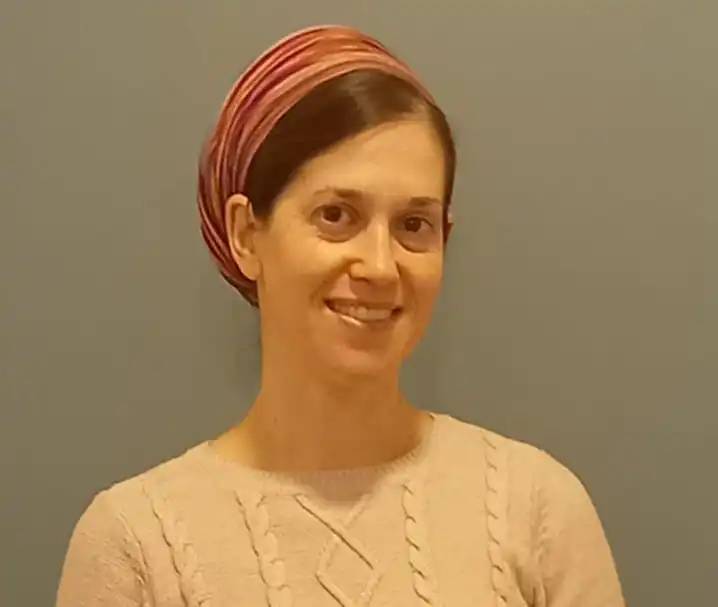
שולמית סבן
נוקדים, ישראל
בסוף הסבב הקודם ראיתי את השמחה הגדולה שבסיום הלימוד, בעלי סיים כבר בפעם השלישית וכמובן הסיום הנשי בבנייני האומה וחשבתי שאולי זו הזדמנות עבורי למשהו חדש.
למרות שאני שונה בסביבה שלי, מי ששומע על הלימוד שלי מפרגן מאוד.
אני מנסה ללמוד קצת בכל יום, גם אם לא את כל הדף ובסך הכל אני בדרך כלל עומדת בקצב.
הלימוד מעניק המון משמעות ליום יום ועושה סדר בלמוד תורה, שתמיד היה (ועדיין) שאיפה. אבל אין כמו קביעות
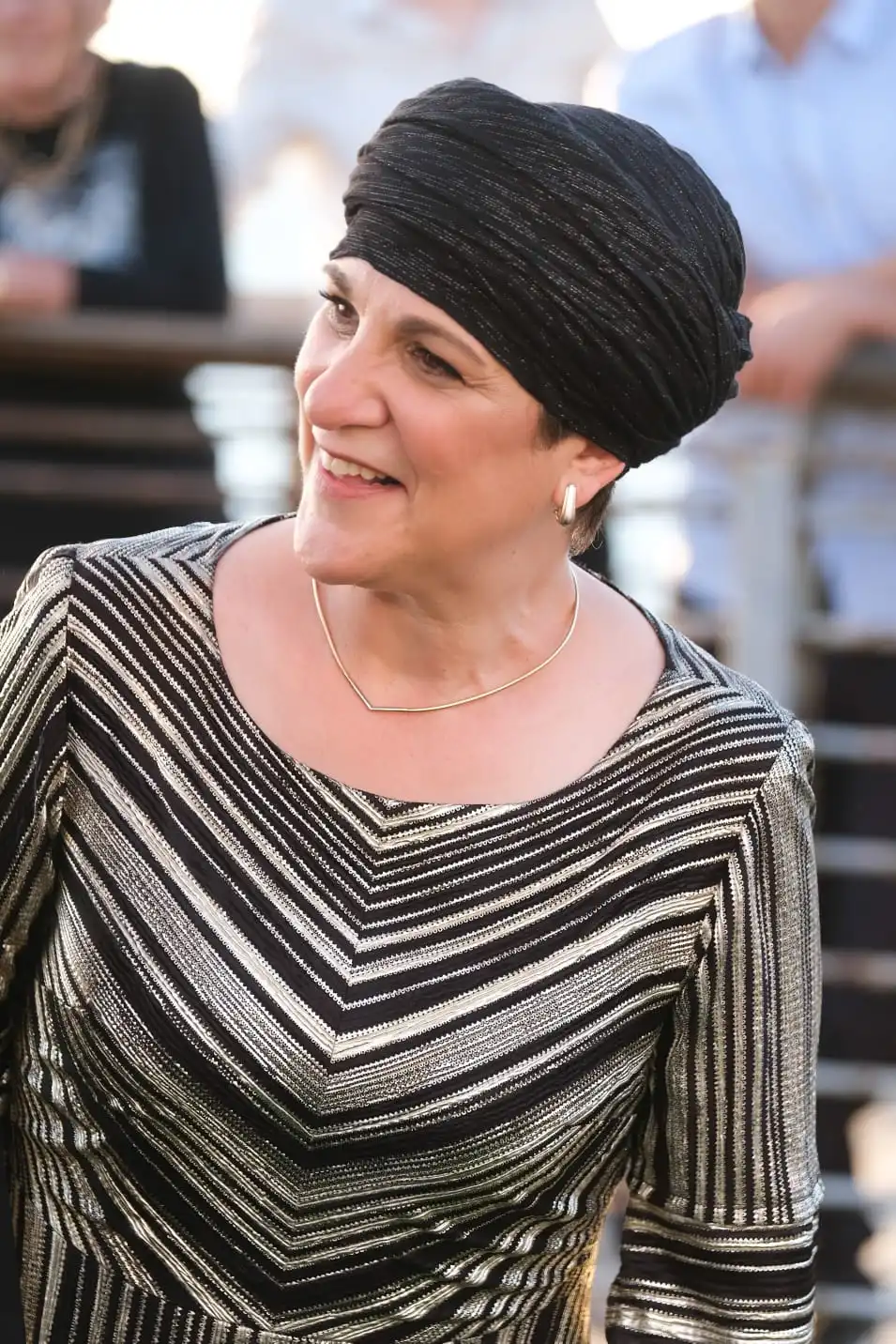
רחלי מנדלסון
טל מנשה, ישראל
התחלתי מחוג במסכת קידושין שהעבירה הרבנית רייסנר במסגרת בית המדרש כלנה בגבעת שמואל; לאחר מכן התחיל סבב הדף היומי אז הצטרפתי. לסביבה לקח זמן לעכל אבל היום כולם תומכים ומשתתפים איתי. הלימוד לעתים מעניין ומעשיר ולעתים קשה ואף הזוי… אך אני ממשיכה קדימה. הוא משפיע על היומיום שלי קודם כל במרדף אחרי הדף, וגם במושגים הרבים שלמדתי ובידע שהועשרתי בו, חלקו ממש מעשי

אביגיל כריסי
ראש העין, ישראל
רבנית מישל הציתה אש התלמוד בלבבות בביניני האומה ואני נדלקתי. היא פתחה פתח ותמכה במתחילות כמוני ואפשרה לנו להתקדם בצעדים נכונים וטובים. הקימה מערך שלם שמסובב את הלומדות בסביבה תומכת וכך נכנסתי למסלול לימוד מעשיר שאין כמוה. הדרן יצר קהילה גדולה וחזקה שמאפשרת התקדמות מכל נקודת מוצא. יש דיבוק לומדות שמחזק את ההתמדה של כולנו. כל פניה ושאלה נענית בזריזות ויסודיות. תודה גם למגי על כל העזרה.
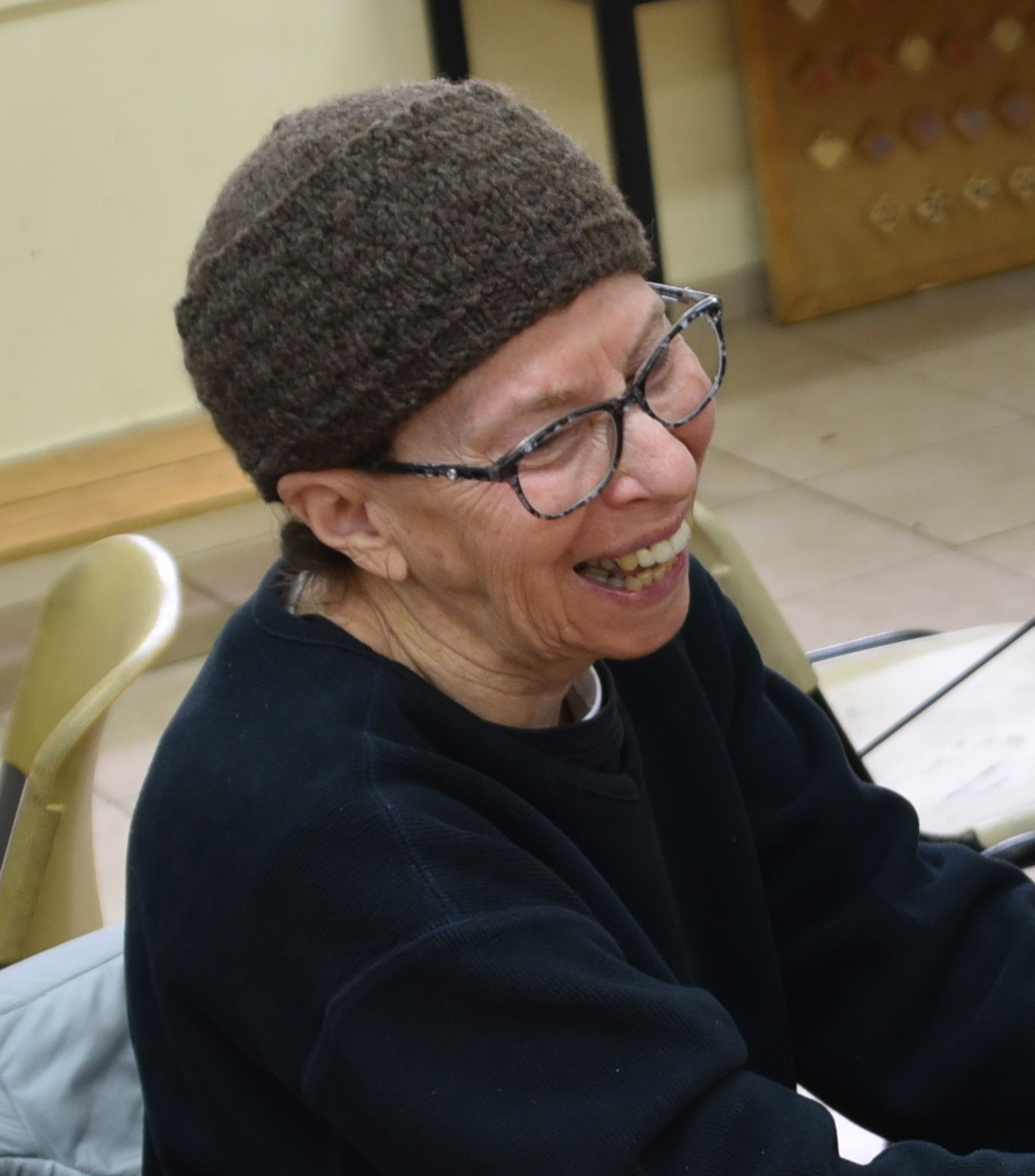
שרה אבר
נתניה, ישראל
שקלים ו
שְׁלֹשָׁה עָשָׂר שׁוֹפָרוֹת, שְׁלֹשָׁה עָשָׂר שֻׁלְחָנוֹת, שְׁלשׁ עֶשְׂרֵה הִשְׁתַּחֲוָיוֹת, הָיוּ בַּמִקְדָּשׁ. שֶׁל בֵּית רַבָּן גַּמְלִיאֵל וְשֶׁל בֵּית רַבִּי חֲנַנְיָא סְגַן הַכֹּהֲנִים הָיוּ מִשְׁתַּחֲוִין אַרְבַּע עֶשְׂרֵה. וְהֵיכָן הָיְתָה יְתֵרָה, כְּנֶגֶד דִּיר הָעֵצִים, שֶׁכֵּן מָסֹרֶת בְּיָדָם מֵאֲבוֹתֵיהֶם שֶׁשָּׁם הָאָרוֹן נִגְנַז:
There were thirteen collection horns, narrow at the top and wide at the bottom, into which were placed the shekels that were collected for the various needs of the Temple. There were also thirteen tables for various purposes, and thirteen prostrations in the Temple. The members of the household of Rabban Gamliel and the members of the household of Rabbi Ḥananya, the deputy High Priest, would prostrate themselves in fourteen places. And where was this extra location? It was facing the wood depository, as there was a tradition handed down to them from their fathers that the Ark was sequestered there.
מַעֲשֶׂה בְּכֹהֵן אֶחָד שֶׁהָיָה מִתְעַסֵּק, וְרָאָה הָרִצְפָּה שֶׁהִיא מְשֻׁנָּה מֵחֲבֵרוֹתֶיהָ. בָּא וְאָמַר לַחֲבֵרוֹ. לֹא הִסְפִּיק לִגְמֹר אֶת הַדָּבָר עַד שֶׁיָּצְתָה נִשְׁמָתוֹ, וְיָדְעוּ בְיִחוּד שֶׁשָּׁם הָאָרוֹן נִגְנַז:
The mishna relates that there was an incident involving a certain priest who was going about his duties and saw a certain flagstone that was different from the others. He noticed that one of the stones was slightly raised above the others, indicating that it had been removed and returned to its place. The priest understood that this was the opening to an underground tunnel where the Ark was concealed. He came and said to his fellow that he had noticed this deviation in the floor. He did not manage to conclude relating the incident before his soul left him, i.e., he died. Following this event, they knew with certainty that the Ark was sequestered there and that God had prevented that priest from revealing its location.
וְהֵיכָן הָיוּ מִשְׁתַּחֲוִים, אַרְבַּע בַּצָּפוֹן, וְאַרְבַּע בַּדָּרוֹם, שָׁלשׁ בַּמִּזְרָח, וּשְׁתַּיִם בַּמַּעֲרָב, כְּנֶגֶד שְׁלשָׁה עָשָׂר שְׁעָרִים. שְׁעָרִים דְּרוֹמִיִּים סְמוּכִין לַמַּעֲרָב, שַׁעַר הָעֶלְיוֹן, שַׁעַר הַדֶּלֶק, שַׁעַר הַבְּכוֹרוֹת, שַׁעַר הַמָּיִם. וְלָמָּה נִקְרָא שְׁמוֹ שַׁעַר הַמַּיִם, שֶׁבּוֹ מַכְנִיסִין צְלוֹחִית שֶׁל מַיִם שֶׁל נִסּוּךְ בֶּחָג. רַבִּי אֱלִיעֶזֶר בֶּן יַעֲקֹב אוֹמֵר, בּוֹ הַמַּיִם מְפַכִּים וַעֲתִידִין לִהְיוֹת יוֹצְאִין מִתַּחַת מִפְתַּן הַבַּיִת. לְעֻמָּתָן בַּצָּפוֹן סְמוּכִין לַמַּעֲרָב, שַׁעַר יְכָנְיָה, שַׁעַר קָרְבָּן, שַׁעַר נָשִׁים, שַׁעַר הַשִּׁיר. וְלָמָּה נִקְרָא שְׁמוֹ שַׁעַר יְכָנְיָה, שֶׁבּוֹ יָצָא יְכָנְיָה בְּגָלוּתוֹ. בַּמִּזְרָח, שַׁעַר נִיקָנוֹר, וּשְׁנֵי פִשְׁפְּשִׁין הָיוּ לוֹ, אֶחָד בִּימִינוֹ וְאֶחָד בִּשְׂמֹאלוֹ. וּשְׁנַיִם בַּמַּעֲרָב שֶׁלֹּא הָיָה לָהֶם שֵׁם:
The previous mishna mentioned that there were thirteen prostrations in the Temple. Where were these prostrations? There were four in the north of the courtyard, four in the south, three in the east and two in the west, as the thirteen prostrations were facing the thirteen gates of the Temple courtyard. The thirteen gates were as follows: The southern ones, listed in order, beginning with the one adjacent to the western side, were the Upper Gate, and the topography of the courtyard was such that there was an incline on the east-west plane, therefore the gate farthest to the west was higher than the other gates; the Gate of Kindling, through which the priests would bring the wood for the arrangement of fire on top of the altar; the Gate of the Firstborn, through which priests would bring the ritually pure firstborn animals to be sacrificed, as it is permitted to slaughter firstborn animals on the southern side of the courtyard; and the Gate of Water. The mishna elaborates: And why was it named the Gate of Water? Since through it they would bring in the vial of water for the water libation on the festival of Sukkot, as they would ceremoniously draw the water from the Pool of Siloam and bring it to the altar through this gate. Rabbi Eliezer ben Ya’akov says: There was a different reason for this name. It was called the Gate of Water because through it the water would trickle [mefakim], and in the future this water will increase and go out from under the threshold of the House. Facing these gates were the ones in the north, listed in order from the one closest to the west: The Gate of Jeconiah; the Gate of the Offering, through which they would bring the offerings of the most sacred order, as these could be slaughtered only in the northern part of the courtyard; the Gate of Women, where women would enter the courtyard to place their hands on the heads of their offerings; and the Gate of Song, through which they would bring the musical instruments into the courtyard. The mishna asks: And why was it called the Gate of Jeconiah? The reason is that through it Jeconiah went out to his exile. Before Jeconiah was exiled by Nebuchadnezzar to Babylon he came to take leave of the Temple, and he left through this gate. The mishna resumes the list with the gates that are in the east: the Gate of Nicanor, which was named after Nicanor, who brought the doors of this gate from Egypt (see Yoma 38a). And the Gate of Nicanor had two wickets [pishpeshin], one on its right and one on its left. And there were two gates in the west that did not have a name, making a total of thirteen gates.
שְׁלשָׁה עָשָׂר שֻׁלְחָנוֹת הָיוּ בַּמִּקְדָּשׁ, שְׁמוֹנֶה שֶׁל שַׁיִשׁ בְּבֵית הַמִּטְבְּחַיִם, שֶׁעֲלֵיהֶן מְדִיחִין אֶת הַקְּרָבַיִם. וּשְׁנַיִם בְּמַעֲרַב הַכֶּבֶשׁ, אֶחָד שֶׁל שַׁיִשׁ וְאֶחָד שֶׁל כֶּסֶף עַל שֶׁל שַׁיִשׁ הָיוּ נוֹתְנִים אֶת הָאֵבָרִים, עַל שֶׁל כֶּסֶף כְּלֵי שָׁרֵת. וּשְׁנַיִם בָּאוּלָם מִבִּפְנִים עַל פֶּתַח הַבַּיִת, אֶחָד שֶׁל שַׁיִשׁ וְאֶחָד שֶׁל זָהָב, עַל שֶׁל שַׁיִשׁ נוֹתְנִין לֶחֶם הַפָּנִים בִּכְנִיסָתוֹ, וְעַל שֶׁל זָהָב בִּיצִיאָתוֹ, שֶׁמַּעֲלִין בַּקֹּדֶשׁ וְלֹא מוֹרִידִין. וְאֶחָד שֶׁל זָהָב מִבִּפְנִים, שֶׁעָלָיו לֶחֶם הַפָּנִים תָּמִיד:
This mishna details the exact location and purpose of the thirteen tables in the Temple. There were thirteen tables in the Temple. Eight of them were made of marble and were located in the slaughtering area, north of the altar, where the priests would slaughter the offerings of the most sacred order. Upon these tables they would wash the innards of the offerings, as the marble was cool and preserved the freshness of the meat. And there were two more tables on the western side of the ramp, south of the altar, one of marble and one of silver.On the table of marble they would place the limbs before they were sacrificed, and from there the priests would bring them up to the altar. On the table made of silver they would place the ninety-three sacred vessels brought out from the Chamber of Vessels each morning for the services of that day. And there were two tables in the Entrance Hall to the Sanctuary, on the inside of the Entrance Hall, near the opening to the Temple, one of marble and one of gold. On the table of marble they would put the shewbread before its entrance to the Sanctuary after it was baked on the eve of Shabbat. And they would place the old shewbread on the table of gold upon its exit from the Sanctuary, to be divided among the priests. The reason the shewbread was placed on a marble table before being brought into the Sanctuary and on a golden one upon when removed from there is that one elevates to a higher level in matters of sanctity and one does not downgrade. Since it had been placed on the golden Shewbread table all week inside the Sanctuary, upon its removal it could not be derogated to a marble table and so was placed on a different golden table in the Entrance Hall. Finally, there was one table of gold inside the Sanctuary, i.e. the Shewbread table, upon which the shewbread was placed always.
שְׁלשָׁה עָשָׂר שׁוֹפָרוֹת הָיוּ בַּמִּקְדָּשׁ, וְכָתוּב עֲלֵיהֶם, תִּקְלִין חַדְתִין וְתִקְלִין עַתִּיקִין, קִנִּין וְגוֹזְלֵי עוֹלָה, עֵצִים, וּלְבוֹנָה, זָהָב לַכַּפֹּרֶת. שִׁשָּׁה, לִנְדָבָה. תִּקְלִין חַדְתִּין, שֶׁבְּכָל שָׁנָה וְשָׁנָה. עַתִּיקִין, מִי שֶׁלֹּא שָׁקַל אֶשְׁתָּקַד, שׁוֹקֵל לְשָׁנָה הַבָּאָה. קִנִּין, הֵם תּוֹרִים. וְגוֹזְלֵי עוֹלָה, הֵן בְּנֵי יוֹנָה. וְכֻלָּן עוֹלוֹת, דִּבְרֵי רַבִּי יְהוּדָה. וַחֲכָמִים אוֹמְרִים, קִנִּין, אֶחָד חַטָאת וְאֶחָד עוֹלָה. וְגוֹזְלֵי עוֹלָה, כֻּלָּן עוֹלוֹת:
There were thirteen collection horns in the Temple, and the intended use of the funds was written upon each one, as follows: New shekels, old shekels, pairs of birds, fledglings designated for burnt-offerings, wood for the arrangement on the altar, frankincense that accompanied meal-offerings, and gold donated for the Ark cover. The remaining six horns were designated for communal free-will offerings. The horn labeled new shekels was designated for the half-shekel donation that was brought every year for the needs of that year. The horn labeled old shekels was for one who did not bring his half-shekel the previous year, who would contribute his shekel for the following year. The funds in the horn labeled pairs of birds are designated for the turtledoves used for bird-offerings, and the one labeled fledglings for burnt-offerings are used to purchase young pigeons as burnt-offerings. All of these, i.e., the funds in both horns, were used exclusively for voluntary burnt-offerings. This is the statement of Rabbi Yehuda. And the Rabbis say: The funds in both the horn labeled pairs of birds and the horn labeled fledglings were for young pigeons and turtledoves. The distinction between them is that the funds in the horn labeled pairs of birds were designated for the obligatory offerings of a zav, a zava, a woman after childbirth, and a leper. These offerings included a pair of birds, one brought for a sin-offering, and the other one brought for a burnt-offering. Conversely, the funds in the horn labeled fledglings for burnt-offerings were all used exclusively for voluntary burnt-offerings.
הָאוֹמֵר, הֲרֵי עָלַי עֵצִים, לֹא יִפְחוֹת מִשְּׁנֵי גִּזְרִין. לְבוֹנָה, לֹא יִפְחוֹת מִקֹּמֶץ. זָהָב, לֹא יִפְחוֹת מִדִּינַר זָהָב, שִׁשָּׁה לִנְדָבָה, נְדָבָה מֶה הָיוּ עוֹשִׂין בָּהּ, לוֹקְחִין בָּהּ עוֹלוֹת, הַבָּשָׂר לַשֵּׁם, וְהָעוֹרוֹת לַכֹּהֲנִים. זֶה מִדְרָשׁ דָּרַשׁ יְהוֹיָדָע כֹּהֵן גָּדוֹל, (ויקרא ה) אָשָׁם הוּא אָשֹׁם אָשַׁם לַיְיָ. (זֶה הַכְּלָל), כֹּל שֶׁהוּא בָּא מִשּׁוּם חֵטְא וּמִשּׁוּם אַשְׁמָה, יִלָּקַח בּוֹ עוֹלוֹת, הַבָּשָׂר לַשֵּׁם, וְהָעוֹרוֹת לַכֹּהֲנִים. נִמְצְאוּ שְׁנֵי כְּתוּבִים קַיָּמִים, אָשָׁם לַה’, וְאָשָׁם לַכֹּהֲנִים, וְאוֹמֵר, (מלכים ב יב), כֶּסֶף אָשָׁם וְכֶסֶף חַטָאוֹת לֹא יוּבָא בֵּית ה’ לַכֹּהֲנִים יִהְיוּ:
One who says: It is incumbent upon me to donate wood to the Temple, must donate no fewer than two logs for the arrangement on the altar. One who says: It is incumbent upon me to donate frankincense, must donate no less than a handful of frankincense, the amount brought with a meal-offering. One who says: It is incumbent upon me to donate gold, must donate no less than a dinar of gold. It was stated that six horns were designated for communal free-will offerings. The Mishna asks: With regard to the money designated for communal free-will offerings, what would they do with this money? The Mishna answers that they used it to purchase animals for burnt-offerings, as the meat from these offerings was offered on the altar to God and the hides were given to the priests. This midrash was taught by Jehoiada the High Priest: There is an apparent contradiction between two verses. With regard to the guilt-offering, the verse states: “It is a guilt-offering; he is certainly guilty before the Lord” (Leviticus 5:19). This verse indicates that the guilt-offering goes to God, not the priests. However, a different verse states: “As is the sin-offering, so is the guilt-offering; there is one law for them; the priest who makes atonement with it, he shall have it” (Leviticus 7:7). This verse indicates that the offering is designated for the priests alone. How can these two verses be reconciled? The Mishna explains that this is the principle: Any funds that come due to a sin-offering or due to a guilt-offering, i.e., leftover coins designated for one of these offerings, they should be used for the purchase of animals for a voluntary burnt-offering, as the meat will be offered on the altar to God, and the hides will go to the priests. In this manner the two verses are found to be fulfilled, as it is both a guilt-offering to God as well as a guilt-offering to the priest. And this halakha also explains the verse that says: “The guilt-offering money and the sin-offering money was not brought into the House of the Lord; it was for the priests” (II Kings 12:17). This verse is understood to refer to the hides given to the priests.
לעקוב

