חיפוש

סוטה כב

רוצה להקדיש לימוד?

podcast placeholder

0:00
0:00


תקציר

הדף היום מוקדש ע”י דיאן קושר לע”נ אביה משה בן אברהם ובעלה שמעון אברהם בן ישראל משה.

חכמים יצאו נגד אלו שלמדו תורה ושננו משניות אך לא שימש תלמידי חכמים. מבינים את זה כמי שדיקלם אותם מבלי להבין אותם ופסקו מהם הלכה בלי להבינם. חכמים שונים סיווגו אותם בקטיגוריות אחרים של אנשים בחברה שאין לסמוך עליהם. מי נחשב לעם הארץ? הגמרא מגדירה את שני המונחים האחרים שהביא רבי יהושע במשנה – אשה פרושה ומכות פרושים. אלה, כמו גם אחרים שנתפסים גם כמי שהורסים את העולם, מוגדרים כמי שמתיימרים להיות צדיקים אבל זה רק כיסוי לטבעם האמיתי שהוא רע או מכשף. גם מדברים בצורה שלילית על מי שעושה דברים טובים כגון לימוד או עשיית מצוות כדי לקבל שכר. אביי ורבא חלקו על האמירה האחרונה שכן מי שלומד תורה או עושה מצוות שלא לשמה יעשה אותן כי בסופו של דבר יבואו לעשותן לשמה ולכן מומלץ ללמוד תורה גם אם זה נעשה מטעמים אחרים (מתוך שלא לשמה בא לשמה). רבי שמעון אינו חושב שזכותה של אישה תעכב את מותה, שכן זה יחליש את כוחם של המים להפחיד את האשמות (כדי לגרום לוידוייה) וזה יגרום לנשים חפות מפשע להיתפס כאשמות גם לאחר שתיית המים. רבי חולק וסובר שזכותה של האשה יכולה לעכב את מותה אך היא לא תיכנס להריון ובריאותה תידרדר לאט לאט עד שהיא מתה כסוטה. אם מנחת הסוטה נטמאה, מה עושים בה? תלוי אם היה לפני או אחרי שהתקדש בכלי שרת.

סוטה כב

שֶׁקָּרָא וְשָׁנָה וְלֹא שִׁימֵּשׁ תַּלְמִידֵי חֲכָמִים.

is one who read the Written Torah and learned the Mishna but did not serve Torah scholars in order to learn the reasoning behind the halakhot. Since he believes himself knowledgeable, he issues halakhic rulings, but due to his lack of understanding he rules erroneously and is therefore considered wicked. His cunning is in his public display of knowledge, which misleads others into considering him a true Torah scholar.

אִתְּמַר: קָרָא וְשָׁנָה וְלֹא שִׁימֵּשׁ תַּלְמִידֵי חֲכָמִים, רַבִּי אֶלְעָזָר אוֹמֵר: הֲרֵי זֶה עַם הָאָרֶץ. רַבִּי שְׁמוּאֵל בַּר נַחְמָנִי אָמַר: הֲרֵי זֶה בּוּר. רַבִּי יַנַּאי אוֹמֵר: הֲרֵי זֶה כּוּתִי.

It was stated: With regard to one who read the Written Torah and learned the Mishna but did not serve Torah scholars, Rabbi Elazar says: This person is an ignoramus. Rabbi Shmuel bar Naḥmani said: This person is a boor. Rabbi Yannai says: This person is comparable to a Samaritan, who follows the Written Torah but not the traditions of the Sages.

רַב אַחָא בַּר יַעֲקֹב אוֹמֵר: הֲרֵי זֶה מָגוֹשׁ. אָמַר רַב נַחְמָן בַּר יִצְחָק: מִסְתַּבְּרָא כְּרַב אַחָא בַּר יַעֲקֹב, דְּאָמְרִי אִינָשֵׁי: רָטֵין מָגוֹשָׁא וְלָא יָדַע מַאי אָמַר, תָּנֵי תַּנָּא וְלָא יָדַע מַאי אָמַר.

Rav Aḥa bar Ya’akov says: This person is comparable to a sorcerer [magosh], who uses his knowledge to mislead people. Rav Naḥman bar Yitzḥak said: It is reasonable to accept the opinion of Rav Aḥa bar Ya’akov, as people say proverbially: The sorcerer chants and does not know what he is saying; so too, the tanna teaches the Mishna and does not know what he is saying.

תָּנוּ רַבָּנַן: אֵיזֶהוּ עַם הָאָרֶץ? כֹּל שֶׁאֵינוֹ קוֹרֵא קְרִיאַת שְׁמַע שַׁחֲרִית וְעַרְבִית בְּבִרְכוֹתֶיהָ, דִּבְרֵי רַבִּי מֵאִיר. וַחֲכָמִים אוֹמְרִים: כֹּל שֶׁאֵינוֹ מַנִּיחַ תְּפִילִּין. בֶּן עַזַּאי אוֹמֵר: כֹּל שֶׁאֵין לוֹ צִיצִית בְּבִגְדוֹ. רַבִּי יוֹנָתָן בֶּן יוֹסֵף אָמַר: כֹּל שֶׁיֵּשׁ לוֹ בָּנִים וְאֵינוֹ מְגַדְּלָן לִלְמוֹד תּוֹרָה. אֲחֵרִים אוֹמְרִים: אֲפִילּוּ קוֹרֵא וְשׁוֹנֶה וְלֹא שִׁימֵּשׁ תַּלְמִידֵי חֲכָמִים — זֶהוּ עַם הָאָרֶץ.

§ The Sages taught: Who is an ignoramus [am ha’aretz]? It is anyone who does not recite Shema in the morning and evening with its blessings; this is the statement of Rabbi Meir. And the Rabbis say: It is anyone who does not don phylacteries. Ben Azzai says: It is anyone who does not have ritual fringes on his garment. Rabbi Yonatan ben Yosef said: It is anyone who has sons and does not raise them to study Torah. Aḥerim say: Even if one reads the Written Torah and learns the Mishna but does not serve Torah scholars, he is an ignoramus.

קָרָא וְלֹא שָׁנָה — הֲרֵי זֶה בּוּר, לֹא קָרָא וְלֹא שָׁנָה — עָלָיו הַכָּתוּב אוֹמֵר: ״וְזָרַעְתִּי אֶת בֵּית יִשְׂרָאֵל וְאֶת בֵּית יְהוּדָה זֶרַע אָדָם וְזֶרַע בְּהֵמָה״.

If one read the Written Torah but did not learn the Mishna, he is a boor. With regard to one who did not read and did not learn at all, the verse states: “Behold, the days come, says the Lord, and I will sow the house of Israel and the house of Judah with the seed of man, and with the seed of beast” (Jeremiah 31:26). One who has not studied at all is comparable to a beast.

״יְרָא אֶת ה׳ בְּנִי וָמֶלֶךְ עִם שׁוֹנִים אַל תִּתְעָרָב״, אָמַר רַבִּי יִצְחָק: אֵלּוּ שֶׁשּׁוֹנִים הֲלָכוֹת. פְּשִׁיטָא! מַהוּ דְּתֵימָא — שׁוֹנִין בְּחֵטְא, וְכִדְרַב הוּנָא. דְּאָמַר רַב הוּנָא: כֵּיוָן שֶׁעָבַר אָדָם עֲבֵירָה וְשָׁנָה בָּהּ — הוּתְּרָה לוֹ, קָא מַשְׁמַע לַן.

The verse states: “My son, fear the Lord and the king; and meddle not with those who are repeating” (Proverbs 24:21). Rabbi Yitzḥak says: These are individuals who repeatedly learn the halakhot but do not know the reasons behind them. The Gemara asks: Isn’t that obvious? How else could the verse be understood? The Gemara answers: He states this lest you say that the verse is referring to individuals who repeatedly commit sins, and this is in accordance with the words of Rav Huna, as Rav Huna says: Once a person committed a transgression and repeated it, in his eyes it became permitted for him. Since the verse could be interpreted in this manner, Rabbi Yitzḥak teaches us that the verse is referring to those who learn without understanding.

תָּנָא: הַתַּנָּאִים — מְבַלֵּי עוֹלָם. מְבַלֵּי עוֹלָם סָלְקָא דַּעְתָּךְ?! אָמַר רָבִינָא: שֶׁמּוֹרִין הֲלָכָה מִתּוֹךְ מִשְׁנָתָן. תַּנְיָא נָמֵי הָכִי, אָמַר רַבִּי יְהוֹשֻׁעַ: וְכִי מְבַלֵּי עוֹלָם הֵן? וַהֲלֹא מְיַישְּׁבֵי עוֹלָם הֵן, שֶׁנֶּאֱמַר: ״הֲלִיכוֹת עוֹלָם לוֹ״! אֶלָּא, שֶׁמּוֹרִין הֲלָכָה מִתּוֹךְ מִשְׁנָתָן.

It was taught in a baraita: The tanna’im, who recite the tannaitic sources by rote, are individuals who erode the world. The Gemara is puzzled by this statement: Could it enter your mind that they are individuals who erode the world? Ravina says: This statement is referring to those who issue halakhic rulings based on their knowledge of mishnayot. This is also taught in a baraita: Rabbi Yehoshua said: Are they individuals who erode the world? Aren’t they settling the world, as it is stated: “His ways [halikhot] are eternal” (Habakkuk 3:6)? The Sages read the term halikhot as halakhot, inferring that one who learns halakhot attains eternal life. Rather, this is referring to those who issue halakhic rulings based on their knowledge of mishnayot.

אִשָּׁה פְּרוּשָׁה וְכוּ׳. תָּנוּ רַבָּנַן: בְּתוּלָה צַלְיָינִית, וְאַלְמָנָה שׁוֹבָבִית, וְקָטָן שֶׁלֹּא כָּלוּ לוֹ חֳדָשָׁיו — הֲרֵי אֵלּוּ מְבַלֵּי עוֹלָם.

§ The mishna states that an abstinent woman is among those who erode the world. The Sages taught: A maiden who prays constantly, and a neighborly [shovavit] widow who constantly visits her neighbors, and a child whose months of gestation were not completed, all these are people who erode the world.

אִינִי? וְהָאָמַר רַבִּי יוֹחָנָן: לָמַדְנוּ יִרְאַת חֵטְא מִבְּתוּלָה, וְקִיבּוּל שָׂכָר מֵאַלְמָנָה. יִרְאַת חֵטְא מִבְּתוּלָה — דְּרַבִּי יוֹחָנָן שַׁמְעַהּ לְהַהִיא בְּתוּלָה דְּנָפְלָה אַאַפַּהּ וְקָאָמְרָה: רִבּוֹנוֹ שֶׁל עוֹלָם, בָּרָאתָ גַּן עֵדֶן וּבָרָאתָ גֵּיהִנָּם, בָּרָאתָ צַדִּיקִים וּבָרָאתָ רְשָׁעִים. יְהִי רָצוֹן מִלְּפָנֶיךָ שֶׁלֹּא יִכָּשְׁלוּ בִּי בְּנֵי אָדָם.

The Gemara asks: Is that so? But didn’t Rabbi Yoḥanan say: We learned the meaning of fear of sin from a maiden, and the significance of receiving divine reward from a widow. The meaning of fear of sin can be learned from a maiden, as Rabbi Yoḥanan heard a certain maiden who fell on her face in prayer, and she was saying: Master of the Universe, You created the Garden of Eden and You created Gehenna, You created the righteous and You created the wicked. May it be Your will that men shall not stumble because of me and consequently go to Gehenna.

קִיבּוּל שָׂכָר מֵאַלְמָנָה — דְּהָהִיא אַלְמָנָה דַּהֲוַאי בֵּי כְנִישְׁתָּא בְּשִׁיבָבוּתַהּ. כׇּל יוֹמָא הֲוָת אָתְיָא וּמְצַלָּה בֵּי מִדְרְשֵׁיהּ דְּרַבִּי יוֹחָנָן. אֲמַר לַהּ: בִּתִּי, לֹא בֵּית הַכְּנֶסֶת בְּשִׁיבָבוּתִיךְ? אֲמַרָה לֵיהּ: רַבִּי, וְלֹא שְׂכַר פְּסִיעוֹת יֵשׁ לִי?

The significance of receiving divine reward can be learned from a widow, as there was a certain widow in whose neighborhood there was a synagogue, and despite this every day she went and prayed in the study hall of Rabbi Yoḥanan. Rabbi Yoḥanan said to her: My daughter, is there not a synagogue in your neighborhood? She said to him: My teacher, don’t I attain a reward for all the steps I take while walking to pray in the distant study hall?

כִּי קָאָמַר, כְּגוֹן יוֹחָנִי בַּת רְטִיבִי.

The Gemara answers: When it is stated in the baraita that a maiden who prays constantly is one who erodes the world, it is referring, for example, to Yoḥani bat Retivi, who constantly prayed and pretended to be saintly but actually engaged in sorcery.

מַאי ״קָטָן שֶׁלֹּא כָּלוּ לוֹ חֳדָשָׁיו״? הָכָא תַּרְגִּימוּ: זֶה תַּלְמִיד חָכָם הַמְבַעֵט בְּרַבּוֹתָיו.

The Gemara asks: What is the meaning of a child whose months of gestation were not completed? Here, in Babylonia, they interpreted this as alluding to an imperfect, incomplete Torah scholar who scorns his teachers.

רַבִּי אַבָּא אָמַר: זֶה תַּלְמִיד שֶׁלֹּא הִגִּיעַ לְהוֹרָאָה וּמוֹרֶה. דְּאָמַר רַבִּי אֲבָהוּ אָמַר רַב הוּנָא אָמַר רַב: מַאי דִּכְתִיב ״כִּי רַבִּים חֲלָלִים הִפִּילָה וַעֲצוּמִים כׇּל הֲרוּגֶיהָ״. ״כִּי רַבִּים חֲלָלִים הִפִּילָה״ — זֶה תַּלְמִיד חָכָם שֶׁלֹּא הִגִּיעַ לְהוֹרָאָה וּמוֹרֶה. ״וַעֲצוּמִים כׇּל הֲרוּגֶיהָ״ — זֶה תַּלְמִיד חָכָם שֶׁהִגִּיעַ לְהוֹרָאָה וְאֵינוֹ מוֹרֶה.

Rabbi Abba says: This is a student who has not yet attained the ability to issue halakhic rulings, and yet he issues rulings and is therefore compared to a prematurely born child. This is as Rabbi Abbahu says that Rav Huna says that Rav says: What is the meaning of that which is written: “For she has cast down many wounded; and a mighty host are all her slain” (Proverbs 7:26)? “For she has cast down [hippila] many wounded”; this is referring to a Torah scholar who has not yet attained the ability to issue rulings, and yet he issues rulings. “And a mighty host [ve’atzumim] are all her slain”; this is referring to a Torah scholar who has attained the ability to issue rulings, but does not issue rulings and prevents the masses from learning Torah properly.

וְעַד כַּמָּה — עַד אַרְבְּעִין שְׁנִין. אִינִי? וְהָא רַבָּה אוֹרִי! בְּשָׁוִין.

And until when is it considered too premature for a scholar to issue halakhic rulings? It is until forty years. The Gemara asks: Is that so? But didn’t Rabba issue rulings, even though he lived for only forty years? The Gemara answers: It is permitted for a scholar who has not studied for so long to issue rulings when his knowledge reaches the level of the foremost scholar in his city and they are equals.

וּמַכּוֹת פְּרוּשִׁין וְכוּ׳. תָּנוּ רַבָּנַן, שִׁבְעָה פְּרוּשִׁין הֵן: פָּרוּשׁ שִׁיכְמִי, פָּרוּשׁ נִקְפִּי, פָּרוּשׁ קִיזַּאי, פָּרוּשׁ מְדוּכְיָא, פָּרוּשׁ ״מָה חוֹבָתִי וְאֶעֱשֶׂנָּה״, פָּרוּשׁ מֵאַהֲבָה, פָּרוּשׁ מִיִּרְאָה.

§ It states in the mishna: And those who injure themselves out of false abstinence [perushin] are people who erode the world. The Sages taught: There are seven pseudo-righteous people who erode the world: The righteous of Shechem, the self-flagellating righteous, the bloodletting righteous, the pestle-like righteous, the righteous who say: Tell me what my obligation is and I will perform it, those who are righteous due to love, and those who are righteous due to fear.

פָּרוּשׁ שִׁיכְמִי — זֶה הָעוֹשֶׂה מַעֲשֵׂה שְׁכֶם. פָּרוּשׁ נִקְפִּי — זֶה הַמְנַקֵּיף אֶת רַגְלָיו. פָּרוּשׁ קִיזַּאי — אָמַר רַב נַחְמָן בַּר יִצְחָק: זֶה הַמַּקִּיז דָּם לַכְּתָלִים. פָּרוּשׁ מְדוּכְיָא — אָמַר רַבָּה בַּר שֵׁילָא: דִּמְשַׁפַּע כִּי מְדוּכְיָא.

The Gemara explains: The righteous of Shechem [shikhmi]; this is one who performs actions comparable to the action of the people of Shechem, who agreed to circumcise themselves for personal gain (see Genesis, chapter 34); so too, he behaves righteously only in order to be honored. The self-flagellating righteous; this is one who injures his feet, as he walks slowly, dragging his feet on the ground in an attempt to appear humble, and injures his feet in the process. The bloodletting righteous; Rav Naḥman bar Yitzḥak says that this is one who lets blood by banging his head against the walls because he walks with his eyes shut, ostensibly out of modesty. The pestle-like righteous; Rabba bar Sheila says that this is one who walks bent over like the pestle of a mortar.

פָּרוּשׁ ״מָה חוֹבָתִי וְאֶעֱשֶׂנָּה״. הָא מְעַלְּיוּתָא הִיא! אֶלָּא דְּאָמַר ״מָה חוֹבָתִי תּוּ וְאֶעֱשֶׂנָּה״.

With regard to the righteous one who says: Tell me what my obligation is and I will perform it, the Gemara asks: Isn’t this virtuous behavior, as he desires to be aware of his obligations? Rather, this is referring to one who says: Tell me what further obligations are incumbent upon me and I will perform them, indicating that he fulfills all of his mitzvot perfectly and therefore seeks additional obligations.

פָּרוּשׁ מֵאַהֲבָה, פָּרוּשׁ מִיִּרְאָה. אֲמַרוּ לֵיהּ אַבָּיֵי וְרָבָא לְתַנָּא: לָא תִּיתְּנֵי פָּרוּשׁ מֵאַהֲבָה פָּרוּשׁ מִיִּרְאָה, דְּאָמַר רַב יְהוּדָה אָמַר רַב: לְעוֹלָם יַעֲסוֹק אָדָם בַּתּוֹרָה וּבְמִצְוֹת אֲפִילּוּ שֶׁלֹּא לִשְׁמָהּ, שֶׁמִּתּוֹךְ שֶׁלֹּא לִשְׁמָהּ בָּא לִשְׁמָהּ.

The baraita also includes in the list of pseudo-righteous people those who are righteous due to love and those who are righteous due to fear, i.e., one who performs mitzvot due to love of their reward or due to fear of punishment. Abaye and Rava said to the tanna who transmitted this baraita: Do not teach in the baraita: Those who are righteous due to love and those who are righteous due to fear, as Rav Yehuda says that Rav says: A person should always engage in Torah study and in performance of the mitzvot even if he does not do so for their own sake, as through performing them not for their own sake, one comes to perform them for their own sake.

אָמַר רַב נַחְמָן בַּר יִצְחָק: דְּמִטַּמְּרָא מִטַּמְּרָא, וּדְמִגַּלְּיָא מִגַּלְּיָא, בֵּי דִינָא רַבָּה לִיתְפְּרַע מֵהָנֵי דְּחָפוּ גּוּנְדֵי. אֲמַר לַהּ יַנַּאי מַלְכָּא לִדְבֵיתֵיהּ: אַל תִּתְיָרְאִי מִן הַפְּרוּשִׁין, וְלֹא מִמִּי שֶׁאֵינָן פְּרוּשִׁין, אֶלָּא מִן הַצְּבוּעִין שֶׁדּוֹמִין לִפְרוּשִׁין, שֶׁמַּעֲשֵׂיהֶן כְּמַעֲשֵׂה זִמְרִי וּמְבַקְּשִׁין שָׂכָר כְּפִנְחָס.

Rav Naḥman bar Yitzḥak said: That which is hidden is hidden, and that which is revealed is revealed, but in Heaven everything is known, and the great court in Heaven will exact payment from those who wear the cloak of the righteous but are in fact unworthy. The Gemara relates: King Yannai said to his wife before he died: Do not be afraid of the Pharisees [perushin], and neither should you fear from those who are not Pharisees, i.e., the Sadducees; rather, beware of the hypocrites who appear like Pharisees, as their actions are like the act of the wicked Zimri and they request a reward like that of the righteous Pinehas (see Numbers, chapter 25).

מַתְנִי׳ רַבִּי שִׁמְעוֹן אוֹמֵר: אֵין זְכוּת תּוֹלָה בְּמַיִם הַמָּרִים. וְאִם אַתָּה אוֹמֵר הַזְּכוּת תּוֹלָה בַּמַּיִם הַמְאָרְרִין — מַדְהֶה אַתָּה אֶת הַמַּיִם בִּפְנֵי כׇּל הַנָּשִׁים הַשּׁוֹתוֹת. וּמוֹצִיא אַתָּה שֵׁם רַע עַל הַטְּהוֹרוֹת שֶׁשָּׁתוּ, שֶׁאוֹמְרִים: טְמֵאוֹת הֵן, אֶלָּא שֶׁתָּלְתָה לָהֶן זְכוּת. רַבִּי אוֹמֵר: הַזְּכוּת תּוֹלָה בְּמַיִם הַמְאָרְרִים, וְאֵינָהּ יוֹלֶדֶת וְאֵינָהּ מַשְׁבַּחַת, אֶלָּא מִתְנַוְּונָה וְהוֹלֶכֶת, לְסוֹף הִיא מֵתָה בְּאוֹתָהּ מִיתָה.

MISHNA: Rabbi Shimon says: Merit does not delay the punishment of the bitter water of a sota, and if you say that merit does delay the punishment of the water that causes the curse, as stated earlier by the Rabbis (20a), you weaken [madhe] the power of the bitter water before all the women who drink the water, who will no longer be afraid of it, as they will rely on their merit to save them. And you defame the untainted women who drank the water and survived, as people say: They are defiled but it is their merit that delayed the punishment for them. Rabbi Yehuda HaNasi says: Merit delays the punishment of the water that causes the curse, but a woman whose punishment is delayed does not give birth and does not flourish; rather, she progressively deteriorates. Ultimately she dies by the same death as a sota who dies immediately.

נִטְמֵאת מִנְחָתָהּ עַד שֶׁלֹּא קָדְשָׁה בִּכְלִי — הֲרֵי הִיא כְּכׇל הַמְּנָחוֹת, וְתִפָּדֶה. וְאִם מִשֶּׁקָּדְשָׁה בִּכְלִי — הֲרֵי הִיא כְּכׇל הַמְּנָחוֹת, וְתִשָּׂרֵף. וְאֵלּוּ שֶׁמִּנְחוֹתֵיהֶן נִשְׂרָפוֹת:

§ If the meal-offering of the sota is rendered impure before it has been sanctified in the service vessel, its status is like that of all the other meal-offerings that are rendered impure before being sanctified in a service vessel, and it is redeemed. But if it is rendered impure after it has been sanctified in the service vessel, its status is like that of all the other meal-offerings that are rendered impure after being sanctified in a service vessel, and it is burned. And these are the sota women whose meal-offerings are burned if they have already been sanctified in a service vessel:

חדשה בלימוד הגמרא?

זה הדף הראשון שלך? איזו התרגשות עצומה! יש לנו בדיוק את התכנים והכלים שיעזרו לך לעשות את הצעדים הראשונים ללמידה בקצב וברמה שלך, כך תוכלי להרגיש בנוח גם בתוך הסוגיות המורכבות ומאתגרות.

פסיפס הלומדות שלנו

גלי את קהילת הלומדות שלנו, מגוון נשים, רקעים וסיפורים. כולן חלק מתנועה ומסע מרגש ועוצמתי.

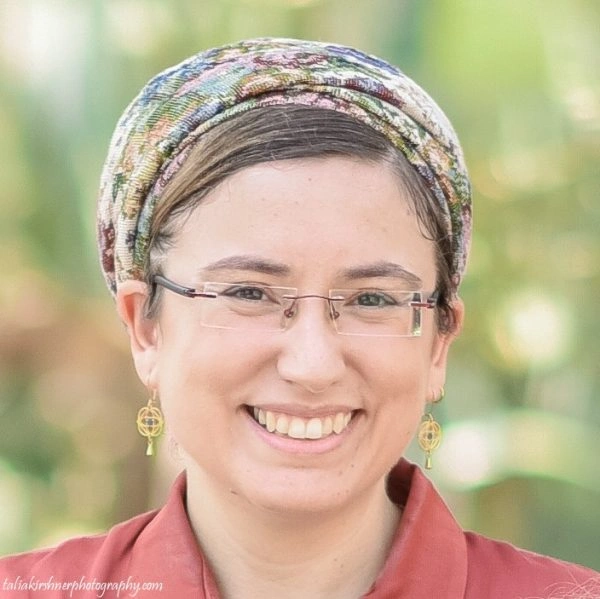
בתחילת הסבב הנוכחי של לימוד הדף היומי, נחשפתי לחגיגות המרגשות באירועי הסיום ברחבי העולם. והבטחתי לעצמי שבקרוב אצטרף גם למעגל הלומדות. הסבב התחיל כאשר הייתי בתחילת דרכי בתוכנית קרן אריאל להכשרת יועצות הלכה של נשמ”ת. לא הצלחתי להוסיף את ההתחייבות לדף היומי על הלימוד האינטנסיבי של תוכנית היועצות. בבוקר למחרת המבחן הסופי בנשמ”ת, התחלתי את לימוד הדף במסכת סוכה ומאז לא הפסקתי.

Hana Shaham-Rozby (Dr.)
חנה שחם-רוזבי (ד”ר)

קרית גת, ישראל

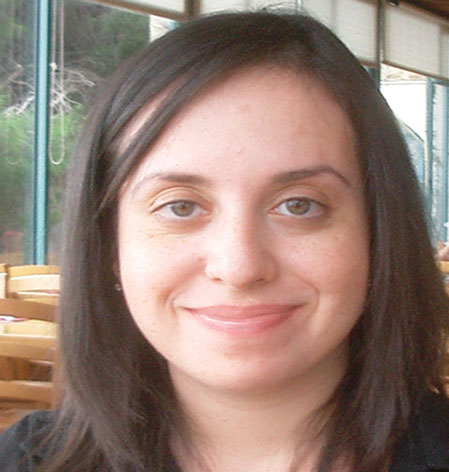
התחלתי ללמוד דף יומי כאשר קיבלתי במייל ממכון שטיינזלץ את הדפים הראשונים של מסכת ברכות במייל. קודם לא ידעתי איך לקרוא אותם עד שנתתי להם להדריך אותי. הסביבה שלי לא מודעת לעניין כי אני לא מדברת על כך בפומבי. למדתי מהדפים דברים חדשים, כמו הקשר בין המבנה של בית המקדש והמשכן לגופו של האדם (יומא מה, ע”א) והקשר שלו למשפט מפורסם שמופיע בספר ההינדי "בהגוד-גיתא”. מתברר שזה רעיון כלל עולמי ולא רק יהודי

Elena Arenburg
אלנה ארנבורג

נשר, ישראל

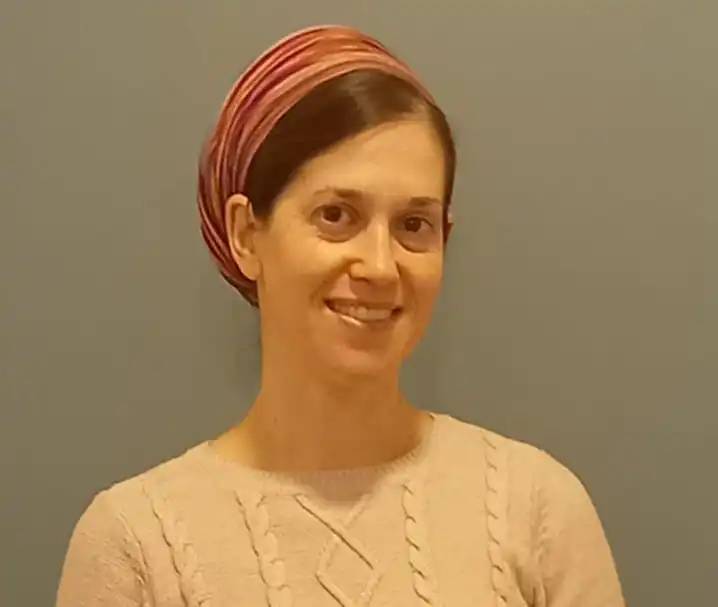
התחלתי ללמוד בשנת המדרשה במגדל עוז, בינתיים נהנית מאוד מהלימוד ומהגמרא, מעניין ומשמח מאוד!
משתדלת להצליח לעקוב כל יום, לפעמים משלימה קצת בהמשך השבוע.. מרגישה שיש עוגן מקובע ביום שלי והוא משמח מאוד!

Uriah Kesner
אוריה קסנר

חיפה , ישראל

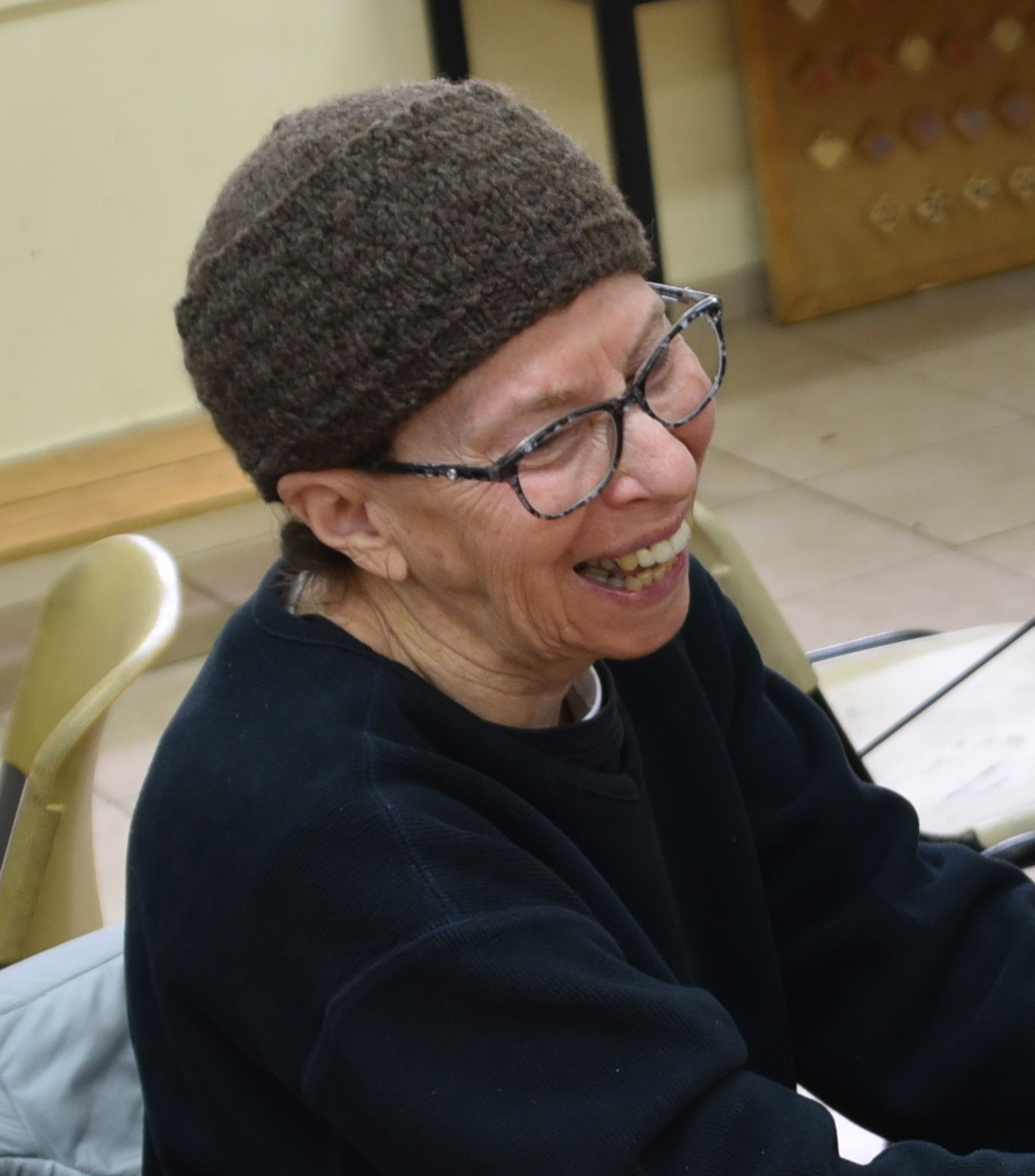
אחי, שלומד דף יומי ממסכת ברכות, חיפש חברותא ללימוד מסכת ראש השנה והציע לי. החברותא היתה מאתגרת טכנית ורוב הזמן נעשתה דרך הטלפון, כך שבסיום המסכת נפרדו דרכינו. אחי חזר ללמוד לבד, אבל אני כבר נכבשתי בקסם הגמרא ושכנעתי את האיש שלי להצטרף אלי למסכת ביצה. מאז המשכנו הלאה, ועכשיו אנחנו מתרגשים לקראתו של סדר נשים!

Shulamit Saban
שולמית סבן

נוקדים, ישראל

רבנית מישל הציתה אש התלמוד בלבבות בביניני האומה ואני נדלקתי. היא פתחה פתח ותמכה במתחילות כמוני ואפשרה לנו להתקדם בצעדים נכונים וטובים. הקימה מערך שלם שמסובב את הלומדות בסביבה תומכת וכך נכנסתי למסלול לימוד מעשיר שאין כמוה. הדרן יצר קהילה גדולה וחזקה שמאפשרת התקדמות מכל נקודת מוצא. יש דיבוק לומדות שמחזק את ההתמדה של כולנו. כל פניה ושאלה נענית בזריזות ויסודיות. תודה גם למגי על כל העזרה.

Sarah Aber
שרה אבר

נתניה, ישראל

התחלתי מעט לפני תחילת הסבב הנוכחי. אני נהנית מהאתגר של להמשיך להתמיד, מרגעים של "אהה, מפה זה הגיע!” ומהאתגר האינטלקטואלי

Eilat-Chen and Deller
אילת-חן ודלר

לוד, ישראל

כבר סיפרתי בסיום של מועד קטן.
הלימוד מאוד משפיעה על היום שלי כי אני לומדת עם רבנית מישל על הבוקר בזום. זה נותן טון לכל היום – בסיס למחשבות שלי .זה זכות גדול להתחיל את היום בלימוד ובתפילה. תודה רבה !

שרה-ברלוביץ
שרה ברלוביץ

ירושלים, ישראל

התחלתי ללמוד בעידוד שתי חברות אתן למדתי בעבר את הפרק היומי במסגרת 929.
בבית מתלהבים מאוד ובשבת אני לומדת את הדף עם בעלי שזה מפתיע ומשמח מאוד! לימוד הדף הוא חלק בלתי נפרד מהיום שלי. לומדת בצהריים ומחכה לזמן הזה מידי יום…

Miriam Wengerover
מרים ונגרובר

אפרת, ישראל

התחלתי ללמוד את הדף היומי מעט אחרי שבני הקטן נולד. בהתחלה בשמיעה ולימוד באמצעות השיעור של הרבנית שפרבר. ובהמשך העזתי וקניתי לעצמי גמרא. מאז ממשיכה יום יום ללמוד עצמאית, ולפעמים בעזרת השיעור של הרבנית, כל יום. כל סיום של מסכת מביא לאושר גדול וסיפוק. הילדים בבית נהיו חלק מהלימוד, אני משתפת בסוגיות מעניינות ונהנית לשמוע את דעתם.

Eliraz Blau
אלירז בלאו

מעלה מכמש, ישראל

ראיתי את הסיום הגדול בבנייני האומה וכל כך התרשמתי ורציתי לקחת חלק.. אבל לקח לי עוד כשנה וחצי )באמצע מסיכת שבת להצטרף..
הלימוד חשוב לי מאוד.. אני תמיד במרדף אחרי הדף וגונבת כל פעם חצי דף כשהילדים עסוקים ומשלימה אח”כ אחרי שכולם הלכו לישון..

Olga Mizrahi
אולגה מזרחי

ירושלים, ישראל

התחלתי ללמוד לפני 4.5 שנים, כשהודיה חברה שלי פתחה קבוצת ווטסאפ ללימוד דף יומי בתחילת מסכת סנהדרין. מאז לימוד הדף נכנס לתוך היום-יום שלי והפך לאחד ממגדירי הזהות שלי ממש.

Rosenberg Foundation
קרן רוזנברג

ירושלים, ישראל

התחלתי ללמוד דף יומי בסבב הקודם. זכיתי לסיים אותו במעמד המרגש של הדרן. בסבב הראשון ליווה אותי הספק, שאולי לא אצליח לעמוד בקצב ולהתמיד. בסבב השני אני לומדת ברוגע, מתוך אמונה ביכולתי ללמוד ולסיים. בסבב הלימוד הראשון ליוותה אותי חוויה מסויימת של בדידות. הדרן העניקה לי קהילת לימוד ואחוות נשים. החוויה של סיום הש”ס במעמד כה גדול כשנשים שאינן מכירות אותי, שמחות ומתרגשות עבורי , היתה חוויה מרוממת נפש

Ilanit Weil
אילנית ווייל

קיבוץ מגדל עוז, ישראל

התחלתי ללמוד בעידוד שתי חברות אתן למדתי בעבר את הפרק היומי במסגרת 929.
בבית מתלהבים מאוד ובשבת אני לומדת את הדף עם בעלי שזה מפתיע ומשמח מאוד! לימוד הדף הוא חלק בלתי נפרד מהיום שלי. לומדת בצהריים ומחכה לזמן הזה מידי יום…

Miriam Wengerover
מרים ונגרובר

אפרת, ישראל

הצטרפתי ללומדות בתחילת מסכת תענית. ההתרגשות שלי ושל המשפחה היתה גדולה מאוד, והיא הולכת וגוברת עם כל סיום שאני זוכה לו. במשך שנים רבות רציתי להצטרף ומשום מה זה לא קרה… ב”ה מצאתי לפני מספר חודשים פרסום של הדרן, ומיד הצטרפתי והתאהבתי. הדף היומי שינה את חיי ממש והפך כל יום- ליום של תורה. מודה לכן מקרב ליבי ומאחלת לכולנו לימוד פורה מתוך אהבת התורה ולומדיה.

Noa Rosen
נעה רוזן

חיספין רמת הגולן, ישראל

התחלתי ללמוד דף יומי שהתחילו מסכת כתובות, לפני 7 שנים, במסגרת קבוצת לימוד שהתפרקה די מהר, ומשם המשכתי לבד בתמיכת האיש שלי. נעזרתי בגמרת שטיינזלץ ובשיעורים מוקלטים.
הסביבה מאד תומכת ואני מקבלת המון מילים טובות לאורך כל הדרך. מאז הסיום הגדול יש תחושה שאני חלק מדבר גדול יותר.
אני לומדת בשיטת ה”7 דפים בשבוע” של הרבנית תרצה קלמן – כלומר, לא נורא אם לא הצלחת ללמוד כל יום, העיקר שגמרת ארבעה דפים בשבוע

Rachel Goldstein
רחל גולדשטיין

עתניאל, ישראל

התחלתי ללמוד לפני כשנתיים בשאיפה לסיים לראשונה מסכת אחת במהלך חופשת הלידה.
אחרי מסכת אחת כבר היה קשה להפסיק…

Noa Gallant
נעה גלנט

ירוחם, ישראל

התחלתי להשתתף בשיעור נשים פעם בשבוע, תכננתי ללמוד רק דפים בודדים, לא האמנתי שאצליח יותר מכך.
לאט לאט נשאבתי פנימה לעולם הלימוד .משתדלת ללמוד כל בוקר ומתחילה את היום בתחושה של מלאות ומתוך התכווננות נכונה יותר.
הלימוד של הדף היומי ממלא אותי בתחושה של חיבור עמוק לעם היהודי ולכל הלומדים בעבר ובהווה.

Neely Hayon
נילי חיון

אפרת, ישראל

סיום השס לנשים נתן לי מוטביציה להתחיל ללמוד דף יומי. עד אז למדתי גמרא בשבתות ועשיתי כמה סיומים. אבל לימוד יומיומי זה שונה לגמרי ופתאום כל דבר שקורה בחיים מתקשר לדף היומי.

Fogel Foundation
קרן פוגל

רתמים, ישראל

התחלתי ללמוד בשנת המדרשה במגדל עוז, בינתיים נהנית מאוד מהלימוד ומהגמרא, מעניין ומשמח מאוד!
משתדלת להצליח לעקוב כל יום, לפעמים משלימה קצת בהמשך השבוע.. מרגישה שיש עוגן מקובע ביום שלי והוא משמח מאוד!

Uriah Kesner
אוריה קסנר

חיפה , ישראל

התחלתי בסיום הש”ס, יצאתי באורות. נשברתי פעמיים, ובשתיהם הרבנית מישל עודדה להמשיך איפה שכולם בסבב ולהשלים כשאוכל, וכך עשיתי וכיום השלמתי הכל. מדהים אותי שאני לומדת כל יום קצת, אפילו בחדר הלידה, בבידוד או בחו”ל. לאט לאט יותר נינוחה בסוגיות. לא כולם מבינים את הרצון, בפרט כפמניסטית. חשה סיפוק גדול להכיר את המושגים וצורת החשיבה. החלום זה להמשיך ולהתמיד ובמקביל ללמוד איך מהסוגיות נוצרה והתפתחה ההלכה.

Weingarten Sherrington Foundation
קרן וינגרטן שרינגטון

מודיעין, ישראל

סוטה כב

שֶׁקָּרָא וְשָׁנָה וְלֹא שִׁימֵּשׁ תַּלְמִידֵי חֲכָמִים.

is one who read the Written Torah and learned the Mishna but did not serve Torah scholars in order to learn the reasoning behind the halakhot. Since he believes himself knowledgeable, he issues halakhic rulings, but due to his lack of understanding he rules erroneously and is therefore considered wicked. His cunning is in his public display of knowledge, which misleads others into considering him a true Torah scholar.

אִתְּמַר: קָרָא וְשָׁנָה וְלֹא שִׁימֵּשׁ תַּלְמִידֵי חֲכָמִים, רַבִּי אֶלְעָזָר אוֹמֵר: הֲרֵי זֶה עַם הָאָרֶץ. רַבִּי שְׁמוּאֵל בַּר נַחְמָנִי אָמַר: הֲרֵי זֶה בּוּר. רַבִּי יַנַּאי אוֹמֵר: הֲרֵי זֶה כּוּתִי.

It was stated: With regard to one who read the Written Torah and learned the Mishna but did not serve Torah scholars, Rabbi Elazar says: This person is an ignoramus. Rabbi Shmuel bar Naḥmani said: This person is a boor. Rabbi Yannai says: This person is comparable to a Samaritan, who follows the Written Torah but not the traditions of the Sages.

רַב אַחָא בַּר יַעֲקֹב אוֹמֵר: הֲרֵי זֶה מָגוֹשׁ. אָמַר רַב נַחְמָן בַּר יִצְחָק: מִסְתַּבְּרָא כְּרַב אַחָא בַּר יַעֲקֹב, דְּאָמְרִי אִינָשֵׁי: רָטֵין מָגוֹשָׁא וְלָא יָדַע מַאי אָמַר, תָּנֵי תַּנָּא וְלָא יָדַע מַאי אָמַר.

Rav Aḥa bar Ya’akov says: This person is comparable to a sorcerer [magosh], who uses his knowledge to mislead people. Rav Naḥman bar Yitzḥak said: It is reasonable to accept the opinion of Rav Aḥa bar Ya’akov, as people say proverbially: The sorcerer chants and does not know what he is saying; so too, the tanna teaches the Mishna and does not know what he is saying.

תָּנוּ רַבָּנַן: אֵיזֶהוּ עַם הָאָרֶץ? כֹּל שֶׁאֵינוֹ קוֹרֵא קְרִיאַת שְׁמַע שַׁחֲרִית וְעַרְבִית בְּבִרְכוֹתֶיהָ, דִּבְרֵי רַבִּי מֵאִיר. וַחֲכָמִים אוֹמְרִים: כֹּל שֶׁאֵינוֹ מַנִּיחַ תְּפִילִּין. בֶּן עַזַּאי אוֹמֵר: כֹּל שֶׁאֵין לוֹ צִיצִית בְּבִגְדוֹ. רַבִּי יוֹנָתָן בֶּן יוֹסֵף אָמַר: כֹּל שֶׁיֵּשׁ לוֹ בָּנִים וְאֵינוֹ מְגַדְּלָן לִלְמוֹד תּוֹרָה. אֲחֵרִים אוֹמְרִים: אֲפִילּוּ קוֹרֵא וְשׁוֹנֶה וְלֹא שִׁימֵּשׁ תַּלְמִידֵי חֲכָמִים — זֶהוּ עַם הָאָרֶץ.

§ The Sages taught: Who is an ignoramus [am ha’aretz]? It is anyone who does not recite Shema in the morning and evening with its blessings; this is the statement of Rabbi Meir. And the Rabbis say: It is anyone who does not don phylacteries. Ben Azzai says: It is anyone who does not have ritual fringes on his garment. Rabbi Yonatan ben Yosef said: It is anyone who has sons and does not raise them to study Torah. Aḥerim say: Even if one reads the Written Torah and learns the Mishna but does not serve Torah scholars, he is an ignoramus.

קָרָא וְלֹא שָׁנָה — הֲרֵי זֶה בּוּר, לֹא קָרָא וְלֹא שָׁנָה — עָלָיו הַכָּתוּב אוֹמֵר: ״וְזָרַעְתִּי אֶת בֵּית יִשְׂרָאֵל וְאֶת בֵּית יְהוּדָה זֶרַע אָדָם וְזֶרַע בְּהֵמָה״.

If one read the Written Torah but did not learn the Mishna, he is a boor. With regard to one who did not read and did not learn at all, the verse states: “Behold, the days come, says the Lord, and I will sow the house of Israel and the house of Judah with the seed of man, and with the seed of beast” (Jeremiah 31:26). One who has not studied at all is comparable to a beast.

״יְרָא אֶת ה׳ בְּנִי וָמֶלֶךְ עִם שׁוֹנִים אַל תִּתְעָרָב״, אָמַר רַבִּי יִצְחָק: אֵלּוּ שֶׁשּׁוֹנִים הֲלָכוֹת. פְּשִׁיטָא! מַהוּ דְּתֵימָא — שׁוֹנִין בְּחֵטְא, וְכִדְרַב הוּנָא. דְּאָמַר רַב הוּנָא: כֵּיוָן שֶׁעָבַר אָדָם עֲבֵירָה וְשָׁנָה בָּהּ — הוּתְּרָה לוֹ, קָא מַשְׁמַע לַן.

The verse states: “My son, fear the Lord and the king; and meddle not with those who are repeating” (Proverbs 24:21). Rabbi Yitzḥak says: These are individuals who repeatedly learn the halakhot but do not know the reasons behind them. The Gemara asks: Isn’t that obvious? How else could the verse be understood? The Gemara answers: He states this lest you say that the verse is referring to individuals who repeatedly commit sins, and this is in accordance with the words of Rav Huna, as Rav Huna says: Once a person committed a transgression and repeated it, in his eyes it became permitted for him. Since the verse could be interpreted in this manner, Rabbi Yitzḥak teaches us that the verse is referring to those who learn without understanding.

תָּנָא: הַתַּנָּאִים — מְבַלֵּי עוֹלָם. מְבַלֵּי עוֹלָם סָלְקָא דַּעְתָּךְ?! אָמַר רָבִינָא: שֶׁמּוֹרִין הֲלָכָה מִתּוֹךְ מִשְׁנָתָן. תַּנְיָא נָמֵי הָכִי, אָמַר רַבִּי יְהוֹשֻׁעַ: וְכִי מְבַלֵּי עוֹלָם הֵן? וַהֲלֹא מְיַישְּׁבֵי עוֹלָם הֵן, שֶׁנֶּאֱמַר: ״הֲלִיכוֹת עוֹלָם לוֹ״! אֶלָּא, שֶׁמּוֹרִין הֲלָכָה מִתּוֹךְ מִשְׁנָתָן.

It was taught in a baraita: The tanna’im, who recite the tannaitic sources by rote, are individuals who erode the world. The Gemara is puzzled by this statement: Could it enter your mind that they are individuals who erode the world? Ravina says: This statement is referring to those who issue halakhic rulings based on their knowledge of mishnayot. This is also taught in a baraita: Rabbi Yehoshua said: Are they individuals who erode the world? Aren’t they settling the world, as it is stated: “His ways [halikhot] are eternal” (Habakkuk 3:6)? The Sages read the term halikhot as halakhot, inferring that one who learns halakhot attains eternal life. Rather, this is referring to those who issue halakhic rulings based on their knowledge of mishnayot.

אִשָּׁה פְּרוּשָׁה וְכוּ׳. תָּנוּ רַבָּנַן: בְּתוּלָה צַלְיָינִית, וְאַלְמָנָה שׁוֹבָבִית, וְקָטָן שֶׁלֹּא כָּלוּ לוֹ חֳדָשָׁיו — הֲרֵי אֵלּוּ מְבַלֵּי עוֹלָם.

§ The mishna states that an abstinent woman is among those who erode the world. The Sages taught: A maiden who prays constantly, and a neighborly [shovavit] widow who constantly visits her neighbors, and a child whose months of gestation were not completed, all these are people who erode the world.

אִינִי? וְהָאָמַר רַבִּי יוֹחָנָן: לָמַדְנוּ יִרְאַת חֵטְא מִבְּתוּלָה, וְקִיבּוּל שָׂכָר מֵאַלְמָנָה. יִרְאַת חֵטְא מִבְּתוּלָה — דְּרַבִּי יוֹחָנָן שַׁמְעַהּ לְהַהִיא בְּתוּלָה דְּנָפְלָה אַאַפַּהּ וְקָאָמְרָה: רִבּוֹנוֹ שֶׁל עוֹלָם, בָּרָאתָ גַּן עֵדֶן וּבָרָאתָ גֵּיהִנָּם, בָּרָאתָ צַדִּיקִים וּבָרָאתָ רְשָׁעִים. יְהִי רָצוֹן מִלְּפָנֶיךָ שֶׁלֹּא יִכָּשְׁלוּ בִּי בְּנֵי אָדָם.

The Gemara asks: Is that so? But didn’t Rabbi Yoḥanan say: We learned the meaning of fear of sin from a maiden, and the significance of receiving divine reward from a widow. The meaning of fear of sin can be learned from a maiden, as Rabbi Yoḥanan heard a certain maiden who fell on her face in prayer, and she was saying: Master of the Universe, You created the Garden of Eden and You created Gehenna, You created the righteous and You created the wicked. May it be Your will that men shall not stumble because of me and consequently go to Gehenna.

קִיבּוּל שָׂכָר מֵאַלְמָנָה — דְּהָהִיא אַלְמָנָה דַּהֲוַאי בֵּי כְנִישְׁתָּא בְּשִׁיבָבוּתַהּ. כׇּל יוֹמָא הֲוָת אָתְיָא וּמְצַלָּה בֵּי מִדְרְשֵׁיהּ דְּרַבִּי יוֹחָנָן. אֲמַר לַהּ: בִּתִּי, לֹא בֵּית הַכְּנֶסֶת בְּשִׁיבָבוּתִיךְ? אֲמַרָה לֵיהּ: רַבִּי, וְלֹא שְׂכַר פְּסִיעוֹת יֵשׁ לִי?

The significance of receiving divine reward can be learned from a widow, as there was a certain widow in whose neighborhood there was a synagogue, and despite this every day she went and prayed in the study hall of Rabbi Yoḥanan. Rabbi Yoḥanan said to her: My daughter, is there not a synagogue in your neighborhood? She said to him: My teacher, don’t I attain a reward for all the steps I take while walking to pray in the distant study hall?

כִּי קָאָמַר, כְּגוֹן יוֹחָנִי בַּת רְטִיבִי.

The Gemara answers: When it is stated in the baraita that a maiden who prays constantly is one who erodes the world, it is referring, for example, to Yoḥani bat Retivi, who constantly prayed and pretended to be saintly but actually engaged in sorcery.

מַאי ״קָטָן שֶׁלֹּא כָּלוּ לוֹ חֳדָשָׁיו״? הָכָא תַּרְגִּימוּ: זֶה תַּלְמִיד חָכָם הַמְבַעֵט בְּרַבּוֹתָיו.

The Gemara asks: What is the meaning of a child whose months of gestation were not completed? Here, in Babylonia, they interpreted this as alluding to an imperfect, incomplete Torah scholar who scorns his teachers.

רַבִּי אַבָּא אָמַר: זֶה תַּלְמִיד שֶׁלֹּא הִגִּיעַ לְהוֹרָאָה וּמוֹרֶה. דְּאָמַר רַבִּי אֲבָהוּ אָמַר רַב הוּנָא אָמַר רַב: מַאי דִּכְתִיב ״כִּי רַבִּים חֲלָלִים הִפִּילָה וַעֲצוּמִים כׇּל הֲרוּגֶיהָ״. ״כִּי רַבִּים חֲלָלִים הִפִּילָה״ — זֶה תַּלְמִיד חָכָם שֶׁלֹּא הִגִּיעַ לְהוֹרָאָה וּמוֹרֶה. ״וַעֲצוּמִים כׇּל הֲרוּגֶיהָ״ — זֶה תַּלְמִיד חָכָם שֶׁהִגִּיעַ לְהוֹרָאָה וְאֵינוֹ מוֹרֶה.

Rabbi Abba says: This is a student who has not yet attained the ability to issue halakhic rulings, and yet he issues rulings and is therefore compared to a prematurely born child. This is as Rabbi Abbahu says that Rav Huna says that Rav says: What is the meaning of that which is written: “For she has cast down many wounded; and a mighty host are all her slain” (Proverbs 7:26)? “For she has cast down [hippila] many wounded”; this is referring to a Torah scholar who has not yet attained the ability to issue rulings, and yet he issues rulings. “And a mighty host [ve’atzumim] are all her slain”; this is referring to a Torah scholar who has attained the ability to issue rulings, but does not issue rulings and prevents the masses from learning Torah properly.

וְעַד כַּמָּה — עַד אַרְבְּעִין שְׁנִין. אִינִי? וְהָא רַבָּה אוֹרִי! בְּשָׁוִין.

And until when is it considered too premature for a scholar to issue halakhic rulings? It is until forty years. The Gemara asks: Is that so? But didn’t Rabba issue rulings, even though he lived for only forty years? The Gemara answers: It is permitted for a scholar who has not studied for so long to issue rulings when his knowledge reaches the level of the foremost scholar in his city and they are equals.

וּמַכּוֹת פְּרוּשִׁין וְכוּ׳. תָּנוּ רַבָּנַן, שִׁבְעָה פְּרוּשִׁין הֵן: פָּרוּשׁ שִׁיכְמִי, פָּרוּשׁ נִקְפִּי, פָּרוּשׁ קִיזַּאי, פָּרוּשׁ מְדוּכְיָא, פָּרוּשׁ ״מָה חוֹבָתִי וְאֶעֱשֶׂנָּה״, פָּרוּשׁ מֵאַהֲבָה, פָּרוּשׁ מִיִּרְאָה.

§ It states in the mishna: And those who injure themselves out of false abstinence [perushin] are people who erode the world. The Sages taught: There are seven pseudo-righteous people who erode the world: The righteous of Shechem, the self-flagellating righteous, the bloodletting righteous, the pestle-like righteous, the righteous who say: Tell me what my obligation is and I will perform it, those who are righteous due to love, and those who are righteous due to fear.

פָּרוּשׁ שִׁיכְמִי — זֶה הָעוֹשֶׂה מַעֲשֵׂה שְׁכֶם. פָּרוּשׁ נִקְפִּי — זֶה הַמְנַקֵּיף אֶת רַגְלָיו. פָּרוּשׁ קִיזַּאי — אָמַר רַב נַחְמָן בַּר יִצְחָק: זֶה הַמַּקִּיז דָּם לַכְּתָלִים. פָּרוּשׁ מְדוּכְיָא — אָמַר רַבָּה בַּר שֵׁילָא: דִּמְשַׁפַּע כִּי מְדוּכְיָא.

The Gemara explains: The righteous of Shechem [shikhmi]; this is one who performs actions comparable to the action of the people of Shechem, who agreed to circumcise themselves for personal gain (see Genesis, chapter 34); so too, he behaves righteously only in order to be honored. The self-flagellating righteous; this is one who injures his feet, as he walks slowly, dragging his feet on the ground in an attempt to appear humble, and injures his feet in the process. The bloodletting righteous; Rav Naḥman bar Yitzḥak says that this is one who lets blood by banging his head against the walls because he walks with his eyes shut, ostensibly out of modesty. The pestle-like righteous; Rabba bar Sheila says that this is one who walks bent over like the pestle of a mortar.

פָּרוּשׁ ״מָה חוֹבָתִי וְאֶעֱשֶׂנָּה״. הָא מְעַלְּיוּתָא הִיא! אֶלָּא דְּאָמַר ״מָה חוֹבָתִי תּוּ וְאֶעֱשֶׂנָּה״.

With regard to the righteous one who says: Tell me what my obligation is and I will perform it, the Gemara asks: Isn’t this virtuous behavior, as he desires to be aware of his obligations? Rather, this is referring to one who says: Tell me what further obligations are incumbent upon me and I will perform them, indicating that he fulfills all of his mitzvot perfectly and therefore seeks additional obligations.

פָּרוּשׁ מֵאַהֲבָה, פָּרוּשׁ מִיִּרְאָה. אֲמַרוּ לֵיהּ אַבָּיֵי וְרָבָא לְתַנָּא: לָא תִּיתְּנֵי פָּרוּשׁ מֵאַהֲבָה פָּרוּשׁ מִיִּרְאָה, דְּאָמַר רַב יְהוּדָה אָמַר רַב: לְעוֹלָם יַעֲסוֹק אָדָם בַּתּוֹרָה וּבְמִצְוֹת אֲפִילּוּ שֶׁלֹּא לִשְׁמָהּ, שֶׁמִּתּוֹךְ שֶׁלֹּא לִשְׁמָהּ בָּא לִשְׁמָהּ.

The baraita also includes in the list of pseudo-righteous people those who are righteous due to love and those who are righteous due to fear, i.e., one who performs mitzvot due to love of their reward or due to fear of punishment. Abaye and Rava said to the tanna who transmitted this baraita: Do not teach in the baraita: Those who are righteous due to love and those who are righteous due to fear, as Rav Yehuda says that Rav says: A person should always engage in Torah study and in performance of the mitzvot even if he does not do so for their own sake, as through performing them not for their own sake, one comes to perform them for their own sake.

אָמַר רַב נַחְמָן בַּר יִצְחָק: דְּמִטַּמְּרָא מִטַּמְּרָא, וּדְמִגַּלְּיָא מִגַּלְּיָא, בֵּי דִינָא רַבָּה לִיתְפְּרַע מֵהָנֵי דְּחָפוּ גּוּנְדֵי. אֲמַר לַהּ יַנַּאי מַלְכָּא לִדְבֵיתֵיהּ: אַל תִּתְיָרְאִי מִן הַפְּרוּשִׁין, וְלֹא מִמִּי שֶׁאֵינָן פְּרוּשִׁין, אֶלָּא מִן הַצְּבוּעִין שֶׁדּוֹמִין לִפְרוּשִׁין, שֶׁמַּעֲשֵׂיהֶן כְּמַעֲשֵׂה זִמְרִי וּמְבַקְּשִׁין שָׂכָר כְּפִנְחָס.

Rav Naḥman bar Yitzḥak said: That which is hidden is hidden, and that which is revealed is revealed, but in Heaven everything is known, and the great court in Heaven will exact payment from those who wear the cloak of the righteous but are in fact unworthy. The Gemara relates: King Yannai said to his wife before he died: Do not be afraid of the Pharisees [perushin], and neither should you fear from those who are not Pharisees, i.e., the Sadducees; rather, beware of the hypocrites who appear like Pharisees, as their actions are like the act of the wicked Zimri and they request a reward like that of the righteous Pinehas (see Numbers, chapter 25).

מַתְנִי׳ רַבִּי שִׁמְעוֹן אוֹמֵר: אֵין זְכוּת תּוֹלָה בְּמַיִם הַמָּרִים. וְאִם אַתָּה אוֹמֵר הַזְּכוּת תּוֹלָה בַּמַּיִם הַמְאָרְרִין — מַדְהֶה אַתָּה אֶת הַמַּיִם בִּפְנֵי כׇּל הַנָּשִׁים הַשּׁוֹתוֹת. וּמוֹצִיא אַתָּה שֵׁם רַע עַל הַטְּהוֹרוֹת שֶׁשָּׁתוּ, שֶׁאוֹמְרִים: טְמֵאוֹת הֵן, אֶלָּא שֶׁתָּלְתָה לָהֶן זְכוּת. רַבִּי אוֹמֵר: הַזְּכוּת תּוֹלָה בְּמַיִם הַמְאָרְרִים, וְאֵינָהּ יוֹלֶדֶת וְאֵינָהּ מַשְׁבַּחַת, אֶלָּא מִתְנַוְּונָה וְהוֹלֶכֶת, לְסוֹף הִיא מֵתָה בְּאוֹתָהּ מִיתָה.

MISHNA: Rabbi Shimon says: Merit does not delay the punishment of the bitter water of a sota, and if you say that merit does delay the punishment of the water that causes the curse, as stated earlier by the Rabbis (20a), you weaken [madhe] the power of the bitter water before all the women who drink the water, who will no longer be afraid of it, as they will rely on their merit to save them. And you defame the untainted women who drank the water and survived, as people say: They are defiled but it is their merit that delayed the punishment for them. Rabbi Yehuda HaNasi says: Merit delays the punishment of the water that causes the curse, but a woman whose punishment is delayed does not give birth and does not flourish; rather, she progressively deteriorates. Ultimately she dies by the same death as a sota who dies immediately.

נִטְמֵאת מִנְחָתָהּ עַד שֶׁלֹּא קָדְשָׁה בִּכְלִי — הֲרֵי הִיא כְּכׇל הַמְּנָחוֹת, וְתִפָּדֶה. וְאִם מִשֶּׁקָּדְשָׁה בִּכְלִי — הֲרֵי הִיא כְּכׇל הַמְּנָחוֹת, וְתִשָּׂרֵף. וְאֵלּוּ שֶׁמִּנְחוֹתֵיהֶן נִשְׂרָפוֹת:

§ If the meal-offering of the sota is rendered impure before it has been sanctified in the service vessel, its status is like that of all the other meal-offerings that are rendered impure before being sanctified in a service vessel, and it is redeemed. But if it is rendered impure after it has been sanctified in the service vessel, its status is like that of all the other meal-offerings that are rendered impure after being sanctified in a service vessel, and it is burned. And these are the sota women whose meal-offerings are burned if they have already been sanctified in a service vessel:

רוצה לעקוב אחרי התכנים ולהמשיך ללמוד?

ביצירת חשבון עוד היום ניתן לעקוב אחרי ההתקדמות שלך, לסמן מה למדת, ולעקוב אחרי השיעורים שמעניינים אותך.

לנקות את כל הפריטים מהרשימה?

פעולה זו תסיר את כל הפריטים בחלק זה כולל ההתקדמות וההיסטוריה. שימי לב: לא ניתן לשחזר פעולה זו.

ביטול
מחיקה

האם את/ה בטוח/ה שברצונך למחוק פריט זה?

תאבד/י את כל ההתקדמות או ההיסטוריה הקשורות לפריט זה.

ביטול
מחיקה